
When it comes to evaluating the performance and safety of a car, brakes are one of the most vital components. A powerful engine or luxurious interior means little if a vehicle cannot stop effectively when required.
Brake performance is not only essential in emergencies but also plays a major role in routine driving, especially under demanding conditions like descending steep hills, navigating tight turns, or driving in traffic-laden environments.
Over time, however, some vehicles show a phenomenon known as brake fade—a condition where braking effectiveness deteriorates due to heat buildup, worn components, or design limitations. This issue becomes especially apparent in prolonged or aggressive driving scenarios, such as track days or spirited driving in mountainous terrain.
On the flip side, certain vehicles are engineered with highly capable brake systems that maintain consistent performance even under stress.
These cars feature better rotors, pads, cooling designs, and calibration that keep their braking systems functioning at a high level throughout the life of the vehicle or during extended use. The ability to resist brake fade significantly boosts driver confidence and ensures safer, more predictable driving dynamics.
In this article, we’ll take a comparative look at five cars known for having robust, long-lasting brake performance and five others that tend to suffer from brake fade or deterioration over time.
This isn’t necessarily about overall vehicle quality, some great cars suffer from poor brake heat management, while others might not be exceptional in all areas but stand out in this specific domain. Our goal is to help enthusiasts, daily drivers, and safety-conscious buyers make informed decisions about vehicles based on how their brake systems perform and age.
Each vehicle will be discussed in terms of real-world performance, known user feedback, mechanical design, and how well the brakes handle repeated use. Whether you’re shopping for a new car or just curious about automotive design, understanding brake performance can give you a clearer picture of what makes a car truly dependable on the road.
Also Read: 5 Cars With Brakes That Last 100k Miles and 5 That Wear Prematurely
5 Cars with Brakes That Remain Strong Over Time
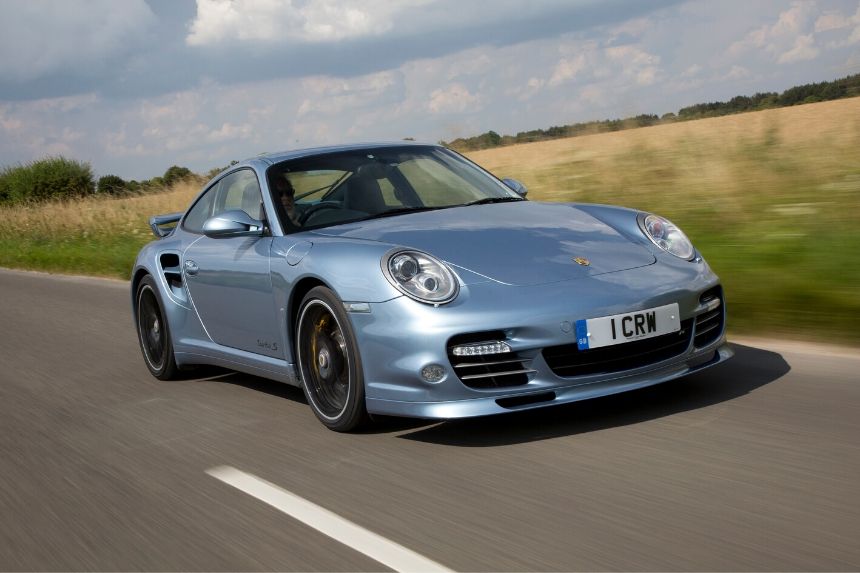
1. Porsche 911 (992 Generation)
The Porsche 911 has long stood as the benchmark for everyday sports car excellence, and the 992 generation elevates this legacy even further. From its impeccable chassis dynamics to its world-class powertrain, the 911 is engineered with a level of precision rarely matched.
One of the most unsung aspects of the car’s brilliance, however, lies in its braking system. Porsche’s decision to apply motorsport-grade brake design in a road car results in exceptional durability, fade resistance, and long-term reliability. This isn’t just about having large rotors and calipers—it’s about how these components work harmoniously with the car’s aerodynamics, weight distribution, and electronics.
The 911’s brakes are designed for both comfort and brutal performance. Even under hard driving, the system maintains an impressively linear pedal feel. Porsche uses high-performance brake pads and massive vented rotors paired with aluminum multi-piston calipers to offer top-tier stopping power.
The secret, though, lies in the vehicle’s intelligent brake cooling system. Air intakes and strategically designed ducts ensure that the rotors are constantly bathed in airflow, reducing the risk of heat soak, which is a key contributor to brake fade. This makes the 911 equally competent during a spirited backroad blast or a hot-lap session on a racetrack.
One of the hallmarks of the 911’s braking excellence is its resistance to degradation over time. Owners report that even after years of use, the car’s braking feel and performance remain largely unchanged, provided the system is properly maintained.
This is no small feat in the world of performance cars, where aggressive driving often leads to early rotor warping, glazing, and fluid breakdown. Porsche’s optional PCCB (Porsche Ceramic Composite Brakes) system takes things even further, offering not only fade resistance but also incredibly low wear and reduced unsprung weight for improved handling.
The braking system also benefits from Porsche’s commitment to electronic precision. Systems like Porsche Stability Management (PSM) and brake pre-fill technology work silently in the background, always ensuring that the brakes are ready for sudden stops. These subtle interventions don’t just increase safety—they also help preserve the mechanical integrity of the braking system by optimizing engagement during emergencies, thus avoiding unnecessary heat buildup or excessive wear.
In sum, the Porsche 911 (992) is not just a performance icon because of its engine or handling—it’s a holistic machine. Its braking system is one of the most durable and fade-resistant available in any production sports car. Whether you’re on your daily commute or carving corners at high speed, the 911 inspires total confidence with brakes that perform as consistently at mile 1 as they do at mile 100,000.
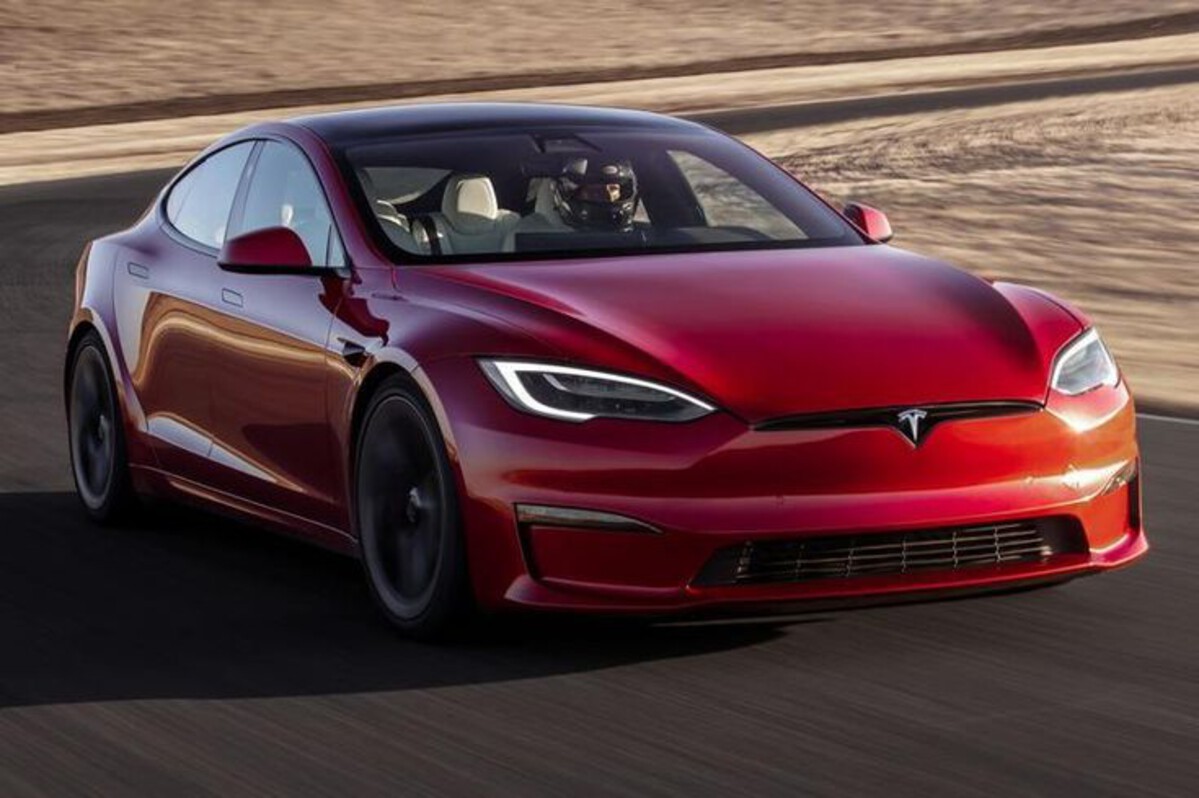
2. Tesla Model S Plaid
The Tesla Model S Plaid redefines what electric vehicles are capable of—not just in terms of acceleration, but also in stopping power. While early iterations of the Model S were criticized for brake performance that lagged behind their immense acceleration capabilities, the Plaid version addresses this with comprehensive hardware and software improvements.
Equipped with massive rotors, multi-piston calipers, and advanced cooling measures, the Plaid now offers a braking experience that can confidently match its breathtaking straight-line performance.
One of Plaid’s key advantages comes from its regenerative braking system, which significantly reduces the reliance on physical friction brakes. During regular driving, regenerative braking captures kinetic energy and slows the car with magnetic resistance.
This means that in everyday use, the traditional brakes are only engaged minimally, leading to drastically lower wear rates on pads and rotors. Over time, this passive protection means the brake system remains in better condition than it would in a traditional gasoline-powered vehicle.
But Tesla didn’t stop at hardware; they leveraged their software prowess to enhance the braking experience as well. Dynamic brake blending, updated via over-the-air updates, ensures smooth transitions between regen and mechanical braking. As the car learns driving patterns, the software adapts braking strength for optimal performance and safety.
Tesla also monitors brake system temperature and usage data in real time, allowing for predictive cooling behaviors and more efficient energy management—all of which improve brake consistency.
On the track or during hard driving, the Plaid’s brake system has been tested repeatedly and shows notable improvements in fade resistance compared to earlier Model S versions.
Although still heavier than most performance cars, Tesla’s use of carbon-sleeved rotors and the option for a high-performance ceramic brake kit allows the Plaid to maintain its braking composure, even after sustained aggressive use. Track enthusiasts who initially raised concerns about brake overheating have found the upgraded systems more than satisfactory.
For long-term ownership, the Tesla Model S Plaid offers one of the most lowest-maintenance yet high-performing brake systems in its segment. Thanks to reduced component wear through regen braking, intelligent software calibration, and high-end materials, the brakes remain responsive and strong year after year. It’s a compelling example of how EVs can excel in performance beyond just acceleration.
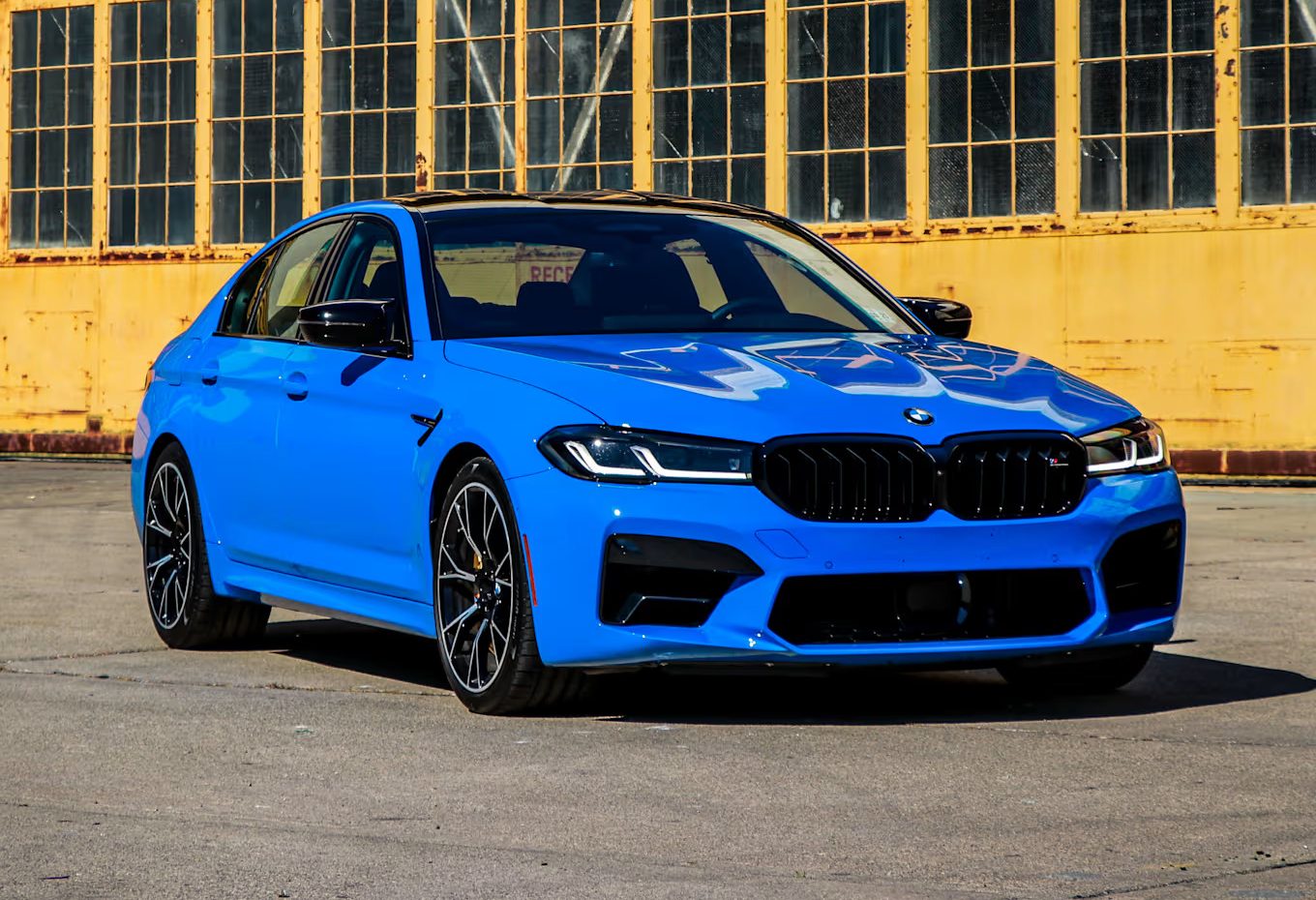
3. BMW M5 Competition (F90)
The BMW M5 Competition (F90) is a study in balance—combining the practicality of a luxury sedan with the heart and soul of a high-performance sports car. One critical area where this duality shines is the car’s braking system.
The F90 M5 comes with large, ventilated and cross-drilled rotors, six-piston front calipers, and performance pads designed to handle repeated high-speed stops without losing bite. Whether you’re charging down the Autobahn or cornering hard on a country road, the brakes remain sharp and trustworthy.
Fade resistance in the M5 Competition is particularly impressive given the vehicle’s weight and power. With over 600 horsepower under the hood, rapid deceleration is essential, and the M5 delivers with confidence.
BMW engineers designed an advanced cooling architecture that directs airflow across the rotors and even included optional carbon-ceramic brakes for those who desire the ultimate in thermal management. Under repeated high-load scenarios, this setup shows remarkable endurance, maintaining braking force lap after lap with only minimal decline.
What truly distinguishes the M5 Competition’s brakes is the pedal modulation and feedback. The pedal remains firm, linear, and predictable under all conditions—traits that are especially important during emergency stops or spirited driving.
Electronic assistance systems like Dynamic Stability Control (DSC) and Anti-lock Braking System (ABS) are calibrated not just for safety but for enhancing driving feel. This smart integration prevents lock-up and reduces fade by distributing braking forces efficiently across all four wheels.
In long-term use, the M5’s brakes have proven to be incredibly durable. Owners who regularly push their cars report that the factory components—pads, rotors, and fluid—hold up much longer than those of similar high-performance sedans. Even with aggressive use, the maintenance intervals remain reasonable, and the cost of replacements is balanced by the system’s reliability and consistent performance.
Ultimately, the M5 Competition is a car engineered to stop as well as it goes—and it goes very fast. The strength, consistency, and endurance of its braking system make it a standout not just in the luxury segment, but among all high-powered vehicles. It’s a system that invites confidence whether you’re commuting, cruising, or carving up corners.
4. Chevrolet Corvette C8
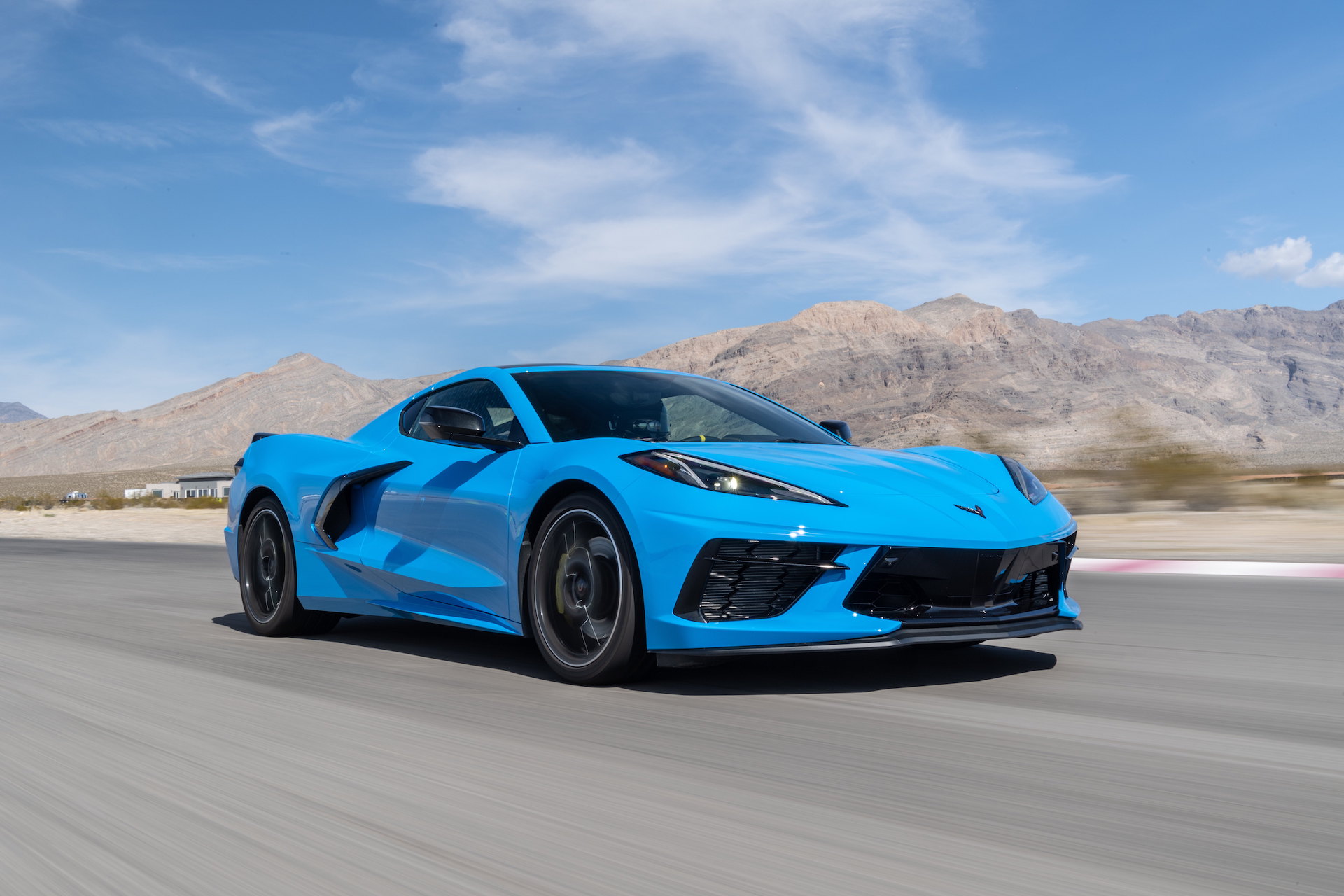
The eighth-generation Chevrolet Corvette—known as the C8—represents a dramatic shift in design, moving from a traditional front-engine layout to a mid-engine configuration. This change significantly altered the car’s dynamics, including how it brakes. Fortunately, Chevrolet rose to the challenge with a braking system that’s not just competent, but exceptional, especially given the vehicle’s price point. The C8’s large rotors, four- or six-piston calipers, and track-tested pad compounds offer consistent and potent braking performance.
One of the key benefits of the C8’s mid-engine layout is improved weight distribution, which naturally aids in braking stability. The car doesn’t nose-dive as much as front-heavy designs, allowing for more even brake force across all four tires. This enhances the confidence and effectiveness of the system, especially in emergency stops. In addition, the car includes built-in brake cooling ducts that channel airflow directly to the rotors, dramatically reducing heat buildup during high-load driving.
Track users report that the C8 performs admirably under repeated heavy braking. Brake fade is minimal, and the system recovers quickly during cooldown periods. The car also includes advanced brake-by-wire technology, which simulates hydraulic brake feel while providing consistent pedal response regardless of heat or pad wear. This system eliminates traditional issues like pedal softening after repeated stops, making it ideal for high-performance scenarios.
Chevrolet has also ensured that the braking system remains durable over the long term. The standard components are made from high-quality materials that resist warping and glazing. Even owners who drive their Corvettes hard—on tracks, canyons, or long road trips—report excellent longevity with minimal maintenance. The optional Z51 Performance Package further enhances braking capabilities with larger rotors and upgraded pads, pushing fade resistance to even higher levels.
In essence, the Corvette C8 delivers exotic-car stopping power without exotic-car price tags or reliability concerns. The brake system is robust, efficient, and reliable, making it a core component of what makes the C8 such a transformative performance vehicle. It’s a case where American engineering meets supercar performance—and nails it.
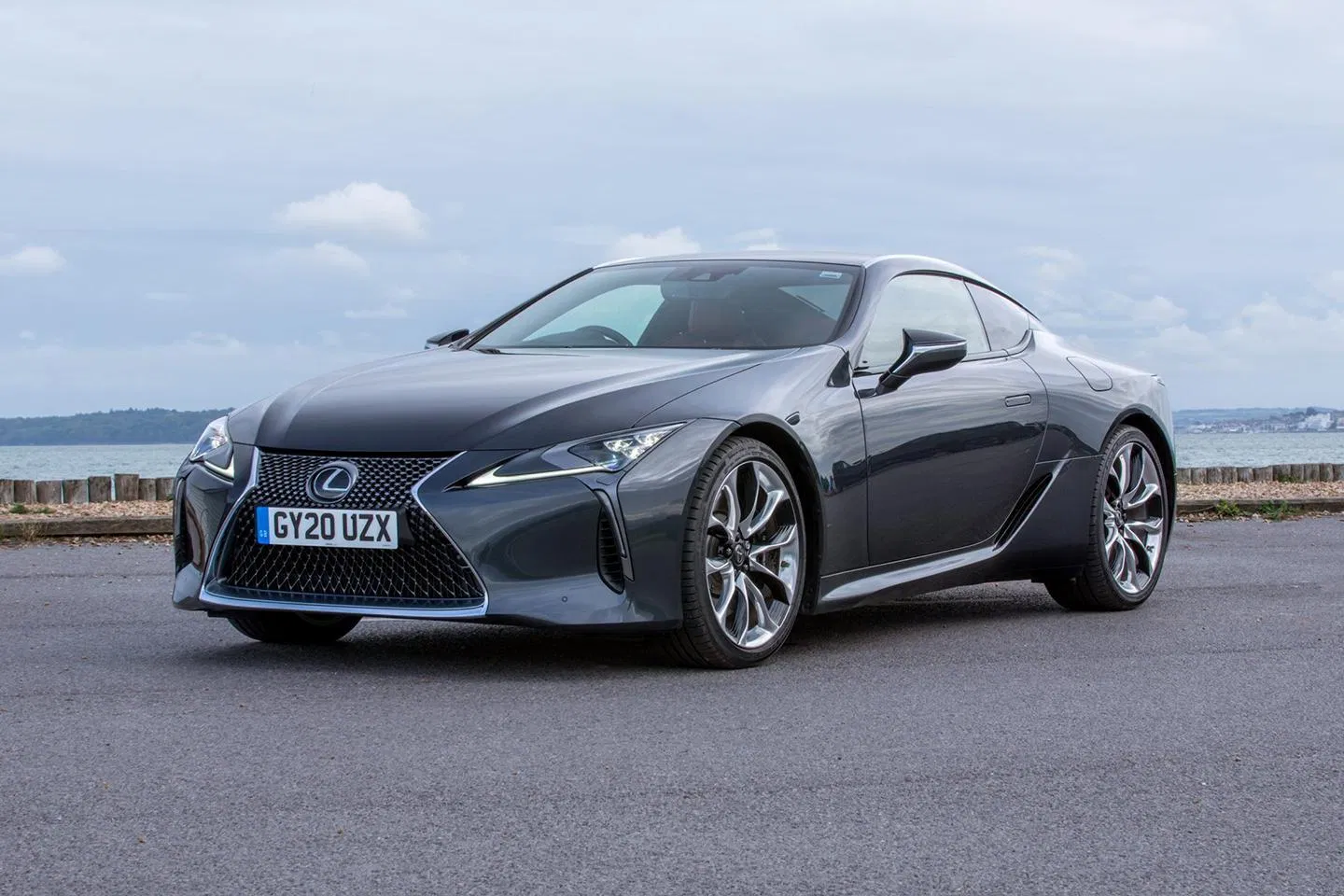
5. Lexus LC 500
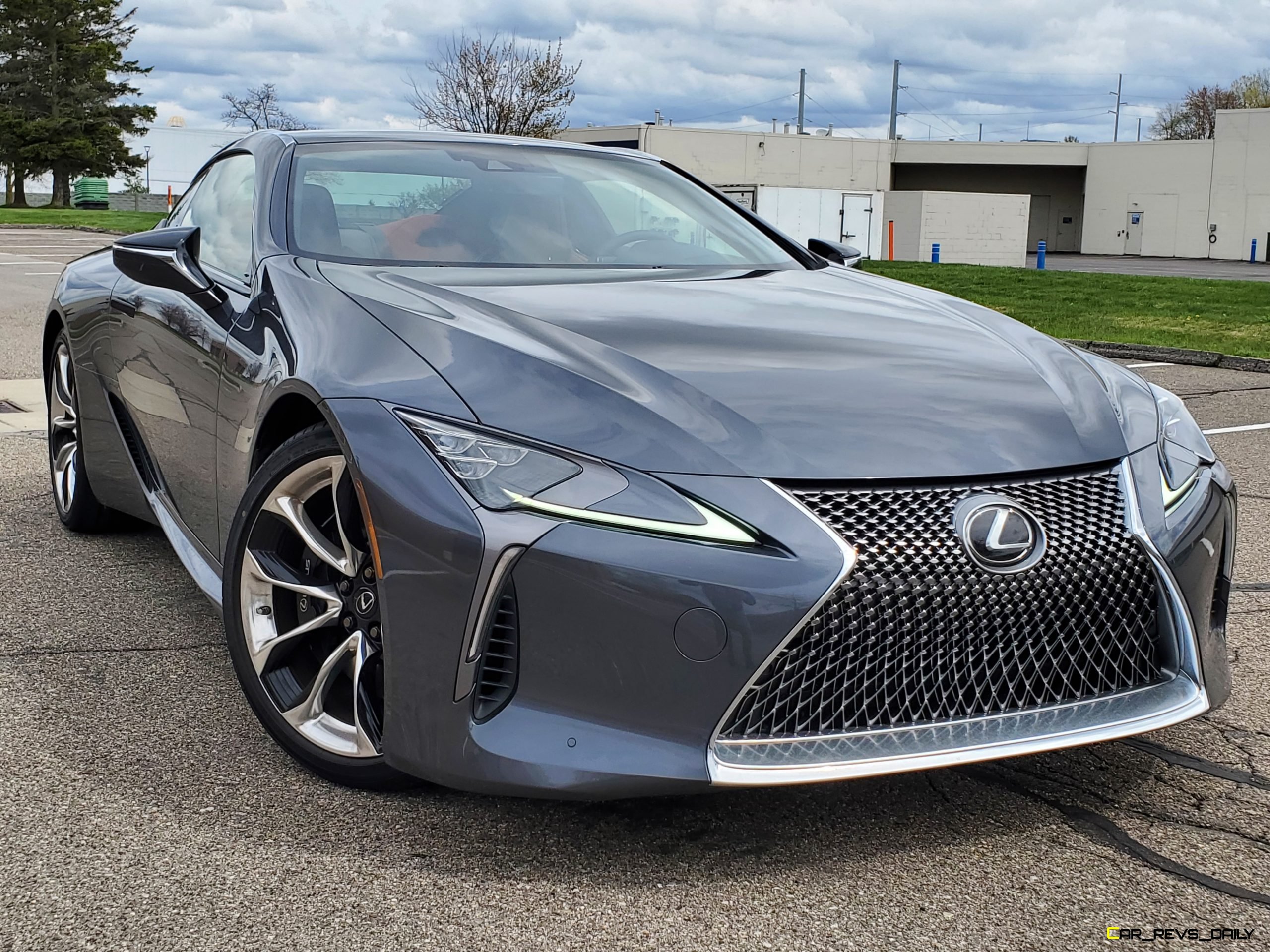
The Lexus LC 500 is a masterclass in blending performance with luxury, and its braking system is a quiet triumph in this balance. While not a dedicated track machine like some of the other cars on this list, the LC 500 features a braking system that holds its own remarkably well under spirited conditions. With massive ventilated rotors, aluminum multi-piston calipers, and advanced electronics, Lexus has engineered a setup that delivers both stopping power and refined smoothness.
What makes the LC 500’s brakes especially impressive is their thermal stability. Even when driven aggressively, the brakes exhibit minimal fade. Lexus has employed airflow design to help manage rotor temperature, allowing for consistent performance even when driving down long, winding descents. The car’s intelligent ABS and brake-force distribution systems also ensure that every stop is controlled and balanced, further contributing to the longevity and feel of the system.
Pedal feel in the LC 500 is a point of praise from nearly all reviewers and owners. The car delivers firm, progressive braking with no vagueness, which is surprising for a vehicle often classified as a grand tourer rather than a sports car.
Lexus engineers have tuned the braking response meticulously, allowing drivers to modulate stopping power with high precision. This is particularly important in wet or variable conditions, where consistent feedback can prevent skidding or brake lockup.
Over time, the LC 500’s brake components exhibit excellent wear characteristics. The rotors resist warping, and the pads hold up for tens of thousands of miles without losing bite. Maintenance is straightforward, and Lexus’ legendary build quality ensures that issues like fluid leaks or sensor malfunctions are rare.
For owners seeking a car that can deliver performance without the stress of frequent repairs or part replacements, the LC 500 offers tremendous value.
In total, the Lexus LC 500’s brakes represent an ideal blend of reliability, effectiveness, and refinement. It’s a vehicle designed to thrill without overwhelming the driver, and the braking system is central to that mission. Whether on a casual drive or in an enthusiastic weekend sprint, the LC 500 brings confidence and control to every stop, proving that you don’t need to sacrifice luxury for performance.
5 Cars with Brake Fade Over Time
1. Toyota 86 / Subaru BRZ (First Generation)
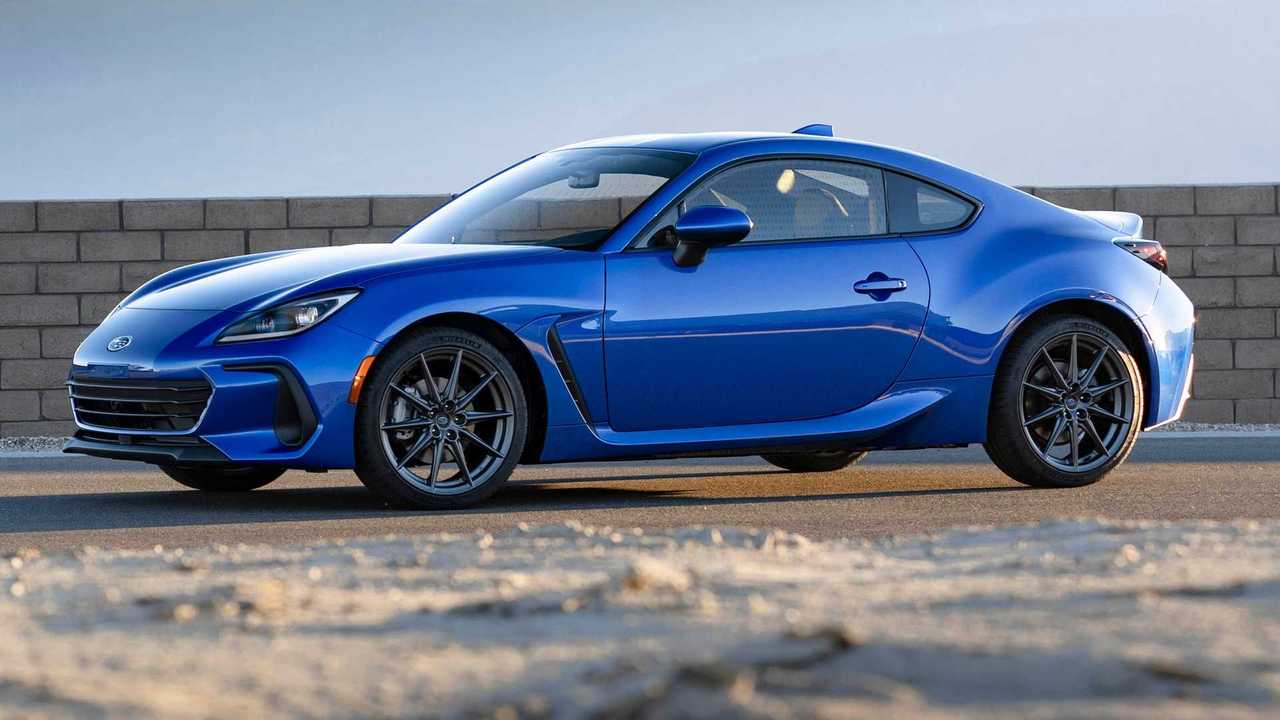
The Toyota 86 and Subaru BRZ, both results of a collaborative effort between Toyota and Subaru, were designed to bring back the joy of lightweight, rear-wheel-drive sports cars. These vehicles earned high praise for their chassis balance, precise steering, and driver engagement.
However, the first-generation models also came with a glaring weakness in the form of an underwhelming braking system. For casual city use and everyday commutes, the brakes perform adequately. But when pushed beyond that, particularly in spirited driving or on a track, they begin to show serious signs of brake fade.
Brake fade typically starts with a loss of pedal firmness and a subtle increase in stopping distances. In the case of the 86/BRZ, this process is quick and pronounced. The relatively small rotors and basic single- or dual-piston calipers are not well suited to handle high heat generated by repeated or aggressive braking.
Enthusiasts frequently report soft pedal feel and, in more extreme situations, a temporary loss of braking effectiveness during track sessions or downhill driving. This is a major drawback for a car otherwise celebrated for its playful dynamics.
Part of the issue lies in the stock pad material. Designed for comfort and low dust, the OEM brake pads do not have the heat resistance necessary for aggressive driving. They begin to glaze quickly under stress, resulting in reduced friction and increased pedal travel.
Without sufficient brake cooling ducts or heat shielding in the base design, the system overheats easily and cools slowly, compounding the fade problem over time. Even on backroads with frequent stops, drivers notice a marked decrease in confidence after just a few hard applications.
This limitation has pushed many owners toward aftermarket upgrades. Swapping to performance brake pads, stainless steel lines, and slotted rotors can dramatically improve fade resistance. Some go further, installing big brake kits or ducting systems.
These modifications help, but they come at an extra cost and effort that not all owners are prepared for. What’s more, they point to a core flaw in the car’s design philosophy: building a driver’s car but cutting corners in an area as crucial as braking.
While newer versions of the BRZ and GR86 have improved somewhat in this regard, the first generation remains a cautionary tale. The joy of driving is seriously compromised when braking becomes inconsistent or unpredictable. It’s a car built for the corners, yet ironically, its weakest point reveals itself just before and during the entry to those corners—the one place you need confidence the most.
2. Ford Mustang EcoBoost (Base Model)
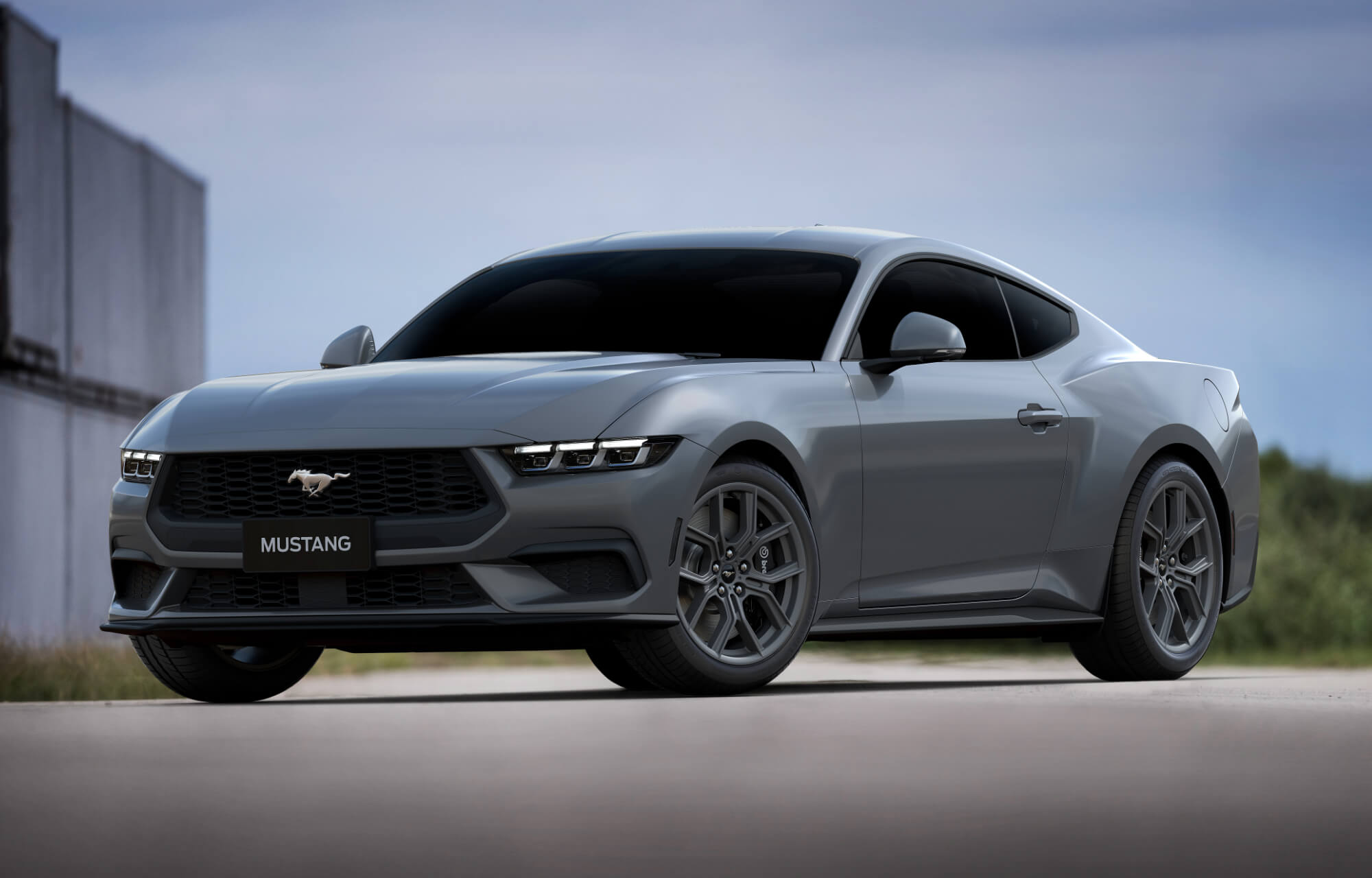
The Ford Mustang EcoBoost represented a major shift in the Mustang lineup. Swapping out the traditional V8 for a turbocharged four-cylinder, it aimed to deliver a balance between performance and efficiency.
For the most part, it succeeded—until you step on the brake pedal a few too many times. In its base configuration, the EcoBoost suffers from noticeable brake fade under moderate to heavy use, a problem made more frustrating by the car’s sporty branding and aggressive looks.
The culprit here is twofold: insufficient hardware and thermal mismanagement. The base EcoBoost lacks the high-performance brake components found on the GT or Performance Pack trims. Smaller rotors, simpler calipers, and lower-grade pad materials all contribute to a system that works fine for casual daily driving but quickly becomes overwhelmed during spirited runs or emergency braking. In hot conditions or extended downhill stretches, the brake pedal starts to soften, and stopping distances lengthen to unsettling levels.
Many drivers assume that the Mustang, regardless of engine configuration, should be able to handle high-speed driving and occasional track use. Unfortunately, the base EcoBoost’s brakes simply aren’t designed for it. Feedback from owners and professional testers alike consistently points to premature fade during canyon drives and autocross events.
The pedal feel degrades quickly, and repeated hard stops result in excessive rotor heat, sometimes leading to warping or vibration. The problem is not just thermal but mechanical, as the components wear faster under stress than expected.
Ford’s decision to limit the performance features in the base model contributes to this issue. While the Performance Pack offers upgraded brakes, enhanced cooling, and better balance, these options come at a cost—and many EcoBoost buyers opt for the base model due to budget constraints.
The result is a car that visually and dynamically suggests capability but under-delivers where it matters most: stopping safely and consistently.
In long-term ownership, these problems translate to more frequent brake maintenance, increased rotor and pad replacements, and a growing lack of confidence in the system. For a car meant to be a daily driver with sporty appeal, the fact that its brakes deteriorate so quickly under mild performance use is a significant letdown. It’s a reminder that performance isn’t just about going fast—it’s also about stopping with the same urgency.
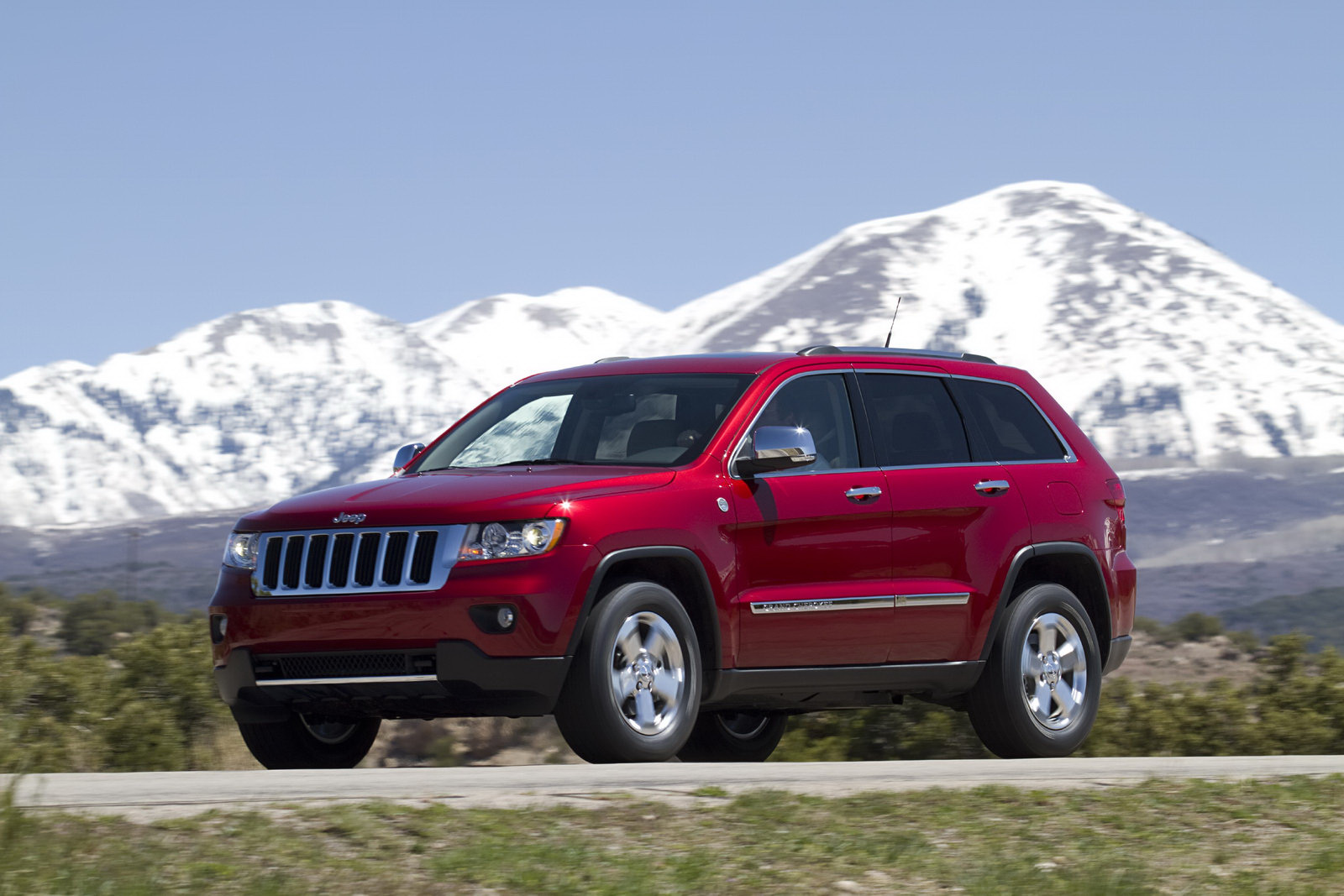
3. Jeep Grand Cherokee (Non-SRT Models)
The Jeep Grand Cherokee, in its non-SRT forms, is one of the most popular midsize SUVs in the market. It’s praised for its off-road capability, smooth ride, and upscale interior. However, when it comes to braking—especially under load—the Grand Cherokee reveals a disappointing shortcoming.
With its substantial weight and sometimes underpowered brake setup, the vehicle often exhibits brake fade under prolonged or demanding use, making it a weak point in an otherwise versatile package.
For typical urban or suburban driving, the braking system performs acceptably. But when the Grand Cherokee is used for towing, descending steep hills, or navigating mountainous terrain—scenarios it’s often marketed for—the system begins to falter.
The standard brakes are not always up to the challenge of stopping a 4,500+ lb SUV, especially when fully loaded. As the rotors heat up, the pads begin to lose friction, and the pedal feel deteriorates rapidly, leading to longer stopping distances and a need for more pressure to achieve the same effect.
Over time, the issue becomes more than just performance—it becomes a maintenance burden. Many owners report premature rotor warping and pad wear, often needing replacements after just 20,000 to 30,000 miles. Even under normal driving conditions, the rotors can become uneven or grooved due to repeated heat cycling, which further affects performance and increases vibration during braking. Brake fade becomes not just a momentary nuisance but a pattern of declining performance over the vehicle’s lifespan.
This is especially concerning in a family SUV expected to carry passengers and cargo safely. While high-performance models like the SRT or Trackhawk versions come with beefed-up Brembo brakes that handle heat much better, those systems are not standard across the lineup. Unfortunately, the more common trims are left with a system that is under-engineered for real-world heavy use. Considering the Grand Cherokee’s target market, this oversight is both surprising and disappointing.
Owners have taken to aftermarket solutions—slotted rotors, better pads, and high-temp brake fluid—but these only mitigate the problem to a point. The fundamental limitation lies in the thermal capacity of the original system. Without a more robust design from the factory, the Grand Cherokee remains vulnerable to brake fade whenever it’s used to its full advertised capability.
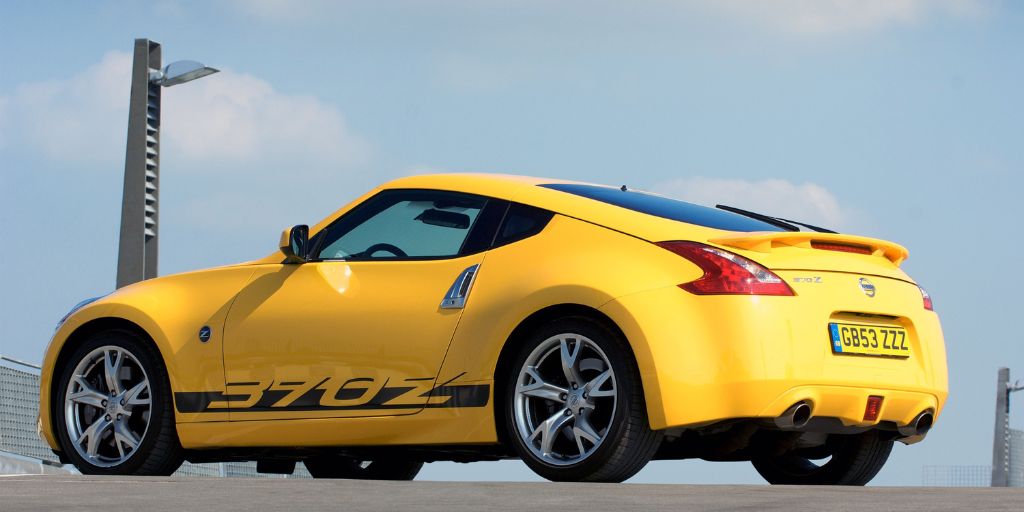
4. Nissan 370Z (Base Model)
The Nissan 370Z was a staple in the affordable performance car market for over a decade. Known for its strong V6 engine, aggressive styling, and raw driving experience, it offered a lot of performance for the money. However, despite its muscular appeal and track-ready marketing, the base 370Z struggled in one crucial area: its braking system. Under demanding use, the brakes would fade quickly, undermining the car’s otherwise solid credentials.
The base model of the 370Z came with relatively modest rotors and standard calipers, which performed fine for daily driving but weren’t designed for sustained aggressive braking. On spirited drives or track days, this system revealed its limitations almost immediately. Heat would build rapidly, causing the pads to lose friction and the fluid to approach boiling point. The result? A soft pedal feel, longer stops, and even a complete loss of braking bite after repeated high-speed decelerations.
Track enthusiasts quickly learned that if you wanted to enjoy the 370Z’s full potential, brake upgrades were not optional—they were mandatory. The Sport and NISMO trims came with larger, vented rotors and four-piston calipers that significantly improved thermal resistance. But for base-model owners, repeated hard stops almost always led to performance decline. Without proper cooling ducts or advanced materials, the factory setup just wasn’t built for heat endurance.
Compounding the issue was the tendency for the stock pads to glaze after repeated heating and cooling cycles. Once glazed, the pads offered minimal grip, requiring either replacement or aggressive sanding to restore functionality. Additionally, the lack of fade-resistant brake fluid in the factory system led to early boil-over under stress, further degrading brake response. Owners often reported the need for new pads and fluid within the first 10,000 miles if they drove enthusiastically.
In the long term, the weak brakes affected both performance enjoyment and cost of ownership. Many turned to the aftermarket for salvation, with stainless lines, ceramic pads, and cross-drilled rotors becoming common upgrades. But the fact remains: for a car with performance branding, the 370Z’s base brakes were underwhelming. This mismatch between potential and capability serves as a reminder that power and style must be backed up by equally strong stopping ability.
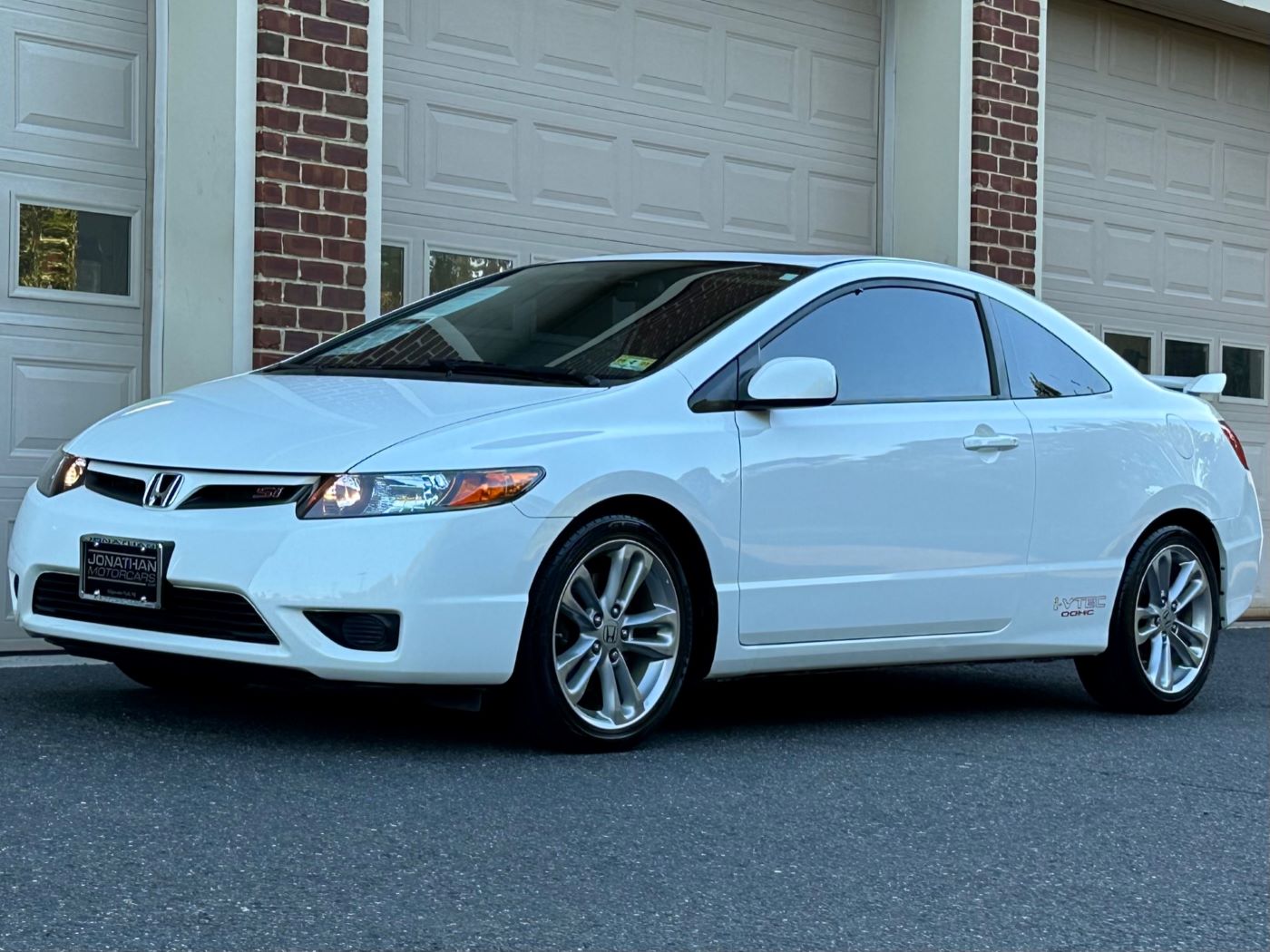
5. Honda Civic Si (Older Generations)
The Honda Civic Si has long been a gateway for young drivers into the world of performance motoring. Known for its high-revving engines, lightweight construction, and iconic styling, the Si offers a lot of excitement for the money. However, older generations—particularly those from the early 2000s to late 2010s—suffer from a braking system that struggles to keep up with enthusiastic driving. Brake fade is a recurring complaint among owners, especially when the cars are pushed beyond typical commuting scenarios.
The root of the problem lies in the conservative sizing and materials of the brake components. Most older Civic Si models came with relatively small rotors and simple caliper designs, optimized for fuel efficiency and low cost rather than high performance. As a result, when the vehicle is driven aggressively—whether on backroads, in autocross, or even just downhill—the brakes overheat quickly. The pads start to glaze, the pedal softens, and stopping distances grow concerningly long.
Many owners enthusiastically drive their Civics on winding roads or in amateur motorsport events. While the car’s chassis can handle the challenge, the brakes often cannot. Fade sets in rapidly after only a few hard stops, especially if the ambient temperature is high. Without sufficient airflow to the rotors or high-temp pad materials, the system simply can’t shed heat fast enough. This not only impacts performance but also affects driver confidence in critical moments.
Maintenance issues add to the frustration. The rotors on these older models tend to warp prematurely, especially if the pads are worn or if the car has been driven aggressively. Vibration under braking becomes common, and replacements become frequent. While the Civic Si is cheap to maintain overall, the recurring need for brake work begins to negate some of the car’s affordability over time, particularly for drivers who enjoy pushing the limits.
Despite the car’s incredible aftermarket support, the fact that so many owners feel compelled to upgrade the brakes out of necessity points to a fundamental oversight. Honda built a car capable of serious fun but didn’t match the braking system to the car’s full performance potential. While later models have improved, these older generations remain a reminder that even beloved cars can fall short in critical areas if the engineering doesn’t consider the realities of how drivers use them.
Also Read: 10 Cars That Are Still on the Road From the Early 2000s
Brakes are one of the most critical—yet often overlooked—components of any vehicle. While horsepower and handling get most of the attention in car reviews and enthusiast discussions, the ability to stop quickly, consistently, and safely is what truly defines the limits of performance. As we’ve seen across the ten vehicles discussed in this article, not all braking systems are created equal, even among cars designed with performance or utility in mind.
The five vehicles with brakes that remain strong over time—including the Porsche 911 (992), Tesla Model S Plaid, BMW M5 Competition, Chevrolet Corvette C8, and Lexus LC 500—demonstrate what’s possible when manufacturers prioritize thermal management, hardware quality, and smart integration of electronics.
These vehicles inspire confidence because their brakes don’t just perform well on day one—they maintain that performance for years, across a range of conditions. Whether it’s through high-end ceramic materials, intelligent brake-by-wire systems, or simply robust mechanical design, these cars offer long-term reliability where it matters most.
On the other hand, the five vehicles prone to brake fade over time—the Toyota 86/Subaru BRZ, Ford Mustang EcoBoost (Base), Jeep Grand Cherokee (Non-SRT), Nissan 370Z (Base), and older Honda Civic Si models—highlight how even enthusiast-oriented cars can fall short when braking systems are under-specced.
In many cases, manufacturers made trade-offs to cut costs, reduce weight, or aim for mass-market appeal. Unfortunately, these decisions left owners to deal with premature fade, accelerated wear, and an overall lack of confidence during spirited or heavy-duty driving.
This doesn’t mean the cars with weaker brake systems are inherently bad. Many of them are beloved platforms with loyal followings. However, it does reinforce a crucial point: performance isn’t just about going fast—it’s about stopping just as effectively, just as consistently, and just as confidently. A vehicle’s full potential can only be realized when its braking system is designed to match the power, speed, and driving style it promises.
Whether you’re a casual driver, a canyon carver, or a weekend track warrior, understanding how a car’s brakes perform over time should play a significant role in your purchasing decision or upgrade priorities. Strong, fade-resistant brakes aren’t just a safety feature—they’re a key to driving enjoyment, peace of mind, and long-term satisfaction behind the wheel.
