
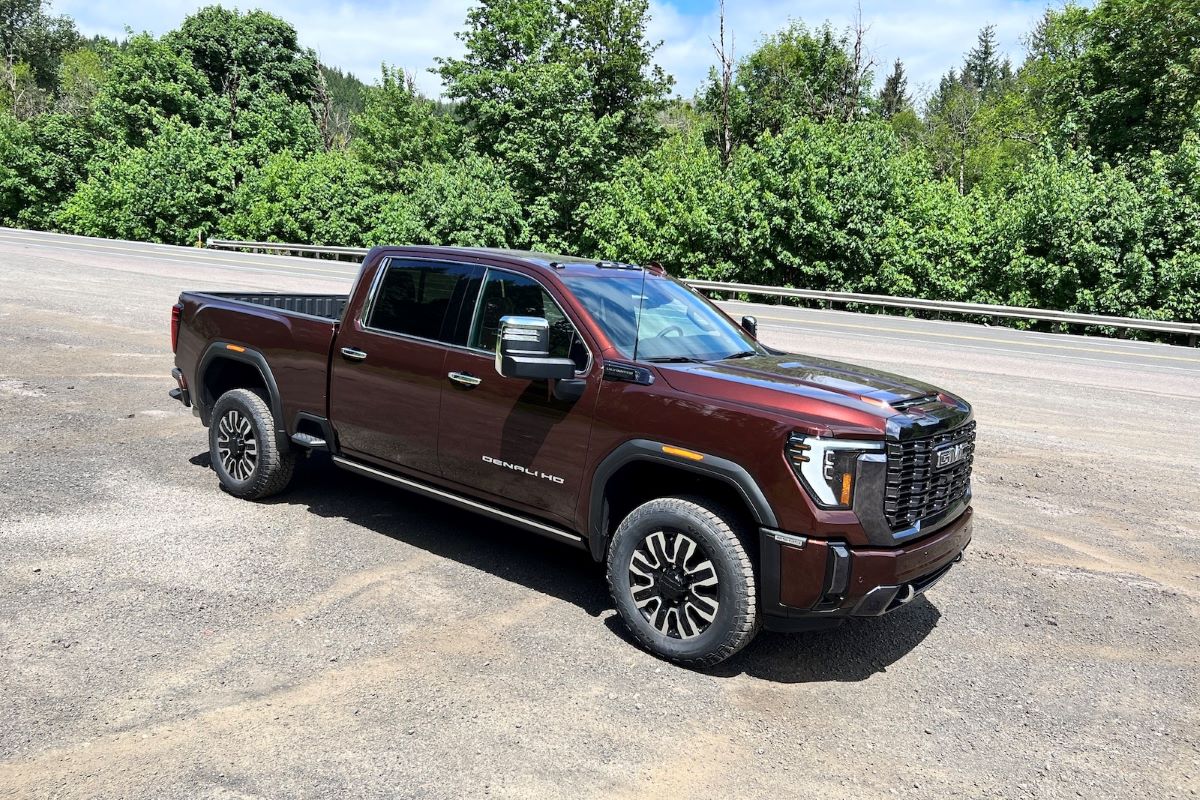
Pickup trucks have long held a unique place in the automotive world, symbolizing rugged capability, versatility, and a distinctly American spirit. For decades, these vehicles have been the backbone of industries ranging from construction to agriculture, while also serving as everyday transport for families and adventurers alike.
Traditionally, the focus of pickup truck design emphasized durability, power, and utility above all else, often at the expense of comfort and, critically, safety. Early generations of trucks were primarily built to withstand the toughest physical demands of work and off-road conditions, with safety features that were rudimentary by today’s standards.
Seat belts were basic, airbags were a luxury, and advanced crash avoidance technologies were nonexistent. However, as the profile of trucks evolved — moving beyond workhorse vehicles to lifestyle statements and family haulers — safety became an increasingly vital component of their design philosophy.
In recent decades, the automotive industry has undergone a profound transformation in how it approaches vehicle safety. Innovations in materials science, engineering, and electronics have allowed manufacturers to significantly improve crashworthiness and introduce active safety technologies that prevent accidents before they happen.
This shift has been especially impactful for trucks, a vehicle category historically associated with higher risks in crashes due to their size, weight distribution, and center of gravity. Today’s pickups are no longer simply brute force machines; they incorporate sophisticated systems like automatic emergency braking, lane-keeping assistance, blind-spot detection, and adaptive cruise control, features once reserved for luxury sedans.
Alongside these technologies, structural enhancements such as high-strength steel frames and improved cabin integrity contribute to better protection of occupants in crashes.
Yet, this evolution has not been uniform across all manufacturers and models. While some trucks have embraced safety advancements wholeheartedly and continuously improved across generations, others have stagnated or even regressed, falling behind industry standards and consumer expectations.
This divergence creates a fascinating contrast: some trucks serve as shining examples of how safety innovations can be seamlessly integrated into vehicles designed for toughness and utility, while others illustrate how complacency, cost-cutting, or outdated design philosophies can lead to diminished safety over time. Understanding these contrasting trajectories is essential not only for consumers making informed purchasing decisions but also for the industry as a whole as it charts a path toward safer roads.
This article delves into two sides of this story by examining five trucks that have notably improved their safety profiles over multiple generations and five that have, unfortunately, regressed in this critical area. On one hand, we explore models like the Ford F-150 and Toyota Tacoma, trucks that have continuously raised the bar through innovative construction techniques, integration of cutting-edge safety technologies, and thoughtful occupant protection systems.
On the other hand, we consider vehicles such as the Nissan Frontier and early Chevrolet Colorado models, whose safety offerings have remained outdated or insufficient, resulting in lower crash test scores and fewer driver-assist features. Through this comparative analysis, we aim to highlight the factors driving progress and those causing setbacks, providing insight into the complex interplay between design, technology, market pressures, and regulatory environments.
Ultimately, safety is not just a technical challenge but a moral imperative that directly impacts lives on the road. By learning from both the successes and failures in truck safety development, manufacturers can accelerate innovation and prioritize features that protect drivers, passengers, and pedestrians alike.
Consumers, meanwhile, benefit from greater transparency and awareness, empowering them to choose vehicles that align with their safety needs and values. As pickups continue to grow in popularity worldwide, the stakes for improving safety have never been higher. This article serves as both a reflection on how far we’ve come and a call to action to ensure the future of trucks is safer, smarter, and more protective for everyone.
Also Read: 5 Cars With Bulletproof Electrical Systems vs 5 Known for Electrical Gremlins
5 Trucks That Improved Safety Over Generations
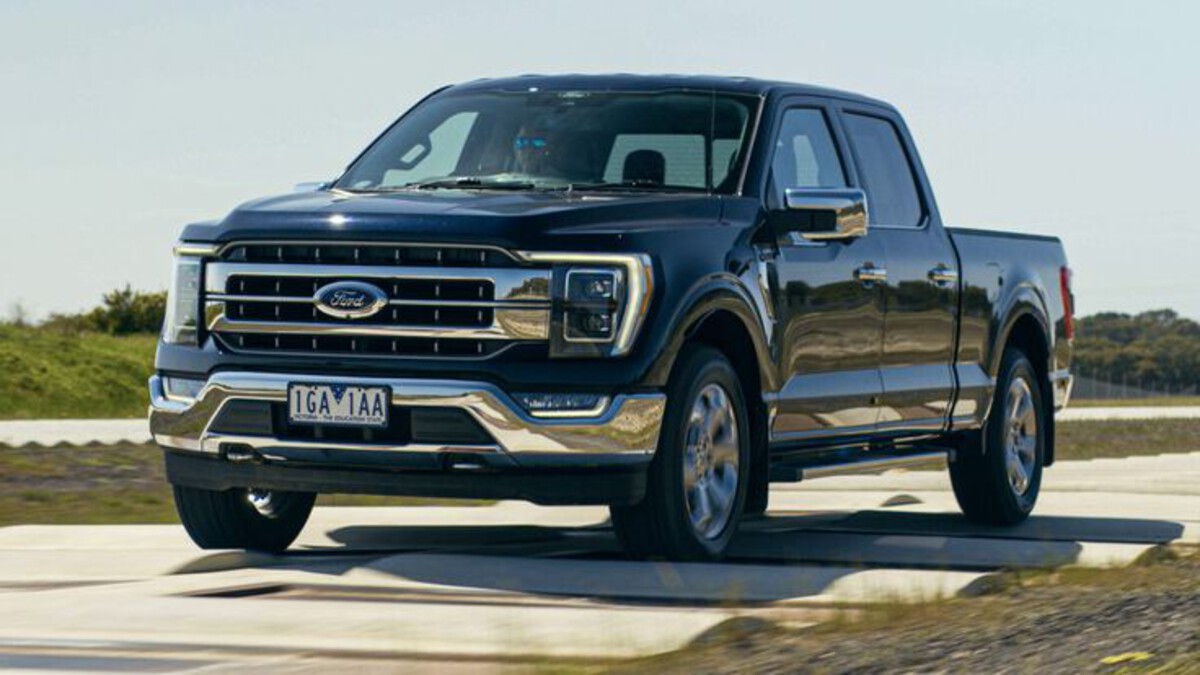
1. Ford F-150
The Ford F-150 has long been the icon of American pickups, renowned for its ruggedness and capability, but what’s remarkable is how it has evolved into a safety pioneer in the full-size truck market. Initially, trucks like the early F-150s were designed almost exclusively with utility in mind—sturdy frames, powerful engines, and simple mechanical components dominated the design philosophy.
Safety features were minimal, mostly limited to seat belts and basic crash structures. However, as the truck transitioned from being purely a work vehicle to a family hauler and daily driver, Ford recognized that it needed to place a stronger emphasis on occupant protection and crash avoidance.
The real turning point came in 2015 when Ford revolutionized the F-150’s construction by replacing the traditional steel body with a military-grade aluminum alloy. This change reduced the truck’s weight by nearly 700 pounds, improving fuel efficiency and handling, but it also had profound safety implications.
Lighter weight meant the truck could stop faster, accelerating the effectiveness of safety systems like electronic stability control and anti-lock brakes. Moreover, the aluminum frame was engineered to absorb and dissipate crash energy more effectively, minimizing the forces transmitted to occupants during a collision.
Ford’s commitment to safety didn’t stop at structural innovations. They rapidly embraced and integrated advanced driver-assistance systems (ADAS) into the F-150’s portfolio. Features such as forward collision warning with automatic emergency braking became standard or widely available, helping drivers avoid accidents altogether.
Blind-spot monitoring and lane-keeping assist systems enhanced driver awareness on busy highways and during challenging maneuvers. The inclusion of these technologies reflected Ford’s recognition that active safety—preventing accidents before they happen—is as vital as passive safety in modern vehicle design.
Additionally, Ford introduced innovative safety features like inflatable rear seat belts, which were among the first of their kind to appear in pickup trucks. These seat belts help distribute crash forces across a wider area of the occupant’s body, reducing injury risk, particularly for children and smaller adults in the rear seats.
Complemented by robust airbag systems and a redesigned, crash-tested cabin, the F-150 today offers one of the safest environments in its class. This transformation from a basic work truck to a sophisticated safety leader underscores how Ford has responded to consumer demands and regulatory pressures over the years, making the F-150 a true safety benchmark for full-size pickups.
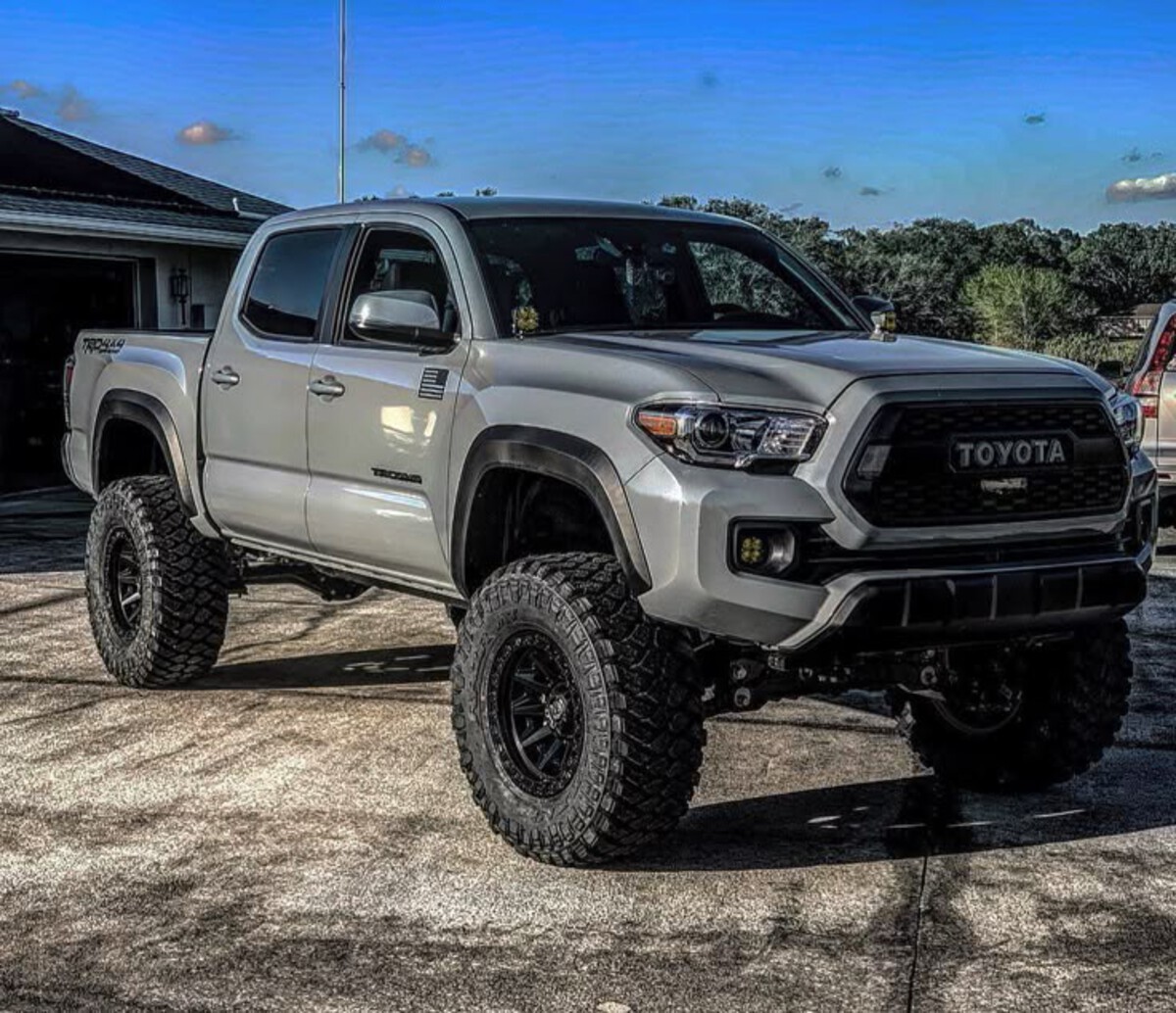
2. Toyota Tacoma
The Toyota Tacoma has always been celebrated for its durability and off-road prowess, but its evolution in safety over multiple generations is equally impressive. Early models from the 1990s and early 2000s, while mechanically sound, were relatively basic in terms of safety.
They had solid frames and decent crash survivability but lacked many of the modern active and passive safety technologies that would become standard across the industry in later years. For buyers who prioritized ruggedness over refinement, this was acceptable, but as the Tacoma became more popular as an everyday vehicle, Toyota saw the need to upgrade safety significantly.
By the mid-2000s, especially with the release of the second-generation Tacoma in 2005, Toyota began making incremental but important changes. The structure was reinforced to better manage crash energy, airbags became more sophisticated, and safety options such as side curtain airbags started to appear.
However, the biggest leap happened in the third generation starting in 2016, when Toyota introduced the Toyota Safety Sense (TSS) suite. This package brought a host of active safety technologies that had previously been exclusive to higher-end sedans and SUVs.
Toyota Safety Sense includes features like Pre-Collision System with Pedestrian Detection, Lane Departure Alert, and Dynamic Radar Cruise Control. These systems help the Tacoma avoid collisions and maintain safer driving habits, something rare in midsize trucks at the time.
The inclusion of these technologies not only helped the Tacoma compete with larger trucks in terms of safety but also elevated the entire midsize truck segment. Furthermore, Toyota improved the vehicle’s crashworthiness by redesigning the cab and frame to absorb impact more effectively, resulting in higher scores in frontal and side-impact crash tests conducted by organizations such as the IIHS and NHTSA.
Beyond structural and electronic improvements, Toyota also focused on driver visibility and ergonomics, recognizing that blind spots and driver distraction contribute to accidents. The third-generation Tacoma features redesigned pillars and larger windows to reduce blind spots and improve overall driver awareness.
Combined with advanced safety tech and solid crash ratings, these changes transformed the Tacoma from a utilitarian workhorse to a family-friendly and safety-conscious vehicle. This ongoing safety evolution demonstrates Toyota’s ability to blend reliability and ruggedness with modern technology to create a truck that appeals to a broader audience.
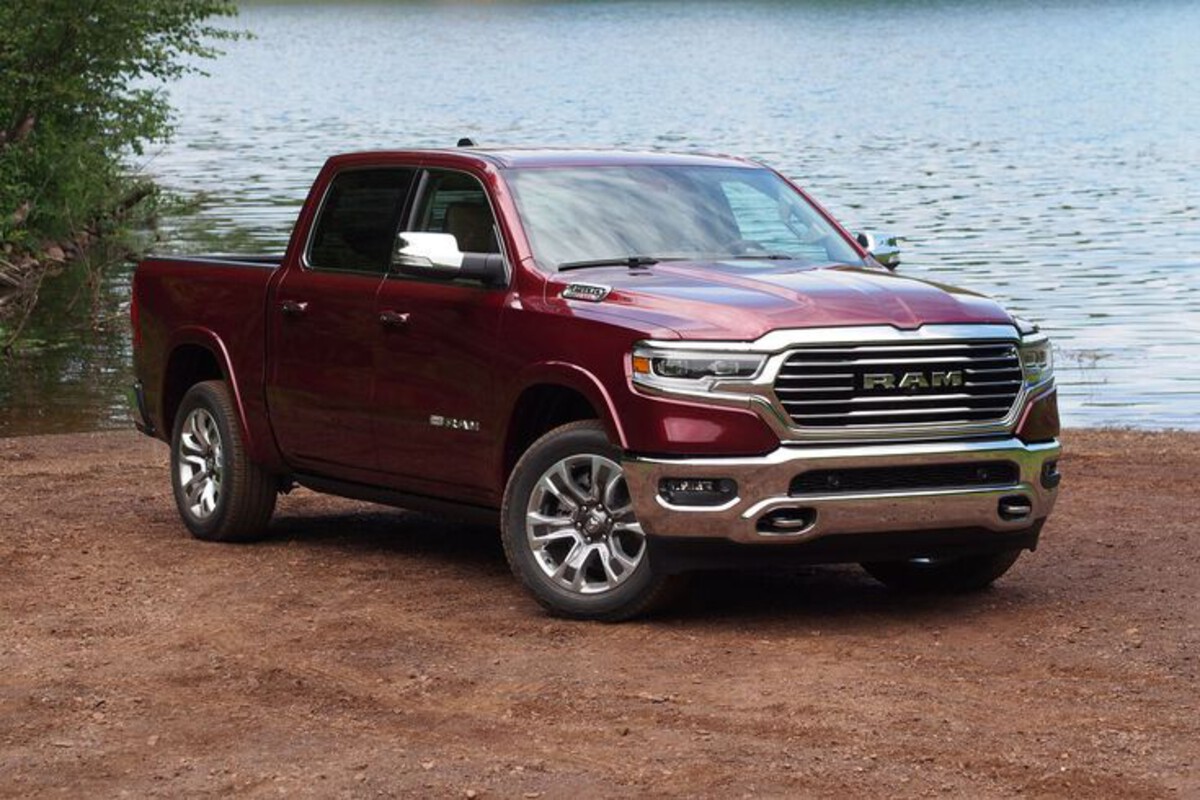
3. RAM 1500
The RAM 1500’s journey in safety reflects the truck’s broader evolution from a rugged, muscular workhorse into a refined, technology-packed vehicle. Earlier RAM models, especially those produced before the 2010s, were often criticized for lagging behind competitors in safety features and crash test performance.
While they offered strong engines and bold styling, their safety technology suite was limited, and structural design did not always provide the best occupant protection in collisions.
The turning point for RAM came with the launch of the fifth-generation model in 2019, a complete redesign that was not just cosmetic but fundamental. The engineers employed a high-strength steel frame that covered more than 98% of the truck’s structure, dramatically improving the truck’s ability to withstand crash forces.
This structural upgrade played a crucial role in the RAM 1500’s achieving the coveted IIHS Top Safety Pick+ award—an accomplishment that highlights superior crashworthiness and the presence of advanced safety features.
RAM also capitalized on the increasing role of active safety technology in accident prevention. The 2019 model and onward include standard or optional features such as forward collision warning with automatic emergency braking, adaptive cruise control, lane departure warning, and blind-spot detection.
These technologies are designed to help drivers avoid accidents by providing alerts and, in some cases, autonomously intervening. For instance, forward collision mitigation can apply the brakes if a potential crash is detected, potentially preventing an accident or lessening its severity.
Inside the truck, RAM’s focus on safety extended to improving driver ergonomics and minimizing distractions. A large, user-friendly infotainment screen, voice recognition, and heads-up display options keep the driver’s focus on the road rather than fiddling with controls.
Furthermore, RAM introduced a 360-degree surround-view camera system and advanced parking sensors, making parking and maneuvering a large truck safer and easier. These changes reflect a broader industry trend towards integrating convenience and safety, ensuring that trucks like the RAM 1500 aren’t just powerful, but also smart and secure for everyday driving.
4. Chevrolet Silverado 1500
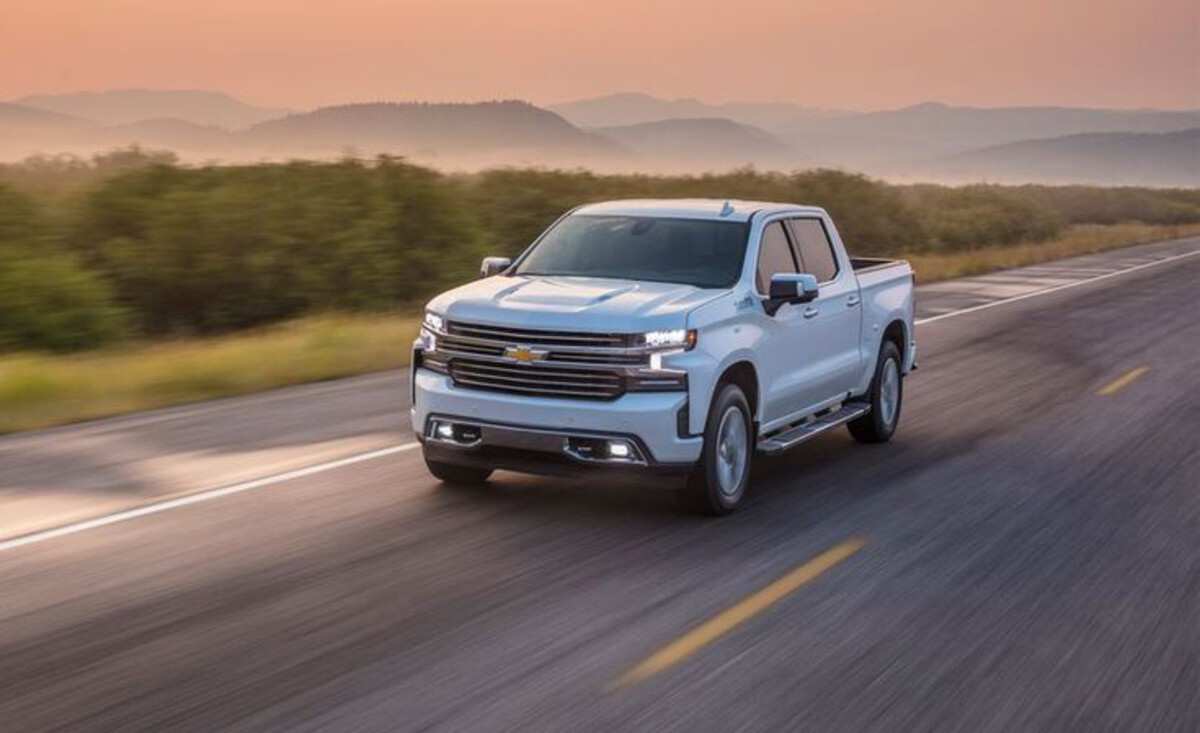
The Chevrolet Silverado 1500 has a mixed safety history, with some earlier generations suffering from less-than-stellar crash test results, especially concerning side impacts and rollover propensity. Early Silverados, while durable and popular among truck buyers, sometimes struggled to keep pace with competitors who embraced newer safety technologies more quickly. This gap became more apparent as consumers increasingly prioritized safety, and regulatory standards tightened.
Recognizing this challenge, Chevrolet took significant steps to enhance the Silverado’s safety credentials with the 2019 redesign. One of the most important changes was the introduction of a mixed-materials frame. This innovative approach combined ultra-high-strength steel with other materials to balance rigidity with controlled flexibility.
This frame architecture helps absorb and redirect crash energy, protecting occupants from the brunt of impact forces. As a result, the Silverado’s crash test ratings improved markedly, earning it more favorable safety scores from both the IIHS and NHTSA.
In addition to structural improvements, Chevy added an impressive array of active safety features that were either unavailable or optional on earlier models.
These include automatic emergency braking, lane change alert with side blind zone alert, front and rear park assist with automatic braking, and a rear camera mirror that significantly improves rearward visibility—a common challenge in trucks with tall beds and bulky rear pillars. These systems help reduce common causes of accidents like lane drift, blind-spot collisions, and parking mishaps.
Chevrolet also focused on family safety, enhancing rear seatbelt reminders and improving the LATCH system for child seats, which many pickups had historically overlooked. This attention to detail demonstrates Chevy’s broader strategy to make the Silverado a more versatile, family-friendly vehicle. Coupled with software updates that refine the responsiveness of safety systems, the Silverado has transformed from a truck that lagged in safety to one that competes vigorously at the top of its class.
5. Honda Ridgeline
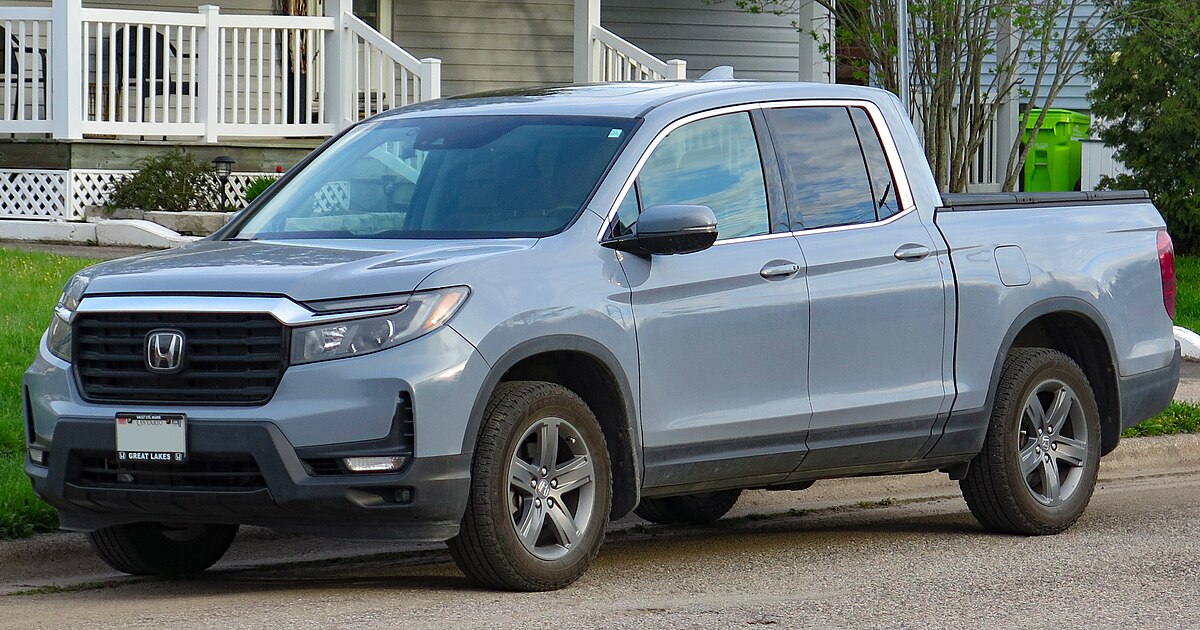
The Honda Ridgeline stands apart in the pickup truck world primarily because of its unibody construction, a departure from the traditional body-on-frame design used by nearly all other trucks. While this design choice initially sparked debate among truck purists, it offers several advantages in safety. The unibody construction allows the Ridgeline to behave more like a car during crashes, providing better energy absorption and reducing cabin deformation—a critical factor in occupant survival.
From its first generation, the Ridgeline demonstrated impressive crash test results, particularly in front and side-impact tests. However, Honda didn’t stop there. Over time, the Ridgeline has seen steady improvements in safety technology.
The introduction of Honda Sensing, a comprehensive suite of driver-assist features, marked a significant advancement. This suite includes collision mitigation braking, adaptive cruise control, lane keeping assist, and road departure mitigation, all designed to assist the driver in avoiding accidents and maintaining control in complex situations.
The Ridgeline’s unique chassis design also contributes to its safety in rollover scenarios. Because of its lower center of gravity compared to traditional trucks, it is less likely to tip or roll, a common cause of severe injuries in pickup crashes.
Visibility, too, is a strong point: the Ridgeline’s cab design and window layout reduce blind spots, making it easier for drivers to monitor their surroundings. This feature is especially important given the size and driving position of pickups, which can otherwise limit peripheral vision.
Lastly, the Ridgeline offers thoughtful safety-oriented features inside the cabin. Its spacious and ergonomic layout reduces driver fatigue, a factor often linked to accidents. The truck also features advanced airbags, including side curtain airbags that protect all passengers.
This combination of structural innovation, technology integration, and user-focused design has made the Honda Ridgeline a safety standout, demonstrating that alternative approaches to truck building can yield impressive safety benefits without sacrificing utility or comfort.
5 Trucks That Regressed in Safety Over Generations
6. Nissan Frontier
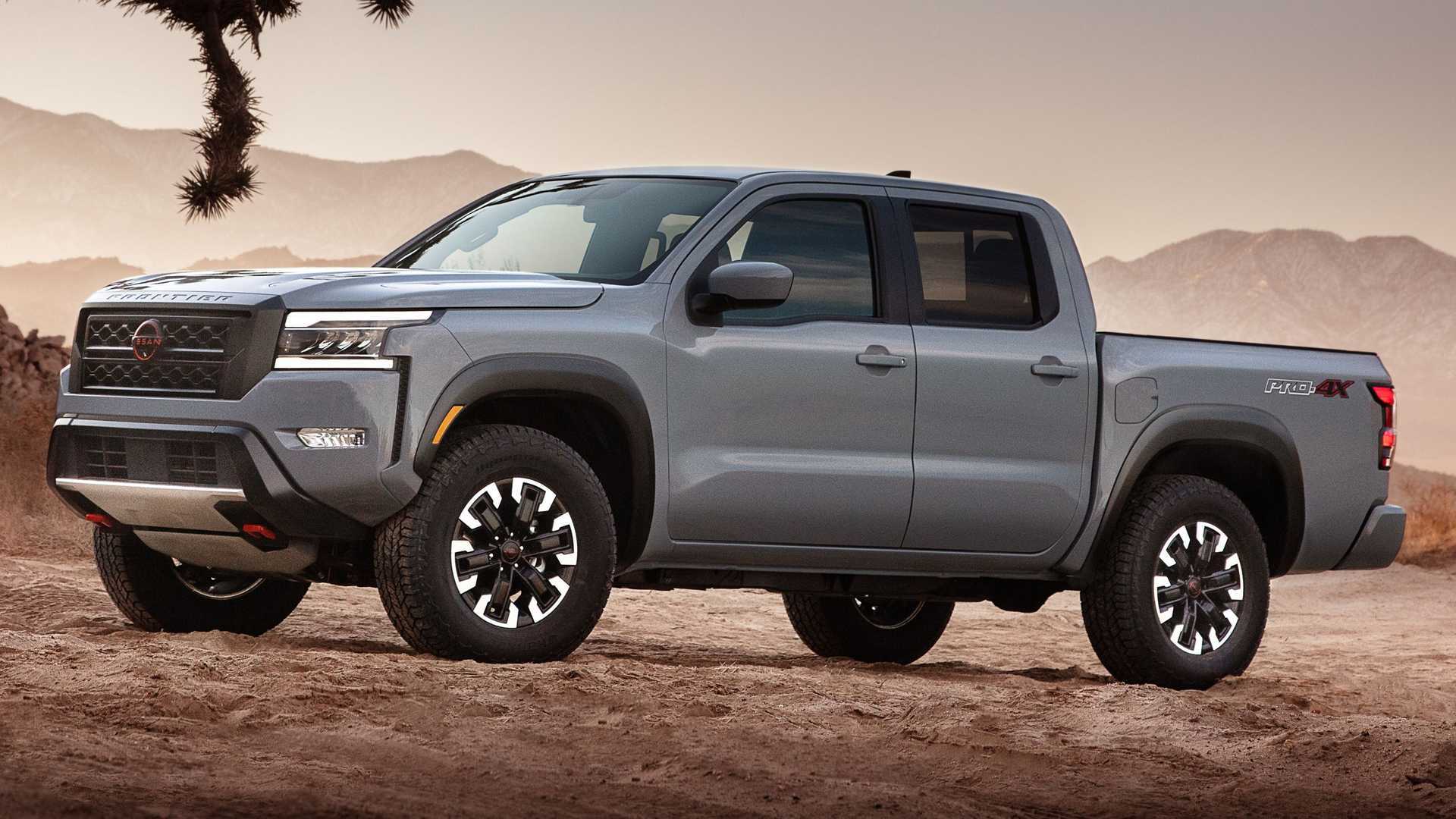
The Nissan Frontier has long been a staple in the midsize truck segment, appreciated for its affordability and ruggedness, but its safety evolution—or lack thereof—has been a major point of criticism.
Unlike many of its competitors that have embraced continuous improvements in structural integrity and advanced safety technology, the Frontier has lagged for multiple generations. The platform itself has remained largely unchanged for over a decade, a factor that severely limits how much the truck can improve in terms of crashworthiness and modern safety features.
While earlier Frontiers offered basic safety features consistent with their era, more recent models have struggled to keep pace. For example, many competitors started incorporating driver-assist technologies such as blind-spot detection, lane departure warnings, and automatic emergency braking as standard or widely available options by the mid-2010s.
The Frontier, however, has only recently begun to offer these features, and often as optional extras rather than standard equipment. This piecemeal approach has hurt its safety ratings and left consumers exposed to avoidable risks.
Moreover, the Frontier’s structural design has not seen significant upgrades that could improve occupant protection in collisions. Crash test results over the years have reflected this stagnation, with below-average performance in frontal and side-impact crashworthiness compared to newer trucks.
In addition, the truck’s cabin design and visibility have remained somewhat problematic, with large blind spots and pillar designs that reduce driver awareness. This combination of outdated structure and limited safety tech ultimately means the Frontier’s safety profile has regressed relative to the rest of the segment.
Nissan’s slow response to evolving safety standards and consumer expectations has been a glaring weak spot for the Frontier. While other manufacturers have moved aggressively to enhance safety, Nissan’s reluctance to overhaul or significantly update the Frontier until very recently means it has lost ground in the safety race. This example underscores how complacency and delayed innovation can lead to regression, even for trucks with strong reputations for reliability.

7. Chevrolet Colorado (Early 2000s to Mid-2010s)
The Chevrolet Colorado’s safety story is one marked by inconsistency and a period of regression before its eventual resurgence. When the Colorado first hit the market in the early 2000s, it was competitive but not exceptional in safety.
Early models featured basic safety equipment and a conventional body-on-frame design that offered decent crash protection for their time. However, as the decade progressed and competitors began advancing their safety systems and structural designs, the Colorado fell behind in several key areas.
One major issue was Chevrolet’s slow adoption of advanced driver-assistance systems, which became more common across the midsize truck segment during the late 2000s and early 2010s. Features like forward collision warning, lane departure warning, and blind-spot monitoring were either unavailable or only offered as expensive options. Meanwhile, competitors like Toyota and Ford were integrating these technologies more comprehensively, raising the bar for what consumers expected.
Crash test results from that era showed some concerning weaknesses in the Colorado’s side-impact and roof strength ratings. These ratings are crucial for occupant survival in real-world crashes, and lagging in these categories puts the truck at a disadvantage. Interior safety also suffered due to older seatbelt designs and less effective airbag deployment timing, factors that could increase the risk of injury.
The Colorado did eventually make a comeback with the introduction of its third generation in 2015, which saw major safety improvements. But during the crucial years before that, its lack of investment in structural and technological safety contributed to a perception of regression compared to rapidly improving rivals. This example highlights how a truck can move backward in safety if it fails to keep up with industry innovation.
8. Dodge Dakota
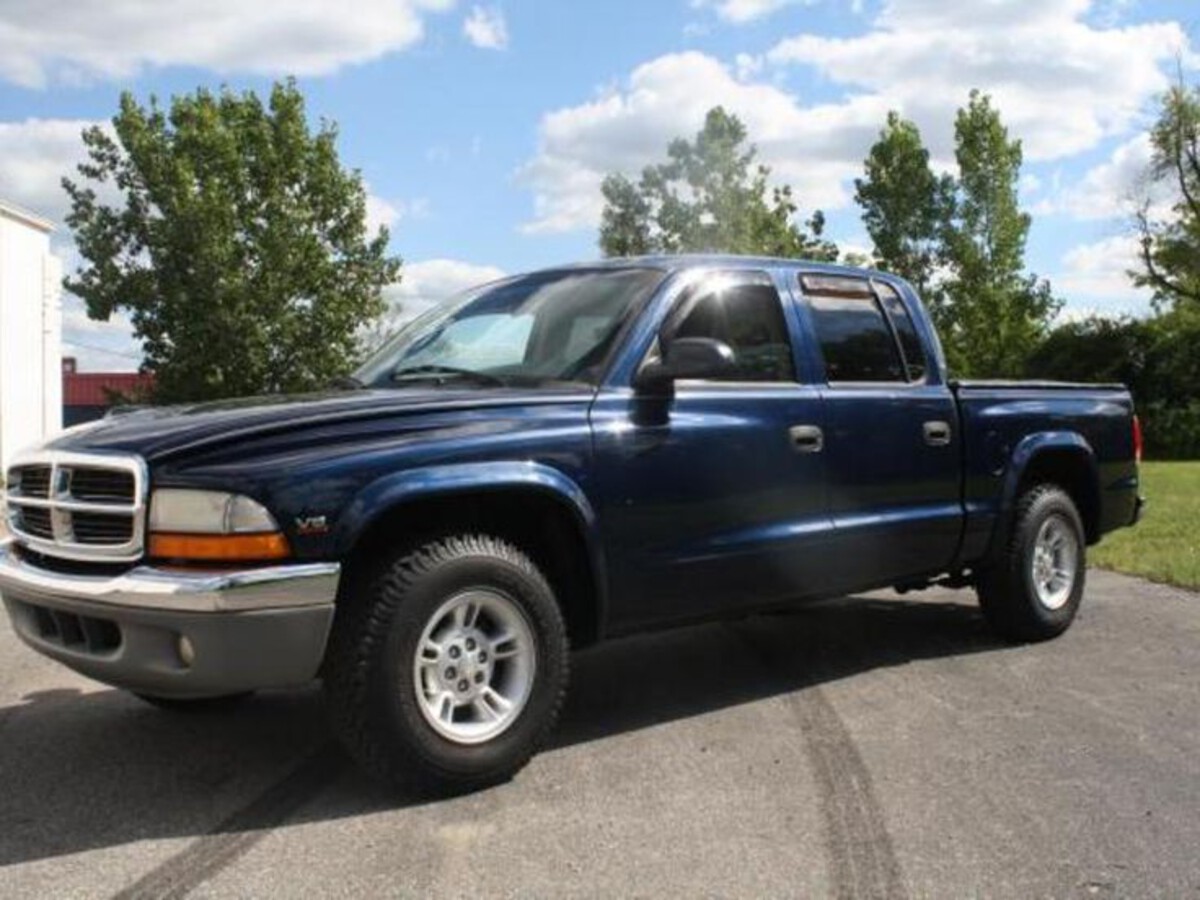
The Dodge Dakota’s safety trajectory is an interesting case of initial promise followed by stagnation and regression. Introduced as a midsize pickup that offered more power and refinement than many competitors, the Dakota initially showed strong potential, particularly in driver protection and build quality.
Early models had a solid steel frame and decent crash test performance for their time. However, as the years passed and safety standards evolved, Dodge’s investment in Dakota’s safety features stalled.
One major problem was the Dakotas’ limited integration of modern safety technologies that became widespread in other trucks by the late 2000s. Features such as electronic stability control, advanced airbags, and driver-assist systems either came late or were absent altogether. The truck’s structural design also lagged behind newer models from competitors who adopted high-strength steel and crash-absorbing frames to improve occupant safety.
By the time Dodge discontinued the Dakota in 2011, it was clear that the truck had fallen behind in safety. Crash ratings from later years reflected poor side-impact protection and less effective restraint systems compared to contemporaries. Additionally, the Dakota’s cabin design suffered from poor visibility and less ergonomic safety controls, factors that contribute to driver error and accidents.
Dodge’s lack of a replacement with a strong safety focus also contributed to the Dakota’s legacy of regression. In the years since its discontinuation, Dodge (and later RAM) shifted focus to full-size trucks, leaving the Dakota’s safety shortcomings as a cautionary tale. This example illustrates how failure to keep pace with safety advancements can cause a respected model to fall by the wayside.
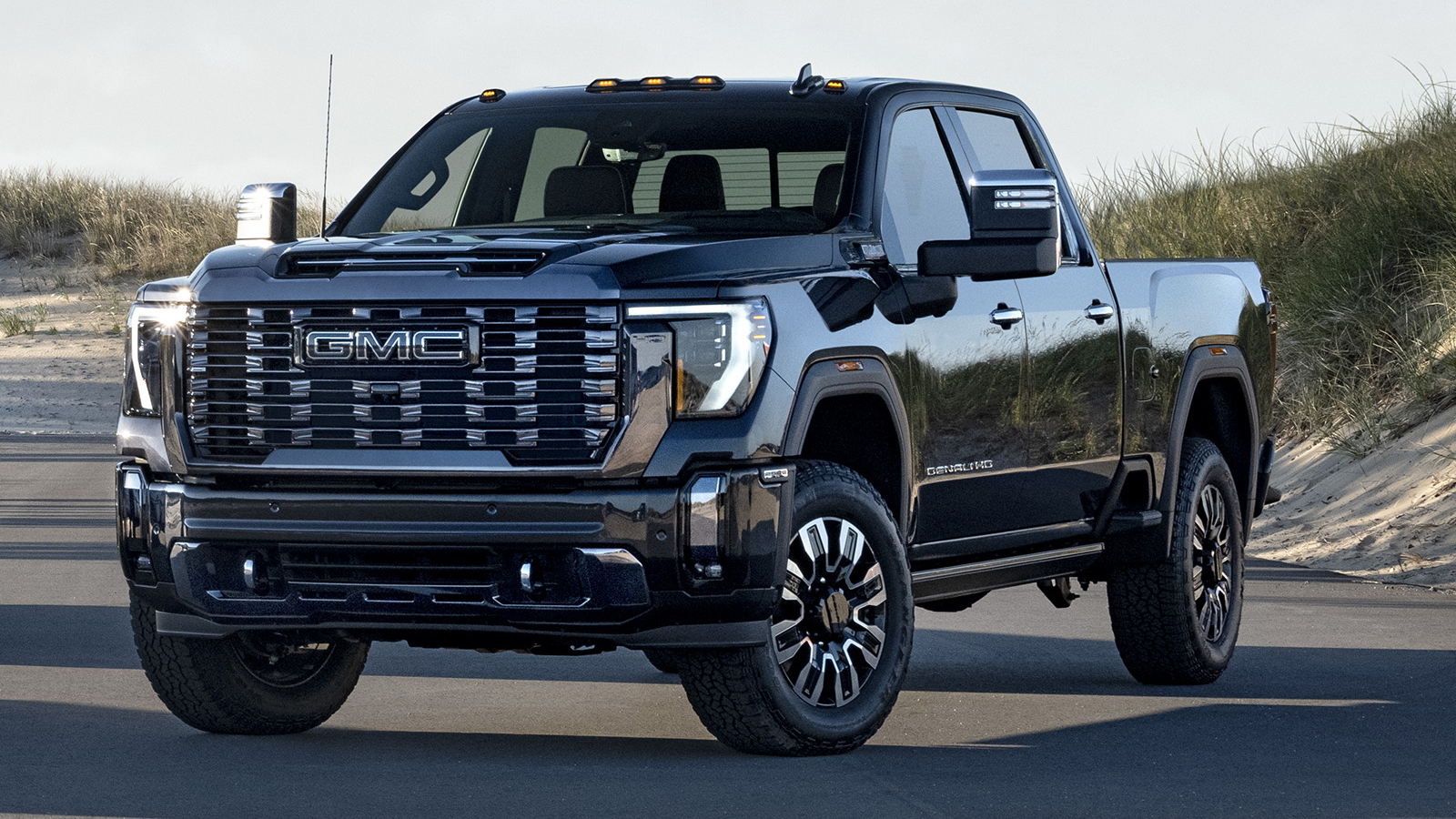
9. GMC Sierra (Early 2000s to Early 2010s)
The GMC Sierra, a close cousin of the Chevrolet Silverado, has a surprisingly uneven safety record over its earlier generations. While GMC generally benefits from shared technology and design with Chevrolet, its Sierra models from the early 2000s to the early 2010s showed signs of regression or stagnation in some safety aspects. The Sierra lagged in adopting advanced safety technologies during this period, which became more widespread among competitors.
Despite structural similarities to the Silverado, the Sierra’s safety features were often offered as expensive options or omitted entirely in base trims. Technologies like side curtain airbags and electronic stability control were slow to become standard, which impacted overall occupant protection and vehicle control in emergency maneuvers. This patchy approach left many Sierra buyers with trucks that lacked crucial safety features available in rival vehicles.
Crash test performance during this period was mixed. Some models showed decent frontal impact protection, but side-impact and rollover ratings were often mediocre or below average. Given that pickup trucks tend to have a higher center of gravity, rollover risk is a critical safety consideration, and the Sierra’s less-than-stellar performance in this area raised concerns.
The early 2010s also saw competitors pushing forward with advanced driver aids and improved cabin safety design, leaving the Sierra seeming somewhat outdated in comparison. This stagnation in safety evolution contributed to a reputation that the GMC Sierra was not advancing with the times, at least until more recent redesigns began addressing these gaps. This case demonstrates how even established truck models can regress if they don’t maintain consistent safety innovation.
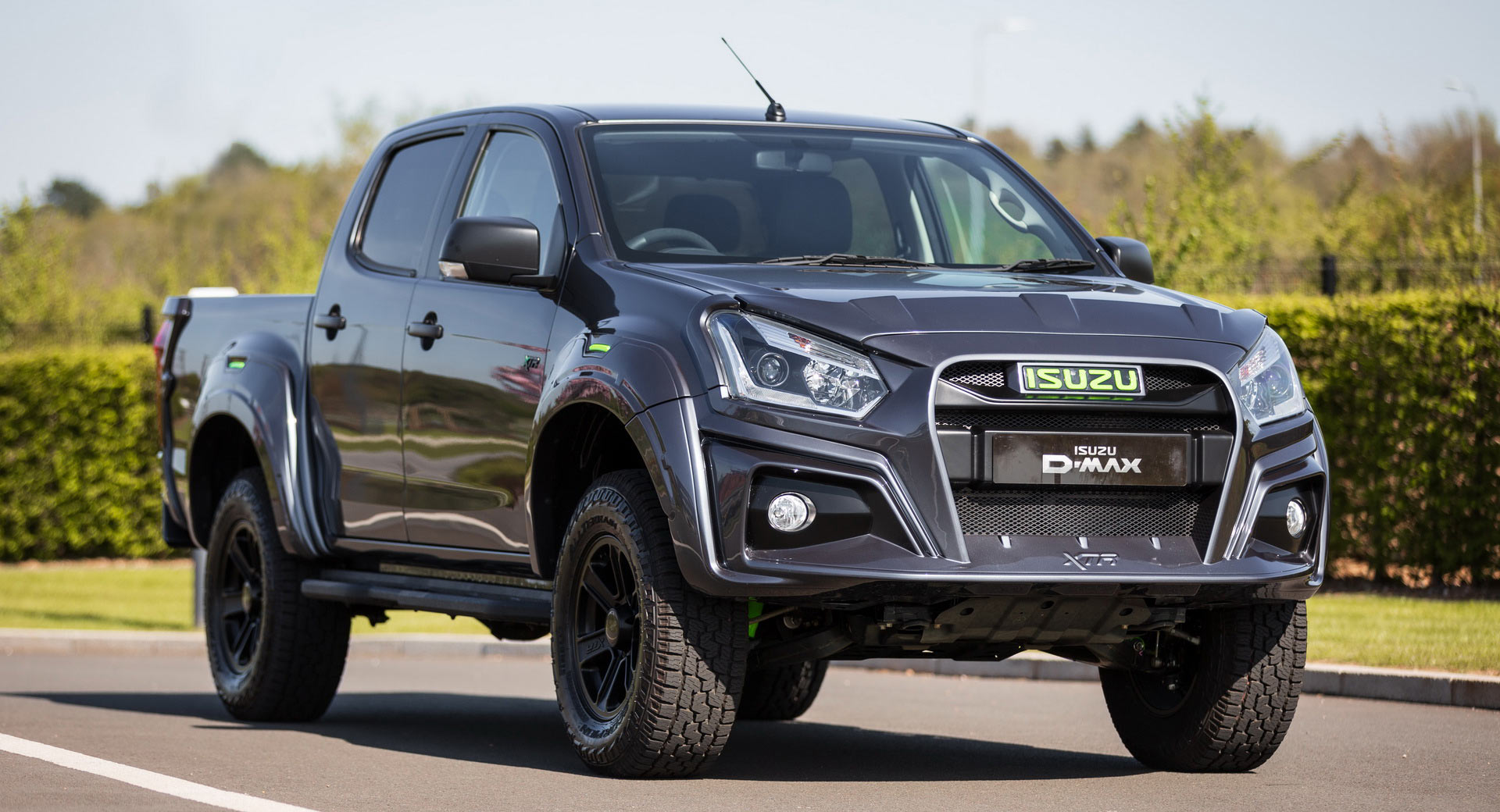
10. Isuzu D-Max (North American and Early Models)
The Isuzu D-Max, known globally for its durability and reliability, has a complicated safety history, especially in markets like North America, where the model has been less prevalent and updated less frequently. Early North American versions of the D-Max and some export models showed significant gaps in safety technology and structural design compared to rivals, contributing to what can be seen as a regression in safety over generations.
While the D-Max boasted a robust engine and chassis for off-road and utility use, its safety features were often basic or outdated. In early generations, airbags were limited, and electronic stability control was either absent or introduced very late.
As other manufacturers introduced comprehensive safety suites and reinforced frames, the D-Max retained older design principles that didn’t prioritize occupant protection to the same degree.
Crash tests conducted on older D-Max models revealed weaker results in side-impact and rollover categories. Moreover, the cabin design offered limited visibility and less ergonomic driver assistance, factors that increase accident risk in everyday driving conditions. The lack of investment in modern active safety features such as automatic emergency braking and lane-keeping assist further widened the safety gap.
Isuzu’s limited updates to the D-Max’s safety features, particularly in markets where safety regulations became stricter, highlighted a failure to keep pace with competitors. Although newer models have made improvements, the early D-Max generations represent a clear example of how trucks can regress in safety due to the slow adoption of evolving technologies and outdated structural design.
Also Read: 5 Cars With Brakes That Last 100k Miles and 5 That Wear Prematurely
The evolution of safety in pickup trucks over the decades offers a fascinating glimpse into how the automotive industry balances rugged utility with the imperative of protecting human life. As we have seen in the contrasting examples throughout this article, some trucks have made remarkable strides in advancing safety technology and structural integrity, while others have lagged or even regressed, highlighting the uneven nature of progress in this sector.
Trucks like the Ford F-150, Toyota Tacoma, RAM 1500, Chevrolet Silverado, and Honda Ridgeline demonstrate how manufacturers can successfully integrate modern materials, cutting-edge driver-assistance systems, and innovative design philosophies to create vehicles that protect occupants and pedestrians alike without compromising capability.
These models serve as beacons of what consistent investment in safety research and development can achieve, setting new standards for the entire pickup market.
On the other hand, trucks such as the Nissan Frontier, early Chevrolet Colorado models, Dodge Dakota, GMC Sierra (from earlier generations), and the Isuzu D-Max remind us that complacency or strategic missteps can lead to stagnation or regression. When manufacturers delay adopting new safety technologies or fail to update structural designs, they not only put drivers and passengers at risk but also potentially diminish their brand reputation and market competitiveness.
In a market where consumer expectations continuously rise and regulatory agencies impose increasingly stringent safety requirements, staying ahead of the curve is critical. The cases of these trucks highlight how safety can be compromised by prolonged reliance on outdated platforms or a lack of commitment to innovation.
Beyond just numbers and ratings, the real impact of these safety advancements—or their absence—is measured in lives saved and injuries prevented. Modern trucks that incorporate advanced crash avoidance technologies, superior structural engineering, and enhanced occupant protection contribute significantly to road safety.
They help drivers avoid accidents, reduce the severity of crashes when they occur, and protect vulnerable passengers, including children and older adults. Meanwhile, trucks that fall behind in safety risk not only their occupants but also other road users. This dual responsibility—toward drivers and the broader community—makes safety a paramount concern for truck manufacturers.
Looking ahead, the trajectory of pickup truck safety appears promising as automakers increasingly adopt automated driving aids, vehicle-to-vehicle communication, and smarter materials. The lessons learned from trucks that have succeeded or struggled with safety improvements provide valuable guidance for the future.
Ultimately, the goal should be to design trucks that are not only powerful and versatile but also exemplars of safety, reflecting a holistic approach that safeguards everyone on the road. As consumers, regulators, and manufacturers continue to push for better protection, the hope is that the next generations of trucks will feature even greater advances, making every journey safer than the last.
