
In recent years, the automotive industry has witnessed a surge in advanced safety technologies promising to revolutionize the way we drive and protect ourselves on the road.
From flashy features like lane-keeping assist to futuristic automatic emergency steering, car manufacturers market these innovations as critical lifesavers designed to prevent accidents before they happen.
While technological progress is essential and exciting, it has also led to a certain degree of hype around many of these modern systems. As drivers and consumers, it is crucial to distinguish between genuinely life-saving innovations and those features that, despite their promise, may be overhyped or misused, potentially providing a false sense of security.
Safety in vehicles is not a new concern; it has been a focal point of automotive engineering for decades. Traditional safety features such as anti-lock braking systems, seat belts, airbags, crumple zones, and electronic stability control have been rigorously tested, refined, and proven to save millions of lives worldwide.
These features may lack the “wow” factor of the latest high-tech gadgets, but their effectiveness is backed by extensive real-world data and accident statistics. As a result, they have become indispensable in the fabric of modern vehicle safety design.
The challenge today is that many drivers may place excessive trust in new, overhyped features that are still in development or rely heavily on ideal conditions to work properly.
For instance, lane-keeping assist and automated emergency steering can be invaluable on well-marked highways but often falter on rural or complex roads, leading to driver confusion or complacency.
Similarly, driver monitoring systems may struggle with false alarms or intrusive privacy concerns, and traffic sign recognition technologies, while innovative, can misread or miss critical information. Blind spot detection with automatic steering correction offers great promise, but sometimes results in unexpected vehicle behavior that may surprise the driver.
By contrast, traditional safety features have consistently demonstrated their life-saving value across a variety of conditions and vehicle types.
Anti-lock braking systems prevent skidding and maintain steering control during emergency stops; seat belts remain the single most effective way to prevent fatal injuries; crumple zones absorb crash energy to protect occupants; airbags provide critical cushioning in collisions; and electronic stability control prevents loss of control and rollovers in emergency maneuvers. These features, combined with good driving habits, form the foundation of road safety.
This article aims to dissect and compare five of the most overhyped modern safety features against five proven traditional safety systems. Through real-world examples and detailed analysis, readers will gain a clearer understanding of which technologies truly enhance safety and which ones might warrant skepticism or cautious use.
Recognizing the difference between hype and reality is essential not only for making informed decisions when purchasing vehicles but also for cultivating safer driving behavior that prioritizes life-saving fundamentals over technological novelty.
Also Read: 5 Cars You Can Pass to Your Kids & 5 That Won’t Last Long Enough
5 Overhyped Safety Features

1. Lane Keeping Assist (LKA)
Lane Keeping Assist is perhaps one of the most widely promoted features across a range of automakers—from economy models to luxury brands.
For example, the Toyota Camry and Honda Accord both offer LKA as part of their Toyota Safety Sense and Honda Sensing suites, respectively. Similarly, luxury brands like BMW and Mercedes-Benz have advanced lane-centering systems branded as Active Lane Keeping Assist and Active Lane Assist.
Despite its popularity, the real-world performance of LKA varies significantly between models. In vehicles like the Toyota Camry, the system generally offers a subtle nudge when drifting but disengages quickly when lane markings are unclear.
Conversely, Mercedes-Benz’s system attempts more active steering but can sometimes feel intrusive, causing sudden steering inputs that can startle drivers unfamiliar with the technology.
Critically, all these systems depend heavily on clear lane markings. For instance, in rural or poorly maintained roads, lane lines may be faded or missing, causing the system to deactivate unexpectedly.
Drivers in models such as the Nissan Altima, which also features LKA, often report the system turning off without warning on highways with worn paint. This inconsistency leads to confusion and frustration.
Moreover, the risk of driver complacency is present across all brands. For example, Tesla’s Autopilot includes lane keeping features that, despite warnings to stay attentive, some drivers mistakenly treat as a “hands-free” system.
The tragic accidents linked to overreliance on Tesla’s lane assistance highlight the real dangers of misunderstanding LKA capabilities.
In summary, while LKA is increasingly common—from mass-market models like the Hyundai Sonata to premium vehicles like the Audi A6—the feature remains overhyped as a safety net. It is best viewed as an assistant that requires constant driver engagement rather than a foolproof safeguard.
2. Driver Monitoring Systems
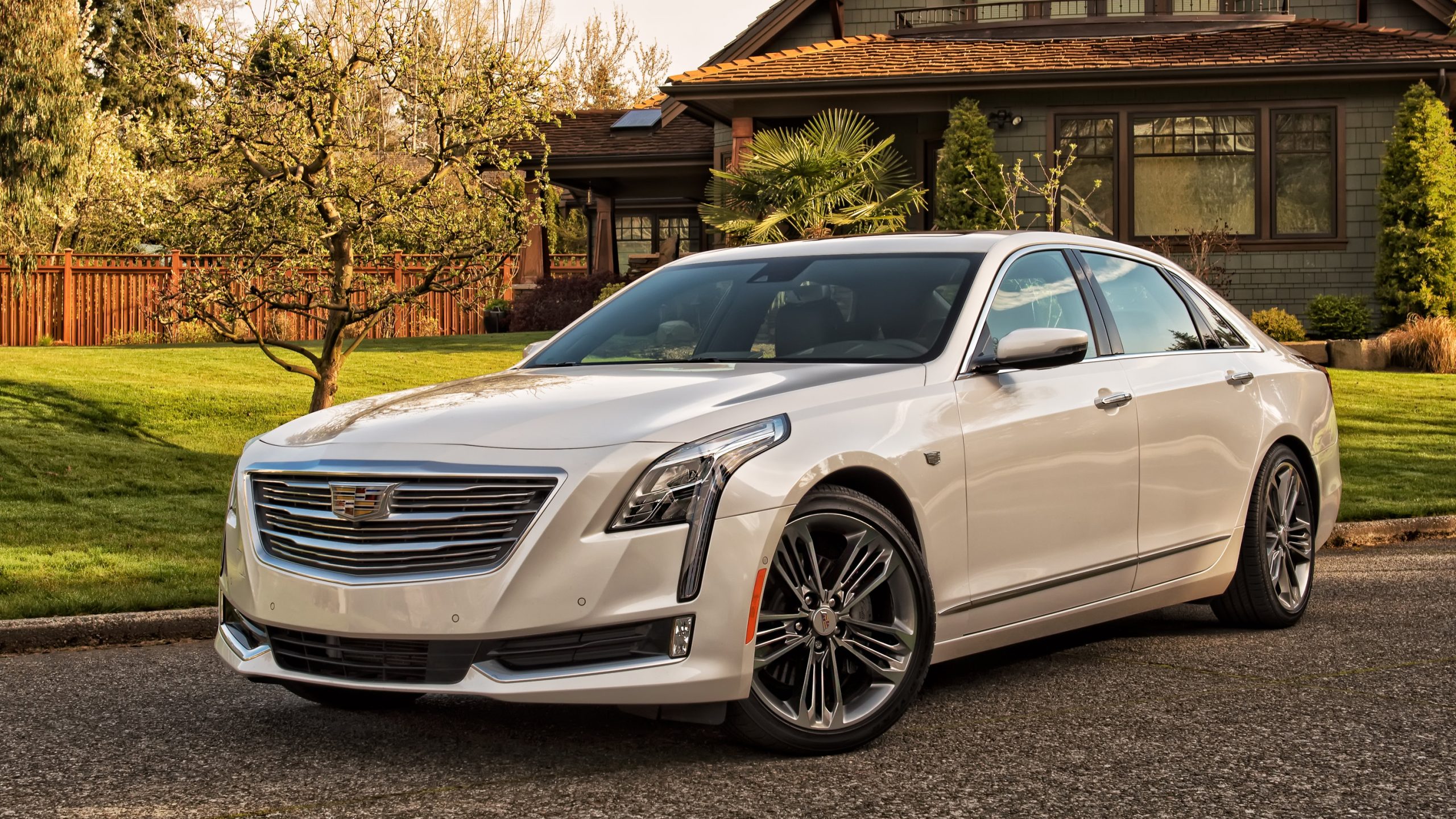
Driver Monitoring Systems are typically found in semi-autonomous or higher-end vehicles aiming to ensure the driver stays alert. For instance, the Cadillac CT6 was one of the first luxury sedans to offer a driver attention monitoring system using infrared cameras to detect eye movements and head position.
More recently, Ford has integrated driver monitoring into its Co-Pilot360 Assist+ package, including on models like the Ford Explorer and F-150. Subaru offers EyeSight technology with driver monitoring functions in vehicles such as the Subaru Outback.
While these systems represent a noble goal, user experience reveals notable limitations. Owners of the Cadillac CT6 reported that the system often gave false alarms when drivers glanced away briefly or adjusted the radio.
Ford’s system, while improved, still struggles in bright sunlight or with drivers wearing sunglasses, causing inconsistent alerts. Subaru’s EyeSight attempts to balance sensitivity but sometimes misses subtle signs of distraction.
The privacy concern has also surfaced most in luxury vehicles equipped with cameras inside the cabin, such as those from Volvo and Mercedes-Benz. Volvo’s Pilot Assist system includes driver monitoring but faces some consumer skepticism about in-car video recording, even though data use is explained to be minimal and local.
Furthermore, the problem of “alarm fatigue” is common. For example, drivers of the Hyundai Palisade, equipped with a driver attention warning system, have reported disabling the feature due to constant alerts during routine driving. This diminishes the system’s intended safety benefits.
Ultimately, while models like the BMW 5 Series have integrated sophisticated driver monitoring as part of their Driving Assistance Professional package, the technology is still not foolproof. It is better viewed as an additional alert system rather than a replacement for responsible driving.
3. Automated Emergency Steering
Automated Emergency Steering (AES) is a cutting-edge feature currently found mostly in premium vehicles and some newer mid-range models.
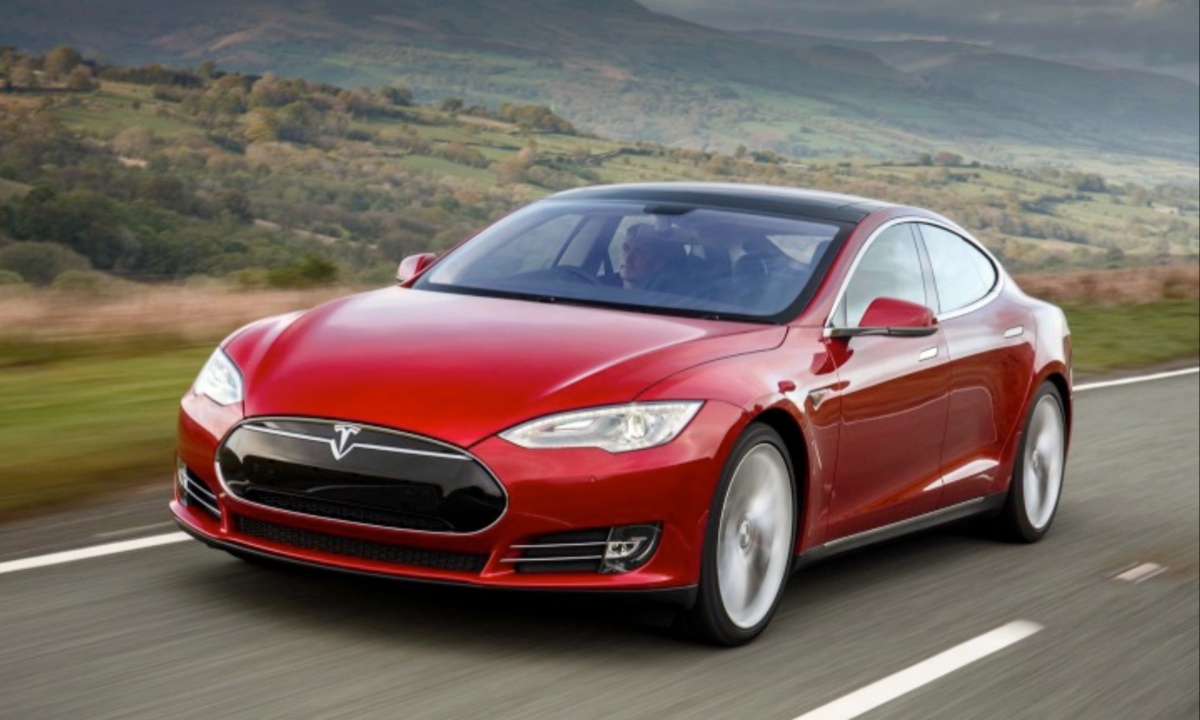
For example, the Tesla Model S and Model X claim advanced capabilities to autonomously steer around obstacles as part of their Full Self-Driving package. Similarly, Mercedes-Benz EQS and Audi e-tron have incorporated versions of AES in their driver assistance suites.
However, the actual effectiveness of AES varies widely. Tesla’s system relies heavily on camera and radar inputs and has been criticized for sudden or unexpected steering interventions that confuse drivers, especially in urban environments.
There have been recorded incidents where Tesla’s AES feature swerved into adjacent lanes or onto shoulders, raising concerns about its reliability in complex traffic.
Mercedes-Benz’s implementation of AES is more conservative, often combining emergency braking with subtle steering corrections, but the system will disengage if safe evasion is not guaranteed. This cautious approach reduces risk but also limits AES’s utility in truly dynamic or crowded scenarios.
Audi’s e-tron models use a blend of sensors to enable AES but warn drivers explicitly that the system should not replace active attention. Some Audi drivers have noted that AES only activates in rare situations, making its life-saving potential more theoretical than practical.
Moreover, all these vehicles require drivers to be prepared to take over instantly. The lack of clear driver training or awareness about how AES operates further undermines safety. For instance, Tesla’s user manuals caution drivers to remain attentive, but real-world users may misunderstand or overtrust the system, leading to accidents.
In essence, AES is a promising technology seen in models like the Volvo XC90 Recharge and BMW iX, but it remains in a developmental phase. Until automated steering can handle a broad spectrum of scenarios with foolproof safety, it remains an overhyped feature rather than a proven life-saver.
4. Traffic Sign Recognition Systems
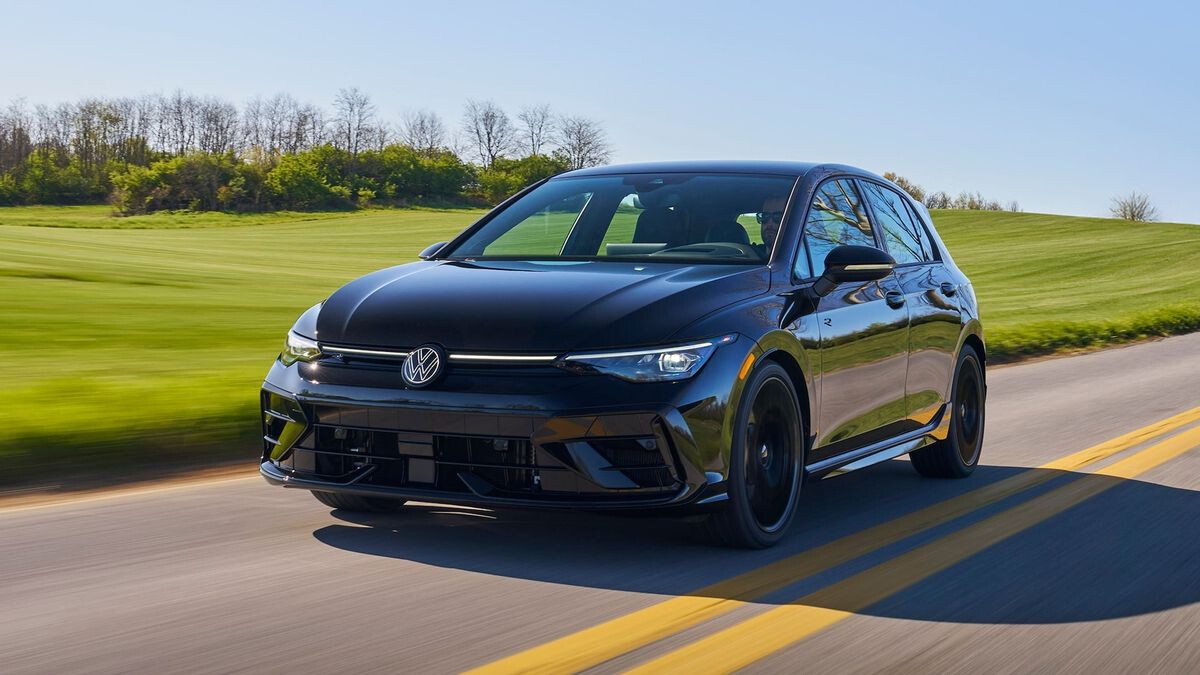
Traffic Sign Recognition Systems are becoming increasingly common in both mainstream and luxury vehicles. Examples include the Volkswagen Golf, which offers TSRS as part of its Travel Assist package, and the Mazda CX-5, which incorporates this feature within its i-Activsense safety suite. Luxury brands like Jaguar and Land Rover also include TSRS in their InControl systems.
Despite availability, real-world performance often leaves drivers unimpressed. For example, Volkswagen Golf owners report that the system frequently misreads signs, confusing speed limits from adjacent lanes or missing signs partially obscured by trees.
Mazda CX-5 drivers have experienced delayed or inconsistent speed limit updates, especially in areas with temporary construction signage.
Additionally, drivers of luxury vehicles such as the Range Rover Velar have noted that TSRS sometimes fails in poor weather or when road signs differ from map data. This mismatch can cause incorrect speed advisories or failure to warn about critical signs like no-entry or stop signs.
When integrated with adaptive cruise control, errors can have safety impacts. For instance, the Ford Mustang Mach-E incorporates TSRS to adjust speed automatically.
However, drivers have reported sudden braking when the system misreads speed signs, startling occupants and trailing drivers. This kind of erratic behavior erodes trust and leads some drivers to disable the feature.
Furthermore, TSRS may encourage passive driving behaviors by shifting responsibility for sign recognition from the driver to the car. This can reduce situational awareness, increasing risk in complex traffic environments.
Though promising, Traffic Sign Recognition remains a supplemental aid in models ranging from the Toyota RAV4 to the Audi A4, rather than a definitive life-saving feature.
5. Blind Spot Detection with Automatic Steering Correction
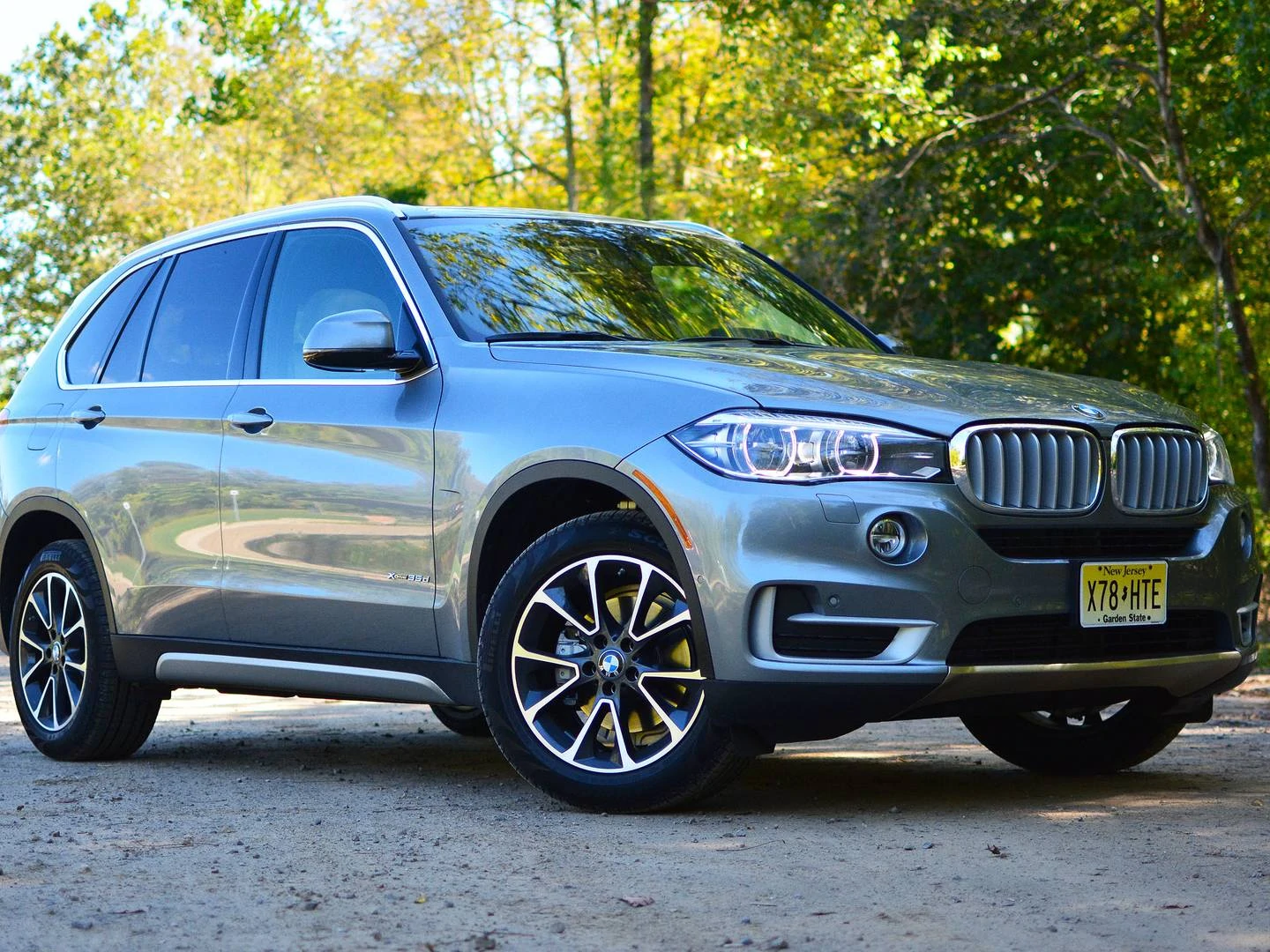
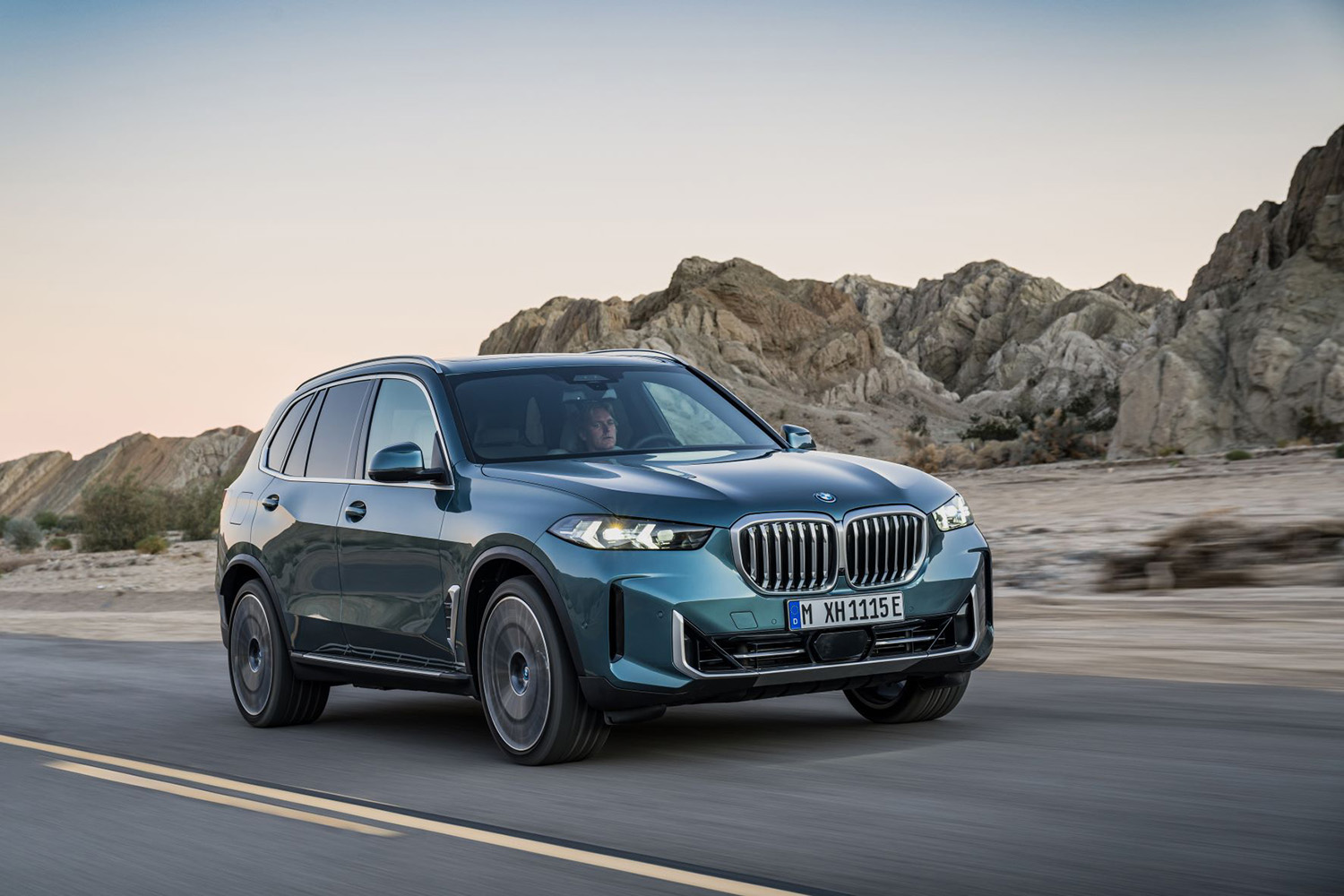
Blind Spot Detection (BSD) is now standard in many cars, including popular models like the Honda CR-V, Ford Escape, and Subaru Forester. More advanced versions that incorporate automatic steering correction can be found in premium vehicles such as the Tesla Model 3, Mercedes-Benz GLE, and BMW X5.
Traditional BSD systems use radar or ultrasonic sensors to warn drivers of vehicles in adjacent lanes with visual indicators, often supplemented by audible alerts.
The Honda CR-V’s system, for example, lights up a small icon on the side mirror to alert the driver. However, the addition of automatic steering correction—where the car actively prevents a lane change if a vehicle is detected—introduces new complexities.
Tesla’s automatic steering correction, integrated into its Autopilot system, can intervene to prevent lane changes into a blind spot.
While this theoretically reduces collisions, Tesla drivers have reported sudden steering inputs that feel intrusive, especially on highways with heavy traffic. Some have described situations where the car’s interventions caused abrupt lane changes, raising safety concerns.
Similarly, Mercedes-Benz’s Active Blind Spot Assist in the GLE offers gentle steering torque to nudge the vehicle away from danger. While less aggressive than Tesla, some drivers find the intervention confusing or disruptive during normal lane merges.
Sensor limitations also affect BSD accuracy. For example, Subaru Forester’s system can be tricked by large trucks, roadside objects, or even metal guardrails, causing false alerts or failures to detect vehicles. Weather conditions like snow or heavy rain further degrade sensor reliability.
Driver misunderstanding and lack of training contribute to misuse or overreliance. Some drivers disable automatic steering correction due to discomfort or distrust, while others may assume the system will fully prevent collisions and take more risks.
While BSD with automatic steering correction is available in models like the Audi Q7 and Volvo XC90, its real-world effectiveness is mixed. It remains a helpful but often overhyped safety feature that should supplement—not replace—careful driving.
5 Traditional Features That Save Lives
1. Anti-lock Braking System (ABS)
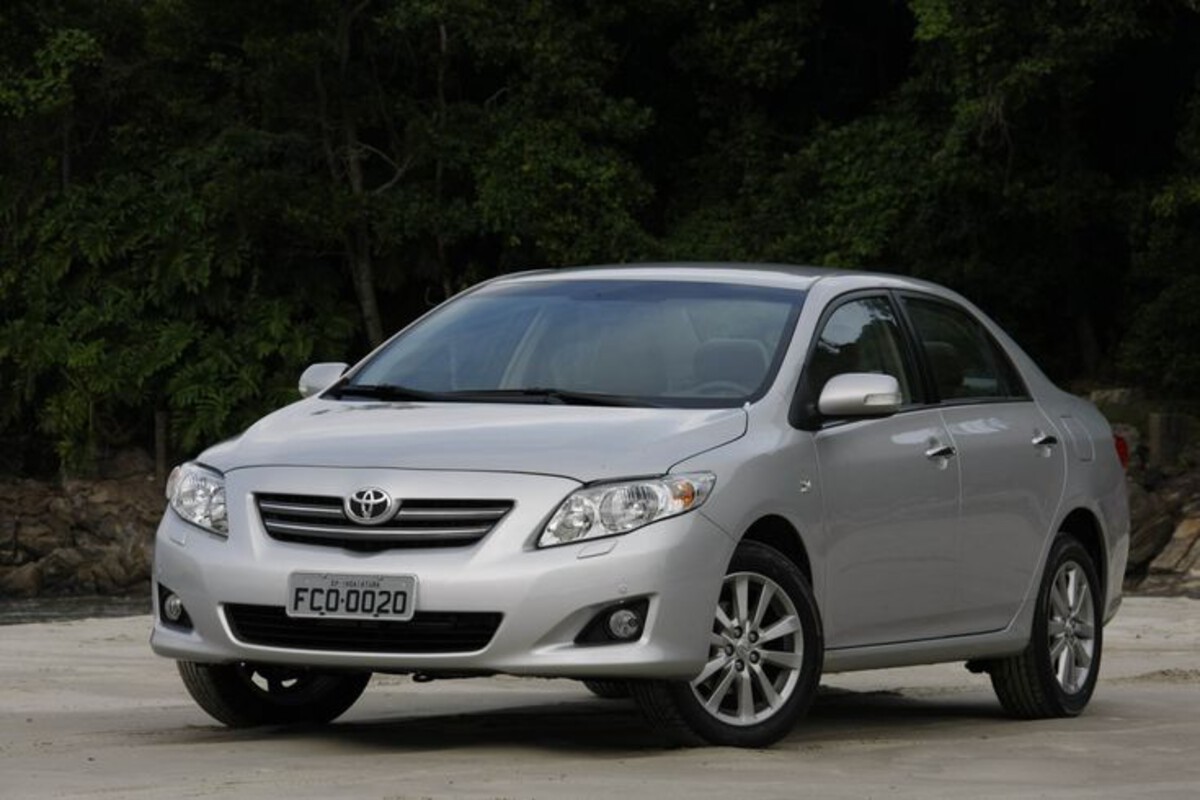
The Anti-lock Braking System (ABS) is arguably one of the most revolutionary and enduring safety innovations in the automotive world. Introduced widely in the 1980s and 1990s, ABS has since become a standard safety feature across nearly all new cars, from economy models like the Toyota Corolla to luxury sedans such as the BMW 7 Series.
The primary function of ABS is to prevent the wheels from locking up during emergency braking, maintaining traction and allowing the driver to steer while applying maximum brake pressure. This combination reduces the risk of skidding and losing control in critical situations, especially on slippery or uneven road surfaces.
One of the key advantages of ABS is its ability to perform reliably in a wide range of driving conditions. Whether on wet asphalt, icy roads, gravel, or loose dirt, ABS dynamically modulates brake pressure to keep wheels rotating.
This modulation helps maintain directional stability and prevents spin-outs, which are common causes of accidents during panic stops.For example, a Subaru Outback owner may benefit greatly from ABS on snowy or gravelly rural roads where sudden braking without ABS would likely cause the vehicle to skid uncontrollably.
Studies consistently show that ABS reduces stopping distances and improves vehicle control in emergencies, directly correlating with a reduction in crash rates.
Importantly, ABS works well with other safety systems. For instance, modern cars like the Honda Civic integrate ABS with Electronic Stability Control (ESC) and Brake Assist to create a comprehensive braking response system.
ESC can detect and correct understeer or oversteer by selectively applying brakes to individual wheels, while Brake Assist ensures full braking power is applied quickly during panic stops. These combined technologies create a safety net that makes modern vehicles much more controllable under extreme conditions, ultimately saving lives.
Beyond technology, the widespread adoption of ABS has transformed driver education and expectations. Drivers today learn that maintaining firm brake pressure while steering is critical during emergencies, a technique that ABS facilitates.
Its intuitive operation requires no special action from the driver beyond pressing the brake firmly, making it highly effective in real-world scenarios. Unlike many newer technologies, ABS is mature, reliable, and proven by decades of accident data to save lives, making it one of the most essential and underappreciated traditional safety features.
2. Seat Belts
Seat belts are perhaps the most fundamental and historically significant safety feature in vehicles. Since their introduction in the 1950s and their widespread adoption in the 1970s, seat belts have saved millions of lives worldwide.
They work by restraining occupants during collisions, preventing ejection from the vehicle, and reducing the severity of impact injuries by spreading forces over stronger parts of the body, like the pelvis and ribcage.
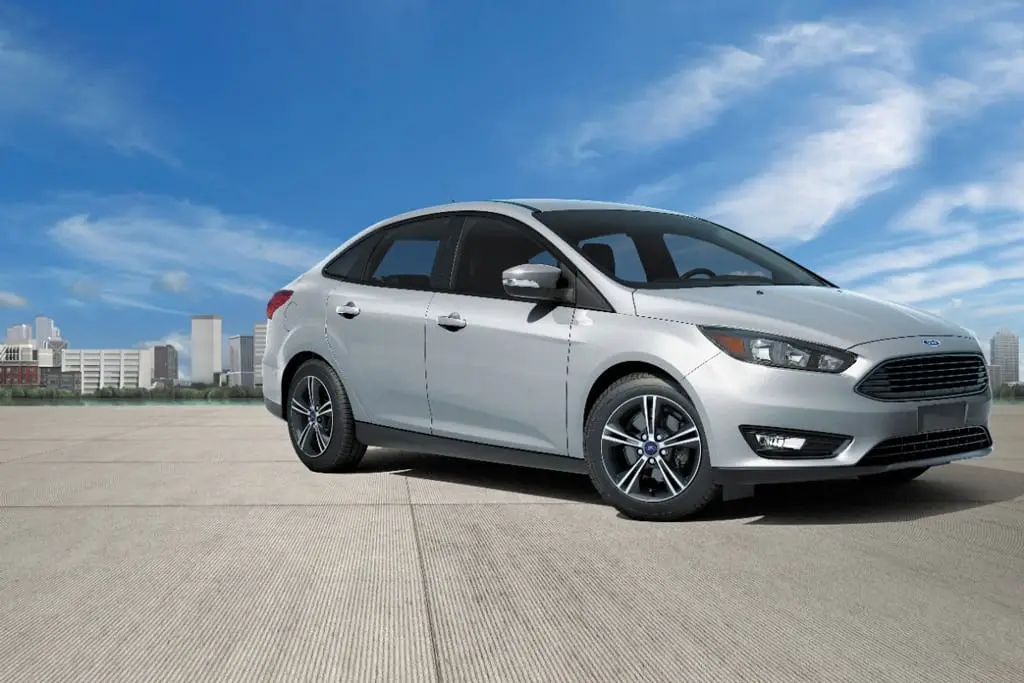
Today, nearly every vehicle on the road, whether a compact Ford Focus or a full-size Chevrolet Silverado, comes equipped with multi-point seat belts for all seating positions.
The effectiveness of seat belts is backed by overwhelming scientific and statistical evidence. According to the National Highway Traffic Safety Administration (NHTSA), wearing a seat belt reduces the risk of fatal injury to front-seat occupants by 45% and the risk of moderate-to-critical injury by 50%.
Seat belts have also proven critical in preventing occupants from colliding with interior parts of the vehicle, such as the dashboard, windshield, or steering wheel, which can cause life-threatening trauma.
For example, during a high-speed crash in a Volkswagen Passat, the seat belt system, especially when paired with pre-tensioners and load limiters, ensures that the occupant remains securely in place, minimizing injury.
Technological improvements have also enhanced the safety offered by seat belts. Modern vehicles like the Volvo XC90 and Mercedes-Benz E-Class include seat belt pre-tensioners that automatically tighten the belt at the moment of impact, reducing slack and better securing passengers.
Load limiters release a small amount of belt tension during a severe collision to reduce chest injuries while still restraining the occupant effectively. These advances work seamlessly with airbags, creating a coordinated safety response that cushions and restrains occupants during crashes.
Seat belts are not just lifesavers in frontal collisions; they also protect occupants in side impacts, rollovers, and rear-end crashes.
In rollover scenarios, such as those occasionally experienced by SUVs like the Jeep Grand Cherokee, seat belts keep occupants from being thrown around or ejected, which is critical given the high fatality rate associated with rollovers.
Despite their simple design, seat belts remain one of the most cost-effective and essential safety features, consistently outperforming many newer technologies in real-world life-saving impact.
3. Crumple Zones
Crumple zones are a fundamental element of modern vehicle safety design, and they have saved countless lives by absorbing and dissipating crash energy before it reaches occupants.
First developed and popularized by Mercedes-Benz in the 1950s and 1960s, crumple zones are engineered areas of the car’s structure, usually the front and rear, that are designed to deform controllably during a collision.
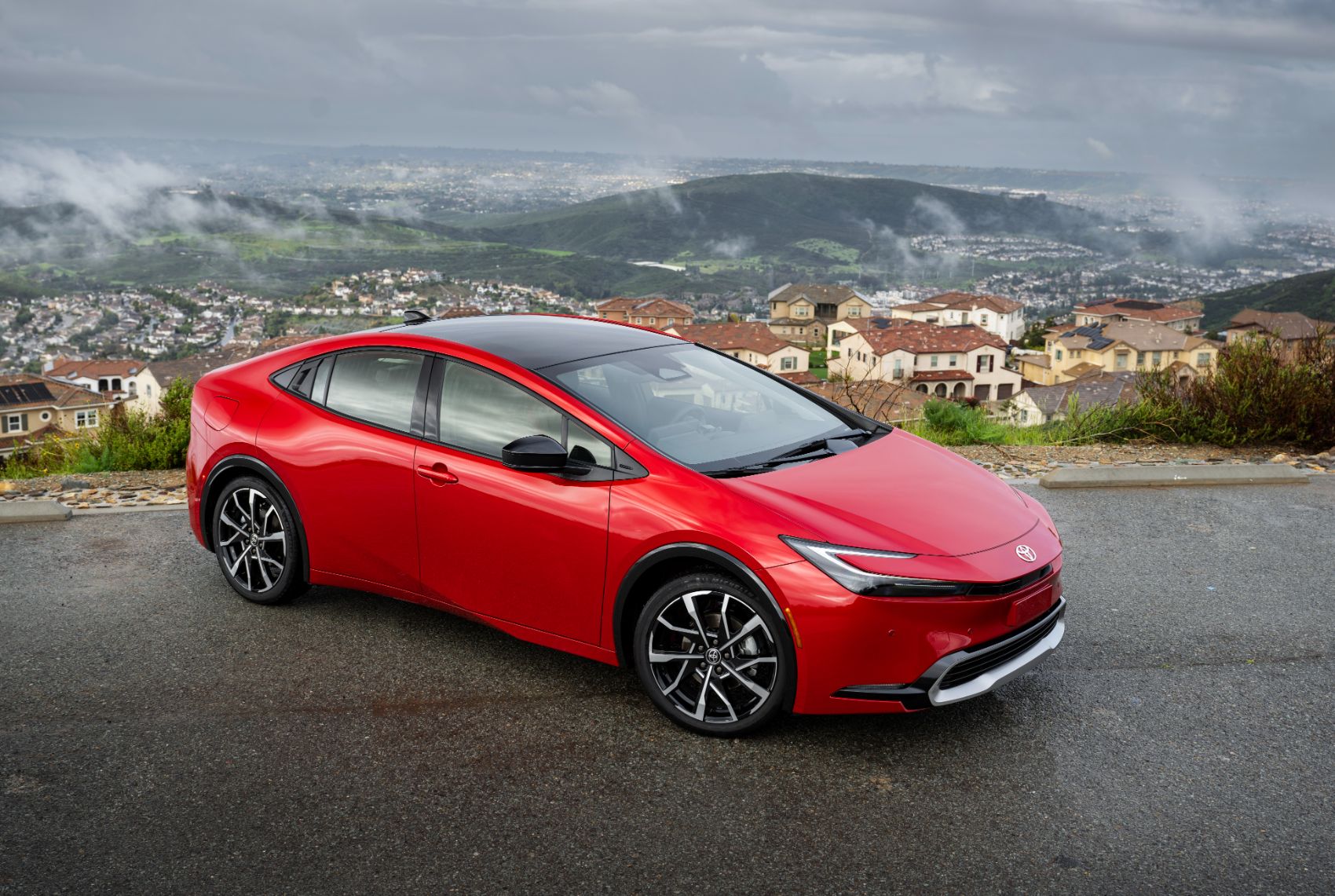
Vehicles such as the Audi A4, Toyota Prius, and Ford F-150 all incorporate crumple zones that deform to absorb kinetic energy, significantly reducing the forces transmitted to the passenger compartment.
The concept behind crumple zones is deceptively simple: by extending the time over which a crash occurs and deforming sacrificial structures, the peak impact forces experienced by occupants are reduced. Instead of a sudden, rigid impact, the car’s frame progressively collapses, spreading the energy across a larger area and longer time frame.
This decreases the risk of serious injuries such as traumatic brain injuries or internal organ damage. For example, a frontal collision involving a Honda Accord benefits from a well-engineered front crumple zone that absorbs much of the crash energy, leaving the occupant cell relatively intact. The science behind crumple zones is also closely tied to advancements in materials and structural engineering.
Automakers like BMW and Tesla use ultra-high-strength steel, aluminum, and composite materials to create zones that deform predictably while preserving the integrity of the cabin. In electric vehicles such as the Tesla Model 3, the absence of a traditional engine allows designers to optimize front crumple zones for better crash absorption, further enhancing occupant protection.
Crumple zones work in tandem with occupant restraint systems such as seat belts and airbags. While crumple zones manage external forces, seat belts and airbags manage the forces inside the cabin, creating a layered defense system.
The result is a vehicle that not only protects its occupants but also reduces injury severity in the vast majority of accidents. Despite being a passive safety feature, crumple zones are a cornerstone of vehicle crashworthiness and a critical reason why modern cars are safer than ever before.
4. Airbags
Airbags are one of the most recognizable safety features, having become standard equipment on nearly every new vehicle since the 1990s.
They serve as a supplemental restraint system designed to deploy rapidly during collisions to cushion occupants and prevent contact with hard surfaces like steering wheels, dashboards, or windows.
The first widespread airbags appeared in luxury cars such as the Mercedes-Benz S-Class and later became available in mass-market vehicles like the Honda Accord and Ford Explorer. Today, advanced vehicles like the Tesla Model Y and Toyota RAV4 come equipped with multiple airbags, including front, side, curtain, and knee airbags.
The effectiveness of airbags is well documented; studies show that front airbags alone reduce driver fatalities by about 29%.
Side airbags and curtain airbags further protect occupants in side-impact collisions and rollovers by shielding the head and torso from intrusion and glass shards. For example, the Volvo XC60 incorporates an array of side curtain airbags designed to protect occupants during side impacts or rollovers, significantly reducing the risk of fatal injuries.
Airbags work best when combined with seat belts, which keep occupants properly positioned for airbag deployment. Modern vehicles employ sophisticated crash sensors and algorithms to determine the severity and type of collision, deploying airbags accordingly to minimize injury risk.
For instance, the Audi Q5 features adaptive airbags that adjust inflation speed and pressure based on occupant size, seating position, and crash severity, improving protection while reducing the chance of airbag-induced injuries.
Furthermore, the design and materials of airbags have evolved. Today’s airbags use advanced fabrics and deploy in complex shapes and sequences to provide broad coverage. Knee airbags, found in vehicles like the Mercedes-Benz E-Class, protect lower limbs from injury during frontal impacts.
Curtain airbags now extend along the entire side window length, offering protection to all passengers. The evolution of airbags from simple frontal cushions to comprehensive multi-point systems exemplifies their vital role in saving lives.

5. Electronic Stability Control (ESC)
Electronic Stability Control (ESC), sometimes called Electronic Stability Program (ESP) by manufacturers like Mercedes-Benz, is a lifesaving active safety technology that helps drivers maintain control during extreme maneuvers such as skidding, swerving, or sudden obstacle avoidance.
ESC works by selectively applying brakes to individual wheels and modulating engine power to prevent loss of control. This system has been widely adopted since the early 2000s and is standard on most vehicles today, from affordable models like the Hyundai Elantra to performance cars such as the Porsche 911.
ESC’s importance lies in its ability to prevent spinouts and rollovers, which are major causes of fatal crashes. For example, SUVs like the Ford Explorer or Jeep Cherokee, which have higher centers of gravity and are more prone to rollovers, benefit greatly from ESC’s corrective braking interventions.
When a driver oversteers or understeers during emergency maneuvers, ESC steps in instantly to apply brakes on select wheels to stabilize the vehicle and maintain intended direction.
Statistical evidence strongly supports ESC’s life-saving impact. According to the Insurance Institute for Highway Safety (IIHS), ESC reduces single-vehicle crashes by about 50% and fatal single-vehicle crashes by up to 70%.
This dramatic reduction has led to regulatory mandates worldwide, requiring ESC on nearly all new passenger vehicles. Models like the Toyota Camry and Volkswagen Passat feature ESC integrated with traction control and ABS for comprehensive vehicle stability management.
ESC also adapts to diverse driving conditions. It works on wet, icy, or uneven roads, and in various vehicle configurations including front-wheel drive, rear-wheel drive, and all-wheel drive.
For example, the Subaru Forester, known for its all-wheel-drive system, pairs ESC with symmetrical AWD to provide exceptional traction and stability in adverse weather.
By intervening before a loss of control occurs, ESC helps prevent accidents that traditional braking or steering inputs alone cannot avoid.
In conclusion, ESC remains one of the most effective safety technologies ever introduced. Unlike many new driver aids, ESC works silently and seamlessly, requiring no driver input beyond normal operation. Its ability to prevent crashes rather than merely mitigate injury makes it a true lifesaver and a foundational element of modern vehicle safety.
Also Read: 5 High-Mileage Cars You Can Still Buy Cheap and 5 That Cost a Fortune to Maintain
As the automotive landscape continues to evolve, the interplay between emerging safety technologies and time-tested features becomes increasingly important.
The cutting-edge systems like lane keeping assist, automated emergency steering, and driver monitoring can easily overshadow the proven, fundamental safety technologies that have saved countless lives over the decades.
This article highlights that while innovation is vital, it is equally crucial to maintain perspective and understand that not all safety features deliver equal benefits in real-world conditions.
The five overhyped features discussed—lane keeping assist, driver monitoring systems, automated emergency steering, traffic sign recognition, and blind spot detection with automatic steering correction—demonstrate that technological complexity does not always translate to reliability or increased safety.
Many of these systems are dependent on optimal road markings, favorable weather, or driver awareness to function correctly, and their limitations can lead to driver overreliance or confusion.
In some cases, these features may even introduce new risks due to unexpected system behavior or false alarms. While manufacturers continue to refine these technologies, consumers must approach them with caution, understanding that they are aids rather than replacements for attentive and responsible driving.
These features have become the backbone of automotive safety, fundamentally improving crash survivability and occupant protection. Their success is measured not by marketing hype but by decades of statistical evidence showing reduced fatalities and injuries across diverse vehicle types and driving environments.
From the simplicity of a properly worn seat belt to the complex engineering of crumple zones, these systems work cohesively to save lives in ways that newer technologies are still striving to replicate.
In conclusion, modern drivers and vehicle buyers should strike a balance between embracing innovative safety technologies and valuing the critical importance of traditional safety features.
Overhyped or misunderstood systems can give a false sense of security, while foundational safety technologies provide consistent, proven protection. As vehicles become increasingly complex, education and awareness become paramount in ensuring that drivers use all available safety features correctly and effectively.
Ultimately, the road to safer driving lies not only in technological advancements but also in the careful integration of these technologies with the enduring principles of vehicle safety.
Prioritizing proven features, practicing attentive driving, and critically evaluating new technologies will help drivers make smarter choices and enhance their chances of arriving safely at their destinations.
The true goal is not just to have the latest gadgets but to rely on a comprehensive, well-understood suite of safety measures that collectively work to save lives.
