
The automobile industry has long stood as a symbol of technological progress, personal freedom, and industrial might. Over the past century, cars have evolved from basic, boxy transporters to complex machines brimming with sensors, software, and structural engineering designed to keep occupants safe.
Yet, with innovation comes risk, and history is riddled with examples where safety took a backseat to cost, expedience, or hubris. Some vehicles entered the spotlight not for their speed, comfort, or design, but for tragic shortcomings that cost lives and trust.
Others, however, quietly built reputations for dependability, surviving crash tests and real-world dangers to become household symbols of safety. This duality is what makes the topic of automotive safety scandals versus trustworthy models so compelling.
Safety scandals tend to make global headlines. When a car brand is embroiled in a safety-related controversy, whether due to exploding fuel tanks, faulty airbags, or glitchy software, it affects not only the people driving those cars but also the broader trust in an entire brand or even the industry itself.
These are not mere technical errors. They often reflect deeper systemic issues: shortcuts in engineering, lack of transparency, or failed oversight. Cars like the Ford Pinto or Chevrolet Cobalt didn’t just malfunction—they became case studies in how corporate decisions can have fatal consequences.
On the other hand, some vehicles quietly and consistently earn praise for doing the right thing. These are the cars that parents buy for their teenagers, that win top marks from safety institutes, and that automakers highlight as evidence of their commitment to protecting lives.
They incorporate innovation responsibly, address recalls transparently, and foster driver confidence year after year. Cars like the Volvo XC90 and Subaru Outback are more than just products—they’re protective tools trusted across generations.
In this article, we’ll take a deep look into five cars remembered for their safety scandals and compare them to five vehicles that earned reputations as some of the safest and most trustworthy on the road.
Each example offers lessons, some cautionary, some commendable that reflect the high stakes and responsibilities behind the wheel.
5 Cars Remembered for Safety Scandals
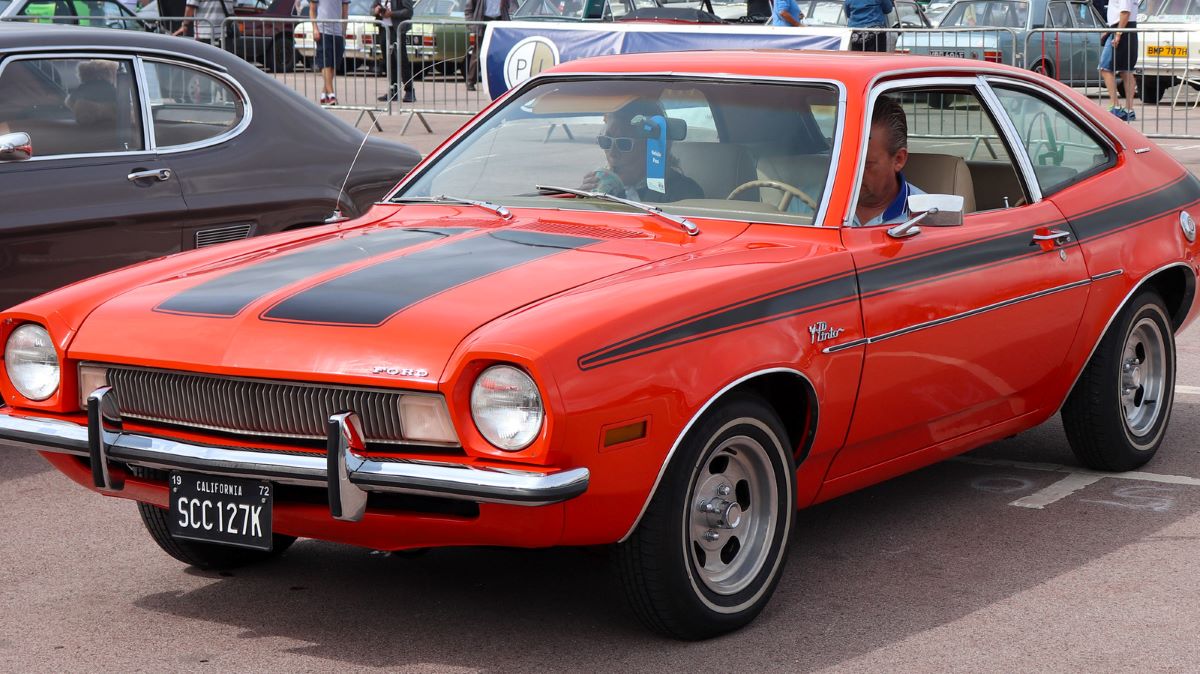
1. Ford Pinto
The Ford Pinto is perhaps the most infamous example of a car whose safety scandal became a defining moment in automotive history. Introduced in the early 1970s as Ford’s answer to the growing demand for small, affordable cars, the Pinto was rushed into production to compete with fuel-efficient imports. However, this haste came at a cost.
One of the car’s most critical flaws was the design of its fuel tank, which was positioned behind the rear axle and lacked adequate shielding or structural protection. This placement left the tank vulnerable to puncture during even moderate rear-end collisions.
What made the issue particularly devastating was that the Pinto’s fuel tank could rupture and ignite gasoline leaks, leading to deadly fires. These defects resulted in multiple accidents where the car’s occupants suffered severe burns or died, making the Pinto a symbol of neglect and risk in automotive safety.
The controversy deepened dramatically when internal Ford documents were leaked, revealing that the company had conducted a “cost-benefit analysis” comparing the cost of fixing the fuel tank design against the potential cost of settlements for burn injuries and deaths.
This cold calculus showed Ford opted not to improve the tank because it would have cost $11 per vehicle, whereas the estimated cost of payouts was lower.
This decision, prioritizing profit margins over human lives, sparked outrage and a storm of media coverage. The case quickly escalated beyond automotive circles and became a landmark example in discussions about corporate ethics, regulatory failures, and the moral responsibilities of manufacturers.
The scandal spurred Congressional hearings and increased pressure on safety regulators to enforce stricter standards on fuel system designs.
From a technical standpoint, the Pinto’s flaw was a glaring example of how engineering compromises can lead to catastrophic failures.
Unlike other vehicles that placed the fuel tank in more protected areas or added reinforced barriers, the Pinto’s tank was sandwiched between the rear bumper and the trunk floor, with minimal crush space. This meant that even low-speed collisions could force the tank to rupture.
What was worse, the placement of the filler neck and the absence of protective reinforcements increased the likelihood of fuel leakage. Investigations revealed that Ford had received numerous reports and complaints about the issue before the car’s release but failed to act promptly.
The company’s initial resistance to recalling or redesigning the Pinto exacerbated public distrust and legal challenges, making the Pinto one of the first cars to be widely recognized as a safety hazard on a corporate level.
The Pinto’s safety scandal left a profound legacy on automotive safety and regulatory policy. It forced the National Highway Traffic Safety Administration (NHTSA) to strengthen crash test standards and fuel system integrity requirements. The case also ignited widespread public demand for greater transparency and accountability in car manufacturing.
Ford eventually recalled around 1.5 million Pintos and implemented design changes such as adding a protective shield to the fuel tank and reinforcing the rear structure. However, by then, the damage to Ford’s reputation was severe, and the Pinto became synonymous with reckless corporate behavior.
Today, the Pinto case is taught in business ethics and engineering courses alike as a cautionary tale about the devastating consequences when cost-cutting trumps consumer safety.
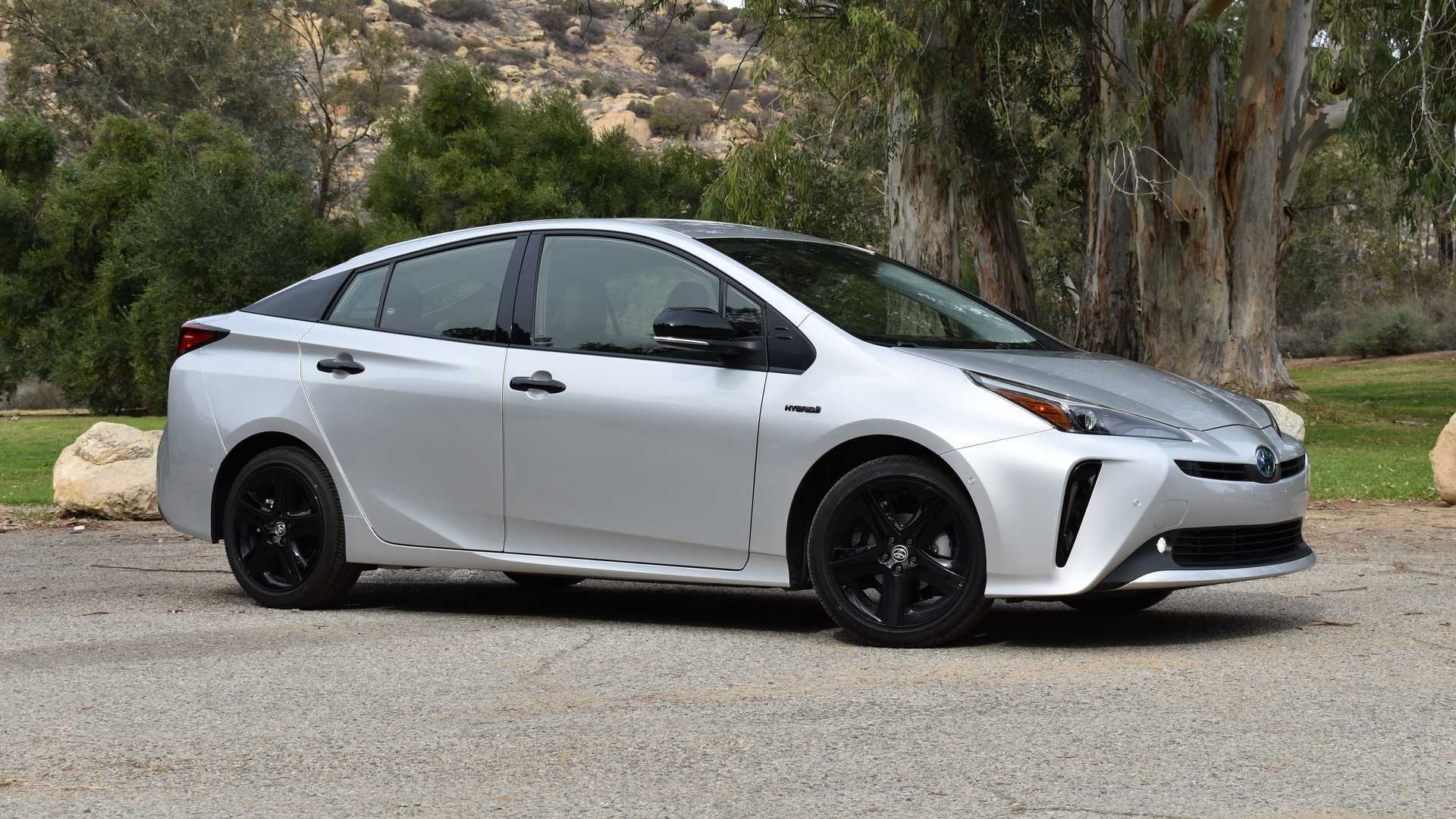
2. Toyota Prius (Unintended Acceleration Issues)
The Toyota Prius, widely celebrated as the pioneer of mass-market hybrid vehicles, found itself unexpectedly embroiled in a safety scandal related to reports of unintended acceleration.
Introduced in the late 1990s and gaining popularity through the 2000s as an environmentally friendly and reliable choice, the Prius initially enjoyed widespread acclaim.
However, beginning around 2009, an increasing number of drivers reported incidents where the vehicle would suddenly accelerate without driver input. These alarming reports ranged from brief moments of uncontrolled speed to severe crashes.
Given Toyota’s reputation for engineering excellence and rigorous quality standards, the unexpected acceleration claims caused confusion and concern among consumers, regulators, and safety experts alike. The issue raised fundamental questions about how hybrid technology and electronic throttle control systems interacted in real-world conditions.
The unintended acceleration issue with the Prius was complex and multifaceted, involving mechanical, electronic, and human factors. The Prius utilized a “drive-by-wire” system, where the accelerator pedal’s input was converted into electronic signals that controlled the throttle.
This design replaced traditional mechanical linkages and was intended to improve efficiency and response. However, electronic systems can be susceptible to software glitches, sensor malfunctions, or electromagnetic interference, all of which were examined as potential causes.
Toyota conducted extensive investigations, including working with the National Highway Traffic Safety Administration (NHTSA) and independent experts.
The company also recalled millions of vehicles to update software, inspect floor mats for pedal entrapment risks, and retrofit components to reduce the likelihood of unintended acceleration. Despite these efforts, some critics argued that Toyota was initially slow to acknowledge the full scope of the problem and reluctant to accept blame.
The media frenzy surrounding the Prius unintended acceleration scandal fueled fears about the safety of electronic controls in modern vehicles.
News outlets highlighted high-profile crashes and lawsuits, sometimes attributing incidents to driver error, but often focusing on the car’s complex systems. Public trust in Toyota was shaken, despite the company’s reputation for reliability.
The incident became a flashpoint in debates about the increasing role of software and electronics in automotive safety. It underscored how emerging technologies could introduce new failure modes that traditional mechanical inspections might miss.
Consequently, the Prius case influenced how manufacturers design, test, and communicate about electronic safety systems, emphasizing the need for redundancy, fail-safe modes, and clearer driver warnings.
In the aftermath, Toyota implemented significant changes to address safety concerns and rebuild trust. The company improved its software development processes, enhanced monitoring systems, and revised driver education materials to clarify the capabilities and limitations of electronic controls.
The Prius remained a best-seller and continued to be a symbol of hybrid innovation, but the unintended acceleration controversy remained a cautionary tale about the risks inherent in transitioning to more digitally controlled vehicles.
The episode also pushed regulators and industry groups to develop more comprehensive standards for electronic throttle control systems and vehicle cybersecurity, laying the groundwork for future autonomous and connected vehicles.
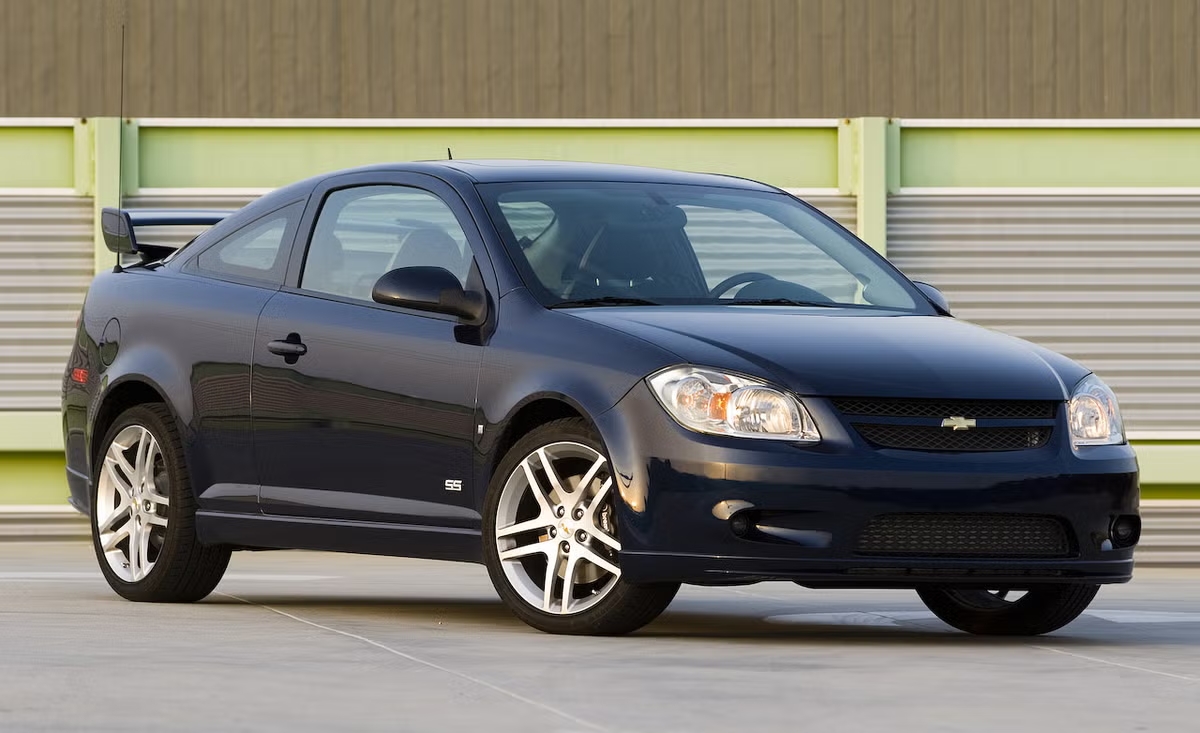
3. Chevrolet Cobalt
The Chevrolet Cobalt became emblematic of one of the most serious safety defects of the 2000s: a faulty ignition switch that could unexpectedly turn off the engine while the vehicle was in motion. Manufactured by General Motors from 2005 to 2010, the Cobalt was marketed as a compact, affordable vehicle.
However, it harbored a dangerous flaw where the ignition switch could be jostled out of the “run” position by something as simple as a heavy keychain or the driver’s knee.
When this happened, the car would lose power steering, power brakes, and crucially, the airbags would fail to deploy in the event of a collision. This defect led to numerous accidents, some fatal, resulting in a massive recall and intense scrutiny of GM’s safety culture and corporate governance.
What made the ignition switch defect so scandalous was not only the severity of the safety risk but the company’s delayed response.
Reports suggest that GM was aware of the defect for years before issuing a recall. Internal documents revealed that engineers had flagged the issue as early as 2004, but the problem was deprioritized or downplayed within the company’s management hierarchy.
This failure to act timely cost lives and eroded consumer trust. Victims and their families pursued legal action, and GM eventually faced multi-billion-dollar settlements and a Justice Department investigation.
The scandal also led to the resignation of GM’s CEO and spurred calls for sweeping reforms in how automakers handle safety concerns and defect reporting.
From a technical perspective, the ignition switch flaw was particularly insidious because it directly disabled safety systems that are critical during crashes. When the ignition turned off, the power-assisted brakes and steering were lost, making it harder for drivers to control the vehicle.
Most dangerously, the airbags, designed to protect occupants in a collision, would fail to deploy if the ignition was off. This defect transformed what should have been survivable accidents into fatal crashes.
The issue also raised questions about GM’s testing and validation processes, especially for components that interact closely with safety systems. In response, the company revamped its quality assurance practices and strengthened its product safety oversight.
The Chevrolet Cobalt ignition switch scandal had far-reaching implications for the automotive industry and regulatory agencies. It underscored the importance of transparency, prompt recall action, and effective defect management.
The case prompted the National Highway Traffic Safety Administration (NHTSA) to increase its oversight powers and improve its ability to detect and act on safety defects more quickly.
The scandal also sparked widespread public debate about the responsibilities of automakers toward consumer safety and the potential consequences of corporate negligence. For many, the Cobalt became a symbol of how deeply flawed safety practices can lead to tragedy, emphasizing the need for vigilance, accountability, and continuous improvement in automotive safety.
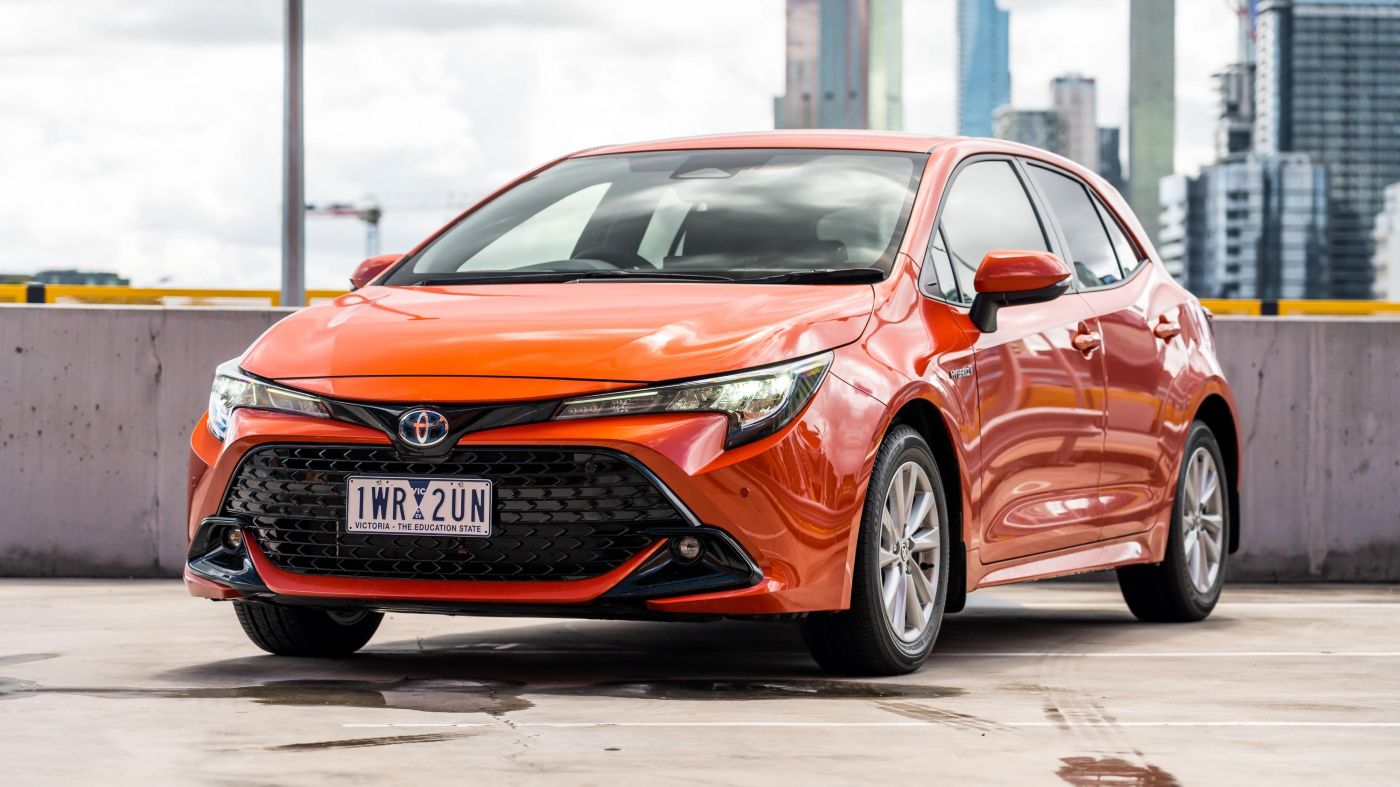
4. Takata Airbag Scandal (Various Brands)
The Takata airbag scandal is arguably one of the most expansive and devastating safety failures in the history of the automotive industry. Takata Corporation, once a leading supplier of airbags and safety components, manufactured inflators that were prone to catastrophic failures.
The inflators contained ammonium nitrate-based propellants that degraded over time, especially in humid or hot environments. This degradation could cause the inflator to explode with excessive force upon deployment, sending shrapnel into the vehicle’s cabin.
These defective airbags were linked to injuries and deaths worldwide, forcing unprecedented global recalls across dozens of automakers, including Honda, Toyota, Ford, BMW, Nissan, and many others. The breadth of the scandal and its consequences are unparalleled, affecting tens of millions of vehicles and shaking public confidence in vehicle safety.
The technical failure of the Takata airbags was unique in its severity and unpredictability. While airbags are designed to save lives by cushioning occupants during crashes, the Takata inflators had a fatal flaw: the propellant would sometimes burn too rapidly, causing the inflator housing to rupture violently.
The metal fragments from the explosion could pierce through dashboards, seats, and even drivers and passengers, causing serious injuries such as lacerations, puncture wounds, or fatalities. Early reports of malfunction and injuries surfaced as far back as the early 2000s, but Takata initially minimized the issue, delaying recalls and replacements.
Internal documents and lawsuits revealed that Takata executives were aware of the defect but prioritized production and cost savings over safety, leading to allegations of corporate misconduct.
The scale of the recall was unprecedented. By 2017, the National Highway Traffic Safety Administration (NHTSA) had ordered the recall of more than 60 million Takata airbags in the United States alone, with global totals exceeding 100 million units.
This was the largest and most complex recall operation in automotive history, requiring collaboration between manufacturers, regulators, and suppliers to identify affected vehicles and replace defective parts.
The shortage of replacement airbags led to significant logistical challenges and delays. The scandal also spurred criminal investigations and billions of dollars in fines and settlements. Takata eventually filed for bankruptcy, and its airbag business was acquired by other manufacturers aiming to restore trust.
Beyond the immediate technical and legal fallout, the Takata airbag scandal exposed critical weaknesses in supplier oversight and regulatory frameworks. It highlighted how complex global supply chains can mask quality problems and delay detection of safety risks.
The scandal prompted regulators worldwide to adopt stricter standards for airbag propellants, durability testing, and recall enforcement.
It also catalyzed changes in corporate culture, emphasizing transparency, whistleblower protections, and safety prioritization over cost-cutting. For consumers, the Takata case is a stark reminder that even life-saving safety components can become deadly if manufacturing and oversight fail.
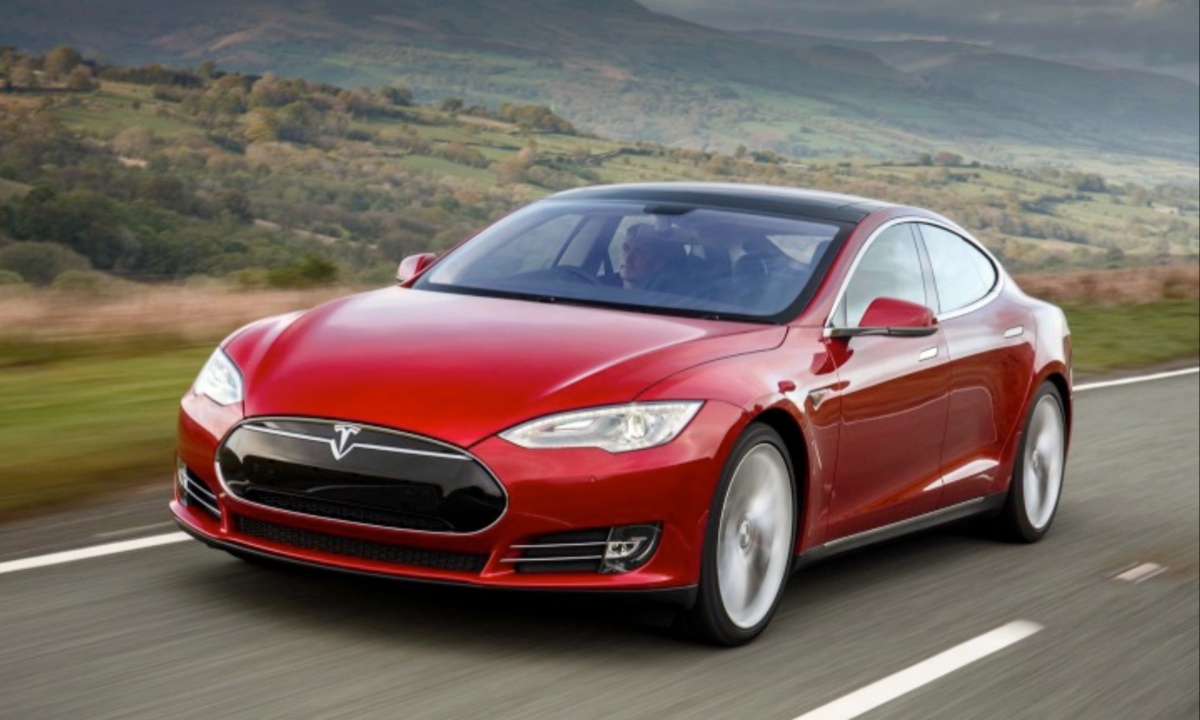
5. Tesla Model S (Autopilot Concerns)
Tesla’s Model S has been hailed as a revolutionary electric vehicle that pushed the boundaries of automotive technology and accelerated the transition to sustainable transportation. However, its Autopilot system—designed to assist drivers with steering, braking, and speed control—has sparked considerable controversy regarding safety.
Unlike traditional vehicles, Tesla relies heavily on software, cameras, and sensors to offer semi-autonomous driving capabilities.
While these innovations promise to reduce accidents caused by human error, a series of high-profile crashes involving Tesla vehicles operating in Autopilot mode raised questions about the technology’s maturity, the adequacy of driver oversight, and the clarity of Tesla’s marketing about what Autopilot can and cannot do.
The central issue in Tesla’s Autopilot safety controversies revolves around the gap between driver expectations and system limitations. Tesla markets Autopilot as an advanced driver assistance system, not full self-driving, but some drivers misunderstood or over-relied on the system’s capabilities.
There have been documented cases where drivers fell asleep, engaged in distractions, or left the wheel unattended while Autopilot was active. This misuse sometimes led to collisions with stationary emergency vehicles, roadside barriers, or other obstacles, resulting in injuries and fatalities.
Investigations revealed that while Autopilot can handle many driving situations, it struggles with complex environments, unusual obstacles, or poor weather conditions. The absence of robust driver monitoring systems in earlier versions also made it difficult to enforce driver attentiveness.
Regulatory agencies such as the National Transportation Safety Board (NTSB) and the National Highway Traffic Safety Administration (NHTSA) launched investigations into several Tesla crashes, focusing on both technical aspects of the Autopilot system and Tesla’s communication to consumers.
The NTSB recommended improvements in driver monitoring technology and clearer warnings about the system’s limitations. Tesla responded by adding more driver engagement prompts, updating software, and refining Autopilot’s functionality.
Nevertheless, the debate about how to regulate and certify semi-autonomous driving systems continues. Tesla’s approach—rapid innovation combined with real-world deployment—has forced policymakers to reconsider how emerging technologies should be tested and overseen to ensure public safety.
Tesla’s Model S Autopilot controversies illustrate the challenges of integrating cutting-edge technology in consumer vehicles. While the promise of autonomous driving is enormous, the technology remains imperfect and requires vigilant human oversight.
The incidents serve as important lessons about responsible deployment, the importance of clear communication to users, and the necessity of regulatory frameworks that balance innovation with safety. Tesla has undeniably transformed the automotive landscape, but the Autopilot safety questions remind us that with great technological power comes great responsibility.
Ensuring safety in the era of automation demands continuous improvement, transparency, and cooperation between manufacturers, regulators, and drivers.
5 Cars That Earned Trust Through Safety
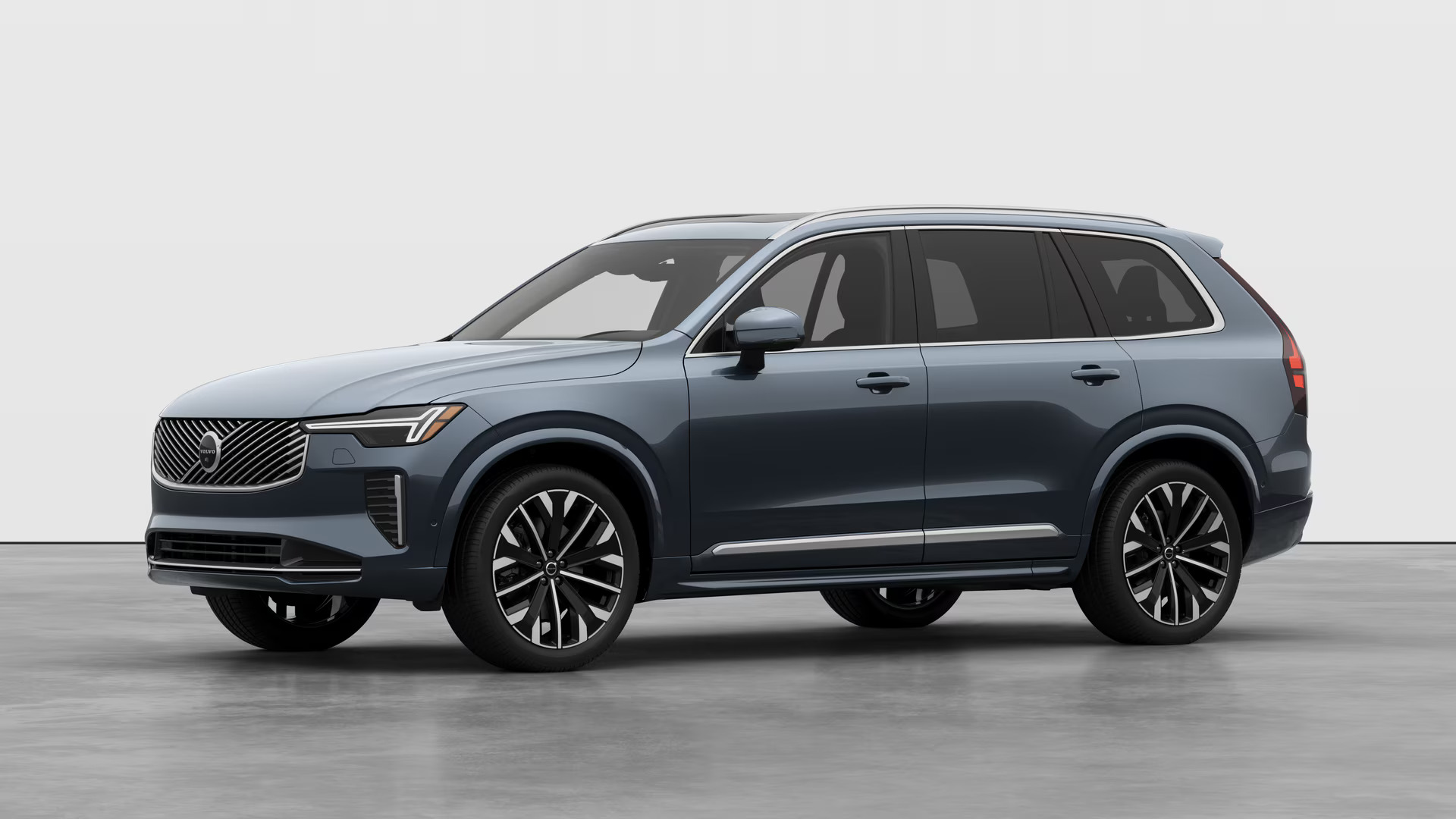
1. Volvo XC90
Volvo has long been synonymous with safety, and the XC90 SUV is one of the brand’s shining examples of its commitment to protecting drivers and passengers. Launched in 2002, the Volvo XC90 quickly earned a reputation as one of the safest SUVs on the market, blending robust engineering with innovative safety technology.
Volvo’s safety philosophy is holistic, encompassing everything from structural design to crash avoidance systems. The XC90 featured a strong, rigid passenger cage constructed from high-strength steel, carefully engineered crumple zones, and energy-absorbing materials to minimize injury in a crash.
This focus on passive safety was paired with advanced active safety features that were ahead of their time when first introduced, such as electronic stability control, anti-lock brakes, and side-impact protection systems.
One of the defining features of the XC90 was its introduction of cutting-edge technology designed to prevent accidents before they happened. Volvo pioneered the use of advanced driver assistance systems (ADAS) in the SUV segment, including collision warning with automatic braking, pedestrian detection, and adaptive cruise control.
These features enhanced driver awareness and response, reducing the likelihood of accidents caused by human error. Volvo also developed the innovative “WHIPS” (Whiplash Protection System) seats, designed to reduce neck injuries in rear-end collisions.
The integration of airbags was comprehensive, including side curtain airbags that provided protection to all occupants in the event of a rollover or side collision, a risk that many SUVs face. This holistic approach reinforced Volvo’s reputation for safety leadership.
Beyond technical innovations, the Volvo XC90 also played an important role in reshaping consumer perceptions about SUV safety. When SUVs first became popular, many consumers associated them with higher rollover risks and less predictable crash behavior compared to sedans.
Volvo challenged these stereotypes by designing an SUV that offered the commanding presence and versatility buyers wanted without compromising occupant protection.
The XC90’s consistent top ratings in safety tests from the Insurance Institute for Highway Safety (IIHS) and the National Highway Traffic Safety Administration (NHTSA) cemented its standing in the marketplace. For many families, the XC90 became a trusted choice precisely because it balanced performance, luxury, and uncompromising safety standards.
The legacy of the Volvo XC90 is a testament to how a car can earn and maintain consumer trust through sustained investment in safety innovation.
Over successive generations, Volvo has continued to refine and expand the XC90’s safety suite, adding semi-autonomous driving aids, improved sensor arrays, and structural enhancements that meet evolving crash test standards.
The XC90 also symbolizes Volvo’s broader corporate mission, which in 2020 set a bold goal that no one should be killed or seriously injured in a new Volvo by 2020, a commitment that underscores the brand’s leadership in automotive safety.
Today, the XC90 remains a benchmark for safe SUVs, a vehicle that delivers peace of mind without sacrificing style or functionality.
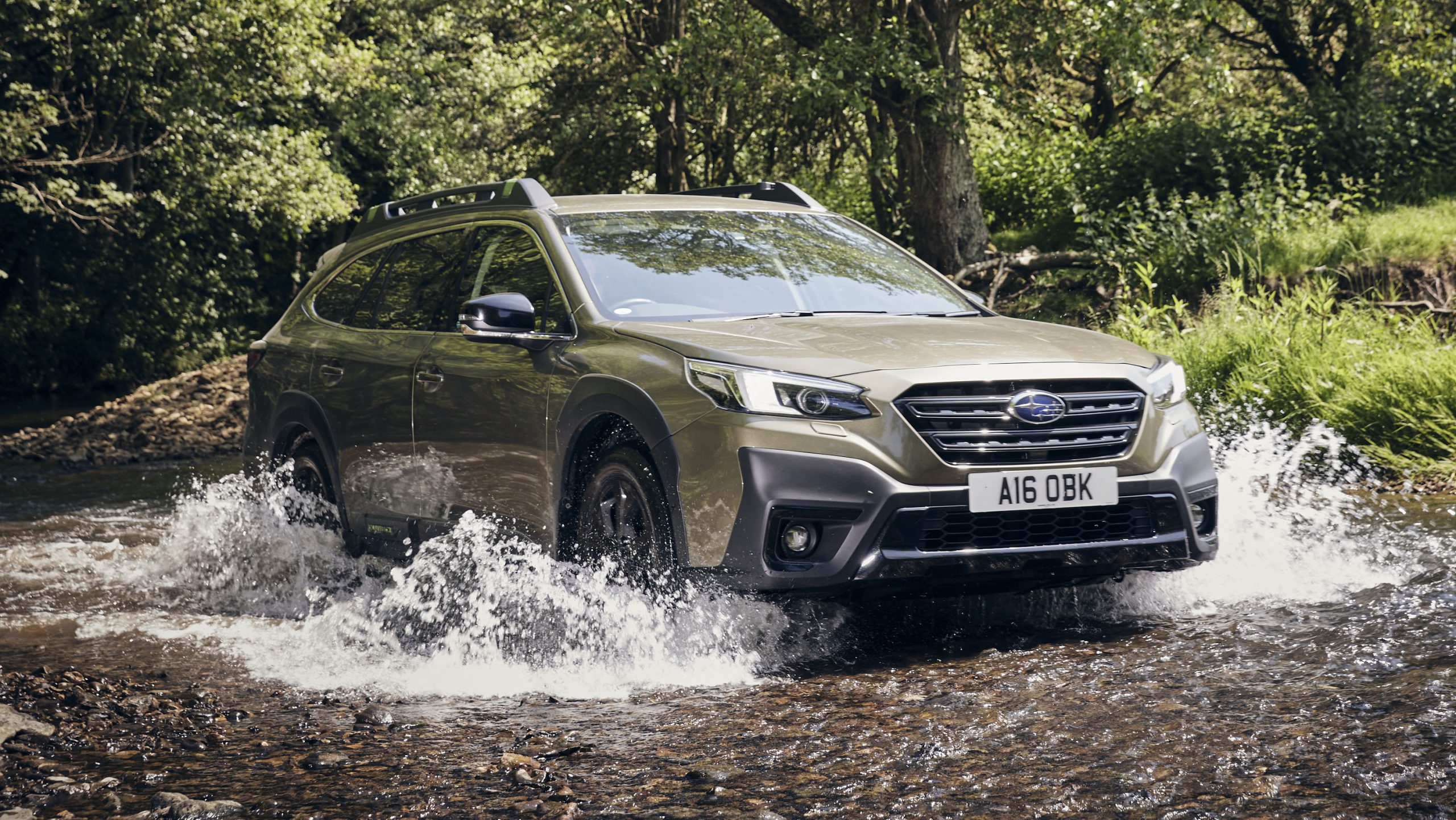
2. Subaru Outback
The Subaru Outback has earned a devoted following over the years, not just for its rugged versatility and all-weather capability but for its steadfast reputation for safety.
Since its debut in the mid-1990s, the Outback has embodied Subaru’s commitment to building reliable, well-protected vehicles tailored for families and adventurous drivers alike.
One of the foundational elements of the Outback’s safety is Subaru’s use of its signature Symmetrical All-Wheel Drive (AWD) system, which provides superior traction and stability on slippery roads and in challenging conditions. This mechanical advantage has saved countless drivers from accidents, especially in regions prone to rain, snow, and ice, effectively enhancing active safety through better vehicle control.
Structural integrity is another pillar of the Outback’s safety success. Subaru employs its Global Platform architecture, which uses high-strength steel in critical areas to improve crash energy absorption and passenger compartment rigidity.
The Outback consistently receives excellent crash test scores from agencies like IIHS and NHTSA, with particular praise for its front crash prevention capabilities and side-impact protection.
The vehicle’s design incorporates strategically placed crumple zones that disperse collision forces and minimize intrusion into the cabin.
Additionally, Subaru equips the Outback with a comprehensive airbag system, including side curtain airbags that protect all occupants in a rollover or side-impact event—critical features for an SUV designed to handle off-road conditions.
Beyond its mechanical and structural strengths, the Subaru Outback has been a leader in integrating advanced safety technologies at a value-driven price point. The inclusion of the EyeSight Driver Assist Technology system is one of the key reasons for its excellent safety reputation.
EyeSight employs stereo cameras to monitor traffic movement, optimize cruise control, and warn drivers of potential collisions. It also provides automatic pre-collision braking and lane departure warnings.
This technology, once reserved for luxury brands, helped democratize safety features and put them within reach of a broader consumer base. The widespread availability of these systems has made the Outback a standout in its segment, enhancing driver confidence and lowering accident rates.
The Subaru Outback’s safety reputation has been built steadily over the decades and has become a core reason why many buyers remain loyal to the brand. It is seen not only as a capable vehicle for outdoor adventures but also as a reliable, family-friendly choice that prioritizes occupant protection.
Subaru’s ongoing investment in safety innovation and its transparent communication about safety features have further solidified this trust. The Outback’s success proves that safety can be a key differentiator in a competitive market, helping create vehicles that resonate emotionally with consumers who value protection and peace of mind on every journey.
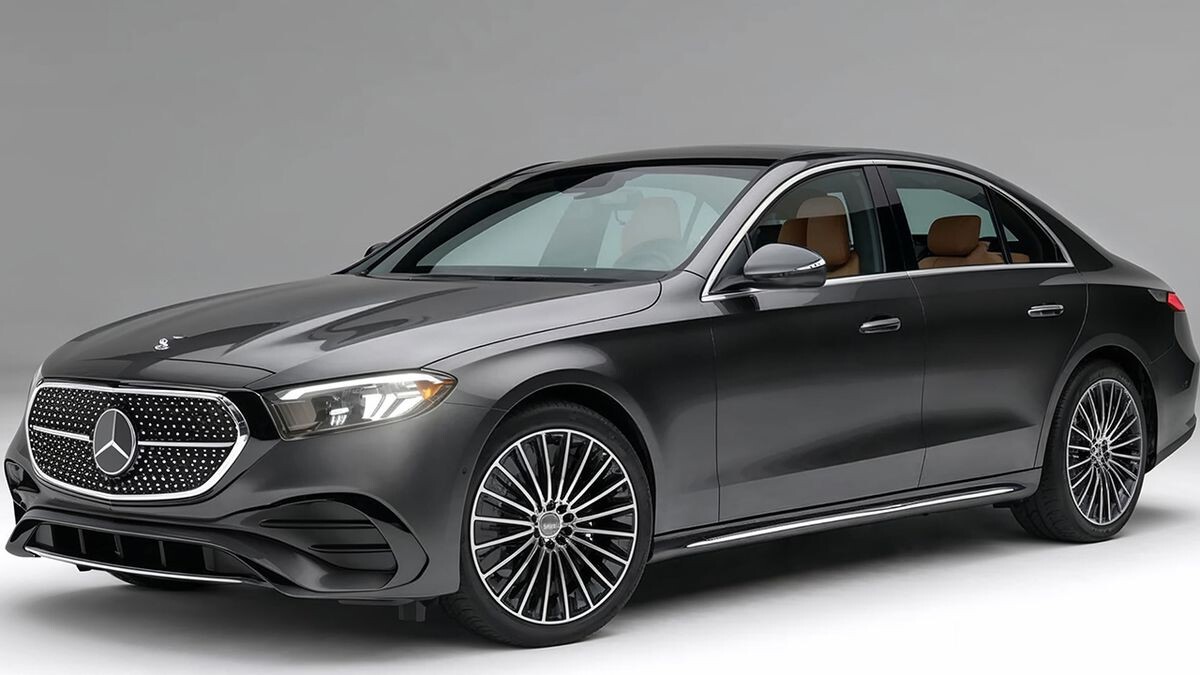
3. Mercedes-Benz E-Class
Mercedes-Benz’s E-Class has long stood as a flagship for automotive luxury and engineering excellence, but it is equally renowned for pioneering numerous safety advancements that have become standard across the industry.
For decades, Mercedes has positioned safety at the forefront of the E-Class’s design philosophy, embedding both active and passive safety technologies that reduce the risk and severity of accidents.
Its reputation is bolstered by a legacy of innovations, including the introduction of crumple zones in the 1950s, airbags in the 1980s, and anti-lock braking systems (ABS), all of which helped define modern automotive safety.
The E-Class is often considered the technological showcase for Mercedes, debuting safety features years before they become common in other vehicles.
One of the hallmarks of the E-Class is its comprehensive suite of driver assistance and crash avoidance technologies, which continuously evolve with each new generation. Advanced radar and camera systems enable adaptive cruise control, lane-keeping assist, blind-spot monitoring, and automatic emergency braking.
The PRE-SAFE® system is a particularly innovative feature designed to prepare the vehicle and its occupants for an imminent collision by tightening seat belts, adjusting seats, and closing windows to reduce injury risk.
These technologies work together to create a multi-layered defense that reduces the likelihood of crashes and mitigates injury severity if a collision does occur. The sophistication and integration of these systems set a high bar for automotive safety and contribute to the E-Class’s excellent safety ratings worldwide.
The E-Class also benefits from meticulous attention to occupant protection through structural design and high-quality materials. Mercedes engineers employ a rigid passenger cell reinforced with ultra-high-strength steel to preserve the integrity of the cabin during impacts.
Multiple airbags provide comprehensive coverage, including front, side, knee, and curtain airbags, ensuring occupants are cushioned from all directions. The E-Class’s suspension and chassis are also tuned to enhance stability and control, allowing for safer handling in emergency maneuvers.
Together, these elements demonstrate how passive and active safety features complement each other in creating a vehicle that protects occupants from both the cause and consequences of accidents.
Mercedes-Benz’s ongoing dedication to safety has fostered enormous consumer trust in the E-Class as a vehicle that does not sacrifice safety for luxury or performance. Its role as a flagship model means it sets the tone not just for Mercedes but for the wider automotive industry, often influencing safety standards and practices globally.
Buyers know they are investing in a vehicle where decades of research, innovation, and rigorous testing culminate in one of the safest luxury sedans available.
The E-Class continues to inspire confidence by delivering a balanced package of comfort, cutting-edge technology, and world-class safety, maintaining its status as a trusted and respected name in automotive safety.
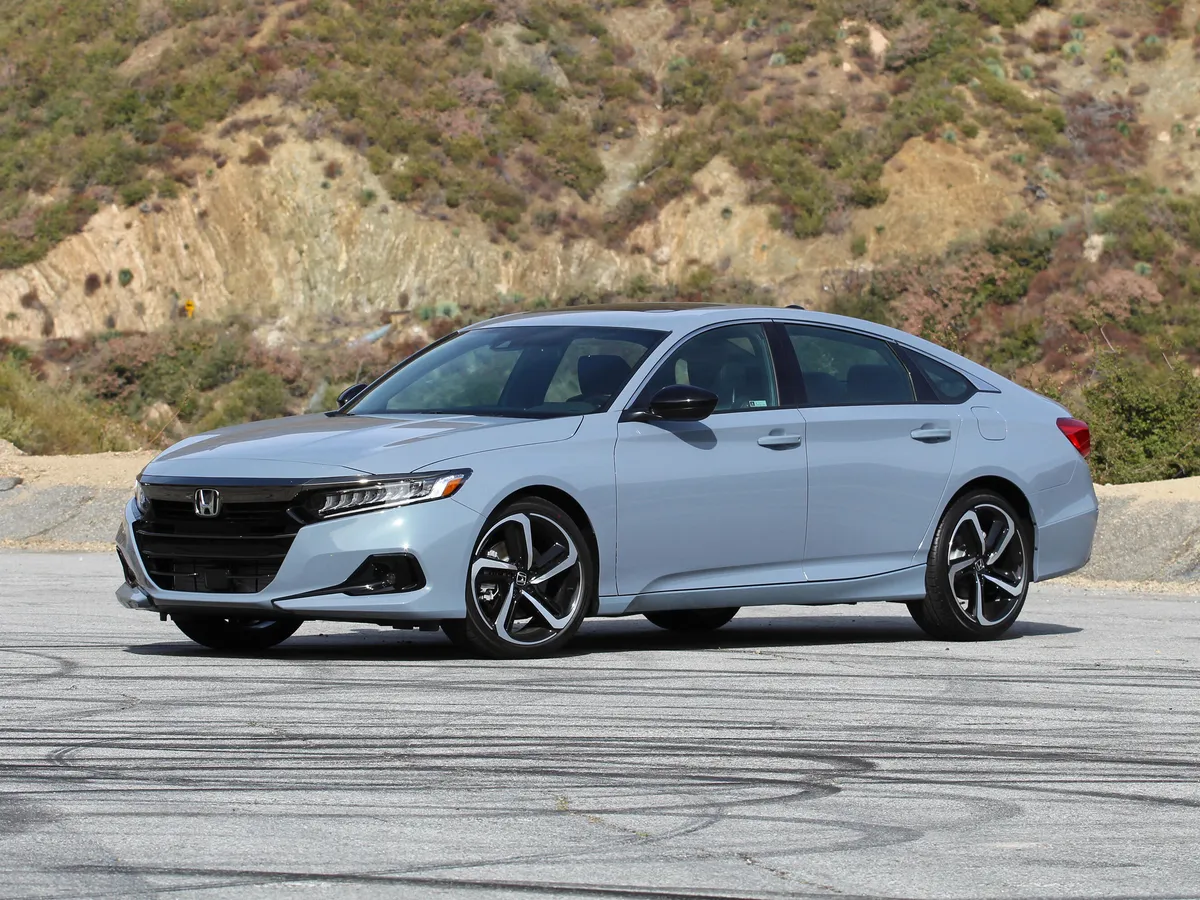
4. Honda Accord
The Honda Accord has earned a sterling reputation not only for its reliability and value but also for its strong commitment to occupant safety.
Since its launch, the Accord has consistently scored among the highest in crashworthiness ratings from the Insurance Institute for Highway Safety (IIHS) and the National Highway Traffic Safety Administration (NHTSA).
This success is no accident; Honda has meticulously engineered the Accord with a focus on creating a safe and secure environment for drivers and passengers.
Its structural design incorporates advanced high-strength steel and optimized crumple zones to efficiently absorb impact forces and preserve passenger space during collisions. This engineering focus ensures that occupants are well protected in front, side, and rollover accidents.
In addition to its structural integrity, the Honda Accord incorporates a wide range of safety features designed to prevent crashes and protect occupants. Honda’s Advanced Compatibility Engineering™ (ACE™) body structure is a standout innovation that enhances occupant protection by distributing collision energy more evenly across the front of the vehicle.
This reduces the force transferred to the cabin and improves crash compatibility with other vehicles. The Accord also boasts a comprehensive airbag system, including front, side, and side curtain airbags, which provide extensive coverage and help reduce injury severity in multi-directional impacts.
Honda continually upgrades these systems with every new generation, reflecting its commitment to keeping safety at the forefront.
Driver assistance technology is another area where the Honda Accord shines. Honda Sensing®, the company’s suite of active safety and driver-assistive technologies, has become standard or widely available across recent Accord models.
Features like collision mitigation braking, road departure mitigation, adaptive cruise control, and lane keeping assist help prevent accidents by increasing driver awareness and intervention capabilities.
These systems work seamlessly with the car’s mechanical safety features, creating a comprehensive safety net that helps reduce human error, a leading cause of crashes. The combination of these technologies has played a key role in maintaining the Accord’s excellent safety ratings and consumer trust.
The Accord’s strong safety record has made it a perennial favorite among families and commuters seeking peace of mind without sacrificing affordability or comfort. Its ability to combine advanced safety with fuel efficiency, technology, and reliability has broadened its appeal to a wide range of buyers.
Honda’s ongoing investment in safety innovation, along with transparent communication about features and test results, further enhances the Accord’s reputation as a trusted choice.
The Accord exemplifies how a well-rounded vehicle can earn consumer confidence through consistent safety performance, making it one of the most respected names in its class.
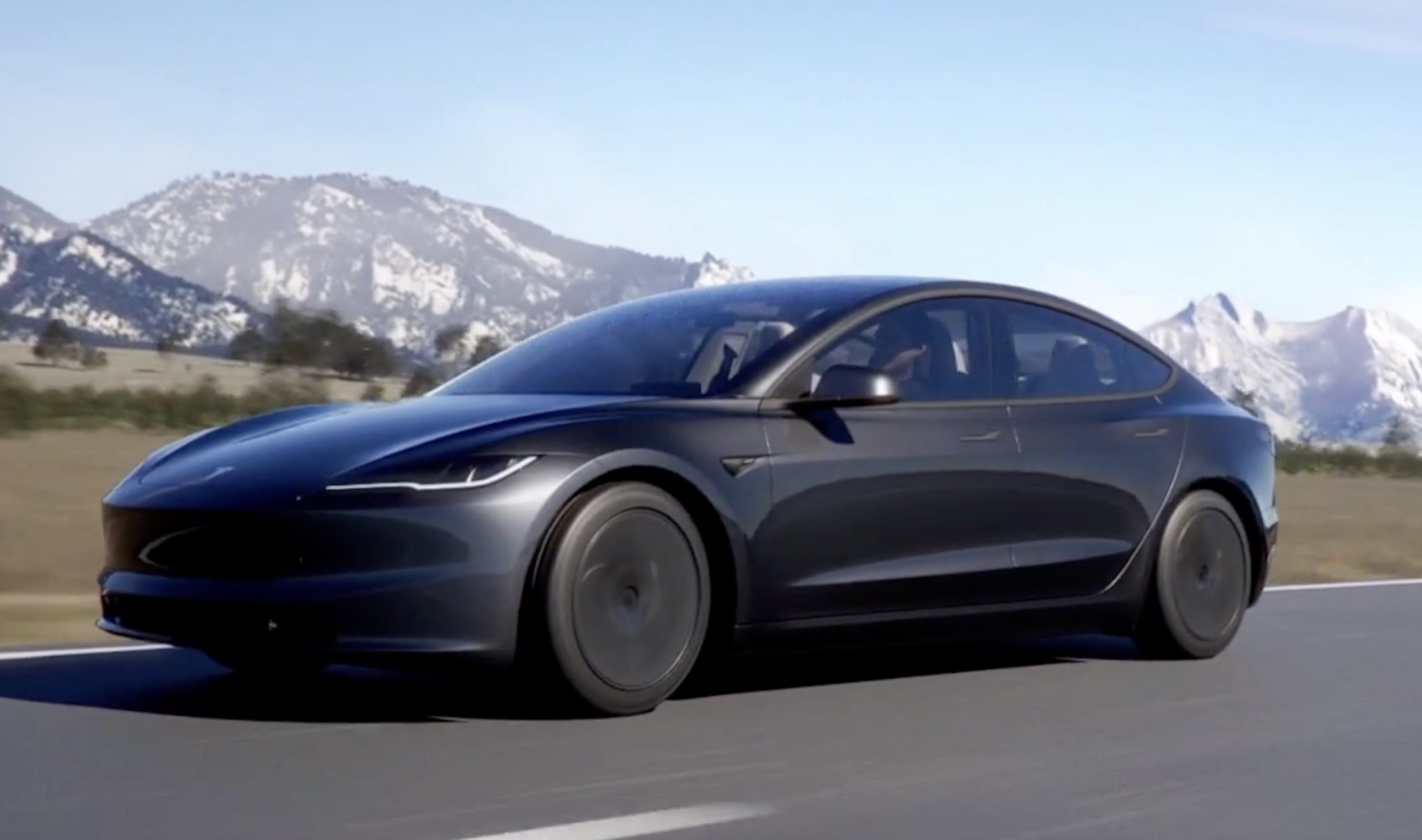
5. Tesla Model 3
The Tesla Model 3 has rapidly become one of the most talked-about electric vehicles (EVs) in recent years, not only for its performance and sustainability but also for its impressive safety credentials. Despite the Model 3’s emphasis on cutting-edge technology and electric propulsion, Tesla has made safety a central pillar of its design and marketing.
The Model 3 consistently earns top safety ratings from organizations like the National Highway Traffic Safety Administration (NHTSA) and the Insurance Institute for Highway Safety (IIHS), frequently achieving perfect or near-perfect scores in crash tests.
This safety success stems from Tesla’s unique engineering approach, which leverages the benefits of an electric vehicle architecture to improve occupant protection.
The Model 3’s all-electric platform contributes to its strong safety performance in several ways. The absence of a traditional internal combustion engine allows for a larger front crumple zone that can absorb more collision energy before it reaches the passenger compartment.
The car’s battery pack is located low in the floor, lowering the center of gravity and reducing rollover risk, which is a common concern with SUVs and taller vehicles.
Tesla’s use of a rigid passenger cell combined with strategically designed crush zones further enhances crash protection. These structural elements ensure that occupants remain safe even in high-speed collisions, and the Model 3’s impressive crash test results validate these design choices.
Tesla also integrates advanced active safety systems into the Model 3, including the Autopilot suite of driver assistance technologies.
These features include automatic emergency braking, forward collision warning, blind spot monitoring, and lane departure warning, which together help reduce accident risk by assisting drivers in maintaining awareness and control.
While Tesla’s Autopilot system has faced scrutiny, the overall safety benefits of the Model 3’s integrated sensor suite and software-based alerts have been positively recognized.
Tesla regularly updates these systems over the air, continuously enhancing performance and safety without requiring visits to service centers, an innovative approach that sets it apart from many traditional automakers.
Consumer trust in the Tesla Model 3’s safety is reinforced by the company’s transparent release of safety data and real-world crash statistics.
The vehicle’s performance in government and independent crash tests, combined with Tesla’s proactive approach to software updates, reassures buyers that the Model 3 offers both cutting-edge technology and reliable protection.
Moreover, the Model 3’s widespread adoption has helped normalize electric vehicles as safe, practical alternatives to traditional cars, broadening public acceptance.
This combination of safety, sustainability, and innovation makes the Model 3 a compelling example of how modern automotive engineering can earn consumer trust and redefine expectations for vehicle safety.
