
In the automotive world, safety has long been a paramount concern for manufacturers and consumers alike. Over the past few decades, advancements in technology, materials, and engineering have dramatically improved how vehicles protect their occupants in the event of a crash.
While front-seat safety has historically been the primary focus, given the driver and front passenger’s vulnerability,growing attention is now being directed toward rear-seat occupant protection.
This shift reflects evolving family dynamics, the increased use of ride-sharing services, and a recognition that passengers seated in the back are just as deserving of top-tier safety measures. The rear seat is no longer simply a secondary space but a critical area requiring dedicated safety engineering, testing, and innovation.
Despite these developments, not all vehicles provide equal levels of protection for rear passengers. Some cars lead the industry with cutting-edge safety features, robust structural designs, and thoughtful ergonomics tailored to mitigate injury risks in the back row.
Others, constrained by cost, size, or design priorities, fall short of modern safety standards and leave rear-seat occupants vulnerable in collisions.
This discrepancy has meaningful implications, especially for families with children, frequent travelers, and those who prioritize passenger safety as a top criterion when selecting a vehicle. Understanding which vehicles excel and which lag in rear-seat protection is essential for informed decision-making in the marketplace.
This article explores five cars that have earned high praise for their rear-seat safety, highlighting the innovative technologies, structural reinforcements, and comprehensive testing protocols that contribute to their excellent performance.
These vehicles demonstrate how automakers can integrate advanced airbag systems, reinforced side-impact protection, and ergonomic restraint systems to safeguard rear occupants effectively. Each example represents a benchmark in occupant protection, showcasing the results of prioritizing rear-seat safety alongside other vehicle attributes.
Conversely, the article also examines five vehicles that have been criticized for poor rear-seat protection. By analyzing structural weaknesses, insufficient airbag coverage, lack of active safety systems, and ergonomic shortcomings, this section sheds light on why these cars fall short and what buyers should watch out for.
It highlights the potential risks posed by smaller vehicle footprints, minimalist safety designs, and limited technological integration, providing a cautionary perspective for those considering these models. Understanding these limitations is vital for consumers who want to avoid compromising safety for cost or style.
By offering a balanced view of rear-seat safety across a range of vehicles, this article aims to empower readers with critical insights to make smarter, safer vehicle choices.
Whether you’re a parent seeking the safest ride for your children or simply a passenger who values security on every seat, this exploration will illuminate the vital, yet sometimes overlooked, aspect of rear-seat occupant protection in today’s vehicles.
Also Read: 5 Used Cars That Pass Inspection Every Time and 5 That Always Need Something
5 Cars Rated Highly for Rear-Seat Safety
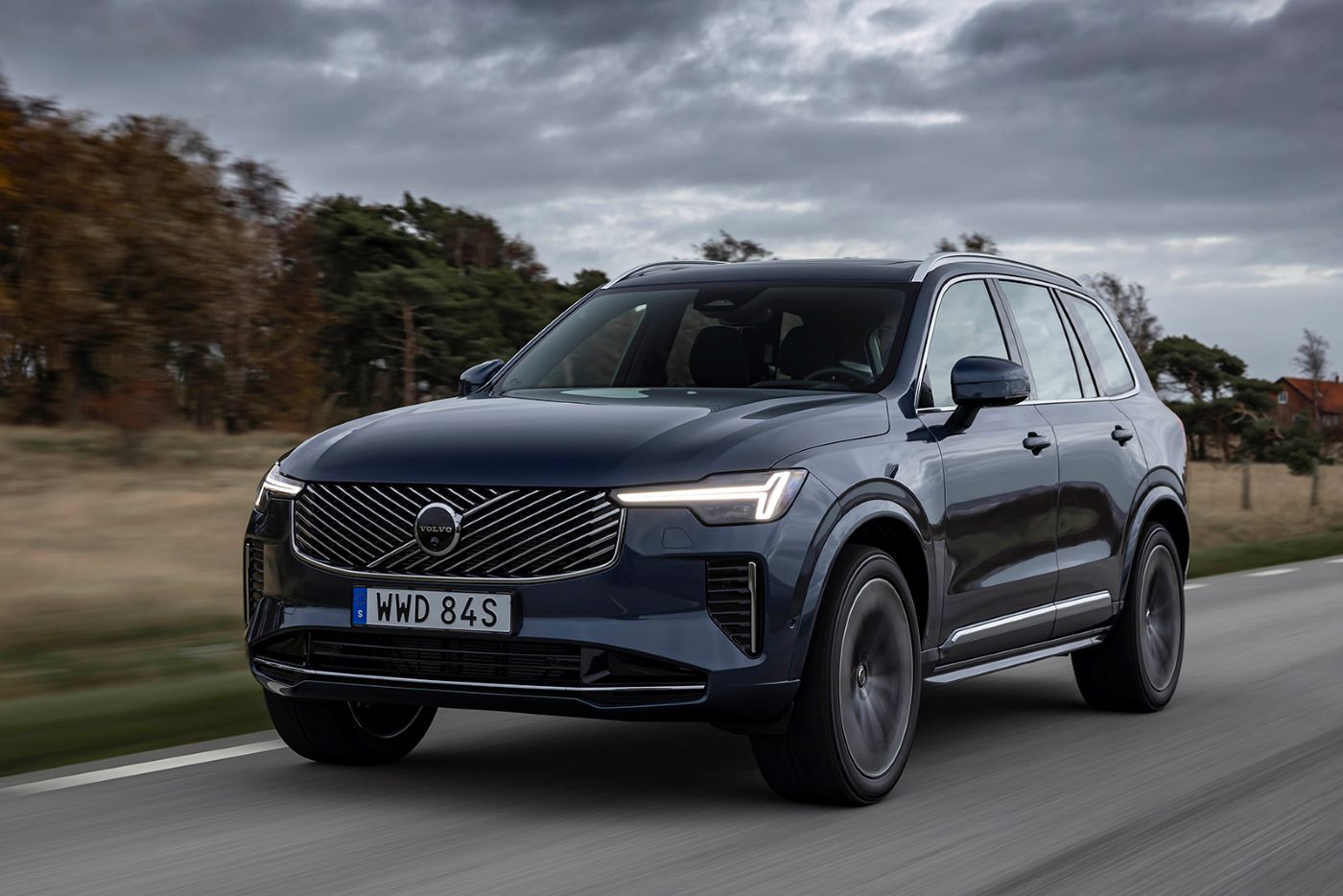
1. Volvo XC90
The Volvo XC90 is often regarded as one of the safest SUVs on the market, with rear-seat safety being a cornerstone of its design philosophy. Volvo has a long-standing commitment to safety innovation, dating back decades, and the XC90 exemplifies this tradition with a robust focus on protecting all occupants, including those seated in the rear.
The vehicle’s rear-seat protection begins with comprehensive airbag coverage: side curtain airbags extend fully over the rear windows and into the third-row seats, a feature not commonly found in many SUVs. This curtain system offers critical head protection in the event of side collisions, a frequent source of severe injuries in crashes.
The inclusion of side torso airbags further shields passengers from impact forces, helping reduce the risk of rib and internal injuries.
Additionally, Volvo’s whiplash protection system in the rear seats is designed to absorb and redirect crash forces that would otherwise cause neck injuries during rear-end collisions, an often overlooked yet serious threat to passenger safety.
The XC90’s rear-seat safety is also supported by a highly reinforced body structure. Volvo uses a blend of ultra-high-strength boron steel and energy-absorbing materials strategically placed throughout the cabin to maintain the integrity of the passenger compartment during impact.
The rear doors, in particular, are engineered with reinforced side-impact beams that help resist intrusion and protect the cabin from deformation. This structural rigidity ensures that the rear-seat space remains uncompromised in most collision scenarios, preserving vital survival space for occupants.
Crash test results consistently show the XC90 performing exceptionally well in side-impact and rollover tests, both critical factors when evaluating rear-seat occupant safety. The SUV’s design reflects a holistic approach that doesn’t treat the rear seats as an afterthought but rather as a critical zone requiring meticulous engineering.
Beyond passive safety features, the Volvo XC90 integrates active safety technologies that enhance rear-seat occupant protection indirectly by helping avoid accidents altogether.
These systems include rear cross-traffic alert, blind-spot monitoring, and 360-degree camera views, which assist the driver in detecting potential hazards that could endanger rear passengers.
Advanced driver assistance features such as automatic emergency braking with pedestrian detection extend their protective reach to all occupants by mitigating collision severity or preventing accidents entirely.
Furthermore, the XC90’s adaptive cruise control and lane-keeping assist systems work to maintain safe distances and lane discipline, reducing the chances of sudden impacts that typically threaten rear passengers.
The XC90 also prioritizes child occupant safety in the rear seats. It offers multiple ISOFIX anchor points and top tether anchors across the second and third rows, facilitating the secure installation of a wide variety of child seats and booster seats.
This flexibility is essential for families with multiple children or different-sized restraints. Volvo also includes intuitive guides and clear labeling to reduce the risk of incorrect child seat installation, a common safety issue.
Additionally, seatbelt pre-tensioners and load limiters in the rear seats ensure that occupants of all ages and sizes receive optimized restraint during collisions, distributing forces to minimize injury.
The car’s ergonomic rear seating design encourages proper posture and seatbelt usage, both of which are crucial for maximizing safety. Altogether, the Volvo XC90 stands as a gold standard for rear-seat protection, combining cutting-edge technology, structural excellence, and user-focused safety features.
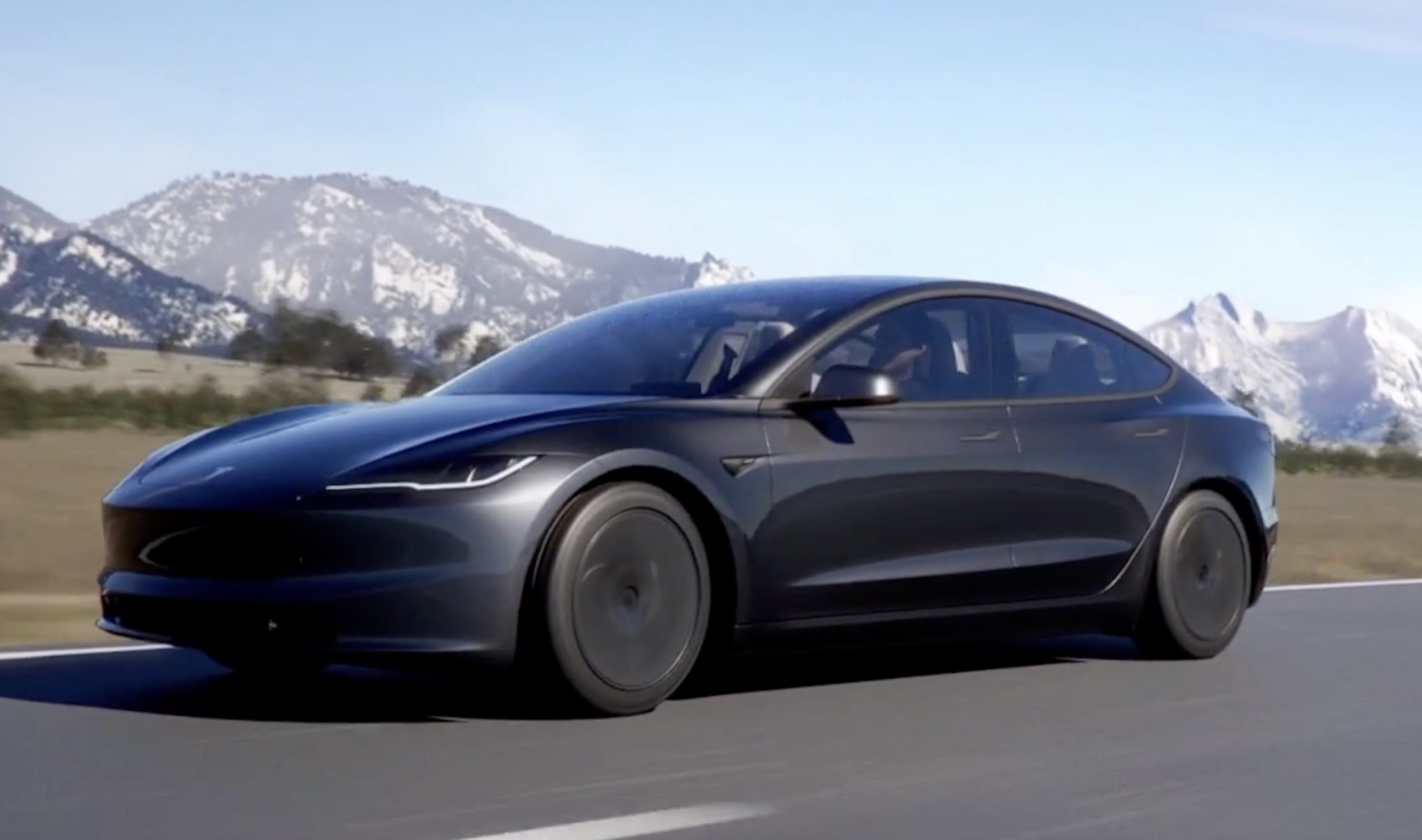
2. Tesla Model 3
Tesla’s Model 3 has quickly risen to prominence not just for its electric propulsion but also for its impressive safety profile, particularly regarding rear-seat occupant protection. One of the defining aspects of the Model 3’s safety is its structural design, which differs fundamentally from traditional internal combustion engine vehicles.
The absence of a bulky engine block up front allows engineers to position the front crumple zone and reinforce the cabin in ways that better distribute crash forces.
The Model 3’s large battery pack is mounted beneath the floor, lowering the center of gravity and improving stability, but also serving as a structural element that increases the rigidity of the vehicle’s floorpan.
This “skateboard” chassis design helps absorb and dissipate crash energy during frontal and side impacts, protecting the entire cabin, including the rear seats.
In terms of passive safety features, the Model 3 is equipped with an array of airbags that extend their coverage to rear passengers, including side curtain airbags and torso airbags that provide multi-directional protection.
The curtain airbags deploy rapidly to shield rear occupants’ heads from contact with side windows, pillars, or intruding objects.
Tesla also fits the rear seats with three-point seat belts featuring pretensioners and load limiters, which tighten during a collision to secure passengers firmly while controlling the forces applied to the chest, reducing the likelihood of injury.
The rear middle seat, often considered the most vulnerable due to its positioning and lack of direct side protection, is also equipped with a three-point seat belt and benefits from the overall cabin reinforcement.
Tesla’s focus on safety extends beyond hardware to software and sensor technologies. The Model 3’s Autopilot and Full Self-Driving capabilities include features like automatic emergency braking, collision avoidance, and lane departure warnings, which can help prevent collisions that might otherwise cause harm to rear-seat occupants.
The advanced sensor array constantly monitors surrounding traffic conditions, providing real-time data that the vehicle uses to make split-second safety decisions.
Because Tesla continuously updates its software over the air, the Model 3’s safety systems can improve over time, enhancing occupant protection long after the initial purchase.
Child safety has also been a consideration in the Model 3’s design. The rear seats include ISOFIX/LATCH anchor points and clear labeling to simplify child seat installation.
The spaciousness of the rear cabin, despite the car’s compact exterior dimensions, provides ample legroom and headroom, helping children and adult passengers remain properly seated and restrained.
Tesla’s minimalist interior reduces distractions and clutter, encouraging occupants to maintain good posture and use seatbelts correctly. All these elements combine to give the Model 3 some of the highest rear-seat safety ratings in its class, confirming Tesla’s commitment to comprehensive occupant protection beyond just the driver’s seat.
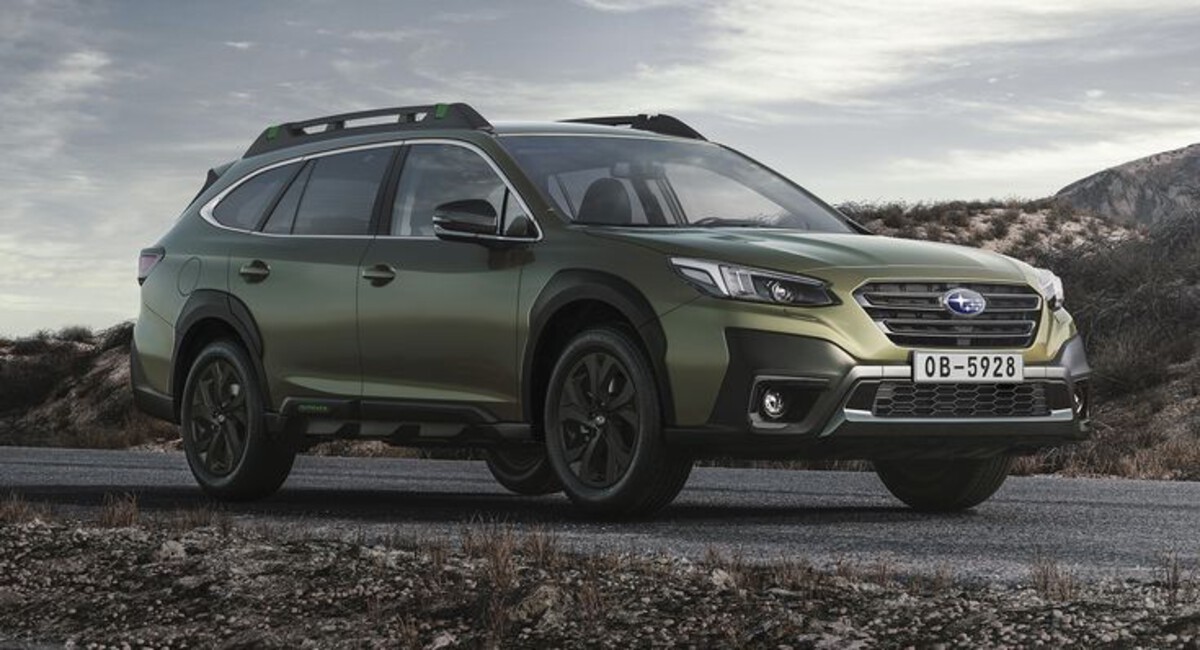
3. Subaru Outback
The Subaru Outback is renowned for its ruggedness and reliability, but it also distinguishes itself through its comprehensive safety package, which includes notable protections for rear-seat occupants.
Subaru’s hallmark symmetrical all-wheel-drive system enhances vehicle stability and control in challenging conditions, indirectly contributing to occupant safety by reducing the risk of loss-of-control accidents.
However, the Outback’s real strength lies in its well-rounded approach to both passive and active safety features designed to protect passengers seated in the rear.
Structurally, the Outback benefits from a reinforced passenger cell built using Subaru’s Global Platform, which emphasizes improved crash energy management and rigidity. The rear cabin is designed to maintain occupant space during severe impacts, with reinforced door beams and side pillars that absorb and deflect collision forces.
Side curtain airbags, which extend over all three rear seating positions, provide crucial head protection during side impacts and rollover events.
Additionally, torso airbags positioned in the rear seats help shield occupants from rib and chest injuries. This layered approach to airbag deployment helps mitigate the severity of injuries, as confirmed by strong results in side-impact and rollover crash tests.
The rear seats in the Outback are also designed with child safety and restraint systems in mind. Multiple ISOFIX/LATCH anchors and top tether points facilitate secure and straightforward installation of various child seats.
The vehicle’s rear seats are spacious, offering ample legroom and headroom, which encourages proper child seat installation and use.
Subaru’s EyeSight Driver Assist technology, standard on many trims, adds a layer of accident prevention through adaptive cruise control, lane departure warning, and automatic emergency braking. These active systems reduce the likelihood of crashes that could endanger rear passengers, complementing the car’s passive safety features.
Furthermore, Subaru pays attention to the ergonomics of rear-seat design to enhance occupant comfort and encourage correct safety belt use.
Adjustable head restraints help reduce whiplash risks, while contoured seats support proper posture. Rear seatbelt pretensioners and load limiters ensure occupants are restrained optimally during a collision.
This combination of advanced restraint technology, structural integrity, and accident avoidance systems positions the Subaru Outback as a safe, family-friendly option that doesn’t compromise on rear-seat occupant protection.
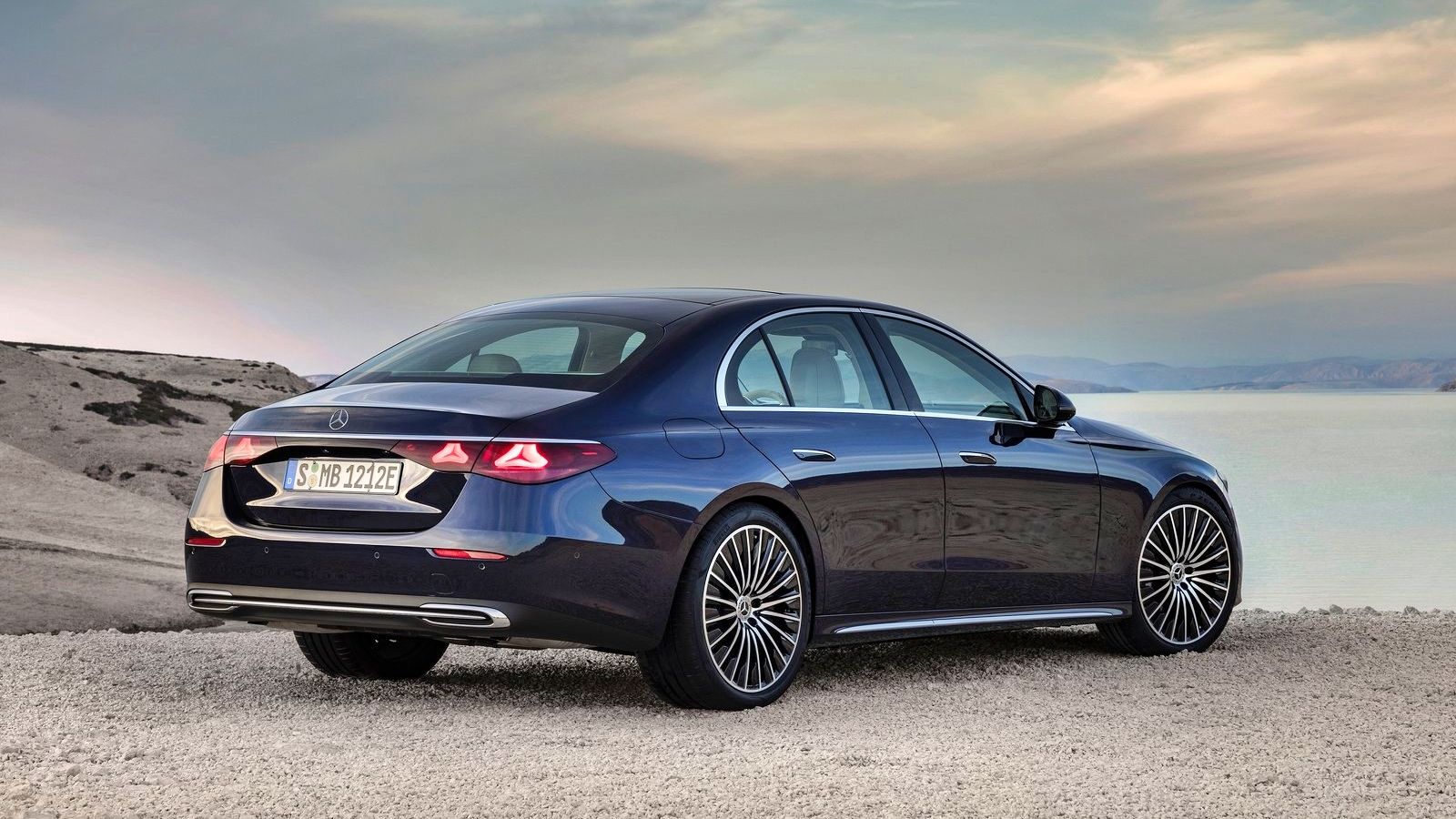
4. Mercedes-Benz E-Class
The Mercedes-Benz E-Class represents the pinnacle of luxury combined with some of the most advanced safety engineering in the automotive world. Rear-seat safety is a critical focus for Mercedes engineers, and the E-Class incorporates an array of technologies and design features to protect rear occupants from various crash scenarios.
This vehicle has earned a reputation for meticulous attention to detail, particularly in passive safety measures aimed at minimizing injury risk for back-seat passengers.
The E-Class boasts multiple rear-seat airbags, including side torso airbags and full-length curtain airbags that cover all rear-seat windows. These airbags deploy in milliseconds during side impacts to cushion occupants’ heads and torsos, drastically reducing the potential for serious injuries.
Additionally, Mercedes’ PRE-SAFE system is a standout feature that anticipates imminent collisions and prepares the vehicle and occupants by tightening seatbelts, adjusting seat positions, and even closing windows to create an optimal protective environment. For rear passengers, this means that the E-Class doesn’t wait until impact but takes proactive steps to reduce injury risk.
Structurally, the E-Class uses high-strength steel alloys and advanced materials to create a rigid safety cage around the passenger compartment. The doors feature reinforced beams and energy-absorbing materials designed to limit intrusion during side crashes.
The seats themselves incorporate energy-absorbing foam and are ergonomically designed to support proper posture, which is critical for reducing injury in a crash. Adjustable head restraints and active headrest technology help protect against whiplash injuries, which can be especially severe in rear-end collisions.
Mercedes-Benz also ensures that child safety is a priority. The rear seats are equipped with multiple ISOFIX anchor points and tether anchors that make the installation of child seats straightforward and secure.
The vehicle’s rear occupant alert system is another innovative feature that addresses a sadly common problem, it reminds drivers to check the rear seats before exiting the vehicle to prevent leaving children or pets unattended.
This holistic approach, combining proactive, passive, and ergonomic safety measures, establishes the E-Class as a top contender for those seeking unmatched rear-seat protection in a luxury sedan.
5. Honda Accord
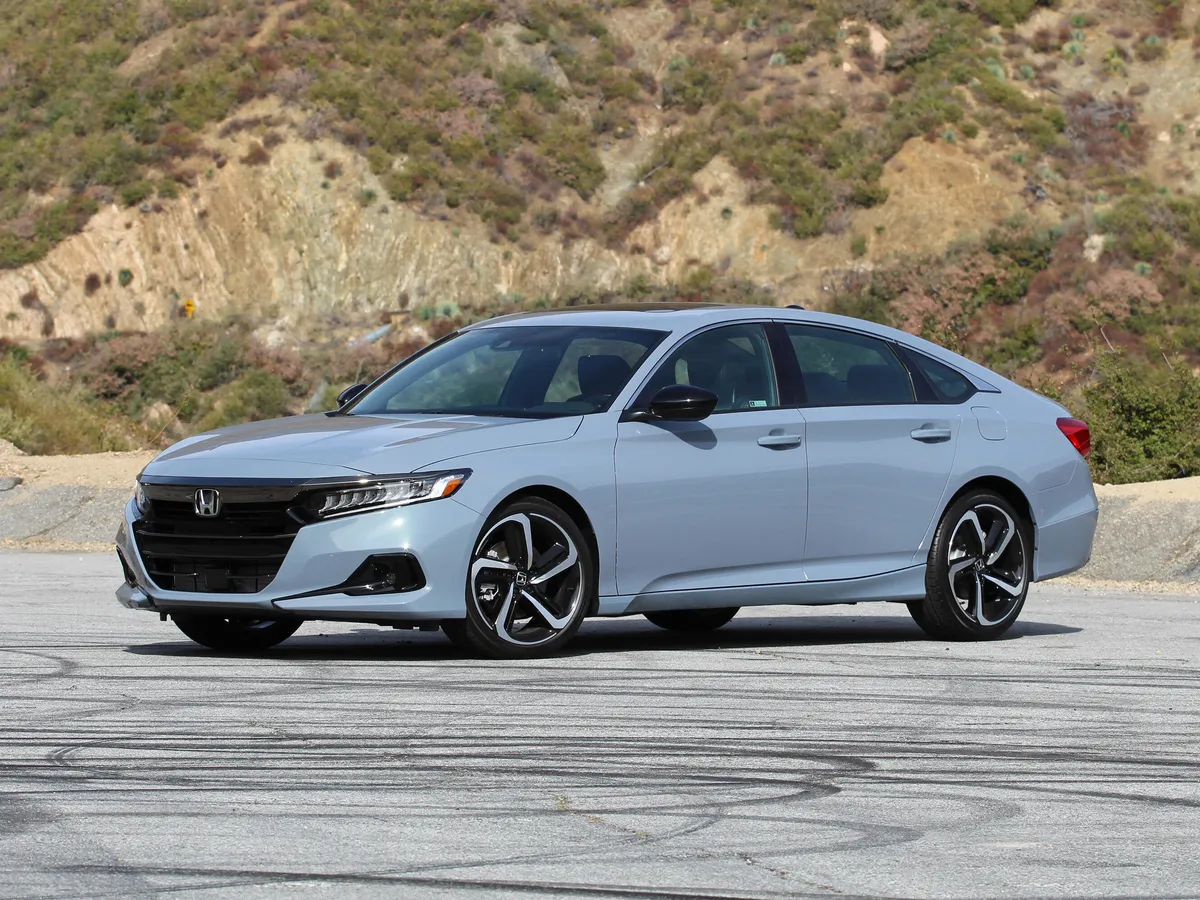
The Honda Accord is a stalwart in the midsize sedan segment, widely recognized for its commitment to safety across all seating positions, including the rear.
Honda’s Advanced Compatibility Engineering (ACE) body structure plays a key role in protecting rear occupants by efficiently managing crash energy and helping to reduce cabin deformation during frontal and side collisions.
This structural system works by dispersing crash forces across multiple points, protecting occupants in all rows, and maintaining the integrity of the passenger cell.
The Accord’s rear-seat protection is enhanced by a full complement of airbags, including side curtain airbags that extend over the rear seats and side torso airbags designed to protect the ribs and chest area. This dual-layer airbag system provides comprehensive coverage against side impacts, which are particularly dangerous to rear passengers.
Additionally, Honda integrates seatbelt pretensioners and load limiters in the rear, ensuring that occupants are firmly but safely restrained during a crash. The seats and head restraints are designed to encourage proper posture and minimize injuries such as whiplash, with adjustable rear headrests providing additional neck support.
Child occupant safety is a significant focus in the Accord. The rear seats feature multiple ISOFIX/LATCH anchors and clear installation instructions to facilitate secure child seat mounting. The rear cabin is spacious and well-designed, allowing for ease of movement and proper seating alignment for both adults and children.
Honda’s comprehensive suite of active safety features, including collision mitigation braking and lane-keeping assist, helps prevent accidents before they happen, further safeguarding rear-seat passengers by reducing the frequency and severity of collisions.
Ergonomically, the Accord’s rear seats offer excellent comfort and support, promoting proper seatbelt usage — a critical factor in occupant safety.
The combination of Honda’s structural engineering, advanced restraint systems, and active safety technologies has earned the Accord consistently high safety ratings from leading testing agencies. For consumers prioritizing rear-seat safety in a practical and affordable sedan, the Accord remains a benchmark model.
5 Cars Criticized for Poor Rear-Seat Protection
1. Fiat 500
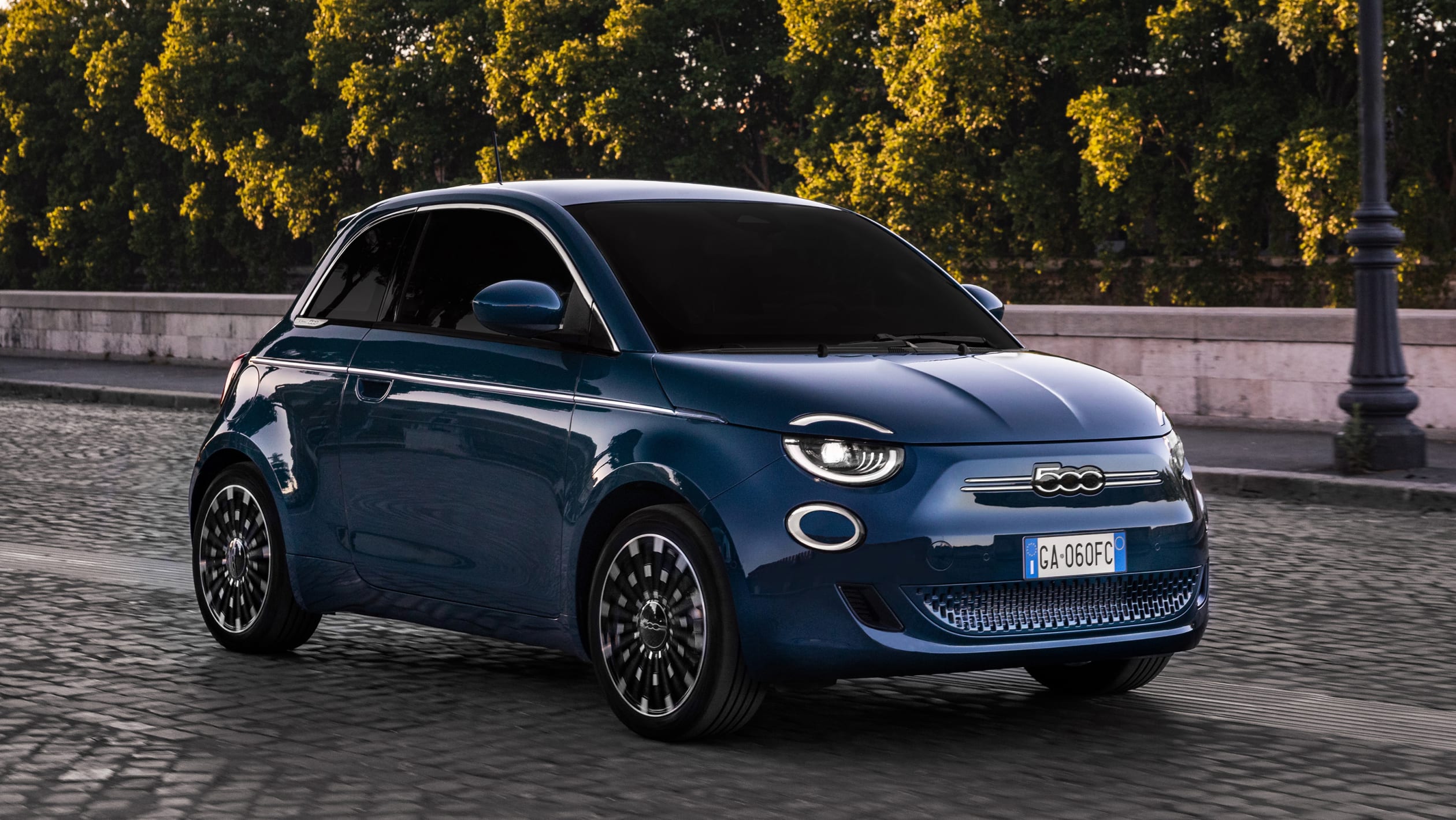
The Fiat 500, a popular subcompact city car, has drawn criticism over the years for its rear-seat safety, which is often considered inadequate compared to modern standards.
One of the primary reasons behind this criticism is the vehicle’s small size and compact structural design, which limits the amount of protective space available for rear-seat occupants.
Unlike larger vehicles that can incorporate robust crumple zones and reinforced passenger compartments, the Fiat 500’s design inherently sacrifices space to maintain its diminutive footprint.
This translates to less energy absorption capability in the event of a collision, especially in side impacts where the rear passengers are vulnerable to intrusion from other vehicles or roadside objects.
Crash tests have frequently shown higher intrusion levels into the rear passenger space, raising concerns about occupant injury risk.
The Fiat 500’s passive safety features for the rear seats are also relatively sparse. While the car does come equipped with side curtain airbags, these tend to be shorter in length and may not extend fully to protect the rear occupants’ heads effectively.
Furthermore, the rear seats often lack torso airbags, which leaves occupants exposed to side chest injuries during impact. The seatbelt systems, though present, are not as advanced as those found in many newer vehicles, with limited pretensioner and load limiter technology designed for the rear passengers.
This deficiency means that during a crash, rear-seat occupants may experience greater forces on their bodies, increasing the chance of injury. The rear middle seat, which is usually the least protected spot in any car, in the Fiat 500 is particularly risky due to narrow dimensions and inadequate restraints.
Another factor contributing to the Fiat 500’s poor rear-seat safety reputation is the limited presence of active safety features that can help prevent collisions altogether.
Many earlier and base models lack advanced driver-assistance systems like blind-spot monitoring, rear cross-traffic alert, or automated emergency braking that could reduce the likelihood of crashes involving rear passengers.
The absence of these preventative technologies places the onus solely on structural and restraint systems, which, as noted, are compromised by the car’s size and design priorities. Additionally, the rear seats’ ergonomic limitations may affect occupant posture and seatbelt fit, both crucial factors in effective restraint during a crash.
Combined, these factors have led safety evaluators to rate the Fiat 500’s rear-seat protection as below average, particularly when compared to larger and more safety-focused competitors.
Child occupant safety in the Fiat 500 is also a point of concern. While ISOFIX anchor points are present, the tight rear cabin space often makes installing child seats challenging, especially larger or bulkier models.
The reduced legroom and width can lead to improper child seat angles or difficulty securing the seat tightly, compromising protection.
Additionally, the absence of rear side airbags and limited side impact protection exacerbates the risks for children seated in the back.
These shortcomings highlight the compromises made in the Fiat 500’s design that prioritize style and city-friendly dimensions over comprehensive occupant protection, especially for those in the rear seats. For buyers placing a premium on rear-seat safety, the Fiat 500 is often not the ideal choice.
2. Jeep Wrangler (JL)
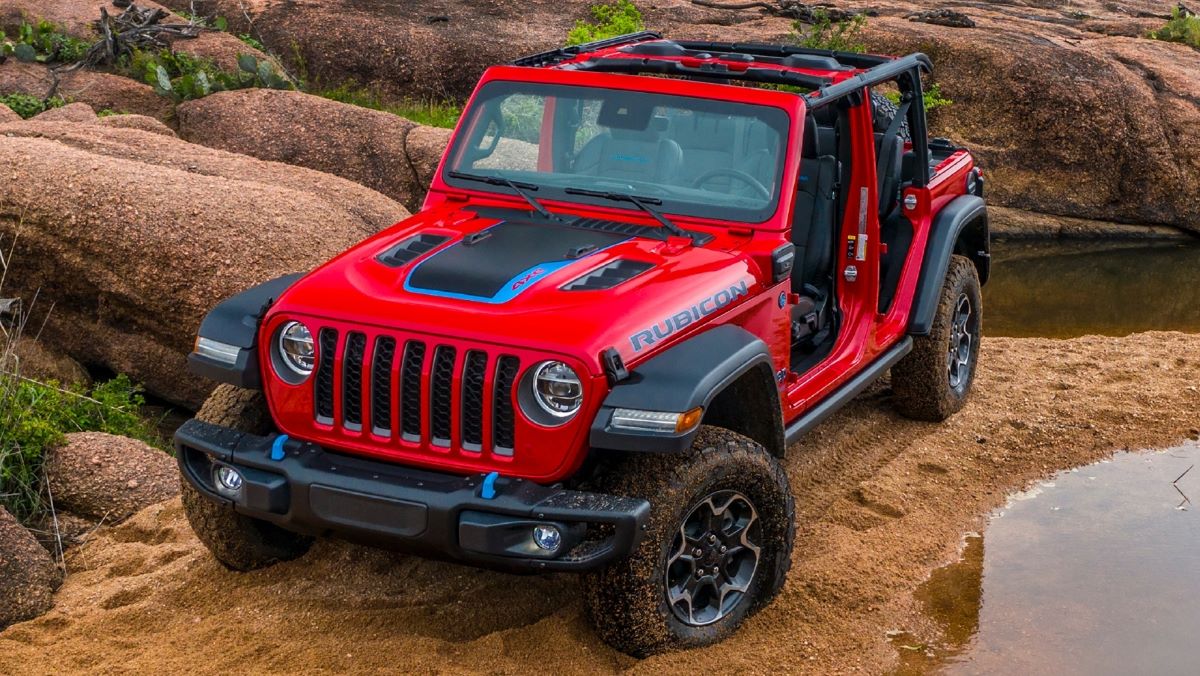
The Jeep Wrangler JL, while celebrated for its off-road capability and rugged aesthetic, has consistently faced criticism regarding rear-seat occupant protection. The vehicle’s design is heavily focused on adventure and utility rather than on-road safety, particularly for passengers seated in the rear.
Structurally, the Wrangler JL lacks the sophisticated crumple zones and reinforced side-impact beams that are standard in many modern SUVs, resulting in less energy absorption and increased risk of intrusion during collisions.
The rear doors, which are notoriously thin and made with lightweight materials to facilitate off-road maneuverability, provide limited resistance to side impacts, putting rear passengers at risk.
Moreover, the Wrangler’s body-on-frame construction, while excellent for off-road durability, generally fares worse in absorbing crash forces compared to unibody designs used by competitors prioritizing occupant safety.
In terms of airbags and restraint systems, the Wrangler JL offers minimal protection beyond basic frontal and side airbags for front occupants.
Rear-seat passengers do not benefit from side torso airbags, and the curtain airbags often do not extend fully over the rear windows, limiting head protection in side crashes or rollovers. Seatbelts in the rear are basic and may lack pretensioners and load limiters that adjust restraint forces to optimize protection.
The vehicle’s open-air and removable roof options, while appealing for outdoor enthusiasts, can compromise the structural integrity of the cabin during rollovers, a scenario where rear-seat occupants are particularly vulnerable. This structural compromise significantly elevates the risk of injury or ejection in serious accidents.
Active safety features in the Jeep Wrangler JL are also limited, particularly in older or base models. Many trims lack blind-spot monitoring, rear cross-traffic alert, or automatic emergency braking systems that could mitigate the risk of collisions involving rear passengers.
The Wrangler’s boxy design and limited rear visibility further exacerbate these risks, making it more challenging for drivers to detect hazards around the rear cabin. Additionally, rear passengers often experience less ergonomic seating with minimal cushioning and limited head restraint adjustability, increasing discomfort and reducing proper restraint positioning.
The Wrangler’s off-road focus inherently trades off some on-road safety features, which has led to poorer safety ratings for rear-seat protection compared to more urban-oriented SUVs.
Child safety is another concern in the Wrangler JL. Although the vehicle offers ISOFIX anchors in the rear seats, the narrow, upright seating positions and limited legroom make it difficult to install child seats securely and comfortably.
The absence of rear side airbags and partial curtain airbag coverage leaves children more exposed to side impacts, a critical safety consideration for families.
Additionally, the removable door panels and roof accessories, while popular with off-roaders, add complexity and potential hazards for rear-seat passengers during collisions. These factors combined mean that while the Jeep Wrangler JL excels in rugged utility, it does so at a considerable cost to rear-seat occupant safety.
3. Nissan Versa
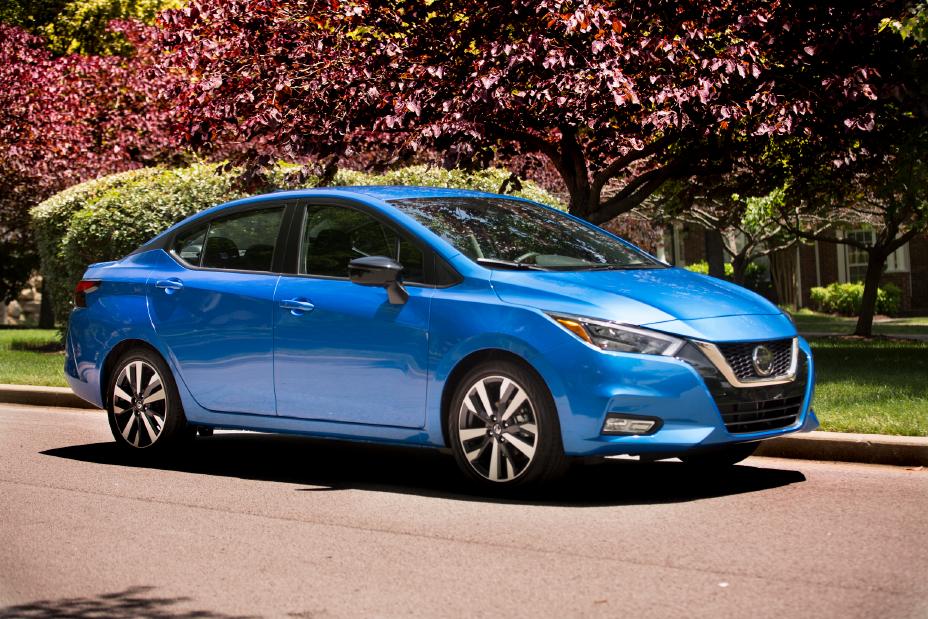
The Nissan Versa, an entry-level compact sedan, is frequently criticized for its poor rear-seat protection due to several design and safety feature limitations. The vehicle’s low price point necessitates compromises that negatively impact the quality and extent of rear occupant safety measures.
Structurally, the Versa’s lightweight frame and smaller dimensions provide less resistance against collision forces, particularly in side-impact scenarios where the rear seats are most vulnerable.
Crash tests have demonstrated that the rear passenger compartment can experience significant intrusion during moderate to severe crashes, raising concerns about the potential for serious injuries.
The rear doors lack robust reinforcements, and the absence of high-strength steel components around the rear cabin weakens overall structural integrity.
Airbag coverage in the Nissan Versa is generally limited, especially in older or base trims. While front-seat occupants receive basic frontal and side airbags, rear passengers typically do not benefit from side torso airbags or fully extended curtain airbags.
This deficiency leaves rear-seat passengers’ heads and torsos exposed to hard surfaces and intruding objects in side collisions. The seatbelt systems in the rear are often simplistic, lacking advanced features such as pretensioners and load limiters, which help reduce injury severity by controlling restraint forces during impact.
Furthermore, the rear middle seat often only has a lap belt rather than a three-point seatbelt, exposing occupants to higher injury risks. These design choices reflect the vehicle’s budget constraints but result in a rear-seat safety profile that is below industry averages.
Active safety technology is another area where the Nissan Versa falls short, especially in entry-level versions. Many models do not come equipped with rear cross-traffic alert, blind-spot monitoring, or automated emergency braking systems, which could otherwise help prevent accidents involving rear passengers.
This lack of preventative technology places increased importance on the vehicle’s passive safety features, which, as discussed, are inadequate for comprehensive rear-seat protection.
Rear-seat ergonomics in the Versa are also compromised by limited space and less supportive seat cushions, which can affect occupant posture and the effectiveness of seatbelt restraint systems. For occupants spending extended periods in the back seat, this can translate into increased fatigue and risk during emergency maneuvers.
Child occupant safety in the Nissan Versa is also a concern. While ISOFIX/LATCH anchors are present, the tight rear seat dimensions make installation of larger child seats difficult, increasing the risk of improper fitment.
The absence of side torso airbags and limited side curtain airbag coverage further jeopardizes the safety of children seated in the rear, especially during side-impact crashes.
Given the vehicle’s status as a low-cost entry-level model, many families prioritize cost savings over safety features, but these compromises in rear-seat protection should be carefully considered when selecting a vehicle for transporting children or rear passengers regularly.
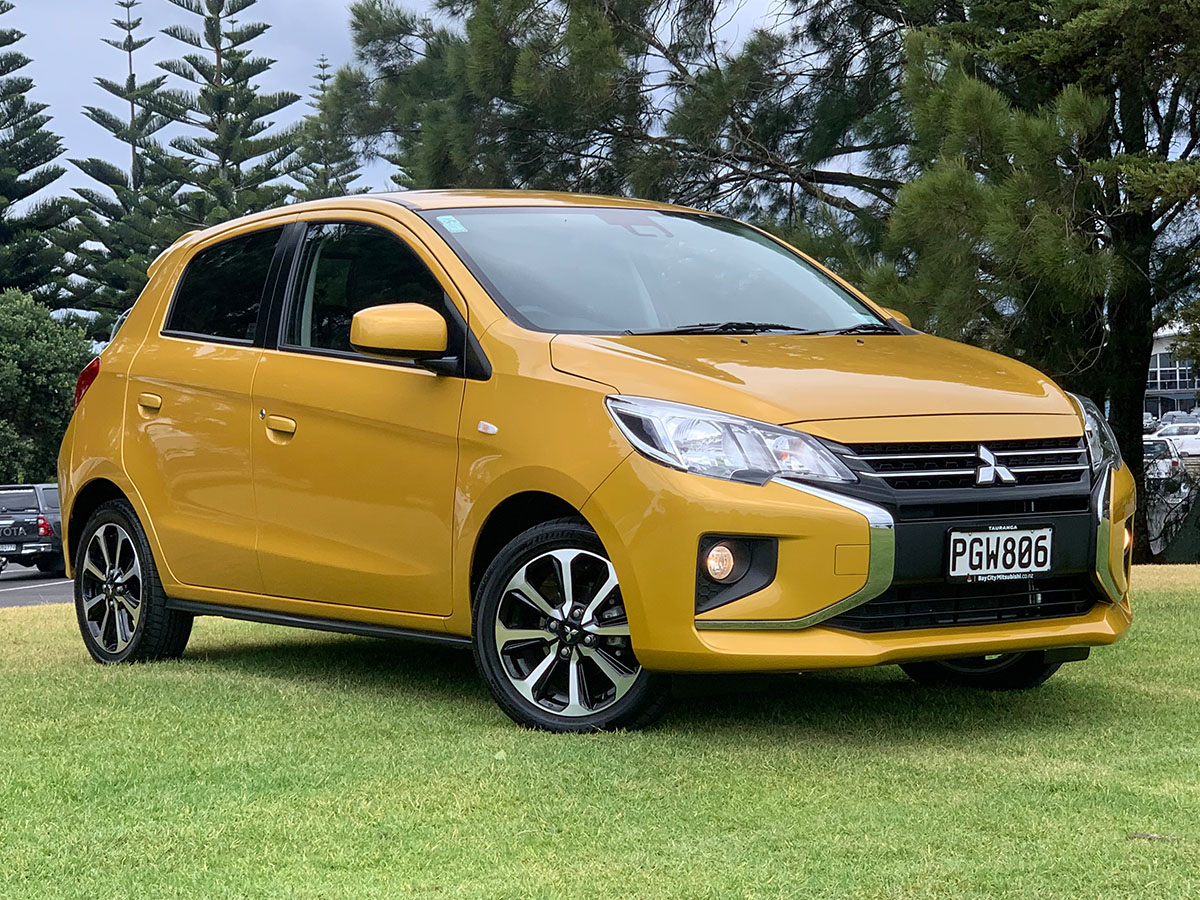
4. Mitsubishi Mirage
The Mitsubishi Mirage is a subcompact hatchback known for its affordability and fuel efficiency, but it has been heavily criticized for lacking adequate rear-seat safety protections. Its small size and lightweight construction make it challenging for the vehicle to incorporate robust safety structures, especially in the rear seating area.
During crash tests, the Mirage has demonstrated notable weaknesses in side-impact protection, with substantial intrusion into the rear passenger space being observed.
The limited crumple zones and minimal use of high-strength steel around the rear cabin mean that the vehicle is less capable of absorbing and dissipating energy, exposing rear occupants to increased forces during collisions.
The Mirage’s airbag system is minimalistic in nature. Rear-seat passengers do not benefit from side torso airbags, and the side curtain airbags are often truncated, providing only partial head protection for rear occupants. This limited coverage leaves passengers vulnerable to serious injuries in side collisions or rollovers.
Seatbelt systems in the rear seats are basic and may lack pretensioners or load limiters, reducing their effectiveness in managing crash forces during impact.
The rear seats are narrow and offer limited support, which can negatively affect occupant posture and reduce the protective benefits of restraint systems. Furthermore, the middle rear seat is typically equipped only with a lap belt rather than a three-point seatbelt, a notable safety shortcoming.
Active safety features on the Mitsubishi Mirage are limited, especially on lower trims. Important systems such as blind-spot monitoring, rear cross-traffic alert, and automatic emergency braking are either absent or offered only as expensive options, reducing their availability to typical buyers.
The vehicle’s limited rear visibility and lack of advanced driver assistance technology increase the risk of accidents involving rear-seat occupants. This deficiency is compounded by less ergonomic rear seating arrangements, which provide limited comfort and support during both routine travel and emergencies.
Child occupant safety is an area where the Mirage’s limitations are particularly pronounced. The small rear cabin makes fitting child seats challenging, and the lack of adequate anchor points in some models complicates proper installation.
The absence of side torso airbags and limited curtain airbag coverage further diminishes the protection offered to children in side-impact scenarios. Given these factors, the Mitsubishi Mirage is often considered unsuitable for families or those who prioritize rear-seat occupant safety, despite its appealing price and fuel economy.

5. Chevrolet Spark
The Chevrolet Spark, a microcar designed primarily for urban driving, has repeatedly been criticized for subpar rear-seat safety. The Spark’s compact size inherently limits the available space for energy absorption and occupant protection in the rear seating area.
Crash tests have revealed concerning levels of intrusion into the rear passenger compartment, particularly during side-impact collisions, highlighting structural weaknesses in this critical zone.
The vehicle’s lightweight frame and minimal use of reinforced steel around the rear cabin further exacerbate these vulnerabilities. The doors lack substantial side-impact beams, which are crucial for protecting rear-seat occupants from lateral collisions.
The Spark’s airbag coverage is insufficient for rear-seat passengers. Typically, the vehicle is equipped only with front airbags and limited side airbags that do not adequately extend to the rear seats. The absence of rear side torso airbags means that occupants’ torsos are exposed during side crashes, increasing injury risk.
Additionally, the rear seats often feature basic seatbelt systems without pretensioners or load limiters, reducing their ability to manage crash forces effectively.
The rear middle seat frequently comes with only a lap belt, offering inferior restraint compared to three-point belts. These factors collectively contribute to a rear-seat safety rating that falls short compared to other vehicles in its class.
Active safety technologies are minimal in the Chevrolet Spark, particularly on lower trims. Important features like rear cross-traffic alert, blind-spot monitoring, and automatic emergency braking are either not offered or only available on higher-end models, limiting their preventative benefits for rear passengers.
The Spark’s limited rear visibility and small cabin size further challenge driver awareness of rear-side hazards, increasing the risk of collisions. Rear seats are cramped and lack ergonomic design, resulting in poor posture and suboptimal seatbelt fit, which diminishes occupant protection during crashes.
Child occupant safety is a significant concern in the Spark. Although ISOFIX anchors may be available, the small rear cabin space restricts the types and sizes of child seats that can be safely installed. The lack of adequate side impact airbags and limited curtain airbag coverage pose additional risks to children seated in the back.
While the Spark remains a practical choice for city dwellers prioritizing economy and compactness, its shortcomings in rear-seat safety make it less suitable for those regularly transporting passengers in the back, especially families with young children.
Also Read: 5 Cars with Solid Seat Structures vs 5 with Belt or Latch Failures
Rear-seat safety is a critical, yet sometimes underappreciated, aspect of vehicle safety that has seen significant progress but still varies widely among different makes and models.
As this article has shown, some vehicles stand out for their exemplary rear-seat occupant protection, combining innovative technologies, reinforced structures, and advanced restraint systems to shield passengers effectively in a variety of crash scenarios.
Cars such as those praised here exemplify how thoughtful design and investment in safety engineering can deliver peace of mind to families and passengers alike, ensuring that every occupant, regardless of seating position, receives the protection they deserve.
On the other hand, there remain vehicles on the market that fall short in providing adequate rear-seat safety, often due to compromises related to cost, size, or intended use.
These shortcomings—manifested through insufficient side-impact protection, limited airbag coverage, and the absence of advanced active safety features—underscore the ongoing challenges automakers face in balancing affordability with comprehensive occupant protection.
The models critiqued for poor rear-seat safety serve as cautionary examples for consumers, emphasizing the importance of scrutinizing rear-seat safety ratings alongside more commonly highlighted front-seat crash test results.
The disparity in rear-seat safety ratings also reflects broader industry trends and consumer priorities. Increasing awareness and demand for rear-seat protection have pressured manufacturers to innovate and incorporate advanced safety systems, such as side torso airbags, curtain airbags extending fully over rear windows, seatbelt pretensioners, and active collision avoidance technologies.
Understanding these nuances helps consumers align their vehicle choices with their specific safety priorities, especially when transporting children or vulnerable passengers.
Looking ahead, the trajectory of automotive safety suggests continued enhancements in rear-seat protection. Emerging technologies like integrated occupant sensing systems, improved crash-absorbing materials, and more sophisticated automated emergency responses promise to elevate rear-seat safety standards further.
Additionally, regulatory bodies and safety organizations increasingly emphasize rear-seat occupant protection in testing protocols, ensuring future vehicles are held to higher benchmarks. Consumers will benefit from these advancements, but only if they remain informed and deliberate in their vehicle selections.
In conclusion, rear-seat safety is no longer a secondary consideration but a fundamental element of overall vehicle safety. By carefully examining the strengths and weaknesses of various vehicles in this regard, this article has provided essential insights for drivers and passengers committed to making safer choices.
Whether prioritizing advanced airbags, structural integrity, or active safety technologies, understanding how cars perform in protecting rear occupants empowers consumers to demand higher safety standards and to select vehicles that truly protect all passengers. Ultimately, safety on every seat ensures peace of mind for drivers, families, and all who share the journey.
