
Automotive safety has evolved dramatically over the past century, shaped by technological innovation, regulatory intervention, and hard-learned lessons from failures.
The history of car safety is marked by moments of pioneering breakthroughs that saved countless lives and, conversely, by infamous missteps that exposed fatal flaws, often at tremendous human cost.
Understanding this dual narrative is essential not only to appreciate the advances that protect drivers and passengers today but also to recognize the vigilance and responsibility that continue to drive automotive safety improvements.
From the earliest days of motoring, cars were primarily designed with performance, style, and affordability in mind, with safety often an afterthought. However, as the automobile became ubiquitous and road accidents surged, manufacturers and regulators began focusing more rigorously on occupant protection.
The introduction of the three-point seatbelt by Volvo in 1959 is one such pivotal moment—a relatively simple innovation that reshaped safety norms globally and underscored the potential for engineering solutions to save lives.
Similarly, the 1979 Mercedes-Benz S-Class broke new ground by integrating airbags and anti-lock braking systems, proving that safety technologies could evolve alongside luxury and performance rather than at their expense.
The transition from luxury to mass-market safety was exemplified by vehicles like the 1990 Honda Accord, which brought advanced crashworthiness and dual airbags to an affordable price point.
Later innovations, such as the 1996 Ford Taurus with side-impact airbags and the Tesla Model 3’s 2018 integration of semi-autonomous safety features, highlight how safety continues to be redefined by both structural and technological advances.
These milestones represent the high points of automotive safety evolution, demonstrating how design, engineering, and visionary corporate ethics can converge to raise the bar.
Yet, for every safety triumph, history offers cautionary tales of failures that exposed critical weaknesses. The 1971 Ford Pinto’s catastrophic fuel tank design and subsequent ethical controversies revealed how prioritizing cost savings over safety could lead to deadly consequences.
The Chevrolet Cobalt’s defective ignition switch and Toyota Camry’s sudden unintended acceleration issues further underscore the ongoing risks posed by design oversights and emerging vehicle technologies.
The Pontiac Aztek’s combination of design flaws and poor safety performance, as well as the Tesla Model S’s early Autopilot challenges, remind us that even groundbreaking vehicles are not immune to safety shortcomings, particularly as technology advances into new and complex realms.
This article explores five landmark car model years that set benchmarks in safety, shaping the automotive industry’s trajectory toward protecting lives. It also examines five model years remembered for their failings, illustrating the costs of negligence, design flaws, or premature adoption of unproven technology.
Together, these stories offer a balanced perspective on the relentless quest for safer vehicles—a journey defined by innovation, setbacks, ethical decisions, and regulatory evolution. By learning from both the triumphs and the tragedies, the automotive world continues to push toward a future where safety is paramount, and every journey is as secure as possible.
Also Read: 5 Used Cars That Pass Inspection Every Time and 5 That Always Need Something
5 Car Model Years That Set Safety Benchmarks

1. Volvo 1959 – Introducing the Three-Point Seatbelt
The 1959 Volvo is widely celebrated in automotive history for revolutionizing occupant safety through the introduction of the three-point seatbelt, an invention credited to Volvo engineer Nils Bohlin.
Before this innovation, seatbelts were generally simple lap belts that secured only the lower body, which, while better than nothing, often resulted in severe injuries during crashes, such as abdominal trauma or spinal damage.
Bohlin’s three-point design secured both the torso and pelvis with a single continuous belt, distributing collision forces more evenly across the strongest parts of the body.
The engineering behind this system not only enhanced protection but also made the seatbelt easy and intuitive to use, increasing the likelihood that occupants would wear them consistently.
Volvo’s decision to open-patent this seatbelt design was a landmark moment in automotive safety ethics. Rather than leveraging this technology for exclusive competitive advantage or financial gain, Volvo deliberately shared it freely with other manufacturers, emphasizing their corporate mission of “saving lives.”
This unprecedented move helped accelerate the adoption of three-point seatbelts worldwide and contributed to a dramatic decline in fatalities and severe injuries in motor vehicle accidents over subsequent decades. The legacy of the 1959 Volvo transcends the car itself, symbolizing a pivotal shift toward prioritizing occupant safety in automotive design and culture.
Beyond the immediate impact, the three-point seatbelt spurred further research and innovation in occupant restraint systems. It laid the foundation for the integration of airbags, pretensioners, and load limiters, technologies that complement the belt to improve crash outcomes even more.
The success of this seatbelt design also influenced legislation, with many countries eventually mandating its inclusion in all new vehicles. In practical terms, this simple yet ingenious invention is estimated to have saved millions of lives globally, a testament to how a single design innovation can change the entire automotive landscape.
Moreover, the 1959 Volvo’s three-point seatbelt serves as a benchmark in both technological and social terms. It transformed societal attitudes toward car safety by making seatbelt use a social norm and legal requirement in many regions.
The innovation also highlighted how safety could be designed elegantly without compromising vehicle aesthetics or user comfort. In essence, this breakthrough marked the start of a modern era of automotive safety, and Volvo’s leadership in this domain remains a cornerstone of their brand identity to this day.

2. Mercedes-Benz 1979 S-Class – Pioneering Airbags and ABS
The 1979 Mercedes-Benz S-Class stands as a hallmark of automotive safety innovation, showcasing how luxury and safety could be seamlessly integrated without compromise. This model was among the first production cars to offer driver airbags, a passive safety feature designed to cushion occupants and reduce injuries in frontal collisions.
At the time, airbags were cutting-edge technology with skepticism regarding their reliability and practicality. Mercedes-Benz’s bold decision to include airbags in the S-Class reflected a forward-thinking philosophy that occupant protection should be paramount, even if the technology was nascent and expensive.
Alongside airbags, the 1979 S-Class was among the pioneers in offering anti-lock braking systems (ABS), a groundbreaking active safety technology that prevents wheel lock-up during hard braking. ABS improved steering control in emergency stops and reduced the likelihood of accidents caused by skidding or loss of traction.
By combining passive protection with active safety controls, the S-Class set a new industry standard for comprehensive occupant safety. This dual approach laid the groundwork for modern integrated safety systems, which combine multiple layers of protection to prevent crashes and mitigate injury.
The technological sophistication of the 1979 S-Class extended beyond airbags and ABS. Its engineering team introduced reinforced passenger cabins, energy-absorbing structures, and advanced seatbelt systems that all worked in unison to protect occupants.
The S-Class’s success in crash tests and its impressive safety record under real-world conditions elevated consumer expectations for high-end vehicles, pushing competitors to innovate. It also influenced regulatory authorities to consider the benefits of airbags and ABS, eventually leading to mandates requiring these features in passenger vehicles worldwide.
Additionally, the legacy of the 1979 S-Class reverberates into the present day, with the modern S-Class continuing to lead in safety innovation. From adaptive cruise control to collision avoidance and pedestrian detection, the lineage of safety excellence initiated in 1979 continues to evolve.
The S-Class’s introduction of airbags and ABS remains a defining moment in automotive safety history, demonstrating that technological advancement and a commitment to human life can coexist with luxury and performance.
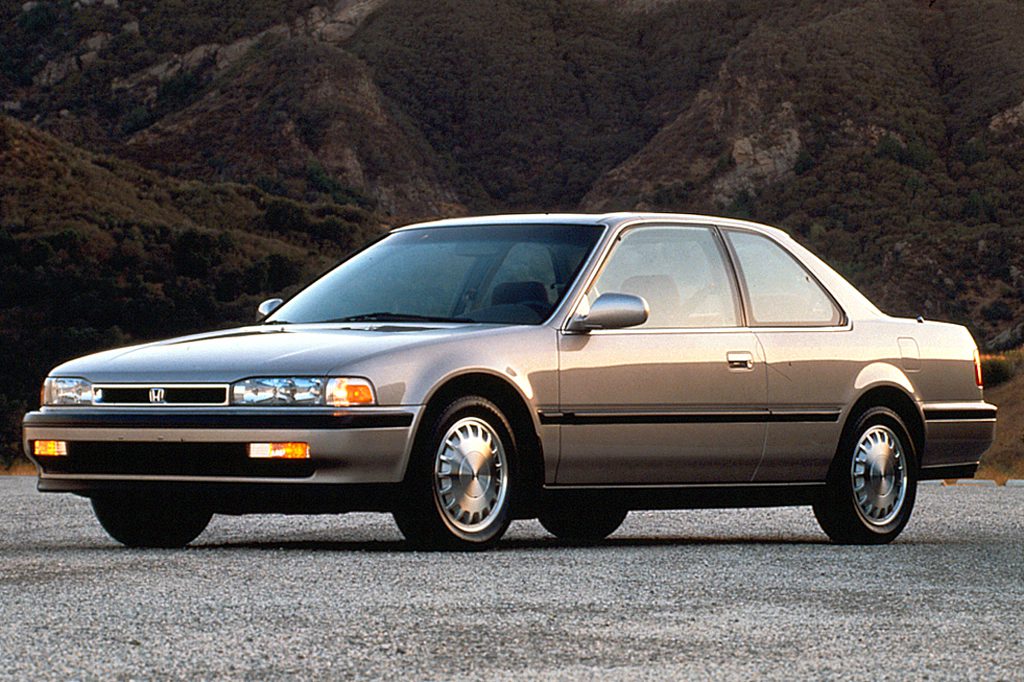
3. Honda Accord 1990 – Combining Crashworthiness and Affordability
The 1990 Honda Accord represents a crucial turning point in automotive safety, marking the era when advanced safety features began permeating affordable, mass-market vehicles. Prior to this period, many safety innovations were restricted to luxury models, placing lower-income consumers at a relative risk disadvantage.
The 1990 Accord challenged this status quo by integrating robust crashworthiness—meaning the vehicle’s structural ability to absorb and dissipate crash energy to protect occupants—with a price point accessible to a broad segment of drivers. This democratization of safety technology played a significant role in raising overall road safety levels.
Structurally, the 1990 Accord featured reinforced passenger compartments with strategically designed crumple zones, which absorb collision forces and reduce the severity of impact to occupants. This was complemented by energy-absorbing bumpers and improved side-impact door beams, which provided better protection in both frontal and lateral collisions.
The vehicle also incorporated dual airbags, which were becoming more common but still represented advanced safety technology for a mid-priced sedan. These enhancements allowed the Accord to achieve excellent crash test results, earning it a reputation for exceptional safety in its class.
By offering these safety features as standard or easily accessible options, Honda significantly influenced competitors to raise their safety standards in economy cars.
This shift contributed to a new era where vehicle safety ratings and crashworthiness became key factors for consumers, even among budget-conscious buyers.
The Accord’s success in balancing safety, affordability, and reliability made it a popular choice for families and everyday commuters, promoting a culture of safety-conscious car buying.
Moreover, the 1990 Accord’s impact extends beyond just crashworthiness. The model exemplified how manufacturers could innovate through intelligent engineering and thoughtful design without drastically increasing vehicle cost. This approach fostered a competitive environment where safety was no longer a luxury but an expectation.
Honda’s leadership with the Accord encouraged continuous improvement across the industry, ultimately saving countless lives by making advanced safety accessible to the masses.

4. Ford Taurus 1996 – Introducing Side-Impact Airbags
The 1996 Ford Taurus is recognized as a groundbreaking model for introducing side-impact airbags, a safety feature designed to protect occupants from injuries caused by collisions occurring from the vehicle’s side.
Prior to this innovation, frontal airbags and seatbelts were the primary focus of occupant protection, while side-impact crashes remained a significant source of serious injuries and fatalities. Ford’s decision to incorporate side airbags marked a proactive recognition of this risk, expanding the scope of passive safety to address a broader range of real-world crash scenarios.
Side-impact airbags provide crucial cushioning between the occupant and the intruding vehicle or object during a collision, helping to reduce head, neck, and chest injuries.
The 1996 Taurus’s introduction of these airbags set a new industry benchmark and prompted regulatory bodies to revise safety standards to include lateral protection.
The inclusion of side airbags complemented existing safety features, offering occupants layered protection in multiple collision types and directions. This holistic approach to safety transformed how vehicles were evaluated and designed.
Beyond the airbags themselves, the Taurus’s overall structural enhancements contributed to its reputation as a safety leader. Ford reinforced door frames and side panels to improve intrusion resistance, thereby preventing objects from penetrating the cabin space during side impacts.
The model’s outstanding performance in crash tests demonstrated that thoughtful engineering could effectively reduce injuries from one of the most dangerous collision types. The Taurus helped shift the focus of vehicle safety research and innovation toward comprehensive protection, beyond just frontal impacts.
The 1996 Ford Taurus’s pioneering efforts influenced competitors and regulatory bodies alike, accelerating the widespread adoption of side airbags across the automotive market. Today, side-impact airbags are considered a standard safety feature in virtually all new vehicles, a testament to the Taurus’s lasting influence.
This model year also emphasized the importance of continuous safety innovation to address emerging challenges on the road, reinforcing the idea that occupant protection must evolve with changing accident patterns and technologies.

5. Tesla Model 3 2018 – Advancing Autonomous Safety Features
The 2018 Tesla Model 3 represents a transformative leap forward in automotive safety by combining advanced crashworthiness with cutting-edge autonomous and driver-assistance technologies.
Unlike traditional safety improvements that focused primarily on structural integrity and passive restraint systems, the Model 3 embraced active safety systems powered by sophisticated software, sensors, and machine learning.
This model integrated features such as automatic emergency braking, lane-keeping assist, adaptive cruise control, and collision avoidance, collectively aimed at preventing accidents before they occur.
Tesla’s innovative use of cameras, radar, and ultrasonic sensors allowed the Model 3 to monitor the environment continuously and react in real time to potential hazards.
These semi-autonomous features marked the beginning of a new paradigm in safety, where the vehicle actively assists the driver in avoiding collisions, rather than merely protecting occupants during a crash.
This shift towards proactive safety was groundbreaking, setting a benchmark for the entire industry and prompting competitors to accelerate the development of similar technologies.
Structurally, the Model 3 also excelled, earning some of the highest crash test ratings ever recorded. Its electric battery pack, mounted low in the chassis, contributed to a low center of gravity and improved vehicle stability, reducing rollover risk.
The reinforced passenger compartment and advanced crumple zones further enhanced occupant protection during collisions. The combination of these structural and software-based safety systems illustrated a holistic approach to occupant protection and accident prevention.
Additionally, Tesla’s ability to improve safety features through over-the-air software updates allowed the Model 3 to continually enhance its safety performance even after purchase. This model year demonstrated that the future of automotive safety lies in the integration of hardware and software, enabling vehicles to learn and adapt to new threats over time.
The 2018 Model 3 thus set a new industry benchmark by pioneering a path toward fully autonomous, intelligent vehicles capable of drastically reducing traffic accidents and fatalities.
5 Car Model Years Remembered for Failings

1. Ford Pinto 1971 – The Infamous Fuel Tank Design
The 1971 Ford Pinto is often cited as one of the most notorious failures in automotive safety history, primarily due to its dangerously flawed fuel tank design. In the Pinto, the fuel tank was positioned behind the rear axle, which in itself was not unusual, but the issue was its vulnerability to rear-end collisions.
The tank was mounted in such a way that even moderate impacts could cause it to rupture, leading to catastrophic fires.
What made the Pinto case particularly damning was the internal knowledge Ford had about the problem before release and their decision to proceed without significant design changes, prioritizing cost savings over safety.
Investigations revealed that Ford had conducted a cost-benefit analysis weighing the expense of fixing the fuel tank design against the expected payout for potential burn injuries and deaths.
This cold calculation, often summarized as valuing human life less than corporate profits, ignited a public relations firestorm and lasting damage to Ford’s reputation.
The Pinto became a symbol of corporate negligence and ethical failure, leading to lawsuits, recalls, and an intense scrutiny of automaker responsibility. This scandal also spurred regulatory reforms, emphasizing the need for transparency and accountability in vehicle safety design and testing.
Beyond the scandal itself, the Pinto’s failure underscores how engineering decisions, driven by cost-cutting and market pressures, can have tragic consequences. It highlighted the limitations of pre-market safety testing at the time, showing that even popular models could harbor deadly flaws if not rigorously vetted.
The Pinto’s problems spurred the National Highway Traffic Safety Administration (NHTSA) and other agencies to strengthen crash testing protocols and fuel system integrity requirements, fundamentally changing safety oversight in the U.S. auto industry.
In retrospect, the Pinto’s failure serves as a cautionary tale about the intersection of engineering, ethics, and business. It forced manufacturers to rethink how safety considerations are integrated into vehicle development and brought public attention to the human cost of unsafe design choices.
The Pinto incident remains a key example in discussions about corporate responsibility, consumer protection, and the evolution of automotive safety regulations.
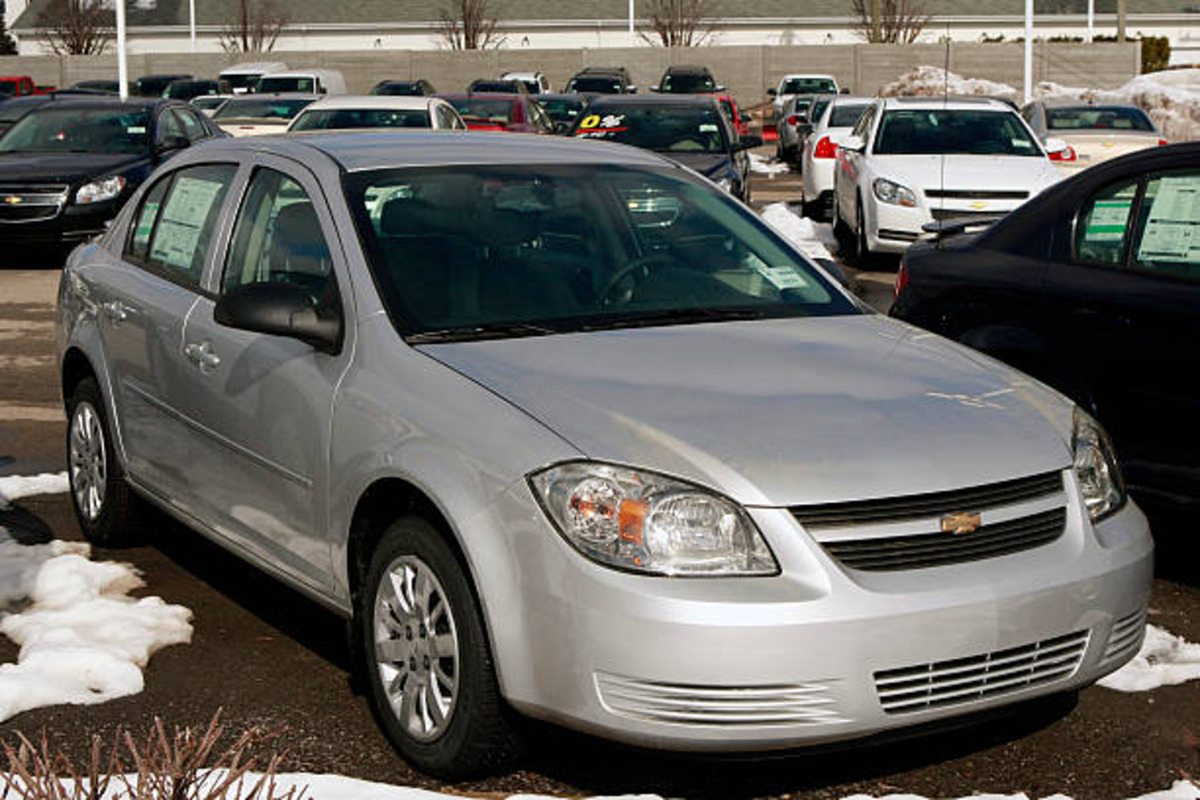
2. Chevrolet Cobalt 2005–2010 – Defective Ignition Switch Scandal
The Chevrolet Cobalt models produced from 2005 through 2010 are infamous for a safety defect in the ignition switch that led to deadly consequences.
The defect caused the ignition switch to inadvertently move from the “run” position to “accessory” or “off” during driving, especially when the driver’s knee or heavy keychains applied pressure to the ignition.
This unintended switch-off would abruptly cut power to the engine and disable critical safety systems like airbags and power steering, drastically increasing the risk of a crash and occupant injury.
The Cobalt ignition switch scandal became a landmark case in automotive safety failures due to the severity of the defect and the length of time it went unaddressed.
General Motors was criticized for knowing about the defect years before a recall was issued and for delaying action despite evidence linking the faulty ignition switch to at least 124 deaths and numerous injuries.
Internal documents revealed troubling lapses in corporate communication, regulatory reporting, and engineering oversight, raising serious questions about GM’s commitment to safety and transparency.
This defect had a ripple effect throughout the automotive industry and regulatory environment, catalyzing reforms in recall procedures, defect reporting, and corporate accountability. It also sparked widespread media coverage and congressional investigations, exposing vulnerabilities in the relationship between regulators and automakers.
The Cobalt case underscored the critical importance of early detection, swift response, and public transparency in handling vehicle safety defects to prevent harm and maintain consumer trust.
On a technical level, the Cobalt ignition switch failure illustrated how a relatively small mechanical flaw could lead to catastrophic outcomes, especially when it disrupts critical safety systems like airbags. The tragedy also highlighted how design choices, manufacturing tolerances, and quality control processes must be scrutinized rigorously.
Ultimately, the Cobalt’s ignition switch defect stands as a stark reminder of how failures in corporate ethics, engineering diligence, and regulatory oversight can converge to endanger lives on a massive scale.
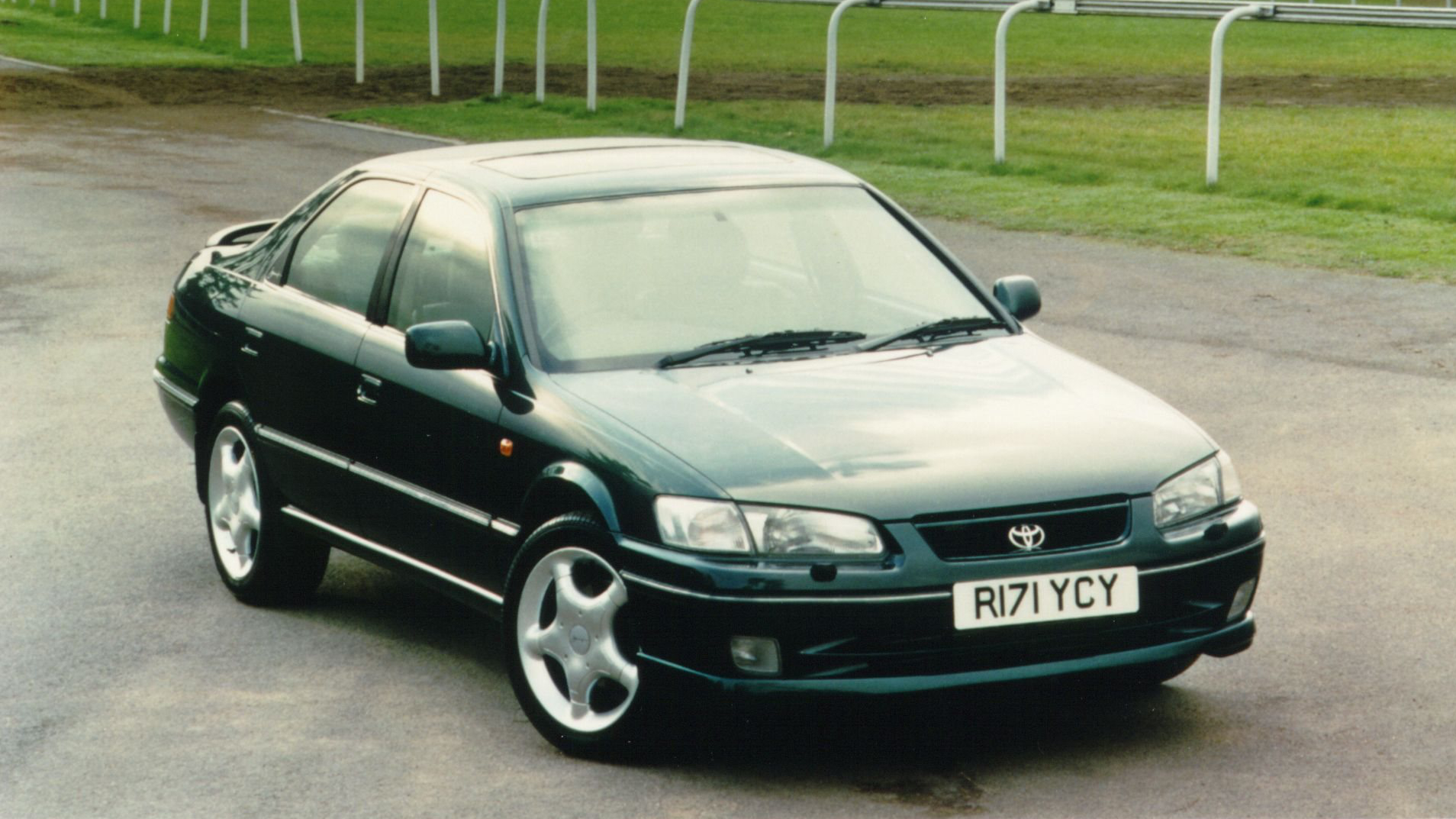
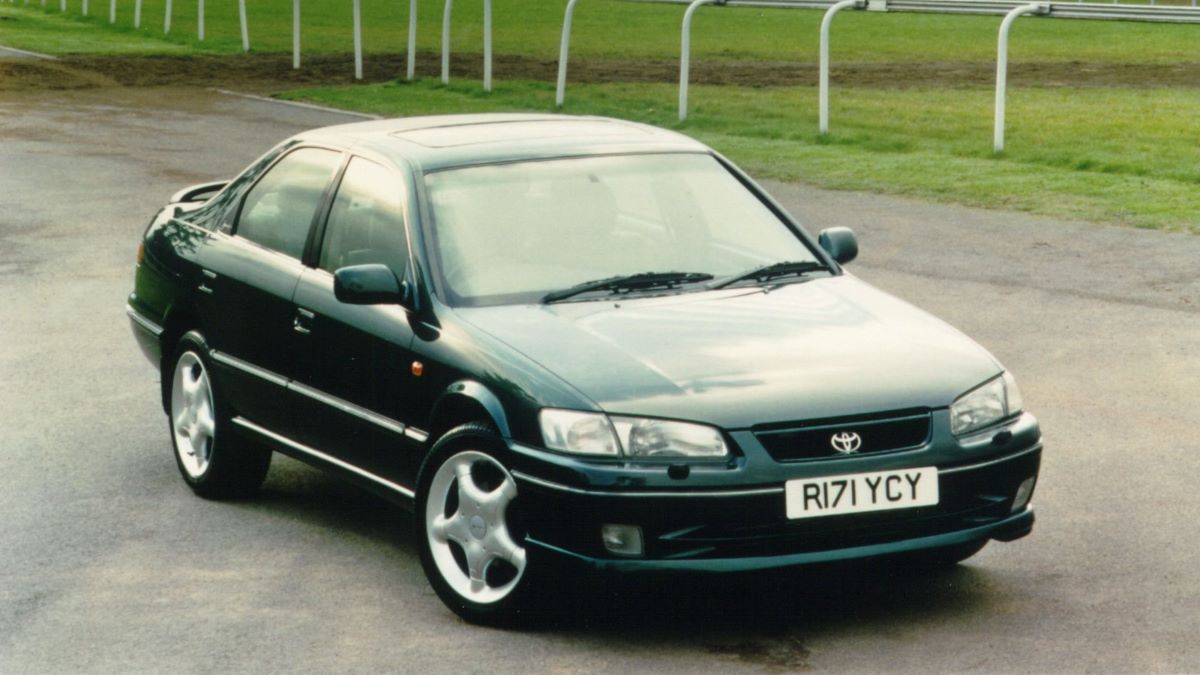
3. Toyota Camry 1997 – Sudden Unintended Acceleration Issues
The 1997 Toyota Camry is often remembered not for its reliability but for its role in one of the most publicized automotive safety controversies of the late 1990s and early 2000s: sudden unintended acceleration (SUA). Numerous reports emerged of Camrys accelerating uncontrollably without driver input, leading to crashes, injuries, and fatalities.
While initial investigations focused on driver error or floor mat interference, mounting evidence and legal cases brought attention to potential electronic throttle control malfunctions and design flaws in the accelerator pedal system.
This safety failure shook consumer confidence in Toyota, a brand otherwise known for quality and reliability. The publicity around the Camry’s SUA issues sparked intense media scrutiny and government investigations, including by the National Highway Traffic Safety Administration (NHTSA).
The situation exposed gaps in understanding and managing emerging electronic control technologies in vehicles, as the transition from mechanical to drive-by-wire throttle systems introduced new risks. Toyota’s initial hesitancy in addressing the problem and recalling affected vehicles added to public frustration.
The Camry SUA controversy was pivotal in changing how electronic systems in vehicles are tested, monitored, and recalled. It prompted automakers to improve diagnostics, software quality assurance, and fail-safe designs to prevent electronic malfunctions that could jeopardize driver control.
The incident also led to increased regulatory oversight regarding electronic throttle control systems and greater emphasis on transparency in addressing safety concerns. Toyota eventually issued recalls and redesigned affected components, but the damage to brand reputation lingered for years.
More broadly, the 1997 Camry case illustrated the complexities of modern automotive safety, where mechanical reliability intersects with software integrity. It highlighted that advancements in technology could create new hazards if not carefully engineered and managed. The Camry’s unintended acceleration saga remains a case study in crisis management, regulatory response, and the evolution of vehicle safety in an increasingly computerized automotive landscape.
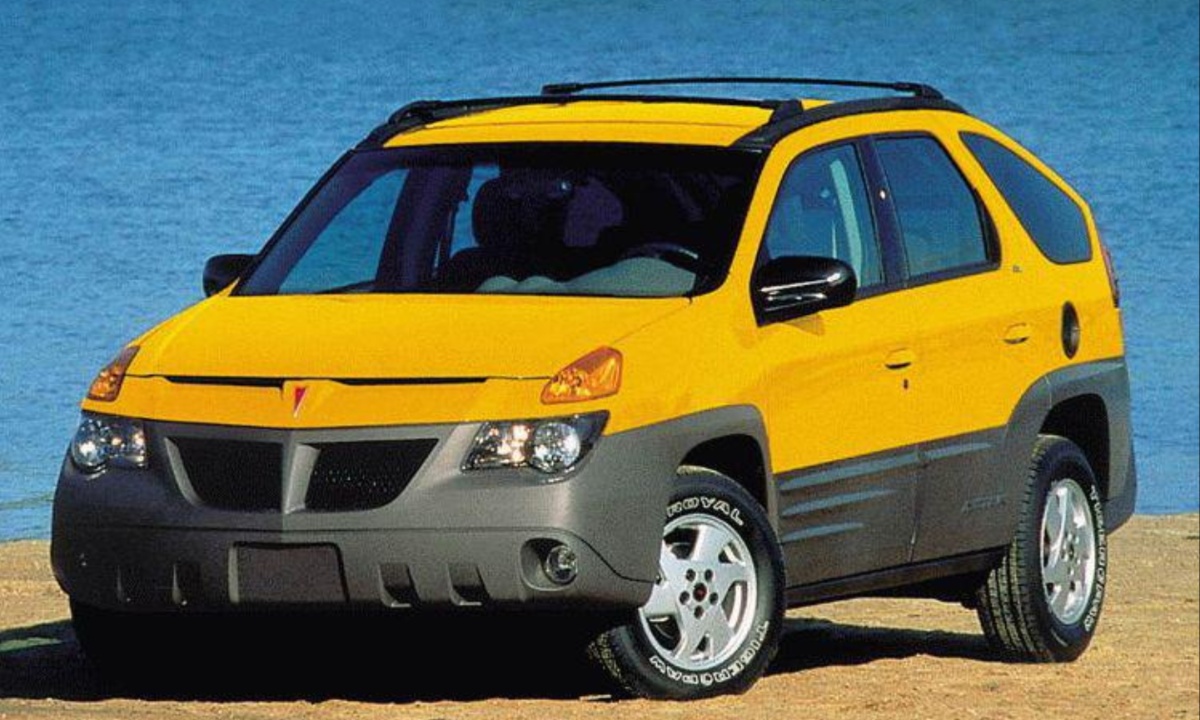
4. Pontiac Aztek 2001 – Safety Compromises and Poor Design Choices
The 2001 Pontiac Aztek, while infamous primarily for its controversial styling, is also remembered for several safety-related shortcomings that contributed to its poor reputation.
Despite being marketed as a versatile crossover SUV with innovative features, the Aztek’s design and engineering reflected compromises that undermined occupant safety and handling. Its high center of gravity and suspension tuning made it prone to rollover accidents, especially during sharp maneuvers or emergency avoidance situations.
In addition to its dynamic instability, the Aztek suffered from subpar crash protection performance. The vehicle’s structural rigidity and crash energy management were not up to the standards of its competitors, with weaknesses in the side-impact protection and frontal crash zones.
The positioning of safety features such as airbags and seatbelts was criticized, and the overall build quality raised questions about the Aztek’s ability to protect occupants in real-world collisions. These safety flaws, combined with the vehicle’s polarizing aesthetics, contributed to poor sales and a quick exit from the market.
The Aztek’s safety issues serve as a case study in how design and engineering compromises, whether motivated by cost, expedience, or stylistic priorities, can have dire consequences for occupant protection.
Its high rollover risk was particularly alarming given the rising popularity of SUVs and crossovers during that period, where consumer demand was growing but safety knowledge and standards for taller vehicles were still evolving. The Aztecs’ failures underscored the importance of thorough safety testing and balancing form with function.
Furthermore, the legacy of the Pontiac Aztek is a reminder that safety must be integral to the entire vehicle development process rather than an afterthought.
Automakers learned from the Aztek experience that consumers expect not only aesthetic appeal but also dependable safety performance, especially in vehicles marketed for families and active lifestyles. Its safety failings contributed to more stringent safety standards for SUVs and crossovers in subsequent years.

5. Tesla Model S 2012 – Autopilot Hurdles and Early Safety Criticisms
The Tesla Model S, introduced in 2012, heralded a new era of electric vehicles and advanced driver-assistance systems (ADAS), but it also faced significant criticism and safety challenges related to its Autopilot technology and early crash incidents.
While the Model S was praised for its strong structural design and excellent crash test ratings, concerns emerged as the vehicle’s semi-autonomous features were introduced to the market rapidly, sometimes outpacing regulatory understanding and driver readiness.
Autopilot, Tesla’s advanced driver-assist system, aimed to enhance safety by automating steering, acceleration, and braking under certain conditions. However, early on, several high-profile crashes occurred where drivers appeared to over-rely on Autopilot, misunderstanding its capabilities and limitations.
Some incidents resulted in fatalities, prompting investigations by the National Transportation Safety Board (NTSB) and the NHTSA. These events exposed challenges in human-machine interaction, such as driver inattentiveness and system misuse, which are critical factors in semi-autonomous vehicle safety.
Tesla’s approach to rolling out Autopilot included frequent over-the-air software updates that improved functionality, but also raised questions about testing and certification standards.
Critics argued that the technology was marketed in ways that could lead to driver complacency or misuse, blurring the lines between driver assistance and full autonomy. This sparked debates about regulatory oversight, labeling, and the responsibilities of manufacturers to ensure user understanding and safe operation.
Despite these hurdles, the Model S played a crucial role in pushing the boundaries of automotive safety technology. It accelerated industry-wide efforts to integrate sensors, cameras, and AI-driven assistance systems into vehicles.
The lessons learned from Tesla’s early Autopilot issues influenced improvements in driver monitoring systems, alertness detection, and regulatory frameworks.
Ultimately, the 2012 Model S highlights the growing pains associated with transitioning from traditional vehicles to the autonomous future and underscores the importance of balancing innovation with rigorous safety protocols and clear communication to drivers.
Also Read: 5 Cars with Solid Seat Structures vs 5 with Belt or Latch Failures
The history of automotive safety is a complex tapestry woven from stories of groundbreaking innovation and sobering failure. The five car model years that set safety benchmarks stand as enduring symbols of human ingenuity and ethical commitment to preserving life.
From Volvo’s pioneering introduction of the three-point seatbelt to Tesla’s embrace of autonomous safety technologies, these milestones underscore the immense progress made in occupant protection.
They highlight how thoughtful engineering, visionary leadership, and a willingness to share and adopt new ideas can create safer roads and save millions of lives worldwide.
Conversely, the failures of the Ford Pinto, Chevrolet Cobalt, Toyota Camry, Pontiac Aztek, and even early Tesla Model S reflect the high costs of lapses in judgment, design, and oversight. These cautionary tales reveal that safety cannot be taken for granted or treated as a mere compliance checkbox.
They demonstrate the grave consequences when corporate profit motives overshadow human life, or when the promise of cutting-edge technology is introduced without adequate testing, transparency, or education for users.
These model years remind us that automotive safety is not a static achievement but a continuous process demanding vigilance, responsibility, and humility.
The juxtaposition of these successes and failures also illustrates the multifaceted nature of vehicle safety. It is not solely about the presence of advanced features but also about how well those features are integrated, tested, and communicated to consumers.
It involves ethical engineering decisions, robust regulatory frameworks, and informed, responsible consumer use. As cars become increasingly complex, integrating software-driven autonomous systems, the lessons of the past become even more critical to avoid repeating mistakes and to fully harness the potential of technology to prevent accidents.
Moreover, these stories reflect the evolving relationship between automakers, regulators, and the public. Early failures spurred reforms in safety standards and recall processes, while benchmark models set aspirational goals for manufacturers.
They also highlight the role of societal values, illustrating how safety innovations often arise from a cultural commitment to human life and well-being.
The willingness of some manufacturers to share innovations like the three-point seatbelt freely contrasts sharply with instances where defects were concealed or downplayed, underscoring the ethical dimension of automotive safety.
Looking ahead, the lessons from both the benchmark-setting and failing models urge continuous innovation paired with transparency and ethical responsibility.
The future of automotive safety lies in advanced sensor systems, artificial intelligence, and connected vehicle networks that can prevent crashes altogether. However, these technologies must be rigorously tested, carefully deployed, and clearly understood by users to maximize their life-saving potential.
In conclusion, the journey of automotive safety is one of remarkable progress tempered by serious challenges. Celebrating the models that raised safety standards encourages ongoing innovation and inspires confidence.
Remembering those who failed serves as a powerful reminder that safety must always remain the foremost priority in automotive design and manufacturing.
Together, these lessons guide the industry toward a safer future, where every vehicle on the road not only meets but exceeds the expectations of protection, ensuring that the promise of safer driving becomes a reality for all.
