
Every time you step into a car, you’re placing trust in the machine, the manufacturer, and the many layers of testing that stand between you and disaster. While most people buy cars based on looks, speed, or brand loyalty, safety is a silent deal-breaker—or at least, it should be.
Behind the polished metal and luxurious interiors are thousands of hours of testing, simulation, and crash analysis. Governments and independent organizations like the IIHS (Insurance Institute for Highway Safety) and NHTSA (National Highway Traffic Safety Administration) conduct rigorous crash tests to evaluate how well a vehicle can protect its occupants in real-life collisions.
Some cars not only pass these tests—they dominate them. Others, however, fail in ways that make you question how they ever made it to the market.
Car safety isn’t just about seatbelts or airbags anymore. Modern crash tests evaluate roof strength in rollovers, small overlap front impacts (where just the corner of the vehicle hits another object), side impacts from SUVs, and even pedestrian protection.
To ace a crash test means a car has been engineered from the inside out to absorb damage, redirect forces away from passengers, and maintain cabin integrity. In contrast, to fail a test miserably often means catastrophic weaknesses—crumpling passenger cabins, critical airbag failures, or even ejection risks.
In this article, we’ll explore both ends of the spectrum: five cars that stood out for all the right reasons in crash tests and five that earned notoriety for their poor safety results.
Each vehicle comes with its own story, highlighting the importance of design decisions, engineering integrity, and real-world implications. This isn’t about brand-bashing or marketing hype—it’s about facts, test results, and what happens when cars are put through one of the most important trials of all: the crash test.
Also Read: 10 Most Anticipated Supercars of the Next Decade
5 Cars That Aced Tough Crash Tests
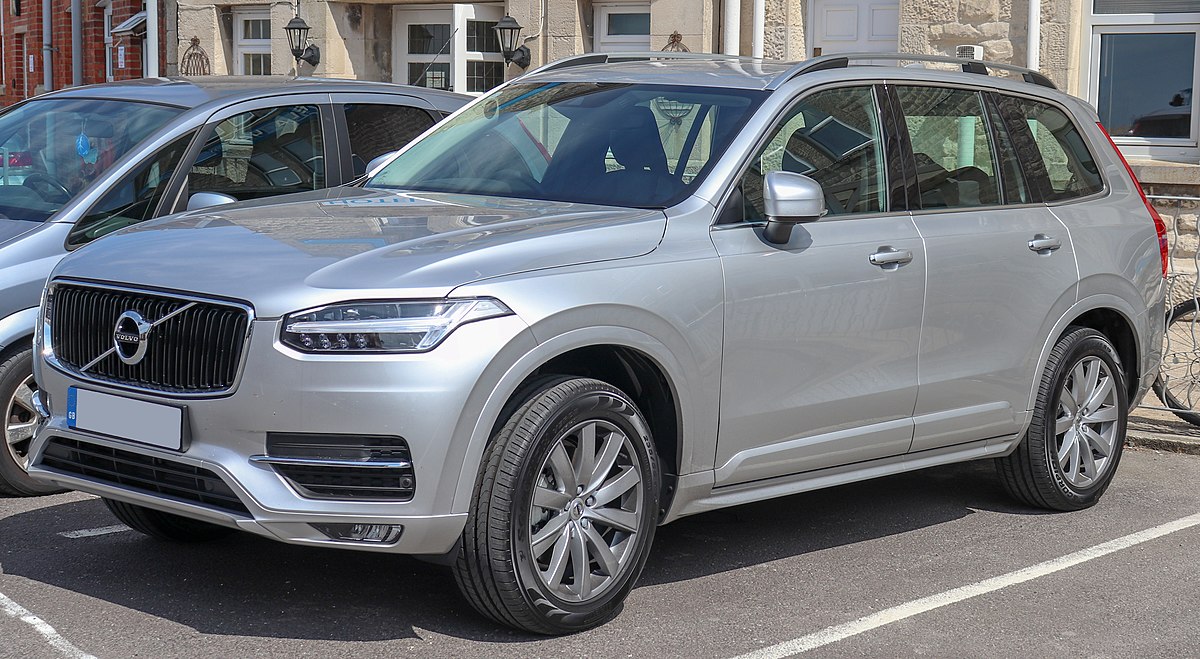
1. Volvo XC90
Volvo has always been a name synonymous with safety, and nowhere is this more evident than in the Volvo XC90. As the company’s flagship SUV, the XC90 embodies decades of commitment to safety innovation, meticulous engineering, and life-saving design.
It has consistently scored the highest possible marks from the world’s most respected crash testing organizations, including the IIHS and NHTSA.
When subjected to small overlap front crashes, arguably one of the toughest tests due to the minimal surface area of contact and the way it challenges the vehicle’s structural integrity, the XC90 shows barely any compromise in passenger protection.
It’s also a standout in side-impact tests, where even the force from a large SUV or pickup truck colliding into its side doesn’t deform the cabin significantly. The interior remains stable, the dummies sustain minimal injuries, and the airbags deploy exactly as designed, enveloping occupants in a protective bubble milliseconds after impact.
A large part of the XC90’s exceptional crash performance stems from Volvo’s use of advanced materials and structural layout. The SUV is built with a high percentage of hot-formed boron steel, one of the strongest types of steel available for vehicle manufacturing.
This material is particularly effective in resisting deformation and maintaining the shape of the passenger compartment, even during intense collisions. The vehicle is also equipped with multiple, strategically engineered crumple zones designed to absorb and distribute impact forces away from the cabin.
This dual approach—strength and intelligent energy dispersion, ensures that crash forces do not reach the passengers in catastrophic ways. In roof crush tests, where a vehicle is subjected to the kind of pressure it would experience in a rollover, the XC90’s roof supports more than five times its own weight, placing it far above industry minimums.
Beyond brute strength and crumple science, the XC90 incorporates an intelligent and holistic safety suite that enhances its crash performance. For example, Volvo’s signature “City Safety” system includes features like automatic emergency braking with pedestrian, cyclist, and large animal detection.
It also includes intersection collision avoidance—an often overlooked but dangerous type of crash that occurs when turning across oncoming traffic. The XC90 can sense an imminent collision at an intersection and intervene if the driver fails to act.
Furthermore, its run-off road protection system pre-tensions seatbelts and employs energy-absorbing seat structures to reduce spinal injuries during harsh landings, such as when a vehicle veers off-road into a ditch. The suite operates in harmony with a network of airbags, including thorax, knee, and curtain airbags that deploy with pinpoint accuracy.
What cements the XC90’s reputation isn’t just laboratory data—it’s the real-world results. According to several traffic safety studies and insurance data analytics, the XC90 has among the lowest death rates in its class over a multi-year span.
This means that all of Volvo’s investments in theoretical safety yield practical dividends. Parents feel safer transporting children, and drivers know they are inside one of the most resilient vehicles ever engineered.
Volvo even publicly committed to a bold vision: that no one should be seriously injured or killed in a new Volvo, a claim once met with skepticism, but that has steadily gained credibility thanks to models like the XC90.
It’s more than a luxury SUV; it’s a testament to what happens when a company places human life at the core of every design decision.
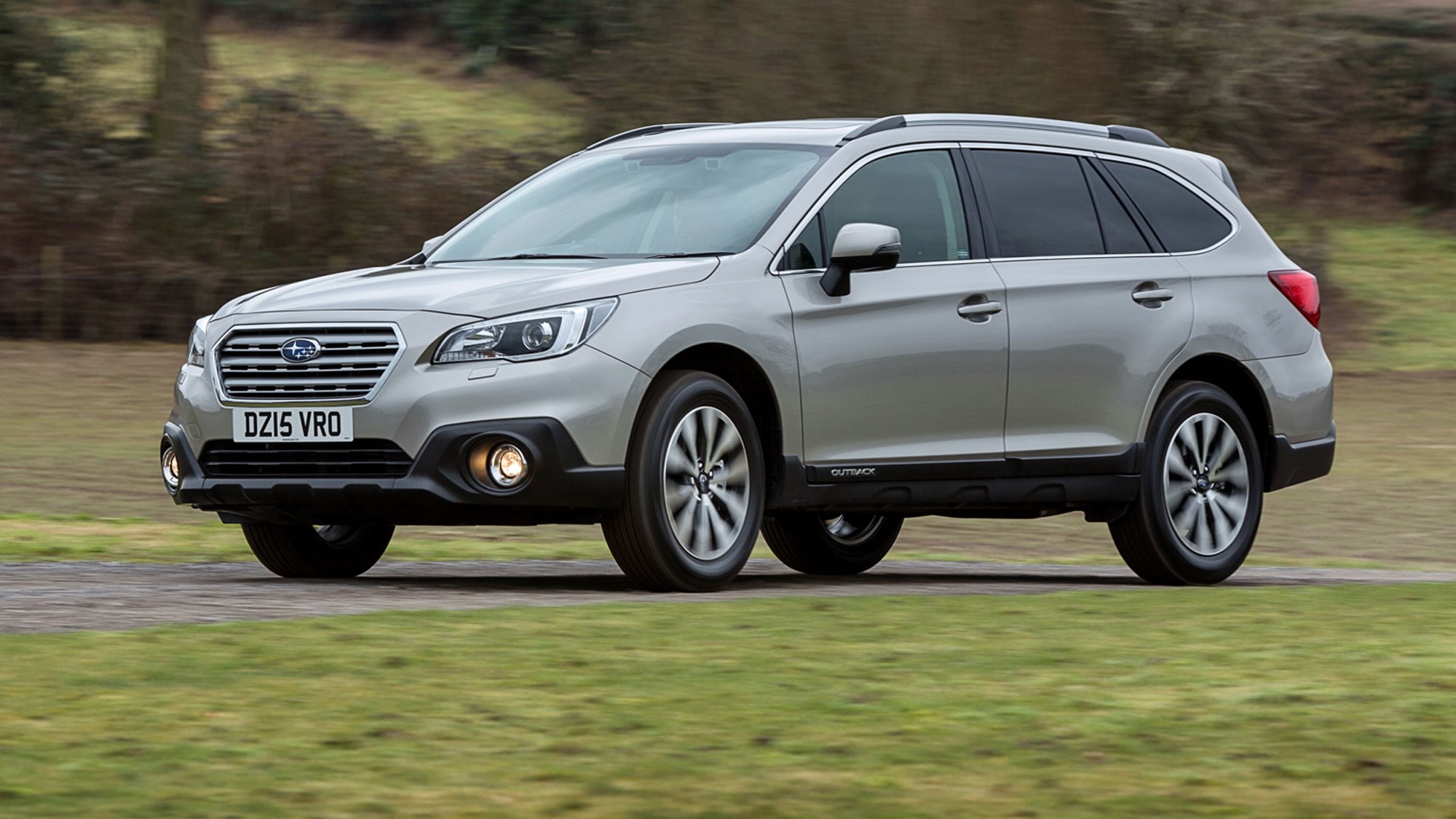
2. Subaru Outback
At first glance, the Subaru Outback doesn’t scream “safety powerhouse.” It has the silhouette of a rugged station wagon, not the imposing profile of a tank. But once it enters a crash test facility, the Outback reveals its true nature. This crossover has quietly, and consistently, dominated crash safety assessments across nearly every metric.
Its IIHS Top Safety Pick+ rating is a badge it has worn with pride over multiple model years, and that rating doesn’t come easily. Vehicles must ace everything from the infamous small overlap front crash to side impact, roof crush, head restraint, and pedestrian impact tests.
The Outback achieves all of this not just with brute design but with clever engineering and safety-forward systems. It’s a family vehicle, a road-tripper’s dream, and one of the safest options in the midsize segment all in one.
The heart of the Outback’s crash success lies in its underlying structure—the Subaru Global Platform. Introduced as a modular architecture that underpins multiple models in the lineup, this platform significantly increases torsional rigidity compared to its predecessor.
A more rigid frame means better protection from cabin intrusion and more control over energy dissipation during a crash. In small overlap front impacts, where just a corner of the vehicle hits an object, such as a tree or a pole, the Outback’s cabin structure remains almost entirely intact.
The A-pillars hold their shape, the steering column doesn’t collapse inward, and passenger dummies emerge with minimal injury readings.
What enhances the Outback’s appeal even further is its robust suite of active safety technologies. Subaru’s EyeSight Driver Assist Technology is one of the most well-regarded safety packages in the industry. It includes features such as adaptive cruise control, pre-collision braking, lane centering, and lane departure warning.
During controlled crash scenarios, EyeSight’s forward collision mitigation system consistently reduces impact speeds or avoids collisions entirely, giving the Outback a distinct advantage.
Additionally, the vehicle includes reverse automatic braking and blind-spot monitoring with rear cross-traffic alert—features that extend crash prevention capabilities beyond frontal collisions.
While many brands reserve such features for premium trims, Subaru includes EyeSight as standard on most Outback models, democratizing safety for all its buyers.
The Outback’s safety record is also validated by its strong performance in winter and off-road conditions, thanks to its full-time symmetrical all-wheel drive system.
This doesn’t directly influence crash test scores, but it plays a major role in crash avoidance. In slippery or unpredictable driving environments, where many crashes occur, AWD provides greater stability and traction.
Subaru complements this with X-Mode, a feature that helps the vehicle navigate steep inclines or declines safely. Combine these capabilities with superior crash test outcomes, and the Outback emerges as a formidable protector on the road. It’s a practical choice for families, outdoor enthusiasts, or anyone who values peace of mind behind the wheel.
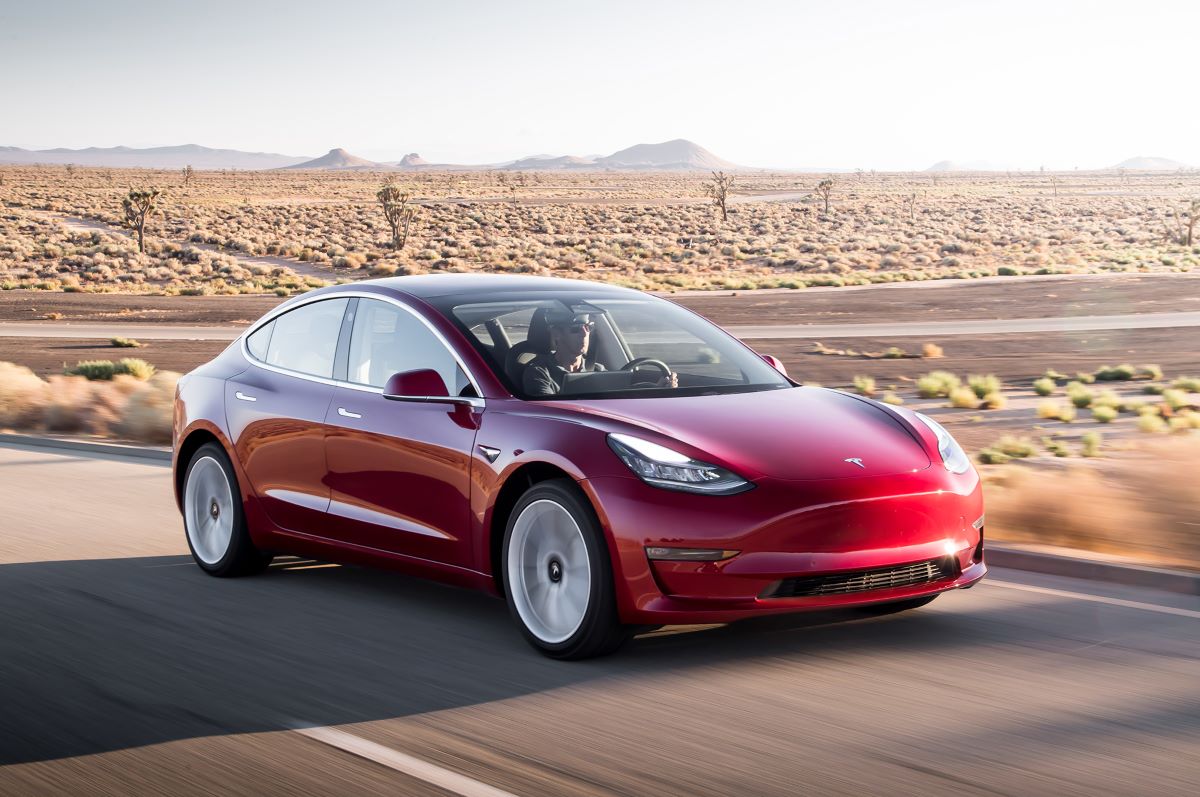
3. Tesla Model 3
Tesla’s Model 3 turned the auto industry upside down in more ways than one. Known primarily for its cutting-edge electric technology and futuristic software, the Model 3 also made waves for its stellar safety performance.
When it first underwent crash testing by the NHTSA, it received a five-star rating not just overall but in every individual category and subcategory—an extremely rare feat.
That’s not just impressive; it’s unprecedented. The IIHS also awarded it Top Safety Pick+ status, citing its excellent performance in frontal crashes, side impacts, roof strength, and head restraint tests.
What’s particularly notable is how Tesla achieved this level of safety without relying on traditional gasoline-powered car layouts. The absence of a heavy internal combustion engine in the front allowed engineers to reimagine crumple zones and force dispersion.
The Model 3 benefits significantly from its design around a central, floor-mounted battery pack. This placement creates a naturally low center of gravity, reducing the risk of rollovers dramatically. In fact, the NHTSA reported that the Model 3 had one of the lowest probabilities of rollover they’d ever recorded.
That same battery pack also adds to the vehicle’s rigidity, reinforcing the chassis and helping maintain the structural integrity of the cabin during collisions.
During side-impact testing, the Model 3’s B-pillars and side frame structures held firm, protecting dummies from dangerous intrusion. The frame’s deformation is minimal, and the car does an exceptional job of keeping critical areas—like the legs, chest, and head—from absorbing severe impact forces.
Tesla’s Autopilot and safety software systems are also a key part of the story, even if they’re technically separate from crash structure. The Model 3 includes standard features like forward collision warning, automatic emergency braking, blind spot monitoring, and lane keeping assistance.
But more impressively, these systems improve over time through over-the-air software updates. Tesla can analyze millions of real-world driving miles and apply that knowledge to refine how the car responds to potential threats.
In a sense, this makes the Model 3 safer the longer you own it—a concept that traditional car manufacturers are only beginning to explore. It’s not just a static safety package—it evolves.
Lastly, Tesla’s obsessive attention to safety goes all the way to the software layer. For example, its seat belt pre-tensioners activate in anticipation of a crash, sometimes before physical contact even occurs, thanks to radar and camera data. Its airbag deployment algorithms are tailored to individual crash types.
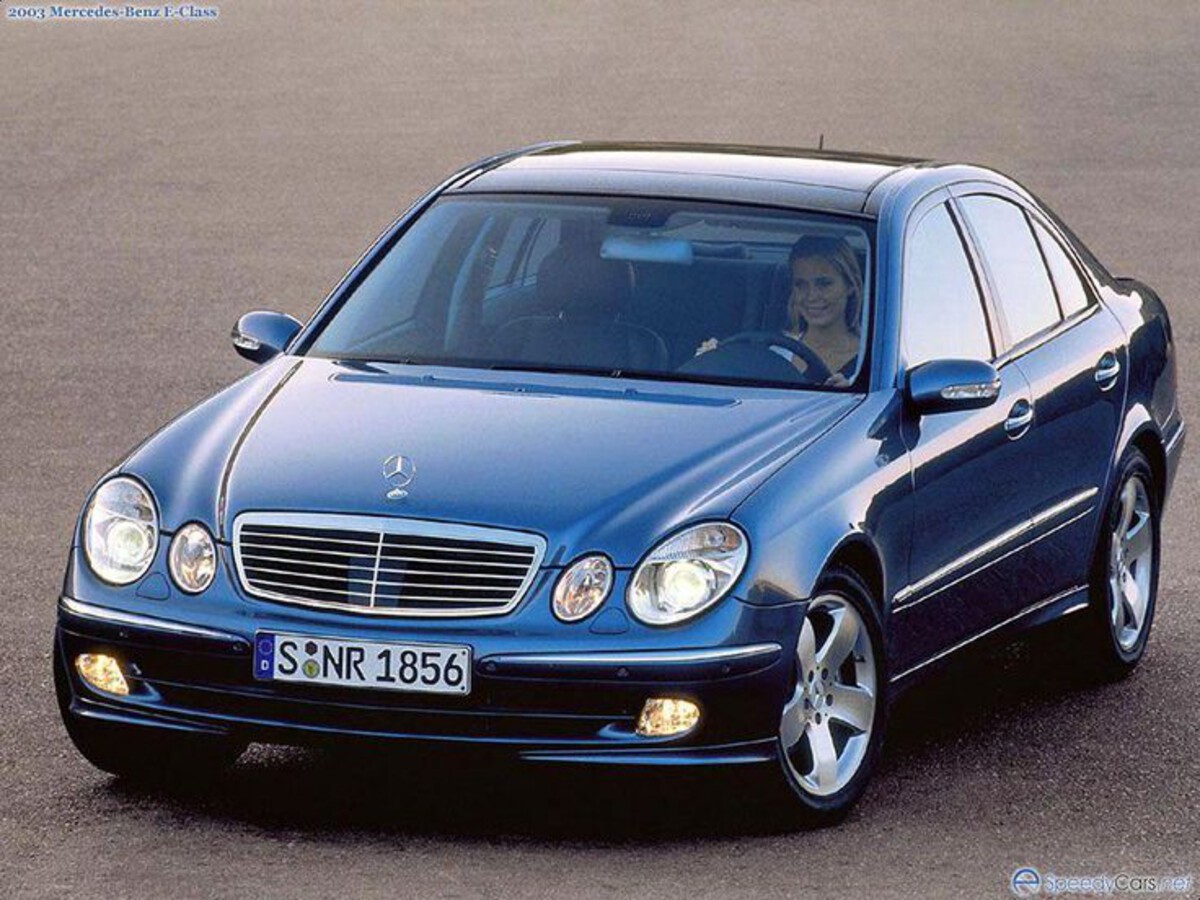
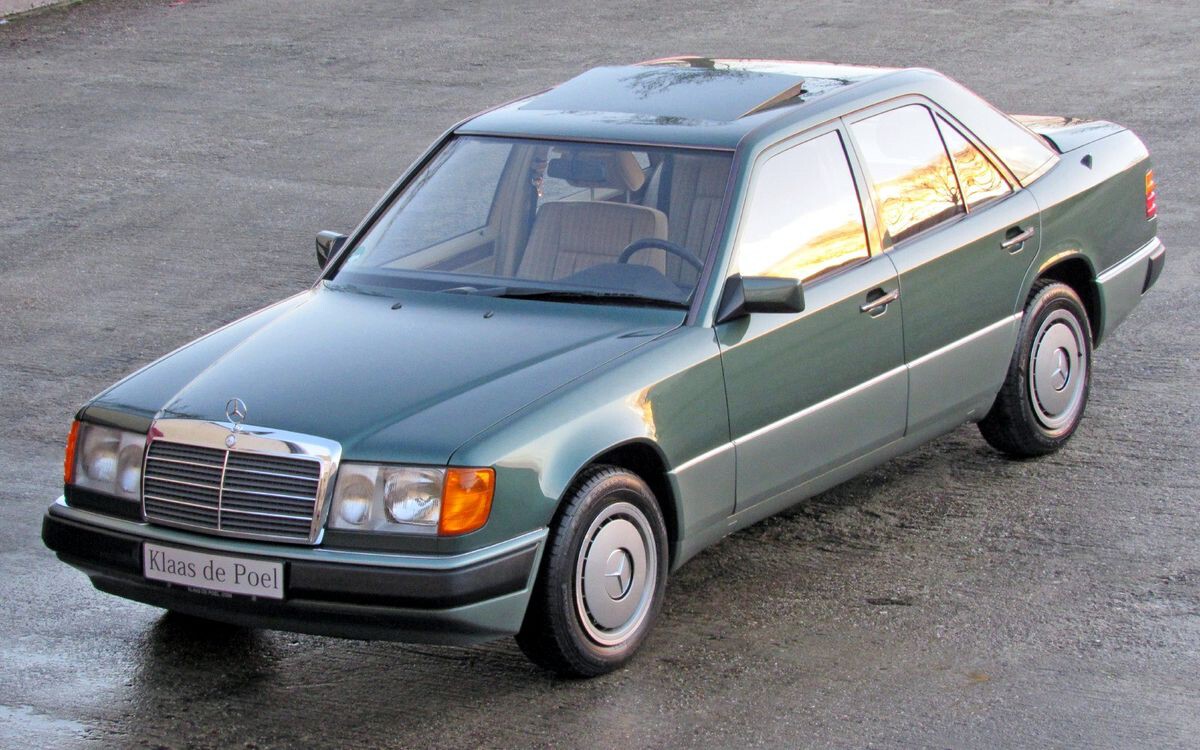
4. Mercedes-Benz E-Class
The Mercedes-Benz E-Class isn’t just a symbol of German luxury—it’s also a showcase of advanced automotive safety. This midsize luxury sedan has been repeatedly recognized by global crash-testing agencies for its outstanding crashworthiness, making it one of the safest vehicles in its class.
Whether undergoing a frontal collision test, side-impact simulation, or rollover assessment, the E-Class consistently demonstrates superior results. What sets it apart is the comprehensive, layered approach Mercedes takes to occupant protection.
It doesn’t rely on one or two standout features—it integrates dozens of safety elements, both passive and active, into a seamless system. From its high-strength steel and aluminum hybrid structure to its PRE-SAFE® system that anticipates crashes and prepares the vehicle, the E-Class delivers world-class crash performance that lives up to the Mercedes reputation.
The structural integrity of the E-Class is central to its safety prowess. Mercedes engineers employ a “crash cell” philosophy, where the passenger compartment is encased in ultra-strong steel, while crumple zones at the front and rear absorb impact energy before it reaches the cabin.
This division allows the structure to collapse in a controlled manner during a crash, slowing down the transfer of forces and protecting occupants from sudden deceleration injuries.
During IIHS testing, the E-Class excelled in the small overlap front crash test—a trial known to challenge the A-pillar and footwell areas. The Mercedes performed impressively, showing minimal cabin intrusion and maintaining survivable conditions even in the worst simulated scenarios.
Another standout safety feature of the E-Class is the PRE-SAFE® system, which goes beyond passive safety. If sensors detect an imminent collision, the car automatically prepares for impact by tightening seatbelts, adjusting seat positions, closing windows, and even inflating side bolsters to protect occupants’ torsos. In some models, it even emits a sound to pre-condition your ears against the shock of a crash.
Combine this with nine airbags—including knee and rear side airbags—and a comprehensive driver assistance suite, and you’ve got a vehicle that can protect, predict, and respond to danger before and after impact. It’s not just reacting to crashes—it’s planning for them.
The E-Class isn’t just a theoretical safety champion. Real-world accident reports frequently validate their lab results. The insurance claims related to medical injuries in E-Class collisions are notably lower than the segment average.
Additionally, it boasts an impressive track record with European NCAP testing, earning full five-star ratings and high scores in pedestrian safety and post-crash response. In markets where drivers are looking for both luxury and peace of mind, the E-Class manages to offer both without compromise. It’s not just about status—it’s about smart, survivable design built on decades of engineering excellence.
nt sizes, using Tesla’s machine learning systems to determine optimal timing and pressure. This precision makes a tangible difference in crash survivability.
The Model 3 is, at its core, a tech product, but it proves that innovation and safety are not mutually exclusive. Rather, they can be allies. It’s not just one of the safest electric vehicles—it’s one of the safest cars, period.
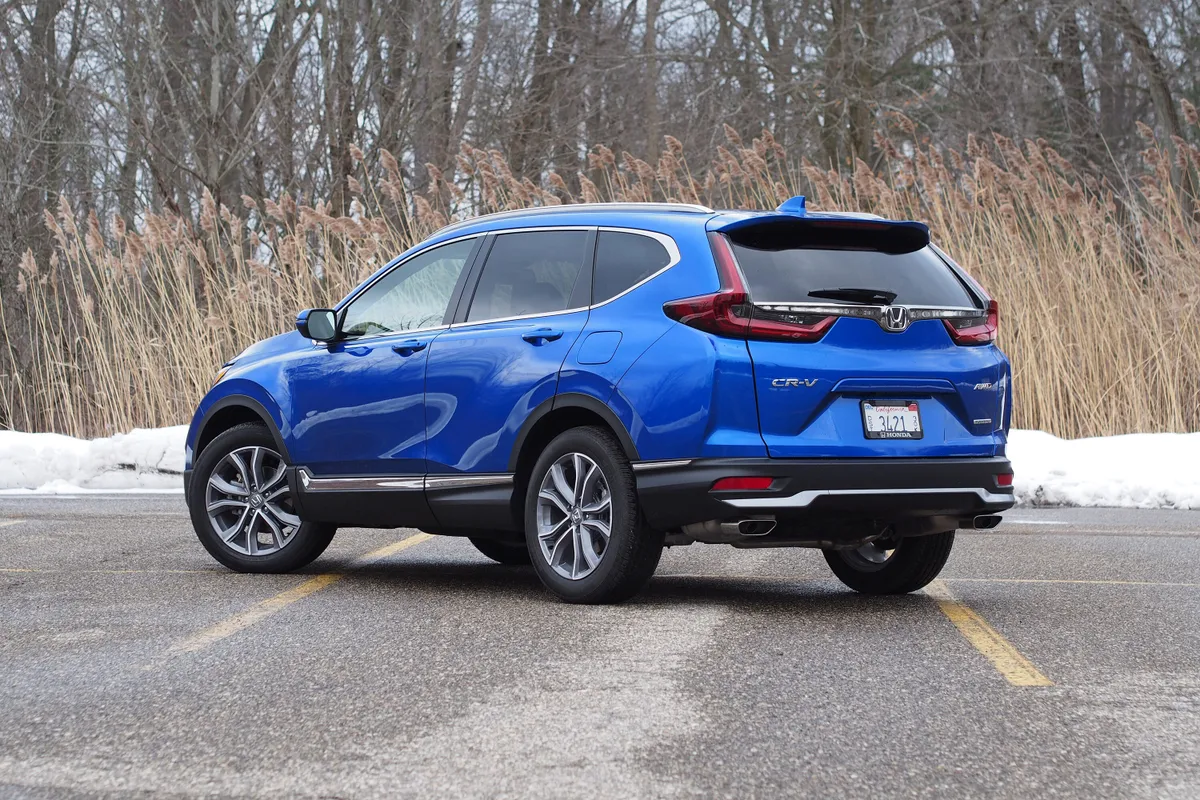
5. Honda CR-V
The Honda CR-V might not have the prestige of a luxury brand or the allure of electric performance, but it wins where it counts: consistently high crash test performance and real-world protection for families, commuters, and adventurers alike. Year after year, the CR-V earns Top Safety Pick ratings and 5-star scores from both the IIHS and NHTSA.
It’s one of those vehicles that proves you don’t need to break the bank to drive a car engineered to protect. With millions of units on the road globally, Honda has fine-tuned the CR-V’s body structure to respond predictably and protectively in every crash configuration tested.
Honda’s ACE™ (Advanced Compatibility Engineering) body structure underpins the CR-V’s safety. It distributes crash energy evenly across the front of the vehicle, preventing it from concentrating at any single point. This design improves performance in head-on collisions and significantly reduces the chances of cabin intrusion.
The CR-V has also shown strong results in the small overlap front crash, a notoriously difficult test for SUVs due to their shape and height. During IIHS simulations, the CR-V’s front and side structures absorbed the blow without allowing the crash to compromise footwells or door frames—a crucial result for occupant leg and hip protection.
What also elevates the CR-V in crash testing is its generous list of standard safety technologies. Honda Sensing®, available on nearly every trim level, includes adaptive cruise control, lane keeping assist, collision mitigation braking system, and road departure mitigation.
These systems don’t just serve as driver conveniences; they play a critical role in real-world crash avoidance and damage reduction.
For example, in frontal crash tests where emergency braking is simulated, the CR-V often stops before impact altogether. In addition to its lab accolades, the CR-V benefits from something even more powerful: widespread use. It’s one of the most popular SUVs in the world, which means we have extensive real-world crash data.
And that data reinforces what the tests suggest—low injury rates, high survival outcomes, and exceptional reliability under stress.
Many vehicles perform well in controlled tests, but the CR-V has proven itself in countless real-life accidents. It doesn’t just pass crash tests; it protects people, daily, across millions of miles. In that sense, it may be the unsung hero of automotive safety.
Also Read: 5 Pickups With Best Front-Driving Visibility and 5 With Big Blind Zones
5 Cars That Failed Miserably in Crash Tests
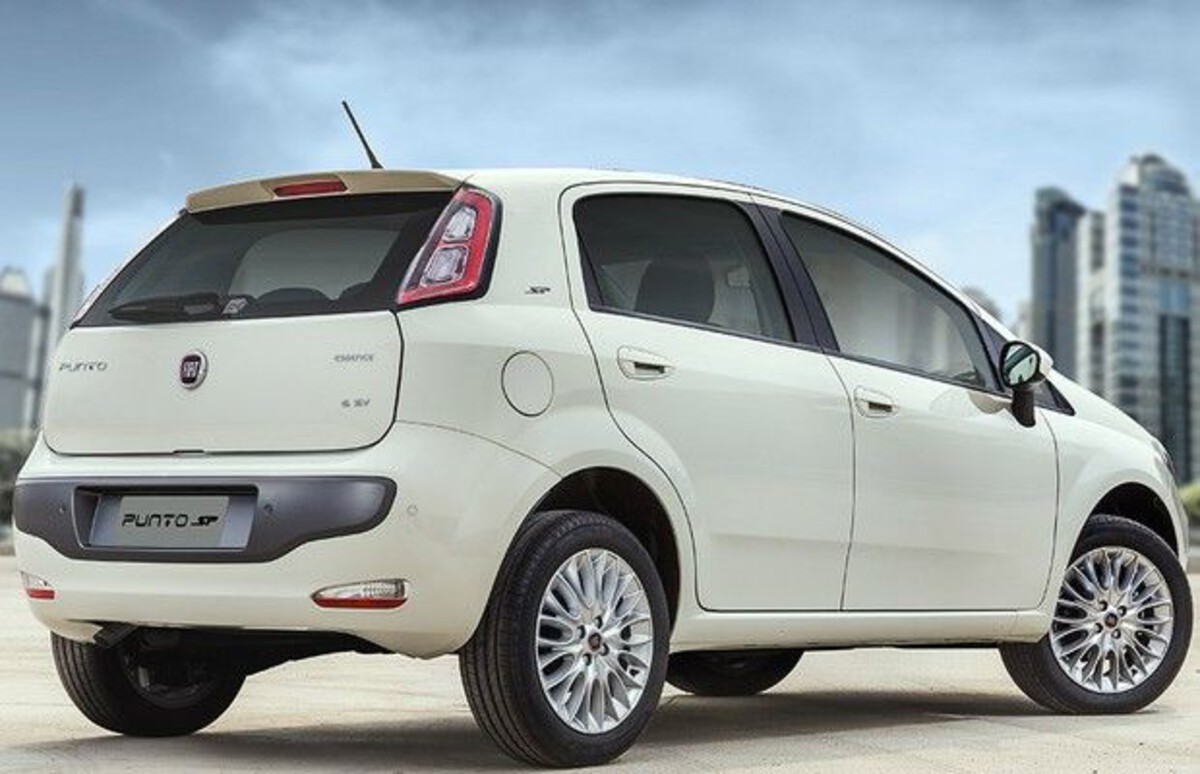
1. Fiat Punto
In an era where most modern cars achieve at least moderate safety ratings, the Fiat Punto made headlines for all the wrong reasons when it received a zero-star safety rating from Euro NCAP in 2017, a rare and startling outcome.
While the Punto had once been a well-received compact car, by the time of its last safety testing, the design had become dangerously outdated. What was even more jarring was that the Punto was the first car in Euro NCAP history to receive a zero, a fact that sparked public backlash and industry criticism.
The car was originally launched in the mid-2000s, and although it had seen cosmetic facelifts over the years, it hadn’t kept up with evolving safety standards. This neglect made it a rolling time capsule in the worst sense—an example of what happens when a manufacturer prioritizes styling tweaks over core structural and safety improvements.
The Punto’s crash test failures weren’t isolated to one category. In the frontal offset crash test, the dummy showed poor protection for both the driver and front passenger, with particularly troubling chest and femur injuries.
The structure of the car failed to prevent cabin intrusion, and the dashboard and steering column posed serious injury risks. In side impact tests, the vehicle’s protection was also subpar, offering almost no resistance to torso and pelvic injuries.
To make matters worse, the Punto lacked essential passive safety features—no autonomous emergency braking, no lane assist, and only basic airbags. In modern crash testing, it’s not just how a car performs physically, but also what technology it includes to prevent crashes in the first place. The Punto failed miserably on both fronts.
One of the most telling aspects of the Punto’s failure was how it highlighted a broader industry issue—namely, how older car designs can linger in production long past their safety expiration date, especially in budget segments.
Manufacturers often update styling and infotainment systems while ignoring structural updates, gambling on consumer ignorance or regulatory loopholes.
For buyers in emerging markets or those purchasing used vehicles, this becomes a dangerous trap. The Punto became a textbook case of a car being kept alive far too long without meaningful investment in safety upgrades, making it a risk for families and young drivers who often gravitate toward smaller, affordable cars.
The fallout from the Punto’s zero-star rating was immediate and harsh. Fiat was widely criticized, and the model was soon discontinued in many markets. But the damage was already done: its poor performance was immortalized as a cautionary tale for consumers and regulators alike.
The car’s legacy now serves as a chilling reminder that a sleek design and decent handling are no substitutes for life-saving engineering.
For those who unknowingly purchased the car expecting modern safety, the realization came too late. The Punto’s spectacular crash test failure remains one of the most infamous in recent automotive history—and rightfully so.
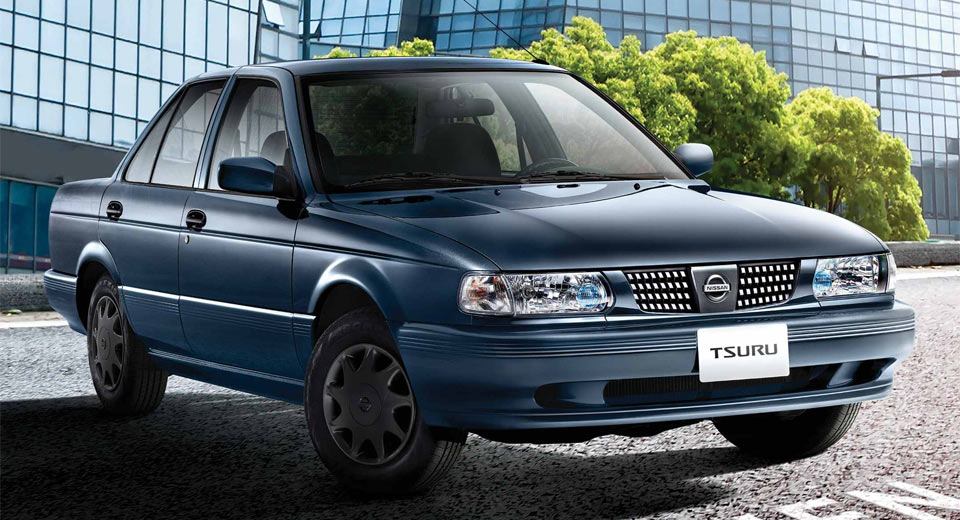
2. Nissan Tsuru
The Nissan Tsuru is perhaps one of the most haunting examples of how dangerous a car can be when it is continuously sold with outdated designs and little regard for modern safety. Sold primarily in Mexico and parts of Latin America, the Tsuru had long been a popular budget sedan due to its affordability, simple mechanics, and low running costs.
But what buyers didn’t realize was that they were getting into a car that had zero airbags, no ABS, and virtually no crash protection. In a dramatic and now-viral crash test conducted by the Latin NCAP, a Nissan Tsuru was slammed into a modern Nissan Versa at 40 mph.
The crash test was part of a campaign to raise awareness about the disparity in safety standards between vehicles sold in developed countries and those marketed in emerging economies.
And the Tsuru became the poster child of this systemic problem. The car’s lack of even basic occupant protection,, no side impact beams, no structural reinforcements, and no frontal airbags, meant that any high-speed crash was likely to result in catastrophic injuries or fatalities.
The contrast between the Tsuru and the newer Versa was stark. While the Versa protected its dummy with a well-preserved cabin and fully deployed airbags, the Tsuru effectively imploded, proving that it was never meant to withstand modern crash forces.
Despite these dangers, the Tsuru remained on sale for decades with minimal changes. Part of the reason was its low price point, which made it a top choice for fleet operators, taxi drivers, and low-income families.
This created a moral dilemma for Nissan and regulators: was it acceptable to sell an unsafe car simply because it was cheap and popular?
Public outcry after the crash test forced the issue into the spotlight, leading Nissan to announce that it would finally cease production of the Tsuru in 2017. But by that time, an estimated two million units had already been sold—many still on the roads, still vulnerable in everyday traffic.
The Tsuru’s crash test failure is more than just a bad score, it’s a humanitarian red flag. It exposed how automotive safety can become a luxury rather than a right in under-regulated markets. Its legacy has led to increased pressure on automakers and governments to harmonize safety standards globally.
No car, regardless of cost, should ever sacrifice basic crash survivability. While Nissan has moved on to better, safer models, the Tsuru’s impact, literally and figuratively, will not be forgotten.
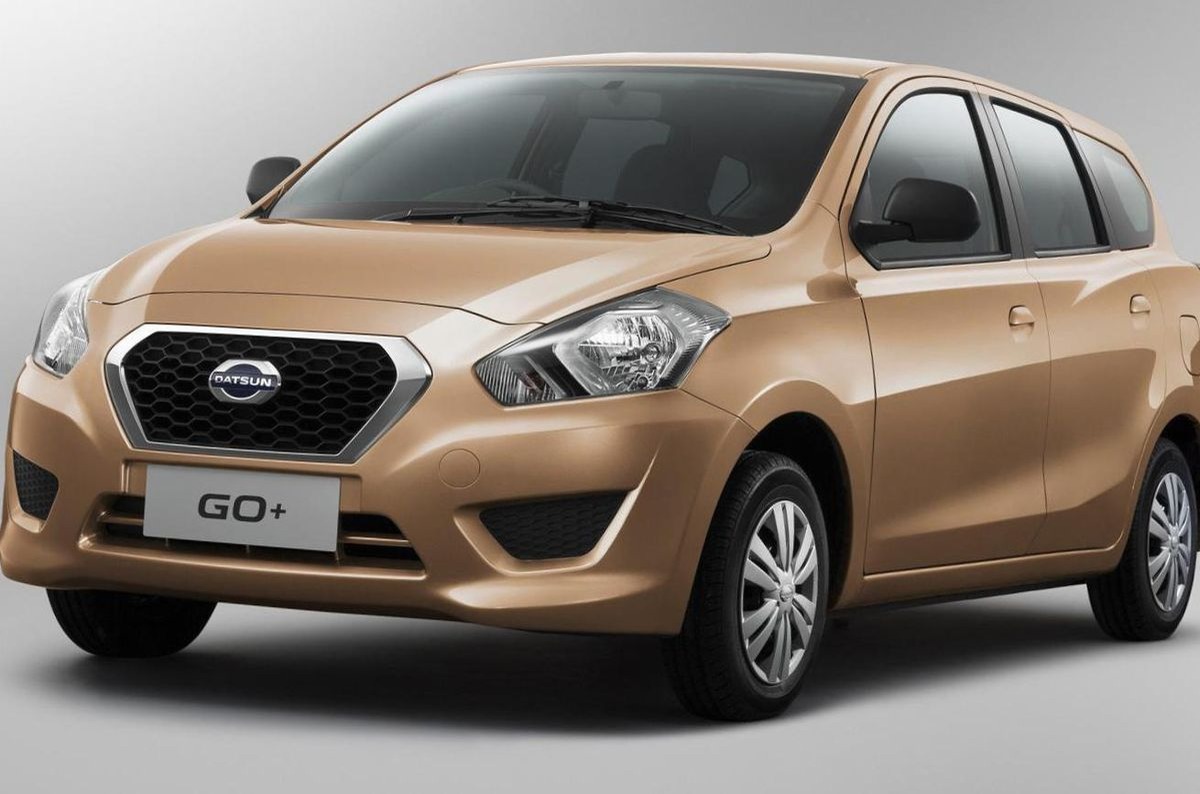
3. Datsun GO
When Nissan relaunched the Datsun brand and other developing markets, the Datsun GO was meant to be a rebirth of affordable motoring.
Unfortunately, what it delivered was a tragic echo of outdated safety standards. In crash testing conducted by Global NCAP, the Datsun GO earned zero stars, not because it lacked certain features, but because its structure collapsed catastrophically in a 64 km/h frontal impact.
The failure was so severe that even adding airbags, according to the testing agency, would have been “pointless.” This statement shocked the industry and highlighted how poor structural engineering can negate even the most basic passive safety features.
The GO’s body shell showed signs of complete instability in crash tests, particularly around the A-pillars, dashboard, and footwell areas. In the collision, the dashboard intruded dangerously into the cabin, causing the steering column to press against the chest of the test dummy.
Leg and foot injuries were deemed inevitable, and survival at higher speeds would be unlikely. More troubling was the complete absence of safety electronics like ABS or traction control.
This bare-bones approach, while marketed as simplicity and affordability, came at an enormous risk to life. The GO’s crash test video went viral for all the wrong reasons, showing a vehicle crumple like a soda can with occupants left virtually unprotected.
Datsun’s defense at the time was centered around cost, claiming that buyers in developing markets couldn’t afford better. But this argument was met with fierce criticism. Competing models in similar price ranges managed to achieve safer structures and higher crash test ratings, proving that it wasn’t price that doomed the GO—it was neglect.
The GO quickly became a symbol of what’s wrong with prioritizing price over basic human safety. Governments were urged to enact stricter safety laws, and Global NCAP began pushing for minimum crashworthiness standards in all regions.
Eventually, the backlash surrounding the GO forced some design revisions and optional safety packages. But the damage to Datsun’s reputation was severe. The car was discontinued in several markets within a few years, unable to shed its identity as a “death trap on wheels.”
The GO’s failure served as a wake-up call to budget car manufacturers around the world: customers deserve better, and cutting corners in safety can destroy brand credibility overnight. In the end, the GO’s crash test wasn’t just a failure—it was a message broadcast loud and clear to automakers worldwide.
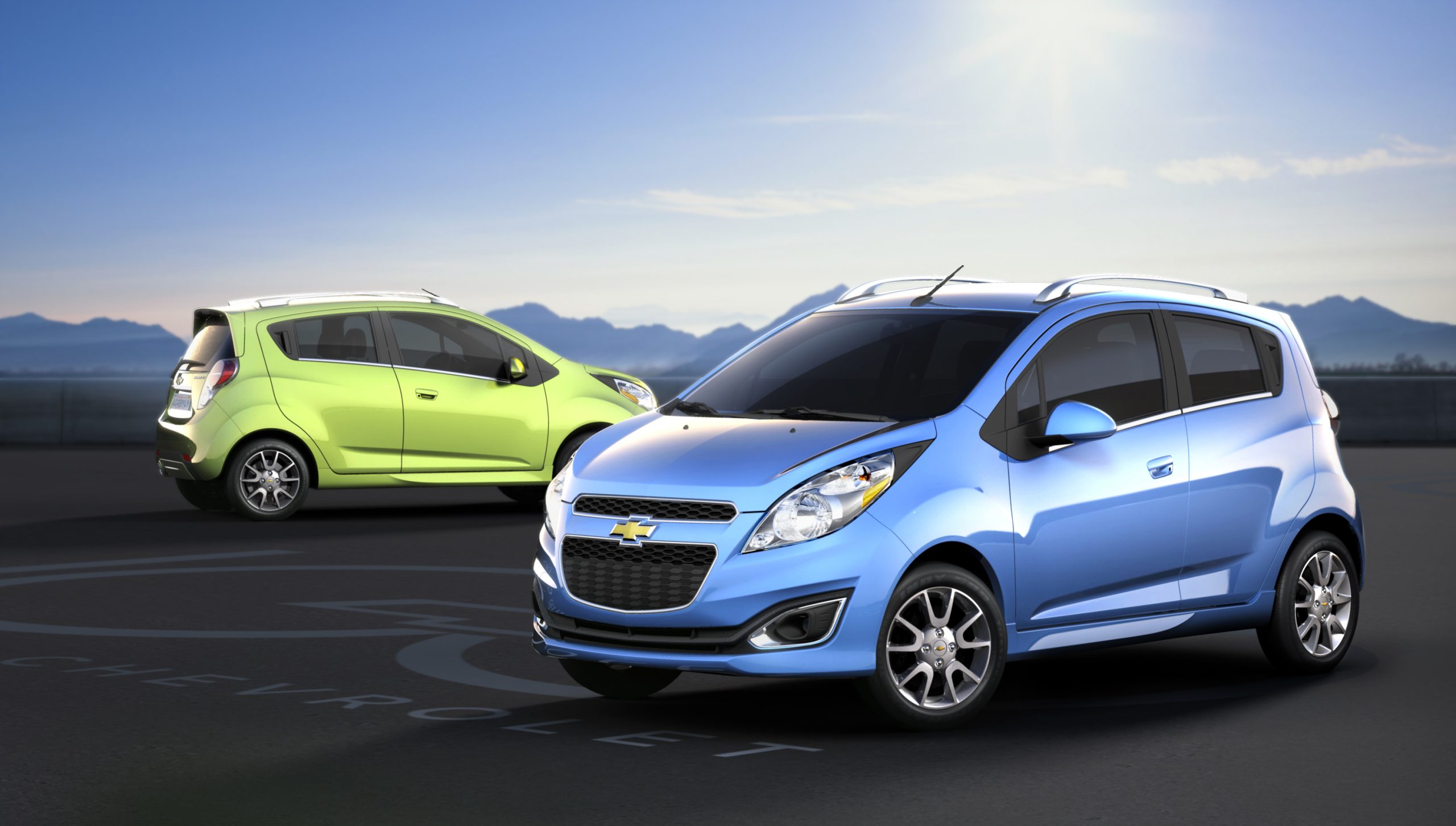
4. Chevrolet Spark
The Chevrolet Spark, particularly the version sold in India and other developing markets, represents a troubling case where a globally recognized model failed to deliver consistent safety across borders.
In Western countries, the Spark has fared reasonably well in crash tests, often receiving acceptable scores due to structural enhancements and standard airbags.
However, the India-spec Spark—tested by Global NCAP, told a very different story. When subjected to a 64 km/h frontal offset crash test, the Spark earned a dismal zero-star rating for adult protection, and the results were disturbing.
The body structure was deemed unstable, the seatbelts failed to adequately restrain the test dummies, and the lack of airbags made survival in a real-world accident extremely unlikely.
The stark contrast between the Western and Indian variants of the Spark highlighted a harsh truth: safety isn’t always global. Manufacturers often strip down features—both structural and electronic—to meet price points in cost-sensitive regions.
These omissions weren’t just cosmetic, they directly impacted how the vehicle performed under collision forces. In crash tests, the A-pillars collapsed under pressure, the dashboard was pushed dangerously into the passenger space, and the chest impact values recorded were well above fatal thresholds.
For rear passengers, the lack of seatbelt pre-tensioners and subpar anchorage systems increased injury risk substantially.
What’s especially troubling is that the Spark was heavily marketed as a “safe city car” to young drivers and small families—people who are more vulnerable in crashes and less likely to drive cautiously or defensively.
The misleading advertising, paired with an actual lack of safety performance, made the vehicle not just a poor performer but a deceptive one. Consumers often assume a vehicle sold under a recognizable global badge comes with at least a baseline level of safety.
The Spark proved otherwise, revealing how manufacturers can manipulate perception while minimizing engineering investment.
The public backlash was fierce where awareness around vehicle safety was rising thanks to campaigns by Global NCAP. While Chevrolet defended its decision based on market pricing and demand, the brand’s credibility suffered, especially as other manufacturers began to raise the safety bar in similar price brackets.
Eventually, General Motors wound down Chevrolet’s operations in India, citing financial reasons—but safety criticism played a significant role. The Spark’s catastrophic failure in crash testing became a symbol of everything wrong with dual safety standards across global auto markets.
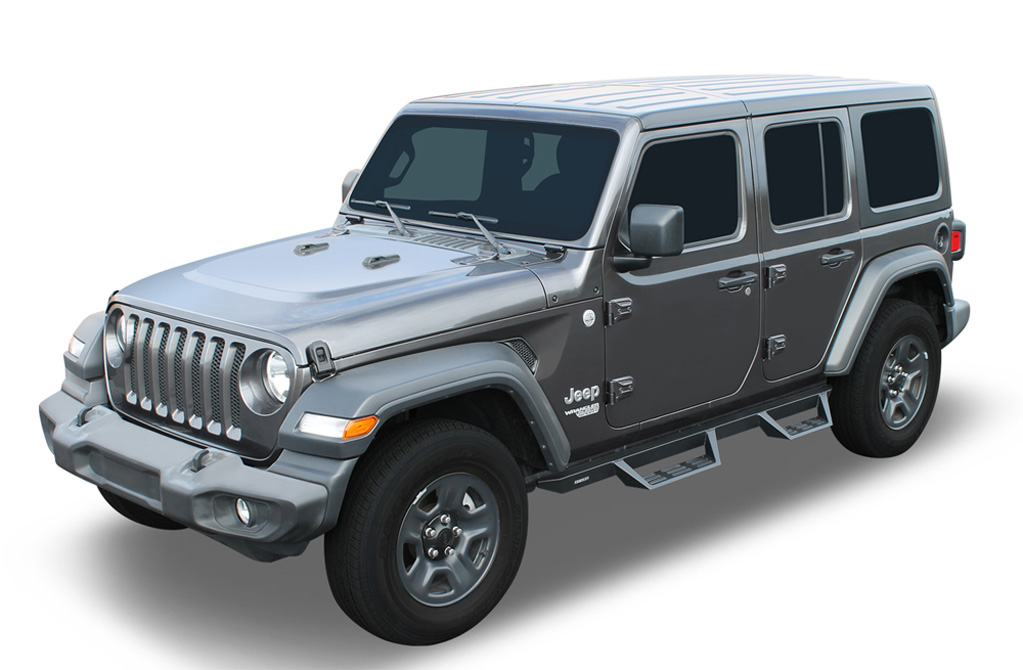
5. Jeep Wrangler (2018 EU Model)
Few vehicles have a more iconic silhouette than the Jeep Wrangler. Beloved by off-road enthusiasts and casual adventurers alike, it conjures images of rugged trails, open-air driving, and all-American freedom.
However, when the redesigned 2018 Jeep Wrangler was put through Euro NCAP’s rigorous testing, it delivered one of the most shocking performances from a major automaker in recent memory.
The Wrangler earned a 1-star safety rating, an almost unthinkable outcome for a modern SUV. The results not only tarnished the vehicle’s reputation, but also raised serious questions about FCA’s (now Stellantis’s) priorities when designing this next-generation Wrangler.
The core problem was structural instability. In the frontal offset crash test, the Wrangler’s A-pillar, the main vertical support on either side of the windshield, bent backward, a catastrophic result that suggested major design flaws.
The steering column moved too far into the driver’s chest space, the dummy’s knees impacted hard structures, and the footwell area was compromised.
Even worse, the seatbelt pretensioners and airbags didn’t provide adequate protection, failing to mitigate the forces experienced by the dummies. While side-impact protection was more acceptable, the frontal crash results alone were enough to drag down the entire rating.
The instability of the cabin in such a vital test led Euro NCAP to issue pointed criticism, suggesting that FCA had put styling and off-road capabilities ahead of crash survivability.
Making matters worse was the fact that the Wrangler lacked some of the standard advanced driver assistance systems (ADAS) that competitors were beginning to include as baseline.
It had no autonomous emergency braking, no lane-keeping assist, and only basic cruise control in its European trim. In an era where even economy cars include these technologies, the Wrangler’s absence was glaring.
Safety isn’t just about what happens in a crash, it’s also about what the vehicle does to prevent that crash in the first place. The Wrangler failed on both fronts.
Critics questioned how such a popular model could go to market without passing these obvious safety checkboxes, especially when consumers trusted the Jeep brand to deliver both ruggedness and reliability.
The fallout forced Stellantis to revisit its safety commitments. In future model years, Jeep incorporated more driver aids and made minor structural tweaks, but the 2018 crash test stuck in public memory like a scar.
Owners and enthusiasts who loved the Wrangler’s charm now had to grapple with a hard truth: their beloved vehicle, while great on a mountain trail, might not protect them on a suburban street.
The Jeep Wrangler’s poor crash test was a lesson in balance, off-road prowess should never come at the cost of on-road safety. While the vehicle has improved in subsequent years, the damage to consumer confidence was real and long-lasting.
