
The rise of electric vehicles (EVs) has fundamentally reshaped the automotive landscape, and nowhere is this transformation more palpable than in the luxury electric SUV segment.
These vehicles combine the demand for high-end comfort, advanced technology, and impressive performance with the growing imperative for sustainability and zero-emission driving.
Luxury electric SUVs promise a futuristic driving experience marked by silent motors, instant torque, and sophisticated digital interfaces that redefine convenience and style on the road.
As automakers race to innovate, consumers eager to adopt this new technology are met with an expanding array of options, each touting a blend of range, power, and prestige.
However, the promise of luxury EVs comes with a caveat: not all models demonstrate the same level of reliability, build quality, and long-term maintainability.
While some luxury electric SUVs have established themselves as paragons of durability and engineering excellence, others have struggled to meet the high standards expected by their discerning buyers, resulting in frequent repairs, electronic glitches, and escalating maintenance costs.
Understanding the divergence between luxury electric SUVs that hold up and those that become maintenance nightmares requires an appreciation of the unique challenges inherent in electric vehicle technology.
Unlike traditional combustion engine vehicles, electric SUVs rely on complex battery systems, advanced thermal management, and intricate software ecosystems to deliver consistent performance. These components demand meticulous engineering, extensive testing, and robust service infrastructures to ensure reliability over time.
Furthermore, the luxury market places heightened expectations on refinement, seamless integration of technology, and minimal inconvenience in ownership. Any shortfall in these areas can quickly erode consumer confidence and taint a brand’s reputation.
For example, battery longevity and charging reliability remain pivotal concerns for EV owners, as degraded batteries can lead to costly replacements and diminished range.
Meanwhile, software issues, ranging from infotainment freezes to malfunctioning driver-assistance systems, pose unique maintenance challenges absent in conventional vehicles.
This article delves into five luxury electric SUVs celebrated for their durability, reliability, and the capacity to hold up well under real-world ownership conditions.
These vehicles demonstrate how careful design choices, mature technology platforms, and responsive manufacturer support can result in electric SUVs that deliver on luxury promises without frequent mechanical or electronic disruptions.
In contrast, we also examine five luxury electric SUVs that have unfortunately become synonymous with maintenance headaches, exploring the root causes of their struggles, from early production flaws to nascent software ecosystems and insufficient service networks.
By comparing these two groups, prospective buyers, enthusiasts, and industry watchers gain insight into the critical factors that influence long-term ownership satisfaction in the evolving landscape of luxury electric SUVs.
Whether seeking a dependable daily driver or a statement of cutting-edge technology, understanding which models stand the test of time and which may cost more in frustration and repairs is essential for making an informed choice in today’s competitive EV market.
Also Read: 10 Minivans That Last for Multiple Generations
5 Luxury Electric SUVs That Hold Up
1. Tesla Model X
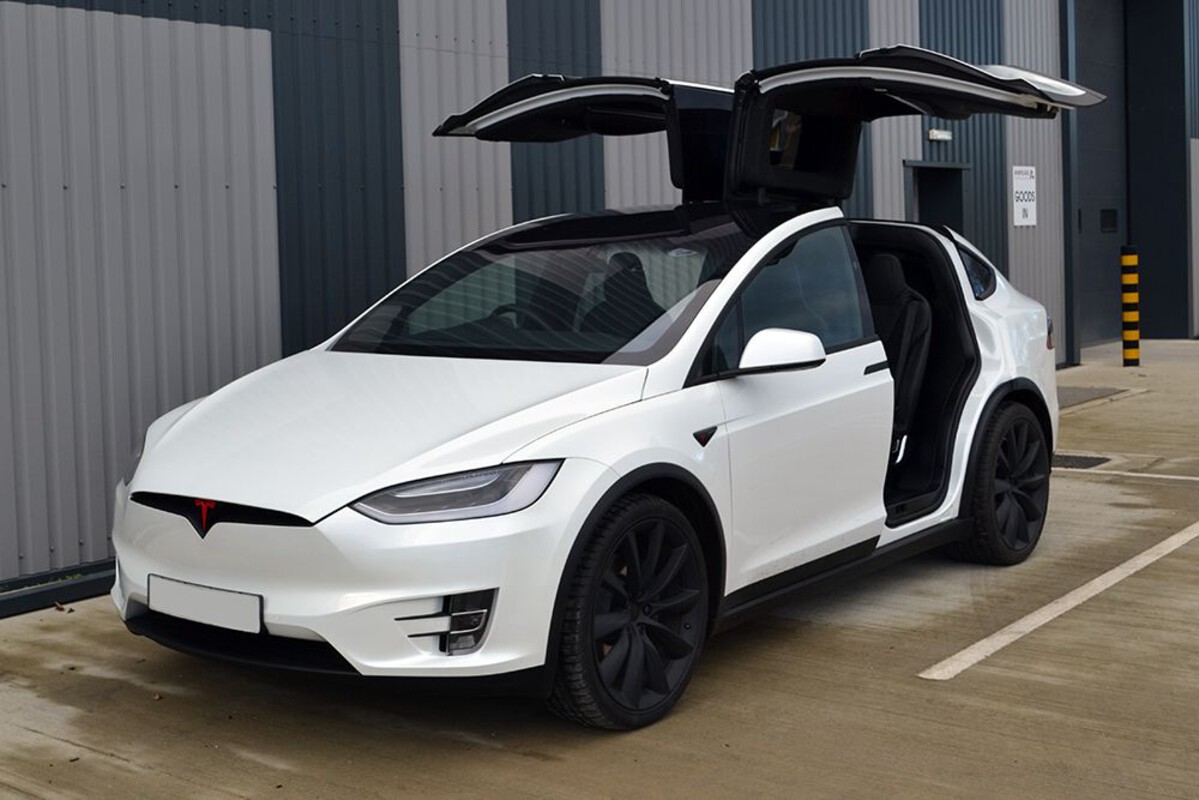
The Tesla Model X remains a standout in the luxury electric SUV market due to its pioneering status and relentless innovation. One of the biggest factors contributing to its durability and long-term reliability is Tesla’s robust software ecosystem.
Unlike traditional automakers who require physical recalls and dealership visits to address issues, Tesla employs over-the-air (OTA) updates that continually improve the vehicle’s performance, safety features, and user interface without inconvenience to the owner.
This capability not only fixes bugs but also optimizes battery management and vehicle efficiency, allowing the Model X to improve with age rather than deteriorate. In terms of mechanical simplicity, the Model X’s electric powertrain has far fewer moving parts than a combustion engine, reducing points of failure and lowering routine maintenance needs.
Tesla’s battery packs have been shown in many real-world cases to retain much of their capacity beyond 100,000 miles, which is impressive considering the power and weight of the Model X.
The Falcon Wing doors, while complex, have been engineered with redundant systems and sensors to prevent malfunction, and though they can be a maintenance point if neglected, Tesla’s evolving design improvements have increased their reliability over time.
Beyond the hardware, Tesla’s extensive Supercharger network provides Model X owners with confidence in long-distance travel, a key concern for many electric vehicle owners. The integration of navigation with charging infrastructure reduces range anxiety and extends the vehicle’s practicality.
Tesla’s autopilot and advanced driver-assistance features continue to receive updates, contributing to safer and more convenient driving.
The vehicle’s spacious and luxurious interior, featuring premium materials and innovative features like the massive touchscreen and minimalist design, also holds up well, with many owners praising its durability compared to some other luxury SUVs that have more traditional, and sometimes more fragile, infotainment setups.
Overall, the Model X blends futuristic design, proven electric drivetrain technology, and a strong software backbone that makes it a luxury SUV capable of enduring years of use with relatively low maintenance overhead, especially when compared to traditional luxury combustion SUVs.
2. Audi e-tron
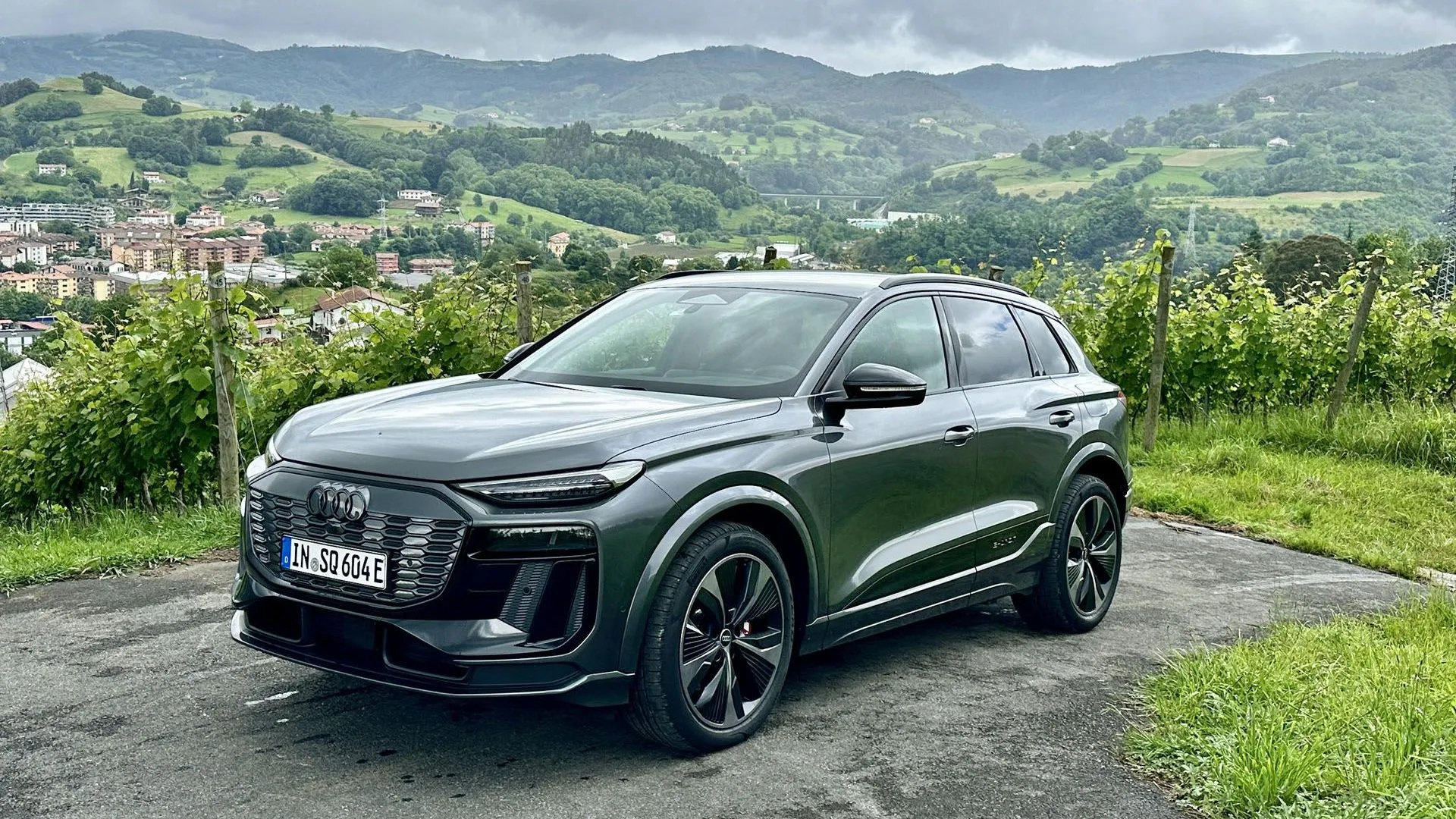
Audi’s e-tron is often celebrated as a model that embodies the German automaker’s commitment to engineering precision, build quality, and understated luxury, qualities that also extend to its electric SUV offerings.
The e-tron benefits from Audi’s vast experience in building vehicles with meticulous attention to detail, translating into a durable chassis, high-quality materials, and a powertrain that has been designed with a focus on longevity and reliability.
Its battery pack features a sophisticated liquid cooling system designed to maintain optimal temperature ranges under various driving conditions, a critical factor in preventing premature battery degradation.
Audi engineers have clearly prioritized durability by reinforcing the battery housing and electrical connections to withstand everyday wear and tear and environmental stresses.
This approach has translated into a reliable battery system that maintains consistent performance over time, contributing to the vehicle’s strong reputation for holding up in real-world ownership.
Audi’s conservative approach to technology integration also plays a vital role in the e-tron’s reliability. Rather than rushing to introduce every new feature at launch, Audi staggers software updates and thoroughly tests them to avoid the kinds of electronic glitches that can turn an otherwise solid vehicle into a maintenance headache.
This measured approach results in a user experience that is smooth and dependable, with fewer unexpected faults or system crashes. Additionally, the e-tron’s suspension components and drive systems are constructed from durable materials and designed for easy servicing, reducing the frequency and cost of repairs.
Audi’s dealership network is well-equipped to handle electric vehicle servicing, which helps maintain service consistency and quality.
Owners of the e-tron often cite the vehicle’s predictable maintenance schedule and relatively affordable repair costs as key factors in its enduring appeal, making it a practical choice for those who want a luxury electric SUV without the worry of excessive upkeep or hidden issues.
3. Mercedes-Benz EQC
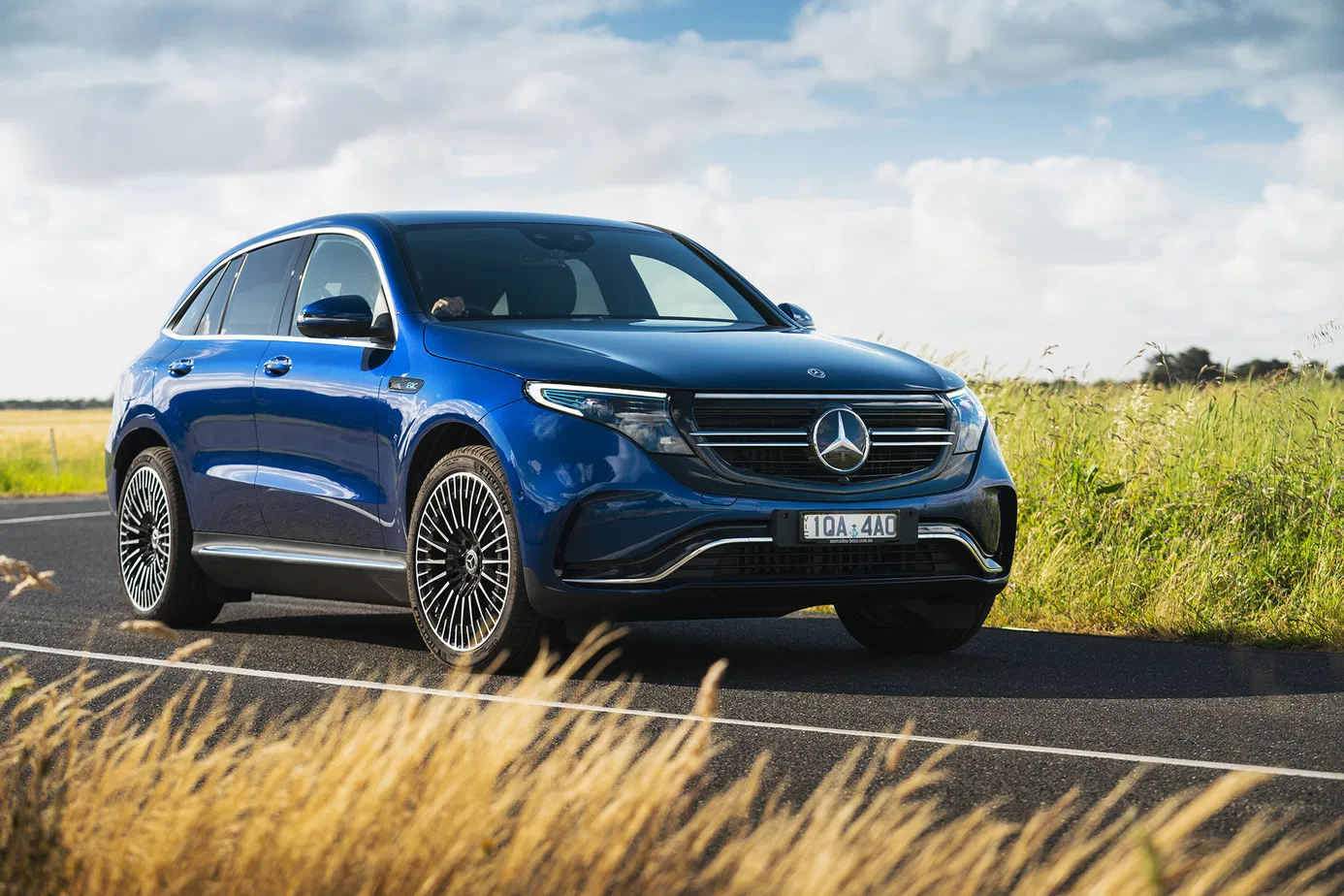
Mercedes-Benz’s EQC represents the brand’s first true all-electric SUV offering, and it has made significant strides in terms of reliability and durability despite the challenges of integrating new electric technologies into the luxury vehicle framework.
Drawing on decades of experience in crafting high-end vehicles, the EQC was developed with an emphasis on premium materials and build quality that withstands the test of time.
Its battery system features an advanced thermal management strategy that continuously monitors and adjusts temperatures to protect battery cells from extremes that can cause damage or reduce capacity.
This robust thermal management system ensures that the EQC’s battery pack maintains its health across a wide range of climates and driving conditions, helping avoid one of the most common sources of EV maintenance woes: battery replacement.
In addition to the battery, the EQC’s drive unit and associated electronics are engineered for robustness and redundancy. Mercedes has integrated multiple safety layers to prevent failures and to provide fail-safe operation in the event of a system malfunction.
These measures help reduce unplanned downtime and costly repairs, which is particularly important for a luxury vehicle where expectations for reliability are high.
The EQC also benefits from Mercedes-Benz’s well-established global service network, ensuring access to trained technicians who understand the nuances of electric vehicle maintenance.
While software and electronic complexity are often a challenge for luxury EVs, Mercedes has taken a cautious yet effective approach by rolling out updates only after extensive validation, minimizing software-related issues.
Owners report that typical maintenance largely involves routine checks and software updates rather than unexpected repairs, reinforcing the EQC’s standing as a reliable luxury electric SUV that offers a premium experience without excessive hassle.
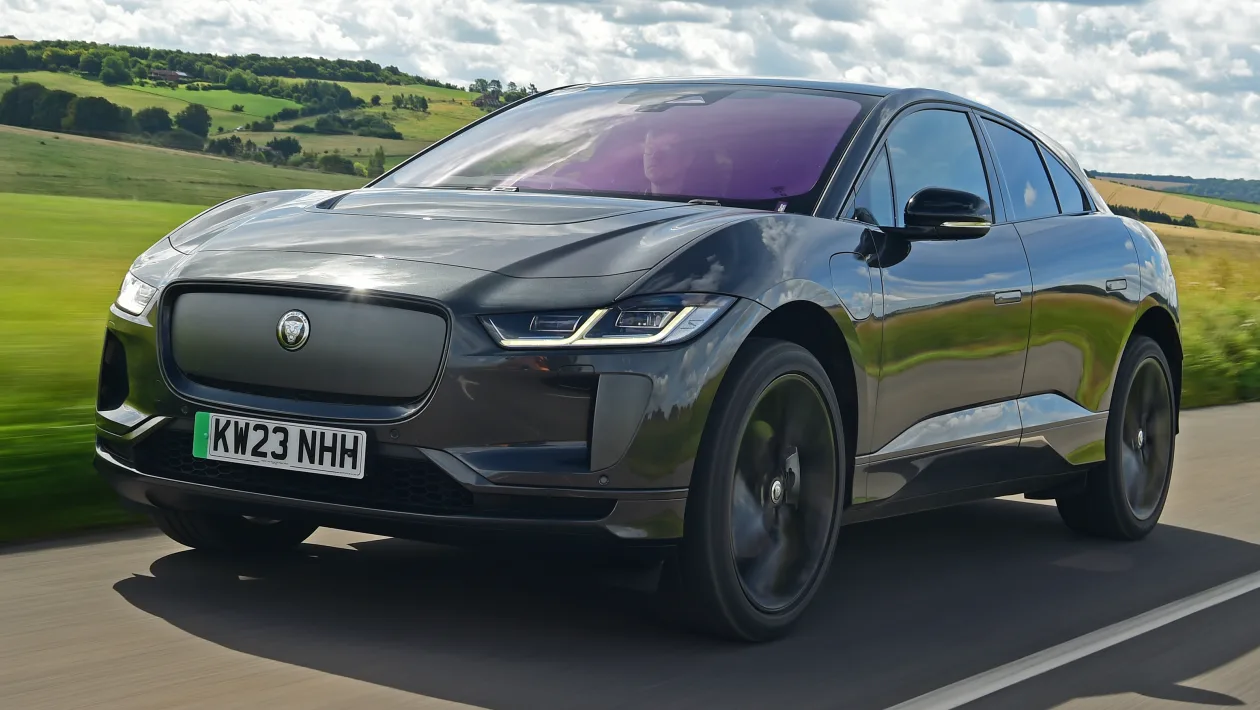
4. Jaguar I-PACE
Jaguar’s I-PACE made a strong entrance as one of the earliest fully electric luxury SUVs, setting a benchmark for electric performance and style. From a reliability standpoint, the I-PACE’s electric powertrain has proven to be resilient and relatively trouble-free compared to many early EV entrants from other manufacturers.
The vehicle features dual electric motors that provide all-wheel drive capability with fewer moving parts than traditional combustion engines, resulting in lower mechanical wear and simpler maintenance.
Jaguar also implemented a comprehensive thermal management system designed to keep the battery and motors within optimal operating temperatures, which is essential to preserving battery longevity and ensuring consistent performance.
This system helps prevent overheating or excessive cold exposure, common killers of battery life thus reducing the risk of costly battery replacements.
The I-PACE also benefits from Jaguar’s meticulous attention to interior and exterior build quality. Premium materials that resist wear, combined with precise assembly standards, help the vehicle maintain its luxurious feel over time.
Jaguar has been conservative in implementing software updates, focusing on stability and reliability rather than rapid feature rollouts, which has resulted in fewer electronic glitches compared to some competitors.
The company’s growing expertise in EV servicing and specialized technician training has helped mitigate early challenges, leading to quicker diagnostics and more effective repairs when necessary.
Owners generally find the maintenance routine manageable and not significantly more expensive than conventional luxury SUVs, especially when accounting for the reduced complexity of the electric drivetrain.
The I-PACE stands as an example of a luxury electric SUV that successfully balances cutting-edge technology with real-world reliability and durability.
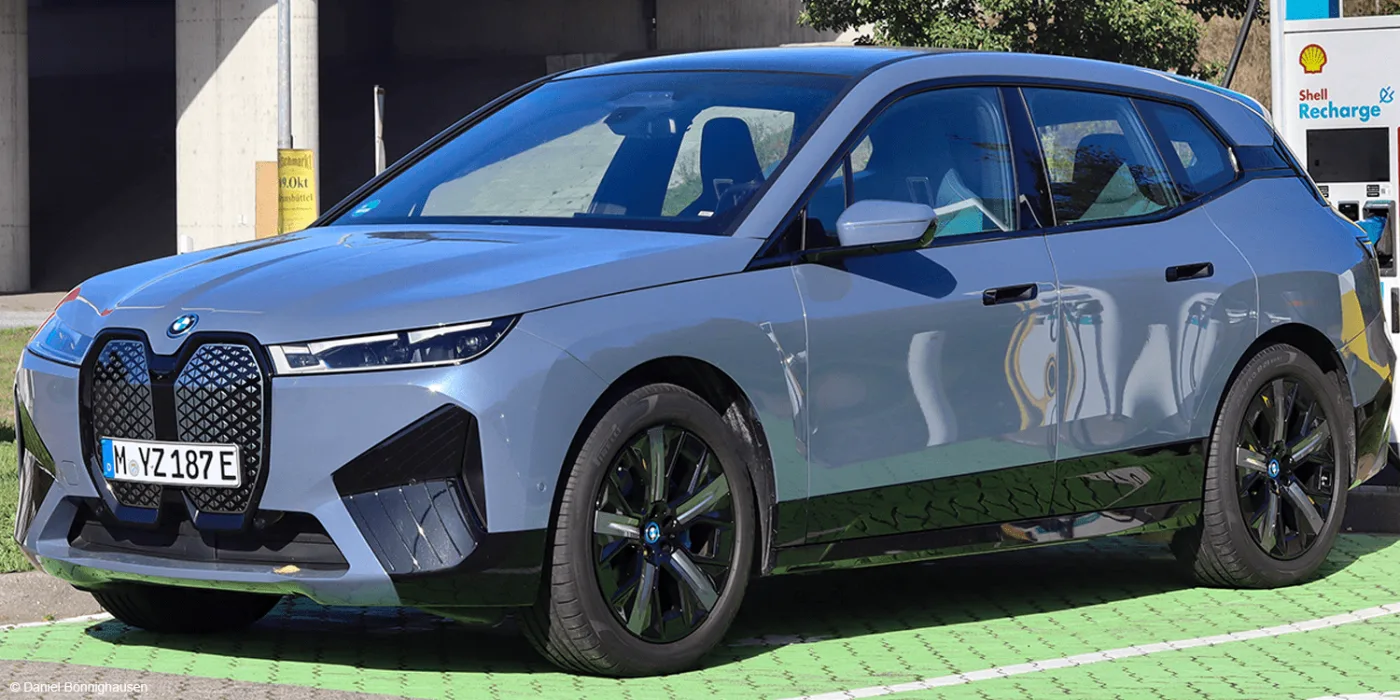
5. BMW iX
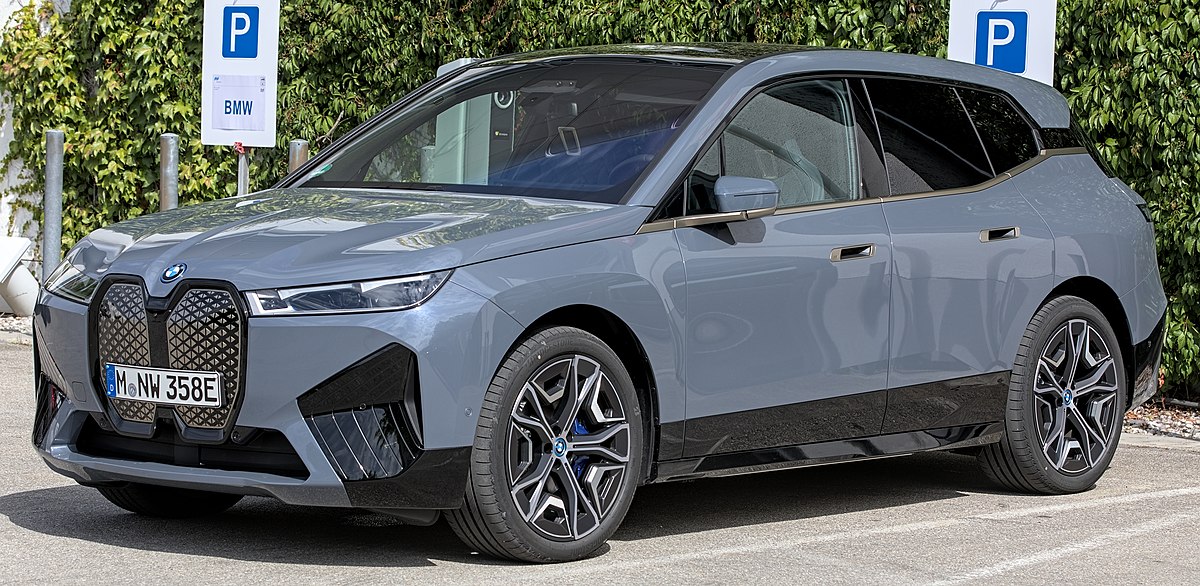
The BMW iX represents the culmination of BMW’s electric vehicle expertise, building on years of experience with electrification from models like the i3 and i8. This luxury electric SUV impresses with its combination of cutting-edge technology, solid construction, and a clear focus on long-term reliability.
BMW’s electric drivetrain in the iX incorporates next-generation battery chemistry and an advanced cooling system designed to maintain battery health through precise thermal regulation.
These systems are not only vital for preserving battery capacity but also for maintaining vehicle performance and safety over thousands of miles. Early feedback from owners and reviewers suggests that the iX’s battery degradation rates are minimal, indicating strong engineering and battery management.
In terms of construction, the iX employs high-strength materials and a modular platform that supports ease of repair and maintenance. BMW’s attention to manufacturing tolerances and quality control ensures that interior components, electronics, and chassis systems hold up well under regular use.
The iX’s sophisticated onboard diagnostic systems help identify potential issues early, allowing for preventive maintenance that can stave off more serious problems down the road. BMW’s extensive dealer and service network, combined with specialized EV training for technicians, facilitates efficient maintenance and helps keep ownership costs in check.
Additionally, the iX’s software architecture emphasizes reliability, with carefully managed updates and a focus on user experience to minimize glitches and downtime. This thoughtful integration of hardware and software makes the BMW iX a luxury electric SUV that owners can rely on to provide a premium driving experience over many years.
5 Luxury Electric SUVs That Become Maintenance Nightmares
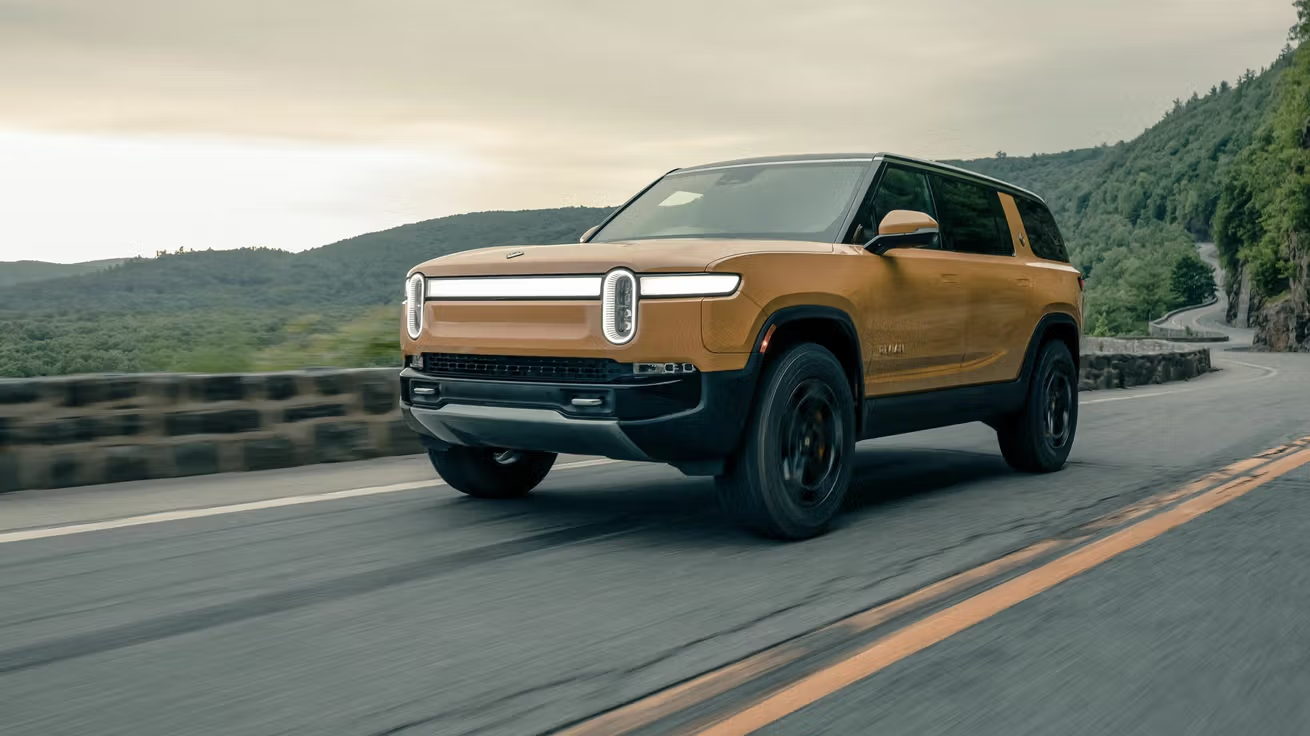
1. Rivian R1S
The Rivian R1S entered the luxury electric SUV scene with enormous hype, promising rugged capability combined with high-end comfort and innovative technology.
However, since its launch, many owners and industry observers have reported persistent reliability problems that have plagued the model, pushing it toward the “maintenance nightmare” category.
One of the primary issues lies in its complex electronic systems and vehicle control software, which have exhibited frequent glitches, unexpected shutdowns, and erratic behavior that require repeated dealer visits and software patches.
Rivian’s relative newness as a manufacturer means the company is still ironing out kinks in quality control and service infrastructure, leaving early adopters in the lurch with prolonged repair times and inconsistent support.
The R1S’s ambitious features, such as its advanced air suspension, multi-motor drivetrain, and extensive off-road capabilities, introduce numerous potential failure points, especially when paired with a vehicle still maturing in terms of engineering refinement.
Battery-related concerns also weigh heavily on the R1S’s reputation for reliability. Owners have reported irregular battery range estimates, issues with charging speed consistency, and premature battery degradation symptoms, possibly tied to software calibration or thermal management shortcomings.
The thermal system, crucial for protecting the expensive battery pack from extreme temperatures, has faced scrutiny for not always functioning as intended, which could accelerate wear on the battery cells.
Additionally, the vehicle’s electrical architecture, which integrates complex sensor networks and high-voltage systems, has been cited as prone to faults that can immobilize the vehicle or trigger false warnings.
These problems compound when considering Rivian’s limited service network, which often results in logistical delays and owner frustration.
While Rivian continues to release over-the-air updates and expand its service footprint, early R1S owners face a steep learning curve and a maintenance burden that detracts from the luxury and convenience that the brand promises.
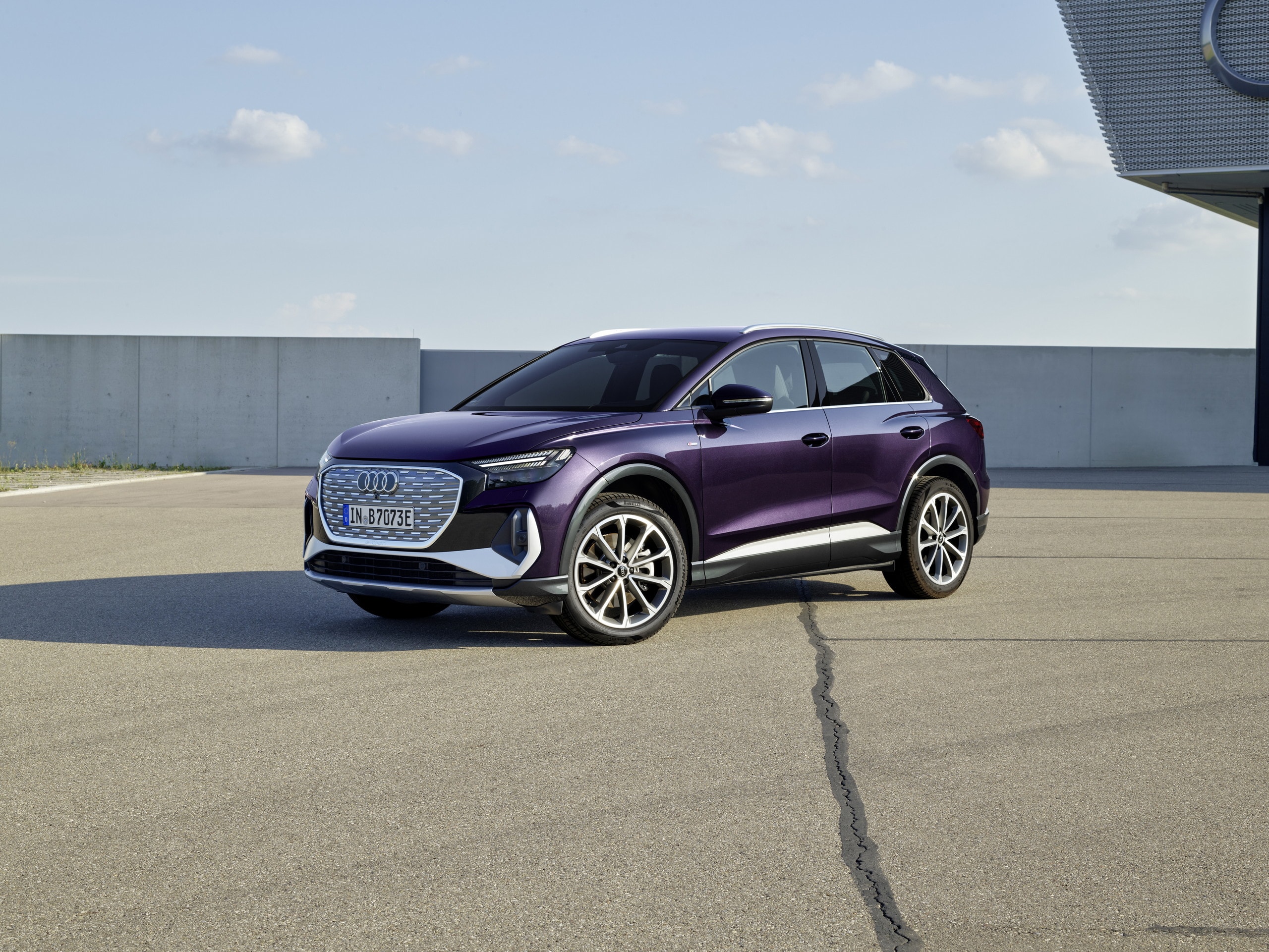
2. Audi Q4 e-tron (Early Models)
Though Audi’s e-tron family generally holds a solid reputation, some early iterations of the Q4 e-tron have been criticized for teething troubles that have escalated into ongoing maintenance headaches.
These early production models suffered from software instability, which caused issues ranging from infotainment system freezes to problems with the vehicle’s electronic driver-assistance aids.
The Q4’s user interface, touted for its digital sophistication, was often unreliable, requiring multiple resets and software patches that were cumbersome for owners.
These glitches not only detracted from the driving experience but also raised questions about the integration quality of Audi’s advanced electronic systems, especially in the context of a luxury vehicle where seamless performance is expected.
Furthermore, the vehicle’s onboard diagnostics were sometimes inconsistent, complicating the troubleshooting process for technicians and resulting in longer repair times.
Mechanical concerns have also contributed to the Q4 e-tron’s maintenance woes. Some owners reported early wear on suspension components and unusual noises, hinting at premature material fatigue or manufacturing inconsistencies.
Additionally, certain battery packs from early production batches exhibited lower-than-expected range retention and occasional charging interruptions, likely linked to initial calibration issues and cooling system inefficiencies.
While Audi’s warranty coverage and customer service have worked to address many of these problems, the overall experience left a segment of owners wary of reliability and ongoing maintenance costs.
The Q4 e-tron’s early struggles highlight the challenges automakers face when balancing innovation with refinement, and despite Audi’s strong brand cachet, these early setbacks made some luxury EV buyers question whether the model was truly ready for prime time.
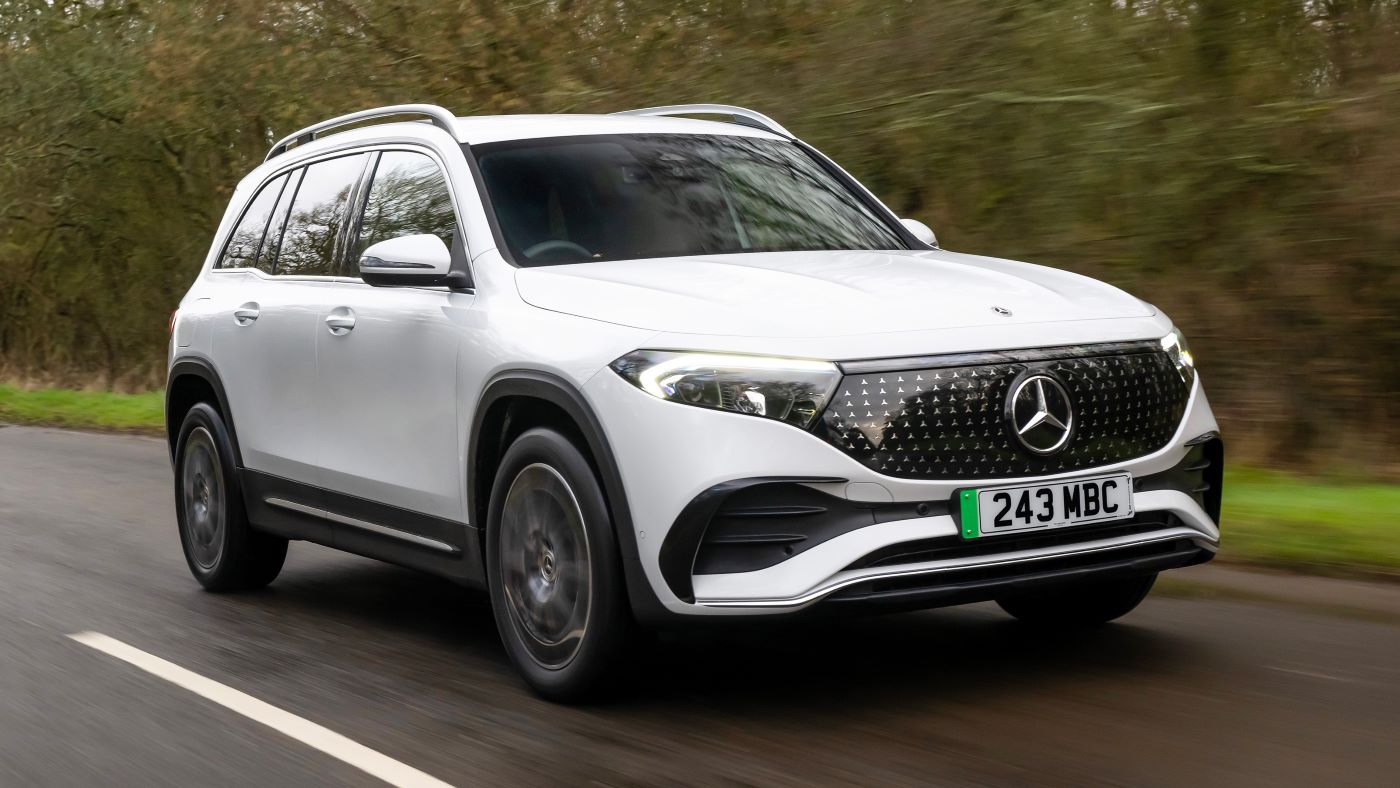
3. Mercedes-Benz EQB (Initial Release)
Mercedes-Benz’s EQB, aimed at combining practicality with electric performance in a compact luxury SUV package, has not been immune to reliability and maintenance issues, particularly in its initial release phase.
Owners of early EQB models have reported a variety of electronic faults, including recurring software glitches affecting the infotainment system, digital instrument cluster malfunctions, and erratic behavior of driver assistance technologies such as adaptive cruise control and lane keeping assist.
These electronic issues often require dealership intervention to reset systems or apply software updates, disrupting the otherwise premium ownership experience expected from Mercedes-Benz
The integration of complex, interconnected vehicle systems, while impressive on paper, has proven a double-edged sword, with the intricate software architecture sometimes struggling to maintain stability, leading to frustrating intermittent faults.
From a hardware standpoint, some EQB owners have noted premature wear and mechanical problems that are uncommon in traditional combustion engine SUVs of a similar class.
Reports of suspension noises, issues with door seals, and malfunctioning power-operated features such as the tailgate and windows have surfaced, suggesting potential quality control issues in early production runs.
Battery health and charging reliability have also been points of concern, with occasional reports of inconsistent range estimates and slower-than-expected charging times, particularly in colder climates where thermal management is critical.
The EQB’s relatively new powertrain architecture, while technologically advanced, seems to require further refinement to fully meet the high standards associated with the Mercedes-Benz name.
As Mercedes continues to address these problems through recalls, software updates, and expanded warranty services, early EQB owners have borne the brunt of these growing pains, experiencing a level of maintenance complexity and frequency that undermines the vehicle’s luxury appeal.
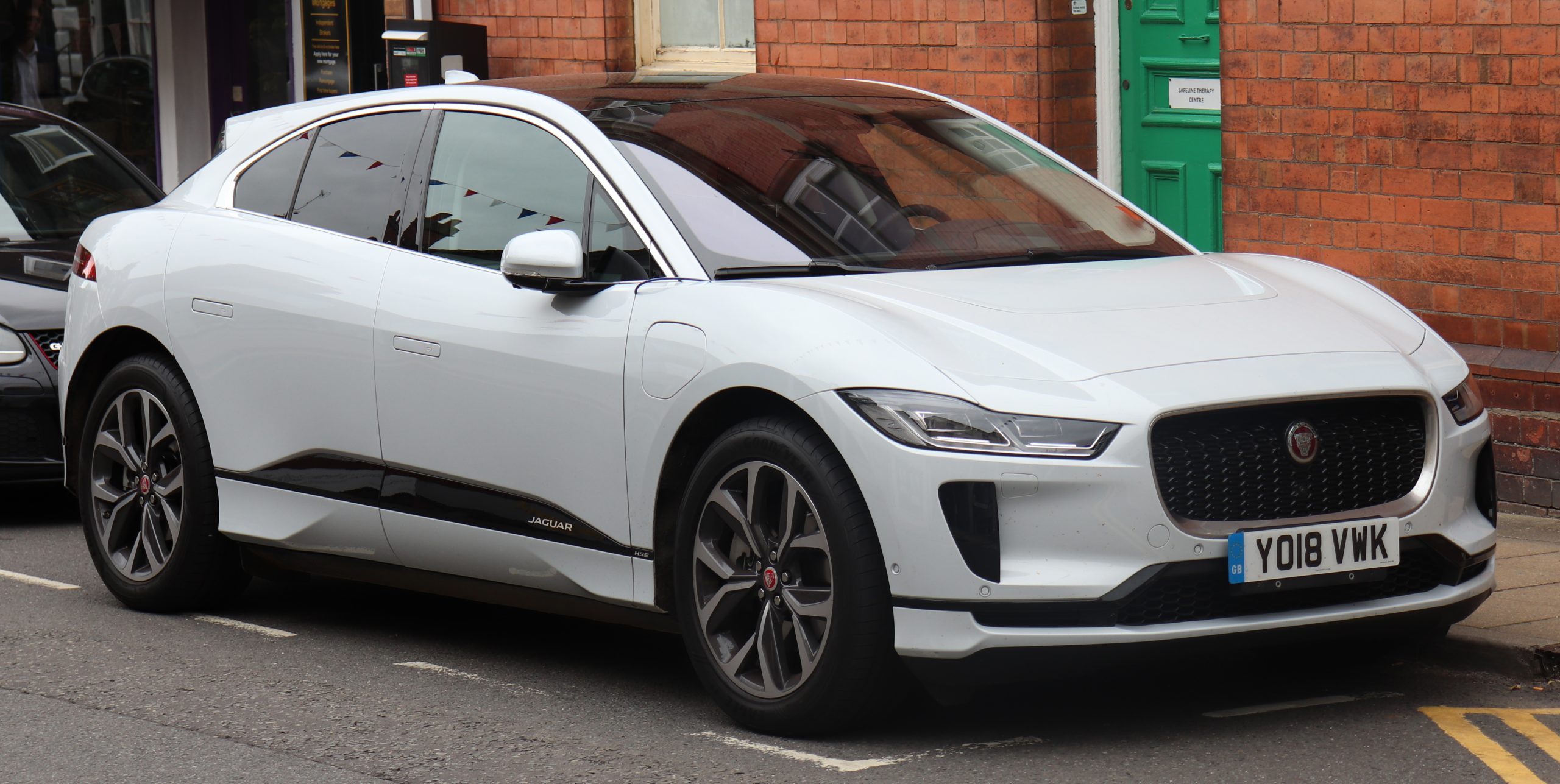
4. Jaguar I-PACE (Early Production)
Despite the Jaguar I-PACE’s critical acclaim for design and performance, its early production models are notorious for maintenance issues that have led to a tarnished reputation among some luxury EV buyers.
Early adopters frequently reported a range of electrical and mechanical problems that complicated ownership and drove up maintenance costs.
Common complaints included battery management system errors that caused unexpected range drops and charging difficulties, particularly with fast charging stations.
These problems were often compounded by erratic behavior from the vehicle’s sophisticated infotainment system, which sometimes froze or rebooted unexpectedly, disrupting driver convenience and safety functions.
The integration of cutting-edge technology seemed ahead of Jaguar’s readiness in terms of software stability and hardware durability, resulting in repeated service visits and software patches that tested owner patience.
Mechanical reliability was also a concern for the early I-PACE. Some owners experienced premature wear on suspension components and brake systems, as well as issues with door and window seals, leading to water ingress, an unacceptable problem in a luxury vehicle.
Furthermore, Jaguar’s after-sales support during the initial years of the I-PACE’s release was criticized for slow response times and limited availability of specialized EV-trained technicians, exacerbating maintenance challenges.
Although Jaguar has since addressed many of these early issues through continuous improvements and expanded service networks, the legacy of these initial reliability problems continues to affect the model’s perceived dependability.
Buyers today benefit from a more refined vehicle, but early I-PACE owners faced a maintenance nightmare that contrasted sharply with the SUV’s otherwise compelling attributes.
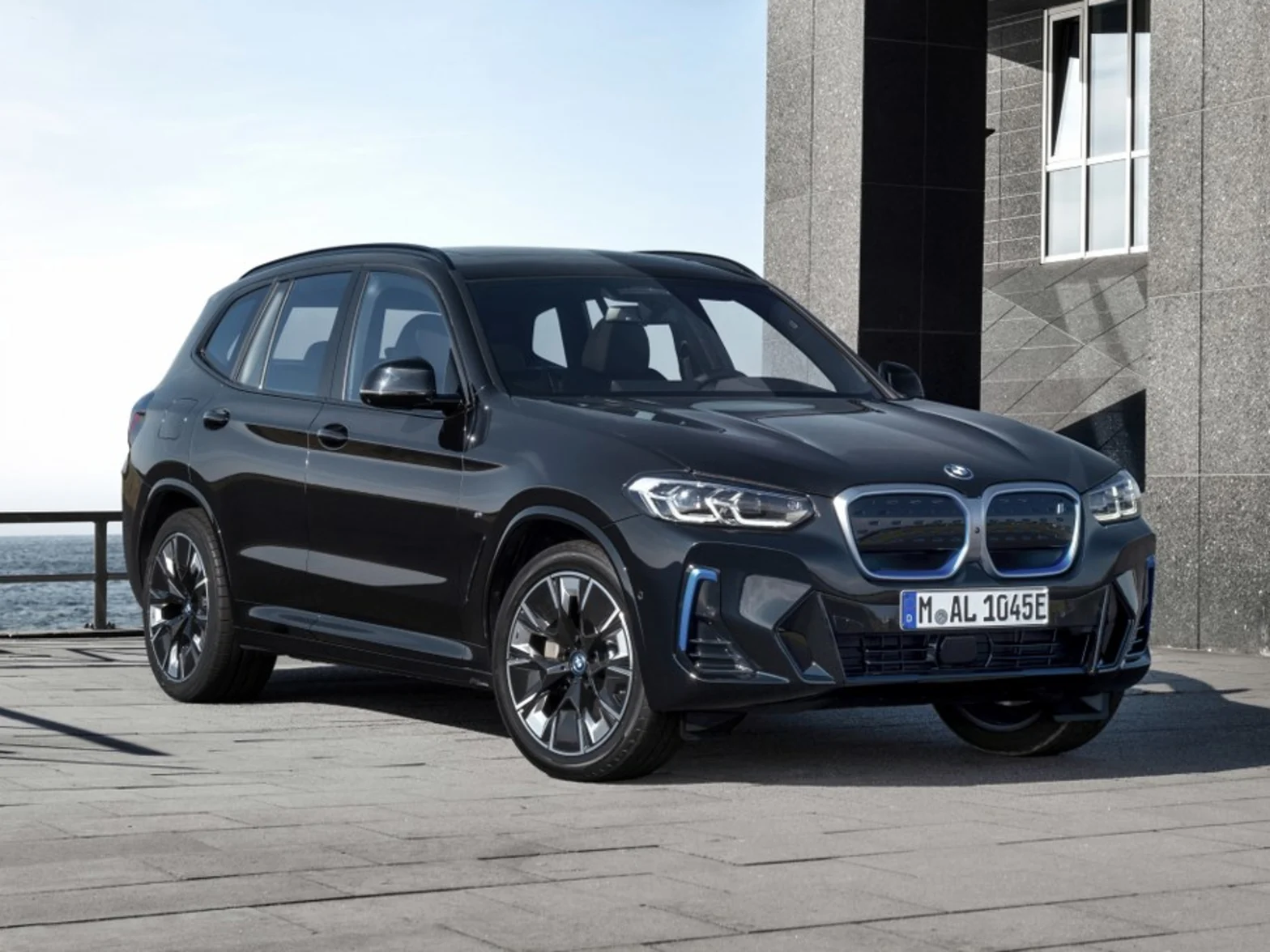
5. BMW iX3 (First Generation)
BMW’s iX3, the electric version of its popular X3 SUV, aimed to marry familiar driving dynamics with electric power, but the first-generation model revealed several maintenance pitfalls that troubled owners.
One significant issue stemmed from the integration of BMW’s electric powertrain into a platform originally designed for combustion engines, leading to compromises in system architecture and thermal management.
This hybrid approach created challenges in optimizing battery cooling, resulting in uneven battery temperatures that contributed to faster-than-expected degradation in some cases.
Owners reported inconsistent range performance and occasional charging interruptions, suggesting that the iX3’s battery management system needed refinement to reliably protect the battery pack over time.
Electronics reliability was another area where the iX3 stumbled. Early units experienced problems with the infotainment system, including lag, freezing, and connectivity failures, which detracted from the vehicle’s otherwise premium appeal.
Additionally, there were instances of sensor malfunctions that triggered false warnings or disabled certain driver assistance features, adding to maintenance complexity and repair costs.
BMW’s dealership network had to quickly adapt to the technical demands of servicing this new electric variant, and some owners reported delays or inadequate technical expertise in handling unique EV-specific issues.
Although subsequent software updates and hardware improvements have mitigated many initial problems, the first-generation iX3 serves as a cautionary example of the difficulties in adapting existing platforms for electric powertrains without a ground-up EV design, ultimately resulting in a higher maintenance burden and diminished reliability for early owners.
Also Read: 5 Cars Perfect for Rural Areas vs 5 That Need Dealer Fixes for Every Issue
The luxury electric SUV market stands at a fascinating crossroads where groundbreaking technology meets the uncompromising expectations of premium automotive buyers.
Our exploration of five luxury electric SUVs that hold up against five that become maintenance nightmares reveals a striking dichotomy shaped by engineering maturity, quality control, and manufacturer support.
On one side, vehicles like the Tesla Model X, Audi e-tron, and BMW iX showcase how rigorous attention to battery management, robust software architectures, and expansive service networks can culminate in electric SUVs that maintain their performance, comfort, and reliability over many years.
These models benefit from not only innovative powertrains but also the strategic application of over-the-air software updates, thorough thermal management systems, and thoughtful integration of hardware and software that mitigate common EV pitfalls.
The owners of these dependable luxury electric SUVs enjoy the rare combination of advanced technology and peace of mind, free from constant worry about breakdowns or escalating maintenance costs.
Conversely, the maintenance nightmares, exemplified by early Rivian R1S units, the first-generation BMW iX3, and some initial Audi and Mercedes models, underscore the risks that accompany rapid innovation without fully matured technology platforms and service ecosystems.
Many of these vehicles suffer from teething problems inherent to new entrants or early releases, including inconsistent battery performance, fragile electronic systems, and underdeveloped customer support networks.
Software glitches, sensor failures, and premature wear of mechanical components often translate into repeated visits to dealerships, extended downtime, and mounting frustration for owners.
These issues not only degrade the luxury ownership experience but can also erode consumer confidence in electric vehicle technology as a whole, especially when these vehicles carry premium price tags that raise expectations of flawless reliability.
The challenges faced by these models highlight the crucial importance of rigorous testing, robust engineering standards, and scalable service infrastructure in the EV domain.
Looking forward, the electric SUV segment will likely continue evolving rapidly, driven by improvements in battery chemistry, software development, and manufacturing processes.
Automakers who invest in comprehensive quality control, prioritize durability, and build strong service networks will differentiate themselves and foster lasting loyalty among luxury buyers.
Meanwhile, consumers must remain vigilant and conduct thorough research, balancing excitement about cutting-edge features with realistic assessments of reliability and maintenance costs. The journey toward widespread adoption of luxury electric SUVs is as much about technological innovation as it is about delivering a dependable, trouble-free ownership experience.
By learning from both the successes and pitfalls chronicled here, the industry and its customers can better navigate this transformative era of automotive history.
Ultimately, the luxury electric SUV that stands the test of time will combine breathtaking innovation with solid engineering foundations and exceptional after-sales care, ensuring drivers enjoy both the thrill of the future and the comfort of proven dependability.
