

As we accelerates toward electrification, electric vehicles (EVs) are no longer niche transportation, they are mainstream machines redefining mobility.
But while electric drivetrains offer many advantages over combustion engines, they are also susceptible to one key challenge: thermal management. This becomes especially critical in hot climates, where soaring ambient temperatures can push battery packs beyond safe operating thresholds.
Poor thermal management in extreme heat can lead to reduced performance, premature battery degradation, or even safety risks like thermal runaway. Conversely, EVs with robust cooling systems and smart software optimizations can endure heat, maintain performance, and preserve battery longevity.
Not all EVs are created equal in this regard. Some manufacturers have gone to great lengths to implement advanced cooling technologies, liquid cooling loops, predictive thermal control software, and even pre-conditioning features that anticipate heat buildup.
Others, particularly older models or cost-optimized vehicles, may rely on passive air cooling or undersized systems that falter under sustained thermal stress. The impact isn’t just about comfort or short-term range—it’s about long-term durability, resale value, and user confidence in harsh environments.
This article compares two sides of the spectrum: first, we spotlight five EVs that excel in high-heat environments, praised by users in desert climates, known for engineering focused on battery protection, and tested under extreme conditions.
Also Read: 5 Cars Rated Highly for Rear-Seat Safety vs 5 Criticized for Poor Protection
5 EVs That Excel in Heat
1. Tesla Model Y
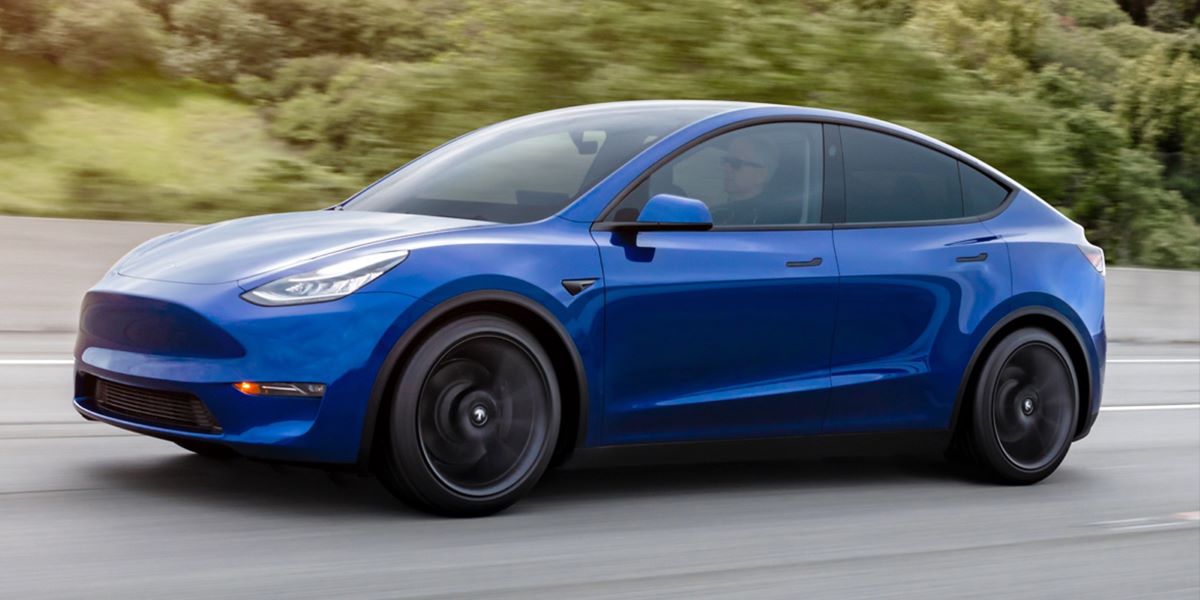
Tesla’s Model Y is not just a top-selling electric SUV—it’s a showcase of Tesla’s evolution in thermal management technology. Unlike early Model S and Model X variants that had relatively simple cooling systems, the Model Y benefits from years of iteration and optimization.
At the heart of its cooling system is Tesla’s patented “Superbottle,” a multifunctional device that integrates battery, powertrain, and cabin thermal control into a single, compact unit. This integration enables the system to exchange heat between components dynamically, optimizing efficiency and maintaining balance.
This is especially critical in hot environments where components like the battery pack and inverter can simultaneously generate and absorb heat. The SuperBottle isn’t just a mechanical device—it’s tied into Tesla’s software ecosystem, allowing the vehicle to predict and respond to heat demands intelligently.
What sets Tesla apart is its use of real-time telemetry and predictive algorithms. When the vehicle anticipates a DC fast-charging session, especially in hot weather, it can begin actively cooling the battery before arrival to reduce charge time and prevent thermal throttling.
This feature, known as preconditioning, is particularly useful in desert environments where ambient temperatures can already push the battery close to its upper thermal limit.
The system also uses ambient weather data and GPS to further anticipate conditions. For example, if a driver is heading into a heat wave zone, the system may alter cooling priorities to favor the battery and drivetrain instead of maximizing cabin cooling. This adaptive strategy not only protects components but also preserves battery health over the long term.
Users living in places like Arizona, Nevada, and the Middle East have shared consistent, real-world feedback praising the Model Y’s ability to maintain performance even under scorching conditions. Many report that the car’s fast-charging capability remains stable during summer months when fewer EVs slow down charging to protect the battery.
Some Tesla owners in Phoenix noted that their vehicles charged at over 200 kW at Superchargers during midday in July, while competitors throttled speeds significantly.
Additionally, the Model Y has built-in thermal protections that automatically lower performance thresholds if the battery reaches critical temperatures, although it rarely needs to trigger this function due to its efficient cooling strategy.
The longevity of Tesla battery packs under heat stress is another reason the Model Y earns its reputation for heat resilience. Data from fleet vehicles and long-term owners shows minimal degradation in range and capacity even after years of operation in warm climates.
This is a testament to both Tesla’s battery chemistry and its aggressive cooling approach. The use of high-performance thermal pastes, cell-level sensors, and high-capacity coolant reservoirs means the Model Y can continuously adapt to heat, whether you’re pushing the car on mountain roads or stuck in stop-and-go traffic in 100°F heat.
Combined with regular over-the-air (OTA) updates that refine cooling logic and predictive behavior, the Model Y remains a top-tier choice for those living in high-heat regions.
2. Lucid Air
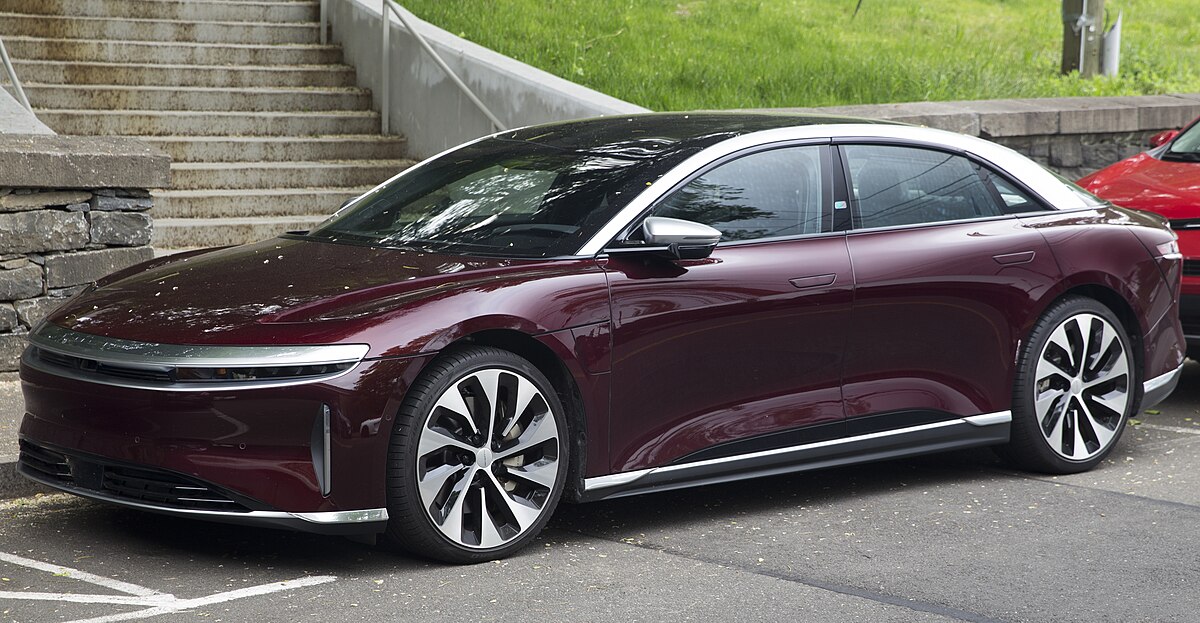
The Lucid Air is often lauded for its luxury and performance, but beneath the sleek exterior lies a thermal management system engineered for desert-level endurance. Developed by a team of ex-Tesla engineers and automotive veterans, the Lucid Air’s system was tested extensively in the Arizona desert to ensure reliability in extreme heat.
Central to this system is a sophisticated battery pack architecture, which incorporates micro-channel cooling for direct cell-level heat management.
This design allows coolant to pass extremely close to individual battery cells, improving thermal regulation and enabling quick dissipation of excess heat. The micro channel approach is far more effective than traditional cooling plates or passive systems, allowing the Lucid Air to manage intense power demands without overheating.
The Lucid Air operates on a 924V electrical system, a voltage higher than most competitors in the EV market. While this allows for blisteringly fast charging and power delivery, it also requires precision thermal management to handle the increased energy flow.
Lucid’s engineers addressed this by designing a three-loop thermal system, separating cooling functions for the battery, motor, and cabin. This division prevents one hot component from overburdening the entire system, allowing for better targeted cooling.
Advanced sensors monitor the temperature of nearly every module in real time, and the thermal controller makes micro-adjustments to ensure equilibrium. Even under maximum load, like aggressive acceleration in 110°F temperatures, the system keeps the battery in its ideal range.
Performance testing in real-world desert conditions has demonstrated the Lucid Air’s superiority. During summer evaluation drives across Nevada and Death Valley, the car sustained high speeds and rapid elevation changes without triggering thermal protection modes or performance throttling.
The air conditioning system, which is often a weak point in EVs due to energy demand, remained highly effective without sacrificing battery efficiency. Even under prolonged direct sunlight and with black paint, typically a worst-case scenario for thermal buildup, the Lucid Air maintained passenger comfort and power output.
These field trials are crucial, proving that the Lucid Air isn’t just optimized on paper, it’s a proven performer in the real world. Lucid continues to refine its thermal control strategies via OTA updates and data logging from its growing user base.
This adaptability ensures that the vehicle’s performance improves over time, especially as climate challenges evolve. The car can now recognize patterns of thermal load based on regional data and adjust cooling behavior accordingly.
For example, if a car is frequently used in high-altitude desert climates, it may begin to pre-cool battery packs during overnight charging to compensate for next-day heat.
This type of forward-thinking engineering positions Lucid as not only a premium electric vehicle manufacturer but also a leader in heat-resilient design. If you’re looking for a high-end EV that’s as smart as it is powerful and capable of handling the world’s hottest regions, the Lucid Air stands among the best.
3. Ford Mustang Mach-E
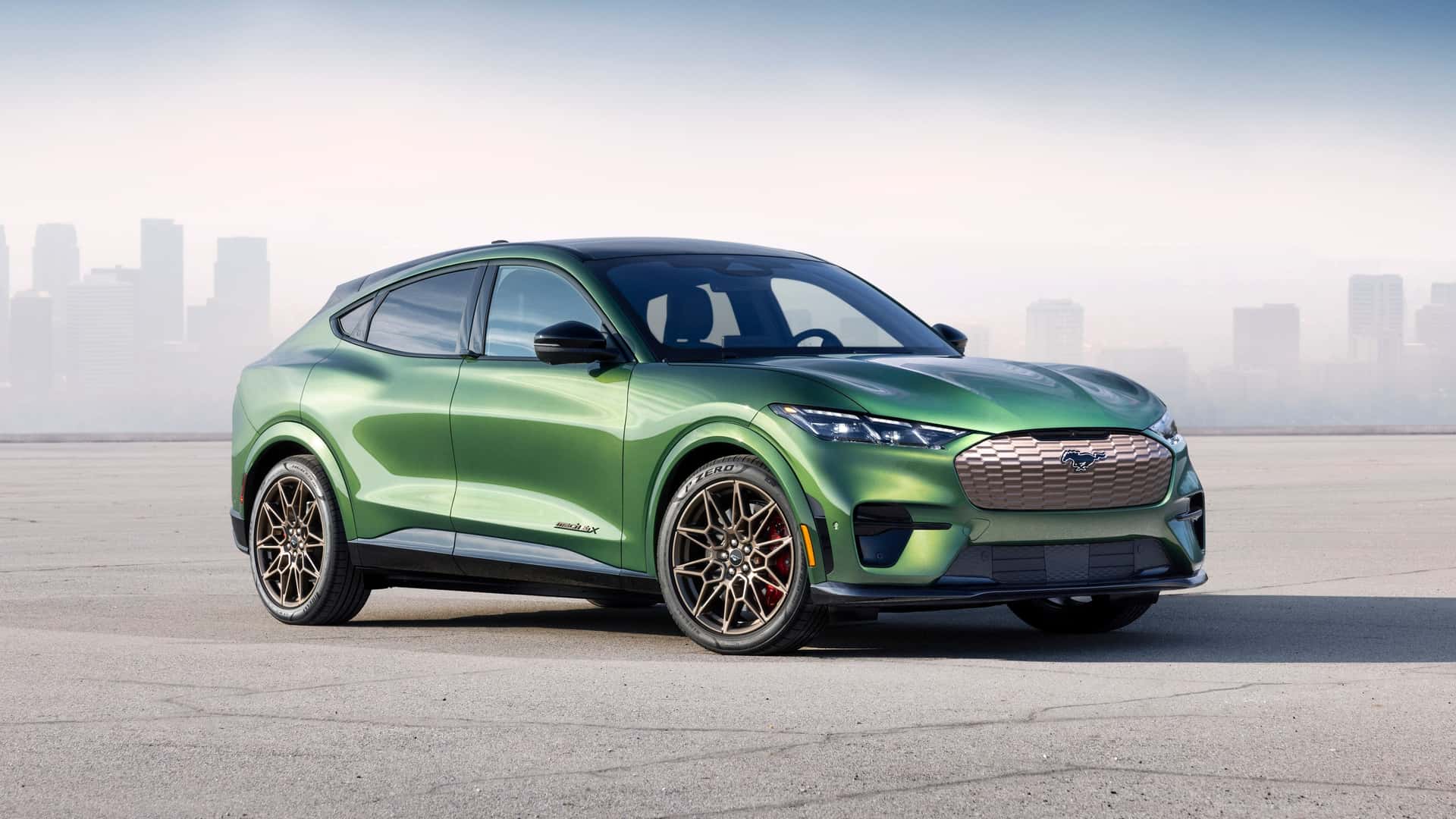
Ford’s Mustang Mach-E is a testament to how legacy automakers can adapt and innovate in the EV space. Unlike previous Ford electrics like the Focus Electric, which suffered from inadequate air-cooled battery systems, the Mach-E features a robust liquid cooling system designed for global deployment.
This system is particularly effective in hot climates, where sustained high temperatures can reduce battery lifespan and cause charging issues.
Ford invested heavily in thermal modeling and field testing across varied environments, from Arizona deserts to Dubai’s urban heat islands, ensuring the Mach-E could withstand extreme weather without compromising drivability or battery safety.
The battery cooling system in the Mach-E uses a network of coolant channels embedded within the battery pack’s structure. These channels circulate fluid past each battery module, rapidly removing heat and maintaining cell uniformity—a critical factor in preventing degradation and ensuring consistent range.
Unlike some competitors that throttle performance when temperatures spike, the Mach-E manages heat dynamically, adjusting pump speeds and valve positions in real-time based on temperature readings from dozens of onboard sensors.
Ford also developed custom software for predictive cooling, allowing the vehicle to learn a driver’s charging habits and driving patterns in order to precondition the battery under high-stress scenarios.
Real-world performance in hot zones has been largely positive. In states like Texas, where summer temperatures often exceed 105°F, the Mach-E continues to deliver consistent range figures and fast charging speeds.
Users have praised the car’s ability to sustain long-distance driving with minimal thermal-induced slowdowns, even during peak heat hours.
Fast-charging sessions in the middle of the day show minimal power drop-off, suggesting that the system is effectively shedding heat even during high-energy operations.
Furthermore, the Mach-E doesn’t sacrifice passenger comfort for thermal efficiency—the cabin remains cool and quiet thanks to a dual-zone HVAC system that intelligently manages cooling priorities.
Another strength lies in the Mach-E’s focus on user control and transparency. The FordPass app allows drivers to monitor battery temperature and charging status remotely, offering visibility into the thermal management process. In addition, the vehicle allows for scheduled preconditioning, which is especially useful when charging outdoors in hot weather.
Ford’s extensive use of simulation, physical testing, and user data feedback loops has resulted in a well-rounded, thermally competent EV.
While it may not have the extreme engineering flair of a Lucid or Tesla, it offers a durable and dependable experience for drivers in hot climates, proving that thermal resilience doesn’t have to come at a luxury price.
4. Hyundai Ioniq 5
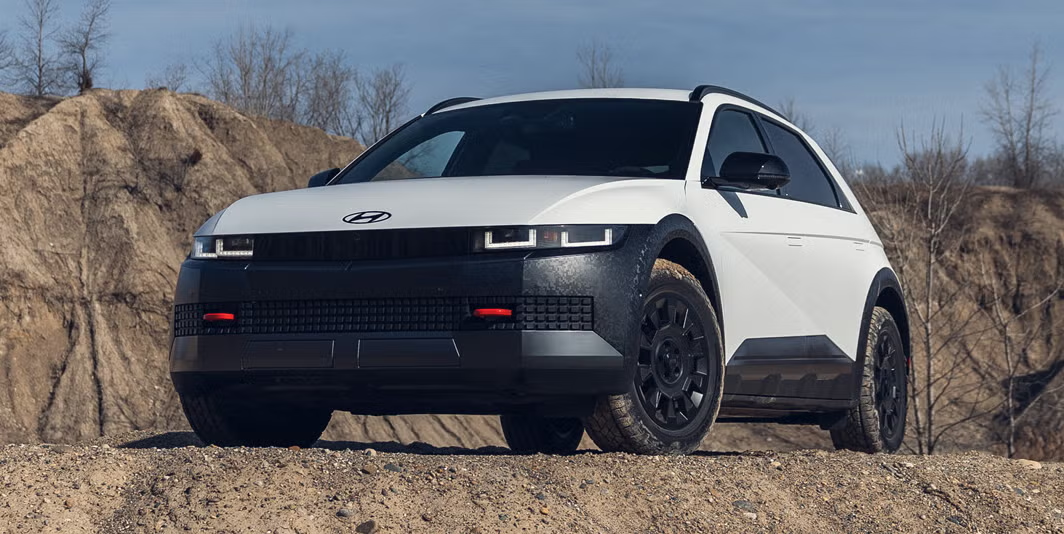
The Hyundai Ioniq 5 is often recognized for its head-turning design and ultra-fast 800V charging, but underneath its aesthetics lies a highly intelligent thermal management system designed for global adaptability. Built on Hyundai’s dedicated E-GMP platform, the Ioniq 5 utilizes an active liquid cooling loop that regulates battery temperature in real-time.
This system ensures the battery remains within its optimal thermal window regardless of whether the vehicle is being driven in a sweltering urban commute or parked under the blazing sun in a desert environment.
Hyundai also included climate-aware software features that can adjust coolant flow and pump speeds based on ambient weather forecasts and historical usage data.
Unlike many competitors, the Ioniq 5’s system includes thermal mapping across multiple zones of the battery pack. This multi-point approach prevents localized overheating, which is a leading cause of early battery degradation. The result is a pack that operates more evenly and more efficiently in heat-intensive situations.
Hyundai also made key design decisions in battery placement and thermal insulation to reduce direct solar gain and passive heat absorption, especially during long parking sessions in the sun. These structural advantages allow the vehicle to maintain charge levels and avoid range losses even when left outside in extreme conditions.
Performance in hot climates has been widely praised by both consumers and third-party testers. In regions such as southern California, Spain, and parts of Australia, owners report that the Ioniq 5 remains responsive, charges quickly, and maintains range consistency during the summer months.
Even when using DC fast charging in 100°F+ weather, the Ioniq 5 typically avoids throttling and completes sessions faster than similarly priced competitors. This is particularly important for drivers who rely on fast charging during long trips or don’t have access to shaded or cooled charging stations.
Additionally, Hyundai’s focus on user customization adds another layer of value. The vehicle allows users to schedule thermal preconditioning based on known departure times and outdoor temperature conditions. OTA updates ensure that the system evolves with real-world usage patterns, improving efficiency and responsiveness over time.
Altogether, the Ioniq 5 is a prime example of how smart design, predictive controls, and robust engineering can result in a heat-resilient EV, without pushing the price tag into luxury territory. It offers a strong option for buyers in warm climates who want style, performance, and thermal reliability.

5. Rivian R1T
The Rivian R1T is not just an electric pickup, it’s a purpose-built adventure vehicle, engineered from the ground up to handle everything from arctic snow to blistering desert heat.
Rivian approached thermal management with the mindset that owners wouldn’t just be commuting in urban environments, they’d be towing boats in the Mojave Desert, climbing steep trails in Utah, or off-roading in the heat of Texas summers.
To meet those demands, the R1T was equipped with a multi-loop liquid thermal system that separately manages heat for the battery, motors, inverter, and cabin.
These loops communicate with each other and redistribute cooling resources based on load, meaning the vehicle can intelligently prioritize battery cooling during fast charging or motor cooling during intense climbs.
This modular cooling system is one of the most flexible in the industry and is especially beneficial for maintaining consistent performance during long periods of thermal stress.
Rivian’s hot-weather testing regimen was among the most rigorous in the EV market. Before launching the R1T, Rivian engineers took prototypes through some of the harshest locations in North America, including Arizona’s Sonoran Desert, Nevada’s high-speed desert highways, and California’s Anza-Borrego badlands.
The vehicles were subjected to extended climbs with payloads, full-throttle highway testing in 110°F+ heat, and repeated fast-charging cycles with the battery pack under duress.
The results were impressive: the R1T sustained full output for longer than many competitors, and it showed minimal thermal throttling even when climbing grades while towing trailers in midday heat.
The use of thick aluminum cooling plates, oversized radiators, and multiple fans ensures that hot air is moved quickly away from vital systems, and Rivian’s sealed underbody design prevents hot air from being trapped near the battery pack.
Owners of the R1T living in warm-weather states and desert regions have echoed this high performance in real-world use. In Rivian forums and EV enthusiast groups, users frequently highlight that the R1T doesn’t seem to “notice” the heat. Fast charging in 100°F+ conditions continues at or near peak speeds without triggering slowdown warnings.
The cabin stays comfortable thanks to a dual-zone HVAC system with powerful cooling, and the battery’s thermal behavior remains remarkably flat even after extended sessions of regenerative braking or hill descent.
Even during multi-day overlanding trips where the truck is exposed to direct sunlight for hours, battery health metrics remain stable, and charging curves don’t exhibit the drop-off seen in many competing EVs. These characteristics make the R1T not only a performance workhorse but a heat-resilient one as well.
Beyond its raw thermal capabilities, Rivian has also integrated a suite of software features that enhance thermal resilience. The vehicle’s over-the-air software updates regularly refine its thermal management logic, improving how the vehicle prioritizes cooling in new or unexpected scenarios.
For example, users can now set charging schedules that incorporate battery preconditioning on hot mornings, helping to reduce charging time and energy loss. Furthermore, the system learns from user habits—if an owner regularly fast charges at noon during hot days, the R1T will begin cooling the battery earlier and more efficiently over time.
This blend of robust hardware and adaptive software ensures the R1T is future-ready and continues to perform reliably, even as climate conditions intensify. It’s a vehicle truly built for extremes—mechanically, thermally, and experientially—and it’s one of the few EVs that confidently thrives under scorching conditions.
Also Read: 10 Best Cars for Cost per Mile After 100,000 Miles
5 EVs That Overheat Battery Packs in Hot Climates
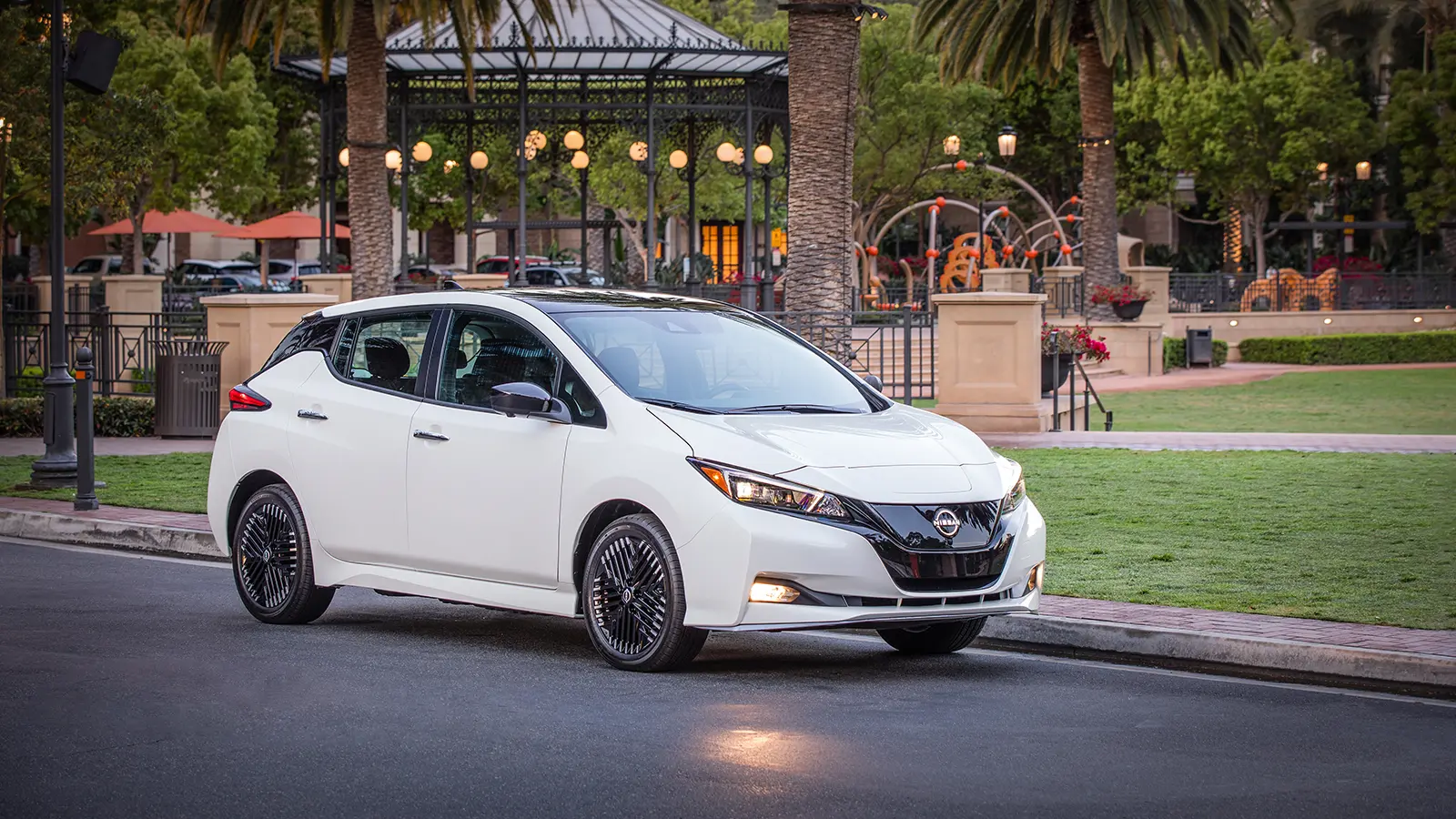
1. Nissan Leaf
The Nissan Leaf, once a pioneer in the mass-market EV space, has unfortunately become a cautionary tale when it comes to thermal management, particularly in hot climates. Unlike most modern EVs, the Leaf relies on passive air cooling for its battery pack, meaning it has no active liquid cooling system to regulate battery temperatures.
When the vehicle was first released, this decision was largely driven by cost-saving goals, under the assumption that most drivers would not stress the battery often enough to require sophisticated cooling. However, as EV adoption grew and owners began taking longer trips, fast charging more frequently, and living in hotter regions, this design flaw became increasingly apparent.
One of the most significant consequences of this passive design is thermal throttling during fast charging. In warm climates—such as Arizona, Nevada, southern California, and parts of the Middle East—the Leaf often begins to reduce charging speed drastically after just one or two rapid charge sessions in a single day.
This is particularly problematic for road trips or daily high-mileage users. Because the vehicle can’t shed heat quickly, battery temperatures climb rapidly during DC fast charging or high-speed highway driving.
Once temperatures pass a certain threshold, the onboard battery management system limits charging power to protect the battery, sometimes reducing it to near Level 2 speeds even at a DC fast charger. This not only wastes time, but it also degrades the user experience in situations where charging speed is critical.
Even more concerning is the long-term impact on battery health. Data from long-time Leaf owners shows accelerated battery degradation in hot regions, with significant drops in range and capacity after just a few years of use.
Unlike EVs with liquid cooling that keep temperatures in an ideal operating window, the Leaf’s cells are often exposed to extended periods of high heat, both while driving and parked.
In many cases, the vehicle cannot precondition or cool the battery during charging or ambient heat waves, which can lead to higher internal resistance and permanently reduced capacity.
Owners in Phoenix and Las Vegas have frequently reported losing 20–30% of their range within three to five years, far worse than average for liquid-cooled EVs.
Despite updates and newer battery chemistries in later models (like the Leaf Plus), Nissan has not introduced active cooling, citing packaging and cost concerns. This means the fundamental issue still remains. While the Leaf can be a great commuter car in temperate climates, its design is not suited for hot environments where battery temperatures can easily spike.
As battery longevity and fast charging become more important to modern EV buyers, the Leaf’s lack of thermal management continues to hold it back, and its reputation for struggling in hot weather remains firmly justified.
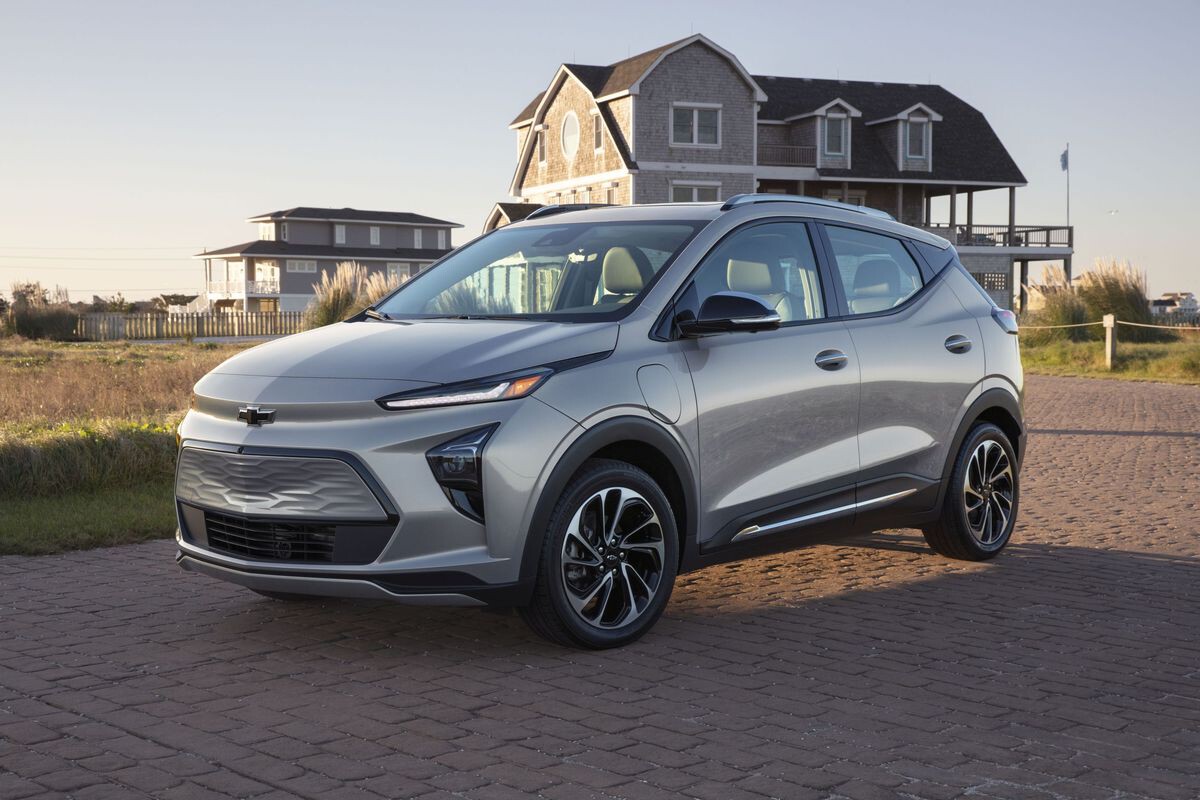
2. Chevrolet Bolt EV and EUV (Pre-2023)
The Chevrolet Bolt EV and its larger sibling, the Bolt EUV, have garnered attention for their affordability and surprising range, but they also come with notable thermal management limitations, especially in earlier production years. While the Bolt does use liquid cooling, its thermal system is relatively basic and not always sufficient under high-stress conditions.
The early Bolt systems were designed with everyday commuting in mind, not aggressive fast-charging or sustained highway driving in desert climates. As a result, when used in hot environments like southern California or Arizona, the Bolt can experience thermal throttling, slow charging, and heat-induced range loss.
One major issue stems from the undersized radiator and relatively low cooling capacity of the system. Under normal use, this setup is adequate, but during rapid charging sessions in hot weather, the Bolt’s battery pack heats up quickly and the cooling system struggles to catch up.
Drivers have reported that after just one fast charging session in 90–100°F weather, the car’s charge rate drops considerably, often cutting the usable speed of 50 kW DC fast chargers to around 20–30 kW or even lower.
In cases of back-to-back charging or hill climbs, the system may limit acceleration to reduce heat generation, an unpleasant surprise for drivers who expect consistent performance.
The consequences aren’t limited to performance; they also impact battery longevity and overall ownership experience. Though the Bolt doesn’t degrade as quickly as a passive-cooled EV like the Nissan Leaf, the heat stress from inefficient cooling still accumulates over time.
Early models (especially 2017–2019) lacked software updates that properly optimized the thermal control loops, leading to unnecessary heat buildup during long summer drives.
Combined with the vehicle’s already complicated history of battery recalls due to fire risk, this has caused some buyers to lose confidence in the Bolt as a long-term solution for hot climates.
To GM’s credit, later software updates and hardware tweaks did improve the Bolt’s thermal behavior, especially for post-2021 models. However, the fundamental limits of the cooling system’s design remain, especially for drivers who push the vehicle beyond its intended commuter use case.
The Bolt’s strength lies in affordability and range-per-dollar, but for those living in climates where summer lasts half the year and temperatures routinely break 100°F, it’s not the most resilient EV in terms of sustained performance or battery preservation.
GM’s newer Ultium platform appears to address these concerns more effectively, but the Bolt remains a mixed bag for hot-weather EV shoppers.
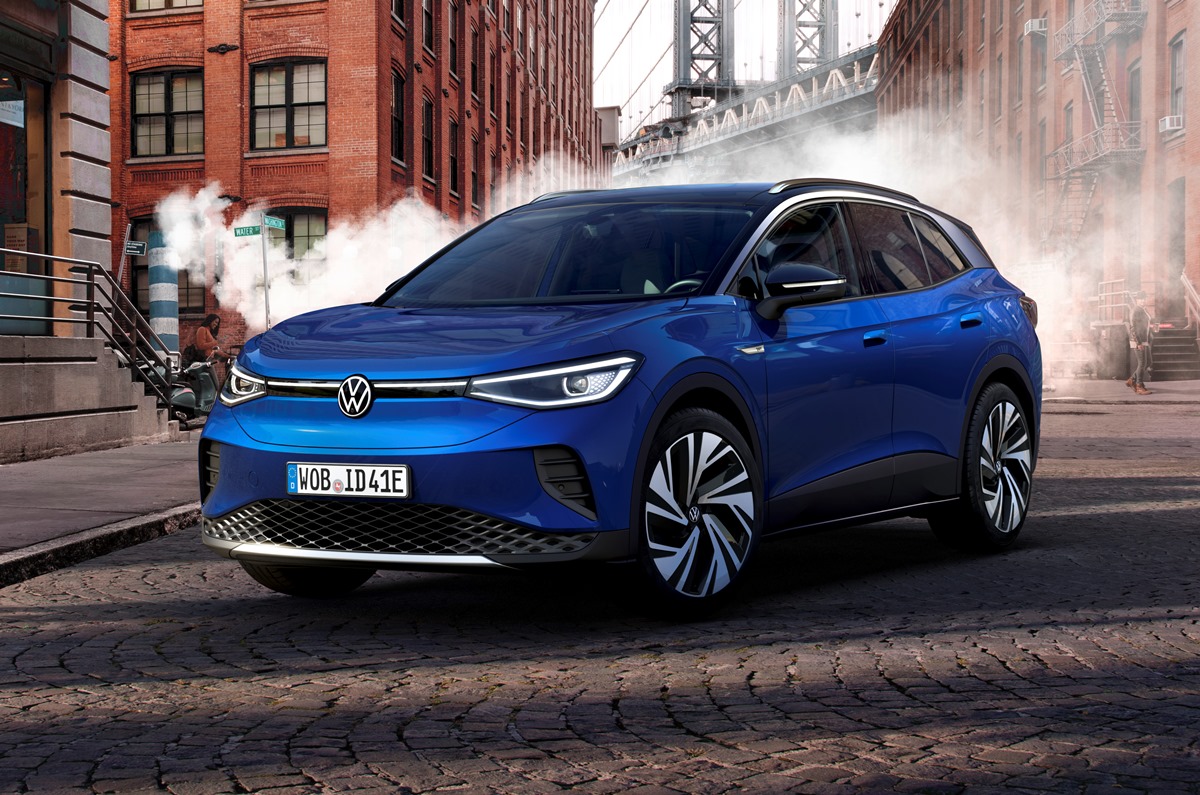
3. VW ID.4 (Early Software Versions)
Volkswagen’s ID.4, part of the company’s new wave of EVs built on the MEB platform, has drawn attention for its design and comfort. However, in early production batches, particularly the 2021 and early 2022 models, the ID.4 struggled with thermal management issues tied to software limitations, especially in hot climates.
While the car technically features active liquid cooling, the effectiveness of the system was undermined by overly conservative software algorithms that mismanaged battery temperatures during high-speed driving, fast charging, and extreme ambient heat.
As a result, drivers reported slow charging, unexpected throttling, and limited highway performance in the heat, even though the hardware was capable of better.
One of the biggest complaints among early adopters was the ID.4’s charging curve collapse during hot weather. Even at DC fast chargers rated for 125 kW, the vehicle would often refuse to go above 50–60 kW if the battery was already warm.
Instead of regulating and dissipating heat efficiently, the thermal management system would slow charging aggressively to avoid pushing the battery into unsafe territory.
This was frustrating for drivers who expected 30-minute top-ups, only to be stuck for nearly an hour at chargers due to software-induced throttling. Compounding the issue was a lack of transparency in the user interface, there were no clear warnings or thermal indicators, leaving many drivers confused and irritated.
The thermal challenges didn’t end with charging. During prolonged highway driving in heat, especially in elevated terrain or with a full load, the ID.4 would sometimes reduce power delivery to the motors to limit heat generation.
This type of performance throttling is rare in modern EVs with advanced thermal systems, yet the ID.4 exhibited it under conditions that other vehicles handled with ease.
Owners in states like Arizona and Texas shared stories of the car losing power unexpectedly when trying to pass vehicles uphill, or charging painfully slow during long summer trips. For a vehicle marketed as a family road-trip solution, this behavior stood in stark contrast to expectations.
To Volkswagen’s credit, the company rolled out several software updates beginning in mid-2022 to correct these issues. Later versions of the ID.4 firmware improved thermal performance significantly by allowing the cooling system to engage earlier and more aggressively.
However, those updates did not fully resolve hardware limitations like the radiator’s relatively small surface area or the vehicle’s limited ability to precondition the battery during driving.
While newer versions of the ID.4 have seen improvements, the early models still carry a reputation for struggling in high-heat environments, a reminder that in EVs, software can be just as crucial as hardware when it comes to thermal resilience.
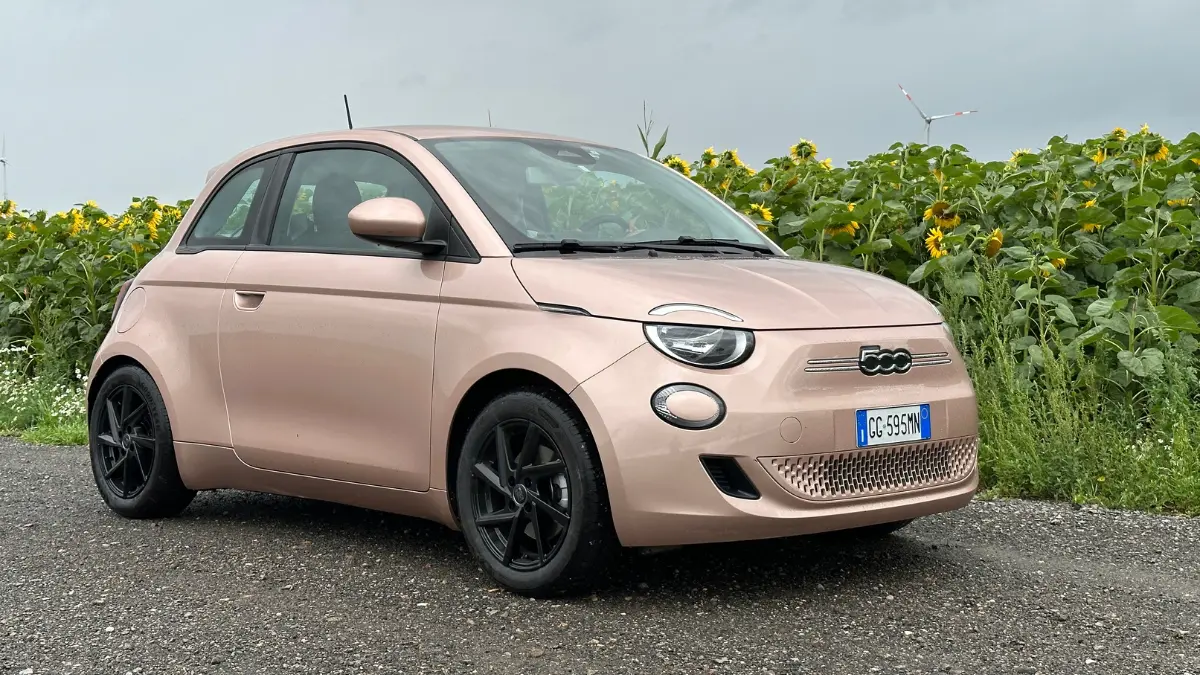
4. Fiat 500e (Legacy Model)
The original Fiat 500e, introduced as a compliance car for states like California, was never designed for global use, let alone operation in extreme heat. With its compact size and low cost, it was intended as an urban runabout rather than a long-range performer.
Unfortunately, this also meant its thermal management system was extremely limited, relying on basic air cooling and a rudimentary liquid loop that did not sufficiently protect the battery during heat exposure or high-energy demands.
The result was a car that quickly showed signs of stress in warm climates, with frequent charging issues, battery warning lights, and inconsistent performance when temperatures soared.
One of the most common user complaints from hot-climate regions like southern California and Arizona was the sharp decline in charging speeds during the summer. When parked outside or driven on hot pavement, the 500e’s battery pack would heat up quickly, and the limited thermal system couldn’t compensate.
Onboard safety software would then reduce charge rates and sometimes even disable charging entirely until the battery cooled down, a process that could take hours without access to shade or active battery cooling. For a vehicle with a relatively small battery to begin with, these issues made the 500e unreliable for anything beyond short, predictable trips.
The 500e also suffered from accelerated battery degradation due to the combination of heat stress and poor cooling. Owners reported significant capacity loss after just two to three years of use in hot environments, with some early adopters noting range reductions of 20–30% in places like Nevada or inland California.
The vehicle had no ability to precondition the battery before charging, and the limited data available to the driver made it difficult to even monitor the battery’s temperature or health.
Unlike modern EVs, which offer detailed thermal feedback and adaptive algorithms, the 500e was essentially flying blind under the hood, making it especially vulnerable when the weather turned hot.
While the Fiat 500e remains a charming and affordable option for short-range urban use in temperate regions, it is ill-suited for hot climates. Fiat itself did not design or market the vehicle for high-heat environments, and its thermal shortcomings are well-documented among EV veterans.
It’s a clear example of how early EVs, especially those built to meet regulatory quotas rather than real customer demand, often cut corners that severely affect usability in extreme weather.
Today’s 500e successor models in Europe are significantly more advanced, but the legacy U.S. version serves as a cautionary tale about underengineering in the face of climate challenges.
5. BMW i3
The BMW i3 stands out in the EV world for its unique design, lightweight carbon fiber construction, and focus on urban efficiency. When it debuted, it was praised for being ahead of its time in many ways, including regenerative braking and innovative materials.
However, the i3’s thermal management system was modestly engineered, reflecting its intended use case as a short-range city car, not a long-distance cruiser or climate-resilient performer.
While it does include a liquid-cooled battery, the system is fairly basic and not optimized for extreme conditions, especially heat. This becomes particularly evident when the car is used in warmer climates, where even moderate driving or repeated charging can result in heat buildup and system throttling.
A key limitation lies in the size and efficiency of the i3’s cooling loop, which is notably smaller and less capable than those found in modern long-range EVs. It was designed primarily to keep the battery from overheating during low-speed city driving and Level 2 charging, not for sustained highway use or multiple fast-charging sessions.
Owners in hot climates like southern California, Arizona, and southern Spain have reported that during the summer, fast charging the i3 more than once a day can cause it to slow charging speeds dramatically, or refuse fast charging altogether.
BMW implemented conservative thermal thresholds that kick in early to protect the battery, but this results in reduced performance and charging predictability, which frustrates users who expect more consistency from a premium brand.
Beyond charging, drivability is also affected when thermal limits are approached. In some cases, i3 owners have reported reduced acceleration or limited regenerative braking functions after prolonged driving in hot weather.
The vehicle’s control systems prioritize battery preservation over power delivery, and while this is safe and logical from an engineering standpoint, it can be alarming or inconvenient for drivers who aren’t aware of what’s happening.
Since the car’s displays offer minimal feedback about battery temperatures or thermal limits, users are often left guessing as to why the vehicle is behaving differently. These subtle, heat-related performance constraints limit the i3’s usability in regions where ambient temperatures often exceed 95°F or more.
Another area where the i3 falls short in hot climates is long-term battery durability. While BMW’s battery chemistry is generally solid, the thermal stress experienced by packs in hot environments leads to faster degradation, especially in older models.
Several studies and owner surveys have shown that i3s used in hot zones tend to lose range faster than their counterparts in cooler regions. Additionally, because BMW did not include widespread OTA (over-the-air) update capability for the i3, improvements in thermal behavior could not be retroactively deployed the way Tesla or Hyundai might.
As the vehicle ages and temperatures continue to rise globally, the i3’s limitations in managing heat become more apparent. It remains a charming and efficient city EV for moderate climates, but in sustained heat, it’s more vulnerable than most would expect from a premium automaker.
