
Electric vehicles (EVs) have rapidly moved from niche status to mainstream appeal, and within that shift, crossovers have emerged as the go-to body style for families, professionals, and daily commuters alike.
With rising fuel prices, urban congestion, and an increasing focus on sustainability, the electric crossover represents a sweet spot between practicality and environmental consciousness.
But not all EVs are created equal, especially when it comes to software reliability and daily livability. While some crossovers integrate software and hardware with precision, offering smooth, intuitive experiences, others suffer from bugs, updates gone wrong, or confusing interfaces that interrupt daily driving.
This article dives deep into both sides of the equation: the electric crossovers that shine in everyday scenarios, and those that, despite solid performance potential, are hindered by software troubles. For many buyers, these issues aren’t just minor annoyances; they’re deal-breakers.
Imagine preparing for a long commute only to be met with a frozen infotainment screen, or struggling with basic tasks like charging station navigation due to laggy updates or poor UI design.
Daily use isn’t just about acceleration or range on paper, it’s about consistent performance in real-world situations. Can the vehicle handle variable climates without glitching? Does it reconnect with your phone or update itself without user intervention? Does the system work reliably in traffic jams, tight parking lots, and chaotic morning routines?
So, if you’re looking for a daily driver you can depend on or want to avoid digital headaches, read on for our list of five electric crossovers that stand up to daily use, and five that struggle under the weight of their tech.
Also Read: 5 Cars With Reliable Infotainment Systems and 5 That Glitch Nonstop
5 Electric Crossovers That Stand Up to Daily Use
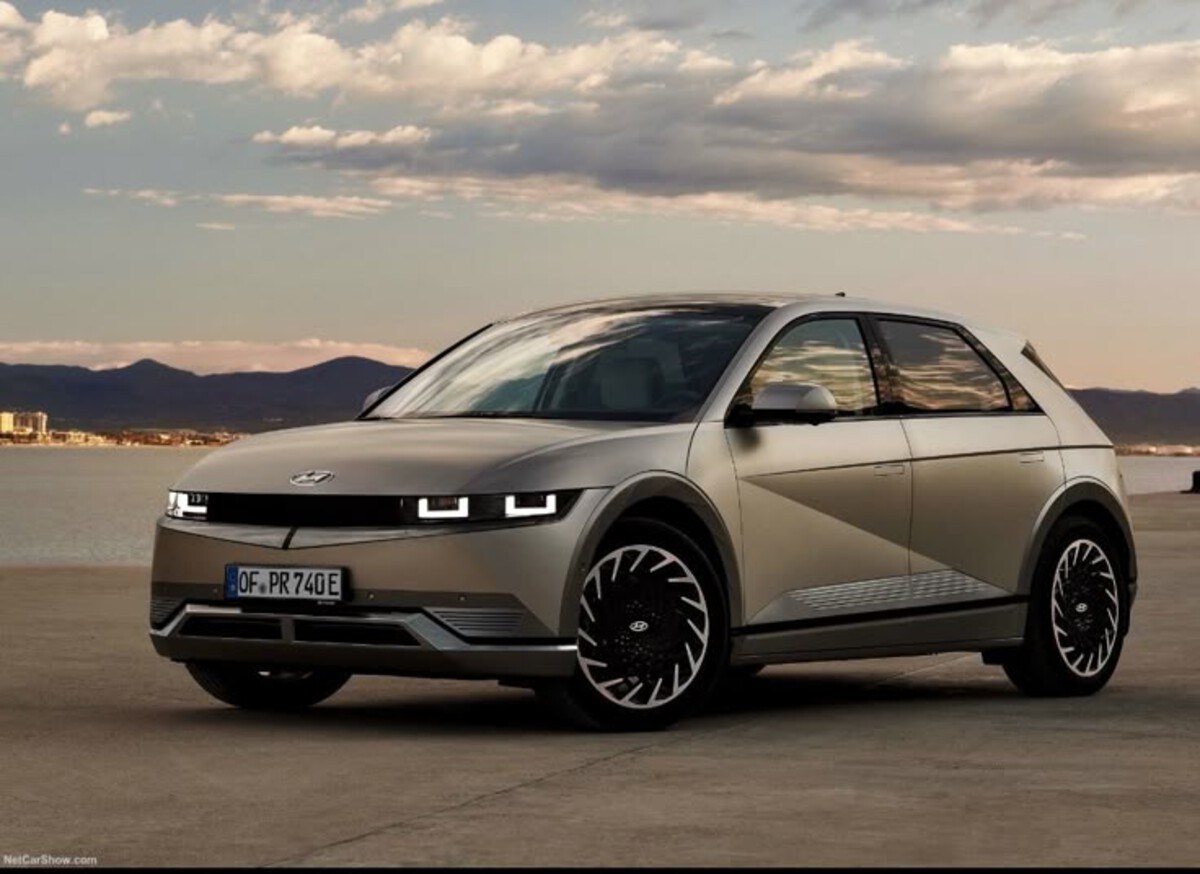
1. Hyundai Ioniq 5
The Hyundai Ioniq 5 has quickly become one of the most recognized names in the electric crossover space, and not just for its sharp, retro-futuristic design. It’s a well-rounded vehicle that excels in both form and function, making it one of the most practical EVs for daily use.
Hyundai has done an impressive job of combining compelling aesthetics with real usability. From the outside, the pixel-inspired lights and bold stance make it stand out, but it’s not just skin deep The Ioniq 5’s layout maximizes interior room thanks to the E-GMP platform, which eliminates transmission tunnels and allows for a nearly flat floor. This makes ingress, egress, and cabin movement much easier, especially for families with kids or older passengers.
Inside, the Ioniq 5 is surprisingly spacious and flexible, with sliding rear seats, a movable center console, and more than enough cargo space for daily errands or weekend getaways.
The panoramic dual-screen setup is both beautiful and functional. It’s not just about large displays, it’s about how cleanly they present information and how logically features are organized.
Drivers don’t have to dig through multiple layers of menus just to adjust climate control or audio settings, which is a pain point in many other EVs. Hyundai’s decision to retain physical buttons for essential functions strikes a critical balance between modernity and usability.
When it comes to software, Hyundai keeps things consistent and relatively bug-free. The infotainment system isn’t the flashiest, but it works. It’s responsive, supports both Android Auto and Apple CarPlay (though oddly not wirelessly), and gets OTA updates without intrusive errors.
It remembers settings, connects to phones reliably, and offers straightforward navigation. This level of software stability might sound like a low bar, but in today’s EV market, it’s surprisingly rare. Hyundai also integrates helpful features like a digital key, user profiles, and driver behavior tracking, all without overwhelming the user.
Hyundai also offers a well-integrated app that allows you to schedule charging, precondition the cabin, and check battery status remotely. Combined with vehicle-to-load (V2L) capability, which can power laptops or small appliances directly from the car, the Ioniq 5 goes beyond just being a car it becomes part of your daily tech ecosystem.
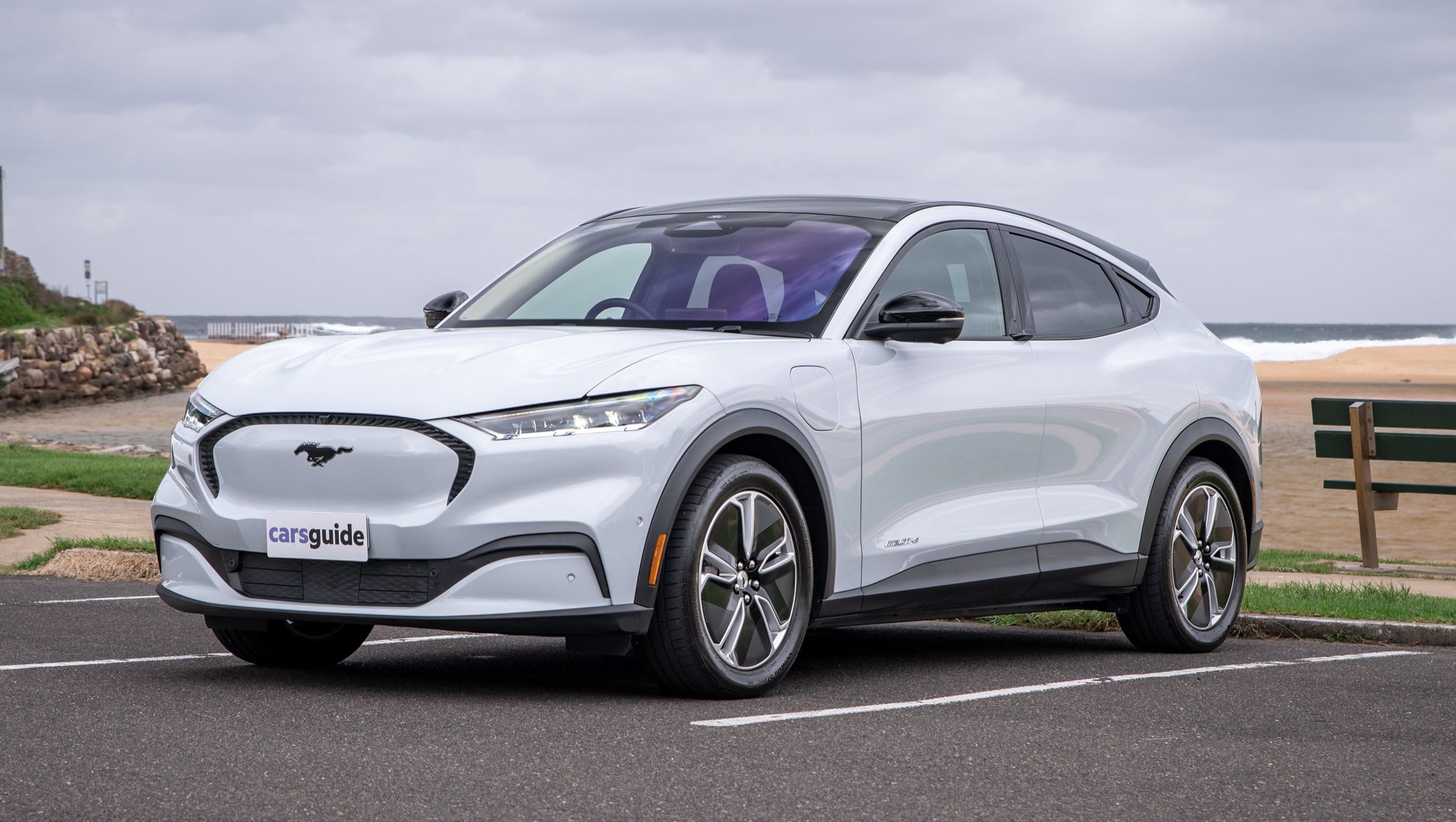
2. Ford Mustang Mach-E
The Ford Mustang Mach-E represents Ford’s full-throttle the EV world, and it does so with an electric crossover that truly nails the daily-driver formula. While its “Mustang” branding sparked controversy among purists, there’s no denying that the Mach-E blends everyday practicality with athletic spirit.
Ford didn’t just slap an iconic badge on an electric crossover for hype it engineered a vehicle that meets the performance expectations of the name while being smartly tailored for daily use. There’s a strong sense of balance in how the Mach-E handles traffic, family life, and longer commutes.
The cabin layout of the Mach-E is clean and modern, yet warm and familiar. Ford opted for a vertical 15.5-inch touchscreen that anchors the center console, paired with a minimalist digital driver display. It’s a blend of tech and tradition that appeals to both digital natives and drivers who might be new to EVs.
Materials feel high-quality, especially in the Premium and California Route 1 trims, and the panoramic glass roof adds a spacious, airy feel to the interior. Rear seat space is generous, with wide door openings that make it easy to install car seats or load in gear something every parent or rideshare driver can appreciate.
From a software standpoint, SYNC 4A has proven itself as one of the better EV operating systems out there. It’s responsive, fairly intuitive, and constantly improving. OTA updates are handled in the background and often include meaningful enhancements like better range calculations or improved driver assistance features.
What stands out is the system’s predictability touch inputs register consistently, voice commands are effective, and the layout doesn’t bury essential controls behind frustrating menus. That reliability makes a big difference for users who interact with the system multiple times a day, such as those juggling phone calls, directions, and music during their commute.
Performance-wise, the Mach-E offers a versatile driving experience. With RWD or AWD options and various battery sizes, buyers can prioritize range, speed, or a bit of both. Even the standard range models offer decent zip and control, while the GT trim offers serious power without sacrificing comfort.
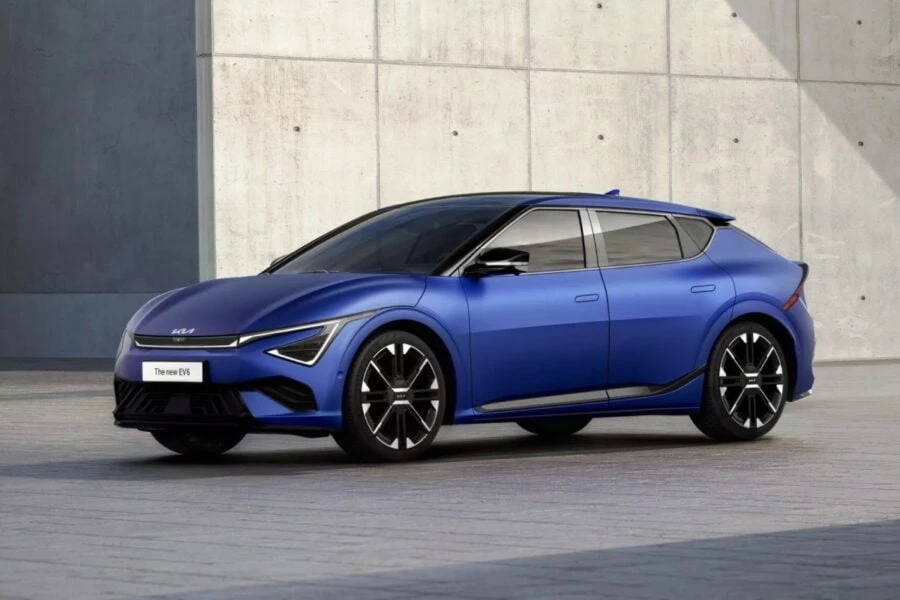
3. Kia EV6
The Kia EV6 is arguably one of the most stylish and performance-oriented electric crossovers available, but what truly makes it stand out for daily use is its rock-solid execution in design, tech, and functionality. Sharing the E-GMP platform with its cousin, the Hyundai Ioniq 5, the EV6 offers the same high-speed 800V charging and flat-floor interior flexibility, but with a more athletic and aggressive twist. This is a car designed not just to get you from point A to B, but to make that journey engaging, seamless, and comfortable day in and day out.
Inside, the EV6 offers a focused, driver-centric cabin that still makes plenty of room for passengers and cargo. The dual curved displays offer sharp visuals and are logically laid out. Unlike some EVs that go too far in stripping away buttons, Kia retains smart physical toggles for climate and quick-access menus.
It’s a thoughtful design that makes everyday interaction with the vehicle feel intuitive, not frustrating. Whether you’re adjusting temperature on the fly or switching between media sources while in traffic, the controls are exactly where you need them.
Where the EV6 truly shines is in its performance consistency. The ride is composed and planted, with regenerative braking modes that allow you to tailor the driving experience to your preference. Whether you want a more traditional coasting feel or one-pedal driving, the system adapts without a hitch.
The all-wheel-drive variants offer plenty of grip in wet or snowy conditions, making them a reliable choice for drivers in variable climates. Even when the roads are less than ideal, the EV6 keeps its cool, something that matters a lot when this is your daily vehicle.
The software experience in the EV6 is mature and reliable. The infotainment interface is snappy, free of the annoying lag or random reboots that can plague less refined systems. Apple CarPlay and Android Auto work smoothly (again, wired), and the navigation system is clear and responsive.
Features like user profiles, digital keys, remote start, and climate pre-conditioning are well integrated into the Kia Connect app, giving you remote access and real-time info at your fingertips. The system may not be the most revolutionary, but it works flawlessly, which, for everyday use, is what matters most.
Safety and driver assistance features are another area where the EV6 impresses. Highway Driving Assist, smart cruise control with machine learning, blind-spot view monitors, and a 360-degree camera make city driving, parking, and highway cruising much less stressful.
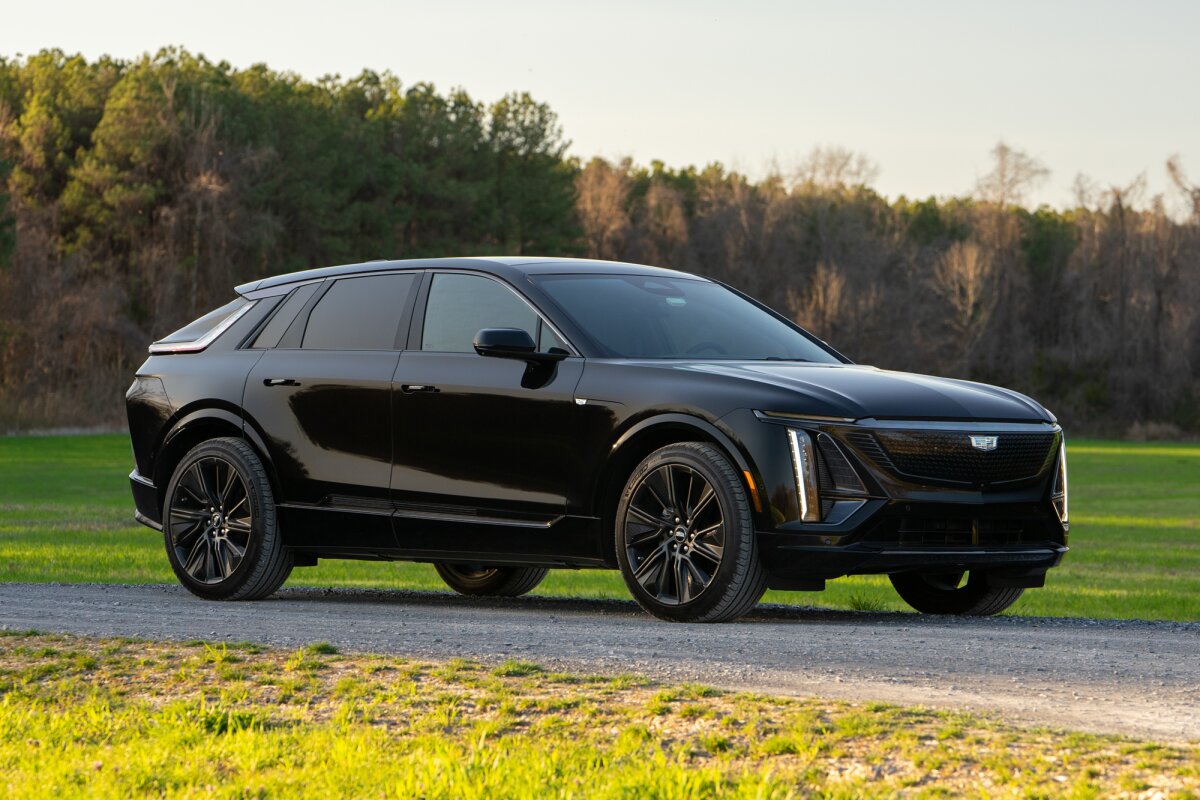
3. Cadillac Lyriq
The Cadillac Lyriq was supposed to be General Motors’ crown jewel in the luxury EV race, a vehicle that would reestablish Cadillac as a forward-thinking brand ready for the electric age. In many ways, it accomplishes that goal on paper with a sleek exterior, a tech-rich cabin, and GM’s new Ultium platform underpinning it.
But while the hardware foundation is impressive, the software layer has faltered, leading to a bumpy ownership experience for early adopters. In the daily-use context, this mismatch becomes particularly noticeable. A vehicle can’t truly be luxurious if its systems cause more friction than flow.
One of the most problematic aspects of the Lyriq is the state of its infotainment system. While the 33-inch curved OLED display is visually stunning, the actual performance of the interface often lags behind the high expectations set by the visuals. Users have reported significant delays when navigating menus, launching apps, or switching between functions.
Bluetooth pairing has also been inconsistent, sometimes disconnecting mid-drive or failing to recognize known devices. Aesthetically, the system promises futuristic elegance, but functionally, it frequently underdelivers.
Further complicating matters is GM’s new “Ultifi” software platform, which is still in its infancy. This digital architecture is meant to streamline over-the-air updates and connect everything from driver profiles to personalized vehicle settings. Unfortunately, it has been slow to roll out features that were promised at launch.
Some Lyriq owners waited months for basic functions like adaptive cruise control, lane centering, or even a functioning head-up display. The staggered rollout and lack of transparency from GM created a lot of confusion and disappointment among those who paid a premium for early access to this tech.
4. Toyota bZ4X
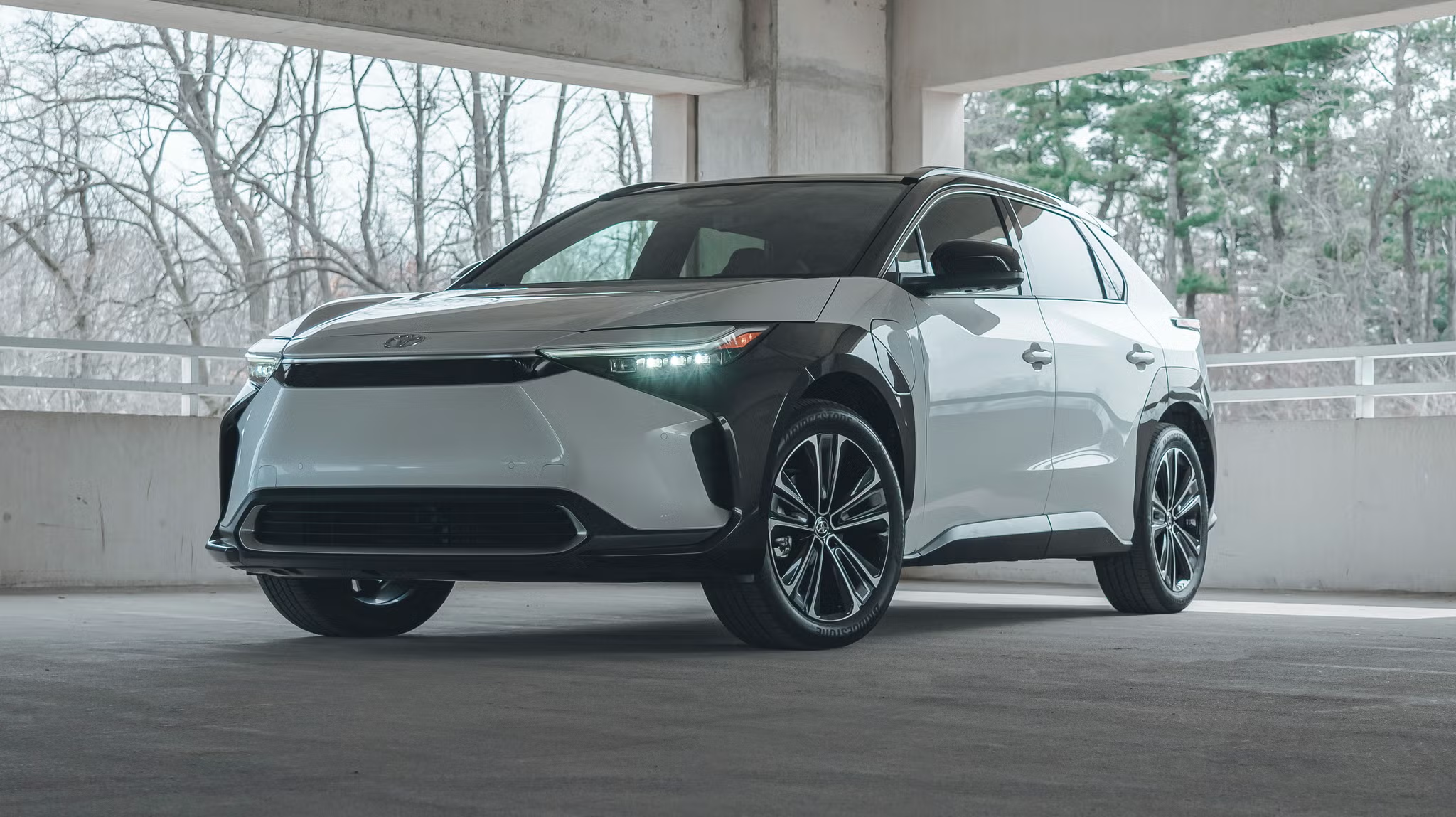
When Toyota finally revealed the bZ4X, it was met with cautious optimism. As a pioneer in electrification with the Prius, many expected Toyota to deliver a practical, problem-free EV experience with its first global battery electric crossover.
However, the bZ4X launched with several missteps, some of them hardware-related (including the well-publicized issue of wheels potentially detaching), but many of them firmly in the software category. These software frustrations have made the bZ4X less appealing for daily use, particularly among tech-forward consumers expecting Toyota’s usual no-drama consistency.
The infotainment system, debuting alongside the bZ4X, is a marked departure from the more utilitarian setups found in previous Toyota models. It features a sleek touchscreen with improved graphics and touch responsiveness, but it’s let down by a clunky operating system.
Navigation requires multiple taps to perform basic functions, and menus often feel needlessly layered or counterintuitive. Even accessing core vehicle settings like regenerative braking modes or climate automation requires hunting through a confusing structure of menus and submenus, leading to distraction and frustration on the road.
Voice control, which is increasingly becoming a daily-use tool in modern vehicles, is particularly unreliable in the bZ4X. The voice assistant frequently mishears commands, times out before responses can be given, or provides irrelevant answers.
This undermines the usefulness of hands-free interaction and forces drivers to fall back on manual controls, which, in a touchscreen-heavy environment, makes the user experience even more fragmented. Toyota has been historically slow to integrate third-party assistants like Google or Alexa, and that conservative approach now feels outdated in an EV context.
5. Nissan Ariya
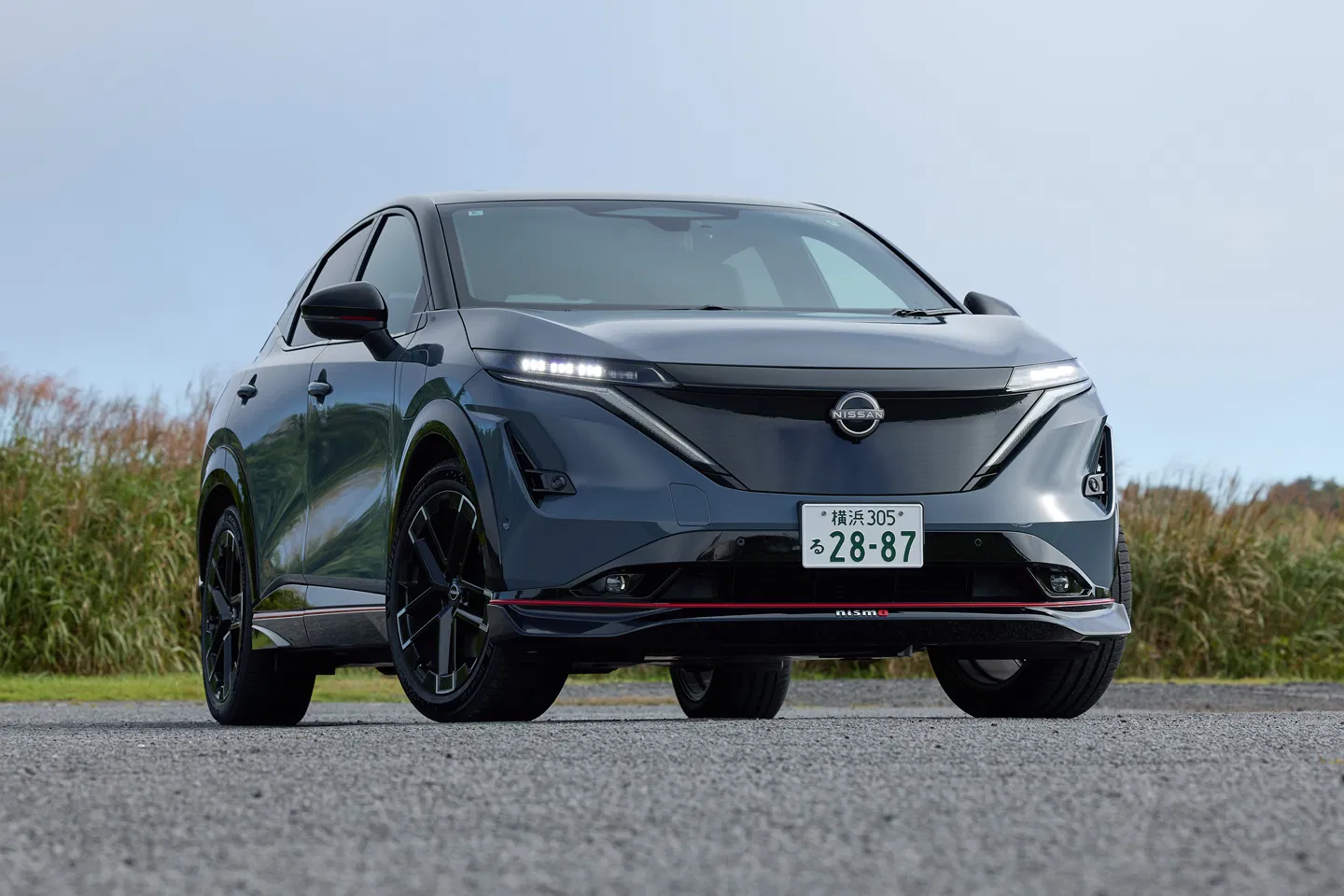
The Nissan Ariya was intended to be Nissan’s re-entry into the EV spotlight after years of quietly coasting on the legacy of the Leaf. With a stylish, futuristic design and a spacious interior, the Ariya had the makings of a daily-driver darling. Yet despite its comfort, silence, and respectable driving dynamics, the Ariya’s software has proven to be its Achilles’ heel. For a car that aims to appeal to tech-savvy professionals and families alike, its inconsistent digital experience detracts significantly from its long-term usability.
From day one, drivers have reported sluggishness and awkward design choices in the infotainment system. The dual-screen setup is visually sleek, but in use, it lacks the cohesion and speed of rivals. There are noticeable lags when switching between apps, route recalculations are delayed, and media streaming sometimes fails altogether.
These issues might seem small in isolation, but when encountered day after day, they accumulate into a broader sense of unreliability. In traffic, where multitasking with navigation and music is common, these problems become particularly frustrating.
The Ariya’s voice assistant adds another layer of irritation. Unlike competitors that incorporate robust third-party platforms like Google or Alexa, Nissan’s assistant feels rudimentary. It often misunderstands basic queries, requires overly specific phrasing, and can’t always process context. This forces drivers to interact more with the touchscreen, taking their attention away from the road. In modern EVs, where the idea is to streamline and simplify daily driving, that’s a serious shortcoming.
ProPILOT Assist 2.0, Nissan’s latest semi-autonomous driving system, shows promise in concept but stumbles in execution. Drivers have reported inconsistent lane centering, vague alerts when disengaging, and abrupt braking in moderate traffic.
These features are supposed to reduce stress on long commutes, but instead, they introduce uncertainty. Over time, many owners begin to ignore the system altogether, negating one of the car’s most heavily marketed features.
To make matters worse, Nissan’s OTA strategy has lacked consistency. While updates are possible, they are infrequent, poorly communicated, and often fail to address root problems. Some drivers have received updates that solved one issue, only to introduce another.
5 Electric Crossovers That Suffer Software Glitches
1. Volkswagen ID.4
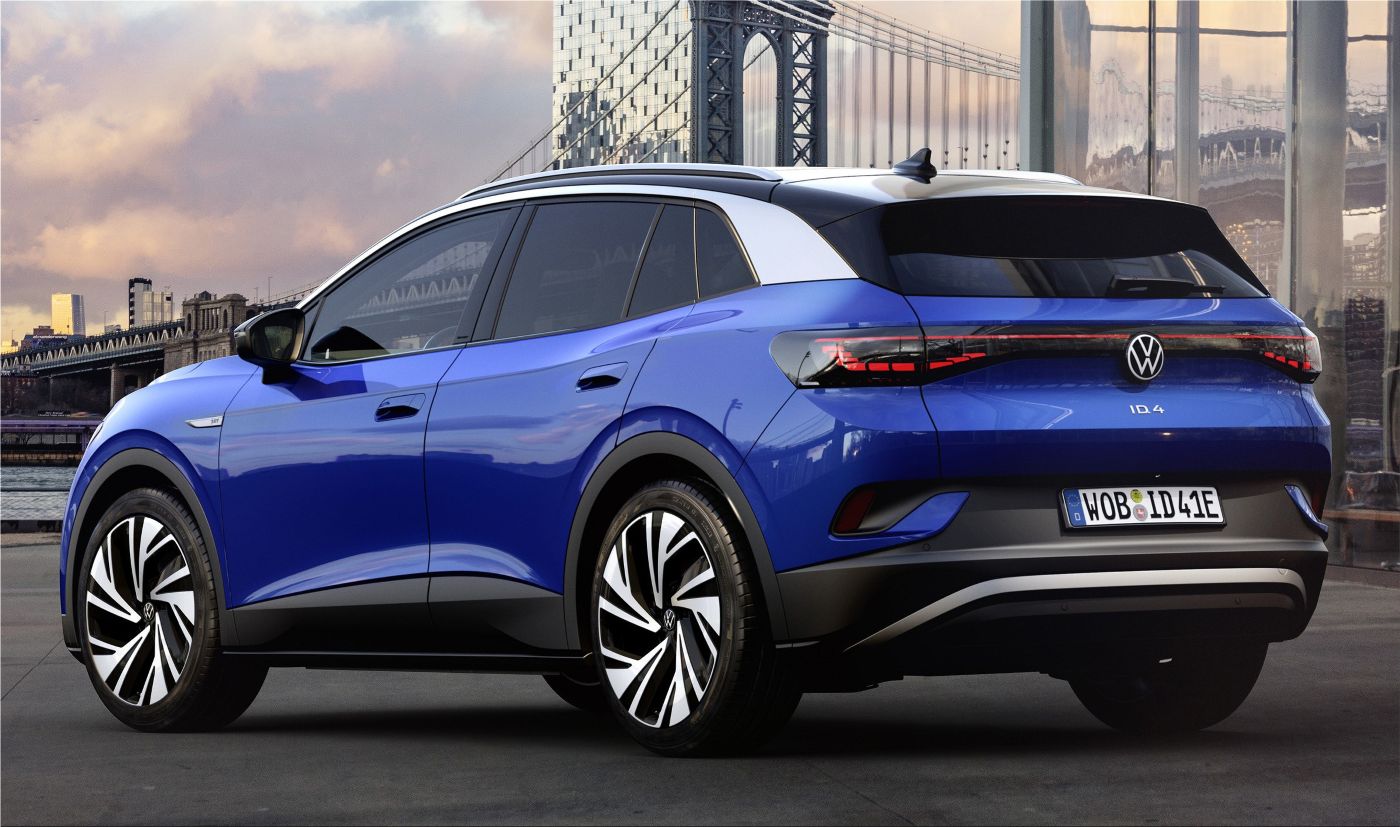
The Volkswagen ID.4 was launched with high expectations as VW’s first major electric crossover for global markets, but unfortunately, its early software issues have marred what could have been a well-rounded EV.
While the hardware is commendable solid build quality, decent range, and comfortable ride, the infotainment system and digital interface have been widely criticized for their lack of responsiveness and frequent bugs. This is not a matter of nitpicking; for a daily-use vehicle, software reliability is no longer optional, it’s essential. And in the ID.4, it’s the primary source of driver frustration.
One of the biggest issues drivers report is the laggy, unintuitive infotainment system. Volkswagen opted for a minimalist design with few physical buttons, placing a heavy burden on the central touchscreen for core vehicle controls. Unfortunately, the response times are slow, menus are cluttered, and even simple tasks like adjusting the temperature can feel like a chore.
There are also common reports of the screen freezing or rebooting randomly problems that seriously undermine confidence during everyday driving. These issues become particularly problematic when trying to multitask on the road, like switching navigation routes or adjusting climate settings on the fly.
Beyond the infotainment screen, the digital instrument cluster and touch-sensitive sliders for volume and lighting controls have received significant criticism. The touch sliders lack haptic feedback and can be easily activated by accident, especially while driving at night.
It creates a sense that the vehicle’s design is fighting against the user instead of working with them. Moreover, software updates, which are supposed to address these problems, have rolled out slowly and inconsistently across different regions, adding another layer of confusion for owners.
Volkswagen has acknowledged many of these flaws and promised fixes through over-the-air updates. However, several updates have either arrived late or introduced new bugs while trying to solve previous ones. For a vehicle designed to showcase VW’s future EV ambitions, the inconsistent digital performance feels like a significant misstep.
A car that otherwise has great potential for comfort and drivability ends up being held back by its inability to execute a seamless digital experience. For daily drivers who need reliability, this makes the ID.4 a risky bet until VW fully stabilizes the software.
2. Volvo XC40 Recharge
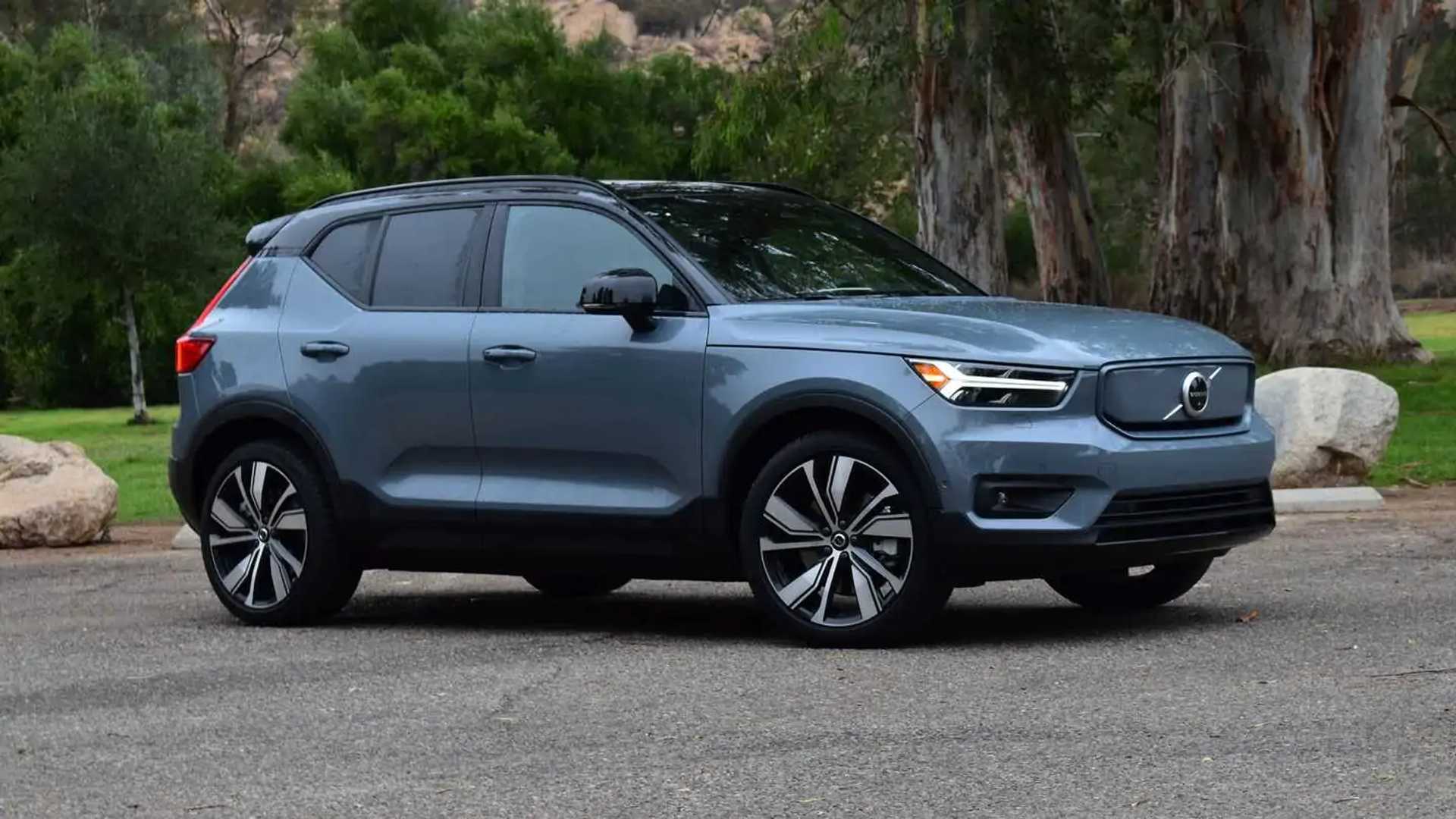
The Volvo XC40 Recharge comes from a brand known for safety, design, and Scandinavian restraint, and on paper, it’s a strong contender in the electric crossover space. The vehicle feels solidly built, has brisk acceleration, and retains the minimalist interior styling Volvo fans appreciate.
But despite these strengths, the XC40 Recharge has stumbled repeatedly in one crucial area: software integration. And in a world where software is the nervous system of EVs, that has turned into a major liability for daily use.
One of the most glaring issues with the XC40 Recharge is its reliance on the Google Android Automotive platform. While the idea of native Google Maps, Google Assistant, and Play Store apps might sound convenient, the actual implementation has been less than ideal.
Users report frequent system lag, freezing during navigation, and unresponsive commands, particularly during simultaneous tasks like playing media while using voice directions. These glitches can be more than just annoying; they compromise driver attention and increase stress during commutes or unfamiliar trips.
Another recurring problem is the inconsistency of OTA updates. Volvo’s update rollout has often been delayed or limited in scope, and some users find that their vehicle’s version lags behind the promised software improvements.
Additionally, owners have expressed frustration with settings randomly resetting after updates, which means re-configuring driver profiles, climate preferences, and infotainment settings. For someone using the vehicle daily, this inconsistency becomes tiring quickly it’s like rebooting your smartphone every time you step into your car.
3. Rivian R1S
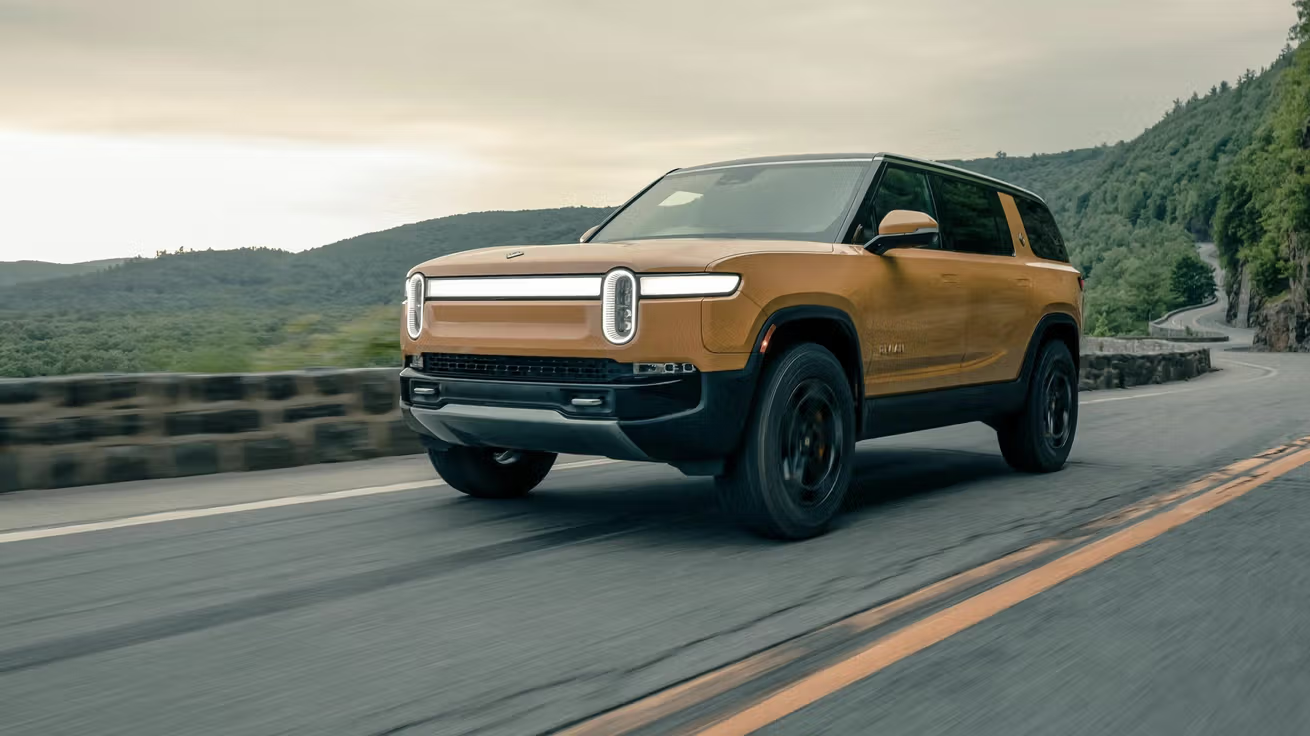
The Rivian R1S has generated significant excitement as a rugged, all-electric SUV designed for adventure and utility, but its software reliability has been a major pain point for many owners. From the outset, the R1S has struggled with bugs in its infotainment and vehicle control systems, including frozen screens, delayed response times, and erratic sensor behavior.
These issues often manifest during routine use, disrupting the driving experience and causing frustration. While Rivian has issued multiple over-the-air updates aiming to resolve these glitches, many users report that problems persist, highlighting the difficulty of stabilizing complex software in a vehicle still relatively new to the market.
One of the most critical areas affected by software glitches in the R1S is the driver assistance suite. Features such as adaptive cruise control and lane-keeping assist, which are intended to enhance safety and reduce driver stress, have been known to behave unpredictably.
Some drivers have reported sudden deactivations or inconsistent performance of these systems, forcing them to remain fully engaged behind the wheel at all times. In extreme cases, sensor calibration errors have triggered false warnings or disengagements, undermining trust in the vehicle’s semi-autonomous capabilities.
These inconsistencies not only reduce convenience but also raise safety concerns, particularly for those relying on the R1S’s technology for everyday commuting or off-road adventures.
The infotainment system itself has also been a source of significant user dissatisfaction. Many owners describe frequent freezing, slow boot times, and connectivity issues with smartphone integration, such as Apple CarPlay and Android Auto.
4. Audi Q4 e-tron
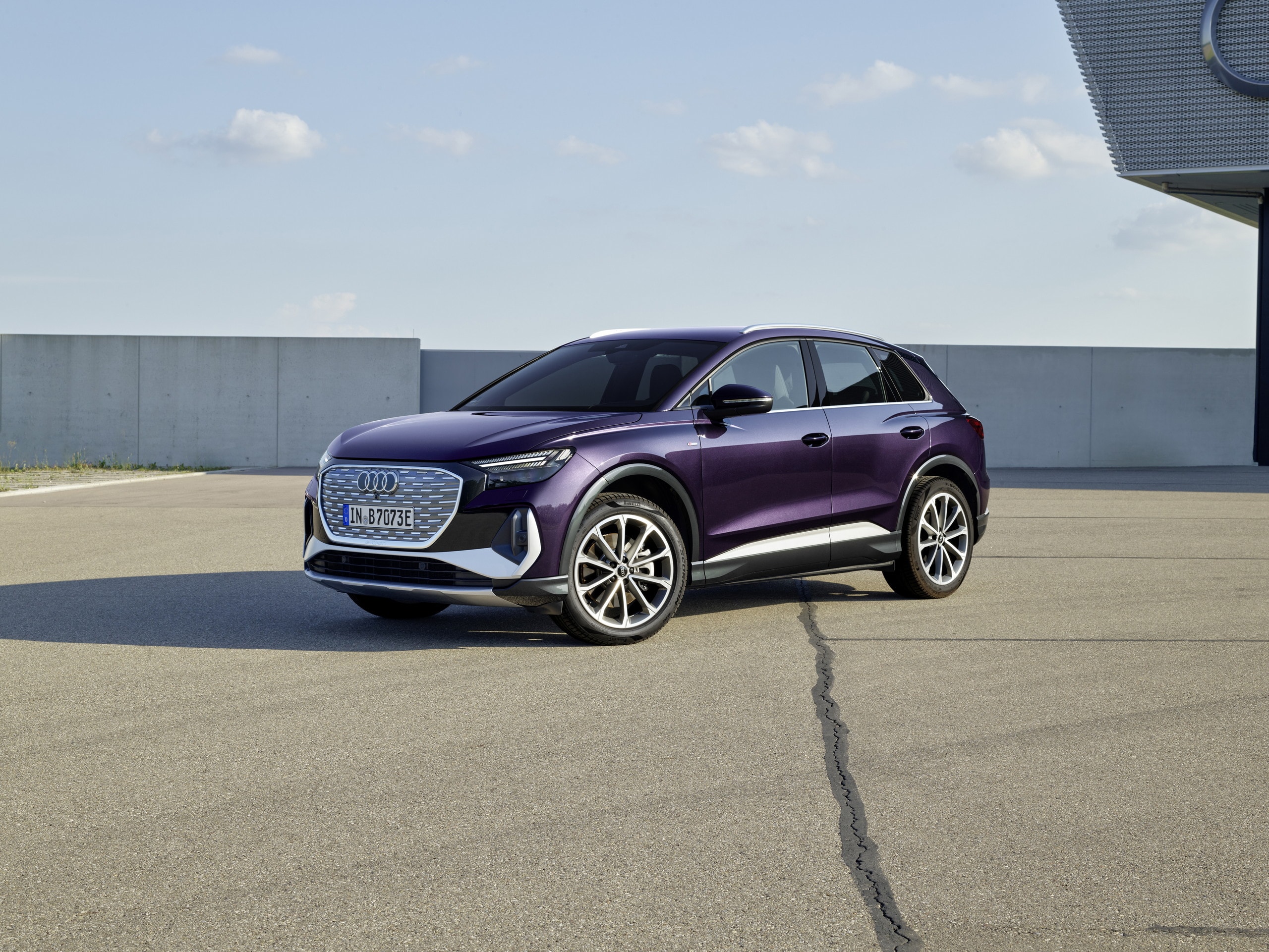
Audi’s Q4 e-tron, a luxury electric crossover, combines Audi’s signature design and engineering, but unfortunately, falls short when it comes to software stability. Users have frequently reported glitches related to the vehicle’s MMI infotainment system, including freezing displays, delayed responses, and unexpected reboots during operation.
These issues tend to occur in various driving conditions and can persist through restarts, disrupting the seamless luxury experience Audi aims to provide. Such glitches are especially problematic given the Q4 e-tron’s premium positioning, where customers expect refined and reliable technology that complements the vehicle’s high-end interior.
Another area where software bugs have affected the Q4 e-tron is in its advanced driver assistance systems (ADAS). Audi equips the Q4 with features like adaptive cruise control, lane-keeping assist, and traffic jam assist, which rely heavily on complex sensor arrays and software integration.
However, users have reported instances of erratic behavior, such as the system unexpectedly disengaging or providing inconsistent alerts. These problems compromise both convenience and safety, making it difficult for drivers to trust the ADAS during everyday use. Audi has released multiple software patches to address these issues, but reports of glitches remain common, indicating deeper challenges with software calibration and testing.
Connectivity issues further complicate the ownership experience. The Q4 e-tron’s integration with smartphones via Audi’s connect app, wireless Apple CarPlay, and Android Auto can be unreliable, with reports of dropped connections and syncing failures.
Such problems reduce the vehicle’s ability to serve as a digital hub, frustrating drivers who rely on these features for navigation, music, and communication. These connectivity hiccups, combined with touchscreen malfunctions, often require drivers to reboot systems or even visit dealerships for fixes, undermining the convenience expected from a modern electric luxury crossover.
5. Mercedes-Benz EQB
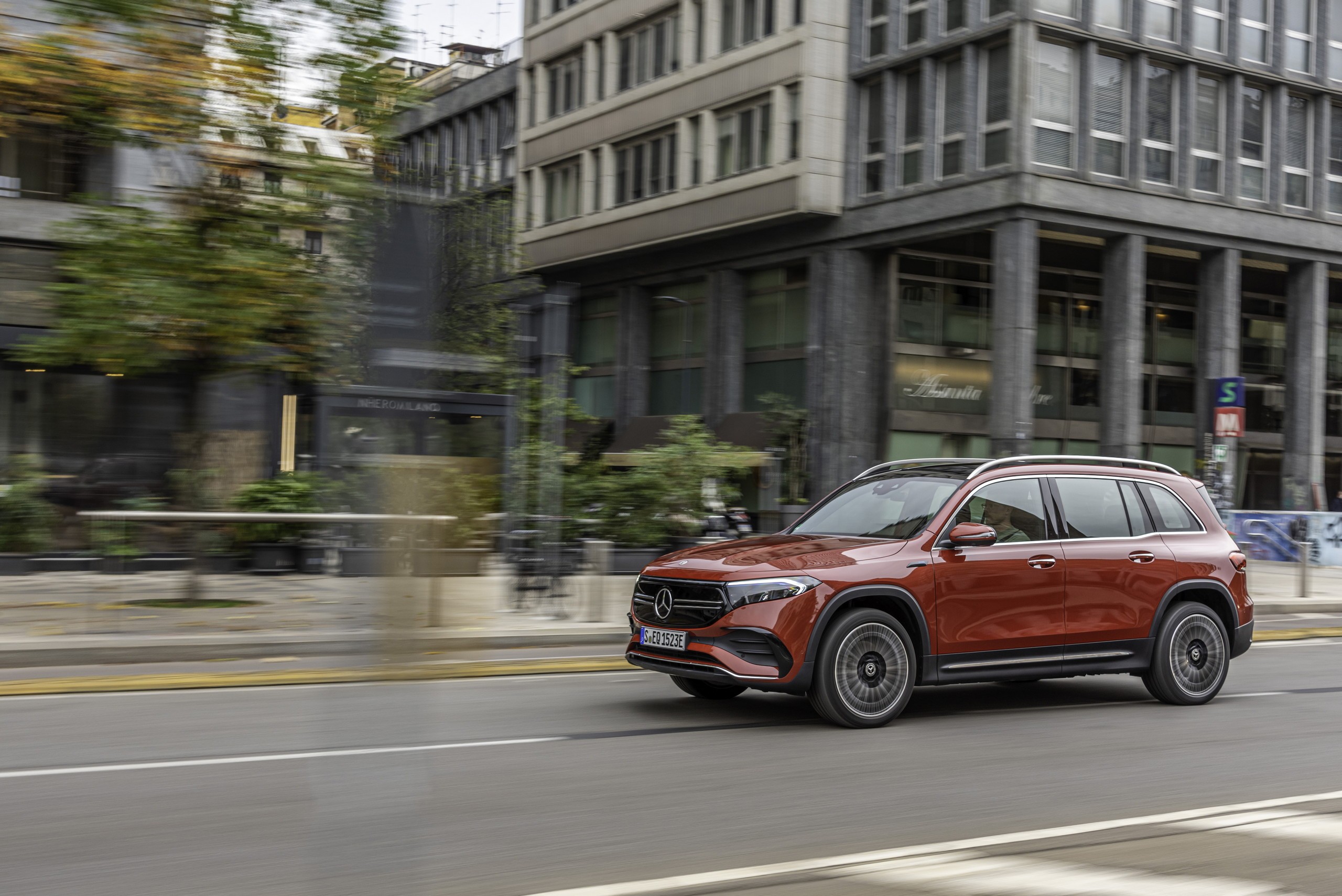
The Mercedes-Benz EQB entered the electric crossover segment with a focus on luxury and advanced technology, but unfortunately, it has encountered a variety of software glitches that have hampered the user experience.
The MBUX infotainment system, while rich in features, has been criticized for occasional freezes, slow response times, and complex menus that sometimes confuse users rather than assist them. These software instabilities are especially disappointing given Mercedes’ reputation for refinement, and they detract from the vehicle’s premium aspirations.
Beyond infotainment, the EQB’s suite of driver assistance technologies has suffered from inconsistent performance due to software bugs. Adaptive cruise control, lane assist, and parking assistance sometimes malfunction or disengage unexpectedly, requiring drivers to override systems manually.
These problems not only cause inconvenience but also undermine the confidence necessary to rely on these features in everyday traffic conditions. Mercedes-Benz has released updates aiming to improve system stability, but owners report that glitches persist, particularly after major software upgrades.
