
The electrification of the automotive industry is an unstoppable force reshaping the way we think about mobility, efficiency, and environmental responsibility.
Among the various segments undergoing this revolutionary transformation, electric trucks have emerged as a particularly significant category due to their pivotal role in industries such as construction, logistics, agriculture, and personal transport.
Trucks have traditionally been powered by heavy-duty internal combustion engines known for their raw power and endurance, but also notorious for high emissions, noise, and maintenance costs.
The shift to electric powertrains offers an opportunity not only to reduce environmental impact but also to redefine what trucks are capable of delivering in terms of performance, durability, and cost efficiency.
However, electric trucks face a unique set of engineering challenges, primarily because they must marry the demanding physical requirements of heavy hauling and rugged terrain with the constraints of electric motor technology and battery systems.
One of the most critical aspects of this challenge is the drivetrain — the collection of components that generate power and transfer it to the wheels. This includes electric motors, inverters, transmissions (if applicable), and cooling systems.
A robust drivetrain is essential to ensure that the electric truck can deliver consistent power, endure harsh operational conditions, and avoid costly repairs or failures.
Unfortunately, not all electric trucks have achieved this balance, with some models experiencing early motor failures that raise questions about design integrity, testing rigor, and manufacturing quality.
The purpose of this article is to delve deeply into two contrasting groups of electric trucks: those with drivetrains celebrated for their robustness, reliability, and innovation, and those whose early motor failures have hindered their success and adoption.
By examining the engineering philosophies, design choices, and operational realities of these vehicles, we gain valuable insight into what factors contribute to drivetrain success or failure.
We explore real-world examples and technical aspects that explain how certain electric trucks withstand the stresses of demanding applications, while others falter. This analysis serves as both a guide for consumers and fleet operators and a roadmap for manufacturers aiming to improve the next generation of electric trucks.
Understanding these differences is crucial not only for the future of electric trucks but also for advancing sustainable transportation as a whole.
Also Read: 5 Cars Rated Highly for Rear-Seat Safety vs 5 Criticized for Poor Protection
5 Electric Trucks With Robust Drivetrains

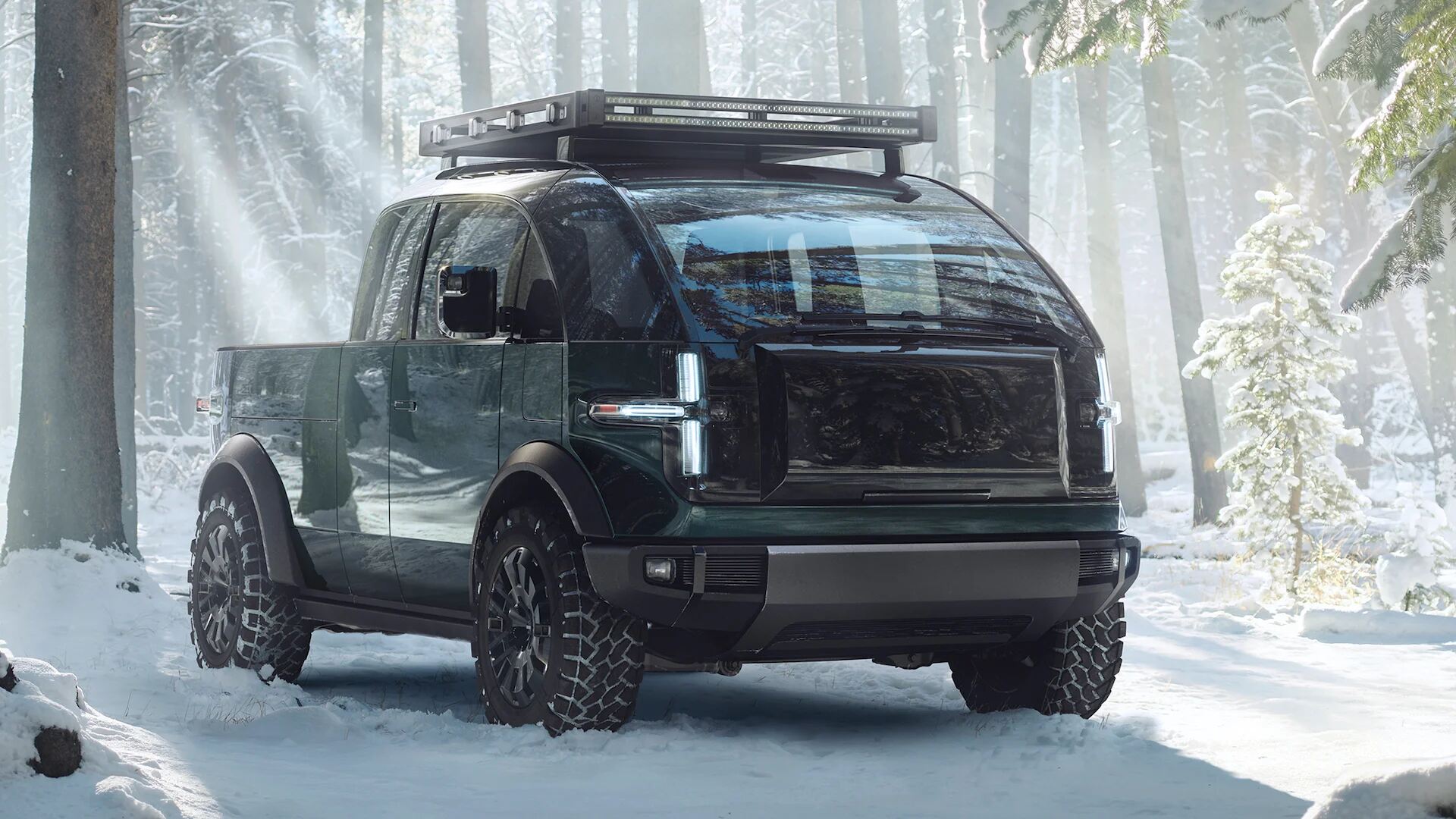
1. Rivian R1T
The Rivian R1T has carved out a distinctive niche as one of the most reliable and innovative electric pickup trucks currently on the market, setting new benchmarks in drivetrain robustness and durability.
At the heart of its drivetrain architecture lies a quad-motor system, where each of the four wheels is powered independently by its dedicated electric motor.
This configuration offers unprecedented control over torque distribution, enabling advanced torque vectoring that optimizes traction and handling even in the most challenging off-road environments.
By eliminating traditional mechanical linkages like drive shafts and differentials, Rivian has reduced the complexity and mechanical stress points that often lead to drivetrain failures. Each motor can respond independently to changes in terrain and load, spreading the workload evenly across all four wheels and minimizing wear and tear on individual components.
A critical factor contributing to the R1T’s drivetrain reliability is its sophisticated thermal management system. Electric motors generate significant heat under load, and without proper cooling, this heat can degrade insulation materials, cause component warping, and lead to premature failure.
Rivian employs a liquid cooling system that channels coolant through each motor and inverter, maintaining optimal operating temperatures even during prolonged towing or climbing steep inclines. This not only preserves motor health but also enhances performance consistency by preventing thermal throttling.
Additionally, Rivian’s battery pack design works synergistically with the drivetrain to supply steady power without overstressing the motors.
Their approach to software management further enhances longevity, with real-time diagnostics and predictive maintenance algorithms designed to identify early signs of component stress and adjust torque delivery accordingly, effectively preventing catastrophic failures before they occur.
The company’s commitment to quality extends to its choice of suppliers and component design. Rivian collaborates with experienced electric motor manufacturers who employ high-grade materials such as silicon steel laminations and high-temperature-resistant winding insulation.
These choices significantly boost the motors’ ability to handle high current loads without degradation. Rivian’s extensive real-world testing program is another cornerstone of its drivetrain’s reliability.
Vehicles are subjected to rigorous durability trials in diverse climates, ranging from freezing arctic cold to desert heat, simulating years of wear in just months.
This rigorous validation helps identify weaknesses and informs continuous improvements. The result is an electric truck whose drivetrain not only meets but often exceeds expectations for reliability, durability, and performance, making the R1T an ideal choice for adventurous consumers and commercial operators alike.
Furthermore, Rivian’s regenerative braking system plays an important role in preserving drivetrain integrity. By converting kinetic energy back into stored electrical energy, regenerative braking reduces mechanical wear on traditional friction brakes and allows the motors to operate under less mechanical strain during deceleration.
This system is finely tuned to balance energy recovery with smooth vehicle control, further enhancing the durability of the drivetrain.
The combination of mechanical innovation, thermal management, software intelligence, and rigorous testing establishes the Rivian R1T as a leader in electric truck drivetrain robustness, offering a model for the future of heavy-duty electric vehicles.
2. Tesla Cybertruck
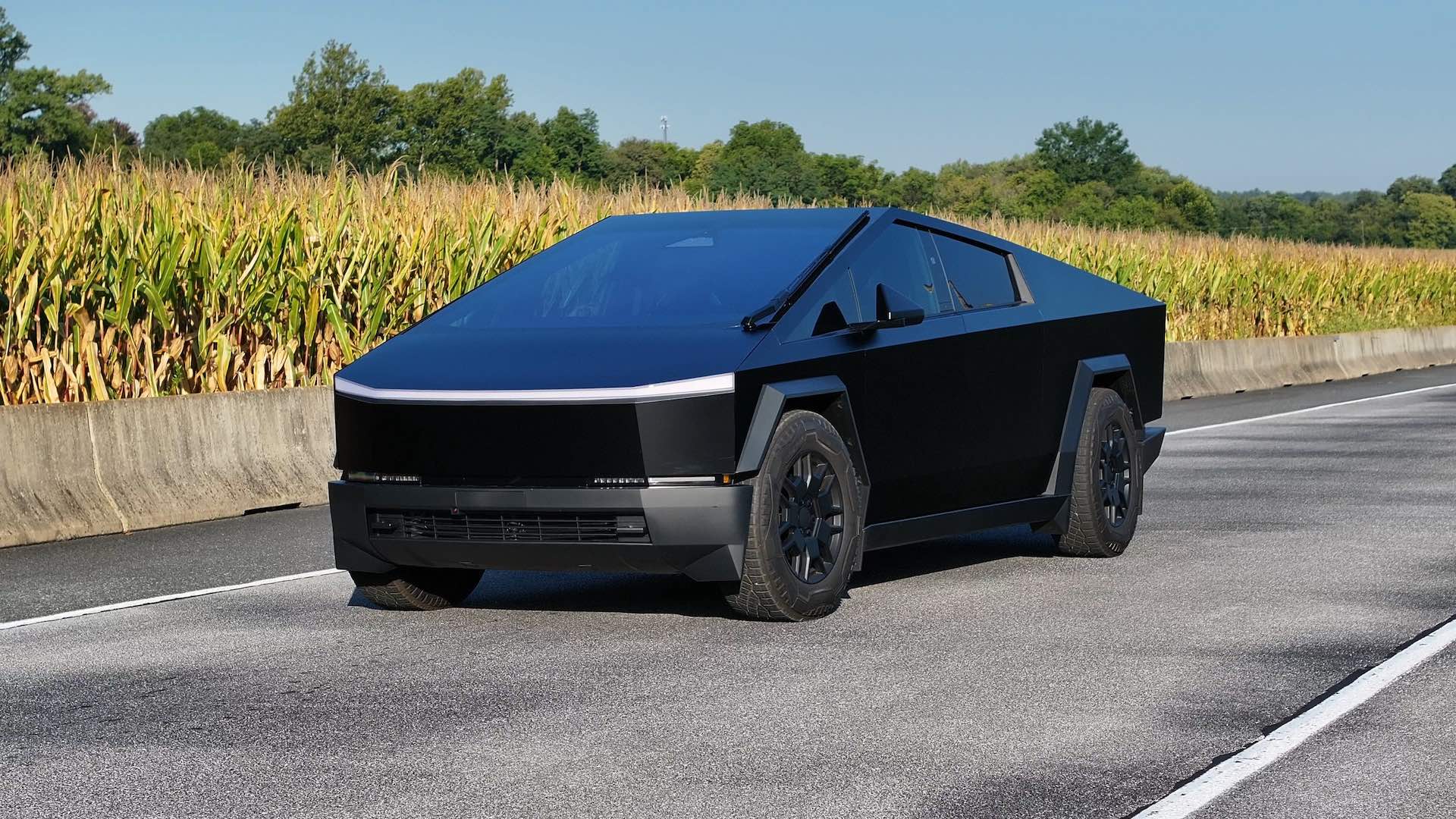
Tesla’s Cybertruck embodies a fusion of cutting-edge electric vehicle technology with the rugged utility expected from a modern pickup truck. Drawing from Tesla’s extensive experience with electric drivetrains across multiple successful models, the Cybertruck integrates motors engineered for both high power output and long-term reliability.
The vehicle’s drivetrain comes in dual or tri-motor configurations, utilizing a mix of permanent magnet synchronous motors and induction motors tailored to balance efficiency, torque, and durability.
Tesla’s use of permanent magnet motors ensures high torque density and efficiency, while the induction motor technology, proven in earlier Tesla models, offers robustness and a proven track record in reliability. This hybrid approach leverages decades of motor design improvements and field data to create a drivetrain that stands up well to the rigorous demands of truck use.
A hallmark of the Cybertruck’s drivetrain resilience is Tesla’s sophisticated thermal management architecture. The system includes a liquid cooling loop that circulates coolant through motor windings, power electronics, and the battery pack.
This ensures that critical components remain within safe temperature thresholds under intense loads such as heavy towing, rapid acceleration, or driving in hot climates.
Tesla’s motors are also designed with advanced insulation materials and tightly controlled manufacturing tolerances, reducing the risk of insulation breakdown and electrical shorts.
The company’s over-the-air (OTA) software updates add another layer of durability by continuously optimizing motor control algorithms, power delivery curves, and cooling system performance. This adaptability allows Tesla to address emerging issues remotely, extending drivetrain life well beyond what static hardware designs typically allow.
Another aspect that contributes to the Cybertruck’s robust drivetrain is Tesla’s modular motor and inverter design. This modularity facilitates relatively straightforward repairs or replacements, which is critical for reducing downtime and service costs.
The Cybertruck’s drivetrain is also built to tolerate high electrical loads and stresses common in commercial and off-road use without sacrificing efficiency.
Tesla’s robust quality assurance processes, including extensive pre-release testing and data-driven refinement, ensure that each motor undergoes rigorous validation to prevent premature failures.
The result is a powertrain that maintains high performance and reliability, backed by Tesla’s reputation for engineering excellence and constant innovation.
Tesla’s extensive experience in electric vehicle powertrain development provides the Cybertruck with a competitive edge. The company has accumulated millions of miles of real-world driving data from its existing fleet, allowing it to fine-tune motor designs for durability.
Additionally, Tesla’s expertise in thermal management, power electronics, and battery integration ensures that the Cybertruck can endure severe operational demands.
This makes Tesla’s drivetrain a strong contender for commercial fleets and consumers who require a powerful, dependable electric truck capable of handling demanding workloads without compromising longevity.
3. Ford F-150 Lightning
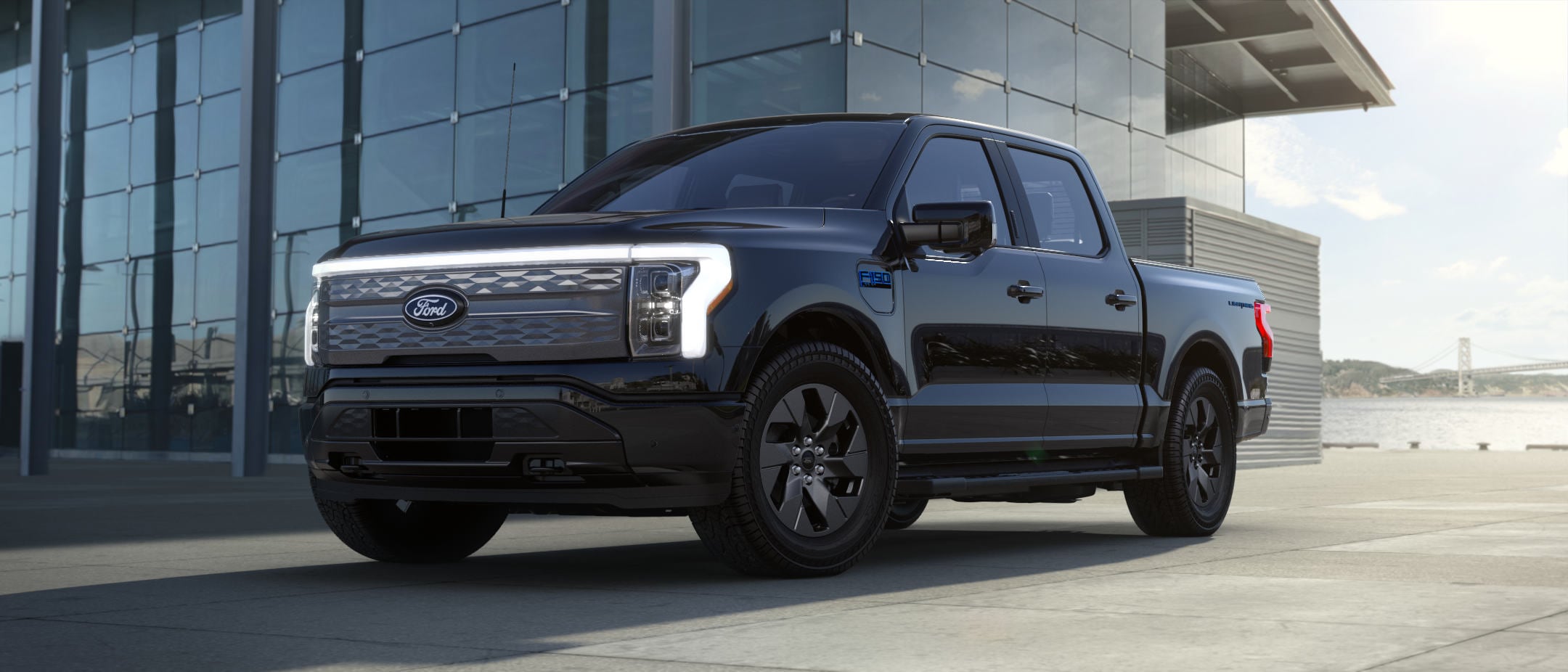
Ford’s F-150 Lightning is a milestone for American automakers, bringing the beloved F-Series truck line into the electric age with a drivetrain engineered to meet the needs of commercial and personal users alike.
The Lightning’s dual-motor all-wheel-drive system was designed to deliver substantial torque and power, enabling it to tow heavy trailers and haul significant payloads—key performance indicators for pickup trucks.
Ford leveraged decades of experience in heavy-duty truck engineering to develop electric motors with enhanced insulation, robust mechanical construction, and components engineered to tolerate the high thermal and mechanical loads typical of demanding use cases.
These motors feature windings and magnets optimized for both efficiency and heat resistance, which contributes to longer operational life under stress.
One of the key pillars of the F-150 Lightning’s drivetrain durability is its advanced thermal management system. The system employs active liquid cooling for the motors and inverters, paired with multiple temperature sensors embedded throughout the drivetrain to monitor heat buildup in real-time.
This allows the vehicle’s control system to dynamically adjust torque output, cooling flow rates, and power distribution to prevent overheating.
Ford’s software algorithms intelligently manage energy flow during acceleration, towing, and regenerative braking, ensuring that the motors operate within their optimal thermal window. This precise thermal regulation reduces the risk of premature wear and extends the service life of drivetrain components.
Ford also incorporated redundancy and ruggedization into the drivetrain design to enhance reliability. For instance, the electric motors use reinforced housings and bearings designed for extended durability in harsh environments.
The Lightning’s power electronics are housed in sealed enclosures to protect against dust, moisture, and vibration, common causes of early failure in vehicle electronics.
Moreover, Ford’s extensive durability testing spans diverse environmental conditions and heavy-duty use cases, such as high-load towing over long distances, repeated stop-and-go operation, and exposure to extreme temperatures. These tests ensure that drivetrain components meet stringent reliability targets before entering production.
Furthermore, the F-150 Lightning’s integration with Ford’s wider vehicle ecosystem adds another layer of robustness. The vehicle’s diagnostics system constantly monitors drivetrain health and communicates with service centers when maintenance is needed, allowing proactive upkeep before failures occur.
Ford’s dealer network is also prepared to service electric drivetrains with specialized tools and training, ensuring that repairs are handled swiftly and correctly.
Altogether, these factors combine to make the F-150 Lightning’s drivetrain one of the most robust and dependable on the market, appealing to buyers who need a no-compromise electric truck for demanding work or daily use.
4. GMC Hummer EV
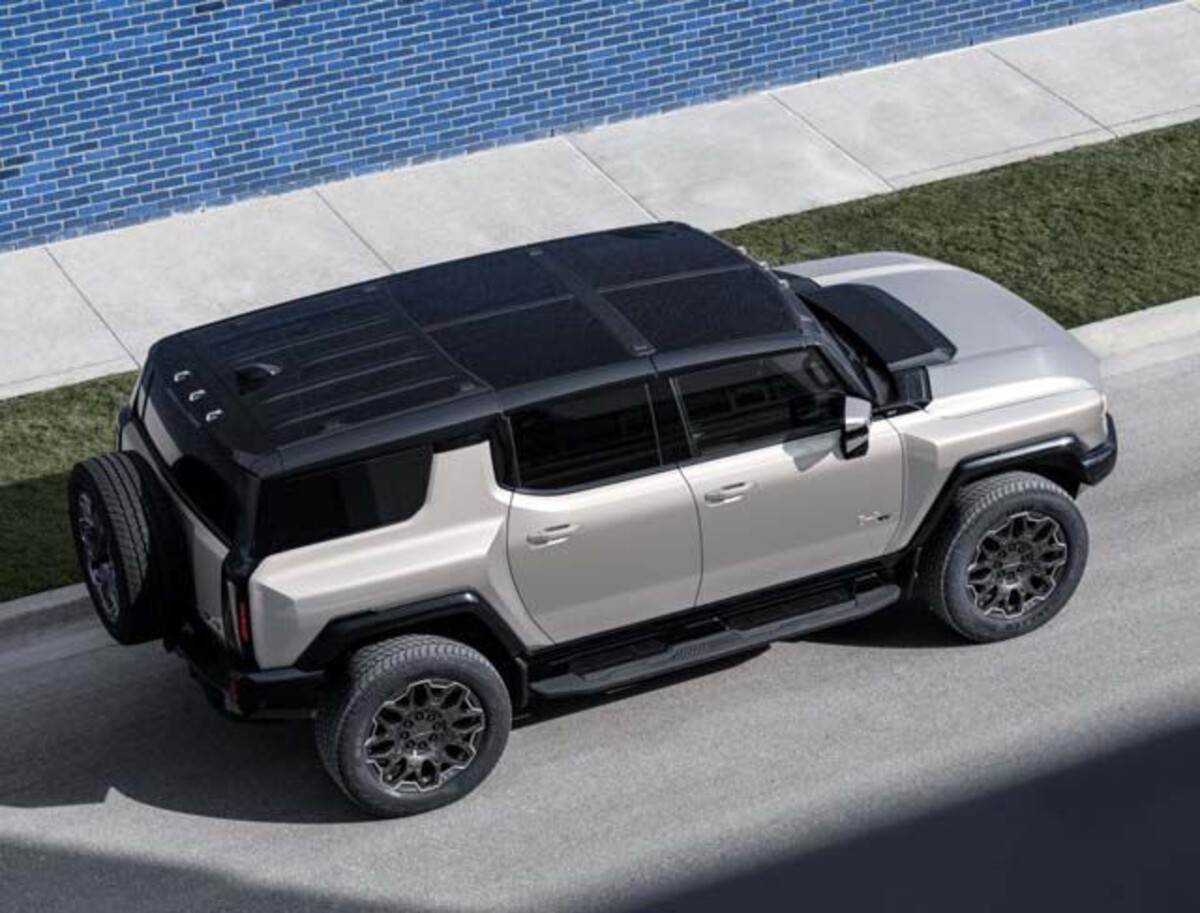
The GMC Hummer EV represents the pinnacle of electric truck power and durability, engineered to perform in extreme off-road conditions while delivering impressive performance metrics. Its tri-motor setup produces over 1,000 horsepower and instant torque, with each motor designed for maximum resilience under severe mechanical and thermal stress.
The Hummer EV drivetrain benefits from heavy-duty engineering techniques borrowed from GMC’s long history of building tough, rugged vehicles capable of withstanding demanding environments.
Motors and associated electronics are constructed with reinforced materials and sealed against environmental contaminants like mud, water, and dust, which are common in off-road scenarios.
Thermal management is a standout feature in the Hummer EV drivetrain. Separate cooling loops are dedicated to the motors and inverters, using high-capacity liquid coolants and multiple heat exchangers to rapidly dissipate heat generated during intense use.
This enables the vehicle to maintain optimal motor temperatures even during extended rock crawling, towing, or high-speed desert runs, conditions which would cause less robust drivetrains to overheat and degrade quickly.
The design also includes sophisticated sensors that continuously monitor motor temperatures, voltages, and currents, feeding data to the vehicle’s control system, which can instantly modulate power output to prevent damage. This comprehensive approach to thermal regulation is essential in preserving the drivetrain’s integrity and reliability.
GMC engineers paid special attention to the mechanical robustness of the Hummer EV drivetrain. The motors feature oversized bearings, reinforced stators, and high-strength housing materials to resist fatigue and mechanical deformation.
These design choices reduce vibration and mechanical wear, common contributors to early motor failure in less durable vehicles.
Additionally, the drivetrain’s electronics are hardened to withstand voltage spikes and electromagnetic interference, ensuring stable operation even under electrically noisy conditions typical of off-road environments.
The vehicle’s software systems include predictive diagnostics that can alert drivers and service personnel to potential issues before they escalate, facilitating preventative maintenance.
Finally, the Hummer EV benefits from extensive testing and validation across a wide range of terrains and use cases, from deep mud and snow to rocky climbs and highway towing.
This exhaustive real-world testing is complemented by accelerated durability tests in laboratory conditions designed to simulate years of wear in a compressed timeframe.
The result is a drivetrain engineered to meet or exceed the reliability expectations of customers who demand the combination of power, toughness, and longevity in an electric truck.
5. Bollinger B2
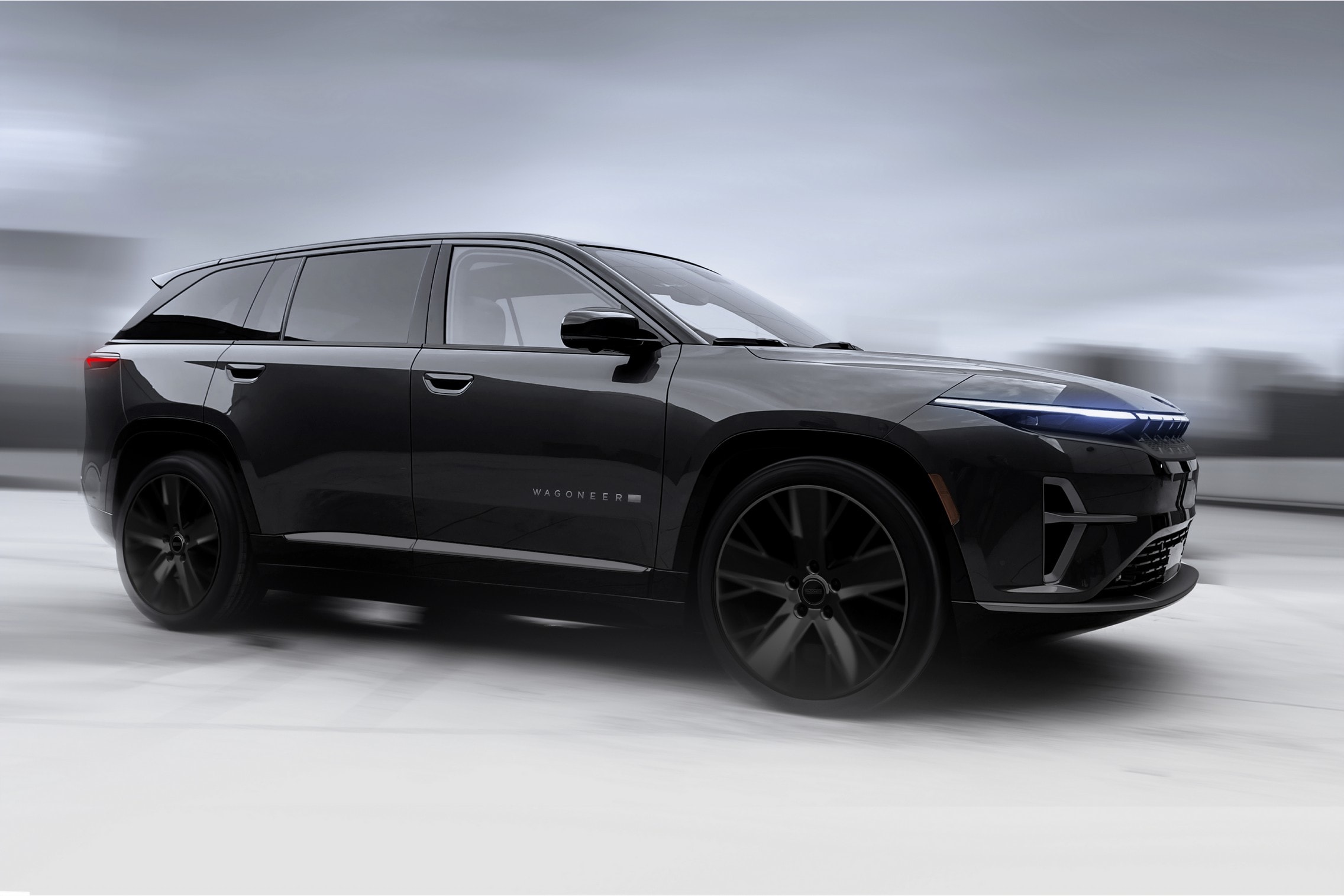
The Bollinger B2 takes a decidedly utilitarian approach to electric truck design, focusing on mechanical simplicity and ruggedness rather than cutting-edge complexity.
Featuring a dual-motor setup—one motor per axle—the B2’s drivetrain is built to withstand the rigors of commercial use, including construction sites, agricultural fields, and off-road expeditions.
Unlike more technologically complex vehicles that rely heavily on advanced torque vectoring and elaborate cooling schemes, the Bollinger B2 opts for a straightforward brushless motor design with robust physical construction.
This focus on simplicity reduces potential failure points and eases maintenance, making it ideal for users who prioritize reliability and ease of repair over the latest high-tech features.
The B2’s motors use industrial-grade materials and manufacturing processes that emphasize durability. The stators and rotors are wound and balanced to tight tolerances, ensuring smooth operation and reducing mechanical stress during operation. Additionally, the motors are housed in heavy-duty enclosures that protect water, dust, and physical impacts.
The thermal management system, while less sophisticated than some competitors, is effective, employing liquid cooling combined with passive heat dissipation through metal housings designed to conduct heat away from critical components.
This ensures motors remain within safe temperature ranges during heavy-duty use without the need for complex active cooling subsystems that can introduce failure risks.
Software control in the Bollinger B2 drivetrain is intentionally conservative, focusing on delivering consistent torque without pushing motors to their absolute performance limits. This deliberate underclocking and current limiting strategy extends component life by avoiding overheating and electrical stress.
The vehicle’s electronic control unit is ruggedized and designed for ease of diagnostics, enabling quick identification of potential drivetrain issues.
Bollinger also subjects the B2 to stringent durability tests mimicking commercial vehicle standards, including vibration, thermal cycling, and dust ingress, ensuring the drivetrain’s resilience to real-world conditions.
The result is a drivetrain that trades advanced features for proven mechanical reliability, ideal for users who require a workhorse vehicle capable of handling tough jobs day after day without frequent maintenance or unexpected failures.
Bollinger’s philosophy of rugged simplicity demonstrates that drivetrain robustness can be achieved through solid engineering principles and a focus on durability rather than complexity, making the B2 a standout in the category of reliable electric trucks.
Also Read: 5 Cars With Reliable Infotainment Systems and 5 That Glitch Nonstop
5 Electric Trucks That Suffer Early Motor Failures
1. Early Model Workhorse W-15
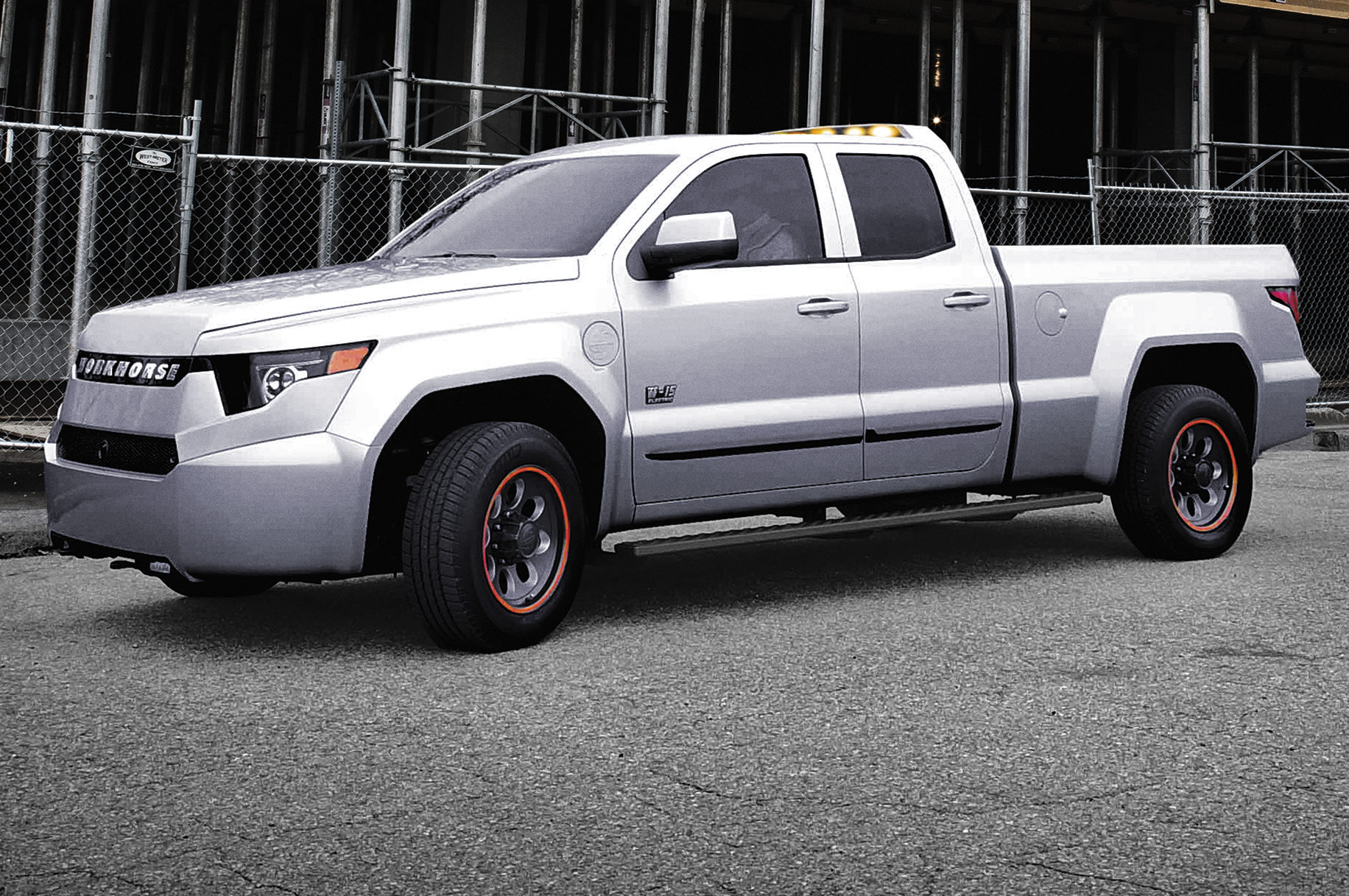
The Workhorse W-15 was one of the pioneering electric pickup trucks, promising a blend of utility and innovation, but unfortunately, it faced significant challenges related to early motor failures that curtailed its commercial potential. The motor failures were primarily linked to inadequate thermal management and suboptimal motor winding materials.
In many cases, the electric motors overheated under relatively mild loads, causing insulation breakdown that resulted in short circuits and permanent motor damage.
Unlike other manufacturers that incorporated liquid cooling loops or advanced heat exchangers, the W-15’s thermal management was limited and unable to effectively dissipate heat generated during towing or extended acceleration, critical failure points for a truck application.
Compounding the thermal issues were software shortcomings in the vehicle’s motor controller. Early firmware releases contained bugs that caused erratic power surges and unexpected shutdowns, further stressing the motors and associated electronics.
The combination of hardware and software issues created a cascade effect where thermal stress led to mechanical damage, which in turn triggered software protection mechanisms, resulting in frequent operational disruptions.
Furthermore, the lack of redundancy in cooling and diagnostics systems meant the motors had little margin for error. This became particularly problematic in warm climates or during heavy-duty use, where heat accumulation accelerated motor wear.
Workhorse’s rush to bring the W-15 to market without sufficient extended real-world durability testing meant many of these motor issues only surfaced after customer deliveries began. The resulting repair costs, vehicle downtime, and negative publicity harmed the brand’s reputation significantly.
Although Workhorse promised software patches and hardware upgrades to address motor failures, the damage to customer confidence was hard to reverse. This case underscores the critical importance of thorough thermal design, comprehensive testing, and integrated hardware-software solutions to prevent early motor failure in electric trucks.
2. Lordstown Endurance (Initial Batches)
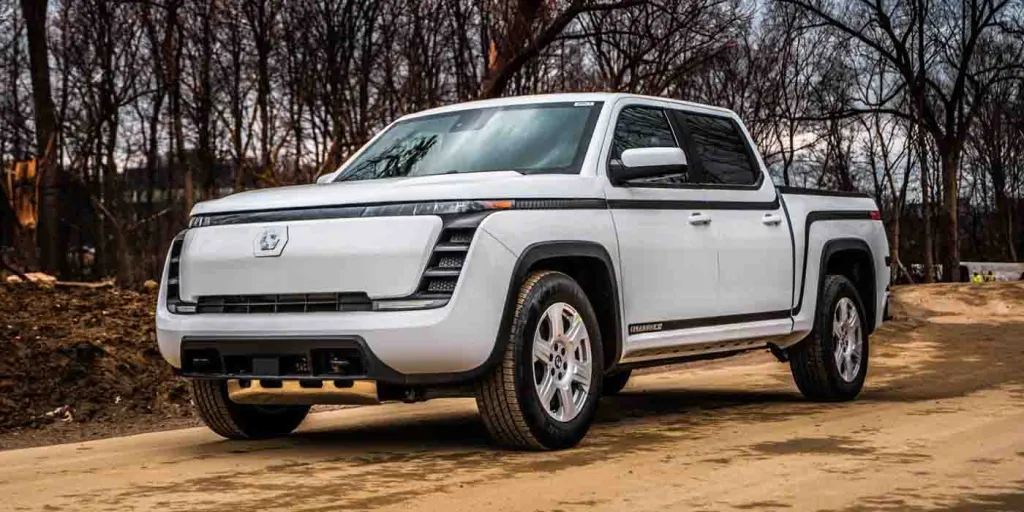
The Lordstown Endurance’s early production batches quickly became infamous for drivetrain problems, particularly related to its innovative hub motor design. Hub motors offer the theoretical advantage of simplifying drivetrain mechanics by integrating electric motors directly into the wheels, eliminating drive shafts and differentials.
However, this integration poses serious engineering challenges, primarily in cooling and mechanical protection, because the motors are exposed to harsh road conditions, brake heat, and limited space for cooling components.
In the Endurance, initial batches exhibited frequent motor overheating, leading to premature failure during sustained high-speed driving or heavy payload hauling.
The compact size and placement of the hub motors made conventional cooling approaches difficult to implement, and Lordstown’s initial design failed to address these thermal challenges adequately.
Additionally, the vehicle’s motor control software initially lacked safeguards to prevent motors from operating beyond their thermal limits, resulting in excess stress.
These design flaws manifested as overheating, winding insulation breakdown, and motor burnout. Quality control problems during manufacturing further exacerbated the issue, with some motors showing assembly defects that accelerated failure rates.
Lordstown’s response involved halting deliveries to revise motor cooling and update software controls, but the damage to customer trust was considerable.
The Endurance’s early motor problems raised concerns about the feasibility of hub motor technology for heavy-duty electric trucks without significant advancements in cooling and component ruggedization.
This experience highlights how innovative drivetrain architectures must be matched with equally innovative and reliable engineering solutions to prevent early failures.
3. Nikola Badger (Concept and Prototype Phase)
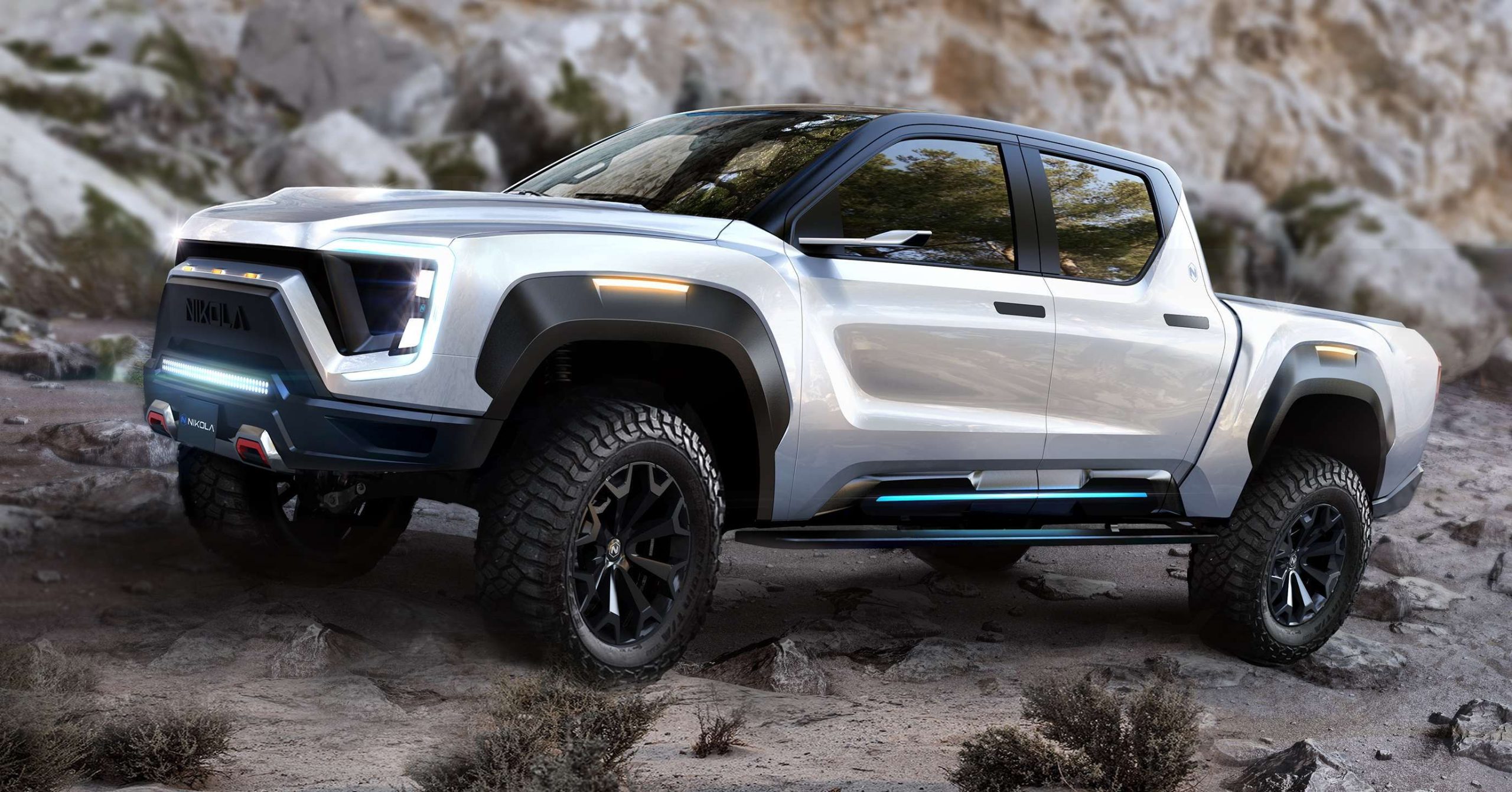
Although the Nikola Badger never reached full production, early prototype testing revealed drivetrain weaknesses that exemplify the challenges of balancing innovation and reliability. Nikola’s approach combined a battery-electric drivetrain with a hydrogen fuel cell system, aiming for extended range and flexibility.
However, this dual powertrain architecture introduced complexity in motor control and thermal management that was not fully resolved during prototype development. The motors were tasked with handling power delivery from two different energy sources, which led to inconsistent torque outputs and fluctuating thermal loads.
Prototypes frequently experienced overheating under sustained operation, with motors showing early signs of winding degradation and bearing wear. The complexity of managing two power sources increased the likelihood of software glitches and control mismatches, which stressed motor components unevenly.
Additionally, the physical packaging of motors and cooling systems was compromised by the dual system layout, limiting effective heat dissipation. These technical challenges, combined with Nikola’s broader operational and financial issues, prevented the Badger from advancing beyond the prototype stage.
The Badger’s experience underscores the risks of introducing highly complex drivetrain systems without extensive testing and validation. It demonstrates that innovative powertrain concepts require rigorous engineering and integration to ensure motor durability, especially in heavy-duty applications.
Early motor failures in the Badger prototypes serve as a cautionary tale about balancing cutting-edge technology with proven reliability engineering principles.
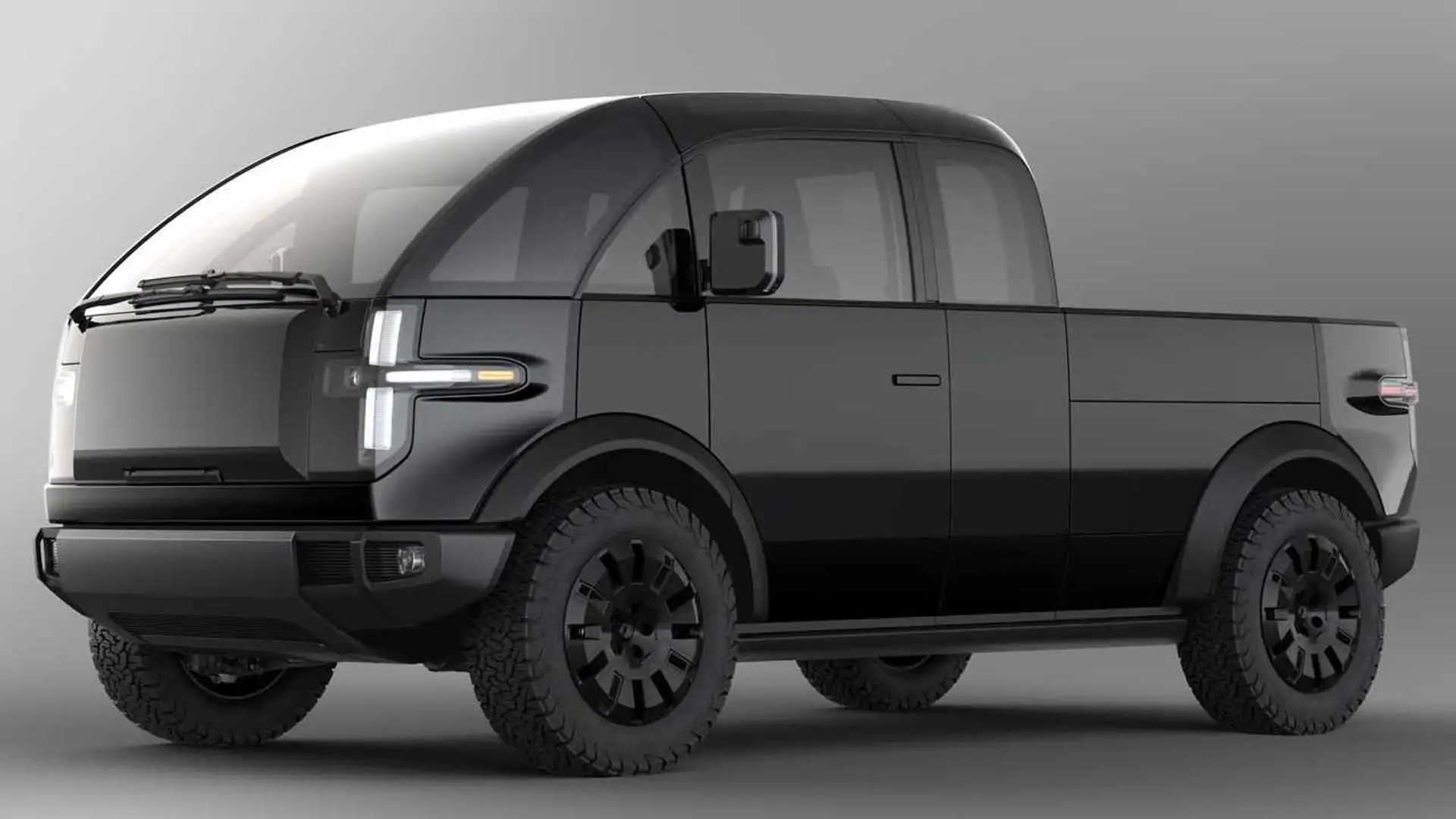
4. Canoo Pickup Truck (Early Testing)
Canoo’s electric pickup truck, still in early development and testing phases, encountered motor reliability challenges that reflect common pitfalls in new electric truck designs. During initial testing, motors were prone to overheating and performance degradation when subjected to heavy loads or continuous high-speed driving.
These issues were linked to insufficient cooling capacity and motor winding materials that were not optimized for high thermal stress. Testing also revealed software control limitations that failed to adequately protect motors from operating beyond safe parameters.
The cooling system design employed a simpler air-cooling approach supplemented by minimal liquid cooling, which was insufficient for the thermal demands of a pickup truck tasked with towing or payload duties.
This caused motor temperatures to spike rapidly under stress, accelerating insulation wear and increasing the risk of short circuits. The vehicle’s control algorithms were not yet mature enough to implement effective torque management strategies, which contributed to uneven motor loading and early fatigue.
Canoo has since initiated redesign efforts aimed at enhancing cooling capacity and refining motor control software. However, these early motor failures highlight the importance of comprehensive thermal design and control software optimization from the earliest stages of development.
For new entrants in the electric truck market, these challenges emphasize the need for aggressive testing and iteration to prevent costly motor reliability problems down the line.
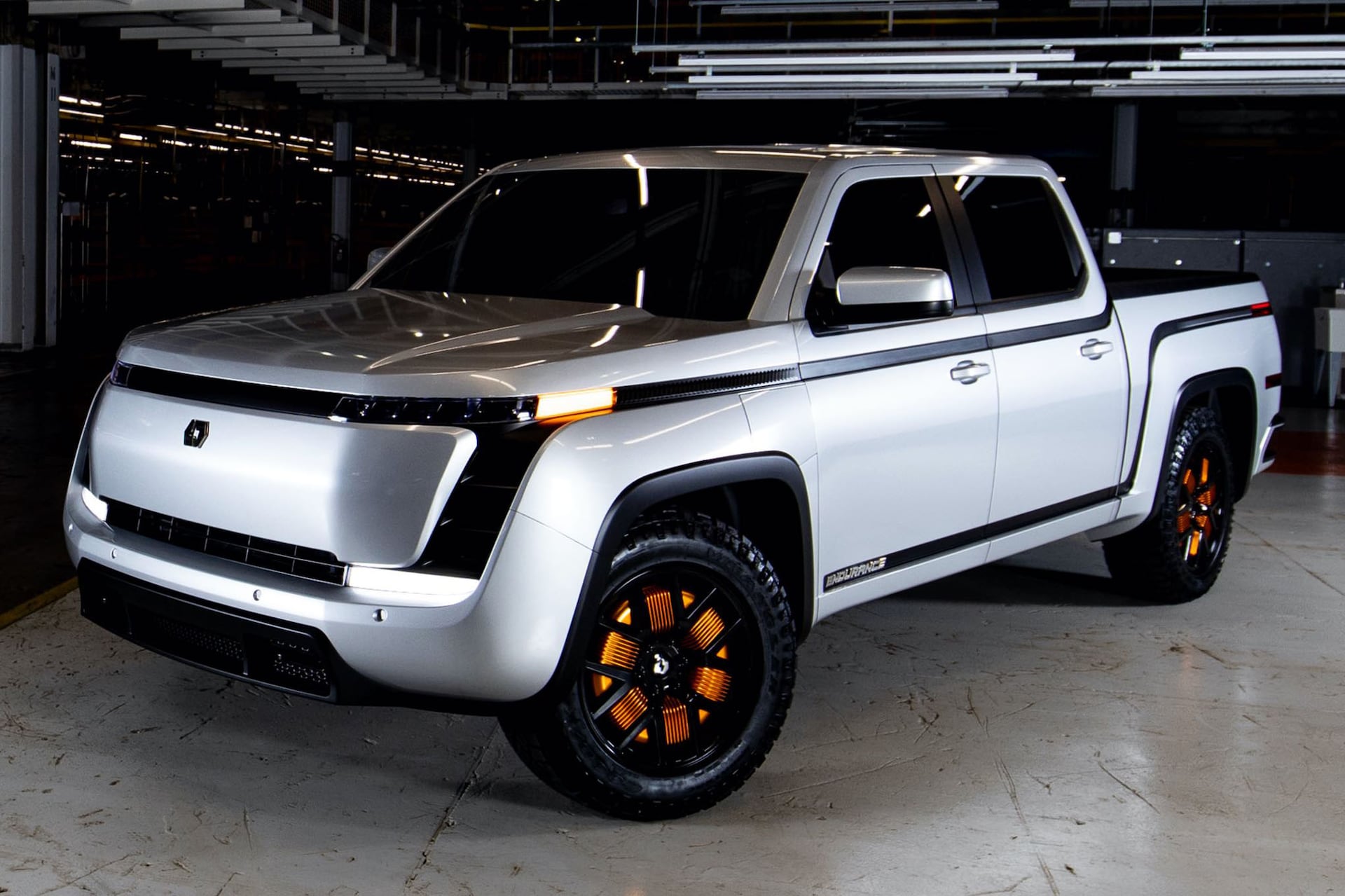
5. Lordstown Endurance (Later Recalls)
In addition to the initial hub motor overheating issues, Lordstown Endurance faced further motor-related recalls after limited production and deliveries began.
Reports of electrical shorts, motor stalling, and unexpected shutdowns surfaced, prompting the company to issue recalls to replace or repair motor components. Investigations pointed to manufacturing defects such as poor insulation and faulty wiring harnesses that allowed moisture ingress and accelerated motor failure.
The recalls highlighted persistent quality control issues in Lordstown’s production process, revealing that earlier design revisions had not fully resolved the drivetrain reliability problems.
The recurring motor failures eroded customer confidence and cast a shadow over the vehicle’s long-term viability. Furthermore, the logistical challenges of servicing hub motors, which are integrated into the wheel assembly, complicate repair efforts and increase downtime.
Lordstown’s struggles illustrate how initial motor design flaws, if not thoroughly corrected, can cascade into ongoing reliability crises.
These failures underscore the necessity of robust quality assurance, durable design, and effective cooling systems, particularly when employing unconventional drivetrain architectures like hub motors.
The Endurance’s story is a sobering example of how early motor failures can severely impact a vehicle’s market success and brand reputation.
