
Plug-in hybrid electric vehicles (PHEVs) have carved out a space in the automotive market as a practical solution for drivers who want better fuel efficiency without fully committing to electric vehicles.
By combining an internal combustion engine with a rechargeable battery that allows for electric-only driving over short distances, these vehicles offer flexibility, reduced emissions, and potential fuel savings.
For many drivers, plug-in hybrids provide a real-world alternative to range-limited electric vehicles, especially for those who have unpredictable driving patterns or limited access to charging stations. However, as more PHEVs hit the used market and accumulate mileage, one key question remains: how well do they hold up over time?
The answer varies depending on the make, model, and design philosophy behind each vehicle. Some plug-in hybrids are engineered with long-term reliability in mind, using conservative battery strategies, effective thermal management, and dependable internal combustion engines.
These vehicles tend to reach high mileage milestones, 150,000 miles or more, without major breakdowns or battery failures. Owners often praise their low cost of ownership, predictable performance, and lack of serious mechanical problems.
These models have earned a place as solid choices for both commuters and high-mileage drivers who need dependability as much as efficiency.
On the other end of the spectrum, some PHEVs begin to show signs of trouble far earlier than expected. The most common failure point is the high-voltage battery, which is both expensive and complicated to repair or replace.
Early degradation, poor thermal control, and unreliable software can lead to range loss, charging problems, and total powertrain shutdowns, sometimes before the vehicle even reaches 80,000 miles.
When that happens, the economic and environmental benefits of owning a plug-in hybrid quickly disappear. Repair bills can easily climb into the thousands, and resale values tend to suffer as a result.
Battery reliability isn’t just about raw technology; it also depends on how well the manufacturer supports the system through software updates, component availability, and technician training. Some brands have done an excellent job of anticipating battery wear and designing their systems to handle it gracefully over time.
Others have treated plug-in technology more like a marketing tool than a long-term solution, resulting in vehicles that disappoint once the odometer starts climbing. These differences have created a divide between plug-in hybrids that prove themselves over time and those that leave their owners frustrated.
It’s important to note that battery degradation is not necessarily a failure in the traditional sense. All lithium-ion batteries lose capacity over time, it’s simply a matter of how fast and how far. But when that degradation happens sooner than expected or affects critical performance features, it becomes a problem.
Vehicles that were supposed to run primarily on electricity start burning more gas. Charging times may increase, and the car may no longer qualify for its original EPA-rated electric range. These are not just minor inconveniences; they change the financial equation for the owner.
This article highlights ten plug-in hybrids, split into two categories. First, we look at five models that have consistently reached or passed 150,000 miles with strong battery health, stable performance, and few unexpected breakdowns.
These cars have become favorites among high-mileage drivers and have held their value over time due to their proven reliability. Next, we cover five models that have developed a reputation for early battery problems and inconsistent electrical system performance.
These vehicles serve as a warning that not all plug-in hybrids are built to last. Whether you’re shopping for a used PHEV or trying to assess the long-term prospects of your current one, understanding these patterns can help you make better decisions on what to buy or what to avoid.
5 Plug-In Hybrids That Hit 150,000 Miles
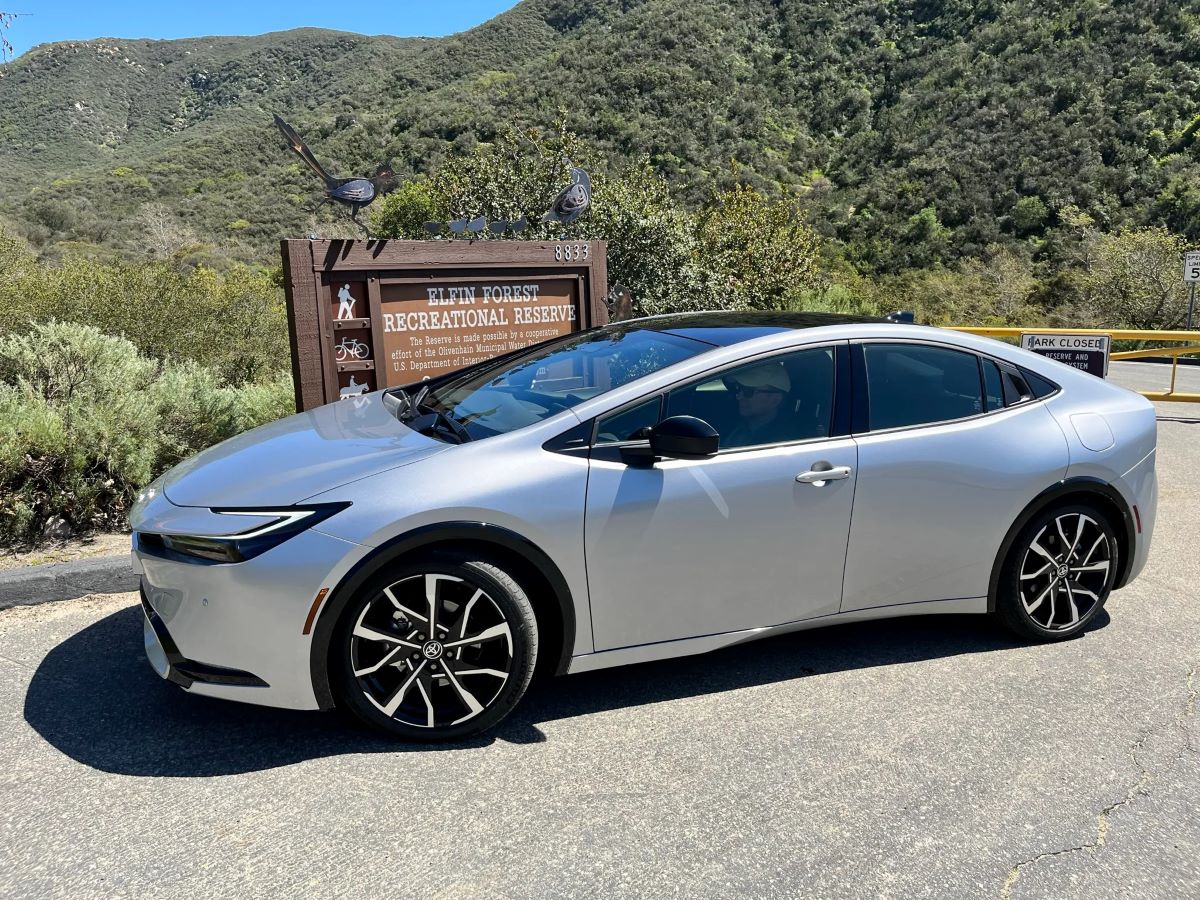
1. Toyota Prius Prime
The Toyota Prius Prime is widely recognized for its durability, simplicity, and excellent fuel economy. As an evolution of the already proven Prius hybrid, the Prime adds plug-in functionality while keeping the same emphasis on reliability.
The electric-only range is modest, but Toyota designed the system with longevity in mind rather than pushing limits. This decision has served it well. Many owners report well over 150,000 miles on the odometer with no major drivetrain issues, and that kind of consistency is not an accident.
Toyota opted for a smaller battery pack, which reduces the likelihood of thermal stress and degradation over time. Because it doesn’t try to squeeze out maximum performance or electric range, the battery is rarely overworked, extending its life significantly.
The cooling system is also efficient, keeping battery temperatures in check during both hot summers and cold winters. These factors all contribute to a lower risk of premature failure and make the vehicle especially appealing for long-term ownership.
Maintenance is another strong point for the Prius Prime. Owners typically only need to follow basic service schedules for oil changes, brake fluid flushes, and tire rotations. Thanks to regenerative braking, wear on brake pads is often minimal, with some drivers going over 100,000 miles before needing a replacement
. There’s no traditional transmission to fail, and the electric motor components are sealed and low-maintenance. These design elements come together to form a very stable and predictable ownership experience.
Toyota also backs up the hybrid components with generous warranty coverage, but the fact that so many owners report no problems long after the warranty expires speaks volumes.
Used models are in high demand, particularly among drivers who log a lot of miles for work or daily commuting. In terms of long-term value, it’s difficult to match the Prius Prime. Its ability to go the distance without compromising efficiency or requiring constant repairs has earned it a reputation as one of the most dependable plug-in hybrids on the road.
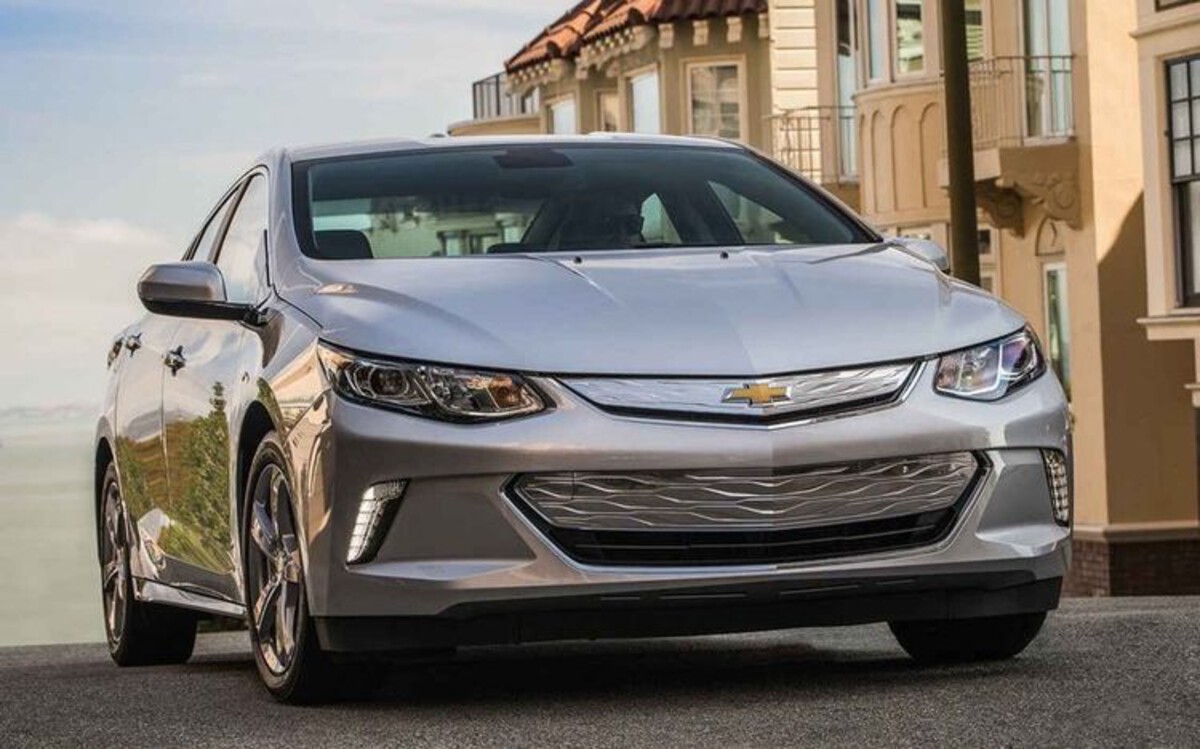
2. Chevrolet Volt (Second Generation)
The second-generation Chevrolet Volt represents one of the most successful plug-in hybrid designs to come out of the American auto industry. Introduced in 2016 and discontinued in 2019, the second-gen Volt improved on nearly every aspect of the first model. It features a longer electric range, more refined software, and better interior quality.
Perhaps more importantly, it demonstrated excellent long-term reliability. Drivers regularly report their Volts surpassing 150,000 miles without major battery or drivetrain issues.
One of the primary reasons for this success is its advanced battery thermal management system. Unlike many other plug-in hybrids that rely on air cooling, the Volt uses a liquid-cooled battery pack.
This allows the system to maintain a consistent temperature during operation, reducing the likelihood of heat-related degradation. Combined with GM’s conservative battery buffer, which prevents the pack from fully charging or discharging, the result is a battery that degrades very slowly, even with regular use.
In daily driving, the Volt behaves more like an electric car than a hybrid. With over 50 miles of electric-only range, most drivers can complete their commutes without ever touching the gasoline engine.
This means the engine is used less frequently and under ideal conditions, reducing wear. And when the gasoline engine is used, it functions more as a generator than a direct drive motor, which further limits mechanical stress. Over time, this division of labor helps preserve both powertrains.
The Volt’s reputation for durability also extends to its interior and electronics. Owners rarely report electrical glitches or system failures, and even high-mileage models tend to retain a tight and solid driving feel.
While the model is no longer in production, the aftermarket community remains active, and parts availability is strong. For those who want a used PHEV that can perform reliably for years to come, the second-generation Volt is still one of the smartest choices in the segment.
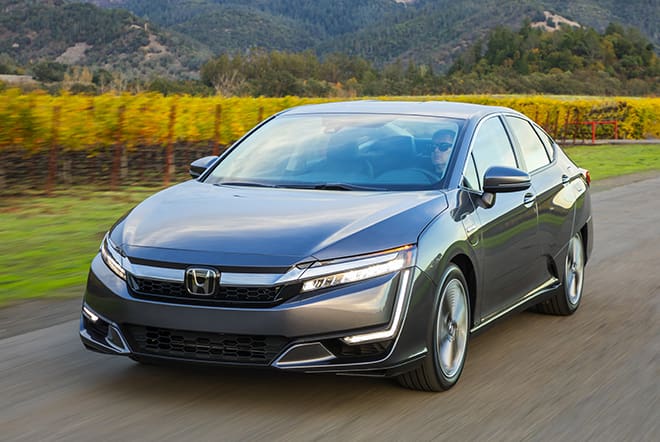
3. Honda Clarity Plug-In Hybrid
The Honda Clarity Plug-In Hybrid never enjoyed the same commercial success as some of its rivals, but those who own one have often been impressed by its reliability and longevity.
Combining Honda’s well-established engineering philosophy with a practical electric range and a comfortable ride, the Clarity has proven to be a vehicle that can rack up mileage without serious setbacks. Numerous drivers have taken their Clarity PHEVs past the 150,000-mile mark while maintaining strong battery performance and consistent fuel economy.
Honda didn’t chase extreme performance figures with the Clarity. Instead, it delivered a balanced setup that allows both the gas engine and electric motor to operate in optimal conditions.
The car’s 1.5-liter Atkinson-cycle gasoline engine pairs smoothly with the electric drive system, and the software that governs power management is tuned for stability rather than aggressiveness. This cautious approach to energy use reduces battery wear and helps keep the system running well for many years.
One of the standout qualities of the Clarity is how smoothly it handles transitions between electric and gas modes. This contributes to a driving experience that doesn’t feel overly complicated or jarring, which is important when accumulating tens of thousands of miles.
Honda also did a good job integrating regenerative braking into the vehicle, allowing for extended brake life and better energy recovery. These small advantages add up in long-term ownership, minimizing the need for major maintenance.
Even though the Clarity was discontinued, its resale value remains strong, especially among buyers looking for a long-lasting plug-in hybrid. The build quality holds up well, and the cabin remains quiet and solid even at high mileage.
Many owners report minimal loss in electric range after years of daily use. In the growing used PHEV market, the Clarity is now recognized as something of a sleeper hit, offering durability, comfort, and practicality for those who want a plug-in hybrid that won’t let them down over the long haul.

4. Ford Fusion Energi
The Ford Fusion Energi was never a segment leader in terms of range or power, but what it lacked in flash it made up for in durability. As a midsize sedan with plug-in capability, it filled a gap in the market for drivers who wanted something familiar and spacious that could also run on electricity.
Over the years, it built a strong reputation for holding up under heavy mileage, with many examples still on the road today comfortably past the 150,000-mile mark.
The key to Fusion Energi’s longevity lies in its simplicity. Ford took a conventional platform and added hybrid and plug-in systems without drastically changing the vehicle’s fundamental design. The powertrain uses a proven 2.0-liter Atkinson-cycle engine combined with an electric motor and a modest battery pack.
Because the battery is relatively small, it doesn’t overheat easily and requires less aggressive thermal management. This contributes to a long, stable lifespan for the battery and related components.
In real-world use, the Fusion Energi is remarkably consistent. It doesn’t promise all-electric road trips or sports car acceleration, but it delivers dependable transportation with minimal fuss. Owners appreciate how rarely things go wrong. Most common repairs are related to wear-and-tear parts like struts, tires, and brake components.
The plug-in system, including the charging port and electric motor, holds up well over time. Serviceability is also a plus, as Ford dealerships and independent mechanics are generally familiar with the platform.
While newer plug-in hybrids may offer more range or advanced features, the Fusion Energi remains a solid used-car option for buyers looking to cover long distances on a budget. Its smooth ride, traditional sedan layout, and long-term reliability make it one of the quiet workhorses of the PHEV world. For fleet use, ride-sharing, or long commutes, the Fusion Energi continues to demonstrate that reliability and comfort can coexist in a plug-in package.
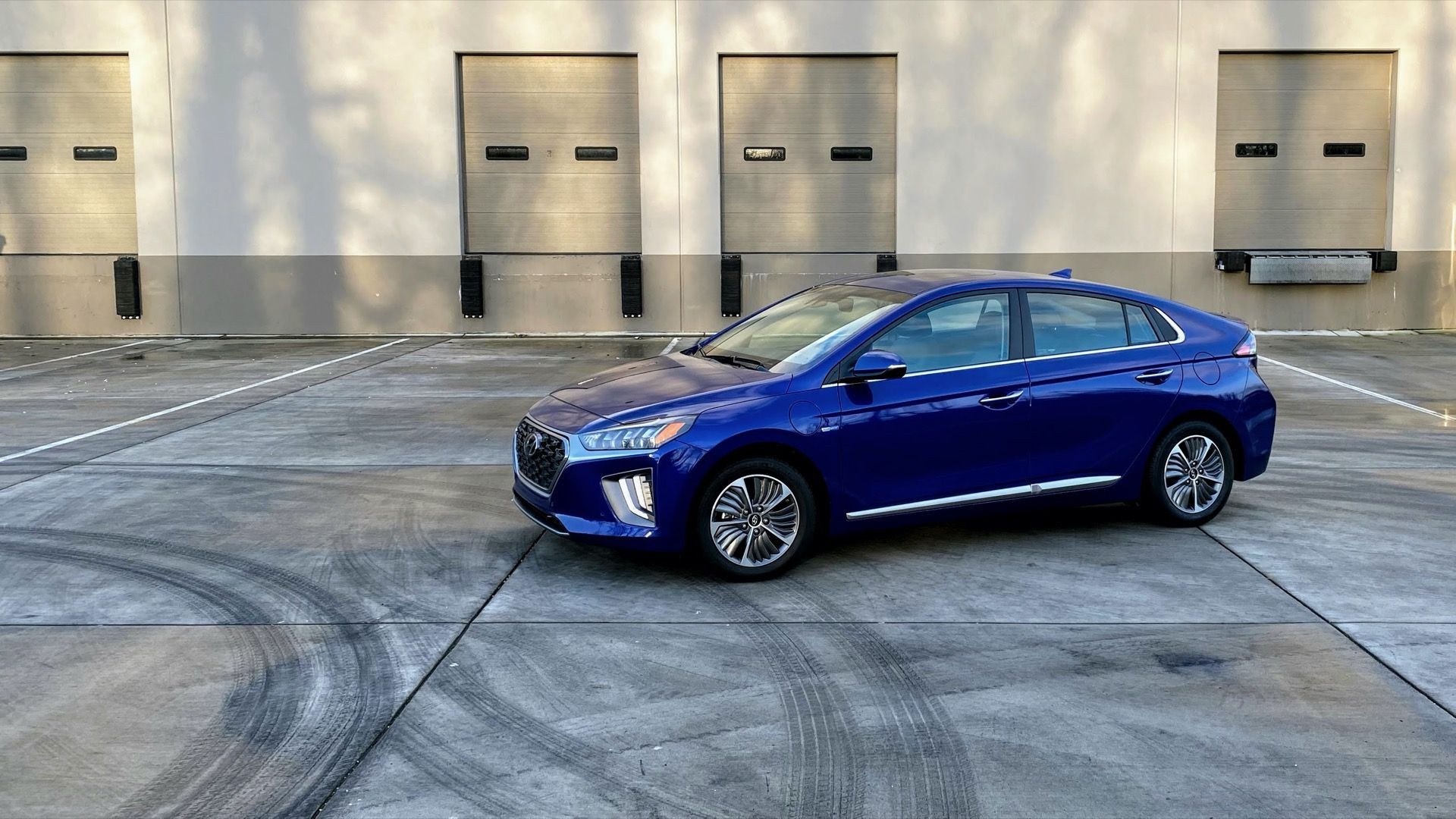
5. Hyundai Ioniq Plug-In Hybrid
The Hyundai Ioniq Plug-In Hybrid stands out for its excellent fuel economy and mechanical simplicity. Introduced as part of Hyundai’s larger push into hybrid and electric vehicles, the Ioniq has proven itself as one of the more reliable options in its class.
Despite its modest electric-only range, the Ioniq PHEV offers a balance of low cost, ease of maintenance, and long-term dependability that few other models match. Many owners have reached and exceeded 150,000 miles without seeing any significant drop in performance.
One of the most appealing aspects of the Ioniq is its straightforward design. Hyundai chose to keep things simple and functional rather than chase high-performance numbers or long electric range.
This approach has allowed key components like the battery and transmission to remain under less stress during everyday driving. The car uses a dual-clutch automatic transmission instead of a continuously variable one, which appeals to drivers who want more engagement while still benefiting from hybrid efficiency.
Hyundai’s battery management system is also tuned conservatively, limiting the depth of discharge and avoiding rapid charging speeds that can degrade a pack over time. As a result, the battery ages slowly, and the electric range stays fairly stable even after tens of thousands of miles.
In addition, the regenerative braking system works well to reduce wear on brake pads and help maintain energy efficiency. With few reported issues related to the battery, the Ioniq PHEV builds trust over time.
Another benefit of the Ioniq is Hyundai’s generous warranty coverage on hybrid components, often extending well past competitors. This gives drivers extra confidence in the long-term durability of the car.
While it may not offer the highest performance or most luxurious interior, the Ioniq Plug-In Hybrid earns its place among the most dependable PHEVs for high-mileage use. It’s especially popular among budget-conscious drivers who want efficient, reliable transportation without a lot of complexity.
5 Plug-In Hybrids That Suffer Early Battery Failures
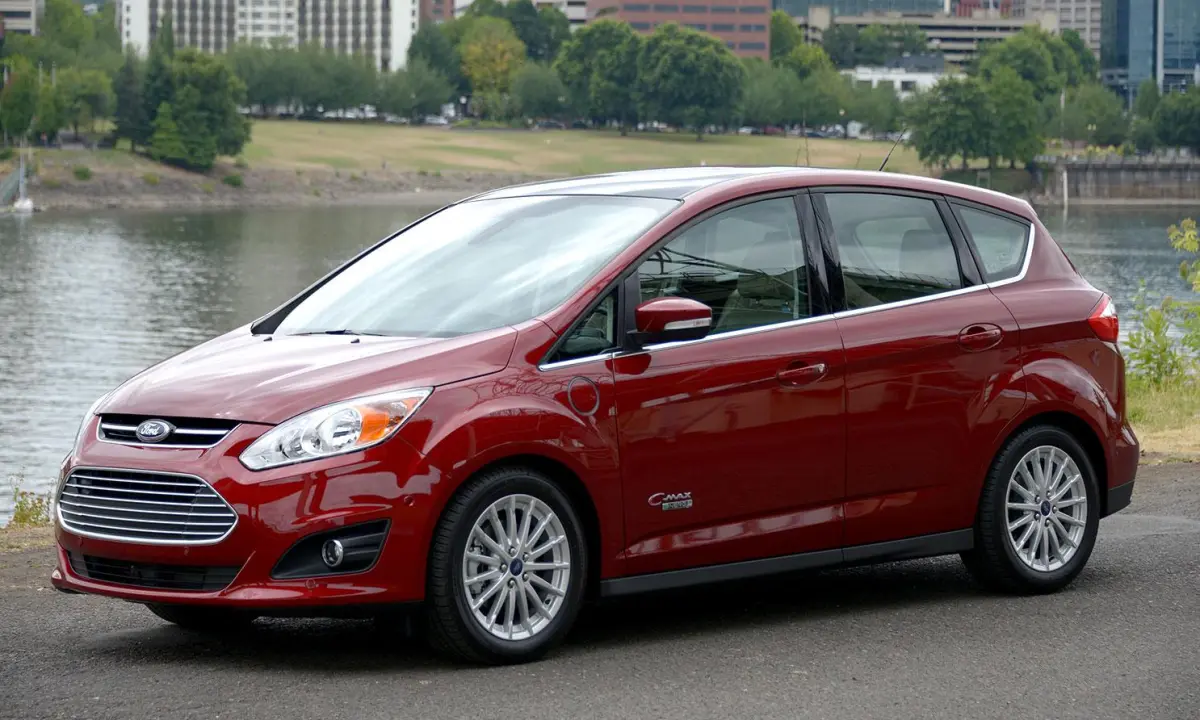
1. Ford C-Max Energi
The Ford C-Max Energi was Ford’s early attempt to break into the plug-in hybrid market, offering a hatchback with utility, hybrid efficiency, and a modest electric-only range. While the concept seemed solid on paper, the execution left many owners dealing with early battery-related problems.
A common complaint involved a significant drop in electric range within the first 60,000 to 80,000 miles, which affected the vehicle’s efficiency and appeal. This decline was sometimes paired with inconsistent charging performance and warning lights related to the hybrid system.
One of the key challenges the C-Max Energi faced was related to battery thermal regulation. Unlike more advanced competitors, the C-Max used a relatively basic air-cooled battery system, which struggled in hot climates and during extended charging sessions.
This limited the system’s ability to prevent overheating, accelerating battery degradation over time. Once the battery lost a substantial portion of its capacity, drivers found themselves using gasoline much more frequently, which defeated the purpose of owning a plug-in hybrid.
Repair options weren’t always straightforward. Ford did not design the C-Max with easy battery pack access or modular repair in mind, meaning that battery service was often expensive and time-consuming.
To make matters worse, some dealerships were unfamiliar with diagnosing and fixing PHEV-specific issues, leading to repeat visits or parts-swapping tactics that didn’t address the root of the problem. Owners often had to rely on extended warranties or pay out of pocket if the degradation was labeled as “normal wear.”
These issues contributed to the C-Max Energi’s early phase-out, with Ford ultimately discontinuing the model after 2017. Today, used versions can be found at relatively low prices, but they carry a reputation for uncertainty.
While some examples perform well, others start showing battery fatigue early in their lifespan, making it a risky choice for buyers who plan to keep their vehicle long term. For many, the fuel savings end up being offset by maintenance and battery-related stress.
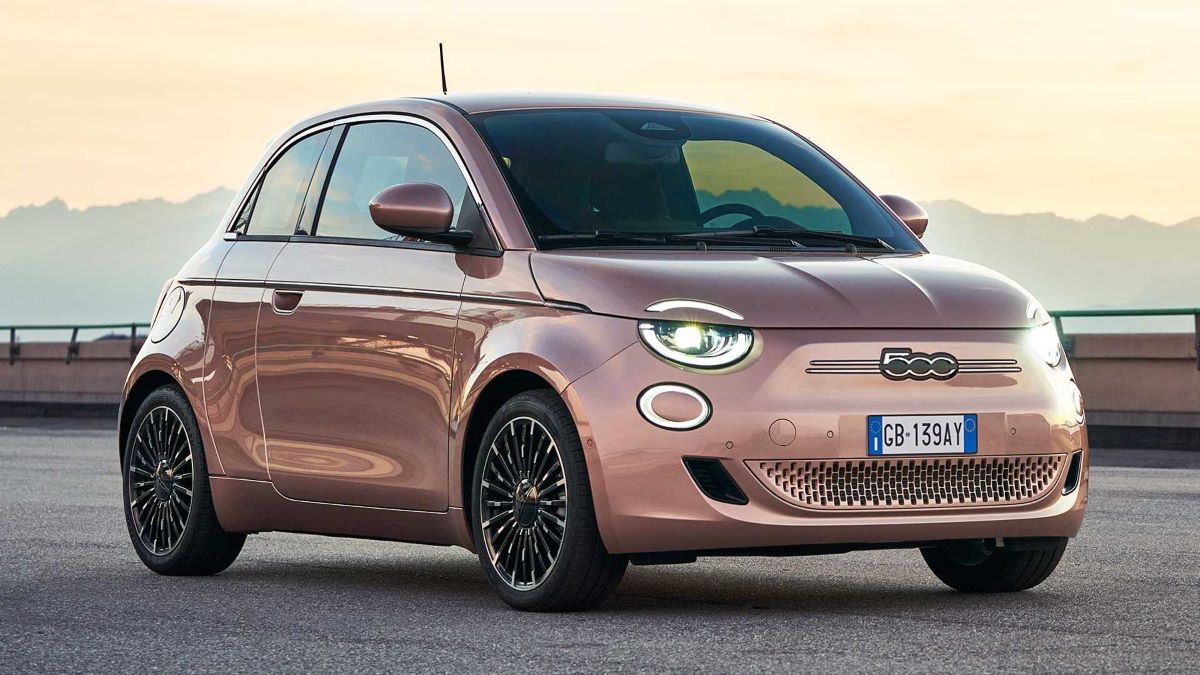
2. Fiat 500e (California Compliance Version)
The Fiat 500e was built primarily to meet state emissions regulations in markets like California, rather than to compete as a long-term EV solution. While not a traditional plug-in hybrid, it’s still relevant to this discussion because of its electric powertrain and hybrid-like approach.
Unfortunately, it became infamous for early battery failure and reliability issues. Many 500e owners found themselves facing battery degradation, inverter faults, and electrical system glitches within the first 70,000 miles.
One of the biggest issues with the 500e was Fiat’s lack of commitment to long-term support. Because it was designed to meet specific regulatory requirements rather than serve as a mass-market product, it was not engineered with durability as a top priority.
The battery pack, while capable in the short term, lacked the robust cooling and management systems found in more serious electric or plug-in hybrid vehicles. Over time, this led to overheating, loss of range, and difficulty maintaining charge capacity during daily use.
Additionally, repair infrastructure was poor. Not all Fiat dealers were trained or equipped to handle the unique problems presented by the 500e. This led to many owners reporting slow service times, conflicting diagnoses, or refusals to perform warranty repairs on degrading battery packs.
In cases where the battery failed completely, replacement costs were significant and often made more economic sense to scrap the car rather than repair it. As a result, the model’s reputation took a serious hit in the used car market.
Though some owners in mild climates and with gentle usage patterns have fared better, the 500e remains a cautionary tale. Its design was not suited for high-mileage reliability, and it never developed the kind of trust or durability that hybrid buyers look for.
The early failures, lack of proper cooling, and weak service support make it one of the least dependable electric-oriented cars to come out in the last decade. Its existence served a short-term legal purpose but left a long-term disappointment for many buyers.
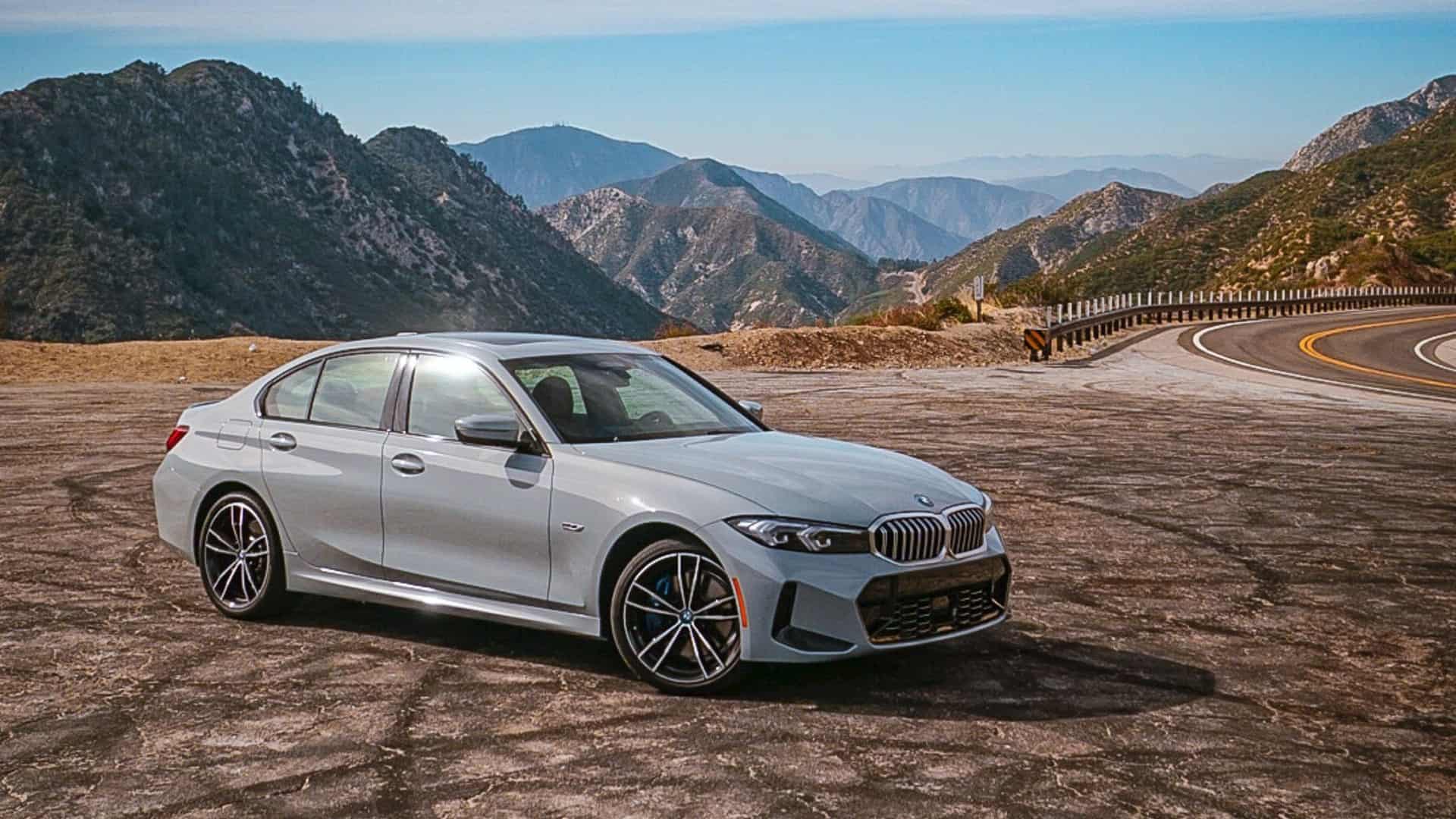
3. BMW 330e (Early Models)
The BMW 330e plug-in hybrid, especially in its first generation, offered an attractive blend of performance and fuel savings. Marketed as a way to enjoy electric driving without sacrificing luxury or driving dynamics, the 330e initially impressed many owners.
However, as the miles added up, it became clear that the early versions of this vehicle suffered from premature battery issues. Degradation often occurred before the 80,000-mile mark, and several electrical problems followed.
One of the major challenges with the 330e was its complex software and battery integration. BMW’s effort to blend high-performance dynamics with plug-in hybrid tech led to a very intricate system of sensors, battery modules, and engine control units.
While impressive on paper, this level of complexity became a liability in long-term reliability. Owners started reporting issues with battery modules failing one by one, causing reduced electric range, repeated warning lights, and system shutdowns.
Cooling system performance was another problem area. Some owners in warmer climates found their 330e battery packs overheating more often than expected, particularly during extended periods of charging or hard driving.
This led to degradation over time and reduced the effective lifespan of the high-voltage components. Even with BMW’s warranty support, many repairs were not fast or affordable. Battery replacements or module rebuilds could cost thousands out of pocket once warranties lapsed.
What made this more frustrating for many owners was BMW’s inconsistent dealer support. Some technicians were not fully trained to work on the PHEV systems, and diagnosis often took several visits. As a result, the ownership experience became less about fuel savings and more about managing maintenance headaches.
While newer versions of the 330e appear to have improved these systems, the earlier models carry a lingering reputation for battery troubles that make them a questionable used car purchase for anyone expecting 150,000-mile reliability.
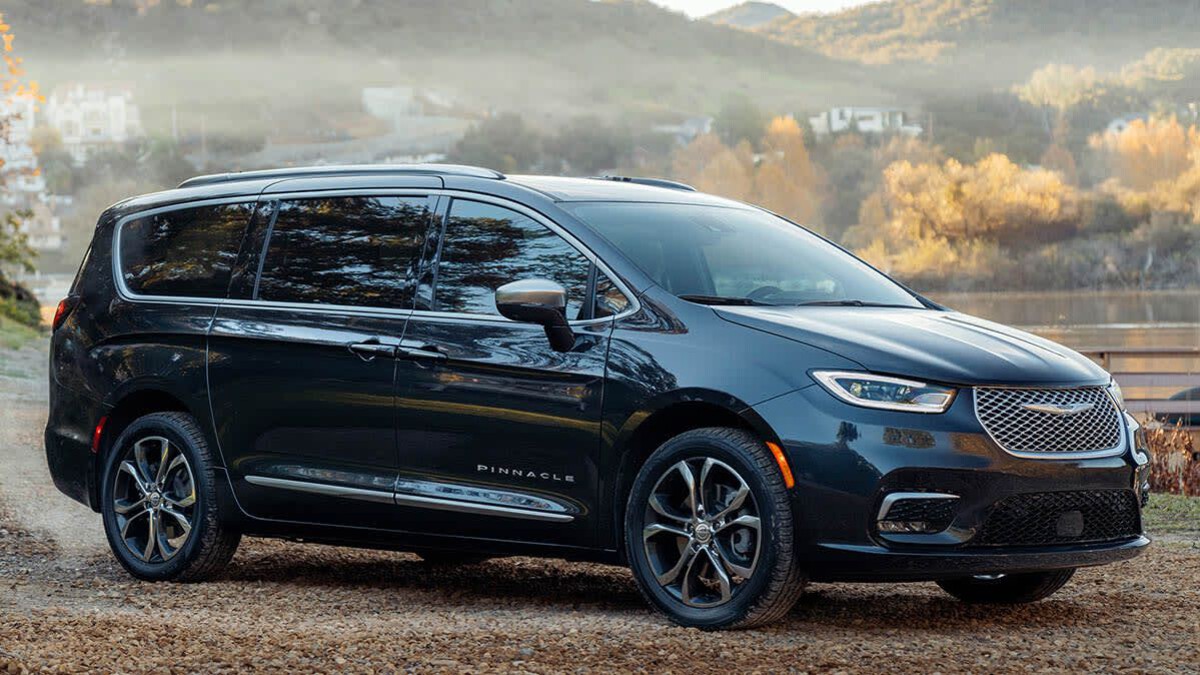
4. Chrysler Pacifica Hybrid (Early Production Years)
The Chrysler Pacifica Hybrid was the first plug-in hybrid minivan to hit the U.S. market, and it arrived with plenty of excitement. Families looking for both space and fuel savings were eager to try it.
Unfortunately, the first few model years (especially 2017–2018) were plagued by electrical and battery-related issues that affected reliability and ownership satisfaction. Battery shutdowns, software faults, and total loss of propulsion were reported in fairly high numbers.
One common issue was the car entering a fail-safe mode where it would refuse to start or drive, often due to internal battery communication errors. These events could happen with no prior warning and frequently required dealer intervention to reset or reprogram the system.
Many of these cases were linked to software flaws in the battery control module or faulty sensors within the battery pack itself. For families depending on the van for daily transport, these failures created stress and inconvenience.
Battery degradation also became apparent earlier than expected. While some drivers did manage to get 100,000 miles or more, many others reported significant losses in electric-only range well before that.
Since the electric drive system plays a major role in fuel efficiency, any drop in battery capacity had a noticeable effect on the vehicle’s fuel economy. Combined with an already limited EV range, the drop turned what should have been a money-saver into something that burned gas more often than not.
Chrysler did issue several recalls and software updates to address these problems, but the early production models still have a reputation for unpredictability. Later versions of the Pacifica Hybrid appear to be more refined, with improved battery performance and fewer shutdown incidents.
Still, the damage to the brand’s reputation among early adopters remains. Buyers looking at used Pacifica Hybrids are strongly advised to check production dates and ensure all recalls and software updates have been completed, or risk dealing with early and costly battery headaches.
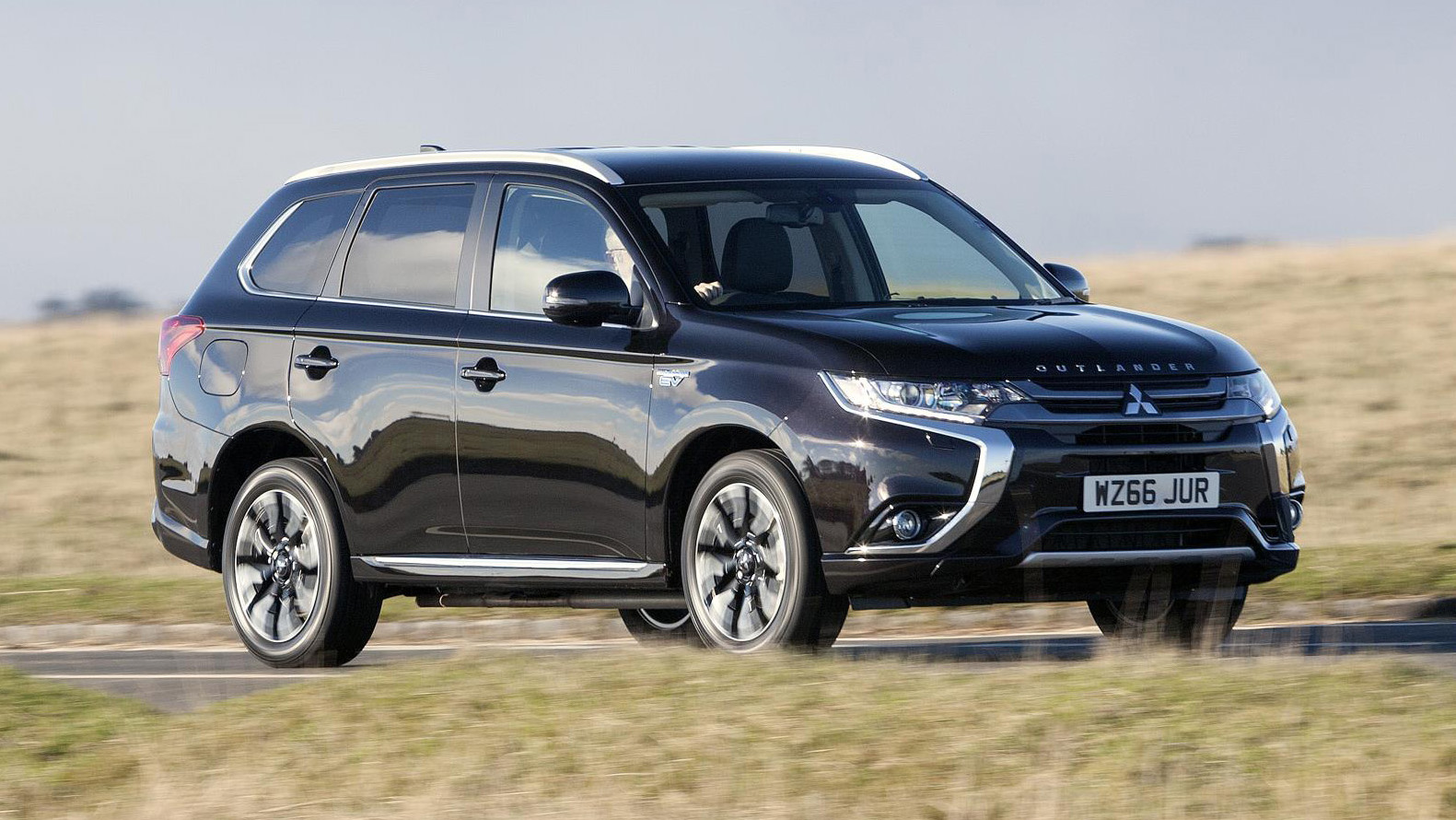
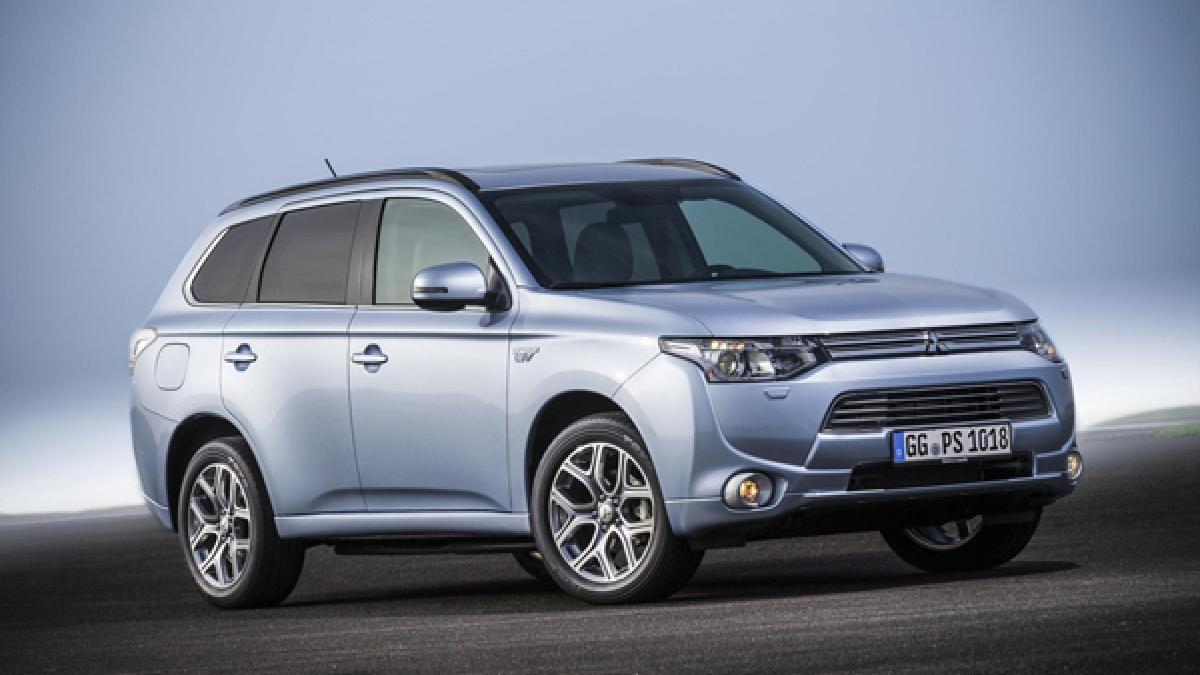
5. Mitsubishi Outlander PHEV (2018–2019 Models)
The Mitsubishi Outlander PHEV was once viewed as an affordable gateway into plug-in SUV ownership. Combining all-wheel drive, cargo space, and hybrid technology, it aimed to fill a niche in the growing plug-in market.
Unfortunately, early U.S. models released in 2018 and 2019 were plagued by electrical issues, battery warnings, and inconsistent charging reliability. Many drivers reported problems by the time the vehicle reached 50,000 to 70,000 miles, with some even experiencing complete battery failure.
One of the most widespread issues involves warning lights and charging problems related to the main battery system. Owners frequently encountered errors during Level 1 and Level 2 charging sessions, with the car failing to charge or shutting off unexpectedly.
Mitsubishi’s diagnostic tools sometimes had difficulty pinpointing the exact issue, which made repairs long and frustrating. These problems weren’t just annoying they directly impacted the ability to rely on the electric portion of the powertrain.
Battery degradation also became a concern earlier than it should have. In hot climates or areas with regular fast charging, some Outlander PHEVs lost a noticeable percentage of range within a few years.
This not only reduced the benefit of plug-in ownership but also led to frustration among drivers who expected greater longevity. Unlike competitors with active thermal management, the Outlander relied more heavily on passive cooling, which allowed more heat buildup during operation and charging.
Service support for hybrid-specific issues was also limited in some areas. Mitsubishi has a relatively small dealer network in North America, and not all locations have technicians familiar with plug-in diagnostics.
This led to delays in getting issues resolved, and in some cases, owners were left with costly battery repairs not covered under warranty due to disputes over whether degradation counted as a defect.
As the vehicle aged, resale value dropped sharply, reflecting a growing awareness that early battery issues made the Outlander PHEV a gamble in the long-term ownership game.
