
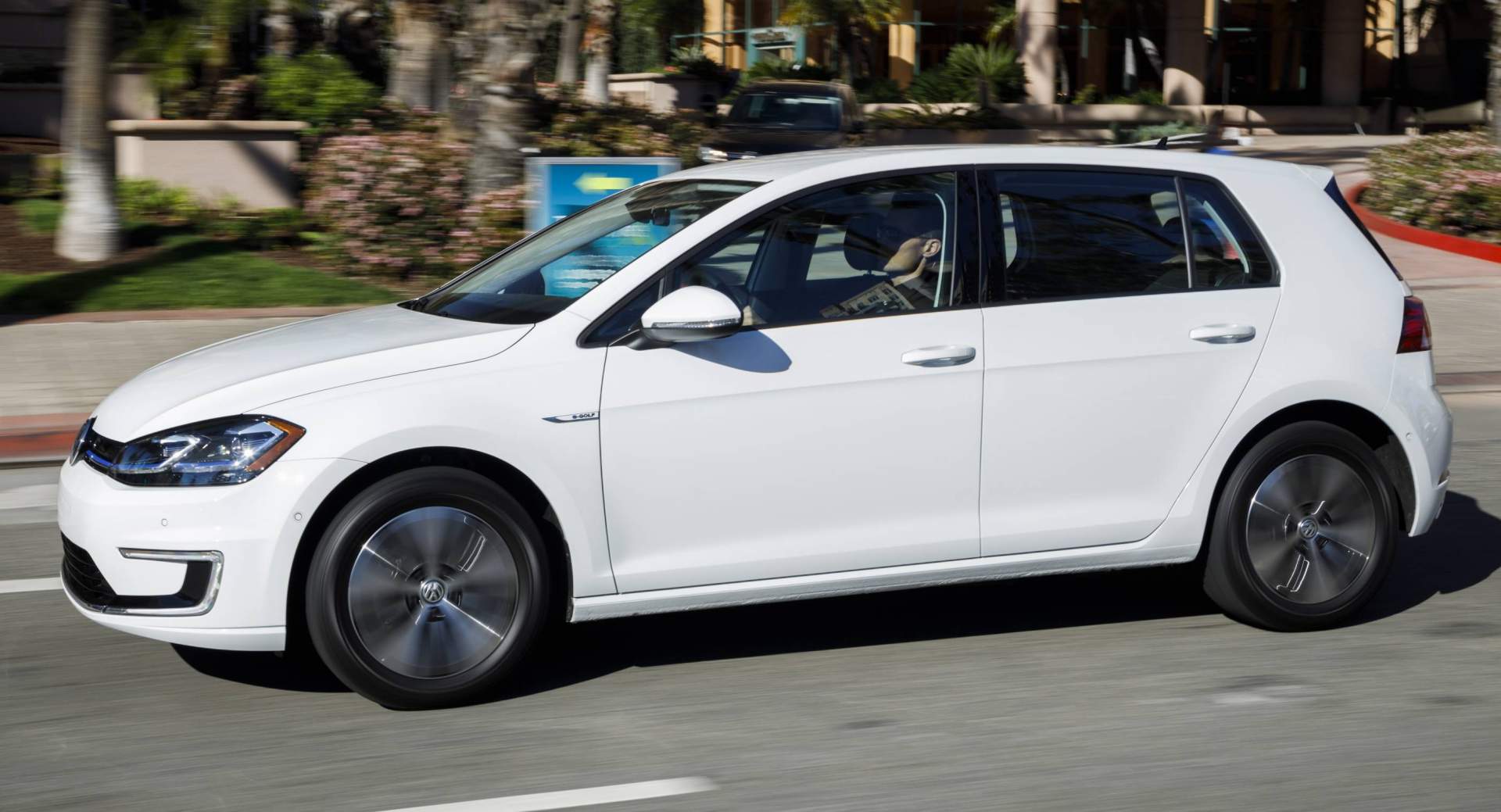
As electric vehicles (EVs) continue to gain traction in the automotive market, more buyers are turning to the used EV segment as a way to enter the world of electric driving without paying the premium of a new car.
Used EVs offer a unique combination of affordability and advanced technology, promising lower running costs and a greener footprint.
However, one crucial factor that often separates a smart purchase from a costly mistake is the vehicle’s warranty coverage. Unlike traditional gasoline cars, electric vehicles rely heavily on complex battery systems and electric drivetrains, components that can be expensive to repair or replace.
Consequently, the presence, length, and terms of warranty coverage can significantly impact the total cost of ownership and peace of mind for used EV buyers.
Warranty policies for electric vehicles vary widely between manufacturers and even between different models within the same brand. Some automakers offer extended warranties on batteries and electric powertrains that transfer to subsequent owners, while others have shorter coverage or warranties that expire soon after the vehicle changes hands.
This variability means that not all used EVs provide equal protection, and understanding the nuances of warranty terms is essential before committing to a purchase.
For example, a used EV with a solid, transferable battery warranty can save thousands of dollars in potential repair costs and make ownership much less stressful. Conversely, vehicles with warranties that expire quickly may pose a greater financial risk, especially if battery degradation or other component failures occur.
In addition to the battery warranty, the general vehicle warranty and powertrain warranty also play a significant role. While some manufacturers offer bumper-to-bumper coverage lasting five years or more, others stick to a more conventional three-year term, leaving gaps in protection for used car buyers.
Moreover, warranty coverage often varies in how it treats battery capacity loss. Some warranties cover gradual battery degradation only if it surpasses a specific threshold, while others may exclude it altogether. This detail can drastically affect the usability and resale value of a used EV.
Buyers need to carefully read warranty documents and ask dealers about transfer policies, coverage specifics, and the history of the vehicle’s battery health.
This article examines five used electric vehicles known for their solid, long-lasting warranty protections, making them reliable options for buyers concerned about long-term costs and potential repairs. On the other side, it highlights five popular used EV models that tend to lose significant warranty protection soon after purchase, posing potential challenges for owners.
By understanding which models offer strong warranty coverage and which ones fall short, buyers can make more informed decisions, avoid unexpected expenses, and enjoy a smoother transition to electric driving.
Whether you are a first-time EV buyer looking for a dependable used model or a seasoned electric vehicle enthusiast considering your next purchase, warranty considerations are critical. A solid warranty not only provides financial security but also reflects the manufacturer’s confidence in the vehicle’s technology and longevity.
As the used EV market continues to expand and evolve, knowing which vehicles maintain warranty protection can empower buyers to choose wisely and experience the benefits of electric driving without surprises.
Also Read: 5 Affordable EVs That Hold Resale Value vs 5 That Depreciate Fast
5 Used EVs With Solid Warranties
1. Hyundai Kona Electric
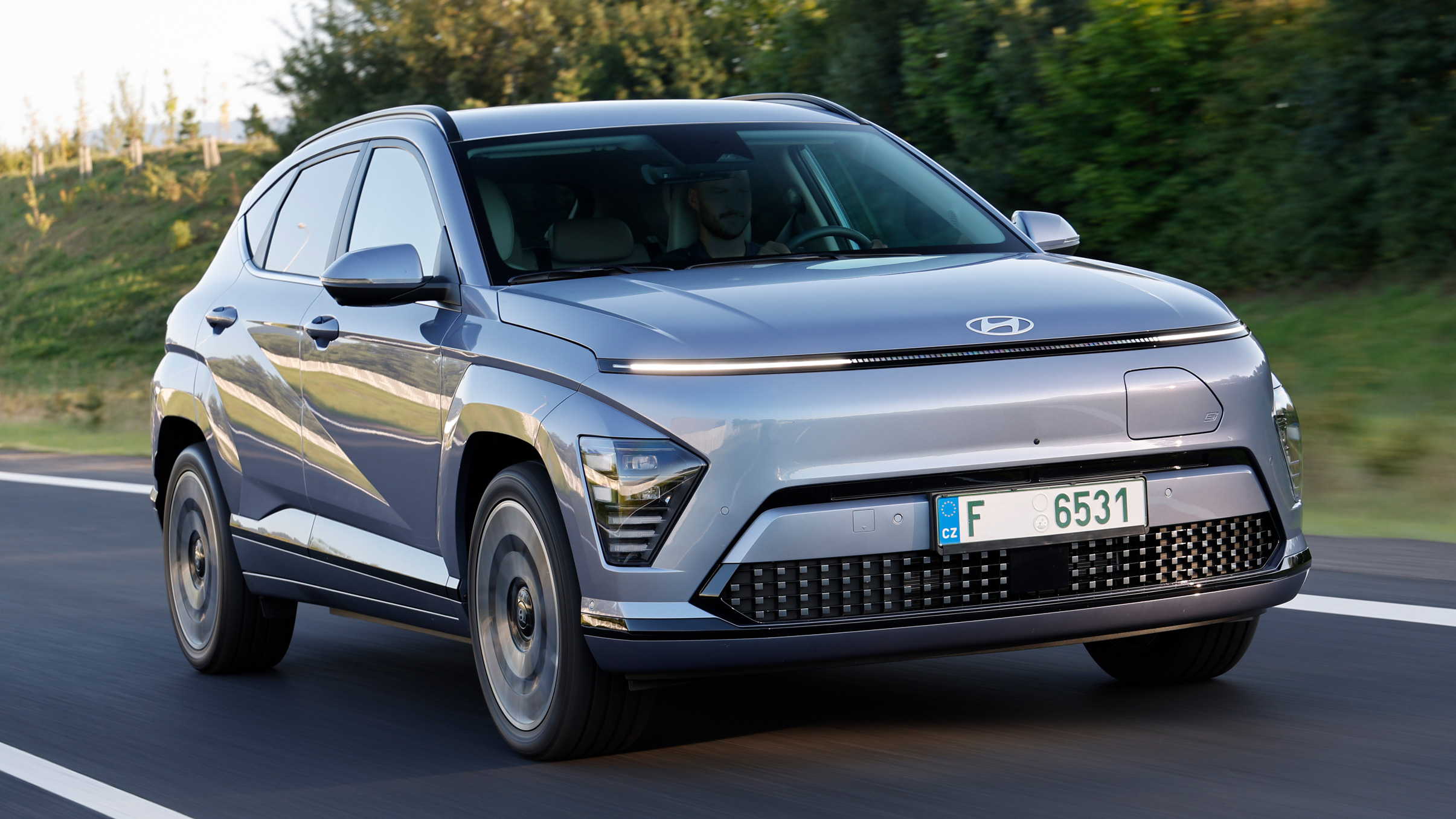
Hyundai’s approach to warranty coverage has made the Kona Electric a standout choice for used EV buyers who want reassurance about long-term ownership costs. The company provides an industry-leading 10-year/100,000-mile warranty on the battery pack and electric components.
What truly elevates the Kona Electric’s appeal in the used market is Hyundai’s policy of transferring this battery warranty to new owners. This means if you purchase a 3-year-old Kona Electric, the battery warranty remains intact for the remaining years and miles.
In practical terms, this extended warranty provides an extra layer of security that few competitors offer, which can be crucial given that the battery pack is often the most expensive component to repair or replace in an EV.
Moreover, Hyundai’s comprehensive coverage extends beyond the battery. The vehicle warranty lasts for five years or 60,000 miles, which exceeds the norm in the industry, where three years or 36,000 miles is standard.
This broader protection includes the powertrain, electrical systems, and other critical components, offering peace of mind to second-hand buyers.
The combination of a long battery warranty and a relatively generous vehicle warranty means the Kona Electric remains a very reliable option, especially considering the technology behind electric drivetrains can sometimes bring unexpected repair challenges.
Another important factor that boosts the Kona Electric’s standing is Hyundai’s commitment to battery longevity and quality control. Independent tests and user reports consistently show minimal battery degradation over time, with most owners experiencing less than 10 percent capacity loss even after tens of thousands of miles.
This durability reduces the likelihood that a warranty claim will even be necessary, but having that coverage as a fallback is invaluable for any used EV buyer.
Hyundai has also demonstrated responsiveness in addressing issues when they arise, with timely recalls and warranty replacements that often include full battery pack swaps instead of partial fixes.
Lastly, Hyundai’s extensive dealer network and reputation for customer service enhance the value proposition for used Kona Electric buyers. Repairs and service visits are relatively straightforward, and dealerships tend to honor warranty coverage without the kind of hassle or bureaucratic delays sometimes reported with other brands.
For someone entering the EV market secondhand, the Kona Electric’s solid warranty package helps transform the perceived risk of buying a used electric vehicle into an opportunity for worry-free driving.
2. Kia Niro EV
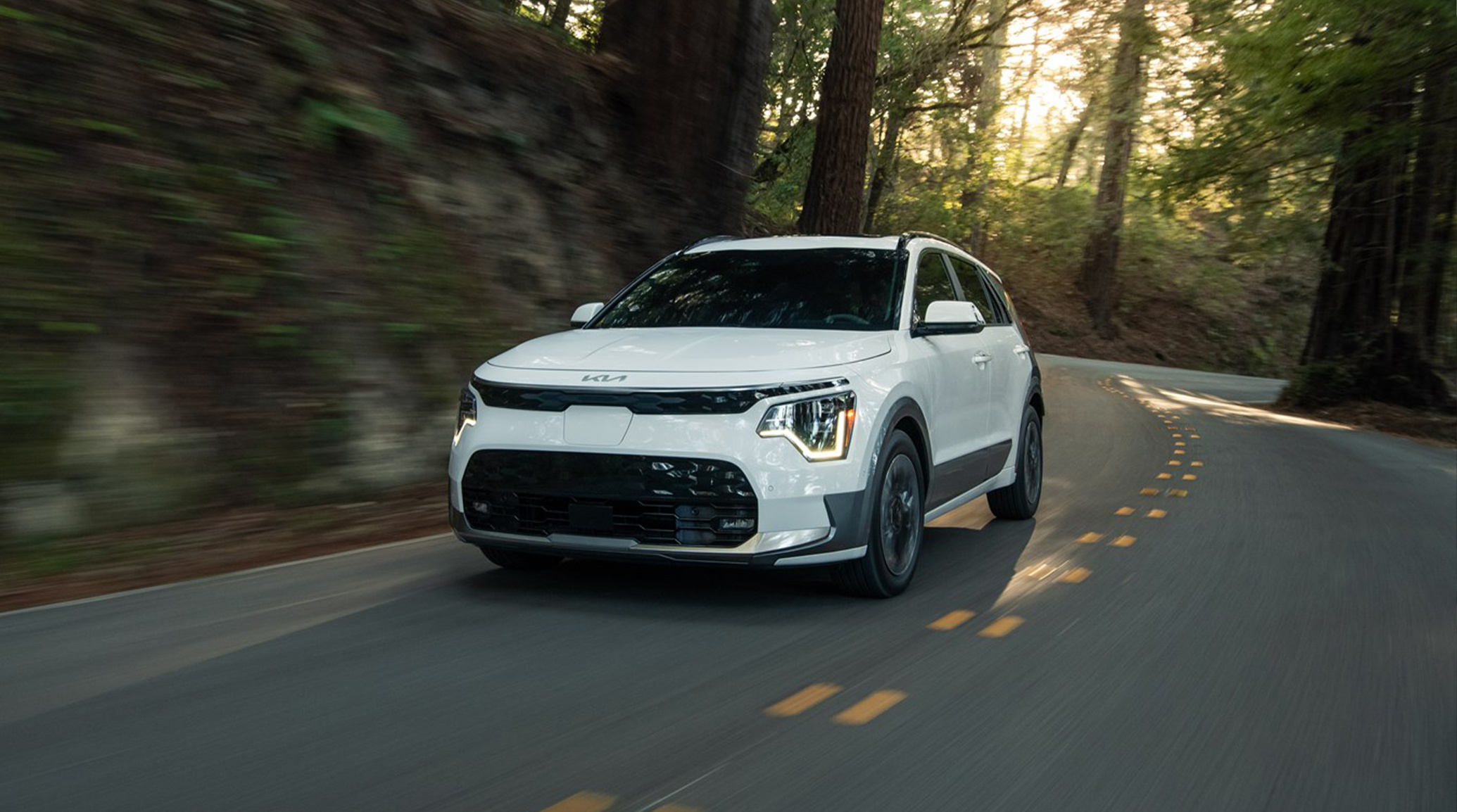
The Kia Niro EV shares much of the same warranty strength and design philosophy as its cousin, the Hyundai Kona Electric, making it another excellent candidate for used EV buyers seeking solid warranty protection.
Kia offers a 10-year/100,000-mile warranty specifically on the battery and electric powertrain, which, like Hyundai, is transferable to subsequent owners.
This transferability is critical in the used EV market, where concerns about battery longevity and replacement costs often discourage buyers. Knowing that you still have up to a decade of battery coverage left when purchasing a 3- or 4-year-old vehicle can dramatically increase confidence in the purchase.
Kia’s limited warranty, which covers the vehicle for five years or 60,000 miles, outpaces many other automakers who typically provide only three years or 36,000 miles.
This extended warranty demonstrates Kia’s commitment to building durable and reliable electric vehicles, and it translates directly into greater value for the secondhand market.
Beyond the warranty terms themselves, the Niro EV enjoys a strong reputation for reliability and owner satisfaction. Many users report few serious issues and praise the car for combining practicality with dependable performance, an important consideration when buying used.
From a technical standpoint, the Niro EV’s battery pack uses high-quality lithium-ion cells that hold up well over time. The chemistry and thermal management systems designed by Kia and its battery suppliers contribute to slower degradation rates and consistent performance, which means fewer warranty claims and lower repair risks.
Kia has also invested in proactive customer support programs, including battery health checks and software updates designed to optimize battery life. For used buyers, this means the warranty is just one part of a broader ecosystem of care that helps extend the vehicle’s lifespan.
Lastly, Kia’s growing network of service centers equipped to handle EV-specific maintenance further reduces the burden on used owners. Since electric vehicles require specialized diagnostic tools and expertise, the availability of trained technicians able to honor warranty repairs without undue delay or confusion is an important benefit.
Combined with the Niro EV’s comprehensive warranty coverage, this network of support makes the vehicle a sensible and secure choice for buyers looking to avoid the pitfalls sometimes associated with used electric cars.
3. Chevrolet Bolt EV
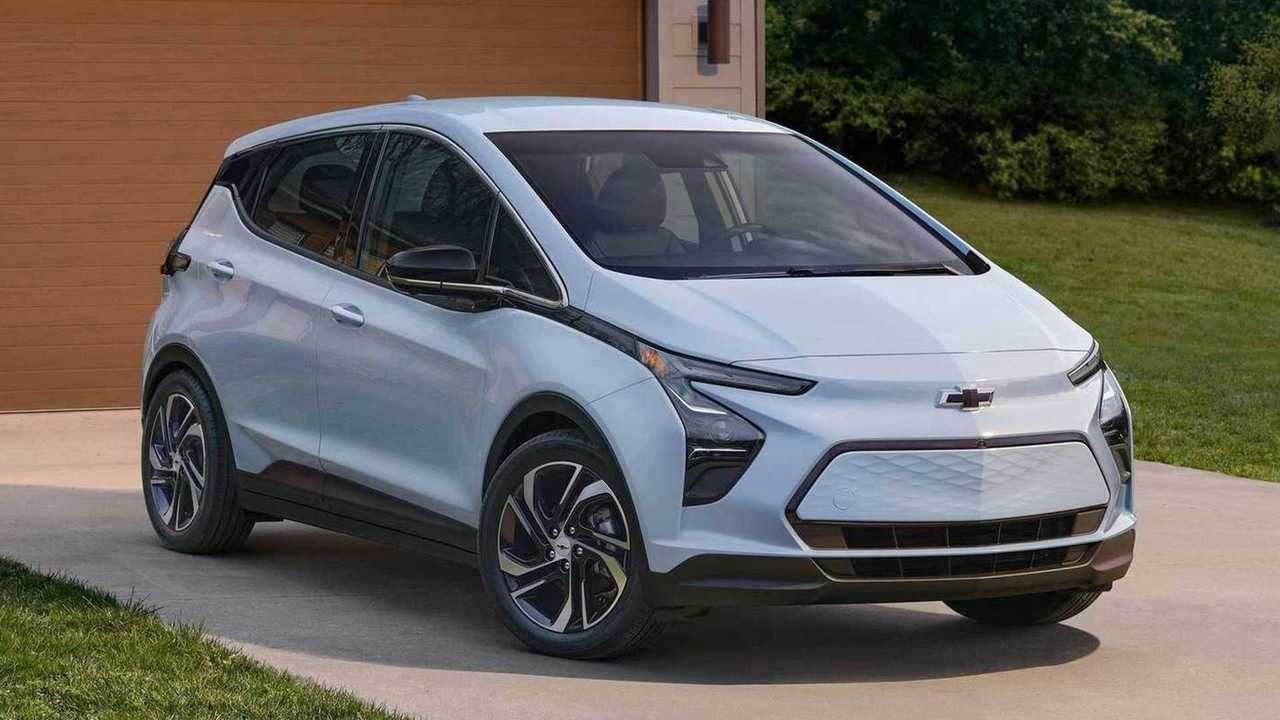
The Chevrolet Bolt EV stands out as a practical and affordable used EV option that doesn’t compromise on warranty coverage. Chevrolet, through General Motors, backs the Bolt with an 8-year/100,000-mile warranty on the battery and electric drive components, which transfers to subsequent owners.
This lengthy battery warranty is reassuring because the battery is the most costly component to fix or replace, and having such coverage in a used vehicle significantly reduces financial risk.
While the Bolt’s limited vehicle warranty is a more typical 3 years or 36,000 miles, the focus on extended battery protection underscores GM’s commitment to supporting electric vehicle buyers long after the initial sale.
In addition, the Bolt EV’s market presence has benefited from GM’s proactive handling of battery-related issues. In response to early concerns about battery fires, GM launched a widespread recall and replaced affected battery modules or entire packs at no cost to owners.
For used car buyers, this means many Bolts on the market today come with brand-new or recently refurbished battery packs installed under warranty, effectively resetting the clock on battery life and warranty coverage.
This unique situation provides an unusual advantage, giving buyers access to a relatively inexpensive EV that has a fresh, reliable battery and a robust warranty still in effect.
Aside from warranty considerations, the Bolt EV is also widely regarded as a straightforward, dependable vehicle with a practical range of around 238 miles per charge. Its relatively compact size and nimble handling appeal to urban drivers and commuters alike, making it a sensible second-hand purchase.
Furthermore, GM dealerships have invested in training and infrastructure to service electric vehicles properly, which means owners benefit from knowledgeable technicians familiar with the Bolt’s specific needs and warranty repair processes.
It’s also worth noting that the Bolt’s warranty extends to the electric motor and other critical drive components, not just the battery. This comprehensive coverage helps used buyers avoid unexpected expenses related to the EV’s core propulsion system.
Given that EV components can be costly to repair outside warranty, Chevrolet’s willingness to stand behind the Bolt in the long term makes it one of the more secure choices for secondhand electric car shoppers.
4. Tesla Model 3 (With Caveats)
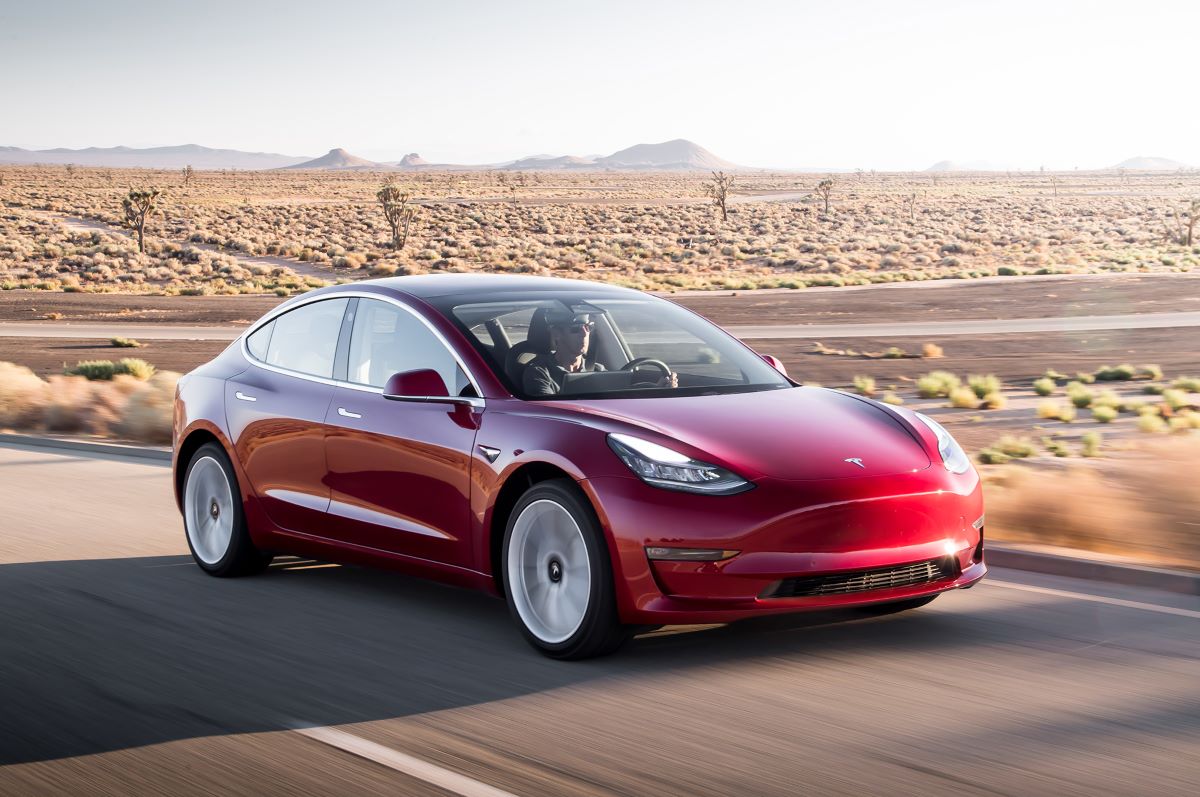
The Tesla Model 3’s warranty offers a mixed but generally strong picture for used EV buyers who are prepared to understand the details. Tesla covers the battery and drive unit for 8 years, with mileage limits that vary depending on the version of the Model 3 typically between 100,000 and 120,000 miles.
This battery warranty is transferable to subsequent owners, an important advantage that helps maintain resale value and buyer confidence in a used Model 3. Considering Tesla’s premium pricing and the potential expense of repairs, having this level of protection is a major selling point for buyers willing to accept some risk with other systems.
However, it’s crucial to note that Tesla’s general vehicle warranty is shorter and less comprehensive. The limited warranty covers most other vehicle components for only 4 years or 50,000 miles, which often means this protection has expired by the time many Model 3s enter the used market.
This makes used Model 3 ownership somewhat of a hybrid scenario: strong battery and drive unit coverage but limited bumper-to-bumper protection. Buyers should be aware that any issues outside the battery or drive system may require out-of-pocket repairs unless an extended warranty or service plan is purchased.
Despite this, Tesla’s battery technology has proven relatively durable in real-world conditions. Reports from owners indicate that even after 100,000 miles, most Model 3 batteries maintain upwards of 90 percent of their original capacity.
Tesla’s active battery management system, including thermal regulation and software optimizations, helps preserve battery health better than many competitors. The result is a vehicle that may outlast its warranty period in terms of battery performance, providing additional reassurance to used buyers.
Furthermore, Tesla’s unique direct-sales and service model means repairs and warranty claims go through Tesla service centers or mobile service teams rather than traditional dealerships.
This system can be a double-edged sword: while Tesla is generally quick to address battery warranty issues, some owners report challenges with service appointment availability or parts shortages.
Buyers considering a used Model 3 should weigh these factors against the benefits of long battery coverage and the car’s impressive range and performance.
5. Nissan Leaf (Second Generation)
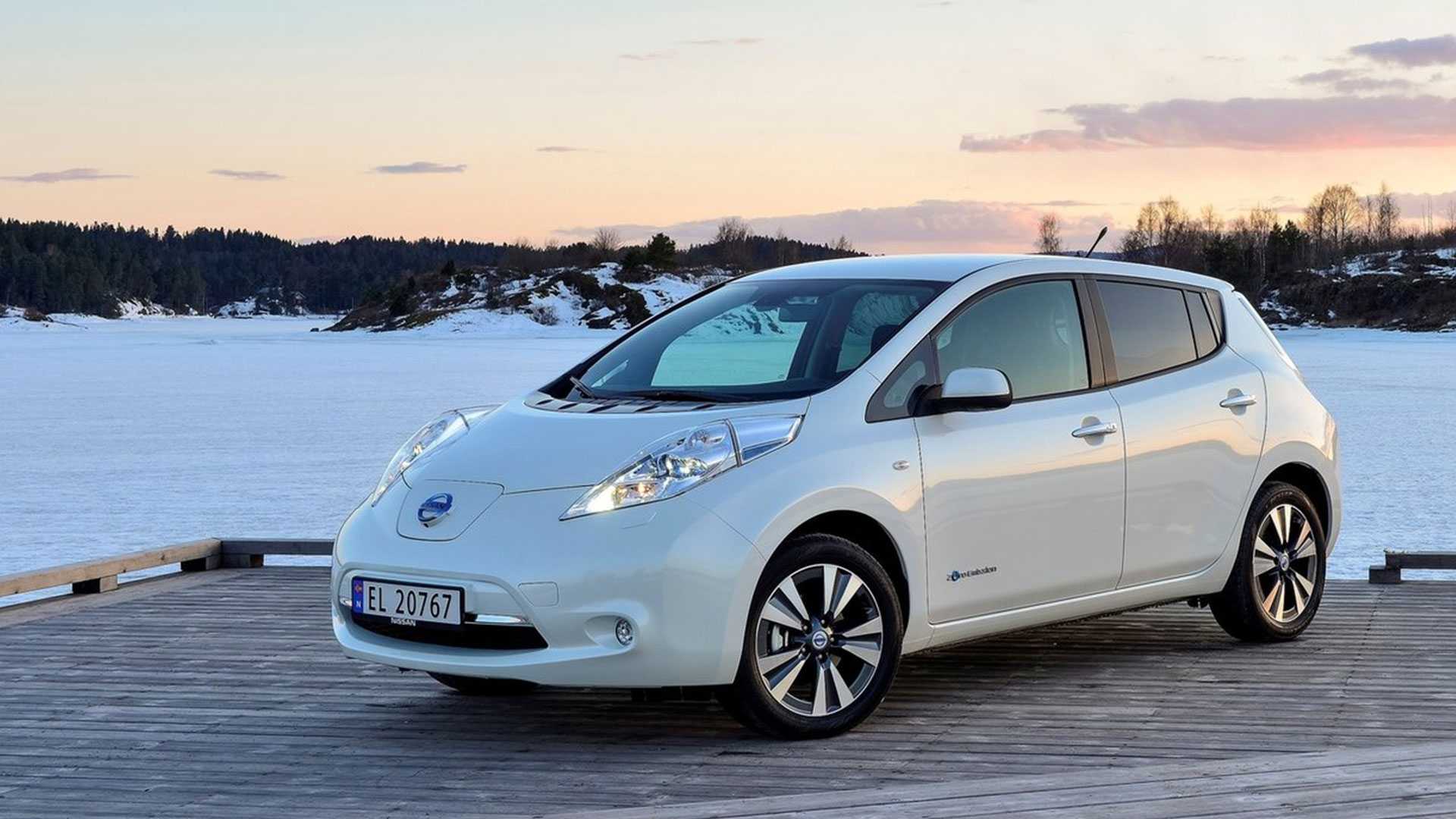
The Nissan Leaf, especially the second-generation model introduced in 2018, remains a solid used EV choice largely because of its battery warranty and Nissan’s extensive experience with electric vehicles.
Nissan provides an 8-year/100,000-mile warranty on the battery, which transfers to subsequent owners, providing ongoing protection for one of the most important and expensive components.
Although the Leaf’s limited warranty on the vehicle is shorter, typically 3 years or 36,000 miles, the emphasis on battery protection aligns with the interests of used EV buyers looking to mitigate long-term risks.
The Leaf’s battery technology has improved over its iterations, with the second-generation model featuring a larger capacity pack and better thermal management than the original.
While some early Leafs suffered from more rapid battery degradation due to a lack of active cooling, the newer models maintain range and capacity better over time, making the warranty coverage more meaningful and effective.
Nissan’s warranty specifically covers capacity loss beyond a certain threshold, ensuring that owners who experience significant range reduction can access battery replacement or repair.
Another advantage of buying a used Leaf is the car’s simplicity and proven track record. As one of the earliest mainstream EVs, the Leaf benefits from widespread familiarity among mechanics and parts availability, which helps keep maintenance and repairs manageable.
Nissan also provides robust support through its dealer network and online resources, making warranty claims relatively straightforward for used owners. Finally, the Leaf offers an affordable entry point into EV ownership with decent range and usability for everyday driving.
Combined with its solid battery warranty and extensive market presence, it remains one of the most practical and cost-effective options for buyers wanting to avoid the uncertainty that sometimes accompanies less proven EVs.
5 Used EVs That Lose Warranty Protection Quickly
1. BMW i3
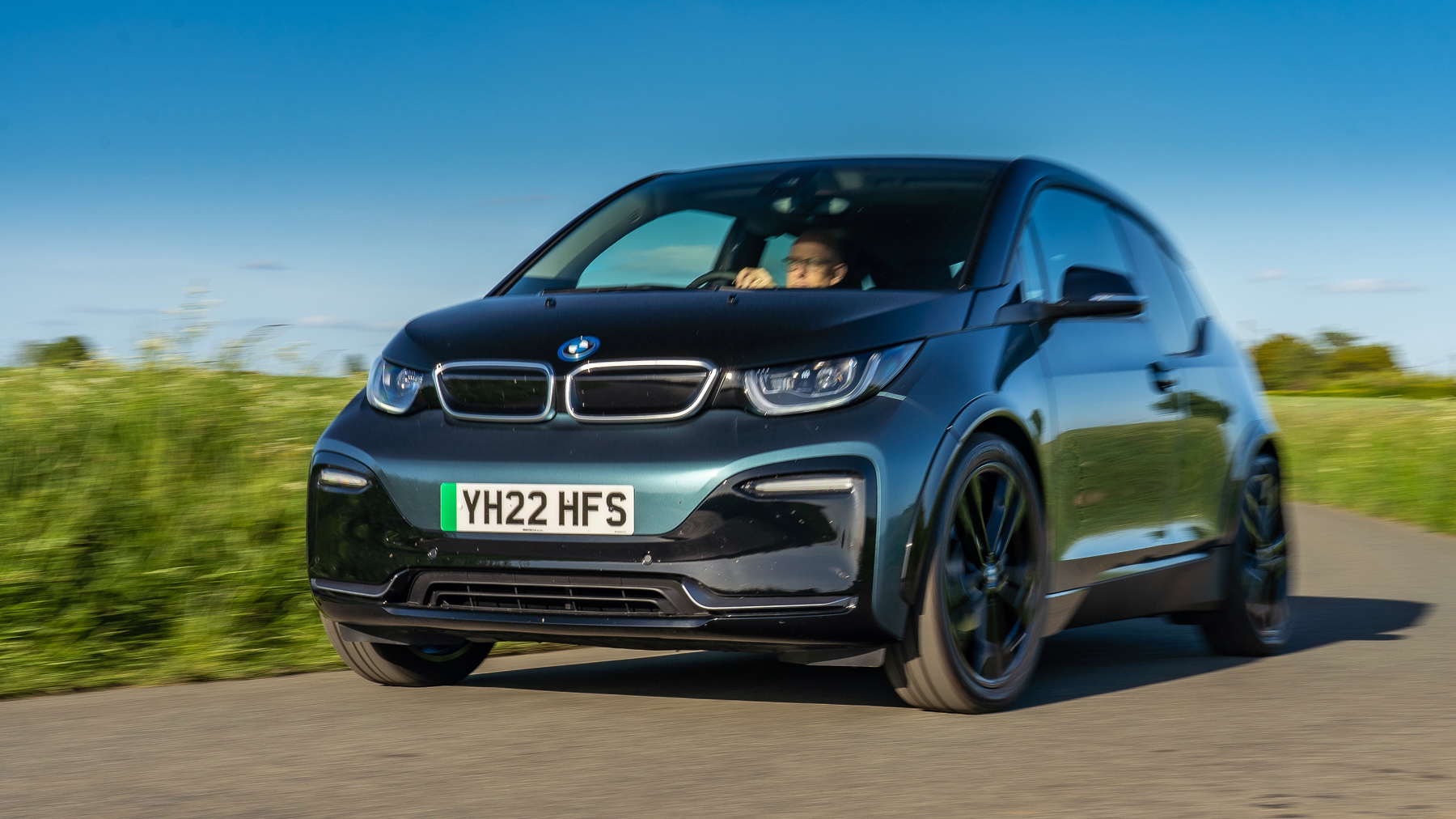
The BMW i3 was one of the early electric vehicles to hit the market and remains popular in the used EV space due to its distinctive design and premium feel. However, when it comes to warranty coverage, the i3 tends to lose protection relatively quickly compared to some newer competitors.
BMW offers an 8-year/100,000-mile warranty on the battery and electric drive system, which is fairly standard for EVs, but the catch lies in the vehicle’s limited warranty.
The standard bumper-to-bumper warranty is only four years or 50,000 miles, and unlike some brands, BMW’s policies often emphasize coverage for the original owner, making warranty transferability less straightforward in practice.
When buying a used BMW i3, many owners find that the general warranty has expired, leaving them exposed to repair costs on many non-battery components. Even more concerning is that BMW’s approach to battery degradation coverage can be less generous than competitors.
While the battery warranty protects against catastrophic failure, gradual capacity loss is often not covered unless it falls below a very specific threshold. This means that if the battery experiences normal wear and reduced range, which is common in older EVs, owners might be left without recourse under warranty.
Another important consideration is that BMW’s repair costs tend to be higher than average, even for routine maintenance. The i3’s unique carbon fiber reinforced plastic body and advanced components require specialized service that can be expensive when warranty coverage runs out.
For secondhand buyers, this combination of limited warranty protection and potentially high repair bills can add up quickly. Battery repairs or replacements, while covered under warranty for the period, can become prohibitively expensive afterward.
Finally, BMW’s warranty service experience can vary widely depending on the dealership. Some owners report difficulty with warranty claim approvals or delays in service, particularly for less common repairs.
This inconsistency, paired with the relatively short warranty on many components, suggests that used i3 buyers should be prepared for possible out-of-pocket expenses as the car ages. For those attracted to the i3’s futuristic style and driving experience, it’s vital to factor these warranty limitations into the cost of ownership.
2. Volkswagen e-Golf
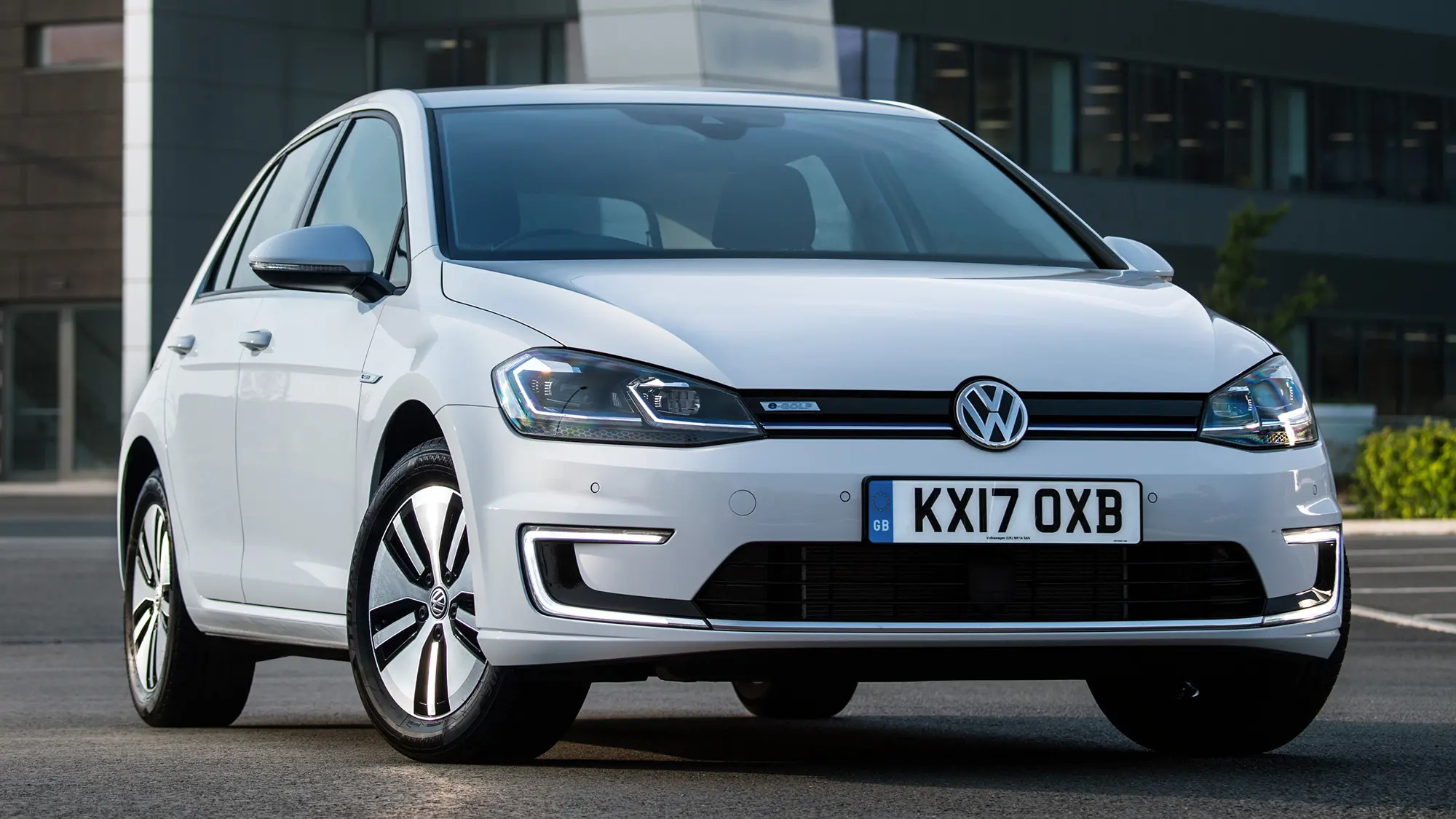
The Volkswagen e-Golf was one of the more accessible and popular electric vehicles available during its production run, especially as a practical hatchback with familiar styling. However, when it comes to warranty longevity and transferability, the e-Golf tends to fall short compared to more recent or EV-focused models.
Volkswagen typically offers an 8-year/100,000-mile warranty on the battery, which is standard, but the vehicle’s limited warranty remains the usual 3 years or 36,000 miles. This means most used e-Golfs quickly lose bumper-to-bumper protection after their initial ownership.
One major limitation of the e-Golf’s warranty is that battery degradation coverage can be somewhat restrictive. While Volkswagen will cover battery failures or defects, coverage for gradual loss of battery capacity is less straightforward.
Buyers often find that normal wear and range reduction don’t qualify for warranty repairs, meaning the battery’s usable life may be shorter in practical terms than the warranty suggests. This situation becomes especially relevant in colder climates or areas with frequent fast charging, which can accelerate battery wear.
The e-Golf’s resale market also reflects these warranty constraints, with many units priced aggressively to account for the uncertainty around battery longevity and repair costs.
Furthermore, Volkswagen’s service network for EVs is not as extensive or specialized as some competitors, which can lead to delays or higher costs for repairs as vehicles age beyond their warranty period. Used buyers should be prepared for the possibility of paying for maintenance or battery servicing that would be covered on a new car.
Finally, while the e-Golf offers a familiar driving experience and respectable range for city driving, its battery size and technology are somewhat dated compared to newer EVs.
This means that battery degradation can have a more noticeable impact on usability as the vehicle ages. When combined with the relatively short warranty protections, the e-Golf can be a riskier buy for secondhand shoppers who want long-term reliability and coverage.
3. Ford Focus Electric
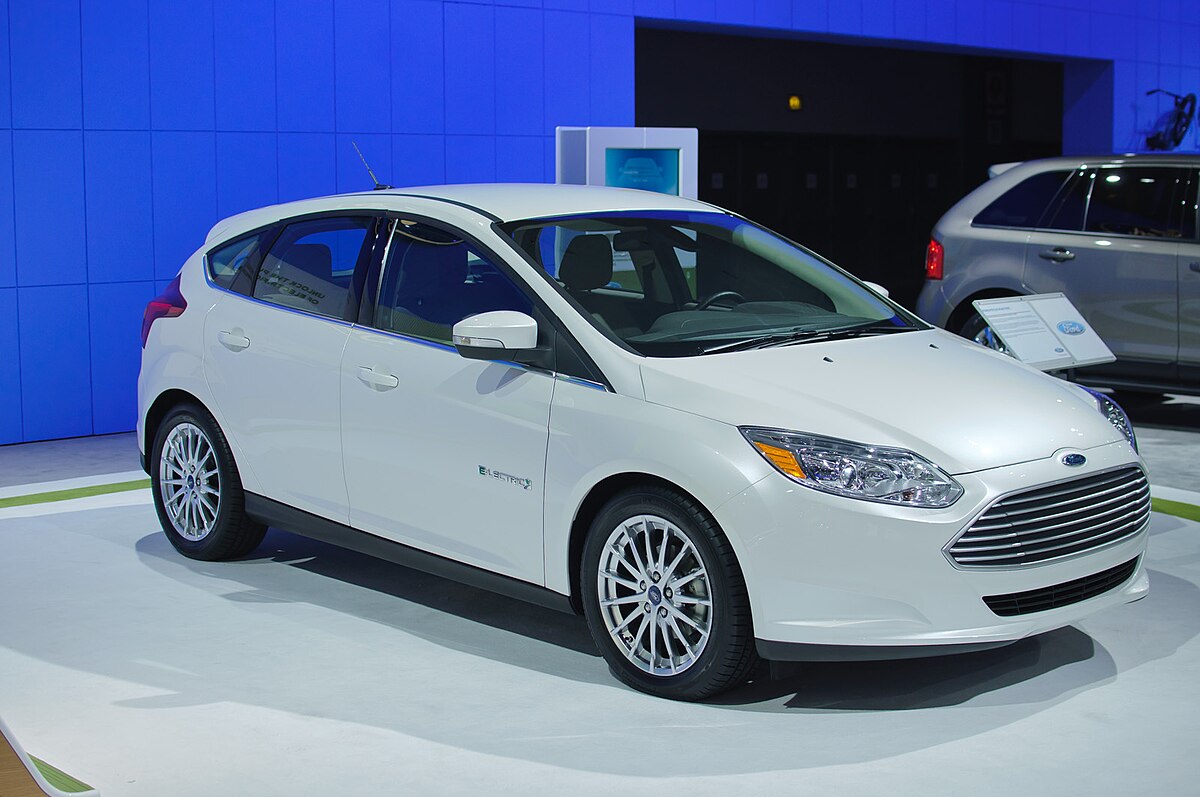
The Ford Focus Electric was one of the early mainstream electric vehicles, but it has since become less competitive and less supported in terms of warranty longevity. Ford provided an 8-year/100,000-mile warranty on the battery, which is on par with industry standards.
However, the Focus Electric’s limited vehicle warranty only covered 3 years or 36,000 miles, which is relatively short. This means many used Focus Electrics lose general coverage quickly, leaving owners vulnerable to out-of-pocket repairs once the initial warranty expires.
The Focus Electric also lacks the strong warranty transfer policies that some other manufacturers provide. In many cases, the battery warranty, while theoretically transferable, can be difficult to enforce or navigate for secondhand buyers due to administrative hurdles or dealer limitations.
This ambiguity means that buyers cannot always rely on full warranty coverage when purchasing a used Focus Electric, especially if the vehicle is out of its original ownership period.
Battery technology in the Focus Electric is also now somewhat outdated. The battery pack, with a smaller capacity than many newer models, is more prone to degradation, especially if the vehicle has been subjected to heavy use or frequent fast charging.
Since battery replacement costs remain high and warranty protections are often minimal for used owners, this factor significantly impacts the value and reliability of the Focus Electric on the used market.
Additionally, Ford’s current emphasis on new EV models means that support and servicing for the Focus Electric may become more limited over time.
Dealerships may prioritize newer vehicles with better warranty terms, which could translate to longer wait times or higher costs for older models outside warranty. For buyers, this adds a layer of risk that should be weighed carefully against the vehicle’s price and features.
4. Fiat 500e
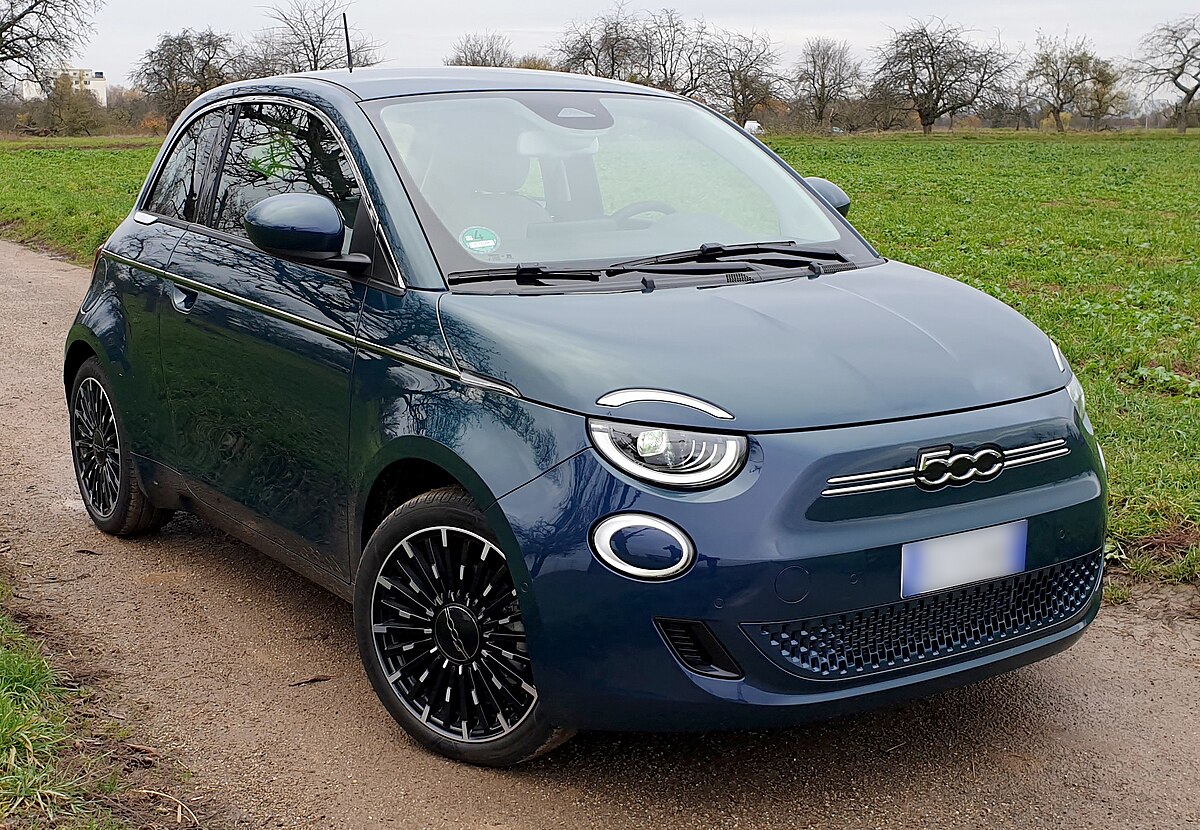
The Fiat 500e, a compact electric vehicle with a small but devoted following, suffers from some of the shortest warranty coverage among used EVs.
While Fiat offered the standard 8-year/100,000-mile warranty on the battery pack, the limited warranty on the vehicle itself was often just three years or 36,000 miles, which is minimal compared to competitors like Hyundai or Kia. This means many used 500es enter the secondhand market with very little factory coverage remaining, leaving owners exposed to repair costs.
The battery technology in the 500e is also relatively dated and smaller in capacity than many other EVs, meaning that range and performance can drop off more quickly as the vehicle ages.
Unfortunately, Fiat’s warranty coverage for battery degradation is often limited to significant failures, and normal capacity loss that affects range and usability typically falls outside warranty protection. This creates a risk that used owners will face declining performance without any recourse through the manufacturer.
Service and repair costs for the Fiat 500e can also be higher than expected. Its compact size and unique design mean that some replacement parts and specialized services are less common and potentially more expensive than for mainstream EVs. Combined with limited warranty coverage after the initial period, this makes the 500e a more expensive proposition over the long term.
Furthermore, Fiat’s dealer network for electric vehicles is relatively small, and many dealerships have less experience with EV repairs compared to larger automakers.
This can lead to delays and higher costs when warranty repairs are needed or when components begin to fail. Buyers should approach the Fiat 500e with caution, especially if warranty coverage has expired or is close to expiring.
5. Mercedes-Benz B-Class Electric Drive
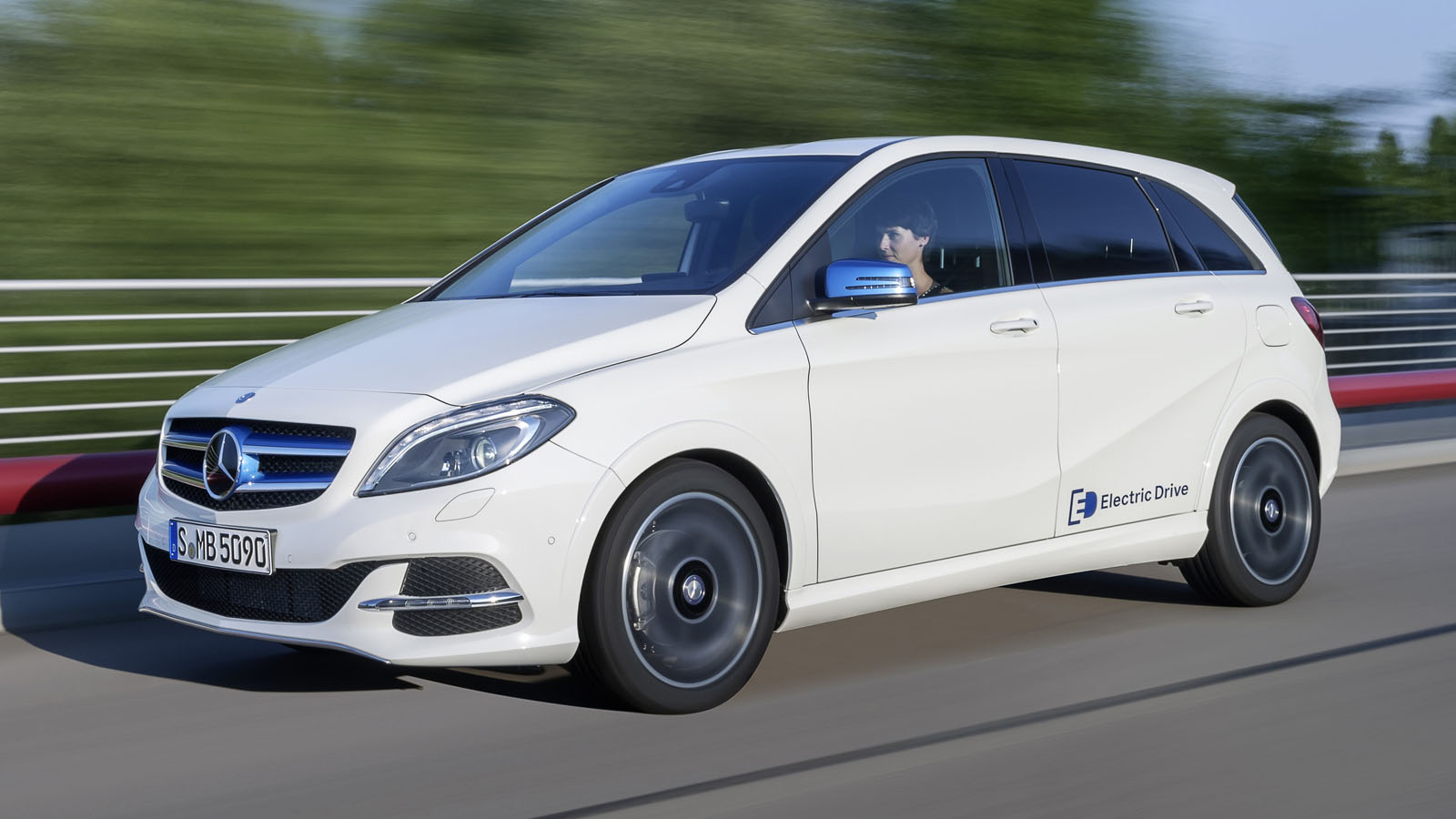
The Mercedes-Benz B-Class Electric Drive was Mercedes’ early attempt at an electric vehicle, marketed primarily in limited regions and aimed at premium buyers.
While it carried an 8-year/100,000-mile warranty on its battery pack, much like most EVs of its generation, the limited warranty for the vehicle itself was generally 4 years or 50,000 miles. This relatively short coverage leaves many used B-Class EVs without comprehensive protection once they hit the secondary market.
One major issue with the B-Class Electric Drive is that battery degradation coverage is somewhat strict and often limited to cases of sudden failure or defects. Gradual capacity loss, which is common in older EV batteries, usually falls outside warranty protections.
This means that buyers of used models may experience noticeable reductions in driving range without being able to claim repairs or replacements through Mercedes’ warranty program.
Moreover, Mercedes-Benz’s premium branding comes with higher maintenance and repair costs, especially once the vehicle is out of warranty.
The complexity of its electric drivetrain and premium components often means that repairs and replacements can be costly, and Mercedes dealers sometimes charge premium rates for labor and parts. This can be a significant downside for used buyers who no longer benefit from the original warranty coverage.
Mercedes’ dealer and service network is not as extensive as some mass-market brands, and fewer technicians are trained in electric vehicle maintenance.
This can lead to challenges in finding convenient and affordable service options, further adding to the total cost of ownership. For buyers who value luxury but are considering a used EV, the B-Class Electric Drive’s quickly expiring warranty and potentially high repair costs should be carefully considered before purchase.
