
Hybrid sedans have become a practical choice for many drivers looking to balance fuel efficiency with everyday usability. They’re marketed not only as environmentally conscious options but also as cost-saving solutions over the long term.
The combination of an internal combustion engine with an electric motor allows hybrids to achieve impressive miles per gallon (MPG), especially in city driving conditions where regenerative braking and electric-only operation shine. But while most hybrids start strong out of the gate, not all of them maintain that efficiency over the long haul.
In fact, a number of hybrid sedans see a noticeable drop in fuel economy once they pass the 100,000 or 150,000-mile mark. This can have a direct impact on ownership costs and long-term value, especially for drivers who plan to keep their vehicles well into the six-digit mileage range.
Not all MPG figures are built to last. The numbers shown on EPA window stickers are derived from controlled tests on new cars. These don’t always account for long-term wear and tear, battery aging, or real-world driving conditions.
Over time, hybrid components such as battery packs, electric motors, transmission systems, and control software can lose efficiency. Some cars are engineered with longevity in mind, using durable battery chemistry, effective thermal management systems, and intelligently tuned software that adapts to changing component health.
Others, however, are optimized more for early performance and cost-cutting, often leading to premature efficiency losses. For consumers who rely on their hybrid for daily commuting or long-distance travel, the ability to retain high MPG numbers over 150,000 miles is not just a perk it’s a necessity.
There’s also a psychological factor. Many hybrid owners buy their vehicles because they want to feel they’re making a smart, sustainable choice. When a hybrid starts delivering significantly lower MPG after just a few years, that sense of confidence can quickly fade.
Suddenly, a vehicle that once delivered 48 MPG is now averaging 35. While that might still beat a traditional gasoline sedan, the drop can feel like a step backward especially if repairs or battery replacements are looming.
On the other hand, some hybrids seem to defy aging. These are the models that retain much of their original fuel economy even as they cross 150,000, 200,000, or even 300,000 miles, thanks to thoughtful engineering and proven hybrid systems.
This article compares two sets of hybrid sedans: five that have proven capable of maintaining their advertised MPG figures well beyond 150,000 miles, and five that tend to lose efficiency early often before they hit that milestone.
These comparisons are based on system design, component durability, real-world owner experiences, and long-term performance characteristics. The goal isn’t to trash any brand or model but to help current and future hybrid buyers understand which vehicles will stand the test of time and which might disappoint in the long run.
Whether you’re shopping used, planning for long-term ownership, or just curious about which hybrids truly go the distance, understanding how these vehicles age can help you make a smarter, more confident decision.
Also Read: 5 Vehicles With Quiet Electric Motors vs 5 With Noisy E-Drives
5 Hybrid Sedans That Keep MPG Over 150,000 Miles
1. Toyota Prius
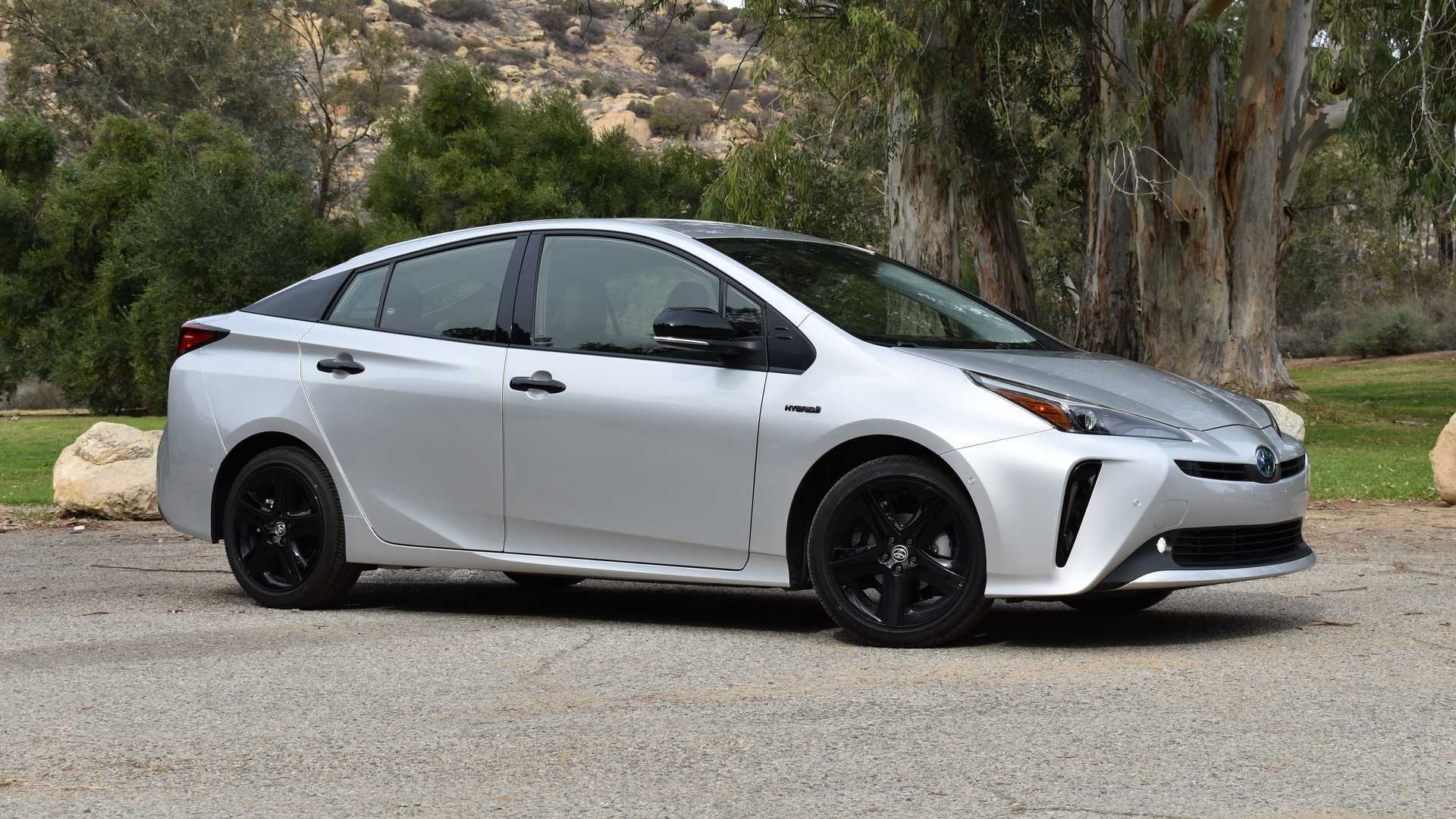
The Toyota Prius is arguably the most iconic hybrid car ever produced. Its long-standing reputation for reliability and efficiency isn’t just marketing it’s backed by years of real-world performance. The Prius was designed from the ground up to be a hybrid, not a gas vehicle converted to use electric assistance.
That matters over time. It has a robust, well-tested hybrid synergy drive that manages the interaction between the gas engine and electric motor with exceptional efficiency. Over high mileage, this system keeps wear and tear to a minimum by balancing the load between components intelligently.
The engine often runs at low RPMs, and the electric motor handles low-speed driving where fuel use is usually the least efficient. This harmony between parts not only improves efficiency but protects the engine and transmission from the kind of stress that causes MPG to drop with age.
Battery degradation is another area where the Prius excels. Earlier models used nickel-metal hydride (NiMH) batteries, while newer ones have transitioned to lithium-ion. Both types have proven to be durable, especially with Toyota’s strong battery cooling systems that prevent overheating a major cause of efficiency loss in aging hybrids.
Many Prius vehicles, particularly those maintained properly, retain strong battery health beyond 150,000 miles, often not showing any signs of significant decline in charge capacity or electric drive capability. This means that electric assist continues to play a full role in the drivetrain long into the car’s life, helping the gas engine stay efficient.
There’s also the software side of things. The Prius’s control system manages throttle response, regenerative braking, and energy usage with a level of precision that reduces waste. As the car ages, these systems continue to adapt, using historical driving data to subtly adjust performance and compensate for aging components.
It’s not perfect, but the Prius’s adaptive logic helps prevent major MPG drops by keeping the car tuned to real-world conditions, even after a decade or more of driving. Combined with low curb weight and aerodynamics specifically designed to minimize drag, the Prius has very few competitors when it comes to consistent long-term MPG.
Furthermore, the community and infrastructure surrounding the Prius support its long lifespan. Independent mechanics are familiar with the hybrid system, parts are widely available, and hybrid-specific repairs are relatively affordable compared to luxury hybrid models.
Owners frequently report reaching 200,000 or even 300,000 miles with only basic maintenance. With that kind of track record, the Prius isn’t just a hybrid that sips fuel it’s a machine built to do so year after year, mile after mile.
2. Honda Accord Hybrid
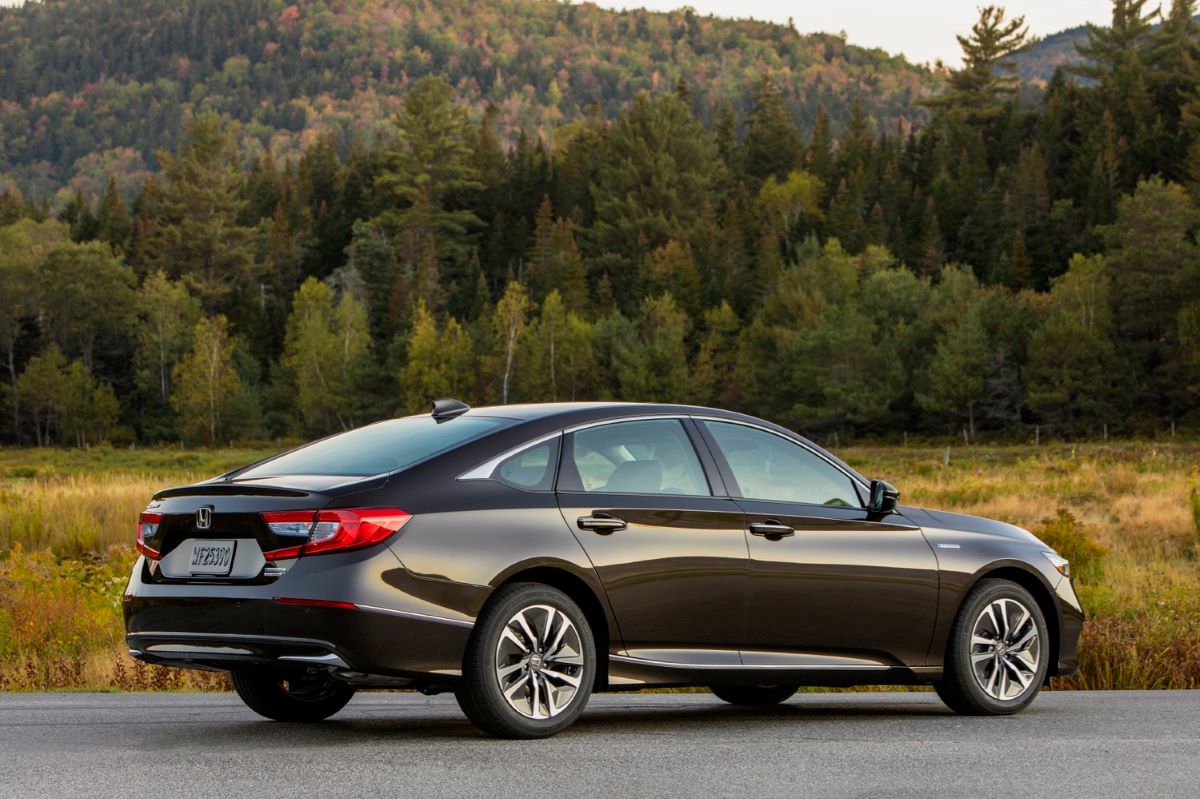
The Honda Accord Hybrid has quietly built a reputation for delivering both performance and long-term efficiency. Unlike some hybrids that prioritize efficiency at the expense of driving feel, the Accord Hybrid provides a smooth, refined ride while still maintaining impressive MPG numbers well past the 150,000-mile mark.
At the heart of the system is Honda’s two-motor hybrid powertrain, which differs from many competitors. One motor functions as a generator, while the other drives the wheels.
This separation allows the engine to operate under more consistent, controlled conditions. Instead of revving to meet demands, it often acts as a stable power source for the electric system, reducing mechanical stress and improving fuel efficiency over time.
What sets the Accord Hybrid apart is the way its electric drive motor handles most of the propulsion in typical daily driving. The gas engine often doesn’t directly power the wheels except at highway speeds. This means the electric motor bears most of the load, and it’s designed to do so with minimal wear.
This design greatly reduces engine wear, especially in stop-and-go traffic, which is often where traditional engines struggle to maintain efficiency as they age. Many owners report getting close to the same MPG after 150,000 miles as they did when the car was new typically in the 43–48 MPG range, depending on driving style.
Durability in the Accord Hybrid is also supported by its battery management system, which prevents deep discharges and overcharging, two key factors that can reduce battery life. Honda engineers have tuned the system to keep the battery operating within an optimal charge window, even during high loads or extreme temperatures.
This preserves energy efficiency and extends battery life, allowing the electric motor to remain a full-time contributor to the drivetrain even in older models. Since the battery continues to provide a meaningful share of the propulsion, the gasoline engine doesn’t get overworked, and fuel economy stays stable over time.
Lastly, the Accord Hybrid is built on the same platform as the conventional Accord, a car already known for its durability and longevity.
Suspension components, braking systems, and structural elements are built to last. Combine that with Honda’s track record for quality control and drivetrain integrity, and it becomes clear why so many high-mileage Accord Hybrids still offer the same comfort, reliability, and fuel efficiency they did years ago.
It’s not a flashy hybrid, but it’s a quietly dependable one that holds strong long after others begin to fade.
3. Toyota Camry Hybrid
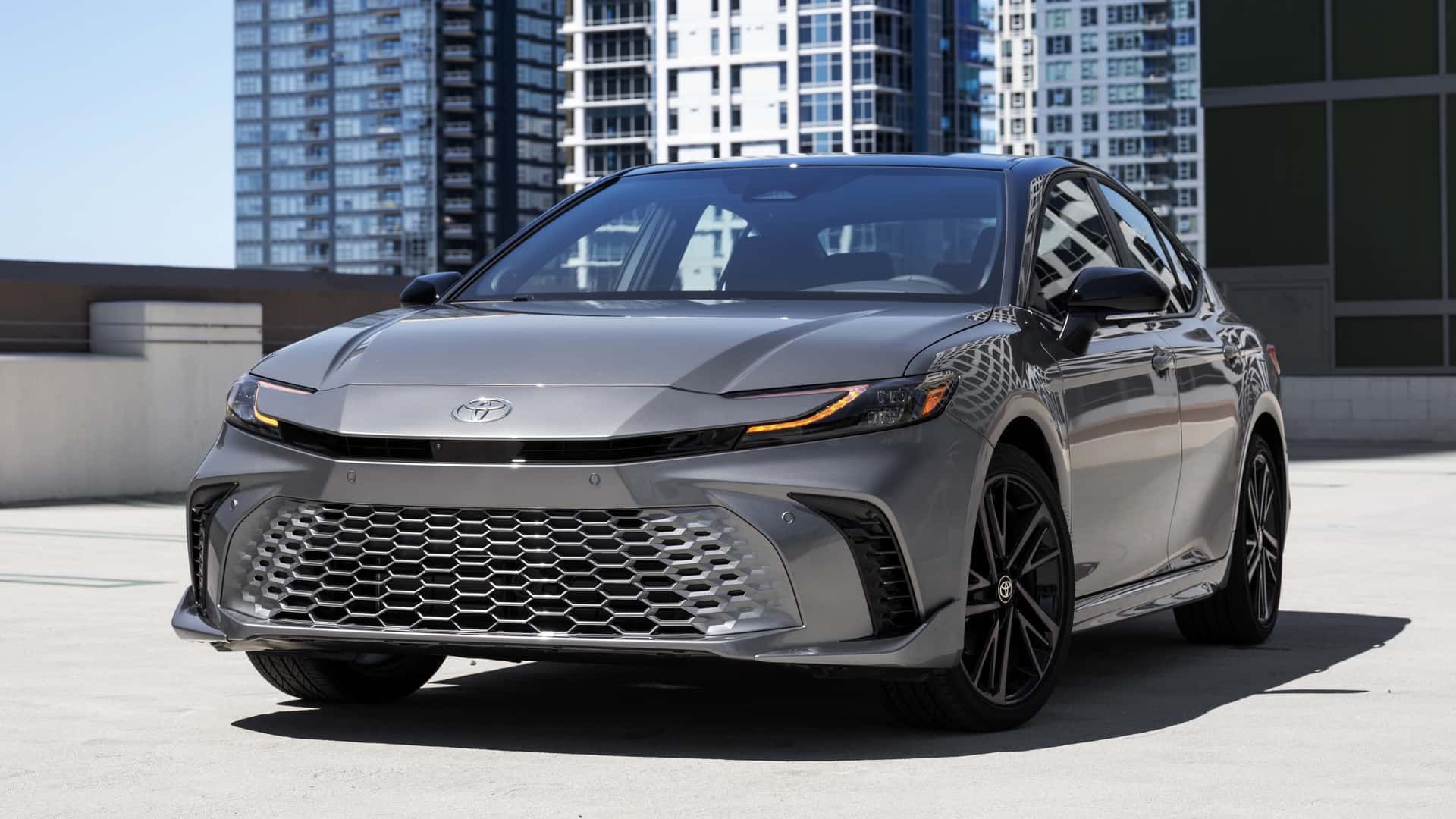
The Toyota Camry Hybrid offers a more mainstream look and feel than the Prius but packs many of the same long-term strengths under the hood. With Toyota’s hybrid synergy drive as its backbone, the Camry Hybrid maintains efficiency remarkably well over time.
While it’s a bit heavier and more powerful than the Prius, it still manages to deliver 40–44 MPG consistently, even after 150,000 miles or more.
This is largely due to Toyota’s extensive experience with hybrid technology. The electric motor and gasoline engine work together in a way that reduces engine workload, which plays a huge role in maintaining fuel efficiency over the years.
A major benefit of the Camry Hybrid is that it’s engineered for stability and balance. The larger size and stronger frame make it more comfortable for highway travel, while still allowing the hybrid system to shine in stop-and-go city traffic. In typical use, the electric motor handles low-speed driving and assists with acceleration, significantly cutting down on fuel use.
Over time, this design pays dividends. The gasoline engine isn’t constantly taxed, and the system’s ability to switch back and forth keeps both the engine and battery from experiencing harsh duty cycles that lead to early degradation.
The hybrid battery in the Camry is placed under the rear seat, protected from temperature extremes and isolated from areas that could experience water intrusion. Battery cooling ducts ensure airflow is adequate, and the system is built with longevity in mind.
Even after 10 years or more, many Camry Hybrids report minimal loss in electric drive performance. The regenerative braking system also remains consistent, recapturing energy that would otherwise be lost and extending the life of both the battery and brake components.
Another reason the Camry Hybrid holds its MPG so well is the precision with which its control systems operate. The transitions between electric and gas power are nearly imperceptible, even at high mileage, thanks to well-calibrated engine mapping and energy management.
This reduces driver frustration and contributes to a smoother experience, making it easier to maintain consistent MPG. For buyers who want something a bit more traditional than a Prius but don’t want to sacrifice long-term fuel savings, the Camry Hybrid is one of the best options available.
4. Hyundai Sonata Hybrid
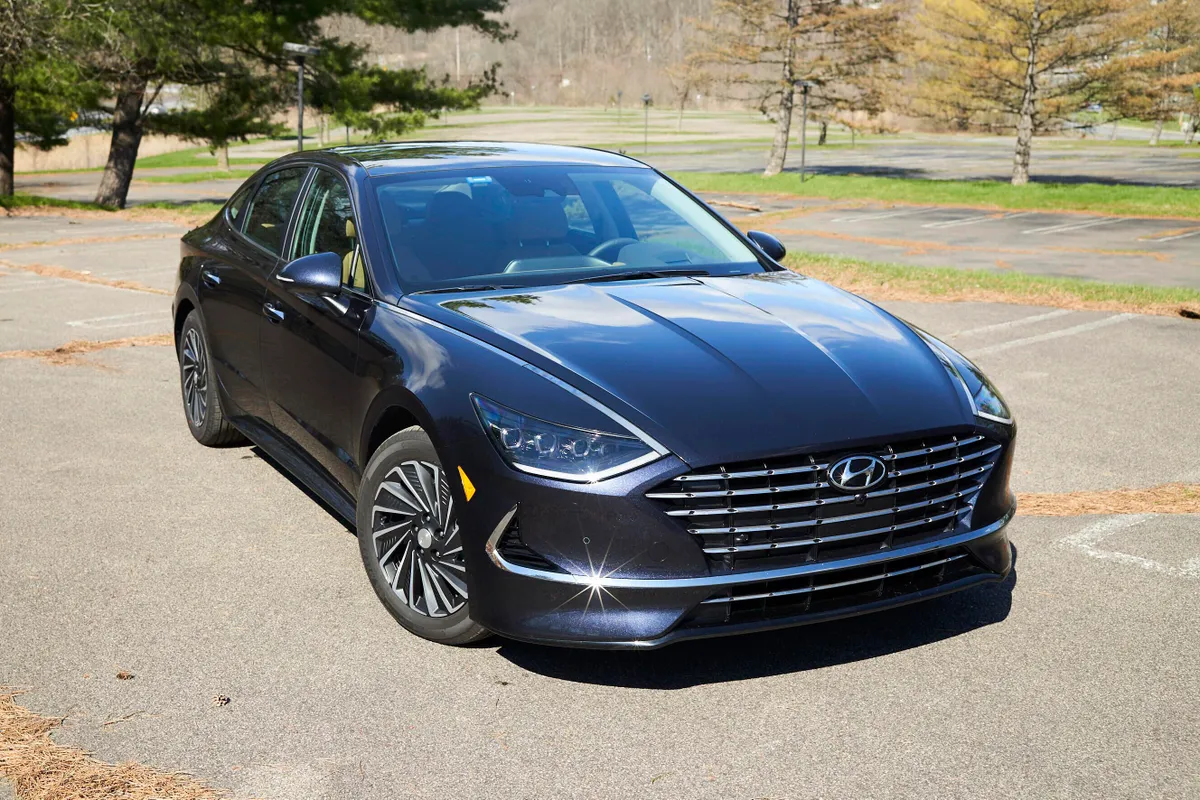
The Hyundai Sonata Hybrid represents one of the more surprising long-term performers in the hybrid segment. While Hyundai was initially considered a step behind Toyota and Honda in hybrid technology, that gap has significantly narrowed over the years.
In fact, later-generation Sonata Hybrids have proven themselves capable of sustaining high MPG figures beyond the 150,000-mile milestone.
This is largely due to improvements in battery chemistry, system management, and drivetrain integration. Many owners still report real-world MPG numbers in the 39–42 range after 150,000 miles, which is highly respectable given the size and performance of the car.
One standout feature in the Sonata Hybrid is its use of a lithium-polymer battery. This battery type offers better thermal stability and slower degradation compared to older nickel-metal hydride systems. It’s also more compact, which helps with weight distribution and cooling efficiency.
Hyundai implemented a solid battery management strategy, keeping charge cycles within an optimal range and preventing the kind of deep discharges that kill hybrid batteries early. This thoughtful engineering allows the electric components to remain functional and contribute meaningfully to the drivetrain for a much longer time.
The hybrid system in the Sonata is also unique in that it uses a traditional six-speed automatic transmission instead of a continuously variable transmission (CVT). This setup appeals to drivers who prefer the feeling of conventional shifting and provides a more natural driving experience.
Despite this difference, the Sonata still maintains good fuel economy because of intelligent software that handles gear shifts in a way that supports efficiency rather than performance. The combination of a well-tuned gas engine and a responsive electric motor helps the vehicle remain balanced and economical, even as components age.
Hyundai’s warranty support further reinforces the Sonata Hybrid’s long-term potential. While the warranty itself doesn’t guarantee MPG performance, it reflects confidence in the vehicle’s durability.
Many high-mileage Sonata Hybrid owners praise the vehicle for needing fewer repairs than expected and for keeping fuel costs low long after the factory coverage ends. Hyundai has successfully built a hybrid sedan that not only offers strong MPG out of the gate but also keeps delivering it long after the odometer climbs past six digits.
5. Ford Fusion Hybrid
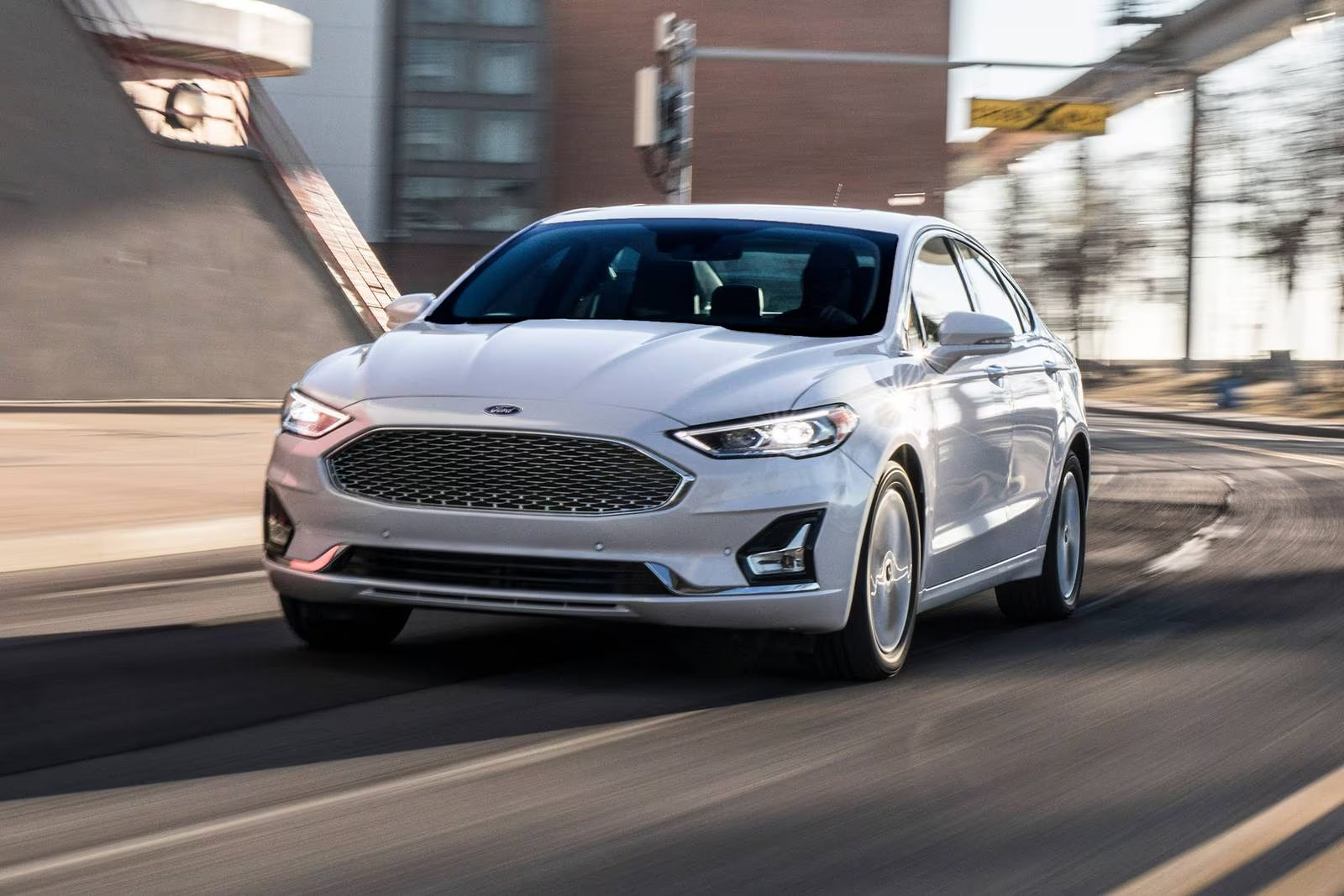
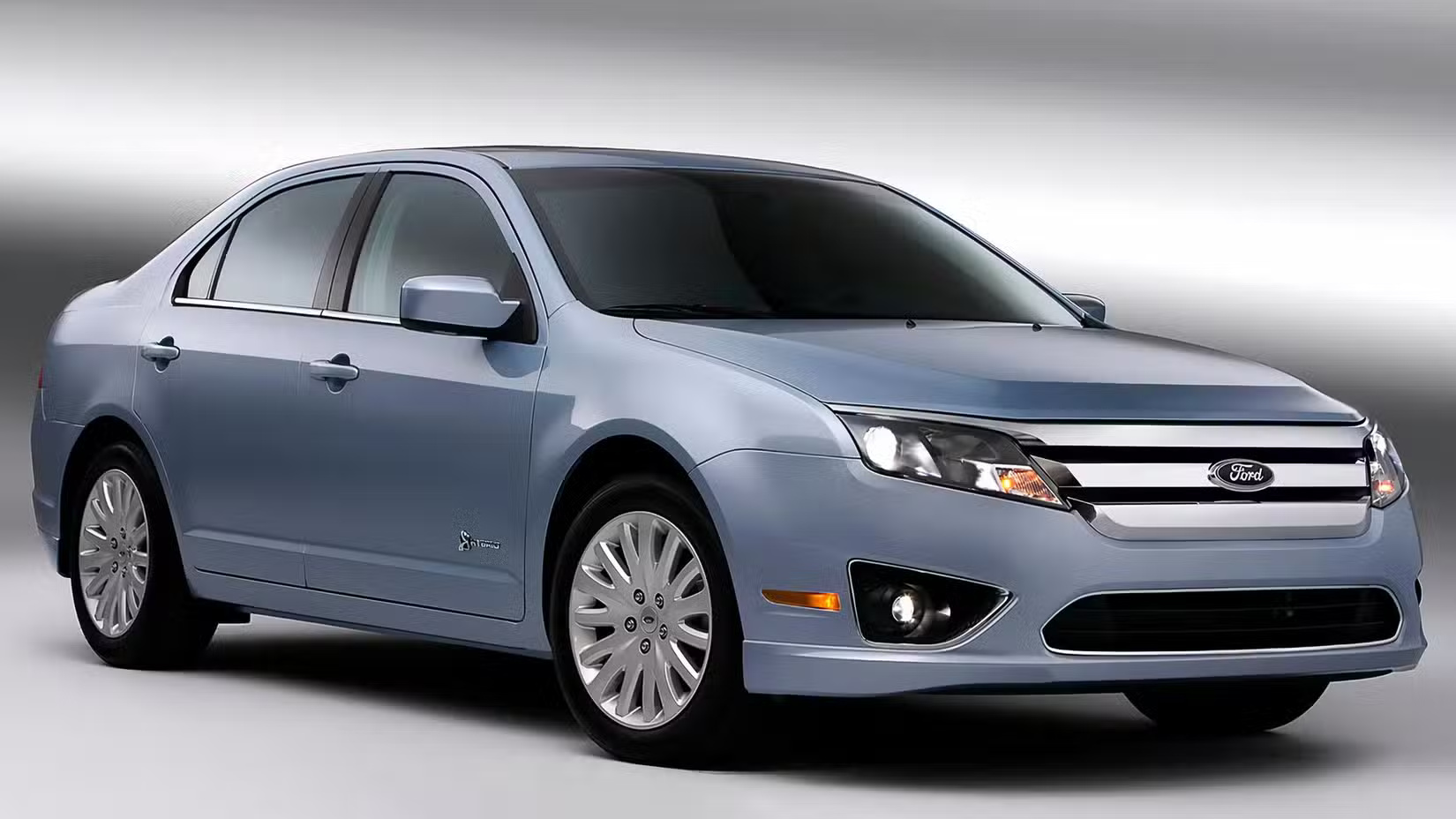
The Ford Fusion Hybrid stands as one of the more successful American-made hybrid sedans when it comes to longevity and fuel efficiency. While Ford’s early hybrid efforts had some inconsistencies, the Fusion Hybrid especially from the 2013 model year onward proved to be both efficient and surprisingly durable.
It features a naturally aspirated Atkinson-cycle engine combined with an electric motor and an eCVT transmission, creating a balanced and fuel-efficient driving experience. What’s impressive is how well the car keeps its MPG figures even at high mileage. Owners commonly report staying in the 41–44 MPG range past 150,000 miles with no major system failures.
The battery system in the Fusion Hybrid is designed for endurance. It uses a lithium-ion pack that’s mounted in a way that minimizes heat exposure and vibration two common culprits of early battery failure.
Ford also equipped the car with an active cooling system to help regulate temperature during charging and discharging, particularly during heavy use.
This has a noticeable impact on battery life. Even at higher mileage, the Fusion’s electric motor continues to contribute significantly to the driving process, rather than just becoming a background assist.
Regenerative braking in the Fusion Hybrid is another well-implemented feature. It not only extends brake life but also keeps the hybrid battery charged more effectively. This constant energy recapture plays a big role in maintaining the vehicle’s MPG, especially in city driving where stop-and-go traffic would otherwise eat into efficiency.
Unlike some hybrids that develop choppy or inconsistent brake feel as they age, the Fusion’s braking remains smooth and functional, supporting its hybrid system’s efficiency goals even years into ownership.
Finally, what helps the Fusion Hybrid remain a long-term contender is its solid build quality and balanced design. The chassis is refined, the interior holds up well, and Ford has done a good job ensuring that the hybrid system integrates cleanly with the rest of the car.
Drivers who regularly perform basic maintenance oil changes, fluid checks, tire rotations often report going well beyond 150,000 miles without any decline in performance or economy.
While it might not have the brand cachet of Toyota or Honda, the Fusion Hybrid earns its place among the best when it comes to long-term MPG consistency.
Also Read: 5 Cars With Clear Gauges vs 5 With Cluttered Clusters
5 Hybrid Sedans That Drop Efficiency Early

1. Chevrolet Malibu Hybrid
At first glance, the Chevrolet Malibu Hybrid looks like a strong competitor in the midsize hybrid sedan category. With sleek styling, respectable cabin comfort, and EPA ratings around 46 MPG combined, it appears to offer a compelling mix of efficiency and practicality. However, this hybrid tends to suffer a noticeable decline in fuel efficiency earlier than many of its rivals.
By the time these vehicles reach around 100,000 to 120,000 miles, many owners report a drop in average MPG to the mid-30s or lower. That level of decline is significant and has left many long-term owners disappointed.
A key reason for this early drop-off lies in the design of the hybrid system. General Motors utilized a 1.8-liter engine mated to a two-motor electric system and a relatively small lithium-ion battery.
While this setup performed adequately during early mileage, it lacked the robust thermal management systems and battery preservation strategies seen in Toyota and Honda models.
Over time, the battery struggles to hold charge as effectively, which leads the gas engine to take on more of the workload. This change doesn’t just decrease fuel economy it also puts more stress on the internal combustion components, accelerating wear in other areas of the powertrain.
Another issue with the Malibu Hybrid is its regenerative braking system. In contrast to more refined systems found in Toyota or Ford hybrids, the Malibu’s regen braking can become inconsistent as it ages. This not only reduces the amount of recovered energy sent back to the battery but also creates a less seamless driving experience.
Jerky transitions between regen and friction braking can become more noticeable with mileage, and the system does not adapt well to component wear. This loss in braking efficiency indirectly contributes to lower fuel economy, especially during city driving, where regen braking plays a larger role.
Software calibration is another factor that becomes problematic. GM’s hybrid software doesn’t have the same degree of long-term self-adjustment as systems found in Toyota’s hybrid synergy drive. As wear occurs and battery output drops, the system lacks a sophisticated way to compensate, often resulting in abrupt engine engagement and inefficient throttle response.
Combined with rising maintenance costs after the 100,000-mile mark and limited aftermarket support, the Malibu Hybrid becomes less appealing to drivers who prioritize long-term efficiency. For those expecting their hybrid to deliver high MPG well into its second life, this sedan often falls short.
2. Nissan Altima Hybrid (2007–2011)
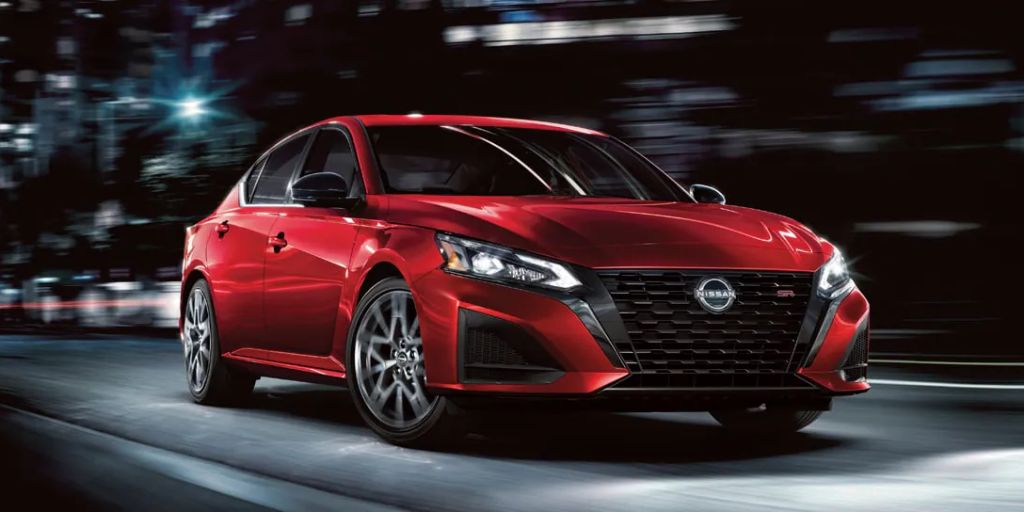
The Nissan Altima Hybrid was Nissan’s early foray into hybrid technology and a somewhat limited one at that. While it shared the same hybrid system as the Toyota Camry Hybrid of the same era (under a technology-sharing agreement), Nissan never fully optimized the system to the Altima’s specific dynamics.
The result was a car that initially delivered decent MPG, often in the 33–35 MPG range, but saw its efficiency falter quickly as the miles added up. Most of these vehicles show noticeable MPG loss by the time they hit 90,000 to 110,000 miles, which is earlier than typical expectations for a hybrid sedan.
One of the biggest culprits is that the Altima Hybrid’s hybrid software and system integration weren’t as tightly developed as Toyota’s own models. Although it used Toyota’s basic technology, Nissan implemented it with their own engine calibration and control algorithms.
Unfortunately, these did not age as well. Over time, drivers began to notice rough transitions between the electric and gas drive modes. In some cases, the electric motor would fail to provide enough support under light acceleration, forcing the gas engine to work harder and burn more fuel. This imbalance contributes significantly to the early loss in MPG.
Battery longevity is another weak point. The Altima Hybrid used a NiMH battery pack placed in the trunk, and while reasonably well protected, it didn’t benefit from Toyota’s full range of battery preservation techniques. Over the years, the battery can begin to lose capacity, especially in regions with temperature extremes.
Once the electric system starts contributing less power, the vehicle becomes more reliant on its gas engine a 2.5L unit that, by itself, is not especially fuel-efficient. This transition happens subtly at first, but becomes more pronounced past the 100,000-mile mark, resulting in steady MPG decline.
To make matters worse, the Altima Hybrid lacked widespread service support due to its limited production and the fact that it was only sold in select states. Many dealerships were not familiar with its unique components, and independent shops often struggled to source parts or diagnostic tools.
This made it harder for owners to keep the hybrid system functioning optimally, even with regular maintenance. As a result, even well-intentioned owners had difficulty preserving the car’s peak efficiency. While the Altima Hybrid was a good first step for Nissan, its long-term viability doesn’t hold up when compared to more mature hybrid systems on the market.
3. Hyundai Elantra Hybrid (Early Production Years)
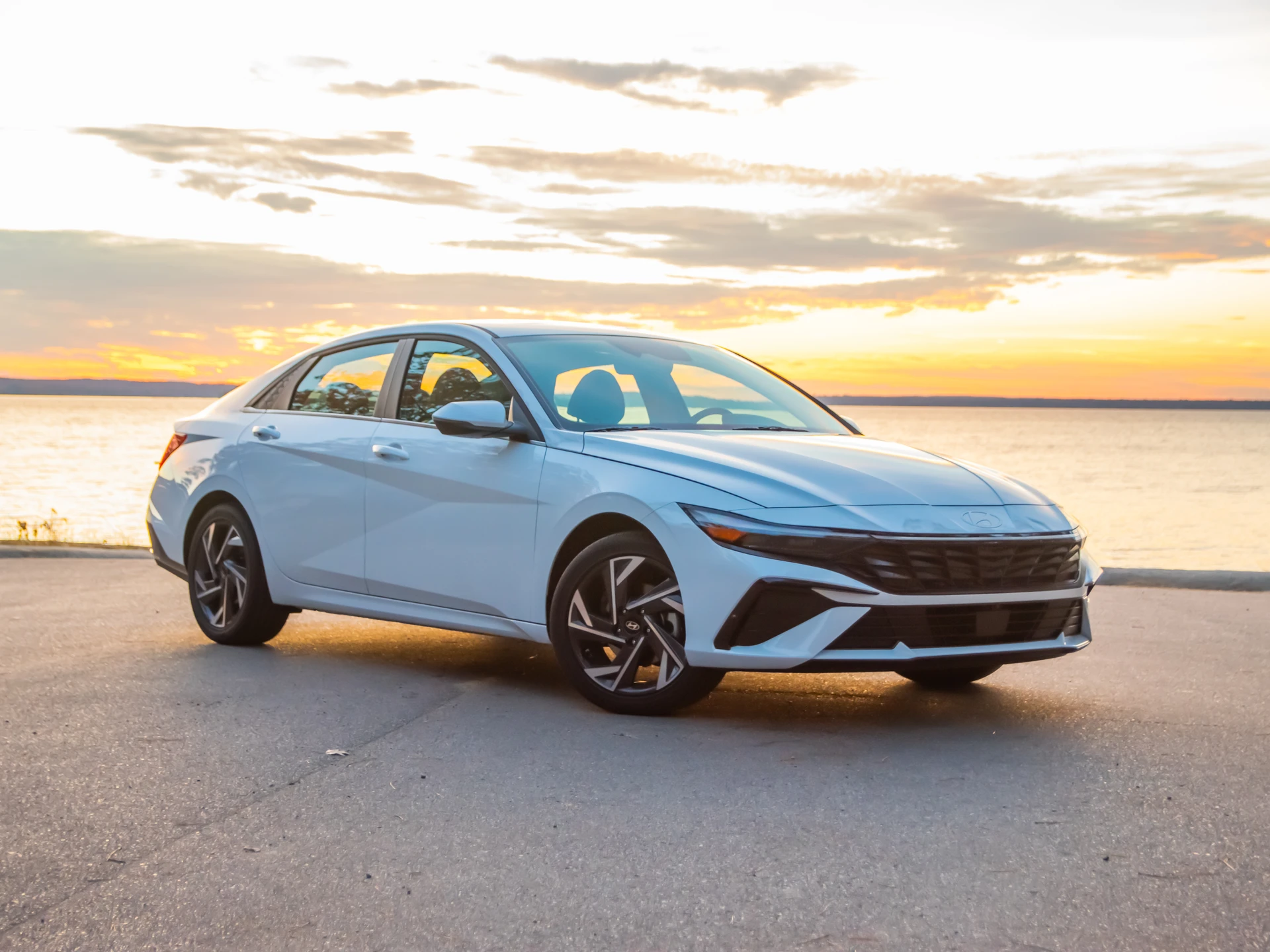
The Hyundai Elantra Hybrid made a splash as a more affordable alternative to hybrid stalwarts like the Prius and Corolla Hybrid. It delivered strong MPG numbers right out of the gate often in the 50+ range depending on driving conditions.
However, the early production years of this model (especially pre-2023) showed some weaknesses in system durability and consistency. As these vehicles accumulate mileage, many owners report MPG dropping into the high 30s or low 40s after 90,000 to 110,000 miles a sharp enough decline to negate much of the initial cost savings from fuel economy.
The biggest factor behind this early efficiency loss is the aggressive tuning of the hybrid system. Hyundai optimized the Elantra Hybrid for high EPA test cycle results, but this tuning doesn’t translate as well to real-world, long-term use. The system often pushes the battery aggressively during light acceleration to minimize gas engine engagement.
While this improves short-term MPG, it also causes the battery to cycle more frequently and deeply, leading to quicker degradation. The lithium-polymer battery used in these models, while technically advanced, appears to degrade faster than expected in some driving environments, especially in high-heat regions.
Transmission behavior also contributes to the long-term efficiency issues. The Elantra Hybrid uses a dual-clutch transmission (DCT), unlike the continuously variable transmissions found in many hybrids. While this offers a sportier driving experience, it’s not always optimal for preserving fuel economy over time.
The DCT requires precise calibration and timely servicing to avoid internal wear, and in many cases, gear engagement becomes sluggish with age. When paired with a slightly weakened battery, the car ends up relying more on the gas engine, and fuel economy drops significantly especially during low-speed, stop-and-go traffic.
Furthermore, Hyundai’s hybrid system lacks some of the adaptive recalibration features found in Toyota and Honda hybrids. While it does monitor battery health and powertrain performance, the system isn’t as adept at compensating for long-term wear.
Owners often report that once the MPG begins to drop, it continues to decline steadily unless expensive battery service or recalibration is performed. Given the Elantra Hybrid’s attractive upfront pricing, some buyers overlook these long-term risks. But for those hoping to maintain 50+ MPG well into six-figure mileage, the vehicle often doesn’t meet expectations.
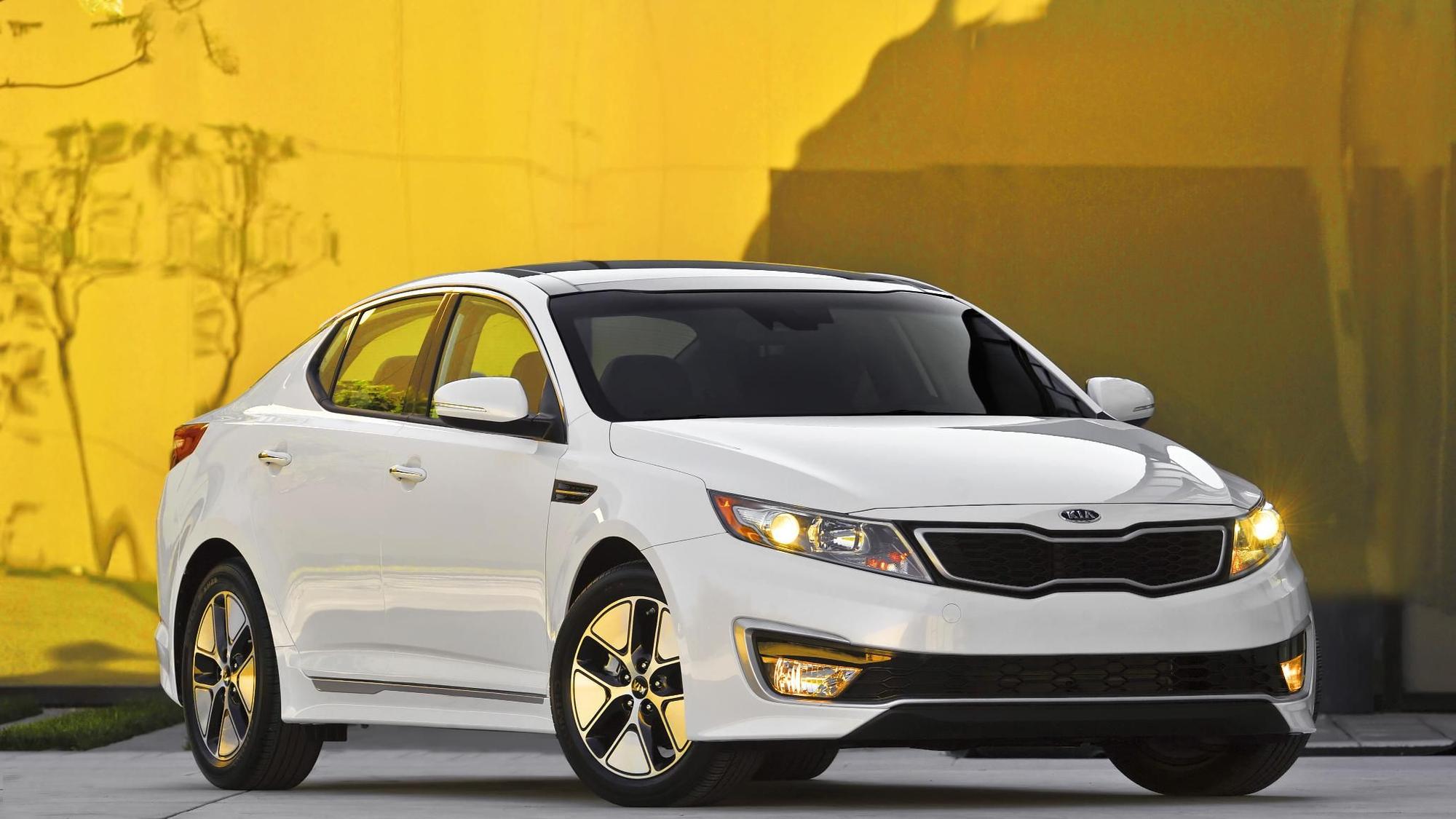
4. Kia Optima Hybrid (Pre-2016 Models)
The Kia Optima Hybrid, particularly models released between 2011 and 2015, offered a stylish exterior and smooth ride with relatively good MPG ratings when new around 36–40 MPG combined.
However, time hasn’t been especially kind to these earlier hybrid systems. As they approach or surpass 100,000 miles, efficiency often dips into the high 20s or low 30s. That level of drop-off is more dramatic than what’s typically expected in hybrids, and for many owners, it comes as an unpleasant surprise.
One of the core issues is the first-generation hybrid system used in these models. It features a parallel setup where the electric motor is sandwiched between the gas engine and a traditional 6-speed automatic transmission. While innovative at the time, this arrangement suffers from several efficiency setbacks as it ages.
The transitions between gas and electric power become less smooth, and the vehicle can often “hunt” for gears under light load, causing the engine to rev more than necessary and wasting fuel. These erratic behaviors become more pronounced as the software and mechanical components age.
Battery reliability is another known weak point. Kia used lithium-polymer batteries in these models, which had benefits in terms of compactness and weight. However, these batteries were prone to degradation under moderate to heavy use, especially without advanced cooling systems.
Many owners began noticing reduced electric range and power well before the 100,000-mile mark, with the hybrid system becoming increasingly reliant on gasoline propulsion. Once the battery’s assist diminishes, the relatively small and underpowered engine struggles to maintain efficiency, particularly in city environments.
To make matters more complicated, the Optima Hybrid’s repair and diagnostic ecosystem was relatively underdeveloped during its production years. Dealerships often lacked hybrid-specific technicians, and repair costs could be steep relative to the vehicle’s resale value.
With a limited support network and few aftermarket solutions, many owners chose to live with declining MPG rather than invest in costly repairs.
While later Kia hybrids have improved significantly, these early models serve as a cautionary tale for how poor system integration and battery degradation can undercut hybrid promises long before the vehicle reaches its full potential.
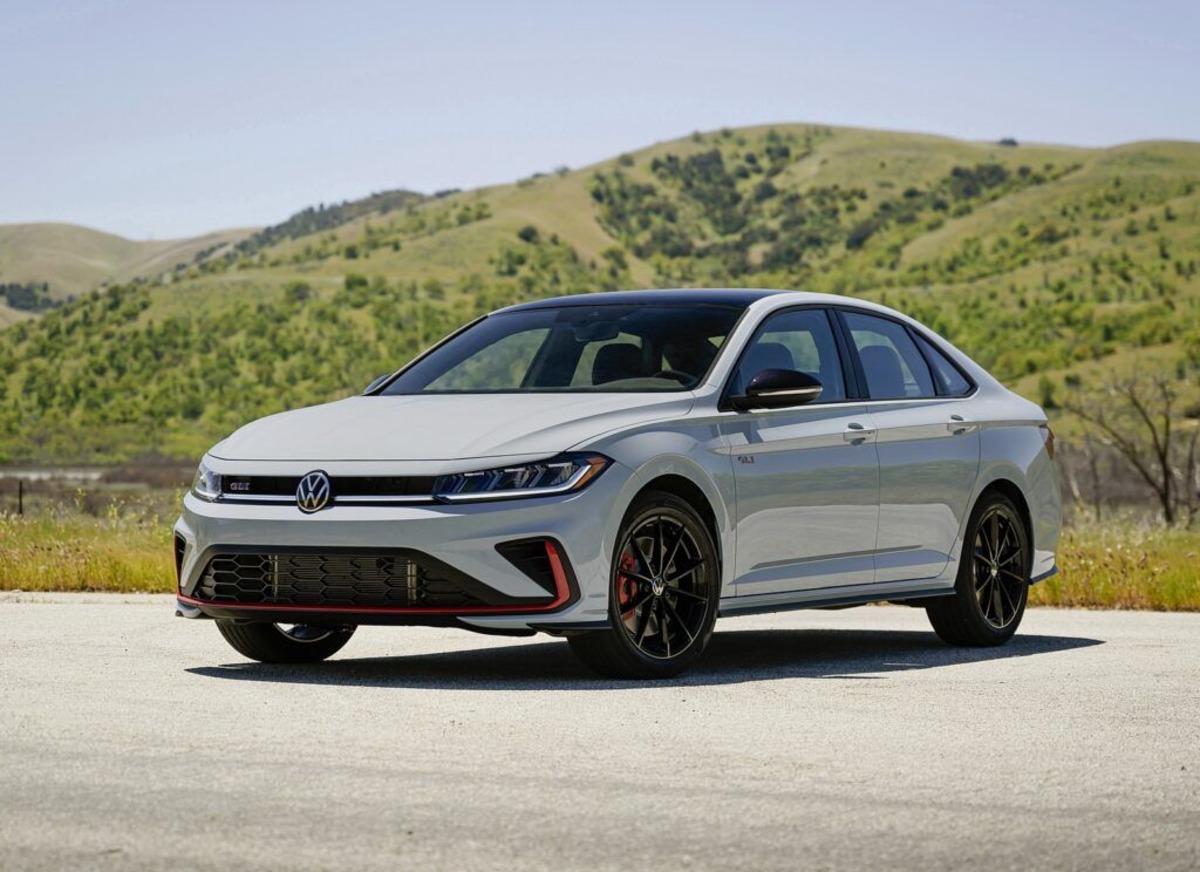
5. Volkswagen Jetta Hybrid
The Volkswagen Jetta Hybrid was positioned as a fun-to-drive alternative in the hybrid space, offering a turbocharged 1.4-liter gas engine paired with an electric motor and a 7-speed dual-clutch transmission.
While its performance was lively and initial fuel economy was rated in the mid-40s, this model has a well-documented pattern of early MPG degradation. In fact, some owners began seeing efficiency declines as early as 70,000 to 90,000 miles, with MPG falling into the low 30s or even upper 20s under normal use.
The problem begins with the drivetrain design itself. The turbocharged engine, while energetic, is more complex and sensitive than the naturally aspirated engines typically found in hybrids. Turbos can degrade or become less efficient with heat and oil quality, both of which tend to suffer over long-term use if not carefully maintained.
Combine that with a DCT that relies on precise timing and regular maintenance, and the system begins to show weaknesses. Once the battery starts to fade as it often does around the 100,000-mile mark the car has to rely much more on the turbocharged engine, which is not particularly fuel-efficient on its own.
Another issue lies in the regenerative braking system. Unlike more mature hybrid designs, the Jetta’s regen system lacks finesse and adaptability. Many owners report jerky brake transitions or diminished regen efficiency after several years of use.
This not only reduces the energy recaptured during braking but also contributes to battery strain as the system works harder to maintain charge. As battery efficiency drops, the hybrid components become less helpful, and the vehicle starts behaving more like a conventional turbocharged sedan with all the associated fuel costs.
Long-term ownership is also complicated by the relatively high cost of repairs and the limited number of technicians trained on this specific hybrid system. Volkswagen’s parts and service for hybrid models can be more expensive and harder to source compared to Toyota or Ford.
Once the battery or transmission starts showing wear, repairs often exceed the residual value of the car. For these reasons, the Jetta Hybrid has developed a reputation as a vehicle that delivers a strong short-term experience but fails to hold onto its MPG advantage once the odometer climbs into six digits.
