
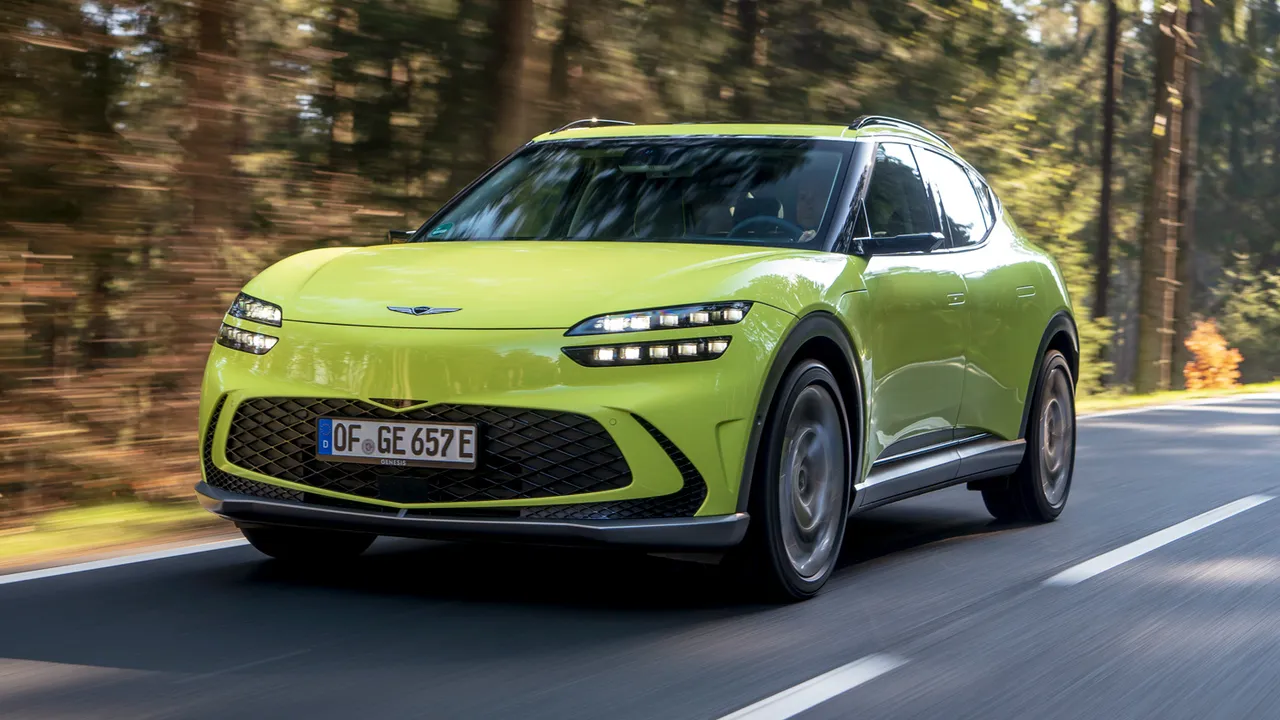
As electric vehicles rapidly evolve, car interiors are transforming just as dramatic as what’s happening under the hood. Nowhere is this more evident than in electric SUVs, a category that blends advanced technology with the versatility of family-friendly design.
Automakers are no longer simply replacing gas engines with batteries; they are rethinking how drivers and passengers interact with the vehicle altogether. From screen size and button placement to lighting, materials, and the layout, the interior of an electric SUV can either feel like a breath of fresh air or a wall of digital noise.
One of the most noticeable trends in this new wave of electric SUVs is the division between two types of cockpit design philosophies. On one side are vehicles that embrace simplicity: they minimize clutter, strip out unnecessary controls, and focus on core functionality.
These cockpits favor clarity and ease of use. They often rely on a single screen or a small, well-organized display system. Controls are intuitive, the materials are often understated, and the whole environment is designed to keep the driver focused and comfortable. These SUVs offer a cabin experience that supports the quiet, relaxed nature of electric driving.
On the other side are electric SUVs that take the opposite route, loading the cabin with layers of tech, glowing lights, massive touchscreens, and a labyrinth of digital menus. These interiors aim to impress with their complexity and customization options. For some drivers, this creates a high-tech atmosphere that’s exciting and dynamic.
For others, it introduces friction into the driving experience, asking more from the user in exchange for relatively few tangible benefits. Controls that used to be available with a single button press are now buried under several layers of software. Even adjusting something as basic as fan speed or seat heating can require multiple steps.
This contrast in interior design isn’t just about style, it has real consequences for usability, comfort, and long-term satisfaction. Drivers who prefer a car that “just works” often find overloaded interiors to be more of a burden than a benefit.
Meanwhile, those who enjoy customizing their experience, exploring tech features, and immersing themselves in a digital environment might find simple cockpits underwhelming or even boring. The point isn’t to declare one approach better than the other, but to recognize that the difference is substantial and it matters when choosing a vehicle that fits your lifestyle.
As manufacturers push to differentiate themselves in an increasingly competitive electric vehicle market, interior design becomes a key battleground. Some brands treat the cockpit as a sanctuary a space to unwind and focus on the road. Others treat it like a command center, offering an endless array of interfaces and customizations to suit every taste.
But the more screens, lights, and features that get added, the greater the risk of sensory fatigue and user error. Design clarity begins to give way to visual clutter, and the cabin can start to feel more like a challenge than a retreat.
In this article, we’ll examine six electric SUVs that stand out for their simple, focused cockpit design, followed by five electric SUVs that go the opposite route with overloaded, high-tech interiors. Each vehicle was selected not just for its electric performance, but for how its interior reflects a specific design philosophy.
By comparing these two approaches, we can better understand how different automakers interpret the balance between form, function, and technology inside the cabin. Whether you’re looking for minimalism or an all-out digital experience, understanding these distinctions can help you make a more informed decision the next time you’re behind the wheel.
Also Read: 5 Reliable Used Cars Under $10K and 5 That Will Cost You Twice That in Repairs
4 Electric SUVs With Simple Cockpits
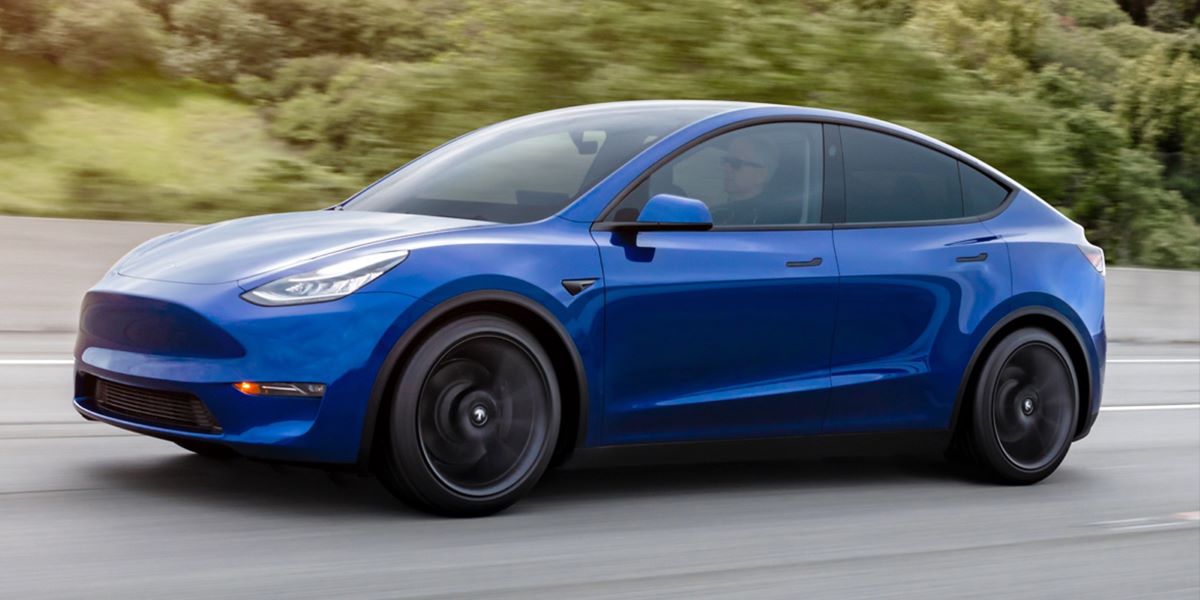
1. Tesla Model Y
Tesla’s Model Y takes a radical approach to cockpit design by stripping down the interior to its bare essentials. There is no traditional instrument cluster behind the steering wheel. Instead, all information is channeled through a single, landscape-oriented central touchscreen mounted on the dash.
This design choice places all controls from navigation to climate settings within a few taps. For drivers coming from more conventional vehicles, this change might initially feel jarring, but it quickly becomes second nature due to the simplicity and consistency of the user interface. There’s a clear focus on removing distractions, which enhances the driving experience by encouraging attention on the road rather than a sea of switches and knobs.
The dashboard itself is unbroken and flat, finished in a clean material that flows from end to end. Air vents are hidden behind a minimalistic slot design, and even the glovebox is opened via the touchscreen. The interior gives off an open, uncluttered feeling that makes the cabin seem larger than it is.
This simplicity aligns with Tesla’s branding as a tech-forward company focused on efficiency and sustainability. Minimal decor, low-contrast color schemes, and a near-total lack of ornamentation turn the cabin into something more like a modern living space than a traditional car interior.
Though the central screen manages to consolidate nearly every function, some critics argue that removing physical buttons entirely can hinder usability. Adjusting temperature or changing drive settings through nested menus may take more time than pressing a dedicated button.
However, Tesla has worked to counterbalance this by using voice commands and over-the-air updates to improve speed, response, and convenience. Users familiar with smartphones tend to adapt quickly to Tesla’s layout, while others may prefer the tactile confirmation of buttons and switches.
Despite the debates about usability, the Model Y remains a strong example of what a modern, simple cockpit can look like. It doesn’t try to impress with ambient lighting or flashy colors. Instead, it focuses on doing more with less creating a cabin that reduces visual noise and prioritizes clarity. For many drivers, this approach makes commuting less stressful and aligns perfectly with the calm, quiet nature of electric driving.

2. BMW iX
BMW’s iX represents a departure from the brand’s long-standing interior traditions. Historically, BMW favored cockpits filled with tactile controls, angled dashboards, and a cockpit-like feel that placed the driver in command. With the iX, the company takes a completely different route.
The interior is clean, minimal, and airy, with a floating dashboard design that houses a large curved display stretching from behind the steering wheel to the center of the car. This single panel combines the gauge cluster and infotainment screen but is integrated seamlessly into the layout, making it feel like part of the structure rather than a dominant tech feature.
One of the standout features of the iX interior is its smart balance between digital and physical controls. BMW maintains its iDrive rotary controller in the center console, which offers a tactile alternative to touch-only interaction.
A few essential physical buttons are positioned around this controller, all clearly labeled and easy to access without looking. This blend of physical and digital design respects different user preferences and adds a layer of familiarity to a modern interface. The layout feels thoughtful rather than experimental.
Materials inside the iX are sustainable and luxurious without being flashy. BMW uses olive leaf-tanned leather, microfiber upholstery made from recycled materials, and open-pore wood accents that feel natural and warm. The use of ambient light is extremely subtle, providing a glow rather than an overwhelming light show.
The seats are thin but supportive, and the cabin offers generous headroom and legroom due to the EV architecture and flat floor. Everything about the iX’s interior is intentional, right down to the sound-insulated glass that contributes to the sense of serenity inside the vehicle.
BMW could have leaned heavily into tech overload, but the iX proves that high-end doesn’t have to mean hyperactive. The company seems to understand that a luxury electric SUV should promote peace of mind and ease of use. There are still plenty of high-tech features here, including an advanced driver assistance system and voice recognition, but they’re integrated without being front and center. That decision makes the iX feel comfortable, functional, and above all, simple in the right ways.
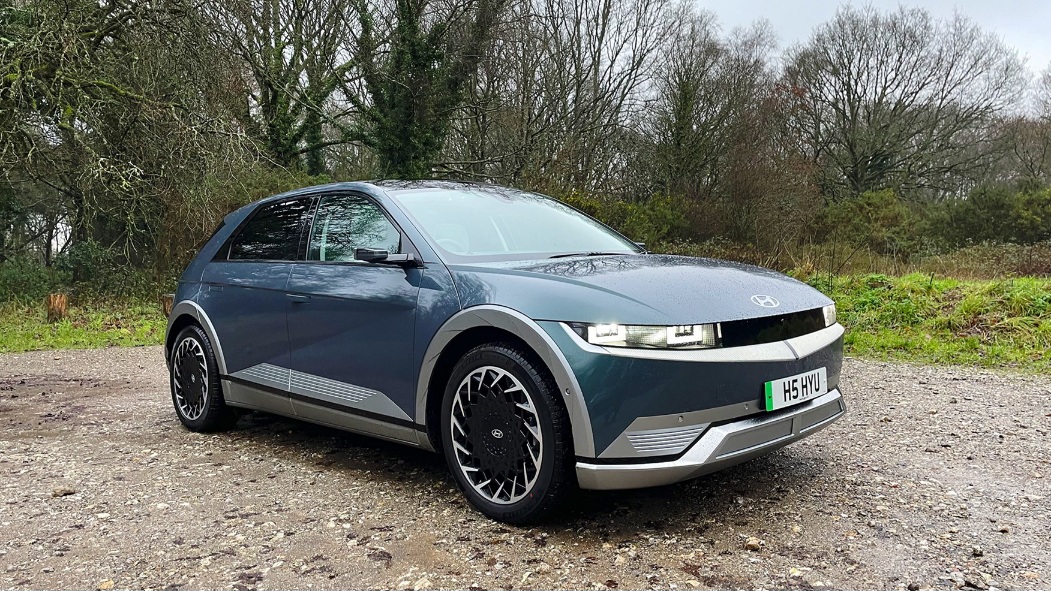
3. Hyundai Ioniq 5
The Ioniq 5 is one of the most thoughtfully designed electric vehicles in its class, and its interior reflects a philosophy of accessibility and spatial efficiency. The dashboard runs straight across the cabin with two 12.3-inch screens placed side by side, one for the instrument cluster and the other for infotainment.
Unlike in some competing models, these screens are not overly animated or saturated with information. Their graphics are flat, clean, and easy to read at a glance. Below the screens, Hyundai provides a physical panel with buttons and knobs for climate controls, a welcome feature for those who value tactile interaction.
A major strength of the Ioniq 5’s cockpit is its use of space. Thanks to the dedicated electric platform, the cabin has a completely flat floor, a long wheelbase, and a movable center console. These elements combine to create an open, versatile environment that feels more like a lounge than a traditional SUV interior.
Hyundai has made an effort to use eco-friendly materials, including sugarcane-based plastics, bio-paint, and recycled PET fabric. These materials give the interior a modern but calming atmosphere, with a palette that favors whites, grays, and soft tones instead of high-gloss black or chrome.
One of the most intelligent design decisions is the way controls are simplified and grouped. Instead of scattering touch-sensitive panels around the car, Hyundai keeps interactions focused in logical areas. For example, the window controls and door locks are where you’d expect them, not relocated in the center or embedded in menus.
The result is an intuitive experience where users don’t need to relearn how to interact with the vehicle. The heads-up display adds another layer of usability, projecting essential driving data onto the windshield to reduce eye movement and distraction.
The Ioniq 5 manages to feel futuristic without overwhelming the driver. It supports advanced features like regenerative braking adjustment, digital key access, and a suite of safety systems, but all of this is presented in a calm and orderly way. There’s no chaos of flashing icons or confusing submenus. The simplicity of the Ioniq 5 cockpit reflects a deep understanding of what real drivers need day to day clarity, comfort, and common sense.
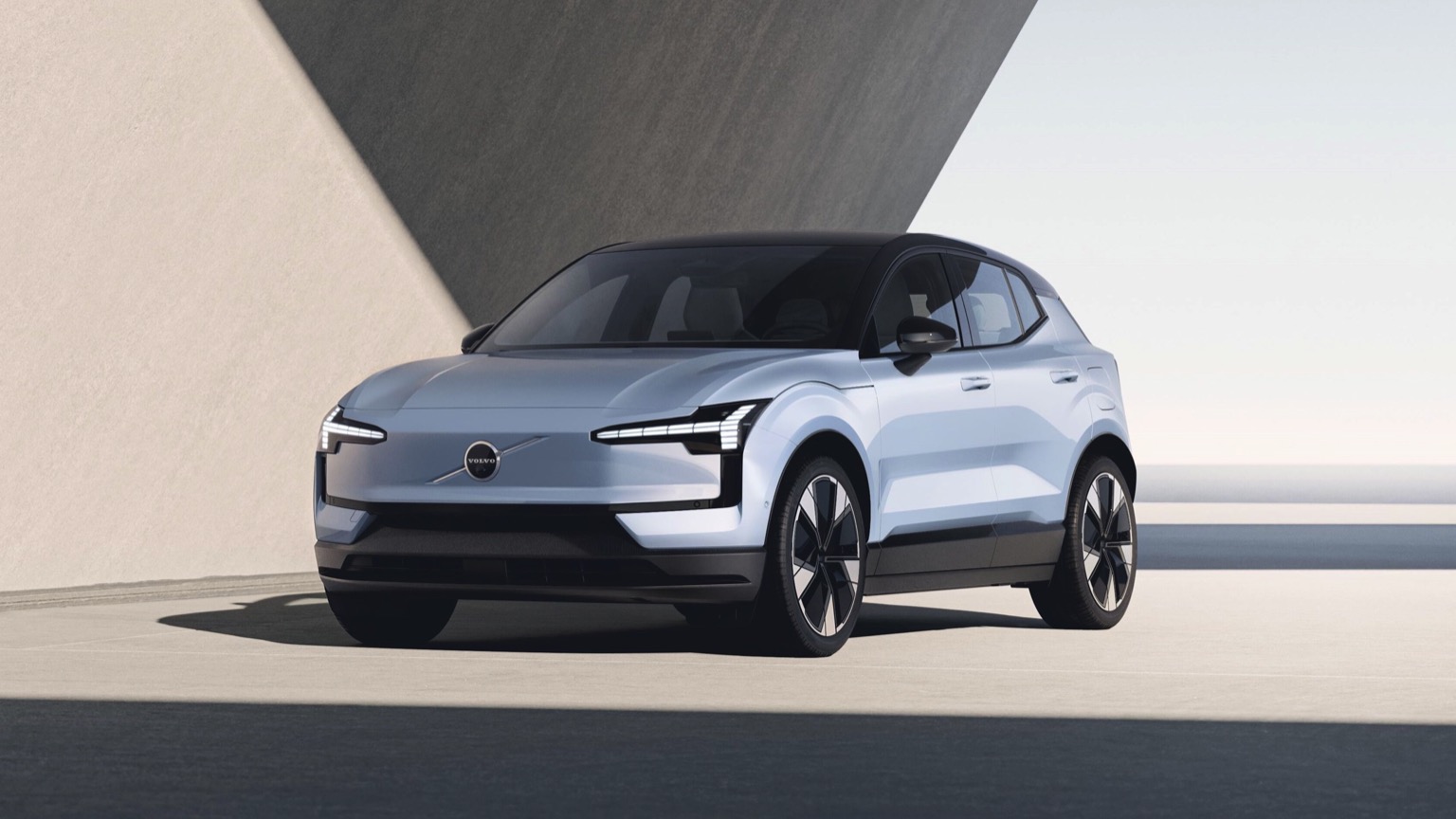
4. Volvo EX30
The EX30 is Volvo’s smallest electric SUV, but its interior packs a meaningful approach to simplicity and clarity. The most noticeable aspect of the cockpit is the absence of a traditional instrument panel behind the steering wheel. Volvo has opted for a single central touchscreen in portrait orientation, which handles everything from speed and climate to media and navigation.
While this may seem extreme, the layout is carefully considered. The central position of the display means fewer distractions and a cleaner field of view through the windshield, which aligns with Volvo’s commitment to driver safety.
Instead of traditional door-mounted controls, many functions like window switches and mirror adjustments are moved to the center console. This makes the layout more symmetrical and reduces duplication of components, which in turn frees up visual space and simplifies manufacturing.
The gear selector is placed on the steering column, freeing up space between the seats. The glovebox is also repositioned to be accessible from the center, a small but significant detail that improves cabin functionality. Everything feels deliberate, not just different for its own sake.
The interior materials in the EX30 are carefully chosen to reflect sustainability and comfort without adding unnecessary flair. Volvo uses recycled denim, flax fiber, and bio-based plastics to create a soft and warm environment.
Unlike in many premium vehicles, there’s no glossy wood trim or chrome. Instead, matte surfaces and textile patterns provide a texture-rich but unobtrusive background. There’s ambient lighting, but it’s used subtly, supporting visibility rather than turning the cabin into a neon display.
Volvo’s software interface in the EX30 is designed with the same minimalist intent. Menus are logically arranged, graphics are simple, and voice control is responsive. The screen layout prioritizes driving data at the top, with navigation and media controls below. There’s a learning curve, as with any centralized system, but once accustomed, the layout becomes second nature.
More importantly, it reflects a design focused on human experience rather than visual impact. The EX30 proves that even in the age of advanced EVs, it’s possible to create a space that feels like home, simple, efficient, and human-centered.
Also Read: 5 Reliable AWD Cars and 5 That Constantly Leak, Grind, or Fail
4 Electric SUVs With Overloaded Interiors

1. Mercedes-Benz EQS SUV
The interior of the EQS SUV from Mercedes-Benz is designed to impress at first glance, but it quickly reveals a complex landscape of features that demand constant engagement. Dominating the cabin is the sprawling “Hyperscreen,” which extends across the entire dashboard, fusing three separate displays into one continuous glass panel.
While it looks futuristic, the sheer width of the screen forces the driver and passenger to divide their attention between zones. There’s a digital gauge cluster, a large infotainment screen in the center, and a third screen exclusively for the front passenger. Each offers touch functionality, animated graphics, and access to various layers of controls.
In addition to these screens, Mercedes equips the EQS with extensive ambient lighting features that change color based on drive mode, temperature, or even user mood presets. The lighting snakes around the dashboard, along the doors, and under the seats, giving the cabin an almost nightclub-like glow when fully activated.
For some users, this may feel luxurious and immersive, but for others it can be overwhelming, especially during night driving. Even subtle changes like adjusting cabin temperature result in flashing colors, sound cues, or pop-up animations, turning simple interactions into attention-grabbing events.
Control mechanisms inside the EQS SUV lean heavily toward touch and haptic feedback. Traditional buttons are minimal, replaced by glossy surfaces that respond to light taps or swipes. While sleek in appearance, these controls lack the tactile feel many drivers expect, especially while navigating on the move.
Adjusting something as simple as airflow direction or volume can involve a combination of swiping and tapping through different screens or menus. The system also includes gesture controls and voice commands, but their responsiveness is inconsistent, and they often require repetition to get the intended result.
Mercedes-Benz clearly intended the EQS SUV to be a technological showcase, and in many ways it succeeds. The materials are premium, the build quality is superb, and the experience is unlike anything else. But the interior walks a fine line between innovation and excess.
For tech enthusiasts, it offers a world of customization and digital connectivity. For those who prefer a straightforward driving experience, it may come off as overdesigned. The sense of luxury is undeniable, but it’s layered under a demanding user interface that constantly pulls attention away from the core experience of driving.
2. Cadillac Lyriq
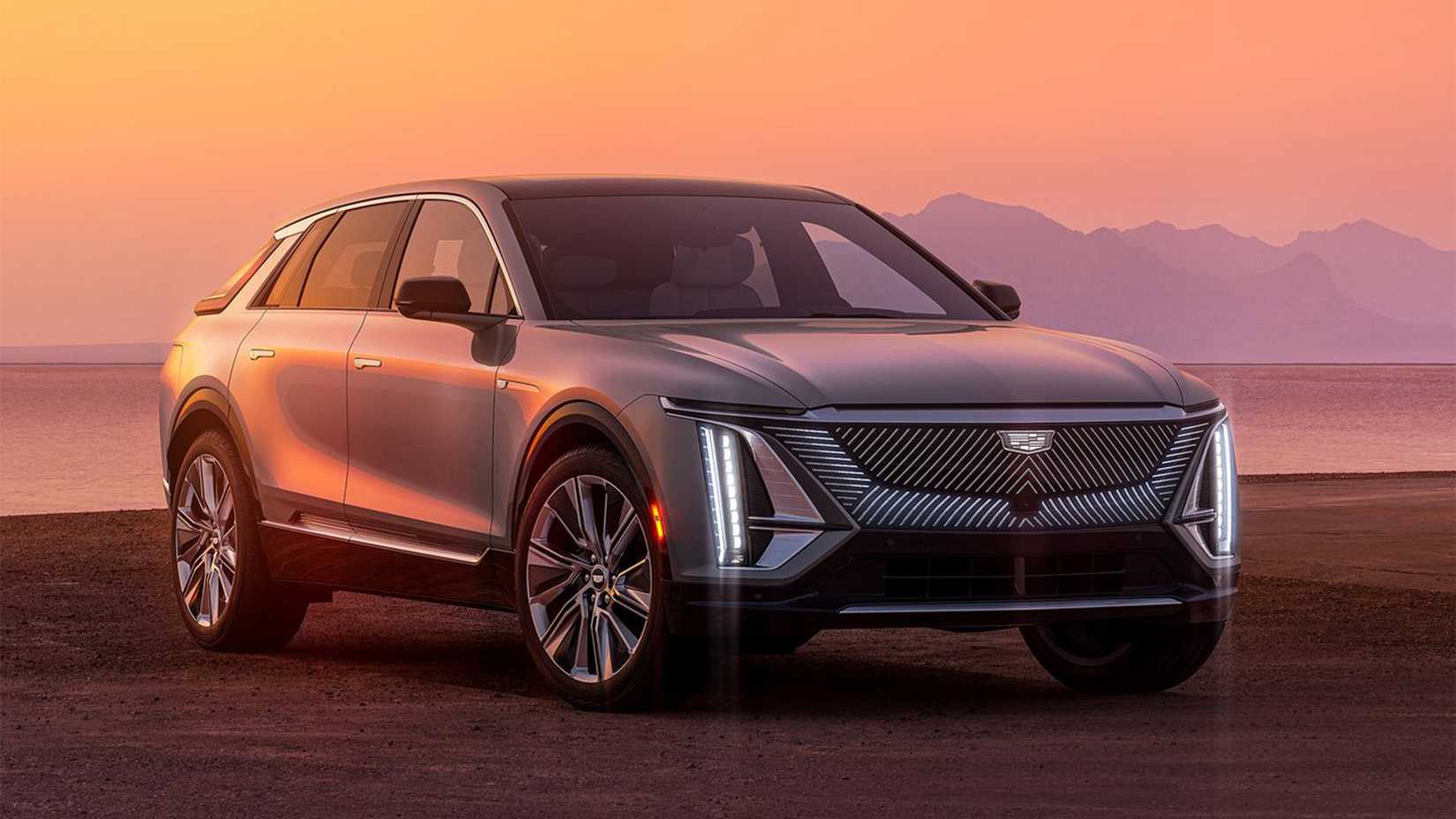
The Cadillac Lyriq brings American luxury into the electric era with an interior packed full of futuristic touches, layered surfaces, and dynamic displays. Front and center is a 33-inch curved LED screen that spans from behind the steering wheel to the edge of the passenger seat.
It’s a centerpiece that merges digital instrumentation and infotainment into one long, continuous canvas. While visually striking, it requires drivers to acclimate to the abundance of data and animations it throws their way. Navigation maps, battery information, media settings, and safety features all fight for screen space in a setup that is as impressive as it is cognitively demanding.
Beyond the massive display, Cadillac loads the Lyriq with touch-sensitive surfaces that replace many traditional controls. Temperature adjustments, audio functions, and even seat settings are handled via capacitive sliders and virtual buttons. While these look modern, they come with the drawback of reduced precision and feedback.
Unlike physical knobs or switches that can be operated by feel, these controls often require users to look directly at them, diverting attention from the road. This is especially problematic in situations that demand quick adjustments, such as changing cabin temperature while driving at high speeds.
Ambient lighting in the Lyriq is another area where Cadillac has chosen intensity over restraint. Dozens of customizable zones allow users to change the lighting color, brightness, and pattern, which can lead to a cabin that constantly shifts in tone. While this offers a degree of personalization, it can also become a source of distraction.
The lighting is not subtle; it often bleeds into reflective surfaces and adds a sense of busyness to an already layered interior. Combined with the variety of textures and finishes, it creates a visual experience that borders on sensory overload.
The Lyriq does not hide its ambition to be a bold, tech-centric SUV. Cadillac wants to stand apart from competitors by offering a “wow factor,” and in that mission, it succeeds. But in doing so, it sacrifices a degree of user comfort and simplicity.
For drivers who enjoy tinkering with menus and customizing every detail, it’s a rewarding experience. For those seeking an easy, intuitive interface, the Lyriq’s cockpit can feel like too much too soon. It’s a vehicle that looks and feels ahead of its time, but that futuristic edge comes at the expense of ease and immediacy.
3. Kia EV9
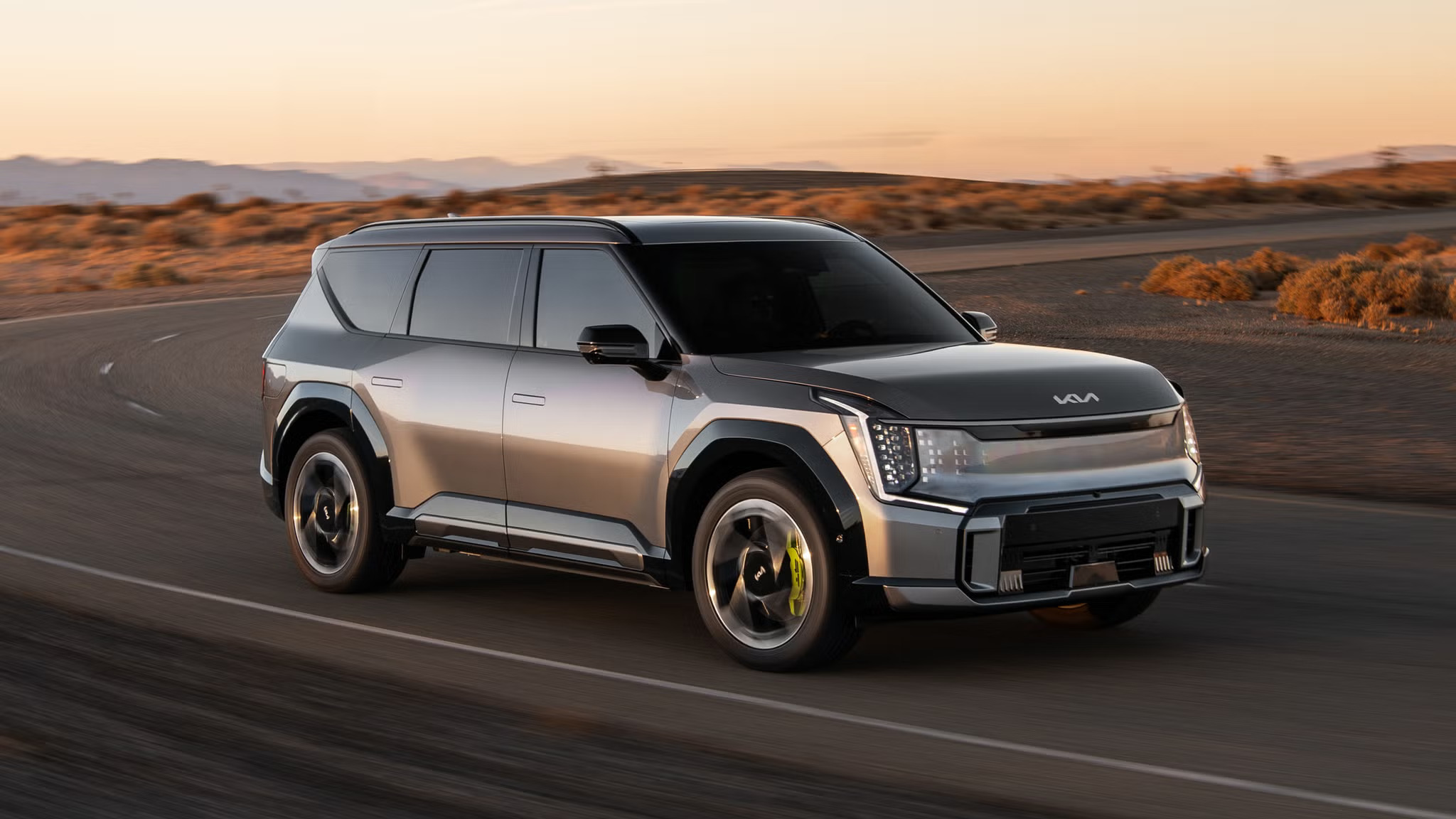
Kia’s EV9 is an ambitious three-row electric SUV that goes big in almost every way and its interior reflects that same all-in approach. The cockpit is dominated by a digital dashboard setup that consists of two 12.3-inch screens and a smaller 5-inch climate display, all integrated into a single floating glass panel.
This layout gives the vehicle a high-tech appearance, but also introduces a level of complexity that requires the driver’s full attention. The user interface is divided across the screens in a way that can feel unintuitive at first, with some functions buried behind several layers of menus.
Touch-sensitive controls dominate the center area, with haptic buttons replacing many of the physical switches and dials found in earlier Kia models. Volume, temperature, fan speed, and navigation input are all handled through digital inputs that may look sleek but often require multiple taps to register correctly.
While these are visually consistent with the futuristic theme of the vehicle, they can be frustrating during real-world driving when quick adjustments are needed. The delay between input and response can slow down basic tasks, which affects user satisfaction over time.
In terms of interior styling, the EV9 employs a mix of materials and colors that vary dramatically depending on trim level. High-spec versions include multiple textures, soft-touch plastics, gloss finishes, metallic accents, and contrast stitching all vying for attention in a relatively tight space.
Add in the customizable ambient lighting zones and multi-color themes, and the cabin becomes a mosaic of styles and lights. This approach creates a sense of excitement but lacks visual cohesion. There’s little breathing room between design elements, which can make the interior feel cluttered rather than cohesive.
The EV9 aims to be a technology-forward family SUV, and many of its features reflect that mission: digital key access, voice-activated controls, multiple USB ports, and even a rear-seat entertainment system. However, in trying to cater to everyone, Kia’s design ends up overdelivering in ways that may exhaust users rather than empower them.
While it’s an impressive vehicle from a feature perspective, the overloaded interior feels less like a sanctuary and more like a demonstration floor, requiring effort and attention from the driver just to manage the environment.
4. Genesis GV60
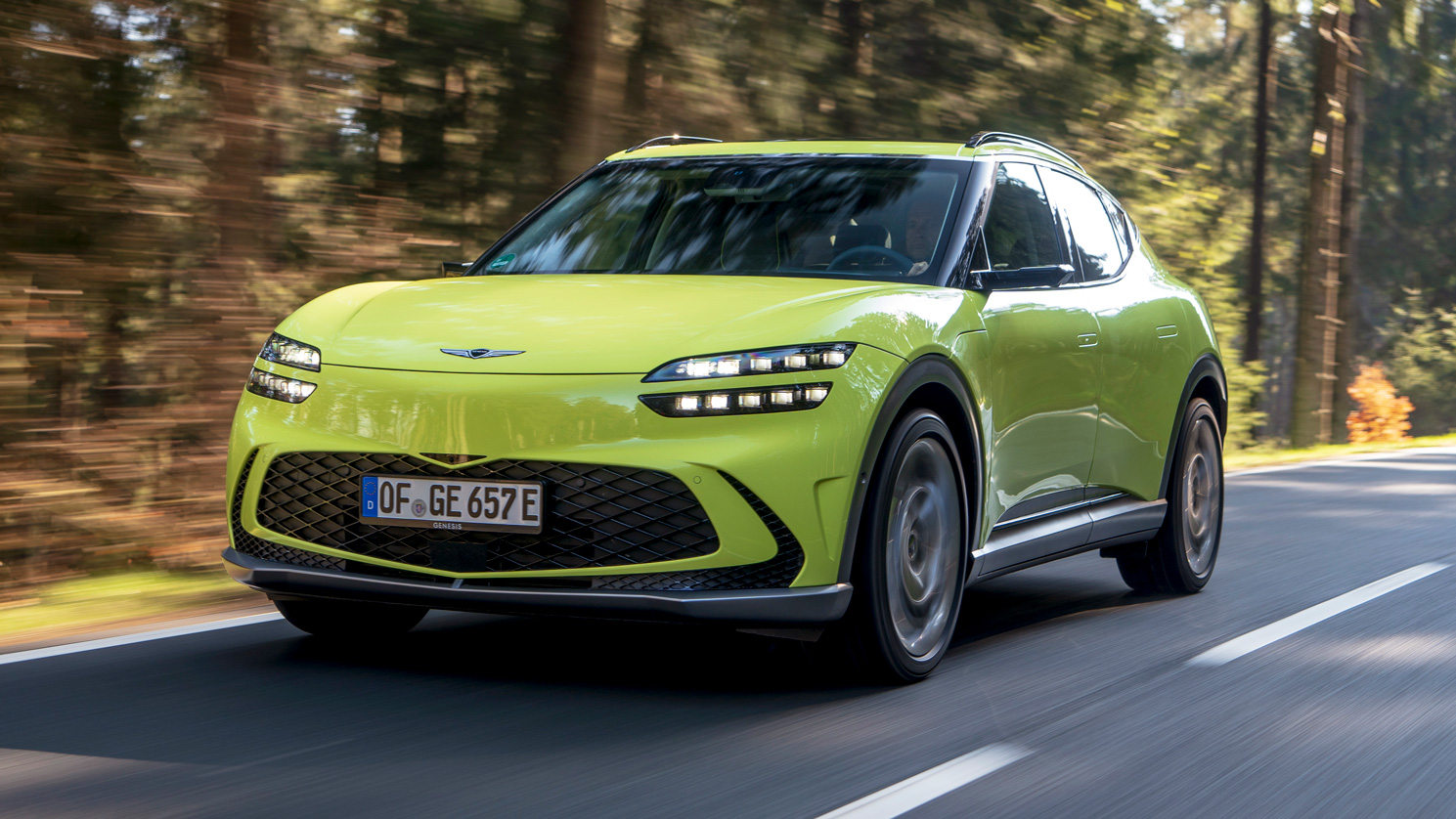
The Genesis GV60 is a compact electric SUV with bold design ambitions, especially on the inside. From the moment you enter the cabin, it’s clear that simplicity was not the priority. The most eye-catching element is the “Crystal Sphere” a glowing orb that rotates to reveal the gear selector when the vehicle powers on.
While it’s visually stunning and serves as a conversation piece, it also introduces an extra step in the driving process. It reflects the broader design language of the GV60: high-tech presentation layered with intricate details that often prioritize spectacle over direct usability.
The dashboard features two 12.3-inch screens joined into a wide panel, handling both instrument readouts and infotainment controls. Unlike simpler setups, the GV60 spreads its features across these displays with numerous menus and submenus. Basic tasks like adjusting the head-up display, selecting drive modes, or changing navigation preferences involve multiple taps.
Genesis includes a rotary dial for infotainment control as an alternative, but the interface isn’t always intuitive, and some functions still require navigating through deep menu hierarchies. While the screens themselves are bright and beautifully rendered, the information density can be overwhelming, especially for new users.
The center console, door panels, and dashboard all include a mixture of textures and lighting elements that aim to create a premium, futuristic vibe. Metallic accents, piano black surfaces, soft-touch materials, and ambient lighting are layered throughout.
The lighting system offers a full spectrum of colors and can be adjusted in multiple zones, but like other features in the GV60, the customization options may feel excessive. When combined, these elements create an environment that’s rich in detail but lacks the visual calm that some drivers associate with luxury. Every surface seems to reflect or react to something, and that constant sensory feedback may feel excessive during long drives.
Genesis deserves credit for building a cabin that feels advanced and distinctive, especially in a segment filled with conservative designs. The GV60’s interior is an example of a vehicle trying to stand apart from the crowd and it succeeds in doing that.
However, it comes at the cost of simplicity and ease. Drivers who enjoy adjusting everything from ambient lighting temperature to drive modes and climate profiles will find the GV60 a digital playground. But for those who value restraint, clarity, and functional minimalism, the experience may be more draining than exciting.
