
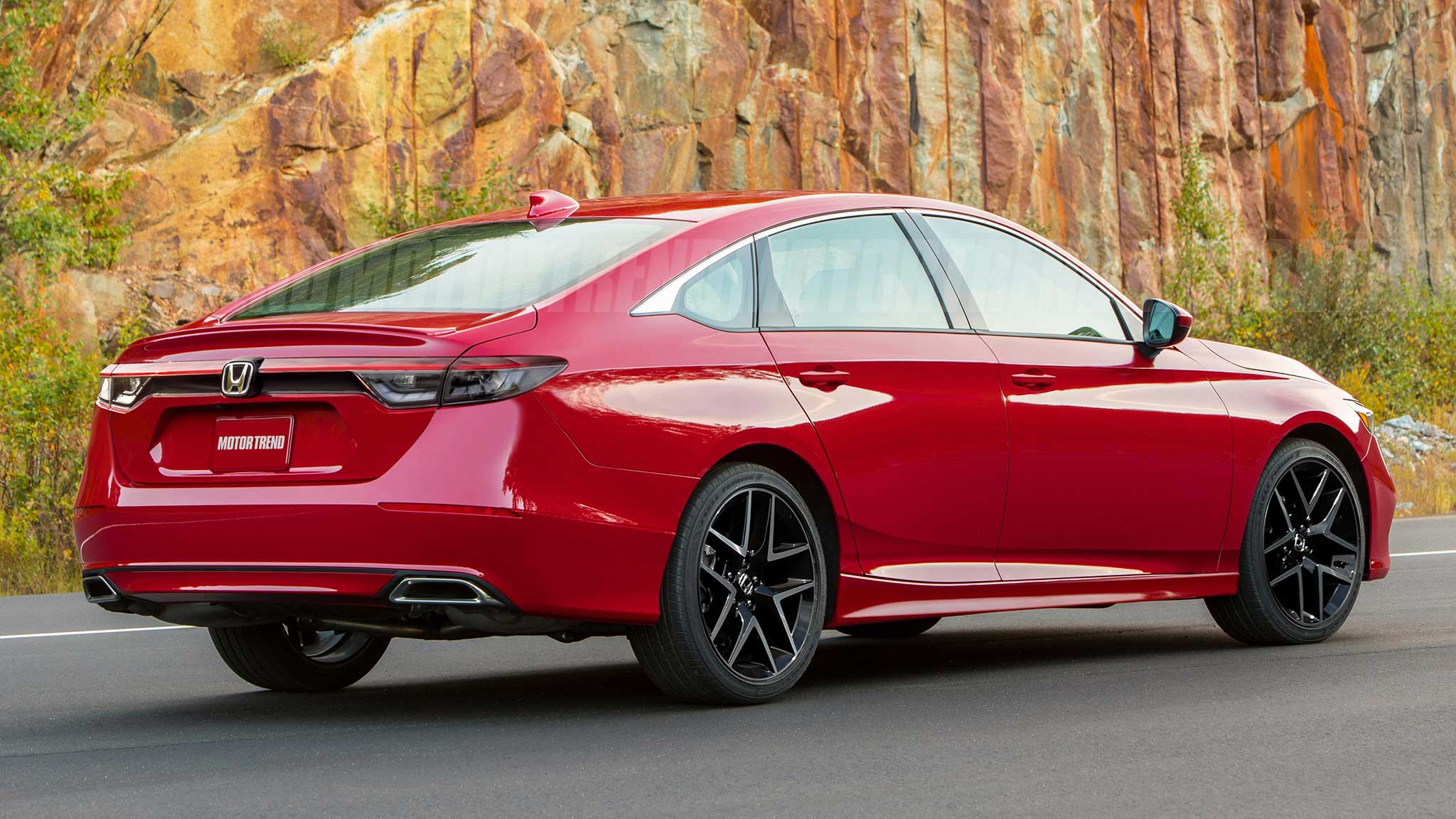
When it comes to vehicle maintenance, wheel alignment is one of those essential yet often overlooked services that can dramatically affect how a car drives, handles, and even how long its tires last.
Alignment refers to the adjustment of a vehicle’s suspension, the system that connects the car to its wheels to ensure that the tires meet the road at the correct angle, and that the wheels are properly positioned relative to each other and to the car’s frame.
Proper alignment helps prevent uneven tire wear, improves fuel efficiency, and, most importantly, keeps the car stable and safe while driving.
However, not all cars are created equal when it comes to alignment durability. Some vehicles maintain their alignment remarkably well, requiring adjustments only rarely, if ever, while others are notorious for drifting, pulling to one side, or needing frequent realignments, often frustrating their owners with unexpected handling quirks.
The differences in alignment stability between vehicles are influenced by many factors. Suspension design, build quality, weight distribution, steering system characteristics, and even tire choice all play crucial roles.
A car with a carefully engineered suspension system and high-quality components can maintain its factory alignment settings for tens of thousands of miles.
In contrast, some vehicles with more performance-focused setups, or those designed for rugged off-road use, may require regular attention to keep their wheels properly aligned. Understanding these differences can help drivers make more informed choices when purchasing a vehicle and can also guide expectations about maintenance needs.
Among the cars that rarely need alignment adjustments, you will often find models from manufacturers known for their reliability and conservative engineering philosophies. These cars typically prioritize comfort, longevity, and predictable handling over sporty or aggressive performance.
They use suspension systems that are designed to absorb everyday road imperfections without disturbing the precise angles needed for proper alignment. Additionally, their components are usually built with durability in mind, using materials and designs that resist wear and tear over long periods and varied driving conditions.
As a result, owners of these vehicles enjoy a smoother ride and fewer trips to the mechanic for suspension tuning, translating into lower ownership costs and less hassle.
On the other side of the spectrum are vehicles that, by design or circumstance, tend to drift constantly and require frequent alignment corrections. Often, these are cars with sportier suspension setups, high horsepower outputs, or those intended for off-road use. In sports cars, the suspension is tuned for sharp handling, which can make it more sensitive to wear or impacts.
Understanding the underlying reasons why some cars maintain alignment so well while others struggle with drifting is key for anyone who wants a car that drives confidently and avoids premature tire wear.
In this article, we will look at five cars known for their exceptional ability to hold alignment over long periods, requiring little to no adjustment unless the suspension is physically impacted.
Choosing a car that rarely needs alignment adjustments can save both time and money, providing peace of mind for drivers who want a dependable, low-maintenance ride. These vehicles are especially attractive for daily commuters, families, and anyone who values reliability and predictability in their driving experience.
Also Read: 5 Reliable Used Cars Under $10K and 5 That Will Cost You Twice That in Repairs
Cars That Rarely Require Alignment Adjustments

1. Toyota Camry
The Toyota Camry has consistently ranked among the most dependable sedans on the market, and one often understated benefit is how rarely it requires alignment work. Much of this can be attributed to its balanced engineering, where simplicity meets precision.
Toyota has built the Camry’s suspension with a focus on consistency and long-term stability rather than aggressive performance tuning.
This approach leads to a car that simply doesn’t drift out of alignment unless it has been physically impacted. Owners who drive the Camry for years often find their steering remains true and their tires wear evenly, reflecting the careful suspension design.
One of the strongest contributors to the Camry’s alignment reliability is its conservative suspension geometry. With a MacPherson strut front and a well-constructed multi-link rear suspension, the Camry is not trying to overachieve in terms of cornering or speed it aims for stability and durability.
Another major reason the Camry stays aligned is the strength and longevity of the components that hold the suspension together. Ball joints, bushings, and control arms in this car are made to last and do not quickly degrade under typical driving conditions.
The Camry is also not overburdened with weight or extreme torque, which means there’s less force trying to twist or displace the wheels. Every piece in the alignment puzzle is backed by Toyota’s reputation for high-tolerance parts that don’t shift out of place easily.
As a result, this car doesn’t just offer comfort and fuel economy it quietly keeps its wheels tracking straight without any drama. Toyota’s approach to reliability is holistic, and that includes its tires and steering system.
The Camry is sold with tires that have a forgiving profile and are designed for long wear and smooth performance. The power steering system has very mild response tuning, which helps avoid any excessive movement that could disturb alignment.
Drivers who keep their tires properly inflated, rotate them on schedule, and avoid aggressive maneuvers often find they don’t need to think about alignment at all. It’s not magic, it’s just smart, consistent engineering done over decades. For those who want a vehicle that stays straight and stress-free, the Camry rarely lets them down.
2. Honda Accord
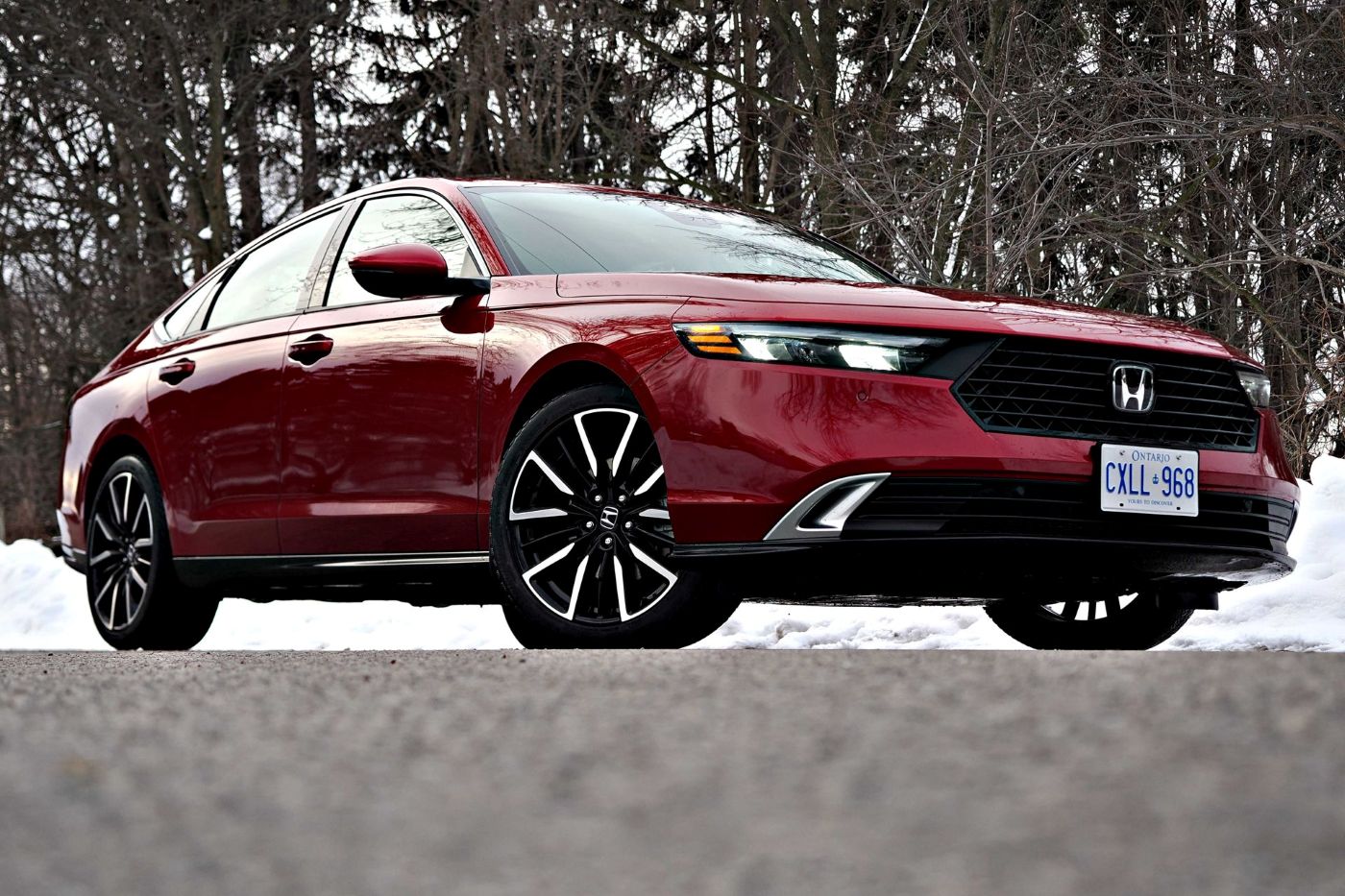
The Honda Accord is often praised for its reliability and engaging driving dynamics, but it also excels in another underrated area: holding alignment well over time. The Accord manages to blend a sporty ride with long-lasting suspension geometry, which is no small feat.
Many cars that aim for sharper handling end up needing alignment adjustments more frequently due to tighter tolerances and increased stress on components. The Accord, however, manages to find a sweet spot. Even after years of ownership, it’s common for owners to report that their vehicle still tracks straight and shows minimal tire wear.
This success can be traced to Honda’s investment in chassis integrity and geometry. The structure of the Accord is stiff and well-balanced, which means that even after extensive driving on less-than-ideal roads, the suspension stays mounted where it should be.
Honda employs double-wishbone or multi-link suspension layouts depending on the model year and trim, and both are known for maintaining stable camber and toe angles.
The bushings are made from high-grade materials that don’t compress prematurely, keeping the suspension angles consistent over time. The steering setup is also calibrated to avoid sharp inputs that would put excessive lateral pressure on alignment-sensitive components.
The Accord also benefits from well-matched tire sizing and wheel alignment from the factory. There’s a synergy between the tires, steering geometry, and suspension hardware that ensures minimal movement under load. The engineers took care to avoid overcomplicating the suspension while still offering some fun behind the wheel.
This results in a car that performs with some enthusiasm but without constant maintenance headaches. Even when driven spiritedly, the suspension tolerates the load without warping the geometry. In contrast, many similarly priced vehicles with sportier ambitions fall into a cycle of misalignment, but the Accord manages to hold steady.
Perhaps the most reassuring thing for owners is the consistency across multiple model years. Whether it’s a 2005 or a 2022 Accord, the alignment reliability remains intact. Routine checks often reveal that the toe and camber are well within spec, even after tens of thousands of miles.
This dependability reduces the lifetime cost of ownership and makes the Accord a smart buy for drivers who want both performance and peace of mind. It’s a car that’s been thoughtfully engineered, not just to impress in the short term but to stand up to years of real-world use without falling out of tune.
3. Lexus ES Series
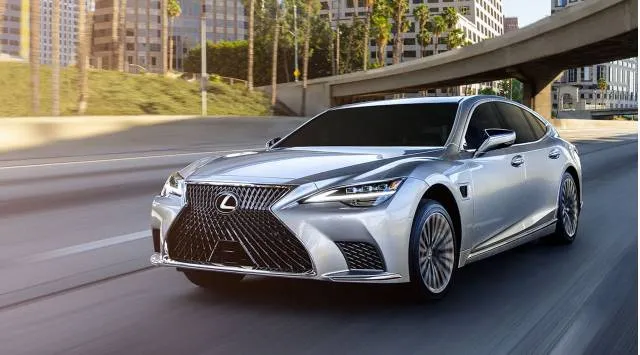
The Lexus ES series is often seen as the premium choice for those who want quiet comfort and luxurious ease without the mechanical headaches that sometimes accompany European luxury cars. One of its underappreciated strengths is how seldom it requires alignment adjustments.
Built on a Toyota platform, the ES inherits the same philosophy of durability and stability, but with higher-grade materials and more refined tuning. These enhancements only improve its ability to stay properly aligned, even after years of varied driving conditions.
The suspension system of the Lexus ES has been tuned for one clear goal: consistent comfort. It uses a MacPherson strut system in the front and a multi-link layout in the rear, both optimized for smoothness and reduced road harshness. That focus on damping and linear response helps maintain alignment because the suspension isn’t overexerted.
The ES doesn’t jump or bounce under pressure. Instead, it glides, and this controlled movement reduces the strain that usually pulls cars out of alignment. The result is a suspension that holds its geometry even after multiple winters, long road trips, or city driving.
Another factor is the engineering detail in parts that don’t usually get attention. The alignment of a car depends not just on the visible components but also on the quality of things like bushings, mounts, and subframe tolerances. Lexus builds these to a standard that few cars in its class match.
Each component is designed to remain firm and stable without flexing or compressing unnecessarily, which keeps everything in position. The ES also tends to be equipped with higher-quality tires and wheels that are balanced and mounted more precisely from the factory.

4. Subaru Outback
The Subaru Outback might be known for its rugged versatility and off-road capability, but it also deserves recognition for how well it holds its alignment. This may come as a surprise to some, since cars that deal with dirt trails and uneven terrain tend to require frequent suspension maintenance.
However, Subaru’s symmetrical all-wheel-drive system and balanced chassis design make the Outback one of the most alignment-stable crossovers available. As long as it’s not abused on rough trails or overloaded beyond its design, the Outback stays within spec for longer than most of its peers.
A large part of that stability comes from Subaru’s attention to balance. The symmetrical all-wheel-drive system delivers torque evenly to all four wheels, which reduces the twisting forces that normally throw off alignment.
Because power is not being shifted dramatically from front to rear or side to side, the suspension doesn’t experience the jerky transitions that can pull components out of place. This balance leads to a smooth ride, even on broken pavement, and protects the suspension geometry from unpredictable wear.
Another aspect is the suspension itself. The Outback offers more travel and ground clearance than most cars, which allows it to absorb larger bumps without transferring that energy directly into the chassis. More travel means fewer impacts make their way into the alignment-sensitive areas of the suspension.
Owners who regularly inspect their tires and stay on top of standard maintenance often report impressive alignment longevity. It’s not uncommon for an Outback to go 40,000 miles or more with no noticeable drifting or uneven wear.
As long as the wheels are rotated and balanced at regular intervals, and the car hasn’t been through major impacts, it tends to hold its course with remarkable ease. For drivers who enjoy adventure but don’t want the constant burden of suspension adjustments, the Outback is a reliable companion that keeps things straight and simple.
5. Hyundai Sonata
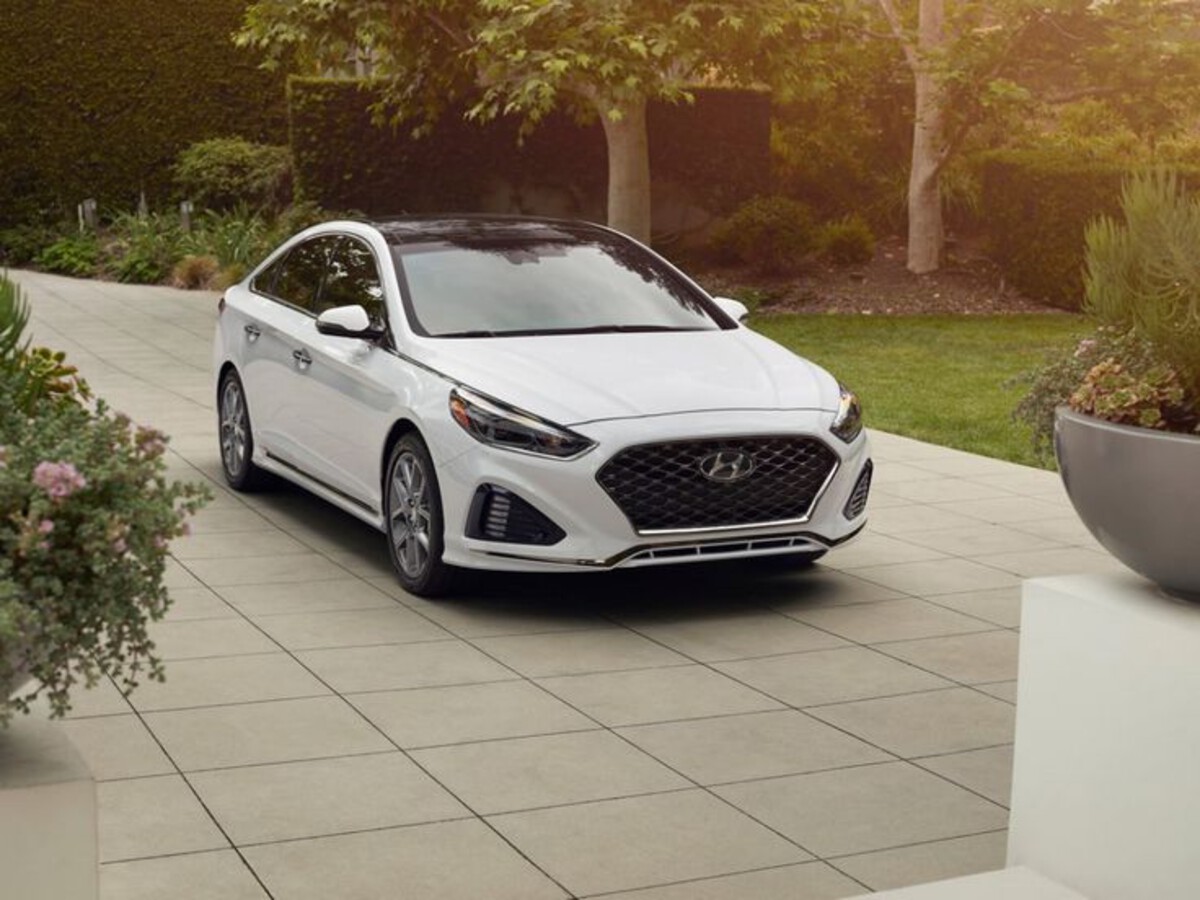
The Hyundai Sonata has steadily gained a reputation for reliability and ease of ownership, and one aspect that often goes unnoticed is its ability to maintain alignment over long periods. Hyundai has put considerable effort into engineering the Sonata’s suspension to deliver a smooth, comfortable ride without compromising durability.
The result is a sedan that generally does not require frequent alignment adjustments unless subjected to extreme road conditions or impacts. Many Sonata owners report years of trouble-free driving with minimal tire wear or drifting issues.
The Sonata uses a MacPherson strut front suspension and a multi-link rear setup, similar to other dependable midsize sedans, but Hyundai’s approach places an emphasis on balancing ride comfort with mechanical robustness. The suspension geometry is designed to absorb typical road irregularities without transferring undue stress to alignment-sensitive components.
Bushings and ball joints in the Sonata are manufactured to tighter tolerances, which prevents premature loosening or wear that often leads to drifting or pulling. This design philosophy ensures that the wheels maintain proper camber, caster, and toe settings for long stretches.
Tire and steering system design also contribute to the Sonata’s alignment stability. Hyundai equips the Sonata with tires chosen for even wear and predictable grip, reducing the chances of uneven tire wear that can mimic alignment issues.
Another factor is Hyundai’s build quality and continuous improvements over the years. Each new generation of Sonata has benefited from refined suspension geometry and better materials, leading to longer-lasting alignment integrity.
Many owners find that even after 50,000 or more miles, their Sonatas exhibit minimal wandering or uneven tire wear, making alignment adjustments more of a precaution than a necessity. For those seeking a midsize sedan that combines style, comfort, and low-maintenance driving, the Hyundai Sonata is a compelling choice that rarely demands alignment attention.
Also Read: 5 Reliable AWD Cars and 5 That Constantly Leak, Grind, or Fail
Cars That Drift Constantly
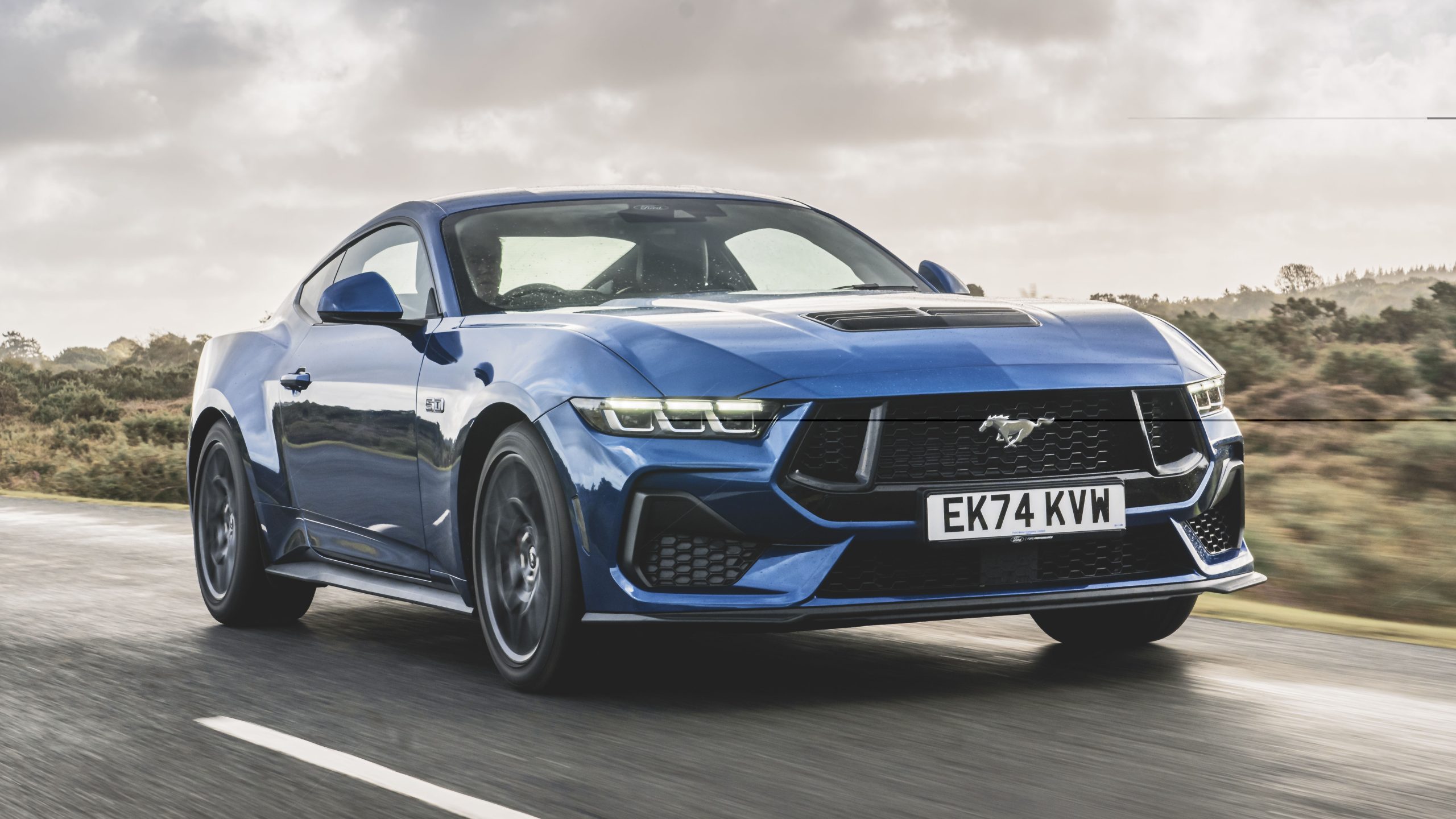
1. Ford Mustang (Especially Older Generations and Some Performance Variants)
The Ford Mustang is an iconic muscle car famous for its powerful engines and aggressive styling. However, one of its more frustrating traits, especially in earlier models and certain performance trims, is its tendency to drift or pull to one side if alignment isn’t regularly checked.
This tendency is rooted partly in the Mustang’s suspension design and the heavy power it puts down to the rear wheels. Many Mustang models use a solid rear axle or a performance-tuned suspension setup that prioritizes acceleration and speed over suspension geometry durability, which makes alignment stability a challenge.
A solid rear axle, found in many classic Mustangs, is robust but less forgiving when it comes to alignment issues. Because this axle is a single rigid beam connecting the rear wheels, any slight misalignment or impact can cause the entire rear end to shift or sit unevenly, which leads to the car pulling or drifting during driving.
When paired with stiff suspension tuning and sticky performance tires, these small misalignments get magnified, making the car feel twitchy or off-balance at higher speeds. Owners who push their Mustangs hard on the track or on the street often find themselves making alignment adjustments frequently to keep the car handling predictably.
Later Mustangs that use independent rear suspensions improve on this somewhat, but even they aren’t immune to drifting tendencies. The high horsepower outputs combined with aggressive rear-wheel-drive setups put significant torque stress on the tires and suspension components, which can lead to uneven tire wear and subtle shifts in alignment geometry over time.
Finally, tire choice and wear play an outsized role in a Mustang’s drifting behavior. Many owners equip their Mustangs with wide, sticky tires to maximize grip and performance, but these tires tend to wear unevenly when the alignment isn’t perfect.
This uneven wear feeds back into the problem, worsening the drift and making the car harder to control. The Mustang is a car built for power and speed, but that comes at the cost of frequent alignment attention and maintenance if the driver wants to keep the handling sharp and safe.
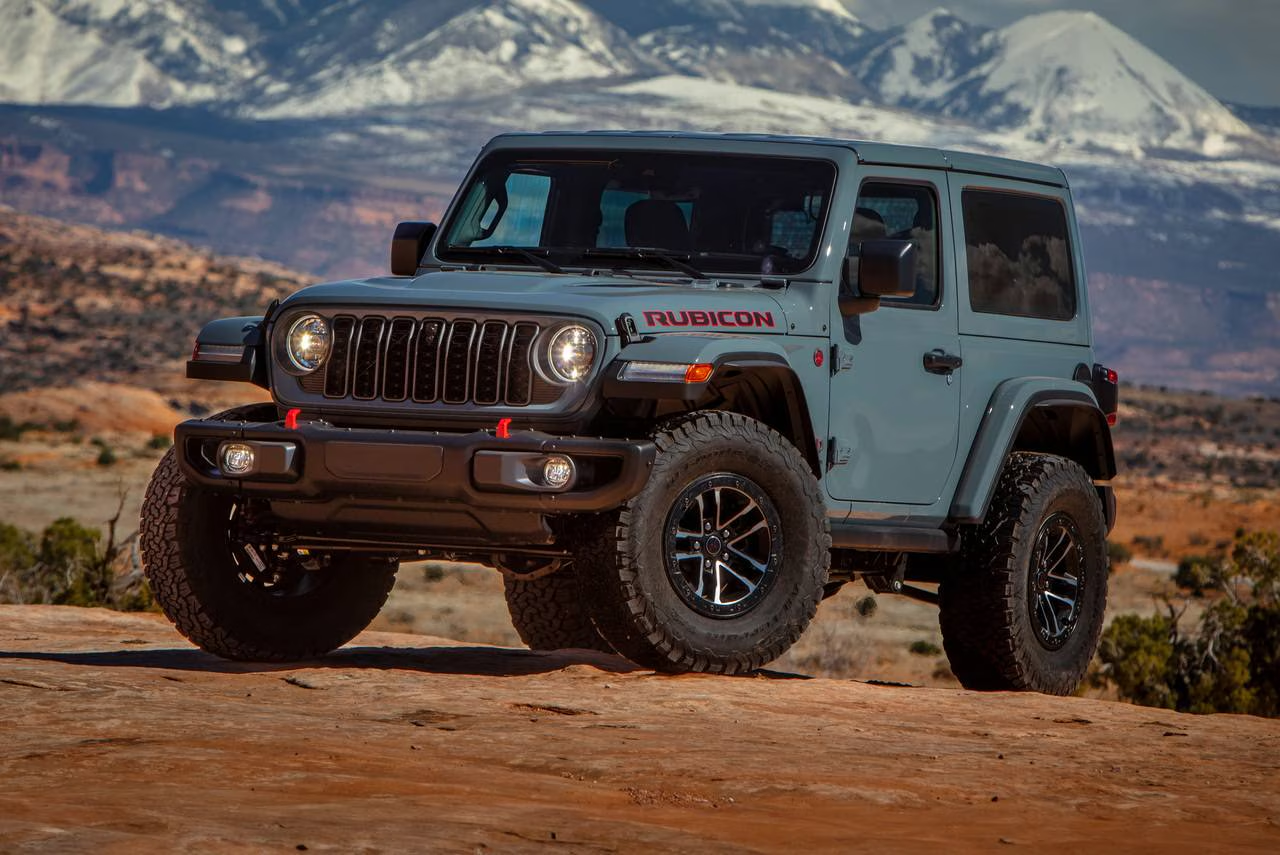
2. Jeep Wrangler
The Jeep Wrangler is legendary for its off-road capability and rugged durability, but it is also notorious for being one of the vehicles that constantly require alignment adjustments. This is largely because of the Wrangler’s design priorities: maximizing articulation and toughness rather than on-road precision.
The solid front and rear axles, combined with its short wheelbase and large off-road tires, create a setup where alignment geometry is prone to shifting, especially when the vehicle is regularly driven on rough terrain or lifted with aftermarket suspension parts.
One major challenge is that the Wrangler’s suspension components are designed to flex and move significantly during off-roading, which leads to frequent changes in toe, camber, and caster angles. Unlike vehicles with independent suspension systems that isolate wheel movement, the solid axle setup means any bump or rock can shift alignment points.
Additionally, many Wrangler owners lift their trucks with aftermarket kits to improve ground clearance, which often throws off factory alignment settings and forces even more frequent adjustments. These modifications, while great for trail performance, cause the wheels to wander on paved roads.
The large, knobby tires often fitted to Wranglers also contribute to drifting. These tires are heavier and less uniform in wear compared to standard street tires. Their aggressive tread can cause pulling or wandering when on pavement, especially if the alignment isn’t perfectly dialed in.
Since the Wrangler’s steering geometry is already compromised by its off-road focus, drivers frequently feel the car pulling to one side, requiring repeated visits to the alignment shop. Even without modifications, the Wrangler’s alignment settings tend to drift sooner than many street-focused vehicles.
Furthermore, road conditions significantly affect the Wrangler’s alignment longevity. Potholes, rocks, and rough roads are often part of the Wrangler owner’s daily environment. Each jarring impact can loosen suspension components or shift alignment angles just enough to cause handling issues.
Drivers often find themselves correcting the alignment multiple times a year to maintain road manners. Despite this, Wrangler owners typically accept frequent alignment checks as a trade-off for the unparalleled off-road capability their vehicle offers.
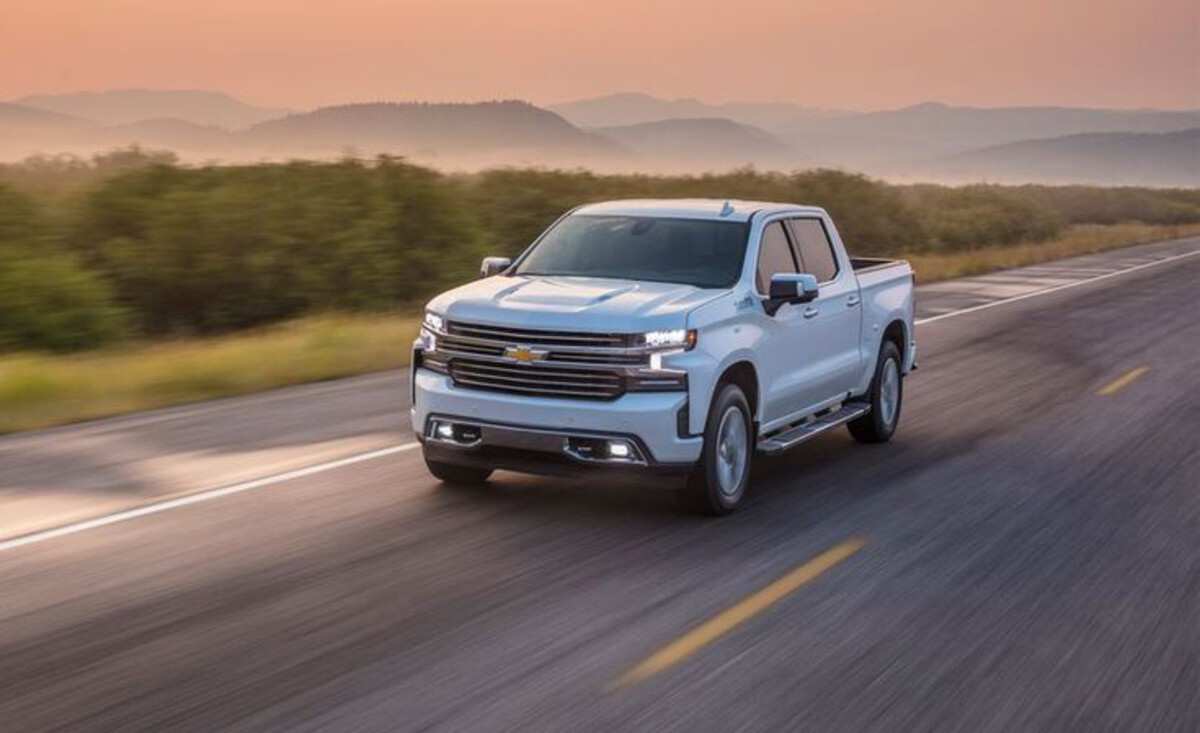
3. Chevrolet Silverado (Especially Older Models)
The Chevrolet Silverado, particularly older generations or models built for heavy-duty use, has a reputation for needing regular alignment work. The reasons behind this stem from the truck’s robust frame and suspension setup designed for hauling and towing rather than precision steering.
While this makes the Silverado a workhorse on the jobsite, it also means alignment stability takes a backseat to durability, which can result in persistent drifting or pulling during everyday driving.
Older Silverado models commonly use a solid front axle or torsion bar front suspension combined with heavy-duty leaf springs in the rear. These suspension types are excellent for load-bearing but can be prone to alignment shifts when the truck carries heavy weight or encounters uneven terrain.
The suspension components, including control arms and tie rods, take on significant stress that causes them to loosen or wear faster. Over time, this wear leads to subtle misalignments that manifest as a truck that drifts or pulls, especially at highway speeds.
Another factor is that Silverado owners often modify their trucks with lifts, larger tires, or off-road accessories, which exacerbates alignment issues. Lifting a truck changes suspension angles dramatically and throws off factory alignment settings.
Larger tires put more strain on steering components and increase uneven tire wear, compounding the drifting problem. Without frequent alignment adjustments, the truck becomes harder to control, and tire wear accelerates, costing owners more in maintenance.
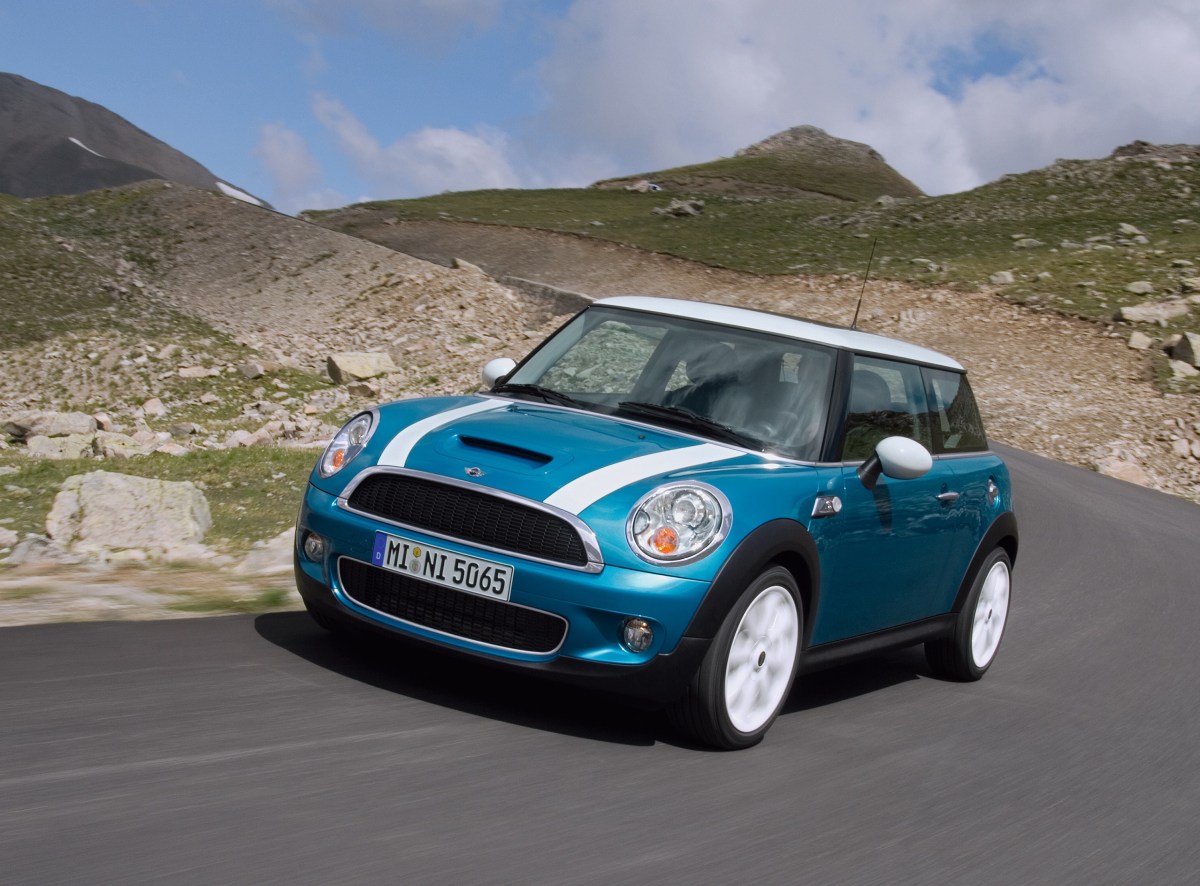
4. Mini Cooper (Especially Older or Performance Models)
The Mini Cooper is well-known for its fun, nimble driving character, but many owners experience frequent alignment issues, especially in older or sportier models.
The Cooper’s compact size, combined with a stiff suspension setup designed for sharp cornering, makes it sensitive to misalignment. Its low-profile tires and short wheelbase amplify the effects of minor suspension changes, causing the car to drift or pull even after small impacts or worn components.
The Mini’s suspension is tuned for agility, featuring MacPherson struts in the front and a multi-link rear setup, but these components are mounted on a relatively small and light chassis. This means that bumps, potholes, or curbs can more easily throw the suspension geometry out of whack.
Owners often report needing alignment adjustments after city driving due to the constant exposure to uneven pavement and tight turns. The Cooper’s front-heavy weight distribution also places extra strain on the front suspension, leading to faster bushing wear and alignment shifts.
Finally, the Mini Cooper’s steering system is precise but unforgiving. The direct steering feel is great for driver feedback but can translate road imperfections into suspension stress.
This leads to quicker wear on steering and suspension components, increasing the likelihood of alignment drift over time. Without regular maintenance, Mini Coopers tend to wander on the road and develop uneven tire wear much faster than many other small cars.
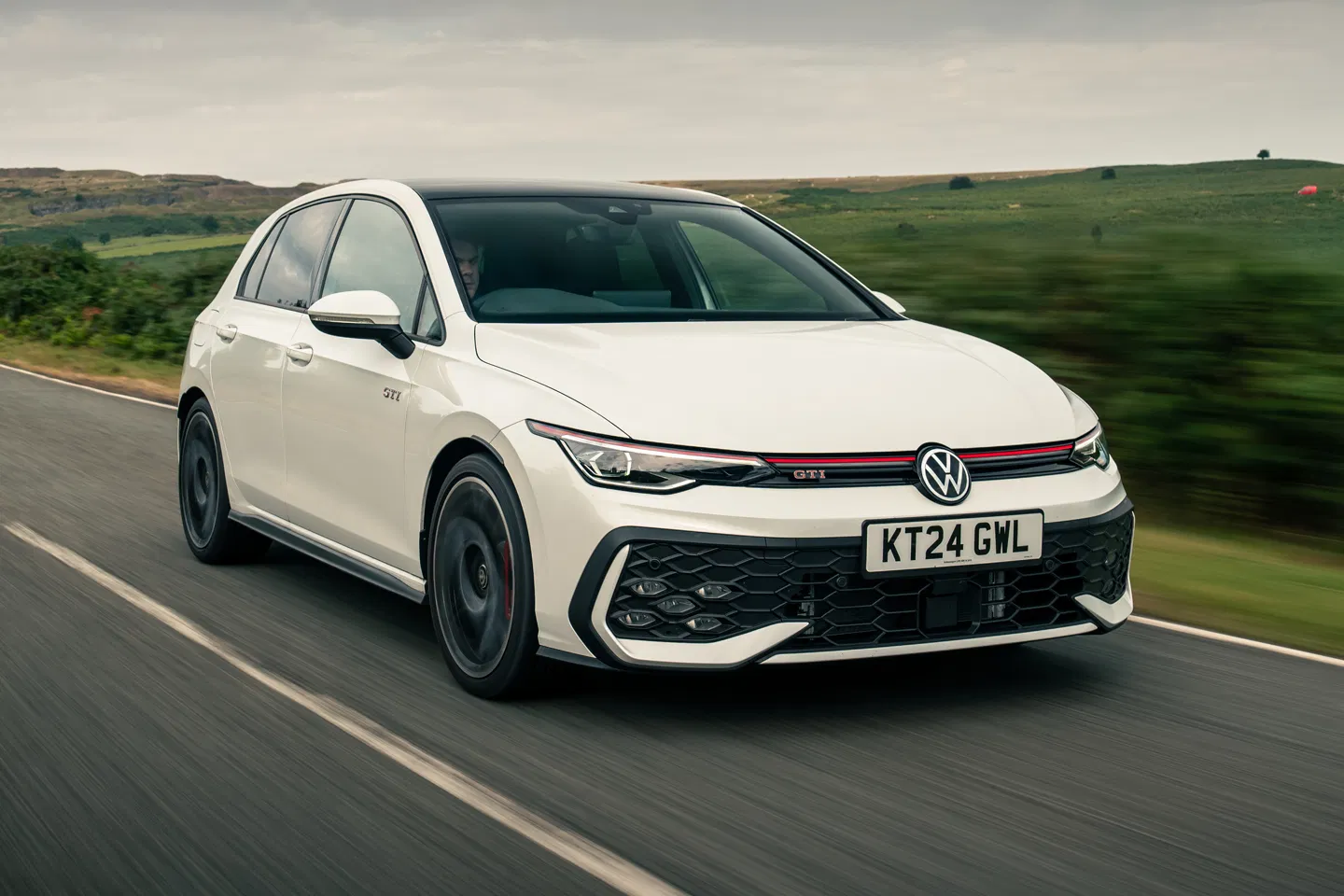
5. Volkswagen Golf GTI (Especially Older Generations)
The Volkswagen Golf GTI, a beloved hot hatch, also has a reputation for requiring frequent alignment adjustments, especially in older models.
The GTI’s sport-tuned suspension, combined with its front-wheel-drive layout and powerful turbocharged engine, puts stress on alignment components that can lead to drifting and pulling issues if not carefully maintained. This is especially true for drivers who push their cars hard or frequently drive on rough roads.
The GTI’s suspension geometry is tight and aggressive, with stiffer springs and dampers designed to improve handling and reduce body roll. While this makes the car fun to drive, it also means the suspension tolerances are less forgiving to wear or damage.
The front suspension bears the brunt of torque steer and cornering forces, which can quickly wear bushings and tie rods. Over time, these worn parts allow the alignment angles to shift, causing the car to pull or drift on straight roads.
Many GTI owners also choose aftermarket suspension upgrades or larger wheels, which can further destabilize factory alignment settings. Lowered suspension setups alter camber and toe angles, making it nearly impossible to keep alignment perfect without frequent tuning.
The combination of performance driving, aggressive tires, and street imperfections accelerates suspension wear and increases alignment drift. Drivers who want to maintain the GTI’s sharp handling need to commit to regular alignment checks.
