
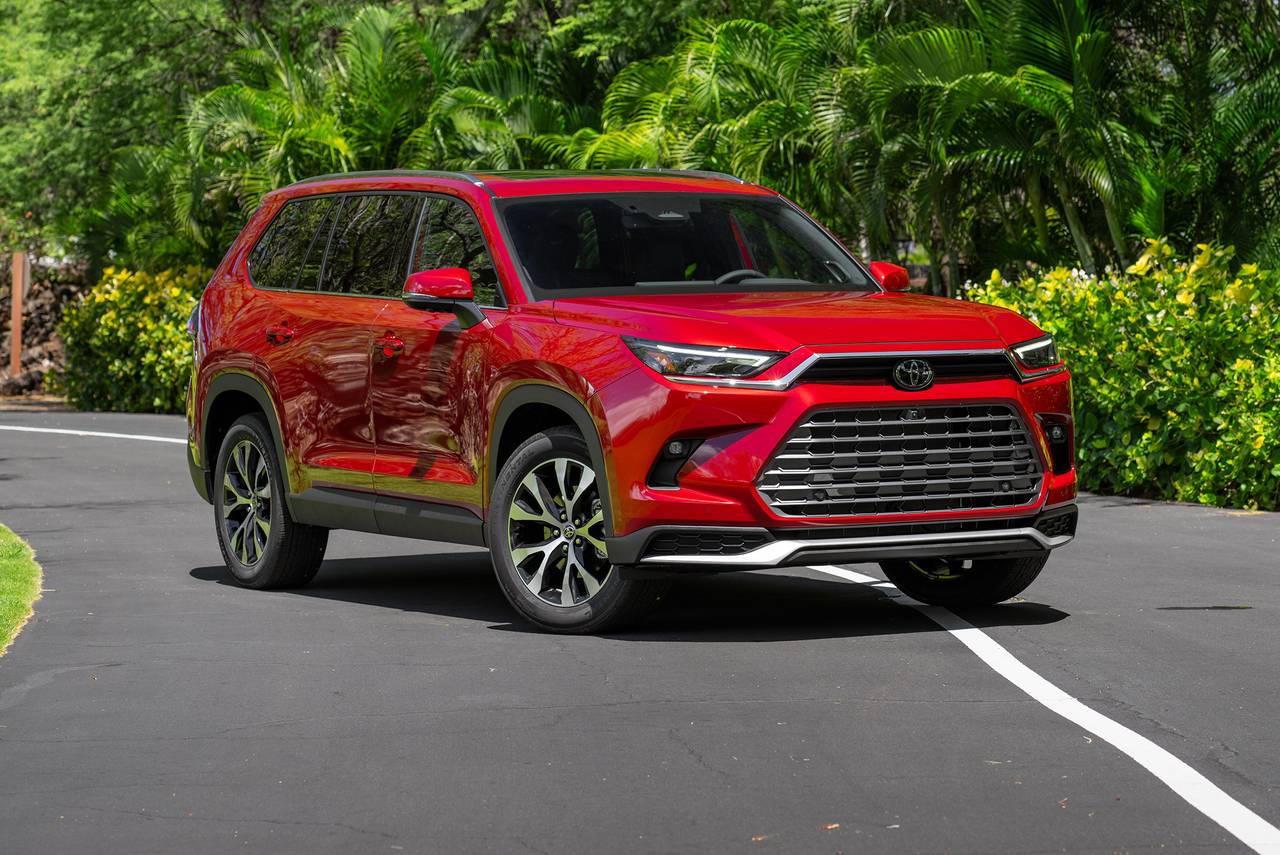
Brakes are often one of the most overlooked maintenance items when purchasing a vehicle. Shoppers usually focus on horsepower, fuel economy, cabin technology, or cargo space, but what they often forget is how much it can cost to maintain the vehicle over time, especially the brakes. For SUV owners, brake jobs can add up quickly.
These vehicles are heavier than sedans and often driven in varied conditions that can wear down pads and rotors. That means if an SUV chews through brake pads every few thousand miles, the cost of ownership climbs significantly. On the other hand, some SUVs are much gentler on their braking systems.
These models are designed with efficiency, quality materials, and balanced driving dynamics in mind, helping them go tens of thousands of miles before needing even a basic pad change. Understanding which SUVs fall into which category can help drivers make smarter long-term decisions.
There are several reasons why some SUVs need more brake service than others. Vehicle weight is one of the biggest factors. Heavier models require more braking force to stop, which leads to faster pad and rotor wear. Driving style plays a role too, especially for city-dwellers who face constant stop-and-go traffic. But vehicle design is just as important.
SUVs with regenerative braking systems, better brake cooling, or higher-quality OEM brake components tend to last longer between services. Then there are models where the braking systems just weren’t built for durability. Whether it’s due to cost-cutting, performance tuning, or poor weight distribution, some SUVs become infamous for how frequently they require brake replacements.
This article covers five SUVs known for long-lasting brake systems, offering reliability and peace of mind to their owners. These models can go 50,000 miles or more without any major brake service. Then we’ll cover five SUVs that tend to burn through brake pads quickly, often requiring service well before reaching the 20,000-mile mark.
For buyers who care about maintenance costs or just want to avoid frequent trips to the repair shop, knowing which models are brake-friendly and which aren’t can save time and money in the long run.
Also Read: 5 Affordable Cars That Survive Anything and 5 That Don’t Survive the First Owner
5 SUVs That Rarely Need Brake Jobs
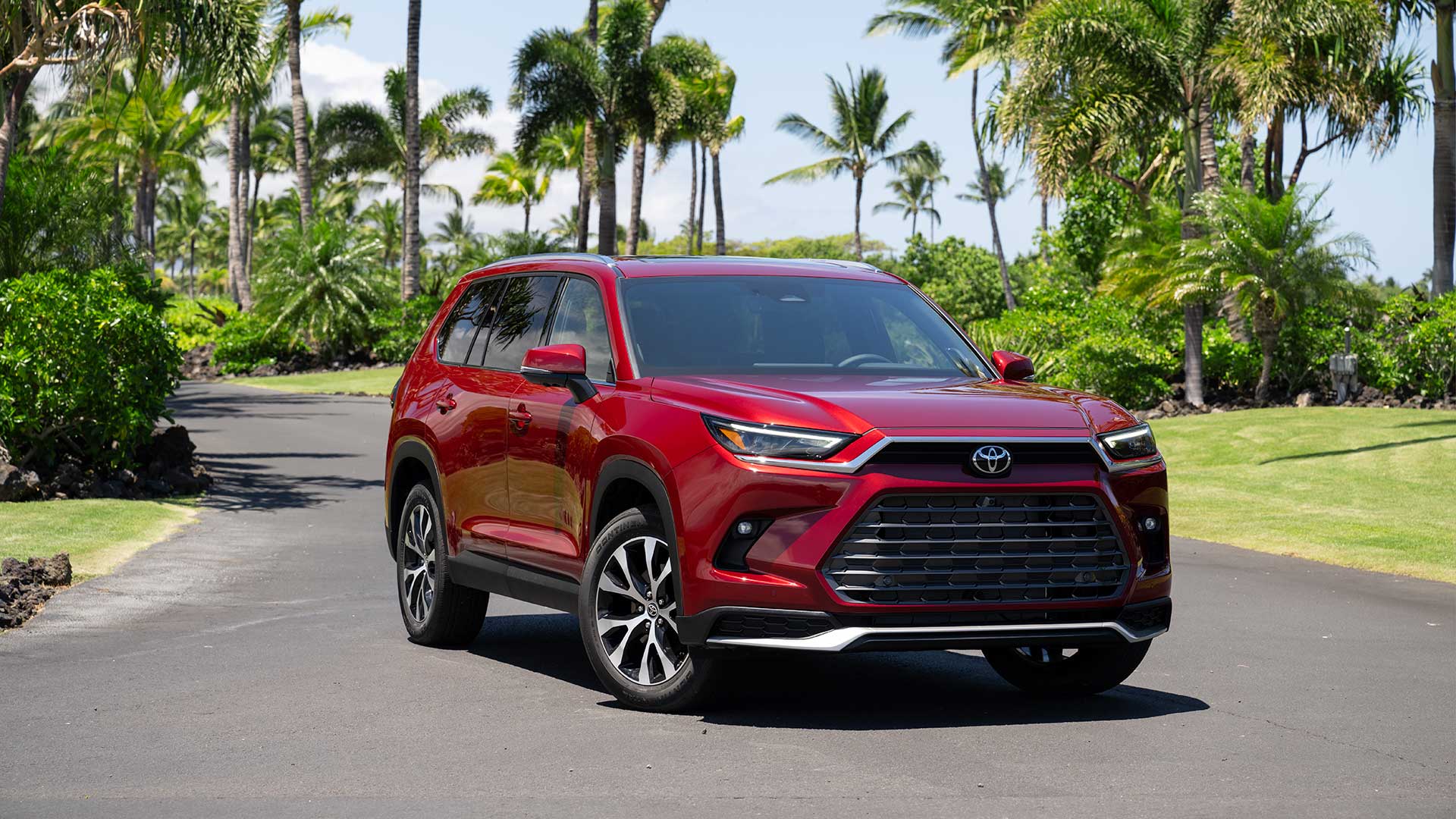
1. Toyota Highlander
The Toyota Highlander has built a reputation for being one of the most balanced and durable midsize SUVs on the road. One of its many strengths is how well its braking system holds up over time. +
The Highlander typically comes with a well-calibrated brake system that offers strong stopping power without excessive pad wear. This is thanks in part to Toyota’s focus on engineering reliable components and using high-quality OEM pads and rotors that hold up well under typical driving conditions.
Drivers frequently report going more than 50,000 miles before needing to replace the brake pads, which is far above average for a vehicle of its size. Some owners have even stretched their original pads beyond 70,000 miles with mostly highway use.
The weight distribution on the Highlander, especially on front-wheel drive models, is well-managed and doesn’t create excessive stress on the front brakes. Even under heavier loads or occasional towing, the braking system remains consistent.
Another factor that helps the Highlander go easy on brakes is its smooth and predictable transmission behavior. Sudden downshifts are minimal, which reduces wear when slowing down.
Add to that a regenerative braking feature in hybrid models, which uses the electric motor to slow the vehicle, and you get even longer intervals between brake services. The regenerative system reduces the reliance on traditional friction braking, particularly during city driving.
Maintenance costs for the Highlander are generally low, and brake jobs are infrequent. This has made it a favorite among families and fleet owners who want to keep repair bills in check.
While Toyota’s parts are not necessarily the cheapest, they last long enough that the cost per mile is favorable. If you want an SUV that lets you forget about your brakes for years at a time, the Highlander is one of the top choices.
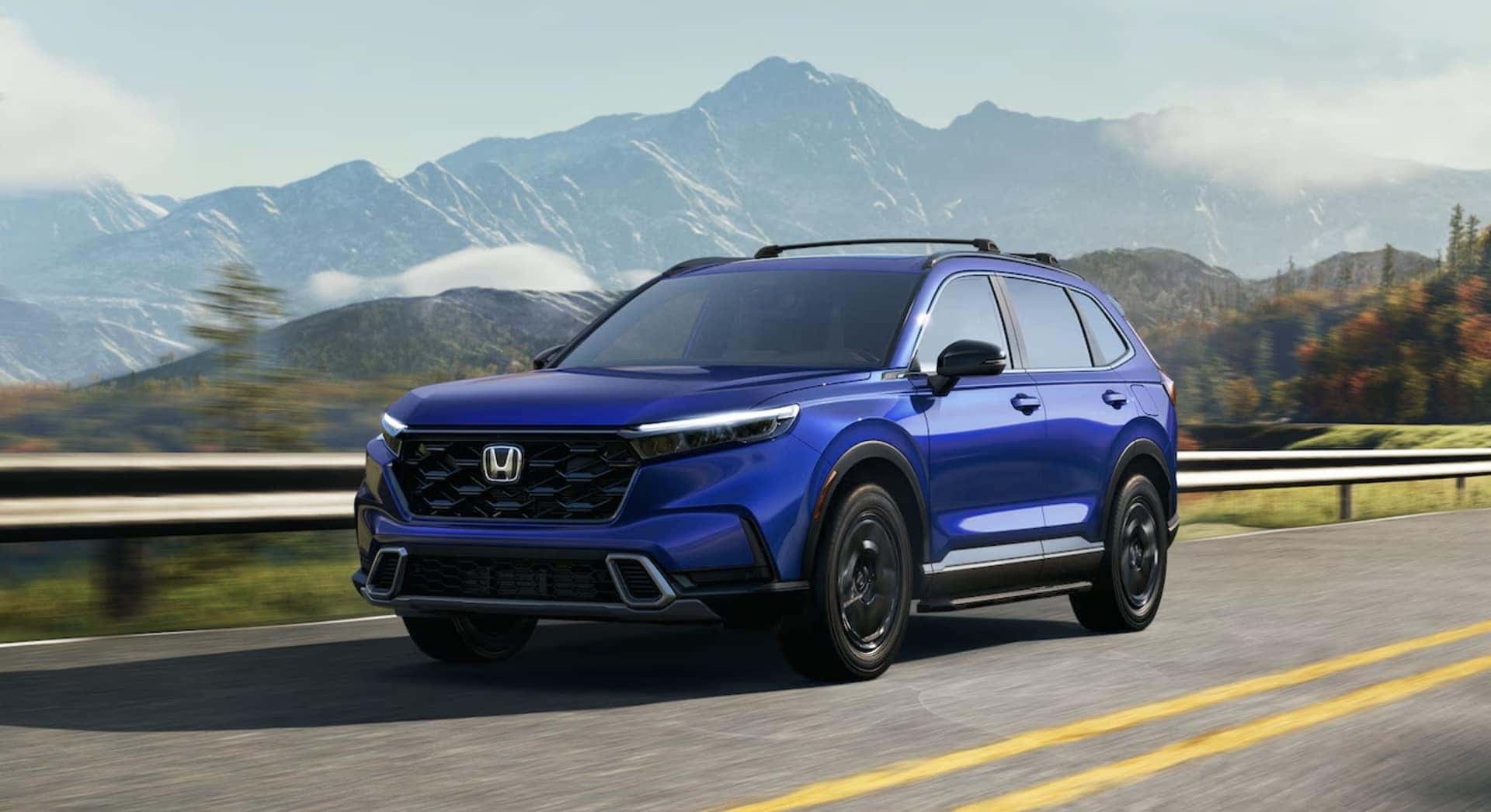
2. Honda CR-V
The Honda CR-V continues to be one of the most reliable compact SUVs on the market. Brake durability is one of the many reasons for its enduring popularity. Owners commonly report brake pads lasting up to 60,000 miles under normal driving conditions. Even in stop-and-go traffic, the CR-V’s braking system manages to distribute wear evenly and avoid premature pad degradation.
Part of this longevity comes from the vehicle’s relatively low curb weight. Compared to larger SUVs, the CR-V doesn’t put as much strain on the brake components, which naturally leads to less wear and longer life. The design of the suspension and braking system helps as well, providing a smooth and controlled deceleration without the need for aggressive stopping.
Honda uses high-quality brake components right from the factory. Even after thousands of miles, rotors tend to stay true and don’t warp easily. Brake fade is minimal, and performance stays consistent across different temperatures and weather conditions. The braking system is also known for being quiet, with very little squealing or grinding even as the pads begin to wear.
Cost of ownership is another reason the CR-V stands out. Fewer brake jobs mean fewer trips to the shop and more time on the road. For buyers who value long-term dependability, the CR-V is a strong contender. It’s the kind of SUV you can drive daily without constantly wondering when the next brake service will come due. That kind of peace of mind is something many competitors simply can’t match.
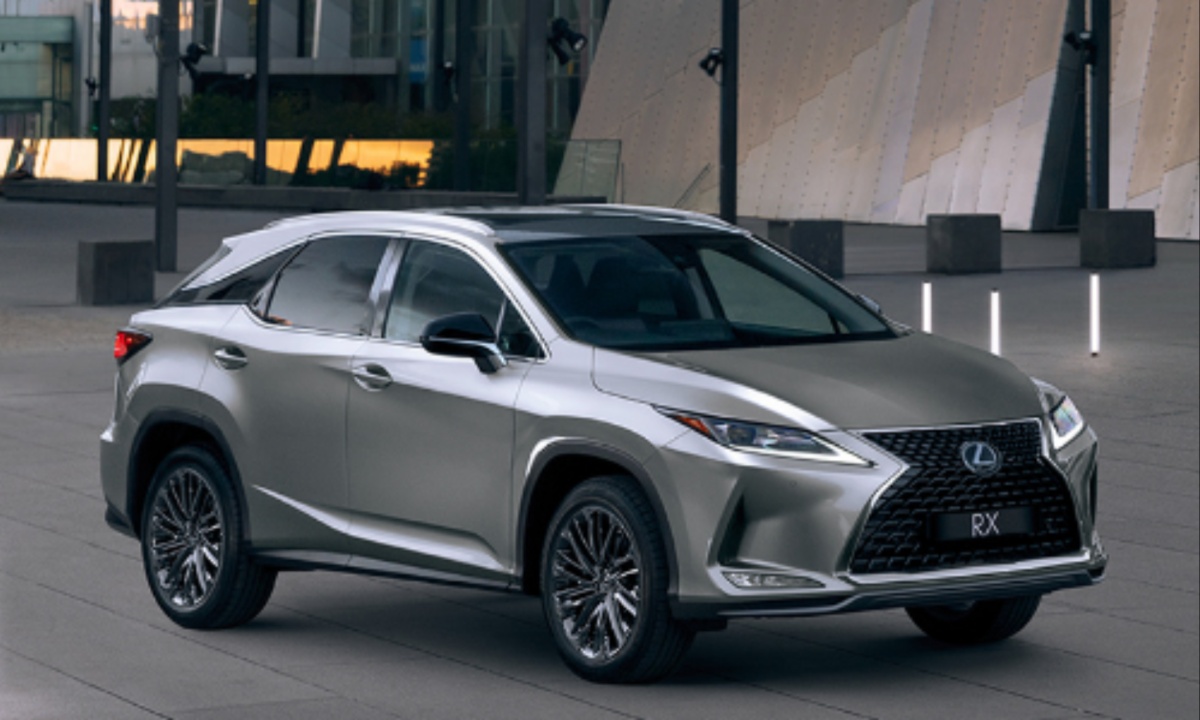
3. Lexus RX
The Lexus RX offers a unique combination of luxury and long-term reliability, especially when it comes to brakes. Unlike many luxury SUVs that chew through pads due to their weight and performance tuning, the RX manages to be both refined and light on brake wear. This is especially true for the hybrid versions, where the regenerative braking system does a lot of the work.
With the hybrid RX models, the system uses the electric motors to slow down the vehicle during deceleration, feeding energy back into the battery.
This significantly reduces the load on the traditional braking system, which in turn means the brake pads and rotors wear out much more slowly. Owners often report going over 70,000 miles before needing to replace the brake pads on hybrid models.
Even the non-hybrid RX variants perform well. Lexus engineers have focused on smooth braking and high-quality componentry, which results in less frequent service needs.
The balance of the vehicle and its intelligent traction systems also help reduce harsh stops and unnecessary pad pressure. The driving experience is controlled and graceful, which puts less stress on the brake hardware.
In terms of costs, Lexus brake parts are not inexpensive, but the infrequency of brake service offsets the price. For drivers who prefer quiet, confident braking performance with very little upkeep, the RX consistently delivers.
It’s one of the rare luxury SUVs that combines smooth ride quality with brake system longevity, making it a smart choice for those wanting both comfort and value.
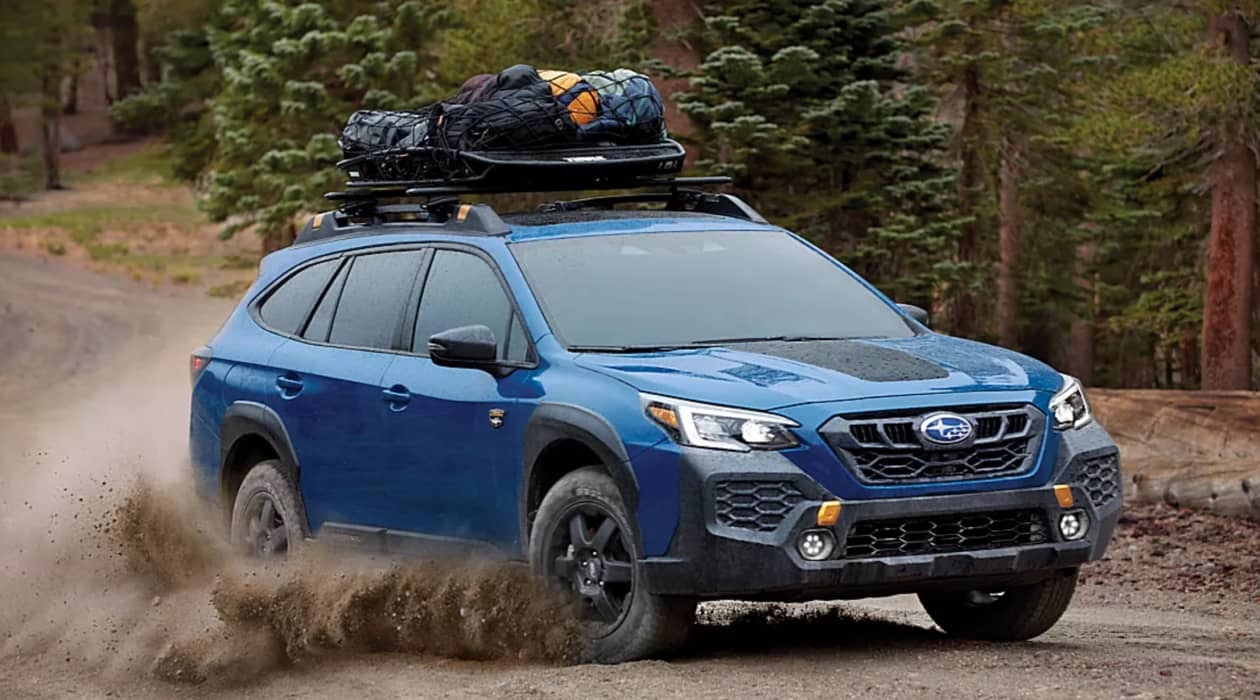
4. Subaru Outback
Though it blurs the line between SUV and wagon, the Subaru Outback earns its place here thanks to its all-weather capabilities and long-lasting brake performance. Subaru’s symmetrical all-wheel drive system is designed for stability, and that translates to smoother braking under all conditions. The Outback’s braking system is not only efficient but impressively durable.
Subaru has equipped the Outback with quality brake pads and rotors that resist wear even under rugged use. Many owners report 50,000 miles or more before needing pad replacement, and some have gone even longer with mostly rural or highway driving.
The even weight distribution in the chassis and the intelligent braking assists reduce unnecessary strain on the front brakes, which are usually the first to wear out.
Another reason the Outback fares so well is its excellent engine braking, particularly with the CVT (continuously variable transmission). When coasting or slowing down, the transmission helps take pressure off the brakes, especially on downhill slopes. This is particularly beneficial for those living in hilly or mountainous areas where brake fade can become a concern.
Subaru’s engineering also focuses on ease of maintenance. Brake jobs, when eventually needed, are straightforward and do not require extensive labor.
This keeps maintenance costs reasonable. With its combination of rugged build quality and intelligent braking support, the Outback is a solid option for those who want a capable SUV without frequent brake service interruptions.
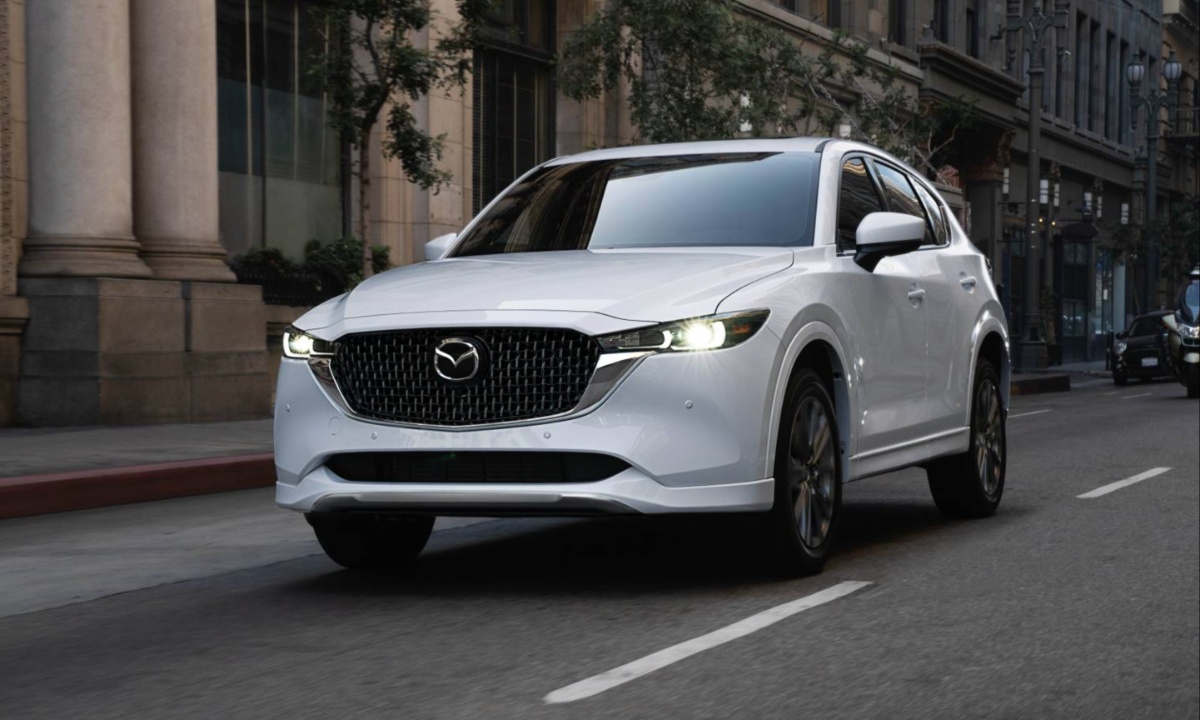
5. Mazda CX-5
The Mazda CX-5 combines sportiness with solid engineering, and it stands out for its brake system reliability. It handles more like a sporty sedan than a bulky SUV, and that light, precise handling extends the life of its brake components. Owners consistently report that the CX-5 goes long distances before showing signs of pad or rotor wear.
The vehicle’s relatively light weight and well-tuned suspension system contribute to this performance. The brakes don’t need to work as hard to slow down the CX-5 as they would on a heavier midsize SUV.
Mazda also emphasizes high-quality materials in its braking system, using parts that resist fade and wear over time. Even under spirited driving, the brake system remains composed and long-lasting.
Another advantage is the CX-5’s smooth transmission response, which helps slow the vehicle with minimal pedal input. The result is a system that sees far fewer emergency stops, hard braking, or unnecessary wear. Drivers often find they can get more than 60,000 miles from their original pads and rotors, particularly with a mix of highway and light city driving.
Brake maintenance on the CX-5 is generally low-cost and infrequent. The parts are widely available and not overly expensive when replacements are eventually needed. For drivers who value handling, ride comfort, and reliability in one well-rounded package, the CX-5 proves that you don’t have to sacrifice brake life for fun behind the wheel.
Also Read: 5 Cars With Timing Chains You Can Forget About and 5 That Snap in Silence
5 SUVs That Burn Through Brake Pads Quickly
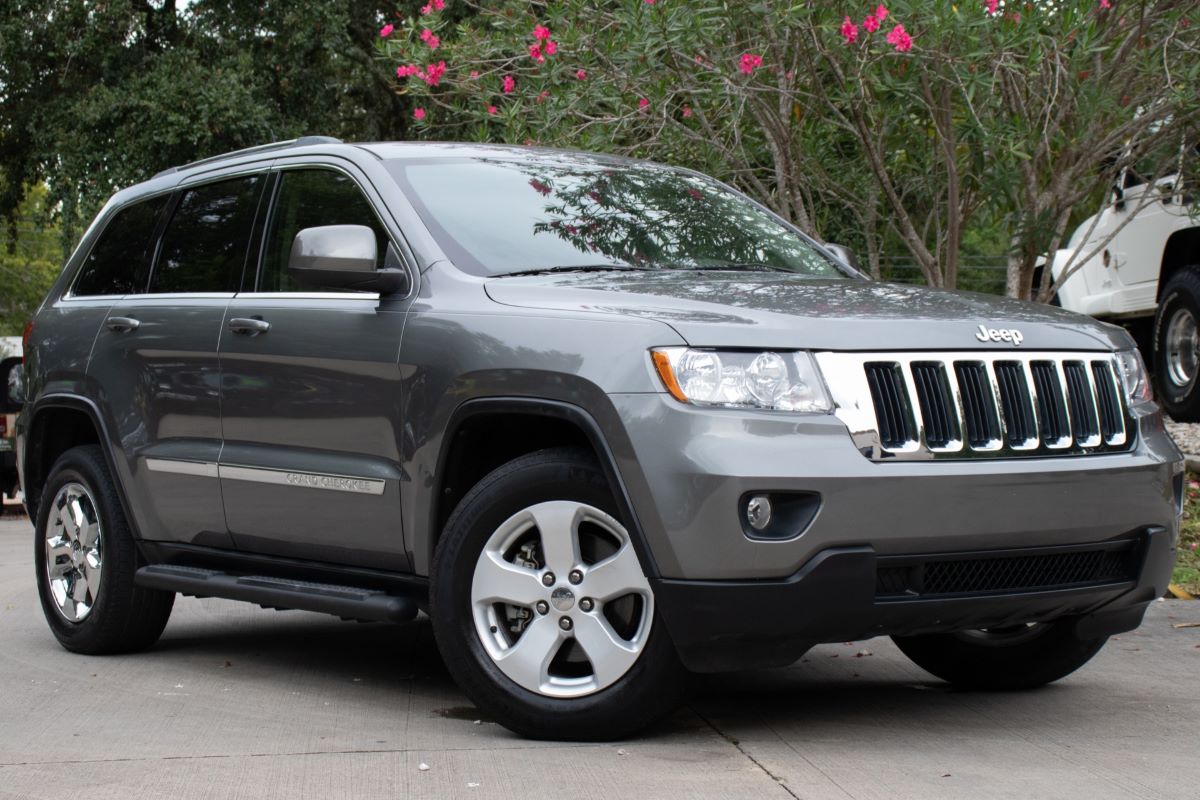
1. Jeep Grand Cherokee
The Jeep Grand Cherokee is a popular choice for those who want a capable SUV with off-road credentials and a comfortable interior. However, it comes with one major downside: frequent brake servicing.
Owners frequently report the need for brake pad replacements as early as 15,000 to 20,000 miles, which is far below average for this segment. This issue has persisted across several model years and trims, including both standard and performance versions.
One of the primary factors is the vehicle’s weight. The Grand Cherokee is not a light SUV, especially with four-wheel drive and optional V8 engines. All that mass puts extra pressure on the braking system.
While Jeep equips the vehicle with decent-sized rotors and calipers, they often aren’t enough to offset the stress from daily driving, towing, and off-roading. As a result, the pads wear out quickly and sometimes unevenly, leading to early rotor warping and vibrations under braking.
Driving behavior compounds the problem. Owners who use the vehicle for city driving, or stop-and-go commuting, find themselves at the shop more often than they’d like.
The heavy body and responsive throttle can cause sudden stops, which contribute to accelerated pad wear. Some drivers try to mitigate the issue by using upgraded pads, but even then, it doesn’t always improve longevity enough to make a difference.
Brake job costs can also be on the higher end for the Grand Cherokee. Depending on the model and trim, rotors may need to be replaced along with the pads to prevent pulsating brakes or steering wheel shake.
These additional costs can add up quickly over time, making it one of the more expensive SUVs to maintain in terms of braking. It remains a capable and desirable SUV, but frequent brake service is one of the tradeoffs owners need to be prepared for.
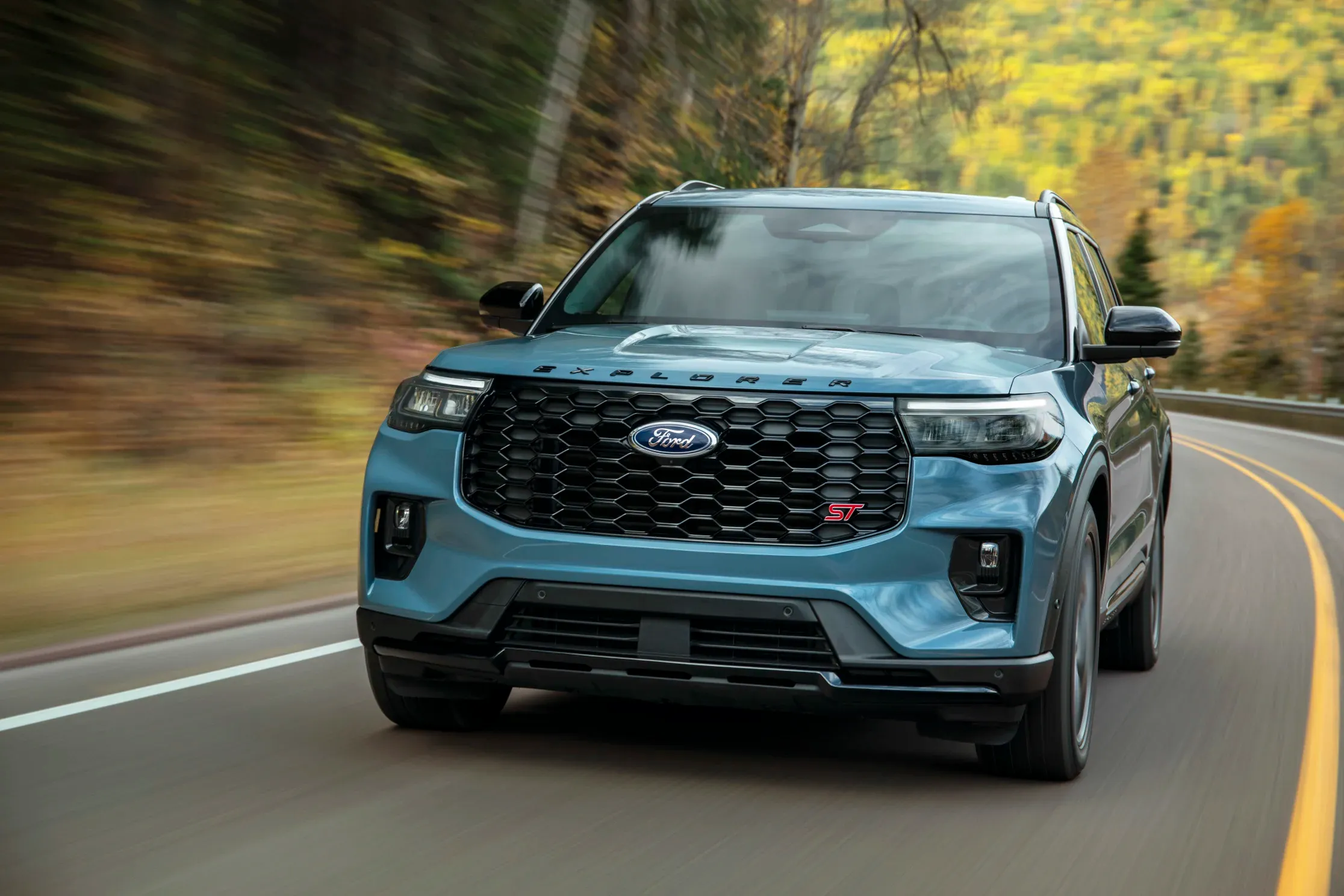
2. Ford Explorer
The Ford Explorer remains a top-selling SUV, thanks to its spacious interior, decent towing capacity, and versatile design. But when it comes to brakes, many owners are disappointed with how often service is needed.
It’s not unusual for Explorer drivers to replace brake pads every 20,000 to 25,000 miles, and in some cases even sooner depending on the type of driving. This pattern holds true for both standard and hybrid variants.
A key contributor to the frequent brake wear is the Explorer’s weight. It’s a heavy SUV, especially in all-wheel-drive or loaded Platinum trims. Even with decent-sized rotors and calipers, the amount of force needed to slow the vehicle contributes to quick pad deterioration.
The rear brakes, in particular, have been a weak point in some model years, with accelerated wear that often catches owners off guard.
In addition to the weight issue, the transmission tuning can sometimes lead to harder stops, especially at lower speeds. The gear shifts aren’t always as smooth as they could be, causing drivers to rely more heavily on the brakes during deceleration.
This repeated stress leads to premature wear, and sometimes even heat glazing on the pads, which reduces braking performance and causes noise or vibration.
Repair costs also tend to be relatively high. While Ford parts are widely available, the frequency of brake jobs means that even minor services add up over time. For drivers who commute regularly or spend time in congested areas, the brake system needs more attention than expected.
The Explorer may have improved in many areas over the years, but the braking wear rate remains one of its persistent flaws, making it less appealing for those hoping to minimize maintenance frequency.
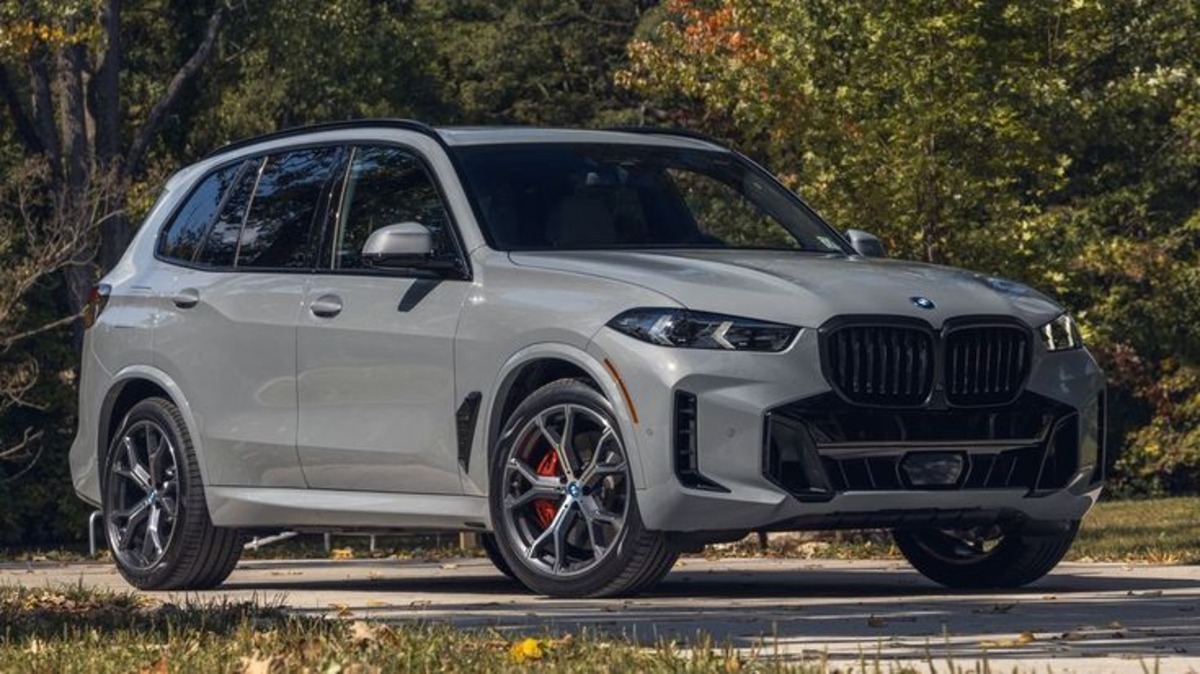
3. BMW X5
The BMW X5 is a luxurious and powerful midsize SUV, but it’s not gentle on its brakes. Performance-tuned and built for sporty driving, the X5 tends to consume brake pads at a rapid rate.
Many owners find themselves replacing pads and rotors around the 20,000-mile mark, with some going even sooner depending on driving habits. This is especially common on models equipped with larger engines or optional M Sport packages.
The issue isn’t just weight, although that’s a factor. The X5 is loaded with tech and comes with powerful engines, which means it’s a heavy SUV with aggressive acceleration.
With that kind of performance comes the need for equally strong stopping power, and BMW delivers that by using high-friction brake pads. These provide great bite and confidence during sporty driving, but they wear out fast and generate a lot of brake dust in the process.
BMW also calibrates the braking system to be highly responsive. While this feels excellent in terms of driver engagement, it leads to more aggressive braking, especially in urban driving.
Even when slowing from moderate speeds, the system engages hard, which shortens the life of both pads and rotors. Rotors themselves often need to be replaced along with the pads, increasing the cost of routine brake service.
Brake repairs on the X5 are particularly expensive, often running well over $1,000 per axle at the dealership. Even independent shops charge a premium for high-end parts and labor.
For a luxury SUV that already commands a high purchase price, frequent and costly brake maintenance can become a headache. It’s a great choice for performance-minded drivers, but anyone who prioritizes low maintenance costs may want to think twice.
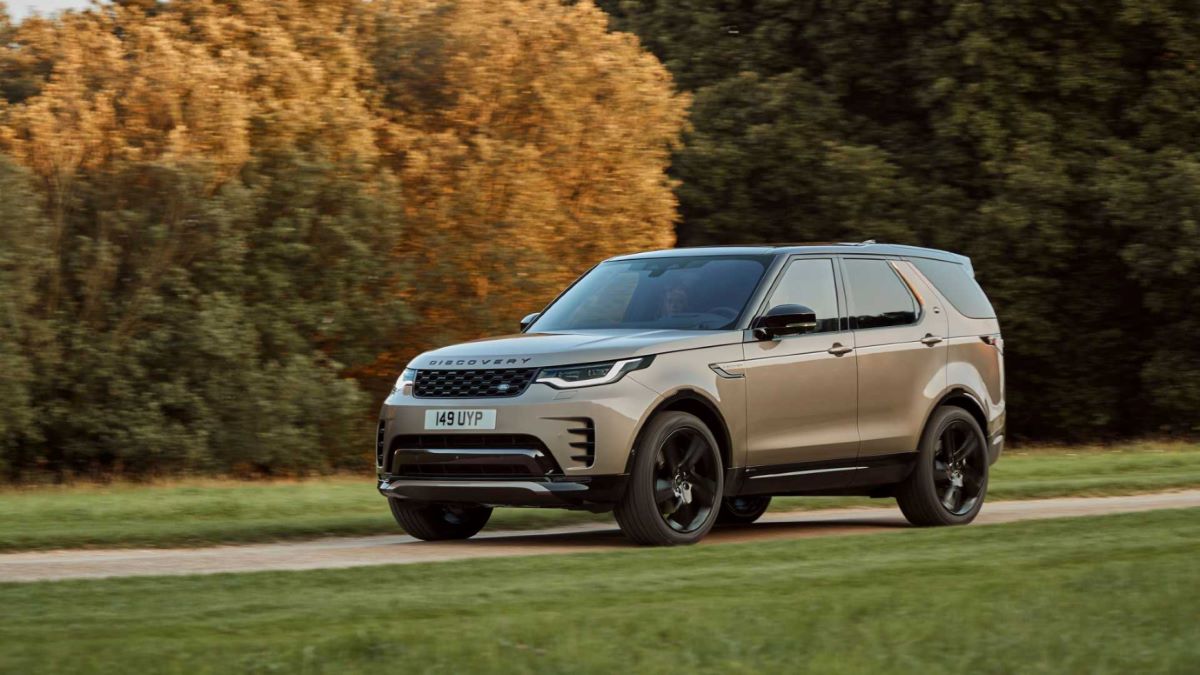
4. Land Rover Discovery
Land Rover vehicles are known for their capability and upscale interiors, but long-term maintenance is one of their weak spots. The Discovery, in particular, suffers from a high rate of brake pad and rotor replacement.
Many owners report pad changes every 15,000 to 20,000 miles, with some even needing rotor replacement at the same time. This frequency makes brake service one of the most frustrating parts of Discovery ownership.
The Discovery is a heavy SUV, even in base trims. Add in four-wheel drive, air suspension, and a loaded cabin, and it becomes one of the heaviest vehicles in its class.
This weight demands more from the braking system, particularly during city driving or when descending hills. The vehicle often feels over-reliant on its brakes, and the lack of strong engine braking only compounds the problem.
Another factor is the type of braking materials Land Rover uses. The factory pads offer good stopping power, but they’re soft and wear quickly.
Some owners switch to aftermarket pads, hoping to gain more mileage, but this can sometimes lead to squealing or compatibility issues with Land Rover’s electronic systems. There’s also the issue of warped rotors, which many owners face even before reaching 30,000 miles.
The cost of repairs is steep. Brake parts are pricey, and the labor involved can be extensive, especially on models with advanced braking assistance systems. That means what would be a simple pad change on another SUV can become a multi-hour repair job here.
Between the short service intervals and high costs, the Discovery stands out as one of the more brake-intensive SUVs on the market. It may be luxurious and off-road ready, but it’s not friendly to the wallet when it comes to brake maintenance.
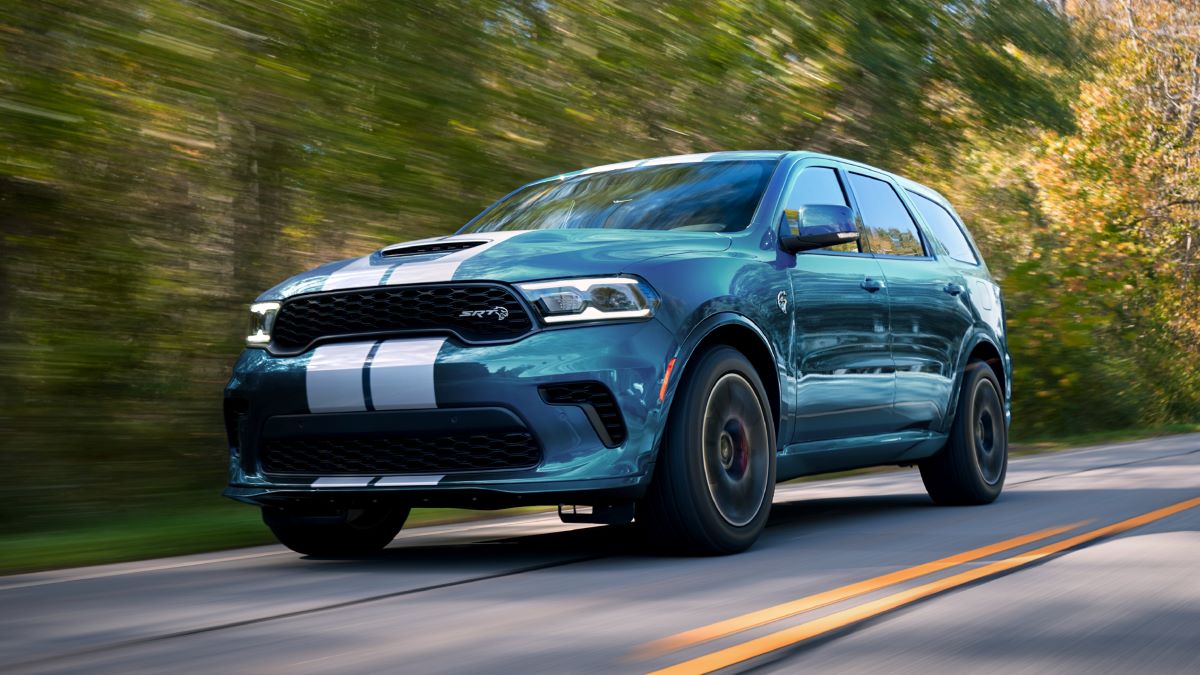
5. Dodge Durango
The Dodge Durango is built to be a powerful and capable SUV, often marketed for towing and muscle-car-inspired performance. But those strengths come with a drawback: the brakes wear out quickly.
The Durango is among the SUVs that most frequently require brake service, with many owners reporting pad and rotor replacements at intervals as short as 15,000 to 25,000 miles.
Weight plays a major role. Even the base models are heavy, and trims like the R/T or SRT are downright massive. The high-performance engines available in these trims mean that stopping power needs to be equally robust.
While the brake hardware looks impressive on paper, it’s often pushed to its limits. As a result, pads wear down quickly, rotors develop heat spots, and some drivers experience vibration or pulsation while braking.
Durangos also tend to be driven more aggressively, especially the V8 versions. Hard acceleration followed by frequent braking, particularly in urban traffic, puts tremendous stress on the system.
Drivers who tow trailers or carry heavy loads experience even faster wear. Some owners switch to performance brake kits, but even those tend to wear faster than expected due to the sheer weight and momentum of the vehicle.
Brake jobs are relatively expensive on the Durango, especially if rotors need to be replaced. The frequency of service combined with parts and labor costs, makes it one of the more expensive SUVs to maintain in terms of braking.
It’s a good option for drivers who want raw power and utility, but if you’re hoping for long brake intervals and low-cost service, the Durango may not fit the bill.
Also Read: 10 Cars That Are Still on the Road From the Early 2000s
When it comes to SUV ownership, most drivers expect to deal with routine maintenance, but few anticipate how often brake service can become a recurring issue. Brakes are wear-and-tear items, but the frequency at which they need replacement can vary dramatically depending on the vehicle’s design, weight, and engineering priorities.
This comparison between SUVs that rarely need brake jobs and those that seem to eat through pads every few months reveals more than just cost differences it highlights the engineering philosophies behind each model.
SUVs like the Toyota Highlander, Honda CR-V, Lexus RX, Subaru Outback, and Mazda CX-5 stand out because they combine smart weight distribution, well-tuned transmissions, and efficient braking systems. These vehicles are not just designed for reliability on paper; they deliver it in real-world conditions.
For the average owner, that means fewer trips to the mechanic, lower maintenance bills, and the confidence that your brakes won’t let you down when you need them most.
Some of these SUVs, particularly the hybrid variants, also benefit from regenerative braking systems, which significantly reduce the workload placed on traditional friction brakes. Over tens of thousands of miles, that makes a meaningful difference in maintenance costs and vehicle downtime.
On the flip side, vehicles like the Jeep Grand Cherokee, Ford Explorer, BMW X5, Land Rover Discovery, and Dodge Durango suffer from brake issues tied to their weight, driving dynamics, and performance setups.
These SUVs often prioritize power, towing capacity, or sporty handling, and the braking systems are frequently forced to work harder to manage that performance.
The result is a higher rate of brake pad and rotor replacements, which can become a major ownership cost. Owners of these vehicles often face not only frequent repairs but also higher parts and labor costs, especially in premium brands like BMW or Land Rover.
Of course, driving habits and conditions will always play a role. A cautious driver in a high-traffic urban setting may wear out brakes faster than someone doing long highway commutes in a rural area. However, patterns across these SUV models show consistent trends regardless of location or driving style.
When multiple owners report replacing brakes before the 20,000-mile mark, it points to a design limitation rather than just bad luck or aggressive driving.
This isn’t to say that performance SUVs or luxury models should be avoided entirely. In many cases, they offer a rewarding driving experience, advanced technology, and capabilities that lighter-duty models can’t match.
But buyers should go in with open eyes, understanding that part of the ownership cost includes more frequent brake servicing. On the other hand, buyers who prioritize longevity, low maintenance, and daily ease of use may find better long-term value in the more brake-friendly options listed earlier.
Choosing the right SUV isn’t just about horsepower, styling, or cargo space it’s also about how well the vehicle handles the basics, like braking.
Whether you’re aiming for high performance or long-term reliability, knowing how a vehicle treats its brake system can help you avoid unexpected repair bills and keep your driving experience smooth and predictable. It’s a detail that may not make the showroom brochure, but it matters every mile you drive.
