
Air conditioning in cars isn’t just a luxury anymore. For many drivers, especially those living in hotter climates, it’s an absolute necessity.
When summer temperatures start to climb and the asphalt radiates heat like a furnace, there’s a comforting assurance in knowing your car’s AC system can deliver a stream of icy air with just the turn of a dial.
But not all vehicles live up to that expectation. Some age gracefully and keep their cool literally well beyond the average lifespan.
Others, unfortunately, start showing signs of weakness before their warranty period even ends. And when it comes to the performance of air conditioning over the long term, real-world experience often matters more than lab-tested ratings.
What’s particularly frustrating about unreliable car air conditioning is how inconsistent it can be. A system that functions perfectly in spring may suddenly struggle when the summer sun becomes intense. Drivers of certain models have come to anticipate AC repairs as a seasonal ritual.
On the other hand, there are vehicles with HVAC systems so well-designed and resilient that they keep on chilling the cabin even after a decade of use, without so much as a recharge.
These differences are not always obvious when shopping for a car. Brochures focus on initial specs dual-zone climate control, rear vents, or air ionizers but they don’t tell you how the compressor behaves after 150,000 miles.
Understanding which cars continue to offer frosty air even after years of wear and which ones leave you sweating in traffic every summer can save you a lot of frustration. It’s not just about comfort. Poor AC performance can affect your concentration, patience, and in some cases, even your health.
People who drive long distances for work or live in regions with long hot seasons depend on that cold air more than they may realize.
With all this in mind, here’s a look at five vehicles that are widely known for having long-lasting, dependable AC systems that still freeze you out at ten years old, followed by five that frequently let their owners down the moment the heat kicks in.
Also Read: Top 10 Cars That Stay Worry-Free After Warranty Ends Offering Unmatched Reliability
5 Cars With AC That Freezes You at 10 Years

1. Toyota Camry
The Toyota Camry has long held a reputation for reliability, and that extends to its air conditioning system. Owners of older Camry models often remark how quickly the cabin cools, even after a decade of wear and tear.
The AC compressor, expansion valve, and other components are well-engineered to stand the test of time. It’s not unusual to find a ten-year-old Camry still blowing cold air within minutes, even in extremely hot conditions. This consistency has helped the Camry become a favorite among people who live in warm regions.
One factor contributing to the Camry’s strong AC performance over the years is its simple but effective HVAC design. Toyota doesn’t overcomplicate the system with unnecessary bells and whistles, which means fewer things can go wrong. The refrigerant lines, cabin air filter system, and internal sensors are built with durability in mind.
Even after high mileage, these systems tend to require only basic maintenance. Unlike some models that start blowing lukewarm air by year six or seven, Camry units often don’t show signs of weakness until far beyond that point.
Another thing that helps the Camry’s AC age well is the wide availability of quality replacement parts. If a part does fail, it’s not hard or expensive to get a genuine replacement.
More importantly, the AC system in a Camry is designed in a way that makes it easier to repair without dismantling the whole dashboard. That makes servicing quicker and cheaper. Combined with the original reliability, this ease of maintenance extends the system’s lifespan significantly.
Drivers in Arizona, Texas, and Southern California regularly mention how their older Camrys still manage to cool the cabin rapidly, even after sitting in the sun all day.
For those who value consistent cooling over decades, the Camry is hard to beat. The freezing-cold vents at ten years old aren’t a fluke they’re the result of solid engineering and long-term dependability.
2. Honda CR-V
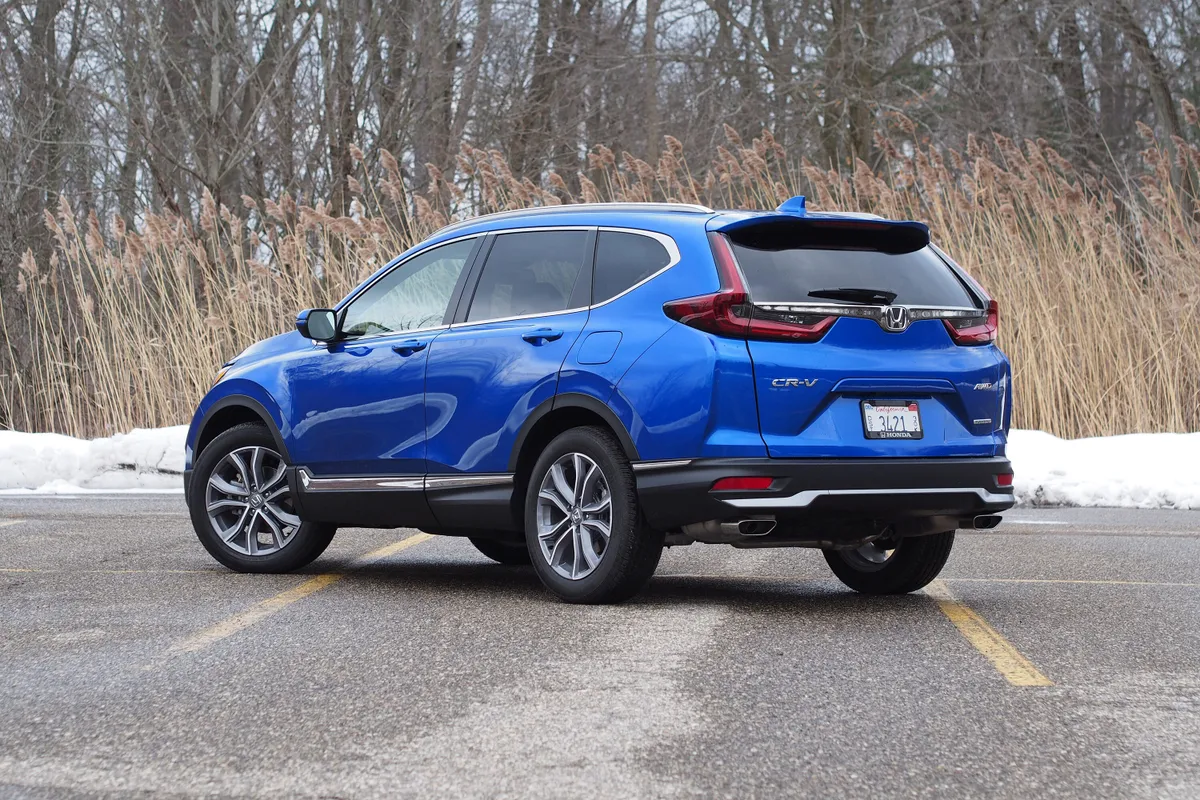
Honda’s compact SUV, the CR-V, is another standout when it comes to long-term AC performance. Owners frequently report that the system continues to work flawlessly after many years and miles.
It’s particularly impressive how the CR-V cools down the cabin so quickly. Whether it’s a 200,000-mile model or a CR-V that has sat idle for long periods, the AC usually kicks on strong and delivers a refreshing blast of cold air.
The reliability of the CR-V’s AC isn’t accidental. Honda uses a conservative approach in its engineering, prioritizing function over gimmickry.
You won’t find overly complex climate control interfaces, but what’s there works well and lasts. The CR-V’s AC compressors are known for their longevity. As long as the system is recharged every few years and the cabin filter replaced on schedule, the air coming from the vents stays icy for a very long time.
What also helps the CR-V is that its vehicle design supports the AC system. Good insulation, efficient duct placement, and smart thermostat controls reduce the workload on the compressor.
This means the AC doesn’t have to strain to cool the cabin. It also means the components don’t wear out as quickly. Many older CR-Vs can sit in the sun for hours and still drop cabin temperatures rapidly once started.
The CR-V is often used as a family car, which makes its AC performance even more appreciated. Rear-seat passengers benefit from quick and strong airflow, and that consistent performance year after year builds trust.
Many people who own older CR-Vs have no interest in replacing them partly because the comfort factor including the AC remains intact. Ten-year-old CR-Vs still feel cool and comfortable during summer heat, which is something a lot of newer cars can’t promise.
3. Lexus RX
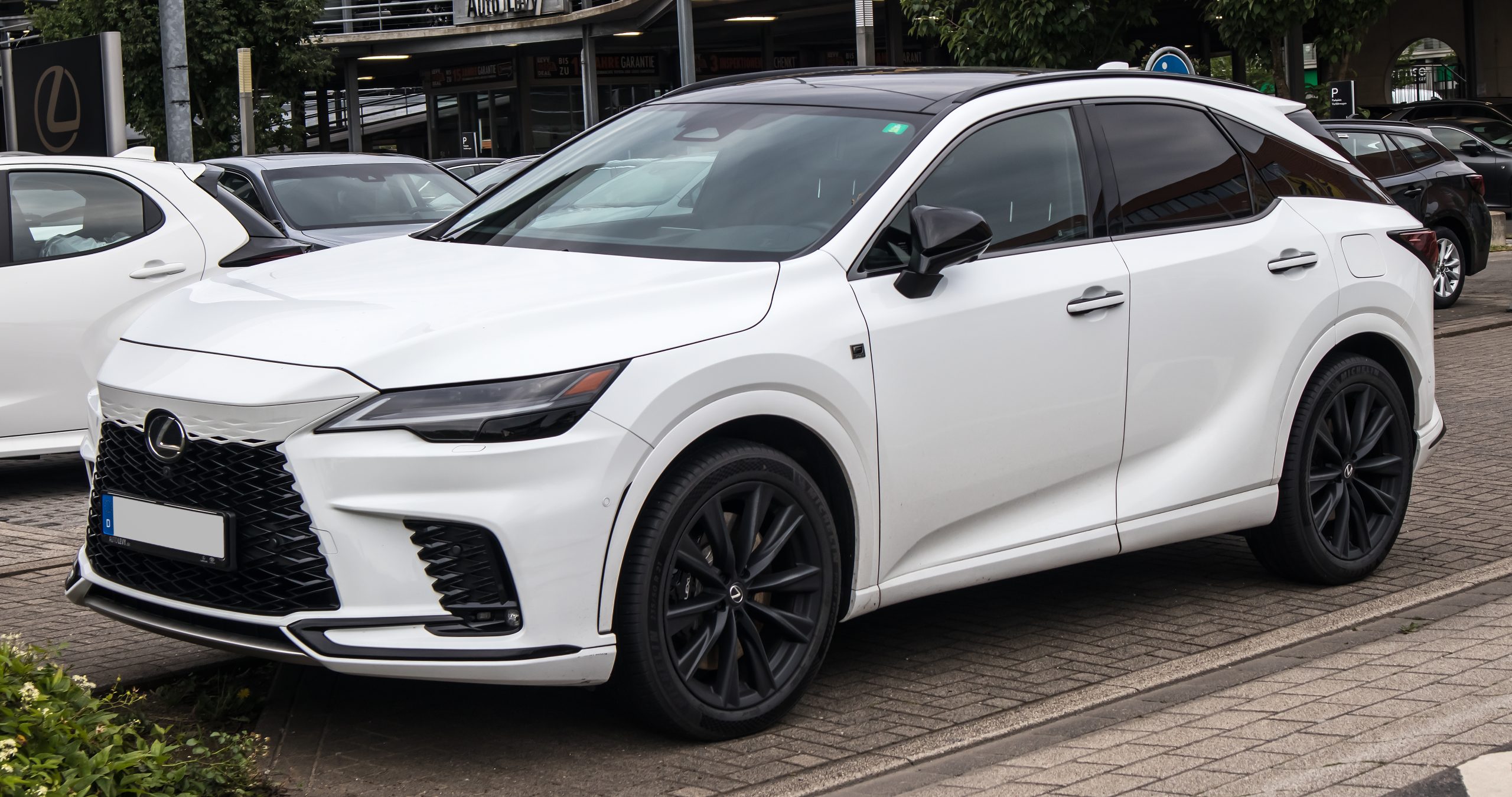
Luxury vehicles sometimes fall short on long-term reliability due to the complexity of their systems, but the Lexus RX is a exception.
Its AC system remains effective even after many years, and it cools down the interior surprisingly fast. Lexus, as Toyota’s luxury division, uses many of the same foundational parts as the Camry, but with added refinement. This means you get the same durability with an even quieter and smoother performance.
The Lexus RX’s HVAC setup includes advanced sensors and multi-zone systems, but they are built with the same focus on quality as the mechanical components.
The materials used for air ducts, evaporators, and seals are designed to withstand time and heat stress. As a result, even RX models that are a decade old often don’t need AC repairs. Maintenance is still recommended, but the need for major overhauls is rare. Owners tend to be surprised by how well the system holds up.
Another reason for the RX’s AC longevity is how Lexus encourages regular maintenance. Scheduled service visits often include HVAC checks and refrigerant assessments.
Because many RX owners stick with dealer maintenance plans, the AC system gets the attention it needs before problems develop. This proactive care means fewer breakdowns during the summer when the system is under the most pressure.
Even when problems do occur, Lexus service centers are well-equipped to handle them. Replacement parts are readily available, and technicians are trained to identify early signs of failure.
That combination of preventive maintenance and solid design means the RX offers ten years of cool comfort with very few interruptions. For those who want luxury without sacrificing long-term reliability, the Lexus RX stands out.
4. Subaru Outback
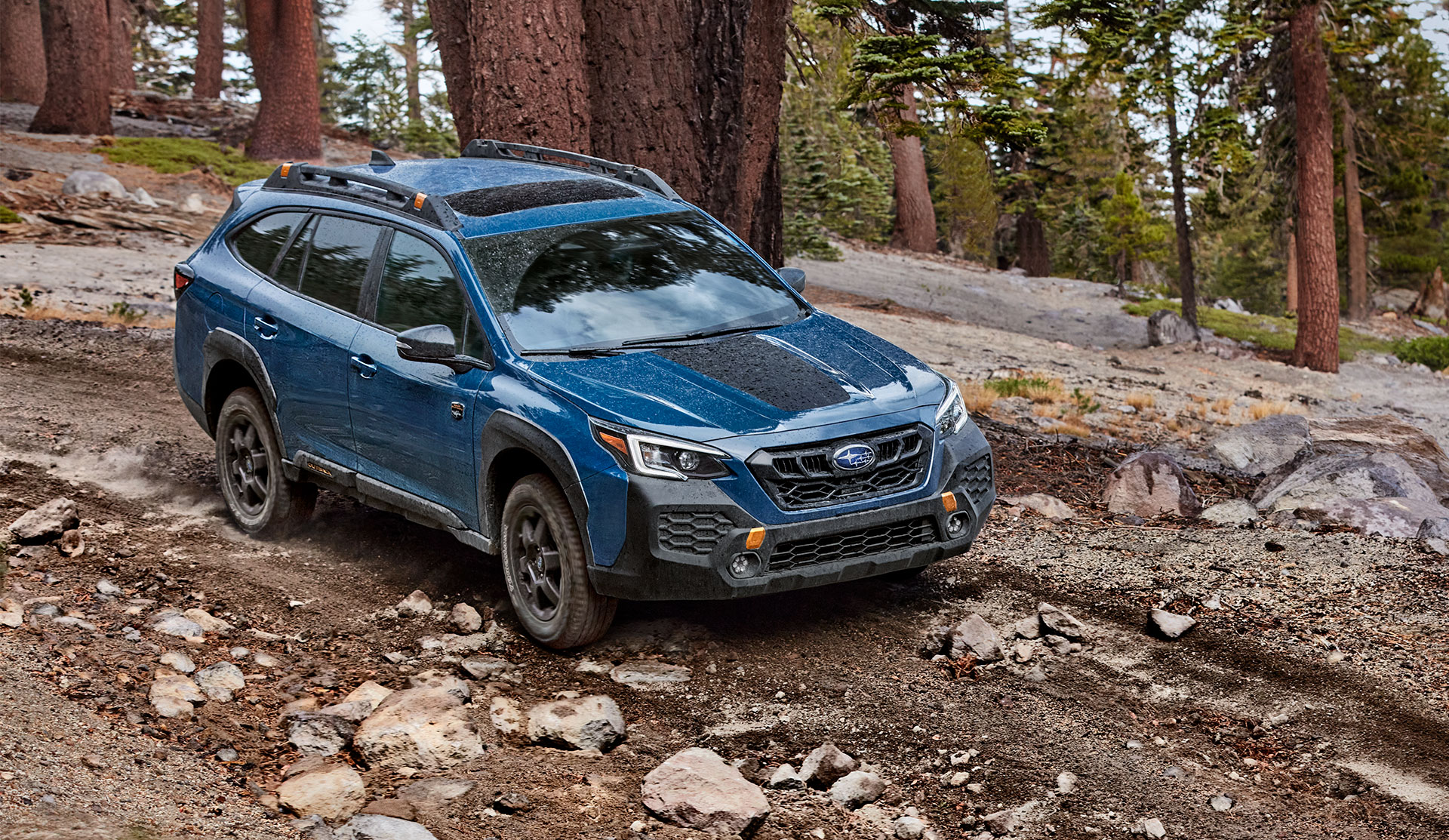
The Subaru Outback might not be the first car that comes to mind when thinking of great AC systems, but it earns a spot here for how well it holds up over the long term.
Designed for drivers who live in extreme climates and frequently encounter both hot summers and cold winters, the Outback’s air conditioning system is built to perform reliably across a wide temperature range. That performance doesn’t diminish much with age.
Older Outbacks are often found in areas where the seasons are extreme places like Colorado, the Pacific Northwest, and northern New England.
Owners in those regions often comment on how effective the AC remains even after ten years of use. The dual-zone setup, available in many trims, continues working well, and even base models have strong compressors that don’t tend to wear out easily. This kind of consistency is a testament to Subaru’s engineering choices.
Another benefit is the Outback’s cabin design. The interior is relatively well-insulated, and the ducting for the AC is straightforward and efficient.
The result is faster cooling and less strain on the system. The simple layout also means fewer things can go wrong, especially as the car ages. Combined with the brand’s reputation for rugged dependability, the HVAC system fits well into the reliability package.
Subaru owners are known for keeping their vehicles a long time, and part of that is because basic systems like AC don’t need constant repairs.
The Outback’s air conditioning may not have the flashiest interface, but it continues to get the job done long after many competitors start losing their cool. For a car that you can drive into remote areas without worrying about heat or cold, the Outback provides a consistent, icy breeze even a decade down the road.
5. Ford F-150
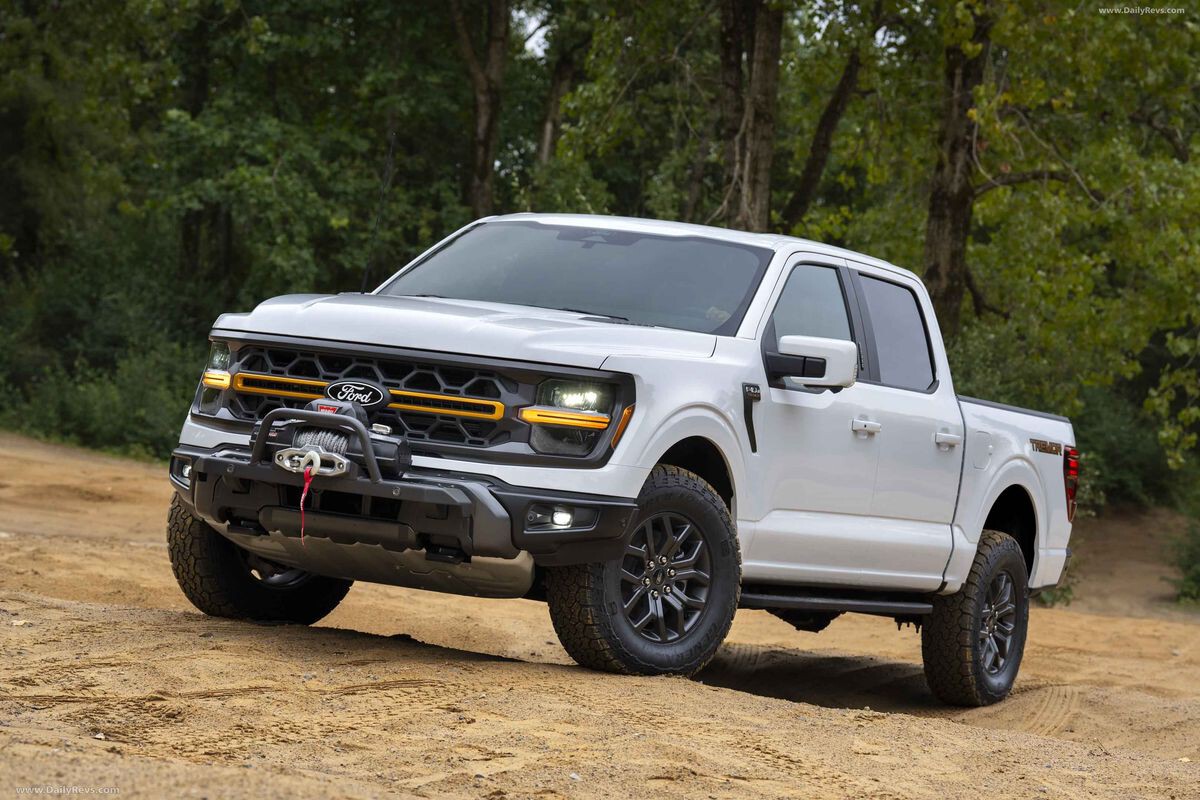
The Ford F-150 earns its spot among vehicles with ten-year-strong AC performance not just for its popularity, but because of how robust its climate control system is across multiple model years.
Many truck owners use their vehicles for work in harsh environments construction sites, farms, and long highway hauls. The F-150’s AC system is built to endure these conditions. It’s not uncommon for a decade-old F-150 to still blow air cold enough to fog up the windshield on a hot day.
One key factor is the truck’s size and the expectation that it will be used to carry multiple passengers or equipment. The air conditioning system is therefore designed with higher cooling capacity than most sedans.
From the condenser to the blower motor, the components are slightly more industrial-grade than what you’d find in a compact car. This pays off in long-term reliability. When maintained, these parts handle heavy use for many years without significant degradation.
F-150 drivers often report that even after 150,000 miles or more, the air conditioning remains reliable with only occasional maintenance like refrigerant recharging or blower resistor replacement.
The HVAC systems on these trucks are fairly accessible for repairs, too. That makes them easier to keep running well past the decade mark. For a vehicle so widely used in hot southern states, the ability to retain strong AC function is essential, and the F-150 consistently delivers.
Its popularity also means there’s an abundance of knowledge and parts available for DIY repairs or inexpensive fixes at independent shops.
This makes it easier to keep the AC performing optimally without needing to visit the dealership. While many pickups tend to struggle with climate control issues over time, the F-150 stands apart. For anyone who values a cool cabin even ten summers down the line, this truck gets the job done.
Also Read: 10 Cars That Are Still on the Road From the Early 2000s
5 Cars That Quit Every Summer

1. Nissan Altima
The Nissan Altima has struggled for years with a reputation for unreliable air conditioning, particularly as the car ages. Many drivers find that by the time the car hits five to seven years old, the AC system no longer functions consistently.
What’s most frustrating for owners is how the problem tends to reappear every summer, no matter how often the system is serviced or recharged. This has become a well-known issue in online forums and among independent mechanics.
Part of the problem lies in the design and quality of certain components. The compressors in many Altima model years are prone to early wear, especially if the car is driven in hot climates. The failure often isn’t complete, but partial: the compressor will run, but the air won’t get cold enough, especially during the hottest part of the day.
Add to that condenser leaks and pressure sensor issues, and you have a system that’s constantly under stress and never quite delivering the cooling needed when it matters most.
Owners frequently complain that their AC systems work fine in the spring, only to completely stop cooling during the first heatwave of the summer. Even after expensive repairs, like compressor replacement, the problem sometimes returns within a year.
This leads to a cycle of repairs that rarely seem to offer a permanent fix. Nissan dealerships have acknowledged the issue in some years, but the problem remains widespread enough that many mechanics automatically suspect AC problems when an older Altima rolls into the shop.
What adds insult to injury is that the rest of the car often holds up reasonably well, which makes the poor AC performance stand out even more.
A well-maintained Altima might have another 100,000 miles of life in it, but the broken AC makes it almost unbearable to drive in July. Owners who live in hotter states like Arizona or Florida often trade in the car earlier than planned simply because they can’t take another summer of sweating behind the wheel.
2. Chevrolet Malibu
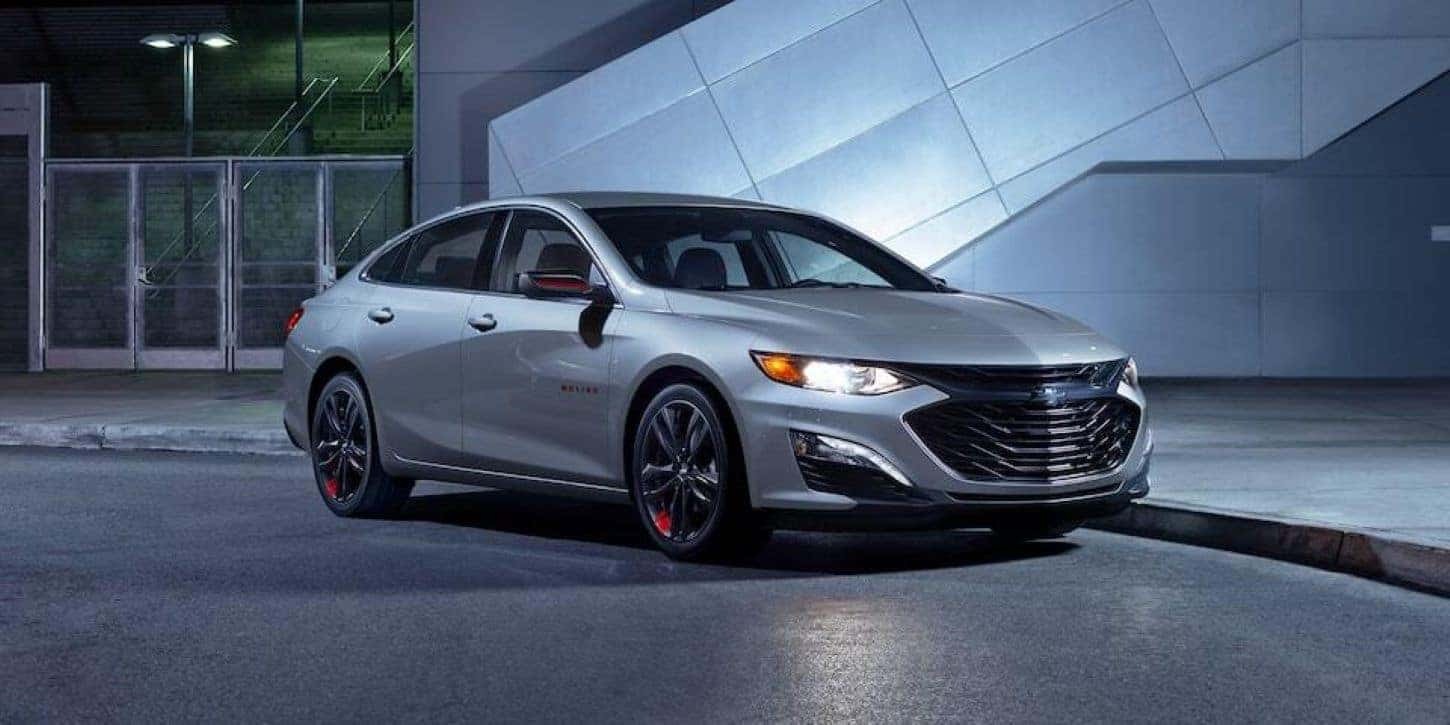
The Chevy Malibu has had multiple model years where the AC system seems to give up when it’s needed most. Drivers often report that everything works fine in the cooler months, but as soon as the temperatures climb, the cooling performance drops dramatically or disappears altogether.
This inconsistency becomes more frequent as the vehicle ages, typically starting around the six-year mark and getting worse each year.
A common issue is related to the blend door actuators and electronic climate control modules, which are prone to malfunction. When these components fail, the AC system may blow hot air regardless of the actual temperature settings.
What’s worse is that these problems are often intermittent, meaning they can be hard to diagnose and expensive to fix. Some owners spend hundreds of dollars on diagnostics and part replacements only to find the same issue returning after a few months.
Another challenge with the Malibu’s AC system is compressor reliability. In many cases, the compressor will show signs of strain after a few years, producing weak airflow or noisy operation. Eventually, it either stops working altogether or leaks refrigerant at a slow rate.
These slow leaks are particularly frustrating because the system may seem to work temporarily after a recharge, only to fail again in the next heatwave. Many owners have gone through multiple refrigerant recharges within a single summer.
These issues are exacerbated by the fact that Malibu owners typically use the car as a daily commuter. When you depend on your vehicle every day, you expect it to at least provide basic comfort.
Having an unreliable AC system that struggles every summer not only adds to driving discomfort but also erodes confidence in the car itself. For a midsize sedan that otherwise has good interior space and fuel efficiency, this seasonal unreliability becomes a deal-breaker for many drivers.
3. Dodge Journey
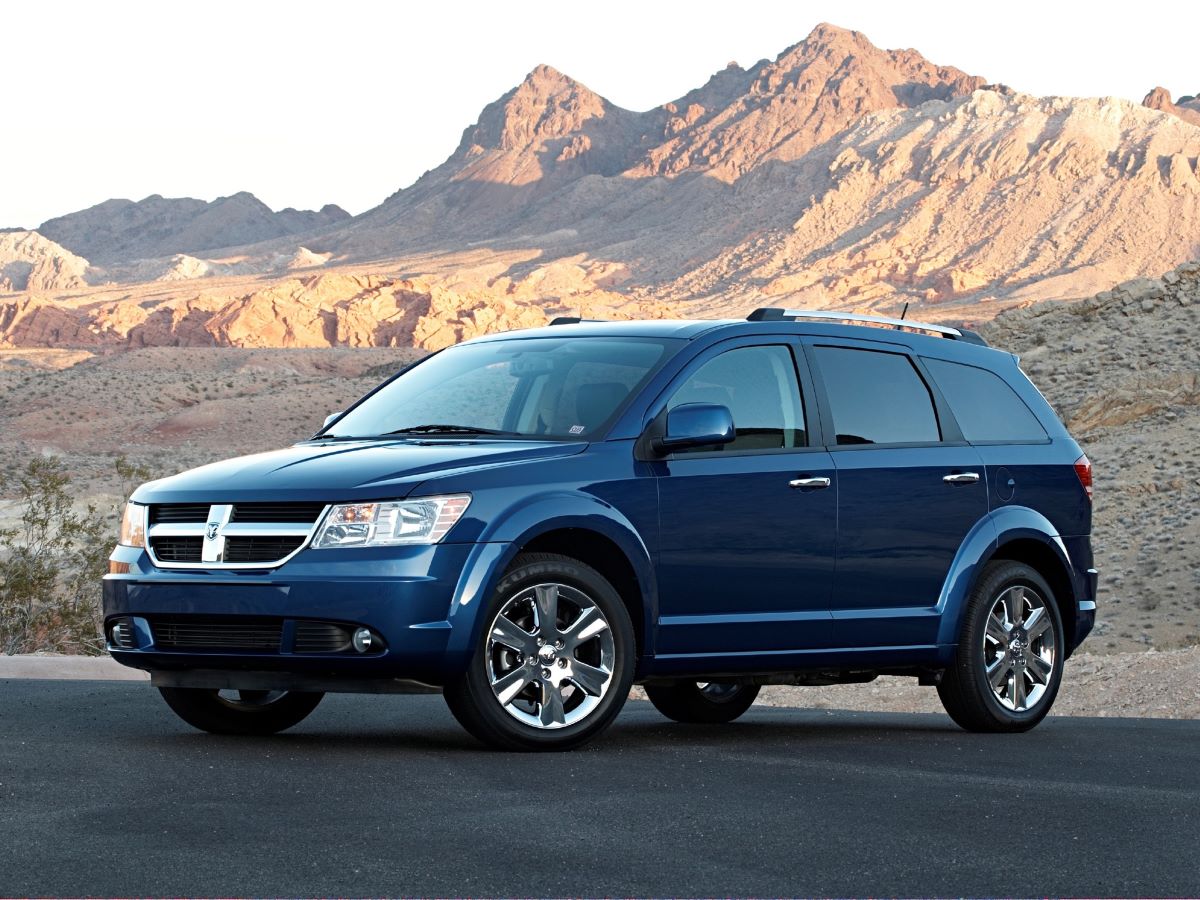
The Dodge Journey’s air conditioning issues have been well documented by both mechanics and long-term owners. Unlike some vehicles where one component is the main culprit, the Journey seems to suffer from a combination of design flaws and part failures that collectively turn it into a summer headache.
The issues often start early sometimes within just three or four years of ownership, and worsen quickly if not addressed.
The primary problem is with the AC compressor and condenser, both of which are prone to early failure. Many owners report that the system stops cooling entirely when the temperature rises above 85 degrees. Worse, replacement parts sometimes don’t solve the issue for long.
In some cases, poor-quality aftermarket parts and the high labor cost of repairs make it uneconomical to keep fixing the system year after year. This leads to the common refrain among Journey owners: “The AC works fine until it doesn’t.”
Additionally, there are problems with airflow and cabin circulation. The blower motor resistor often fails, resulting in inconsistent or weak airflow even when the AC is technically still cold.
The placement of vents and limited rear AC support further compounds the discomfort, particularly for passengers sitting in the back during summer road trips. If you’re driving with kids or pets, that lack of rear cooling quickly becomes a real issue.
Even when functioning properly, the AC system in the Journey seems underpowered compared to its competitors. On very hot days, it can take up to 20 minutes for the cabin to become bearable.
In climates where temperatures exceed 100 degrees regularly, this level of performance just doesn’t cut it. Many owners have given up on trying to fix the system each year and instead rely on aftermarket window tinting, fans, or even portable AC units. That’s hardly a solution in a modern vehicle.
4. Volkswagen Jetta
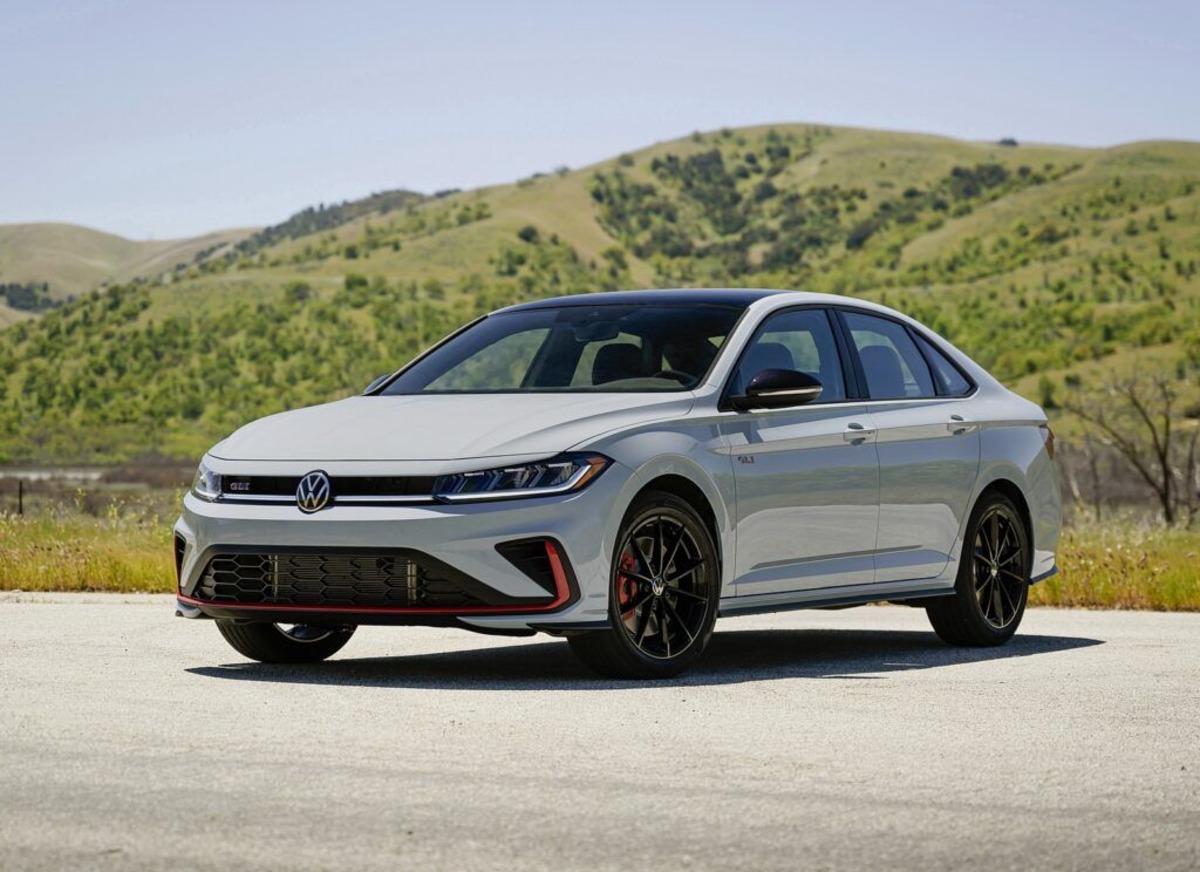
The Volkswagen Jetta, particularly in the 2010s era, is another car that tends to develop persistent air conditioning issues as it ages. The AC system on many Jettas has been a source of frustration for owners due to its tendency to fail in high heat conditions.
This is especially disappointing because the Jetta is otherwise seen as a compact car with solid build quality and a nice interior. But when summer arrives, that refined cabin can feel like an oven if the AC gives out, which unfortunately happens more often than it should.
The most common culprit is a failing compressor, which in certain model years has been known to give out prematurely. In many cases, the compressor doesn’t fail it just stops creating enough pressure to provide real cooling.
So while the system is technically running, the air coming out of the vents is lukewarm at best. Add to that the fact that the AC might function on mild days and then falter when temps climb above 90°F, and it becomes a tough problem to diagnose and fix without replacing expensive parts.
Beyond the compressor, the Jetta has issues with electrical components tied to the climate control module. When these begin to fail, the system may randomly stop blowing cold air or switch to heating mode without command.
Sensors that regulate internal temperature also degrade over time, throwing off the entire balance of the HVAC system. Many Jetta owners report spending multiple summers trying to resolve the issue with little success, sometimes chasing one small part after another.
What makes this situation worse is the cost and complexity of AC repairs in a Jetta. Labor rates at VW dealerships are typically high, and the availability of quality aftermarket parts is somewhat limited.
That means owners either spend a lot or gamble on cheaper fixes that might not last. In the end, many people either live with the broken system or get rid of the car. If dependable summer comfort is high on your list, the Jetta often falls short after the first few years.
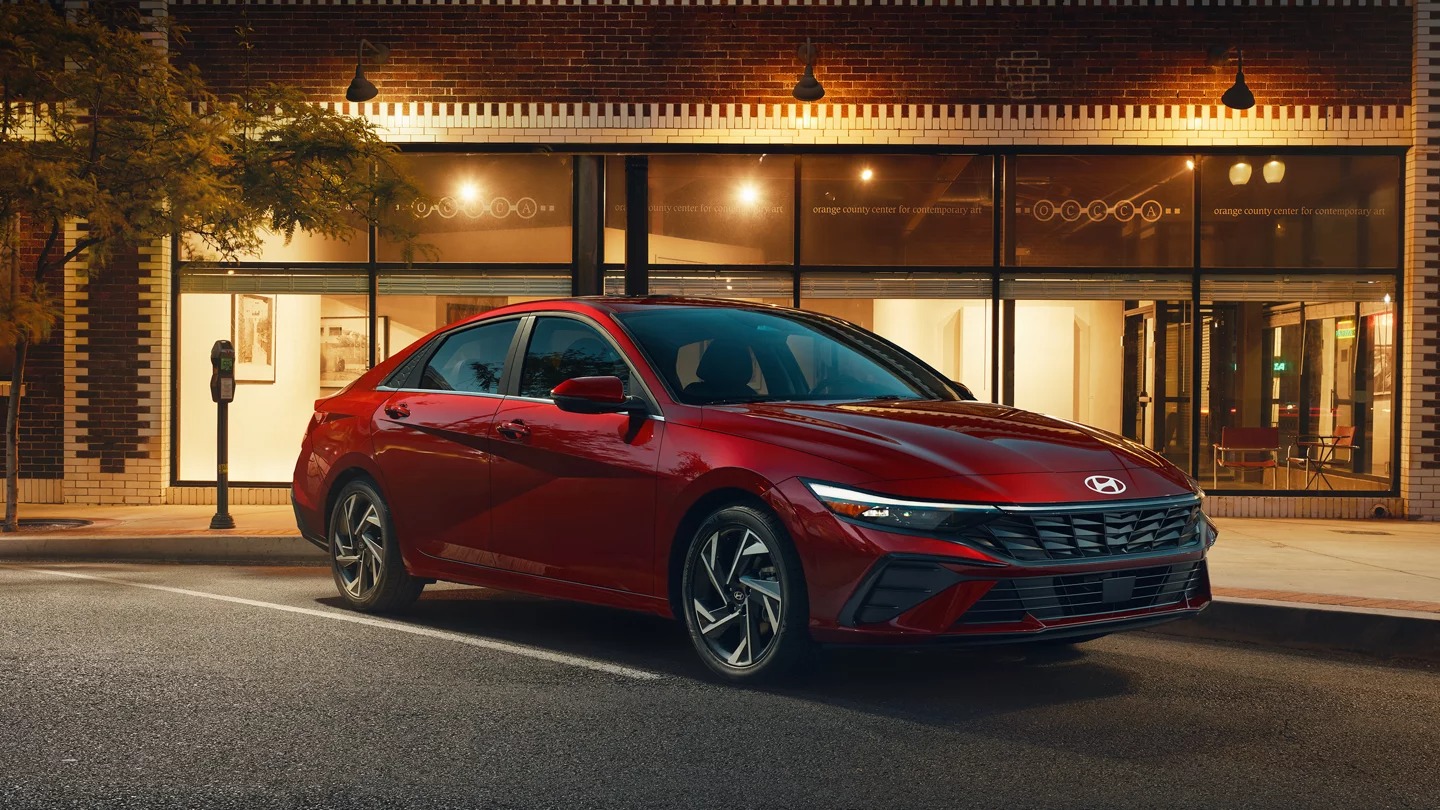
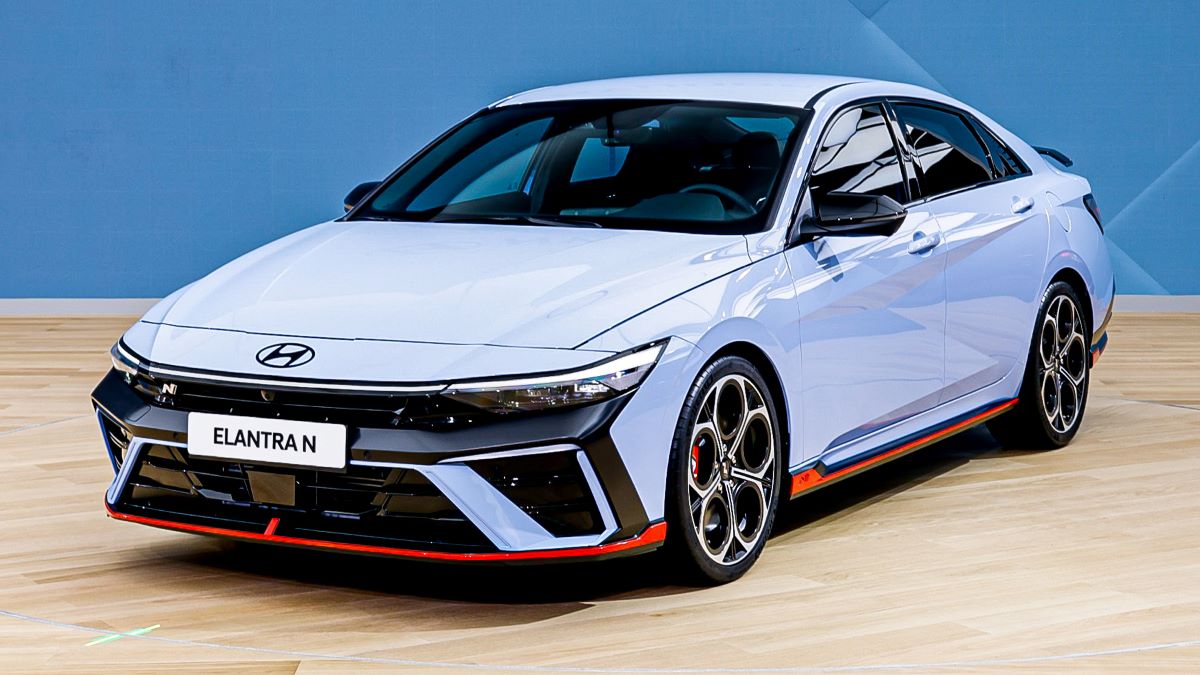
5. Hyundai Elantra
While the Hyundai Elantra has become a much more competitive compact car over the past decade, its AC system has often been a weak point, especially as the car moves past the five-year mark.
Many owners report that the air conditioning slowly starts to lose its effectiveness over time, often culminating in complete failure during the hottest months. This issue isn’t always due to neglect; in many cases, even well-maintained Elantras end up with AC systems that can’t keep up with intense summer heat.
Another frequent complaint is compressor failure, often without any clear warning signs. Unlike other cars where the compressor might show signs of noise or lag before quitting, the Elantra’s compressor may suddenly stop engaging, especially during high-load conditions like long drives or extreme temperatures.
Once it fails, the cost to replace it can be high, particularly if it causes secondary damage to the AC system. That creates a situation where owners either face a large repair bill or choose to drive without working AC.
Interior insulation also plays a role in how well the Elantra handles heat. The cabin warms up quickly under sunlight, and the airflow from the AC vents while decent when new tends to weaken as the blower motor and ducts accumulate wear. Rear-seat passengers in particular often suffer, since the Elantra doesn’t have rear vents in most trims.
Over time, even a functional AC system can start to feel inadequate simply because the design doesn’t support efficient airflow once the car ages. For people in hot climates, this becomes an unavoidable downside of Elantra ownership.
Also Read: 10 Cars That Are Still on the Road From the Early 2000s
When it comes to long-term air conditioning performance, not all cars are created equal. Some vehicles, like the Toyota Camry and Ford F-150, deliver consistently cold air well into their second decade on the road.
These cars were designed with durability in mind, and their AC systems reflect that philosophy. Whether you’re sitting in traffic during a heatwave or returning to a sunbaked car after work, they continue to provide the comfort you need without constant maintenance or repair costs.
On the other hand, some models like the Nissan Altima and Chevrolet Malibu can feel like seasonal liabilities. Their AC systems may work fine for a few years but start to decline with regular use, often requiring repeated repairs that offer only temporary relief.
For people who live in regions where summer temperatures are intense and prolonged, owning a car that can’t handle the heat becomes a major issue. It’s more than a minor inconvenience it can affect daily routines, commuting quality, and even personal health.
Air conditioning longevity is one of those qualities that doesn’t get enough attention when people are buying cars. Shoppers often focus on horsepower, touchscreen size, or fuel economy, but reliable climate control becomes much more important over time.
Whether you’re dealing with the peak of July or a long road trip through the desert, having AC you can count on is one of the simplest but most appreciated features in any vehicle.
