
When it comes to owning and maintaining a truck, one of the key factors that drivers and buyers consider is the cost of replacement parts and repairs. Trucks are often investments for work, travel, or hauling heavy loads, and the expenses to keep them running smoothly can add up quickly.
Some trucks are known for having affordable original equipment manufacturer (OEM) parts, which makes maintaining them easier on the wallet.
Others have parts that are more difficult or expensive to source, leading to costly repairs and ongoing maintenance bills. Understanding which trucks fall into each category can help prospective buyers make informed decisions that align with their budget and intended use.
Affordable OEM parts not only reduce maintenance costs but also ensure that the truck stays reliable over time. This is especially important for people who rely on their trucks for daily work or long trips where breakdowns are not an option.
On the other hand, trucks with pricey repairs can be a burden, often discouraging owners from performing timely maintenance or forcing them to settle for aftermarket parts that might compromise performance and durability.
Factors like the brand’s popularity, production volume, availability of parts, and the truck’s design complexity all influence how affordable or expensive parts can be.
This article provides a clear overview of trucks known for affordable OEM parts and those that tend to require costly repairs. It aims to give readers a realistic perspective on the long-term ownership experience, helping them balance upfront purchase price with future maintenance expenses.
By comparing these trucks, owners and buyers can better anticipate what they might face in terms of repair costs and parts availability. This knowledge is especially useful for anyone considering a truck for work purposes, daily commuting, or recreational activities.
Next, the article will first highlight five trucks that stand out for having reasonably priced OEM parts and manageable repair costs. Following that, it will discuss five trucks that are generally associated with high repair bills and expensive part replacements.
Each section will provide insight into why these trucks fall into their respective categories and what factors contribute to the cost of ownership.
Also Read: 5 Reliable Used Cars Under $10K and 5 That Will Cost You Twice That in Repairs
5 Trucks With Affordable OEM Parts
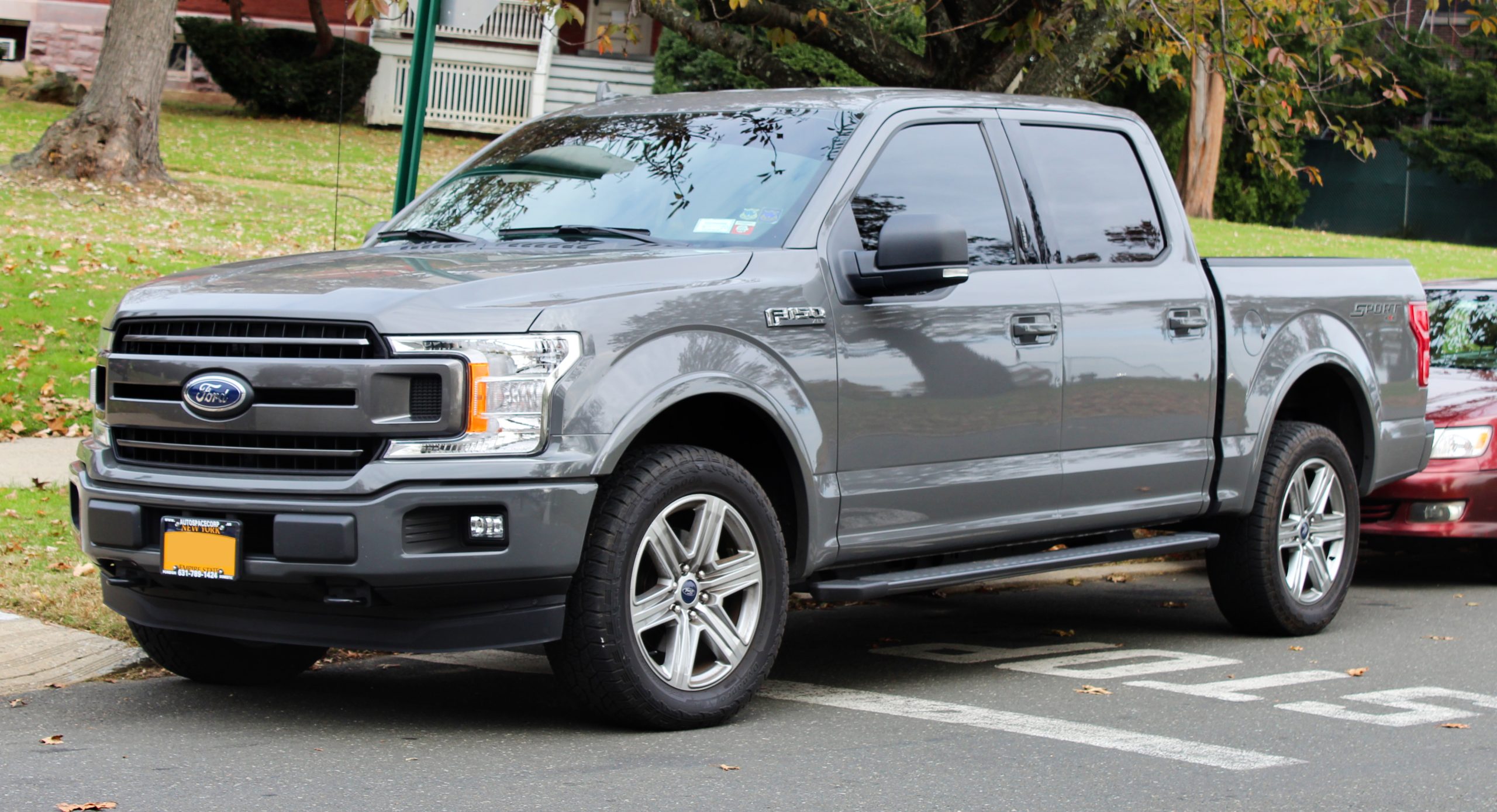
1. Ford F-150
The Ford F-150 is a long-standing favorite in the truck market and is often praised for its reliability and cost-effectiveness. One of the major advantages of owning an F-150 is the availability of affordable OEM parts.
Thanks to its popularity, especially in North America, Ford has created an extensive supply chain that keeps replacement parts widely available and competitively priced. Components like brake pads, filters, and engine parts can be found easily through dealerships and aftermarket suppliers without breaking the bank.
Another reason the F-150 remains affordable to maintain is the truck’s simple yet durable design. Ford engineers have prioritized using parts that can be easily replaced without requiring specialized tools or complicated procedures.
This reduces labor costs significantly when it comes time for repairs. Additionally, many independent mechanics are familiar with the F-150, which adds to the options for cost-effective repairs without always needing to go through a dealership.
The high production volume of the F-150 over the years also means many of its parts are shared across different model years and variants.
This interchangeability results in a surplus of used or refurbished parts in the market, which further drives down repair expenses. Whether you own a base model or a more advanced trim, the parts usually have good availability and a range of price points, allowing owners to find options that fit their budget.
Lastly, the durability of the F-150 reduces the frequency of major repairs. The truck’s strong reputation for reliability means owners don’t often face unexpected, costly breakdowns.
Combined with the affordable parts, this makes the F-150 a smart choice for anyone looking for a truck that balances performance with reasonable maintenance costs.

2. Toyota Tacoma
The Toyota Tacoma has earned a solid reputation for reliability and longevity, which extends to its maintenance and repair costs. Owners of the Tacoma benefit from Toyota’s globally recognized production efficiency, which keeps the cost of OEM parts moderate compared to other trucks in its class.
Replacement components such as suspension parts, electrical units, and engine components are generally affordable and widely available.
Toyota’s focus on building durable trucks with parts that last also contributes to keeping repair costs down. The Tacoma is engineered to withstand tough conditions while maintaining a straightforward mechanical setup.
This makes repairs less complicated and more cost-effective. Mechanics familiar with Japanese vehicles often find the Tacoma easy to work on, which helps keep labor charges reasonable.
Because the Tacoma enjoys steady demand worldwide, dealerships and parts suppliers keep a steady stock of OEM parts in inventory.
This constant supply prevents prices from spiking due to shortages or limited availability. The resale value of the Tacoma remains strong partly because its parts are affordable, allowing owners to maintain the truck without heavy financial strain.
Furthermore, Toyota’s commitment to quality control and engineering means the Tacoma experiences fewer frequent breakdowns or the need for major repairs. This reduces the lifetime cost of ownership, making the Tacoma a great option for those who want a dependable truck without a huge repair budget.
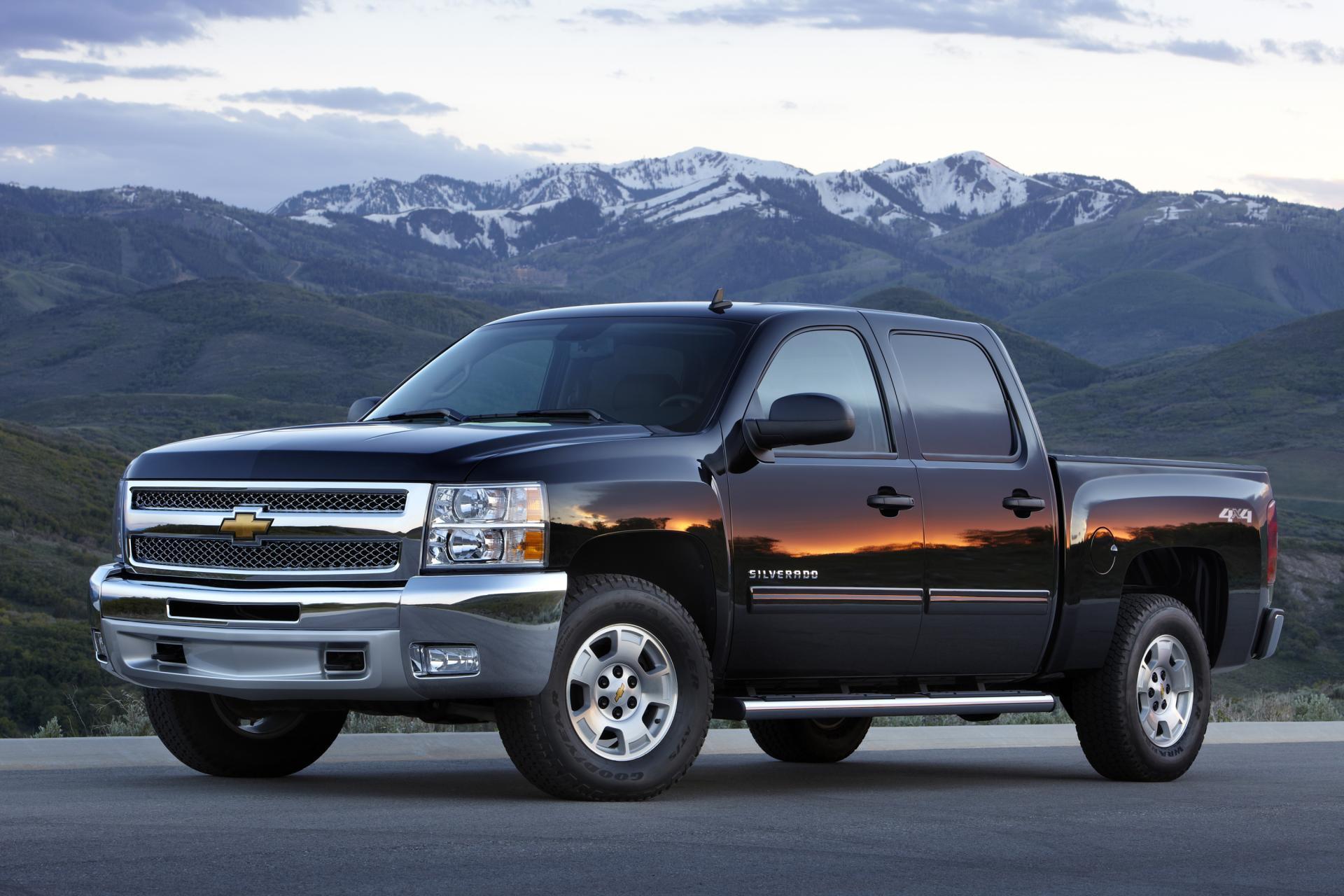
3. Chevrolet Silverado 1500
Chevrolet’s Silverado 1500 is another truck known for its balance between performance and maintenance costs. The Silverado benefits from General Motors’ extensive network of dealerships and parts suppliers, which keeps the prices of OEM parts competitive.
Due to its high production numbers and popularity, many replacement parts are interchangeable across different model years, creating economies of scale that lower prices.
The Silverado’s design emphasizes ruggedness and ease of repair. Many parts, including brake components, suspension parts, and drivetrain elements, can be sourced affordably from both OEM and aftermarket suppliers. This versatility allows owners to choose cost-effective options for repairs without sacrificing quality.
Chevrolet also offers a good amount of service documentation and repair guides, which helps independent mechanics and DIY enthusiasts keep labor costs down. This is important because expensive labor often drives up the total cost of truck ownership. With the Silverado, owners have more control over where and how their trucks are repaired.
Lastly, the availability of used parts for the Silverado is abundant, thanks to the large number of trucks on the road and in salvage yards. This helps reduce costs for owners who are comfortable sourcing secondhand parts. The Silverado 1500 stands out as a truck that balances capability and affordable upkeep.
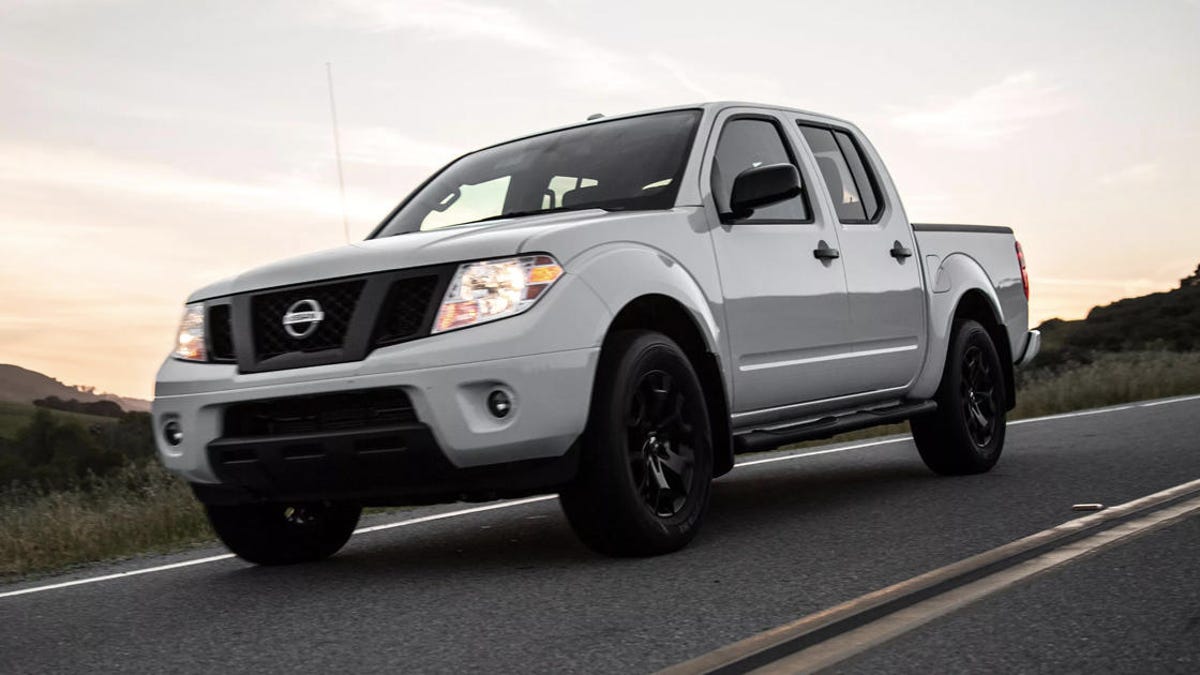
4. Nissan Frontier
The Nissan Frontier may not be as popular as some of its competitors, but it holds its own when it comes to affordable OEM parts and repairs.
The truck has a straightforward mechanical layout, making many repairs easier and less expensive. Basic components like filters, brakes, and belts are reasonably priced, and Nissan dealerships generally maintain steady supplies of these parts.
The Frontier’s age and consistent production have resulted in a wide availability of used parts. This is particularly helpful for owners who want to save on major repairs by using refurbished components without sacrificing quality. The simplicity of the truck’s design also reduces the likelihood of costly electronic or computerized system failures.
Another reason the Frontier’s parts are affordable is the moderate demand, which keeps suppliers competitive without the premium prices sometimes charged for very popular trucks. Additionally, many Nissan models share parts, which further increases availability and affordability for Frontier owners.
Mechanics familiar with Japanese vehicles often find the Frontier easier to work on than some American or European trucks. This results in lower labor costs during repairs. The Nissan Frontier provides a cost-effective option for truck buyers who prioritize manageable repair expenses and accessible OEM parts.
5. Ram 1500 (Older Models)
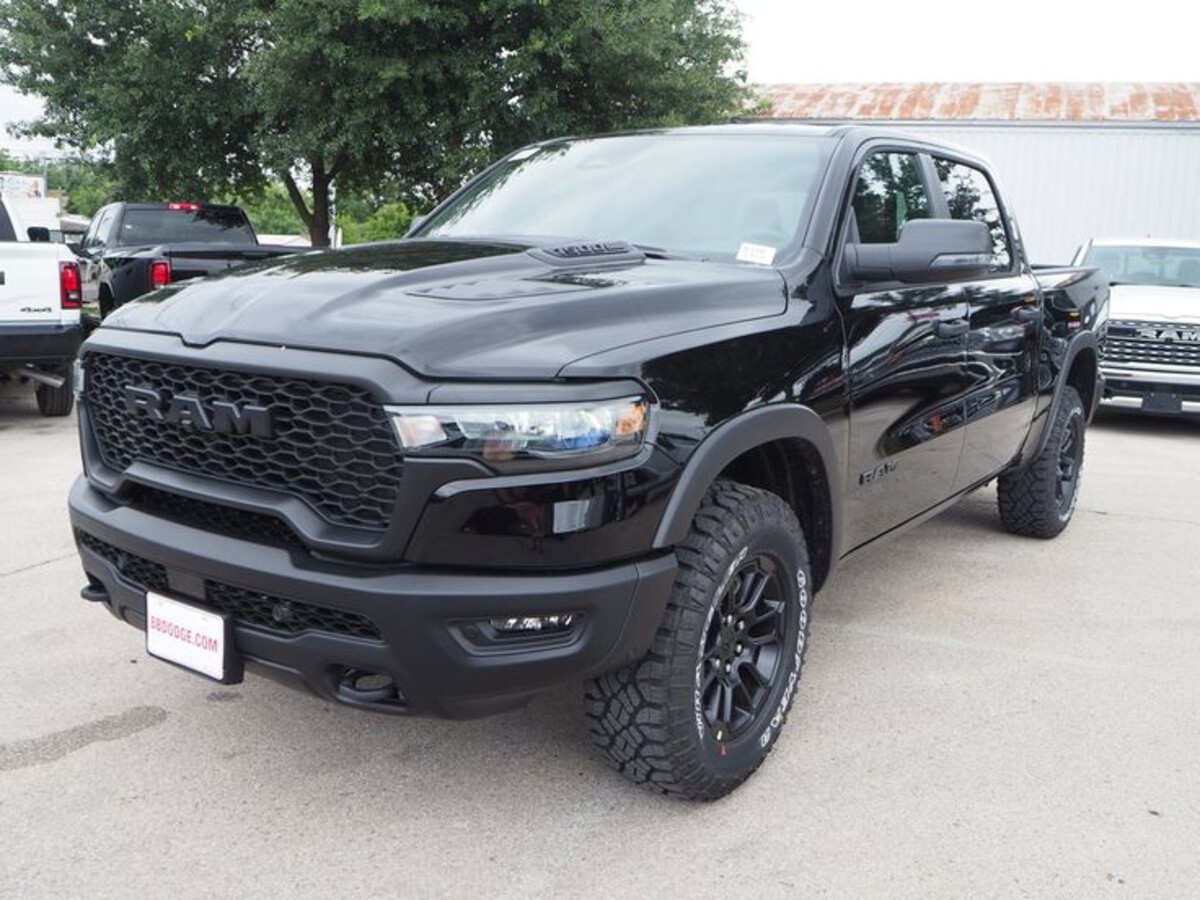
Older Ram 1500 trucks, particularly those produced before major redesigns, are known for relatively affordable OEM parts and straightforward repairs. Ram’s previous generation trucks were designed with durability and ease of maintenance in mind, which reflects in the parts’ availability and cost.
Many of the components in older Ram 1500 models have been in production for years, allowing parts suppliers to build up substantial inventories. This, coupled with the high volume of trucks sold, means replacement parts like filters, brake components, and engine parts are reasonably priced.
The mechanical simplicity of earlier Rams reduces repair complexity, allowing both dealerships and independent shops to perform maintenance efficiently. Owners who prefer to do their own repairs can often find parts and guidance easily, cutting down on labor costs.
Though newer Ram models tend to have more sophisticated electronics and complex systems, older versions maintain a reputation for toughness and reliability.
This means fewer frequent repairs and an lower cost of ownership compared to some competitors. For buyers interested in a budget-friendly truck with affordable parts, older Ram 1500 models offer a solid option.
5 Trucks That Only Work With Pricey Repairs
1. Dodge Ram Heavy Duty (Newer Models)
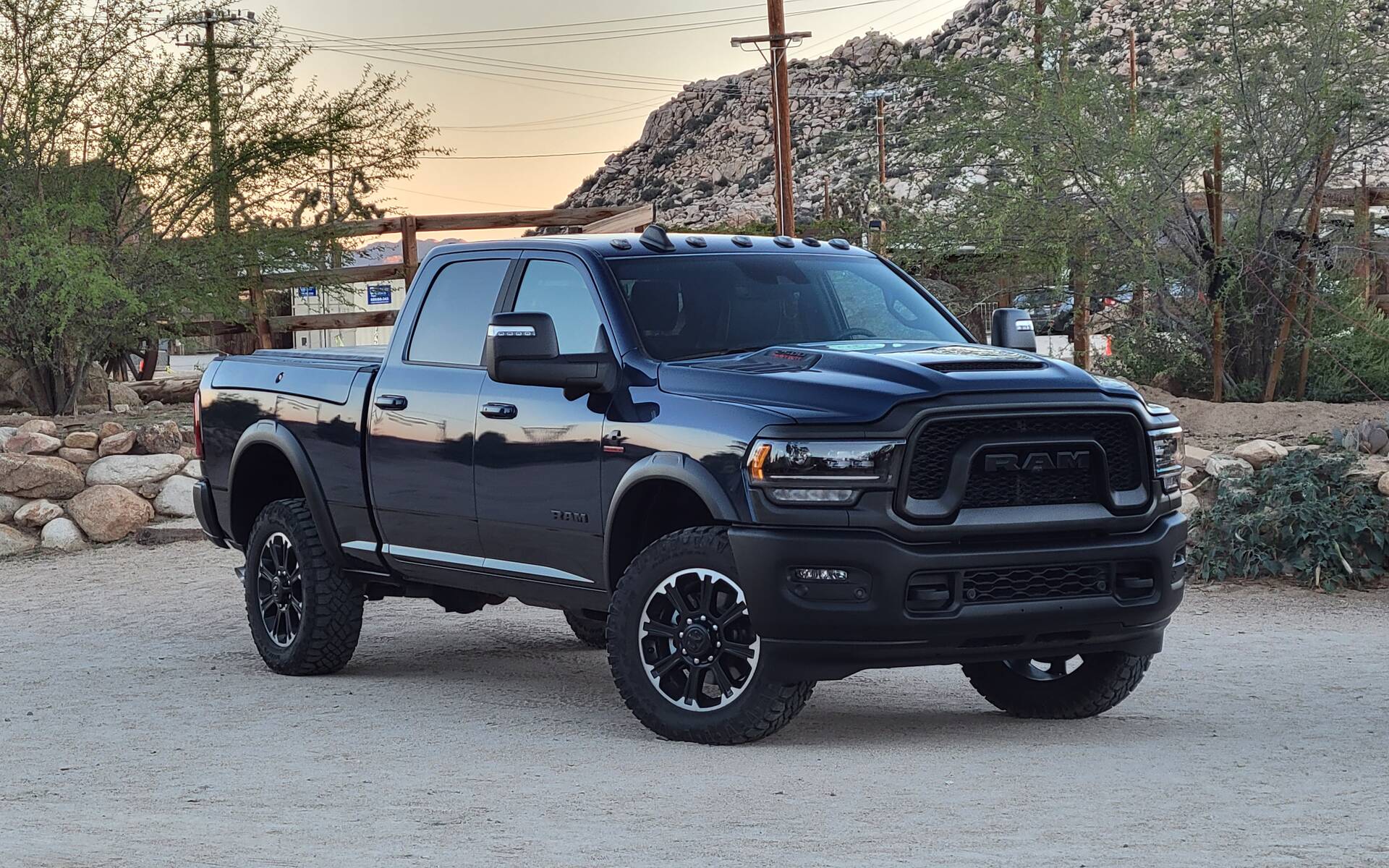
Newer Dodge Ram heavy-duty trucks are designed to provide maximum towing power and performance, but this comes with a steep price tag for repairs. The advanced turbocharged diesel engines and high-capacity transmissions require specialized parts that are often manufactured in limited quantities.
This scarcity drives up the cost of replacement components, making even routine repairs expensive. For example, the Cummins turbo diesel engine used in many of these trucks demands high-quality OEM parts that maintain performance and emissions compliance, but those parts come with a premium price.
The sophisticated electronic systems integrated into these trucks also contribute to the high repair costs. Modern Ram trucks come equipped with numerous sensors, computer modules, and emission control devices designed to optimize performance and meet regulatory standards.
When one of these components fails, the replacement often requires dealer-specific diagnostic tools and software, limiting repair options to authorized service centers that charge higher labor rates. This adds significant expense beyond the parts themselves.
Another factor driving up costs is the labor intensity of some repairs. Heavy-duty trucks are built with robustness in mind, but the size and complexity of the components can make repairs laborious.
Removing and reinstalling large engines, transmissions, or suspension systems requires more time and skill than smaller vehicles, pushing labor bills higher. Owners may find that seemingly simple repairs, like replacing a turbocharger or fixing the exhaust system, involve several hours of shop time.
Additionally, some newer Dodge Ram models have faced reliability issues related to emissions systems, such as diesel particulate filters (DPF) and selective catalytic reduction (SCR) systems.
These components are both expensive to replace and essential for the truck to remain street-legal. Ignoring problems in these systems often leads to cascading failures in the engine or drivetrain, compounding repair costs. All these factors make owning a newer Dodge Ram heavy-duty truck potentially expensive when repairs become necessary.
2. Volkswagen Amarok
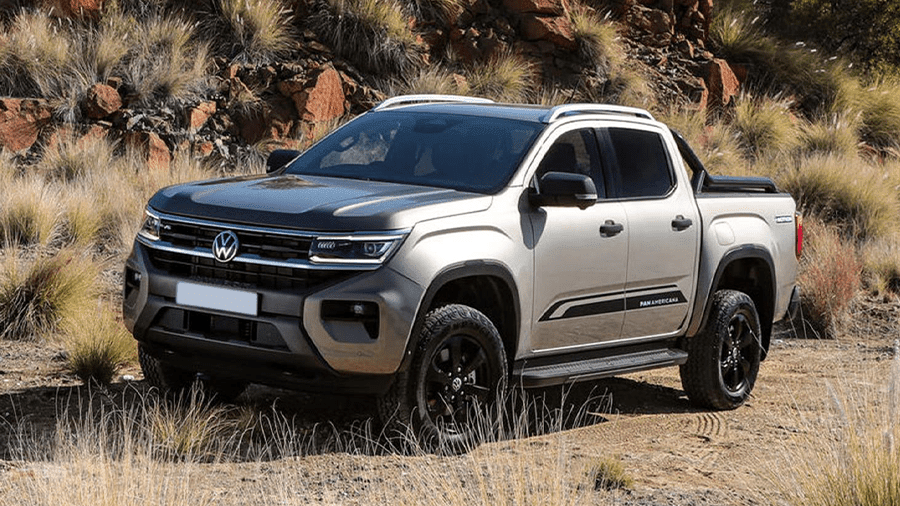
The Volkswagen Amarok offers a blend of European refinement and off-road capability, but this engineering excellence often comes with higher maintenance expenses.
Parts for the Amarok are typically sourced from Europe, meaning shipping costs and import taxes can inflate prices. Unlike more common trucks produced in North America, the Amarok’s market is relatively niche, which limits economies of scale that would normally help keep part costs down.
Beyond the higher cost of individual parts, many components on the Amarok are uniquely designed for its platform and cannot be substituted with parts from other Volkswagen models.
This means owners cannot rely on cheaper, shared components to reduce repair expenses. Turbocharged diesel engines and advanced fuel injection systems require specialized replacement parts, which adds to the cost burden.
Another challenge for Amarok owners is finding qualified mechanics. Because the truck is less common in many regions, not all service shops have the tools or expertise needed to diagnose and fix complex issues.
This often forces owners to visit Volkswagen dealerships for repairs, where labor rates are typically higher than independent mechanics. The necessity of dealer service increases maintenance costs.
Furthermore, the Amarok features several advanced safety and driver-assist technologies that, while enhancing driving comfort and security, can be costly to repair or recalibrate if damaged.
Replacing electronic control units or sensors can cost hundreds or thousands of dollars, pushing repair bills even higher. Owners should weigh these potential costs against the truck’s benefits before making a purchase decision.

3. Land Rover Defender (Newer Models)
Land Rover’s newer Defender models combine rugged off-road capability with luxury finishes and advanced technology, but this combination often leads to expensive ownership.
The truck’s engineering includes intricate air suspension systems, sophisticated electronic controls, and complex diesel engines—all of which rely on costly OEM parts. Many of these components are sourced from specialized suppliers or imported from the UK, which adds to the price and lengthens repair times.
Parts availability is another concern with the Defender. Due to relatively low production volumes compared to mass-market trucks, dealerships and repair shops may not always have the necessary components in stock.
Owners often face long wait times for parts orders, which can mean extended downtime and increased rental or alternative transportation costs. The Defender’s advanced electronics also require diagnostic tools that are exclusive to Land Rover service centers. This limits repair options and often forces owners to pay premium dealer labor rates.
The complexity of repairs, especially related to air suspension or drivetrain electronics, means mechanics must be highly trained, and the work can take longer than expected, increasing labor costs.
Owners who frequently use their Defenders off-road may encounter additional expenses due to wear and tear on specialized components.
For instance, off-road use can accelerate damage to air suspension parts or underbody electronics, which are expensive to replace. This means that while the Defender excels in harsh conditions, the cost of keeping it operational under such use can be very high.
4. GMC Sierra Denali (Higher Trims)
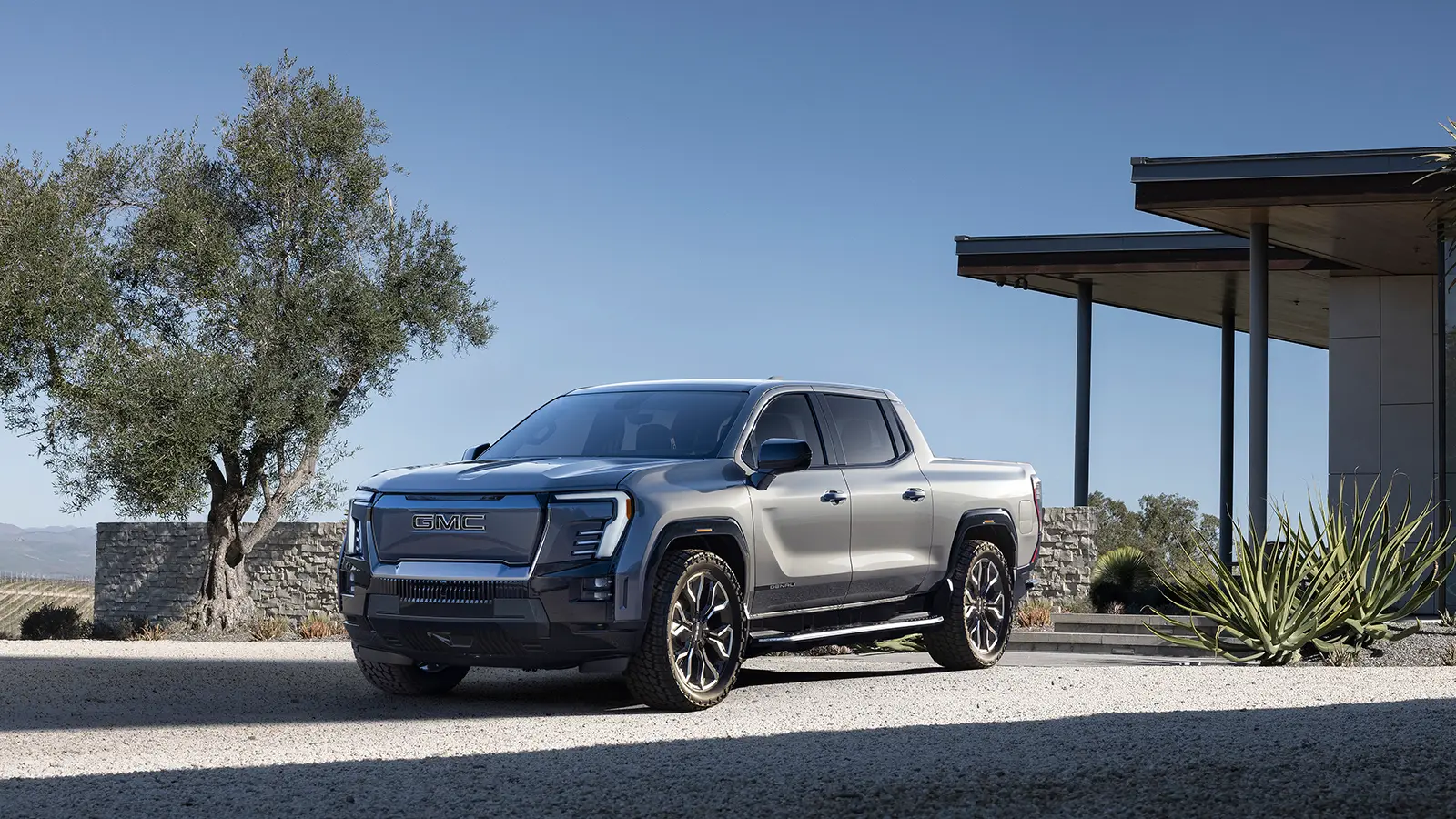
The GMC Sierra Denali line offers premium features and powerful engines, but the luxury and complexity come at a cost. These trucks include advanced technologies such as magnetic ride control suspension, active noise cancellation, and extensive driver-assist systems.
Maintaining these features requires expensive OEM parts and certified labor, which can quickly add up when repairs are needed. Replacement parts for the Denali often carry a premium price tag due to their high quality and specific engineering.
For example, components related to the active suspension system or the high-output engines are not interchangeable with other Sierra models, limiting cheaper alternatives. Even smaller parts such as sensors or electronic modules can be costly to replace.
Another factor contributing to high repair costs is the level of integration between systems. Many Denali components are part of larger, interconnected systems, meaning a failure in one area can require extensive diagnostics and multiple repairs.
For example, a sensor failure might impact both the engine control system and the safety features, requiring multiple part replacements. Finally, the Denali’s luxury trims attract owners who expect top-tier performance and comfort, which often means repairs and maintenance are performed promptly and professionally.
While this ensures the truck remains in excellent condition, it can lead to more frequent servicing of costly components. The total cost of ownership for a GMC Sierra Denali is significantly higher compared to standard trim trucks because of these factors.
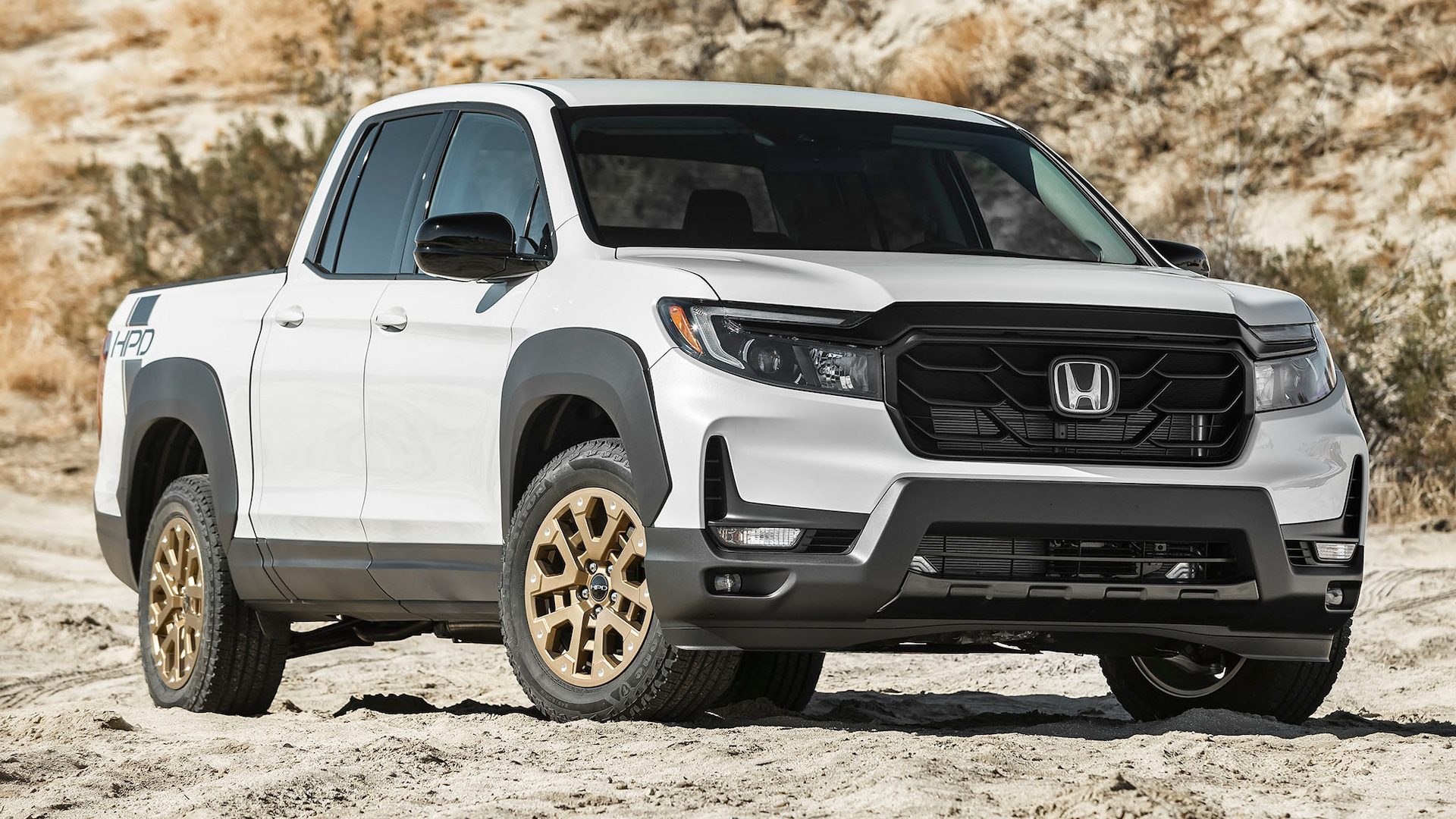
5. Honda Ridgeline
The Honda Ridgeline stands apart from traditional pickups with its unibody construction and car-like ride, but this uniqueness contributes to higher repair expenses. Unlike body-on-frame trucks, the Ridgeline integrates many systems tightly, meaning some repairs require dismantling significant portions of the vehicle. This increases labor time and costs.
Replacement parts for the Ridgeline tend to be more specialized and less common than those for other trucks in its class. For example, suspension components and frame-related parts are unique to the Ridgeline’s design and cannot be swapped with parts from more common trucks. This lowers parts availability and drives up prices.
In addition, the Ridgeline incorporates advanced electronics and infotainment features, which require specialized diagnostics and repair tools.
Fixing issues with these systems often involves dealer visits, where labor rates tend to be higher. Repairs related to the truck’s integrated all-wheel-drive system can also be costly, as the components are designed specifically for the Ridgeline’s architecture.
Although Honda trucks are generally reliable, when major repairs are necessary, owners face higher-than-average costs due to these design factors. Owners who prioritize low maintenance expenses may find that the Ridgeline’s initial comfort and reliability come with trade-offs in repair affordability.
Also Read: 5 Reliable AWD Cars and 5 That Constantly Leak, Grind, or Fail
Choosing the right truck involves more than just comparing horsepower, towing capacity, or interior comfort. One of the most overlooked but critical factors in truck ownership is the long-term cost of maintenance and repairs, especially the availability and price of OEM parts.
Over time, these expenses can far exceed the original purchase price, particularly for owners who rely on their trucks for work or frequent driving. Understanding which trucks are easier and more affordable to maintain can save thousands of dollars in the long run and reduce unexpected downtime.
Trucks like the Ford F-150, Toyota Tacoma, Chevrolet Silverado 1500, Nissan Frontier, and older Ram 1500 models stand out because of their cost-effective parts and practical engineering. These trucks are supported by large supply chains, abundant production volumes, and shared parts across model years.
That makes OEM parts easier to source, more competitively priced, and often compatible with multiple trims or configurations. Additionally, widespread familiarity among mechanics helps keep labor costs down, giving owners the option to choose between dealership servicing or independent shops.
For truck owners focused on durability and budget-conscious repairs, these models offer peace of mind and long-term value. In contrast, trucks like the newer Dodge Ram heavy-duty models, Volkswagen Amarok, Land Rover Defender, GMC Sierra Denali, and Honda Ridgeline often present a more complicated and expensive maintenance picture.
These trucks feature advanced technology, luxury components, or less common platforms that make sourcing parts more difficult and more expensive. In many cases, repairs require proprietary tools or manufacturer-specific training, forcing owners to rely on dealership service departments that charge higher labor rates.
What starts as a simple sensor or electronic failure can escalate into a complex, costly repair. These trucks may appeal to buyers seeking top-tier features or specialized capabilities, but the financial commitment for maintenance should not be underestimated.
It’s also important to note that price doesn’t always reflect value. Some trucks with expensive parts may still be worth the investment for buyers who prioritize performance, comfort, or specialized functionality. For example, a business owner who needs heavy-duty towing may accept higher repair bills for the capabilities provided by a Ram 2500.
Similarly, a driver who values a luxury driving experience might find the GMC Sierra Denali’s repair costs acceptable compared to the comfort and prestige it delivers. However, buyers must weigh these benefits against the likelihood of future expenses.
Understanding the repair industry before making a purchase helps avoid unpleasant surprises. Whether you’re buying new or used, or whether your truck will be a workhorse or a weekend driver, knowing the real cost of ownership is essential.
Trucks with affordable OEM parts make repairs predictable and manageable, while those with limited part availability and high labor demands can quickly become burdensome. Truck ownership is about more than just the initial impression it’s about how well that vehicle fits into your life, your budget, and your long-term plans.
Choosing wisely now can save you headaches and high bills later. In the end, the most satisfying truck isn’t necessarily the most powerful or most luxurious, it’s the one you can count on to do the job without draining your wallet.
