
When it comes to owning a used car, one of the most important factors to consider is how easy or difficult it will be to maintain and repair. While the initial purchase price might grab your attention, the long-term costs of repairs and upkeep often determine how satisfying and economical a vehicle truly is.
Some used cars are famously straightforward and reliable, making the job easier and quicker for mechanics. These vehicles often have well-designed engines, widely available parts, and predictable repair needs that keep both labor costs and frustrations low.
On the other hand, there are used cars that mechanics approach with hesitation, knowing that even minor repairs can turn into hours of complicated labor, expensive parts orders, and difficult troubleshooting. For these vehicles, mechanics often charge extra simply because the work requires more expertise, specialized tools, or time.
The relationship between a car owner and a mechanic can be greatly influenced by the type of car being serviced. Some vehicles practically invite mechanics to work on them because the design is intuitive and the parts are easy to source. These cars benefit owners through reduced downtime and lower repair bills.
Conversely, complex or luxury cars often require dealer-level diagnostic equipment, specialized training, and high-priced parts, all of which increase the cost of ownership. This is especially true for used cars, where wear and tear can exacerbate existing challenges.
Understanding which used cars fall into these two categories, those mechanics love and those they charge extra for can help buyers make smarter decisions.
It can influence not only what they pay at the dealership but how much they might spend on repairs down the road. This knowledge empowers owners to anticipate maintenance costs better and find vehicles that offer both enjoyment and peace of mind.
In this article, we will examine five used cars that mechanics generally enjoy working on. These cars stand out for their reliable engineering, simple repair processes, and the availability of affordable parts.
Mechanics appreciate these vehicles because their service times are predictable, and repairs rarely involve complicated or unexpected issues. This efficiency benefits car owners with lower costs and quicker turnaround times.
On the other side of the spectrum, we will also discuss five used cars that mechanics often charge extra to touch. These vehicles might be popular or desirable for their performance, luxury, or brand prestige, but their complexity and design quirks make repairs more challenging and time-consuming.
From tightly packed engine bays to expensive proprietary parts and intricate electronic systems, these cars demand specialized skills and tools that drive up labor rates. For owners, understanding these challenges can help them avoid surprises at the repair shop and budget more effectively for maintenance.
By examining these two groups, this article aims to provide practical insights into used car ownership and maintenance. Whether you’re shopping for a dependable daily driver or a performance-oriented model, knowing which vehicles mechanics favor and which they charge premiums for is an invaluable advantage.
Also Read: 5 Vehicles With Quiet Electric Motors vs 5 With Noisy E-Drives
5 Used Cars Mechanics Love to Work On
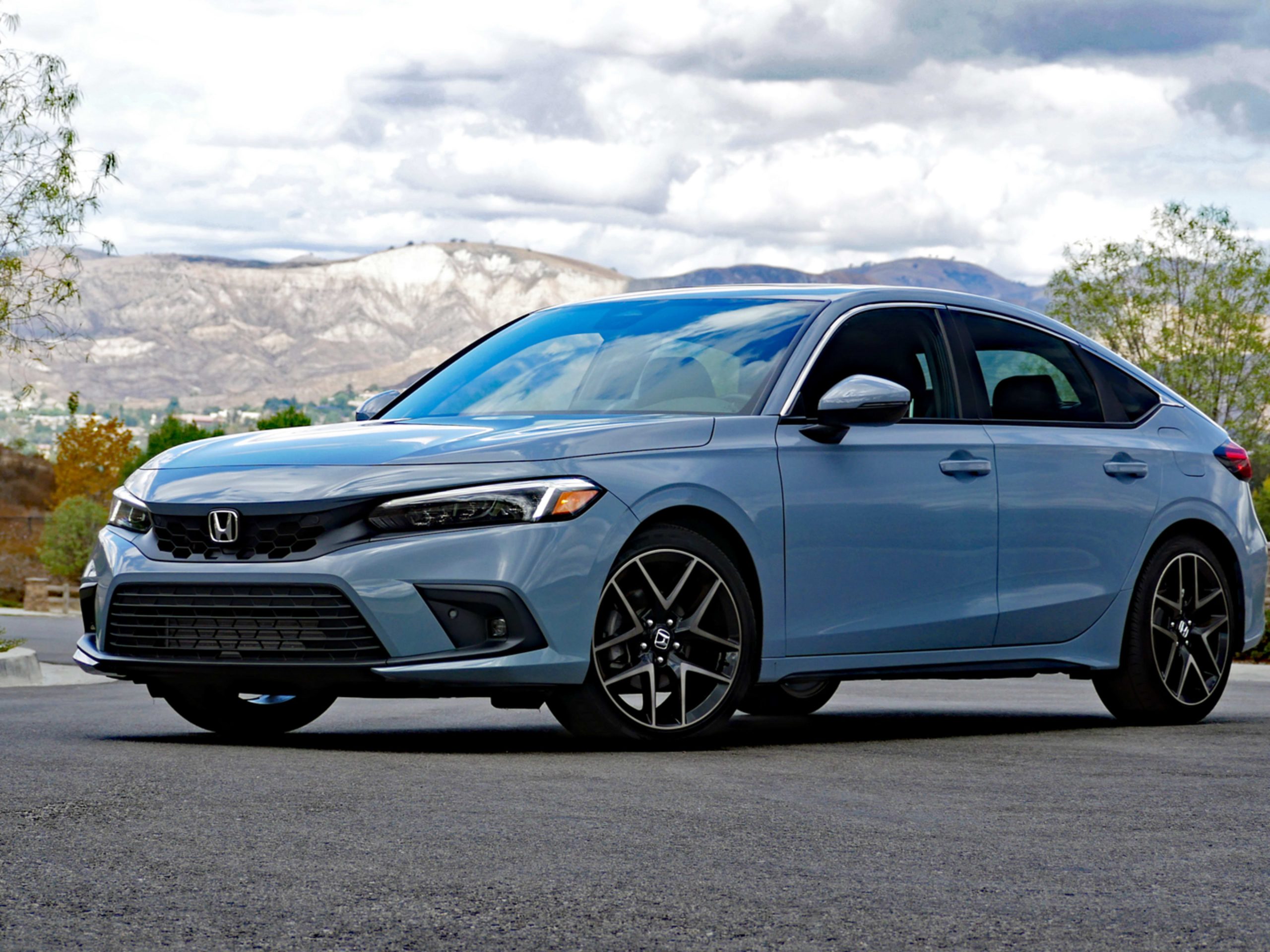
1. Honda Civic
The Honda Civic has earned a solid reputation among mechanics for being a reliable, easy-to-work-on vehicle. One of the main reasons mechanics enjoy working on Civics is the car’s straightforward engine design and layout.
Earlier generations especially feature an uncluttered engine bay, which makes routine maintenance like oil changes, spark plug replacements, and belt swaps much simpler compared to more complex modern cars. This ease of access reduces the amount of time and effort needed, lowering labor costs for customers and increasing job satisfaction for mechanics.
In addition to accessibility, the Civic’s long-standing popularity ensures that replacement parts are abundant and inexpensive. From OEM to aftermarket suppliers, almost every part needed for a Civic is readily available, cutting down wait times and costs.
This availability also encourages mechanics to confidently work on these cars without worrying about delays or expensive parts. Furthermore, the widespread presence of Civics means most mechanics have extensive hands-on experience with them, making troubleshooting quicker and repairs more predictable.
The Civic’s reliability means many owners perform regular maintenance, which reduces the frequency of complex repairs. Problems tend to be straightforward and predictable, often related to routine wear and tear rather than mysterious electrical or mechanical failures.
This predictability allows mechanics to provide accurate estimates and efficient service. Moreover, the Civic’s suspension and braking systems are simple and well-proven, which minimizes surprise issues during repairs.
Finally, the Civic’s fuel-efficient yet robust engines, particularly the four-cylinder variants, strike a balance between performance and simplicity.
Unlike some turbocharged or hybrid powertrains, Civics’ engines do not require specialized equipment or knowledge to maintain, making them accessible to a wide range of mechanics. This combination of reliability, ease of repair, and parts availability makes the Honda Civic a favorite used car for both mechanics and owners alike.
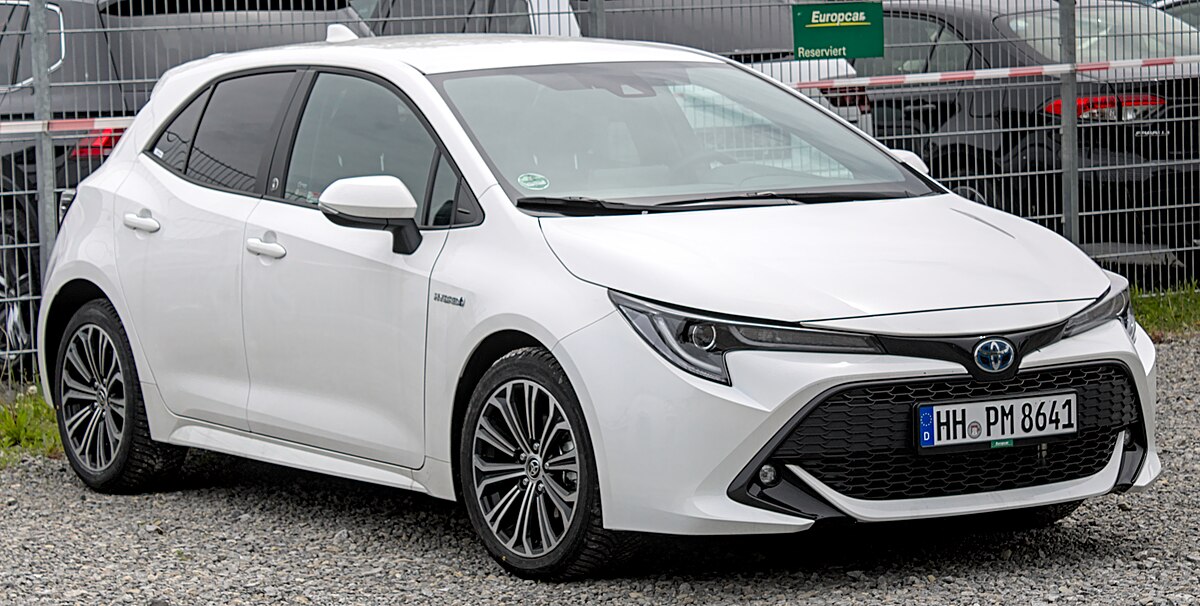
2. Toyota Corolla
The Toyota Corolla is another vehicle highly favored by mechanics for its reliability and ease of maintenance. Toyota’s engineering philosophy prioritizes durability and simplicity, which results in a car that is not only dependable but also straightforward to service.
The Corolla’s engine bay is designed to allow good access to most components, reducing the time required for routine maintenance and common repairs. This accessibility is a major reason mechanics prefer working on Corollas, as it minimizes labor hours and customer costs.
One of the Corolla’s strengths is the availability of parts. Because it is one of the best-selling cars worldwide, both OEM and aftermarket parts are plentiful and affordable. Mechanics rarely face delays waiting for replacement parts, which keeps repair times short and customers satisfied.
This abundance also means that repairs are less likely to require expensive, specialized components, making maintenance predictable and budget-friendly.
The Corolla’s suspension and brake systems tend to be robust and relatively simple compared to more complex vehicles, which reduces the risk of unusual or difficult repairs. Most replacements involve standard components familiar to mechanics across the industry.
Additionally, Toyota’s reputation for consistent build quality means Corollas typically have fewer hidden issues, reducing diagnostic guesswork.
Owners of used Corollas often adhere to regular maintenance schedules, which further simplifies repairs. Because many problems stem from wear rather than design flaws, mechanics can rely on routine procedures to keep the car running well.
The combination of reliability, ease of service, and widespread availability of parts ensures that Toyota Corollas remain among the most mechanic-friendly used cars on the market.
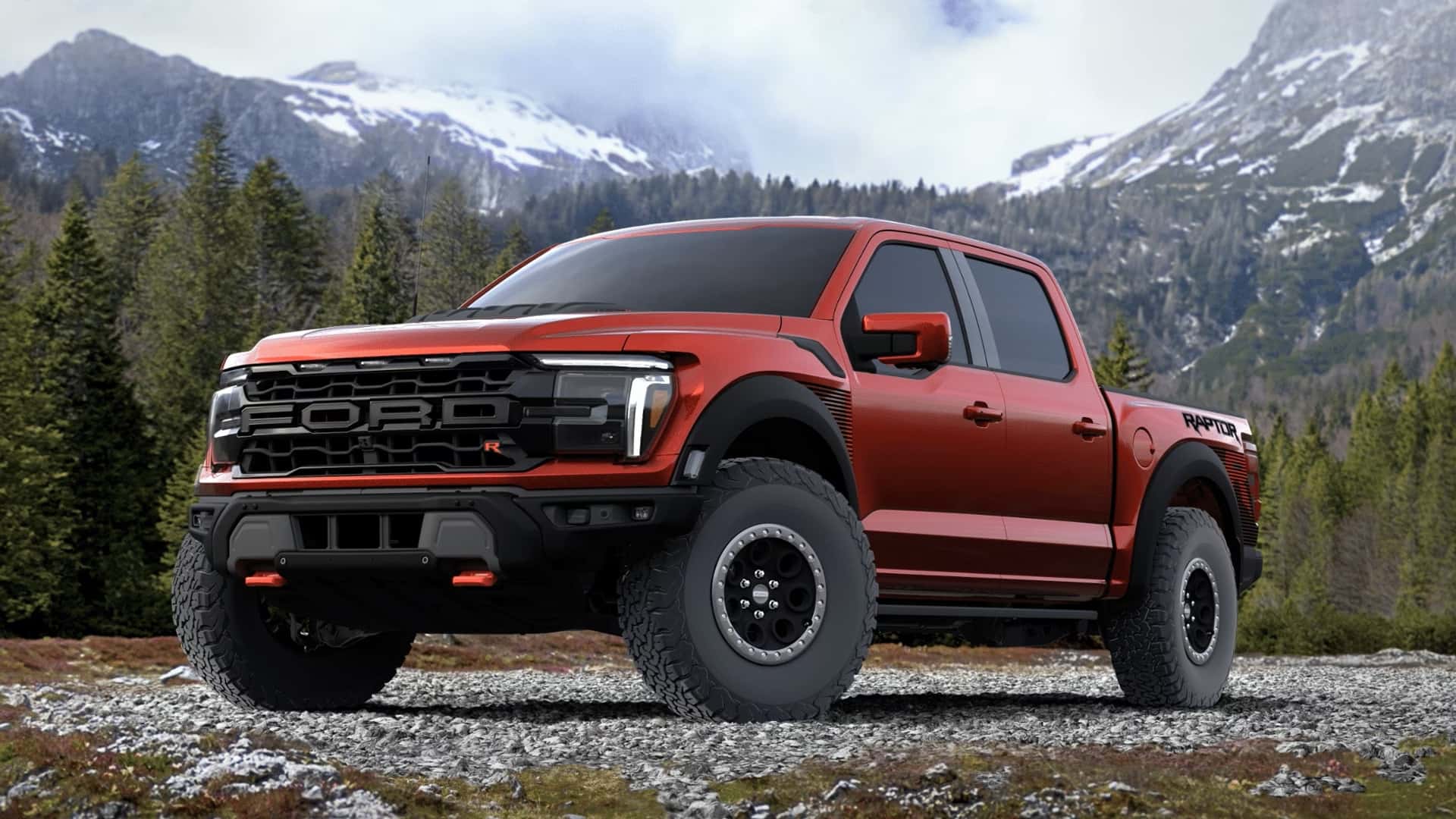
3. Ford F-150
The Ford F-150 has long been a favorite truck for both drivers and mechanics. Its large engine bays provide easy access to critical components, which significantly reduces labor time for repairs and maintenance.
Mechanics appreciate the F-150’s practical design, which avoids overly compact or complex configurations that can make working on modern vehicles frustrating. The truck’s modular construction means many components can be removed and replaced independently, streamlining the repair process.
Because the F-150 is America’s best-selling truck for decades, parts availability is excellent. Replacement parts are often stocked locally and come at reasonable prices compared to some luxury or specialty vehicles.
This abundance, combined with the F-150’s reputation for durability, means many repairs involve routine wear and tear rather than complicated failures. As a result, mechanics can confidently perform repairs without worrying about long delays or expensive parts.
The truck’s robust and proven mechanical systems, including the suspension, drivetrain, and braking components, contribute to its reputation as a vehicle that is easy to maintain.
Mechanics find the truck’s systems familiar and accessible, which reduces the risk of unexpected complications during repairs. This also means that shop labor costs are kept in check, benefiting owners with lower repair bills.
Additionally, many F-150 owners use their trucks in work or recreational settings where routine maintenance is a priority. This culture of regular upkeep translates to fewer emergency repairs and more predictable service needs.
The combination of simple design, durability, and parts availability makes the Ford F-150 a go-to vehicle for mechanics who want efficient, straightforward repairs.
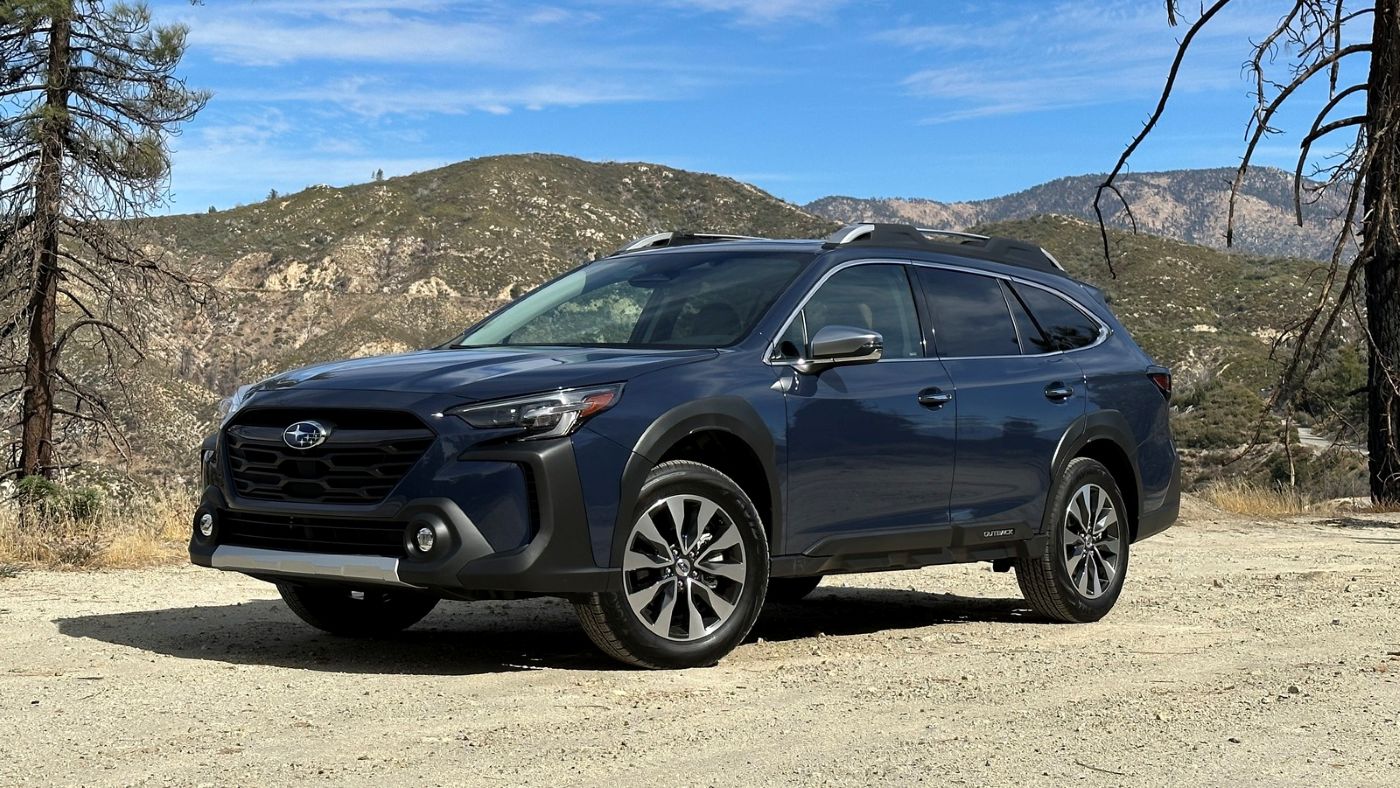
4. Subaru Outback
Subaru Outbacks have developed a loyal following among drivers who value all-wheel-drive capability and durability, and mechanics appreciate them for many of the same reasons.
The Outback’s boxer engine layout, though unique, is generally straightforward for trained mechanics to work on. Unlike some more complex or compact engine designs, Subaru’s horizontally opposed engines provide good access to key components like spark plugs, belts, and filters.
Subaru vehicles, including the Outback, are built with durability in mind, especially in suspension and drivetrain components designed to handle varied terrain and weather conditions.
The engineering emphasizes robustness and serviceability, meaning mechanics encounter fewer surprises or difficult repairs. Additionally, Subaru owners tend to keep up with maintenance due to the vehicle’s reputation for longevity, which helps prevent costly breakdowns.
Parts availability is reasonable for Subaru models, with many components shared across different models, simplifying stocking and ordering.
While some specialized parts may be more expensive than mainstream vehicles, most routine maintenance and repairs involve standard parts that mechanics know well. This familiarity helps shops keep repair times reasonable and reduces labor costs.
Moreover, the Outback’s chassis and suspension systems are known for their solid construction and relative simplicity compared to some SUVs or luxury crossovers.
This simplicity lowers the likelihood of complex repairs and allows for quicker turnaround times. The Subaru Outback strikes a balance between capability and mechanic-friendly design, making it a popular used car in many regions.
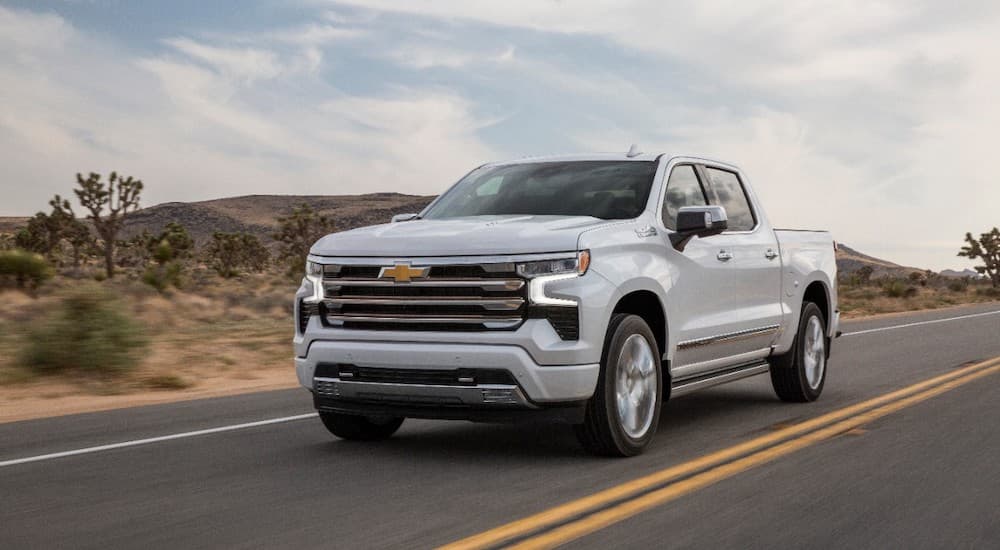
5. Chevrolet Silverado
The Chevrolet Silverado is a full-size pickup that is highly regarded for its straightforward engineering and ease of repair. Its engine bays tend to be spacious, making access to the engine and related systems easier than many modern vehicles, which often have tightly packed compartments.
This accessibility reduces labor times on tasks such as spark plug replacement, belt changes, and cooling system repairs. Mechanics appreciate the Silverado’s use of proven, simple engine designs, especially in models from the early 2000s to mid-2010s.
These engines often avoid overly complicated electronics or turbocharging systems, making diagnosis and repairs more straightforward. In addition, replacement parts are widely available and relatively affordable, thanks to the Silverado’s popularity and large production numbers.
The truck’s suspension and brake systems are similarly designed for durability and ease of service. Components are robust and familiar to many mechanics who regularly work on pickups, minimizing the learning curve or need for specialized tools. This reliability also means fewer unexpected repairs and quicker, more efficient service.
Many Silverado owners maintain their trucks diligently due to their use in demanding work environments. This routine upkeep prevents major issues and keeps repairs primarily within the scope of routine maintenance, which mechanics find preferable.
The combination of durability, accessibility, and parts availability makes the Chevrolet Silverado a preferred used truck for mechanics and owners alike.
5 Used Cars Mechanics Charge Extra Just to Touch

1. BMW 3 Series
The BMW 3 Series is a car that often carries a reputation for being a mechanic’s headache, despite its popularity among drivers. One of the main reasons mechanics charge extra to work on these vehicles is their complex engineering and dense packaging under the hood.
BMW engines are often tightly packed, leaving little room to maneuver during repairs. This means what might be a simple job on another car can become a time-consuming ordeal on a BMW. For example, changing spark plugs or replacing ignition coils involves removing several components just to access the engine, which adds labor hours and costs.
Beyond the physical layout, BMWs are loaded with advanced electronics and sensors integrated into nearly every system. These systems require specialized diagnostic tools and software to identify and fix problems correctly.
Many independent shops do not have these resources, so even basic repairs might involve more effort or require sending the car to specialized dealerships. Furthermore, replacement parts tend to be pricier because BMW uses proprietary components that are not always compatible with cheaper aftermarket alternatives.
Additionally, BMW models, especially older ones, can suffer from certain known issues like oil leaks, cooling system failures, and electronic malfunctions, all of which require careful attention and often multiple visits to the shop.
These factors combined make repairs on the 3 Series more labor-intensive and challenging, which translates into higher labor rates or additional surcharges. Mechanics also know that BMW owners expect a premium experience, so they price repairs accordingly to match the level of service and expertise required.

2. Mercedes-Benz E-Class
The Mercedes-Benz E-Class is synonymous with luxury and advanced technology, but these very features make it an expensive and difficult car to service. The E-Class often includes complex engine designs with turbochargers, direct fuel injection, and variable valve timing, all of which demand precision and expertise to maintain or repair.
Because many of these systems are packed into a tight engine bay filled with electronic components and hoses, even routine maintenance can be complicated.
Mechanics have to carefully remove or work around sensitive sensors, wiring harnesses, and control units to reach parts that would be easily accessible on simpler cars.
This increased labor time adds up quickly, and shops have to factor this into their pricing. In addition to mechanical challenges, the E-Class often comes with sophisticated suspension systems, like the air suspension, which require special tools and training to service properly.
Repairing or replacing these components is far from straightforward, often involving electronic calibration and software adjustments.
Parts for Mercedes-Benz vehicles are usually costly, both from dealerships and specialized suppliers. Moreover, certain components may only be available directly from the manufacturer, causing delays and higher expenses.
Many mechanics also find that troubleshooting issues on the E-Class can be difficult due to complex diagnostic codes and interlinked systems, meaning more time spent testing and verifying repairs. This complexity means mechanics almost always charge extra for labor, sometimes even a premium rate, to justify the expertise and time investment required.

3. Audi A4
The Audi A4 combines sleek styling and performance but is known in the mechanic community for being a costly and complicated car to work on.
One reason for this is the tight packaging of the engine and turbocharging systems, which are designed more for performance and efficiency than ease of service. Components are often stacked or positioned in ways that make access difficult, turning what should be a simple replacement job into an extended project.
Audi’s use of advanced electronics and the Quattro all-wheel-drive system adds another layer of complexity. Specialized knowledge is required to work on these systems without causing additional issues.
Mechanics must also invest in high-end diagnostic tools to interpret the numerous error codes and control modules found in an A4. The cost and upkeep of these tools contribute to higher repair costs for customers.
Parts availability can also be problematic. While some components are common across Volkswagen Group vehicles, many Audi-specific parts come with a premium price tag.
When repairs require expensive parts combined with high labor hours, the repair bill quickly rises. Additionally, the A4’s reputation for electrical gremlins and frequent maintenance needs means mechanics expect a longer time to diagnose and fix problems, leading to surcharges or minimum labor fees.

4. Volkswagen Passat
The Volkswagen Passat, although more mainstream than some luxury brands, is another vehicle that mechanics approach with caution. The Passat shares many of the engineering complexities found in its corporate cousin, Audi.
Engines in Passats, especially turbocharged variants, are tightly packed with various sensors and control modules, requiring patience and skill to work on. Mechanics often find that seemingly simple repairs like changing the timing chain or replacing water pumps demand several hours of labor due to component placement.
Volkswagen vehicles also tend to have a reputation for tricky electrical issues and sensor failures. Diagnosing these problems involves advanced scanning tools and sometimes multiple test drives or checks to isolate the fault. Parts for the Passat can also be more expensive than those for other midsize sedans, especially when original manufacturer components are used.
Furthermore, Passats occasionally suffer from persistent issues like transmission troubles or cooling system failures, both of which require expertise to repair correctly. The intricacy of these repairs and the time involved means mechanics often add extra charges to ensure their time is compensated. For customers, this means that even routine maintenance can become more expensive than expected.

5. Land Rover Discovery
The Land Rover Discovery is well known for its off-road capabilities and luxurious features, but it is also infamous for its maintenance challenges and high repair costs. The vehicle’s complex four-wheel-drive system and electronic air suspension require specialized knowledge and tools to service properly.
Mechanics often have to spend significant time diagnosing problems because of the vehicle’s many integrated electronic systems, which can sometimes malfunction in unexpected ways.
Replacing parts on a Discovery can be costly and labor-intensive. The vehicle’s design often requires the removal of multiple components just to access a single faulty part.
For example, suspension repairs can be particularly demanding because of the air suspension setup, which involves pumps, compressors, and electronic valves. Mechanics also need to recalibrate these systems after repairs, a process that requires proprietary diagnostic software.
Parts availability is another issue. Land Rover components are often expensive and may need to be ordered directly from dealerships, leading to long wait times and higher repair costs.
The combination of these factors leads many repair shops to charge premium labor rates or add surcharges when working on a Discovery. Owners should expect that servicing this vehicle will often be more expensive and time-consuming than servicing more conventional SUVs.
Also Read: 5 Cars With Clear Gauges vs 5 With Cluttered Clusters
Choosing the right used car means balancing many factors, but few are as important as maintenance and repair costs. This aspect of car ownership can significantly affect the satisfaction and affordability of a vehicle. Mechanics, who spend their days working under hoods and diagnosing problems, have clear preferences shaped by years of experience.
Some cars are consistently easier and more rewarding to work on, while others come with challenges that lead mechanics to charge extra just to touch them. Recognizing these differences helps used car buyers make informed decisions that align with their needs and budgets.
The cars mechanics love to work on, such as the Honda Civic, Toyota Corolla, Ford F-150, Subaru Outback, and Chevrolet Silverado, share common traits. They tend to have straightforward engineering, accessible components, and abundant parts availability.
These qualities translate into fewer surprises during repairs and lower labor times, which benefit both the mechanic and the car owner.
Regular maintenance on these vehicles is typically simple, predictable, and affordable. Because of this, these models are often recommended for drivers who want reliable transportation without the headache of complicated or costly repairs.
Conversely, the vehicles that mechanics charge extra to work on, including the BMW 3 Series, Mercedes-Benz E-Class, Audi A4, Volkswagen Passat, and Land Rover Discovery, present a very different ownership experience. Their complex engineering, advanced electronics, and tightly packed components make even routine repairs labor-intensive and time-consuming.
The high cost of parts and the need for specialized diagnostic tools further add to repair expenses. Mechanics often price their labor accordingly to compensate for the extra effort and expertise required, which can lead to higher repair bills. Owners of these cars must be prepared for premium maintenance costs and the possibility of extended downtime.
Understanding these distinctions is crucial for anyone considering a used car purchase. It not only helps manage expectations about repair costs but also guides buyers toward vehicles that suit their willingness to invest time and money in upkeep.
For those seeking peace of mind and affordability, cars favored by mechanics represent a wise choice. For drivers attracted to luxury, performance, or advanced technology, being aware of potential repair challenges ensures better preparedness for maintenance expenses.
In the end, owning a used car is about balancing desires, budgets, and realities. Choosing vehicles that mechanics love to work on often means fewer surprises, more reliable service, and a smoother ownership experience.
On the other hand, some cars require a higher level of care and investment, which mechanics reflect in their pricing. By weighing these factors carefully, used car buyers can enjoy their vehicles with confidence and avoid unwelcome repair shocks.
