

Car enthusiasts and everyday drivers alike often find themselves in need of maintenance or upgrades. Whether it’s routine oil changes, brake repairs, or more involved engine work, the ability to work on a car oneself can be a huge advantage.
DIY (do-it-yourself) friendliness in a sedan not only saves money but also helps owners understand their vehicles better and fosters a deeper connection with their cars. However, not all sedans are created equal when it comes to repairability and accessibility of components.
Some vehicles have straightforward designs with ample space and modular parts that make DIY repairs manageable, even for beginners. Others have complex layouts, cramped engine bays, and require special tools or extensive disassembly just to reach basic components, turning a seemingly simple task into a nightmare project.
Sedans have been a staple of the automotive market for decades, appealing to a wide range of buyers from families to commuters. The variation in design philosophy and engineering between manufacturers can make a big difference in how approachable a car is for DIY mechanics.
Some sedans prioritize ease of access, standard tools, and straightforward assembly, while others prioritize compactness, weight savings, or advanced electronics, sometimes at the expense of DIY accessibility.
For those who like to get their hands dirty and maintain or modify their cars on their own, choosing the right sedan with a layout designed for ease of maintenance is crucial.
In this article, we will examine five sedans that stand out for their DIY-friendly layouts. These cars offer accessibility to key components, clear and simple designs, and compatibility with common tools, making them favorites among DIYers. On the other hand, we will also look at five sedans known for their difficult layouts.
These vehicles tend to require special knowledge, tools, or professional-level disassembly even for basic tasks, turning routine maintenance into daunting endeavors. Understanding which cars are friendly and which ones are more challenging can help potential buyers and DIY enthusiasts make informed decisions.
Whether you are planning to buy a sedan with DIY repairs in mind or just want to know which cars to avoid if you want to keep your hands clean, this article will provide detailed insights.
Each vehicle listed will be discussed with reasons why it’s considered easy or hard to work on, covering factors like engine bay space, component arrangement, availability of parts, and design choices that impact maintenance.
Also Read: 5 High-Demand Used Cars vs 5 That Sit Unsold on Dealer Lots
5 Sedans With DIY-Friendly Layouts

1. Honda Accord (older models, especially 1990s-2000s)
The Honda Accord has long been praised for its reliability and user-friendly engineering. Older models from the 1990s and early 2000s are particularly celebrated in the DIY community. One of the main reasons the Accord is DIY-friendly is its spacious engine bay and logical layout.
The components are well spaced, and most essential systems are accessible without the need for extensive disassembly. The engine, cooling system, and electrical components can be reached with standard tools, making routine tasks like oil changes, spark plug replacements, and brake repairs straightforward.
Another advantage of the Honda Accord is the abundance of information available. Because of its popularity and long production run, there are countless repair manuals, online forums, and video tutorials dedicated to it. This makes troubleshooting problems easier and reduces guesswork for DIYers.
The aftermarket support is also excellent, with many affordable parts readily available, which helps keep repair costs low. The straightforward design means fewer complex electronic systems to interfere with mechanical repairs, giving owners more confidence to perform work themselves.
The mechanical simplicity of the older Accord’s engines, such as the inline-4 and V6 units, adds to the ease of maintenance. These engines do not require exotic tools or complicated diagnostics for basic service.
Routine maintenance tasks like timing belt replacements, coolant flushes, and brake servicing are manageable for those with moderate mechanical skills. Additionally, the suspension and drivetrain components are accessible and modular, which simplifies repairs and upgrades.
Finally, the Accord’s widespread popularity means that professional mechanics are very familiar with it. This indirectly benefits DIYers, as many professionals and experienced enthusiasts share their knowledge freely online.
The combination of design simplicity, wide availability of parts, and rich knowledge base solidifies the Honda Accord as a top choice for anyone wanting a sedan that is friendly to DIY repairs.
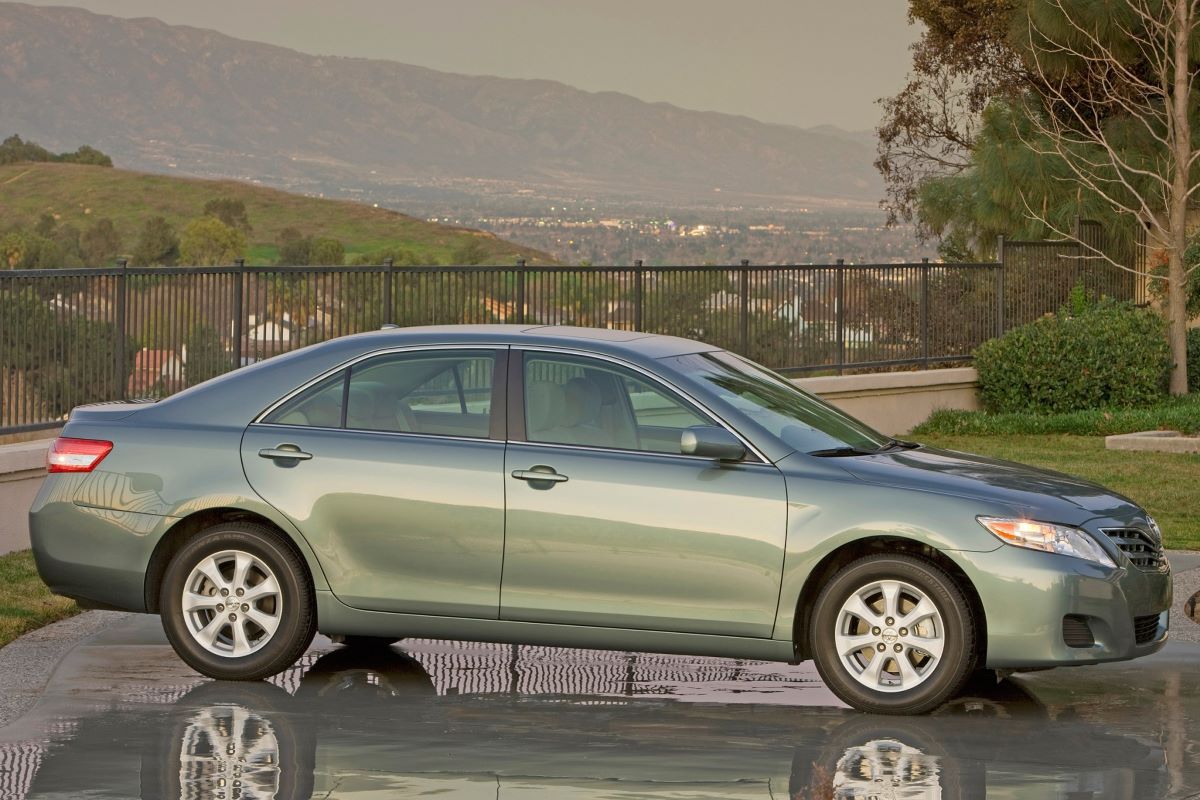
2. Toyota Camry (early 2000s models)
The Toyota Camry is another sedan highly regarded for its ease of DIY maintenance, especially models from the early 2000s. These cars benefit from Toyota’s engineering philosophy which emphasizes reliability and serviceability.
The engine bay of the Camry is relatively uncluttered, giving DIYers good access to essential components such as the battery, belts, filters, and fluids. This layout helps reduce frustration when performing regular maintenance or minor repairs.
Toyota’s design also tends to use common fasteners and parts that are easy to source, which is a big plus for anyone working on their own vehicle. The availability of factory service manuals and repair guides adds to the DIY appeal.
Similar to the Honda Accord, the Camry’s engines from this era (mostly inline-4 and V6 configurations) are designed to be mechanically simple, reducing the complexity of service tasks. This reduces the likelihood of running into inaccessible parts or components that require specialized tools.
Many Camry owners have reported that routine jobs such as brake pad replacement, oil changes, and air filter swaps can be done comfortably in a driveway or garage without the need for a professional.
The ease of diagnosis is also a factor since the OBD-II system provides reliable codes, and many mechanics and enthusiasts have documented common issues and fixes extensively. This wealth of information empowers DIY mechanics to approach repairs with confidence.
Another important aspect is the vehicle’s modular construction, which simplifies the replacement of individual parts without removing large sections of the engine or interior.
This modularity is appreciated in suspension repairs and electrical work, as access is generally unobstructed. The Toyota Camry’s consistent focus on practicality and maintenance friendliness makes it a reliable choice for those who prefer to work on their own cars.

3. Mazda 6 (early to mid-2000s)
The Mazda 6 is a sedan that often gets overlooked in discussions about DIY-friendly vehicles but deserves recognition. Early to mid-2000s Mazda 6 models feature an engine bay design that balances compactness with accessibility.
Unlike some other sporty sedans, Mazda engineers have left enough space around key components to allow for easier service and repair. The layout of the engine bay puts most frequently serviced parts like the alternator, belts, and fluid reservoirs in reachable positions.
This Mazda’s straightforward electrical system and engine design also contribute to its DIY appeal. The inline-4 and V6 engines found in the Mazda 6 are mechanically conventional, avoiding overly complex fuel injection or ignition setups that can deter novice mechanics.
Owners report that many common repairs such as spark plug changes, brake servicing, and thermostat replacements, can be completed with standard hand tools.
The Mazda 6 also benefits from a strong enthusiast community. Although not as large as Honda or Toyota’s, the Mazda community is passionate and often shares repair tips and detailed guides.
The availability of OEM and aftermarket parts further supports DIY repairs. The car’s build quality means fewer issues related to rust or corrosion, which can complicate repairs on older vehicles.
Finally, the suspension and drivetrain components in the Mazda 6 are designed to be user-friendly for repairs and upgrades. Many owners have replaced components like struts, control arms, and wheel bearings without specialized tools.
The chassis design also allows for easier lifting and secure jack placement. All these factors contribute to the Mazda 6’s reputation as a sedan that balances style and performance with a relatively DIY-friendly layout.

4. Subaru Legacy (2005–2010 models)
The Subaru Legacy, particularly from the mid-2000s generation, is a sedan that stands out for its practical engine layout and serviceability. Subaru’s hallmark boxer engine is low and flat, which can be intimidating at first, but the Legacy offers enough engine bay space around critical components for accessible maintenance.
The symmetrical all-wheel-drive system is integrated in a way that doesn’t overly complicate routine repairs, a feat not always achieved in AWD vehicles.
One key advantage is the Legacy’s relatively modular design. Major components like the alternator, starter, and coolant system parts can be reached without removing the entire engine or transmission.
This is important for DIY mechanics who want to avoid hours of disassembly just to perform routine maintenance. Subaru also uses mostly standard fasteners and common tool sizes, reducing the need for specialized equipment.
Owners of these Legacy models often praise the clarity of the factory service manuals and the active online community forums that share tips and step-by-step guides.
These resources make diagnosing issues and performing repairs more manageable for non-professionals. Many common maintenance tasks such as timing belt changes, brake repairs, and fluid replacements are possible with moderate mechanical knowledge and basic tools.
Another benefit is the relative simplicity of Subaru’s electrical and fuel systems in this generation. While more modern cars can be riddled with complex wiring and computer modules, the Legacy keeps these systems accessible and straightforward.
This helps DIYers avoid getting overwhelmed by electronic diagnostics and allows them to focus on the mechanical side of repairs. The Subaru Legacy thus earns its place among sedans known for friendly DIY layouts.

5. Ford Fusion (2010–2012 models)
The Ford Fusion from the early 2010s is a sedan that strikes a balance between modern amenities and service-friendly design. These models feature engine bays that are not overly cramped, allowing reasonable access to parts like the alternator, serpentine belt, spark plugs, and filters.
While not as spacious as some older sedans, the Fusion still offers enough room to perform many common maintenance tasks without the need for disassembly of major components.
Ford’s use of common fasteners and the availability of factory repair manuals make the Fusion appealing to DIY mechanics. The engines, typically 4-cylinder or V6, are designed with modularity in mind, making it easier to replace parts and diagnose issues without specialized tools. The Fusion’s fuel and electrical systems are relatively uncomplicated, further lowering the barrier for DIY repairs.
Another positive aspect is the Fusion’s suspension design. Components like shocks, struts, and brake assemblies are accessible, allowing replacements without extensive removal of surrounding parts.
This is an important consideration for home mechanics who may not have access to professional lifts or specialty tools. Routine maintenance such as oil changes, brake servicing, and air filter replacements are straightforward on the Fusion.
Finally, the Fusion benefits from a strong aftermarket and enthusiast community. Many owners share guides, tips, and tutorials online, which provide additional confidence for those tackling repairs at home. This combination of design, support, and moderate complexity makes the Ford Fusion a sedan well suited to DIY mechanics.
5 Sedans That Are Nightmare Builds

1. BMW 5 Series (E60 generation, mid-2000s)
BMW 5 Series from the mid-2000s, particularly the E60 generation, is notorious for being a difficult car to work on for DIY mechanics. Despite its reputation for luxury and performance, the design choices made in this generation prioritize tight packaging and complex electronics over accessibility.
The engine bay is cramped, leaving minimal room to reach components like the alternator, water pump, or spark plugs without removing surrounding parts or even the entire intake manifold.
The E60’s extensive use of advanced electronics and sensors also adds layers of complexity. Diagnosing and repairing electrical faults can be challenging without BMW-specific diagnostic tools, which are expensive and not always user-friendly.
Many repairs require calibration or coding through proprietary software, placing the car out of reach for most DIYers. The complexity increases the risk of creating new problems while attempting fixes, which discourages hands-on repairs.
In addition, many mechanical components in the E60 are integrated into assemblies that require removal of large portions of the engine bay or front end to access.
Tasks like replacing the timing chain, water pump, or even simple spark plugs can take hours of labor due to the disassembly required. The suspension layout is also complicated, featuring many subframes, bushings, and control arms that are difficult to service without special tools or lifts.
Lastly, the cost and availability of parts for the E60 can be prohibitive. BMW OEM parts tend to be expensive, and the high-tech systems sometimes require dealership-only replacement components. This combination of tight packaging, electronic complexity, and costly parts firmly establishes the E60 BMW 5 Series as a nightmare build for those who want to perform their own repairs.

2. Audi A4 (B8 generation, late 2000s to early 2010s)
The Audi A4 B8 generation is often cited as one of the more frustrating sedans for DIY repair due to its intricate engine bay layout and advanced electronics.
Audi’s focus on compact design and all-wheel drive integration results in a very tight engine compartment with limited access to essential components. Basic tasks like changing spark plugs or replacing belts can require the removal of multiple covers, hoses, and components just to reach the working area.
Audi’s reliance on electronic modules and sensors also makes troubleshooting complicated. Many repairs necessitate using proprietary diagnostic tools like VCDS (VAG-COM), which may not be readily accessible to casual DIYers. The vehicle’s wiring harnesses and sensor arrays are densely packed, increasing the risk of accidental damage during repair attempts.
The suspension and drivetrain in the B8 A4 also add to the difficulty. Components are often tightly fitted and require specialty tools to remove and replace. The AWD system’s integration means extra steps when servicing brakes or drive axles, and many jobs require removing subframes or engine mounts to gain proper access.
Finally, Audi parts and labor tend to be expensive. Although some aftermarket options exist, the complexity and precision engineering of the A4’s components mean that parts replacement must be done carefully to avoid damaging sensitive systems. For these reasons, the B8 Audi A4 ranks as one of the more challenging sedans for DIY enthusiasts.

3. Mercedes-Benz C-Class (W204 generation)
The W204 Mercedes-Benz C-Class, produced from 2007 to 2014, has many qualities of a premium luxury sedan but scores low on the DIY friendliness scale.
The vehicle’s engineering focuses on compact, high-tech systems which often complicate maintenance. The engine bay is dense, with limited clearance for working on key components like the turbochargers, fuel injectors, or ignition coils.
Mercedes’ complex electronics and engine management systems add to the challenges. Diagnosing and repairing electrical or engine control issues typically requires access to Mercedes-specific diagnostic software and tools, which are costly and difficult for casual owners to obtain.
Routine repairs are complicated by the integration of various systems, including air suspension or advanced transmission electronics.
Mechanically, many components are designed to be replaced as entire assemblies, leading to higher labor time and parts costs. For example, the front suspension uses multi-link designs with tightly fitted bushings and ball joints that can be difficult to service without a professional workshop.
Even basic maintenance tasks like replacing spark plugs or belts can be cumbersome due to cramped spaces and the need to remove surrounding parts.
Lastly, parts for the W204 tend to be expensive, with OEM components costing significantly more than those for mainstream sedans. This, combined with the difficulty of access and diagnostics, makes the Mercedes-Benz C-Class W204 a tough vehicle for DIY repairs.

4. Volkswagen Passat (B7 generation, early 2010s)
The Volkswagen Passat B7 generation, especially models with the 2.0T engine, is infamous for difficult maintenance. The engine bay is cramped, with components tightly packed around the turbocharged engine.
Tasks like spark plug replacement, timing belt servicing, or water pump replacement often require the removal of multiple components including the intake manifold and intercooler pipes.
VW’s complex turbocharging and emissions control systems add another layer of difficulty. Many repairs demand specialized knowledge and tools to properly service the engine management and emissions modules. The Passat’s electrical system can be complex, with multiple control units communicating and sometimes causing elusive faults.
The suspension design further complicates DIY work. The Passat uses a sophisticated multi-link rear suspension and complex front end geometry that can be difficult to work on without professional tools and lifts. Brake servicing and wheel bearing replacements may require the removal of additional parts compared to more straightforward sedans.
Parts availability is another issue. While aftermarket support exists, some components, particularly those related to the turbo system and electronics, are costly and difficult to replace. These factors combine to make the Passat B7 a tough sedan for anyone looking to do repairs without professional help.

5. Infiniti Q50 (2014–present)
The Infiniti Q50, a luxury sedan with modern styling and technology, unfortunately does not rank well for DIY maintenance. The engine bay is tightly packed, especially around the V6 engines with turbocharging and hybrid components.
Accessing key components like spark plugs, belts, or the alternator often requires removing various engine covers, airboxes, and wiring harnesses.
The Q50 is also loaded with advanced electronics and driver assistance systems that complicate repairs. Diagnostic procedures often require Infiniti-specific scan tools and software, which are not easily accessible or affordable for home mechanics. Many repairs involve calibration and software updates, further complicating DIY efforts.
Mechanical components are often integrated into large assemblies, requiring significant disassembly for relatively simple jobs. Suspension repairs are also challenging due to compact multi-link designs and tightly packaged components. Additionally, the use of proprietary fasteners and clips means that special tools may be needed.
Parts for the Infiniti Q50 are typically expensive and harder to source compared to more common sedans. The combination of a cramped engine bay, complex electronics, and costly parts makes the Q50 a difficult sedan for DIY mechanics to maintain or repair.
Also Read: 5 Cars With Timing Belts That Last Over 150,000 Miles and 5 That Fail Prematurely
Choosing a sedan with a DIY-friendly layout can make a significant difference in how you experience vehicle ownership. For many car enthusiasts and even everyday drivers, the ability to perform repairs and maintenance independently not only reduces costs but also provides a sense of accomplishment and deeper understanding of their vehicle.
As we have seen, some sedans are designed with this in mind, offering spacious engine bays, logically arranged components, and a straightforward mechanical and electrical setup that caters to DIY repairs.
Meanwhile, others present formidable challenges due to cramped spaces, complex electronics, and integrated systems that require specialized tools and knowledge.
The sedans that prove most approachable for DIYers, such as the Honda Accord, Toyota Camry, Mazda 6, Subaru Legacy, and Ford Fusion, share common traits. These vehicles typically prioritize ease of access to key components and use standard fasteners and mechanical designs that don’t require exotic tools.
Their engines tend to be mechanically simple yet reliable, with ample documentation available to guide repairs. This accessibility extends beyond the physical layout enthusiast communities, and extensive online resources further support those who want to maintain their vehicles on their own.
Whether it’s changing spark plugs, servicing brakes, or replacing belts, these sedans reduce the barrier to entry for DIY maintenance.
Conversely, luxury and technologically advanced sedans like the BMW 5 Series E60, Audi A4 B8, Mercedes-Benz C-Class W204, Volkswagen Passat B7, and Infiniti Q50 illustrate the pitfalls that can turn maintenance into a frustrating experience.
These vehicles often feature tight packaging, with components stacked and layered to maximize performance or aesthetics at the expense of accessibility.
Their sophisticated electronic systems and complex drivetrain layouts introduce another level of difficulty, requiring specialized diagnostic tools and expertise that few casual mechanics possess.
In many cases, even simple repairs involve extensive disassembly or risk damaging sensitive systems, making professional assistance almost unavoidable. Parts availability and cost also tend to be higher, further discouraging DIY efforts.
Understanding these differences can help prospective sedan buyers align their choices with their maintenance preferences and skill levels. For someone who enjoys tinkering, learning about their vehicle, and saving on labor costs, choosing a sedan with a DIY-friendly layout can provide years of satisfaction and independence.
On the other hand, those who prefer low hassle and access to dealer service might lean toward the more complex sedans, accepting the trade-off between convenience and repair difficulty.
It’s also important to note that the automotive industry continues to evolve rapidly. Modern vehicles increasingly incorporate advanced electronics, safety features, and compact designs that complicate repairs regardless of brand or class. While older sedans tend to be more accessible for DIY work, new technologies demand a new set of skills and tools.
This makes choosing a car for DIY maintenance even more critical today. Being aware of which sedans allow for simpler repairs and which ones require specialized knowledge can save time, money, and frustration in the long run.
In the end, whether a sedan is a dream or nightmare to work on depends on its engineering priorities, design philosophy, and intended audience. DIY-friendly sedans provide a welcoming platform for those eager to get their hands dirty, while more complex luxury or performance-oriented sedans often push owners toward professional service.
The key is knowing your own comfort level and maintenance goals and choosing a vehicle that fits your needs. By doing so, you can enjoy the rewarding experience of maintaining your sedan yourself or be prepared to navigate the challenges if you prefer a more sophisticated, but less accessible, ride.
