
Driving through hilly terrain presents a very different challenge compared to flat highways. The sharp inclines, sudden drops, unpredictable curves, and changes in traction mean that not every car is built to handle those conditions efficiently.
When someone lives in or frequently travels to areas with mountainous roads, the vehicle they drive can make the difference between a smooth ride and a frustrating, even dangerous experience.
Brakes, suspension, torque delivery, steering feedback, and weight distribution all become more important than raw horsepower. Many drivers assume that just because a car is powerful, it will perform well in every setting, but hill driving quickly exposes the weaknesses of vehicles not designed for that kind of work.
There are several models, both new and older, that manage hilly roads with surprising ease. Whether it’s the way they manage braking pressure during long descents or how confidently they pull themselves up steep grades, certain cars clearly stand out for their performance on elevation-heavy routes.
These are the kinds of vehicles you want when winding up through mountain passes or navigating switchbacks during a road trip. On the other hand, some cars perform poorly under such conditions.
Maybe their brakes overheat far too quickly, or perhaps their automatic transmissions struggle to stay in the right gear. Sometimes it’s about weight, and other times it’s just a matter of a poor engineering match for terrain that requires quick throttle response and precise control.
This article looks at both ends of the spectrum. We’ll go through five vehicles that are widely regarded for their ability to handle steep, winding roads without stress, followed by five that tend to falter when the elevation starts to climb or drop too quickly.
Some of the best performers may not even be the flashiest or most expensive models on the market. Likewise, the worst performers aren’t necessarily bad cars, but they show real weakness when forced into high-load braking or rapid elevation shifts.
Let’s start with the cars that handle hills like pros and finish with the ones that burn through their brakes far too quickly for anyone’s comfort.
Also Read: 5 Cars That Tank in Year One vs 5 That Hold Value After 12 Months
5 Cars That Handle Hilly Roads Like Champs
1. Subaru Outback
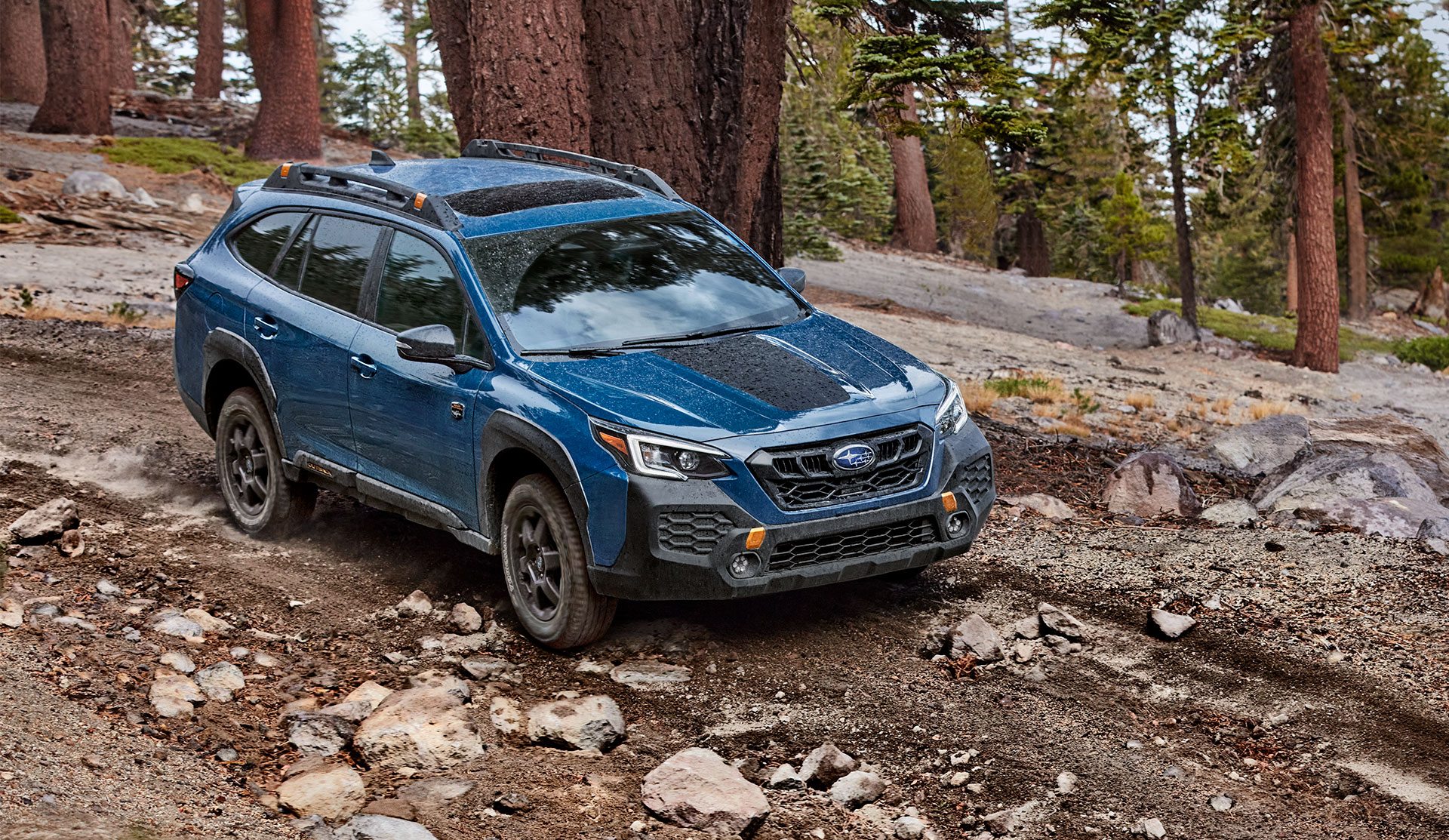
The Subaru Outback has earned a long-standing reputation for being ready for any type of terrain, and that includes hilly roads. Thanks to its symmetrical all-wheel-drive system and balanced chassis, it offers a reassuring sense of grip, even when conditions turn slick or unpredictable.
Whether it’s rain, snow, or just an uneven grade, the Outback tends to hold its composure. This isn’t the kind of car that jerks around when you’re taking tight curves. The steering is direct without being twitchy, and the center of gravity is low enough to avoid unnecessary body roll.
One reason the Outback performs well on hills is its continuously variable transmission, which is tuned better than most to hold revs during climbs and descents. In many vehicles with CVTs, there’s a sluggish or disconnected feeling, but Subaru seems to have figured out a way to make theirs feel more natural.
On steep downhills, the Outback uses engine braking more effectively than most SUVs in its class. This reduces the load on the brakes and helps maintain steady control without excessive pedal input. It’s something you notice after just a few minutes on a winding decline.
What really makes the Outback excel on steep roads is how predictable it feels under pressure. When you’re halfway up a hill with a hairpin coming, you don’t want surprises, and the Outback keeps things calm.
Visibility is another asset; it gives drivers a clear line of sight ahead and to the sides, which becomes crucial when evaluating winding roads with few guardrails. It’s not the fastest car out there, but its smooth power delivery and tight control make it ideal for environments that require constant micro-adjustments.
The Outback’s suspension also deserves attention. It’s firm enough to handle weight transfer during fast cornering but soft enough to absorb mid-corner bumps without throwing the car off line.
Combined with its modest footprint and responsive brakes, this creates a reliable and safe experience when taking on elevation-heavy roads. It might not be flashy, but it gets the job done with little drama, and that’s something drivers who spend time in the hills come to value deeply.
2. Mazda CX-5
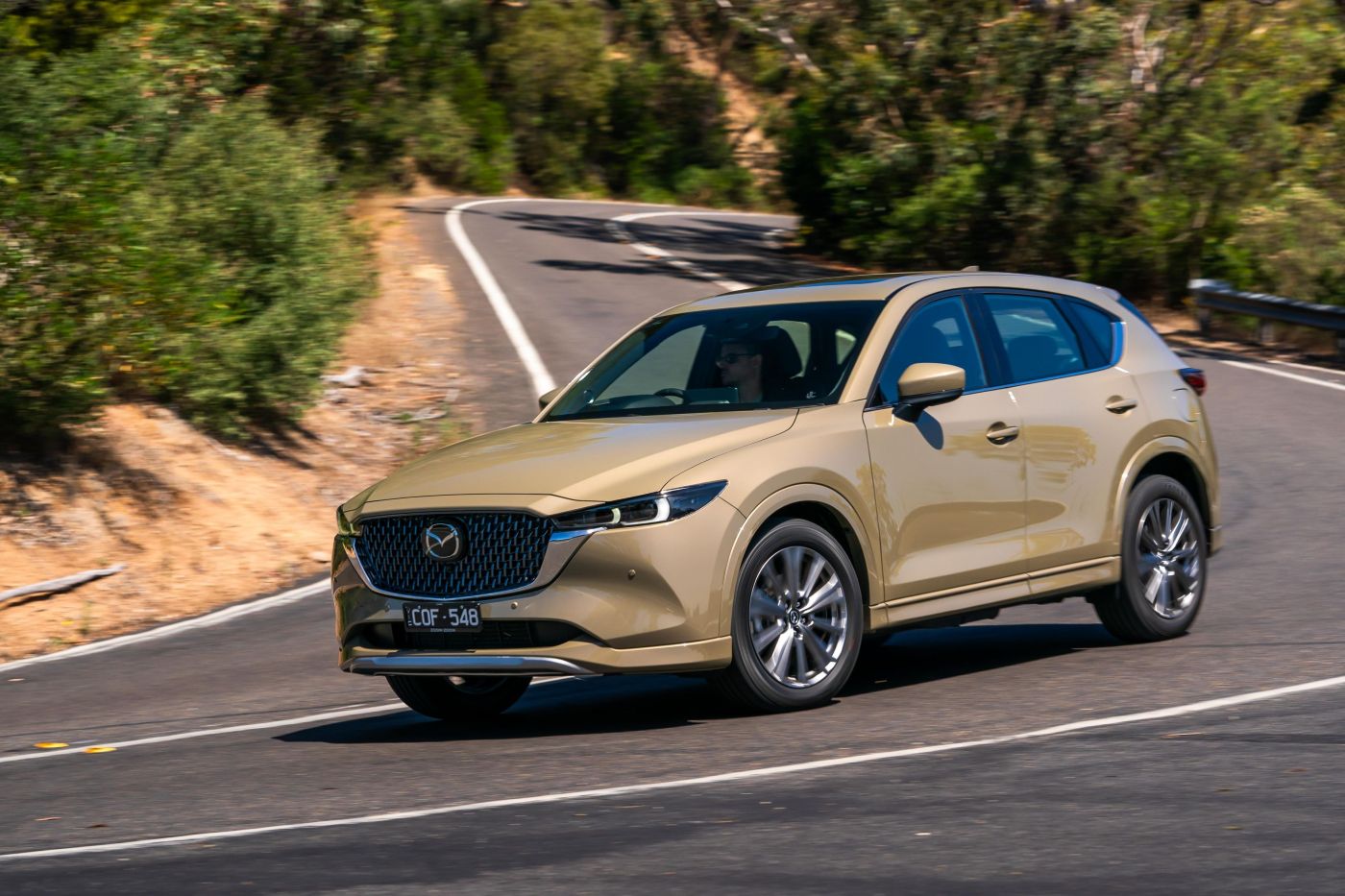
The Mazda CX-5 has built a loyal following, and one of the key reasons is its handling prowess. Even though it’s an SUV, the CX-5 behaves more like a well-sorted sedan on twisty roads. That includes hilly environments, where its precision and responsive nature come in handy.
The steering is sharp and predictable, and the chassis feels tight. For those who care about driver feedback, this car is a great blend of comfort and athleticism, and it holds a line through corners with a level of confidence not typically found in its class.
On steep inclines, the CX-5’s powertrain does a solid job of keeping things smooth. The naturally aspirated and turbocharged engines both provide linear power, though the turbo version does offer that extra punch that helps when overtaking or pulling up steep slopes.
The transmission is well matched to the engine and doesn’t require frequent manual overrides to stay in the right gear. That matters when you’re halfway up a hill and can’t afford a laggy downshift. And on the downhill, the gearing feels just right to help control descent speed without relying too heavily on the brake pedal.
Braking performance is one of the unsung strengths of the CX-5. Mazda didn’t just throw on average hardware; the car is fitted with solid, confidence-inspiring brakes that maintain consistency even during prolonged use. When descending a mountain, you want a brake system that won’t fade halfway through, and the CX-5 provides that.
It’s not track-level, but for public roads and casual use in steep terrain, it’s more than sufficient and inspires trust in the driver. Brake feel is firm and progressive, not squishy or vague, which makes it easier to modulate pressure when it matters most.
Mazda’s engineers also gave the CX-5 a suspension system that balances ride comfort with control. It doesn’t float over the road, nor does it punish you for uneven pavement. Instead, it hugs the road and lets you feel what’s happening without transmitting every pebble into the cabin.
The result is a composed experience, even when you’re climbing a steep road with tight bends and elevation changes. For anyone looking for a vehicle that handles hills with poise, the CX-5 is an underrated but extremely capable choice.
3. Toyota 4Runner
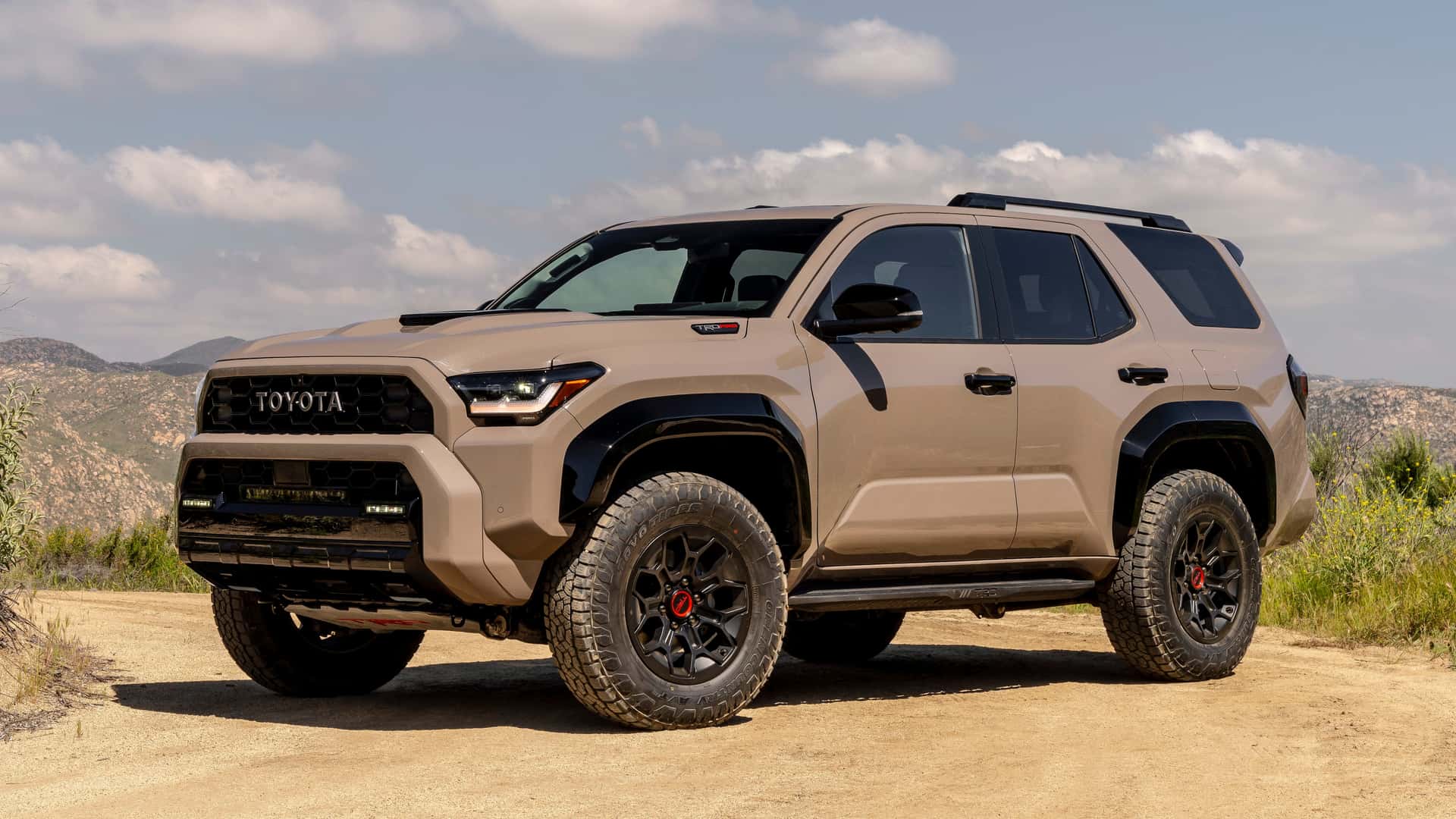
The Toyota 4Runner is a body-on-frame SUV, which isn’t always a recipe for confident road handling, but on hilly terrain, it proves why that design still has value.
With a strong, low-end torque delivery and a drivetrain designed for both off-road and uneven terrain, the 4Runner climbs hills like it was built for the task.
It may not have the most refined on-road manners, but when the road gets steep, this SUV starts to shine. That’s especially true for longer uphill climbs, where many crossovers begin to struggle or feel underpowered.
The 4Runner’s 4.0-liter V6 engine provides a steady flow of power. It’s not turbocharged, but the naturally aspirated motor delivers torque predictably across the rev range. That matters when climbing steep roads where hesitation can lead to lost momentum.
The 5-speed automatic transmission is old by modern standards, but it’s reliable and tends to hold gears appropriately. This is one of those cases where older tech actually helps the driving experience because it doesn’t hunt for gears in the middle of a climb.
Its weight and ruggedness also give it an edge when descending. Heavier vehicles sometimes struggle with braking downhill, but the 4Runner manages to stay composed. Its brake system is large enough and well ventilated, keeping fade at bay even after sustained use.
Engine braking, especially in low gear or using the manual mode, also works well for keeping downhill speed under control. Many drivers rely on that feature during long descents, and it helps extend brake life while increasing driver confidence.
Suspension travel and ground clearance may seem like off-road features, but they help on winding hills too. The 4Runner doesn’t bounce around or get upset by uneven pavement. Instead, it absorbs the imperfections and keeps the tires planted. Cornering isn’t razor-sharp, but it’s stable and predictable.
For people who spend time in hilly or mountainous regions, this SUV is tough to beat. It’s rugged, dependable, and knows how to carry itself both up and down slopes without hesitation.
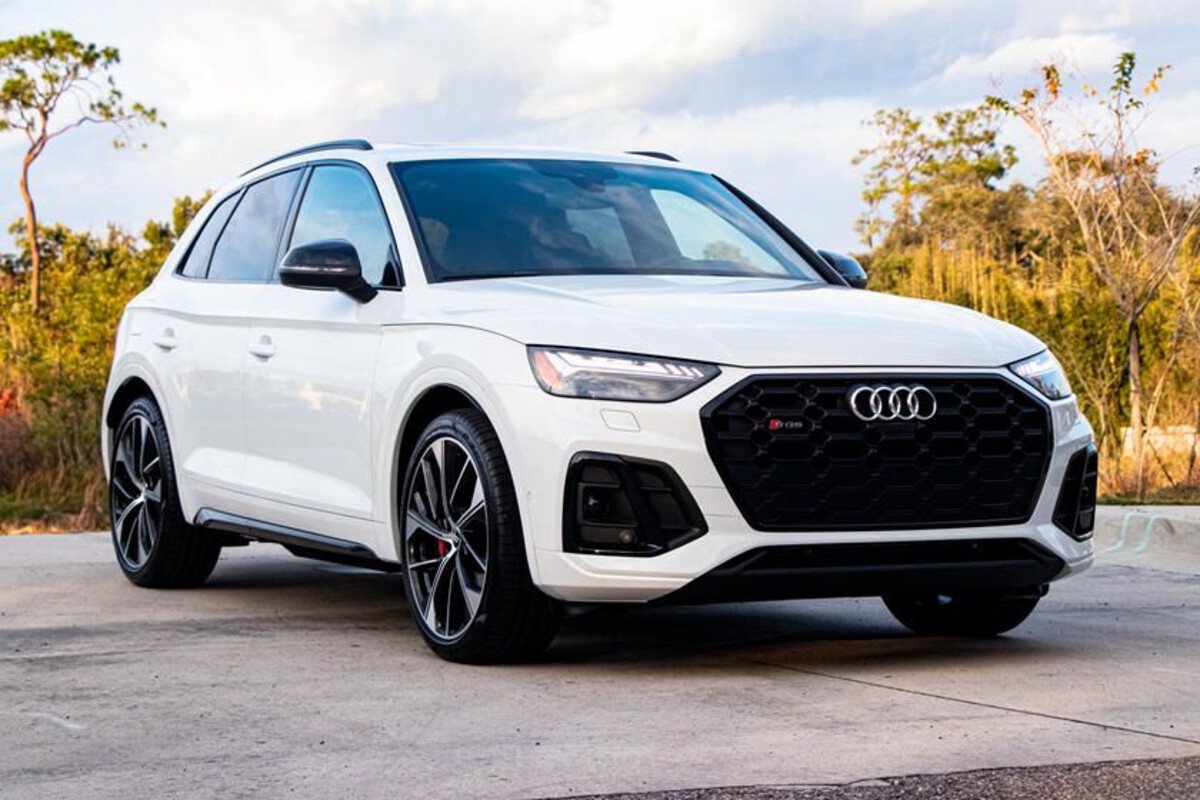
4. Audi Q5 Quattro
The Audi Q5 with Quattro all-wheel drive offers a luxury experience without sacrificing control or feedback, especially on steep or twisty roads. One of its biggest advantages is how seamlessly it manages power distribution. The Quattro system doesn’t wait until the wheels slip to activate; it proactively adjusts power delivery to maximize traction.
This makes the Q5 an ideal companion on roads where elevation changes are frequent and sudden. Unlike some competitors that feel floaty or unresponsive in those conditions, the Q5 remains confident and controlled.
Powertrain options include a turbocharged 4-cylinder or a V6, both of which provide more than enough torque to handle climbing without struggle. The 7-speed dual-clutch transmission is quick and intelligent, avoiding unnecessary shifts when climbing and offering engine braking when descending.
There’s also a drive mode selector that allows the driver to switch between comfort and sportier settings. In hilly areas, using the dynamic mode provides quicker throttle response and tighter steering, which comes in handy when making sharp turns or accelerating uphill.
Braking performance in the Q5 is among the best in its segment. Audi equips the car with large, ventilated discs and electronic brake force distribution. More importantly, the pedal feel is consistent. Even after repeated braking on steep roads, the system doesn’t get mushy or inconsistent.
That makes the car predictable and safe during mountain driving. Brake hold assist and hill start control also reduce driver workload, particularly on inclines where quick reactions might be needed to prevent rollback or over-acceleration.
What seals the Q5’s place on this list is its suspension setup. The optional adaptive dampers allow the vehicle to stiffen or soften the ride depending on the surface. On hilly roads, especially ones that aren’t perfectly smooth, this makes a big difference.
The chassis stays composed without feeling overly harsh, giving the driver the confidence to maintain a good pace. For those looking for luxury without compromising hill performance, the Audi Q5 with Quattro is one of the strongest options available.
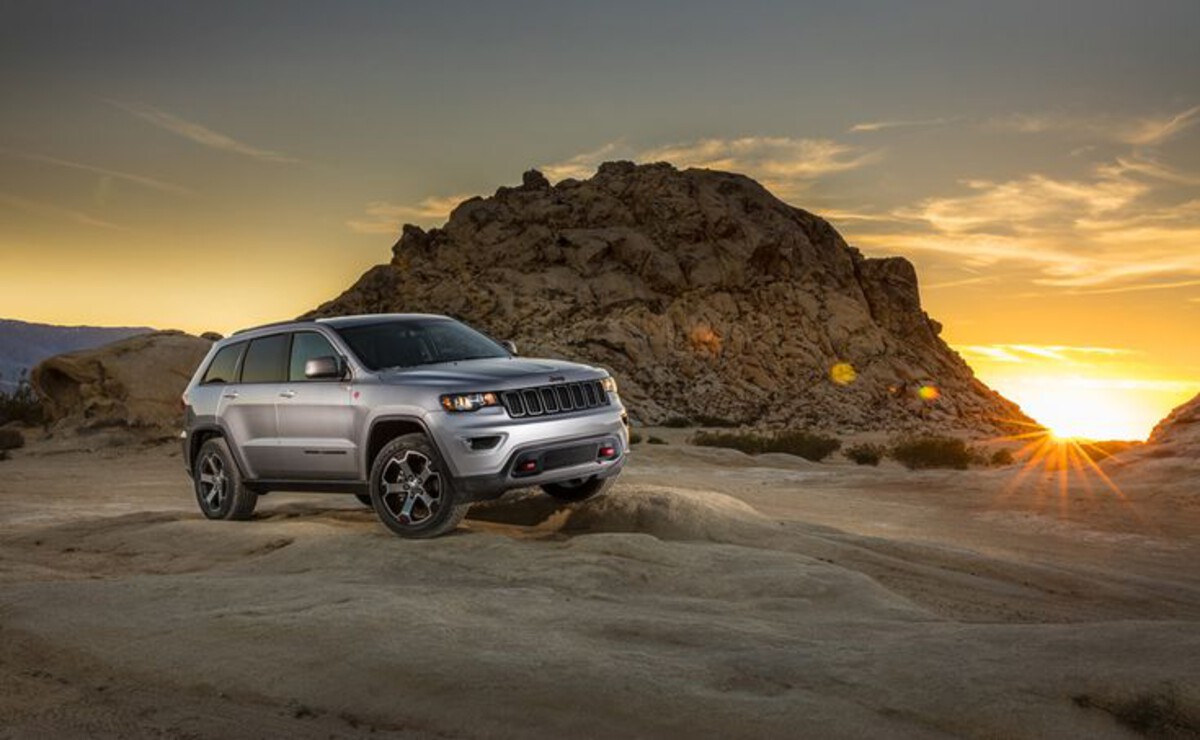
5. Jeep Grand Cherokee Trailhawk
The Jeep Grand Cherokee Trailhawk is designed with off-road capability in mind, but many of the same features that make it effective off-pavement also make it an excellent choice for hilly road driving.
The Trailhawk trim specifically includes features like low-range gearing, hill-descent control, and an adaptive air suspension system that adjusts ground clearance and ride stiffness. These aren’t just marketing gimmicks they translate to real-world benefits when tackling terrain with sharp elevation changes, whether paved or not.
Under the hood, the Trailhawk can be fitted with a V6 or a powerful V8, both offering strong torque delivery that’s well suited for steep ascents. Throttle response is tuned to provide controlled acceleration, which helps in tight turns or when modulating power on steep grades.
Jeep’s Quadra-Drive II 4WD system is highly responsive, offering torque vectoring that keeps all four wheels working even if traction varies side to side or front to back. That makes a major difference when navigating winding hill roads where grip can change quickly.
Braking performance is solid across the Grand Cherokee lineup, but the Trailhawk’s upgraded hardware improves heat resistance and response. Hill-descent control works smoothly, automatically applying the brakes to maintain a constant speed without driver input.
This isn’t a feature everyone will use every day, but in mountain terrain or long downhill routes, it allows for safer, more relaxed driving. The pedal feel is also tuned for progressive response, meaning there’s no sudden grab or lag, which helps on those twisty, narrow descents.
Comfort doesn’t take a back seat, either. The air suspension adapts not just to terrain but to speed and road conditions. On uneven hill roads, it tightens up to reduce body motion and increase control. Inside the cabin, visibility is excellent, and the seating position provides a strong sense of control.
The combination of mechanical capability and refined tuning makes the Grand Cherokee Trailhawk a reliable, confident companion for tackling both paved mountain roads and the rugged paths that lead off them.
Also Read: 5 Gadget-Filled Cars That Depreciate vs 5 Simple Cars That Hold Value
5 Cars That Burn Their Brakes Instantly
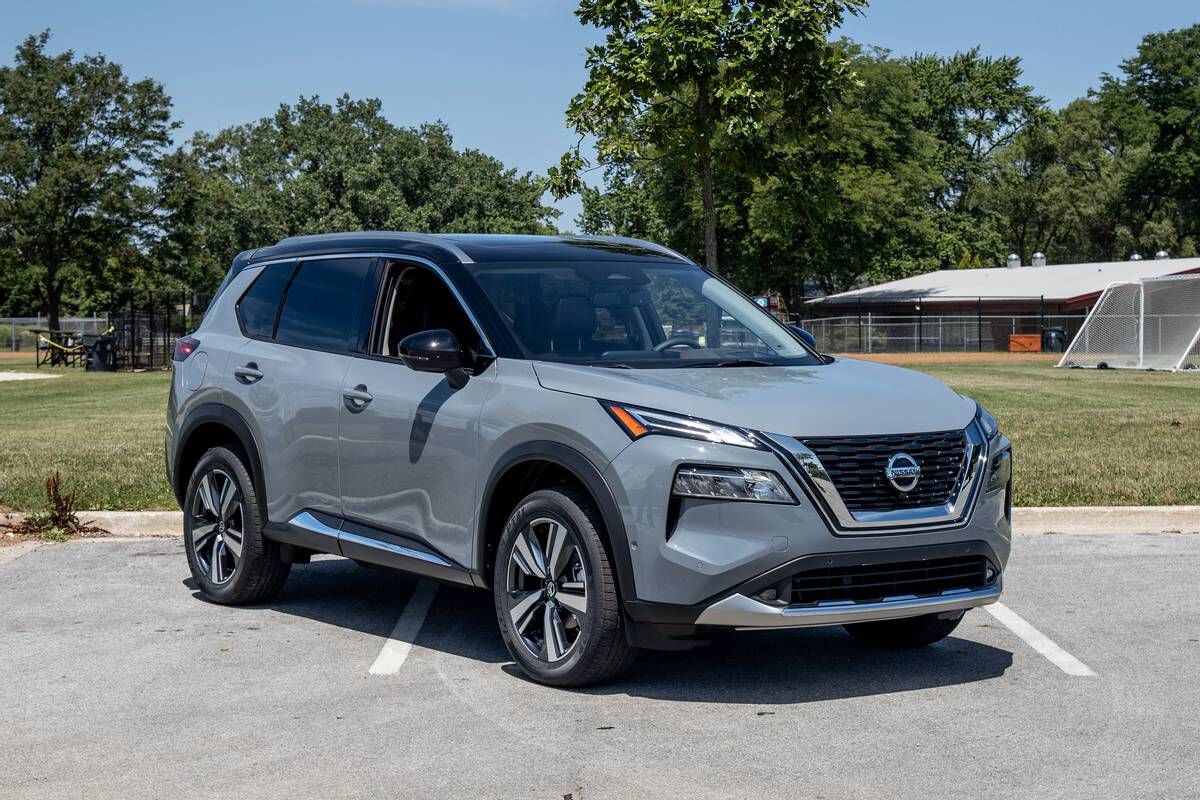
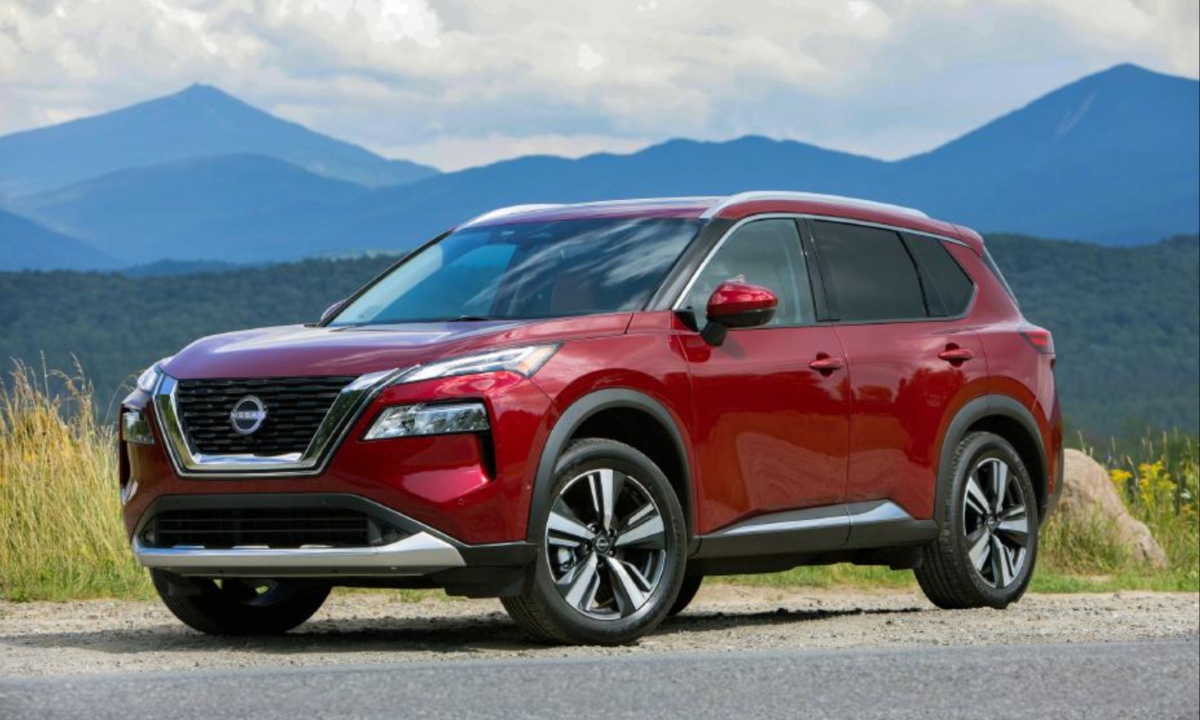
1. Nissan Rogue
The Nissan Rogue has become one of the best-selling crossovers in the U.S. thanks to its fuel efficiency, smooth ride, and affordable pricing. But when it comes to navigating hilly roads, it reveals several shortcomings that become more obvious the longer you’re on an incline or decline.
It’s not that the Rogue is unsafe, but it doesn’t manage weight transfer or braking loads effectively, which creates noticeable strain during hill driving. When the road points up or down, the flaws begin to show.
Under load, the continuously variable transmission tends to feel confused. On climbs, it often hesitates before providing enough power, and on descents, it doesn’t offer adequate engine braking.
This puts additional demand on the braking system, which is already one of the Rogue’s weak spots. The rotors and calipers are small for the car’s size, and extended downhill braking causes them to heat up quickly. Once they’re hot, brake fade becomes very noticeable, and the pedal feel gets spongy, making precision control more difficult.
Weight distribution in the Rogue also contributes to its issues on hills. The nose-heavy design, typical of front-wheel-drive vehicles, causes the front brakes to do most of the work.
On steep declines, this leads to premature brake wear and inconsistent performance. Drivers may find themselves pumping the brakes to regain feel or slowing down much earlier than necessary just to maintain control. The lack of a manual mode in some trims makes it harder to mitigate these issues using engine braking.
Suspension tuning prioritizes comfort and efficiency over handling. On winding hill roads, this means more body roll and slower response to steering inputs. That’s not ideal when taking tight corners on elevation-changing routes.
The Rogue is a good city or highway cruiser, but drivers heading into hillier environments regularly will likely find themselves wishing for a more capable and confidence-inspiring setup. For short trips, it’s manageable, but long descents can quickly turn into a frustrating experience.
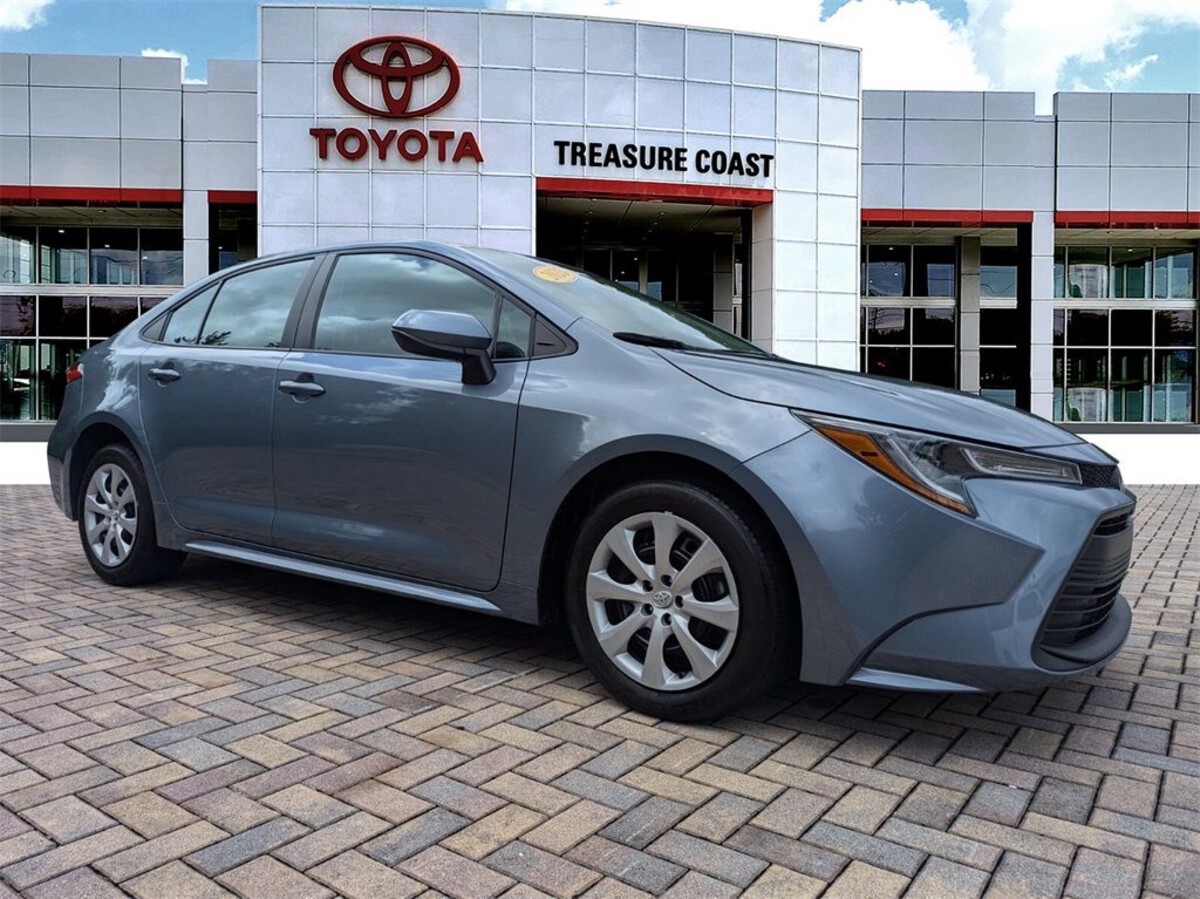
2. Toyota Corolla
The Toyota Corolla has a strong reputation for reliability and low cost of ownership, but it’s not engineered for serious hill work.
The compact sedan handles flat ground and moderate inclines just fine, but when you start dealing with steep grades and long descents, it becomes apparent that the braking system and drivetrain are not tuned for such demands. This isn’t a surprise, given its primary purpose as a commuter car, but drivers need to understand its limitations.
The braking system in the Corolla is adequate for daily driving but starts to fall short during extended downhill travel. The discs heat up quickly when used continuously, and fade can set in after just a few miles of heavy braking.
On longer hills, drivers may notice a smell from the brakes or feel the pedal becoming less responsive. Engine braking is minimal, especially in the CVT-equipped versions, which makes it harder to avoid relying on the brake pedal for speed control.
Power output is another issue. The naturally aspirated engine doesn’t provide much low-end torque, and during steep ascents, the Corolla often feels sluggish or strained.
Even with the gas pedal pressed hard, acceleration remains limited, and the engine gets noisy without delivering much extra performance. On twisty mountain roads, this lag can become frustrating, especially when trying to overtake or keep up with traffic. The lack of torque makes it harder to recover speed after slowing down for corners or other vehicles.
The suspension setup, while smooth on city roads, lacks the firmness needed for tight, hilly turns. The result is a floaty, disconnected feeling during cornering. The steering doesn’t offer much feedback, which further reduces confidence when navigating curves with blind spots or sudden elevation changes.
The Corolla remains a dependable and affordable choice for general transportation, but anyone planning frequent trips into mountainous regions should look elsewhere for something more capable.
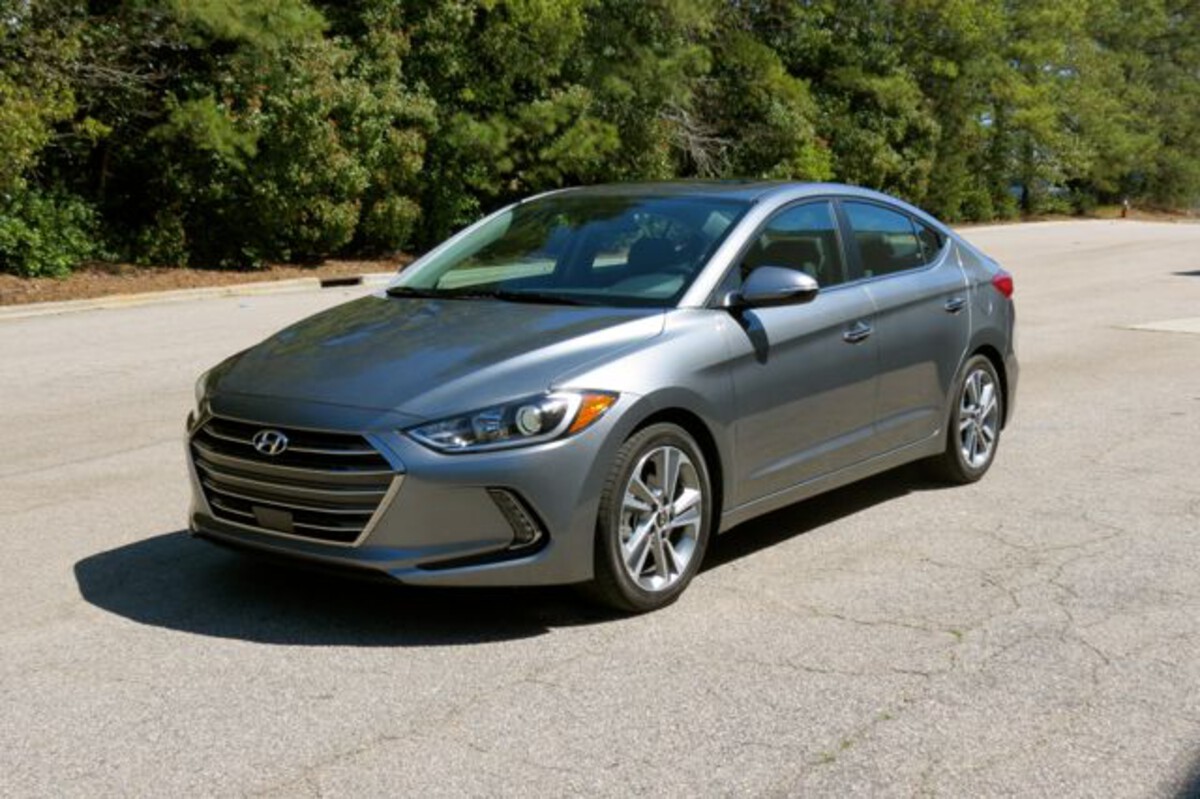
3. Hyundai Elantra
The Hyundai Elantra has improved dramatically over the years in design and tech, but its performance on hilly terrain still leaves much to be desired.
Like many compact sedans, it’s built with urban and highway driving in mind. When faced with steep inclines or long descents, the car starts to reveal mechanical and handling weaknesses that don’t pose much issue in other environments but become critical in the hills.
The main concern with the Elantra is its braking system. The rotors and pads are small, and there’s minimal cooling to help dissipate heat during extended use.
When driving downhill for more than a few minutes, the brakes start to fade, and it takes longer for the car to slow down. The pedal becomes less responsive, which can make it difficult to judge braking distances. For drivers unfamiliar with how brake fade feels, this can be unsettling and potentially dangerous on narrow mountain roads.
On the uphill side, the Elantra struggles with power delivery. The engine lacks low-end torque, and the transmission often seems uncertain about when to shift.
On steeper grades, the car can lose momentum quickly, requiring heavy throttle input to keep speed. This is particularly noticeable when carrying passengers or luggage, which further taxes the powertrain. Manual mode helps slightly, but it still doesn’t fully address the underwhelming performance.
Handling is also a mixed bag. The suspension is tuned for comfort, which results in excessive body roll during cornering. On flat roads, this is acceptable, but on winding hills, it feels less composed.
The steering is light and lacks feedback, making it harder to place the car accurately on twisty sections. Combined with its braking and power issues, the Elantra isn’t well suited for serious hill driving. It’s a good value car, but one that’s out of its depth in this particular terrain.
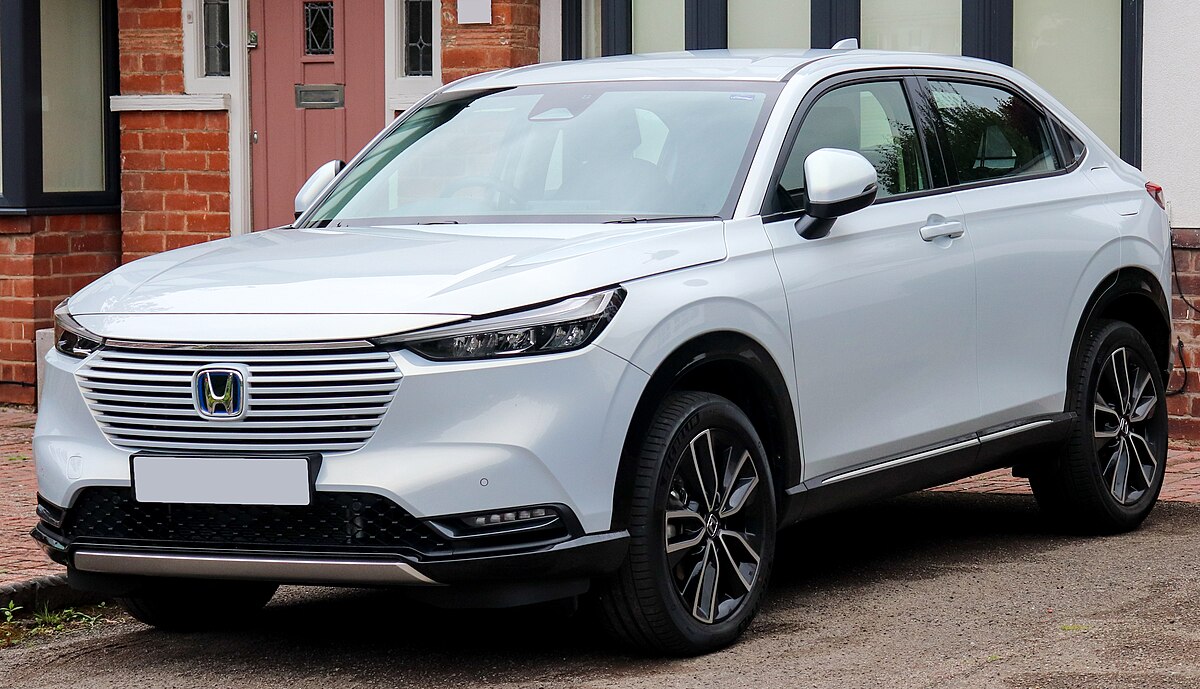
4. Honda HR-V
The Honda HR-V is marketed as a subcompact crossover, but its underpinnings and drivetrain put it closer to a compact hatchback in performance.
That’s fine for flat and moderate terrain, but on steep hills, the car shows limitations. It feels underpowered and the braking system doesn’t cope well with long descents. The HR-V is light and maneuverable, but these traits don’t make up for what it lacks in torque and brake strength.
The engine in the HR-V is modestly powered and requires high revs to generate enough thrust to climb steep inclines. This means the engine stays in the upper RPM range longer, generating heat and noise while still delivering only moderate acceleration.
On multi-mile uphill stretches, this can become annoying and even cause drivetrain strain over time. The CVT, while smooth in normal use, doesn’t allow for the gear control needed to use engine braking effectively on the way down.
Braking performance is not terrible in day-to-day use, but on longer hills, the HR-V begins to show signs of stress. The pedal gets soft with repeated use, and stopping distances grow longer.
Drivers often find themselves applying brakes earlier than they should need to, simply to feel confident that the car will slow down in time. It’s not dangerous per se, but it is inconvenient and adds to driver fatigue.
Handling is average. The steering feels somewhat disconnected, and the suspension is tuned more for comfort than control. This makes the HR-V feel less planted on tight corners, especially when going downhill at speed.
It’s not twitchy, but it doesn’t inspire the kind of confidence you’d want when navigating hilly terrain. For occasional use, the HR-V is manageable, but those living in or regularly visiting mountainous areas may want something a bit more robust.

5. Ford EcoSport
The Ford EcoSport is small, affordable, and easy to park, but those qualities don’t help much when the road begins to climb. It’s one of the more disappointing vehicles in terms of hill performance, primarily due to its weak engine and underwhelming brake system.
While the EcoSport tries to present itself as a practical urban crossover, it feels outmatched when pushed into challenging terrain with elevation shifts.
The main issue is its lack of power. Even the upgraded engines struggle on inclines, with frequent gear hunting and a delayed throttle response.
The automatic transmission often shifts too early or too late, resulting in sluggish acceleration. On hills, this can be both frustrating and dangerous, especially when trying to merge onto fast-moving roads or climb winding back roads with tight switchbacks.
Braking also disappoints. The discs are small and not particularly well ventilated. After a few miles of downhill driving, fade becomes noticeable, and the pedal feel becomes inconsistent. The car lacks engine braking support, forcing the driver to rely heavily on the pedal. This puts a lot of strain on the braking system, especially when carrying passengers or gear.
Handling doesn’t fare much better. The short wheelbase makes the EcoSport feel twitchy at higher speeds, and body roll is pronounced during cornering.
On steep or curvy roads, this leads to a sense of instability that makes the driver work harder than necessary. For city driving, it’s fine. But for anything involving serious hills, the EcoSport simply isn’t up to the task and is best avoided by those who expect to drive in those conditions regularly.
