

Motor oil plays a crucial role in engine health and performance, acting as both a lubricant and a heat manager. The debate between using conventional and synthetic oil has been active for decades, with each side offering its benefits and drawbacks.
While newer engines are often engineered to take full advantage of synthetic oil’s stability and longevity, many older or simpler engines remain perfectly happy with conventional oil. Not every car needs the most advanced lubricant on the market, and in some cases, conventional oil may even be preferable due to engine design, driving patterns, or cost considerations.
This is not just about oil preferences. It’s about understanding the mechanical needs of the engines themselves. Some cars are designed with tight tolerances, turbocharged setups, or high-performance demands that only synthetic oils can truly satisfy.
Others, especially those with naturally aspirated engines and less complex components, were built in an era or with a philosophy that accommodates conventional oil with no issues. For many car owners, knowing which category their vehicle falls into can help them save money or avoid unnecessary wear caused by using the wrong type of lubricant.
Additionally, the cost of oil changes can vary greatly depending on which type of oil is used. Synthetic oils can last longer between changes, but they also come at a higher price.
On the other hand, conventional oils are more affordable and still perfectly capable of protecting certain engines when changed at the proper intervals. It’s not just about choosing the most advanced option available, but choosing what fits your car’s requirements.
Below, we’ll look at five cars that still run strong on conventional oil and don’t need expensive synthetic options. These vehicles have proven that simplicity and solid engineering go hand in hand with traditional maintenance practices.
Then, we’ll turn to five cars that demand synthetic oil in every aspect, where advanced materials, turbochargers, or high-performance goals make synthetic a necessity rather than a luxury. Together, these lists highlight the diversity in automotive engineering and how oil types can reflect a car’s deeper design philosophy.
Also Read: 10 Best Car Models That Improved in New Generations
Cars That Still Run Strong on Conventional Oil

1. Toyota Corolla (1990s–early 2000s)
The Toyota Corolla has long been considered a gold standard for affordability, reliability, and simplicity. The models produced in the 1990s and early 2000s, especially those equipped with the 1.8-liter 4-cylinder engine, are known to be incredibly resilient.
These engines don’t push high horsepower, nor are they loaded with complex electronics or turbochargers that would require synthetic oil to manage heat and stress. Many of these engines can still be found running smoothly at high mileage, using nothing more than a regular diet of conventional oil.
Mechanics familiar with this era of the Corolla often mention how forgiving the engines are. Even with inconsistent oil change intervals or budget oils, these vehicles continue to operate with minimal wear.
The low-compression design and loose engine tolerances allow conventional oil to flow freely without stressing the system. In places where synthetic oil is hard to find or expensive, these Corollas remain one of the few options where sticking to basics still works well.
Another benefit is the straightforward maintenance routine. The oil filter placement, engine access, and lack of modern complications make oil changes easy and cheap.
This kind of DIY-friendliness is another reason many Corolla owners never felt the need to switch to synthetic oil. The engineering of these cars wasn’t built around high stress or thermal extremes, so conventional oil gets the job done without compromise.
While newer Corollas are designed for better fuel economy and may benefit from synthetic oil for longer intervals, these earlier models are a testament to how effective traditional car design can be. If you own one of these older Corollas and you’re not pushing it hard or running it in extreme conditions, conventional oil remains a sensible and durable choice.
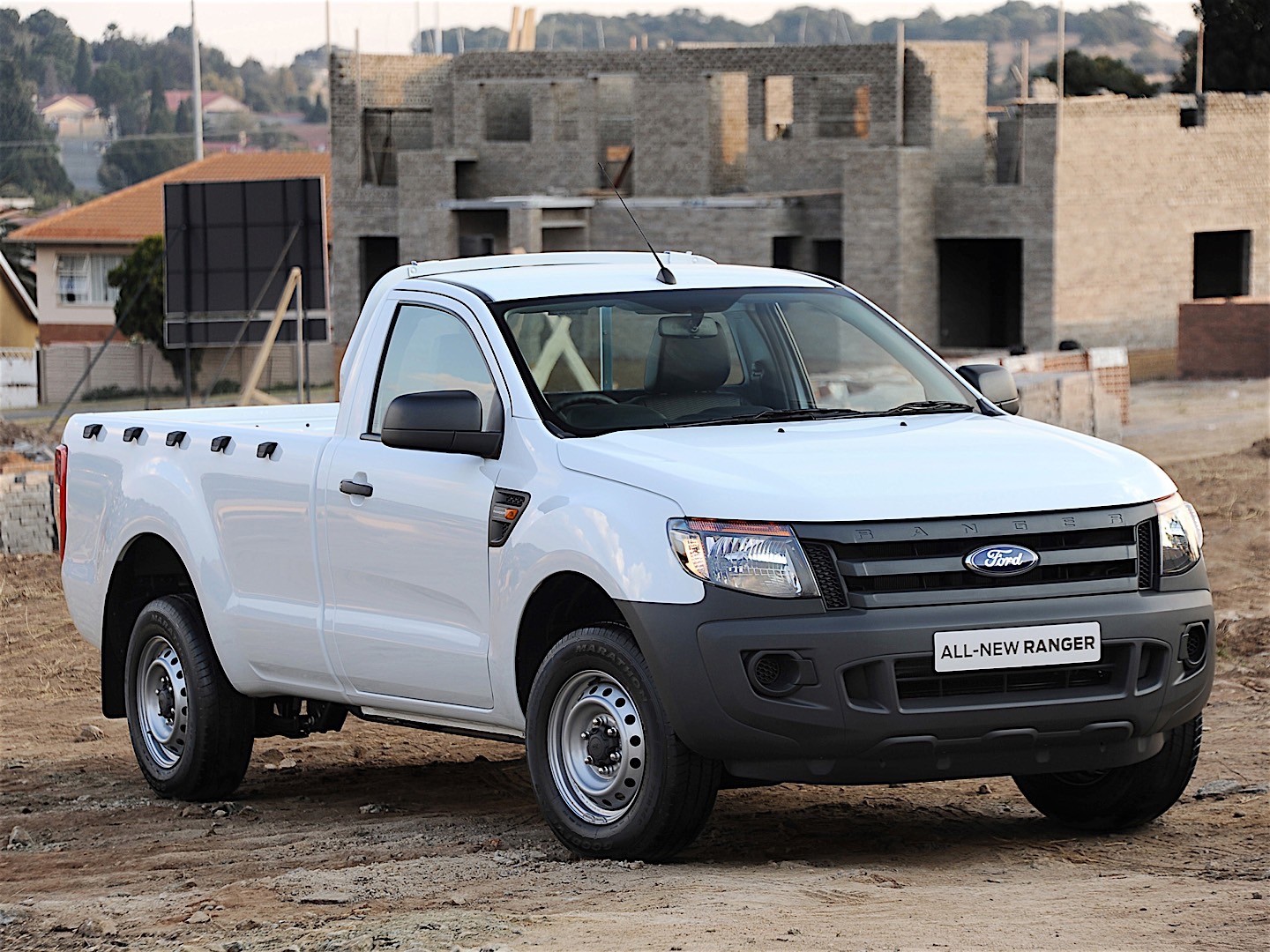
2. Ford Ranger (1993–2005)
The Ford Ranger, particularly the versions built between the early 1990s and mid-2000s, is another strong example of a vehicle that holds up well with conventional oil. These compact trucks were built with simplicity in mind, often using the 2.3L inline-4 or the 3.0L Vulcan V6 engines.
Neither engine is particularly high-revving or turbocharged, and both were known for being overbuilt in terms of durability. This made them ideal candidates for conventional oil, which works effectively under their operating conditions.
Many Ranger owners use their trucks for basic commuting, light-duty hauling, or weekend tasks, rather than aggressive driving or racing. In such scenarios, the oil doesn’t undergo the same stress levels seen in performance cars, which means conventional oil can still offer full protection.
Regular oil changes every 3,000 to 4,000 miles are enough to keep these engines running for years without needing more expensive synthetic blends.
The cost savings also make a difference. People bought these trucks for their utility and ease of ownership, not luxury or high-tech features.
Sticking with conventional oil aligns with the truck’s original philosophy: function over flair. For high-mileage engines, some owners even prefer conventional oil because it tends to be thicker and can help reduce minor leaks or oil consumption that may develop over time.
What also sets the Ranger apart is how accessible its maintenance needs are. With plenty of space under the hood and no complicated engine components, oil changes are easy and cheap.
This makes it a great candidate for people who do their own maintenance and don’t want to invest in premium oil unless absolutely necessary. If you’re still driving a Ranger from this era, chances are it’s quite content with regular, well-timed oil changes using conventional products.
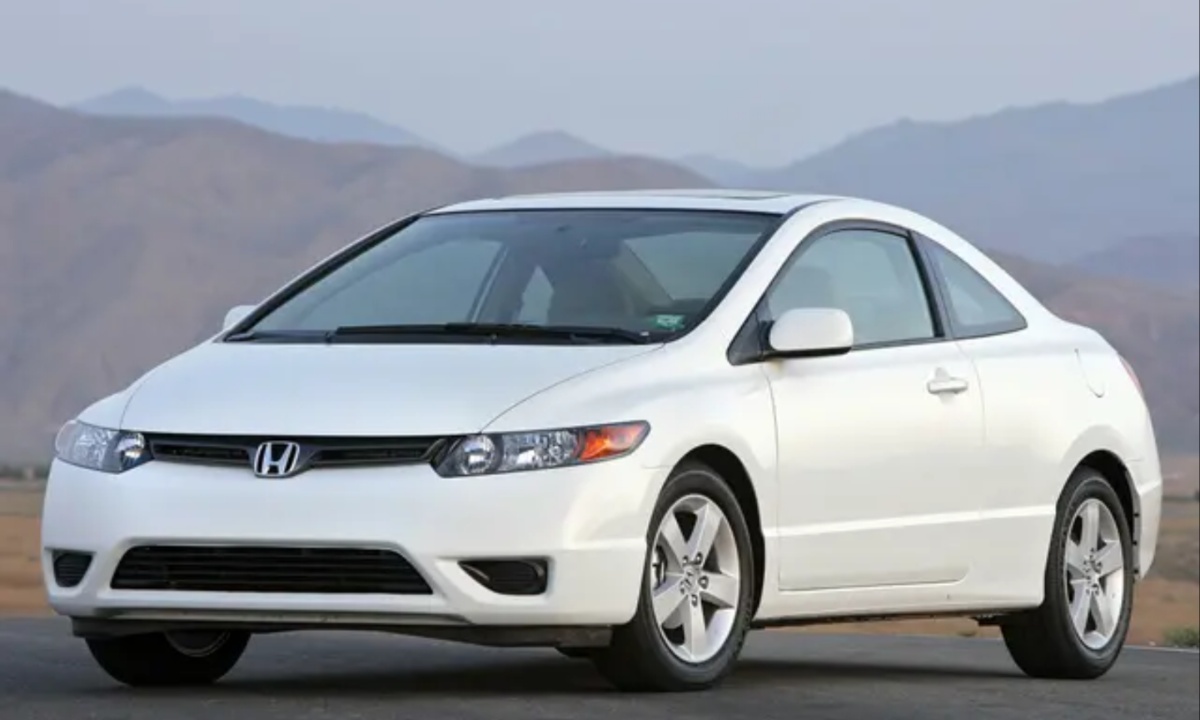
3. Honda Civic (1992–2000)
The older Honda Civics, especially those produced in the 1990s, are some of the most straightforward and mechanically sound vehicles ever built. With engines like the D15 and D16 series, these cars have proven themselves over decades.
While they may not be high-performance machines in their base trim, they shine in reliability, and one of their strongest traits is how well they operate with conventional oil. There’s no high compression or forced induction here, just clean engineering that emphasizes balance and efficiency.
Many Civic owners from this era continue to maintain their vehicles themselves. A big reason for this is that the cars are mechanically intuitive and don’t require specialty tools or premium fluids unless the vehicle has been heavily modified.
Honda’s engineering during this period didn’t demand synthetic oil. Instead, it called for regular changes using standard motor oil, and many Civics have reached 200,000 miles and beyond using only this type of oil.
Another aspect worth noting is how inexpensive these cars are to maintain when kept stock. Everything from filters to oil pans was designed to be affordable and replaceable.
If the oil is changed at appropriate intervals and the engine is not abused, conventional oil is more than capable of providing long-lasting protection. These cars were engineered during a time when synthetic oil was less common, and Honda accounted for that in their design philosophy.
The only time synthetic becomes necessary is in high-performance builds or VTEC-equipped versions pushed hard at high RPM. For most Civic owners with non-performance needs, sticking to traditional oil has proven to be a sensible and effective approach. These vehicles continue to represent reliability through simplicity, and their oil requirements reflect that mindset.

4. Chevrolet Silverado (1999–2006)
Chevrolet’s Silverado line, especially the models built from the late 1990s to mid-2000s, are strong examples of trucks that don’t require synthetic oil unless they’re under heavy stress.
Many of these trucks came with V8 engines like the 5.3L Vortec, which was built to handle heavy loads but didn’t need high-tech solutions to perform well. As long as the vehicle isn’t towing regularly or driving in extreme temperatures, conventional oil still serves these engines well.
The 5.3L Vortec is known for its durability and low-end torque. It’s not a high-strung engine and doesn’t reach RPM levels where oil breakdown is a major concern.
Because of this, many owners stick with conventional oil, particularly if the truck is used for standard commuting, errands, or occasional hauling. It keeps maintenance costs lower, especially over the life of the truck, which can easily exceed 250,000 miles with proper care.
Another benefit of using conventional oil in older Silverados is how well it seals in aging engines. Synthetic oils, being more refined, can sometimes leak through gaskets and seals that are worn out.
Conventional oil’s thicker composition helps prevent this and often results in less oil consumption for higher-mileage engines. Owners of older trucks sometimes revert back to conventional oil for this very reason, even if they started using synthetic at some point.
Finally, these Silverados were built for real-world utility. The owners typically value durability and practicality over technology and performance extremes. For these reasons, many continue to use conventional oil and report no issues. It’s another testament to how understanding your engine’s needs is more important than simply going for the most expensive option.

5. Jeep Cherokee XJ (1984–2001)
The Jeep Cherokee XJ remains one of the most rugged and reliable SUVs ever made, and it continues to be appreciated by off-roaders and daily drivers alike.
The 4.0L inline-six engine that powered most XJs is considered nearly bulletproof. It’s an older design that dates back decades, and it’s well-known for its ability to run strong with conventional oil. The engine is simple, robust, and doesn’t place extreme demands on motor oil unless you’re off-roading in high-heat conditions.
This engine was originally developed long before synthetic oils became widespread in the consumer market. Because of this, its tolerances and design are suited to thicker, traditional motor oils.
Many long-time Cherokee owners swear by conventional oil, especially those who have logged hundreds of thousands of miles. It’s not unusual to hear of XJs that have never once had synthetic oil in the engine but still run reliably every day.
There’s also a practical element to sticking with conventional oil. XJs are not known for their fuel economy or refined ride. They’re utility vehicles through and through.
Owners typically prioritize affordability, ease of repair, and simplicity. Conventional oil fits that bill. It’s readily available, cost-effective, and does everything needed to keep the engine lubricated and protected under normal use.
The 4.0L engine’s longevity is almost legendary. Properly maintained with regular oil changes using conventional oil, it has been known to last well beyond 300,000 miles.
For those who use the XJ for moderate off-roading, towing, or commuting, there’s rarely a need to switch to synthetic. As long as the oil is clean and changed on schedule, this engine remains one of the best examples of old-school durability.
Cars That Require Synthetic Everything
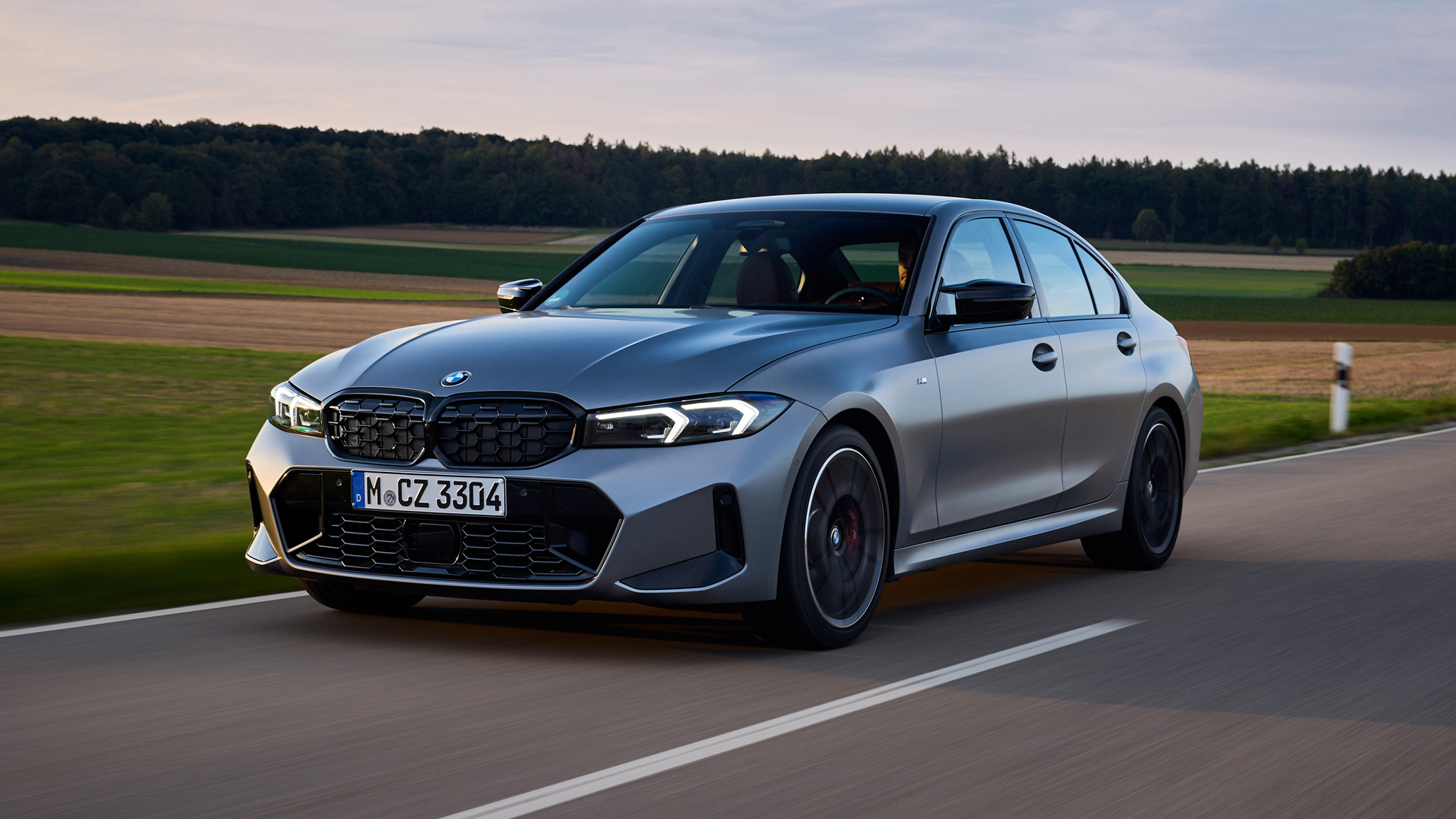
1. BMW 3 Series (2012–present)
The BMW 3 Series, particularly those produced from 2012 onward, represents a class of vehicles built with tight tolerances and a performance-focused approach. Starting with models like the F30 generation, BMW began using more turbocharged engines, such as the N20 4-cylinder and N55 6-cylinder.
These engines run hotter and have more advanced components, including direct fuel injection and variable valve timing systems. All of this increases the stress on the engine oil, making synthetic oil a requirement rather than a suggestion.
BMW specifies long oil change intervals, sometimes stretching beyond 10,000 miles, and only approves fully synthetic oils that meet specific European oil standards.
These synthetic oils have better high-temperature resistance, reduced evaporation rates, and superior detergent packages to handle the fine tolerances in the engine. Using conventional oil not only risks degrading performance but can also void the warranty and cause carbon buildup in critical components.
A key issue with these engines is turbocharger heat. Turbos operate under high pressure and extreme temperatures, which means the oil needs to be thermally stable to prevent breaking down and forming sludge.
Synthetic oils are much better at resisting oxidation and can protect the turbo bearings even when the engine is pushed hard. This becomes especially important for drivers who use their BMWs for spirited driving or long-distance cruising at higher speeds.
Additionally, modern BMWs have oil sensors and computer systems that monitor oil quality. These systems expect synthetic oil and are calibrated accordingly.
If a non-synthetic or lower-spec oil is used, the system might still allow the car to run, but internal wear can accumulate unnoticed. BMW didn’t just suggest synthetic oil; they engineered these engines around its capabilities. Cutting corners here can lead to expensive repairs down the road.
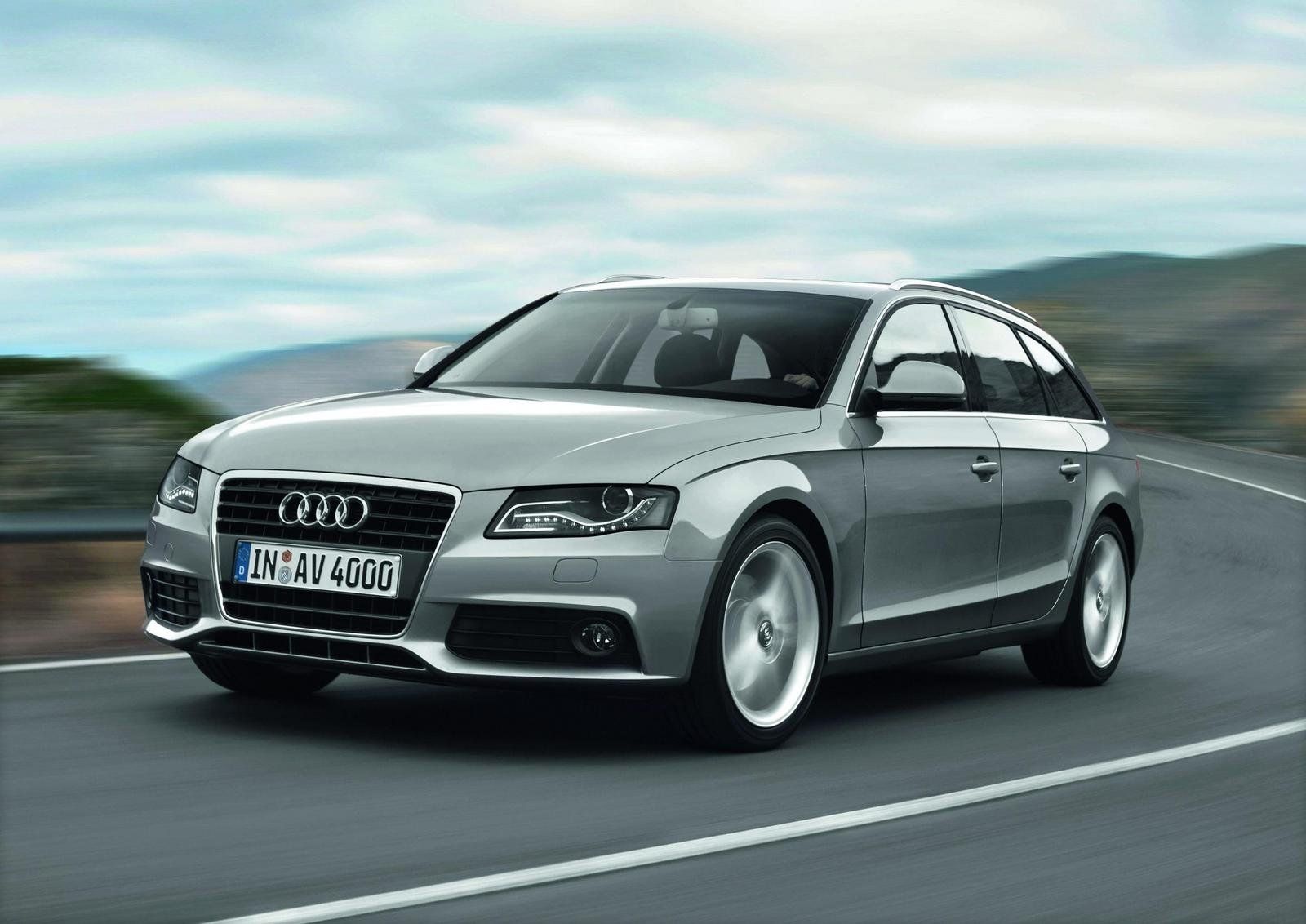
2. Audi A4 (2009–present)
The Audi A4, especially from the B8 generation forward, makes synthetic oil an essential part of its engineering. These vehicles feature turbocharged engines such as the 2.0L TFSI, which operate under high pressures and generate substantial heat.
With direct fuel injection and small-displacement turbos working hard to deliver both efficiency and power, the need for a high-performance lubricant becomes non-negotiable. Synthetic oil is required to prevent issues such as coking, sludge buildup, and oil starvation under load.
Audi specifies synthetic oil for all its turbo engines, and for good reason. Turbochargers demand oil that can withstand not just heat, but also rapid changes in pressure and temperature.
When a turbo cools down after heavy use, it can bake conventional oil onto the turbo shaft, leading to restricted oil flow and eventual failure. Synthetic oils handle these transitions far better, maintaining consistent viscosity and lubrication even after aggressive driving.
The TFSI engines are also known for carbon buildup in the intake system, which can be aggravated by poor oil quality. High-quality synthetic oil reduces this risk by maintaining cleaner engine internals and producing fewer volatile gases that contribute to deposits.
Audi’s oil system relies on this stability to keep everything running clean and smooth, particularly under long service intervals that exceed 10,000 miles.
Another factor is the emissions system. Modern Audi engines include complex systems for emissions control, including particulate filters and catalytic converters that can be sensitive to oil additives and residue.
Synthetic oils are formulated to burn cleaner and reduce the amount of byproduct that can harm these systems. In essence, if you drive an Audi A4 from the last decade, synthetic oil isn’t a luxury it’s a vital part of keeping your car functioning as intended.
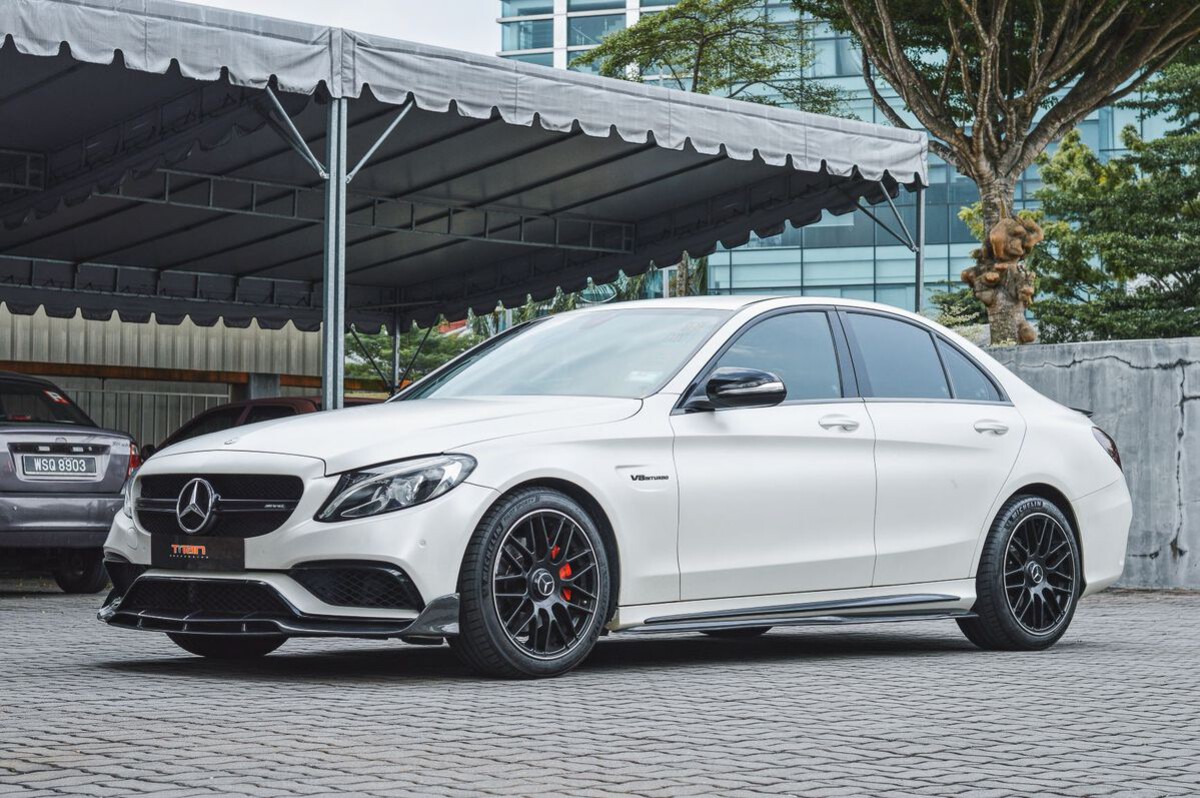
3. Mercedes-Benz C-Class (2015–present)
Mercedes-Benz has fully committed to advanced engine designs in recent years, and the C-Class is a prime example. Starting with the W205 generation, many models now come with turbocharged 4-cylinder and 6-cylinder engines that require precise lubrication.
These engines run hotter and are built with narrow tolerances that leave no room for oil breakdown or sludge formation. Mercedes mandates fully synthetic oil that meets strict specifications, and skipping it can lead to major issues over time.
The C-Class models use engines like the M274 and M264, both of which are built to perform with minimal emissions and maximum efficiency.
These goals require synthetic oil with specific viscosity and additive properties. The oil must flow quickly at startup, resist high-temperature breakdown, and remain stable over extended intervals. Anything less can lead to performance loss, component damage, or timing chain issues.
Synthetic oil is especially important in these cars due to the integration of turbochargers and complex emissions equipment. Turbochargers can reach temperatures well over 1,000 degrees Fahrenheit, and any weak oil would not survive this heat.
Synthetic oil not only protects the turbo but also keeps oil passages from clogging and prevents varnish from building up inside the engine.
Beyond just protection, the vehicle’s computer systems are optimized for synthetic oil’s characteristics. Oil life monitors, temperature sensors, and fuel mapping are all designed with synthetic oil in mind.
The idea is to offer longer service intervals and better reliability, but that only works if the engine receives what it was designed for. Mercedes vehicles like the C-Class demand this level of care and won’t perform their best without it.
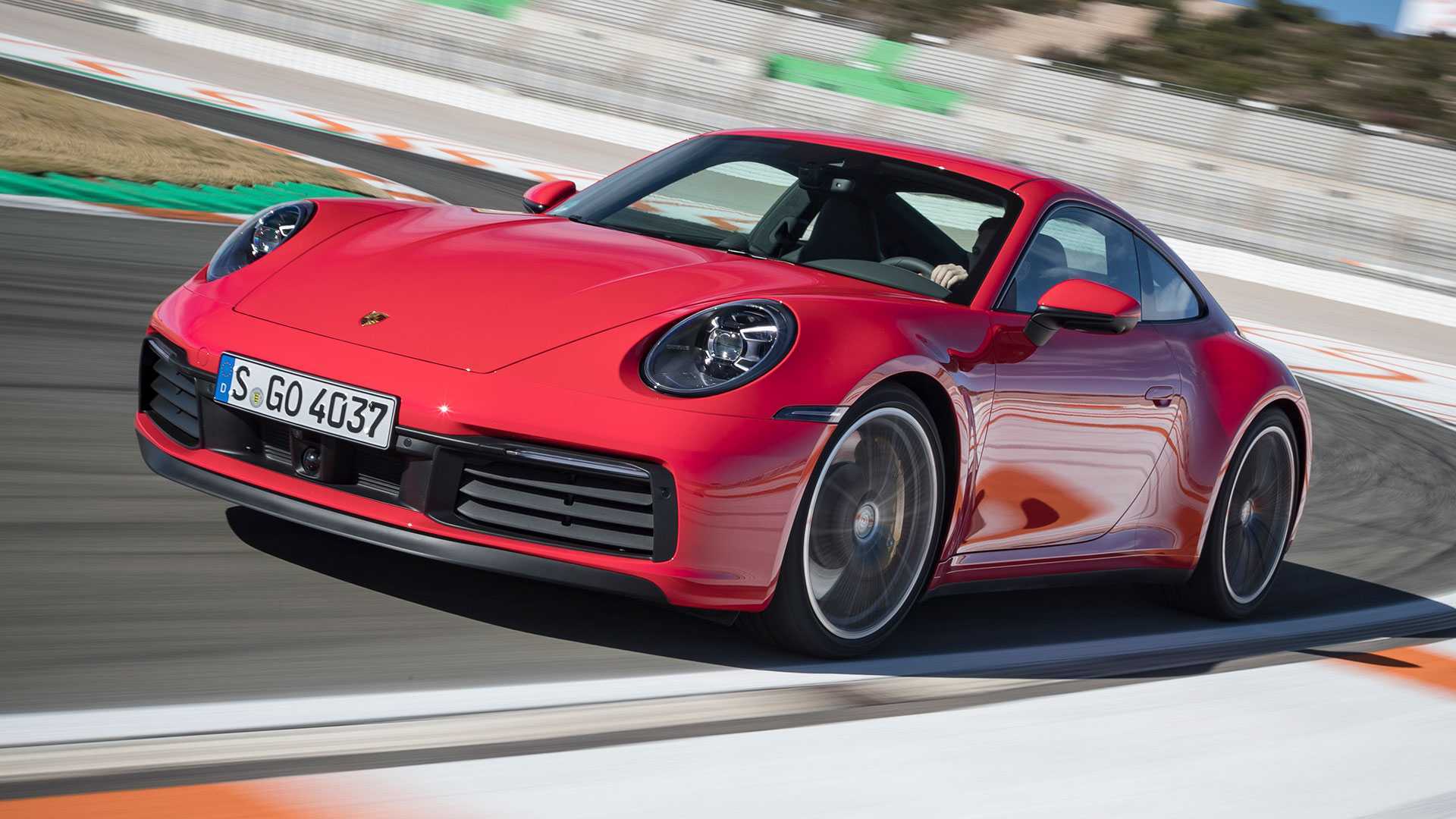
4. Porsche 911 (1999–present)
The Porsche 911 is a vehicle that exemplifies precision, speed, and high-performance engineering. With a history stretching back decades, its engine has evolved into a finely tuned machine that demands only the best lubricants available.
Since the 996 generation launched in 1999, Porsche has used water-cooled engines with tighter tolerances and greater horsepower. These engines operate under extreme pressure and heat, especially in models with forced induction, making synthetic oil absolutely essential.
From the base Carrera to the turbocharged models, the flat-six engine layout of the 911 puts unique demands on the oil. Because of its low center of gravity and horizontally opposed cylinder configuration, the oil must reach various parts of the engine efficiently and consistently.
Porsche recommends specific synthetic oils not only for performance reasons but to ensure proper flow and cooling in this specialized layout. The flat-six engine design also results in higher oil capacities and more heat generation due to compact engine packaging.
Synthetic oil’s superior thermal stability and resistance to oxidation are necessary for keeping internal components free from wear and deposits. In spirited driving or track conditions, conventional oil wouldn’t be able to maintain its protective properties for long. Porsche engines push boundaries, and their oil must do the same.
Moreover, Porsche has adopted longer oil change intervals in recent models, relying on synthetic oil’s durability to maintain engine protection over time.
Whether it’s cold-start performance in the winter or resisting viscosity breakdown at high RPMs, synthetic oil handles it all. Using anything less in a 911 not only risks damaging a high-value engine but also undercuts the performance experience Porsche is known for delivering.

5. Tesla Model S (Electric Motor and Lubricants)
The Tesla Model S, as an all-electric vehicle, breaks many traditional automotive norms, especially regarding lubrication needs.
Unlike internal combustion engines that rely heavily on motor oil for engine lubrication, cooling, and sealing, electric vehicles (EVs) like the Model S operate with electric motors and battery packs that require a completely different set of lubricants.
These synthetic lubricants are critical to ensuring the smooth operation and longevity of components such as the electric motor bearings, gear reduction units, and thermal management systems.
Although no conventional engine oil is used, the Model S still depends on high-performance synthetic fluids to maintain efficiency and reliability.
The electric motor in the Tesla Model S operates at extremely high speeds and torque levels. This creates unique lubrication challenges. The gear reduction system, which transfers power from the motor to the wheels, contains metal components that must be protected from wear and heat.
The lubricant used here is a synthetic gear oil specifically formulated to reduce friction while maintaining viscosity under varying temperature conditions. This helps the Model S maintain its impressive acceleration and smooth power delivery without excessive mechanical wear over time.
Thermal management is another critical area where synthetic fluids play a vital role in the Tesla Model S. The battery pack generates substantial heat during charging and operation, and it relies on a liquid cooling system that circulates coolant through the battery cells to maintain optimal temperatures.
This coolant often contains synthetic additives designed to resist breakdown at high temperatures and to protect the battery and cooling system from corrosion. Without these specialized synthetic fluids, the battery could overheat, reducing its efficiency and lifespan.
Furthermore, Tesla’s cooling system is designed for extreme operating conditions, such as fast charging or extended high-speed driving, where temperatures can spike rapidly.
The synthetic coolants used are engineered to withstand thermal cycling without losing their protective properties. This ensures consistent cooling performance and helps maintain the battery’s health, which is critical to preserving driving range and performance over time.
Even beyond the motor and battery systems, the Model S uses synthetic lubricants in other components, such as the HVAC system and various actuators.
These fluids provide low viscosity for energy efficiency but still maintain protective qualities to extend component life. The use of synthetic fluids in these systems supports Tesla’s design philosophy of maximizing efficiency and minimizing maintenance.
In essence, while the Tesla Model S doesn’t use traditional motor oil, it relies heavily on synthetic lubricants tailored to the unique needs of electric drivetrains.
These specialized fluids help the vehicle achieve high performance, longevity, and reliability without the need for frequent changes that conventional engine oil would require. As electric vehicles become more widespread, the importance of synthetic lubricants for these new technologies will only continue to grow.
Also Read: 10 Best Car Models That Improved in New Generations
The divide between conventional and synthetic oil isn’t just about cost or preference; it’s about compatibility and performance. Cars designed before the synthetic revolution often have engines that work perfectly well with conventional oils.
These engines were built with looser tolerances, less demanding performance goals, and fewer extreme operating conditions. In such vehicles, like older Corollas, Civics, or Ford Rangers, conventional oil remains a cost-effective and reliable choice.
On the other hand, today’s advanced engines are built to take full advantage of synthetic oil. Turbochargers, direct injection, and longer service intervals all place increased stress on the lubricant.
In vehicles such as the BMW 3 Series, Audi A4, and Porsche 911, synthetic oil isn’t just a suggestion; it’s a critical component of the engine’s design. Electric vehicles like the Tesla Model S also depend on synthetic lubricants to maintain drivetrain efficiency and thermal stability.
What this comes down to is understanding what your vehicle needs. Using the wrong oil can lead to everything from reduced efficiency to major engine damage. Following the manufacturer’s recommendations and recognizing the demands of your specific engine will help you make the right decision.
For some, that means regular oil changes with conventional products. For others, it means investing in high-quality synthetics to protect modern, high-performance systems.
As technology continues to evolve, the role of synthetic lubricants will only grow. But that doesn’t mean older, simpler cars are obsolete.
They serve as a reminder that good engineering and regular maintenance can go a long way even without the latest materials. Whether you’re sticking with tradition or embracing the future, knowing your car’s needs is what keeps it running strong.
