
When it comes to selecting a family vehicle designed to handle the nonstop demands of carpool duty, reliability and durability become crucial. For parents or caregivers shuttling kids to school, sports, music lessons, or various activities, an SUV often emerges as the ideal option because of its size, seating capacity, and versatility.
Unlike sedans or smaller cars, SUVs can comfortably accommodate multiple passengers and their gear, making daily trips less stressful and more efficient.
However, not every SUV stands the test of time equally well, especially under constant use that includes stop-and-go city driving, highway commutes, and the occasional off-road or rough terrain excursion.
Some models build a reputation for lasting well beyond a decade, requiring minimal repairs, maintaining good fuel efficiency, and preserving a comfortable ride throughout years of heavy use.
Meanwhile, others tend to encounter issues that lead to costly repairs or inconvenient breakdowns, often well before a typical lease term ends.
These differences are important to understand for families investing in a long-term vehicle because reliability impacts everything from family safety and convenience to finances and peace of mind.
This article will focus on two groups of SUVs: first, five models that have proven capable of handling intense carpool duty for ten years or more, and second, five models known for breaking down or requiring major repairs before the end of a standard lease term, often around three years. Families depend on reliable transportation every day.
Vehicles that can’t consistently deliver that reliability cause headaches, disrupt schedules, and result in unexpected expenses that could otherwise be avoided.
By highlighting SUVs with demonstrated long-term dependability as well as those with concerning reliability histories, this article aims to help families make more informed choices when shopping for their next car.
The emphasis will be on real-world experiences and trends, focusing on how these vehicles perform after years of regular use, not just their new-car features or initial appeal.
The first section will outline SUVs that have built a solid track record for long-term use. These vehicles typically feature robust powertrains, durable chassis components, and interiors designed to withstand wear and tear from daily family life.
They are often praised by owners for low maintenance costs and fewer unexpected repairs, even after logging high mileage.
Safety features, comfort, and fuel efficiency improvements over the years also contribute to their staying power, making them practical choices for busy families. The second section will focus on SUVs that, despite initial promise or attractive design, fall short when it comes to reliability.
These vehicles may suffer from mechanical weaknesses, electronic malfunctions, or transmission issues that commonly develop within a few years.
The cost and inconvenience of repairs, combined with higher-than-average maintenance needs, make these SUVs less suitable for families relying on consistent performance. Understanding these risks beforehand can prevent costly mistakes and help families select vehicles that best suit their needs.
By the end of this article, readers will gain insight into which SUVs are worth trusting to carry the family through years of daily drives and which ones could lead to frustration, lost time, and extra expenses before the lease even expires.
Making a wise choice in a family vehicle extends far beyond style or initial cost; it means selecting an SUV that supports everyday life smoothly, without surprises. With that in mind, here are the SUVs that consistently excel under carpool pressure and those that struggle to keep up.
Also Read: 5 EVs With Top Safety Ratings vs 5 With Early Safety Recalls
SUVs That Handle Carpool Duty for a Decade
Toyota Highlander
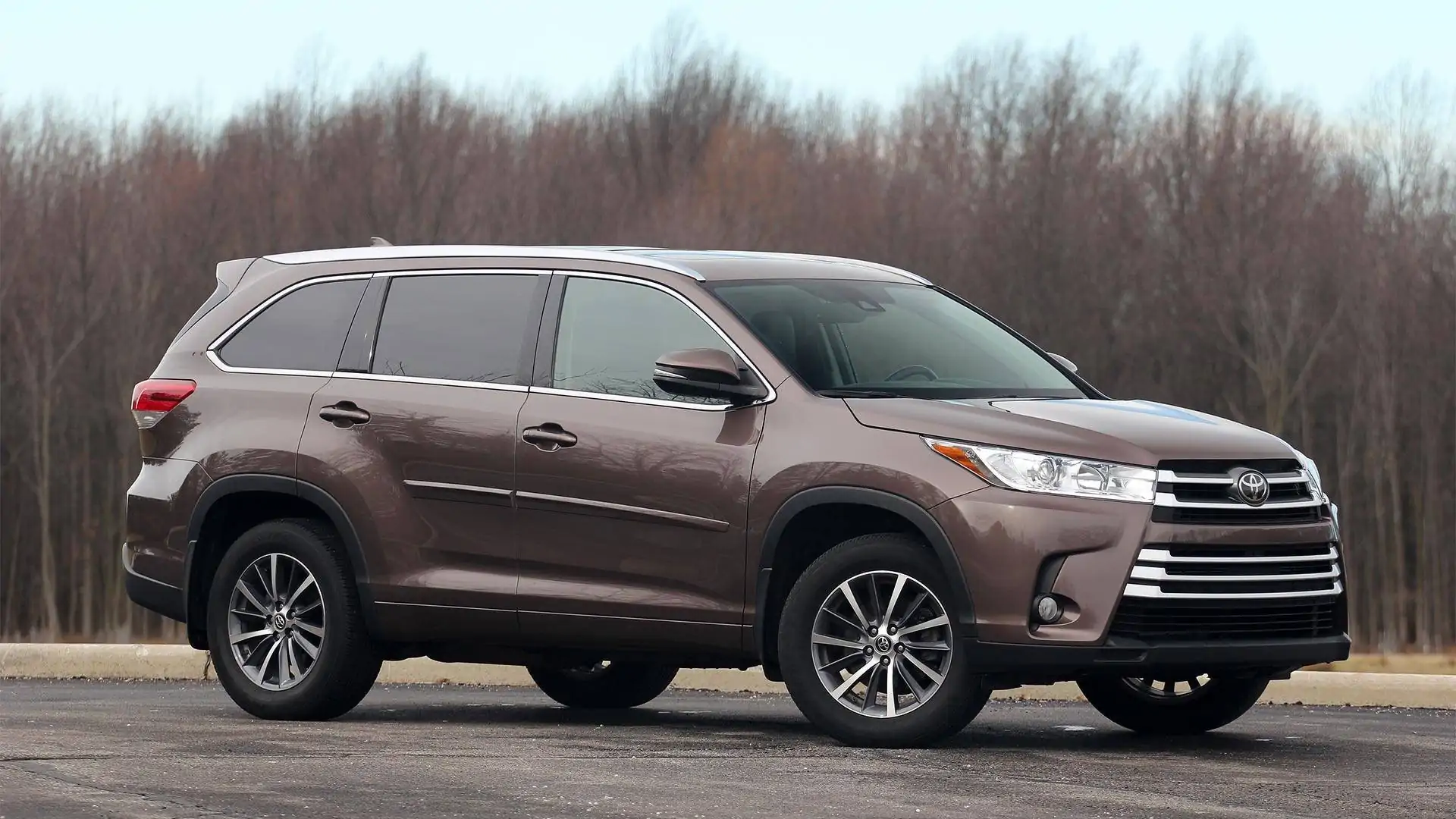
The Toyota Highlander is widely recognized as a paragon of reliability in the midsize SUV category, particularly for families requiring a vehicle capable of enduring heavy daily use without frequent repairs or breakdowns.
This reputation is not accidental but the result of decades of Toyota’s focused commitment to quality engineering and manufacturing precision.
The Highlander’s build quality reflects a design philosophy that values longevity and consistency, making it an especially smart choice for carpool duty.
Families appreciate the vehicle’s comfortable seating for up to eight passengers in some models, spacious cargo area, and smooth ride that absorbs the bumps of stop-and-go traffic and longer trips alike.
One of the key factors behind the Highlander’s staying power is its well-proven powertrain. The V6 engine, combined with Toyota’s efficient transmission systems, provides balanced performance that handles loaded conditions well without excessive fuel consumption or mechanical strain.
In addition to the solid mechanical foundation, the Highlander’s interior and exterior materials are chosen to resist wear over time.
For families regularly loading children and equipment, durability inside the cabin is crucial. Toyota also continuously updates safety features, offering a suite of driver-assistance technologies that enhance protection on every drive.
The brand’s renowned reliability extends to electronics and infotainment systems as well, with fewer complaints about glitches or failures compared to competitors. Importantly, maintenance and repair costs for the Highlander remain reasonable, supported by Toyota’s extensive dealer network and availability of parts.
Many Highlander owners report reaching mileage well beyond 200,000 miles with only standard upkeep and no major mechanical failures, a testament to the vehicle’s design quality.
This consistent reliability and owner satisfaction make the Highlander a go-to SUV for families looking to invest in a vehicle that will perform steadily over a decade or more.
Whether ferrying children through busy mornings or packing up for weekend outings, the Highlander continues to deliver dependable, comfortable rides without the stress of unexpected breakdowns or expensive repairs. Its balance of capability, efficiency, and longevity creates a strong value proposition for families seeking a long-term carpool vehicle.
Honda Pilot
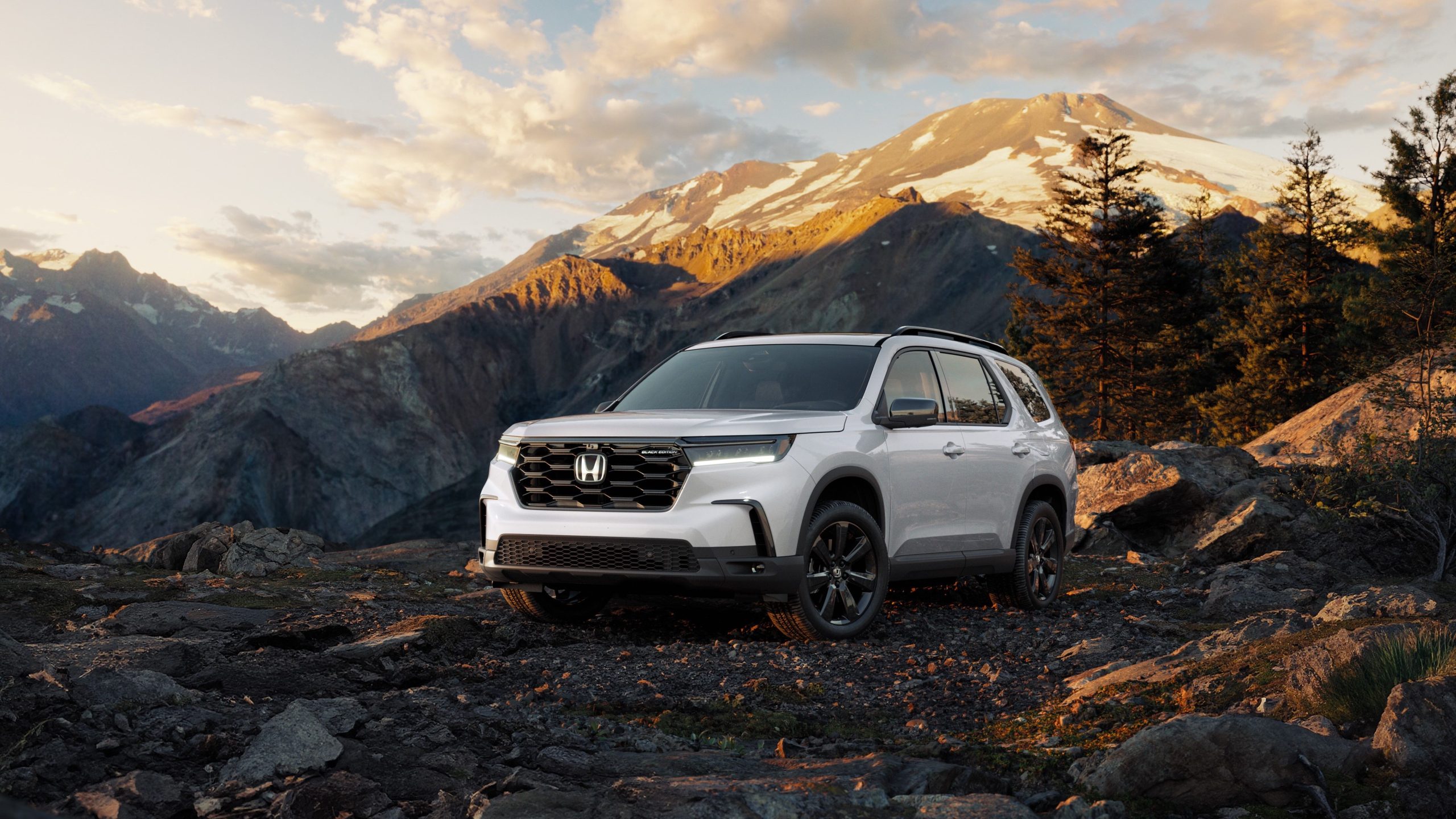
The Honda Pilot stands out among midsize SUVs for its blend of spaciousness, comfort, and an enduring reputation for reliability, making it a natural choice for families who require an SUV capable of sustaining years of frequent use.
One of the Pilot’s most notable features is its roomy cabin, which comfortably seats up to eight passengers across three rows. This flexibility is a key advantage for larger families or those who regularly transport groups of children and gear.
The Pilot’s V6 engine is another highlight, offering smooth, responsive power delivery that handles city traffic, highway cruising, and loaded trips without strain. Honda’s engineering focuses on durability, with robust components and efficient systems that tend to last well beyond the expected service life when properly maintained.
Owners often comment on the Pilot’s refined driving experience, noting its comfortable suspension setup that smooths out rough pavement and keeps passengers relaxed even during extended carpool runs.
Noise insulation and climate control systems contribute to a pleasant interior environment, important factors when spending time in the vehicle multiple times a day.
Moreover, Honda provides a comprehensive network of service centers and readily available parts, which reduces the hassle and cost of repairs over the years. These aspects help the Pilot maintain a high resale value and a reputation for trouble-free ownership.
In addition to mechanical reliability, the Pilot offers an impressive array of safety features that evolve with each model year. These features provide peace of mind for families concerned about protecting their passengers during the unpredictable nature of daily driving.
Long-term owners frequently report that with regular oil changes, tire rotations, and routine maintenance, their Pilots continue to perform reliably for a decade or more without major repairs or mechanical failures. This blend of space, comfort, performance, and durability cements the Pilot’s place as a dependable SUV that can manage carpool duty efficiently for many years.
Subaru Ascent
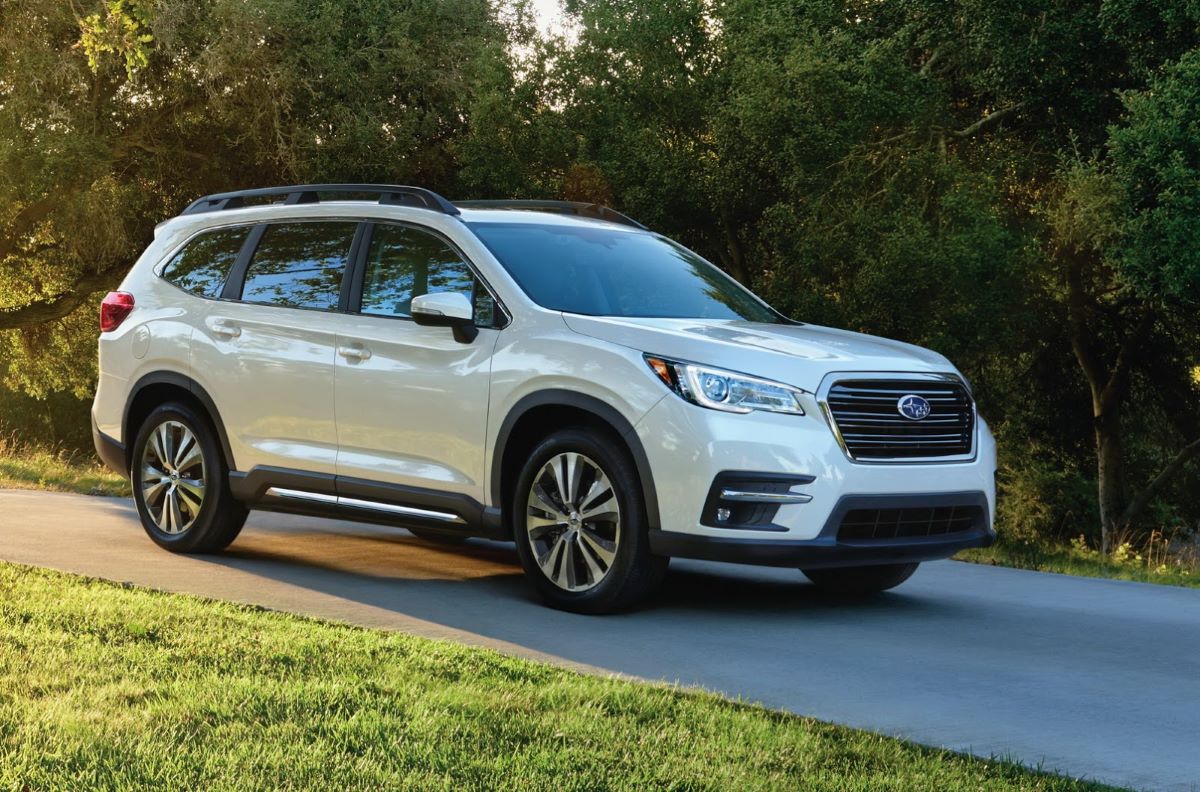
The Subaru Ascent embodies a practical approach to family transportation, with particular strengths in all-weather capability and safety, which enhance its appeal for carpool families who face varying driving conditions.
This midsize SUV features Subaru’s signature symmetrical all-wheel-drive system, which provides enhanced traction and control across different road surfaces and weather scenarios.
For families living in regions with frequent rain, snow, or icy roads, the Ascent’s AWD system is a critical advantage, boosting confidence and safety during every trip.
Powering the vehicle is a turbocharged four-cylinder engine that combines sufficient horsepower with fuel efficiency, allowing the Ascent to carry multiple passengers and cargo without compromising performance.
Inside, the Ascent offers flexible seating for up to eight occupants, with a thoughtful layout that maximizes passenger comfort and cargo capacity. Subaru also integrates a broad suite of driver-assistance technologies as standard, including adaptive cruise control, lane-keep assist, and automatic emergency braking.
These features are especially valuable for parents wanting extra layers of safety on every drive. The vehicle’s interior materials and design reflect durability, as families often deal with children, pets, and active lifestyles that can be tough on upholstery and controls.
The Ascent’s reputation for reliability is supported by positive owner feedback and industry ratings, with many families reporting long-lasting performance with routine maintenance.
While its styling may lean toward outdoor and adventure buyers, the vehicle’s practicality and rugged dependability make it a strong candidate for any family that demands consistent, trouble-free transportation.
Maintenance tends to be straightforward, and Subaru’s service network helps keep repair costs reasonable, adding to the vehicle’s appeal as a carpool SUV that can endure daily use for over ten years.
Ford Explorer
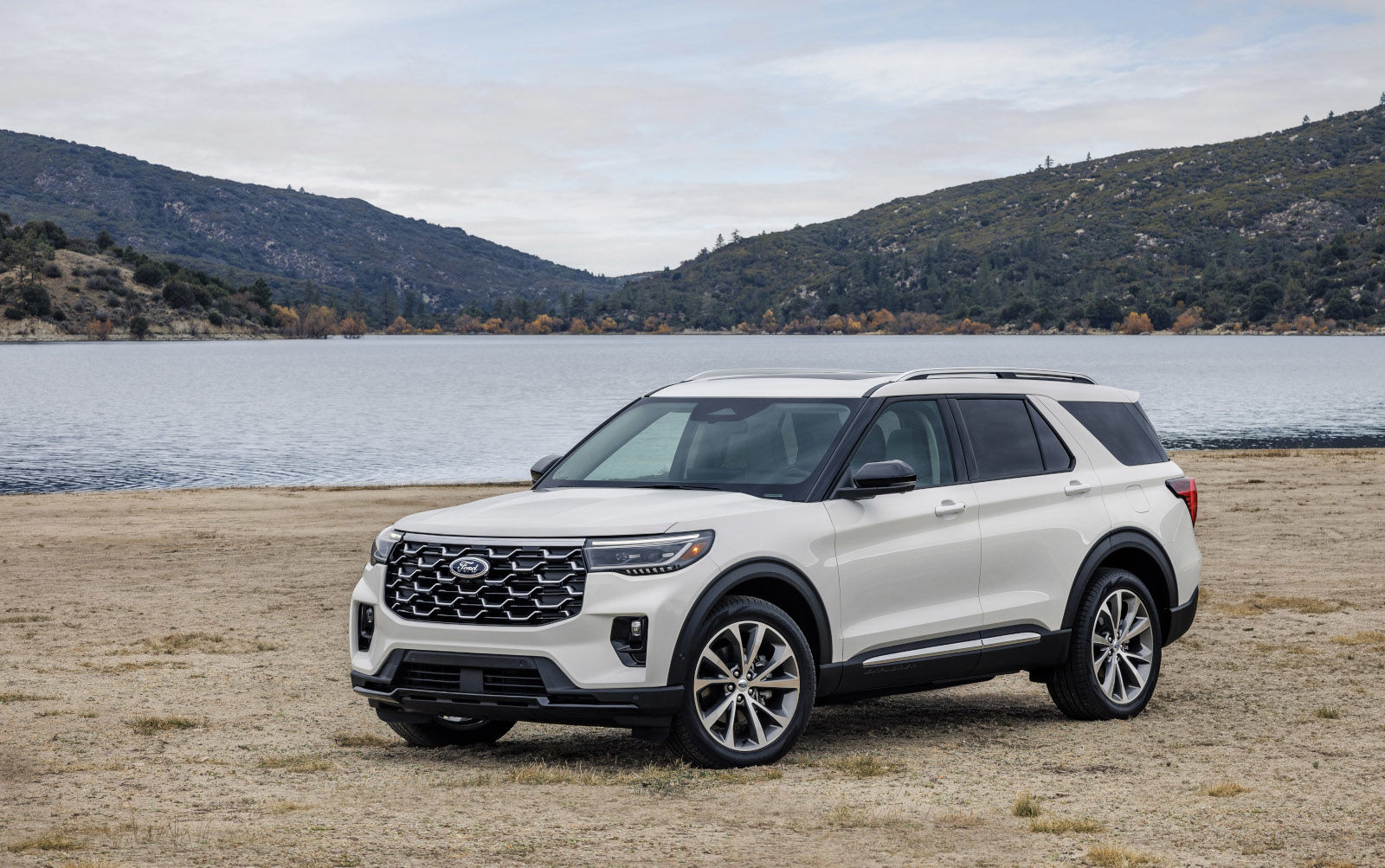
The Ford Explorer has evolved from a rugged, truck-based SUV into a more refined, family-friendly vehicle that balances performance, interior space, and technology. This transformation, particularly in recent generations, has helped improve its reliability and appeal for families relying on it as their primary carpool vehicle.
The Explorer offers three rows of seats with comfortable accommodation for up to seven passengers, making it a good choice for those needing extra space without stepping up to a full-size SUV. Its V6 engines provide adequate power and smooth acceleration, allowing it to handle loaded trips and highway driving with ease.
Ford has made significant investments to improve the Explorer’s build quality and reliability, responding to earlier criticisms by upgrading materials, components, and assembly processes.
The result is a vehicle better equipped to withstand daily wear and tear, reducing the frequency of repairs and breakdowns compared to previous models.
Additionally, the Explorer comes with a wide range of advanced safety features such as blind-spot monitoring, adaptive cruise control, and lane departure warning, which contribute to safer driving experiences on busy roads.
From an ownership perspective, the Explorer’s maintenance costs are generally manageable, and parts availability is good given its popularity in the U.S. market. While it might not reach the legendary reliability levels of some Japanese competitors, it performs well enough to satisfy families who demand versatility and comfort.
Owners report that with proper maintenance, the Explorer remains a dependable vehicle for several years, able to withstand the challenges of daily carpool duty without excessive downtime. Its balance of size, capability, and reliability makes it a solid option for families planning to keep their vehicle for a decade or longer.
Kia Telluride
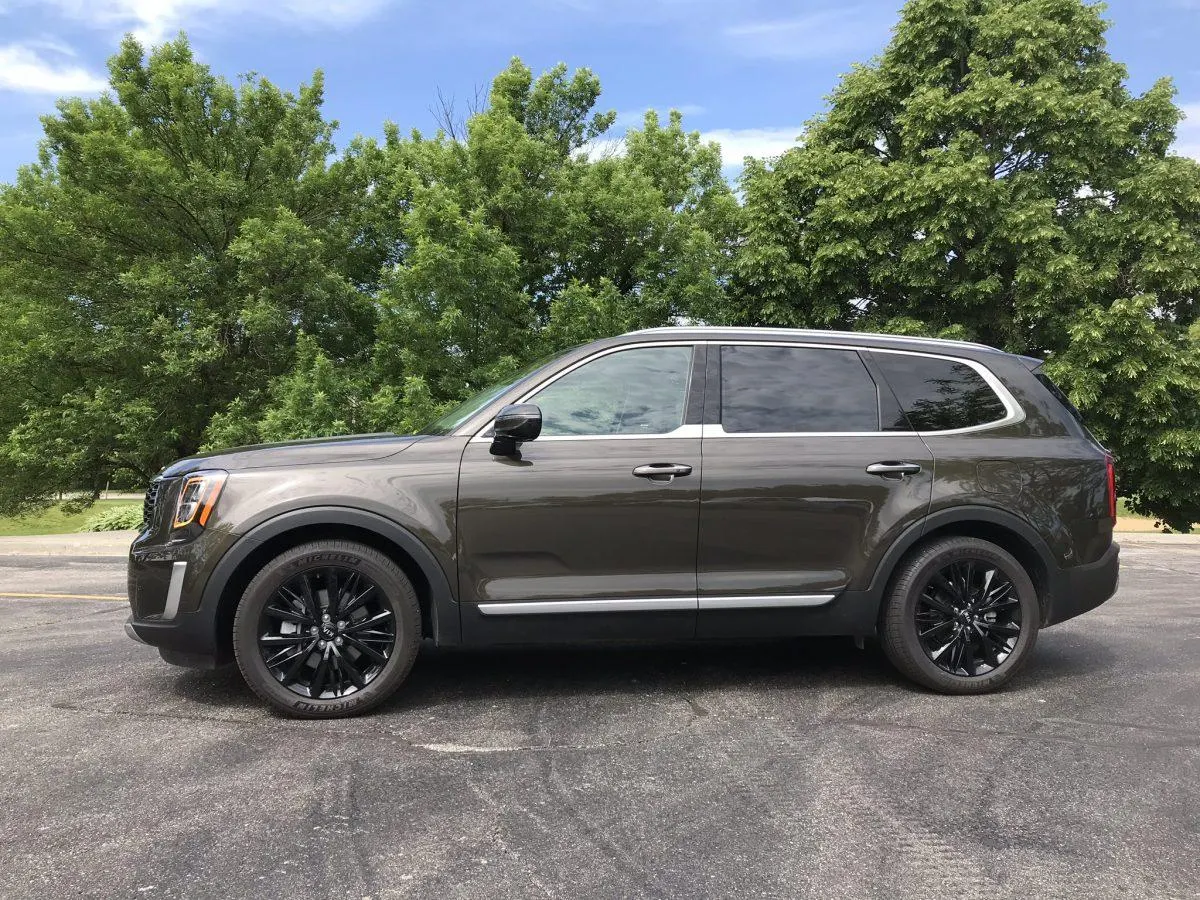
The Kia Telluride has quickly earned a reputation as one of the best family SUVs, combining upscale styling, spaciousness, and solid reliability at a competitive price point.
Since its introduction, the Telluride has attracted widespread praise for its refined interior, user-friendly technology, and strong V6 powertrain that provides ample acceleration and towing capability.
These features alone make it appealing, but what truly elevates the Telluride for long-term carpool duty is its dependable engineering and robust build quality. Kia’s commitment to quality control and the inclusion of a generous warranty program offer families confidence that this vehicle will endure years of intensive use.
The interior is designed with family life in mind, offering three rows of comfortable seats with enough space to fit both children and adults without crowding. The cabin materials are durable and resistant to wear, ideal for handling the inevitable messes and scratches that come with daily use.
Ride quality is smooth, and the suspension absorbs road imperfections well, helping to keep passengers relaxed on busy weekdays and weekend trips alike. Fuel efficiency is respectable for a vehicle of its size and power, which is an important consideration for families looking to balance performance with economy.
Owners of the Telluride consistently report satisfaction with its low frequency of mechanical issues, emphasizing routine maintenance as the key to its longevity. The vehicle’s comprehensive safety package further adds value by protecting occupants on every journey.
Telluride offers an excellent combination of style, comfort, and proven reliability, making it a top contender for families seeking an SUV that can serve carpool duties effectively for ten years or more.
SUVs That Break Before the Lease Ends
Jeep Grand Cherokee
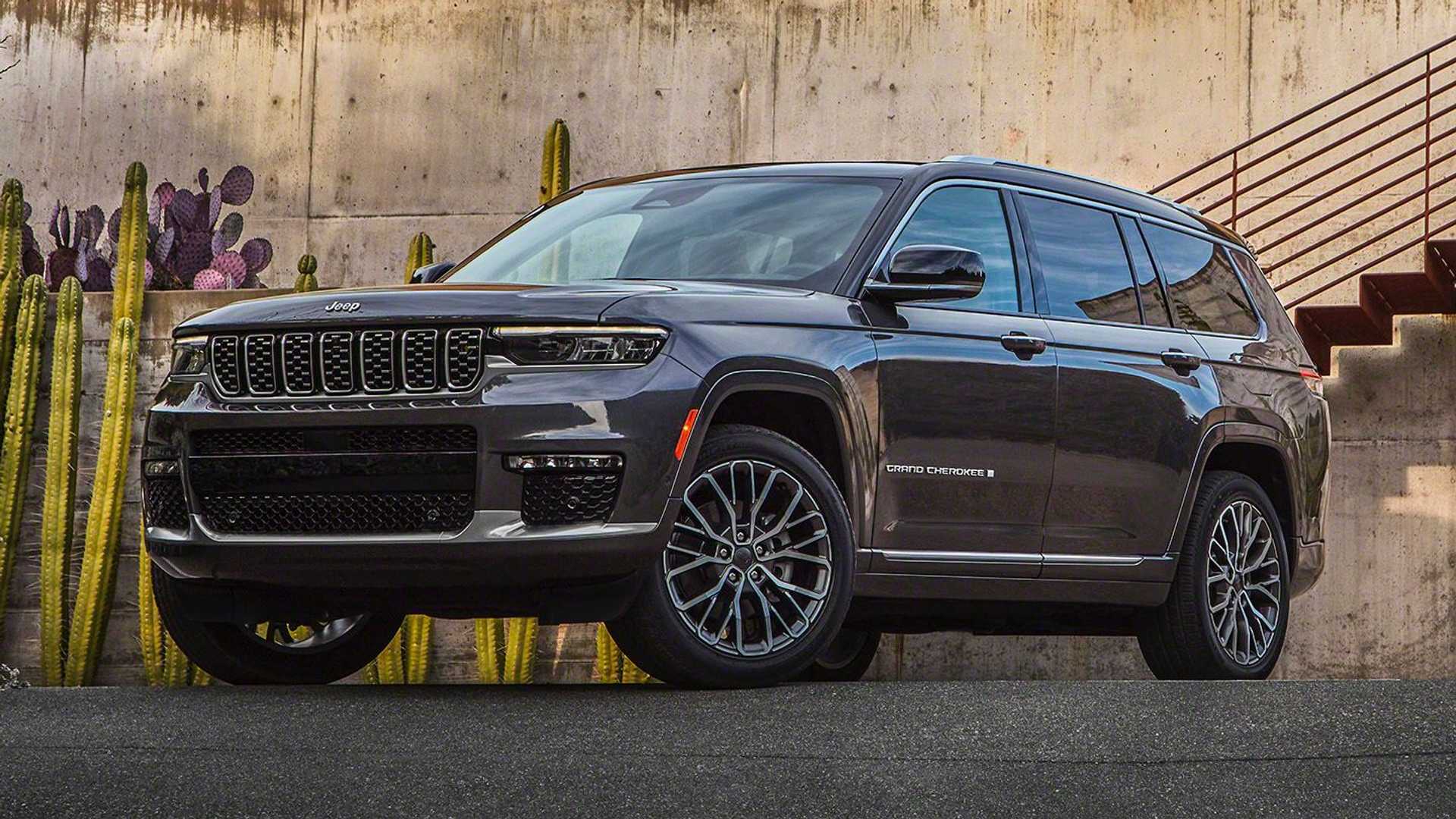
The Jeep Grand Cherokee, while boasting rugged good looks and off-road capabilities, has struggled to maintain a solid reputation for reliability in recent years. Many families attracted to its bold styling and features find themselves facing frustrating mechanical issues after a relatively short ownership period.
The Grand Cherokee’s complex electronics and advanced infotainment systems are often a source of frequent glitches and failures, which can lead to expensive trips to the dealership for repairs.
Additionally, the vehicle’s powertrains, especially certain V6 and V8 engines, have been known to develop issues such as rough idling, stalling, or transmission hesitation that significantly impact daily usability.
These problems are particularly troublesome for families relying on the SUV for daily carpool duties, where vehicle downtime means missed schedules and added stress. Fuel economy for the Grand Cherokee is typically below average, increasing the cost of ownership, especially with heavy use.
The high cost of parts and repairs compared to more mainstream SUVs compounds the challenge, as Jeep’s specialized components can be expensive to replace or fix. Even with proper maintenance, the vehicle’s track record shows that many issues arise well before a typical three-year lease would expire.
While the Grand Cherokee offers appealing off-road capability and a spacious interior, its inconsistent reliability makes it a risky proposition for families seeking a long-term daily driver.
Parents who need dependable transportation may find this model less suitable due to its propensity for mechanical and electronic failures under sustained use. This SUV’s maintenance headaches and downtime can outweigh its initial allure, leading to frustrations that families would prefer to avoid.
Cadillac XT5
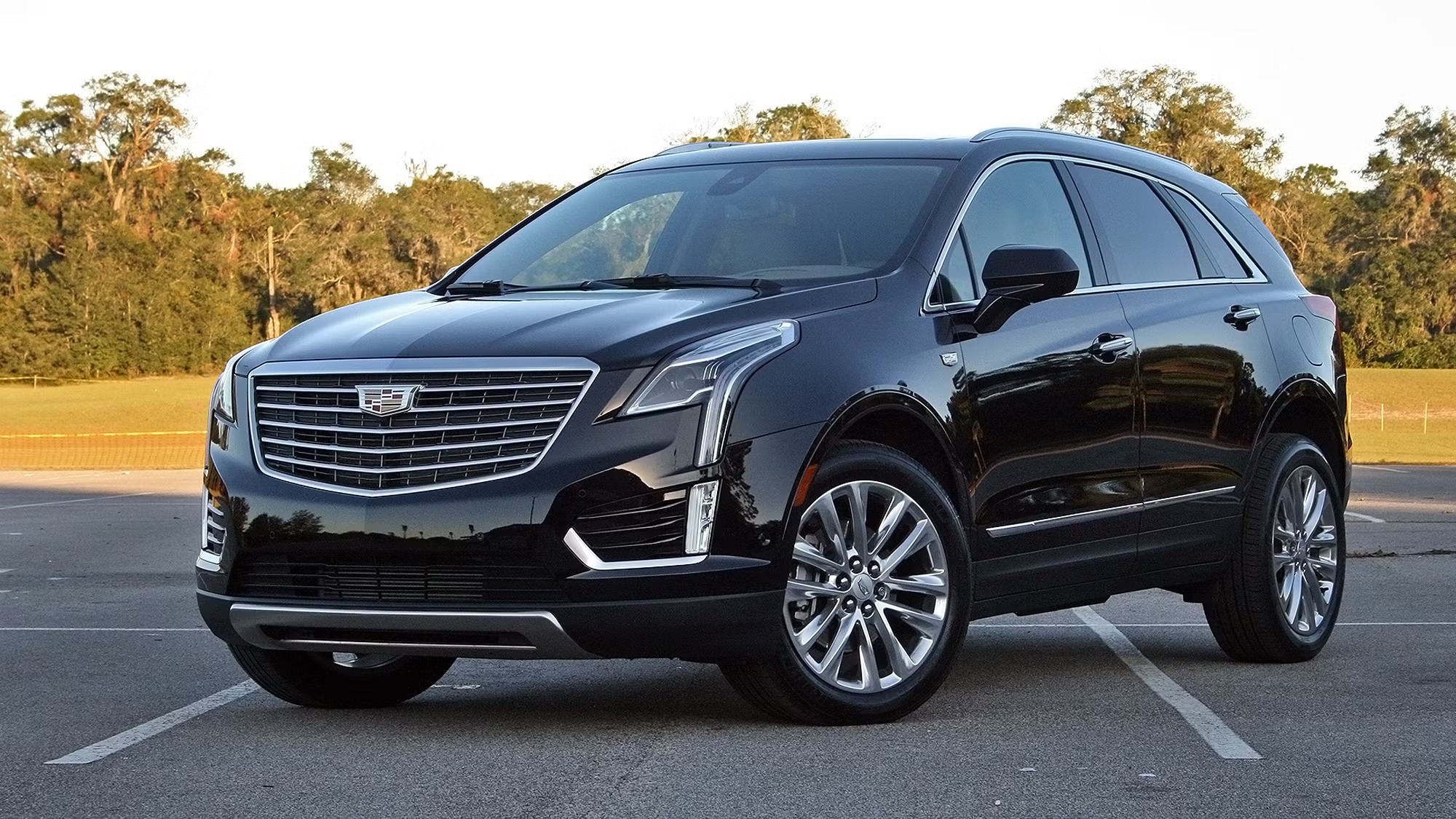
The Cadillac XT5 is a luxury midsize SUV designed to impress with its elegant styling, plush interior, and advanced technology features. However, its reliability record is less impressive, with many owners reporting premature issues related to electronics, powertrain, and other components.
This presents a significant concern for families who require a dependable vehicle for daily carpooling, as unexpected breakdowns or system failures can disrupt routines and add significant repair expenses.
The XT5’s infotainment system, a highlight when new, is frequently cited as a source of glitches, including touchscreen freezes, connectivity problems, and inconsistent audio controls. More serious mechanical problems, such as engine hesitation or transmission roughness, have also been reported.
These issues often occur within the first few years of ownership, well before the end of a typical lease, requiring owners to invest time and money in resolving them. Additionally, the cost of servicing a luxury vehicle like the XT5 tends to be higher than average, with specialized parts and labor driving up maintenance bills.
While the XT5 offers a comfortable, quiet ride and an upscale interior, families who rely on their SUV daily may find the combination of potential reliability issues and expensive repairs a major drawback.
The desire for luxury features must be balanced against the need for consistent performance and minimal downtime, something the XT5 has struggled to deliver over the long term.
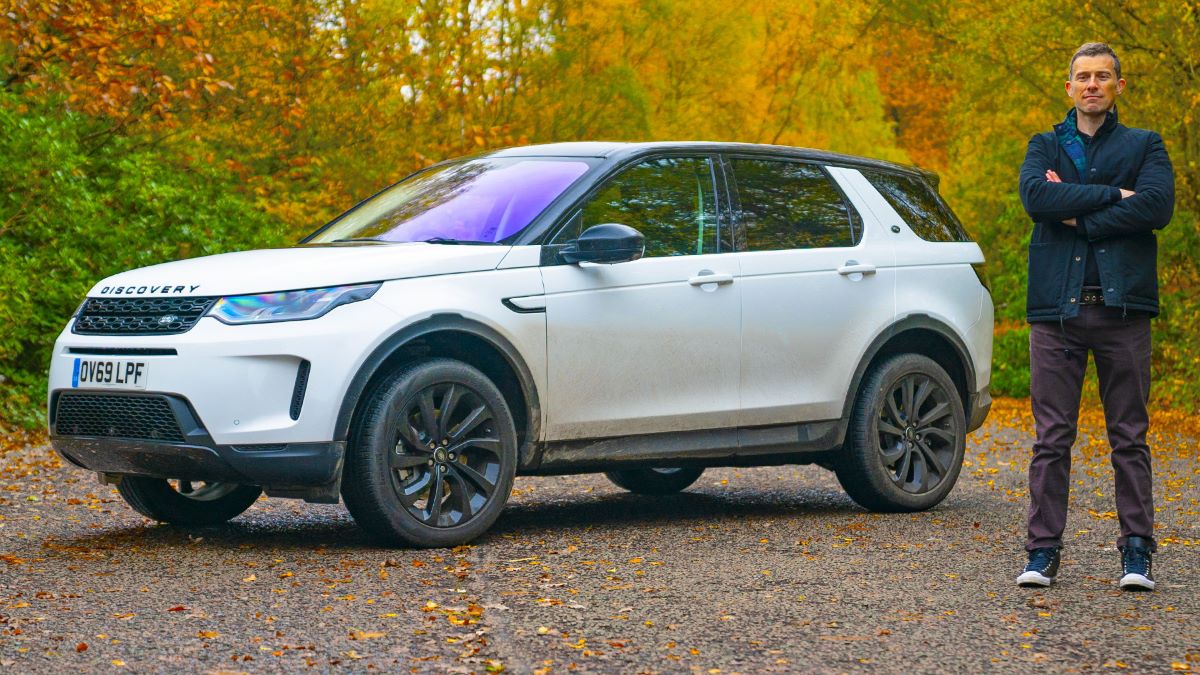
Land Rover Discovery Sport
The Land Rover Discovery Sport offers an attractive package of off-road ability, premium features, and stylish design, but its reliability has been a consistent concern for many owners.
Families looking for a dependable SUV to handle daily carpooling may find this model to be a source of frustration due to frequent mechanical and electrical problems. Transmission issues, engine malfunctions, and persistent warning lights are common complaints, often resulting in costly repairs or extended time in the shop.
Land Rover’s servicing costs tend to be high, and parts availability can be limited depending on the region, which further complicates ownership.
The vehicle’s complex electronics and sophisticated off-road systems, while appealing, often introduce additional points of failure. These factors combine to make the Discovery Sport a less practical choice for families who need a vehicle they can count on every day without surprise breakdowns.
Despite its impressive capability and luxury touches, the Discovery Sport’s track record of reliability issues within just a few years of ownership reduces its attractiveness for long-term use. Families may prefer to invest in more proven SUVs that offer lower maintenance costs and fewer mechanical concerns.
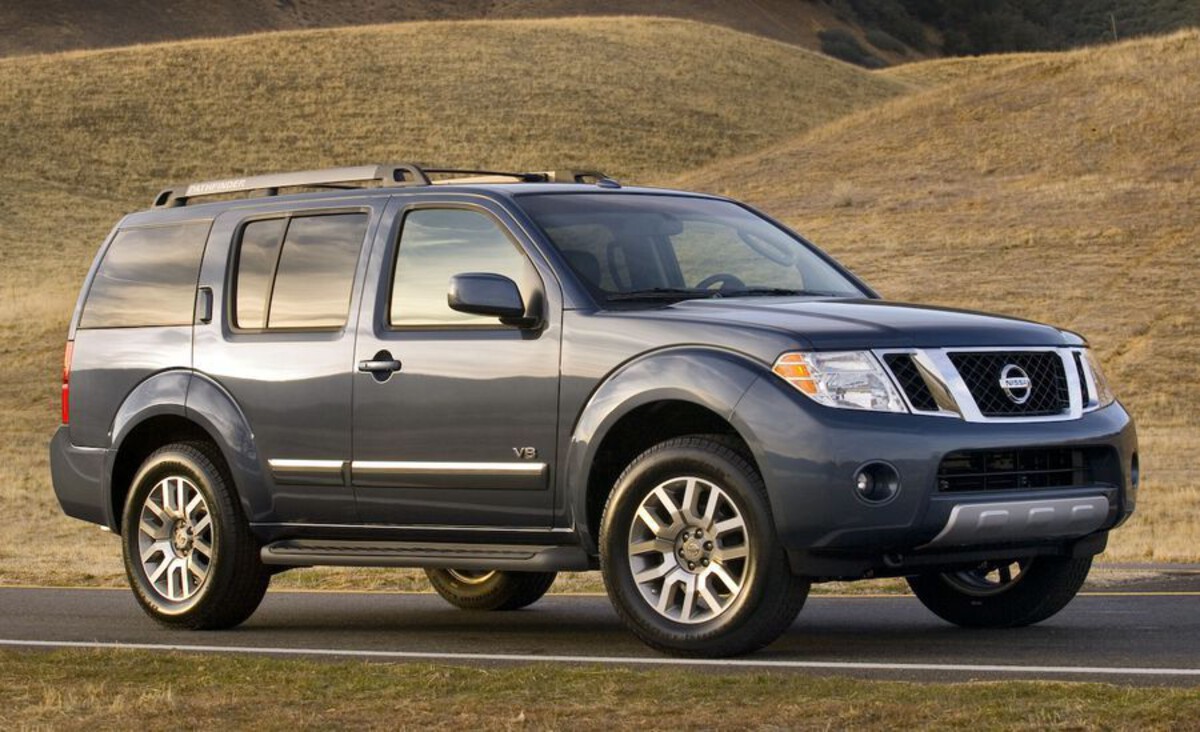
Nissan Pathfinder
The Nissan Pathfinder has had a history marked by mixed reliability reports, which makes it a less reassuring choice for families who rely heavily on their SUV for carpooling and daily errands.
While the Pathfinder provides adequate interior space and a comfortable ride, many owners have reported problems with the continuously variable transmission (CVT), which can cause shuddering, hesitation, or complete failure. These transmission issues tend to occur within the first few years, often requiring expensive replacements or repairs.
Other mechanical problems, such as engine performance inconsistencies, electrical malfunctions, and suspension complaints, also contribute to its questionable reliability.
Families using the Pathfinder daily may find themselves frequently addressing these issues, which interrupts their routines and increases the total cost of ownership. Although Nissan has made improvements in recent redesigns, the earlier model years remain a concern for long-term dependability.
Fuel efficiency is competitive for the class, but the added cost and inconvenience of repairs can quickly offset any initial savings. Families looking to avoid unexpected breakdowns and high repair bills may find the Pathfinder’s reliability track record a significant drawback when compared to other SUVs in its segment.
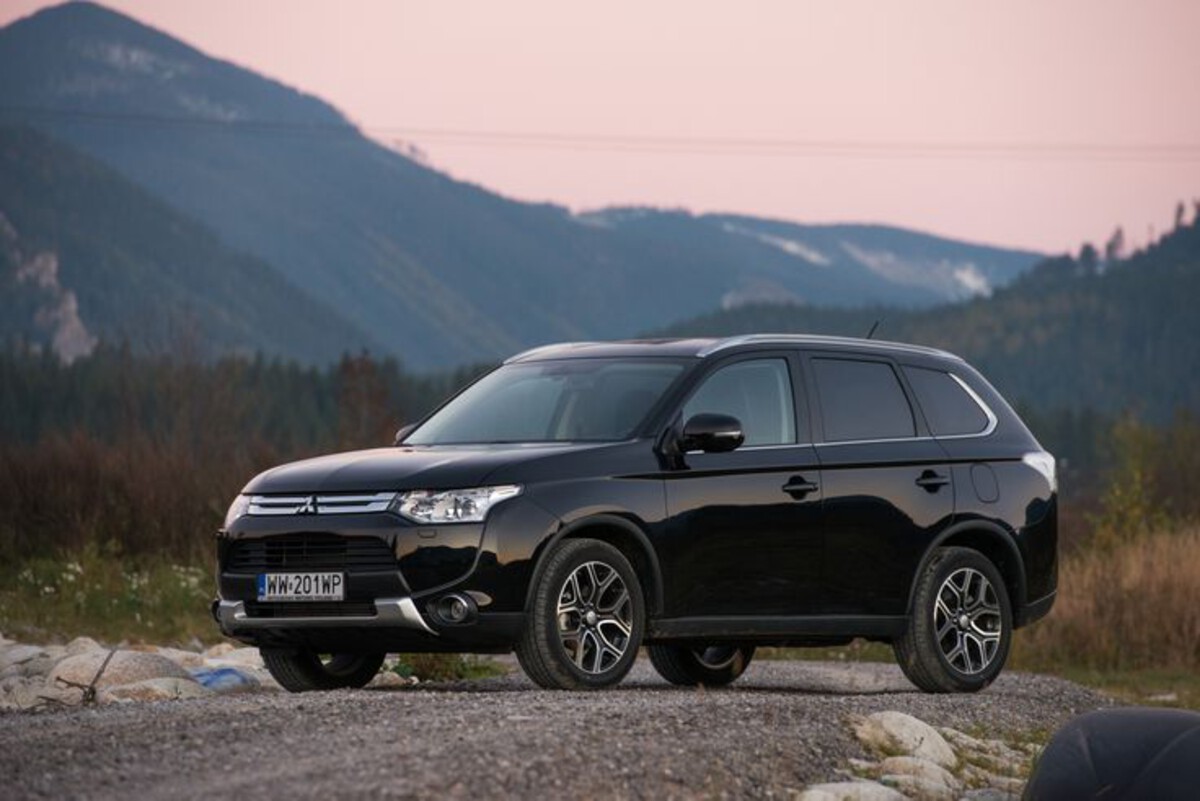
Mitsubishi Outlander
The Mitsubishi Outlander is known for its budget-friendly price and practical size, but it has experienced ongoing challenges with reliability that could make it less than ideal for families seeking a carpool SUV they can trust long-term.
Common complaints involve the CVT transmission, which can exhibit issues like slipping, hesitation, or failure relatively early in the vehicle’s life. Engine problems, including rough idling and stalling, have also been reported by multiple owners.
Electrical system glitches add another layer of potential frustration, as features like infotainment screens and electronic controls sometimes malfunction or fail.
The cost of repairs, while generally lower than some luxury SUVs, can add up quickly when multiple issues arise. The Outlander’s value proposition of low initial cost is often offset by higher-than-expected maintenance needs and reliability concerns.
While Mitsubishi offers generous warranties that provide some protection, families who depend on their vehicle for daily, dependable transportation may find the Outlander’s track record concerning.
For those prioritizing a smooth, trouble-free ownership experience, other SUVs with more consistent reliability records may be better choices for carpool duty over several years.
Also Read: 10 Best Car Models That Improved in New Generations
Choosing the right SUV for family carpool duty is a decision that goes beyond just style, features, or initial price. It requires careful consideration of how well the vehicle can perform day in and day out, year after year, under the unique stresses of family life.
Families often rely heavily on their vehicles, making them essential partners in managing busy schedules, running errands, and ensuring safe transportation for their children.
When an SUV delivers reliability and durability, it reduces the likelihood of unexpected repairs, costly maintenance, and inconvenient breakdowns that can disrupt routines and create stress. This is why selecting an SUV with a proven track record of long-term dependability can provide tremendous peace of mind and value over time.
The five SUVs highlighted for their ability to handle carpool duty for a decade or more demonstrate that a combination of thoughtful engineering, quality materials, and well-designed powertrains makes a significant difference.
Models such as the Toyota Highlander, Honda Pilot, Subaru Ascent, Ford Explorer, and Kia Telluride have consistently earned praise for their capacity to endure heavy use, provide comfortable and safe rides, and maintain reasonable operating costs over many years.
Their owners frequently report minimal mechanical issues even after extensive mileage, underscoring the advantage of investing in vehicles built to last. These SUVs not only meet the practical needs of families but also contribute to a more enjoyable and less stressful driving experience.
On the other hand, SUVs like the Jeep Grand Cherokee, Cadillac XT5, Land Rover Discovery Sport, Nissan Pathfinder, and Mitsubishi Outlander illustrate the potential pitfalls of choosing models with spotty reliability records.
Frequent mechanical problems, electronic glitches, and costly repairs often emerge within just a few years, well before most lease agreements end.
For families, these challenges can translate into lost time, unexpected expenses, and the frustration of dealing with unreliable transportation. The increased maintenance demands of these vehicles can undermine the convenience and security families expect from their daily drivers, making them less suitable for long-term carpool responsibilities.
The key takeaway is that when selecting an SUV for carpool duty, families should prioritize proven durability and low-maintenance profiles alongside features and aesthetics. A dependable SUV acts as a trusted ally through the ups and downs of family life, supporting everyday needs without adding stress.
Taking time to research, compare owner experiences, and consider long-term reliability can prevent costly surprises and ensure a smoother driving journey for years to come.
This approach not only protects the family’s investment but also preserves the reliability and safety essential for daily travel, making family transportation a consistently positive experience.
