
Hybrid vehicles have become more than just a niche option for eco-conscious drivers. They’re now seen on nearly every street, offered by nearly every manufacturer, and sold in all shapes and sizes from compact sedans to large SUVs.
The initial appeal of hybrids is obvious: better fuel economy, lower emissions, and often some financial incentives for buyers.
But as with any vehicle, the true test of a hybrid’s value doesn’t come during the first few years under warranty; it comes once that coverage ends. That’s where owners begin to see whether their vehicle is a lasting investment or a financial burden.
A hybrid powertrain adds complexity to a car. It pairs a traditional internal combustion engine with an electric motor and battery system. While this can lead to impressive fuel savings and quieter driving experiences, it can also mean more components that might need repair or replacement.
Not all hybrids are created with long-term ownership in mind. Some are built to a higher mechanical standard, with stronger battery reliability and simpler, well-integrated systems that don’t become a headache in the long run. Others, unfortunately, don’t age as gracefully.
Battery degradation, electronic glitches, and mounting repair bills start to creep in after the warranty expires, often wiping out the early savings these cars once delivered.
Car shoppers often assume that hybrids are either bulletproof because of their technological image or doomed because of the extra complexity. The truth is somewhere in the middle. Some hybrids can easily reach 200,000 miles with basic maintenance and minimal issues.
Others become risky to own after just 100,000 miles, especially when expensive components like inverters or batteries start to fail. For anyone thinking about buying a used hybrid or wondering if their current model will go the distance, it’s important to know which models have a good track record and which ones might disappoint.
This article looks at ten hybrids five that have proven to hold up well after the warranty runs out, and five that tend to give their owners trouble when they’re on their own.
While individual experiences will always vary, there are strong patterns across model years and brands that paint a clear picture of which hybrids are more dependable when it really counts.
Also Read: 5 EVs With Top Safety Ratings vs 5 With Early Safety Recalls
5 Hybrids That Survive Off-Warranty Life
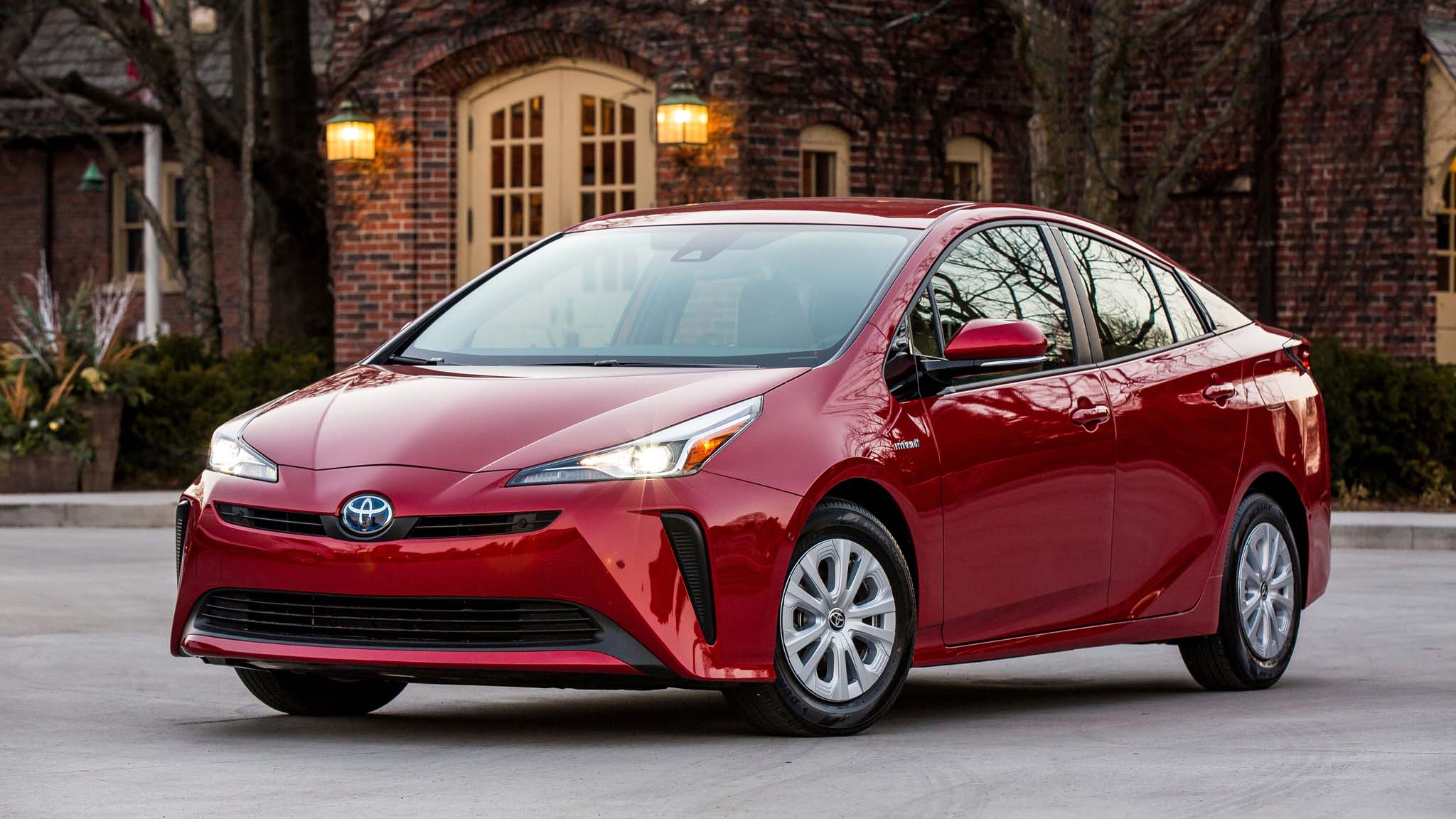
1. Toyota Prius – A Benchmark for Longevity
The Toyota Prius remains the face of hybrid reliability for good reason. It has shown over and over again that it can handle hundreds of thousands of miles without incurring major repairs.
The car’s hybrid system, known as Hybrid Synergy Drive, is exceptionally well-engineered and benefits from decades of refinement. Prius owners often describe it as boring but bulletproof, and in this case, boring is good. Simplicity and tested engineering are the foundation of its long-term success.
What sets the Prius apart is its battery management. Toyota built in conservative limits to protect the battery, rarely allowing it to charge or discharge completely. This control system extends the battery’s life dramatically, even under rough usage.
Most owners can expect to see battery life exceed 150,000 miles easily, and some have even gone over 250,000 miles without needing a replacement. If battery replacement is ever needed, the cost is lower than many other hybrids, thanks to third-party suppliers and strong aftermarket support.
Repair costs for non-hybrid components are also lower than average. This is because the Prius shares many parts with other Toyota models and doesn’t feature excessive electronics or overly complex designs.
That translates into lower labor times, easier diagnostics, and cheaper parts. Even something like the inverter, which can be a nightmare in some hybrids, rarely causes trouble in the Prius. On top of that, the regenerative braking system extends the life of brake pads and rotors.
The Prius also benefits from wide familiarity among independent mechanics. Unlike some hybrids that require a dealership visit for nearly everything, the Prius can often be serviced at local garages for common maintenance and repairs.
That accessibility helps reduce long-term costs and gives owners peace of mind when they’re out of warranty. There’s less guess work, and more known procedures and solutions for virtually every issue the car might face.
For buyers who want a hybrid that doesn’t bring anxiety after the warranty period ends, the Toyota Prius continues to be the most trusted option.
It’s not flashy or fast, but it was designed for durability and predictability. Those two qualities are what keep it going long after the factory coverage has ended, making it one of the best-used hybrid purchases available.
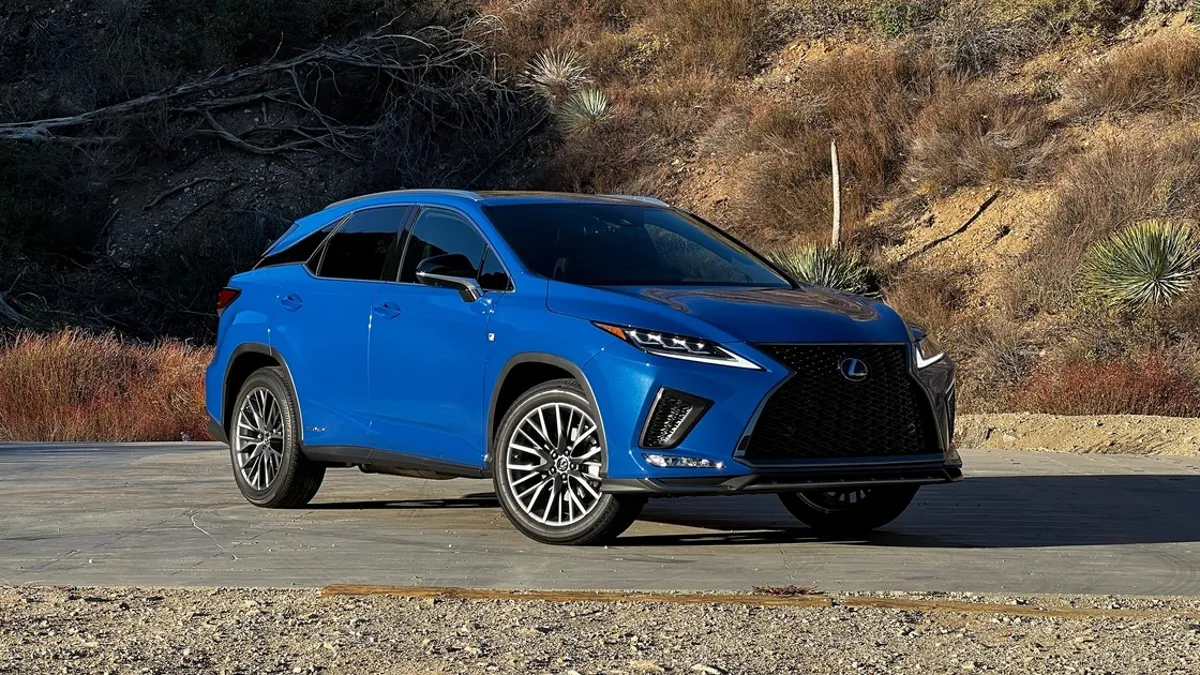
2. Lexus RX 450h – Luxury Meets Durability
The Lexus RX 450h stands out by proving that luxury and long-term reliability aren’t mutually exclusive. While luxury hybrids are often known for expensive repair bills and complex systems, the RX 450h is an exception.
Built on the same basic hybrid technology as the Prius but applied to a larger and more refined package, it delivers a smooth and upscale driving experience without turning into a financial burden when the warranty expires.
Lexus engineers approached the hybrid design of the RX with longevity in mind. Rather than tuning it for maximum performance, they favored efficiency and ease of operation.
That mindset paid off in the long run, as the vehicle avoids the high strain seen in sportier hybrid systems. Many owners have reported owning their RX 450h models past 200,000 miles with no hybrid-related failures, only needing standard maintenance items like brakes, tires, and fluids.
The battery pack in the RX 450h is housed in a protected, well-ventilated location, which helps prevent thermal degradation over time. In addition, the electric motor and power inverter are placed in areas less prone to environmental damage, shielding them from premature wear.
This careful packaging contributes to the long-lasting performance of the vehicle and minimizes common hybrid breakdown points.
A significant advantage of owning an RX 450h past the warranty period is the resale and part availability. Lexus hybrids, while premium, don’t suffer from the same parts scarcity as German luxury vehicles.
The Toyota-Lexus ecosystem means many parts are shared and widely available, keeping repair costs surprisingly reasonable for a vehicle in its class. Diagnostic procedures are also more straightforward than what’s typically found in European hybrids.
The RX 450h offers peace of mind to those who want both comfort and consistency in ownership. It balances luxury and low-cost operation better than most other hybrids on the road.
For anyone worried about what happens when the bumper-to-bumper warranty runs out, this model remains one of the safest bets in the segment, especially for those looking to keep a vehicle for the long haul.
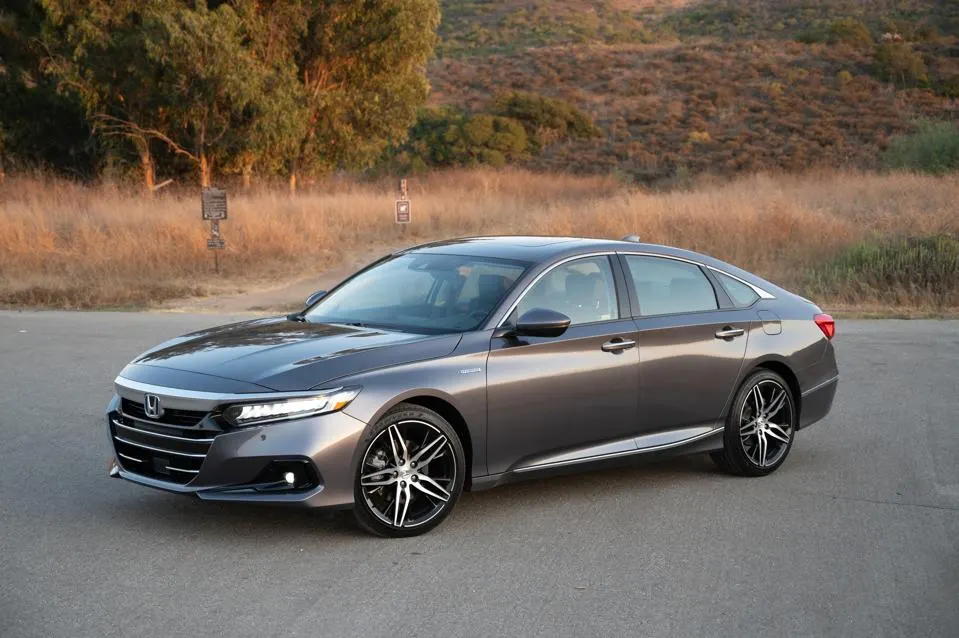
3. Honda Accord Hybrid – Consistently Reliable
The Honda Accord Hybrid continues Honda’s tradition of making reliable, efficient sedans with long-term durability in mind. It’s a hybrid that doesn’t make a big fuss about its technology, and that’s part of what makes it so dependable.
The two-motor hybrid system, known as i-MMD (Intelligent Multi-Mode Drive), has been refined over several model generations and now operates with minimal friction or stress on its key components. What makes the Accord Hybrid strong in the post-warranty phase is the way its hybrid system integrates into the vehicle.
There’s no traditional transmission in the newer models; instead, a system of direct drive and electronically controlled gear ratios reduces mechanical complexity and wear. Owners frequently mention how smooth and quiet the Accord Hybrid stays, even after reaching 100,000 miles and beyond.
The battery in the Accord Hybrid generally lasts well past the warranty period, provided it’s not subjected to extreme driving or climate conditions. Unlike some early hybrids that had smaller, more fragile battery packs, Honda’s more recent systems use lithium-ion batteries with well-regulated thermal systems to maintain lifespan.
Additionally, Honda’s software tends to be more conservative with battery use, preventing overcharging or deep discharge, which are common causes of early battery death.
Long-term reliability is also helped by Honda’s broad dealership and repair network. Hybrid-specific repairs are rare, and when they’re needed, the cost is usually manageable compared to luxury brands.
Owners have the option to use genuine Honda parts or opt for high-quality aftermarket replacements, which are readily available due to the model’s popularity. This keeps maintenance costs from spiking after warranty coverage ends.
For anyone who wants a midsize sedan that feels familiar but has hybrid benefits and proven longevity, the Accord Hybrid is a smart pick. It doesn’t feel experimental or delicate like some hybrids.
Instead, it feels like a well-built car that happens to be more efficient. That grounded approach helps it succeed where other hybrids sometimes falter once they’re past their factory protection period.
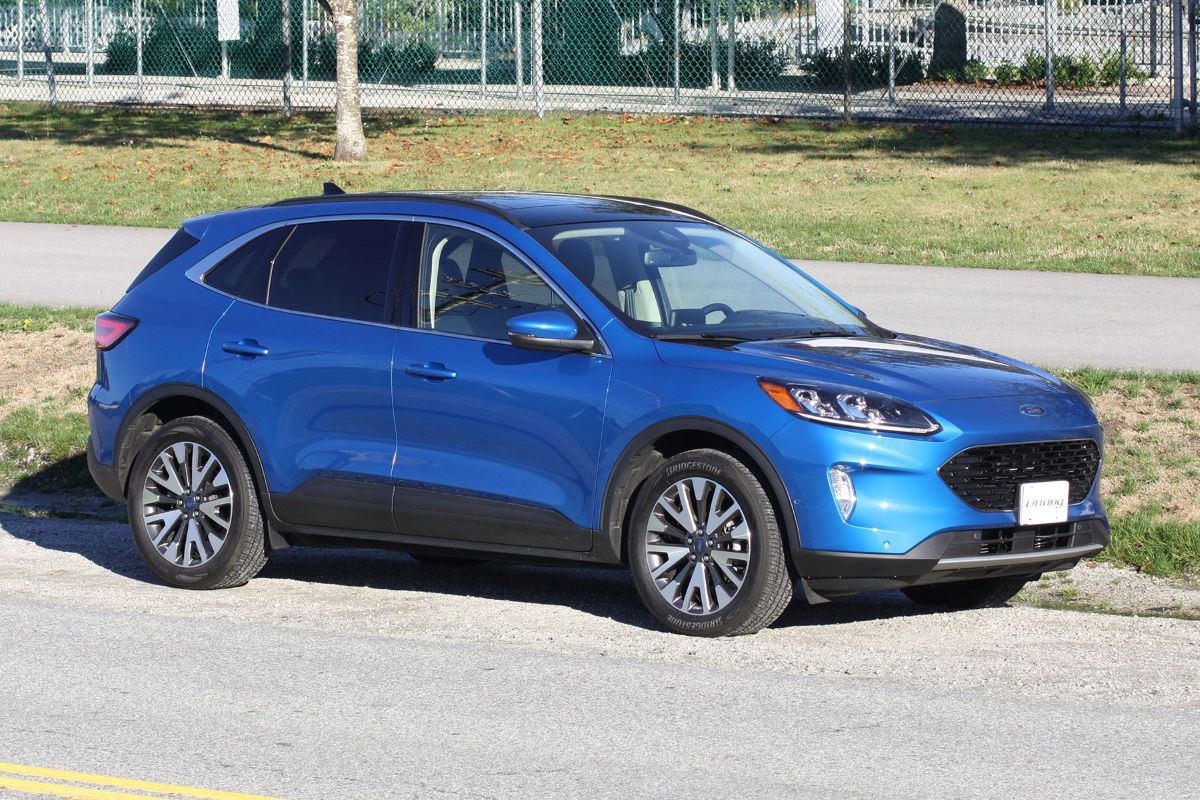
4. Ford Escape Hybrid (2005–2012) – Early Success Story
The first-generation Ford Escape Hybrid is a rare example of an American hybrid that went the distance. Built from 2005 to 2012, it used technology licensed from Toyota and became one of the first SUV hybrids to prove its durability.
While newer Escape Hybrid models haven’t maintained quite the same reputation, the original remains a standout for surviving long past its original factory warranty.
One of the Escape Hybrid’s best features was its simplicity. It didn’t try to reinvent the wheel it just packaged proven Toyota hybrid technology into a compact SUV body.
This system wasn’t the most refined or silent, but it worked. The battery pack was sturdy and often lasted well into six-figure mileage. When it did eventually degrade, many affordable replacement options were available through third-party shops or Ford itself.
Maintenance on these models was also relatively easy compared to modern hybrids. There were fewer electronic complexities, and the layout of the engine bay allowed mechanics to access most components without significant teardown.
This reduced labor time and allowed many owners to continue routine servicing at independent shops, keeping long-term ownership affordable. Even the regenerative braking system worked well without creating premature wear on brake parts.
Another underrated strength was the ruggedness of the vehicle’s chassis. Built with SUV use in mind, the Escape Hybrid could take on poor road conditions and heavy mileage better than smaller, lighter hybrids.
The suspension and body held up well, which meant the vehicle didn’t feel like it was falling apart even after a decade of service. Combined with a decent cargo capacity and simple cabin features, it offered long-term practicality many hybrids lacked.
While it may not match newer models in fuel efficiency or technology, the 2005–2012 Escape Hybrid delivered on the core promise of reliability.
Owners who kept up with maintenance rarely encountered show-stopping failures after the warranty expired. It’s a forgotten hybrid success story and a reminder that good engineering and a little restraint in design can lead to long-term satisfaction for drivers.
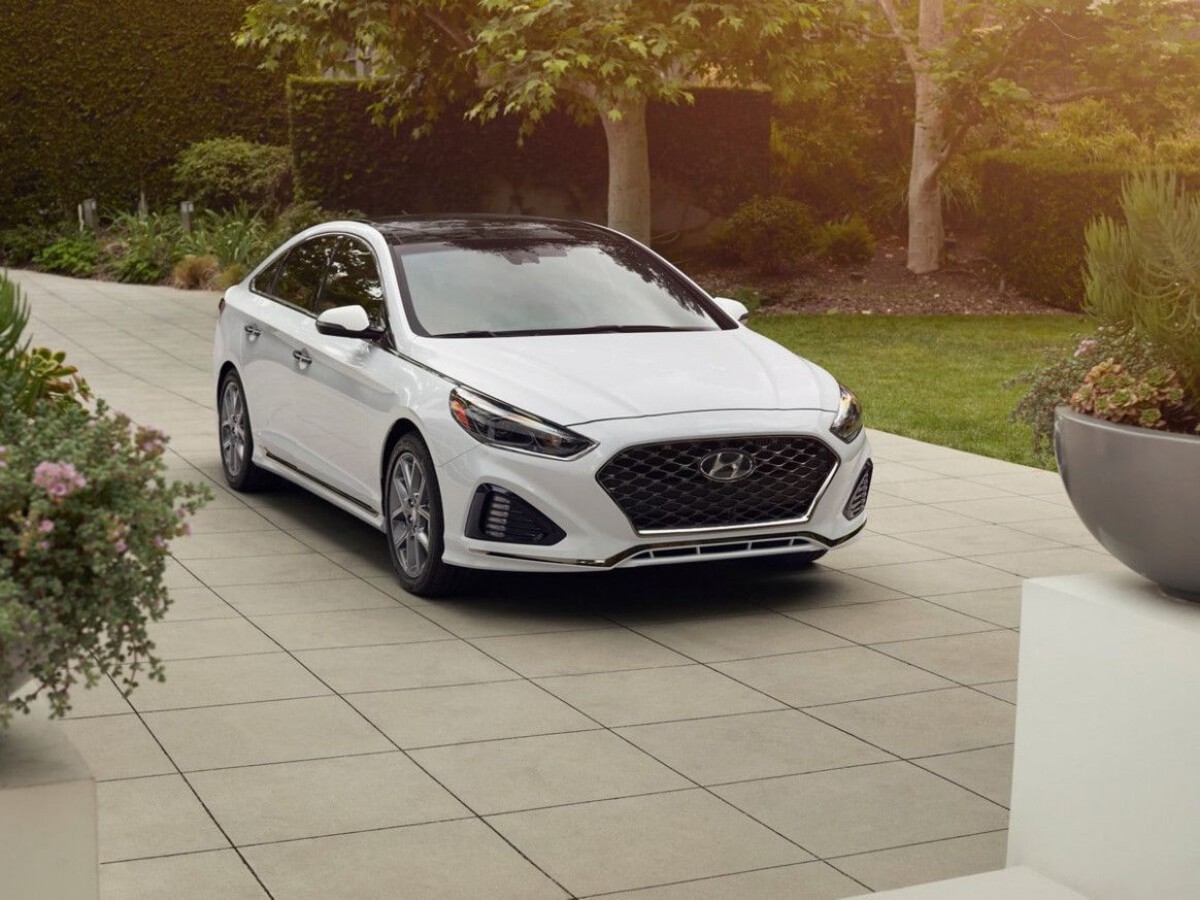
5. Hyundai Sonata Hybrid (2016–2019) – Quietly Dependable
The Hyundai Sonata Hybrid from 2016 to 2019 didn’t make waves when it launched, but over time, it’s proven to be one of the more quietly dependable hybrids available.
Hyundai took a conservative approach with this model, using a straightforward hybrid system without the complex layering found in other vehicles. That paid off in the long term, especially once the warranty ended.
One reason for its off-warranty reliability is the durability of its lithium-polymer battery. Hyundai made sure to place it in a location that wasn’t exposed to excessive heat or vibration.
These details matter a lot in hybrids because battery failure is often tied to thermal or structural degradation. Many Sonata Hybrids from this era still run on their original battery pack after 120,000 miles, with few signs of performance loss.
The rest of the hybrid system is also solid. The electric motor and transmission components are well-integrated and have few common failure points.
Hyundai avoided trying to push too much performance out of the setup, which reduced stress on the electric side of the powertrain. It’s not the most responsive hybrid to drive, but in return, owners get consistency and lower repair risk over time.
Hyundai also improved its service network during this period, and more mechanics became familiar with their hybrid lineup.
That reduced the “mystery” aspect that earlier Korean hybrids sometimes had when it came to repairs. Replacement parts became easier to find, and labor times decreased thanks to better access to service information. For an off-warranty owner, this translates to fewer surprises and smaller repair bills.
For those looking for a hybrid sedan that doesn’t come with drama after the factory protection runs out, the 2016–2019 Sonata Hybrid is a worthy candidate.
It may not have the name recognition of a Prius or Accord, but it offers practical reliability and efficiency in a straightforward package. That’s often the best combination for long-term ownership.
5 Hybrids That Collapse After the Coverage Ends
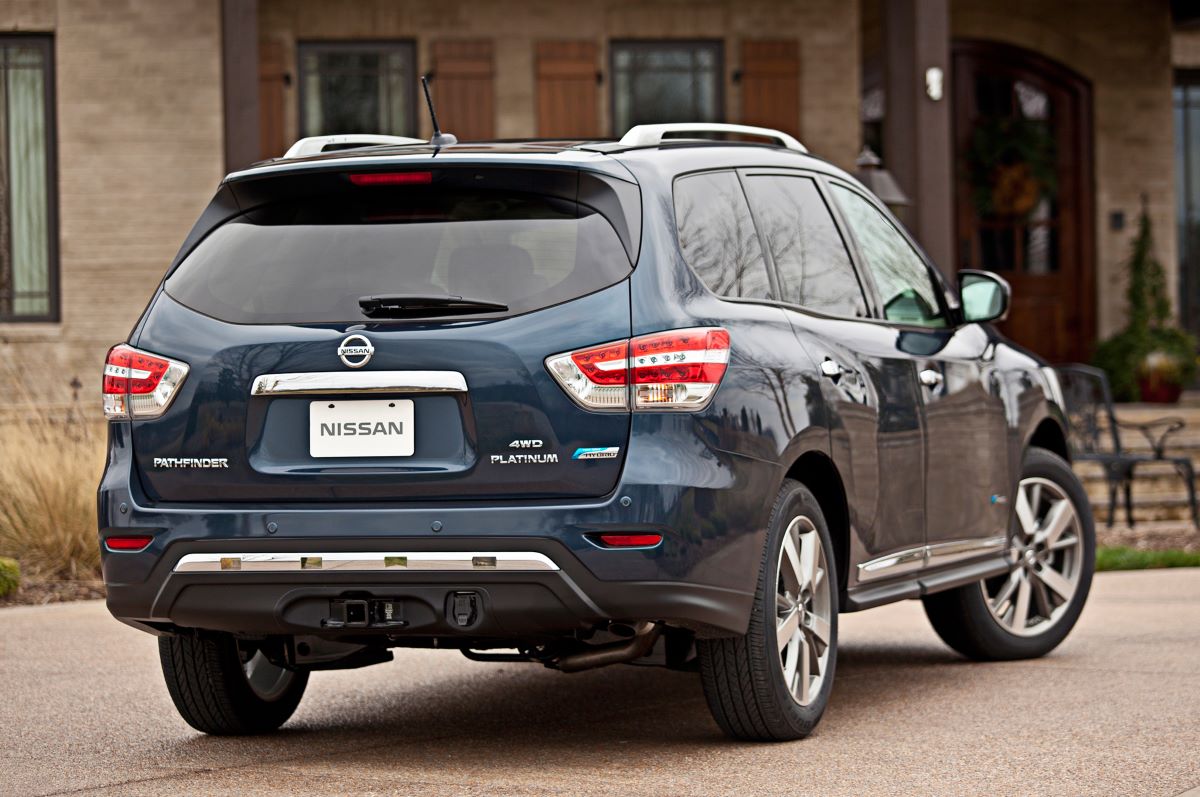
6. Nissan Pathfinder Hybrid (2014–2015) – A Short-Lived Misstep
The Nissan Pathfinder Hybrid was only on the market for two model years, and its brief lifespan is telling. It combined a 2.5-liter four-cylinder engine with a single electric motor and a compact lithium-ion battery.
On paper, the setup looked efficient, but in reality, it proved to be underpowered, unreliable, and difficult to service. Once the warranty expired, many owners began to see the cracks in its hybrid foundation.
One of the main issues with the Pathfinder Hybrid is its CVT transmission, which has long been a weak spot for Nissan. In the hybrid model, the CVT was paired with electric motor assistance, which added complexity but didn’t eliminate the underlying design flaws.
These transmissions frequently failed or degraded in performance before 100,000 miles, and replacements were costly. Even when still under warranty, repairs could take weeks due to part shortages and unclear diagnostics.
The hybrid battery was also problematic. Tucked into a tight space behind the third row, it suffered from inadequate cooling. As a result, thermal degradation became a concern in warmer climates.
Once the battery started to weaken, fuel economy dropped significantly, and the vehicle often reverted to gasoline-only operation. Replacement costs were high, and the design made it harder for mechanics to perform the work without substantial labor.
Another concern was the lack of support for hybrid-specific repairs. Many dealers and shops simply weren’t familiar enough with the Pathfinder Hybrid to confidently diagnose issues.
Software updates were rare, and online owner forums were filled with stories of conflicting dealer advice and unresolved error codes. This lack of a clear service path made off-warranty ownership risky and frustrating.
Because of these multiple weak points, the Pathfinder Hybrid quickly developed a reputation for being a vehicle to avoid on the used market.
Most owners who kept their vehicles past the factory coverage period eventually faced expensive repairs or chose to sell the vehicle out of frustration. Its combination of limited production, spotty serviceability, and poor long-term performance makes it one of the least reliable hybrids when warranty support ends.
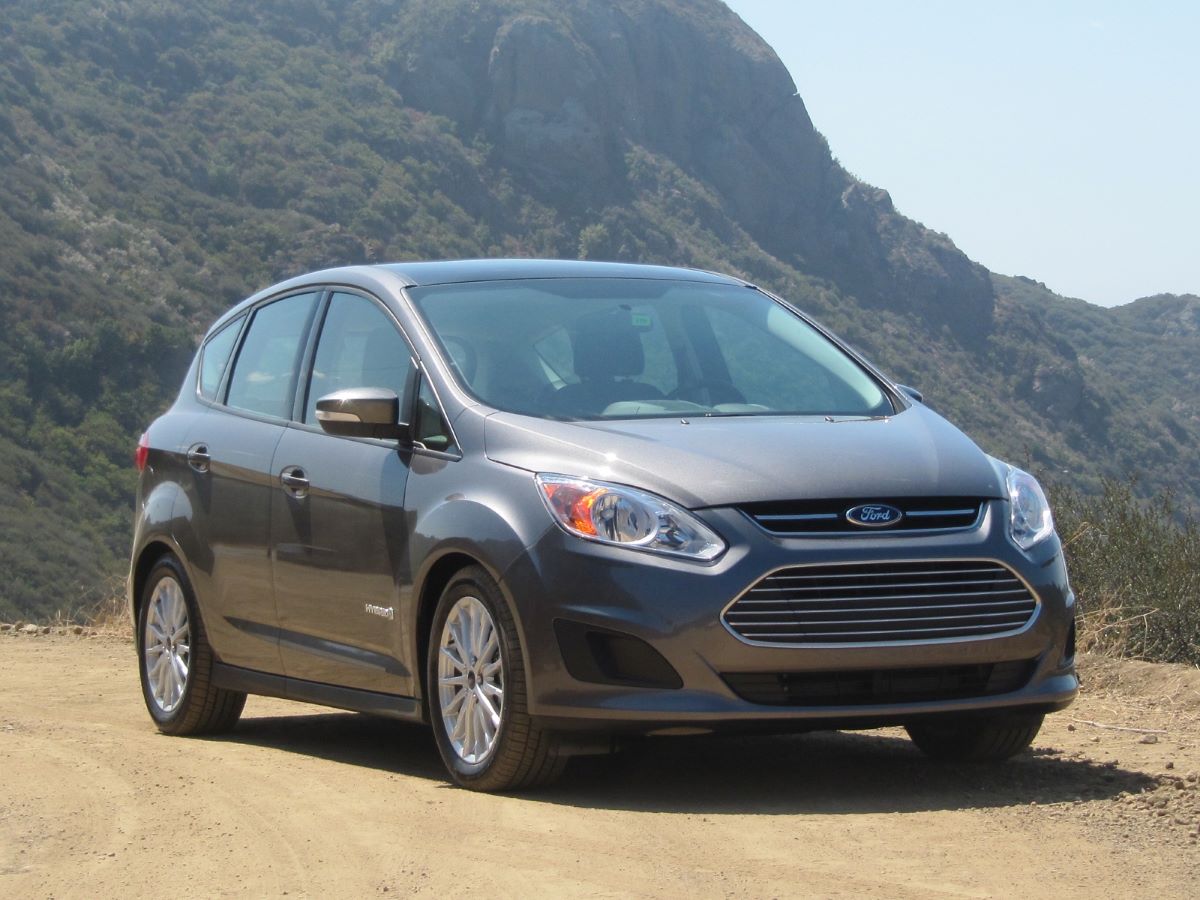
7. Ford C-Max Hybrid – Efficiency Without Staying Power
The Ford C-Max Hybrid was marketed as a Prius competitor but never managed to match Toyota’s standard of reliability.
While it offered more power and a roomier cabin, the C-Max struggled with long-term durability. Once the factory warranty ran out, many owners began facing recurring electrical issues, hybrid battery concerns, and software malfunctions that proved difficult and expensive to fix.
One of the key problems was Ford’s PowerSplit hybrid system, which paired a gasoline engine with two electric motors through a planetary gearset.
While innovative, the setup lacked the long-term track record of Toyota’s approach. The battery system in particular tended to degrade prematurely, especially in warmer climates. Many owners saw noticeable drops in fuel efficiency after just five or six years of use.
Electrical glitches were common. Infotainment failures, hybrid system error messages, and inverter problems often emerged around the 75,000 to 100,000-mile mark.
These issues were compounded by a lack of familiarity among local mechanics and even some dealership technicians. In many cases, owners would receive vague diagnoses like “system fault” without a clear or affordable fix, creating ongoing frustration.
The C-Max also suffered from inconsistent software behavior. Updates would sometimes fix one issue only to trigger another. While some problems could be solved with a reset or reprogramming, others required expensive module replacements. Without warranty coverage, these repairs quickly added up.
Owners who initially praised the car’s performance and fuel economy often found themselves facing a steady stream of issues as the vehicle aged.
Because of these challenges, resale values dropped quickly, making it hard for frustrated owners to exit the vehicle without taking a loss.
While not every C-Max Hybrid failed early, the percentage of off-warranty models with persistent issues was high enough to make this one of the more cautionary tales in hybrid ownership. For those looking at long-term reliability, it fell short of expectations.
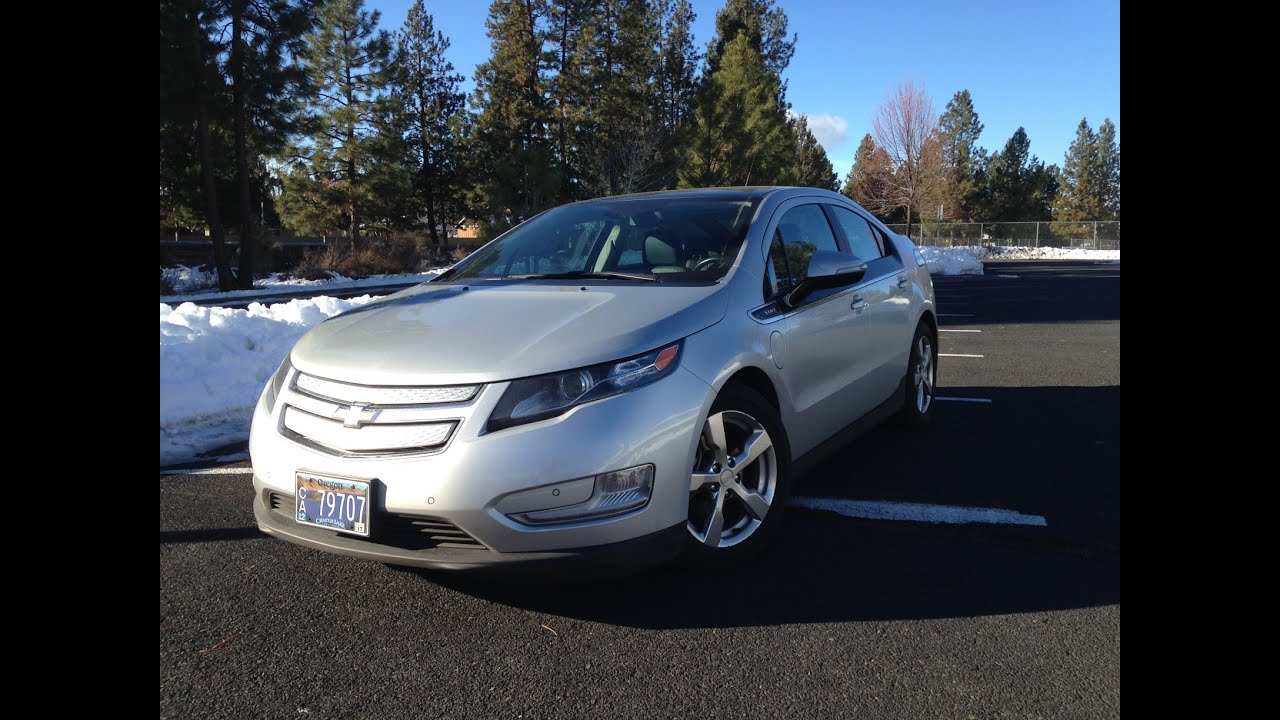
8. Chevrolet Volt – High-Tech with High Risk
The Chevrolet Volt was one of the most innovative plug-in hybrids ever released, offering an all-electric driving range with a gasoline backup.
While it excelled during the first few years of ownership and under warranty, it revealed its limitations once the factory coverage expired. The Volt’s complex dual-motor setup and unique battery system became more of a liability as the car aged.
One of the biggest concerns for off-warranty Volt owners is the high-voltage battery pack. It is made of dozens of individual cells with a complex thermal management system.
While the pack is robust early on, failures do happen and when they do, the cost is steep. A full battery replacement can exceed several thousand dollars, and even diagnostics require specialized tools that many independent shops don’t have.
Another issue is the intricacy of the Volt’s cooling system. It uses liquid cooling not only for the battery but also for several electric drive components.
Leaks or blockages in any part of the system can trigger a cascade of problems, including reduced electric range, error messages, or complete system shutdowns. Once outside of warranty, the repair costs and labor times become significant, especially if multiple systems need servicing at once.
Software complexity also creates challenges. The Volt relies on multiple onboard control modules to coordinate everything from engine startup to battery charging.
While this makes it feel seamless in everyday driving, it also means that even a minor glitch can immobilize the car or force it into limp mode. Reprogramming modules or replacing components like the battery control unit can be expensive and difficult without factory tools.
Despite its forward-thinking design, the Volt’s ownership experience beyond the warranty period can be stressful. Many owners eventually trade them in after the first big repair quote, often related to battery health or electronic failure. While the car broke new ground in hybrid technology, its complexity worked against it when owners were left to manage repairs themselves.
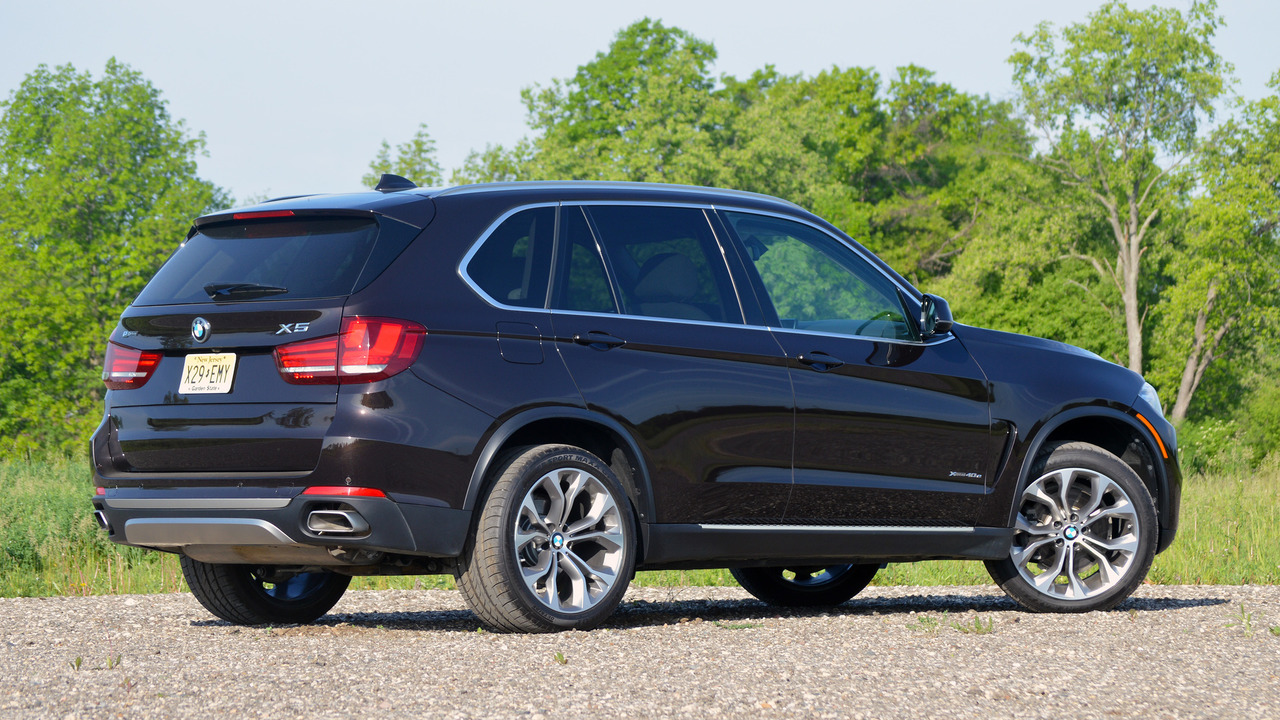
9. BMW X5 xDrive40e – Luxury Without Long-Term Assurance
The BMW X5 xDrive40e plug-in hybrid combined the prestige of the BMW brand with electric assist but that marriage of performance and complexity didn’t age well.
While it felt refined and responsive when new, the X5 hybrid turned out to be one of the more problematic models in BMW’s lineup once the warranty expired. Its repair costs are high, and its electrical and hybrid systems are particularly prone to failure.
At the heart of the issue is the sheer number of systems working in tandem. The gasoline engine, electric motor, high-voltage battery, inverter, and multiple cooling systems all have to function perfectly together.
Unfortunately, they rarely do over the long haul. Owners report a wide range of problems from charging issues to complete hybrid drive loss, often occurring just outside of warranty.
Battery cooling is a major weak point. The thermal management system for the lithium-ion battery is intricate and not very tolerant of contamination or blockage.
When this system fails or loses pressure, battery performance drops quickly and can trigger error codes that disable hybrid functionality altogether. Replacement parts for these systems are not only expensive but often have long wait times due to supply issues.
Beyond the hybrid system itself, the X5 xDrive40e suffers from typical European luxury car problems: failing electronics, short-lived suspension components, and complex electrical architecture that makes simple problems harder to fix. When a hybrid issue overlaps with one of these, the diagnosis process becomes a long, costly ordeal even at the dealership level.
Because of these challenges, off-warranty ownership of the X5 hybrid becomes a gamble. It may run fine for a while, but when something breaks and it often does the cost of returning it to full health is steep. For buyers drawn to the badge and plug-in status, the long-term story has been one of expensive disappointment and uncertain reliability.
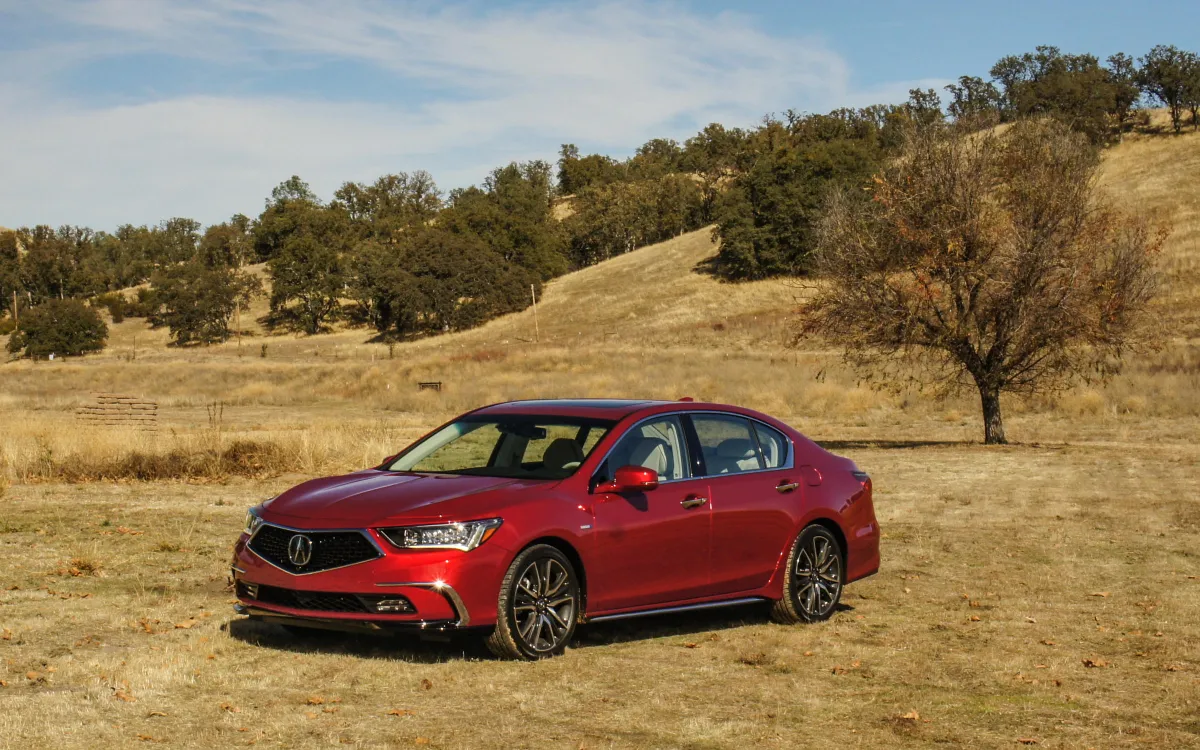
10. Acura RLX Sport Hybrid – Sophistication Without Support
The Acura RLX Sport Hybrid was a showcase of Honda’s engineering capabilities, using a three-motor hybrid system with torque vectoring.
It was smooth, powerful, and highly sophisticated. However, its limited production run and complexity have made it one of the riskiest hybrids to own once warranty coverage is gone. While the car itself is a strong performer, the lack of available support has made long-term ownership difficult.
The hybrid system in the RLX is unique, even within Honda’s own lineup. It uses two electric motors in the rear for torque vectoring and another up front, combined with a 3.5-liter V6.
This setup works well when new, but once components begin to age, the specialized nature of the system becomes a problem. Many independent mechanics have little experience with the configuration, and even dealers often struggle with accurate diagnostics.
Battery pack issues have also emerged in higher-mileage examples. While not as widespread as in some plug-in hybrids, failures in one part of the pack or in related control modules can shut down hybrid functionality entirely.
Replacement is expensive, and reconditioning is difficult due to the system’s complexity. Owners have reported dealer estimates in the five-figure range for full repairs after warranty expiration.
Another complication is the lack of aftermarket parts. Because of the low production volume, very few suppliers make third-party components for the RLX hybrid system.
This means owners are often locked into expensive OEM parts and dealership labor rates, which can quickly eclipse the value of the vehicle itself. Unlike simpler hybrids where independent shops can take over after warranty ends, the RLX Sport Hybrid remains dealership-dependent well into old age.
Despite its refinement and performance, the RLX Sport Hybrid lacks the support structure needed for confident long-term ownership. Once the coverage ends, it becomes clear that the system was designed more for innovation than for repairability.
Owners who keep the car long-term must be prepared for potential repair bills that don’t match the car’s age or market value, making it one of the more cautionary examples of high-end hybrid technology.
Also Read: 10 Best Car Models That Improved in New Generations
Hybrid vehicles have come a long way from their experimental roots. They now cover every segment of the automotive market, offering fuel savings, smoother performance, and in many cases, lower emissions.
But the real test of any hybrid comes not when it’s new, but years later when the factory warranty has ended and the owner is left to handle all maintenance and repair costs.
That’s where differences between good and bad hybrids become painfully obvious, and it’s where ownership experiences can either remain stable or turn into financial headaches.
The five hybrids that stand out for long-term dependability, the Toyota Prius, Lexus RX 450h, Honda Accord Hybrid, early Ford Escape Hybrid, and the Hyundai Sonata Hybrid all share some key characteristics. They are built with proven technology, avoid unnecessary complexity, and benefit from strong manufacturer support.
These models have track records of going well beyond 150,000 miles with only routine care, and they offer owners a level of predictability that becomes especially valuable after warranty protection ends. Repairs, when they are needed, are often manageable in cost and easier to diagnose than in more experimental systems.
On the other end of the spectrum are hybrids that falter once their coverage is gone. The Nissan Pathfinder Hybrid, Ford C-Max Hybrid, Chevrolet Volt, BMW X5 xDrive40e, and Acura RLX Sport Hybrid all suffer from issues that become more severe with age and mileage.
Whether it’s due to battery degradation, failing cooling systems, overly complex drive configurations, or simply lack of parts and repair support, these vehicles have developed a pattern of costly and sometimes unresolved problems past the warranty period. For owners, that often means unexpected repair bills and difficulty finding mechanics familiar with their systems.
Buying a hybrid used or planning to keep one for the long haul means doing more than looking at fuel economy numbers. It means understanding how a vehicle holds up when it’s no longer backed by the manufacturer. Not all hybrids are created with endurance in mind.
Some are made to last, with conservative engineering choices and widely supported systems. Others are built more as technological showcases, with less consideration for long-term repairability. The difference between those two paths can easily cost thousands of dollars and make or break the ownership experience.
