
Choosing an SUV today involves much more than deciding on its looks or size. For a large portion of buyers, the feeling of safety behind the wheel is a crucial factor in their decision-making process.
The SUV market has exploded in recent years, offering a wide range of options from compact crossovers to large, rugged off-road vehicles.
However, despite this variety, not all SUVs inspire the same level of confidence on the road. The feeling of safety is influenced by many interconnected factors, such as the vehicle’s structural integrity, its safety technology suite, the quality of its suspension and handling, and even driver ergonomics like seating position and visibility.
For many people, safety is both a physical and psychological state knowing the car can protect you in a crash, and also feeling stable and in control while driving in various conditions. This is especially important because driving can sometimes be stressful enough without adding concerns about vehicle reliability or potential hazards.
SUVs can range widely in how they make drivers feel on the road. Some offer a solid, composed ride with advanced safety features and excellent crash protection, creating a calming driving environment.
Others might cause unease due to design trade-offs, such as a high center of gravity that makes the vehicle feel top-heavy, poor visibility from thick pillars and small windows, or a rough ride that increases fatigue.
Anxiety behind the wheel can come from many sources a sudden wobble on a fast curve, blind spots that hide other cars, or a lack of driver-assist systems that provide extra eyes and hands on the road. These subtle factors combine to shape the sense of security that a vehicle offers.
This article focuses on presenting five SUVs that stand out for making their drivers feel safe and confident, along with five SUVs that commonly trigger anxiety or discomfort for various reasons. The goal is to help anyone searching for an SUV to understand how different design and engineering choices impact real-world feelings of safety.
Whether your priority is family protection, peace of mind during a commute, or confidence in challenging weather, this list covers a range of options with clear reasoning behind each choice.
It is important to keep in mind that personal experience and preferences vary, but the SUVs selected here reflect a combination of expert safety ratings, consumer feedback, and how these vehicles behave in everyday driving conditions.
Recognizing the characteristics that contribute to comfort and security can help guide buyers toward an SUV that suits their needs without adding stress to their journeys.
By understanding what makes an SUV feel safe or stressful, you can make a more informed choice that supports both your physical safety and mental well-being on the road. Now, let’s begin with the SUVs that many drivers find truly reassuring.
Also Read: Top 10 Cars With Zero Factory Recalls Over The Years
5 SUVs That Make You Feel Safe
1. Subaru Outback
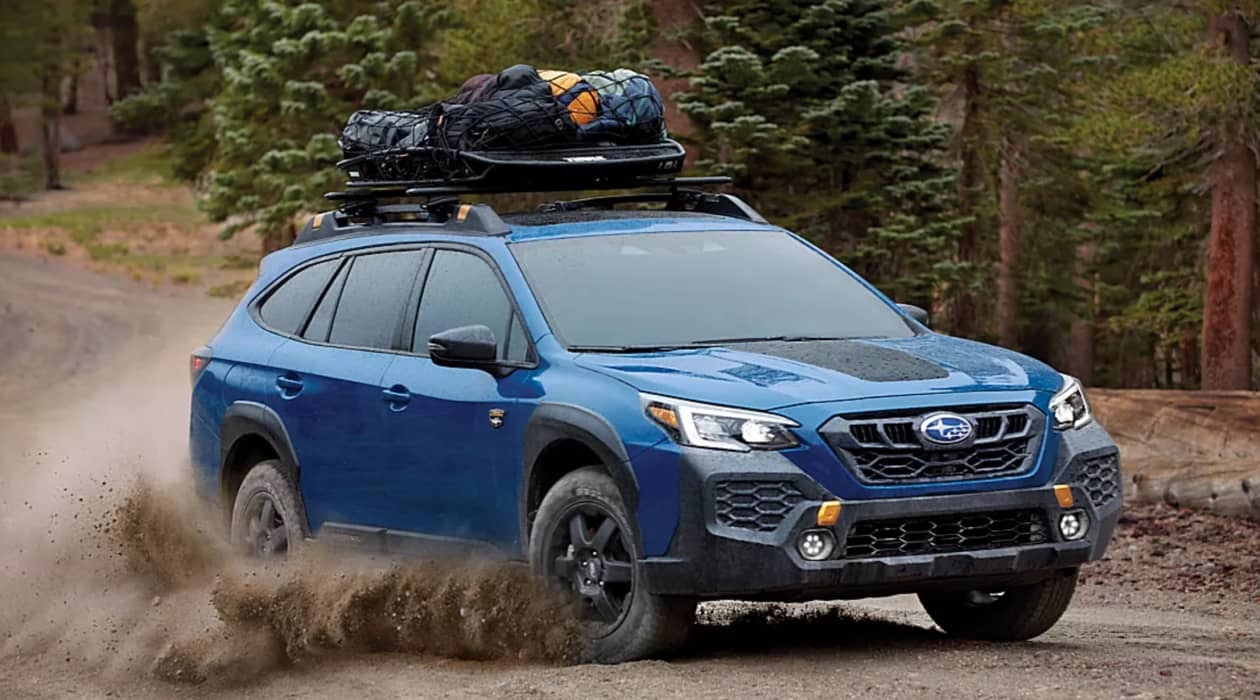
The Subaru Outback has earned a well-deserved reputation as one of the safest and most dependable SUVs on the road. One of its biggest safety assets is the brand’s signature all-wheel-drive system, which comes standard across most trims.
This system constantly monitors road conditions and distributes power to the wheels with the best traction, greatly improving stability on wet, snowy, or uneven surfaces.
Drivers of the Outback often report feeling more secure when driving in inclement weather or on less-maintained roads, knowing their vehicle is less likely to lose grip or slide.
The combination of all-wheel drive with an intelligent traction control system means the Outback offers confidence not only to seasoned drivers but also to those less experienced in challenging driving conditions.
Beyond mechanical systems, the Outback is equipped with Subaru’s EyeSight driver assistance technology, which significantly contributes to its safety profile.
EyeSight includes adaptive cruise control that maintains a safe distance from the car ahead, lane keep assist that gently steers the vehicle to prevent unintended drifting, and pre-collision braking that can help avoid or reduce the severity of crashes.
These technologies reduce driver stress by acting as an additional set of eyes and reactions, allowing the driver to relax somewhat without losing focus. This feature set is especially helpful on long highway drives, busy city traffic, or in sudden emergencies, helping prevent collisions before they happen.
In crash testing, the Subaru Outback consistently scores near the top of its class. Organizations such as the Insurance Institute for Highway Safety (IIHS) and the National Highway Traffic Safety Administration (NHTSA) have awarded the Outback high marks for crashworthiness and occupant protection.
The vehicle’s rigid safety cage, combined with numerous airbags strategically placed throughout the cabin, provides excellent protection in frontal, side, and rollover accidents. This robust structure helps reassure drivers and passengers that the vehicle can handle severe impacts while minimizing injury.
Lastly, the Outback’s design focuses on driver comfort and visibility. It offers large windows and well-positioned mirrors that reduce blind spots and give a commanding view of the road and surrounding traffic. The seating is supportive and ergonomic, which helps prevent driver fatigue over long distances.
This contributes to a more alert and comfortable driving experience. Altogether, the Subaru Outback represents a balanced package of mechanical reliability, cutting-edge safety technology, and thoughtful design elements that make drivers feel calm, protected, and confident on the road.
2. Volvo XC90
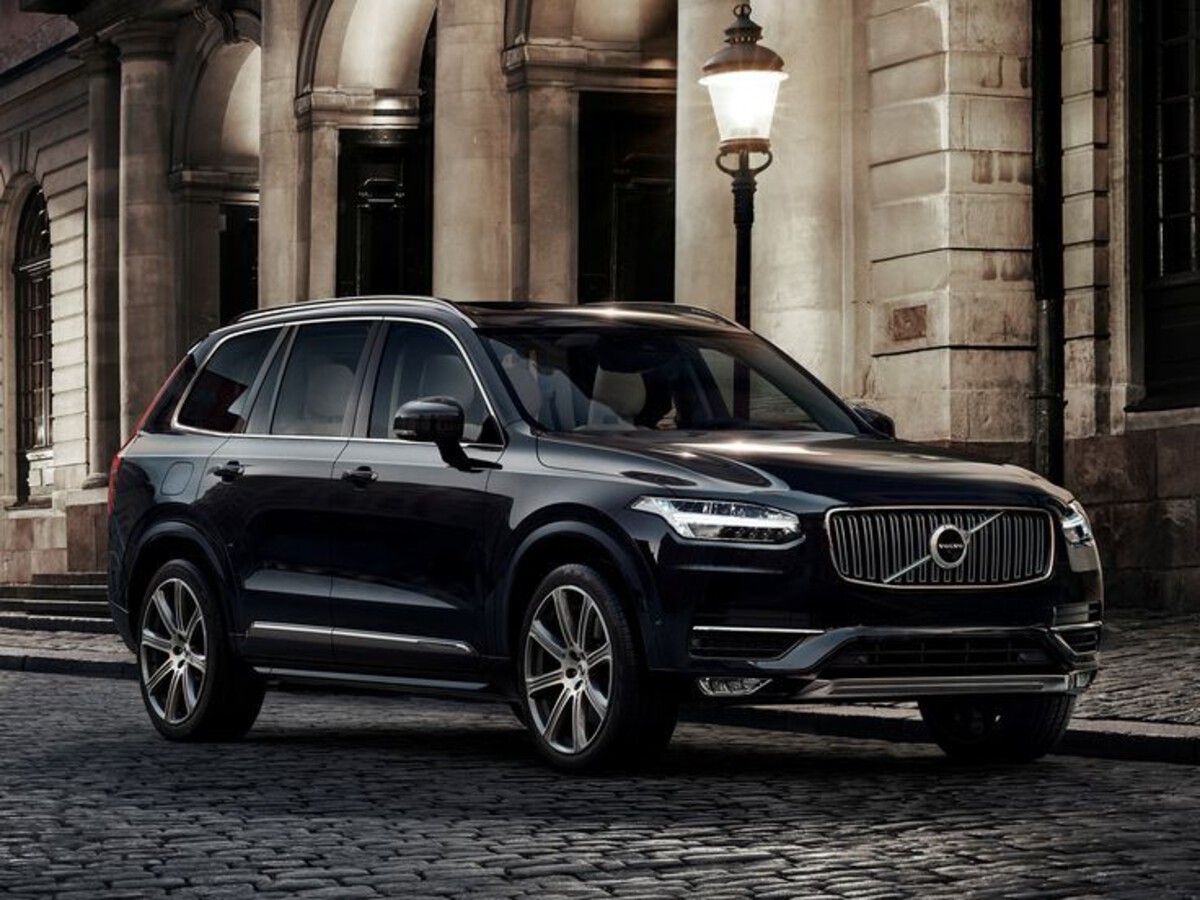
Volvo has long been synonymous with safety innovation, and the XC90 SUV exemplifies this commitment. The vehicle is packed with an array of advanced safety features aimed at preventing accidents and protecting passengers in all situations.
From city driving to highway cruising, the XC90’s automatic emergency braking system can detect pedestrians, cyclists, and other vehicles, intervening if the driver fails to react in time.
This proactive safety measure helps reduce collision risks, especially in urban environments where sudden hazards are common. The blind-spot monitoring system and rear cross-traffic alert provide extra reassurance when changing lanes or backing out of parking spaces, addressing two of the more anxiety-inducing driving scenarios.
Structurally, the XC90 is built on a high-strength steel safety cage designed to absorb and redirect crash forces away from the passenger compartment. Volvo’s engineers have also integrated crumple zones and reinforced pillars that work together to protect occupants during severe impacts.
The extensive use of side airbags and head protection systems further enhances occupant safety. These engineering efforts contribute to the XC90’s top-tier crash test ratings, which are among the best in the luxury SUV segment.
Drivers in the XC90 often speak about feeling cocooned in a strong, protective shell that inspires confidence even during challenging driving conditions. Inside, the Volvo XC90 cabin is designed with a focus on reducing driver distraction and enhancing situational awareness.
The layout of controls is intuitive, with a large touchscreen and tactile buttons positioned for easy access. The seats are spacious and comfortable, providing ample lumbar and thigh support, which reduces fatigue on long trips.
Visibility is excellent thanks to a large windshield and thin A-pillars, which minimize blind spots. Combined with the advanced sensor systems, this visibility helps the driver stay fully aware of their environment and potential hazards.
The XC90 also boasts refined driving dynamics that contribute to a sense of control and safety. Its suspension system strikes a balance between comfort and agility, absorbing bumps smoothly while providing sharp steering feedback.
This responsiveness means the vehicle feels planted and predictable during lane changes, cornering, and emergency maneuvers. The combination of technological innovation, structural integrity, and driving confidence makes the Volvo XC90 a standout choice for those seeking an SUV that truly prioritizes safety in every aspect.
3. Toyota Highlander
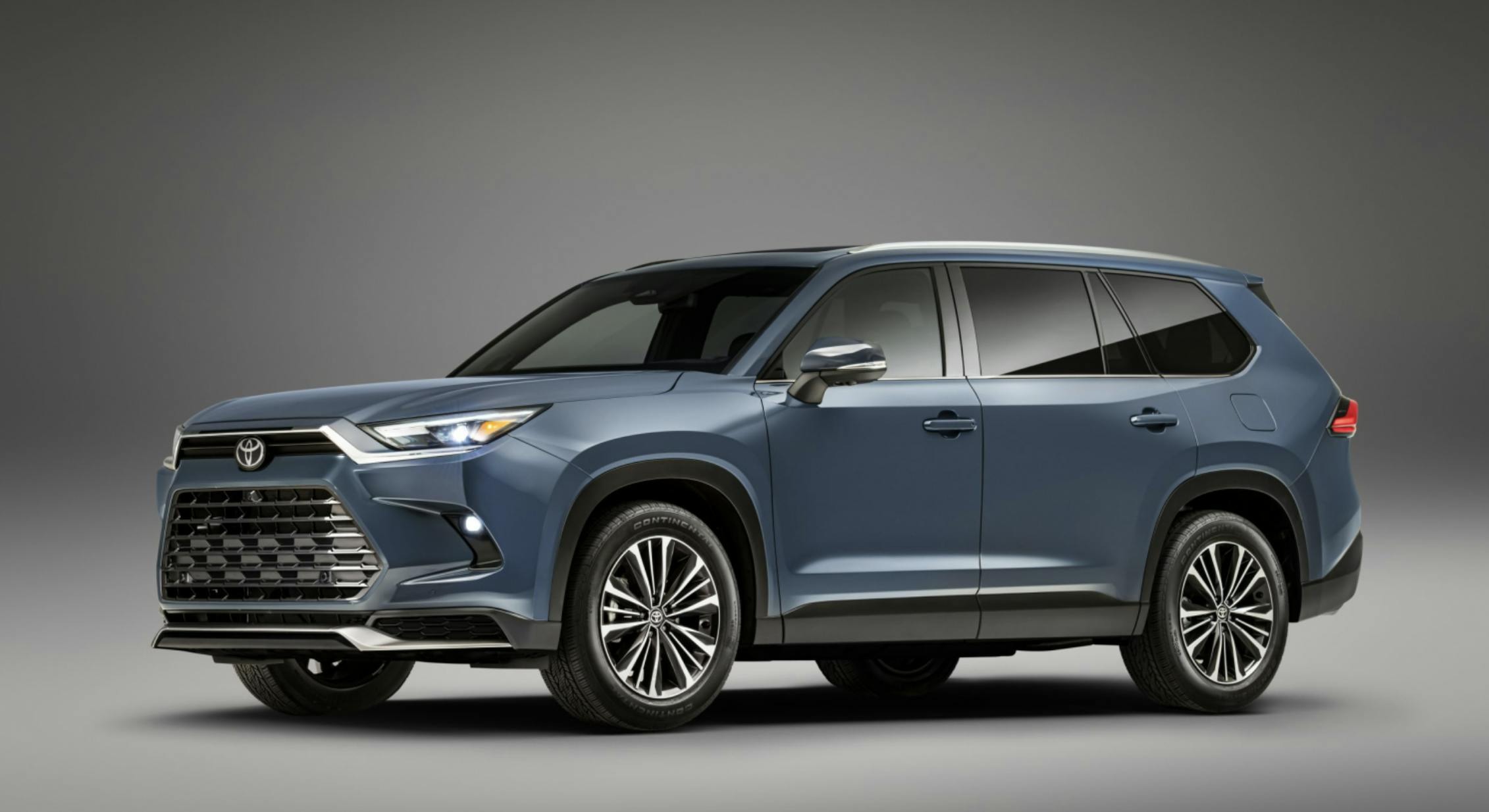
The Toyota Highlander has become one of the best-selling midsize SUVs in part because it offers a strong combination of safety, reliability, and everyday usability. One of its key safety highlights is Toyota Safety Sense, a suite of driver-assistance features that come standard on nearly all models.
These include adaptive cruise control that helps maintain safe following distances on highways, lane departure alert that warns if the vehicle starts to drift, and automatic emergency braking that can reduce the severity of or prevent frontal collisions.
For drivers who frequently face stop-and-go traffic or long-distance travel, these systems act as valuable support tools that ease driving stress and increase safety.
Beyond driver aids, the Highlander’s body structure is engineered for maximum crash protection. Its reinforced frame and energy-absorbing crumple zones work together to shield occupants from impact forces during collisions.
The vehicle also includes numerous airbags positioned strategically to protect all seating rows, giving peace of mind to families and groups traveling together. The Highlander’s strong safety ratings from the IIHS and NHTSA back up these claims, showing its capability to protect occupants in various crash scenarios.
Visibility is another factor that adds to the Highlander’s safe feeling. The vehicle’s large windows and thoughtfully designed mirrors help reduce blind spots, making lane changes and parking maneuvers easier and less stressful.
Optional features like blind-spot monitoring and rear cross-traffic alert further support driver awareness in challenging traffic situations. This means drivers can feel more confident navigating busy roads, tight spaces, and crowded parking lots.
Driving the Highlander is a composed and reassuring experience thanks to its suspension tuning and steering feel. The vehicle handles corners with minimal body roll and responds predictably to driver inputs, which reduces nervousness during sudden maneuvers or adverse weather conditions.
Its ride quality is comfortable, soaking up road imperfections well enough to avoid adding fatigue or tension. The Toyota Highlander provides a comprehensive package of safety, comfort, and reliability that helps drivers feel secure behind the wheel.

4. Honda CR-V
The Honda CR-V has carved out a reputation as a safe and practical compact SUV that appeals to a broad range of drivers. A major reason behind this is the inclusion of the Honda Sensing safety suite, which adds multiple layers of protection and assistance to everyday driving.
The suite includes collision mitigation braking, which can detect potential front-end collisions and automatically apply the brakes to reduce impact.
Lane keeping assist gently nudges the vehicle back into its lane if it begins to drift, while adaptive cruise control reduces driver fatigue by managing speed and distance in traffic automatically. These features help ease the mental load on drivers, allowing them to focus more on the road without constant stress.
In addition to active safety technology, the CR-V has a solid and well-engineered structure designed to protect occupants in crashes. It has performed very well in independent crash tests, with good scores in frontal, side, and rollover categories.
The strategic placement of airbags and strong safety cage construction give additional confidence that the vehicle will protect its occupants even in serious collisions.
Driver visibility in the CR-V is generally excellent. The cabin design incorporates large windows, slim roof pillars, and well-positioned side mirrors that allow for broad sightlines.
This helps reduce blind spots and makes lane changes, merges, and parking much less intimidating for the driver. Good visibility naturally reduces driver anxiety because it increases awareness and allows more time to react to hazards.
Finally, the CR-V is known for its balanced driving dynamics. The steering is precise but forgiving, and the suspension smooths out bumps effectively. This smooth and controlled ride quality contributes to the vehicle’s sense of safety and stability, which in turn helps drivers feel more relaxed and confident.
The combination of reliable safety features, solid crashworthiness, and good handling makes the Honda CR-V a top contender for anyone prioritizing safety.
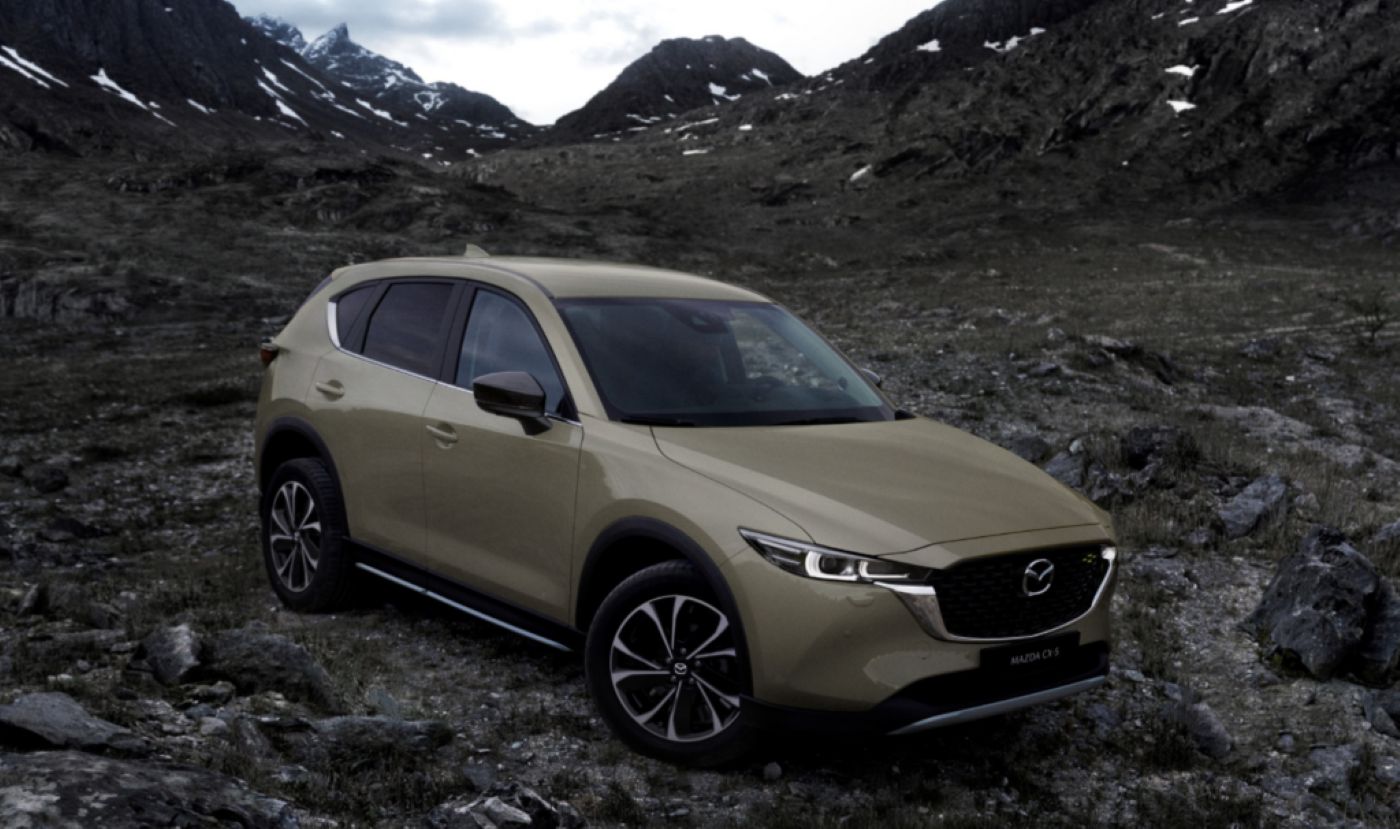
5. Mazda CX-5
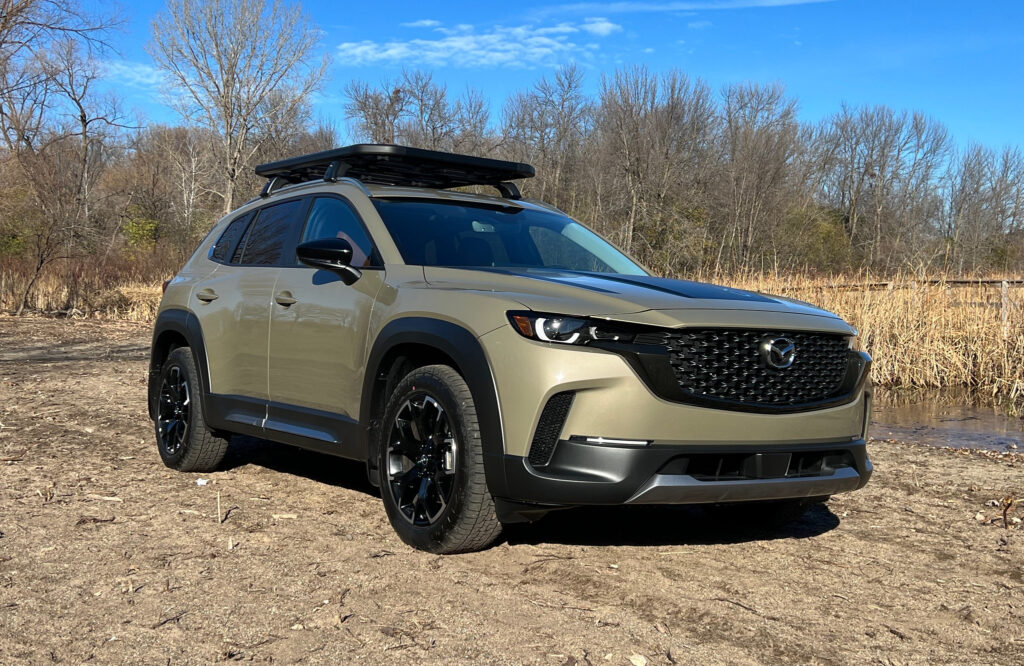
The Mazda CX-5 is frequently praised for combining sporty driving dynamics with excellent safety credentials. Unlike some SUVs that sacrifice handling for size or power, the CX-5 manages to offer a driving experience that feels connected and responsive. This helps drivers feel more in control, which is a key factor in reducing anxiety.
The vehicle handles curves with poise, providing stable cornering and precise steering feedback. These qualities mean that even when drivers need to make sudden evasive maneuvers or drive in challenging weather, the CX-5 responds predictably, helping maintain confidence.
Mazda equips the CX-5 with a comprehensive set of driver-assist features, including adaptive cruise control, lane departure warning, lane keep assist, and automatic emergency braking.
These systems support the driver by monitoring the road environment and stepping in when necessary, reducing the chance of accidents and helping the driver maintain focus and composure.
The CX-5 also scores highly in crash tests, with a reinforced body structure designed to absorb and dissipate energy during impacts, protecting passengers effectively.
Visibility in the CX-5 is generally very good, aided by a carefully designed cabin layout. The vehicle’s windows and mirrors are positioned to minimize blind spots, which helps drivers stay aware of nearby vehicles and obstacles.
The interior is comfortable, with supportive seating that helps reduce fatigue during long drives. An intuitive control layout means drivers don’t have to divert attention to operate important functions, further contributing to a safe driving environment.
The CX-5’s suspension smooths out rough roads, and its quiet cabin reduces distraction, creating a peaceful atmosphere that keeps driver stress low. All of these factors combine to make the Mazda CX-5 an SUV that consistently makes its drivers feel safe and in control, whether navigating city streets or open highways.
5 SUVs That Give You Anxiety
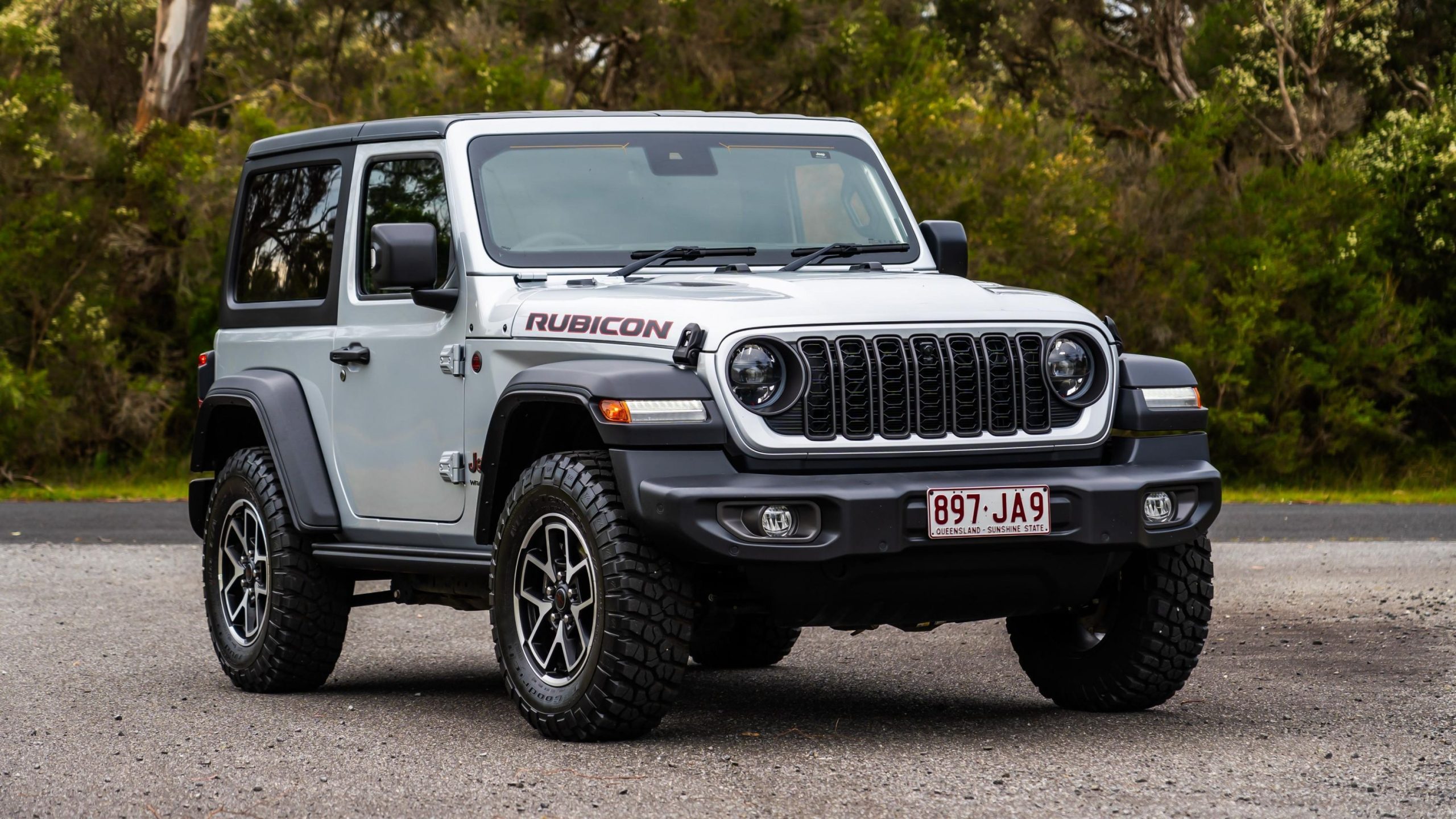
1. Jeep Wrangler
The Jeep Wrangler is beloved by off-road enthusiasts but is often not the first choice when it comes to feeling safe and comfortable on paved roads. Its design, optimized for rugged terrain, leads to several characteristics that can cause driver anxiety.
The Wrangler’s tall and boxy shape raises its center of gravity significantly, which negatively affects its stability during sharp turns or sudden maneuvers.
Drivers often report a “top-heavy” sensation, where the vehicle feels prone to tipping or rolling in extreme situations. This can be especially unsettling on highways or curvy roads, where stability and predictable handling are key to a relaxed driving experience.
Visibility is another challenge in the Wrangler. The thick A-pillars and small, narrow windows create large blind spots, particularly around the sides and rear of the vehicle.
This limits the driver’s ability to see other cars, pedestrians, or cyclists, making lane changes and turns more nerve-wracking. The rear visibility is also limited, and the spare tire mounted on the back often obstructs the rear view. Although backup cameras help, many drivers still feel uneasy when reversing or parking.
The Wrangler’s ride quality is another factor that can add to driver anxiety. Its suspension is designed primarily for off-road durability, which means it can feel bouncy and rough on paved roads.
This results in a less comfortable and less composed ride compared to many modern SUVs, increasing driver fatigue and tension, especially on longer drives or in stop-and-go traffic. The noise from the engine and road also tends to be louder than in other SUVs, which can add to the feeling of stress.
Lastly, the Wrangler lacks some of the advanced driver-assistance features that help reduce mental workload on the road. While it offers basic safety equipment, it doesn’t include many modern systems like adaptive cruise control or lane-keep assist as standard features.
This absence means the driver must remain extra alert, contributing to a sense of anxiety in complex or busy driving conditions.
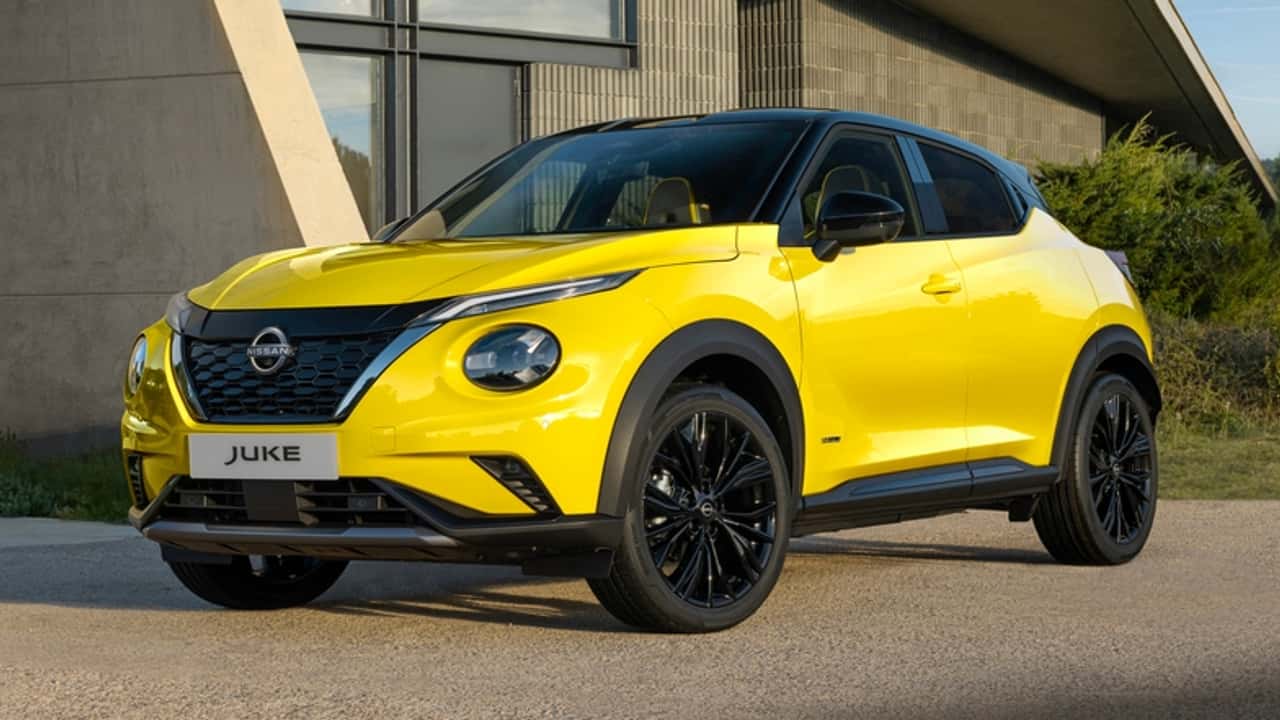
2. Nissan Juke
The Nissan Juke is a small SUV with a bold and quirky design, but many drivers find it less than reassuring behind the wheel. One key source of anxiety is the vehicle’s tall stance combined with a relatively narrow track width.
This combination can lead to a “tippy” feeling, especially when cornering quickly or during sudden evasive actions. Drivers often report feeling like the vehicle is less planted, which undermines their confidence in critical situations where stability is crucial.
Visibility is another common complaint with the Juke. The high beltline and small rear window make rearward sightlines poor, forcing drivers to rely heavily on mirrors and cameras when changing lanes or reversing.
The side mirrors themselves are sometimes positioned in a way that creates additional blind spots, making merging or lane changes more stressful. This restricted visibility means drivers have to be extra cautious, which can elevate anxiety, especially in busy urban environments or on highways.
Ride quality is also a point of concern. The Juke’s suspension can feel stiff, transmitting road imperfections sharply into the cabin. This can make the ride feel unsettled and uncomfortable, which increases driver fatigue and tension during longer drives or over rough city streets.
A smooth ride helps reduce stress and maintain focus, so the lack of comfort in the Juke can detract from the feeling of safety.
Finally, the Juke’s safety features are limited compared to many other SUVs. While it includes some basic airbags and stability control, it lacks more advanced driver assistance technologies like adaptive cruise control and lane keeping assist, which help reduce driver workload and anxiety.
Without these systems, drivers have to be constantly vigilant, which can be exhausting and contribute to a feeling of unease.
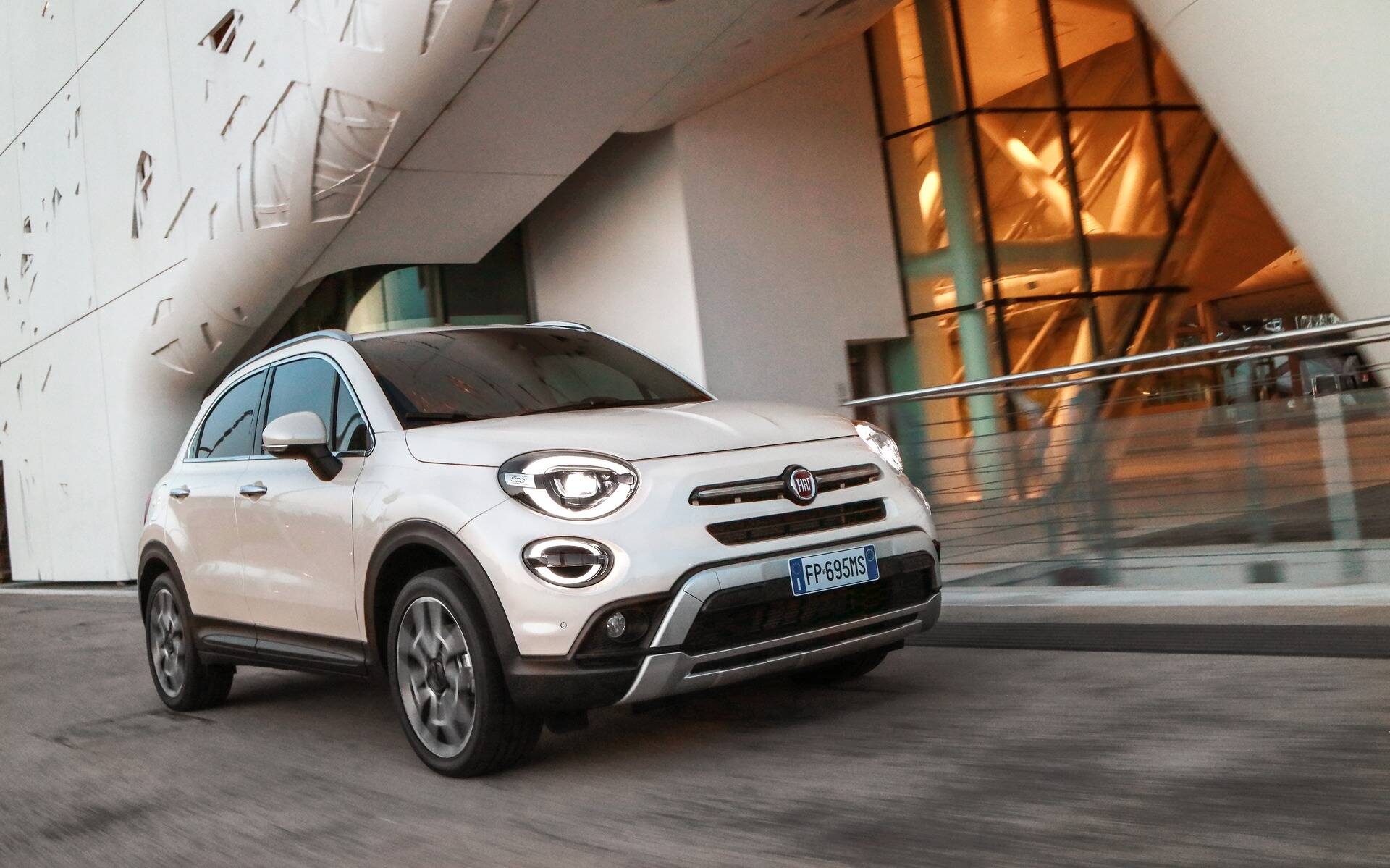
3. Fiat 500X
The Fiat 500X is an attractive and compact SUV that appeals to those looking for a small, city-friendly vehicle. However, its size and design often lead to a feeling of vulnerability on the road, which can create anxiety for some drivers.
Compared to larger SUVs, the 500X has a lighter body and smaller footprint, which can make it feel less stable during sudden maneuvers or when driving at higher speeds. This sense of being less “planted” on the road can make drivers second-guess their reactions in emergencies.
The vehicle’s visibility also presents challenges. Although the seating position is relatively high, which helps forward sightlines, the rear window is quite narrow and the rear pillars are thick, creating substantial blind spots. Drivers report needing to turn their heads more frequently to check for other vehicles, especially when changing lanes or backing up. This extra effort to maintain awareness can increase mental workload and stress during daily driving.
Ride quality in the Fiat 500X tends to be firm, and the suspension does not absorb bumps as well as many competitors. This results in a bumpy, less comfortable ride, which may cause discomfort and fatigue during longer journeys. A harsh ride can contribute to driver anxiety by making the vehicle feel less composed and less predictable.
Safety equipment on the 500X is also somewhat limited. While it meets basic safety standards and includes airbags and stability control, it does not come with many advanced safety aids that have become common in other vehicles, such as blind-spot monitoring or automatic emergency braking.
Without these technologies, the driver must be more cautious and engaged, which can add to the feeling of nervousness behind the wheel.
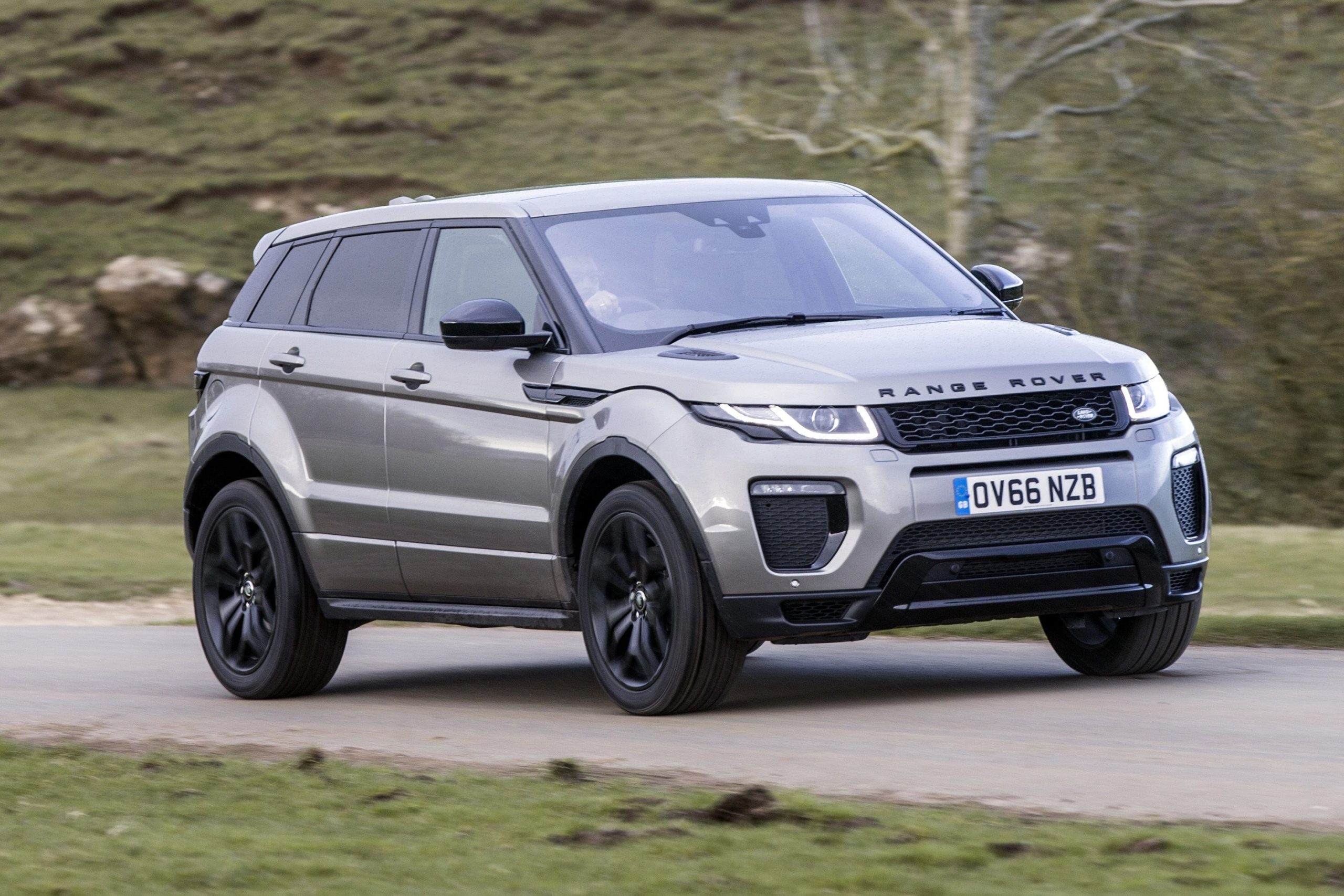
4. Range Rover Evoque
The Range Rover Evoque is a stylish luxury compact SUV that emphasizes design and off-road capability. However, it can sometimes create a feeling of insecurity while driving, leading to anxiety for some drivers.
The Evoque’s relatively narrow track width combined with a high center of gravity affects its stability during sharp turns or quick lane changes. Some drivers find the vehicle’s handling less predictable, experiencing mild body roll or hesitation that makes them feel less confident when pushing the vehicle or reacting to sudden obstacles.
Visibility also causes issues for many Evoque drivers. Its sleek, coupe-like roofline slopes sharply towards the rear, reducing the size of the rear window and creating thick rear pillars.
This design choice compromises rearward visibility, requiring drivers to rely heavily on parking sensors and rearview cameras. While helpful, these aids don’t always fully compensate for the poor natural sightlines, especially when merging into traffic or reversing in tight spaces.
The ride quality in the Evoque can be firm, especially with larger wheels and sport-tuned suspensions that prioritize handling over comfort. This stiffness means that bumps and road imperfections are transmitted more noticeably into the cabin, which can increase driver fatigue and anxiety, particularly on longer drives or rough roads.
Although the Evoque includes many modern safety features such as automatic emergency braking, lane keep assist, and blind-spot monitoring, the combination of handling quirks and visibility challenges can outweigh the benefits for some drivers. Feeling unsure of the vehicle’s behavior and sightlines often leads to increased caution or nervousness, reducing the driving enjoyment and comfort.

5. Ford EcoSport
The Ford EcoSport is a subcompact SUV designed primarily for urban driving, but it often generates anxiety due to its design compromises. One major issue is its high seating position paired with a very short wheelbase and narrow track.
This combination can cause instability during sharp turns or sudden maneuvers, resulting in a nervous, twitchy feeling that some drivers find unsettling. The EcoSport can feel less grounded compared to larger, more stable SUVs, which reduces driver confidence during emergency handling situations.
Visibility from the driver’s seat is limited in the EcoSport. Its thick pillars and small windows create significant blind spots, particularly on the passenger side and rear quarters.
The rear window is small and awkwardly shaped, complicating reverse maneuvers and parking in tight spaces. While rearview cameras and sensors are available, the lack of natural sightlines means drivers must remain extra cautious, increasing stress levels in busy or confined environments.
Ride quality is also a weak point for the EcoSport. The suspension tends to feel stiff and unsettled over bumps and uneven pavement, leading to a choppy and uncomfortable ride. This can increase driver fatigue and reduce the sense of security and comfort, especially on longer trips or poor road surfaces.
Additionally, the EcoSport lacks many advanced safety features that have become standard in other SUVs in its class. It does not offer adaptive cruise control or lane keeping assist, and some models have limited airbag coverage.
This minimal safety tech package means drivers must rely more heavily on their own vigilance, which can elevate anxiety, especially for less experienced drivers or those driving in complex traffic conditions.
