
Electric vehicles (EVs) have been transforming the automotive industry at an accelerating pace over recent years. With climate concerns, government incentives, and advancements in battery and motor technology driving consumer interest, electric vehicles are no longer just a niche option.
They’ve become an essential part of the global push toward sustainability and cleaner transportation. However, with the variety of EVs flooding the market, not every model delivers equally well on its promises.
For many early adopters and long-term EV owners, the ownership experience has ranged from highly satisfying to quietly disappointing.
Those who recommend certain EVs tend to focus on factors like driving range, charging infrastructure compatibility, build quality, comfort, and reliability.
Conversely, the vehicles that owners regret often fall short in some or many of these areas, whether due to limited range, software issues, unexpected maintenance costs, or design compromises that impact daily usability.
This article shares insights drawn from owner feedback and firsthand experiences with some of the most prominent EVs currently on the road. By examining both ends of the satisfaction spectrum, prospective buyers can gain a more realistic understanding of what to expect and which models might align best with their lifestyle and needs.
The recommended list includes EVs that have earned a strong reputation among their owners for providing consistent performance, dependable range, and a good balance of features and value.
On the other hand, the vehicle owners often regret have hidden drawbacks or fail to meet evolving expectations, especially as newer models raise the bar for what’s considered standard in the EV world.
This analysis aims to be practical and user-centered, cutting through marketing hype to present what real owners say after months or years behind the wheel.
Owning an electric vehicle is about more than just emissions reductions; it is about embracing a new kind of mobility. As battery technology improves and infrastructure grows, EV ownership will become easier and more rewarding.
But until that point, knowing which models deliver satisfaction and which ones create quiet regrets can save future owners time, money, and frustration.
This article invites readers to hear from the people who matter most the owners themselves offering a clearer view of the current EV industry and helping guide the transition to cleaner transportation.
Also Read: Top 10 Cars With Zero Factory Recalls Over The Years
EVs Owners Actually Recommend
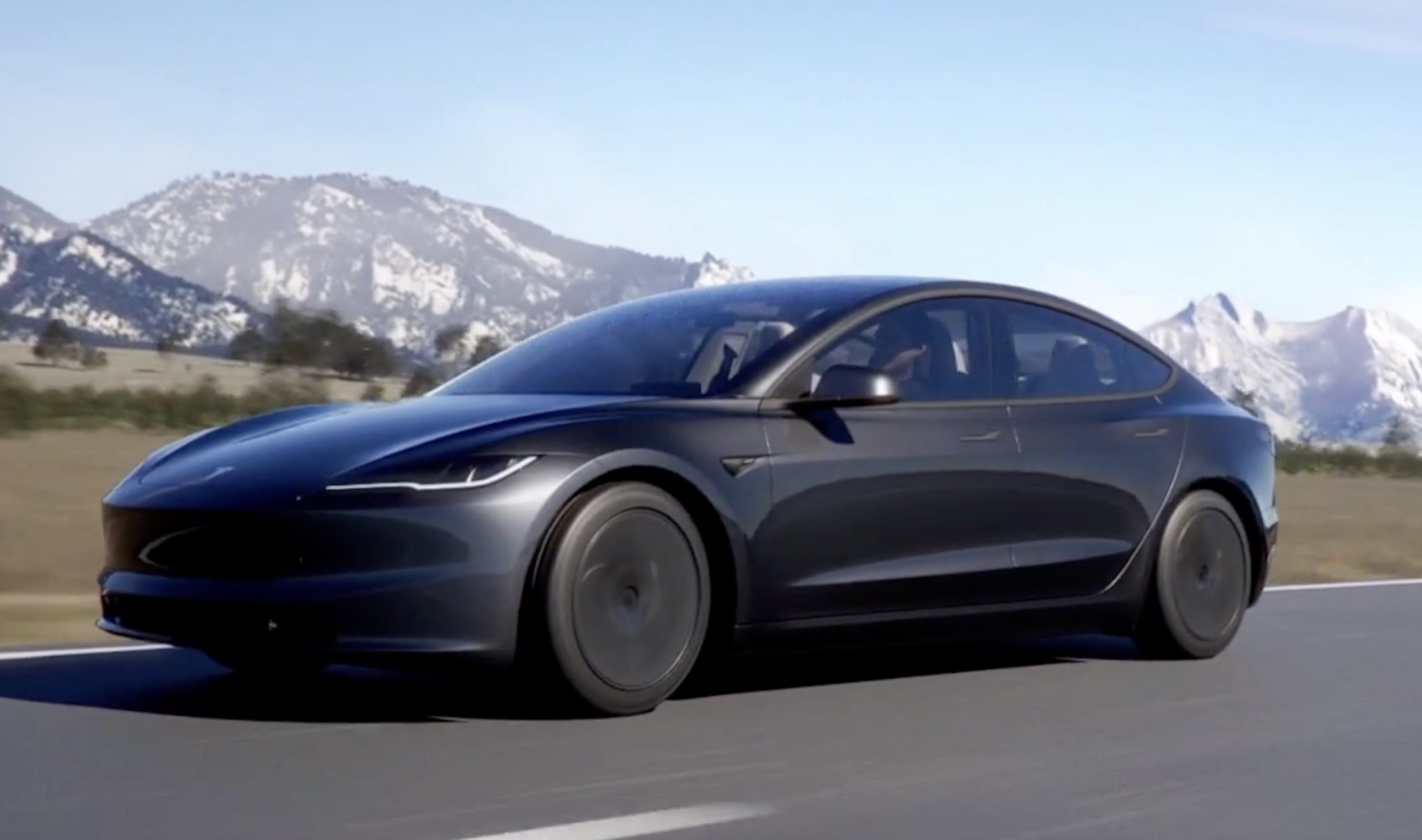
Tesla Model 3
The Tesla Model 3 has made a significant impact on the electric vehicle market and continues to be one of the most highly recommended EVs among owners. Its blend of impressive electric range, sharp performance, and expanding charging infrastructure has made it a favorite for a broad spectrum of drivers.
Many owners point out that the Model 3 offers an unparalleled driving experience in its price range, combining the quick acceleration of a sports car with the practical features of a daily commuter.
The rear-wheel drive and all-wheel drive variants both deliver confident handling and a smooth ride that responds well to driver inputs, enhancing the satisfaction behind the wheel.
One of the standout features that Tesla owners often highlight is the Supercharger network. This proprietary fast-charging system provides a reliable and widespread network of chargers, making long-distance travel not just possible but convenient.
The ease of finding a Supercharger and the speed with which the Model 3 charges at these stations are major factors contributing to owner confidence.
Many EVs rely on third-party charging networks, which can be inconsistent and slow, but Tesla’s integrated system removes much of the stress related to charging logistics. For owners who travel frequently, this network becomes a key selling point and a reason for ongoing satisfaction.
The interior design of the Model 3, while minimalist, is another point of praise. The large, central touchscreen is the control hub for nearly all functions, and its intuitive interface receives positive feedback.
Over-the-air software updates continue to improve the vehicle long after purchase, adding new capabilities and refining existing features, a luxury that traditional car owners do not often experience.
For example, updates have improved range estimations, added driver-assist features, and enhanced entertainment options. This approach to continuous improvement keeps the Model 3 feeling current and relevant years after the initial sale, something that owners greatly appreciate.
While the Model 3 has faced criticism in the past for inconsistent build quality, Tesla has made strides in addressing these issues, and many owners report improved quality in newer production runs. Some early owners experienced minor fit-and-finish problems, but reliability and customer satisfaction have improved steadily.
Given its combination of value, performance, charging convenience, and software enhancements, the Tesla Model 3 remains one of the most recommended electric vehicles on the market and a strong choice for anyone looking to enter the EV world with confidence.
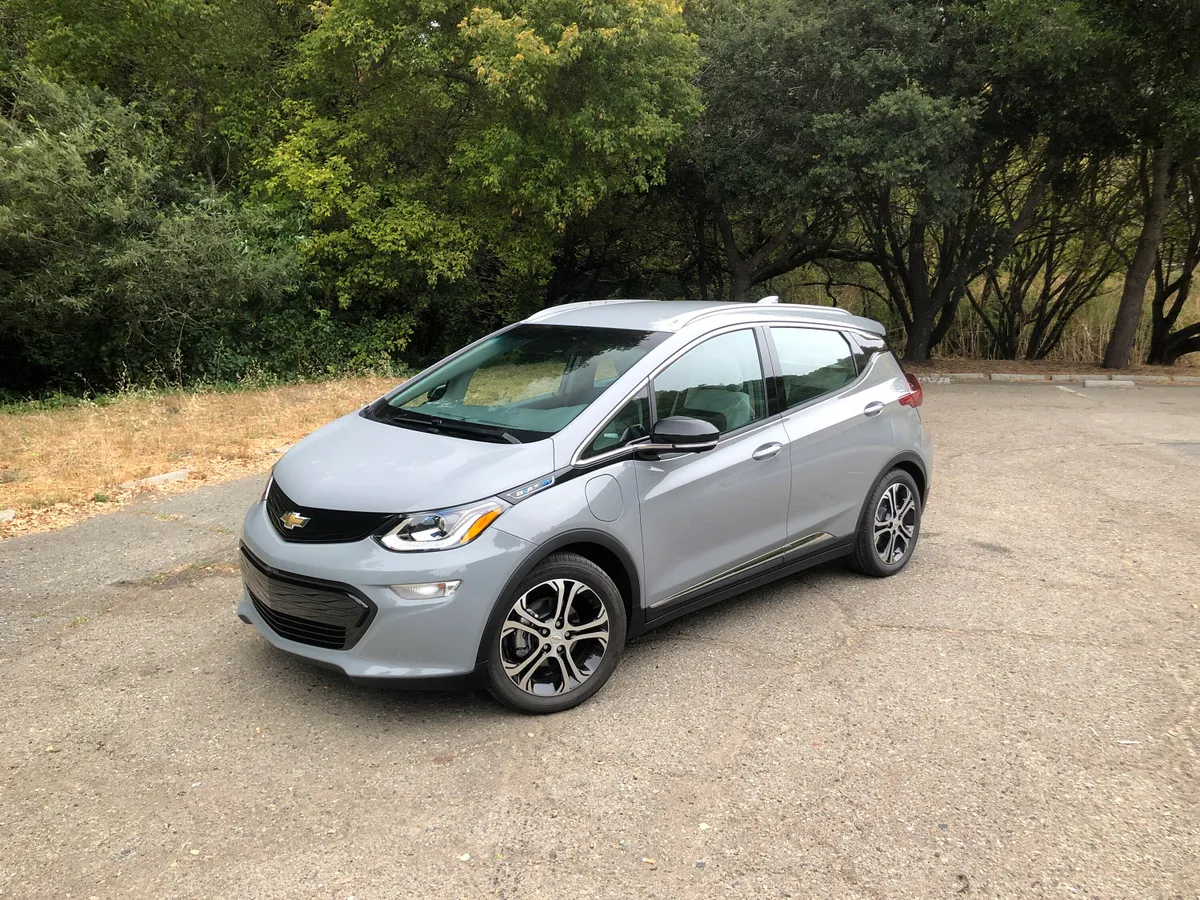
Chevrolet Bolt EV
The Chevrolet Bolt EV is frequently recommended by owners who value practicality and affordability without sacrificing key electric vehicle benefits. As one of the earlier mainstream EVs to offer a competitive range at a lower price point, the Bolt has earned a loyal following among those looking for an everyday electric car.
Its compact hatchback design combines with a surprisingly spacious interior, offering ample headroom and legroom for passengers.
Owners often praise how the Bolt manages to deliver a driving experience that feels peppy and engaging despite its modest price tag, with quick acceleration and responsive steering that make it fun in city traffic and suburban driving.
One of the Bolt’s strongest selling points is its range, which often hovers around 250 miles depending on the model year. This distance strikes a balance that most daily drivers find more than sufficient, alleviating much of the range anxiety that can deter first-time EV buyers.
The Bolt’s efficiency and battery management system contribute to consistent performance across different driving conditions, whether navigating stop-and-go traffic or cruising on highways. Many owners note that the Bolt is a practical commuter car that does not require constant charging, making it well-suited to daily routines.
Chevrolet’s efforts to improve the Bolt over the years are reflected in enhanced battery technology and interior upgrades. Earlier models did have some concerns, including a few battery recall events, but GM’s proactive approach to safety and warranty support has reassured many owners.
The interior is simple yet functional, with a well-laid-out infotainment system that includes features like Apple CarPlay and Android Auto. While not luxurious, the cabin is comfortable for long drives and provides useful cargo space, making it a versatile option for small families or individuals.
Charging the Bolt EV is relatively straightforward, with compatibility for both Level 2 home chargers and public DC fast chargers. While its fast-charging speed is not the fastest available, it remains adequate for routine use and occasional longer trips.
The Bolt’s ownership experience is often characterized by reliability, low running costs, and a practical approach to EV driving. Owners commonly recommend the Bolt to newcomers to electric vehicles or anyone looking for a no-frills, dependable EV that gets the job done without breaking the bank.
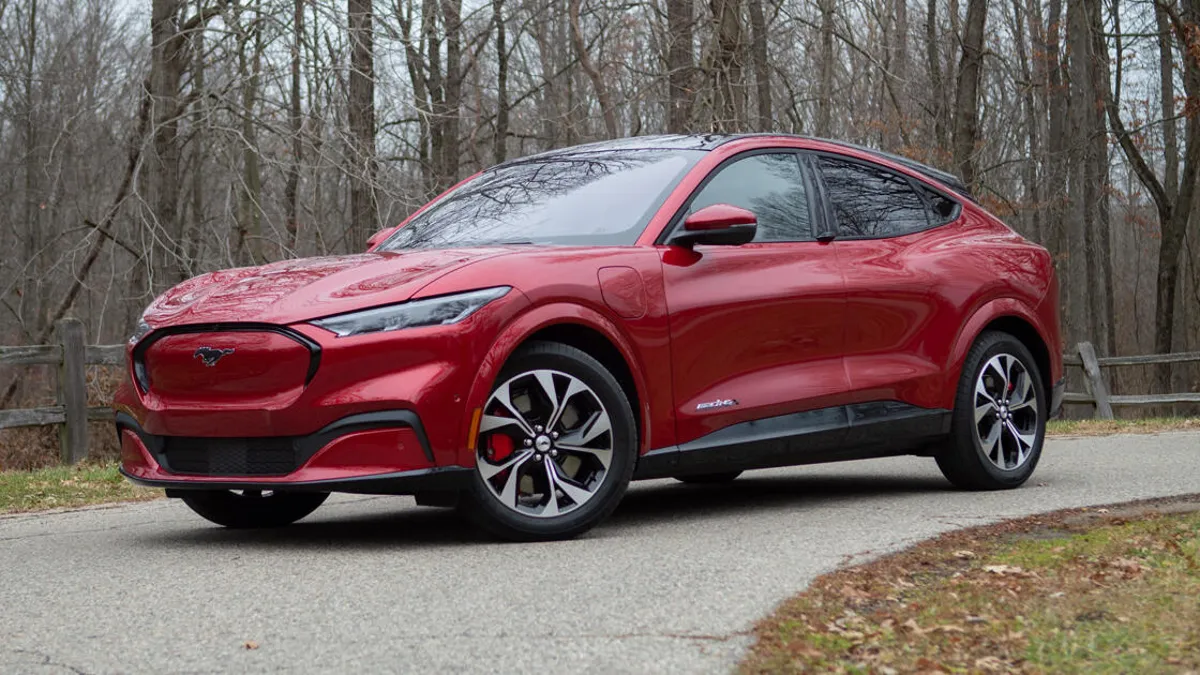
Ford Mustang Mach-E
The Ford Mustang Mach-E has made a bold statement by bringing a sporty and stylish electric SUV to a growing market segment. Many owners appreciate how Ford managed to preserve the Mustang’s performance heritage while transforming it into a modern electric vehicle.
The Mach-E offers several configurations, including rear-wheel drive and all-wheel drive, with battery sizes tailored to range and power preferences. This flexibility allows buyers to choose the model that best fits their lifestyle, whether prioritizing long-range capability, acceleration, or towing capacity.
Owners frequently comment on the Mach-E’s driving dynamics, describing it as agile and responsive for an SUV of its size. The electric powertrain delivers instant torque, making acceleration feel smooth yet exhilarating.
The suspension balances comfort with control, absorbing bumps while maintaining good road grip, which appeals to drivers who want a vehicle suitable for both city streets and highway cruising. Many also note the Mach-E’s quiet cabin and solid build quality, which contribute to a premium feel that justifies its price point.
The interior is modern and tech-focused, with a large vertical touchscreen dominating the center console. The infotainment system is generally well-received for its responsiveness and ease of use, and Ford’s SYNC interface offers comprehensive smartphone integration.
The digital instrument cluster provides customizable information, enhancing the driving experience. Practical features such as ample cargo space, multiple USB ports, and comfortable seating make the Mach-E family-friendly and versatile for everyday use.
Charging infrastructure for the Mach-E has improved, especially with Ford’s partnerships expanding access to public fast chargers. The vehicle’s range can exceed 300 miles on certain trims, reducing range anxiety and broadening the appeal for long-distance travel.
Software updates via the cloud keep the system current and add features over time. Owners often cite the Mustang Mach-E as a strong recommendation for those wanting a stylish, performance-oriented EV that also functions as a practical daily driver and weekend adventure vehicle.
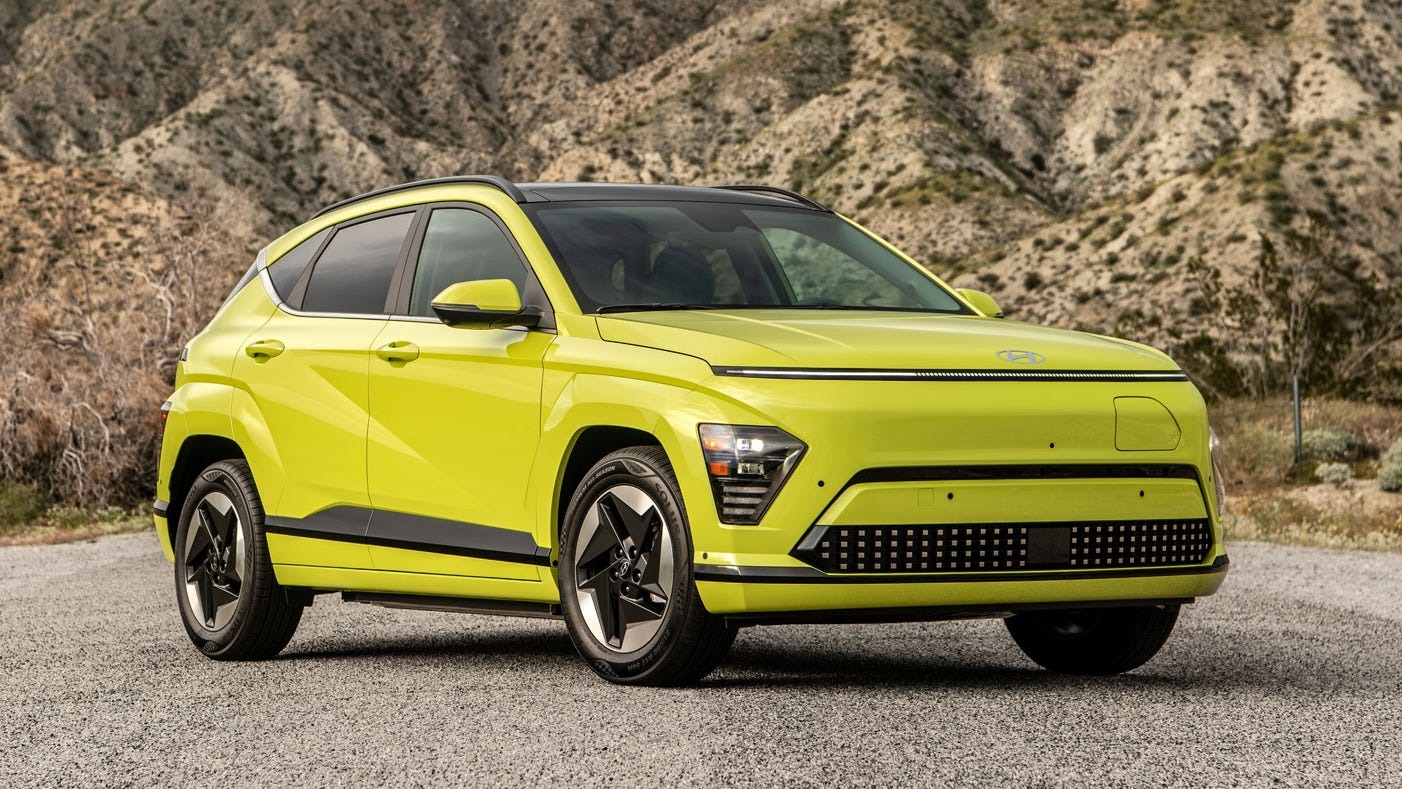
Hyundai Kona Electric
The Hyundai Kona Electric stands out in the competitive electric SUV market for its strong combination of range, value, and reliability. Owners often highlight the Kona Electric as a vehicle that punches above its weight, delivering many premium features at a price that is more accessible than some luxury competitors.
Its range, typically around 258 miles on a full charge, is competitive and sufficient for most daily driving and even longer trips with planned stops. This level of range helps alleviate common concerns about running out of charge during routine use.
Drivers praise the Kona Electric for its smooth and quiet ride, which is a hallmark of electric vehicles, combined with surprisingly sharp handling for a compact SUV. The vehicle’s powertrain offers brisk acceleration, making it fun to drive around town or on winding roads.
The suspension setup balances comfort with agility, providing a composed driving experience that few other electric SUVs in this price bracket match. Hyundai’s focus on quality materials and well-thought-out interior design also earns positive comments from owners.
The cabin is spacious relative to its compact exterior dimensions, offering enough room for passengers and cargo to make it practical for daily errands, commutes, and weekend trips.
The infotainment system is user-friendly, featuring a responsive touchscreen, Apple CarPlay, and Android Auto compatibility. Safety features and driver assistance technologies are included as standard or available options, boosting confidence and convenience behind the wheel.
Charging the Kona Electric is straightforward, with support for both Level 2 home chargers and DC fast chargers. Although its fast-charging speed isn’t the absolute fastest on the market, it is sufficient for most drivers’ needs.
Hyundai’s generous warranty, including an 8-year battery warranty, adds to owner peace of mind. For these reasons, many Kona Electric owners recommend it as a reliable, efficient, and enjoyable electric vehicle that delivers excellent value in the growing electric SUV segment.
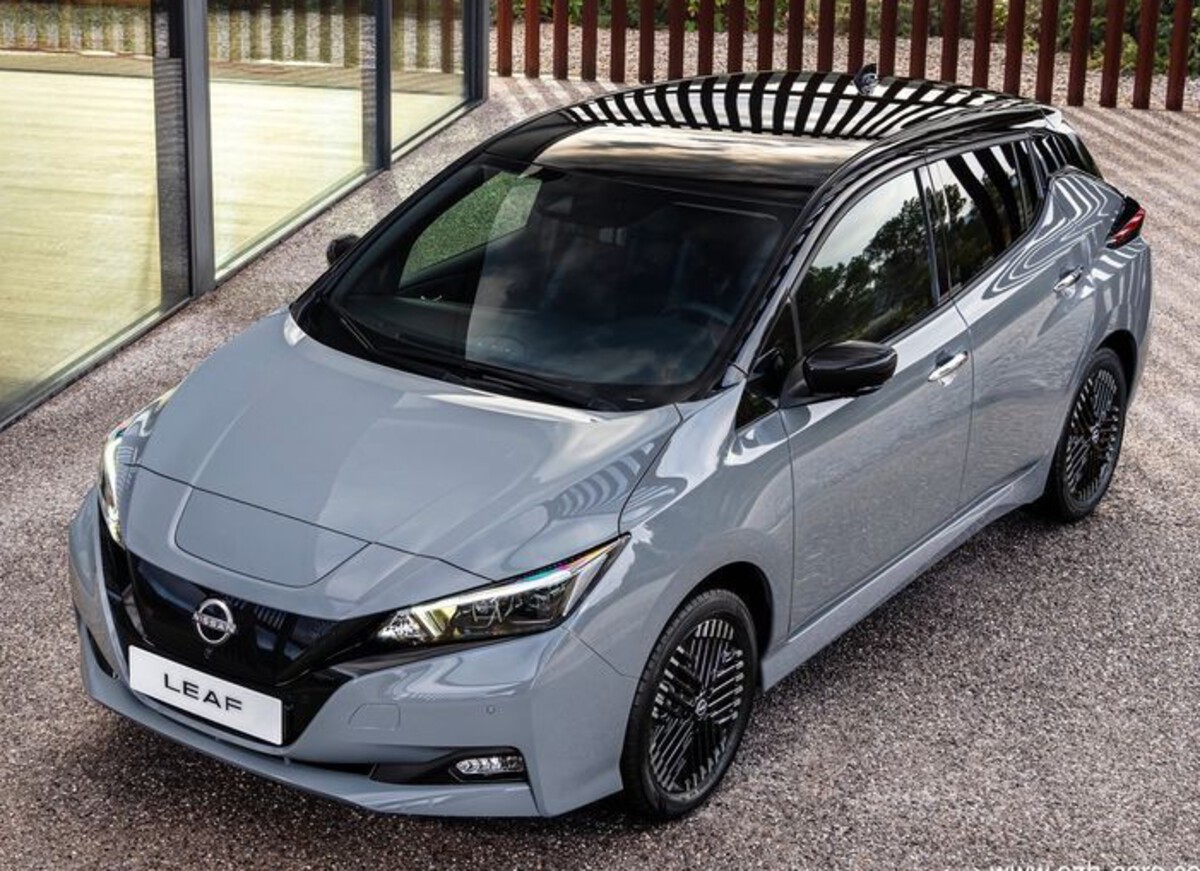
Nissan Leaf
The Nissan Leaf is often recommended for its pioneering role in making electric vehicles accessible to the mass market. It was one of the earliest fully electric cars widely available and remains a popular choice for those who want a simple, reliable, and affordable EV.
Many owners appreciate the Leaf’s ease of use, smooth acceleration, and quiet operation. Its moderate size and friendly driving dynamics make it especially suited for city driving and daily commutes, where longer range is less critical.
While the original Leaf models had a limited range of around 100 miles, newer versions significantly improved with larger battery packs, extending the driving distance to around 150-226 miles depending on the trim.
This improvement expanded the Leaf’s usability, making it a viable option for more drivers. Owners also praise Nissan’s continued software and hardware updates that help maintain vehicle performance and safety.
The interior is comfortable and functional, featuring straightforward controls and a user-friendly infotainment system.
While the Leaf does not offer the luxury or cutting-edge tech of some newer EVs, it provides everything necessary for a pleasant driving experience. Regenerative braking is adjustable, allowing drivers to tailor the car’s responsiveness and maximize range efficiency.
Charging options for the Leaf include Level 2 and DC fast charging, and Nissan’s CHAdeMO connector allows for quick charging at many public stations. While this standard has been somewhat eclipsed by CCS in newer models, it remains widely supported in many regions.
The Nissan Leaf’s affordability, combined with its reliability and ease of maintenance, makes it a recommended choice for those entering the electric vehicle market or seeking a practical secondary car.
Also Read: Top 10 Cars With Zero Factory Recalls Over The Years
EVs Owners Quietly Regret
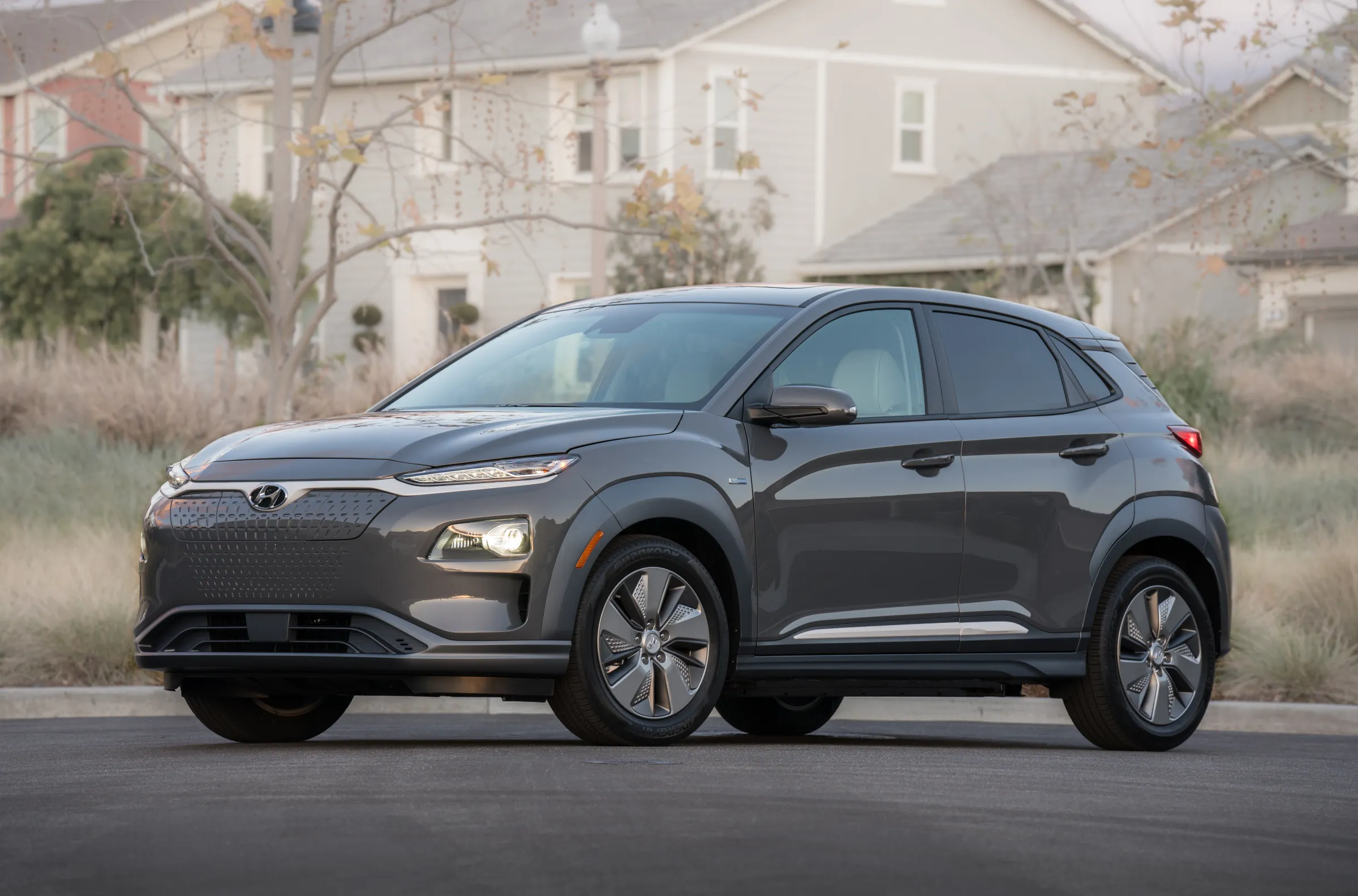
BMW i3
The BMW i3 was an ambitious attempt to combine sustainability, unique design, and premium features in an electric vehicle, but many owners quietly regret some aspects of their purchase.
The i3’s distinctive, futuristic styling sets it apart on the road, with a carbon fiber reinforced plastic body and innovative use of sustainable materials inside the cabin. However, the same design that attracts some also alienates others due to its unconventional looks, which many find polarizing. This limits its appeal to a broader audience.
One of the main drawbacks cited by owners is the limited electric range. Even in its later iterations, the i3’s battery capacity delivers roughly 153 miles under ideal conditions, which feels restrictive compared to competitors offering 200 miles or more.
This limited range often leads to range anxiety, particularly in regions without dense charging infrastructure. For owners who hoped to replace their gas car fully, the i3 sometimes necessitates a backup vehicle for longer trips, diminishing its convenience.
The interior, while made with eco-friendly materials such as recycled plastics and responsibly sourced fabrics, is notably compact and less practical than many rivals.
Rear-seat passengers have minimal legroom, and the rear-hinged back doors complicate entry and exit, especially in tight parking spots. Owners who expected a luxury feel often find the cabin cramped and less refined than other BMW models, adding to their disappointment.
Charging speed is adequate but not exceptional, and the i3’s unique charging port layout and sometimes limited public charger compatibility can frustrate drivers. For the premium price point, owners expect more in terms of range, space, and tech, and many quietly admit they might have chosen a different vehicle had they fully understood the compromises involved.
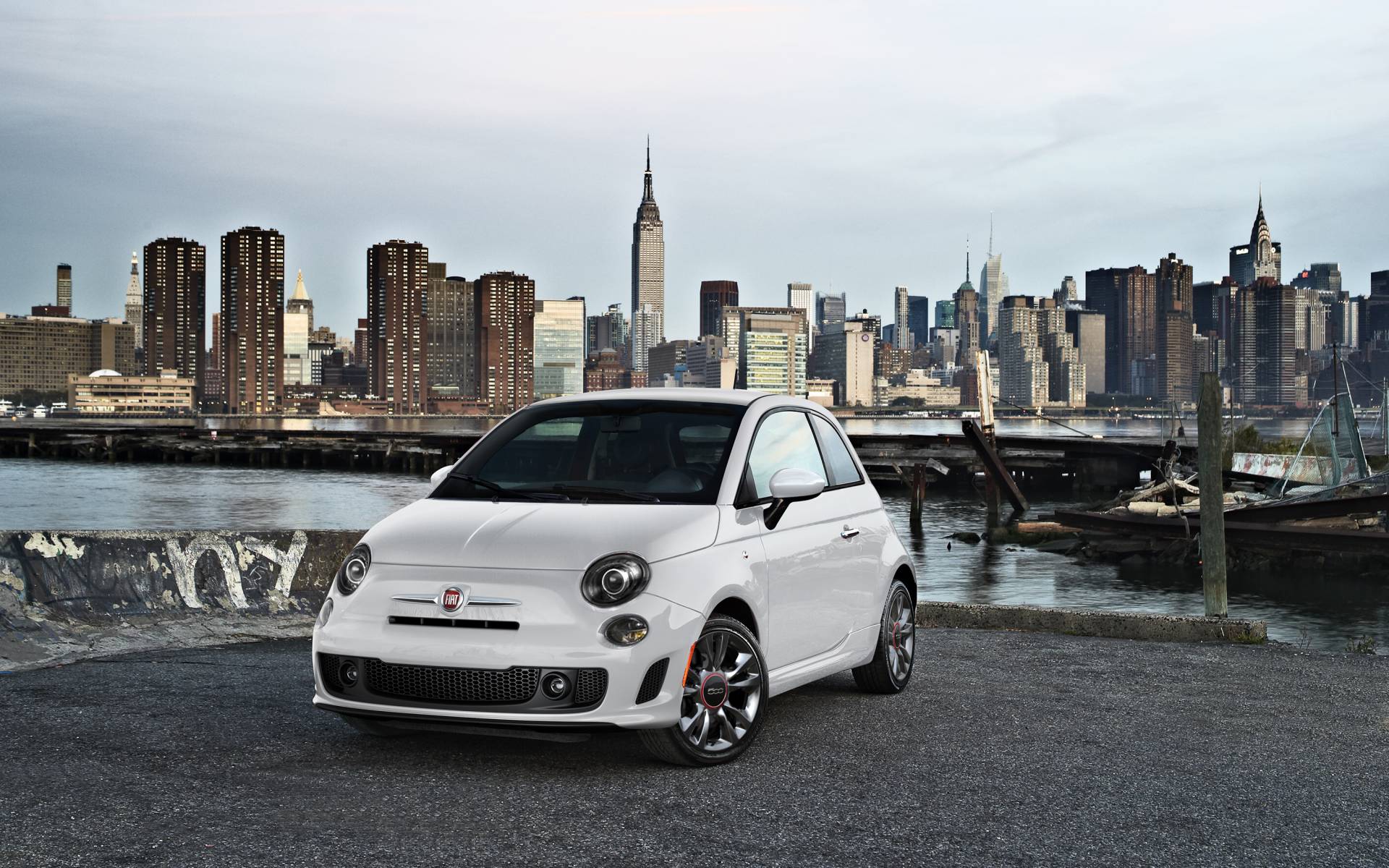
Fiat 500e
The Fiat 500e, known for its compact size and retro styling, is often regretted by owners who find its limited range and practicality problematic. Designed primarily as a city car, the 500e offers a range of around 84 miles, which severely limits its usefulness beyond short urban trips.
Many owners initially attracted to its cute design quickly realize that the range makes it unsuitable for longer commutes or even daily driving in some suburban or rural areas. Inside, the 500e’s small dimensions result in a tight cabin with limited passenger and cargo space.
Taller drivers and passengers frequently report discomfort on longer journeys, and the limited storage capacity makes it less versatile compared to other small EVs. The build quality, while consistent with Fiat’s European roots, doesn’t always meet the expectations of buyers used to more robust or refined interiors, leading to frustrations.
The driving experience is often described as adequate for city speeds but underwhelming on highways or hilly terrain, where acceleration can feel sluggish. The suspension and ride quality also draw criticism for being less comfortable and refined than competitors. Owners point out that the car’s charm is primarily aesthetic rather than functional.
Charging infrastructure and options are standard, but given the limited battery capacity, the 500e often requires frequent charging, which can become inconvenient for users who don’t have easy access to home or workplace chargers.
Many owners quietly wish they had chosen a vehicle with a larger battery and more practical features, as the 500e struggles to serve as a reliable primary vehicle in modern driving contexts.
Volkswagen e-Golf
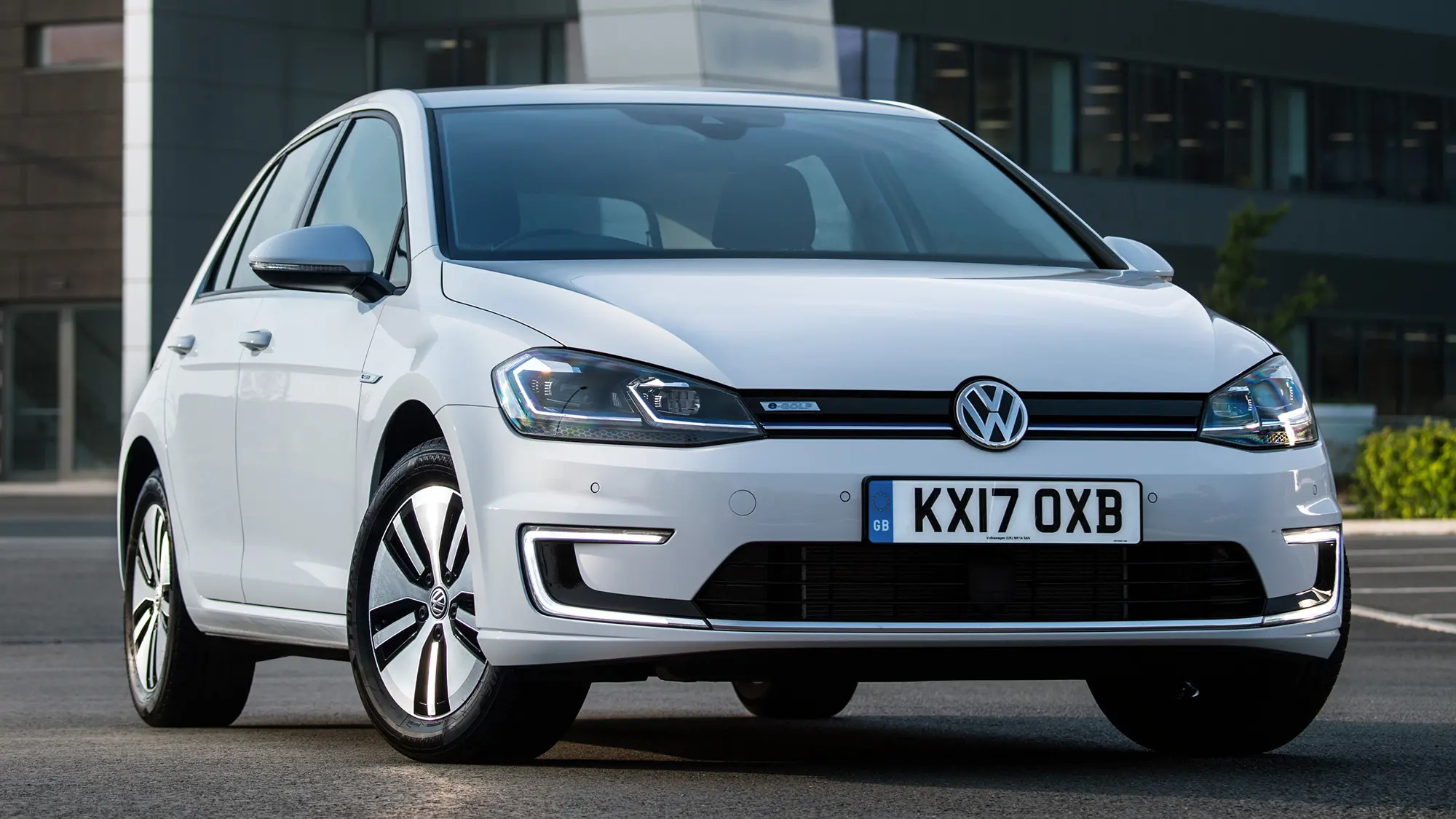
The Volkswagen e-Golf offers a familiar and traditional design that appeals to those transitioning from gasoline-powered vehicles, but many owners express quiet regret regarding its limited range and outdated technology.
While the e-Golf drives much like its gasoline counterpart, which is a positive for those seeking a conventional feel, its electric range is limited to approximately 125 miles. This range is often insufficient for drivers who want the freedom to travel longer distances without frequent charging stops.
Charging speeds for the e-Golf lag behind many newer EVs, which frustrates owners who expect fast turnaround times on road trips. The slower DC fast charging capabilities mean longer breaks on longer journeys, reducing the vehicle’s convenience.
Many owners point out that although the e-Golf is reliable and well-built, it feels stuck in an earlier era of EV development, lacking the advanced infotainment, driver assistance, and efficiency features found in competitors.
Inside, the e-Golf’s cabin is comfortable and familiar, but some owners criticize it for feeling dated compared to more modern EV interiors that emphasize minimalism and digital interfaces.
While it maintains Volkswagen’s reputation for quality, the e-Golf’s features are no longer cutting-edge, which contributes to quiet disappointment among buyers who hoped for a more forward-looking experience.
Despite these issues, the e-Golf remains a solid choice for those who want a simple, no-fuss electric vehicle with conventional styling and driving dynamics. However, owners who have experienced newer EVs often find themselves quietly regretting the choice as the e-Golf’s limitations become more apparent over time.
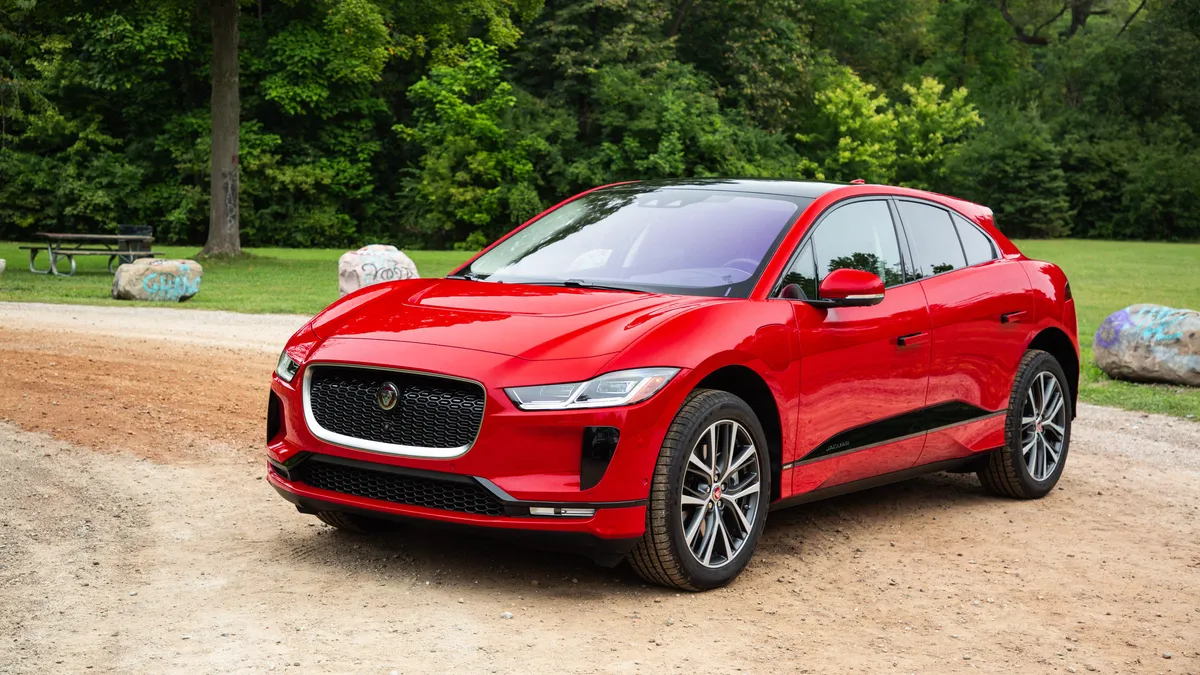
Jaguar I-Pace
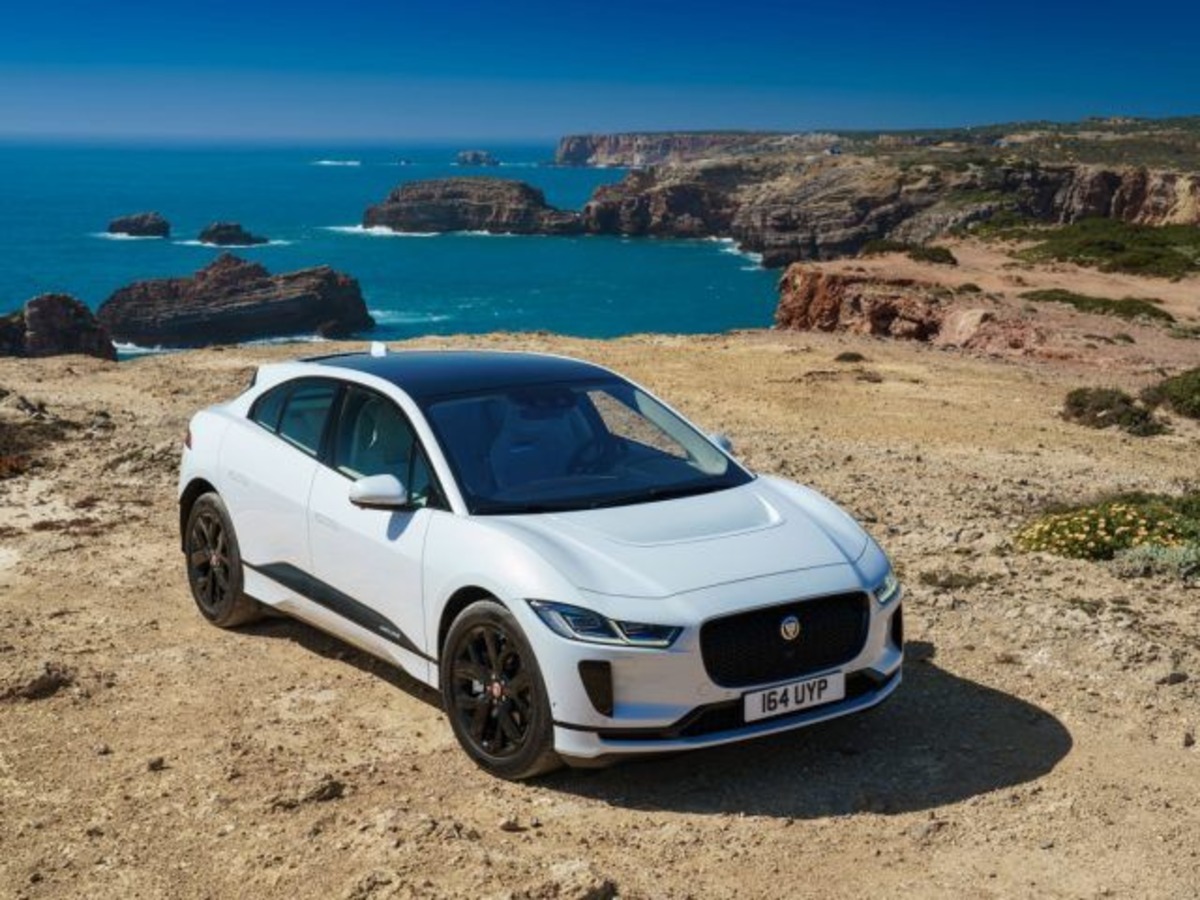
The Jaguar I-Pace is a luxury electric SUV that generates excitement due to its striking design and sporty performance, but many owners quietly regret their purchase because of ongoing reliability and software problems.
The I-Pace offers powerful acceleration and sharp handling that many luxury EV enthusiasts appreciate. Its sleek, aerodynamic styling and upscale interior materials position it as a premium choice for those wanting a combination of performance and luxury in an electric package.
However, the I-Pace’s battery range, which is around 234 miles, falls short compared to other luxury electric SUVs that offer more distance on a single charge.
This limitation can create range anxiety, especially for drivers accustomed to the freedom of traditional gasoline-powered SUVs. Furthermore, the vehicle’s relatively heavy weight and tire noise detract from what should be a refined driving experience in this price class.
Software glitches and infotainment bugs are commonly reported issues that contribute to owner frustration. The complexity of the technology in the I-Pace means that updates and fixes are sometimes slow to arrive, leaving owners dealing with problems such as freezing screens or delayed responses for extended periods.
For a vehicle in this price range, buyers expect seamless operation, and falling short in this area leads to quiet dissatisfaction. Maintenance costs and service availability also cause regret.
As a luxury brand with a relatively small EV presence, Jaguar’s service network and parts availability for the I-Pace can be limited, resulting in longer wait times and higher expenses for repairs. While the I-Pace offers impressive style and performance, these practical drawbacks make some owners question whether they would make the same choice again.
Mercedes-Benz EQC
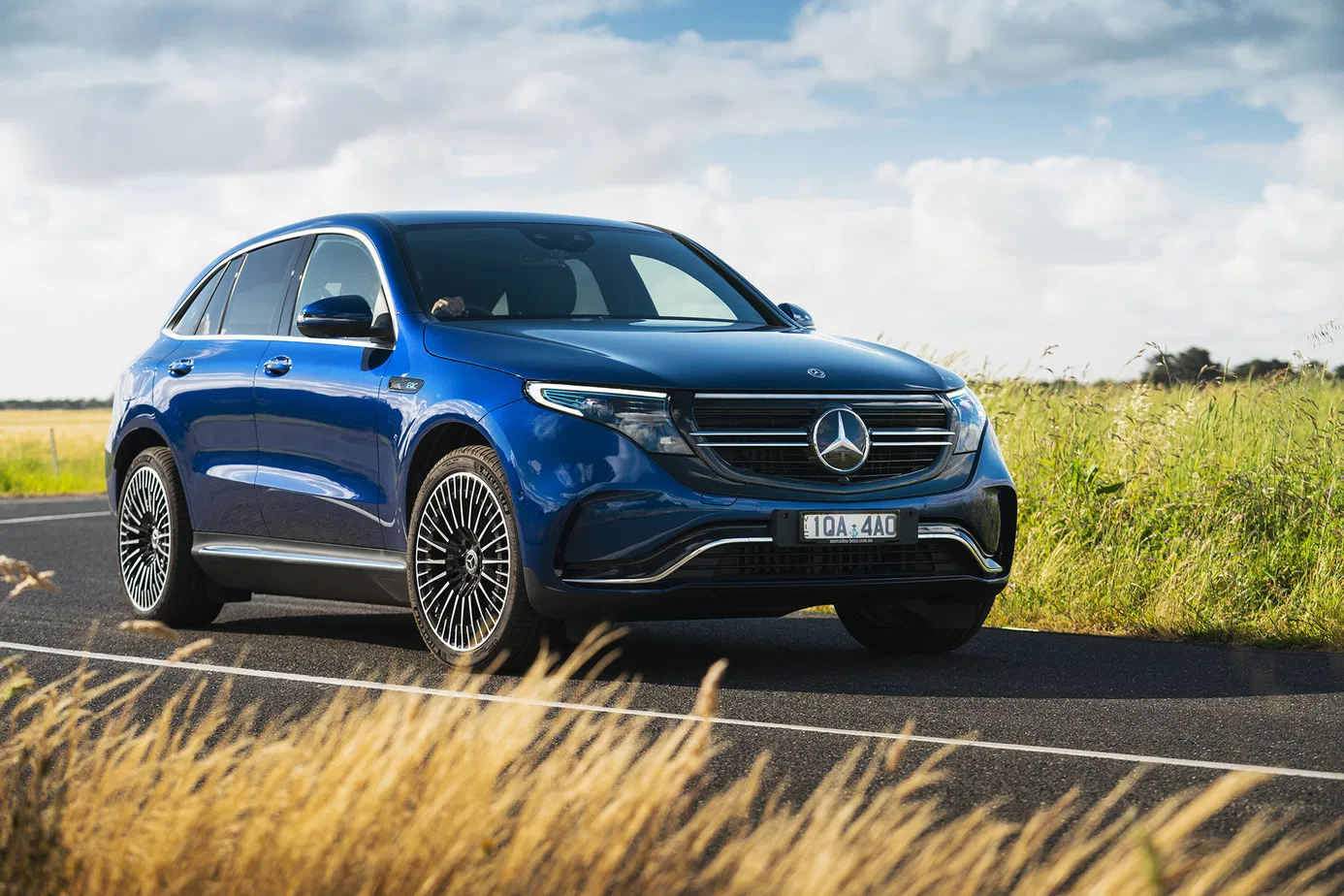
The Mercedes-Benz EQC promises a blend of luxury, advanced technology, and electric efficiency, but many owners find themselves quietly regretting the purchase due to practical shortcomings and reliability concerns.
The EQC offers a smooth, quiet ride and an elegant interior that reflects Mercedes-Benz’s luxury standards. Its design is understated but sophisticated, appealing to buyers who want a premium electric vehicle without the flashiness of some competitors.
Despite its strengths, the EQC’s real-world range, typically around 200 miles, is modest when compared to other luxury EVs that exceed 250 miles or more.
This limitation can be a significant factor for drivers who expect longer trips without frequent charging stops. The vehicle’s relatively heavy curb weight and less aerodynamic shape contribute to lower efficiency and reduced driving range.
Infotainment and electronic systems are another common area of concern. Owners report occasional glitches, inconsistent software updates, and challenges with the user interface.
While Mercedes-Benz continuously works to improve its MBUX system, some EQC owners have experienced frustrating interruptions or malfunctions in everyday use. These issues detract from the vehicle’s otherwise luxurious experience.
Charging speed for the EQC is also slower than many rivals, which can be a significant inconvenience for those accustomed to fast turnaround times. Additionally, maintenance and repair costs for this high-end electric SUV tend to be on the higher side, and dealer support varies by region.
For a vehicle positioned as a flagship electric model, these shortcomings lead many owners to quietly question their decision, wishing the EQC had offered more in terms of range, tech reliability, and practicality.
