
Buying a used car can be one of the smartest financial decisions a person makes or one of the most frustrating. With new cars depreciating the moment they leave the dealership, many people turn to the used market in search of reliability and affordability.
However, the outcome of that decision often hinges on more than just price or mileage. Some used vehicles quietly prove themselves to be durable, efficient, and enjoyable for years. Others, despite looking promising at first, end up being constant sources of mechanical issues, costly repairs, or regret from day one.
Sometimes, the biggest surprises don’t come from luxury brands or high-performance models, but rather from humble vehicles that just keep going with minimal maintenance. On the flip side, even a well-reviewed car can turn into a major disappointment when real-world use starts revealing its flaws.
Many factors affect a car’s long-term reliability and owner satisfaction: how it was treated by the previous owner, the quality of its engineering, how well it was maintained, and even the luck of getting a well-assembled unit.
Some people buy cars with over 100,000 miles on the odometer and still enjoy years of faithful service. Others experience buyer’s remorse just a few weeks into ownership when warning lights come on or odd noises start appearing.
This article covers ten used cars five that left owners pleasantly surprised and five that quickly became headaches. These experiences are based on general patterns, common ownership reports, and reputations that stick over time.
Whether someone is looking for a solid daily driver or trying to avoid making a costly error, understanding how certain models have performed over time can help steer the decision in the right direction.
It’s important to remember that every car is different. A well-cared-for model with high mileage might outlast a neglected version of the same car with half the distance traveled.
Still, some cars tend to stand out consistently for better or worse. Let’s look at five used cars that impressed their owners more than expected, and five that brought regret shortly after the sale.
Also Read: Top 10 Cars That Stay Worry-Free After Warranty Ends Offering Unmatched Reliability
5 Used Cars That Surprised Owners
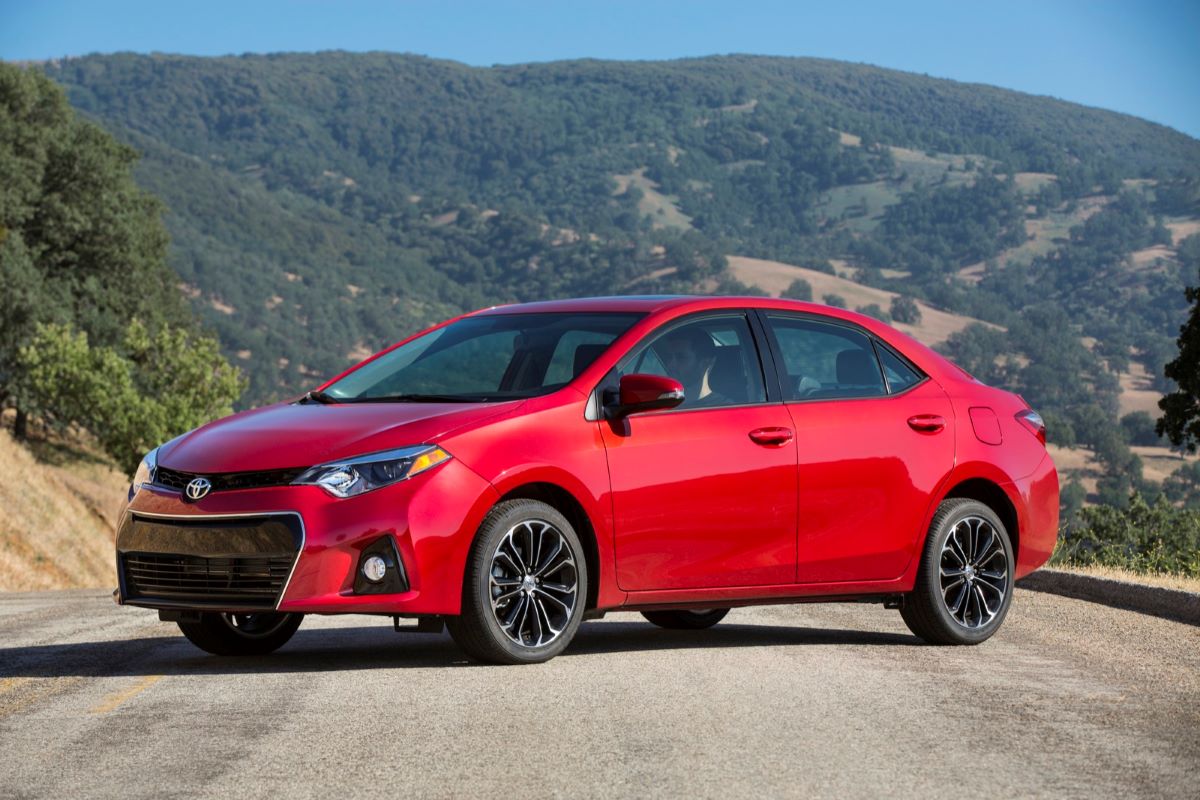
1. Toyota Corolla (2003–2008)
The Toyota Corolla has long been associated with basic transportation, but for many used car buyers, this generation offered far more than they anticipated. What stood out most was the simplicity of the car’s design paired with long-lasting reliability.
Even with high mileage, many of these cars started easily, ran smoothly, and rarely gave trouble. Owners frequently reported that their Corollas kept going well past 200,000 miles with nothing more than oil changes, brake jobs, and occasional tire replacements.
The quality of the interior materials, while not flashy, held up remarkably well over time. Cloth seats resisted tearing, dashboards rarely cracked, and controls remained functional even after years of use. The fuel efficiency was another strong point.
Despite lacking modern features like turbocharging or advanced electronics, the Corolla delivered consistent miles per gallon both in city driving and on the highway. Maintenance costs were minimal, and parts were easy to find and inexpensive, making it a favorite for budget-conscious owners.
Some buyers went in expecting a boring commuter car, but ended up appreciating the car’s quiet durability. It became clear that the Corolla didn’t need to impress in looks or performance to gain loyal followers.
Instead, it did the job every single day without complaints. For students, first-time drivers, or anyone wanting a dependable ride, the Corolla continued to prove that sometimes the most underwhelming choice is actually the smartest one in the long run.
Surprises came not from fancy features, but from how well everything kept working. In an era where many used vehicles became repair projects, the Corolla stood out for how little attention it demanded. This generation became a reminder that quality engineering and careful manufacturing still held more value than any gimmick or marketing push.
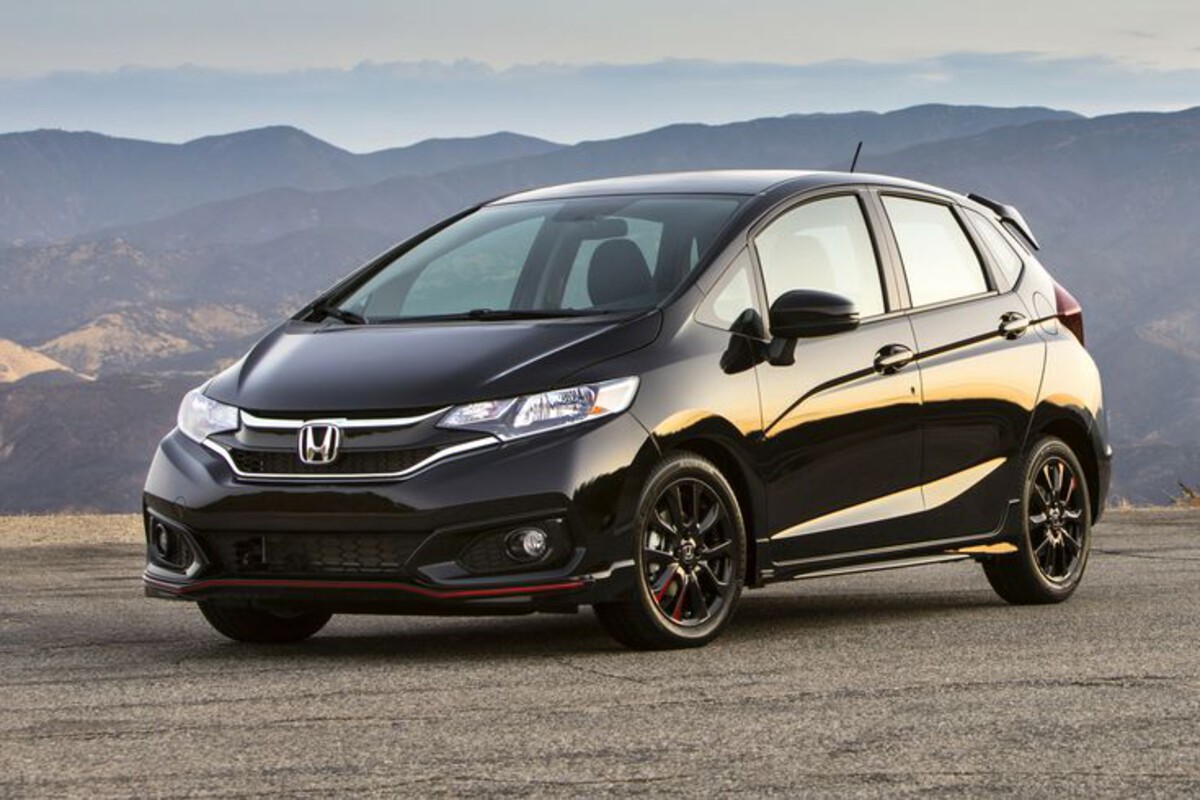
2. Honda Fit (2007–2014)
At first glance, the Honda Fit didn’t promise much. Its small size, compact appearance, and minimal styling made it easy to overlook on a lot filled with bigger or flashier cars.
But for those who decided to give it a chance, the experience often turned out much better than expected. The Fit managed to offer a rare combination of versatility, reliability, and fun-to-drive character, making it one of the most satisfying used car choices in its class.
Owners were often shocked by how much interior space the Fit offered. Honda’s clever “Magic Seat” system allowed the rear seats to fold in multiple configurations, turning the small hatchback into a cargo-hauling champion.
From bicycles to boxes of furniture, people discovered they could carry much more than they thought. The interior design also aged well, with intuitive controls, a roomy front seating area, and materials that resisted wear and tear.
On the road, the Fit felt light and nimble. The steering was responsive, the suspension provided just enough feedback, and the car handled city streets and curvy back roads with confidence.
Though it didn’t have a powerful engine, its fuel efficiency and lively character made it a favorite among urban commuters and daily drivers alike. Problems were rare, and many owners reported hundreds of thousands of trouble-free miles.
The experience of owning a Fit surprised people who thought they were settling for a basic small car. Instead, they found a smartly designed, enjoyable vehicle that held its value and required little upkeep. For a car that rarely made headlines, the Fit earned lasting praise from people who gave it a try.
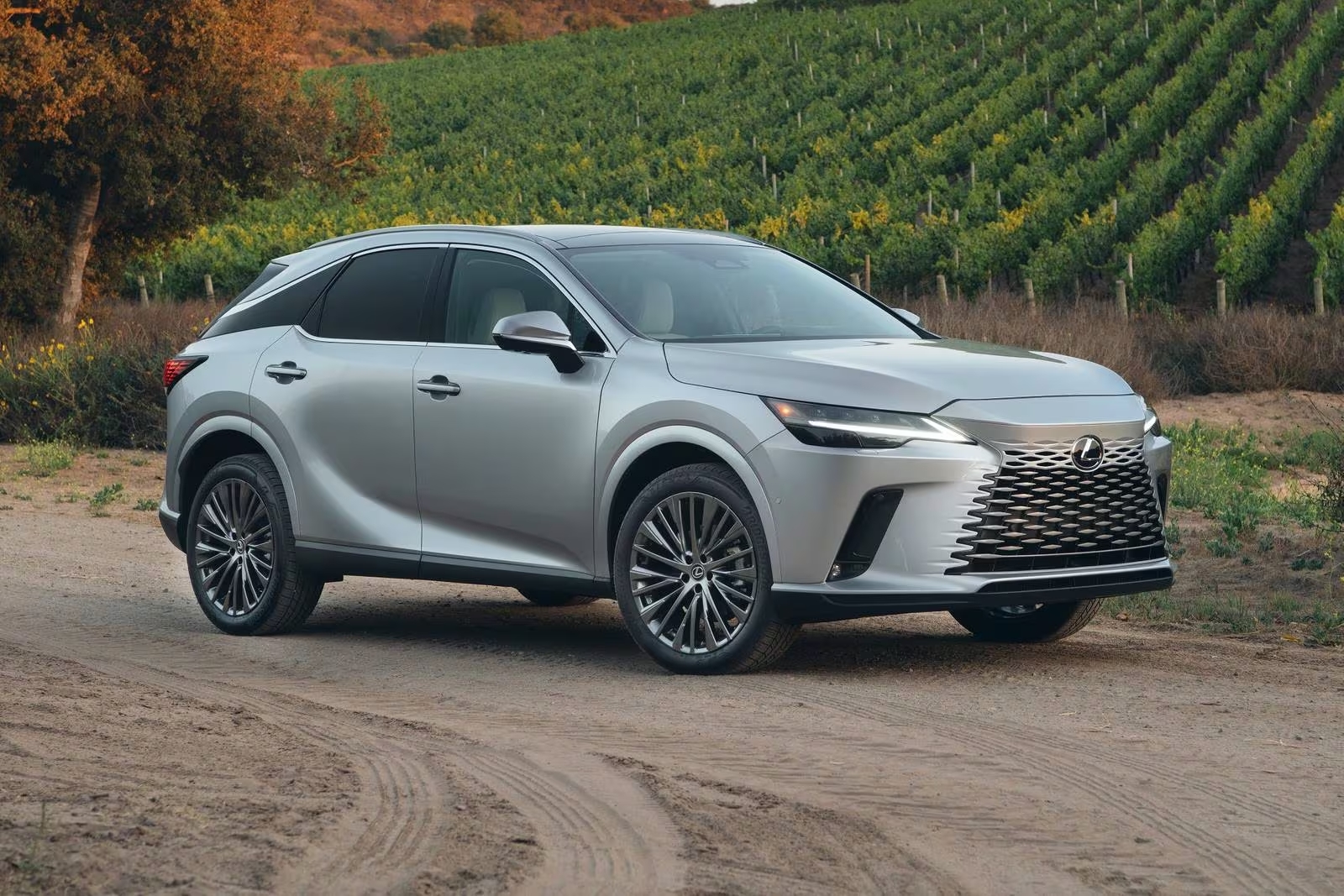
3. Lexus RX 350 (2007–2012)
Buying a used luxury SUV can be risky, but many who chose the Lexus RX 350 found themselves very satisfied. This mid-size SUV combined Lexus comfort and refinement with Toyota’s long-standing reputation for reliability. Unlike other luxury vehicles that became expensive to maintain over time, the RX 350 kept running smoothly without creating financial strain.
Owners often talked about how quiet and comfortable the RX was. The ride was smooth, the seats were supportive, and the materials inside aged gracefully.
Even older models with over 150,000 miles still had functioning electronics, quiet cabins, and working air conditioning. The V6 engine provided enough power for highway driving without being fuel-hungry, and transmission problems were rare.
One surprise was how long the RX lasted with regular maintenance. While other SUVs started showing signs of wear after 100,000 miles, the RX often pushed well past 200,000 miles with minimal complaints.
Some minor issues like power window switches or dashboard cracking appeared, but they didn’t affect the reliability. Owners appreciated the peace of mind and comfort the RX provided day after day.
It wasn’t just a good SUV “for a luxury car,” it was a great vehicle in general. For those who wanted something nicer than a basic sedan but didn’t want the hassle of constant repairs, the RX 350 proved to be a smart buy. It reminded people that luxury and reliability could actually go hand-in-hand if the brand made it a priority.
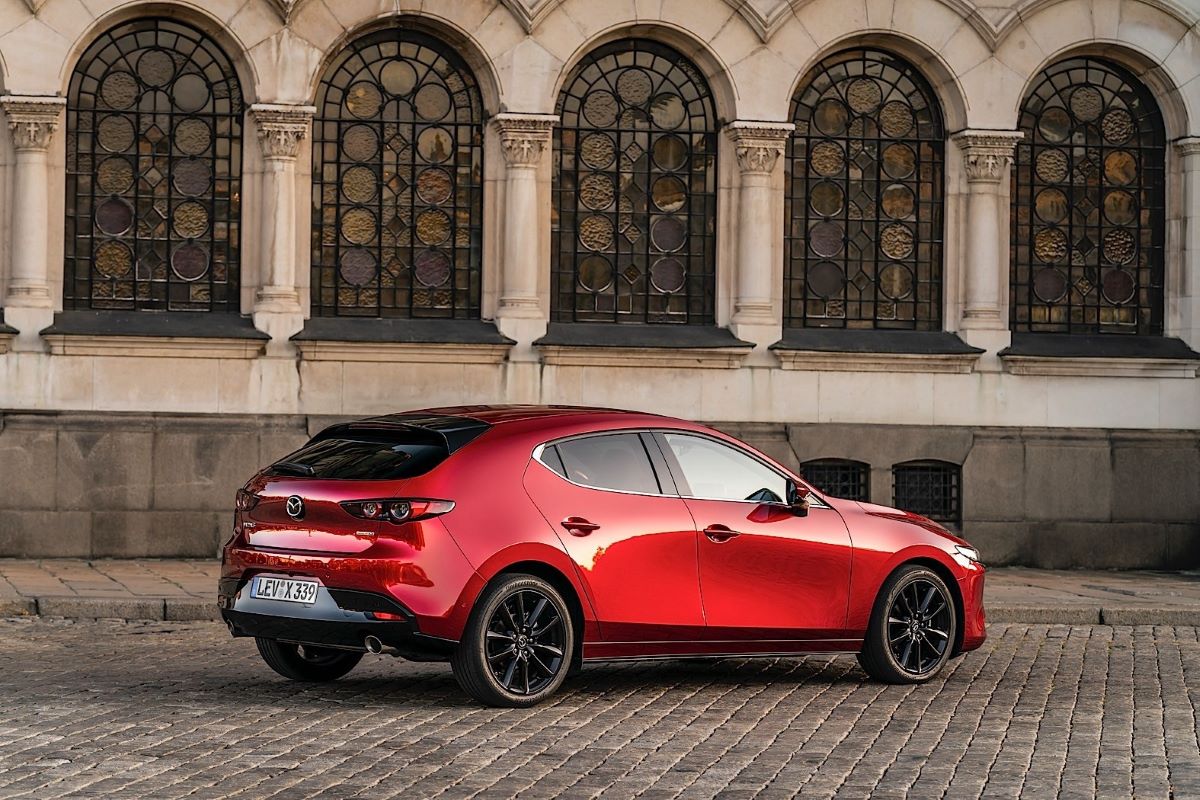
4. Mazda3 (2010–2013)
The Mazda3 wasn’t always the first choice for a used car, but those who gave it a chance often ended up praising it more than they expected.
This generation hit a sweet spot between fun handling, stylish design, and long-term dependability. Owners looking for something more engaging than a Corolla or Civic were surprised by how well the Mazda3 delivered on multiple fronts.
The steering feel and suspension tuning gave the car a sense of control that made even mundane trips feel enjoyable. Unlike some competitors that leaned toward comfort over handling, the Mazda3 offered both.
Despite its sportier nature, it didn’t suffer from major mechanical problems or excessive wear. With regular maintenance, it stayed dependable year after year.
Inside, the cabin design was thoughtful, with good materials and an intuitive layout. While it didn’t feel luxurious, it didn’t feel cheap either.
The seats were comfortable, the technology worked well for the time, and the noise levels were controlled even at highway speeds. Fuel economy was solid, and the hatchback version provided excellent utility.
Some owners bought it expecting a stopgap car and ended up keeping it much longer. The driving experience combined with dependable mechanics gave people a real connection to the vehicle.
While it didn’t have the reputation of Toyota or Honda, it quietly built its own fanbase among drivers who valued both personality and practicality.
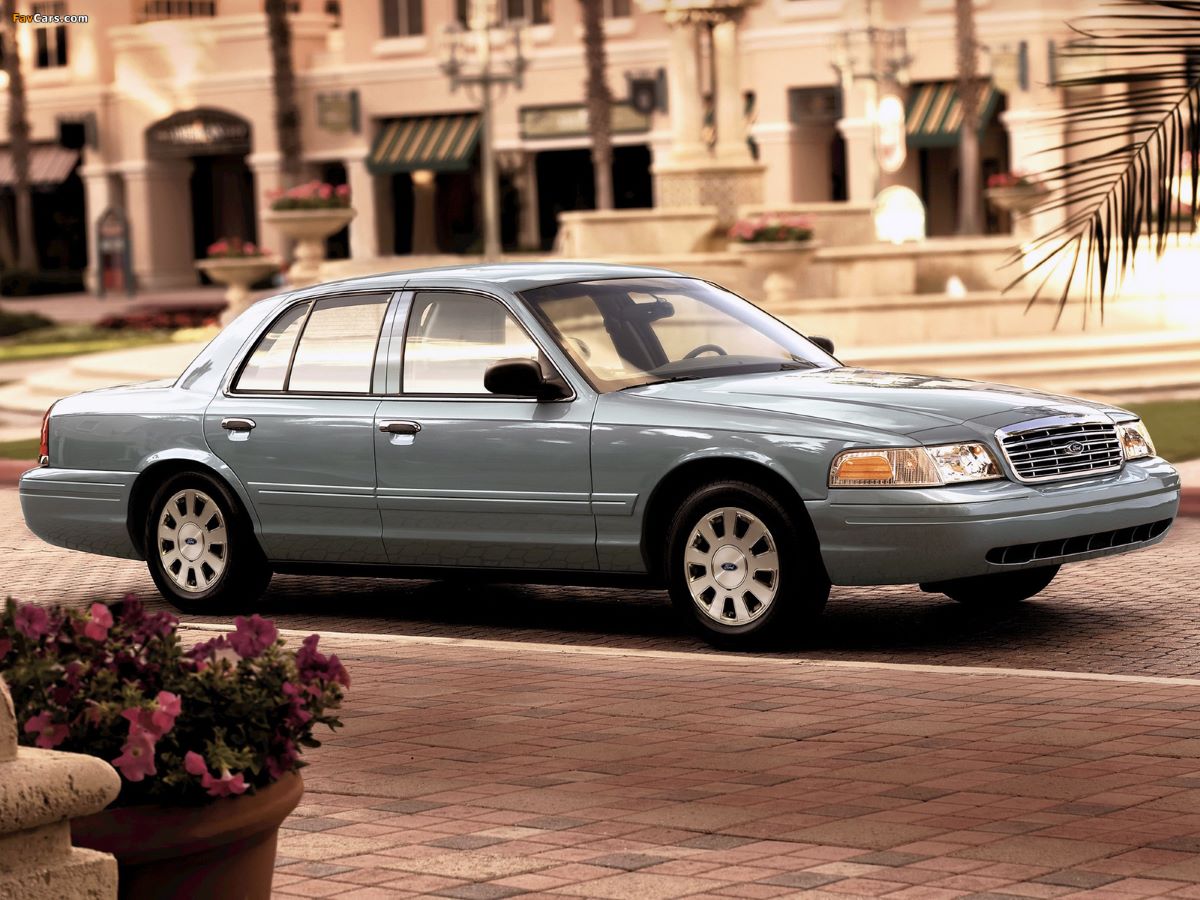
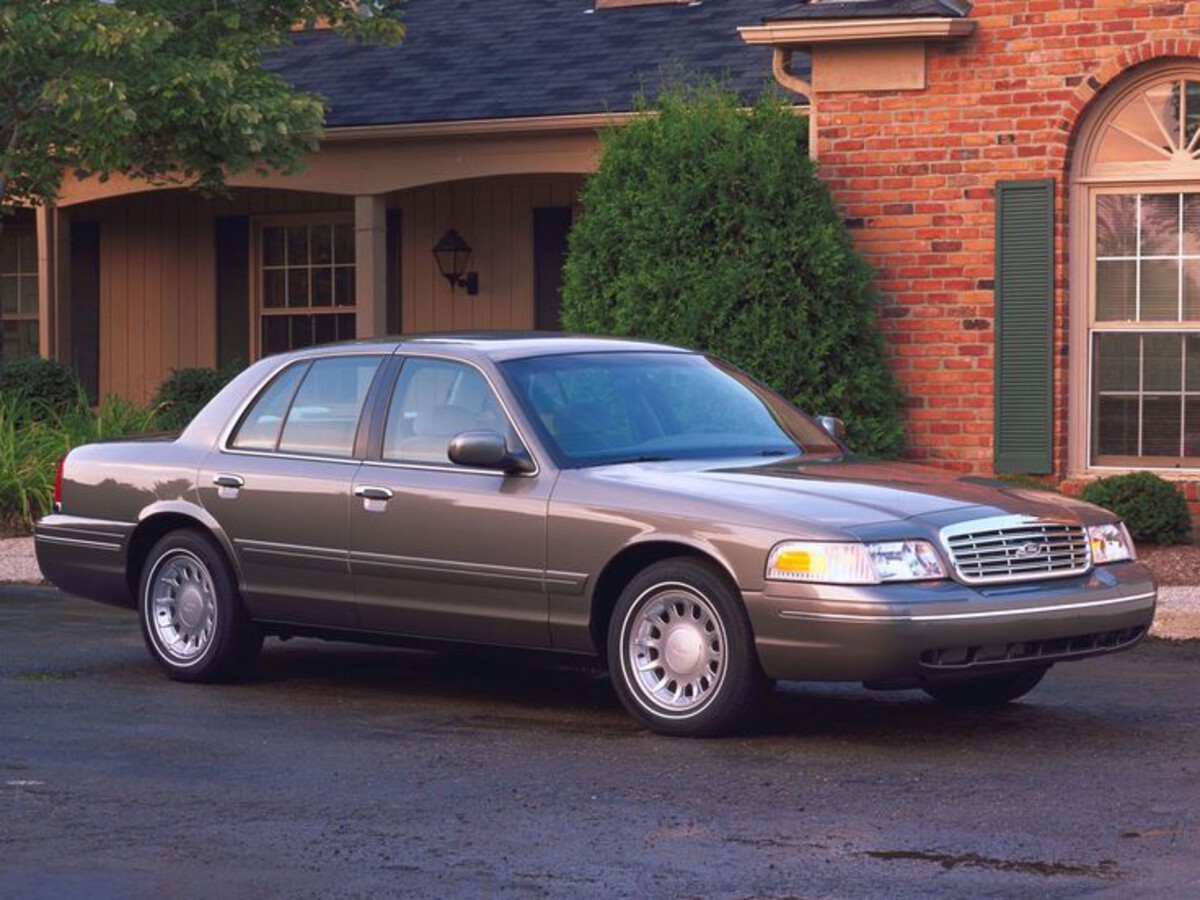
5. Ford Crown Victoria (1998–2011)
Few cars earned as much trust over time as the Ford Crown Victoria. Known mostly for its use in police fleets and taxis, this full-size sedan proved to be one of the most durable used vehicles on the market.
Many buyers dismissed it as outdated or too big, but those who needed a solid, affordable, and rugged vehicle often ended up with positive experiences.
The body-on-frame design, V8 engine, and simple layout made it incredibly easy to repair. Parts were cheap and widely available, and the car could handle abuse that would break more delicate sedans. High-mileage examples were common, and it wasn’t unusual to see Crown Vics still running strong after 250,000 miles or more.
Comfort was also a surprise. The large seats, smooth ride, and spacious interior made it a favorite among highway drivers and older owners.
Even though it lacked modern features, it offered a sense of calm and durability that newer cars didn’t always provide. For those who weren’t concerned about fuel mileage or flashy tech, the Crown Vic represented a kind of quiet confidence.
People who bought one often said they didn’t expect to enjoy it so much. It wasn’t trendy or fast, but it was trustworthy and comfortable. In a world full of rapidly changing automotive trends, the Crown Victoria stood as a reminder that simplicity and strength could still win over a driver.
5 Used Cars That Became Immediate Mistakes

1. BMW 5 Series (2004–2010)
The BMW 5 Series from the mid-2000s caught the eyes of many used car buyers for one simple reason: status appeal at a heavily reduced price. These vehicles, once costing upwards of $50,000 when new, often landed in the used market for under $10,000.
It seemed like an unbeatable opportunity to drive a luxurious, performance-oriented sedan for a fraction of the original cost. But soon after the transaction, the reality of ownership began to set in.
A large portion of owners found themselves dealing with a list of expensive and time-consuming repairs. From oil leaks to transmission failures and from sensor malfunctions to electrical gremlins, the problems weren’t few and far between they were frequent and often interconnected.
One particularly troublesome aspect was the complex electronic systems integrated into these models. BMW’s iDrive system, an early version of in-car digital controls, was widely criticized for its confusing interface and poor reliability.
Malfunctions in the control modules could trigger a chain reaction of errors that disabled everything from navigation to climate control. Worse yet, these systems were expensive to fix and required specialized knowledge, meaning most trips to the mechanic were both pricey and slow.
Engine-related issues were also common, especially in models with turbocharged powertrains. The timing chain guides, valve cover gaskets, and cooling system components all had a reputation for premature failure, leaving many new owners surprised and financially drained.
The cost of repairs frequently offset any perceived value in the purchase price. What seemed like a great deal on a high-end car often turned out to be a constant financial liability. Even regular maintenance like oil changes, brakes, and suspension work could cost double or triple what it might on a Japanese counterpart.
Many mechanics hesitated to work on them without charging a premium, given the complexity and fragility of certain parts. This added even more difficulty for owners who didn’t live near a dealership or certified BMW specialist. It became clear that affordability on paper didn’t always translate to affordability in practice.
For many people, the decision to buy a used BMW 5 Series turned into an expensive lesson in how depreciation doesn’t always equal value. While the driving dynamics were excellent and the cars looked stylish and premium, the ownership experience was often anything but luxurious.
Buyers expecting a refined ride and a touch of class were met with dashboard warning lights, coolant leaks, and electrical faults that seemed to surface faster than solutions could be found.
For every happy 5 Series owner who lucked out with a well-maintained car, there were several more who found themselves wondering what they had gotten into just weeks after signing the paperwork.
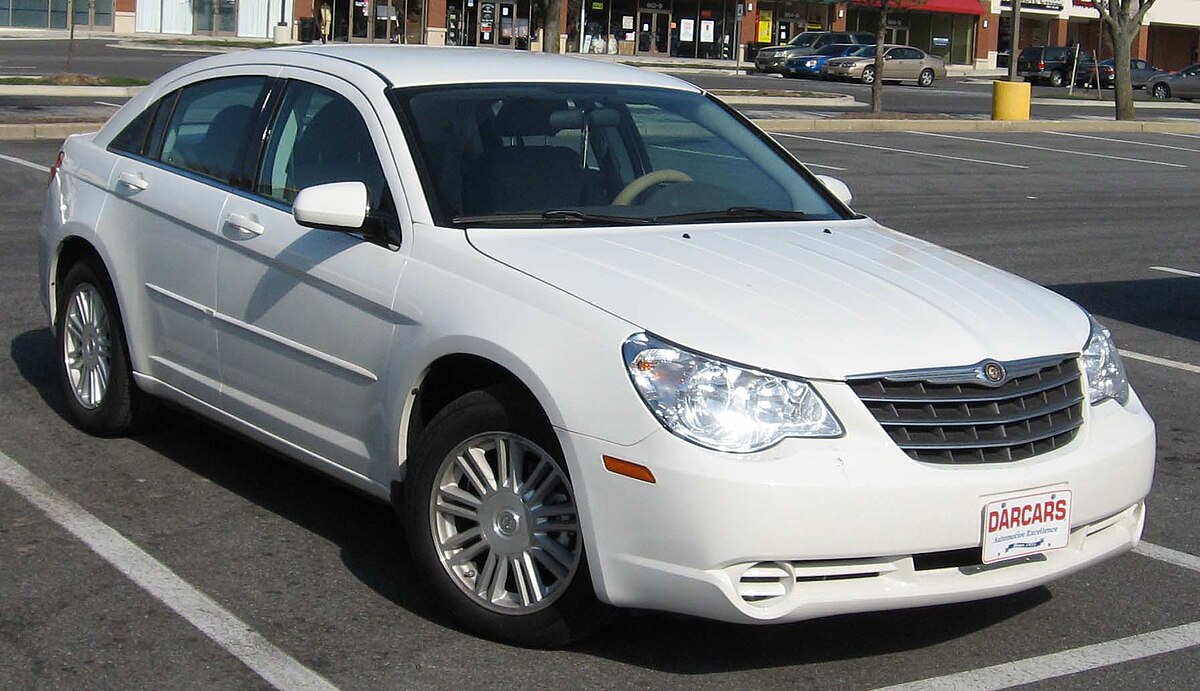
2. Chrysler Sebring (2007–2010)
The Chrysler Sebring was marketed during its production run as a reliable and affordable family car. For used buyers on a budget, especially those searching for a midsize sedan under $6,000, it appeared to offer good value.
The styling wasn’t groundbreaking, but the low price, roomy interior, and relatively new model years lured many into giving it a shot.
Unfortunately, the experience of owning a Sebring often unraveled quickly. Even with low mileage, many cars began showing signs of wear and mechanical trouble within the first few months of ownership.
The low-quality materials used throughout the interior aged poorly, with peeling trim, flimsy controls, and sagging upholstery that made the car feel much older than it was.
One of the most immediate concerns for owners was the build quality or lack thereof. From door handles breaking off in regular use to cup holders that cracked from mild pressure, the Sebring’s interior parts felt like they were made for temporary use.
The suspension and steering components also wore down faster than expected, often resulting in clunks, vibrations, and uneven tire wear. This created an uncomfortable driving experience, particularly at highway speeds, where the car struggled with stability and road noise.
Buyers who were expecting a smooth, family-friendly vehicle were instead met with a sense of fragility that didn’t inspire much long-term confidence.
Mechanically, the Sebring also disappointed. Engine performance was sluggish even when new, and older examples often suffered from poor acceleration, rough idling, and unpredictable transmission behavior. Electrical issues were another sore point. Everything from power windows to dashboard lights seemed prone to failure.
Owners frequently found themselves dealing with flickering displays, random warning lights, and erratic behavior from the radio and air conditioning systems.
These weren’t just inconveniences they were constant reminders that the car was aging poorly and not built to endure. Mechanics familiar with these cars often warned prospective buyers to think twice, especially if service records were missing.
The resale value of the Sebring only compounded the regret. Those who tried to unload the car quickly after realizing its flaws were met with shockingly low offers. Dealers didn’t want them, and private buyers treated them as disposable. The initial savings from the low purchase price evaporated in repair costs, lost time, and decreased confidence.
For many, buying a Sebring was not just a minor disappointment, but a serious mistake that underscored the importance of quality engineering and long-term reputation. It reminded buyers that just because a car is affordable doesn’t mean it’s a good investment.
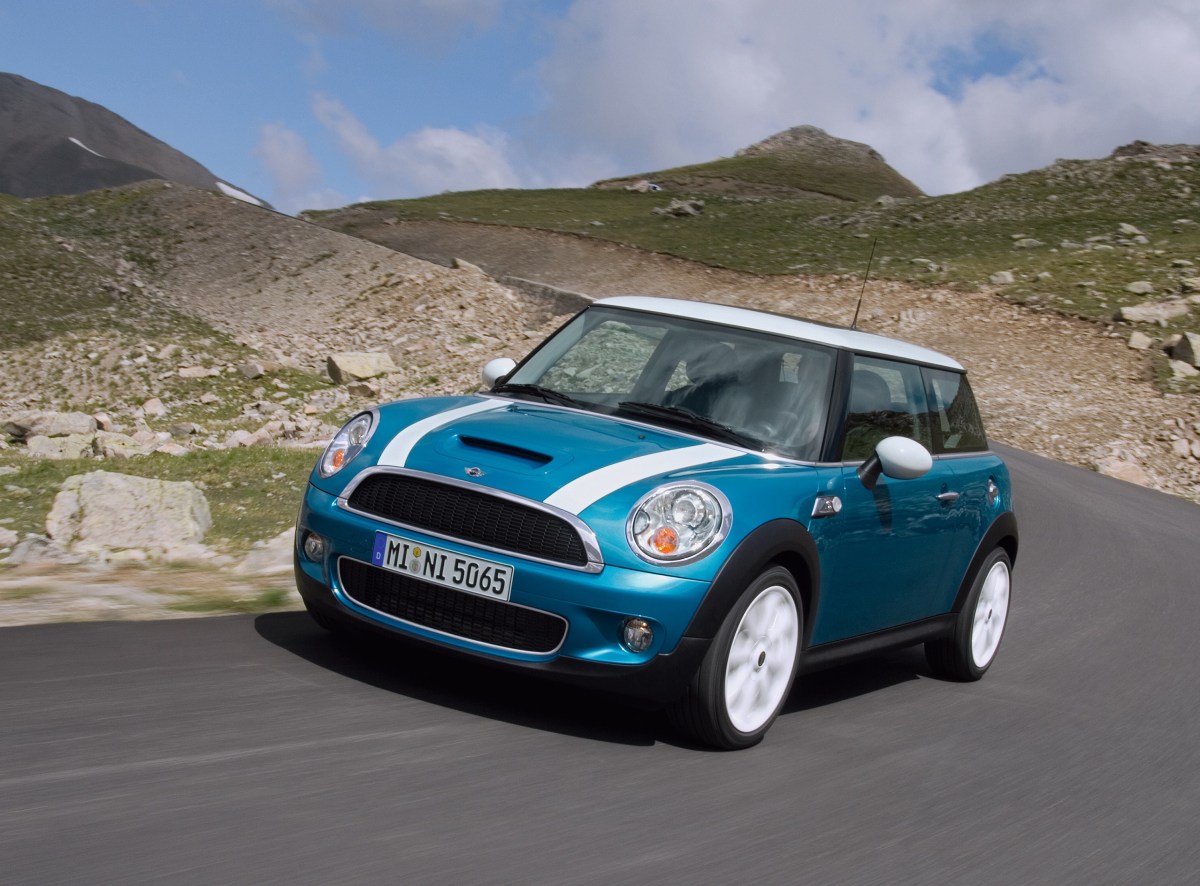
3. Mini Cooper (2007–2013)
The Mini Cooper has always been a head-turner, especially among younger buyers and urban dwellers looking for something sporty and distinctive.
Its retro styling and tight handling made it seem like a perfect mix of character and agility. Used examples frequently attracted attention because of their fun appearance and relatively low purchase price compared to other European cars.
However, many buyers learned quickly that the Mini Cooper could become a reliability nightmare. With turbocharged models especially, a long list of mechanical and electrical failures often began showing up not long after purchase, turning initial excitement into a string of repair shop visits and tow truck calls.
The biggest issue stemmed from the engine and its supporting systems. Models equipped with the turbocharged 1.6L engine suffered from notorious timing chain problems that could lead to catastrophic engine damage if not addressed early. Carbon buildup in the intake valves, water pump failures, and faulty thermostats were also common.
These weren’t isolated incidents, either. Forums and review sites are filled with owners describing similar patterns of breakdowns and repair bills that grew out of control.
What made the problem worse was the perception that Minis were supposed to be fun and relatively low-stress to drive. In reality, the ownership experience involved constantly monitoring the car for signs of failure.
Electrical issues also plagued this generation. From failed sensors to intermittent power steering, the Mini had a reputation for leaving its owners in difficult situations. Even simple things like malfunctioning power windows, unpredictable dashboard lights, or Bluetooth failures could require multiple trips to specialized mechanics.
Since the car used many proprietary parts and design quirks, standard repair shops often couldn’t handle the repairs. That pushed owners toward Mini-certified service centers, which meant higher bills and longer wait times. In some cases, people spent thousands trying to keep their car on the road after just a year or two of ownership.
Despite all the frustration, many owners stayed emotionally attached to their Minis. The driving experience really was enjoyable when everything worked. But it rarely did for long. The short-lived joy of owning something stylish and sporty wore off quickly once the warning lights started appearing and the repair costs began stacking up.
For people who had previously driven reliable Japanese or domestic cars, the Mini felt fragile and over-engineered. It proved that sometimes charm and performance can’t make up for a car that fails too often. Buyers who wanted a carefree ownership experience found the exact opposite, and many regretted the purchase far sooner than they expected.

4. Jeep Liberty (2002–2012)
The Jeep Liberty appeared to be a solid choice for SUV buyers wanting rugged styling and the cachet of the Jeep brand without paying luxury SUV prices. Its boxy looks and off-road capability promised an adventurous ownership experience for those who loved outdoor activities or needed a vehicle that could handle rough roads.
Early buyers were attracted by the combination of a sturdy frame, a four-wheel-drive system, and relatively affordable pricing. However, the reality of owning a Jeep Liberty often clashed harshly with those initial expectations.
One of the biggest disappointments came in the form of reliability. While the Liberty looked tough on the outside, its mechanical components frequently showed signs of early wear and failure.
The suspension was one of the first areas to cause problems; owners reported frequent issues with worn ball joints, control arms, and shocks that led to a noisy and uncomfortable ride.
Unlike some other SUVs known for smooth road manners, the Liberty felt rattly and unsettled even on well-paved roads. This poor ride quality made long drives tiring, and many owners soon realized they had traded comfort for styling and perceived toughness.
Under the hood, the Jeep’s engines were underwhelming in performance and fuel economy. Most models came with a V6 engine that, while capable of moderate towing and off-road use, struggled with sluggish acceleration and high fuel consumption.
The combination of heavy curb weight and less efficient powertrains meant owners were filling up the gas tank far more often than they liked, which increased the cost of daily use.
On top of that, the transmission was prone to occasional issues such as hard shifts and hesitation, which made driving less smooth and sometimes caused unexpected breakdowns.
Electronics and interior components also failed prematurely in many Liberty SUVs. Owners frequently reported malfunctioning power accessories, dashboard lights coming on randomly, and climate control systems that were erratic or failed altogether. The interior materials were far from premium, with plastic trim that cracked easily and seats that lost their support quickly.
These factors combined to create a feeling that the Jeep Liberty was neither as durable nor as comfortable as buyers hoped. Many who purchased these used vehicles felt stuck dealing with frequent repairs, disappointing fuel economy, and an lack of refinement that diminished the enjoyment of owning a Jeep.
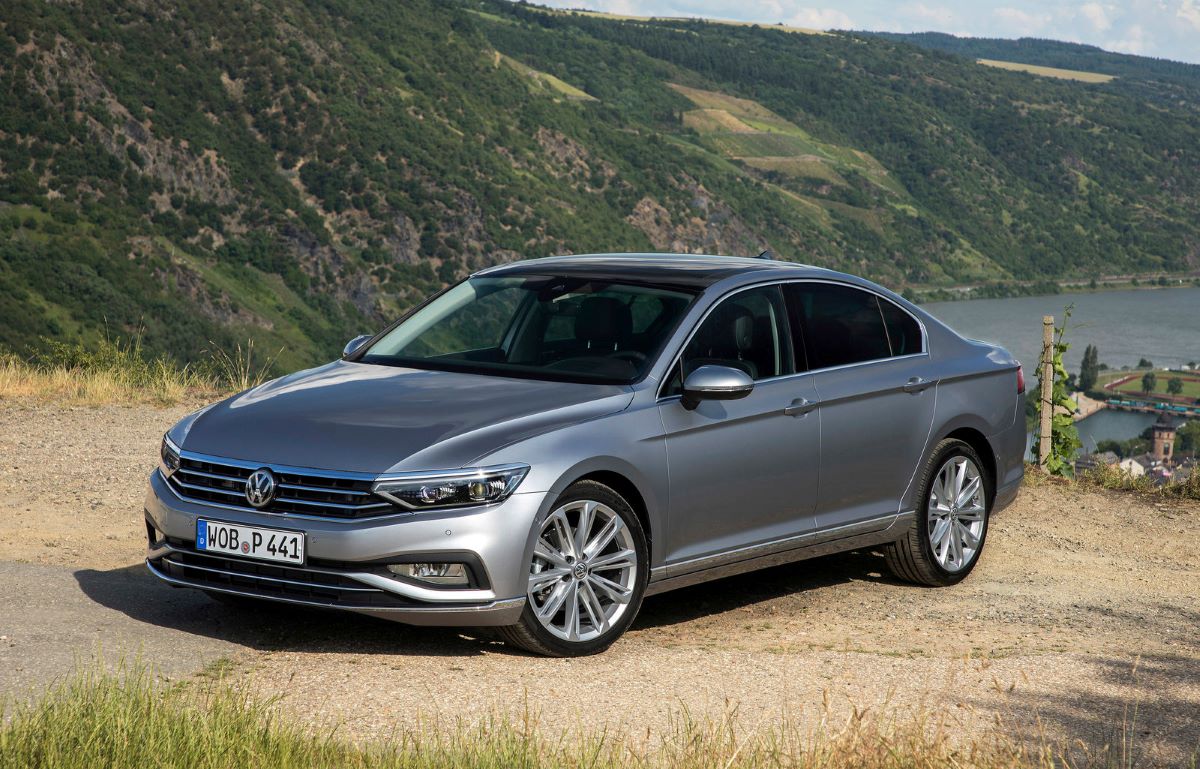
5. Volkswagen Passat (2006–2011)
The Volkswagen Passat during the late 2000s attracted buyers with its sleek European styling and promises of sophisticated engineering. The car seemed like an excellent alternative to mainstream midsize sedans, offering more refinement and a premium badge at a competitive price on the used market.
Many buyers were drawn to the turbocharged engines and the modern design, hoping for a blend of performance and comfort. Yet, despite these promising features, the Passat gained a reputation for unpredictable reliability and costly repairs, especially once warranty coverage expired.
Common mechanical issues began with the engine and related components. Turbocharger failures were a persistent problem for many owners, sometimes occurring without warning and requiring costly replacements. Additionally, ignition coil failures, oil leaks from valve cover gaskets, and cooling system troubles were widespread.
These issues often appeared shortly after purchase, and even routine maintenance tasks revealed wear and damage that were more advanced than expected. The turbocharged engines, while powerful and efficient when working correctly, demanded careful maintenance and expensive repairs when things went wrong.
Electrical system woes further complicated ownership. From malfunctioning window regulators to intermittent dashboard warnings and infotainment glitches, the Passat’s electronics were a source of frequent frustration.
The complexity of the vehicle’s systems meant that minor issues often required dealer-level diagnostics and repairs, which significantly raised service costs.
Owners reported that seemingly simple problems could keep the car off the road for days or weeks, diminishing its practicality as a daily driver. The frustration of dealing with a malfunctioning electrical system became a defining part of the ownership experience.
Beyond mechanical and electrical troubles, the quality and longevity of interior materials were lacking. Seats developed premature wear, plastic panels became loose or rattled, and the cabin no longer felt as upscale as it did when new.
The car’s DSG transmission, known for quick shifts and smooth power delivery, sometimes exhibited jerky or hesitant behavior as it aged, and repair bills for the dual-clutch system could be steep.
While the Passat provided an engaging driving experience for many, these quality and reliability issues led buyers to question whether the car was worth the hassle. The mismatch between the premium appearance and the frequent problems made this generation of Passat a cautionary tale for used car buyers.
