
Automotive technology has changed dramatically in just the last ten years. What used to be mechanical, intuitive machines have now transformed into rolling software platforms. Vehicles today are no longer just about horsepower, torque, or build quality they are also judged by how smart, connected, and automated they are.
Some of these changes have genuinely improved the driving experience, introducing systems that enhance safety, improve fuel efficiency, and reduce stress on the road. Others, however, seem more like distractions or unnecessary complications that interfere with the basic act of driving.
It’s easy to understand why manufacturers are chasing high-tech designs. Consumers are surrounded by smart devices in their daily lives phones, watches, home assistants and they’ve come to expect similar conveniences in their vehicles. In theory, that makes perfect sense.
A car that can monitor blind spots, maintain lane position, avoid collisions, and park itself sounds like a valuable progression. And in many cases, it is. When executed well, technology in a car becomes nearly invisible. It works in the background, supporting the driver, rather than constantly demanding attention or correction.
But in the rush to innovate, some automakers have missed the mark. They’ve overloaded cars with features that are poorly integrated, difficult to use, or outright distracting. In these vehicles, drivers often find themselves hunting through touchscreen menus just to adjust air conditioning or turn on the headlights.
Instead of enhancing safety or comfort, these systems can cause frustration and take attention away from the road. Some even make basic tasks feel awkward or unnecessarily complicated. In the worst cases, the technology introduces risks instead of solving them.
This article separates the smart uses of in-car tech from the overblown ones. It highlights five cars that use technology to genuinely enhance the driving experience cars where innovation has a purpose and serves the driver.
These vehicles strike a balance between modern features and ease of use, making them feel helpful rather than intrusive. On the flip side, it also looks at five vehicles where tech takes a wrong turn. Whether it’s through touch-heavy controls, inconsistent driver aids, or systems that try to do too much, these cars show how the pursuit of being futuristic can sometimes backfire.
The point isn’t to reject technology or to say that simpler always means better. It’s about how technology is applied. When it’s done with care and understanding of real-world driving, it can make a car safer, smoother, and more enjoyable.
But when it’s done for novelty or aesthetics alone, it risks turning what should be an intuitive experience into something needlessly complicated. Whether you’re buying your next vehicle or just interested in where automotive design is headed, knowing which tech actually works and which doesn’t can make all the difference.
Also Read: 5 Cars With Legendary Owner Satisfaction and 5 With Lawsuit-Level Problems
Cars with Tech That Enhances Driving
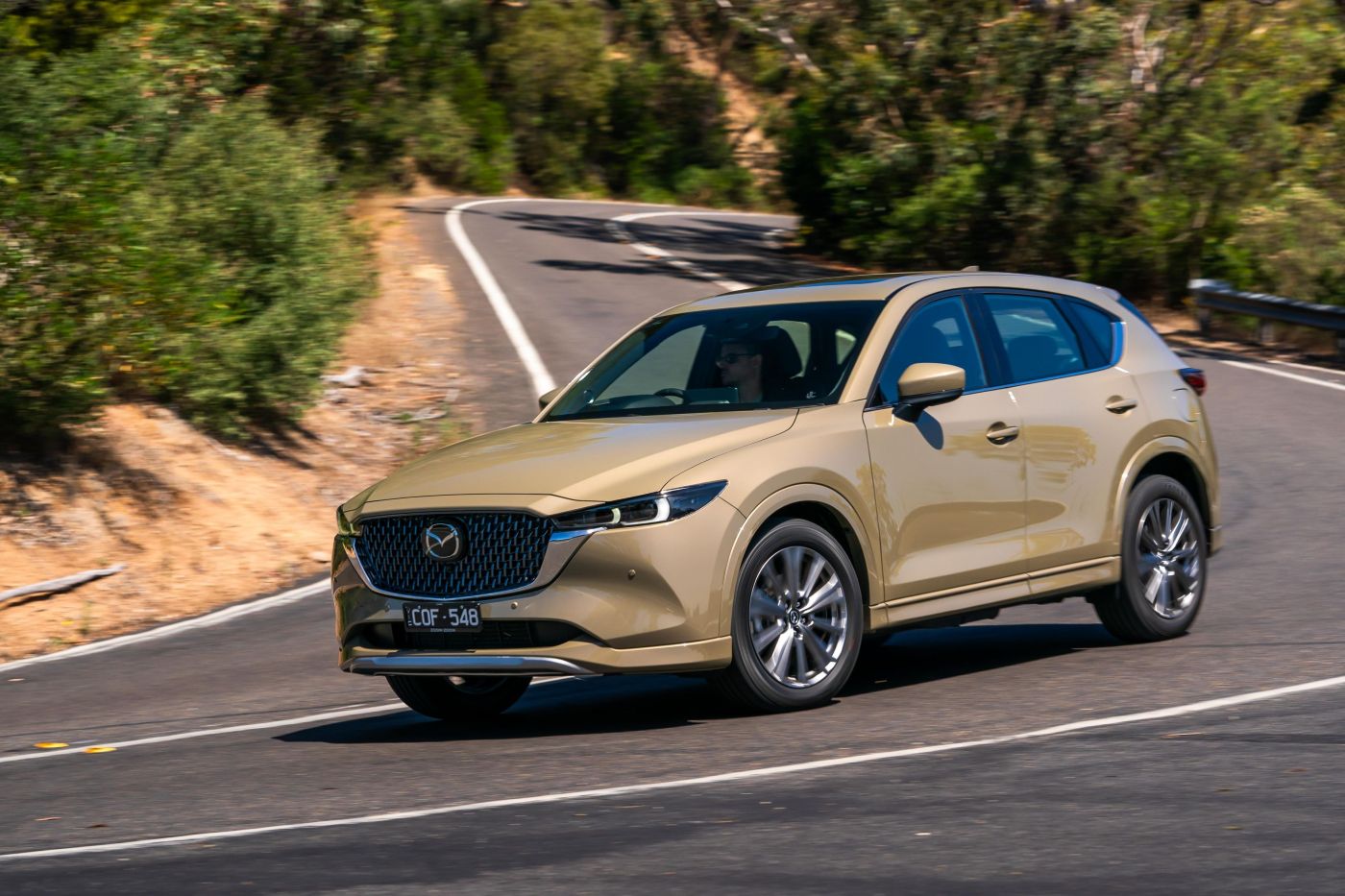
1. Mazda CX-5 – Focused Simplicity and Smart Safety
Mazda has always stood apart by focusing on the driving experience. The CX-5 is a perfect example of a vehicle that incorporates useful technology without going overboard. Its infotainment system avoids overwhelming drivers with unnecessary complexity.
Instead of layering too many functions into a touchscreen, Mazda includes a rotary controller that keeps eyes on the road and hands in a more natural position. While touchscreens have become standard in nearly all modern cars, Mazda’s insistence on user-friendly ergonomics shows they understand the value of tactile feedback.
Safety tech in the CX-5 is thoughtfully integrated. Features like adaptive cruise control, blind-spot monitoring, and lane-keep assist are present, but they rarely nag or intrude.
Warnings feel like helpful nudges rather than panic-inducing sirens. The lane departure alert, for instance, gently nudges the steering wheel without jarring the driver. These systems complement the driver’s instincts rather than trying to override them, which is something many automakers still struggle to get right.
Another area where Mazda succeeds is in offering tech that doesn’t make driving feel automated or detached. Driving enthusiasts still find joy behind the wheel, thanks to precise steering and responsive handling.
Even though it’s an SUV, the CX-5 feels far more engaged than most of its competitors. The tech doesn’t drown out that engagement it quietly supports it. The car doesn’t try to do everything for you; it just helps when you need it.
Mazda’s approach respects the driver. It’s not trying to wow you with flashy features that you’ll never use. Instead, it focuses on well-executed essentials that actually improve day-to-day driving. Whether you’re commuting, running errands, or taking a long trip, the tech in the CX-5 helps rather than distracts.
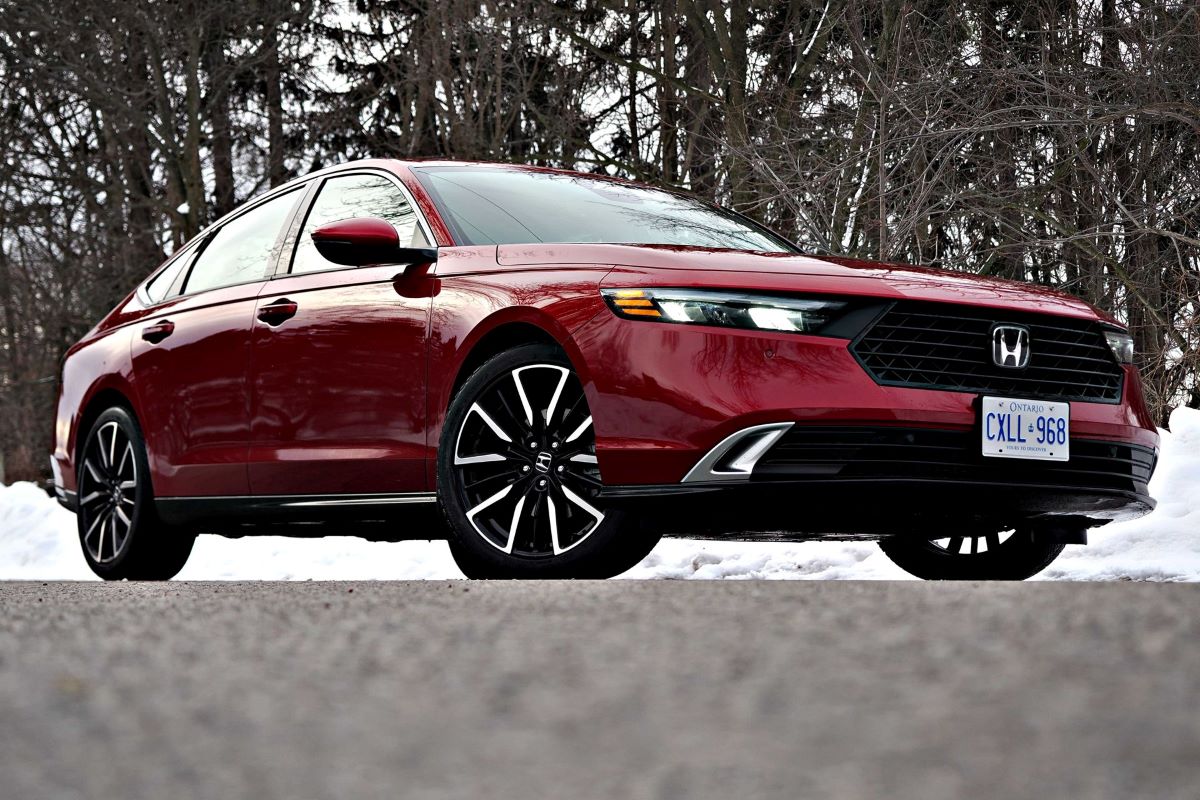
2. Honda Accord – Balanced Innovation for Every Driver
The Honda Accord has consistently offered one of the best balances of technology, usability, and comfort. What makes the Accord stand out is how well its technology supports a wide range of drivers.
From teenagers learning how to navigate busy roads to seasoned commuters, the systems built into the Accord are accessible and practical without being overwhelming or confusing.
Honda’s suite of safety tech, known as Honda Sensing, includes adaptive cruise control, collision mitigation braking, and road departure mitigation. These features aren’t buried in a maze of menus or settings.
They’re active by default and tuned to be helpful rather than invasive. The adaptive cruise control works fluidly even in stop-and-go traffic, easing the stress of long drives while maintaining a comfortable and safe distance.
In terms of interior tech, Honda avoids the temptation to rely solely on touchscreens. The Accord includes real buttons and knobs for essential functions, which makes it easier to make adjustments while driving.
Even though it does have a central screen, the layout is simple and intuitive. Pairing a phone, changing radio stations, or switching climate settings doesn’t require hunting through layers of menus.
There’s also an excellent heads-up display in higher trims, giving the driver key information without needing to glance away from the road. It’s the kind of feature that improves awareness and safety without calling attention to itself.
Honda’s approach in the Accord is a clear example of how modern tech can make a car feel smarter and safer without making the driver feel like a passenger in their own vehicle.
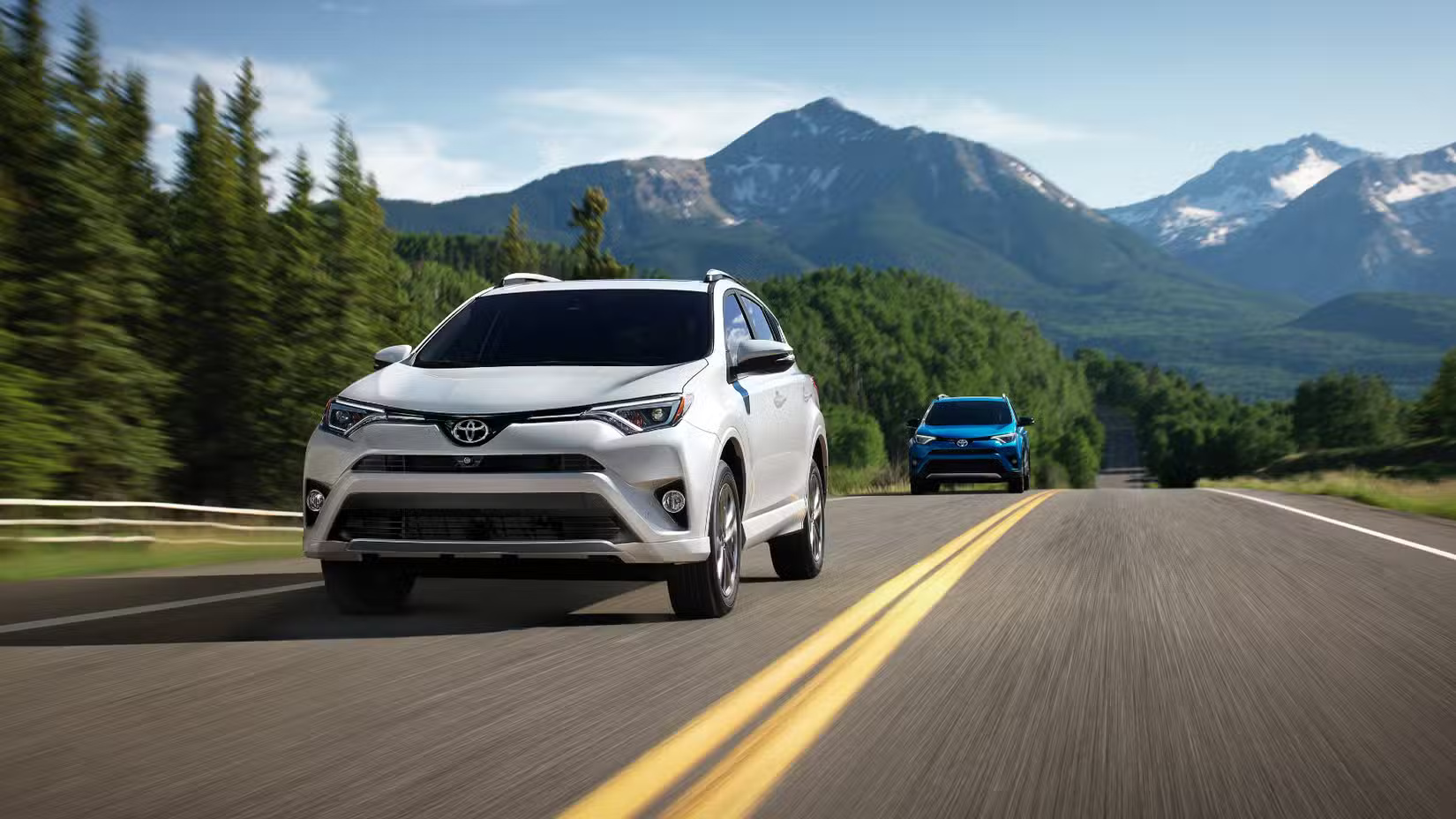
3. Toyota RAV4 Hybrid – Efficiency Without the Complexity
The Toyota RAV4 Hybrid is a smart example of how technology can serve both efficiency and usability. Its hybrid system operates so seamlessly that most drivers forget they’re even in a hybrid.
There’s no clunky transition between gas and electric power, and no need to change driving habits to benefit from its fuel economy. The car handles everything in the background, requiring nothing more from the driver than to drive normally.
The interface is equally unpretentious. Climate controls, drive modes, and infotainment functions are all clearly labeled and logically arranged.
Toyota hasn’t chased after the fully touch-controlled trend, and the RAV4 Hybrid retains useful physical switches for most important operations. That’s something many drivers appreciate, especially when navigating traffic or bad weather.
The safety suite is well-executed. Toyota Safety Sense 2.5 includes pre-collision detection with pedestrian detection, lane tracing assist, and automatic high beams.
These features are designed to intervene only when necessary. Rather than constantly alerting or trying to micromanage every move, they allow the driver to stay in control unless something clearly warrants a response. That balance helps make the RAV4 feel like a true partner in safety.
Additionally, the tech supports the vehicle’s purpose. This is a family-friendly, reliable, and efficient crossover. All of the technology included is focused on serving that mission. From energy monitoring displays to regenerative braking indicators, it keeps the driver informed without feeling overly technical or robotic. It’s just a well-rounded package that enhances rather than complicates.
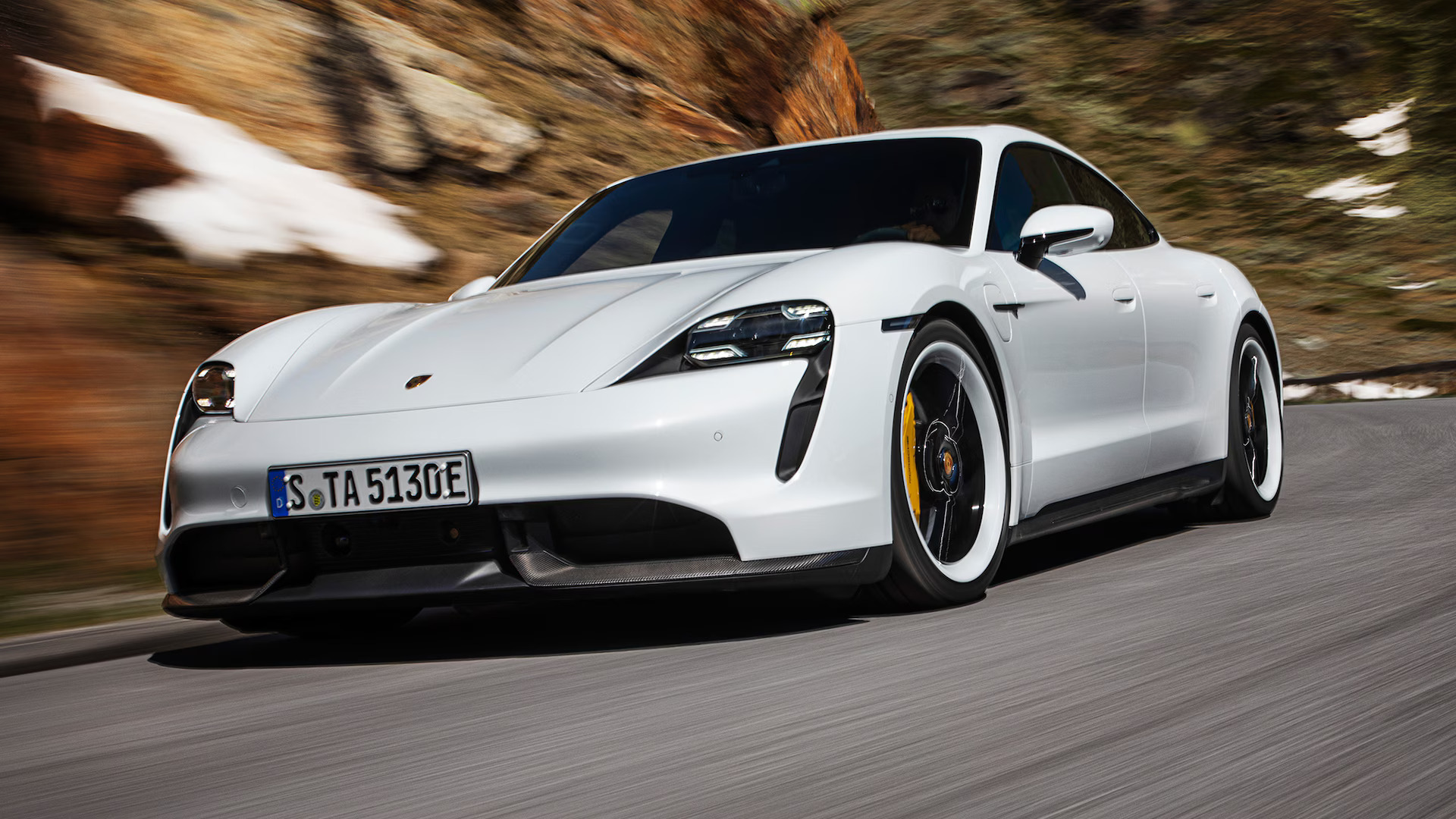
4. Porsche Taycan – Performance Meets Intelligent Engineering
Porsche’s entry into the electric vehicle segment came with high expectations, and the Taycan has delivered not just in speed but also in technological refinement.
Unlike some performance-focused EVs that feel overly sterile or software-heavy, the Taycan uses technology to sharpen the driving experience. The electric drivetrain is incredibly responsive, and the car reacts to input in a way that feels both natural and exhilarating.
One of the standout tech features is its regenerative braking system. It gives the driver precise control without making things feel artificial. You can set different levels of regenerative braking based on driving style or terrain, and the transition between regen and traditional braking is smooth.
Many EVs struggle in this area, creating either a jerky or numb sensation, but Porsche has engineered it in a way that feels intuitive. Another impressive element is the dual-screen layout. It allows the driver to access performance stats, maps, and infotainment simultaneously without crowding the display.
Controls for adjusting suspension settings, steering feedback, and drive modes are all easy to access and respond instantly. These tools make the Taycan incredibly customizable without forcing the driver to learn a new system from scratch.
Porsche has also managed to integrate advanced tech without stripping away its identity as a driver’s car. The connection between the driver, machine, and road is still there, despite the digital enhancements.
The Taycan shows that it’s possible to include a wealth of modern features while still preserving the thrill of driving. For those who want cutting-edge tech without losing the human element, it stands as one of the best executions available today.
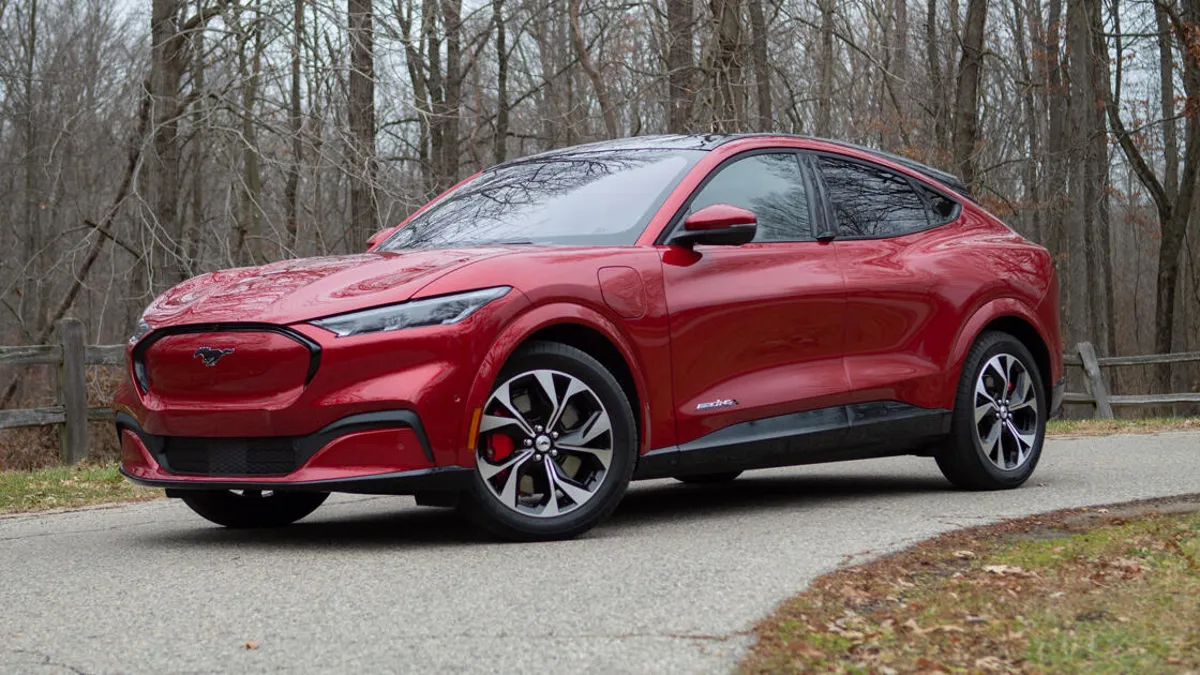
5. Ford Mustang Mach-E – Accessible EV Technology
The Mustang Mach-E marks a new direction for Ford. While the Mustang name stirred debate, the vehicle itself brings EV technology to a broader audience in a way that’s surprisingly easy to live with. From the moment you get in, it’s clear the car was designed with both new and experienced EV drivers in mind.
The large central screen looks imposing at first, but the interface is simple and well thought-out. Menus are arranged logically, and response times are fast.
More importantly, there are still physical volume and climate controls, which prevents the frustration that can come from all-touch systems. You don’t have to dig through endless submenus just to warm up your seat or adjust the fan.
The driving tech works in harmony with the car’s electric powertrain. One-pedal driving is smooth and adjustable, and the different drive modes genuinely affect the car’s behavior.
In “Whisper” mode, the car feels gentle and quiet. In “Unbridled” mode, it becomes more aggressive and sporty. This variety helps the car appeal to a wide range of drivers without demanding constant tweaking.
Ford’s Co-Pilot360 suite includes features like lane centering, evasive steering assist, and intelligent adaptive cruise control. These systems operate without being obtrusive, and they can all be turned off or customized easily.
There’s a strong focus on giving the driver options rather than forcing assistance. For a first mass-market EV from a legacy brand, the Mach-E gets the balance of driving feel and tech just right.
Cars with Tech That Overcomplicates Everything
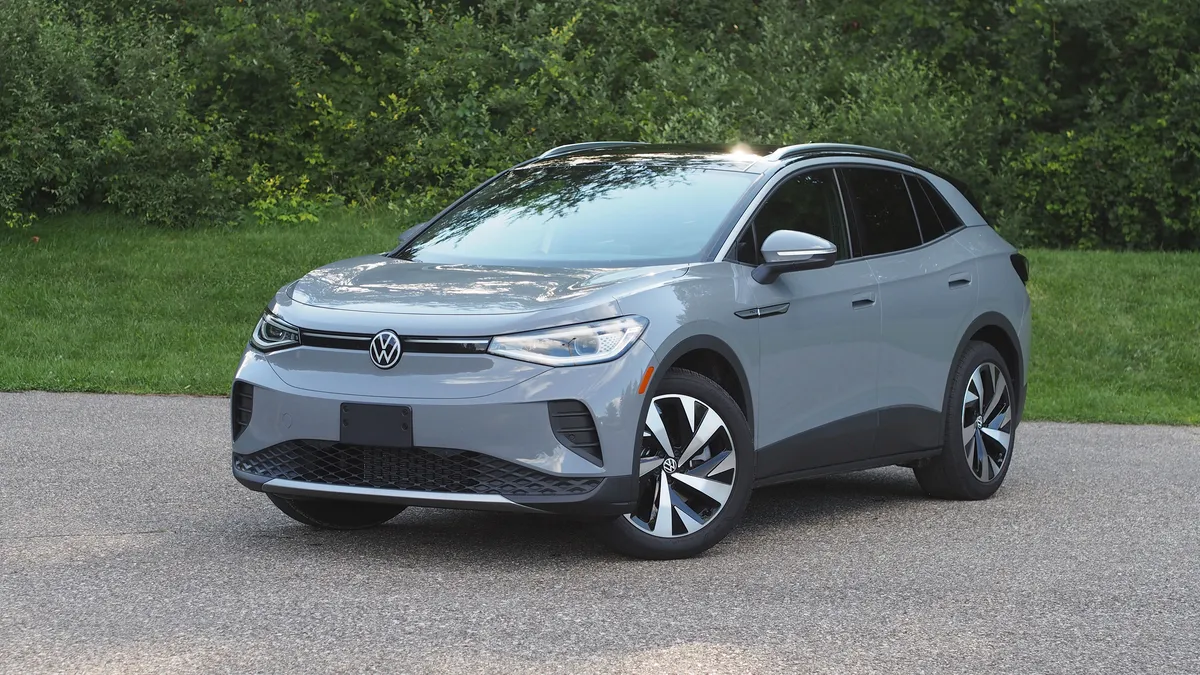
6. Volkswagen ID.4 – Touch-Centric Controls Gone Wrong
Volkswagen had high hopes for the ID.4 as a cornerstone of its electric lineup, but the car’s interior tech layout has proven to be one of its biggest flaws.
In an effort to modernize, VW replaced nearly every physical button with touch-sensitive controls, including those for basic functions like volume, climate, and even the headlights. This move might look sleek in promotional photos, but it introduces constant frustration in daily use.
The haptic feedback provided by these touch controls is inconsistent, and they often fail to register on the first try. In colder weather or while wearing gloves, the response is even worse.
Adjusting something as simple as cabin temperature requires taking eyes off the road for far too long. What used to be a quick dial turn has become a multitap process that draws attention away from driving.
The infotainment system itself isn’t much better. While the screen is large and the graphics are modern, lag is a common issue. Functions like navigation, audio, and vehicle settings can take several seconds to load.
That delay, combined with the confusing menu layout, leaves many users reaching for their smartphones to use Apple CarPlay or Android Auto instead. This essentially makes the built-in system redundant.
Another odd decision is the removal of the rear wiper and other traditional mechanical features in favor of software-driven substitutes or omissions. In bad weather, visibility suffers because of these changes.
VW’s attempt to streamline the driving experience has instead resulted in more steps for simple tasks, more distractions, and a learning curve that doesn’t need to exist. The ID.4 is a case where tech seems to have been designed to impress a showroom crowd, not actual drivers.
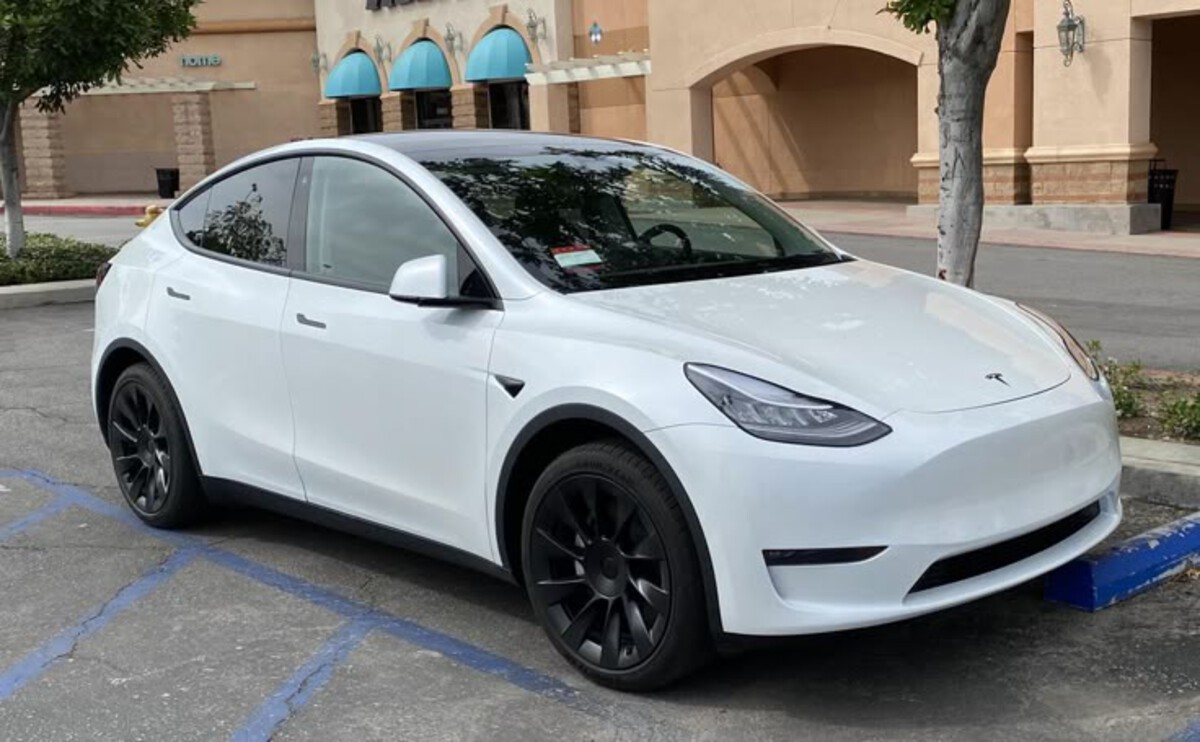
7. Tesla Model X – Feature Overload at the Cost of Simplicity
Tesla’s Model X is packed with cutting-edge technology, but much of it walks a fine line between innovation and overkill. The giant center touchscreen is the nerve center of the vehicle, controlling everything from driving settings to door locks.
While the display is visually impressive, the reliance on it for nearly every function creates usability issues. Even adjusting mirrors or airflow requires multiple taps and navigating through digital menus.
The infamous falcon-wing doors are a key example of form over function. While visually dramatic, they are slow to operate, prone to malfunctions, and can be finicky in tight spaces or garages.
What should be a simple open-and-close motion becomes a chore, especially when sensors refuse to operate properly in rain or snow. The doors are a technological showcase, but not one that adds value to everyday usability.
Autopilot, Tesla’s driver assistance system, has drawn significant attention both for its capabilities and its limitations. While it can handle highway cruising under ideal conditions, it frequently requires intervention.
The system’s unpredictable behavior slowing unnecessarily, misreading lane lines, or swerving to avoid phantom objects can quickly erode driver confidence. There’s also confusion among users about what Autopilot can and cannot do, leading to overreliance on a tool that isn’t fully autonomous.
In trying to be futuristic, the Model X sometimes forgets to be convenient. Standard tasks take longer, the learning curve is steeper, and issues like phantom braking or software glitches appear too often.
Tesla’s overdependence on screen-based control and underdeveloped driver aids make the car feel less intuitive than it should, especially at its premium price point. For all the power and prestige, the tech can often get in the way of simply driving.
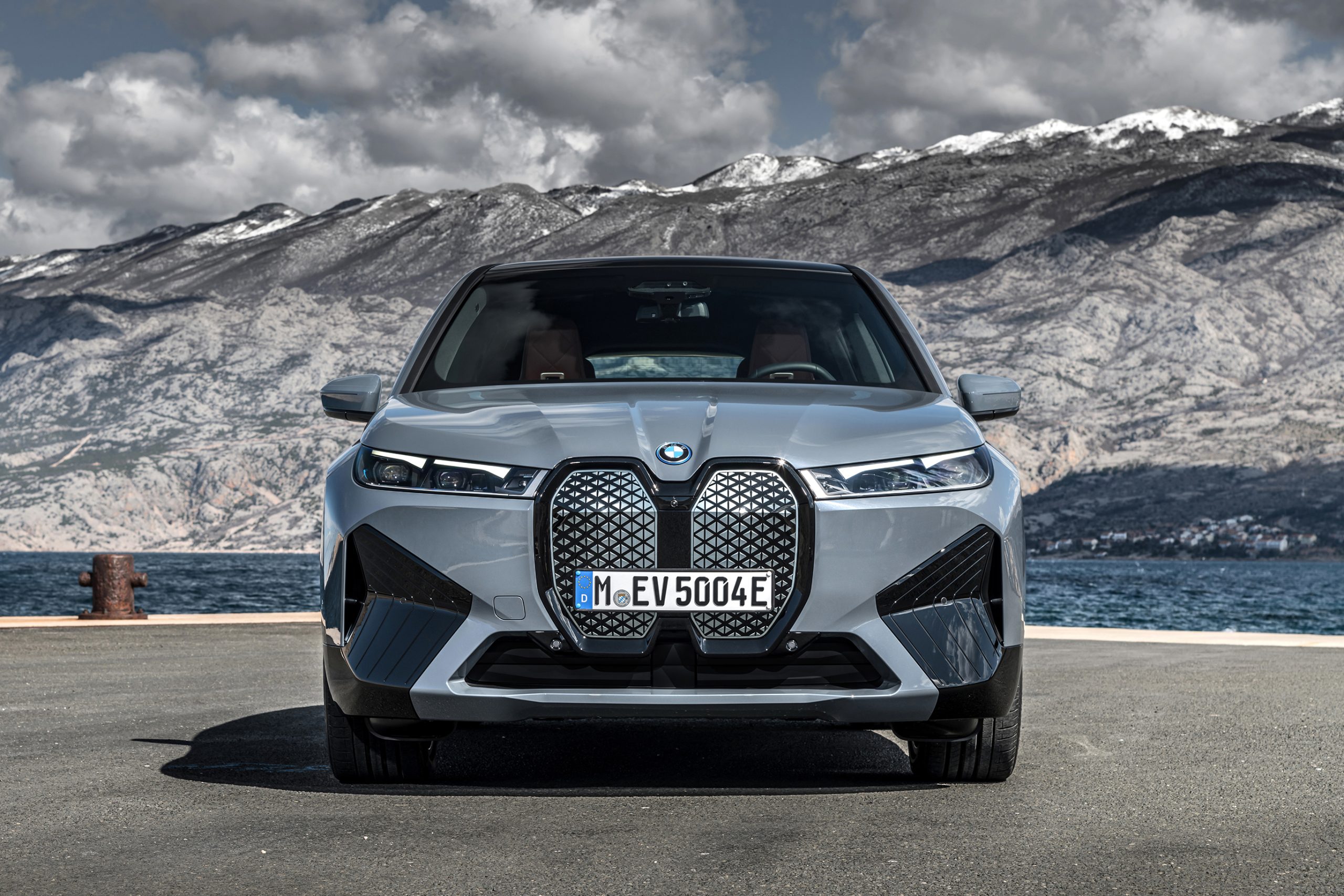
8. BMW iX – Overwhelming Complexity in an Electric Package
BMW’s iX is one of the most technologically advanced cars the company has ever produced, but its complexity can overshadow the core driving experience.
The cabin is loaded with digital surfaces, including a large curved display that stretches across the dashboard. While impressive to look at, it crams a vast number of functions into a single interface, which can become overwhelming, particularly for those who prefer traditional controls.
The iDrive system, though improved in some areas, still suffers from being too menu-heavy. Many key functions are buried within submenus or require voice commands that aren’t always reliable.
Tasks that should take seconds like changing the driving mode or adjusting ambient lighting, can become multi-step processes. Even experienced users may struggle to remember where everything is located within the system.
The steering and braking in the iX are also highly dependent on drive modes and tech settings. In some configurations, the steering can feel disconnected, and regenerative braking settings vary widely depending on what’s selected.
This means that the driving feel isn’t consistent unless drivers stick to the same settings, which defeats the purpose of having customization in the first place.
Then there’s the presence of features like automated parking and gesture controls, which often feel more like gimmicks than genuinely useful tools.
Gesture controls, in particular, are more of a party trick than a practical interface. Waving a hand in the air to change the radio station might be fun once or twice, but it quickly becomes a novelty with little value. The iX is packed with innovation, but much of it adds friction rather than freedom.
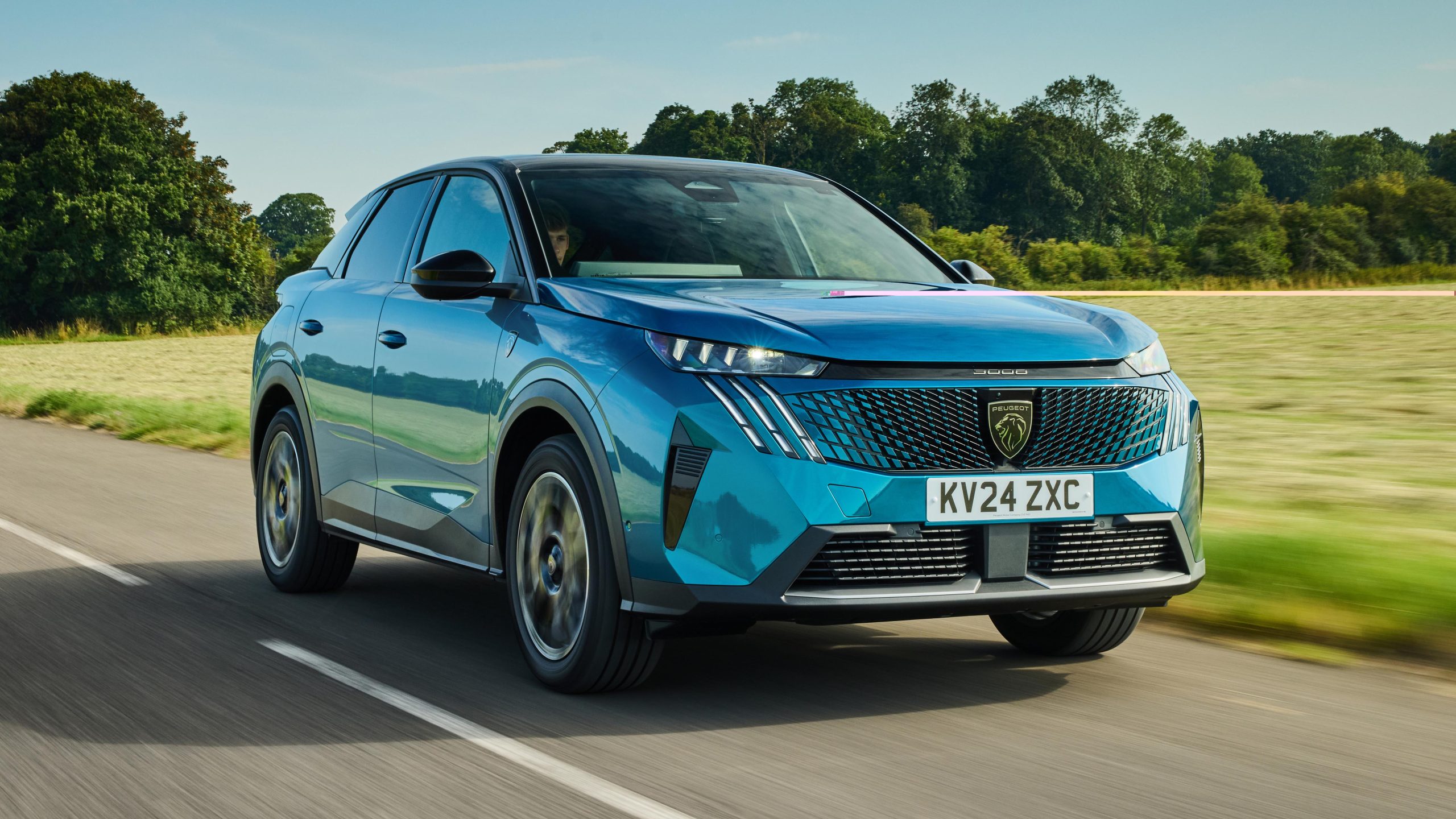
9. Peugeot 3008 – Overdesigned Interior Controls
The Peugeot 3008’s cabin looks stylish and modern at first glance, but its tech design choices can be a source of frustration. The “i-Cockpit” layout, with a small steering wheel and high-mounted digital cluster, is meant to create a unique driving position.
In practice, it often obstructs the driver’s view of the instruments unless the steering wheel is placed uncomfortably low. It’s an example of style interfering with function.
The central infotainment screen is integrated into a dashboard filled with touch-sensitive toggles and layered menus. What looks like a bank of shortcut keys below the screen are not physical buttons, but rather touch panels.
While the aesthetic is minimal and clean, it comes at the cost of usability. These controls lack tactile feedback, so using them while driving requires a steady hand and a careful eye.
Response times from the infotainment system also leave room for improvement. Lag and slow-loading menus can be frustrating, especially when trying to access navigation or climate settings quickly.
Instead of enhancing convenience, the system often creates small delays that add up during everyday use. Even setting the air conditioning to a specific level requires going through the screen rather than using a simple knob.
The 3008 is an example of how an attempt at futuristic design can lead to a more cumbersome driving experience. By hiding or removing the physical controls that drivers rely on, Peugeot has made a car that feels more demanding to operate than it needs to be. The technology isn’t poorly built it’s just overly stylized at the expense of basic usability.
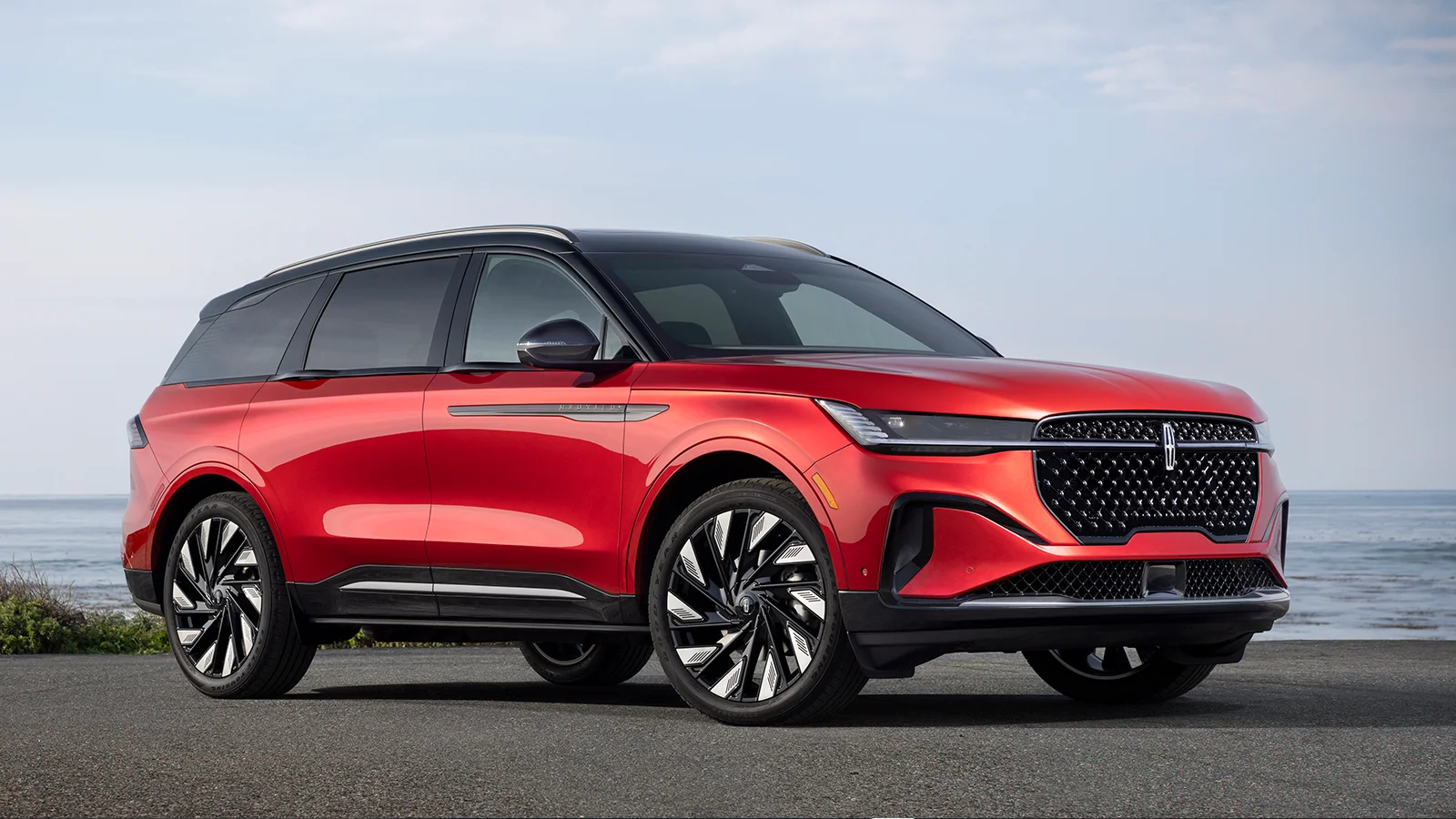
10. Lincoln Nautilus (Latest Gen) – Screens Over Substance
The latest version of the Lincoln Nautilus is striking in its appearance, especially inside. It features an enormous wraparound screen that spans nearly the entire dashboard.
This display gives off a luxurious, high-tech impression, but it also brings a flood of new controls, graphics, and interactions that can feel more theatrical than functional. The sheer volume of screen space becomes a distraction rather than an asset.
Instead of complementing physical buttons, the screen attempts to replace almost every traditional interface. Climate, navigation, media, and driving settings are all controlled digitally, and navigating them while driving can take time and focus away from the road. Even adjusting basic air conditioning functions or fan speed becomes a task that involves multiple taps and layers.
The digital cluster behind the wheel offers customization, but it also tends to clutter the driving view with excessive animations and data. Drivers may spend more time tweaking displays than actually benefiting from the information shown. A clean, concise layout would serve better in most cases, especially when driving in traffic or at night.
Voice control is offered as an alternative, but it often fails to understand natural speech commands. This forces users back into the digital menus they were hoping to avoid.
The tech in the Nautilus is visually impressive, but it feels more like a showcase than a solution. By relying so heavily on screen interaction, Lincoln has made its luxury SUV more complicated than comforting. In this case, less would be more.
Also Read: 5 Cars With Legendary Owner Satisfaction and 5 With Lawsuit-Level Problems
Technology in modern vehicles is no longer optional, it’s central. From entry-level compact cars to premium electric SUVs, every new model comes packed with some level of smart assistance, touch-based control, or digital customization. But more tech doesn’t always mean a better experience.
As we’ve seen, there’s a clear divide between technology that supports the driver and technology that competes for the driver’s attention. Some manufacturers get the balance right. Others seem more focused on headlines and flash than on practical, everyday usability.
The five cars that stand out for enhancing driving Mazda CX-5, Honda Accord, Toyota RAV4 Hybrid, Porsche Taycan, and Ford Mustang Mach-E demonstrate that technology works best when it stays behind the scenes. These vehicles offer features that improve awareness, reduce fatigue, and simplify common tasks.
They show that screens can be helpful without being overwhelming and that systems like adaptive cruise or lane assist don’t have to feel invasive. The best tech solutions in these cars operate quietly and efficiently, giving drivers more confidence and comfort without stripping away control.
By contrast, the vehicles that overcomplicate things Volkswagen ID.4, Tesla Model X, BMW iX, Peugeot 3008, and Lincoln Nautilus suffer from tech that seems designed for showrooms more than real roads.
Over-reliance on touch controls, slow or confusing interfaces, and features that try to impress rather than assist create friction instead of fluidity.
In these cars, something as basic as changing the temperature or tuning a radio station becomes a multi-step distraction. In some cases, poor implementation of driver-assist systems or overly complex user interfaces can even erode trust in the car itself.
One of the biggest lessons here is that innovation should always serve the driver, not the marketing campaign. Flashy graphics, oversized displays, and quirky automated features might look good in a commercial, but if they don’t add value to the actual experience behind the wheel, they can hurt more than help.
Good design, whether mechanical or digital, always considers the human on the other end. That principle still applies, even as cars become more like computers on wheels.
As automotive technology continues to evolve, the challenge will be to maintain that human connection to driving. People still want to feel in control of their vehicles. They want technology that makes things easier, not more confusing. They want cars that are smart, but not smug.
The good news is that some automakers are listening and getting it right. The not-so-good news is that others are still caught up in making cars more complex for the sake of looking advanced.
So as car buyers, drivers, and enthusiasts, it’s worth paying close attention not just to what technology a car includes, but how well it actually works. Does it make driving safer, more enjoyable, or less stressful?
Or does it get in the way? In a world where every automaker wants to stand out, the ones who do it with clarity, simplicity, and purpose will win in the long run not just with critics, but with drivers who care about how it feels to actually be behind the wheel.
