
Hybrid vehicles have steadily become a core part of the modern automotive industry, serving as a bridge between traditional internal combustion engines and fully electric vehicles. For many drivers, they represent an ideal compromise offering improved fuel economy, reduced emissions, and the convenience of a gasoline engine when electric power alone isn’t enough.
But not all hybrids are created equal. Beyond mileage and emissions figures, one of the most defining characteristics of a hybrid’s performance is how well it handles the transition between gas and electric power. This process, often invisible in theory, can significantly influence the driving experience.
The hybrid system relies on complex coordination between the electric motor and the gasoline engine. These systems must communicate in real-time to decide which source provides power at any given moment, and how the two work together during acceleration, deceleration, or cruising.
When done well, the transition is so smooth that the driver barely notices it. The car responds predictably, power delivery feels even, and there are no jarring changes in sound or motion.
However, when this process is poorly implemented, the result can be an unpredictable or jerky ride that detracts from the comfort, confidence, and efficiency that hybrids are supposed to provide.
It’s important to note that a vehicle’s transition behavior doesn’t always correlate with its price or segment. Some budget-friendly hybrids manage to deliver a remarkably refined experience, while a few models in the premium segment struggle to hide the complexity of their dual systems.
This inconsistency can catch buyers off guard, especially those new to hybrid technology. They might expect any hybrid to offer a seamless driving feel, only to discover that the system can stutter or lurch at inconvenient time such as during a lane change, stoplight launch, or parking maneuver.
This article takes a focused look at ten hybrid vehicles and evaluates them solely on how smoothly they transition between gas and electric operation. Five of these vehicles stand out for their nearly imperceptible handoffs, contributing to a quiet, confident, and pleasant ride.
The other five are known to struggle with shift quality, often producing hesitations or jolts that can be distracting or annoying. We’re not discussing horsepower, battery range, resale value, or infotainment systems. This is a breakdown of one specific aspect of hybrid performance: how it feels when the car decides to switch from one power source to the other.
If you’re considering a hybrid and care about driving refinement and comfort, this article will help you understand which models are worth a closer look and which ones may leave you second-guessing your choice after a few weeks on the road. Smoothness may seem like a small detail, but for many hybrid drivers, it’s the one they end up noticing every single day.
Also Read: 5 Cars with Bulletproof Safety Electronics vs 5 That Trigger Constant Warnings
5 Hybrids With Smooth Gas-to-Electric Shifts
1. Toyota Prius
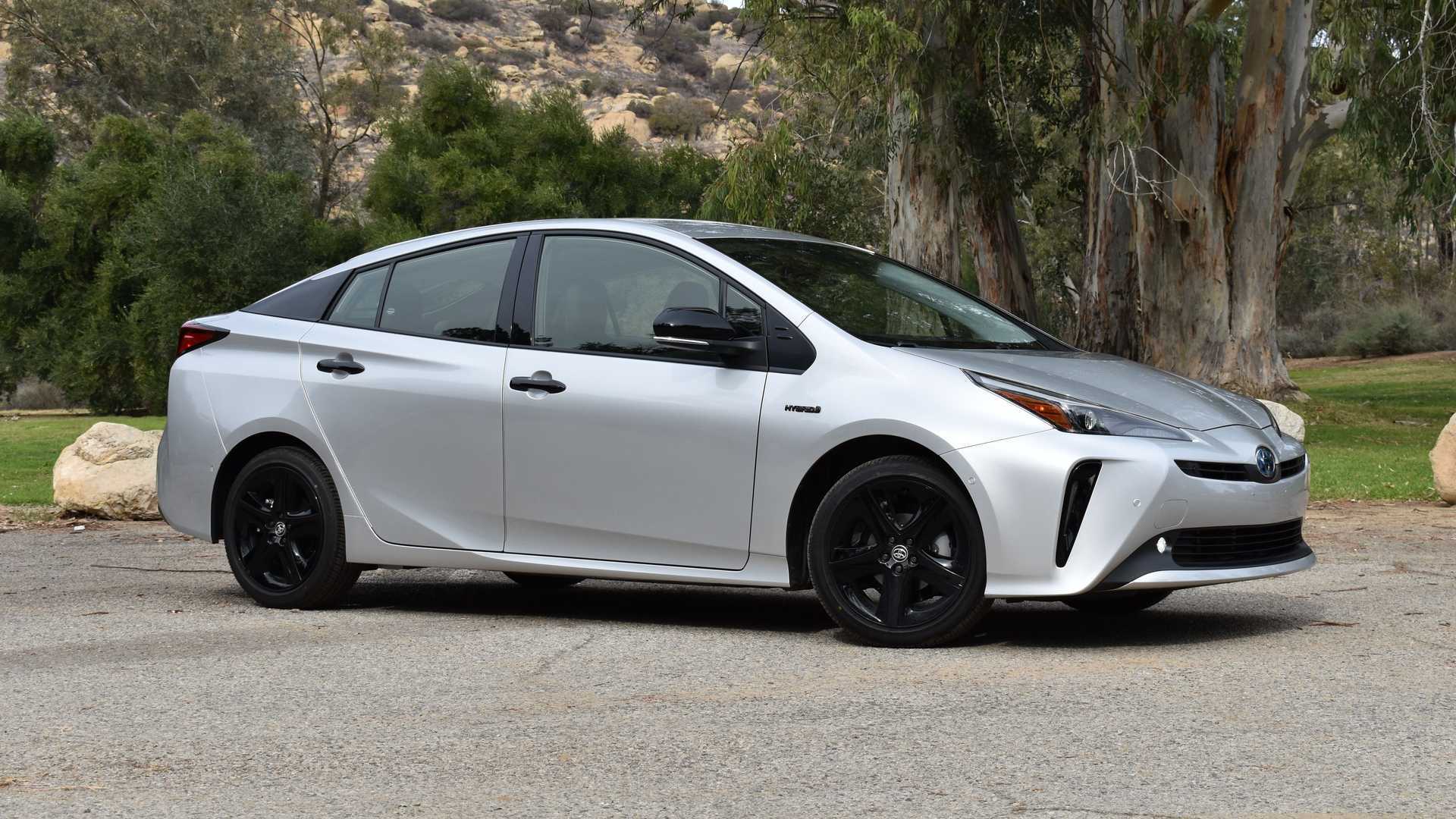
The Toyota Prius has long been the poster child for hybrid vehicles, and much of its reputation comes from how seamlessly it manages its gas-electric operation.
The transition between the electric motor and the gas engine in the Prius is incredibly refined. Most drivers hardly notice when the car switches modes, especially under light acceleration. The car uses Toyota’s Hybrid Synergy Drive, which has undergone multiple generations of updates to improve responsiveness and smoothness.
Toyota engineers have perfected the timing and throttle calibration over the years, so the engine kicks in gently rather than all at once. Whether you’re crawling through traffic or cruising at city speeds, the transition doesn’t call attention to itself.
This makes the Prius particularly popular among urban commuters and rideshare drivers who prioritize comfort and quietness. The electric motor handles low-speed duties efficiently, and the gas engine picks up without delay or drama.
Another reason the Prius stands out is the way it uses regenerative braking to recharge its battery. This helps reduce the frequency and intensity of transitions because the electric motor is more active at low speeds.
The software programming is smart enough to hold the electric mode for as long as possible without making the driver feel like the car is struggling to deliver power. It’s a subtle, intelligent system that prioritizes smoothness in every move.
Even during spirited driving, the Prius maintains a composed balance between its two power sources. The system adapts to more aggressive throttle inputs by blending both motors quickly, but it never loses its composure.
The gas engine hums in quietly and doesn’t produce sudden noise or vibration. As a result, Prius owners often describe the driving experience as “calm” or “peaceful” not something you hear about every vehicle.
2. Honda Accord Hybrid
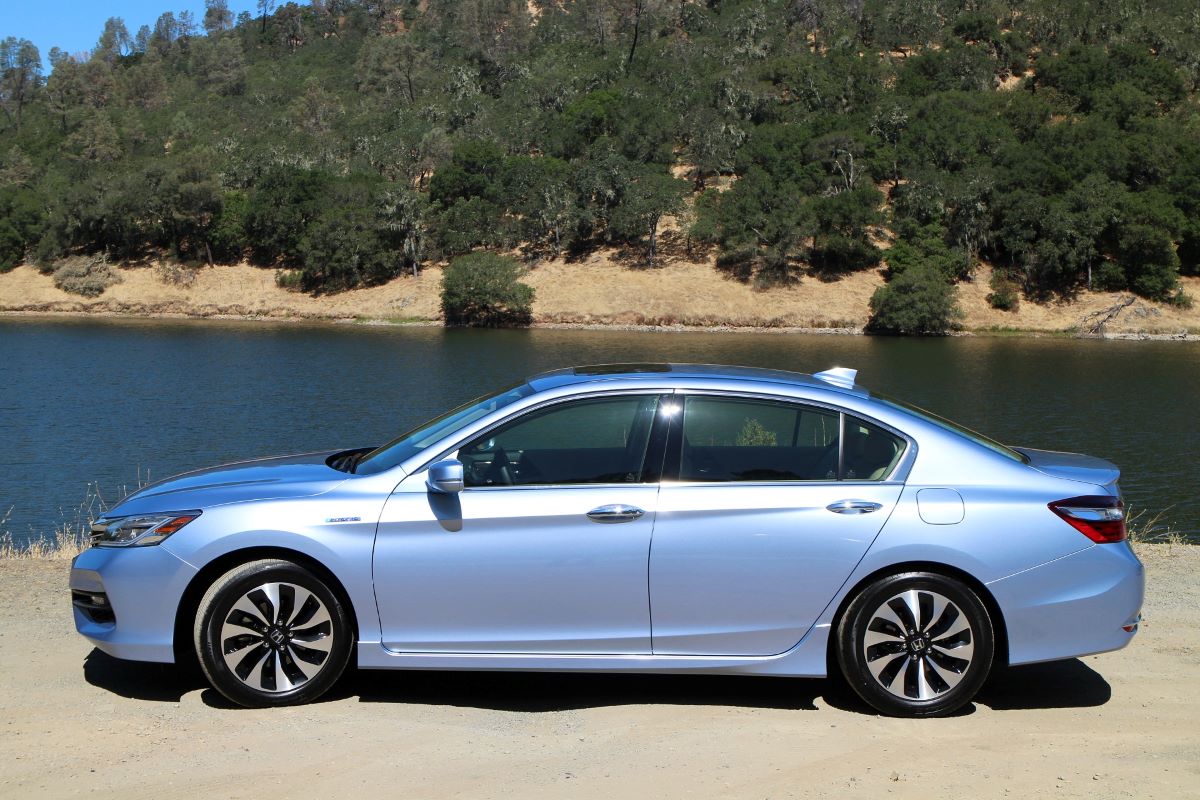
The Honda Accord Hybrid manages to blend efficiency and performance with a transition that’s virtually invisible under most conditions. The car uses Honda’s two-motor hybrid system, which is designed to keep the engine decoupled from the wheels during many driving scenarios.
This setup allows the car to use its electric motor at low and moderate speeds, only engaging the gasoline engine when necessary and doing so without a fuss.
What makes the Accord Hybrid feel so smooth is its use of a planetary gear system that mimics a continuously variable transmission. This allows the powertrain to operate more linearly.
As you accelerate, the system chooses the most efficient and least intrusive way to deliver power. When the gas engine is required, it comes in with a low growl that feels more like background noise than a mechanical shift. This enhances the experience for drivers who value refinement.
The responsiveness of the Accord Hybrid is also key to its smooth behavior. Unlike some hybrids that hesitate or stutter when the power source changes, the Accord seems to anticipate the driver’s needs.
Whether you’re making a quick turn from a stop or merging onto a highway, the system adjusts instantly to the situation. The calibration is particularly strong at mid-range speeds, where most competitors tend to show their rough edges.
In real-world driving, the Accord Hybrid often outperforms more expensive models in terms of transition smoothness. It manages to deliver a quiet and calm ride even when conditions change rapidly.
This balance of sophistication and affordability has helped it become a favorite among those who want a traditional sedan experience with hybrid benefits.
3. Lexus RX Hybrid
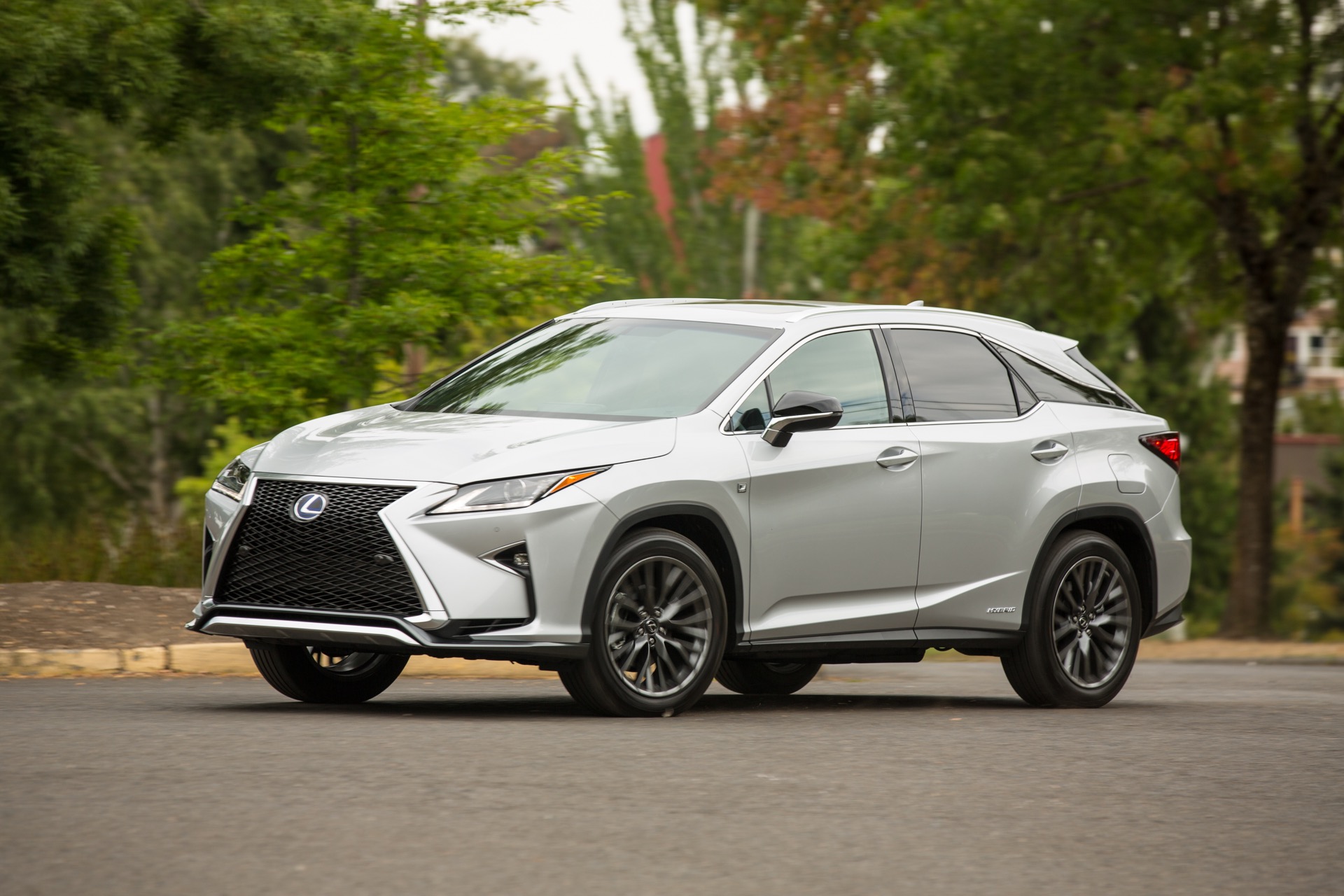
The Lexus RX Hybrid is a luxury SUV that sets a high standard for seamless hybrid operation. Lexus, as Toyota’s premium brand, has taken the already-smooth Toyota hybrid technology and tuned it even further for refinement. The RX Hybrid’s transition between power sources is barely perceptible. It’s so polished that some passengers might not even realize they’re riding in a hybrid.
One key to the RX Hybrid’s smooth operation is its use of sound insulation and vibration dampening. Even when the gas engine engages, it does so without introducing any unpleasant vibrations or noises.
The cabin remains quiet, and the throttle response feels consistent regardless of which motor is powering the vehicle. This contributes to the premium feel that Lexus customers expect.
Lexus also includes more advanced software tuning in the RX Hybrid compared to non-luxury Toyota models. This means that not only is the shift smoother, but the transitions happen at smarter times.
The car seems to “understand” what the driver wants, whether it’s staying in electric mode a bit longer in a parking garage or bringing in the engine early for hill climbing. It reacts appropriately without any of the hesitation seen in less refined systems.
Even under stress, like when towing or driving uphill, the RX Hybrid maintains its composure. There are no awkward pauses or jerks as the vehicle manages its resources. It just continues to operate smoothly, focusing on driver and passenger comfort.
That consistency makes it a strong pick for families or professionals who spend a lot of time on the road and want every ride to feel calm and predictable.
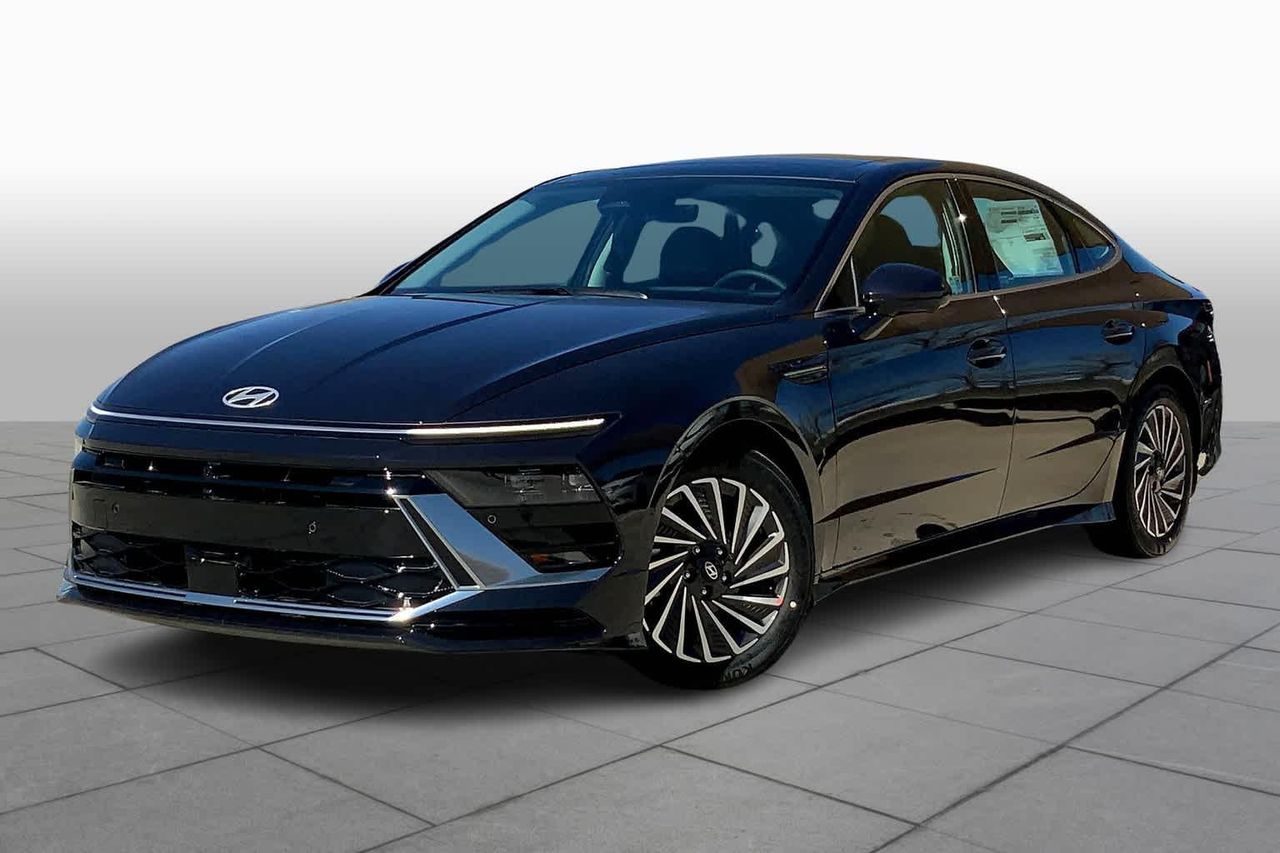
4. Hyundai Sonata Hybrid
Hyundai has made significant strides in hybrid technology, and the Sonata Hybrid is a good example of a well-executed system. While not perfect, its transition between gas and electric power is smoother than many of its competitors in the mid-size segment.
Hyundai uses a traditional 6-speed automatic transmission, which gives the Sonata a more natural feel compared to CVT-based hybrids.
The Sonata Hybrid’s gas engine engages quietly and without noticeable lag. Hyundai’s hybrid system is designed to feel like a regular gasoline car with a little extra boost from the electric motor.
For drivers who want a hybrid that doesn’t feel “weird,” the Sonata is a solid choice. The transition is smooth during both light acceleration and moderate cruising, with no sudden jolts or engine flares.
In stop-and-go traffic, the Sonata Hybrid stays in electric mode for as long as possible. This helps reduce engine noise and keeps the ride pleasant. When the gas engine does need to come in, it does so gently.
Hyundai has worked on improving throttle calibration and energy management to ensure that the transition doesn’t catch the driver off guard. This attention to detail pays off in real-world comfort.
Even more impressive is the system’s behavior under quick acceleration. While some hybrids jerk or hesitate during hard throttle, the Sonata Hybrid’s dual-motor design blends the two power sources efficiently.
The engine doesn’t roar to life suddenly; it comes in with a steady increase in power that feels intentional and measured. This makes the car feel more responsive without compromising its smooth demeanor.
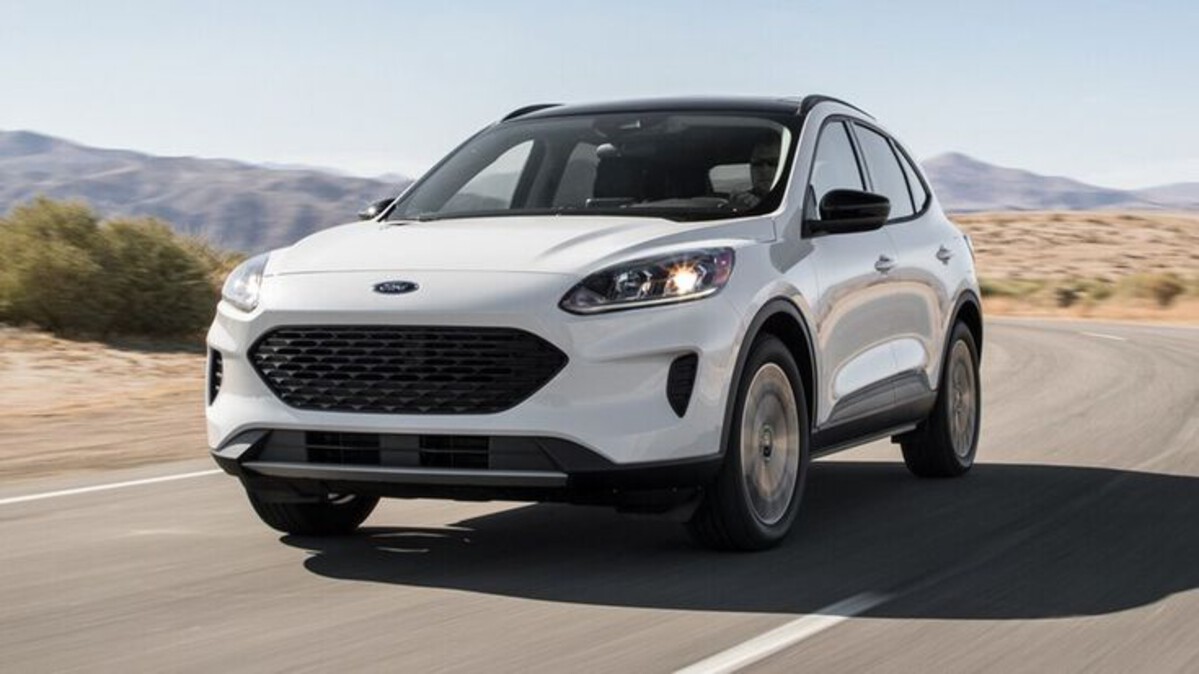
5. Ford Escape Hybrid
The Ford Escape Hybrid offers a good mix of utility and refinement, with one of the better transition systems among compact hybrid SUVs.
Ford has invested heavily in hybrid development in recent years, and the Escape benefits from this investment with a system that knows how to balance electric and gas power effectively. The result is a crossover that behaves more like a regular SUV but with the efficiency perks of a hybrid.
At low speeds, the Escape Hybrid relies heavily on its electric motor. The gas engine joins in quietly and with minimal vibration. The software is tuned to bring the engine in gradually, avoiding the sudden torque changes that can make some hybrids feel clunky.
This is particularly noticeable in city driving, where the Escape feels smooth and predictable as it cycles between power sources. Ford’s system also handles highway driving well. When cruising, the gas engine stays engaged, but if you let off the throttle or coast downhill, the car may switch to electric without making a scene.
It’s a fluid transition that reflects careful engineering. The Escape also benefits from regenerative braking that helps keep the battery charged without aggressive pedal feel or braking inconsistency.
Another advantage is the Escape Hybrid’s responsiveness in transitional scenarios. Whether you’re accelerating onto a ramp or slowing down in traffic, the system keeps everything moving without a hitch. There are no sudden surges or unexpected drop-offs in power. For families or daily commuters, that kind of consistency can make a big difference in how the car feels day after day.
5 Hybrids That Jerk Every Time
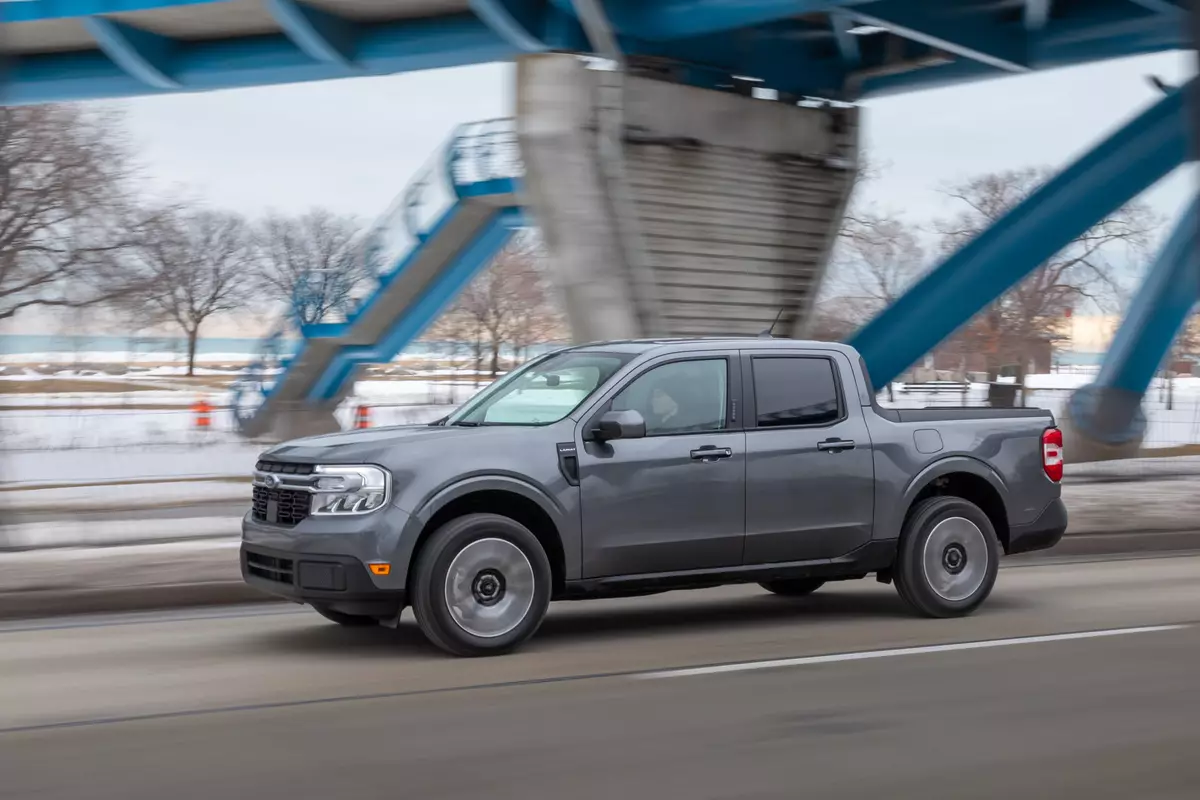
1. Ford Maverick Hybrid
The Ford Maverick Hybrid has been praised for bringing hybrid efficiency to a compact pickup format, but the transition between gas and electric power is not its strongest point.
Many drivers report a noticeable hesitation or lurch when the engine kicks in, especially from a dead stop. This disrupts the smooth feel people expect from a hybrid and can be jarring in daily traffic situations.
The issue often shows up during stop-and-go driving or when trying to make a quick move after coasting. The gas engine engages with a clunky response, often accompanied by a surge of power that feels out of sync with the pedal input. This makes it difficult to predict how the truck will respond, which can be unsettling, especially in tight traffic conditions.
Some of this behavior is tied to Ford’s use of an electronic continuously variable transmission (eCVT), which doesn’t always handle transitions as gracefully as hoped.
When the software misjudges the power blend, it causes the engine to rev too aggressively or delay slightly before engaging. That unpredictability breaks the sense of control and can lead to driver frustration over time.
While the Maverick Hybrid is still a compelling value and an efficient alternative in the pickup space, the roughness of its transition system keeps it from feeling truly refined.
For buyers used to smoother hybrids, this flaw can stand out quickly. It’s something Ford will need to refine in future updates if it wants to truly compete on comfort and polish.
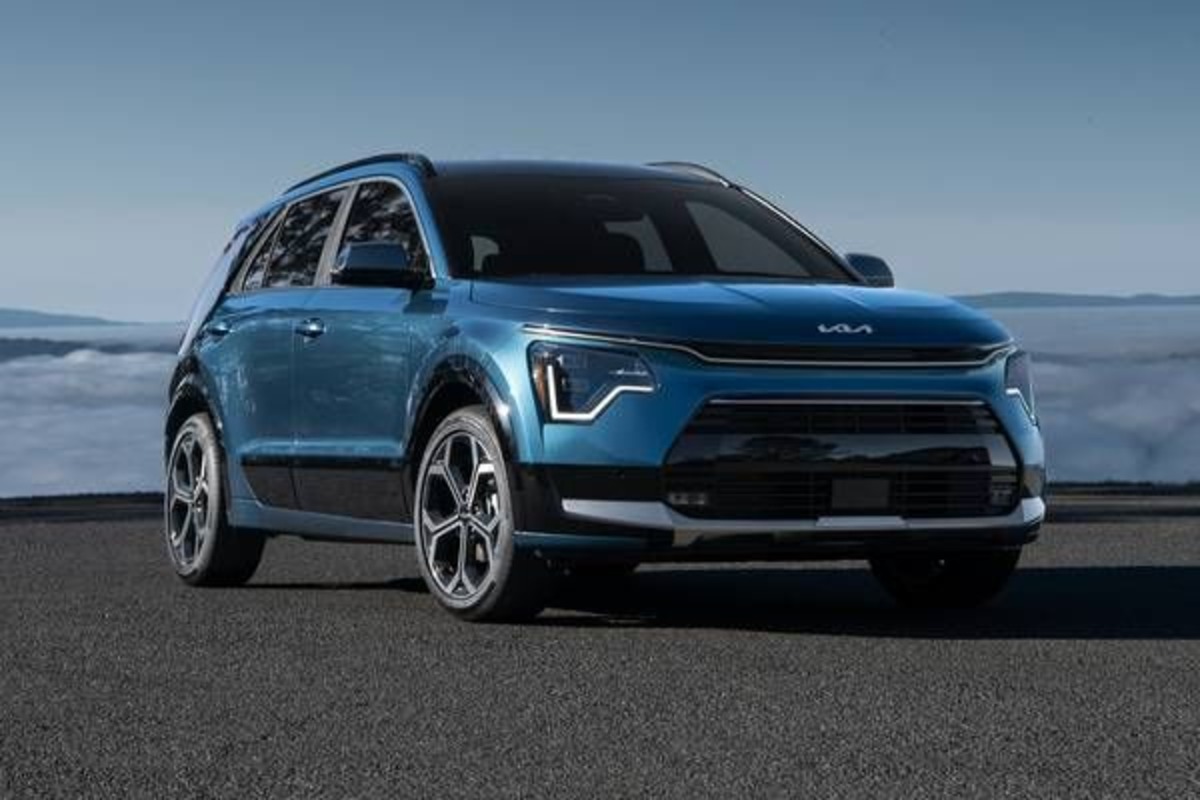
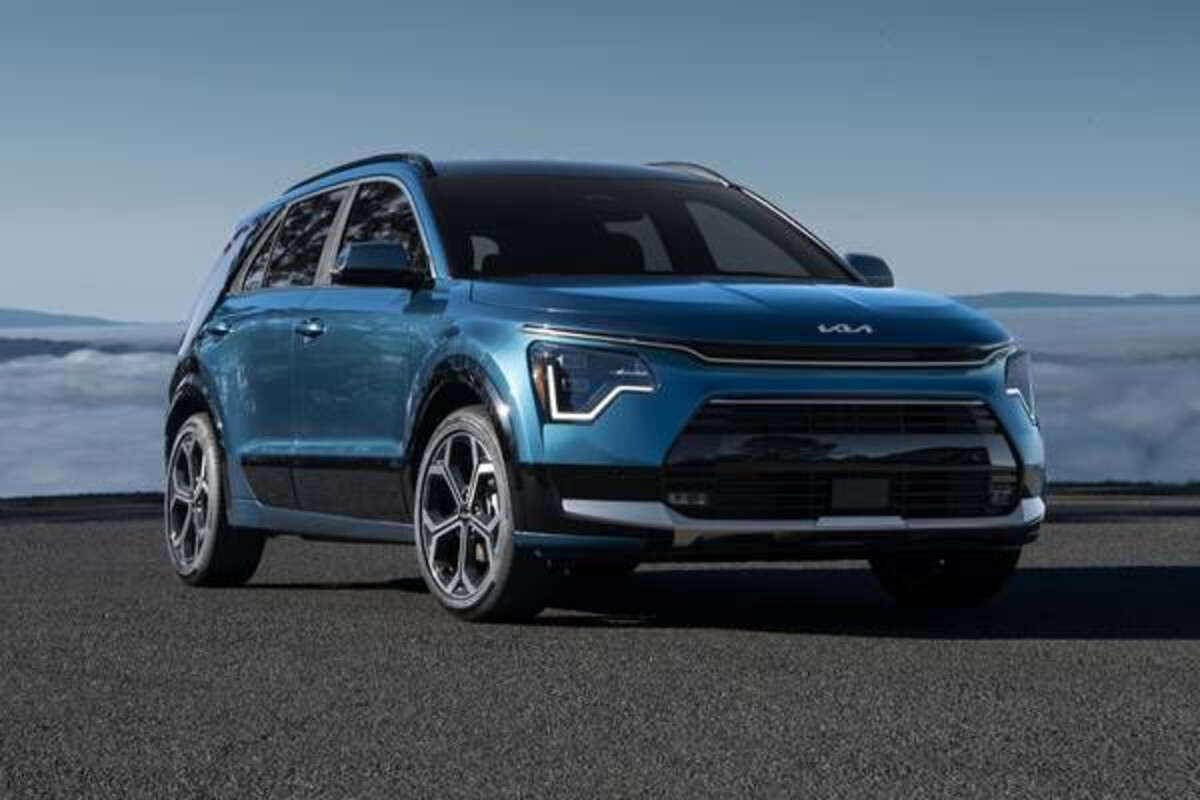
2. Kia Niro Hybrid (First Generation)
The first-generation Kia Niro Hybrid brought a lot of promise to the table with its crossover styling and efficient hybrid powertrain, but it didn’t quite deliver on refinement.
One of the most frequent complaints about this model is its jerky behavior when transitioning between electric and gasoline power. It’s especially apparent when accelerating lightly from a stop or slowing down for traffic lights.
The Niro uses a dual-clutch transmission rather than a traditional CVT or planetary system, which is unusual for a hybrid. While this offers potential benefits in performance, it also creates challenges in achieving smooth power delivery.
The combination of the transmission’s quick shifts and the hybrid system’s handoff often results in a clunky feel. Drivers sometimes describe the effect as being “kicked” by the powertrain.
Even during steady driving, the shift from electric to gas isn’t subtle. There’s often a slight lag followed by a sudden jolt as the gasoline engine wakes up.
This becomes especially noticeable when trying to maintain a constant speed, as the car can feel like it’s hunting for the right mode. That kind of behavior can make highway cruising tiring or city driving a chore.
To its credit, Kia has worked to improve this system in later versions of the Niro, and the newer generation is far smoother. But for drivers of the original model, the rough transitions remain a weak point. It’s a clear example of how a well-intentioned engineering decision can have real-world consequences for driving feel and comfort.
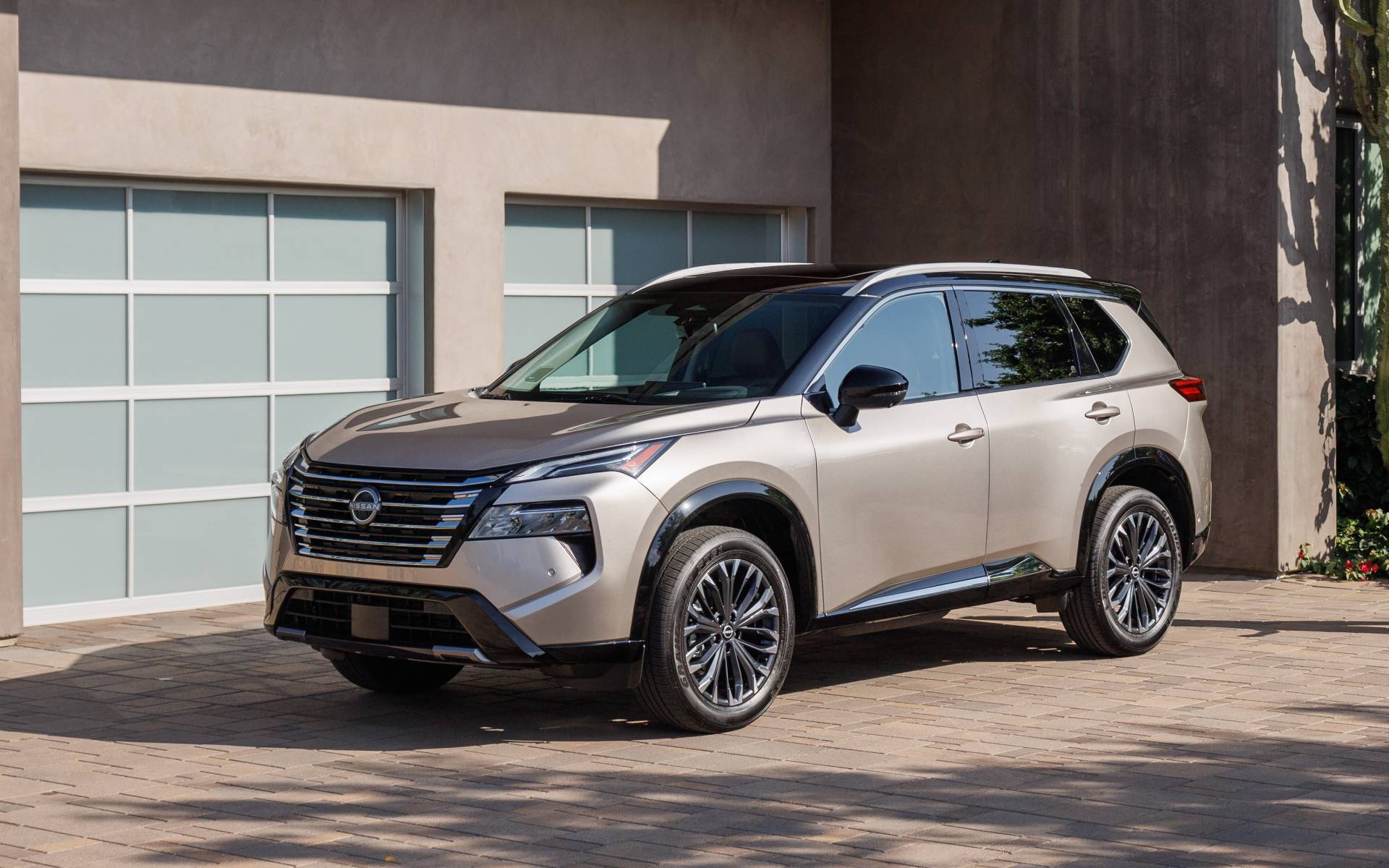
3. Nissan Rogue Hybrid
The Nissan Rogue Hybrid attempted to carve out a niche for itself in the crowded SUV market, but one of its biggest flaws was the way it handled power transitions.
Unlike more refined competitors, the Rogue Hybrid often felt clunky when switching between its gasoline engine and electric motor. This roughness affected both acceleration and deceleration, giving the vehicle a hesitant and disjointed character.
The primary issue stemmed from the powertrain’s control software. It didn’t always manage the timing of transitions effectively. As a result, the engine could kick in too late or too aggressively, causing the vehicle to jerk forward.
This was particularly noticeable when leaving a stoplight or entering a roundabout. The hesitation followed by a lurch was enough to make some drivers question the car’s reliability, even though it was functioning as designed.
Another issue was the lack of consistent throttle feel. Drivers often felt that their inputs didn’t translate smoothly into motion.
3Sometimes the electric motor would respond quickly, while other times the gas engine would take over with a sudden burst of power. This lack of coordination made it harder to drive the car smoothly, especially in urban areas where control and predictability are essential.
Nissan discontinued the Rogue Hybrid after a relatively short run, and part of the reason was likely its unrefined driving experience.
While it had good intentions and decent fuel economy, the transition flaws kept it from standing out in a competitive market. For anyone who values smoothness in a hybrid, the Rogue Hybrid was often seen as a step in the wrong direction.
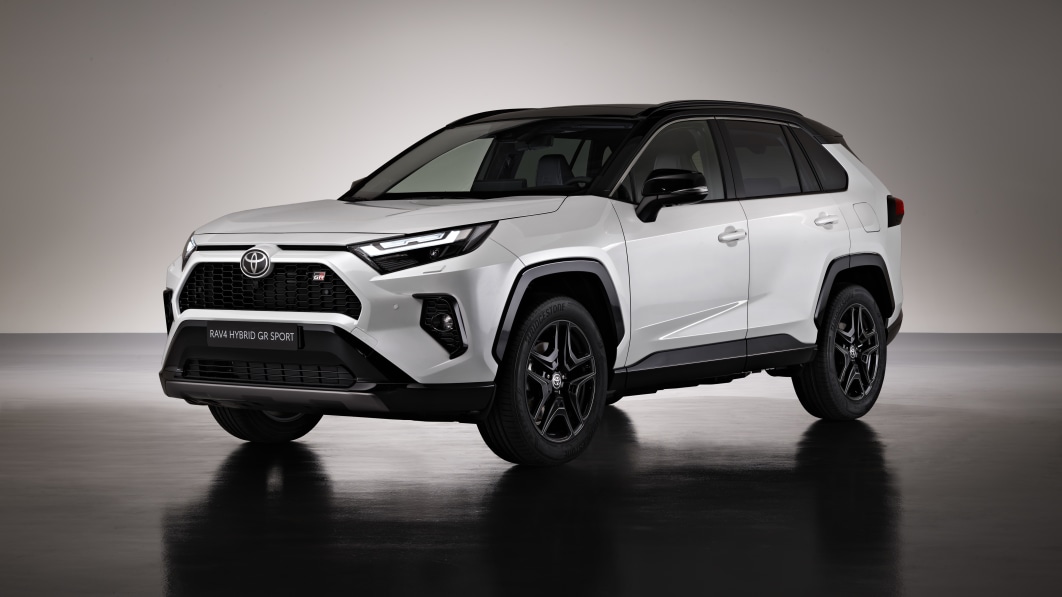
4. Toyota RAV4 Hybrid (Early Model Years)
While Toyota generally excels in hybrid engineering, the early model years of the RAV4 Hybrid didn’t quite live up to the brand’s high standards for smooth transitions.
Some owners noted that the car could feel clunky when shifting between power sources, particularly during quick accelerations or decelerations. This wasn’t a deal-breaker for most, but it was enough to dampen the driving experience.
The problem was most apparent when the vehicle transitioned from a coasting electric mode to re-engaging the gasoline engine. The engine would kick in with a noticeable thud or noise, disrupting the otherwise calm ride. It wasn’t necessarily loud or harsh, but the change in tone and vibration was enough to break the sense of continuity behind the wheel.
During cold starts or when the battery level dropped, the transition became even more jarring. The engine would jump to life more abruptly, creating a slight jerk that could throw off the rhythm of the drive. This was particularly frustrating in parking lots or during slow maneuvers, where precision and control are most needed.
Toyota has since improved the RAV4 Hybrid’s behavior in newer versions, smoothing out the transitions and fine-tuning the calibration. But for those driving older models, the rough edges are still there. It’s a reminder that even well-established automakers can have off moments when balancing hybrid components in real-world conditions.
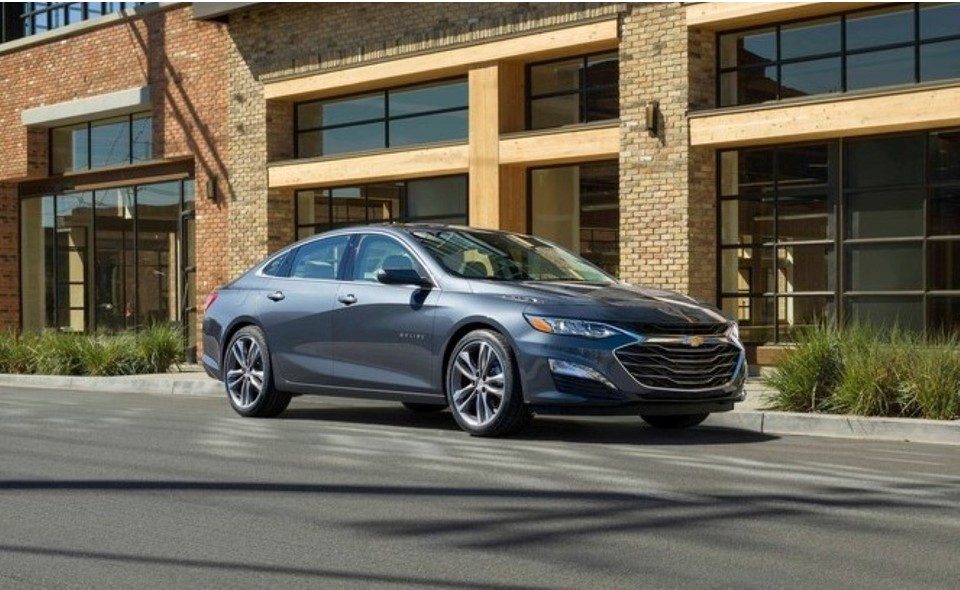
5. Chevrolet Malibu Hybrid
The Chevrolet Malibu Hybrid had good intentions, with strong fuel economy and decent performance for a mid-size sedan, but it never quite mastered the art of smooth gas-electric transitions.
The car used a setup derived from the Volt’s technology but tuned for cost savings and mass-market appeal. Unfortunately, this came with compromises in how cleanly the system operated.
One common complaint was the abrupt handoff between power sources. When the gasoline engine took over from the electric motor, it often did so with a jarring thump or vibration.
This was especially noticeable when the driver applied moderate throttle from a stop or while coasting through traffic. The change in tone and motion made it difficult to forget you were driving a hybrid and not in a good way.
The problem was compounded by inconsistent software behavior. Sometimes the engine would wait too long to engage, causing a moment of lag that led to a delayed response.
Other times, it would come on too soon or too aggressively, surprising the driver with a sudden jump in power. This lack of predictability made smooth driving a challenge, especially for those used to more refined hybrids.
Even though the Malibu Hybrid had other strengths, including a spacious cabin and quiet highway ride, its unpolished transitions made it hard to recommend over more refined competitors.
Chevy eventually discontinued the model, leaving buyers to seek smoother alternatives from other brands. It serves as a case study in how even a well-designed hybrid system can fall short if not properly calibrated for real-world behavior.
Also Read: 5 Cars With Legendary Owner Satisfaction and 5 With Lawsuit-Level Problems
After reviewing ten different hybrid vehicles, one thing becomes abundantly clear: not all hybrid systems are engineered with the same level of finesse. The transition between gasoline and electric power can either be a highlight or a headache, depending entirely on how the car’s hybrid components are tuned and integrated.
Some models deliver a drive so fluid and well-balanced that most passengers wouldn’t even realize a change in power source is happening under the hood. Others make their transitions so abrupt or inconsistent that they call attention to themselves in ways that disrupt the entire driving experience.
Among the smoothest performers, it’s no surprise to see brands like Toyota, Honda, and Lexus. These automakers have invested years into refining their hybrid systems, learning from earlier versions, and pushing the technology forward. The results show in vehicles like the Toyota Prius, Honda Accord Hybrid, and Lexus RX Hybrid.
These models don’t just boast efficiency they offer a level of daily comfort and quietness that many drivers come to deeply appreciate. Their transitions are not only quick and effective but tuned in such a way that they feel natural, consistent, and responsive to driver input.
On the other side of the list, models like the Ford Maverick Hybrid and early Toyota RAV4 Hybrids struggle to deliver that same polish. They tend to jerk, hesitate, or surge when the power shifts, which can be disorienting, especially for drivers who value smooth acceleration or spend a lot of time in traffic.
While these vehicles may still be great in other categories like affordability or practicality, the roughness in their hybrid systems can become a daily annoyance. For some drivers, it’s a minor quirk; for others, it’s a deal-breaker that undermines the core appeal of owning a hybrid.
It’s worth noting that these issues are often tied to software calibration, transmission design, and how the system chooses when to switch modes. Small misjudgments in these areas can translate into noticeable jerks or lags that affect the perception of quality.
In a market where many hybrids are competing not just on price but on refinement, these differences matter more than ever. As competition increases, automakers who fine-tune their transitions will likely continue to gain loyal customers, while those who don’t may fall behind regardless of how impressive their spec sheets look on paper.
For anyone in the market for a hybrid, the lesson is simple: don’t assume that all hybrids are equally refined. Test the transitions. Feel the way the car responds when moving from a stoplight, coasting, or suddenly accelerating. The experience you have in those everyday moments will shape how you feel about your car long after the novelty wears off.
A hybrid that drives smoothly and quietly will fade into the background in the best possible way. One that jerks and hesitates will remind you of its shortcomings every time traffic slows down or speeds up. In that sense, the smoothness of a hybrid system isn’t just a minor feature it’s the difference between satisfaction and regret.
