
When it comes to pickup trucks, there’s a wide spectrum between true capability and surface-level styling. Some pickups are built to handle genuine off-road punishment and deliver real performance where pavement ends.
Others, however, wear aggressive styling and bold badges but lack the mechanical backbone needed for actual rough terrain. The difference lies not in marketing language or rugged appearances, but in the engineering choices made underneath.
Real 4WD muscle means strong axles, serious suspension systems, locking differentials, and the ability to perform in tough environments without breaking down or needing aftermarket help. It means a truck can take a beating and still make it back in one piece, ready to do it again the next day.
Manufacturers know that the image of off-road strength sells. Many models now include aggressive tires, fake skid plates, and plastic trim to give the illusion of trail readiness. However, without proper gearing, reliable transfer cases, and strong traction systems, these trucks would struggle on terrain that genuine off-roaders handle with ease.
This contrast has become more noticeable in recent years as more people buy trucks for daily use, weekend adventures, or just the look. It’s not always easy to tell which trucks are real performers and which ones are just dressed for the part.
There are a few that consistently rise above the rest, with proven track records and components that support tough use. These are trucks built for serious work, demanding trails, and unpredictable environments.
They’re not cheap, and they don’t pretend to be something they’re not. On the other hand, some trucks try hard to wear the right outfit but don’t bring the same durability or function. For those who actually venture off paved roads, these differences can mean getting through or getting stuck.
Below, we’ll look at five pickups that bring authentic 4WD performance and five that rely more on appearances than substance. Whether you’re planning to tackle rocky trails or just want to know what’s truly capable, this list can help separate the workhorses from the show ponies.
Also Read: 5 Cars With Easy Trunk Access vs 5 With High Lift-Over Heights
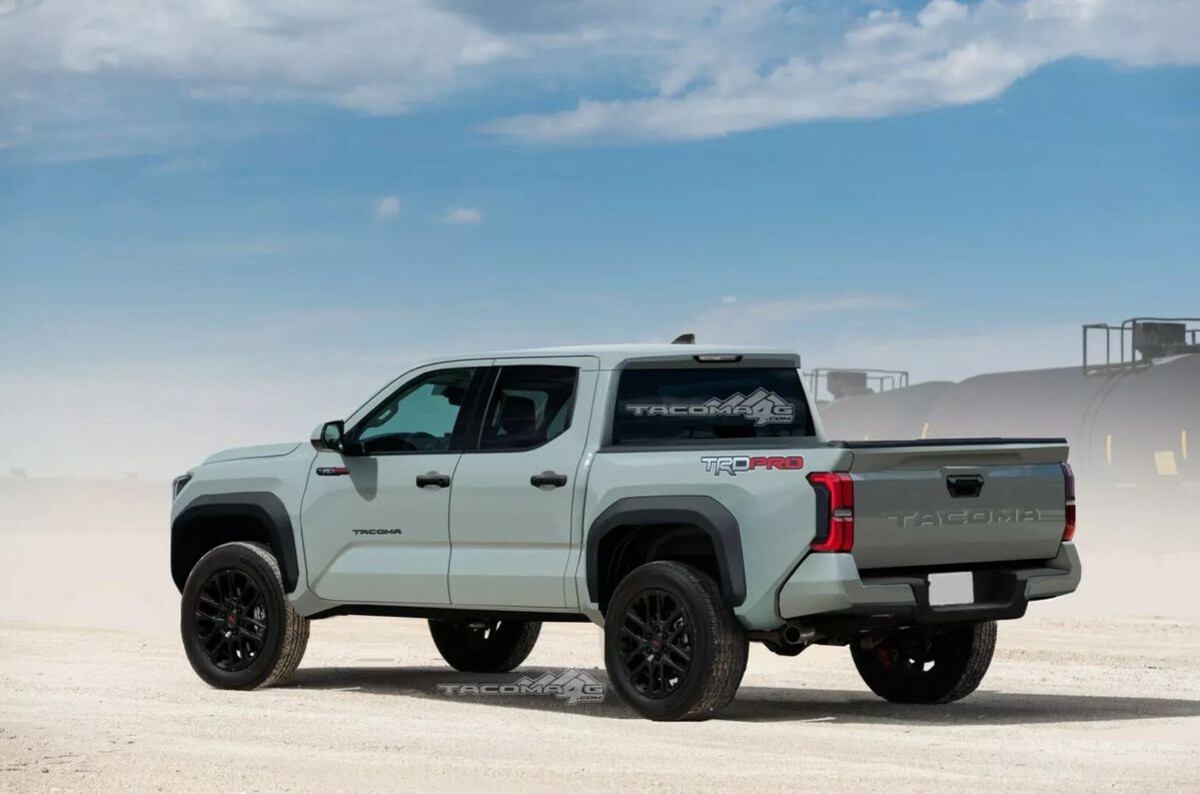
Toyota Tacoma TRD Pro: A Compact Powerhouse with Proven Trail Skills
The Toyota Tacoma TRD Pro continues to hold a reputation as one of the most competent midsize trucks for real off-road use. It’s not just a result of strong marketing; this truck has earned its place through years of real-world testing and driver feedback.
Built with a reinforced frame, a legit 4WD system, and terrain-specific hardware, it offers a level of reliability and consistency that many others in its class can’t match. The addition of FOX internal bypass shocks, skid plates, and a multi-terrain monitor further strengthens its place in the off-road world.
What makes the TRD Pro special is how well it manages all aspects of tough driving. It’s not just about crawling over rocks; it’s how the suspension soaks up impact, how the drivetrain reacts under pressure, and how traction is maintained when conditions get unpredictable.
Drivers often point out how planted the truck feels, even when facing deeply rutted paths or steep climbs. The factory-equipped crawl control and locking rear differential only add to that confidence. It’s a well-rounded system, not a patchwork of off-road parts.
Toyota also benefits from a long-standing reputation for durability. Many owners run their Tacomas for hundreds of thousands of miles, often under less-than-ideal conditions. The TRD Pro variant builds on that legacy with enhancements that are not just for show but have been tested in real off-road races and trail environments. Everything from the approach and departure angles to the specially tuned suspension contributes to the truck’s real-world capability.
Despite being a midsize truck, it doesn’t shy away from challenges usually left to larger, more powerful rigs. In fact, its smaller size can sometimes be an asset, allowing it to navigate tighter trails where full-size pickups would struggle. This combination of size, hardware, and off-road refinement puts the Tacoma TRD Pro in a category few can reach.
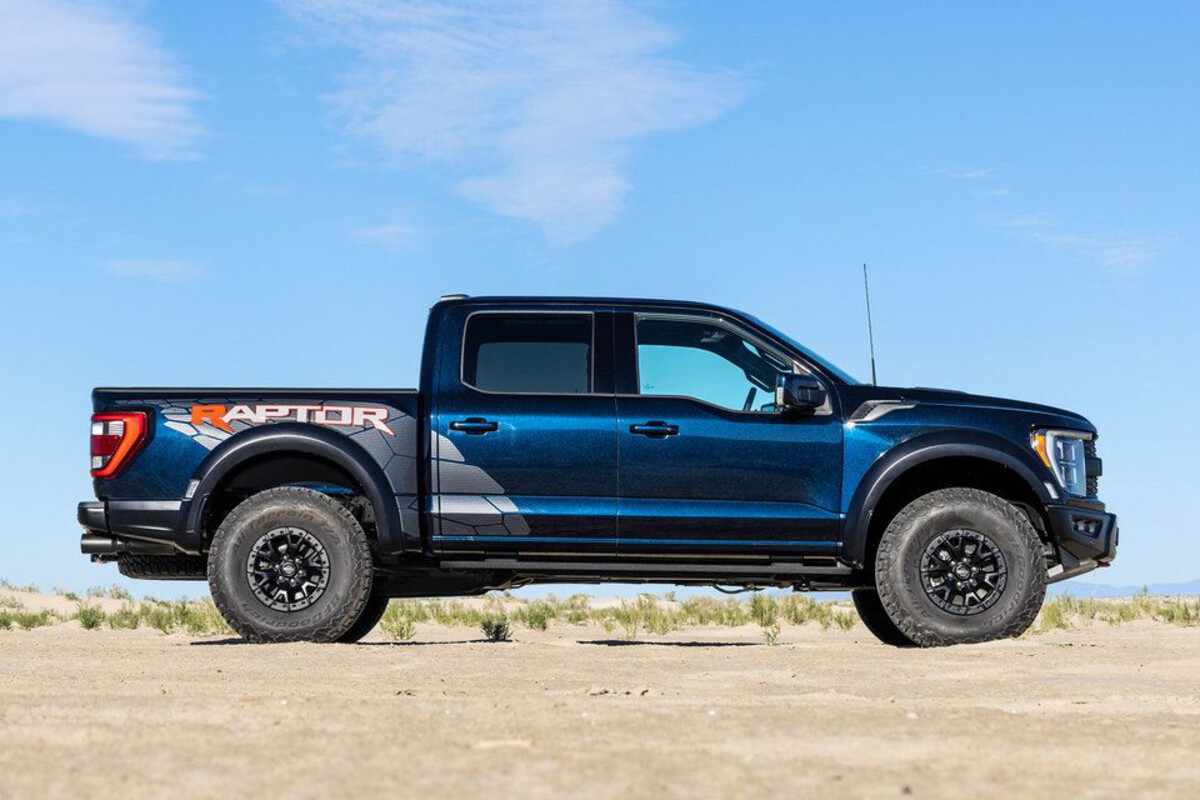
Ford F-150 Raptor: Full-Size Fury with Real Desert Pedigree
The Ford F-150 Raptor was designed with a specific kind of off-road performance in mind. It wasn’t built for light trails or muddy fields, it was meant to handle high-speed desert runs and punishing off-road conditions.
Its wide track, long-travel suspension, and high-output engine make it one of the most capable full-size off-road trucks ever produced. Unlike many other trucks with aggressive styling, the Raptor has the engineering to back it up.
Underneath, the Raptor is packed with hardware that turns it from an ordinary pickup into a serious off-road machine. FOX Racing Shox with active damping allow the suspension to adapt on the fly, absorbing bumps at high speeds while maintaining control.
The terrain management system gives drivers control over throttle response, traction, and shifting behavior, adapting the truck to different surfaces with minimal effort. Add to that the 4WD system and locking rear differential, and you get a machine that handles rough terrain with confidence.
One of the Raptor’s standout features is its ability to be both fast and durable. It can leap over dunes and still keep driving. That kind of punishment would cripple most trucks, but the Raptor is built to absorb it.
It’s also designed to cool efficiently and maintain performance even under heavy loads and extended trail sessions. This is not a lightly modified F-150; it’s a purpose-built performance truck.
Owners who use the Raptor for what it was designed for often describe it as the most balanced mix of comfort and raw power available in a truck.
It’s as competent at tackling long off-road routes as it is on the highway. The size might limit it in tighter trails, but on open terrain, few trucks can touch it. The Raptor is an example of real off-road engineering done right.
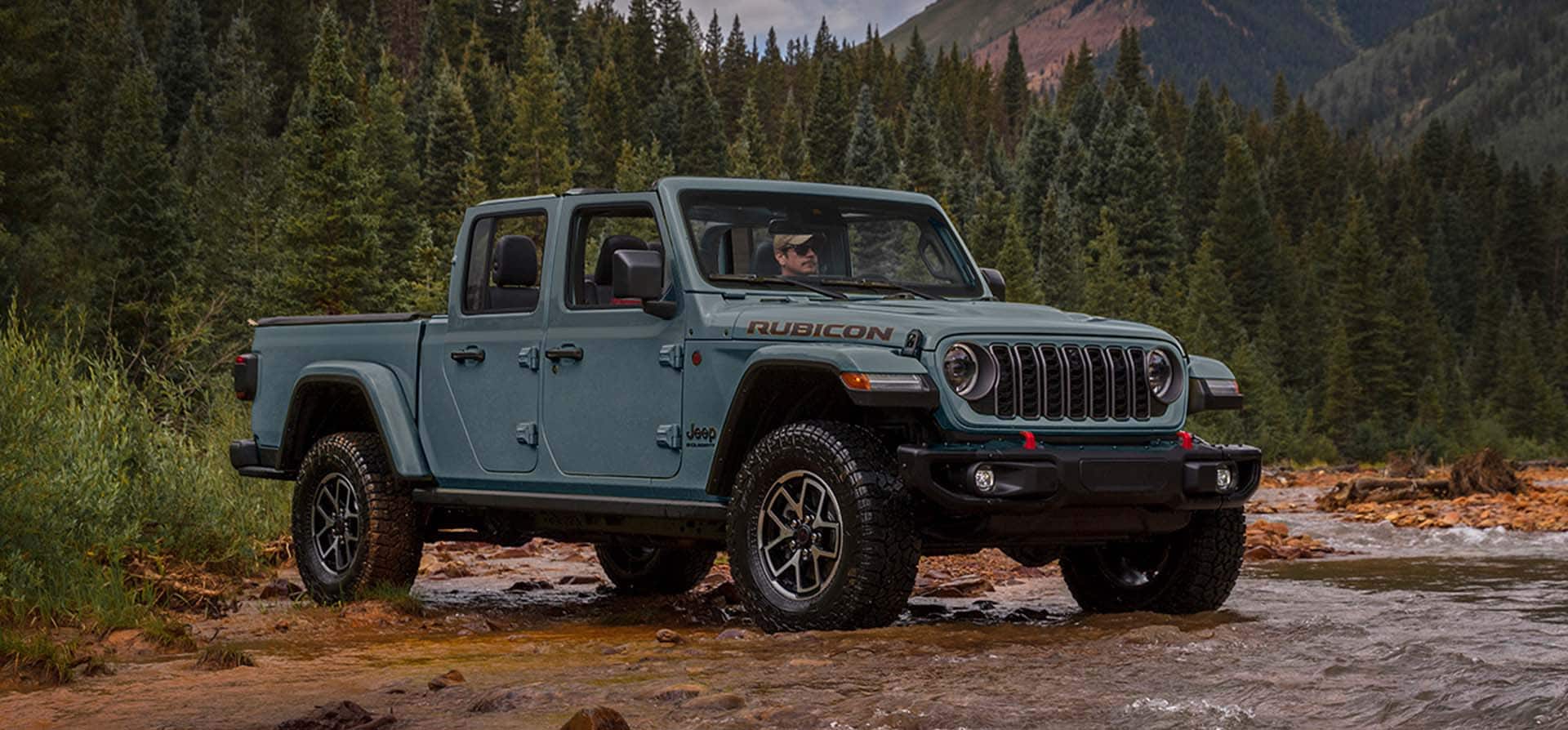
Jeep Gladiator Rubicon: Real Jeep DNA in a Truck Body
When Jeep introduced the Gladiator, many wondered if the brand’s off-road tradition could carry over into a pickup platform. The answer came quickly: the Rubicon trim of the Gladiator brought everything serious trail drivers expect from the brand.
Built on a modified Wrangler frame, the Gladiator Rubicon combines classic Jeep trail ability with the utility of a truck bed. It’s not pretending to be rugged—it’s part of a lineage known for actual off-road toughness.
The Rubicon version includes front and rear locking differentials, disconnecting sway bars, and rock rails, making it one of the most mechanically complete off-road packages available from the factory.
It’s powered by engines that are known for torque and reliability, and it rides on a solid axle setup that prioritizes articulation and strength. Those mechanical features are not just tacked on; they’re fully integrated into the vehicle’s design and function.
Unlike many trucks that market off-road trims with minimal suspension upgrades and cosmetic changes, the Gladiator Rubicon feels trail-ready straight off the lot.
It has been tested on demanding trails like the Rubicon itself, where traction, balance, and ground clearance all get put to the test. It also benefits from a rich aftermarket support network, giving owners plenty of ways to personalize without needing to fix factory shortcomings.
Despite being heavier than a Wrangler and longer in wheelbase, the Gladiator Rubicon holds its own. The extra space adds utility without compromising too much on trail ability.
The ride may be stiff on the road, but off-road, it’s exactly what you’d expect from a vehicle carrying the Rubicon badge. For those who want a true Jeep experience with truck practicality, this one delivers without question.
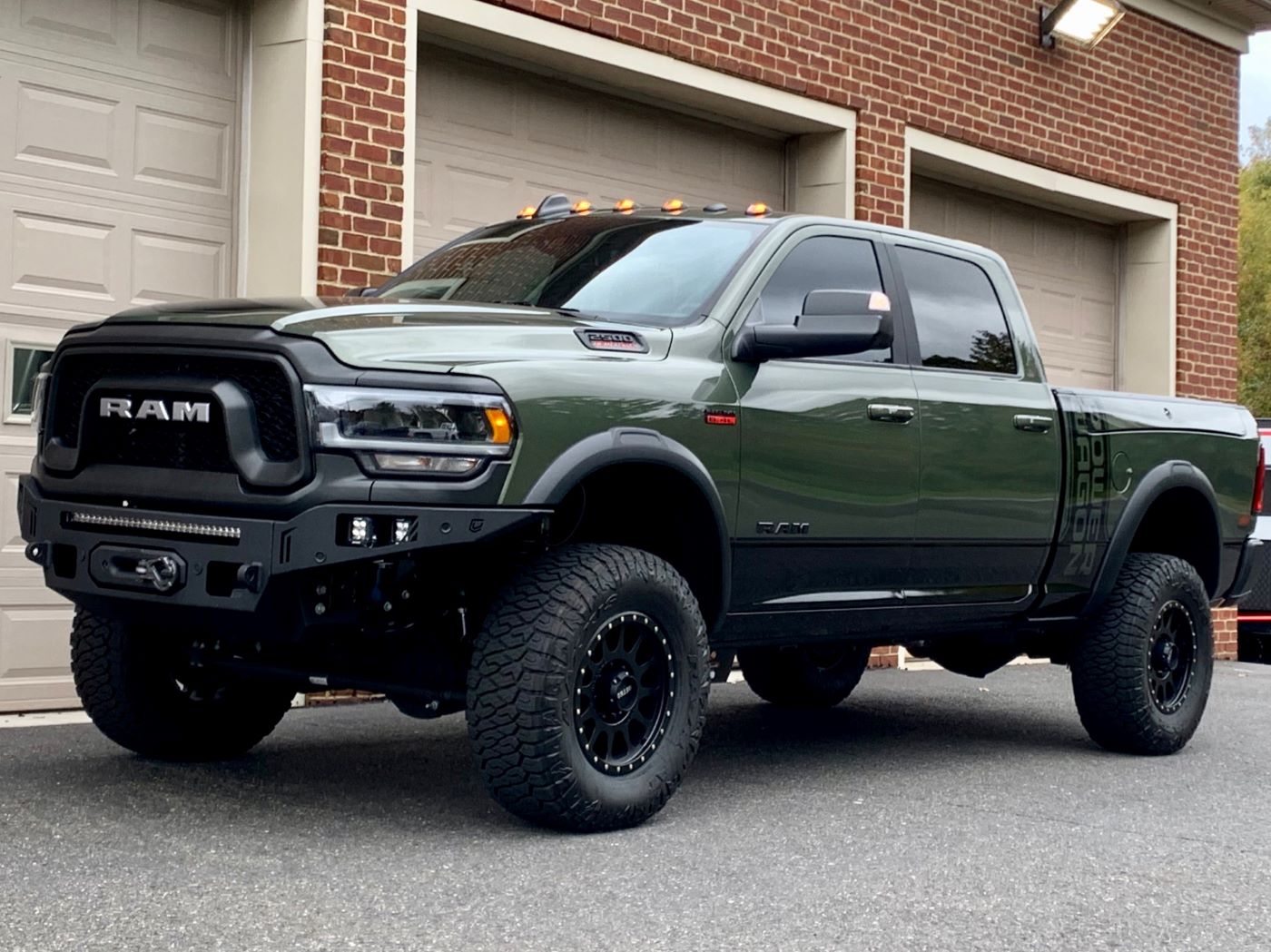
Ram 2500 Power Wagon: Heavy-Duty Strength with Off-Road Grit
The Ram 2500 Power Wagon is unique because it blends heavy-duty work capabilities with genuine off-road strength. This isn’t a standard HD truck with a few cosmetic tweaks—it’s a purpose-built machine designed to tow, haul, and tackle rough terrain.
The Power Wagon has long been a favorite of those who need both muscle and mobility in their work and recreation. Its credentials go beyond badges, with a factory winch, front and rear locking differentials, and a disconnecting sway bar system that gives it real articulation on rough trails.
Unlike many trucks that either focus on off-road or work capabilities, the Power Wagon tries to offer both. It’s based on the Ram 2500 platform, which gives it high payload and towing capacity, but it adds a full suite of trail-focused components.
The suspension is tuned for flexibility, the axles are heavy-duty, and the approach and departure angles are better than most trucks its size. It rides tall and proud, and it’s more than just for show.
A standout feature is the built-in Warn winch, integrated cleanly into the front bumper from the factory. It’s not a last-minute accessory; it’s part of the design. That alone gives the Power Wagon more utility when things go wrong in the wild. Few trucks come with that kind of equipment installed and tested at the factory level.
While it’s not the best choice for tight, technical trails due to its size, it thrives in rocky, open terrain where grip and clearance are key.
For those who work in remote areas or enjoy backcountry exploration with heavy loads, the Power Wagon provides a rare balance. It shows that real off-road hardware and everyday utility don’t have to be separate goals.
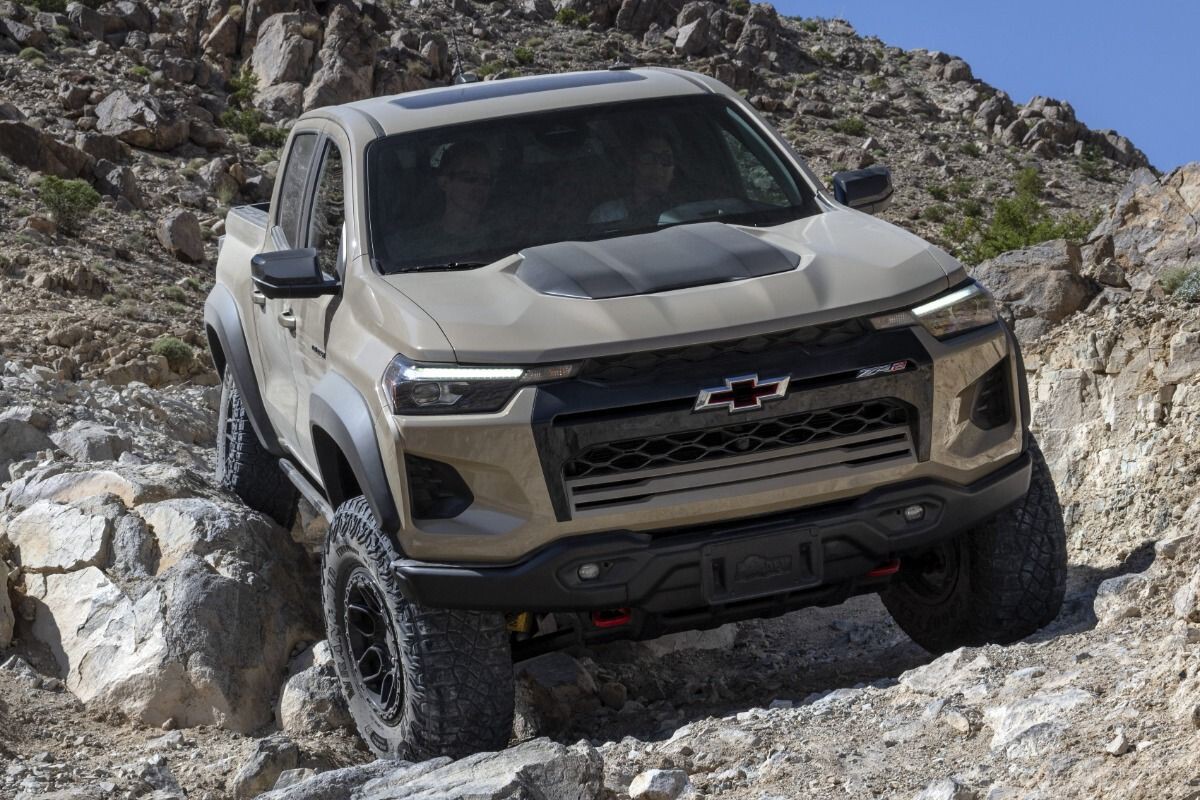
Chevrolet Colorado ZR2: A Midsize Truck Built for Real Off-Road Punishment
The Chevrolet Colorado ZR2 stands out as a midsize pickup that’s more than just aggressive looks—it’s loaded with the kind of hardware serious off-roaders look for. While the base Colorado is a capable light-duty truck, the ZR2 trim transforms it into a highly specialized off-road tool.
Its focus is not on trail styling or marketing hype, but on actual driving performance where roads end. What really sets the ZR2 apart is its advanced suspension system, front and rear electronic locking differentials, and uniquely tuned off-road geometry.
One of the most defining features of the ZR2 is the Multimatic DSSV dampers. These spool-valve shocks are a rare feature on production trucks and are typically found in high-performance racing vehicles.
They offer more precise control and allow the truck to maintain stability through rough terrain without punishing the occupants. This suspension setup makes a noticeable difference not just on dirt, but also in transitions between smooth and uneven ground, where traditional shocks might feel out of control or underdamped.
Chevrolet didn’t stop at the shocks. The ZR2 also includes functional skid plates, rock sliders, and a wider track for better stability. With an improved approach and departure angle compared to the standard Colorado, it can climb, descend, and crawl more confidently.
Both the front and rear electronic locking differentials give it serious trail-gripping capability—something many trucks still lack. These aren’t features added for show; they were tested under real off-road conditions, including in sanctioned desert races and overland expeditions.
What really seals the ZR2’s place among true 4WD machines is that it can be driven hard without needing modifications. From the factory, it’s ready to handle most of what a seasoned off-roader would throw at it. It may not have the extreme power of a full-size performance truck like the Raptor, but it punches well above its weight class in technical terrain.
For those who want to go beyond gravel roads and actually challenge their driving skills, the Colorado ZR2 is more than just a stylish midsize pickup—it’s a true off-road performer from bumper to bumper.
Also Read: 10 Cars That Can Be Repaired With Only Basic Tools
5 Pickups That Fake Off-Road Toughness
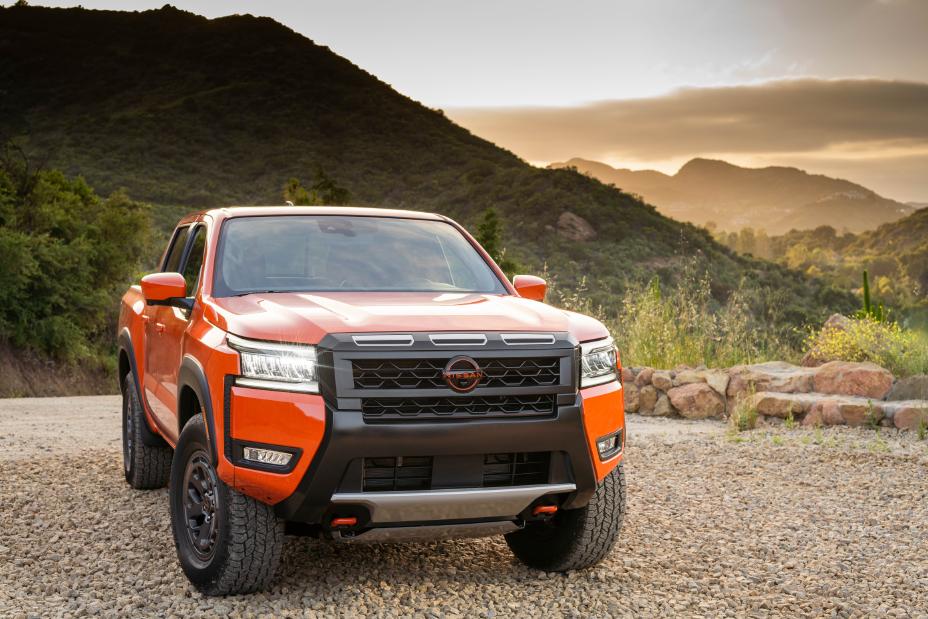
Nissan Frontier PRO-X: Looks the Part, But That’s About It
The Nissan Frontier PRO-X is the rear-wheel-drive version of Nissan’s off-road-themed PRO-4X. At first glance, it appears ready for the trails with its aggressive stance, skid plate accents, and all-terrain tires. But despite the bold presentation, the PRO-X lacks one of the most important ingredients for off-road credibility: a proper four-wheel-drive system.
Without it, all that trail-ready trim serves more as visual appeal than actual function. It’s a truck meant for drivers who want the look of adventure without the mechanical capability.
The biggest shortcoming here is the absence of a transfer case and low-range gearing. When the ground gets loose, steep, or uneven, 2WD trucks, even ones with limited-slip differentials, struggle to maintain traction.
This means the PRO-X is fine on gravel roads or mildly uneven dirt paths, but it’s out of its element on real off-road trails. It’s not a matter of opinion or driver skill, it’s a matter of drivetrain limitations. A truck with only rear-wheel drive can only go so far before physics takes over.
Another thing that highlights the mismatch between appearance and function is the use of styling cues from its more capable sibling, the PRO-4X. Nissan equipped the PRO-X with the same body-colored fenders, LED lights, and even a similar interior.
While this gives the PRO-X a rugged presence, it can be misleading to buyers who assume that the visual similarities translate to similar off-road performance. The gap in actual trail function between these two trims is wide, despite the nearly identical appearance.
The PRO-X is not a bad truck for street use or light-duty tasks. It’s comfortable, has a strong V6 engine, and offers decent value. But it belongs in the category of pickups that are all show and minimal trail-go.
If off-road function matters, buyers should skip this trim and opt for something with actual 4WD hardware—not just the off-road marketing badge.
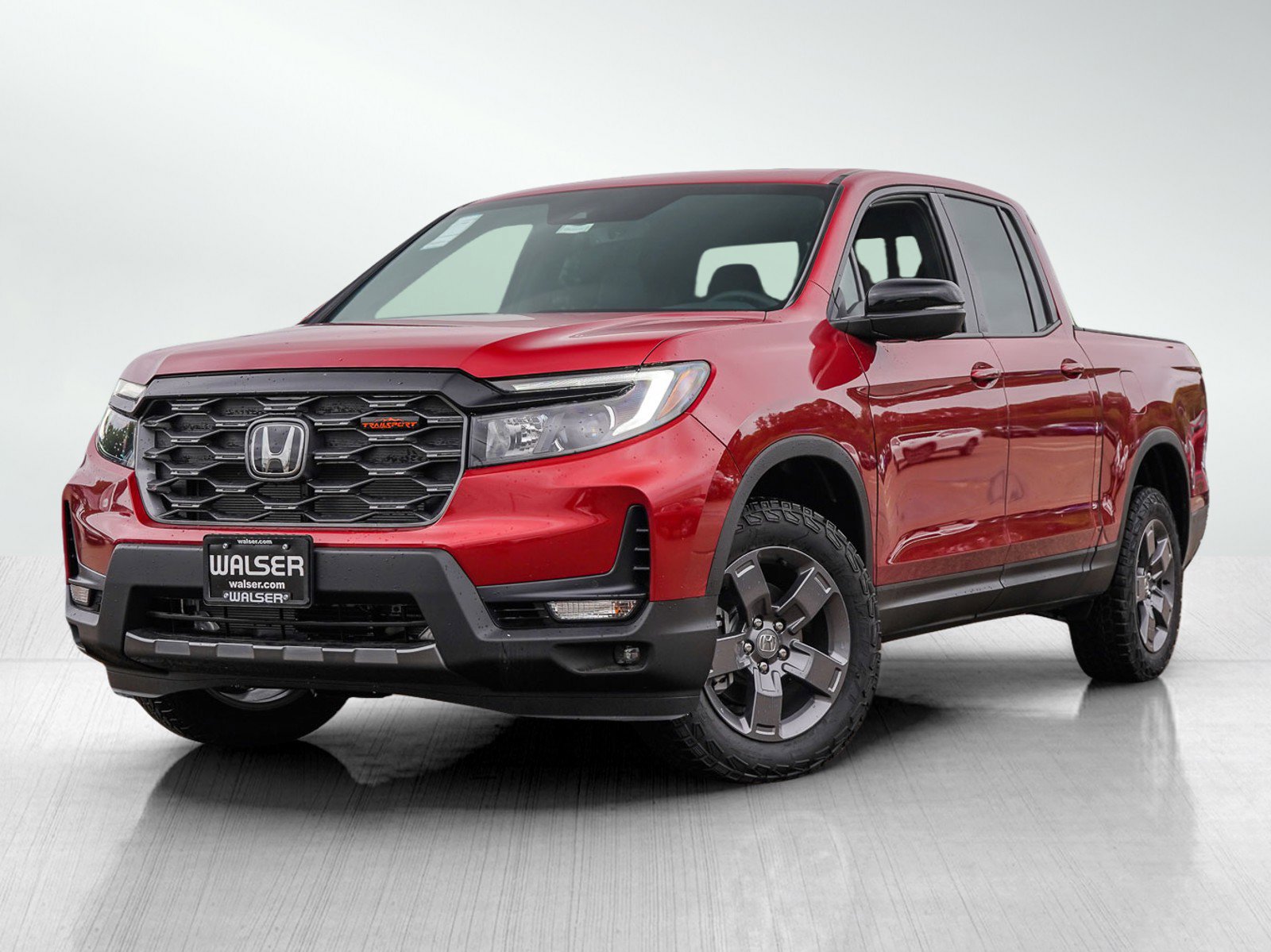
Honda Ridgeline TrailSport: Adventure Styling with Minivan Roots
The Honda Ridgeline TrailSport is perhaps the clearest example of style over substance when it comes to off-road-themed trucks. The Ridgeline itself is a unibody pickup built on the same platform as Honda’s SUVs. It prioritizes comfort, efficiency, and road handling over ruggedness and capability.
With the TrailSport badge, Honda adds off-road-inspired elements like chunkier tires, orange stitching, and black trim. But mechanically, it’s still the same soft-suspension, all-wheel-drive vehicle that’s closer to a Pilot than a pickup designed for trails.
Unlike traditional trucks with body-on-frame construction, solid rear axles, and transfer cases, the Ridgeline uses independent suspension and a transverse-mounted engine.
This means it’s much more like a crossover than a true off-road vehicle. The AWD system is good for rain and snow, and can manage light gravel, but it lacks low-range gearing and the articulation needed for uneven surfaces or rocky climbs. It’s simply not built for real trail work.
The TrailSport trim promises rugged adventure, but offers no real increase in capability. There’s no lift, no locking differentials, and no serious protection underneath.
While Honda does a great job with comfort and smart interior design, these features don’t contribute to trail strength. The marketing may show it climbing hills or kicking up dust, but it’s done under very controlled conditions. In real off-road scenarios, it would struggle to keep up with even basic 4WD trucks.
The Ridgeline has its strengths, it’s comfortable, fuel-efficient, and drives more like a car than a traditional truck. For people who prioritize city driving and want the appearance of off-road capability, the TrailSport might be a good fit.
But for those who actually intend to drive in challenging environments, the TrailSport package is largely cosmetic. It does little to move the Ridgeline out of the “fake toughness” category.
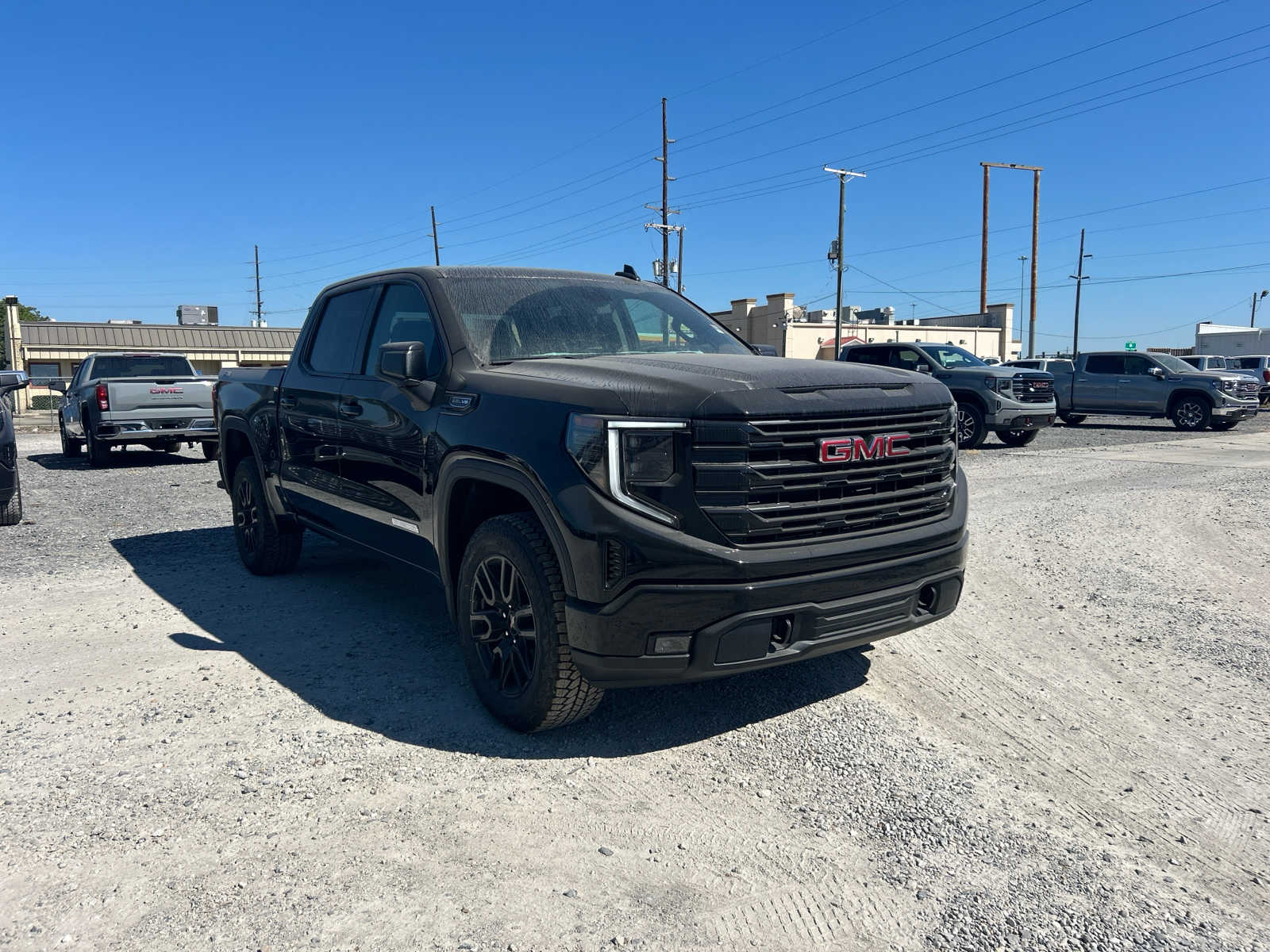
GMC Sierra Elevation: Tough Styling with Basic Hardware
The GMC Sierra Elevation trim is all about visual impact. It looks aggressive with its dark grille, bold wheels, and color-keyed bumpers. To the untrained eye, it may even appear ready for the trail.
However, the Elevation trim is mostly focused on aesthetics and street presence rather than real off-road performance. It doesn’t come standard with 4WD, and even when optioned with it, the underlying hardware doesn’t support the kind of trail use implied by the name and styling.
The suspension setup on the Elevation is essentially the same as what you’d find on base models. There’s no increased travel, no specialized shocks, and no locking differentials included.
The tires, while slightly more aggressive in appearance, are still road-biased. Without enhanced underbody protection or off-road traction systems, the Elevation is vulnerable on uneven or rocky surfaces. It may handle a dirt driveway or a dry trail, but it wasn’t designed for anything more demanding than that.
GMC positions the Elevation trim as a sporty, urban-style truck rather than a utility-first model, which makes sense for many buyers. The problem arises when that styling suggests a capability the truck doesn’t truly have.
The darkened trim and larger wheels might look good in a photo shoot, but they don’t replace solid off-road fundamentals like articulation, approach angle, or suspension strength. It’s a case of form being prioritized far ahead of function.
For those who need a truck for towing, hauling, or road comfort, the Sierra Elevation serves its purpose. It rides well, offers modern interior tech, and has a strong engine lineup.
But from an off-road perspective, it falls squarely into the category of “all show, no go.” If you’re looking to get into real backcountry trails or muddy conditions, there are other Sierra trims, like the AT4, that are better suited. The Elevation simply doesn’t deliver on the off-road image it projects.
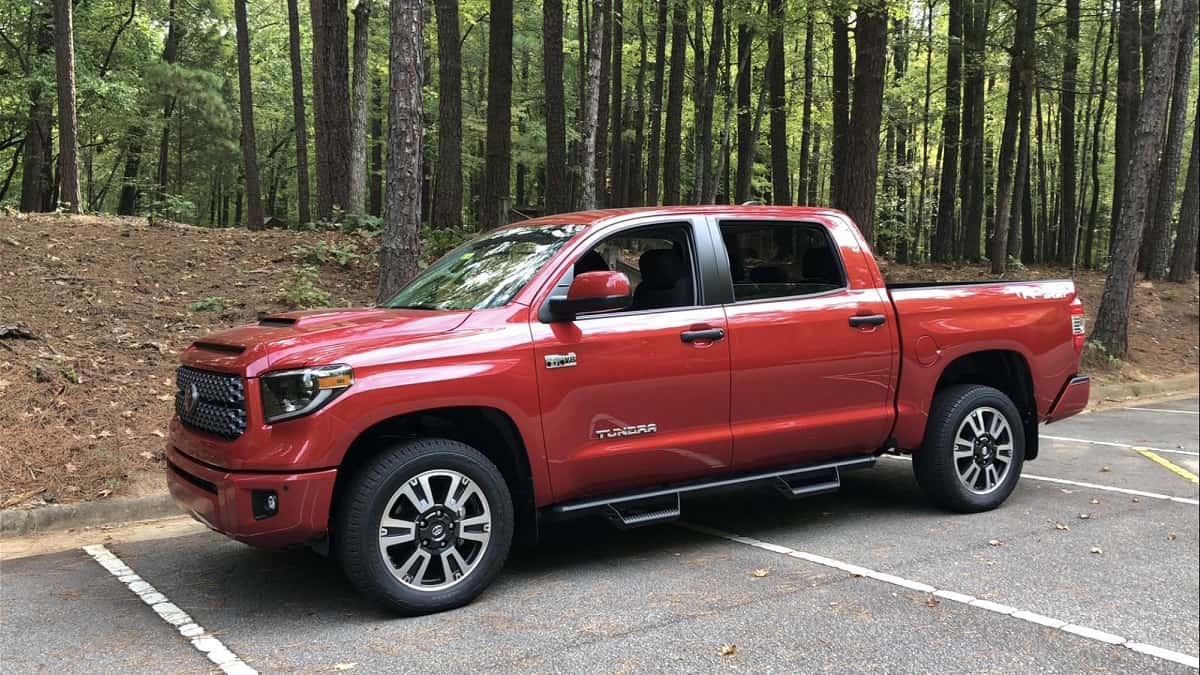
Toyota Tundra TRD Sport: Sporty Street Truck in Off-Road Clothing
Toyota’s TRD brand has a strong reputation when it comes to off-road vehicles, especially with the Tacoma and 4Runner. However, not every TRD badge guarantees real trail performance.
The Tundra TRD Sport is one such example where the name and styling suggest more capability than what the truck actually offers. While it looks aggressive and carries the respected TRD label, this particular trim is tuned more for street performance than dirt-road punishment.
The TRD Sport includes features like a sport-tuned suspension and 20-inch wheels, which may improve handling on paved roads, but hurt its performance off the pavement.
The larger wheels reduce sidewall flexibility, making it more vulnerable to damage on rocks or rough terrain. Meanwhile, the lowered ride height compared to other Tundra trims hurts its approach and departure angles, both of which are critical for clearing obstacles on trails.
It’s also missing key off-road features found in the Tundra TRD Off-Road or TRD Pro models. There are no skid plates, no crawl control, and no multi-terrain select system.
Buyers expecting the TRD badge to mean off-road readiness might be surprised to find these features absent. The TRD Sport is aimed at those who want the image of an off-road truck but plan to keep it on smooth surfaces for the most part.
This trim makes more sense for drivers who want a full-size truck with a bold look and sharp road manners, but it shouldn’t be mistaken for a trail-ready machine.
Toyota builds some of the most respected off-road vehicles, but the TRD Sport is not part of that club. It’s best seen as a style-forward alternative for people who love the look of toughness but don’t plan on using it.

Ford Ranger FX2: Off-Road Appearance Without the Guts
The Ford Ranger FX2 is an example of a truck package that tries to tap into the off-road market without including what truly matters: a four-wheel-drive system.
The FX2 is based on a two-wheel-drive Ranger, and while it comes with some off-road-style upgrades, like skid plate accents, off-road tires, and an electronic locking rear differential, it lacks the key element that defines true off-road capability. Without 4WD, its usefulness in rugged conditions is limited at best.
What the FX2 does offer is a convincing appearance. It shares many visual cues with its more capable sibling, the FX4, such as badging, ride height, and wheel styling. For city drivers or those who like the off-road look without needing the function, that might be enough.
But the moment the trail demands traction from more than just the rear wheels, the FX2 hits a wall. Even with a locking rear differential, a 2WD truck can only go so far on loose, steep, or uneven terrain.
Another issue is the mixed message this trim sends. Buyers may assume that because it wears an “FX” badge and comes with some off-road-oriented parts, it can be used for moderate trail work. But the difference in performance between the FX2 and the 4WD FX4 is dramatic.
One is a real tool for handling difficult terrain; the other is more of a styling exercise. Without a transfer case, low-range gearing, or front axle engagement, the FX2 isn’t suited for real-world off-roading beyond very mild conditions.
The FX2 does have some practical value for people who want a truck that looks sporty and can handle bad weather or the occasional gravel road. It’s also cheaper than the FX4, which is part of its appeal. But calling it an off-road truck would be generous.
It’s best described as a street truck with outdoor-inspired styling, a package made to appeal to weekend warriors who rarely leave the pavement. For serious off-road users, it belongs on the list of pickups that fake the toughness they appear to promise.
