
Driving conditions in America can vary wildly depending on where you are. From the snow-laden roads of the Rocky Mountains to the humid, stormy Gulf Coast, and from the bone-dry deserts of Arizona to the frozen expanses of Alaska, the United States presents some of the most varied and extreme climate conditions a vehicle could ever face.
Because of this, not all vehicles are created equal. Some are engineered with terrain-specific or weather-specific enhancements, while others are designed more with comfort or urban mobility in mind, falling short when faced with the demands of severe weather and rough terrain.
People who live in areas with frequent snowfall, icy roads, heavy rains, or rugged rural paths cannot afford to treat vehicle selection as an afterthought.
The wrong vehicle can become more than just a nuisance; it can be a safety hazard. Braking capabilities on ice, suspension on unpaved roads, and engine endurance in blistering heat are all critical factors that define a car’s reliability in these tough conditions.
All-wheel drive, underbody protection, ground clearance, and robust heating or cooling systems can make a massive difference in a vehicle’s ability to not only survive but function efficiently in these tough environments.
On the flip side, vehicles that perform exceptionally well on smooth city streets or in mild climates often struggle when introduced to areas with extreme cold or heat. Their features might prioritize tech integration, interior luxury, or fuel economy over rugged functionality.
These vehicles can be attractive in the right context, but in harsh climates, their limitations become glaring. Struggling batteries in cold starts, poor ground clearance in deep snow, and underwhelming traction in mud or gravel all expose vehicles that weren’t built for the most challenging terrains and weather systems America has to offer.
Below is a list of five vehicles that are widely regarded as suitable for America’s most demanding environments, followed by five that are generally not up to the challenge.
Whether you’re shopping for your next car or simply interested in how different models stack up, this breakdown offers a practical look at which vehicles can handle the extremes and which ones should probably stay parked.
2024 Toyota 4Runner
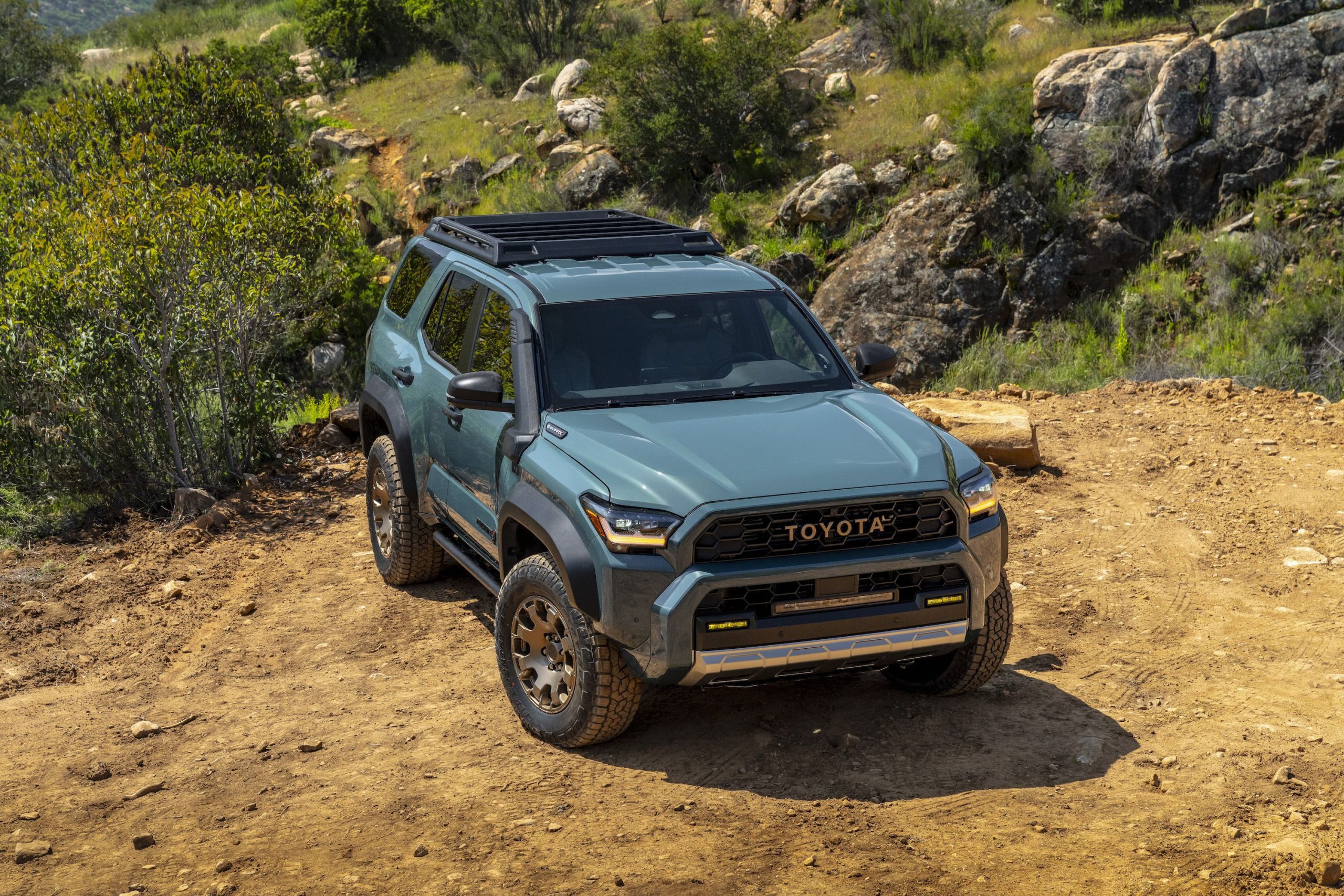
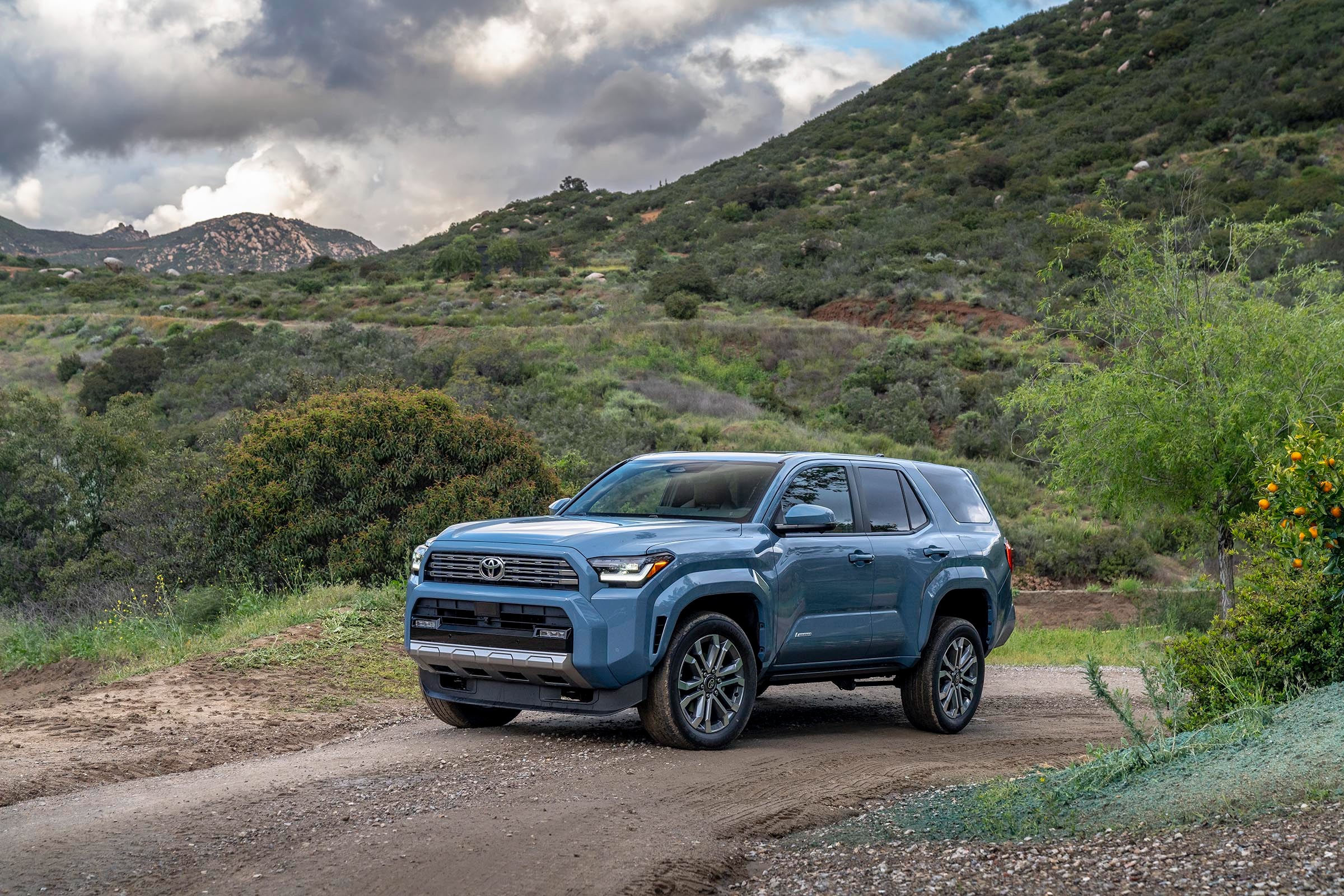
The Toyota 4Runner has maintained a consistent reputation for being one of the most reliable SUVs on the market, especially in harsh weather conditions and difficult terrains. For those living in mountainous regions where snowfall is frequent and roads are winding, the 4Runner offers stability and power in equal measure.
Its body-on-frame construction gives it a sturdy foundation that can handle off-road trails, deep snow, and even frozen-over roadways without losing performance. This structural toughness also helps the 4Runner last longer under high stress, which is important when maintenance shops might not be close by in rural or remote regions.
Another key feature of the 4Runner is its multi-mode four-wheel drive system. This allows drivers to switch between different traction settings depending on the terrain, which is especially valuable when traveling across different types of roads on the same trip.
Whether it’s icy pavement, loose gravel, or muddy back roads, the 4Runner can adapt its drivetrain to maintain grip and control. Combined with generous ground clearance, it’s well-equipped to navigate obstacles like snowdrifts and rutted trails that would stop lower vehicles in their tracks.
The engine may not be the most fuel-efficient in its class, but what it lacks in mileage it more than makes up for in sheer reliability. The 4.0-liter V6 is a proven workhorse, known for operating smoothly in sub-zero temperatures and during high summer heatwaves.
Toyota also builds the 4Runner with practical off-road features like skid plates and crawl control, which can make a significant difference for people living in areas where unpaved roads and steep inclines are part of the daily commute.
On the interior, while the 4Runner isn’t the flashiest or most luxurious, it prioritizes durability and ease of use. Knobs and buttons can be operated with gloves on, and the interior materials are more resistant to mud and snow than the plush, delicate surfaces found in more urban-focused SUVs.
2024 Subaru Outback Wilderness
The Subaru Outback has always been a favorite among those who live in colder and more remote areas of the country, and the Wilderness trim takes those capabilities a step further.
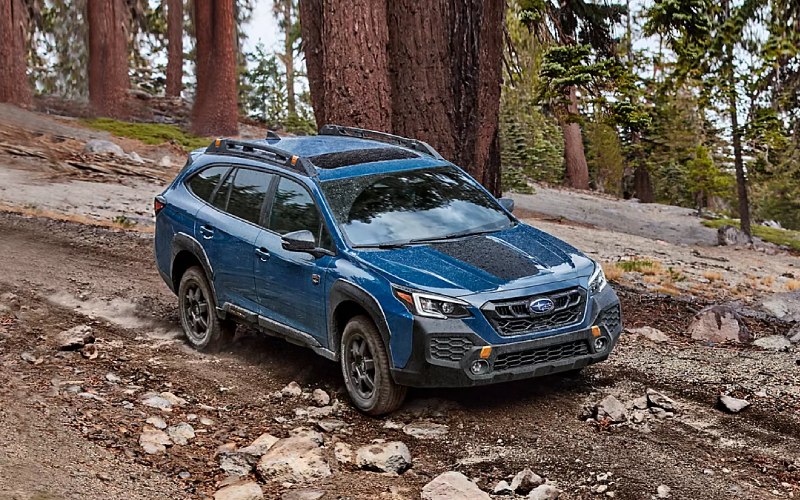
Designed specifically for rugged use, the Outback Wilderness adds extra ground clearance, all-terrain tires, and underbody protection to a vehicle already known for its excellent all-wheel drive system.
For people in the Pacific Northwest or the upper Midwest, where snow and ice are seasonal constants, these additions make a huge difference in daily driving safety and confidence.
The Outback Wilderness comes with Subaru’s symmetrical all-wheel drive, a system that distributes power evenly to all wheels and adjusts automatically when conditions change. This gives drivers solid traction when turning, climbing, or braking on slick surfaces.
It also helps reduce the risk of fishtailing on ice, a common issue in standard two-wheel drive vehicles. The added suspension lift helps prevent the vehicle from getting stuck in deep snow or scraping the undercarriage on uneven terrain, which is a common concern in rural winter environments.
Its 2.4-liter turbocharged engine provides enough torque to handle climbing hills or towing a trailer, even when road conditions are less than ideal. While it won’t match a full-size truck for hauling capacity, it provides a balance that works well for people who need versatility.
The factory skid plates help protect key components from rocks, ice chunks, and road debris, while the roof rails are sturdy enough to support gear like rooftop tents or cargo boxes ideal for people who travel or camp in remote regions.
Inside the cabin, Subaru keeps functionality front and center. Materials are rugged, seats are easy to clean, and there are plenty of features like heated seats and mirrors to improve winter usability.
The technology suite, while modern, doesn’t overwhelm the driver with complicated controls. It all adds up to a package that’s more than capable of handling unpredictable weather and road conditions across a wide range of American field.
2024 Ford F-150 Raptor
If you’re living in areas with extreme heat, rocky backroads, or unpredictable terrain, the Ford F-150 Raptor stands out as one of the best tools for the job.
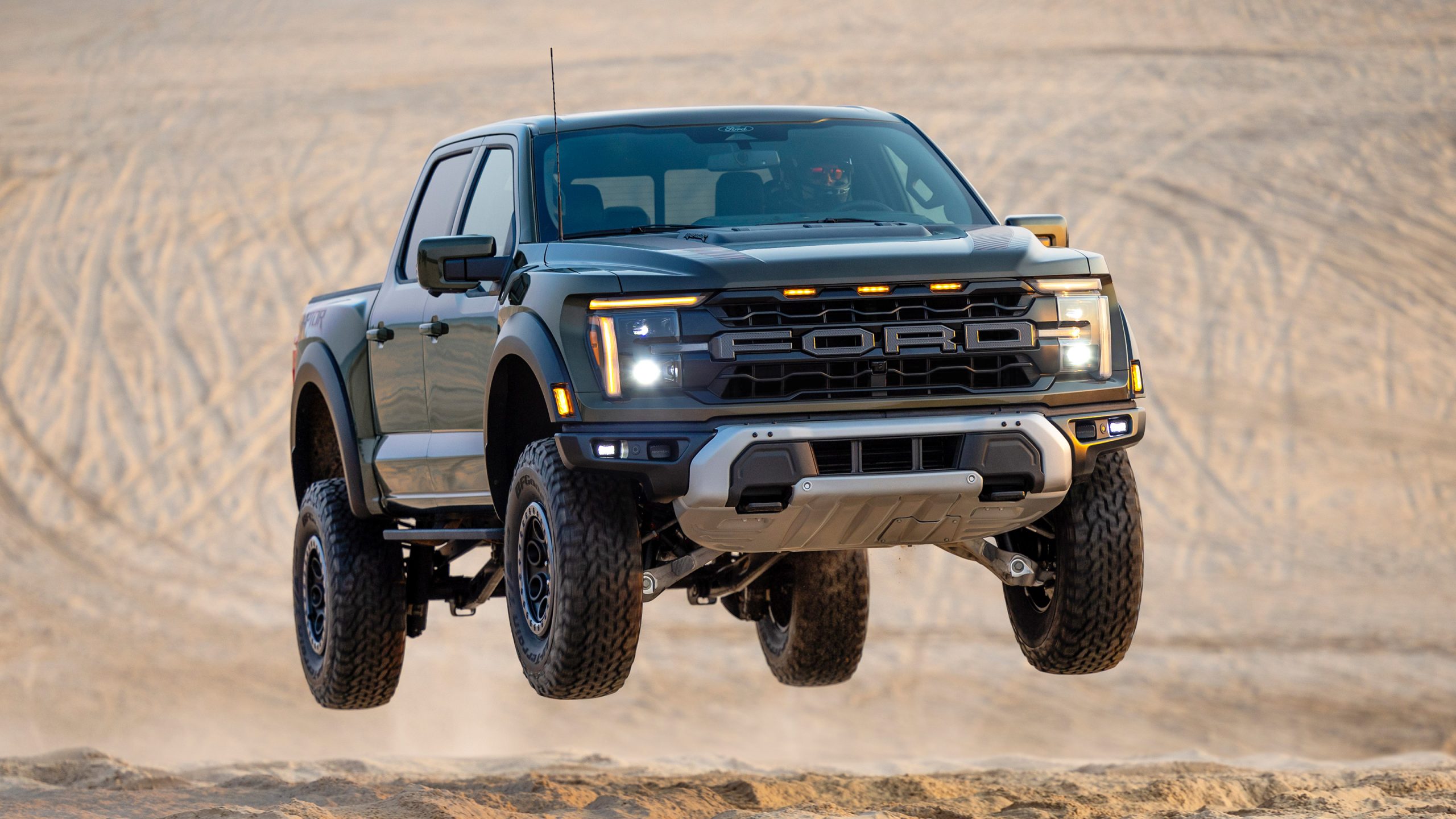
This truck was built with serious off-road performance in mind, but it also manages to maintain comfort and stability during day-to-day driving. For desert climates and rural areas with difficult access roads, the Raptor offers durability and power that make it a reliable option for residents and workers alike.
The Raptor features long-travel suspension and FOX Live Valve shocks, which help absorb massive bumps and dips in the terrain without jarring the driver or risking damage to the undercarriage.
In desert states like Nevada, New Mexico, and parts of California, this is especially valuable for maintaining high speeds over rough ground without losing control. Heat-resistant components are also baked into the design, helping the engine and transmission operate safely even when ambient temperatures are sky-high.
Under the hood, the twin-turbocharged 3.5-liter V6 delivers substantial horsepower and torque, allowing it to tow, haul, or climb with ease. Whether you’re heading into the mountains or crossing dry riverbeds, the Raptor has more than enough capability to handle unexpected obstacles.
The four-wheel-drive system includes terrain management modes, which optimize performance based on surface conditions like sand, mud, or snow. Combined with massive tires and strong brakes, the Raptor has the hardware to match its reputation.
Interior comfort and technology are well above what most would expect from a truck meant for harsh environments. Heated and ventilated seats help balance the temperature extremes, while a well-designed infotainment system ensures that drivers can stay informed and connected without being distracted.
The Raptor doesn’t just look rugged it performs with purpose, making it one of the most well-rounded options for challenging American field.
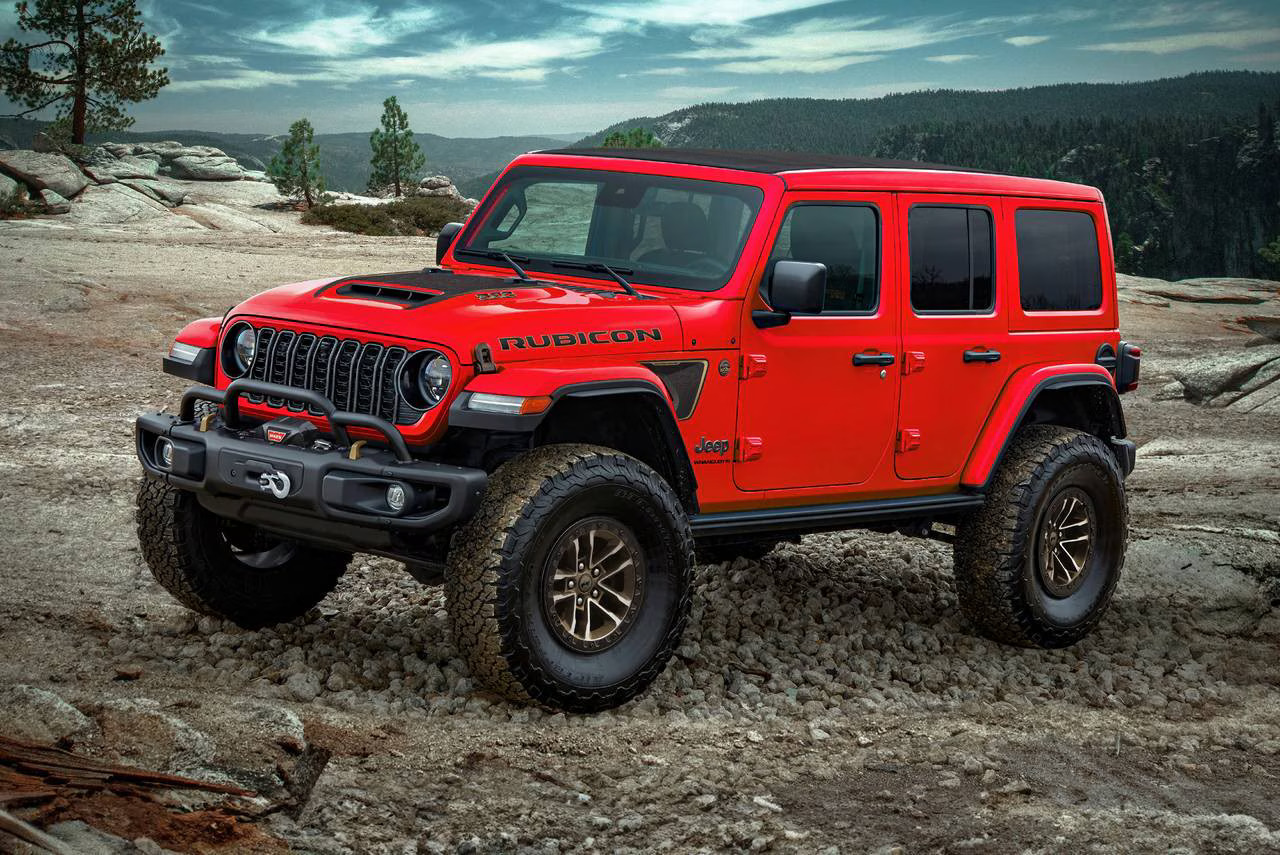
2024 Jeep Wrangler Rubicon
The Jeep Wrangler Rubicon is almost synonymous with off-road capability. It’s not just a vehicle that happens to perform well off the pavement; it was engineered from the ground up to do so.
For areas of the country where paved roads are more of a suggestion than a standard, and where weather changes rapidly and unpredictably, the Rubicon brings the right mix of toughness and adaptability. It can climb, crawl, ford, and navigate obstacles in a way few vehicles in its class can manage.
The Rubicon’s solid axles, electronic locking differentials, and disconnecting sway bars allow it to maintain control in deeply uneven terrain.
Whether you’re driving through forest trails in the Appalachians or heading across a snow-covered field in Montana, this setup allows all four wheels to maintain traction even when the terrain is shifting beneath the tires.
Its short wheelbase and high ground clearance are especially helpful in climbing over rocks, logs, or drifts that would stop other SUVs cold.
Equally important is its ability to handle climate extremes. The interior has been designed to resist water and mud, and you can hose down the floors without damaging the electronics.
For drivers who use their vehicles in wet, muddy, or icy conditions, this level of durability is not just useful it’s essential. Heating systems are strong enough to warm the cabin quickly, and options like heated seats and steering wheels help take the edge off during long winter mornings.
While not known for luxury, the Rubicon includes enough modern amenities to satisfy most drivers. A strong infotainment system, basic driver assistance features, and removable roof options give users flexibility.
It’s not the quietest or most comfortable on the highway, but that’s not the point. The Rubicon exists to go places other vehicles can’t, and in many of America’s toughest climates, that ability is what matters most.
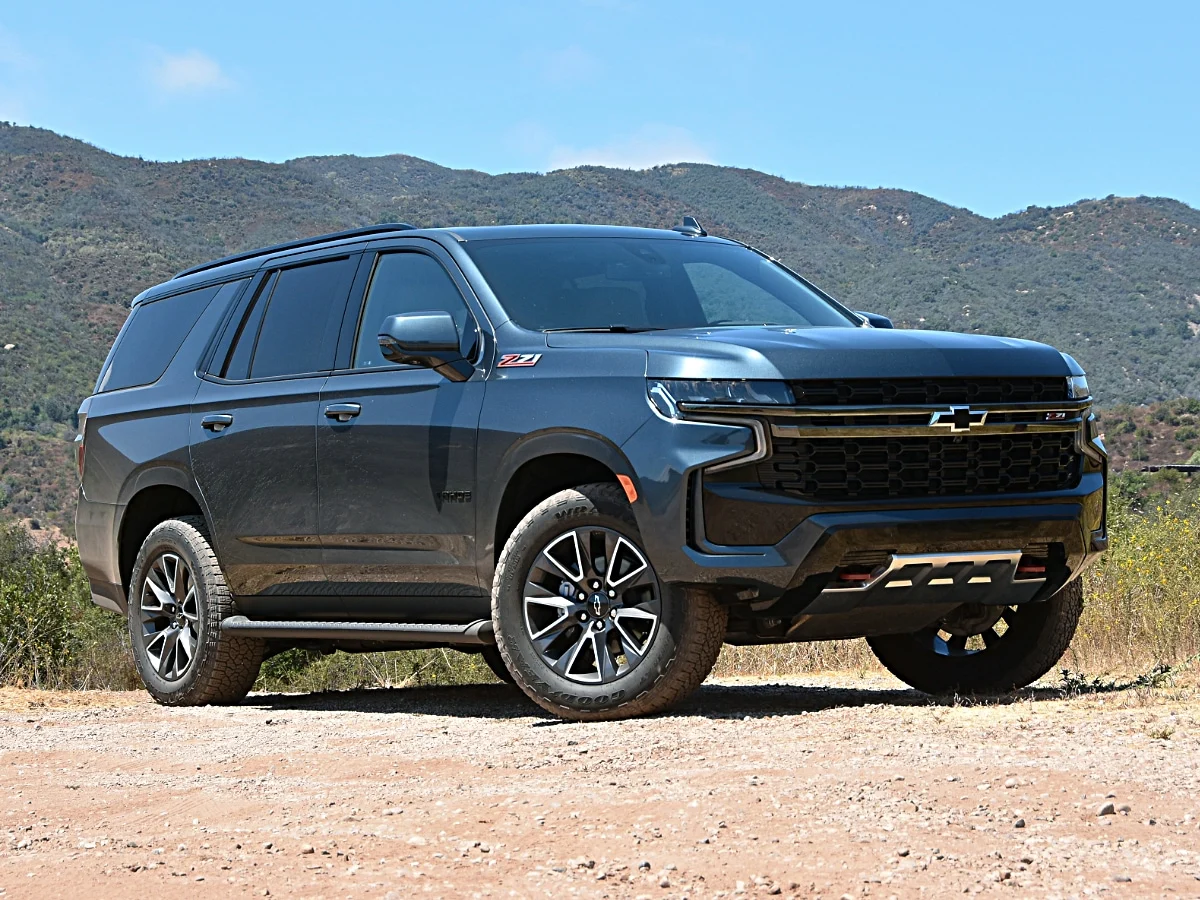
2024 Chevrolet Tahoe Z71
The Chevrolet Tahoe Z71 offers a solid blend of comfort, size, and off-road ability. Built on a full-size SUV platform, the Tahoe Z71 is perfect for families or work crews that need a lot of space without sacrificing all-weather performance.
It’s particularly useful in areas where weather can suddenly turn bad and where roads may be impassable for standard vehicles. Think of remote towns in Alaska, rural parts of the Dakotas, or snow-buried roads in northern New England.
One of the standout features of the Z71 trim is its off-road package, which includes upgraded suspension, underbody skid plates, and a two-speed transfer case.
These features give it the ability to shift into low-range gearing for tough climbs or deep snow. Combine this with a robust all-wheel drive system, and the Tahoe can muscle its way through conditions that would stall smaller crossovers and sedans.
The interior is surprisingly refined for a vehicle with such heavy-duty capability. It has three rows of seating and ample cargo space, making it ideal for large families who still want a vehicle that can plow through snow or take a trail less traveled.
Heated seats, a heated steering wheel, and remote start are all useful during the winter months. Visibility is also excellent, an often overlooked feature that becomes vital in white-out conditions or during heavy rain.
Its V8 engine is powerful enough to tow and accelerate confidently even when fully loaded. Fuel economy isn’t great, but that’s the trade-off for the performance and capacity it provides.
For people who need one vehicle that can carry a full family, survive deep snow or mud, and operate comfortably for hours at a time, the Tahoe Z71 is a smart, capable choice.
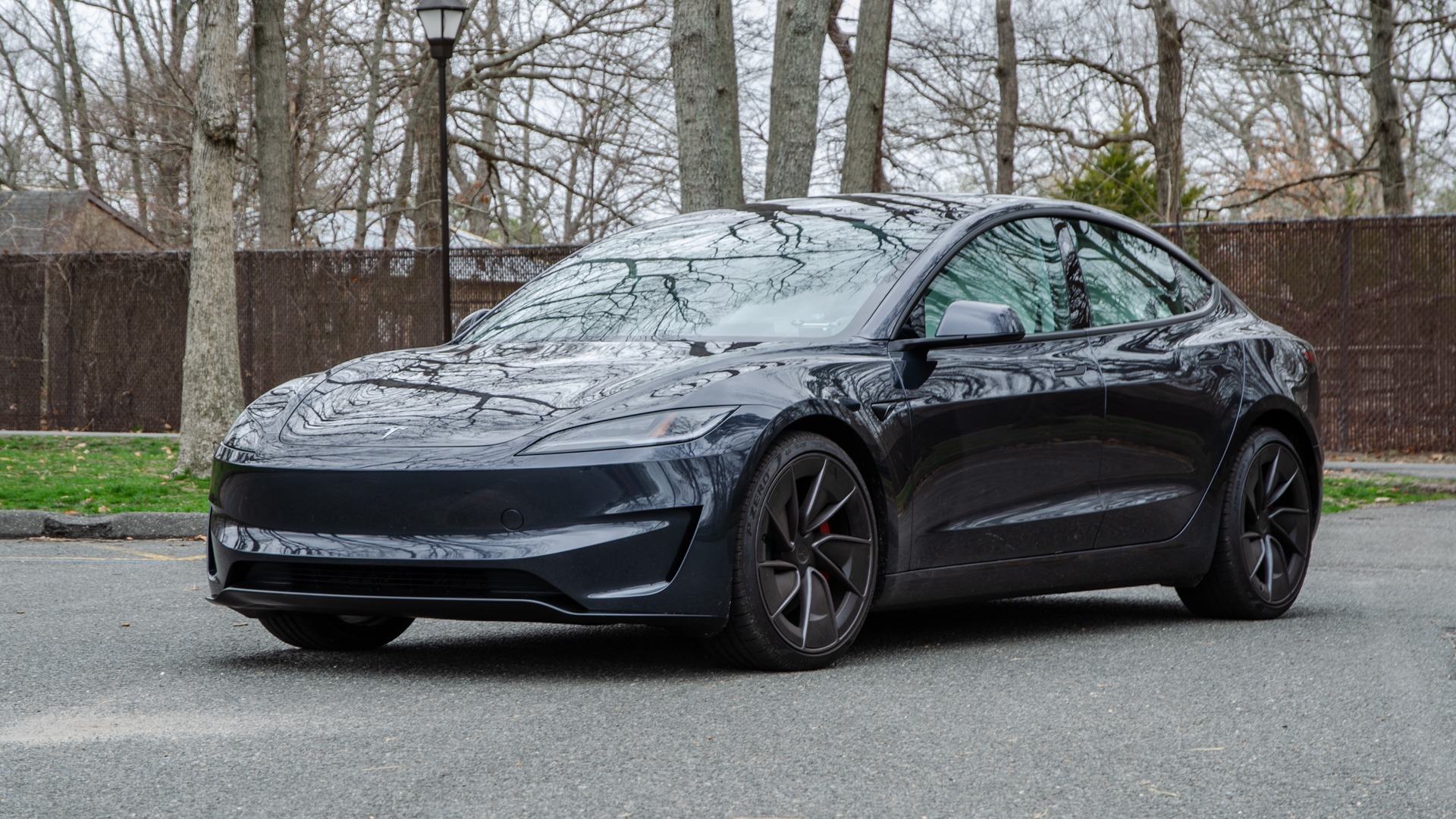
2024 Tesla Model 3
The Tesla Model 3 has become one of the most popular electric vehicles on the road, thanks to its sleek design, impressive technology, and excellent efficiency. However, when it comes to handling extreme climates, especially cold, snowy, or rugged conditions the Model 3 shows some clear limitations.
It was designed primarily for urban and suburban driving environments, where roads are well-maintained and weather is predictable. Put it in the harsh conditions of a Michigan winter or a rural mountain trail, and the cracks in its suitability start to show.
One major concern for the Model 3 in cold weather is battery performance. All electric vehicles lose range in freezing temperatures, but the Model 3 is especially sensitive to the cold.
Owners in northern states frequently report significant range drops and slower charging times when temperatures dip below freezing. While Tesla has made improvements to software and battery management systems, the core issue remains: cold air significantly reduces the efficiency of lithium-ion batteries.
Another challenge lies in its ground clearance and traction. The Model 3 is low to the ground and does not offer all-wheel drive on all models. Even when AWD is available, it lacks the mechanical locking differentials or off-road traction systems found in more rugged vehicles.
This makes it poorly suited for areas with deep snow, gravel roads, or muddy rural routes. The undercarriage is also exposed, meaning that road debris or packed snow can cause damage more easily than with vehicles designed for rough use.
The interior is a tech marvel, but it’s not built with rugged use in mind. The minimalist controls require touchscreen interaction, which can be difficult with gloves or during a distracted moment in difficult weather.
Heating systems are effective but rely on battery power, which again affects range. In warm, flat areas with consistent road conditions, the Model 3 performs very well. But in demanding climates, it lacks the durability and adaptability required for safety and reliability.
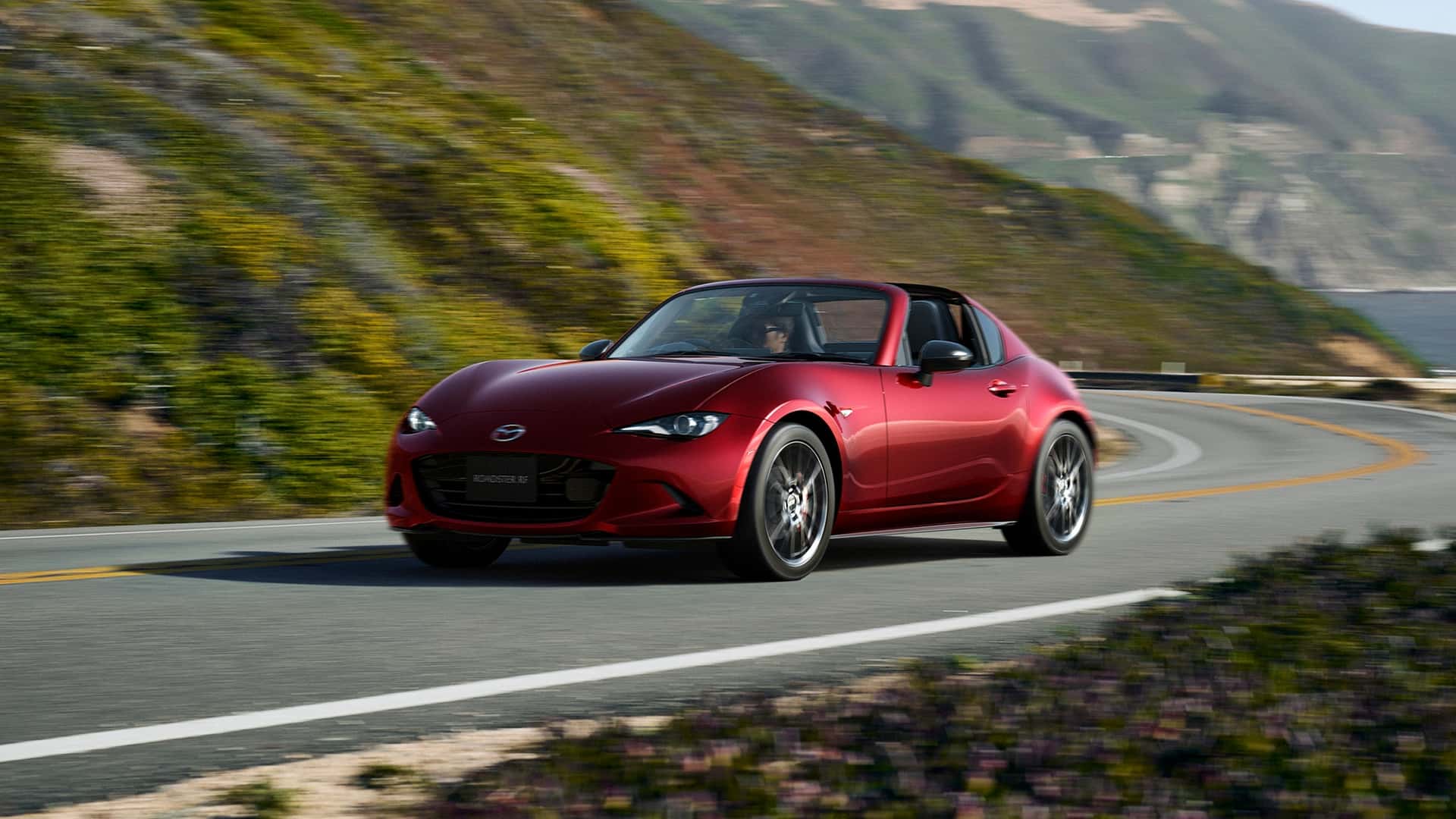
2024 Mazda MX-5 Miata
The Mazda MX-5 Miata is one of the most fun cars to drive on the market today. It’s light, responsive, and perfect for open-road cruising in fair weather.
Unfortunately, when it comes to rough climates or challenging environments, the Miata falls flat. This is a car designed for enjoyment on smooth pavement, not for battling harsh winters, unpaved roads, or heavy storms. It excels in perfect conditions and struggles when those conditions change.
First and foremost, the Miata’s low ride height and rear-wheel drive layout make it particularly vulnerable in snowy or icy areas. Rear-wheel drive cars are notoriously difficult to control in slippery conditions, especially when they’re lightweight like the Miata.
Without the benefit of all-wheel drive or even a heavier frame to add traction, it’s easy for this car to lose control during cornering or braking. For residents in the northern states, this makes it an unreliable choice during the winter months.
Another problem is the lack of space and insulation. The Miata is a small, two-seater roadster with limited cargo room and minimal weather protection.
While the hardtop version offers more shelter than the soft-top, it still lacks the thick insulation found in vehicles designed for extreme temperatures. In colder climates, the heating system can take time to warm the cabin effectively, and the car’s small size means there’s little room for winter gear or supplies.
The vehicle’s focus on lightweight design also means it lacks many of the durability features required for off-road or all-weather driving. There’s no underbody protection, no reinforced suspension, and certainly no terrain management system.
Even potholes or gravel roads can pose a risk to the Miata’s handling and structure. It’s a car meant for enjoyment under the sun, not survival in challenging weather. For those who live in regions with heavy snowfall or poor roads, the Miata might need to stay in the garage for much of the year.
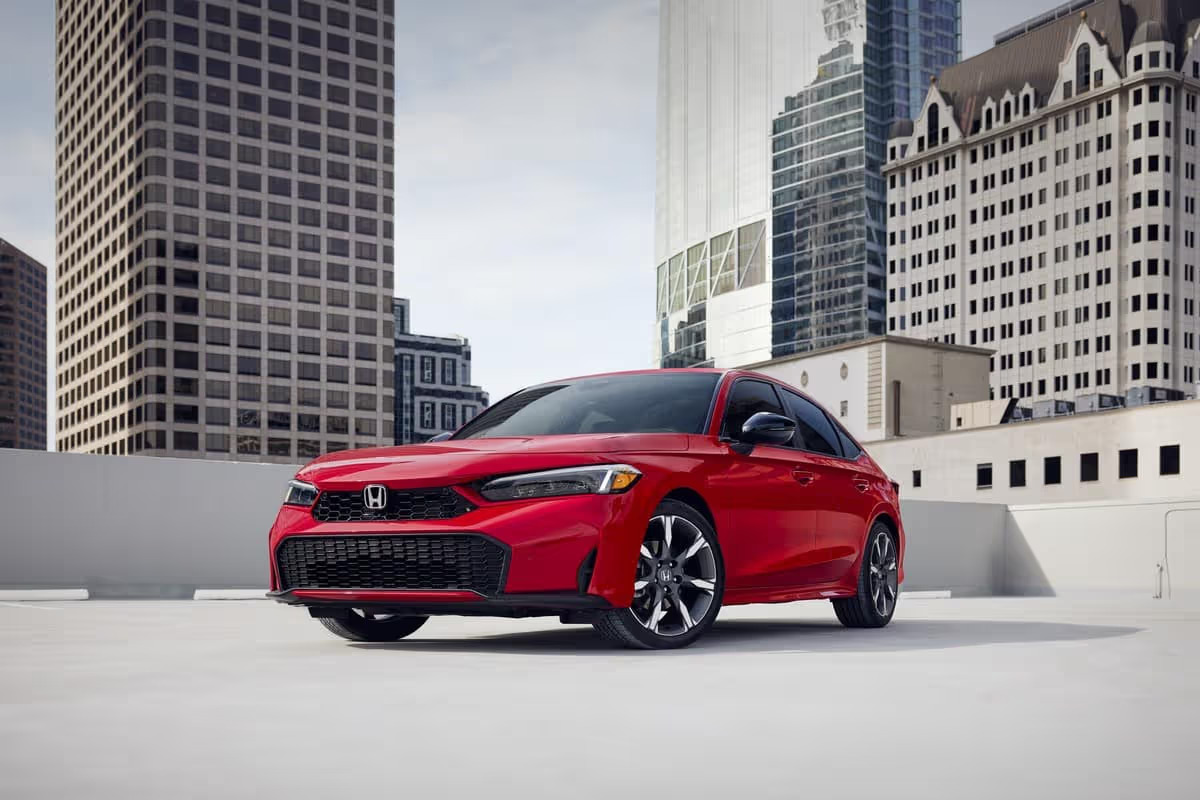
2024 Honda Civic Sport
The Honda Civic Sport is a great commuter vehicle with solid fuel economy, a comfortable ride, and a reasonable price point. It’s dependable, practical, and stylish in its own way. But when exposed to harsh climates, particularly those that involve snow, ice, or rugged roads the Civic quickly begins to show its limitations.
It simply isn’t built for extreme environments, and while it can handle an occasional storm or poorly maintained road, it isn’t the right tool for repeated exposure to those conditions.
One of the biggest limitations of the Civic Sport is its ground clearance. Designed for city and highway driving, it hugs the road closely, which is good for handling in dry, clear conditions but terrible when there’s a few inches of snow on the road or large puddles from heavy rainfall.
A low front bumper and undercarriage can scrape against snowbanks or gravel, and this can lead to damage over time if the car is used in the wrong setting repeatedly.
Another issue is the front-wheel drive system. While it can handle light snow with decent tires, it doesn’t provide the level of control or stability offered by all-wheel drive in more severe weather.
Without the ability to direct power to all four wheels, the Civic Sport can struggle with uphill climbs on icy roads or when attempting to maneuver through deep slush. In emergencies where traction is crucial, this becomes a real concern.
While Honda has done a good job building reliable interiors, the Civic doesn’t feature the winter-specific amenities that help make a car more livable in freezing temperatures. Things like heated steering wheels, robust defrosting systems, or all-weather floor mats are either absent or optional, depending on the trim.
Over time, this lack of winter focus adds to the discomfort and inconvenience of using the Civic in cold regions. It’s a fantastic car for moderate climates, but it doesn’t rise to the challenge when conditions get extreme.
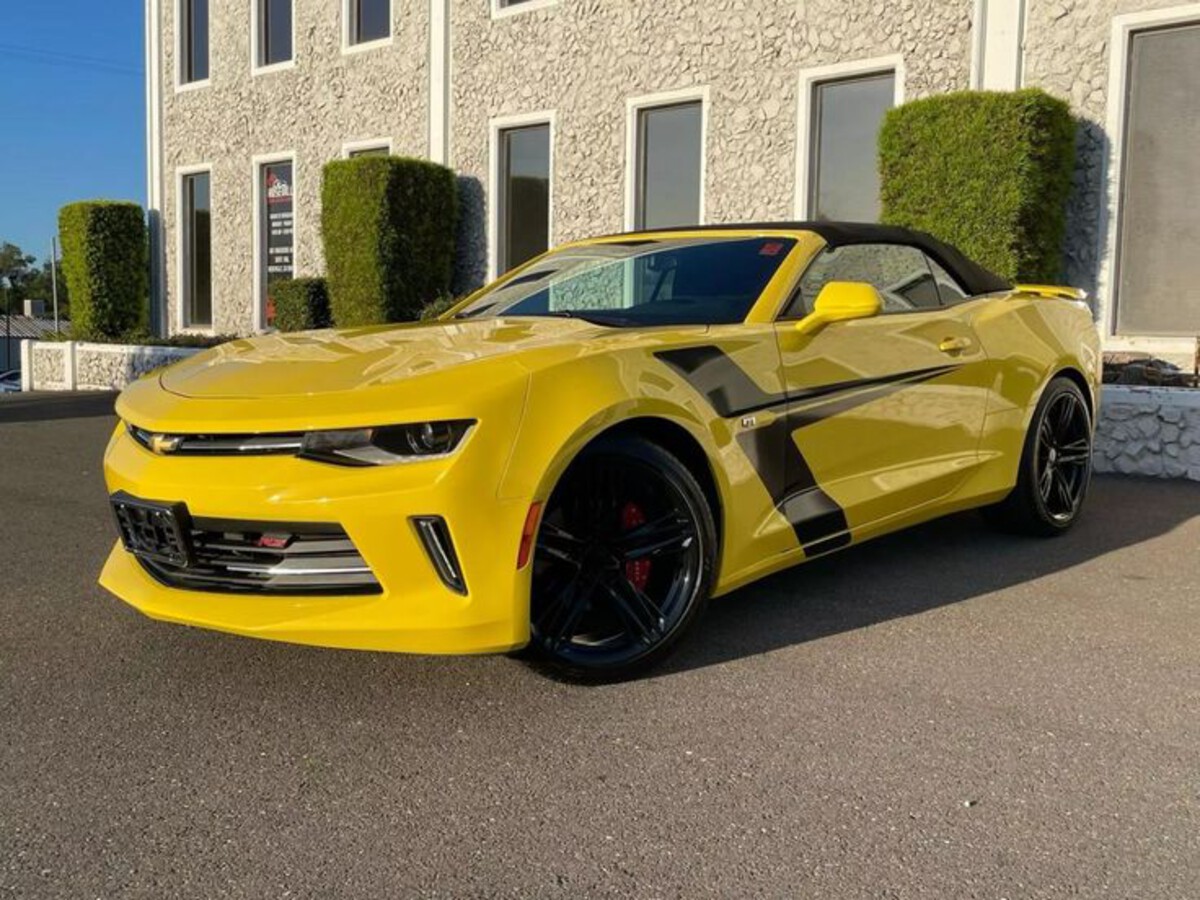
2024 Chevrolet Camaro
The Chevrolet Camaro is a performance coupe built to deliver thrills, not practical solutions for tough climates. It’s known for its speed, style, and powerful engine options, but all of that becomes secondary when the weather turns nasty or the road gets rough.
From visibility issues to traction limitations, the Camaro just isn’t built for daily life in places like the northern Rockies, the Great Plains during storm season, or the muddy backroads of Appalachia.
One of the biggest drawbacks for the Camaro is visibility. The low roofline and small windows may look cool, but they make it difficult to see what’s going on around the vehicle especially in bad weather.
Rain, fog, snow, and ice already reduce visibility on the road, and the Camaro’s design only makes that worse. This increases the risk during lane changes, merges, or sudden stops, particularly when weather conditions are less than ideal.
In terms of performance, the rear-wheel drive layout and powerful engines make the Camaro great on dry pavement but tough to control in snow or ice.
The throttle is sensitive, and without the right traction control settings, it’s easy to spin the tires or fishtail when pulling out from a stop. Even with winter tires, it doesn’t provide the sense of security that an all-wheel drive vehicle would. This limits its usefulness in regions where winter storms are frequent and roads are not always clear.
Ground clearance is another issue. The Camaro sits low, which enhances its aerodynamics but makes it poorly suited to uneven surfaces or flooded roads. You risk scraping the undercarriage or damaging the front end if you hit a pothole or chunk of ice. This design is better matched to southern states or urban environments than rough, unpredictable climates.
The interior also focuses on performance and styling rather than functionality. While it may include heated seats and a decent infotainment system, it lacks the rugged materials and space that would make it more useful in a climate that requires gear hauling or repeated cleanup from snow, dirt, or mud. The Camaro is built for fair-weather fun, not year-round survival.
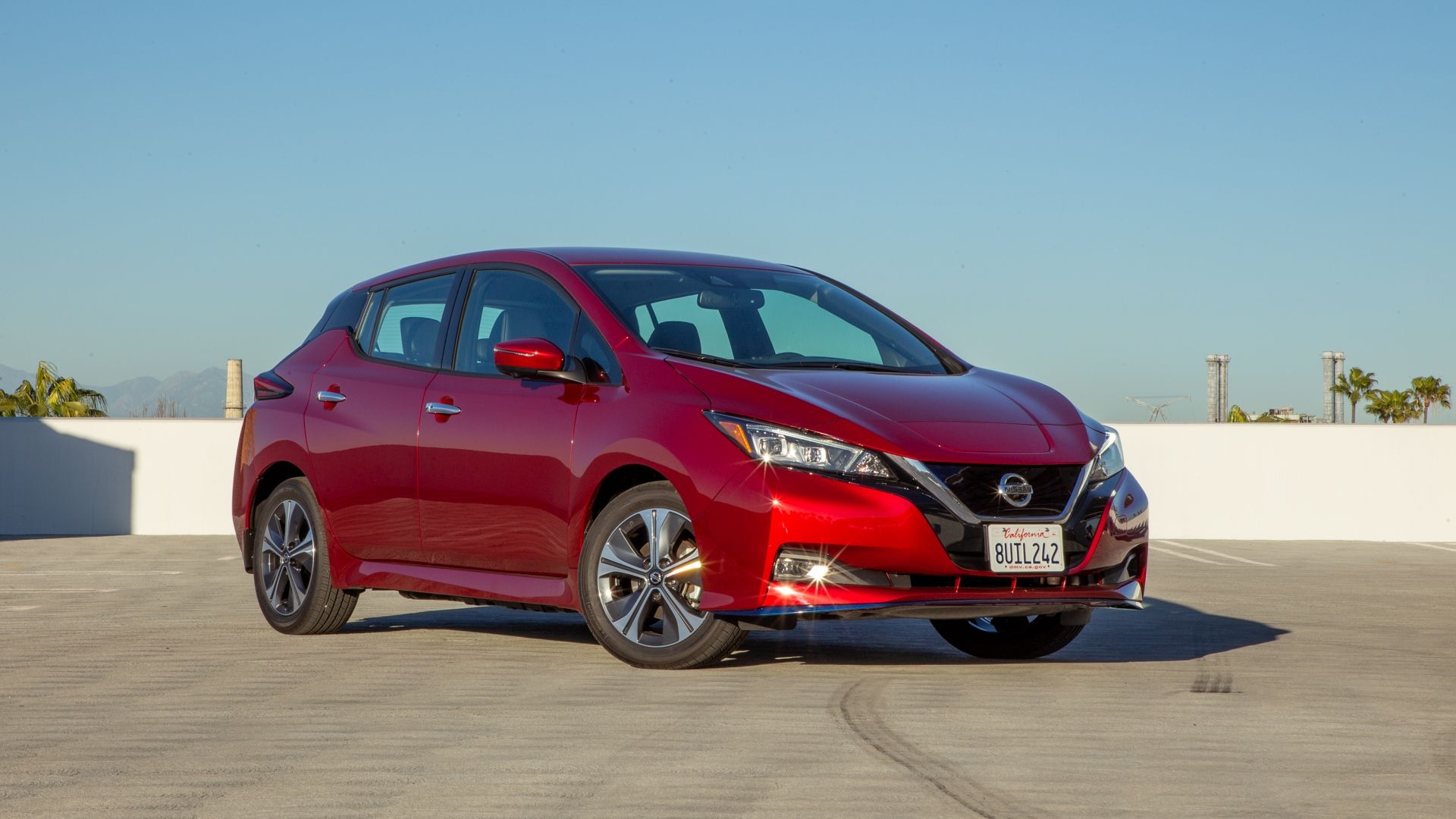
2024 Nissan Leaf
The Nissan Leaf is one of the earliest and most recognized electric vehicles available today. It has made great strides in affordability and accessibility in the EV space, but when judged by its ability to handle harsh climates, it falls short.
Like other electric vehicles, it struggles in cold temperatures, but it also has some unique weaknesses that make it less practical in places where the weather can be extreme or road conditions are less predictable.
The most obvious challenge is range. The Leaf’s maximum range is lower than many of its competitors, and that number can shrink dramatically in cold weather.
Battery performance suffers when the thermometer drops, and this results in more frequent charging and a higher chance of being caught short on a long winter drive. In remote or rural areas where charging stations are scarce, this can create a serious inconvenience or even danger.
Additionally, the Leaf’s front-wheel drive layout and compact design don’t offer much help in snow or on icy roads. It’s a lightweight car with limited ground clearance, so even a moderate snowstorm can result in it getting stuck or having difficulty reaching its destination.
There’s no all-wheel drive option, no snow-driving mode, and no off-road package to help it adapt to changing terrain. The cabin is functional but basic, especially in the lower trims. While some models offer heated seats and steering wheels, the insulation isn’t ideal for very cold climates.
You’ll end up using more battery to stay warm, further reducing range. The materials used in the interior are focused more on economy than endurance, which becomes evident when the car is used heavily in dirty or wet conditions.
Lastly, the Leaf lacks the rugged engineering that some other EVs are beginning to adopt. There are no skid plates, underbody protection, or reinforced suspension components, so repeated exposure to gravel, salt, or deep puddles can wear it down faster than more robust alternatives.
It’s great for commuting in cities or mild climates, but it isn’t equipped for America’s toughest roads or weather patterns.
