
A truck’s performance isn’t just about horsepower, torque figures, or towing capacity. Beneath all the spec sheet highlights lies a critical system that connects the engine’s power to the wheels: the drive shaft.
This long, often overlooked component is essential in transferring torque from the transmission to the rear axle (or front, in some cases), and it directly affects how smoothly and reliably a truck handles demanding tasks.
Whether a driver is towing a trailer, climbing steep grades, or simply cruising down the highway with a bed full of tools, the drive shaft quietly determines a great deal about how that experience feels.
Truck buyers often focus on engines and suspension setups, but ignoring the quality of the drive shaft can be a costly oversight. A strong, well-balanced drive shaft can mean years of worry-free use, minimal vibrations, and a dependable response when the truck is under strain.
On the other hand, a poorly designed or weak drive shaft introduces a cascade of problems: shuddering while accelerating, clunking noises when shifting gears, wobbling under load, and even premature failure of universal joints and bearings. Over time, these symptoms can compromise not just comfort but safety and mechanical integrity.
Manufacturers don’t always get it right. Some trucks, even from well-known and respected brands, have left the factory with shafts that develop issues far earlier than they should. In some cases, cost-cutting on materials or tolerances leads to parts that just can’t hold up under real-world conditions.
In others, the shaft may be fundamentally sound, but misalignment with the rest of the drivetrain or poor design of support bearings creates unwanted stress and movement. These flaws become especially noticeable when the truck is fully loaded, towing a trailer, or operating in rough terrain.
Conversely, several trucks have built their reputations on durability and reliability, and their drive shafts are a major reason why. Trucks built with strong materials, tight tolerances, and properly designed driveline angles rarely suffer from vibration complaints or premature wear.
These trucks don’t just perform better, they last longer, reduce maintenance costs, and keep drivers safer and more comfortable on the road. Over time, these advantages add up, particularly for those who use their trucks as tools for work or travel.
This article takes a close look at ten popular truck models, five known for having rock-solid drive shafts and five that tend to wobble under load. These assessments are based on known design characteristics, mechanical feedback from long-term owners, and patterns reported by mechanics and technicians.
If you’re considering buying a new or used truck, or even modifying one you already own, understanding how the drive shaft holds up under pressure can be a key piece of the decision-making puzzle.
Not every problem is a deal-breaker, and not every success is perfect but knowing which trucks have a history of driveline stability can save you time, money, and frustration in the long run.
Also Read: 5 Five-Year-Old Cars That Sell for Top Dollar vs 5 That Lose Half Their Value
5 Trucks With Rock-Solid Drive Shafts
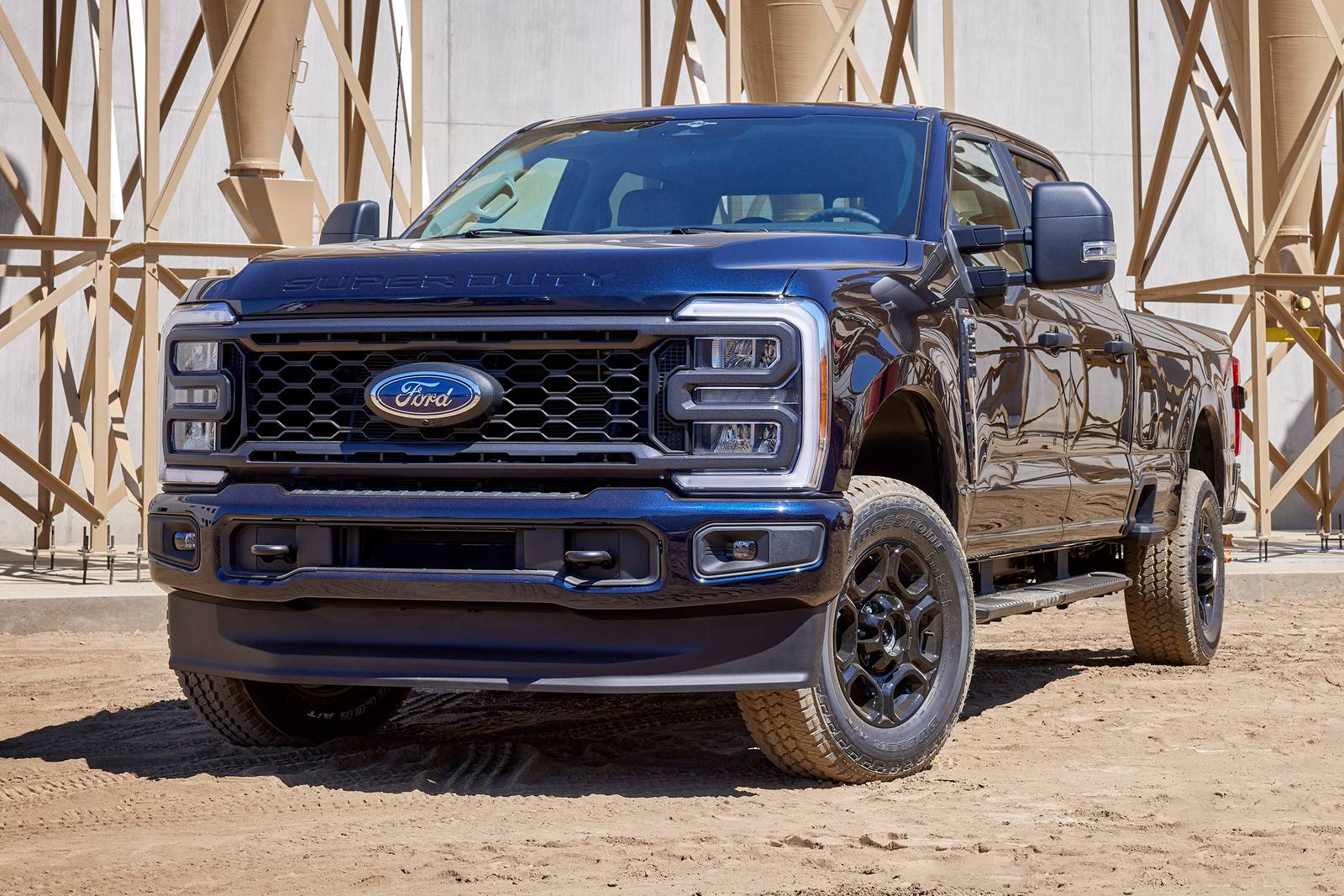
1. Ford F-250 Super Duty (2017–2022)
The Ford F-250 Super Duty lineup has long been a benchmark for heavy-duty truck reliability, especially among those who need serious towing and payload capability. A key reason behind its stability under load is its exceptionally strong drive shaft construction.
Ford uses high-strength steel or aluminum, depending on the trim and drivetrain, and pairs this with reinforced universal joints designed to reduce flexing when torque demands spike. This setup offers low vibration levels even at highway speeds under full trailer load, something fleet operators and contractors appreciate.
Owners and mechanics often praise how the F-250 maintains drivetrain alignment over time. Even in configurations with long wheelbases or lifted suspensions, the drive shaft shows minimal signs of warping or wear.
Ford’s attention to balancing and vibration damping in the shaft design allows the truck to carry out heavy work without the common clunks or shakes found in competitors. For those who use these trucks in extreme weather or terrain, the F-250 shows less driveline fatigue even after extended use, especially when paired with regular maintenance.
The strength of the drive shaft is especially noticeable in diesel versions, where torque output from the Power Stroke engine puts massive stress on drivetrain components.
The shaft handles this power efficiently, with many users reporting zero driveline-related breakdowns even past the 100,000-mile mark. This gives owners peace of mind, especially when operating in remote areas where failure would be more than just inconvenient.
Another point worth noting is the after-market friendliness of the F-250. The stock drive shaft is already well-regarded, but for those who wish to upgrade for performance or lift kits, the truck’s architecture allows for easy replacement with heavy-duty or carbon-fiber options without major modifications.
This flexibility, combined with a strong base design, makes the F-250 Super Duty one of the most trusted trucks in its class when it comes to drive shaft durability.
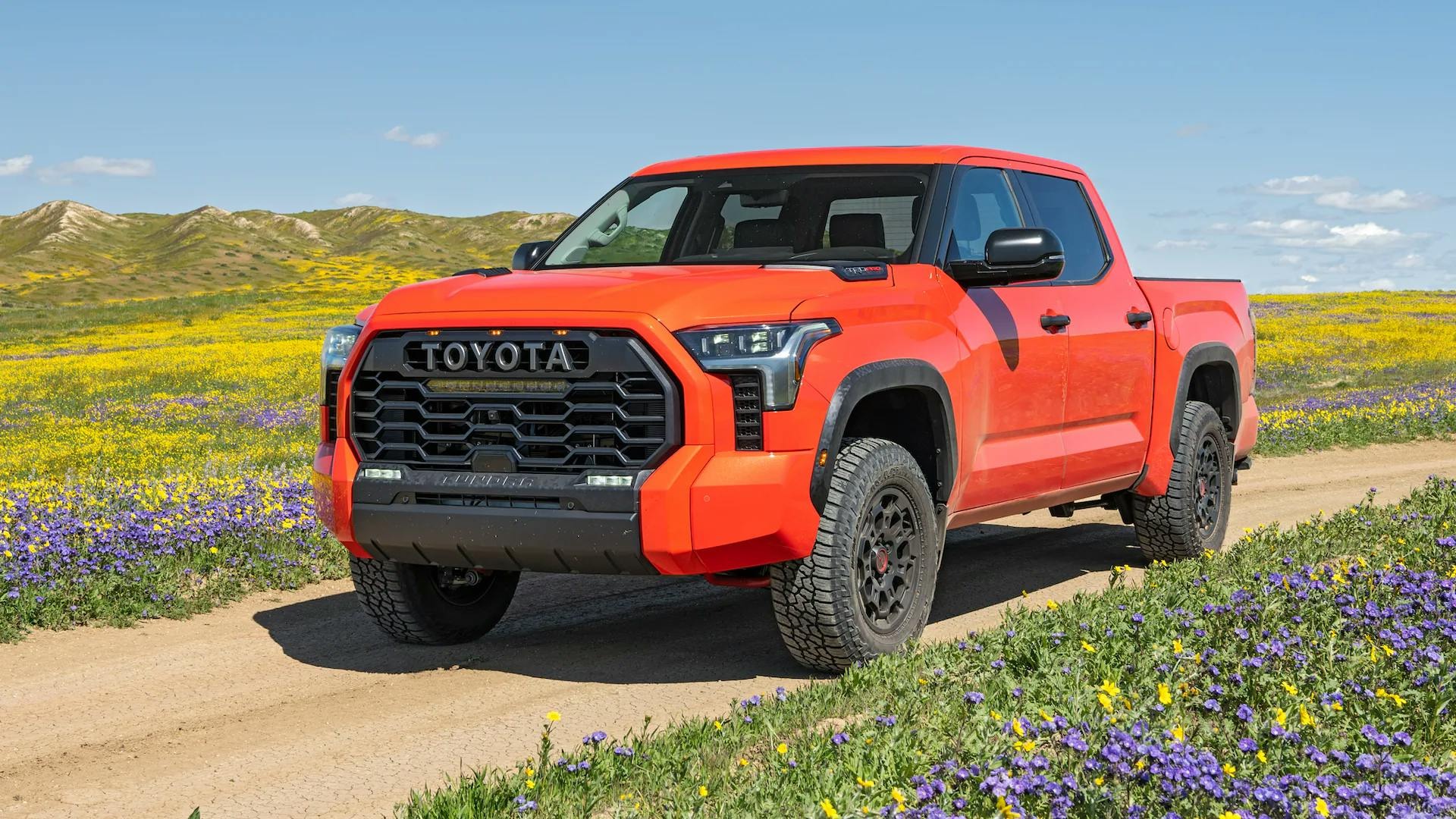
2. Toyota Tundra (2007–2021)
The Toyota Tundra, particularly models built from 2007 to 2021, is widely considered one of the most mechanically reliable full-size pickups. One often-overlooked strength lies in its drive shaft system. Toyota engineers designed the Tundra with a thick one-piece drive shaft for many trims, especially in rear-wheel-drive configurations.
The result is a structure that resists warping under torque stress while minimizing rotational vibration, even when the truck is fully loaded.
Unlike some American rivals that often rely on multi-piece shafts for longer wheelbases, Toyota kept the design straightforward and rigid. This choice limits the number of potential failure points and reduces play at joints and bearings.
While some users have reported a slight clunk on startup, mainly due to slip yoke movement, this is a minor and widely known trait, not a sign of weakness in the shaft itself. Toyota addressed this with TSBs and greasing procedures, keeping long-term durability unaffected.
Off-roaders particularly benefit from the Tundra’s drive shaft design. The vehicle holds up under uneven terrain and sudden torque shifts, such as when climbing or crawling.
Additionally, the shaft components are sealed and protected in a way that limits corrosion and debris intrusion. Many long-term owners note that even with regular exposure to salted winter roads or mud, the shaft system holds up with very little maintenance.
Towing also doesn’t compromise the Tundra’s performance. Even close to its rated limits, there’s no significant sagging or vibration from the rear end, a testament to both the shaft integrity and frame stability.
For a truck that doesn’t often dominate the sales charts in North America, the Tundra punches well above its weight in durability. Its drive shaft reliability is just one more example of how Toyota’s focus on long-term ownership pays off.
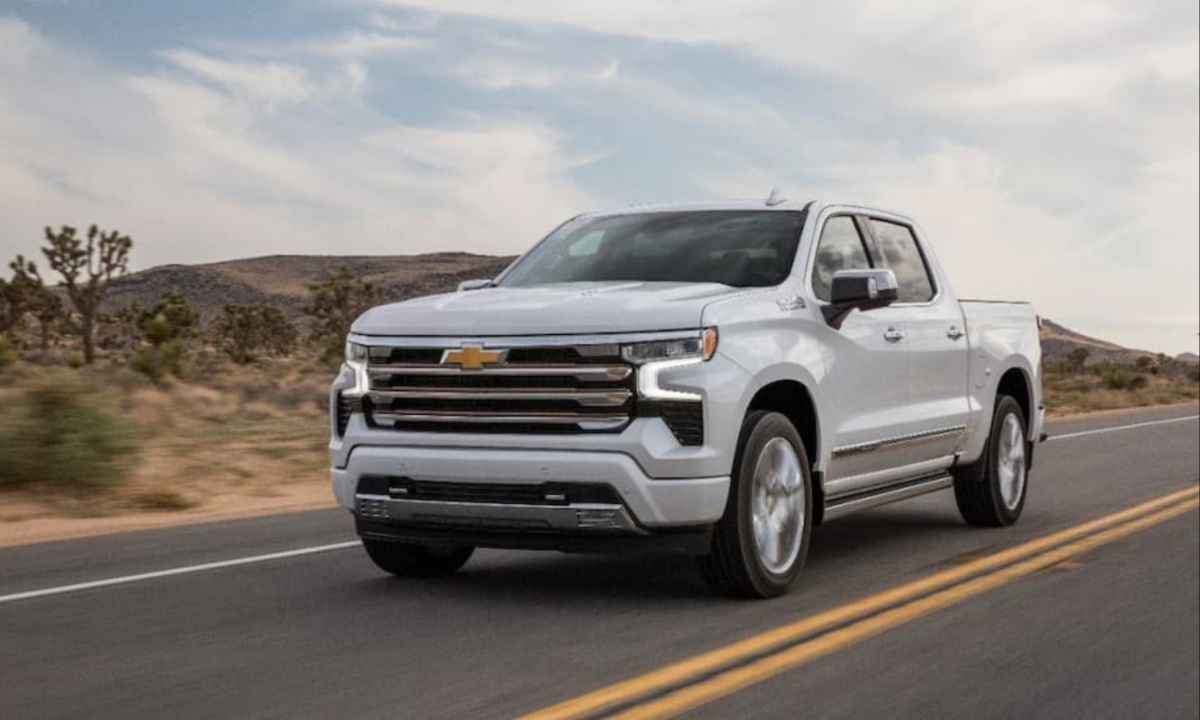
3. Chevrolet Silverado 2500HD (2015–2022)
The Silverado 2500HD series from Chevrolet has built a strong reputation for toughness, and a large part of that comes from the components beneath the surface.
Among these, the drive shaft deserves credit. It’s built to handle the immense torque from the Duramax diesel engine, paired with the Allison transmission. Chevy uses a two-piece design in some configurations, but the center support bearing and shaft joints are strengthened and well-balanced to avoid the wobble common in similar setups.
What makes the Silverado’s drive shaft stand out is how well it holds up to constant stress. Towing large trailers or hauling payloads over rough ground usually reveals weak points in a driveline quickly, but the 2500HD series rarely develops those issues.
The drive shaft material, often made of thick-gauge aluminum or steel, resists twisting forces and keeps rotational integrity under sudden shifts in throttle or braking. Owners with fifth-wheel or gooseneck trailers consistently report stability on the road.
Fleet users often praise the truck’s drive shaft as one of its most dependable features. Even with high-mileage usage in construction or agricultural settings, the shaft shows minimal deterioration.
U-joints, often a source of failure in other trucks, last longer in the 2500HD due to precise factory installation and durable grease fittings that are accessible and effective. This is especially valuable in environments with constant stop-and-go driving or heavy use.
Chevy has also made improvements in shaft noise insulation. Earlier models sometimes transmitted noticeable vibration into the cabin, but the more recent builds feature better isolation through improved mounting points and shaft balance.
Combined with the strength of the shaft itself, these changes make the Silverado 2500HD a model that can be trusted when you need a driveline that doesn’t falter under pressure.
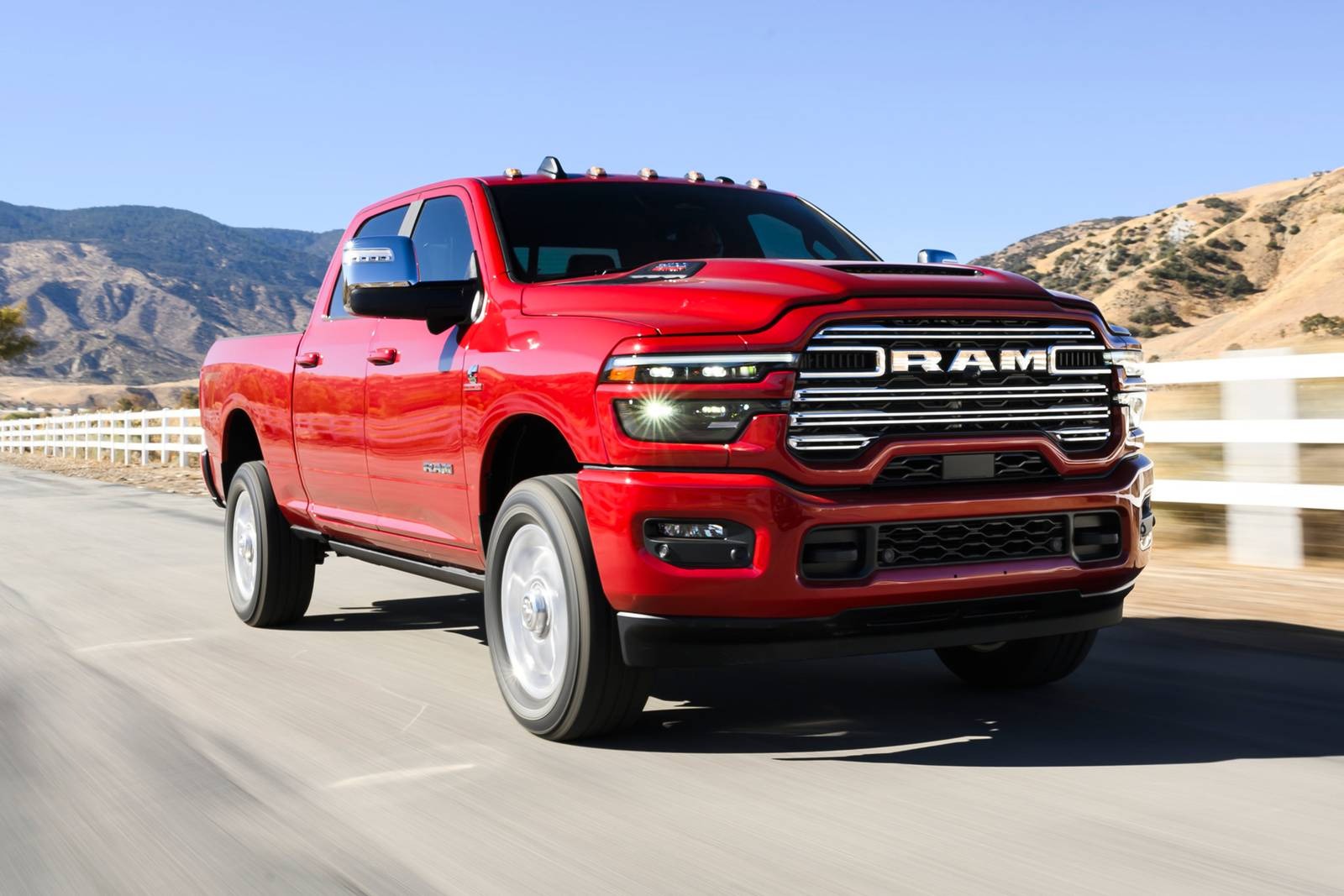
4. Ram 2500 (2014–2022)
The Ram 2500, particularly the models with the Cummins diesel engine, is another standout when it comes to durable drive shafts. With enormous torque output over 800 lb-ft in some configurations the truck places extreme stress on every part of the drivetrain.
Yet the factory drive shaft holds up well, showing no chronic issues in terms of vibration or flex under pressure. This is thanks in part to Ram’s use of heavy-duty tubular steel in the shaft design and strong U-joints that can take repeated abuse without failing.
Owners of lifted or modified trucks often point out that the factory shaft works impressively well even under altered angles. This is important because changes in ride height often introduce vibration due to misalignment. But Ram’s robust shaft design maintains its balance across a range of geometries.
This makes it a solid platform for both stock and off-road setups. It also helps that Ram builds the shaft with high-quality balancing and minimal tolerance gaps in joints.
Towing is where the strength of this shaft is apparent. Whether it’s pulling a horse trailer, camper, or loaded flatbed, the Ram 2500 handles the stress without unwanted feedback through the drivetrain.
Many long-haul drivers say the shaft remains smooth past 150,000 miles, provided it’s maintained properly. The truck’s rear axle design also supports the shaft’s performance by ensuring consistent alignment even under uneven load distribution.
Cold-weather operation often reveals weaknesses in drivetrains, as metal contracts and lubrication thickens. Yet Ram’s drive shaft materials and seals hold up well in winter conditions, avoiding the stutter starts or early joint failures seen in some competitors.
Combined with a solid rear axle and torque-resistant transmission system, the drive shaft in the Ram 2500 contributes significantly to the vehicle’s reputation as a true heavy-duty workhorse.
5 Trucks That Wobble Under Load
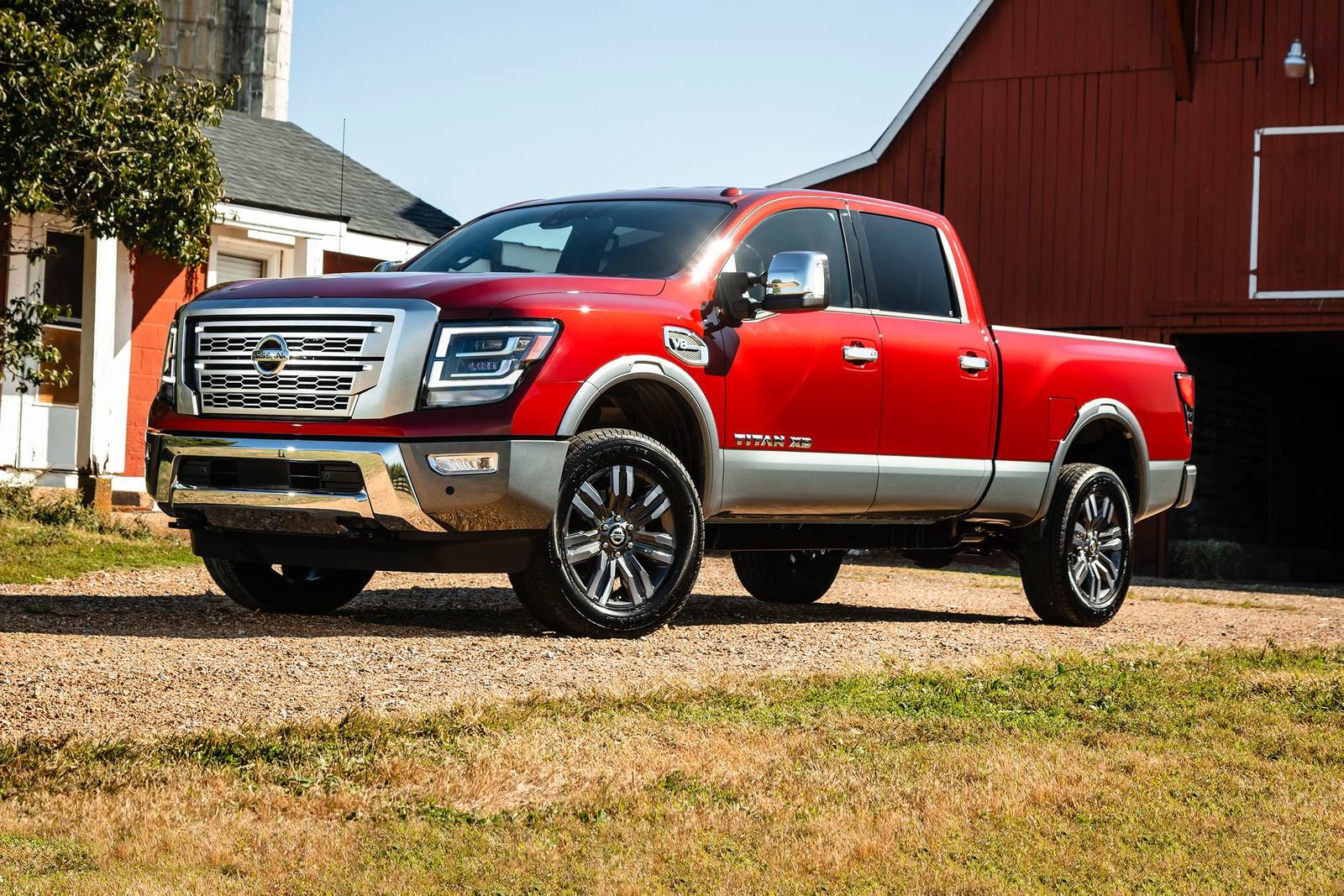
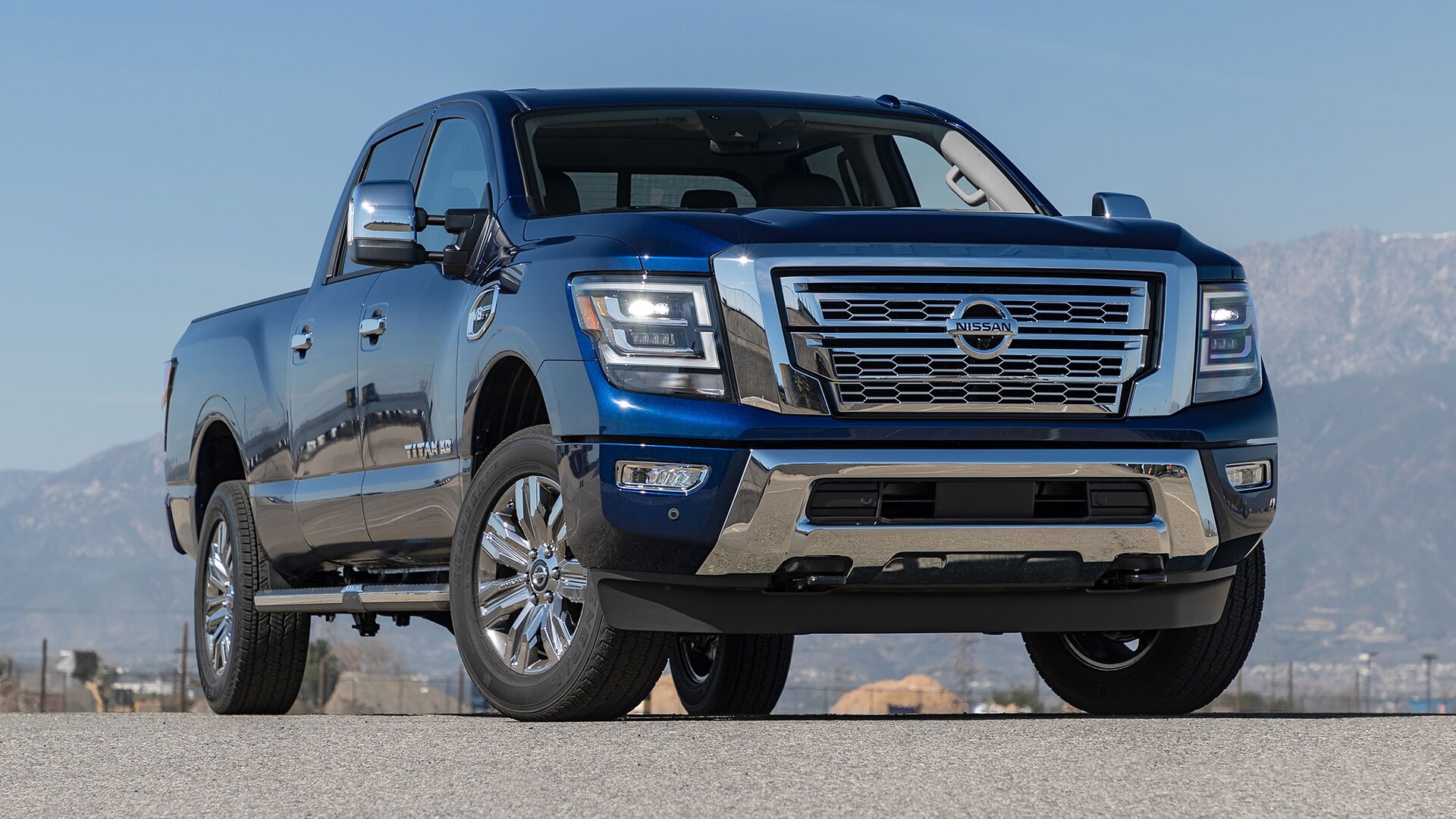
1. Nissan Titan (2004–2015)
The first-generation Nissan Titan brought a lot of promise to the full-size truck market when it launched, offering a powerful V8 and bold styling. But one area where it fell short was in the durability of its drivetrain, particularly the drive shaft.
Numerous owners have reported vibration issues under load, especially when towing near the truck’s limits. While Nissan equipped the Titan with a one-piece drive shaft in most configurations, its diameter and material strength were not always up to par when subjected to sustained torque and stress.
Over time, especially past the 60,000-mile mark, the U-joints on the Titan’s shaft are known to wear prematurely. This wear results in a noticeable shaking during acceleration, which can worsen with time.
The vibration often mimics wheel imbalance but is sourced from the shaft itself. It’s not uncommon for mechanics to recommend a complete shaft replacement rather than piecemeal repairs due to the limited longevity of some components.
The Titan’s rear differential also plays a role in its driveline inconsistency. Some models experienced axle wrap or unexpected movement under load, which only compounded the stress placed on the drive shaft.
This would cause the angles of the joints to misalign slightly, resulting in more vibration. Drivers who regularly towed boats, campers, or construction trailers often felt a wobble at highway speeds or heard clunks when shifting from park to drive.
Another concern with the Titan’s drive shaft setup is corrosion. In regions with harsh winters or salty roads, the uncoated areas of the shaft tend to rust and weaken faster than expected.
While aftermarket upgrades and maintenance can improve longevity, the stock drive shaft in these early Titans simply doesn’t match the long-term expectations of heavy-duty users. It became one of the truck’s most cited complaints, particularly among fleet users and rural drivers.
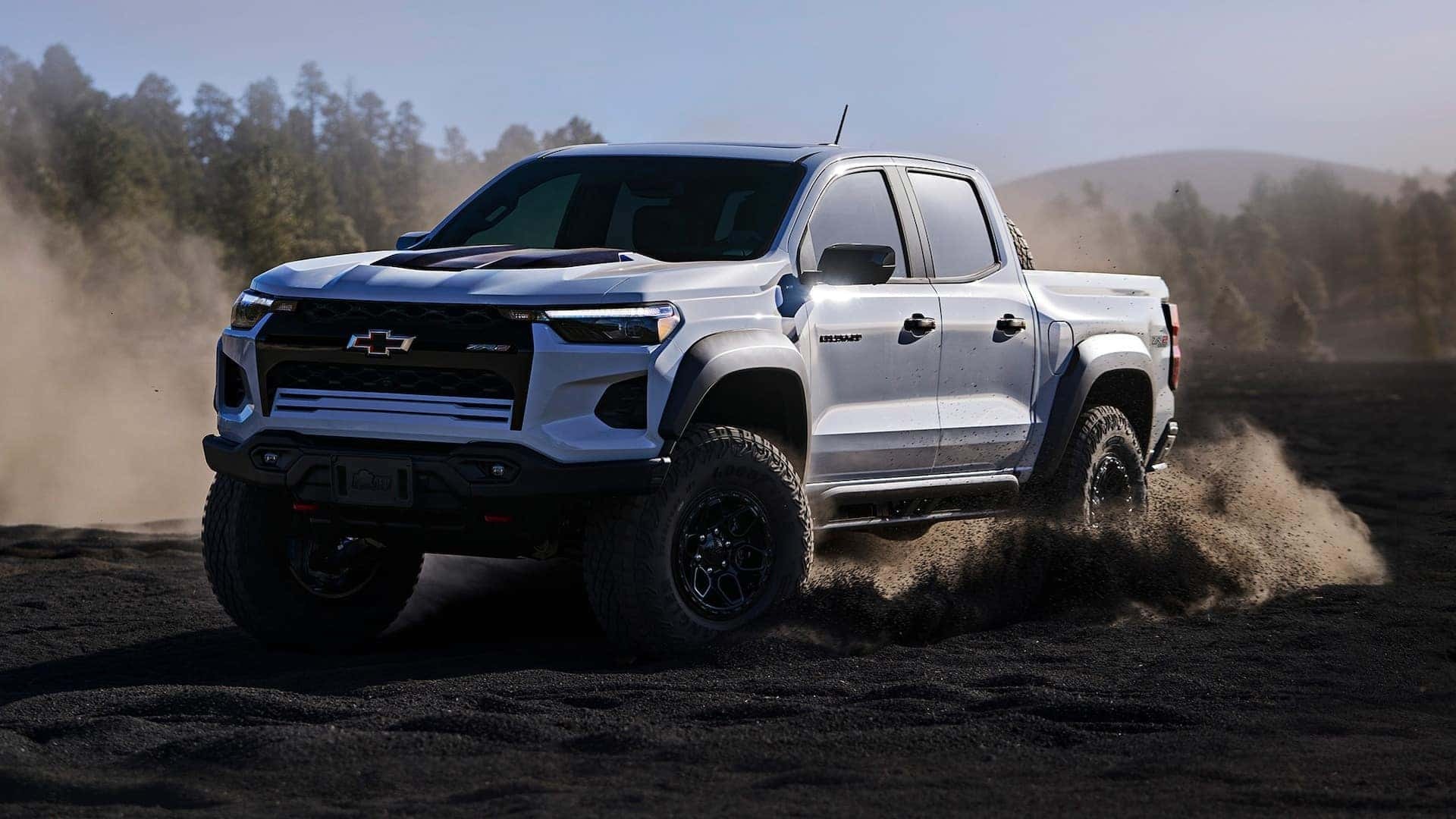
2. Chevrolet Colorado (2015–2019)
The second-generation Chevrolet Colorado made a strong comeback with solid powertrain options and improved interiors. However, its drive shaft setup has been a point of contention, especially in four-wheel-drive and diesel variants.
A common issue reported by many owners was a recurring vibration at around 50 to 65 mph, often described as a rhythmic pulsation or wobble under moderate load. This wasn’t isolated to a few models; it affected a broad number of trucks within this range, suggesting a design or material problem in the drive shaft system.
In many cases, the problem stems from an imbalance in the drive shaft itself. Whether due to manufacturing tolerances or quality control inconsistencies, some shafts were simply not balanced properly from the factory.
Attempts to rebalance or shim the shaft helped in a few cases, but many users ended up replacing the entire component, often with an aftermarket version that provided better stability.
Another issue involved the carrier bearing used in certain extended-cab or long-wheelbase versions. When under load especially with towing or carrying cargo the bearing could shift or degrade, causing noticeable shaking at speed.
The result is not just annoying; it can accelerate wear on other driveline components if left unresolved. This issue even led to a few service bulletins and customer satisfaction campaigns, but the problem lingered across multiple model years.
Additionally, the material choice for some of the early diesel model shafts was not ideal for long-term heavy use. While fuel economy and torque were a selling point, the shaft’s performance under sustained stress didn’t quite match expectations.
The combination of a light-duty feel and real-world usage resulted in a mismatch that could be felt both through the pedals and the seat. It’s a reminder that mid-size trucks still need big-time durability in certain areas and the Colorado missed the mark here.
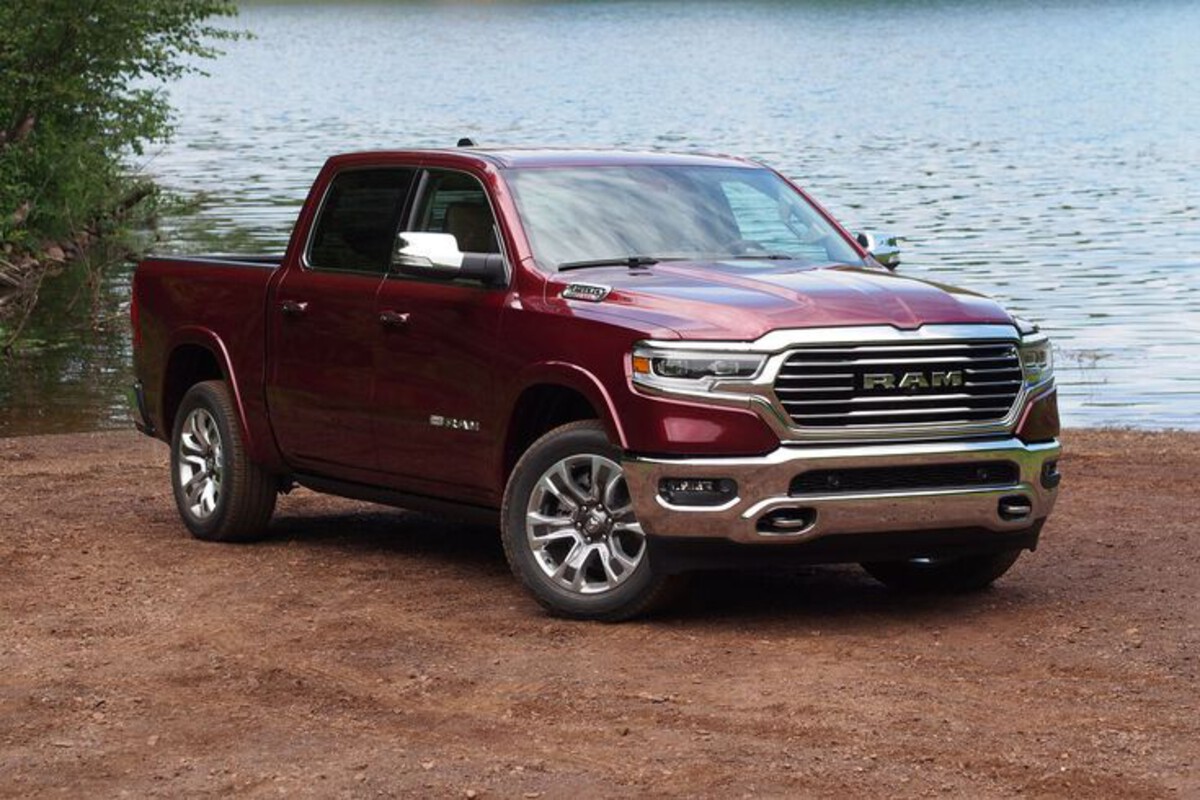
3. Ram 1500 EcoDiesel (2014–2018)
The Ram 1500 EcoDiesel was a bold move from FCA, offering full-size truck utility with the fuel economy of a diesel engine. While the engine and transmission received praise, the drive shaft setup has not aged as well. These trucks were marketed toward towing and long-distance drivers, yet they developed a reputation for vibrations under load, particularly when traveling at highway speeds or accelerating uphill with a trailer.
One of the main problems was shaft balance and geometry. The combination of the diesel engine’s torque characteristics and the weight of the truck sometimes caused harmonics that weren’t properly accounted for in the design.
This resulted in oscillations that weren’t catastrophic but were definitely felt, especially by drivers sensitive to vehicle feedback. For many, it led to warranty visits and shaft replacements within the first few years of ownership.
The U-joints in these trucks were another weak point. Despite being expected to handle heavy-duty cycles, they often wore out quickly, especially in colder climates or when exposed to rough road conditions.
Replacing them helped temporarily, but it didn’t address the root cause of the vibration. Even with dealer support, many owners found themselves living with the issue or resorting to custom solutions.
Another concern was the center support bearing in two-piece drive shaft configurations. This part tended to wear unevenly, leading to shaft sag and unwanted movement under load.
The result was a loud hum or knock at certain speeds and a constant reminder that the drive shaft wasn’t built for long-term abuse. For a truck meant to bridge the gap between efficiency and utility, this was a frustrating flaw.
While later models saw minor improvements, the early years of the EcoDiesel Ram 1500 left many owners disappointed. It wasn’t enough to ruin the truck’s reputation entirely, but it did highlight the importance of matching drivetrain components with the kind of real-world usage buyers expect in a diesel-powered pickup.
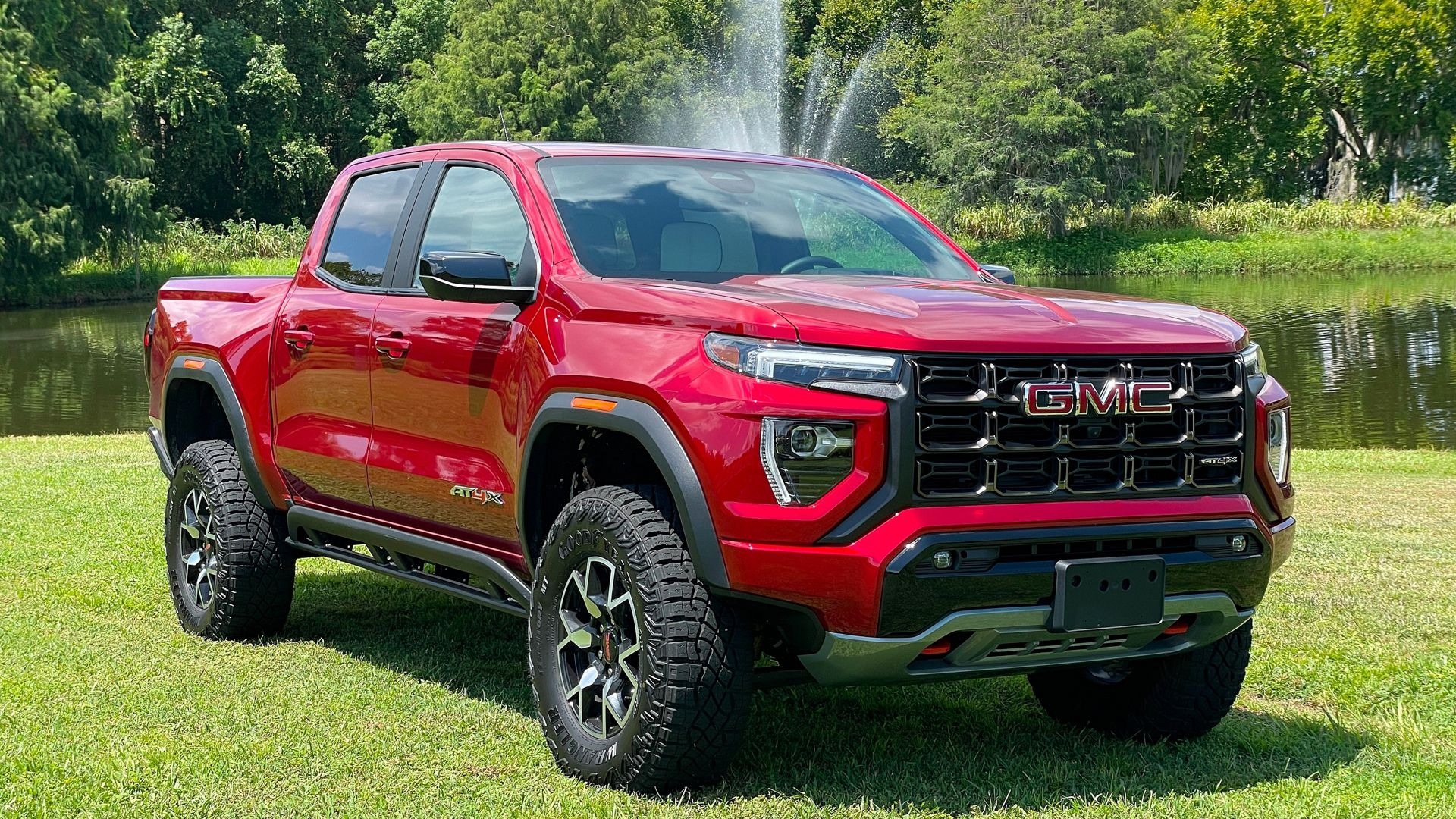
4. GMC Canyon (2015–2019)
Like its sibling, the Chevrolet Colorado, the GMC Canyon from 2015 to 2019 also suffered from drive shaft issues that tarnished its otherwise strong showing in the mid-size segment.
Many buyers were drawn to the Canyon for its mix of comfort and towing capacity, but complaints of vibration and driveline noise began to surface within months of release. In most cases, the problem became evident when hauling moderate cargo or driving at sustained speeds over 60 mph.
The core of the issue lies in a combination of balance problems and inconsistent build quality. Some drive shafts had minor manufacturing imperfections that led to vibration, especially under torque load.
These weren’t extreme failures, but enough to affect comfort and drivability. Owners often described it as a “drumming” sound from under the floor or a buzzing through the steering column that couldn’t be traced to tires or alignment.
Attempts by dealerships to fix the problem varied in success. Some replaced the shaft entirely, while others adjusted mounting angles or tried rebalancing. But because the root issue was often a factory design mismatch, these fixes were temporary.
Additionally, certain trims used a two-piece shaft that relied on a center support bearing that tended to weaken over time. Under load, this component would shift slightly, altering shaft alignment and creating an unwanted wobble.
The problem was exacerbated for owners who used the truck for work or regular towing. The additional stress exposed the shaft’s limits quickly, leading to complaints even from those who considered themselves careful drivers. This was particularly disappointing because the Canyon otherwise performed well in terms of fuel efficiency and powertrain strength.
While later years addressed some of the vibration complaints through software and shaft updates, these earlier models left a lasting impression. For a truck that many viewed as a premium option in the mid-size space, this driveline inconsistency felt like an oversight that could have been avoided with better quality control or upgraded materials.
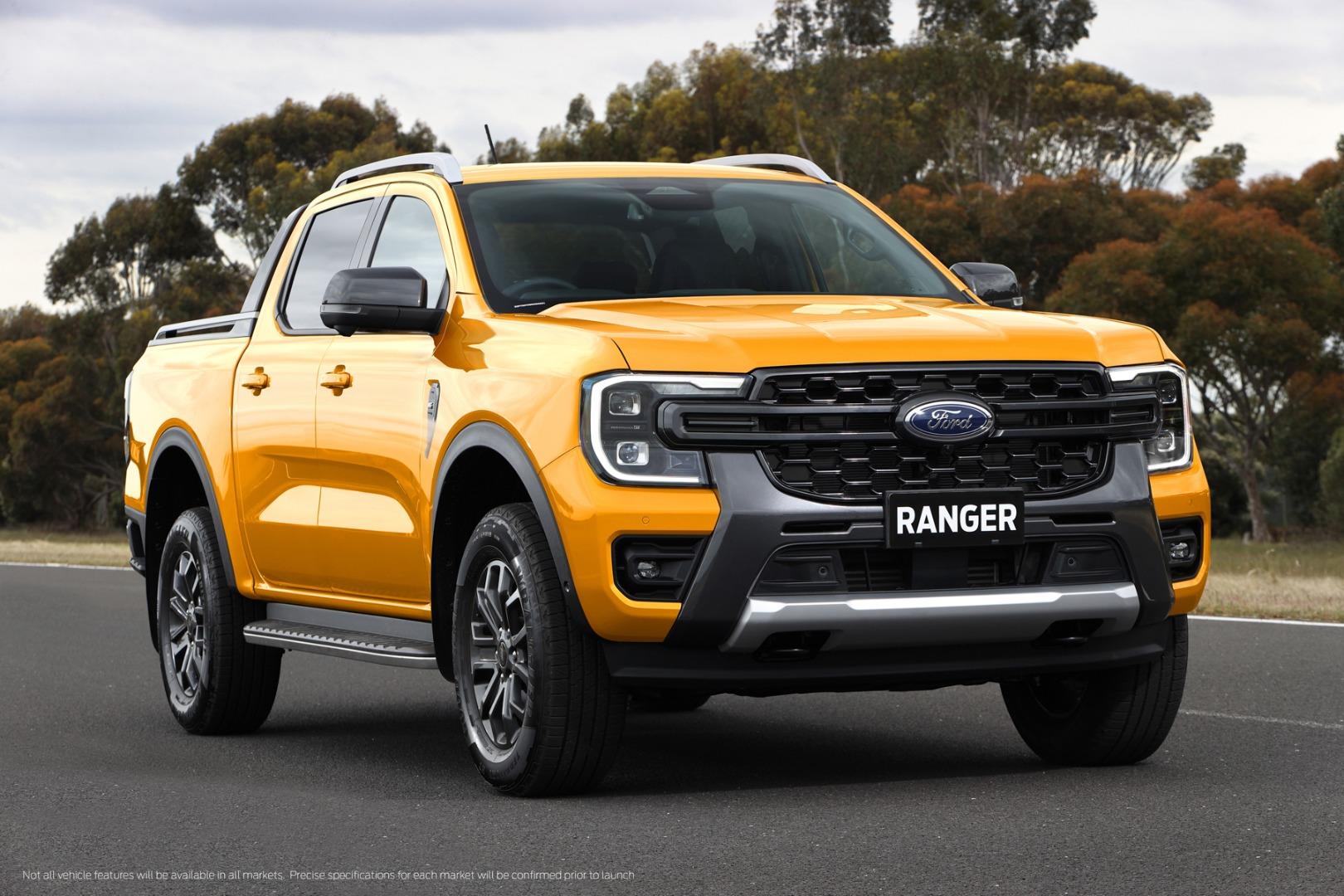
5. Ford Ranger (2019–2021)
Ford reintroduced the Ranger to the North American market in 2019 with high hopes and strong early demand. The truck offered solid fuel economy, good technology features, and a capable 2.3L EcoBoost engine.
However, it didn’t take long for owners to start reporting drive shaft issues, particularly vibrations at highway speeds or under towing conditions. While not every Ranger suffered from the problem, the number of complaints was enough to attract attention within owner communities and service departments.
A big part of the issue was balance. Some units rolled off the line with drive shafts that were not perfectly balanced, leading to a persistent vibration that felt like an out-of-round tire.
Even when new, these trucks showed signs of driveline irregularity. Ford acknowledged the issue in part by issuing technical service bulletins, but many owners still found themselves visiting dealerships multiple times without a lasting resolution.
Another issue centered on the rear driveshaft angle. The Ranger’s geometry in certain trim levels caused increased strain on the U-joints, especially when towing or carrying full loads.
The result was premature wear, leading to noise and movement that shouldn’t have been present in a new truck. Replacement with upgraded aftermarket shafts often solved the problem, but at the cost of time and money for the owner.
Some drivers also reported noticeable thumping sounds when shifting from reverse to drive, often traced back to shaft slack or yoke movement. This wasn’t just annoying, it created concern about long-term wear on the differential and transmission, as repeated movement of this kind often leads to early failure in connected parts.
Despite the Ranger’s strengths in other areas, the inconsistent performance of its drive shaft has kept it from being viewed as a truly dependable work vehicle.
For a truck aimed at blending urban convenience with off-road credibility, this flaw stood out more than it should have. Owners expecting full-size toughness in a smaller package found themselves dealing with a driveline setup that wasn’t quite ready for the load.
Also Read: 5 Limited-Edition Cars Now Worth More Used vs 5 Once-Popular Ones Worthless
When considering what makes a truck dependable under load, the focus often lands on the engine, transmission, or suspension. But as seen across the models discussed, the drive shaft plays just as critical a role sometimes more than people realize. It’s the link between the engine’s output and the wheels doing the work.
If that link is weak, unbalanced, or poorly supported, the truck’s performance and longevity suffer no matter how powerful the engine or how well-tuned the suspension may be. That’s why a drive shaft that holds steady under pressure deserves recognition, and why one that wobbles can turn a good truck into a frustrating experience.
The five trucks with rock-solid drive shafts all share a few things in common. First, they use durable materials like heavy-gauge steel or high-grade aluminum that can handle sustained torque without flexing or cracking. Second, they are built with precise engineering, ensuring that the shaft is properly balanced and aligned with the rest of the driveline.
Third, their U-joints, carrier bearings, and slip yokes are either overbuilt or reinforced to last through years of demanding use. Whether it’s the Ford F-250’s consistent driveline under massive diesel torque or the Toyota Tundra’s simple and strong one-piece shaft, these trucks show that smart engineering leads to long-term stability.
On the other hand, the trucks that suffer from driveline wobble often exhibit predictable patterns. There may be inconsistencies in manufacturing, insufficient balancing, or material choices that don’t hold up under real-world use. In many cases, it’s not just the shaft itself, but the surrounding components support bearings, differential mounts, or shaft angles that cause problems.
Vibrations that show up at specific speeds or during towing are not minor annoyances; they are signals that the driveline is under strain, misaligned, or beginning to wear unevenly. Over time, this leads to bigger issues that cost owners both time and money.
For buyers, understanding this difference can be the key to getting a truck that performs consistently versus one that becomes a maintenance headache. A truck that’s frequently used for towing, hauling, or off-road driving demands more than just high towing numbers or off-road packages.
It needs a driveline that won’t introduce flex, vibration, or wear under those conditions. Sometimes, the difference between satisfaction and regret comes down to whether the drive shaft can handle the task without creating extra problems.
While every truck has its strengths and weaknesses, the performance of the drive shaft under load is a strong indicator of how well the vehicle was engineered for real work. The best trucks manage to combine power, comfort, and durability without compromise.
And the drive shaft, though hidden and often ignored, is a central part of that success. Whether you’re in the market for a heavy-duty diesel or a mid-size daily driver, looking at the track record of a truck’s driveline can help steer you toward the right choice. In the long run, that solid core matters more than most people realize.
