
When it comes to vehicle ownership, battery reliability is one of those quiet but crucial factors that make a real difference in daily life. You might not think about your car’s battery much until the morning you’re late for work, it’s freezing cold outside, and the engine refuses to start.
That’s when you realize how important it is for a car to have a strong, dependable battery system. Some vehicles are known for their exceptional battery performance, often lasting well beyond expectations, even in harsh climates or under demanding conditions.
Others, however, seem to develop battery problems more frequently, requiring regular jumps, replacements, or extra maintenance. These differences don’t always come down to the battery brand either. Often, it’s a matter of how the car’s electronics are engineered, how much strain is placed on the battery by the onboard systems, and even how well the alternator works to keep things charged.
Car manufacturers have made significant strides in reducing battery-related issues. Smarter electrical management systems, better insulation, and energy-saving modes have helped certain models stand out.
On the flip side, some cars, especially those with complex electronic systems or poor energy efficiency, have earned a reputation for needing frequent boosts just to keep going. It’s frustrating to have a vehicle that looks great and drives well, but leaves you stranded because it can’t hold a charge for more than a few days of inactivity.
In this article, we’ll look at five cars that have gained a reputation for legendary battery reliability, vehicles you can count on to start even after sitting for a while. Then we’ll look at five models that are known for less-than-stellar battery performance, often requiring weekly jump-starts, especially if they’re not driven every day.
This list isn’t meant to shame or glorify but to provide a realistic look at how some cars treat one of the most critical components in modern driving. Whether you’re looking to buy, rent, or just understand more about your own car’s behavior, this guide can offer some insight into what to expect when it comes to battery dependability.
Also Read: 5 Five-Year-Old Cars That Sell for Top Dollar vs 5 That Lose Half Their Value
5 Cars With Legendary Battery Life
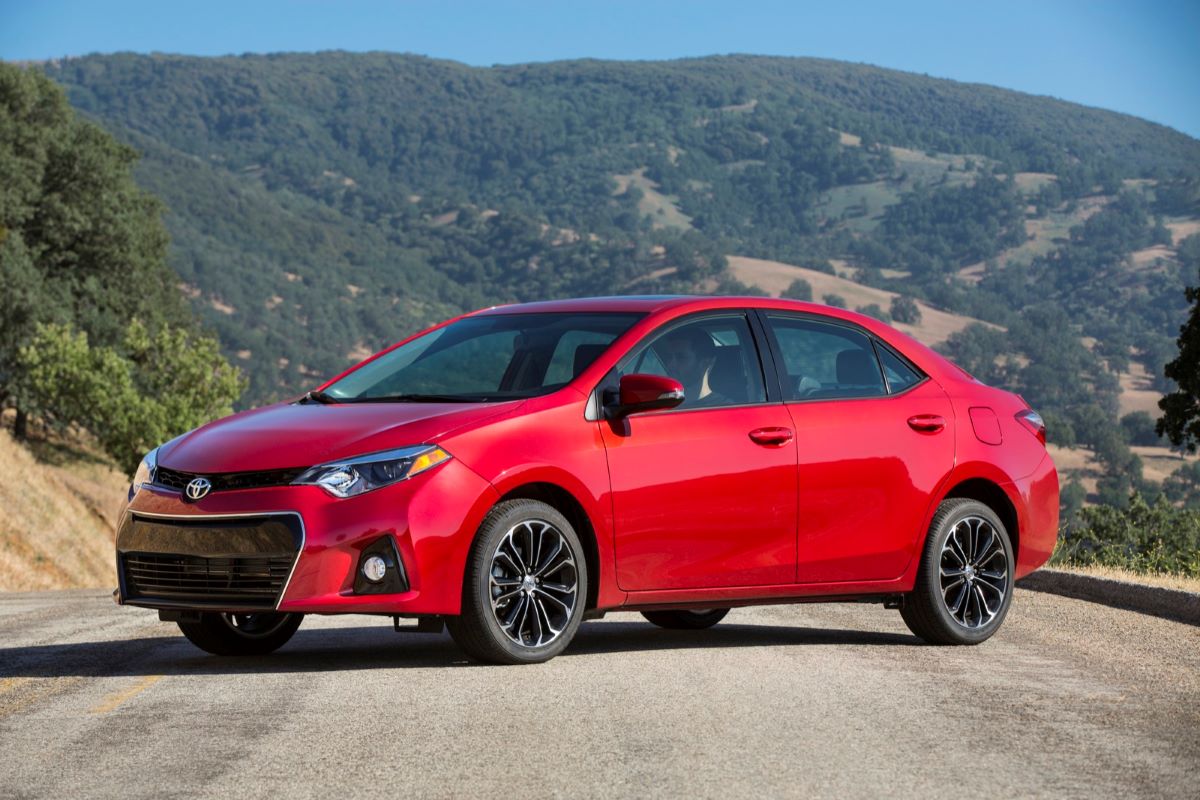
1. Toyota Corolla
The Toyota Corolla is often the gold standard when it comes to longevity and reliability, and its battery performance is no exception. Owners regularly report battery lifespans of 5 to 7 years under normal conditions, which is well above the industry average.
Part of this reliability comes from Toyota’s engineering philosophy, which favors simplicity, proven components, and consistent electrical loads that don’t overwhelm the battery. The alternators in Corollas are generally robust and maintain a consistent charge, even during short city trips or cold mornings.
Another reason for the Corolla’s dependable battery life is the relatively low draw on its electrical system. The car doesn’t have unnecessary gadgets running when the ignition is off, and the onboard computers are designed to go into sleep mode quickly after the engine stops. This reduces parasitic drain, a common culprit in battery failure. Even when accessories like infotainment systems and keyless entry are used, they don’t create significant stress on the battery’s reserve power.
In colder climates, the Corolla still performs admirably. Its battery insulation and engine management system work well together to ensure reliable cold starts. Unlike some vehicles that struggle in sub-zero temperatures, the Corolla can sit for a few days and still fire up without hesitation. This is especially important for people living in areas where the winters are long and severe, and battery performance is often put to the test.
Long-term reviews and user forums often praise the Corolla for requiring fewer jump-starts, even after years of use. It’s not uncommon to find older models still running on their original battery or only having needed a single replacement in nearly a decade. For budget-conscious drivers or those who just want to avoid the headache of frequent battery issues, the Corolla is one of the most reliable choices available.
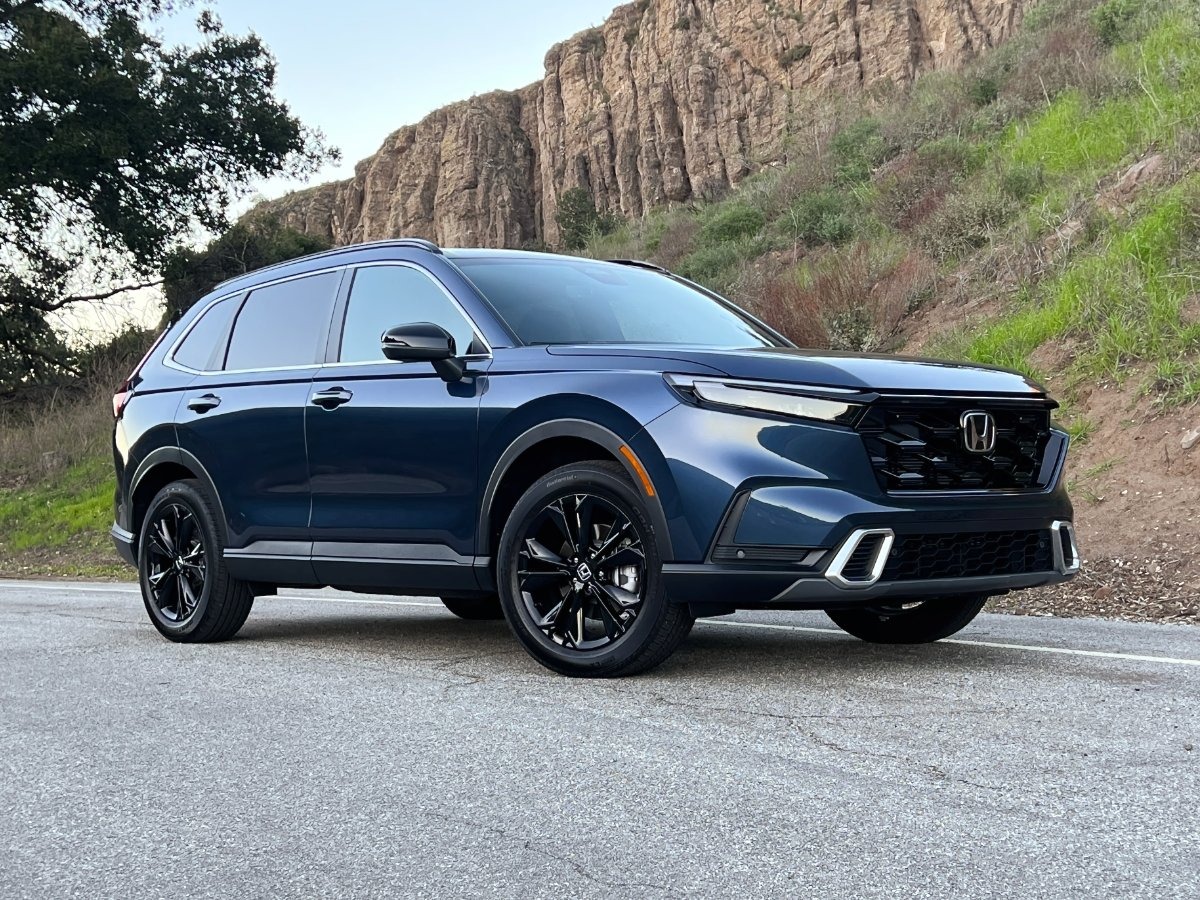
2. Honda CR-V
The Honda CR-V has become a favorite for families and commuters alike, and part of its appeal lies in its dependability, which includes its battery life. The CR-V’s electrical system is engineered for balance, meaning it rarely overtaxes the battery with unnecessary load.
Even on models packed with features like heated seats, touchscreen displays, and advanced safety tech, the battery rarely seems to strain. This is partly thanks to a smart alternator system that prioritizes battery health over raw performance.
What sets the CR-V apart from others in its class is its ability to hold a charge during periods of disuse. Owners who go on vacations or leave their cars parked for a week often return to find the battery still strong.
The vehicle’s onboard systems go into low-energy standby modes almost immediately after the car is turned off, minimizing parasitic drain and preserving battery life. Honda also uses quality components, including OEM batteries that are rated for durability and performance in a range of temperatures.
The CR-V also handles cold weather with confidence. Its battery is well insulated, and the engine management system adjusts to deliver slightly higher revs during startup in frigid conditions.
This ensures that the battery doesn’t struggle more than necessary and that the alternator can recharge it quickly during short drives. These small but thoughtful design decisions make the CR-V a strong performer when it comes to battery longevity.
Many long-term owners of the CR-V have shared that their vehicles still use the original battery after five or six years, with minimal signs of decline. Some only replace the battery as part of a preventive maintenance plan, not because of actual failure. That kind of reliability is invaluable, especially for drivers who depend on their vehicle every single day.
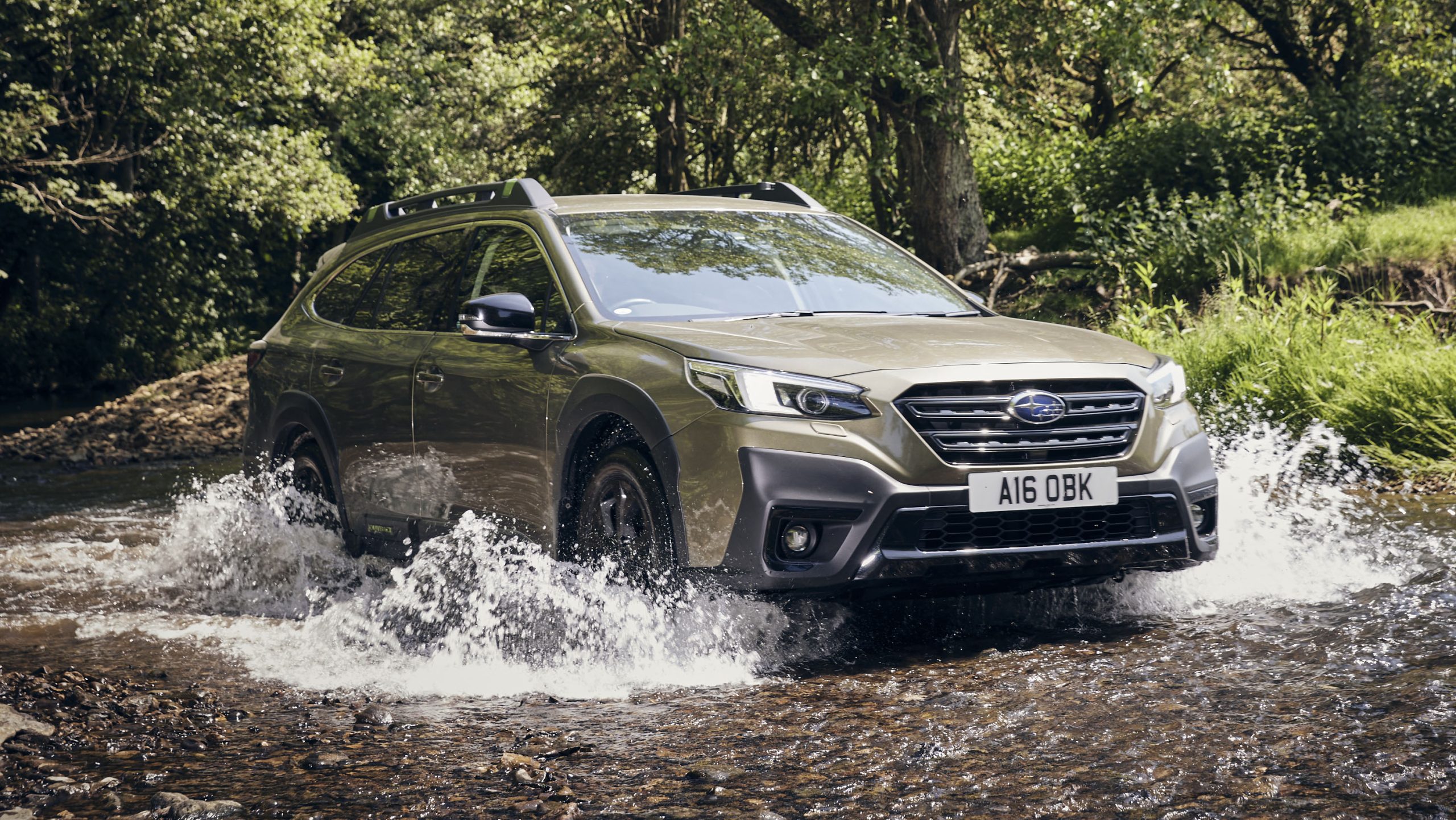
3. Subaru Outback
Subaru’s Outback has built a loyal following, particularly in regions where weather conditions can be unpredictable. It’s often praised for its all-wheel drive and rugged build, but what many people overlook is how well it performs in the electrical department.
The Outback’s battery system is robust, aided by smart power distribution and consistent charging practices. It’s built to handle cold mornings, infrequent use, and high accessory usage without constant battery replacements or boosts.
One of the reasons the Outback has such strong battery life is the way Subaru calibrates its vehicle electronics. Even when the car is loaded with features like navigation, adaptive cruise control, and automatic headlights, the system shuts down quickly and doesn’t leave the battery drained overnight.
This balance is hard to strike, but Subaru manages it better than most. Their batteries also tend to be slightly higher in capacity than the average sedan or crossover, giving more cushion for idle time.
Another advantage is how well the alternator and battery management system function together. The alternator maintains a steady charge rate without overloading the battery, which extends its life.
During colder seasons, the Outback performs well, starting reliably even after sitting idle for a few days in freezing conditions. Subaru has fine-tuned its engine start logic to minimize battery strain, a big plus in rural areas where help might be far away.
Owners frequently comment that the battery in their Outback seems to last forever. Reports of 6–8 years on the same battery are not unusual.
Even after heavy usage, including road trips and mountain drives, the battery often remains strong. This kind of consistency is rare and shows that the Outback is a reliable companion not just for terrain but also for trust in day-to-day operations.
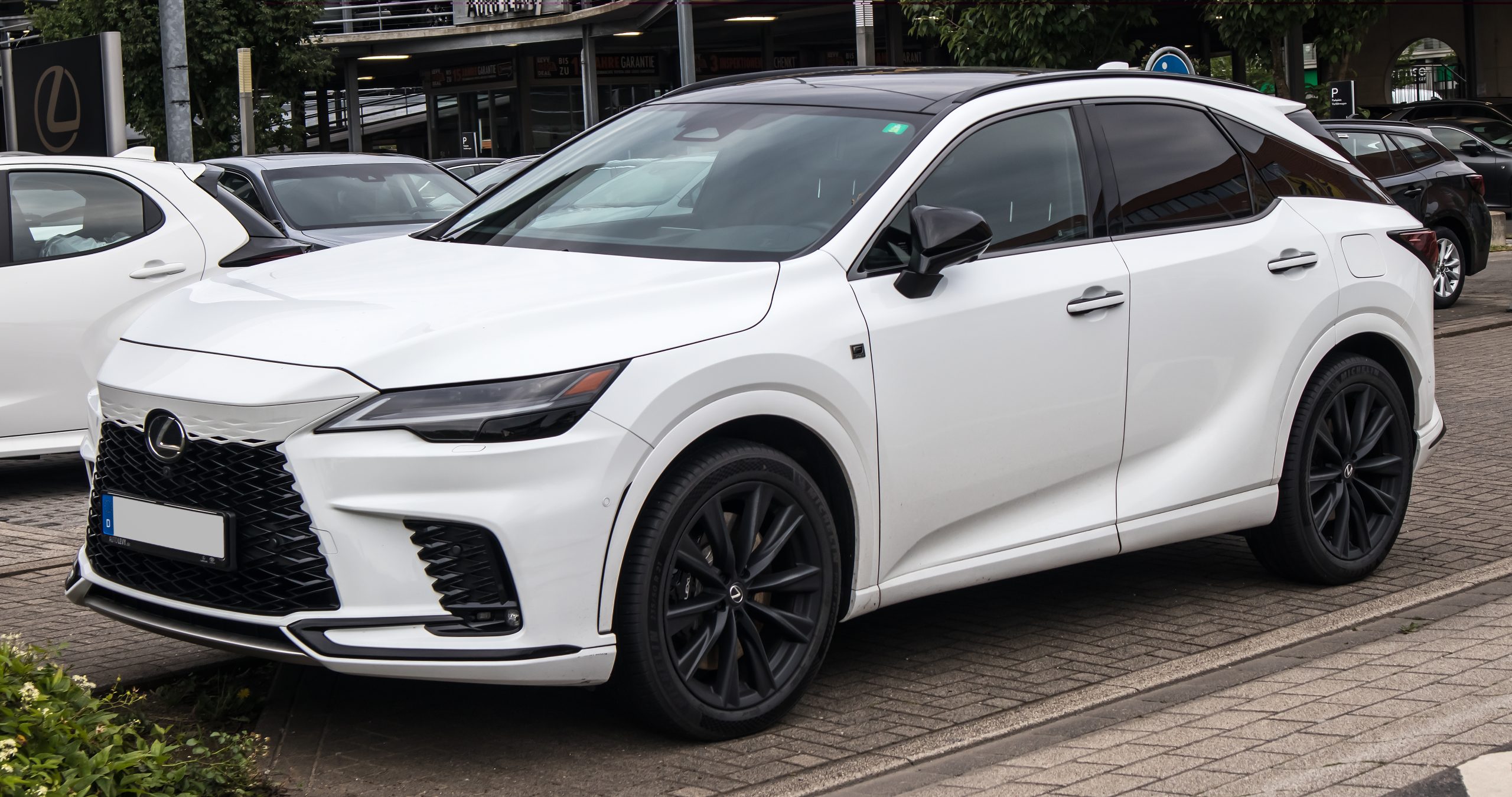
4. Lexus RX
Luxury cars are often burdened by overly complex electronic systems that strain battery life, but the Lexus RX stands as a clear exception.
Despite being packed with features from powered seats and large infotainment screens to smart climate controls and full driver assistance packages the RX maintains excellent battery health over time. Lexus engineers have paid close attention to how power is distributed and when it’s conserved, allowing the battery to thrive under load.
A key reason the RX performs well is the brand’s attention to electrical efficiency. Even while the vehicle feels luxurious, it uses smart sensors and timers to cut off power draw from unnecessary systems shortly after the engine turns off.
This reduces phantom drain, which is a common problem in high-end cars. The alternator system in the RX is also well-tuned, giving just enough charge to keep the battery healthy without overworking it.
Weather resilience is another standout feature. The RX handles both high heat and cold snaps without issue. Whether you’re leaving it at the airport for a week or starting it early on a frosty morning, the battery responds reliably.
It’s not unusual for RX owners to report five years of use without a single battery hiccup. Even hybrid versions, which use a separate battery system, maintain excellent charge retention and long-term health.
Owners of the RX often note that the vehicle seems “ready to go” no matter the conditions. That kind of reassurance is rare, especially in a vehicle that’s so feature-rich. It shows that with proper planning and quality components, even a luxury SUV can offer legendary battery life.
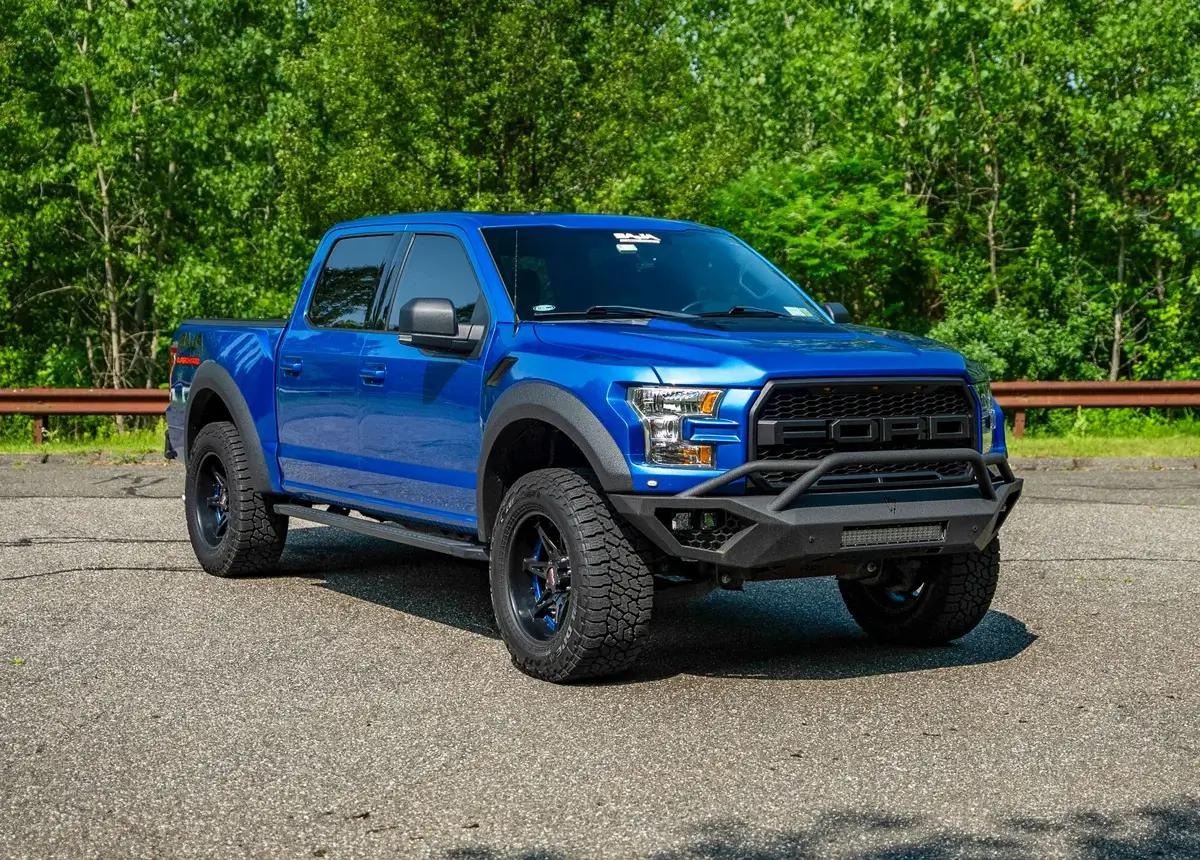
5. Ford F-150 (Modern Models)
The Ford F-150 has long been known for its ruggedness and capability, and recent model years have added another impressive trait: battery durability.
Especially in models from the last five years, Ford has significantly upgraded the electrical systems, installing smart battery monitoring and enhanced alternators. These changes mean the battery not only lasts longer but stays charged even during periods of high accessory use or infrequent driving.
The F-150’s start-stop system and power-hungry features like onboard generators and trailer assist modules could be a drain on battery life, but Ford mitigates this by integrating intelligent battery sensors.
These sensors help regulate when and how power is used, often cutting off non-critical loads when the engine is off. Combined with a larger-than-average OEM battery, the system ensures that there’s usually enough reserve power to start the truck without issue.
Cold weather performance is solid, as expected from a truck designed for work in all conditions. The battery is well protected, and the alternator kicks into a slightly higher charge rate in cold conditions.
This keeps the battery from degrading over time and ensures quick recovery even after short trips or heavy load usage. Whether it’s parked outside in winter or used to power tools at a worksite, the F-150 battery tends to hold up better than most.
Many truck owners keep their vehicles for a long time, and the F-150 meets the expectations with minimal battery-related complaints. Some even claim to use the original battery for six years or more without issue. This makes the F-150 not just a powerful workhorse but also a reliable starter day after day.
5 Cars That Need Jumping Weekly
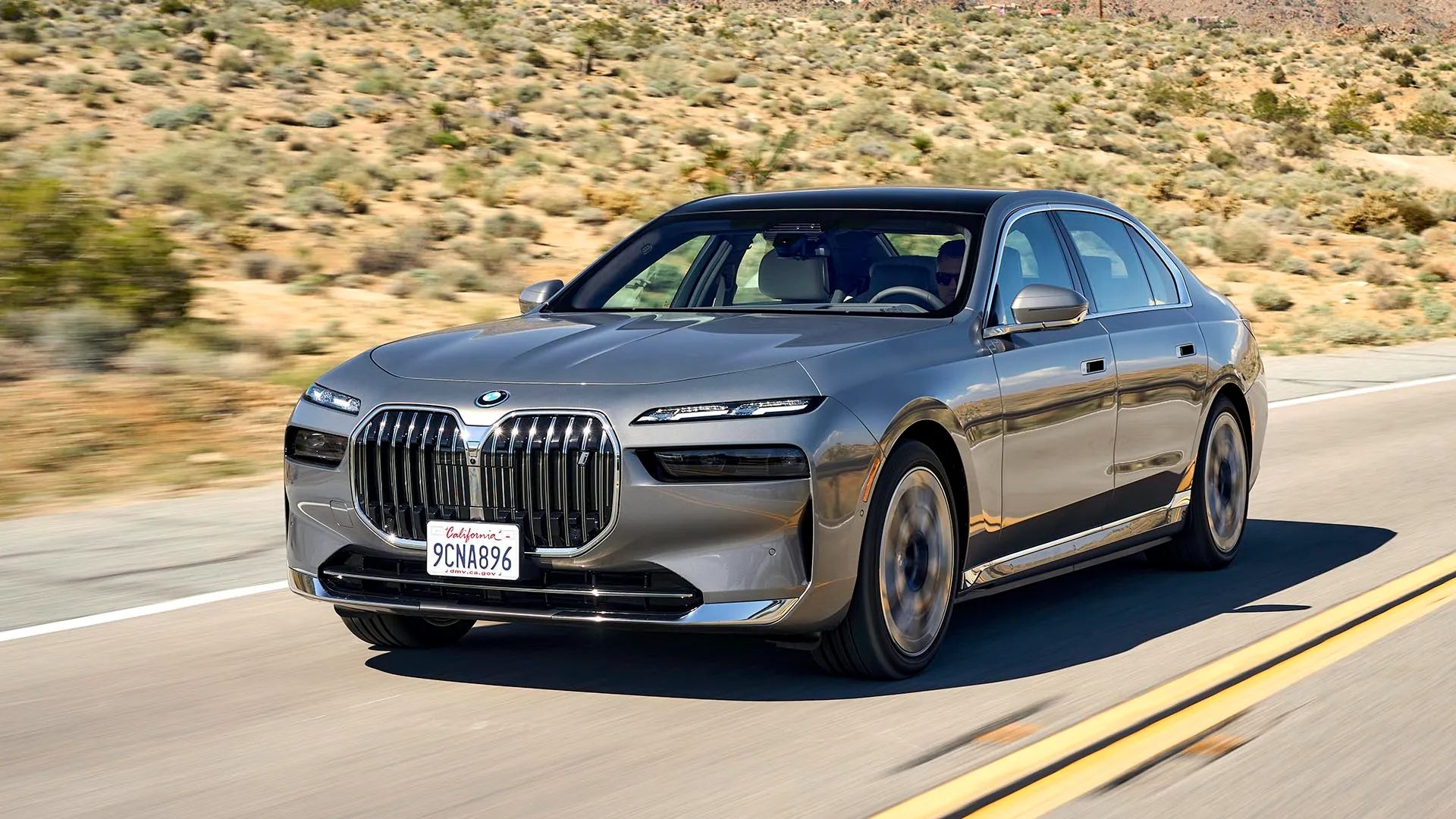
1. BMW 7 Series
The BMW 7 Series is a flagship sedan known for its cutting-edge technology and luxurious interior, but its electrical complexity often becomes a burden on the battery. Owners have frequently reported issues with battery drain, especially if the vehicle sits idle for more than a couple of days.
This isn’t always due to a bad battery or defective alternator it’s often because the car never fully “shuts down.” Background systems like navigation memory, Bluetooth modules, comfort access, and keyless entry stay active even when the car is parked, pulling steady power from the battery.
Another issue with the 7 Series is how much power is needed just to get it started. Because so many systems come online the moment the ignition is pressed, the battery has to supply a large jolt of energy all at once. This creates significant wear over time, especially on batteries that aren’t maintained through regular driving.
Combine this with the fact that many 7 Series models are only driven occasionally or used as weekend cars, and the result is frequent jump-starting, even with low mileage.
Cold weather makes things worse. While BMW does build their batteries with some insulation and temperature compensation, the constant trickle of electricity to onboard systems adds stress in winter conditions.
Owners in northern climates often find themselves needing a jump after a few cold nights, even when the car is technically “healthy.” Some resort to battery tenders or trickle chargers just to keep the vehicle functional during the workweek.
Despite the premium nature of the 7 Series, the electrical system often works against the battery rather than with it. It’s a car that requires either regular driving or constant charging maintenance. Without either, it becomes a frustrating experience for many owners, especially those who expect a luxury vehicle to simply start without question.
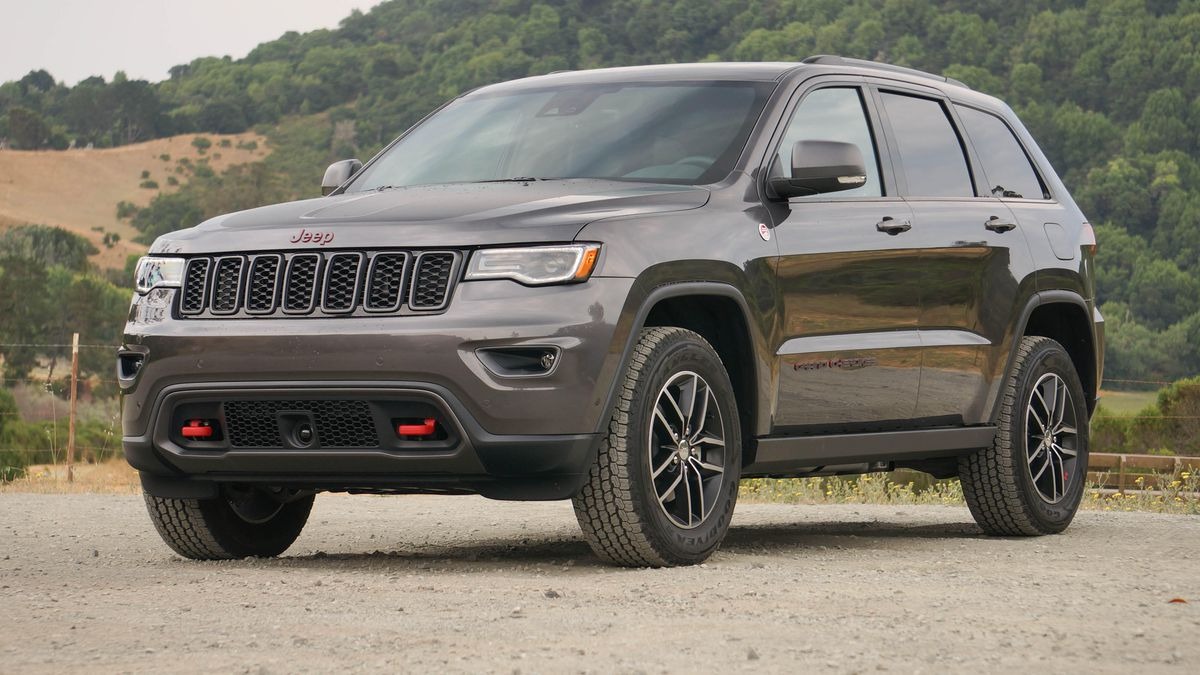
2. Jeep Grand Cherokee (Certain Trims)
The Jeep Grand Cherokee, particularly in trims loaded with features and technology, has a reputation for battery issues that tend to show up early and often. One of the main problems lies in the vehicle’s parasitic drain.
The Uconnect system, automatic liftgate, proximity sensors, and keyless entry modules have been known to draw power even when the car is off. While these features add convenience, they create a scenario where the battery is being constantly nibbled at, and if the vehicle isn’t driven daily, the battery can drop below start-up voltage quickly.
Owners of newer models with advanced infotainment and safety systems often report batteries dying within two or three days of inactivity.
Even when the battery is new, the electrical system’s appetite for background power means it needs frequent refreshment through driving or charging. Unlike some cars that go into a low-energy mode quickly, the Grand Cherokee often keeps accessories partially live in standby mode, which contributes to power loss.
Cold weather and short trips compound the issue. If the engine isn’t running long enough to allow a full recharge, the battery gets weaker over time.
Eventually, it’s not just a jump-start you need, it’s a new battery altogether. Many owners find themselves replacing the battery more often than average, which can get expensive and inconvenient.
While Jeep has addressed some of these issues with software updates and improved alternator design in newer versions, the legacy of poor battery performance still sticks. For drivers who don’t use their car daily or who live in colder climates, the Grand Cherokee can quickly become a vehicle that needs more care than it’s worth in the battery department.
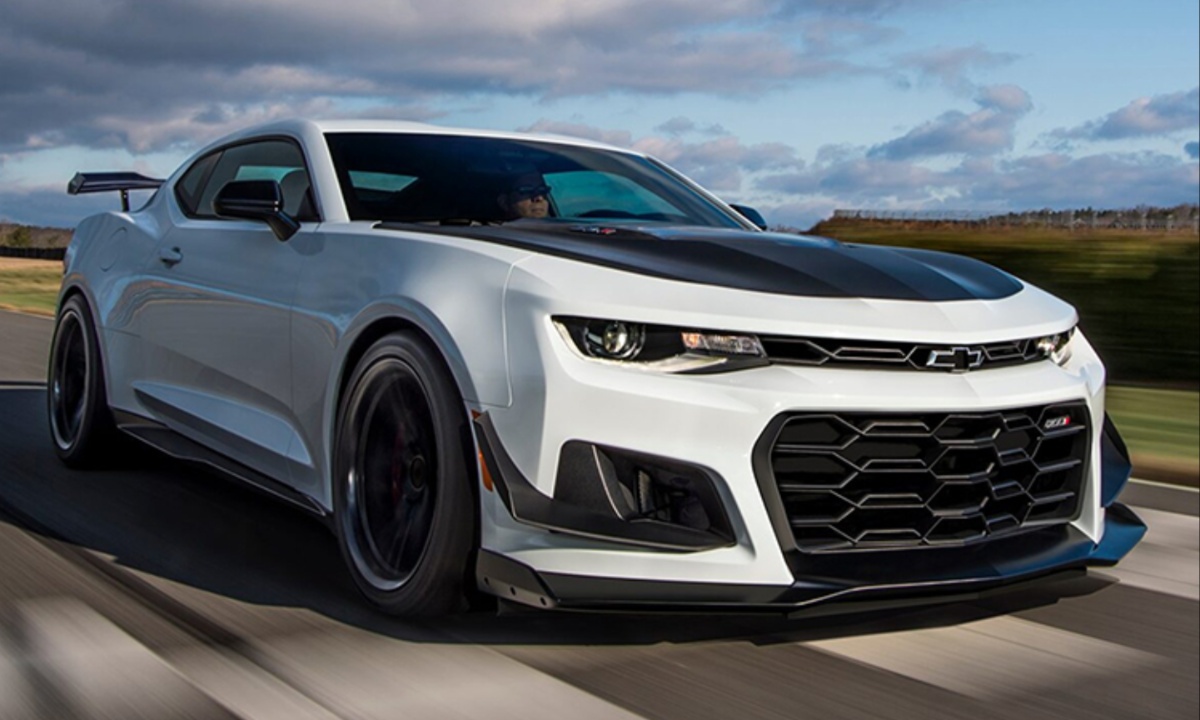
3. Chevrolet Camaro
The Chevrolet Camaro may be a performance icon, but it’s not winning any awards for battery endurance. In fact, many owners of recent models have noted that even with moderate use, the battery can drain surprisingly fast.
Part of this comes from the car’s low-slung, aggressive design, which prioritizes sportiness over practicality. The battery is often tucked away in hard-to-access locations, making it difficult to maintain or charge conveniently. This means that when the car does go flat, it becomes an even bigger hassle than usual.
Performance vehicles like the Camaro often include systems that draw power even when the engine is off. Tire pressure monitoring, remote key detection, security systems, and Bluetooth all pull from the battery slowly but steadily.
If the vehicle sits in a garage for a few days, especially in cooler months, it’s not unusual for the voltage to dip below the start threshold. Add to that a powerful starter motor and a tightly wound engine that demands high initial amperage, and you’ve got a recipe for frequent jump-starts.
Another reason for battery issues is owner behavior. Many Camaro owners use their vehicles as secondary cars, meaning they’re only driven on weekends or during warm weather.
This kind of usage pattern is terrible for battery health, especially when the car isn’t equipped with a maintenance charger. Sitting unused for long periods, combined with a steady drain from electronic modules, leads to rapid discharges and early battery failure.
Battery issues in the Camaro have become so common that many owners install aftermarket solutions, like solar chargers or battery disconnect switches, just to avoid being stranded. For a car that looks and feels so powerful, the inability to start after a few days of rest is a serious letdown.
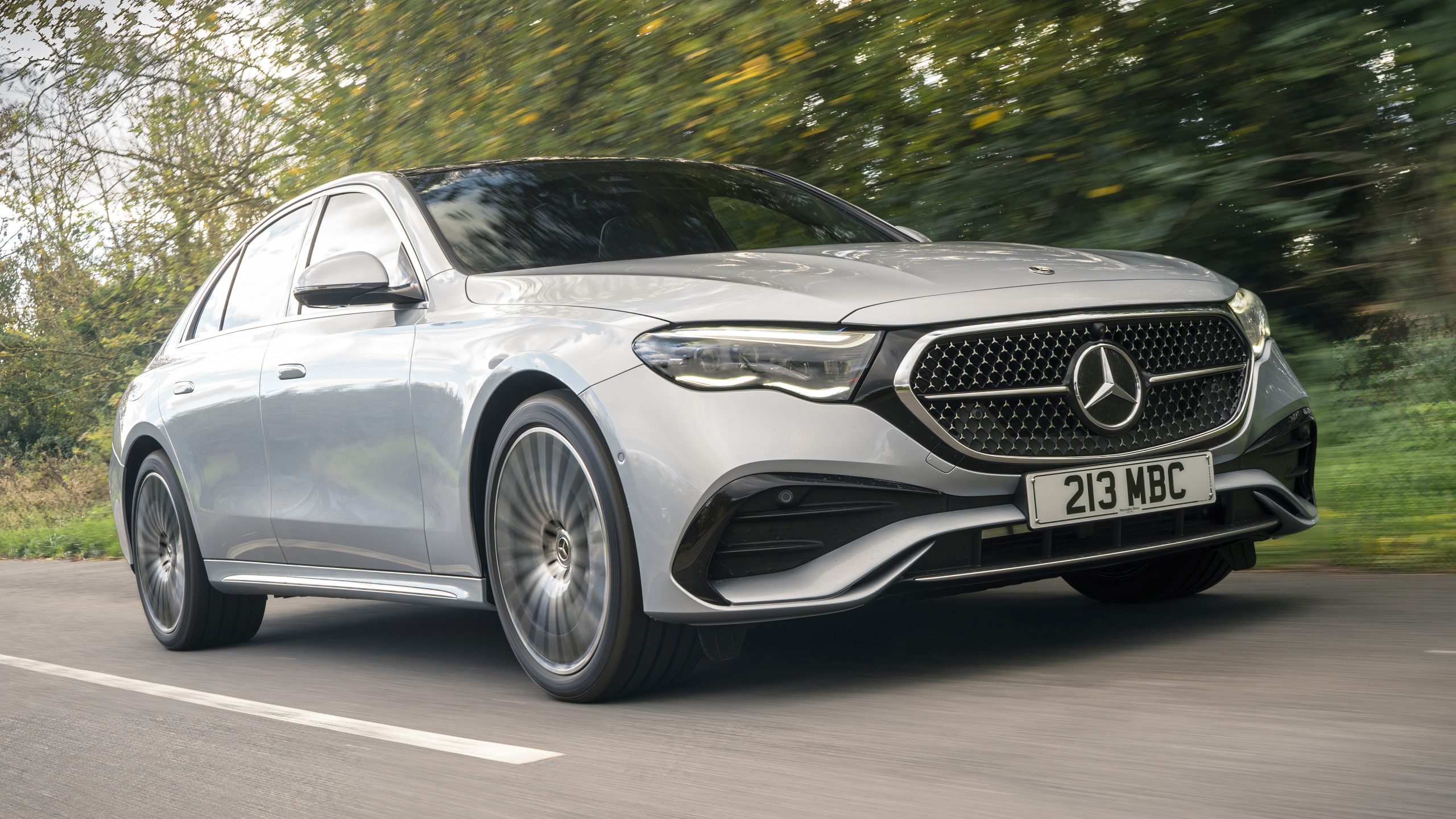
4. Mercedes-Benz E-Class
The Mercedes-Benz E-Class is another example of a technologically rich vehicle that unfortunately sacrifices some reliability in the battery department. Known for smooth performance and luxury amenities, it also carries the burden of multiple onboard systems that remain active long after the car is turned off.
This includes climate pre-conditioning, adaptive lighting systems, power trunk modules, and always-on telematics. Over time, these systems draw significant energy, and if the car isn’t driven regularly, the battery weakens rapidly.
The issue is particularly noticeable in newer E-Class models with keyless entry and push-button start. These systems poll the surrounding area for the key fob periodically, drawing power every time they check.
Add in seat memory modules and driver profile recognition, and the result is a system that never really sleeps. While these features are convenient, they slowly wear the battery down even when the car appears to be idle.
Another factor is the high-performance start-stop system. While intended to improve fuel economy, it demands a lot from the battery.
The vehicle shuts off at stoplights and instantly restarts when the driver releases the brake. Over time, this puts added stress on both the battery and the starter. If you’re taking a lot of short city drives, the battery doesn’t get a chance to fully recharge between starts, and it eventually leads to system failure.
For owners who don’t drive every day or who live in climates with temperature extremes, this becomes a serious concern. Jumping the car becomes a regular chore unless it’s kept on a trickle charger or used frequently.
Given the E-Class’s reputation for refinement and luxury, the recurring battery problem feels especially disappointing, even if it’s partly the result of the very features that make the car attractive.
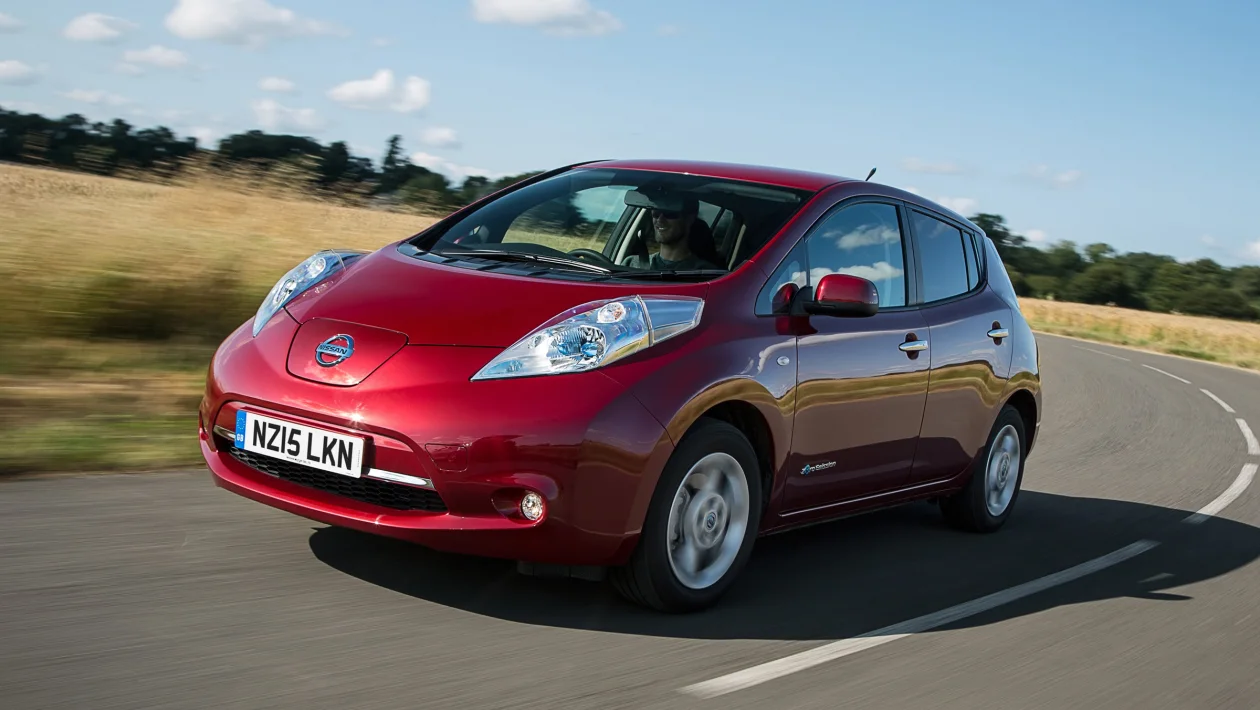
5. Nissan Leaf (Older Models)
The Nissan Leaf is unique on this list because it’s an electric vehicle, and its issues are not related to a traditional 12V battery failing due to cold cranking requirements. Instead, older Leafs (especially those from the 2011–2016 period) have a different issue: the small auxiliary battery used to power the vehicle’s control systems often fails or drains when the car isn’t used for several days. This happens even if the main traction battery (the large lithium-ion pack that drives the wheels) is full.
The 12V battery in the Leaf powers everything from the keyless entry to the system that boots up the EV controls. If it dies, you can’t start the car at all, even though the main battery is full. This creates a confusing and frustrating situation for many drivers who believe their electric car should always be ready to go as long as the main battery is charged.
Unfortunately, Nissan didn’t build in a self-charging feature for the 12V system on early models, meaning that if the car is left off for a week, the small battery can drain completely.
This problem is made worse by the fact that many Leaf owners are urban dwellers who don’t drive every day. Combined with cold temperatures or erratic charging habits, the 12V battery becomes a weak link in the system.
And because it’s a conventional lead-acid battery, it has the same vulnerabilities as a gas car’s battery: low charge retention and high failure rate after a few years.
Many Leaf owners have resorted to carrying jump starters in the trunk, using timers to wake the system periodically, or upgrading to aftermarket lithium 12V batteries that hold charge better.
While newer Leafs have addressed this issue with smarter systems, the older versions remain prone to frustrating failures that leave even the most eco-conscious driver stranded at the worst times.
Also Read: 5 Limited-Edition Cars Now Worth More Used vs 5 Once-Popular Ones Worthless
Battery performance might not be the first thing you consider when buying a car, but it quickly becomes one of the most important once you start living with the vehicle. A car that starts reliably, no matter the weather or how long it’s been sitting, offers peace of mind that’s hard to put a price on.
Vehicles like the Toyota Corolla, Honda CR-V, Subaru Outback, Lexus RX, and Ford F-150 prove that a well-designed electrical system, paired with quality components and smart energy management, can make battery worries almost nonexistent. These models stand out not just for their engineering but also for how they perform under real-world conditions, season after season.
On the flip side, cars like the BMW 7 Series, Jeep Grand Cherokee, Chevrolet Camaro, Mercedes-Benz E-Class, and early Nissan Leafs reveal the challenges that come with advanced technology and infrequent use.
While these vehicles may offer more features or performance on paper, the toll they take on their battery systems can lead to weekly frustrations for their owners. Whether it’s due to parasitic drain, underpowered alternators, or poor standby management, the result is often the same: a car that won’t start when you need it most.
Choosing a car with good battery longevity isn’t just about convenience. It also affects cost, safety, and satisfaction. Replacing batteries frequently or needing jump-starts regularly isn’t just annoying; it can become dangerous, especially in extreme weather or remote areas.
For anyone living in cold climates, driving short distances often, or owning multiple vehicles, understanding how battery performance varies across models is essential.
This comparison highlights that dependability isn’t always tied to luxury or price. Sometimes, the most unassuming cars deliver the best long-term performance, simply because they’re designed with practicality in mind.
When you’re looking for your next car, or even assessing the one you already own, remember that how it treats its battery is a good indicator of how it treats you as the driver. A car that takes care of its own power is often one that’s better at taking care of everything else, too.
