
Buying your first car is a memorable milestone. It marks a new chapter of freedom, responsibility, and sometimes a bit of uncertainty. For many first-time buyers, the choice of a reliable car is crucial because this vehicle might serve as a daily companion through work, school, errands, and weekend adventures.
The car must offer not just affordability but also reliability, safety, and comfort. The market is flooded with options, and the variety can easily overwhelm someone who is not deeply familiar with cars.
Making a poor choice can lead to constant repairs, unexpected expenses, and regret. On the other hand, choosing a car that is dependable can save a lot of stress and money in the long run, while providing a sense of security.
First-time buyers often have to balance between budget constraints and practical needs. It is common to focus heavily on price, but factors like fuel efficiency, insurance costs, and ease of maintenance are equally important. A car that seems cheap upfront but is costly to maintain will soon become a burden.
Therefore, it’s wise to consider not only the initial purchase price but also the long-term ownership costs. Another key factor is safety. Modern cars come equipped with various safety features that protect drivers and passengers, and some models have better safety records than others.
In this article, we will discuss five cars that first-time buyers can generally rely on. These vehicles have earned reputations for reliability, affordability, and user-friendly features. They provide a great combination of practicality and peace of mind. On the other hand, we will also cover five cars that tend to lead to disappointment and regret among first-time buyers.
These models might have hidden drawbacks, frequent maintenance issues, or other challenges that make them less suitable for someone new to car ownership. The goal is to help buyers make a well-informed decision and avoid common pitfalls.
While every buyer’s situation and preferences may differ, some cars have proven to be more dependable than others. Whether you prioritize fuel economy, comfort, or cost, this guide will assist you in narrowing down your options.
Making a smart choice from the start can turn your first car into a positive experience rather than a source of frustration. Now, let’s look at the five cars that first-time buyers can trust, followed by five that often bring regret.
Also Read: 5 Modern Cars With Flawless Cruise Control and 5 That Brake Unexpectedly
5 Cars First-Time Buyers Can Rely On
1. Toyota Corolla
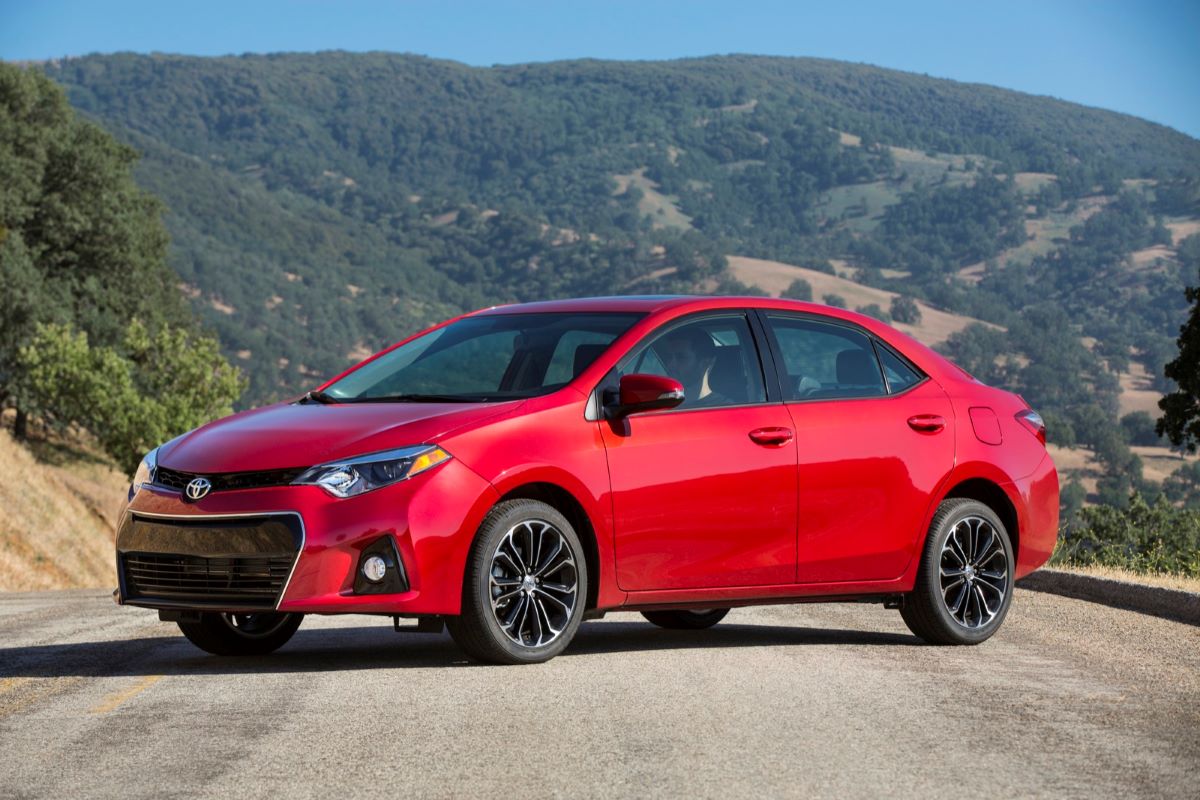
The Toyota Corolla has long been a favorite among first-time buyers, and for good reason. It has built a reputation as a durable, reliable compact sedan that holds its value well over time. Many drivers report owning a Corolla for years with minimal issues, and the availability of parts and service options makes it easy to maintain.
Toyota’s engineering focuses on efficiency and longevity, which means this model is less likely to break down unexpectedly. The Corolla’s fuel efficiency is also a strong selling point, making it affordable to run daily, especially for commuters.
Inside, the Corolla offers a comfortable ride and user-friendly technology. The cabin is straightforward with clear controls and ample space for passengers, which makes it practical for both city driving and longer trips.
Safety ratings for the Corolla consistently rank high, with features like automatic emergency braking, lane departure alerts, and adaptive cruise control included in newer models. These features add confidence for new drivers who may still be getting comfortable behind the wheel.
Moreover, insurance premiums for the Corolla tend to be reasonable, an important consideration for first-time buyers who are often younger and pay more for coverage.
Its strong resale value means that if a buyer chooses to sell it later, they are likely to recover a good portion of their investment. The Toyota Corolla’s reputation is not just based on marketing it reflects real-world experience from millions of satisfied owners worldwide.
Finally, the Corolla’s availability in both new and used markets means that buyers with different budgets can find a version that fits their needs.
Whether someone is looking for the latest technology or a used model with low mileage, the Corolla is a solid option that rarely disappoints. For first-time buyers looking for a balance of reliability, affordability, and comfort, the Toyota Corolla stands out as a top choice.
2. Honda Civic
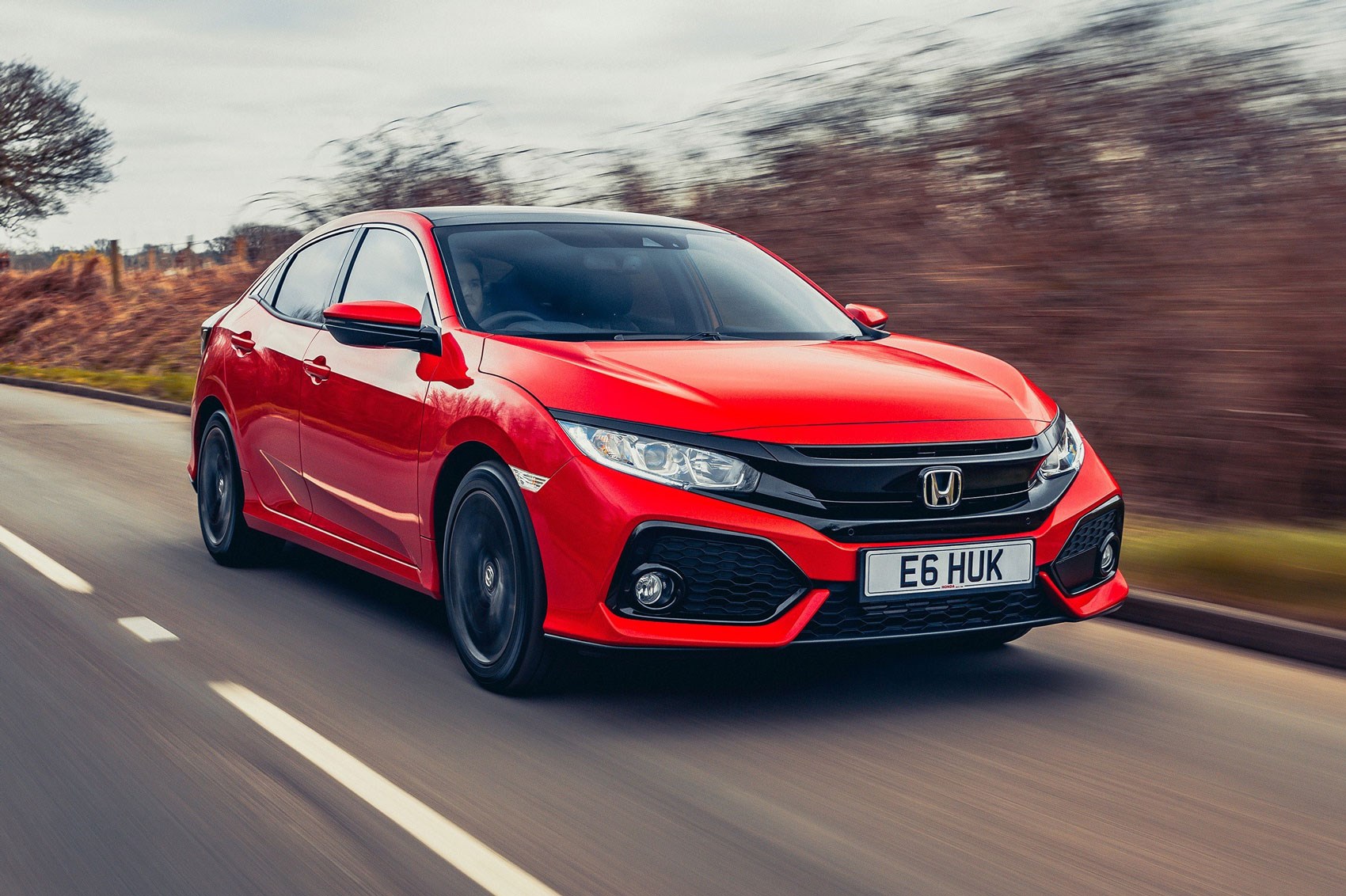
The Honda Civic is another compact car that has proven itself over the decades as a dependable choice for new drivers. It is well-regarded for its blend of sporty styling, fuel efficiency, and reliability.
Many first-time buyers appreciate the Civic because it offers a more engaging driving experience without sacrificing practicality. Its engines are known for being responsive yet economical, which helps keep running costs low.
Civic’s interior has evolved to include modern infotainment systems, quality materials, and comfortable seating. The cabin design emphasizes ergonomics, ensuring that controls are easy to use and the ride remains pleasant.
For young buyers or small families, the Civic provides enough space for passengers and cargo without feeling cramped. It also scores well in safety tests, with many models featuring advanced driver assistance systems such as collision mitigation braking and road departure mitigation.
Maintenance is generally affordable for the Civic. The car’s long-standing reputation means that mechanics are familiar with its components, and parts are widely available.
Honda’s commitment to quality control means fewer unexpected breakdowns, which is a critical factor for someone who might be purchasing their first vehicle without much technical knowledge. Insurance rates are often competitive, particularly on older models.
The Civic’s resale value remains strong, which is a reassurance for first-time buyers who may want to upgrade or switch cars after a few years. Its broad appeal from the fuel-sipping LX trim to sportier Si models means buyers can find a Civic that matches their style and budget.
The Honda Civic combines durability, technology, and driving enjoyment in a package that makes it an excellent candidate for first-time buyers.
3. Mazda3
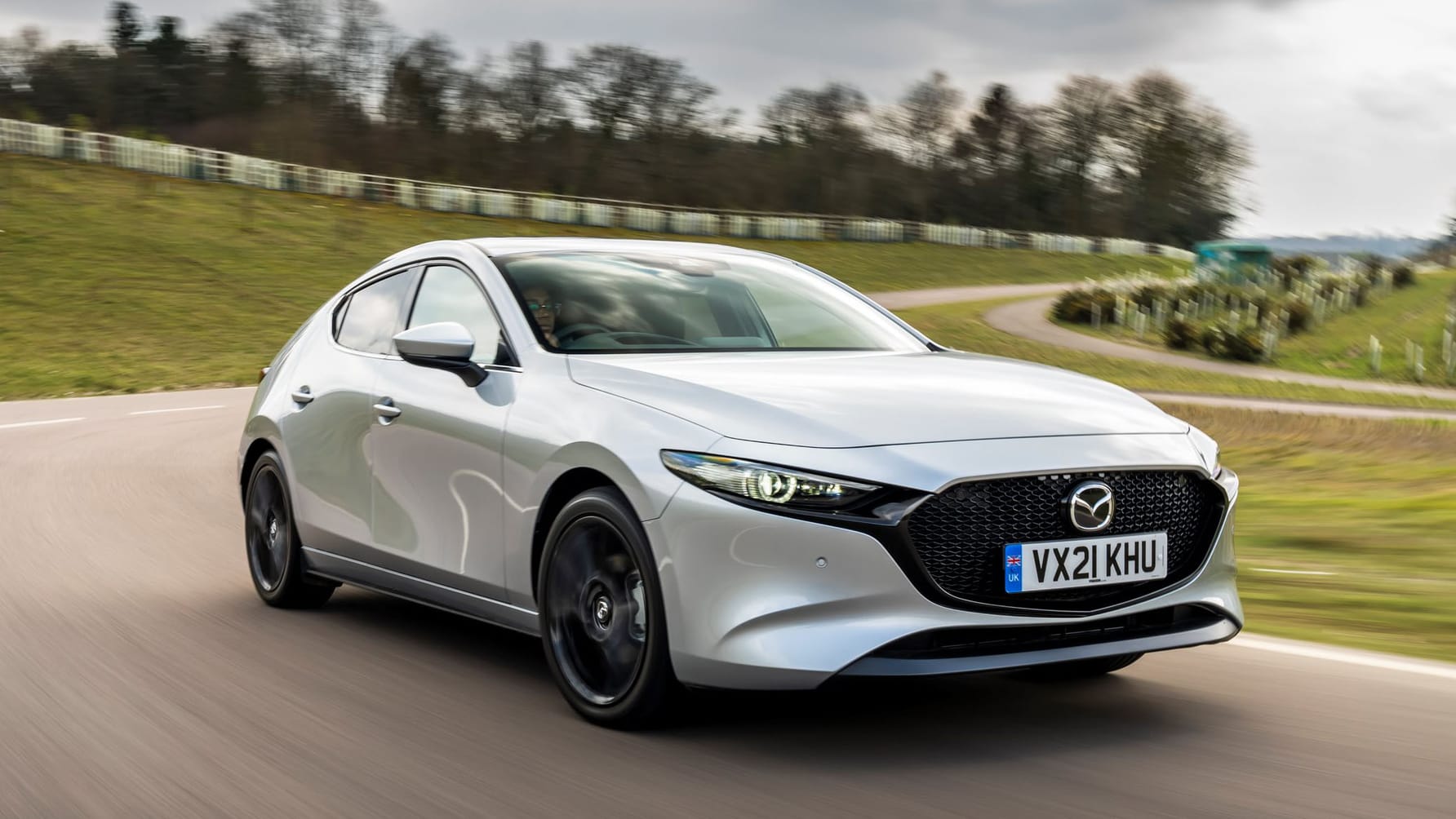
Mazda3 is a compact car that has gained popularity for combining reliability with an enjoyable driving experience. Unlike some cars that prioritize comfort or economy alone, the Mazda3 offers sharp handling and stylish design alongside efficiency.
This blend makes it attractive for first-time buyers who want something fun to drive but also dependable. Mazda’s engineering is often praised for its attention to detail and focus on driver engagement.
The interior of the Mazda3 is modern and well-crafted. It features quality materials and an intuitive infotainment system, often with standard smartphone integration.
The seats are supportive, and the cabin layout minimizes distractions, which can be helpful for new drivers concentrating on the road. Safety features are also competitive, including blind spot monitoring and rear cross-traffic alert on many models.
Reliability is a strong suit for Mazda vehicles. The Mazda3 typically has fewer reported problems compared to other cars in its class.
Maintenance costs are moderate, and the brand’s reputation for durability adds confidence for buyers who may be concerned about long-term expenses. Fuel efficiency is also good, which is an important consideration for drivers on a budget.
Mazda3’s sporty image and attractive pricing give it an edge over some other compact cars that might feel more utilitarian. It offers a driving experience that does not compromise practicality. For those new to car ownership, this model combines value, style, and peace of mind, making it a well-rounded choice for a first vehicle.
4. Hyundai Elantra
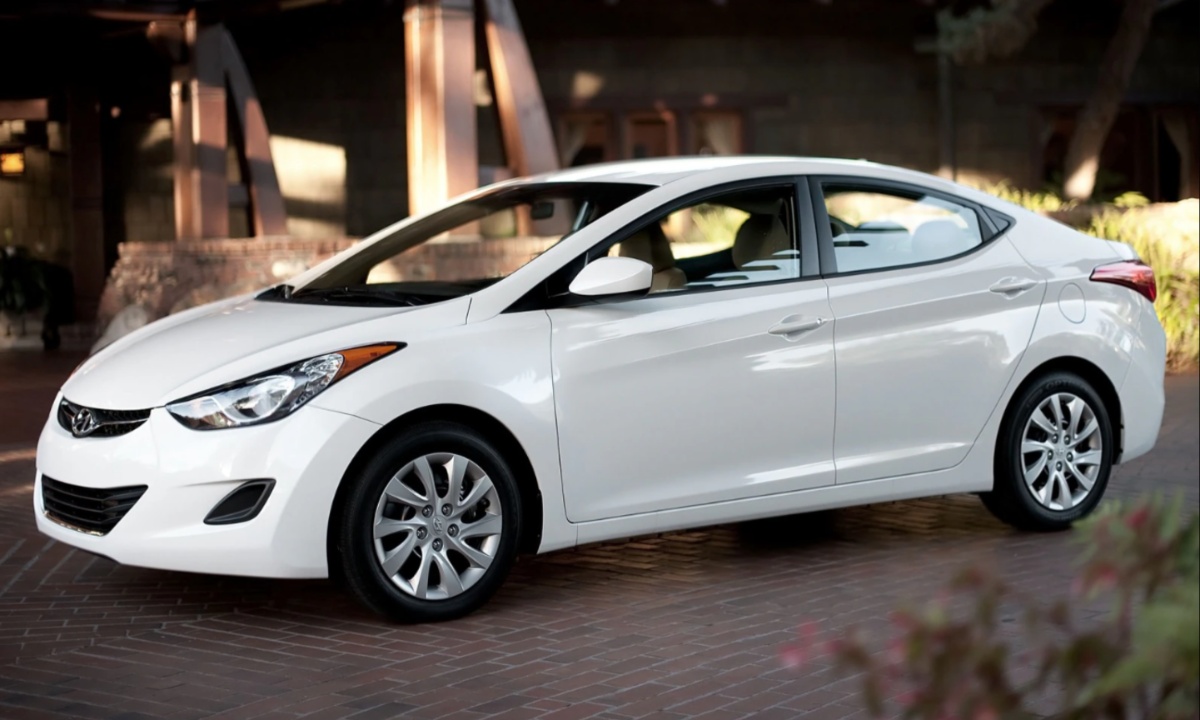
The Hyundai Elantra is a compact sedan that has significantly improved in quality and appeal over the years. It offers a blend of affordability, comfort, and technology that makes it highly competitive in the market.
First-time buyers often find the Elantra appealing because it comes with a long list of standard features even on base models, providing excellent value for money.
Inside, the Elantra boasts a spacious cabin with comfortable seating and a straightforward layout. The dashboard features user-friendly infotainment controls, often with touchscreen displays and smartphone compatibility.
This ease of use is valuable for new drivers who want modern amenities without complicated systems. Hyundai has also made improvements in ride quality, with smooth handling and a quiet interior that make daily driving less tiring.
Reliability ratings for the Elantra have steadily improved, supported by Hyundai’s strong warranty program. The extended warranty provides peace of mind to first-time buyers concerned about repair costs.
Maintenance costs are generally low, and the availability of service centers nationwide adds convenience. Safety features like forward collision warning, lane keeping assist, and driver attention monitoring are common on recent models.
Another advantage is the Elantra’s fuel economy, which helps keep operating costs down. Insurance rates are often reasonable, making it an attractive option for budget-conscious buyers.
Its competitive pricing means that buyers can often afford a newer model with updated technology, which enhances satisfaction. The Hyundai Elantra is a solid, reliable choice that balances quality and affordability.
5. Subaru Impreza
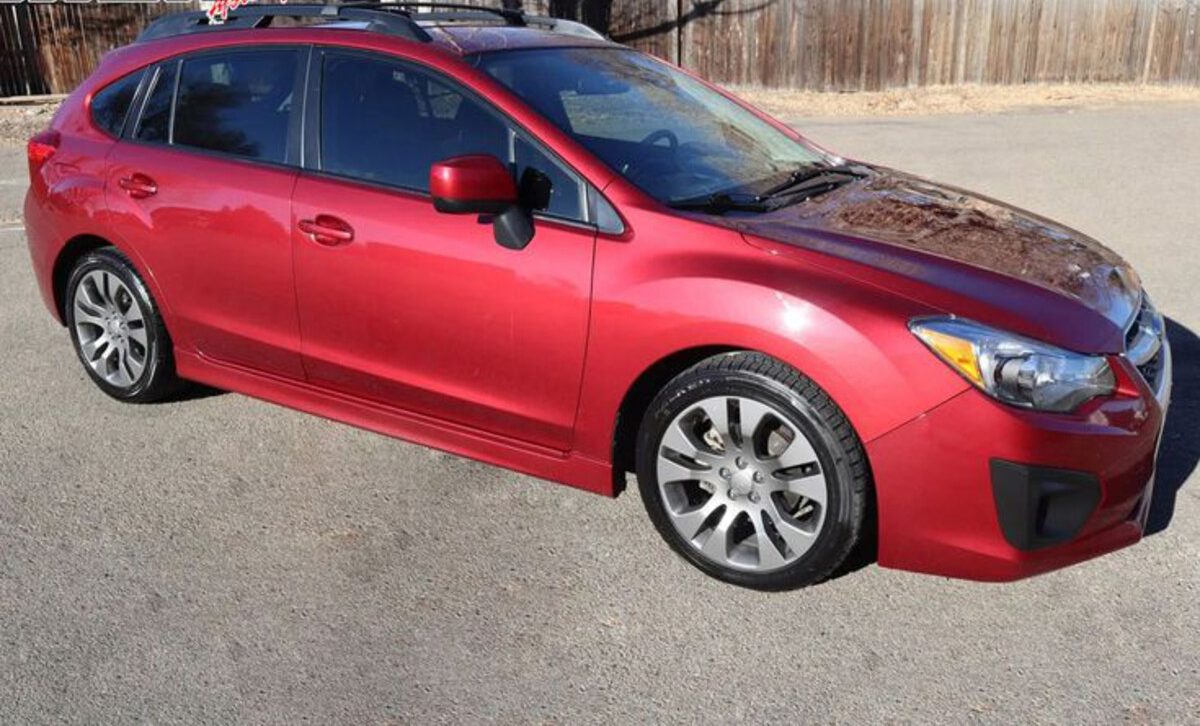
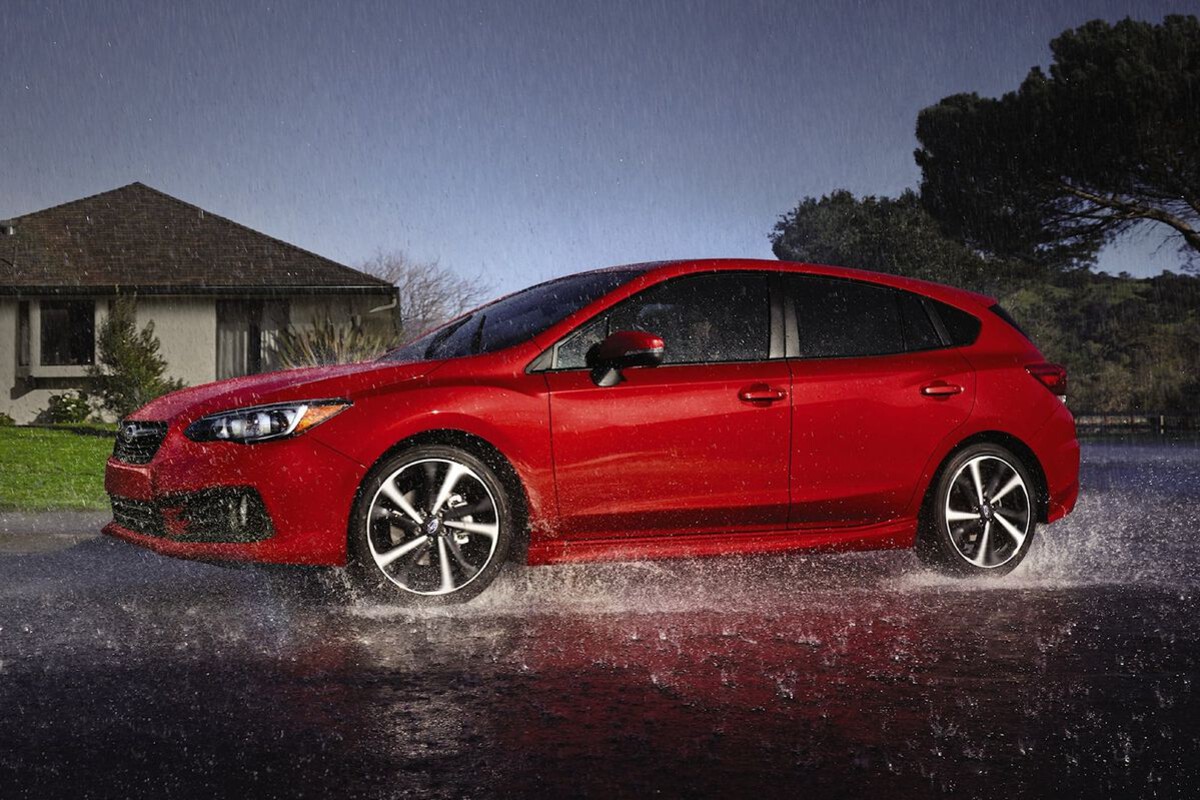
The Subaru Impreza offers something a bit different in the compact car segment because it comes standard with all-wheel drive. This feature makes it especially popular in regions with varied weather conditions, such as snow or rain. First-time buyers who live in such climates often appreciate the added traction and stability the Impreza provides, contributing to safer driving.
Reliability is one of Subaru’s strengths, and the Impreza benefits from this reputation. The car’s mechanical components are generally robust, with many owners reporting years of trouble-free driving. Maintenance costs are moderate, and the all-wheel-drive system, while more complex, is well-designed for durability. Fuel economy remains competitive for its class despite the added drivetrain capability.
Inside, the Impreza has a practical layout with comfortable seating and adequate cargo space. The infotainment system is easy to use, and newer models come with advanced safety features like EyeSight driver assist technology. This system includes adaptive cruise control, pre-collision braking, and lane keep assist, all useful for drivers who are still gaining confidence on the road.
Insurance costs may be slightly higher due to the all-wheel-drive system and repair expenses but remain manageable. The Impreza’s versatility appeals to buyers who want a reliable vehicle that performs well year-round and can handle occasional rough conditions. This model provides a unique combination of safety, reliability, and capability that can serve first-time buyers well.
5 Cars That Often End in Regret for First-Time Buyers
1. Fiat 500
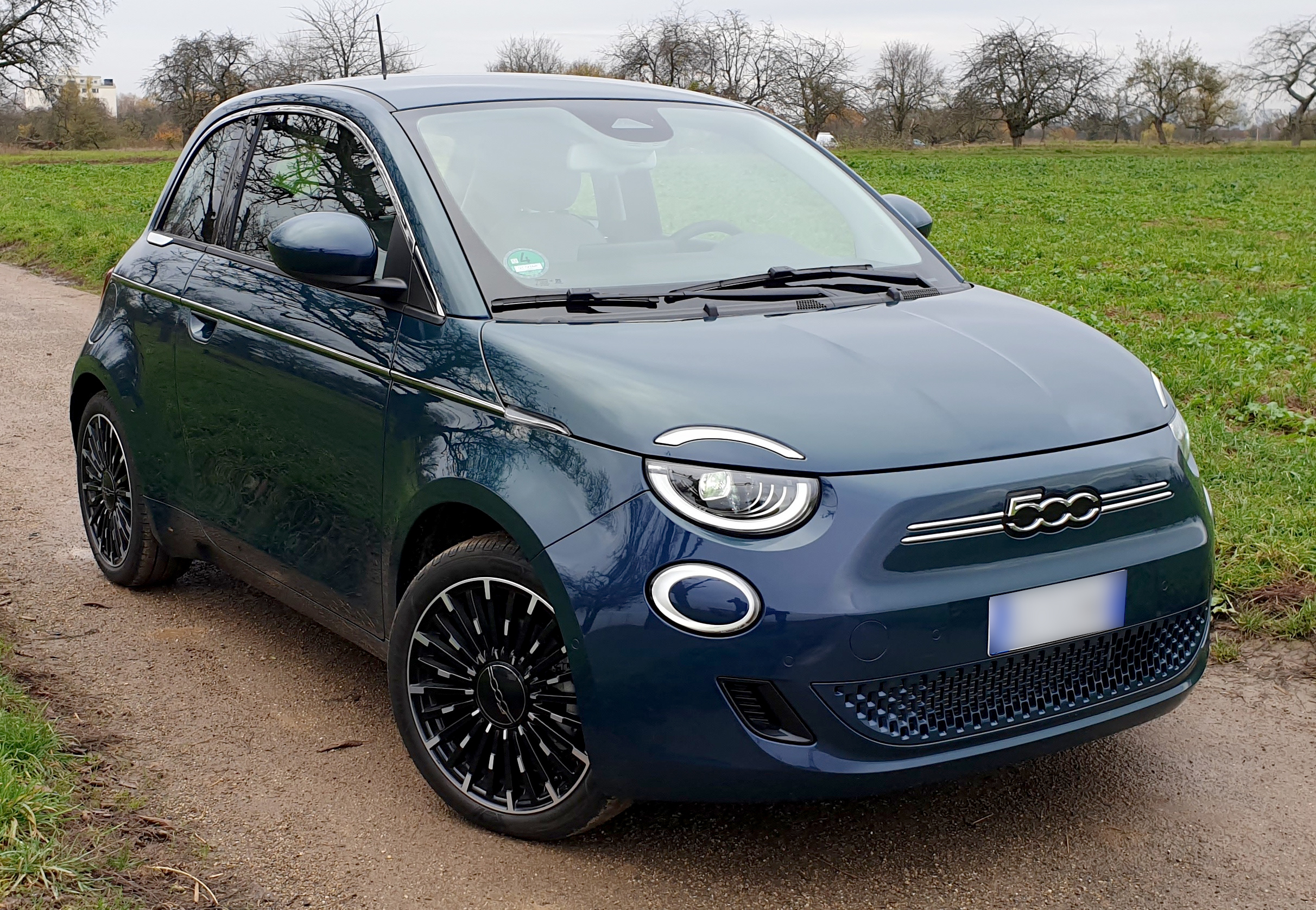
The Fiat 500 has an undeniable charm with its retro, compact design that easily grabs attention in crowded city streets. For many first-time buyers, especially younger drivers or those seeking a car primarily for short urban commutes, the Fiat 500 initially appears to be a fun and affordable option. Its small footprint makes parking and navigating tight city roads much easier compared to larger vehicles, and the quirky styling offers a sense of individuality that is hard to find in other compact cars.
However, despite these appealing traits, the Fiat 500 often becomes a source of frustration and regret due to its numerous reliability issues. Owners commonly report engine problems, electrical system malfunctions, and transmission glitches that surface within the first few years of ownership. These issues can be unexpected and costly to fix, turning what seemed like an inexpensive choice into a financial headache.
The ride quality of the Fiat 500 also leaves much to be desired. Its suspension is stiff, which can make even everyday city driving uncomfortable, particularly on rough or uneven pavement. For a first-time buyer who may not be accustomed to harsh rides or noisy cabins, this lack of comfort can quickly lead to dissatisfaction. Space is another critical downside while the car’s compact size is advantageous for maneuverability, it severely limits passenger comfort and cargo capacity.
The rear seats are cramped, often barely accommodating adults, and the trunk offers minimal storage, reducing the car’s practicality for daily errands or trips. Safety is another concern, as the Fiat 500 tends to score lower on crash tests compared to competitors in the same class, which is a significant consideration for new drivers prioritizing security on the road.
Repair and maintenance costs also add up quickly for this model. Parts are sometimes harder to find and more expensive than for mainstream vehicles, partly because Fiat does not have as extensive a dealer or service network in many regions. The cost of ownership rises even further when factoring in insurance premiums, which can be surprisingly high due to the car’s classification and repair history.
Many first-time buyers drawn by the low initial price soon realize that the total cost of owning a Fiat 500, combined with its lackluster reliability and comfort, outweighs its style and compactness. In many cases, these buyers end up wishing they had chosen a more dependable and practical vehicle, leading to a strong association of regret with the Fiat 500 in the realm of first-time car ownership.
2. Jeep Renegade
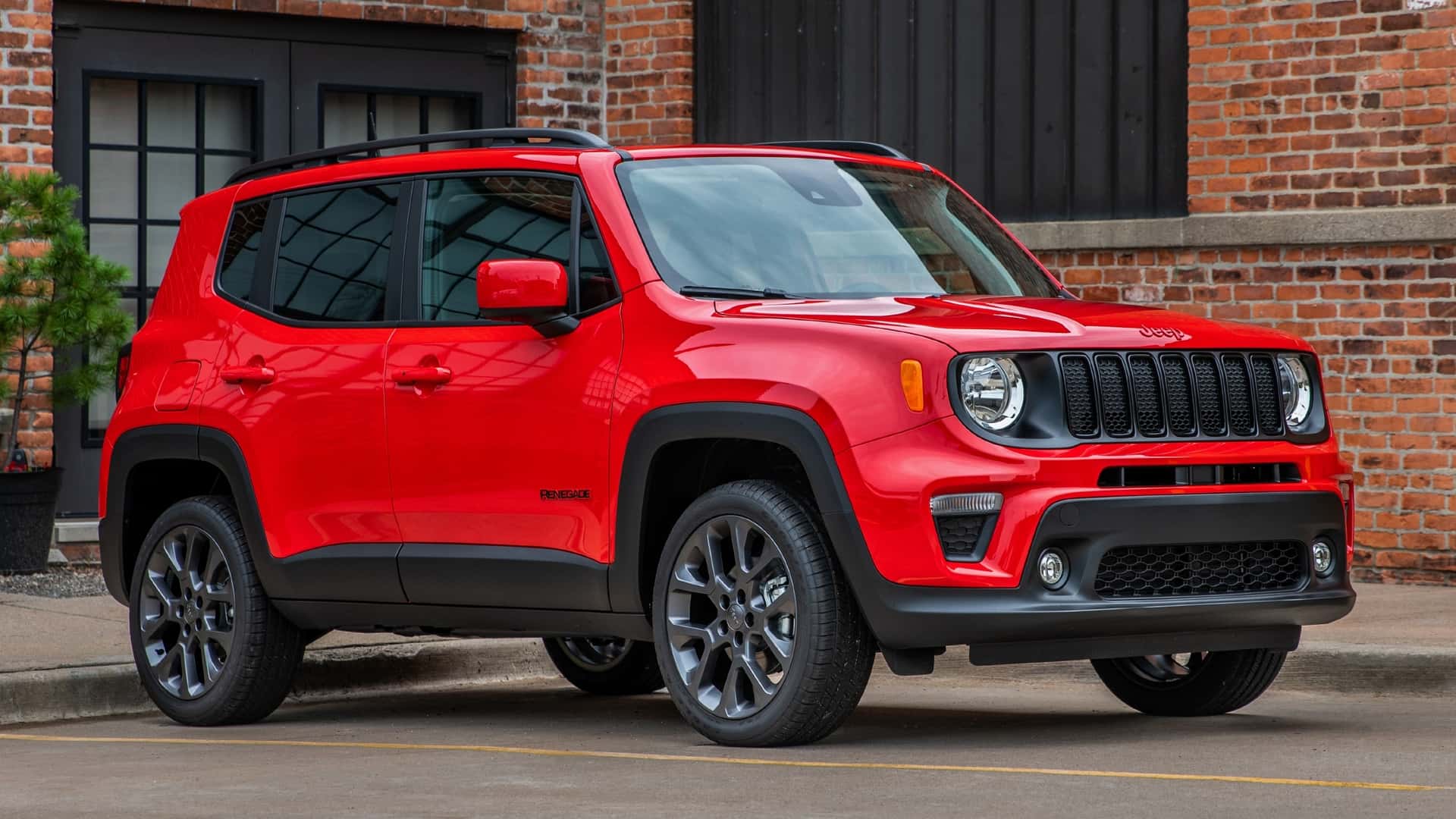
The Jeep Renegade markets itself as a compact SUV that offers rugged styling and off-road capability in a smaller package. Its adventurous branding and distinctive look attract first-time buyers who want a vehicle that stands out and conveys a sense of freedom and capability.
The idea of owning a Jeep often comes with expectations of durability and performance in various conditions, which is appealing for younger drivers dreaming of weekend getaways or outdoor adventures. However, many owners discover that the Renegade does not quite live up to these expectations, and the excitement of ownership often fades due to persistent reliability issues and higher-than-anticipated running costs.
The vehicle has a documented history of mechanical problems, including transmission failures and engine malfunctions, which not only cause inconvenience but also add considerable expense to the ownership experience.
Fuel economy is another area where the Jeep Renegade frequently disappoints. Its relatively heavy frame and engine tuning result in mileage numbers that lag behind other compact SUVs and crossovers. For first-time buyers who are often budget-conscious and looking for affordable daily transportation, these lower fuel efficiency figures translate into more frequent visits to the gas station and higher ongoing expenses.
The interior quality also falls short of what some competitors offer, with hard plastics and less refined finishes that detract from the experience. Ride quality and handling have been described as rough or unsettled, making longer drives or highway travel less comfortable than expected for a modern vehicle in this segment.
Safety features, while available, are often limited to higher trims, meaning buyers on tighter budgets might not have access to advanced driver-assistance technologies that improve security and confidence on the road. Insurance premiums for the Renegade tend to be higher than average, due to its SUV classification and repair costs, adding to the expense.
For many first-time buyers, the initial attraction of owning a Jeep and its rugged image is overshadowed by frequent repairs, subpar fuel economy, and a less polished driving experience. These factors contribute to the Renegade being a vehicle that often leaves new owners feeling regretful, especially when compared to more reliable and economical alternatives in the compact SUV market.
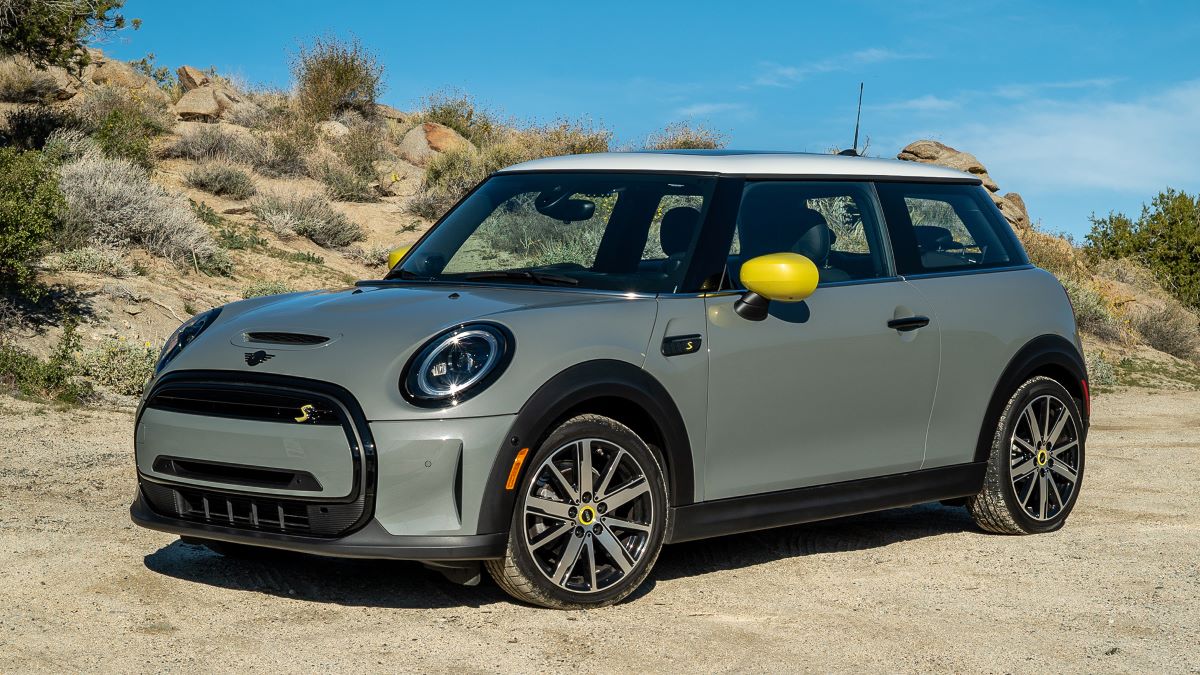
3. Mini Cooper
The Mini Cooper is synonymous with distinctive styling and a sporty driving feel, which makes it a popular choice among first-time buyers who want their car to stand out and provide a fun ride. Its tight handling, peppy engines, and premium interior finishes create an image of a small car with a luxury edge. However, this allure often conceals a less favorable ownership experience.
Despite the car’s engaging personality, the Mini Cooper is notorious for its expensive maintenance and frequent mechanical issues. Problems with the transmission, cooling system, and electrical components are common complaints, which lead to frequent and costly trips to the mechanic. For first-time buyers who may lack experience with car repairs, these issues can be overwhelming and financially draining.
The Mini Cooper’s compact dimensions also mean that passenger comfort and cargo space are limited. Rear seats offer minimal legroom and headroom, making longer trips with passengers less enjoyable. The trunk space is also on the smaller side, which reduces practicality for those who need to carry groceries, sports equipment, or luggage regularly.
Additionally, while the Mini’s interior design is attractive and customizable, some of the materials used feel less durable compared to competitors, which can affect the ownership satisfaction. Safety ratings for the Mini Cooper tend to be average, but not exceptional, which may be a drawback for safety-conscious new drivers.
Insurance costs for the Mini Cooper can be higher than expected. Its sporty reputation and the cost of repairs contribute to higher premiums, which is an important consideration for younger buyers who typically face elevated insurance rates.
The combination of frequent repairs, higher maintenance expenses, and limited space makes the Mini Cooper a car that many first-time owners come to regret. The initial excitement fades as the reality of the car’s upkeep and practicality sets in, leading many to wish they had chosen a more reliable and affordable alternative for their first vehicle.
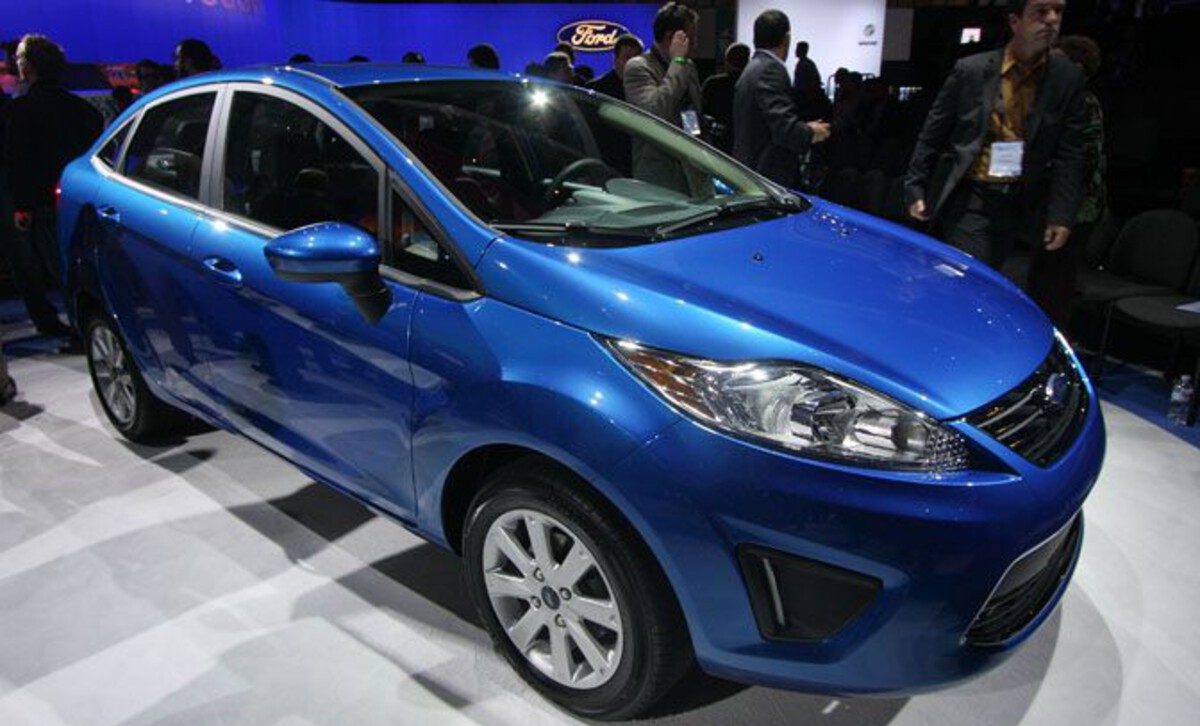
4. Ford Fiesta (Certain Model Years)
The Ford Fiesta has long been a popular choice for budget-conscious buyers due to its low price and compact size. It’s often marketed as an economical and practical option for first-time drivers. While many Ford Fiestas have delivered on these promises, several model years have gained a reputation for problematic reliability, which can quickly sour the ownership experience.
Specific years of the Fiesta are known for transmission troubles, engine failures, and electrical system issues. These faults often manifest after just a few years of ownership, causing frustration and unexpected expenses for new drivers who may not have the resources to handle such repairs easily.
The Fiesta’s driving dynamics are generally enjoyable, offering nimble handling and responsive steering that make it a pleasure to maneuver through city streets and tight spaces. However, these positives are overshadowed when mechanical problems arise.
Repair costs can accumulate rapidly, especially if transmission issues require complete replacements or major rebuilds. Additionally, the car’s interior quality varies by model year, with some versions featuring cheap materials and poor fit and finish that contribute to a less satisfying driving environment. Space is adequate for small families or solo drivers but may feel cramped for those needing more comfort or carrying capacity.
Safety ratings for the Fiesta tend to be mixed, depending on the year and trim, which may not inspire confidence in cautious first-time buyers. Insurance costs are often moderate but can rise if the model’s reputation for frequent repairs is considered by insurers.
For new owners who prioritize low cost and reliability, certain model years of the Ford Fiesta can turn out to be a source of regret. The car’s initial appeal diminishes in the face of persistent mechanical problems and disappointing durability, making it a risky choice without careful research and inspection before purchase.
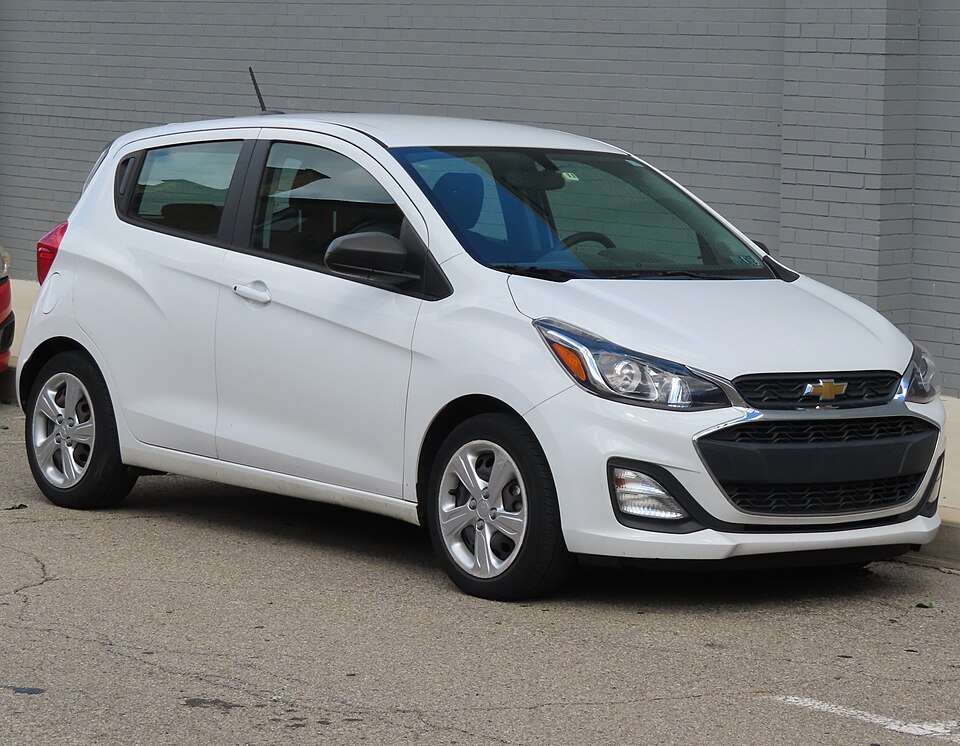
5. Chevrolet Spark
The Chevrolet Spark is one of the smallest cars available in the U.S. market and appeals to first-time buyers seeking an ultra-affordable vehicle with low fuel consumption and a tiny footprint. It is often praised for its low sticker price and excellent maneuverability, which suits urban environments perfectly.
However, the Spark’s low cost often comes with compromises in build quality, performance, and reliability that can lead to dissatisfaction among new owners. The car’s engine is underpowered compared to many competitors, which can make highway merging and passing challenging and sometimes unsafe. This lack of power can frustrate inexperienced drivers who want more confidence behind the wheel.
Reliability issues are not uncommon with the Spark. Owners report frequent problems with the electrical system, transmission, and various mechanical components. Given its low price, the Spark often has fewer standard safety and convenience features, which can be disappointing for buyers expecting a well-rounded vehicle.
The interior, while functional, is very basic and uses inexpensive materials that feel cheap and less durable over time. Passenger comfort is limited by the car’s compact dimensions, and rear seats and cargo space are tight, reducing practicality for anything beyond short commutes.
Maintenance and repair costs, while generally lower than luxury or larger vehicles, can add up due to the frequency of breakdowns reported by some owners. Insurance rates, although sometimes affordable, can spike depending on the area and driver profile.
First-time buyers attracted by the Spark’s low upfront cost may find themselves regretting the choice once they experience the limitations in performance, comfort, and reliability. The car’s minimalistic approach makes it a tough recommendation for those who want a dependable, versatile, and enjoyable first vehicle.
Also Read: 5 Modern Cars With Flawless Cruise Control and 5 That Brake Unexpectedly
Choosing a car for the first time is a significant milestone that brings both excitement and challenges. The decision extends far beyond simply selecting a model that looks appealing or fits a budget. It involves careful consideration of reliability, safety, cost of ownership, and long-term satisfaction.
As this article has highlighted, some vehicles serve first-time buyers exceptionally well, providing peace of mind, affordability, and a positive driving experience. Others, despite their initial appeal, tend to leave owners with frustration, unexpected expenses, and regret. Understanding these differences can help new drivers avoid common pitfalls and make choices that truly meet their needs.
The five cars recommended for first-time buyers emphasize reliability and practicality. These vehicles are characterized by solid engineering, reasonable maintenance costs, and safety features that protect new drivers on the road. They offer a balance between affordability and quality, helping owners avoid frequent breakdowns or expensive repairs that often plague less dependable models.
Many of these cars also provide comfortable interiors, adequate space for daily needs, and decent fuel efficiency, all of which contribute to a more satisfying ownership experience. By focusing on these attributes, first-time buyers can gain confidence in their choice and enjoy their time behind the wheel without constant worry about their car’s condition.
In contrast, the five cars that frequently end in regret highlight what can go wrong when important factors are overlooked. Vehicles like the Fiat 500, Jeep Renegade, and Mini Cooper often appeal through style, brand appeal, or initial price but tend to falter due to recurring mechanical issues, high repair costs, and limited practicality.
These problems can quickly erode the joy of owning a first car and place financial strain on owners who might already be managing tight budgets. Moreover, some models suffer from limited interior space or less-than-ideal safety ratings, which are critical considerations for new drivers who are still developing their road skills and require extra protection.
For first-time buyers, the lesson is clear: beyond the excitement of style and marketing, the true value of a vehicle lies in its ability to serve reliably and safely over time. Researching vehicle history, understanding common issues, and prioritizing well-reviewed models are crucial steps.
It is also important to consider the total cost of ownership, which includes insurance, fuel, maintenance, and potential repairs, not just the purchase price. A seemingly inexpensive car can become costly if it requires frequent visits to the mechanic or has poor fuel economy. Conversely, a slightly higher upfront investment in a dependable car often pays off in reduced stress and expenses later.
In addition to the specific models discussed, first-time buyers should consider their circumstances and needs. Factors such as commute length, family size, parking availability, and driving habits all influence which car is best suited. Some might prioritize compact size for urban driving, while others may need more room or all-wheel drive for varying weather conditions. A practical mindset, combined with careful planning, helps ensure the chosen car fits lifestyle demands without sacrificing reliability or safety.
The process of selecting a first car should be approached with patience and informed judgment. While it is natural to want a vehicle that stands out or fits a certain aesthetic, the priority must always be on dependable performance and value.
Learning from the experiences of other first-time buyers, both positive and negative, is invaluable in this regard. The cars that inspire confidence and meet daily needs help build good driving habits and make the transition to independent driving smoother and more enjoyable.
