
Becoming a new parent is an incredible life event filled with joy, anticipation, and a considerable amount of preparation. Among the many decisions to make, choosing the right vehicle becomes surprisingly important.
For new parents, a car isn’t just a means of transportation; it transforms into a mobile nursery, a cargo carrier for countless baby essentials, and a safe space for tiny passengers.
SUVs have emerged as one of the most popular vehicle choices for families due to their spacious interiors, elevated seating positions, and often advanced safety technologies.
However, the SUV market is vast, and the differences between models can be immense, especially when considering the daily demands that come with having a newborn or toddler.
The ideal SUV for a new parent is one that balances comfort, space, safety, and ease of use, with thoughtful features that make life simpler rather than more complicated.
It needs to provide ample room for bulky items such as car seats, strollers, diaper bags, and other necessary baby gear, while also offering easy access and intuitive design to help with frequent in-and-out trips.
On the other hand, some SUVs, despite their good looks or brand reputation, can quickly become a source of constant frustration, with cramped rear seats, complicated car seat installations, or insufficient storage space that add stress to already busy days.
As parents juggle feeding schedules, errands, doctor appointments, and more, the last thing they need is a vehicle that makes daily routines harder. This article highlights five SUVs that new parents typically love because they help ease these challenges and contribute positively to family life.
Additionally, it identifies five SUVs that often present ongoing issues and frustrations for parents, making them less than ideal choices during the demanding early years of parenting.
Understanding these differences can help parents make a confident and practical decision about their family vehicle, saving time, money, and unnecessary stress along the way.
5 SUVs You’ll Love as a New Parent
1. Honda CR-V
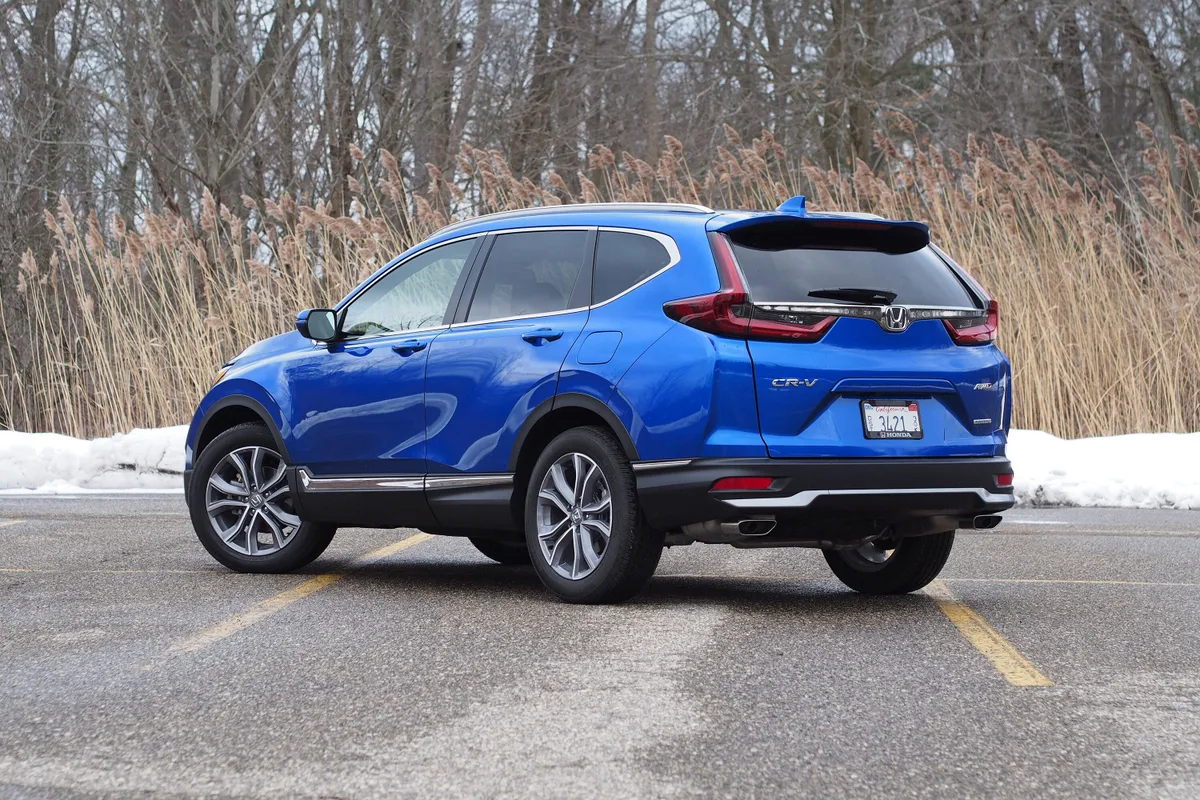
The Honda CR-V has consistently been a favorite among families, and it’s easy to see why new parents often gravitate toward this model. One of the most appreciated qualities is its interior space, which is thoughtfully laid out to accommodate car seats with relative ease.
The rear doors open wide, allowing better access to the back seats, which is a crucial factor when dealing with bulky infant car seats or toddler booster seats.
The seat anchors and LATCH system are well-positioned and easy to reach, which means parents spend less time wrestling with installations and more time focusing on their children.
Beyond car seats, the CR-V’s spacious rear cargo area can comfortably hold strollers, diaper bags, and groceries all at once, which is a must-have when planning for long days out or quick trips to the store.
The seats themselves are designed with family life in mind, durable enough to handle messes and comfortable enough to keep children content during longer journeys.
From a safety perspective, the CR-V is often equipped with Honda Sensing, a suite of driver assistance features that include collision mitigation braking, lane-keeping assist, and adaptive cruise control. These technologies reduce the mental load on parents during busy commutes or road trips, offering an additional sense of security.
Fuel efficiency is another strong suit for the CR-V, as it typically delivers impressive mileage compared to other SUVs in its class, meaning fewer stops at the pump and more time spent on family activities. The CR-V also offers a smooth ride quality, absorbing bumps and road imperfections in a way that keeps children comfortable.
The infotainment system is user-friendly, with touchscreen controls and smartphone integration, allowing parents to easily manage music, navigation, or phone calls while keeping their attention on the road.
The Honda CR-V strikes a balance between practicality and comfort, making it a reliable and favored choice for families entering the world of parenthood.
2. Toyota RAV4
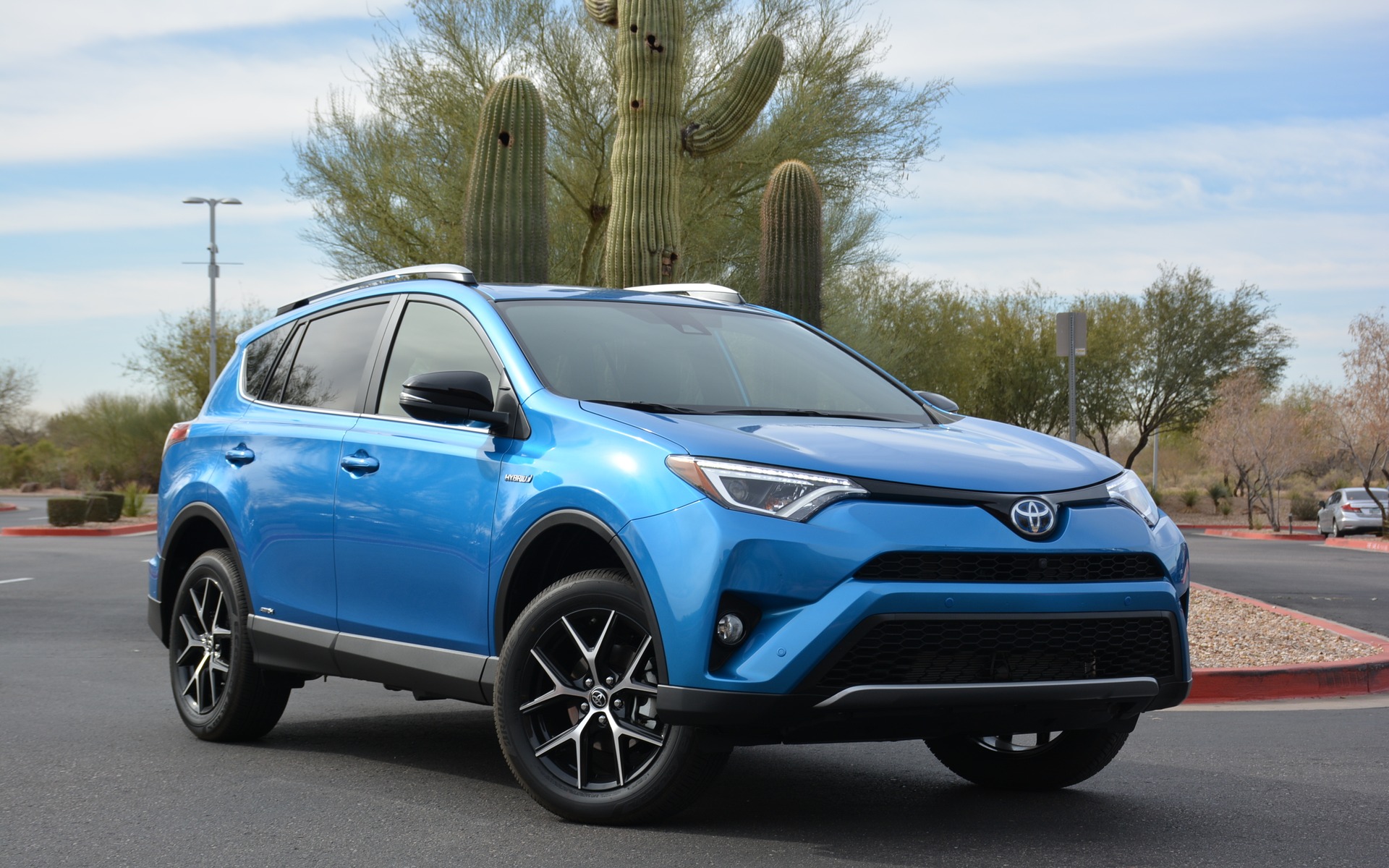
The Toyota RAV4 has long been a staple on lists of family-friendly SUVs, and for good reasons. New parents often praise its spacious interior that caters well to both car seat installation and passenger comfort.
The RAV4’s rear seats are designed to be accessible, with wide-opening doors and well-marked lower anchors for child safety seats, simplifying the task of buckling in children safely and securely.
The flat rear floor is another important feature, as it reduces awkward seating positions that can arise with contoured floors, ensuring that car seats sit firmly without tilting or shifting.
This attention to detail makes the daily routine of securing children less of a hassle. In terms of cargo space, the RAV4 shines with a large rear hatch opening and a deep cargo area that fits bulky items such as double strollers, diaper bags, and sports equipment without issue.
This flexibility means parents can easily switch between carrying essentials for their child and accommodating groceries or other family needs. The RAV4 also offers split-fold rear seats, allowing parents to maximize storage while still seating one or two children comfortably.
These features, combined with a cabin designed to accommodate families, create an environment that supports the busy lifestyle of parents with young children.
3. Subaru Forester
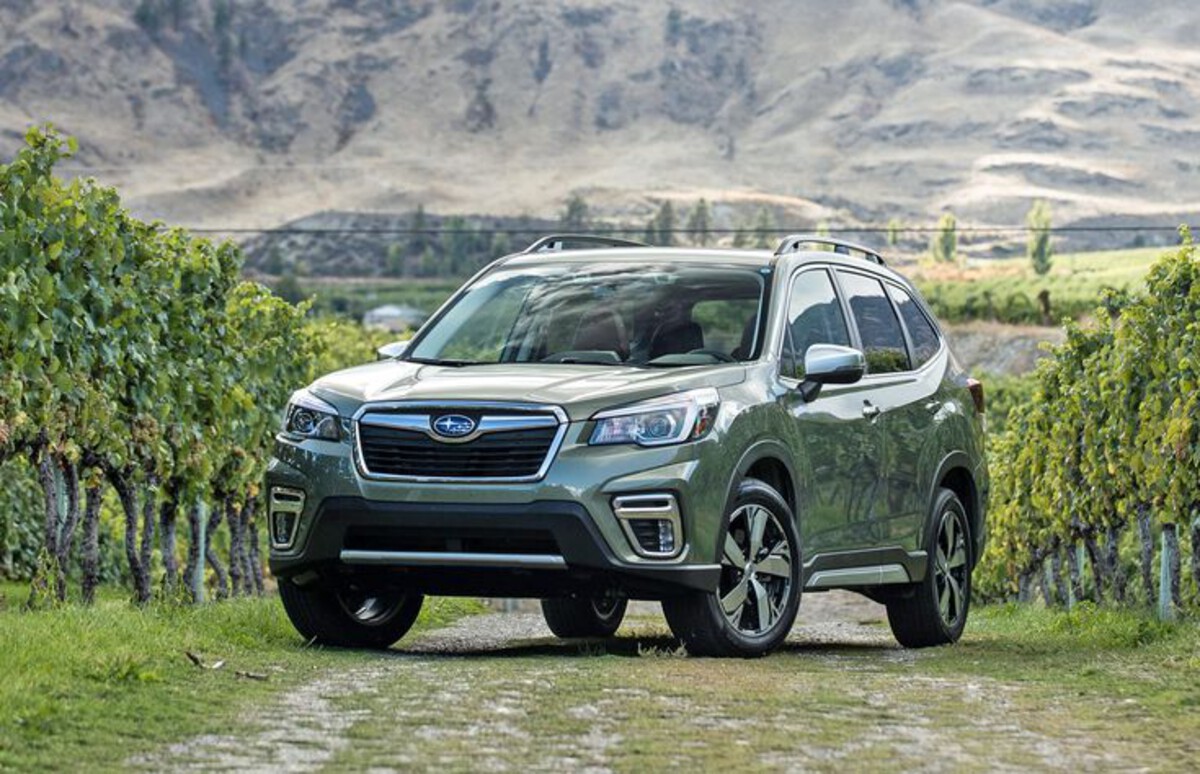
The Subaru Forester has gained a strong reputation among families, especially those who live in areas with challenging weather conditions or who enjoy outdoor activities. What sets the Forester apart is its standard symmetrical all-wheel-drive system, which provides excellent traction on snow, rain, or slippery roads.
This is an important consideration for new parents who want to feel secure driving in all seasons without compromising safety. The AWD system combined with solid ground clearance makes the Forester capable off-road and confident on rough or uneven surfaces, while still maintaining a smooth ride on paved roads.
This versatility is appealing to parents who want a single vehicle that can handle weekend adventures and daily school runs with equal ease. The vehicle’s reputation for durability also reassures families that it can withstand the wear and tear that comes with transporting children and gear regularly.
Inside, the Forester offers a spacious cabin with wide-opening rear doors that make installing and removing car seats far less frustrating. The rear seats are generous in both legroom and headroom, so children of various ages can ride comfortably without feeling cramped or confined.
Visibility is excellent from the driver’s seat, with large windows and well-placed mirrors, allowing parents to monitor their children easily and maintain awareness of their surroundings. This design detail enhances safety and helps reduce driver stress.
The cargo area is roomy enough to hold multiple large items like strollers, sports equipment, or luggage, even when the rear seats are occupied by children. Subaru’s focus on practical family needs is evident throughout the Forester’s interior layout, which balances comfort with functionality.
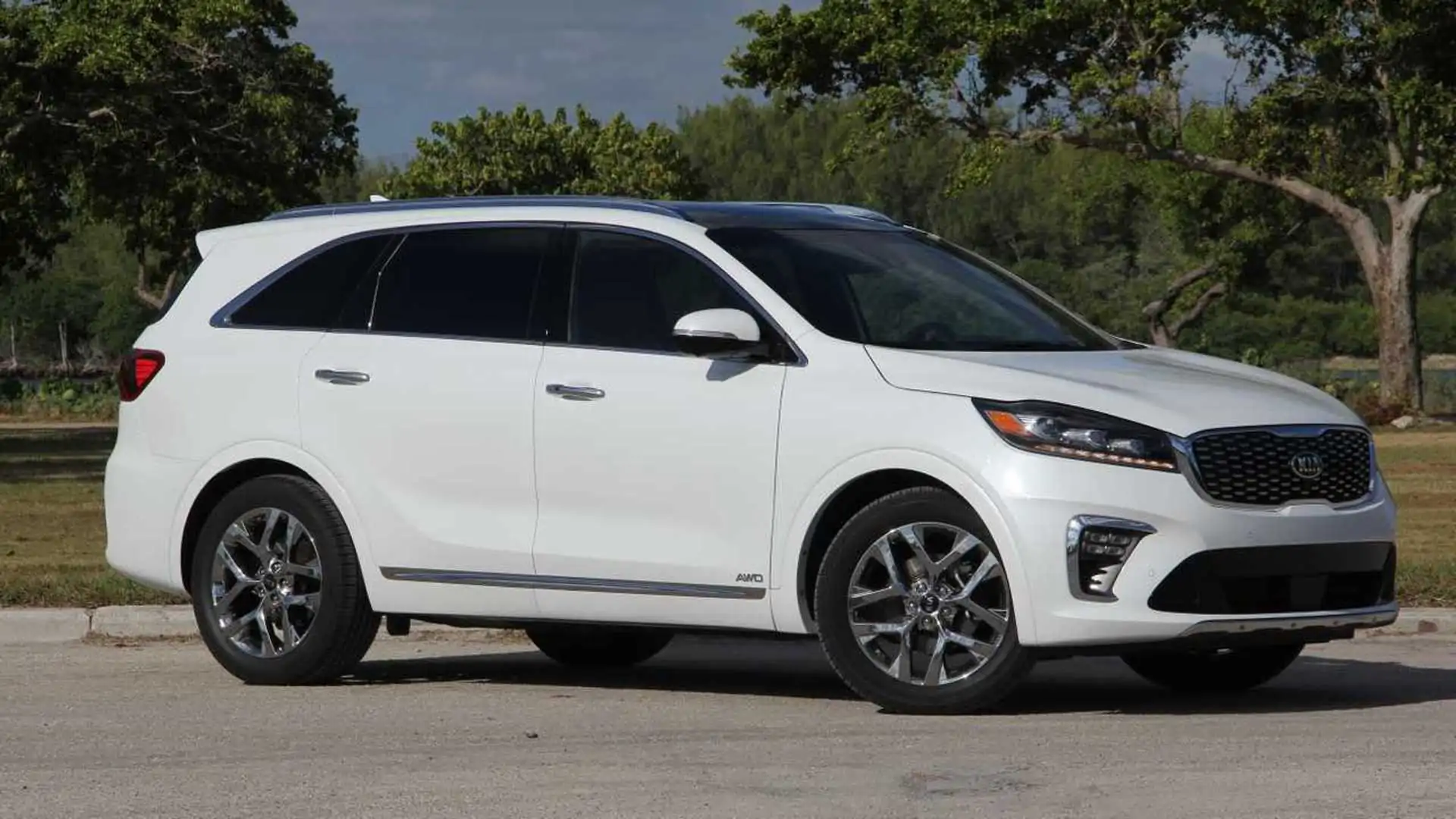
4. Kia Sorento
The Kia Sorento offers a compelling option for new parents who need more space and versatility than what many compact SUVs provide.
As a midsize SUV, the Sorento can accommodate growing families with its available third-row seating, which is a valuable feature for parents planning for multiple children or who regularly transport other family members or friends.
The second row is designed with sliding and reclining capabilities, which makes installing car seats easier and provides more comfort for children on longer trips. Parents often appreciate how the Sorento balances space without feeling overwhelmingly large, maintaining manageable handling and parking for everyday use.
The cargo space remains generous, even when the third row is in use, allowing parents to carry bulky baby gear, groceries, or sports equipment without feeling cramped. This flexibility is crucial as family needs evolve from infant care to active childhood and beyond.
Safety is a major focus of the Sorento, which comes with numerous driver assistance technologies that help reduce risk and provide peace of mind. Features such as blind-spot monitoring, rear cross-traffic alert, forward collision warning, and automatic emergency braking are often standard or available depending on the trim level.
These systems are particularly useful in busy parking lots or city traffic, where visibility can be limited and distractions frequent. For parents managing children’s safety while also handling complex driving situations, these technologies help reduce stress and prevent accidents.
The Sorento’s crash ratings and reliability further add to its appeal as a family vehicle. Parents often find comfort knowing their children are protected in a vehicle that performs well in safety tests.
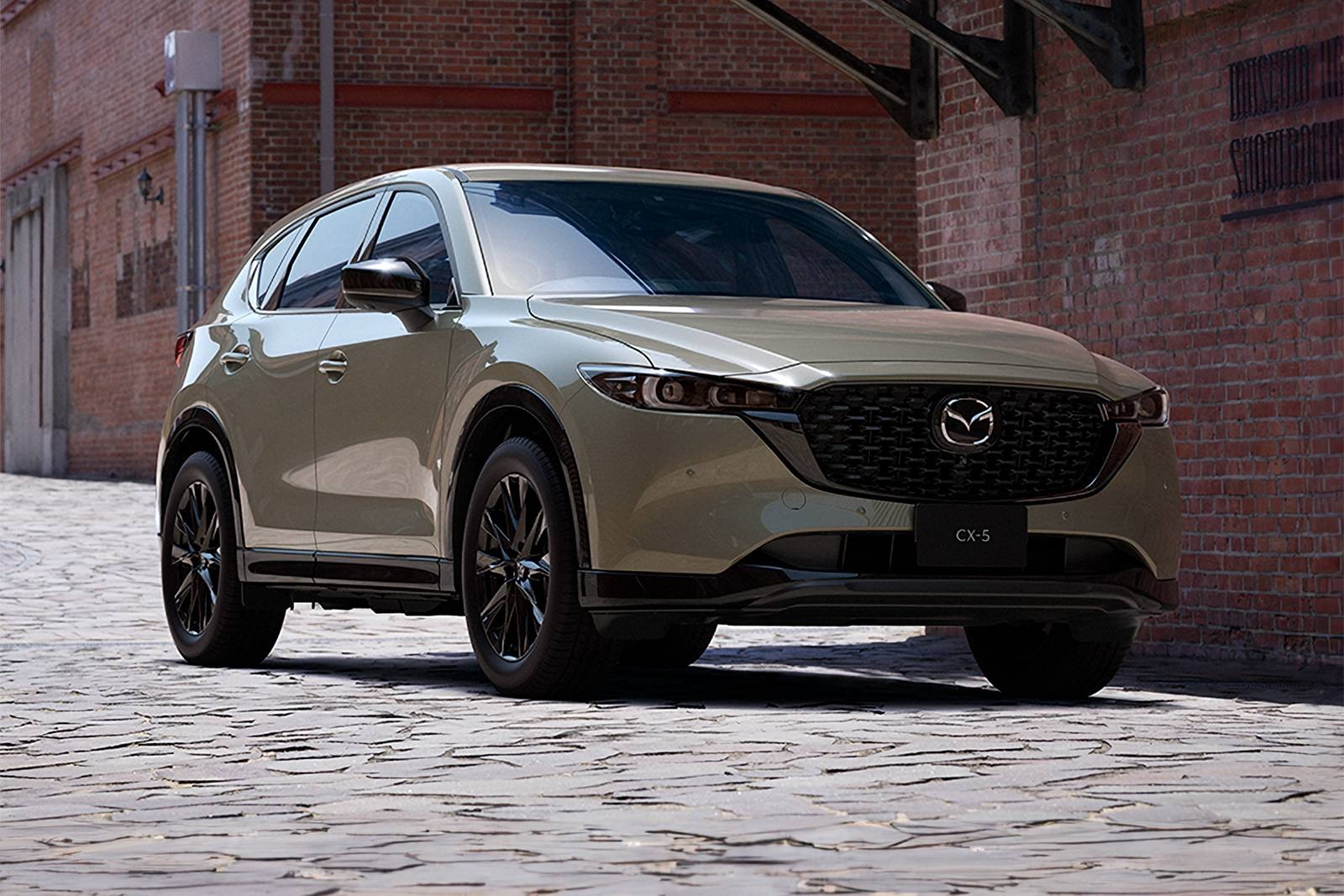
5. Mazda CX-5
The Mazda CX-5 has carved out a niche among new parents who want a vehicle that offers both practicality and a touch of style. Its sleek design might suggest a sporty or compact vehicle, but the CX-5 surprises with a spacious and well-thought-out interior that supports family needs.
Installing car seats is straightforward due to the wide rear doors and accessible LATCH anchors, which reduce the hassle for parents juggling infants and toddlers.
The rear seats offer sufficient legroom and comfortable seating angles that accommodate children comfortably during longer drives. While its cargo space is not the largest among compact SUVs, it is still generous enough to fit strollers, diaper bags, and groceries with some careful organization.
Parents appreciate that the CX-5’s interior is crafted with high-quality materials that stand up to everyday wear and tear, including spills, crumbs, and general messes associated with young children. This durability paired with a clean, attractive cabin makes the CX-5 feel both practical and upscale.
Safety features in the CX-5 are comprehensive and often include advanced driver assistance systems as standard or available options. These can include automatic emergency braking, lane departure warning, adaptive cruise control, and blind-spot monitoring.
Parents find these features reassuring, as they provide extra eyes on the road and help prevent accidents in unpredictable traffic conditions.
The CX-5’s crash ratings are consistently high, reinforcing its position as a vehicle that prioritizes occupant safety. These technologies and structural safety benefits create a sense of confidence for parents who want to protect their children in any situation.
5 SUVs That Are Constant Headaches for New Parents
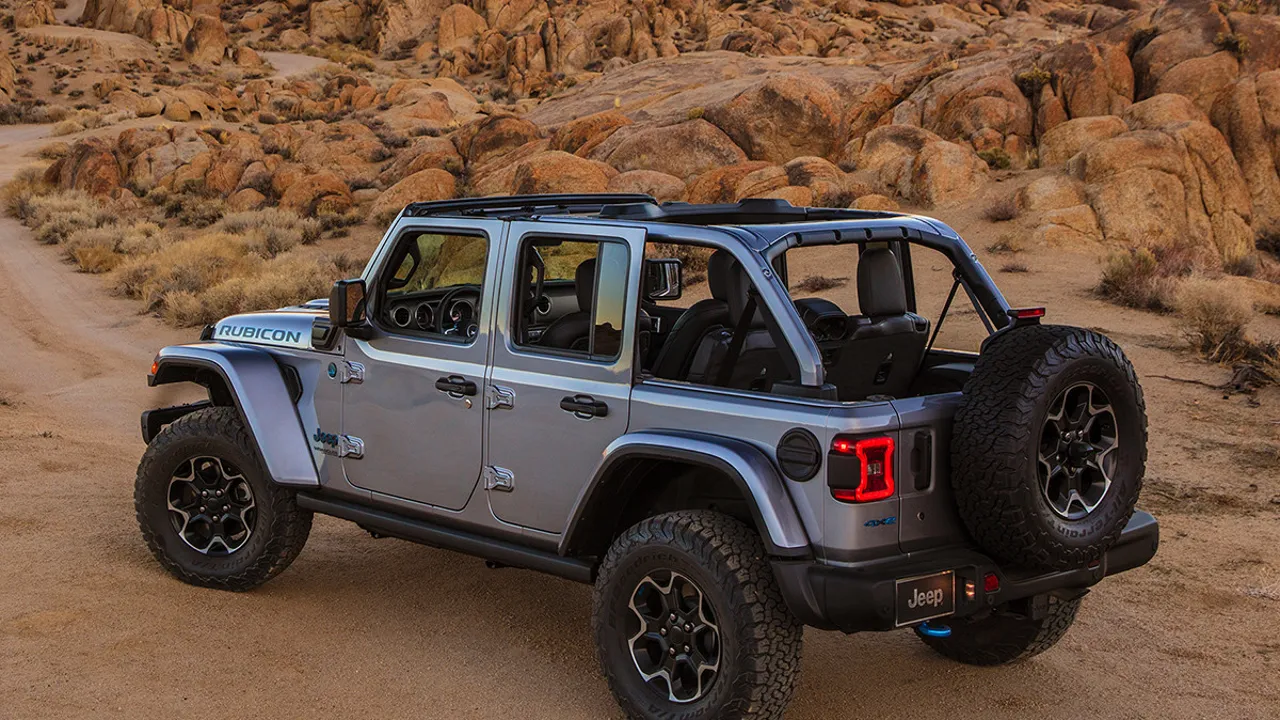
1. Jeep Wrangler
The Jeep Wrangler is a vehicle that appeals to many because of its rugged aesthetic and legendary off-road capabilities. However, when it comes to the needs of new parents, it can often be a source of frustration and inconvenience. One of the most significant issues with the Wrangler is its rear-seat access.
In the two-door models, the rear seats are extremely difficult to reach, requiring the front seats to be folded forward to allow passengers or car seats to be installed in the back. This process is not only time-consuming but can be physically awkward, especially when handling a baby or toddler who may be fussy or impatient.
The four-door versions improve access but still feature smaller rear doors that don’t open as wide as many other SUVs, complicating the task of buckling children in and out multiple times a day.
The rear seats themselves tend to be cramped with limited legroom and headroom, which can be uncomfortable for growing children or family members. This lack of space can lead to complaints from kids on longer trips and make everyday transportation more stressful for parents.
Cargo space is another weak point of the Jeep Wrangler. Its boxy shape and rear-mounted spare tire reduce the usable storage area, making it difficult to fit large items like strollers, diaper bags, and groceries together.
Parents often find themselves struggling to pack everything needed for daily activities or weekend outings, which can result in multiple trips or leaving essential items behind.
The Wrangler’s focus on off-road capability means that the ride quality on regular roads is compromised. The suspension is firm, and the cabin is noisy, with wind and engine sounds often intruding, which can be unsettling for infants and toddlers trying to nap.
Fuel economy is notoriously poor, which adds up to higher running costs at a time when families are already managing a tighter budget. While the Jeep Wrangler shines as a fun recreational vehicle for adults, it frequently falls short in meeting the practical, safety, and comfort needs that new parents require.
The Wrangler’s limited advanced safety technology is another concern for families. Many models lack modern driver assistance features such as lane-keeping assist, blind-spot monitoring, or automatic emergency braking, which are becoming standard in many family SUVs.
These omissions can increase the risk of accidents or minor collisions, especially when parents are distracted or managing multiple children. The Jeep’s design prioritizes off-road durability over crash protection and safety features, which may make it less suitable for parents who want the highest safety standards for their family.
This trade-off between ruggedness and family-friendliness means that while the Jeep Wrangler is an iconic vehicle, it can be a headache for parents who prioritize convenience and safety.
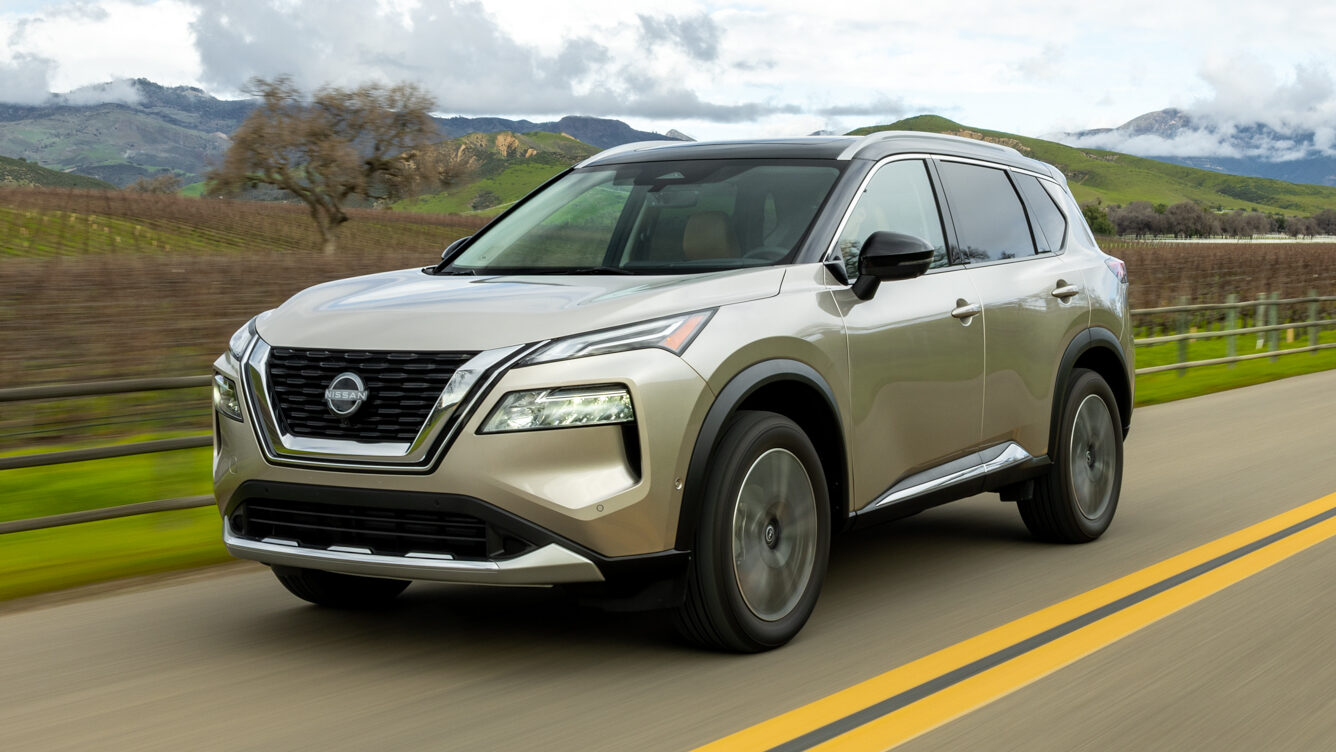
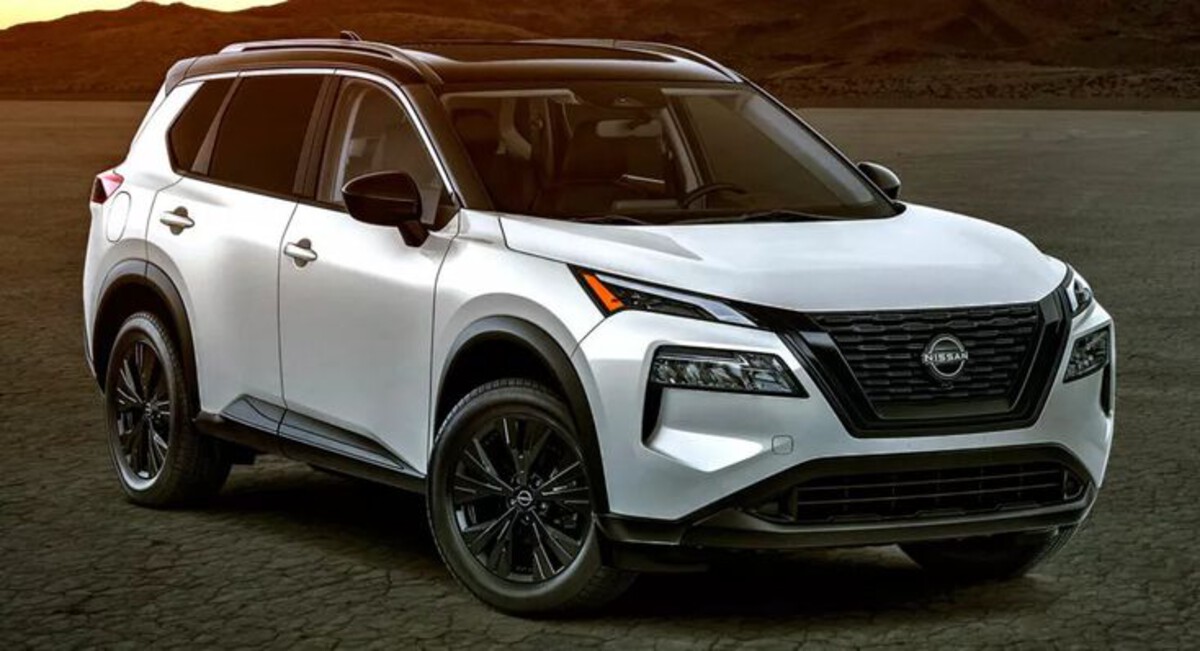
2. Nissan Rogue
The Nissan Rogue is a popular compact SUV with many appealing features, but for new parents, it often presents several persistent challenges. One of the most common complaints involves the rear seating area, which can feel cramped compared to competitors.
The rear doors do not open as wide as some other SUVs, which limits access to car seats and makes installing or removing infant seats more difficult. This can be particularly frustrating when dealing with a fussy baby or multiple children, as every second counts during busy mornings or rushed trips.
The rear seat cushions tend to slope downward, which can cause car seats to sit at awkward angles or make it uncomfortable for children to sit for extended periods.
This lack of rear-seat comfort can lead to fussiness or complaints during longer drives. The Rogue’s rear legroom, while adequate, is sometimes tighter than what parents expect for family use, reducing the feeling of spaciousness.
Cargo space in the Nissan Rogue is decent but often falls short for parents with bulky gear. The rear storage area can quickly fill up when adding a stroller, diaper bags, and other essentials, leaving little room for groceries or additional items.
The design of the rear cargo floor and the height of the loading lip can make it awkward to load and unload heavy or bulky baby gear, which adds to parental frustration.
Additionally, the rear seats do not fold completely flat, limiting flexibility in packing larger or irregularly shaped items. This can necessitate creative packing solutions or multiple trips, which is far from ideal when managing young children.
The Rogue’s infotainment system, while functional, can sometimes be less intuitive compared to competitors, making it harder for parents to quickly adjust settings or connect devices while driving.
Safety features in the Nissan Rogue are solid but not always comprehensive across all trims. While many models come equipped with basic safety tech such as forward collision warning and automatic emergency braking, some advanced driver assistance systems may only be available on higher trims or optional packages.
This tiered availability means parents on a budget might miss out on key safety technologies that could ease their driving stress and improve protection. Rear visibility can also be limited due to design elements, making parking and backing out more challenging, especially when managing children on foot nearby.
Fuel efficiency is respectable, but the vehicle’s ride quality can feel firm, with noticeable road noise entering the cabin, which may disturb sleeping children. These factors combine to make the Nissan Rogue less appealing to parents seeking a quiet, comfortable ride and seamless family usability.
Lastly, the Rogue’s interior design can feel somewhat utilitarian and less refined, which may detract from the comfort and enjoyment parents want during daily drives. The materials used in the cabin are generally durable but don’t provide the upscale feel or softness found in some competing models.
Some parents have also noted that the seat cushioning lacks sufficient support, which can become uncomfortable on longer trips or during repetitive short trips with multiple child pickups.
The combination of tight rear seats, limited cargo flexibility, and less intuitive features means that while the Nissan Rogue is a competent vehicle, it can be a source of ongoing annoyance and inconvenience for new parents trying to balance family life and mobility.
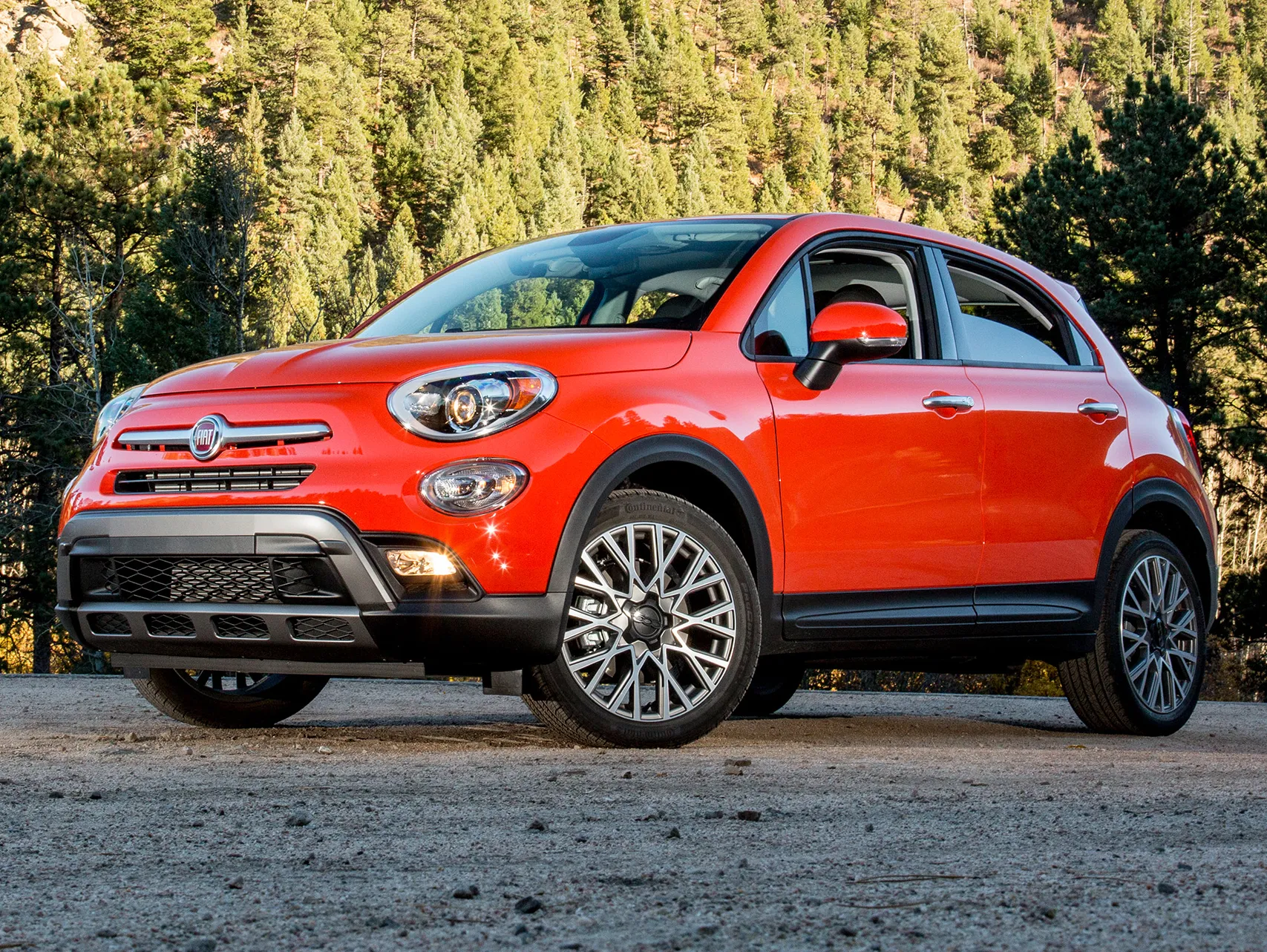
3. Fiat 500X
The Fiat 500X is a compact crossover with distinctive styling and a fun-to-drive personality, but it can be a headache for new parents when practicality is the priority.
The vehicle’s smaller size means the rear seats are cramped, with limited legroom and headroom that quickly become uncomfortable for children, especially as they grow.
The rear doors are narrow and don’t open very wide, making it challenging to install or remove car seats or to buckle and unbuckle children quickly. This can add precious minutes to already tight schedules and increase stress when dealing with restless toddlers.
The rear seats do not offer much flexibility in folding or adjusting, limiting the cargo space and making it difficult to carry large baby gear alongside groceries or other family necessities.
For parents who need to transport strollers, diaper bags, and more, the limited storage area is a significant drawback. The tight interior can also make it harder to move around inside the car when helping children or accessing rear seats.
Safety ratings for the Fiat 500X are generally average, but the vehicle often lacks many advanced driver assistance features that parents find essential. Basic safety technology may be available but is frequently only included on higher trim levels, which increases costs.
The absence of features such as adaptive cruise control, lane-keeping assist, or blind-spot monitoring in lower trims means parents may miss out on valuable tools that reduce driving stress and enhance safety in busy traffic.
The vehicle’s compact dimensions and limited visibility can also make parking and maneuvering more challenging, especially when carrying children and baby gear. The ride quality is on the firmer side, with road noise more noticeable than in larger family SUVs, potentially disturbing sleeping children during drives.
The Fiat 500X’s fuel efficiency is commendable, which is a positive aspect for families concerned about running costs. However, the trade-offs in space, comfort, and practicality often outweigh this benefit for parents who need a vehicle to accommodate family life seamlessly.
The interior materials and layout emphasize style over function, which can make day-to-day use less convenient when managing children and their accessories. Controls and infotainment systems may be less intuitive or accessible compared to larger, family-oriented SUVs, adding another layer of difficulty for busy parents.
While the Fiat 500X may appeal to those wanting a stylish, city-friendly crossover, it often falls short as a practical family vehicle for new parents.
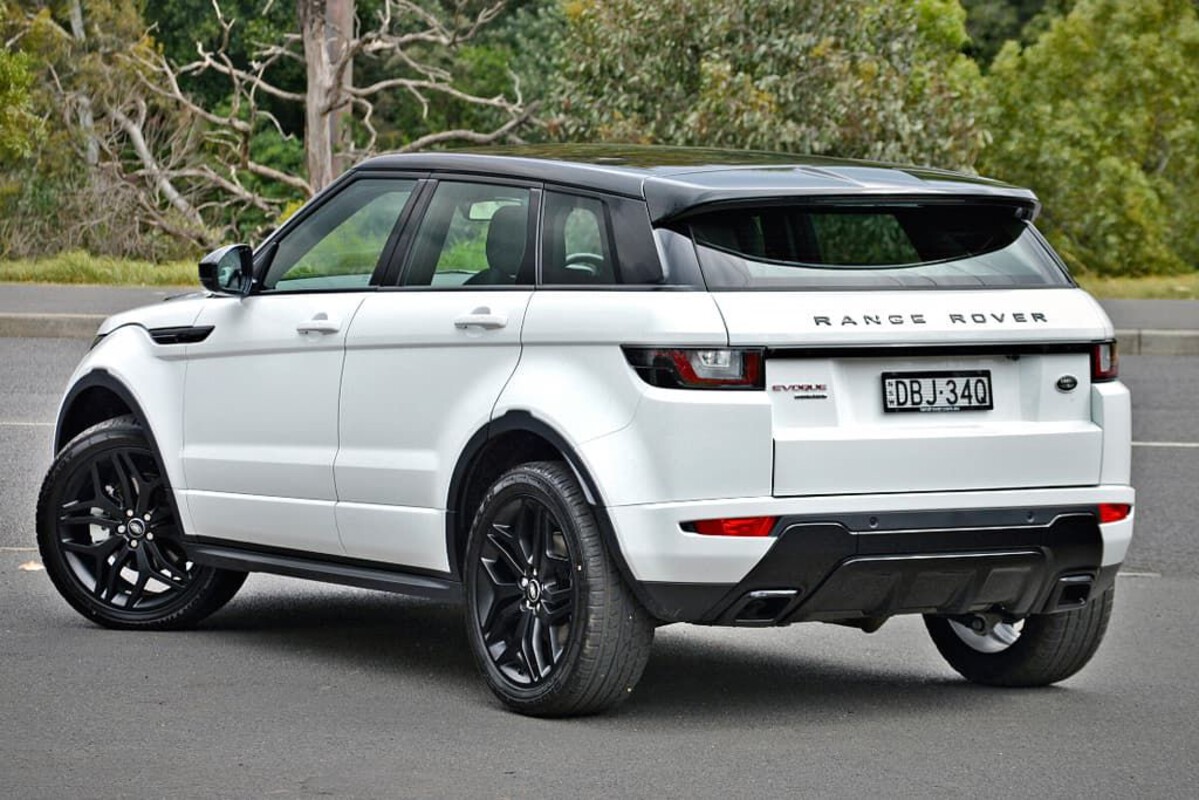
4. Range Rover Evoque
The Range Rover Evoque is a luxury compact SUV that boasts striking design and a premium interior, but it often causes headaches for new parents due to its limited practicality. The rear seating area is one of the most significant issues, with tight legroom and headroom that quickly become uncomfortable for children, especially on longer journeys.
The rear doors, while aesthetically pleasing, do not open very wide, making it difficult to install or remove car seats efficiently. Parents may find themselves struggling with limited space when trying to buckle or unbuckle restless children, which can add unnecessary stress to the daily routine.
The Evoque’s rear seats also do not fold completely flat, limiting cargo space and flexibility for carrying bulky baby gear alongside other family items. This restriction can make packing for family outings or everyday errands more complicated and less convenient.
While the Range Rover Evoque offers advanced safety features, these technologies often come at a high price and may not be standard across all trims. Although features like adaptive cruise control, blind-spot monitoring, and lane-keeping assist are available, they add to the vehicle’s already premium cost.
Some parents may find that these advanced features do not sufficiently compensate for the vehicle’s limited interior space and practical constraints.
Additionally, the Evoque’s ride can feel firm, with a suspension that prioritizes sporty handling over plush comfort, which might lead to a less comfortable experience for children in the back seats. Road noise and wind can also penetrate the cabin more than expected for a luxury vehicle, disturbing sleeping infants or toddlers.
Fuel economy is another downside of the Evoque, with relatively high consumption rates compared to other SUVs in its class. This factor adds to the ongoing costs of ownership, which can be significant for families managing tight budgets with new children.
The premium pricing for maintenance and repairs further compounds these costs. Interior storage solutions, such as cupholders and door bins, are limited and may not meet the practical needs of parents needing to keep baby bottles, snacks, and toys within easy reach.
The infotainment system, while modern, can be complex to navigate quickly, requiring more attention than parents typically have when driving with children. In summary, while the Range Rover Evoque offers luxury and style, its limitations in space, comfort, and cost make it a less ideal choice for new parents prioritizing practicality and ease of use.
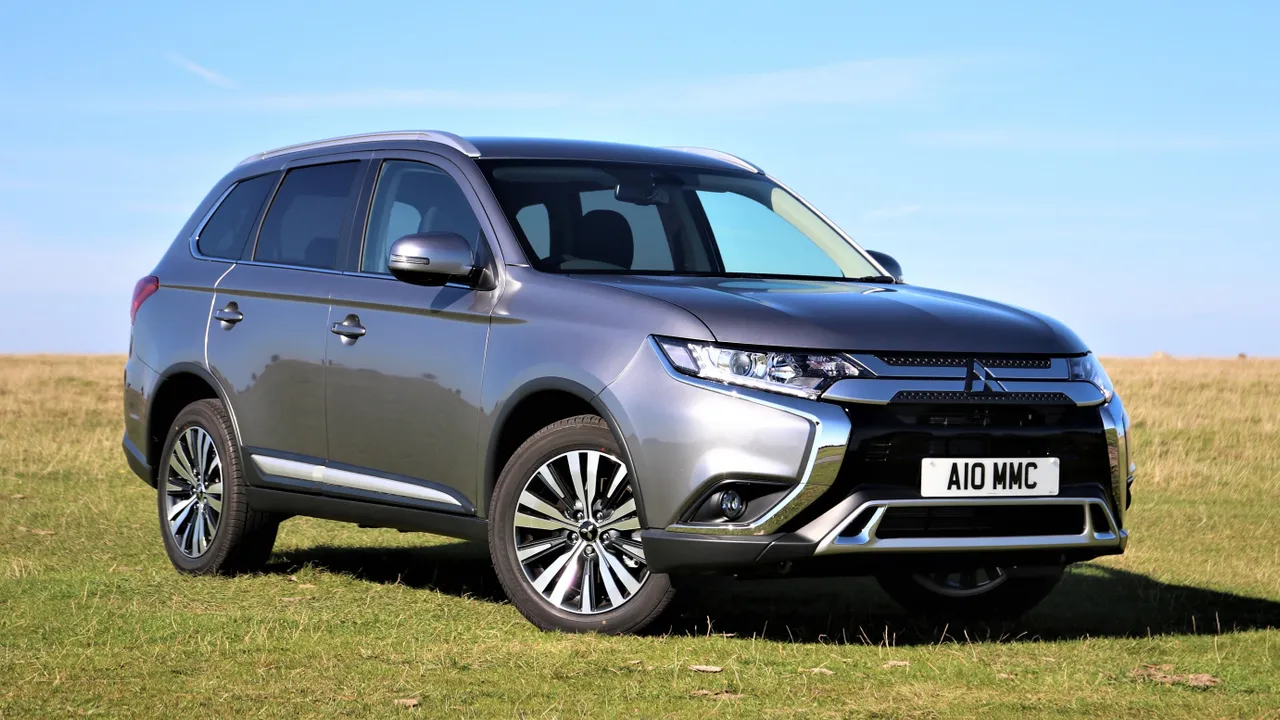
5. Mitsubishi Outlander
The Mitsubishi Outlander is a midsize SUV that presents several challenges for new parents, despite its appealing price point and three-row seating option. The rear seats, especially the third row, tend to be cramped and uncomfortable for children, limiting the vehicle’s effectiveness for families needing spacious seating.
The rear doors do not open very wide, which complicates the installation of car seats and the process of getting children in and out of the vehicle. Parents often find that maneuvering bulky infant seats or booster seats is a struggle in the confined rear space, leading to frustration during everyday use.
The rear seat cushioning and comfort are also lacking compared to competitors, making longer drives more uncomfortable for young passengers. Additionally, the flatness and flexibility of the rear seats are limited, which restricts cargo space and the ability to carry large or awkwardly shaped baby gear alongside passengers.
Safety features on the Mitsubishi Outlander are somewhat basic, with many driver assistance technologies available only on higher trims or as optional extras.
This tiered availability means parents on a budget might miss out on important safety tools like blind-spot detection, lane departure warning, or automatic emergency braking, which have become increasingly standard in family SUVs.
Crash test ratings are mixed, which can be a concern for parents prioritizing their children’s safety. The vehicle’s ride quality is often described as stiff and noisy, with noticeable road and wind noise entering the cabin, potentially disturbing sleeping children or causing general discomfort. Fuel economy is average but not outstanding, adding to running costs without delivering significant advantages over competitors.
The Mitsubishi Outlander’s interior design also falls short in several areas important to families. The cabin materials are utilitarian, lacking the softness and durability that parents want for handling spills, stains, and general wear and tear associated with children.
The infotainment system is basic and sometimes unintuitive, making it harder for parents to quickly adjust controls or connect devices while driving. Storage compartments and cupholders are limited, reducing convenience for parents managing snacks, bottles, and toys.
While the Outlander might appeal to budget-conscious buyers, its combination of limited space, mixed safety ratings, and less comfortable ride make it a frequent source of headaches for new parents seeking a practical and reliable family vehicle.
