
When it comes to daily driving, especially commutes that stretch to an hour or more each way, not all vehicles are created equal. The experience of spending a significant amount of time behind the wheel can vary dramatically depending on the car you choose.
Some vehicles are designed to keep drivers comfortable, relaxed, and focused, making long commutes feel less like a chore and more like a manageable part of the day. Others, however, can add unnecessary stress and fatigue, turning the same journey into a taxing ordeal.
The difference between these two categories often comes down to several key factors. Ride quality, for instance, plays a critical role in how tiring a long drive can be. A vehicle with a well-tuned suspension will absorb road imperfections smoothly, preventing jolts and vibrations from reaching the driver’s body.
Conversely, a car with a stiff or poorly calibrated suspension will transmit every bump and crack in the road, leading to discomfort and even pain during extended trips.
Noise insulation is equally important; a quiet cabin protects drivers from constant road and wind noise, creating a peaceful environment where music, podcasts, or simply silence can help reduce mental fatigue.
Seating comfort is another crucial element. Ergonomically designed seats with ample padding and adjustable lumbar support can make a world of difference when sitting for extended periods. Without these features, drivers may find themselves shifting frequently to alleviate pressure points, which interrupts concentration and increases physical strain.
Technology also contributes to the commuting experience. Features like adaptive cruise control, intuitive infotainment systems, and climate control reduce the workload on the driver and help maintain a comfortable and enjoyable environment.
Fuel efficiency and vehicle size also impact daily commutes. Cars that sip fuel efficiently reduce the frequency of stops and cut down on expenses, while those that are easy to maneuver in traffic and tight parking spaces lower stress levels. In contrast, larger or less efficient vehicles can increase both financial and mental burdens over time.
Understanding these factors can help drivers make informed decisions when selecting a vehicle suited for long commutes. In the sections that follow, we’ll explore five vehicles that excel at handling hour-long drives without adding stress, as well as five that, despite their strengths in other areas, fall short when it comes to daily long-distance commuting.
By examining the strengths and weaknesses of each, commuters can better match their vehicle choice to the demands of their routine, enhancing comfort, safety, and satisfaction behind the wheel.
Also Read: 5 Cars With Easy Trunk Access vs 5 With High Lift-Over Heights
5 Vehicles That Handle Hour-Long Commutes Without Stress
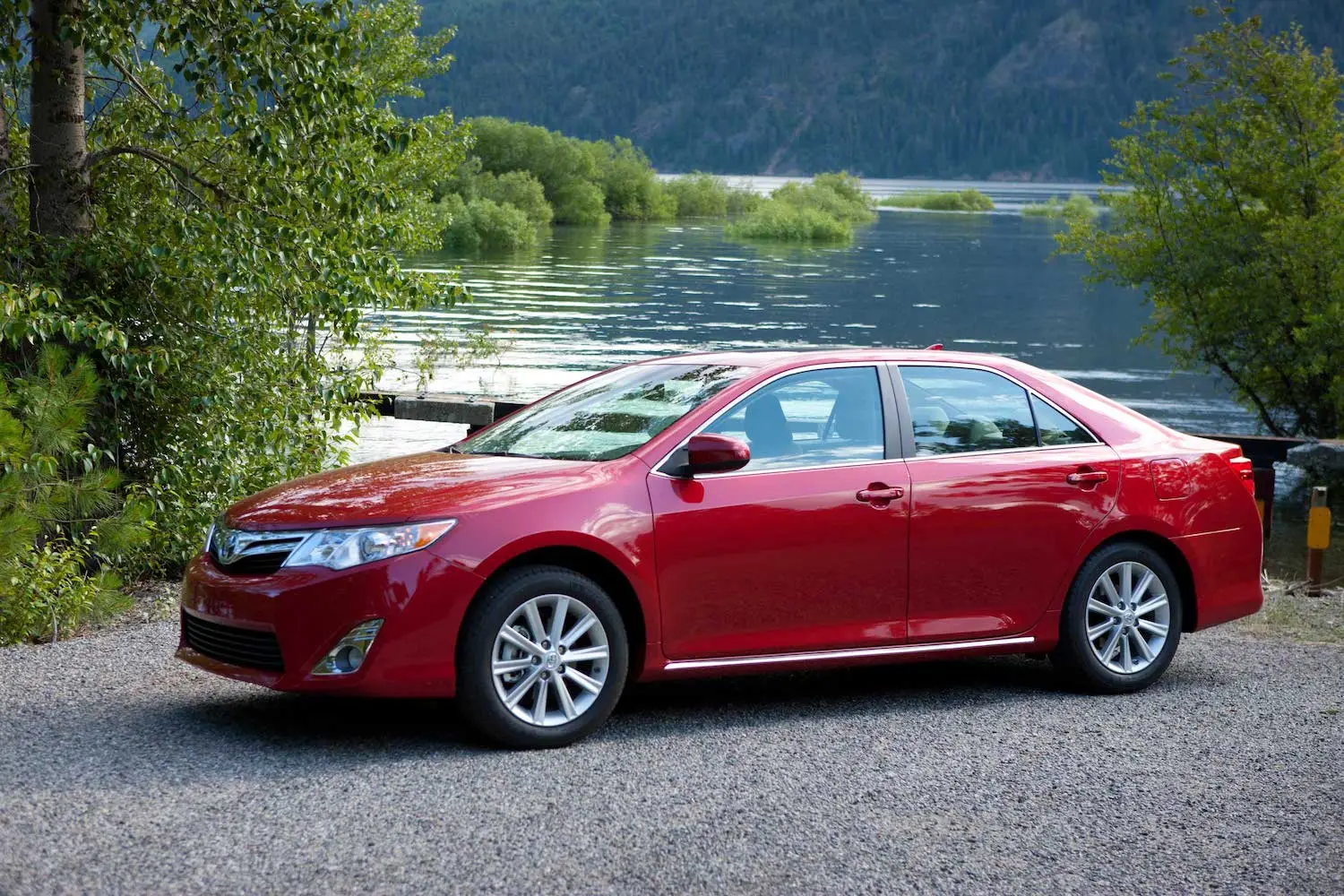
1. Toyota Camry
The Toyota Camry has built its reputation over decades as one of the most dependable and well-rounded sedans in the market. It has consistently been the go-to choice for drivers who want a worry-free ownership experience paired with comfort and performance that doesn’t feel compromised.
When it comes to commuting, especially over longer distances, the Camry stands out for its ability to keep the driver relaxed and supported throughout the journey.
The ride quality is particularly noteworthy. The suspension soaks up imperfections in the road with ease, so potholes and minor bumps rarely jostle the cabin. The steering is smooth but firm, which creates a confident driving feel whether you’re navigating busy city traffic or cruising on the highway.
Inside, the Toyota Camry prioritizes driver comfort with intelligently designed seating and a well-thought-out layout that feels intuitive. Drivers who spend long periods in their vehicles quickly recognize the difference between average and excellent seat support.
The Camry’s seats are contoured to support posture while providing enough cushion to prevent soreness over time. Power-adjustable seating with lumbar support is available on most trims, and higher trims offer even more luxury-focused details such as leather upholstery and heated seats.
The visibility from the driver’s seat is also excellent, which adds to the feeling of control and ease, especially in crowded or complex traffic situations.
The Camry also performs well in terms of noise management and technology. The cabin is quiet, even at higher speeds, thanks to solid insulation and smart aerodynamics that limit wind noise.
The infotainment system includes a user-friendly touchscreen with smartphone compatibility, making it easy to use navigation apps, respond to messages via voice command, or enjoy playlists and podcasts.
Apple CarPlay and Android Auto come standard, making it simple to stay connected without sacrificing safety. For many commuters, having a calm, quiet, and connected environment inside the car is one of the biggest contributors to reducing the mental fatigue of long drives.
In terms of safety, the Toyota Camry comes standard with Toyota Safety Sense, a suite of advanced features including adaptive cruise control, lane departure alert, and automatic emergency braking.
These systems work together to create an extra set of eyes and hands, making it easier to maintain safe distances and stay in your lane without being constantly on edge.
This peace of mind is especially valuable for drivers who face unpredictable road conditions or frequently encounter aggressive traffic. With its mix of comfort, reliability, efficiency, and safety, the Camry remains one of the top vehicles for anyone with a daily commute that regularly exceeds an hour.
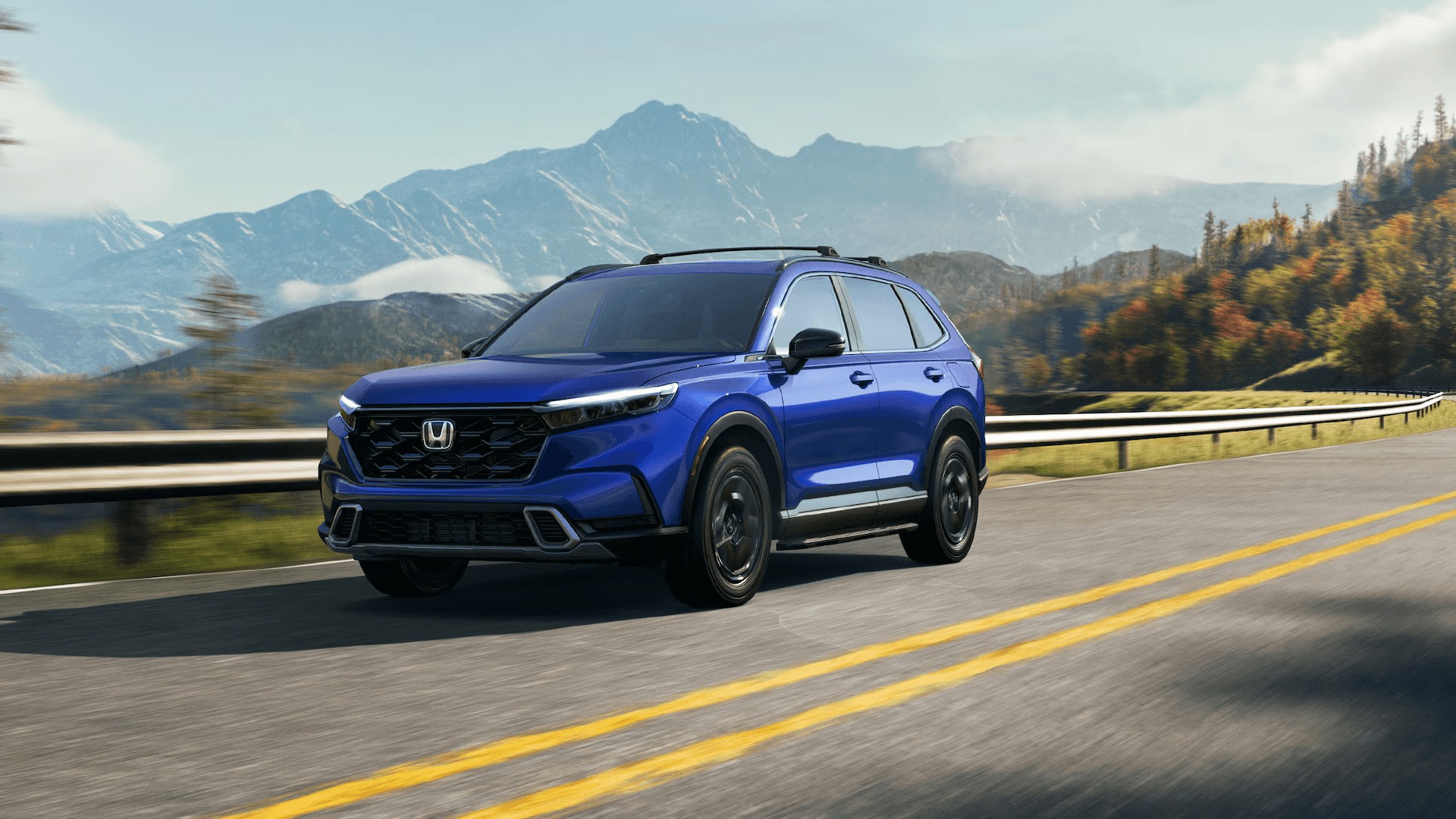
2. Honda CR-V
The Honda CR-V brings a well-rounded experience that hits many of the key marks long-distance commuters are looking for. It’s often praised for being a versatile compact SUV that punches above its weight in terms of comfort, space, and practicality.
What makes it particularly suited for hour-long commutes is the way it combines these benefits into a package that feels more like a full-size SUV while still being efficient and easy to maneuver.
The ride quality is one of the CR-V’s standout features. Whether you’re navigating bumpy city streets or rolling down long stretches of highway, the suspension keeps things smooth and composed. Road imperfections are handled gracefully, which minimizes the jarring sensations that can make longer drives more tiring.
The interior is spacious and thoughtfully arranged, making it ideal for drivers who need both personal comfort and room for passengers or cargo. The seating is designed with long drives in mind, offering supportive cushioning and generous adjustability options.
Drivers can settle into a position that feels natural and doesn’t cause discomfort over time, and the elevated ride height provides excellent road visibility.
Passengers in the rear also benefit from spacious legroom, so it’s not only a good choice for solo commutes but also for carpooling or family trips. The quality of materials inside the cabin is impressive for its class, creating an environment that feels calm and upscale without being overly flashy.
Technology in the CR-V is both functional and user-friendly, supporting the needs of commuters who rely on their car for more than just getting from place to place. The infotainment system features a touchscreen interface, physical controls for essential functions, and compatibility with Apple CarPlay and Android Auto.
These tools allow drivers to navigate traffic using real-time GPS, take hands-free calls, and stream audio content seamlessly. Additional conveniences, such as dual-zone climate control and USB charging ports, round out the experience for those who need their car to function as a mobile office or entertainment hub during long drives.
The CR-V also shines in terms of safety and driver assistance features, thanks to Honda’s suite of technologies known as Honda Sensing. Features such as adaptive cruise control, lane keeping assist, and forward collision warning help reduce the mental load during commutes, allowing drivers to relax slightly while still staying in control.
These tools are especially helpful in unpredictable traffic patterns where human error is more likely. With its combination of comfort, utility, safety, and fuel efficiency, the Honda CR-V is a compelling option for commuters looking for a compact SUV that makes hour-long drives feel much more manageable.
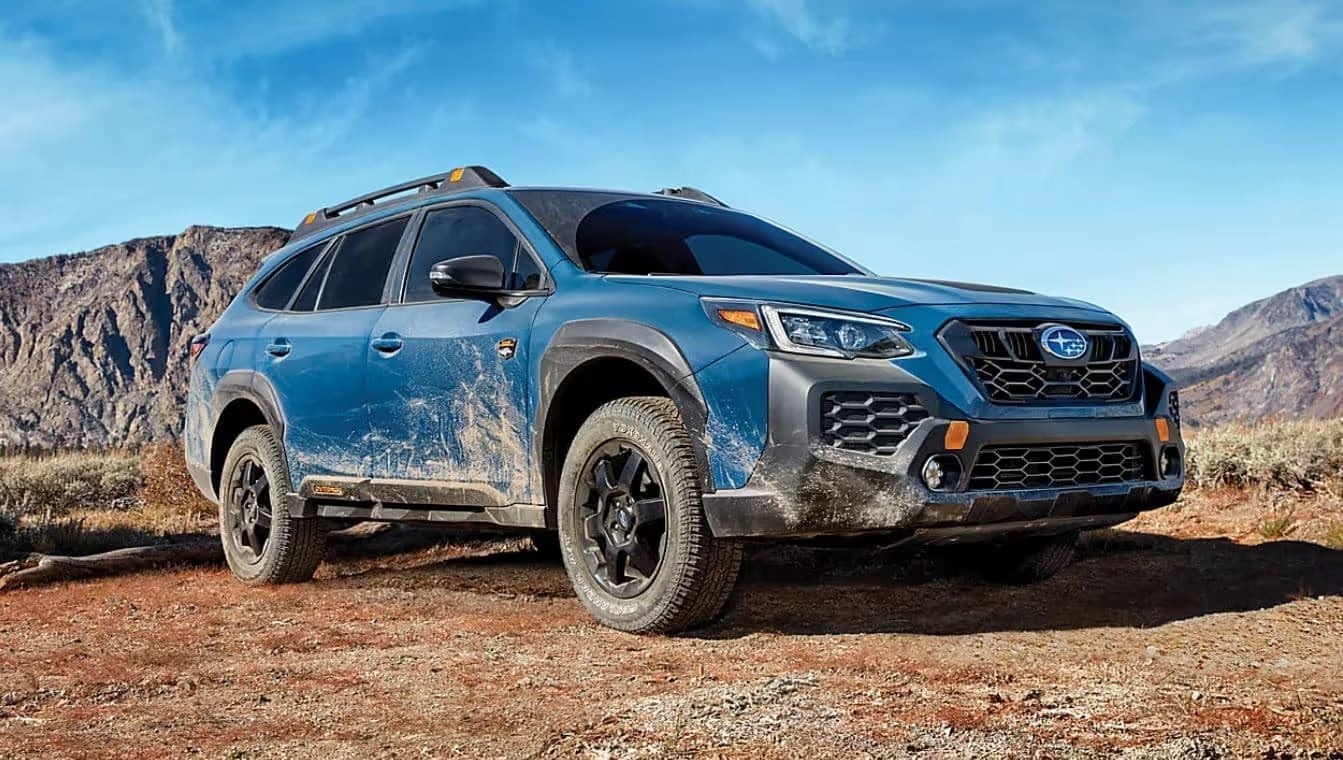
3. Subaru Outback
The Subaru Outback offers a unique blend of rugged capability and everyday comfort, making it a surprisingly effective companion for long daily commutes.
While it’s often associated with outdoor adventure and all-terrain travel, the Outback also performs exceptionally well in urban and suburban environments where comfort and composure are essential.
For commuters, its elevated ground clearance, standard all-wheel drive, and stable handling help it stay calm and controlled even in less-than-ideal road conditions. Whether you’re dealing with icy streets in winter or heavy rain on the highway, the Outback provides peace of mind and a sense of control that significantly reduces driving stress.
Step inside the Outback, and the first thing that becomes apparent is how spacious and serene the cabin feels. The seats are wide and supportive, with enough adjustability to help drivers find a posture that remains comfortable even after an hour or more behind the wheel.
The materials used throughout the cabin are soft to the touch and durable, lending a premium yet practical feel. The layout is smart and accessible, allowing drivers to focus on the road rather than fiddling with controls.
Rear-seat passengers also enjoy plenty of room, which makes the vehicle a great option for carpooling or family commuting. The visibility from the driver’s seat is excellent, thanks to a tall stance and large windows that minimize blind spots.
Another standout feature of the Subaru Outback is its infotainment system and convenience-focused technology. It comes equipped with a large touchscreen display that integrates seamlessly with Apple CarPlay and Android Auto. These systems allow for voice-activated controls, turn-by-turn navigation, and media playback, helping drivers stay entertained and informed without becoming distracted.
The climate control system works quietly and efficiently, and dual-zone options ensure that both the driver and front passenger stay comfortable throughout the ride. Add to that the optional heated seats and steering wheel, and it’s clear the Outback is built for comfort regardless of the season.
On the safety front, the Subaru Outback includes EyeSight Driver Assist Technology, which adds an extra layer of support during long commutes. Adaptive cruise control helps maintain consistent following distances on the highway, while lane departure warnings and pre-collision braking systems keep the vehicle safely on track.
These features significantly reduce the mental toll of heavy traffic by sharing some of the workload with intelligent automation. In short, the Subaru Outback may be best known for its adventurous spirit, but it is equally capable as a comfortable and dependable commuting vehicle, particularly for those who value safety and confidence in unpredictable conditions.
4. Hyundai Sonata
The Hyundai Sonata has evolved significantly over the years into a sleek, feature-rich sedan that excels at long-distance comfort. Its design leans toward understated elegance rather than flash, but under the hood and inside the cabin, it delivers a driving experience that can genuinely reduce the strain of an hour-long commute.
The suspension setup is carefully tuned to absorb bumps and maintain a soft yet controlled ride. Even on rough or aging roads, the Sonata manages to glide along with composure, and the steering offers enough feedback to make the driver feel connected to the road without being overly sensitive or twitchy in heavy traffic.
Comfort is one of the Sonata’s strongest attributes, especially when it comes to seating and interior space. The seats are well-bolstered with plush cushioning, and higher trims offer features like ventilated seating, memory functions, and power lumbar support.
These small touches can make a big difference when you’re sitting in the same position for 60 minutes or more every day. The interior is also designed to be quiet and insulated, with effective soundproofing that keeps out engine noise, tire hum, and the outside world in general. For commuters who like to zone out with music, podcasts, or silence, the peaceful cabin is a real advantage.
Technology plays a central role in making the Sonata a stress-free commuter. Its infotainment system features a large, high-resolution touchscreen and offers fast, intuitive responses. Integration with Apple CarPlay and Android Auto is seamless, and Bluetooth connectivity is both stable and easy to manage.
Additional features like a digital instrument cluster, wireless charging, and optional premium audio systems enhance the daily drive without making the interface too complicated or overwhelming. For drivers who multitask or depend on in-car connectivity, these features help create a functional and enjoyable mobile environment.
The Sonata is also packed with safety technologies that add to its appeal for long-distance commuters. Hyundai’s SmartSense safety suite includes features like forward collision avoidance assist, driver attention warning, lane following assist, and safe exit warning.
These tools help keep drivers alert and reduce the risk of incidents in traffic. The adaptive cruise control system, in particular, is finely tuned to handle varying speeds in traffic, taking some of the pressure off during stop-and-go conditions.
The Hyundai Sonata is an excellent choice for commuters looking for a vehicle that delivers refinement, dependability, and ease of use day after day.

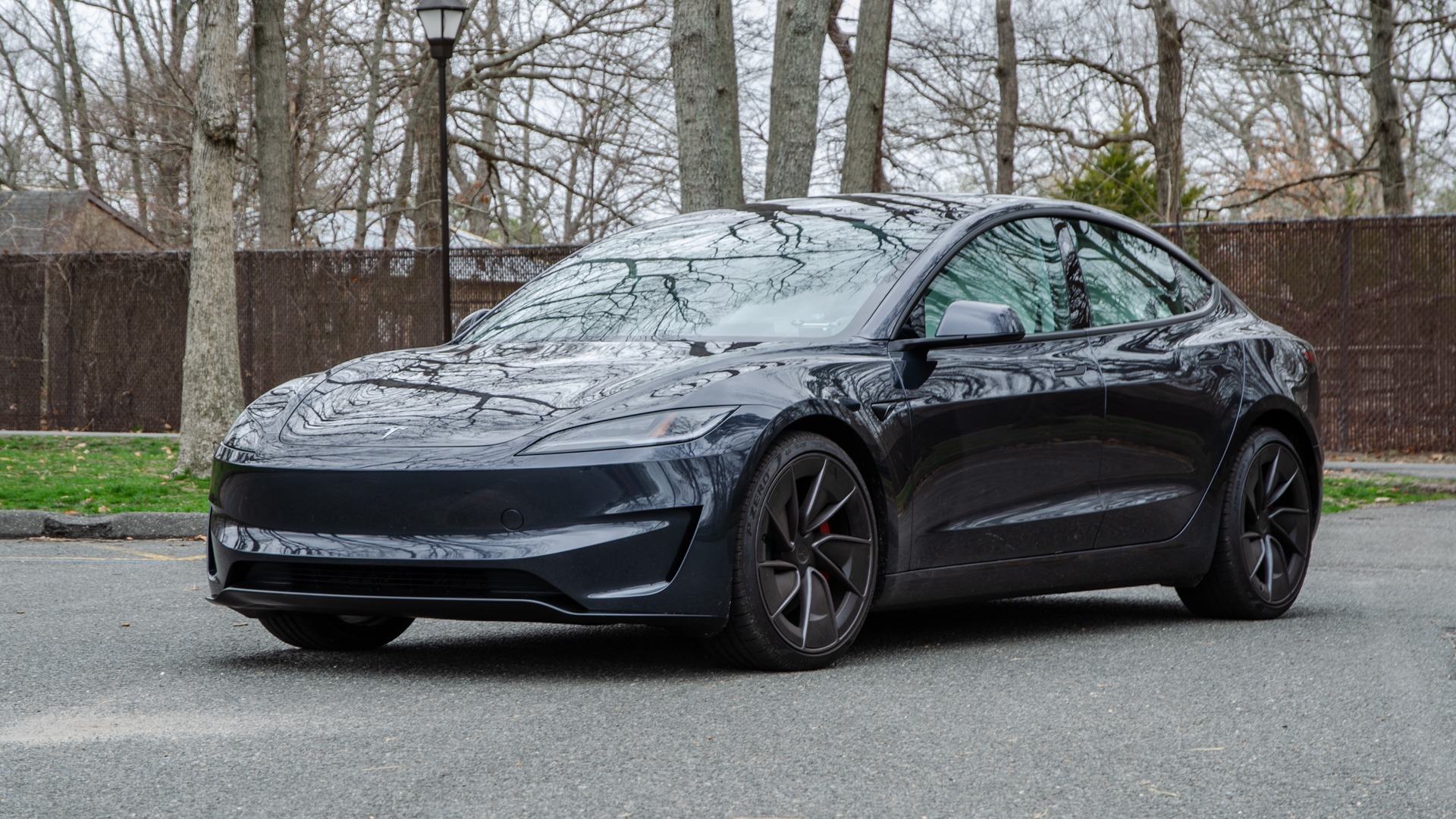
5. Tesla Model 3
The Tesla Model 3 offers a very different kind of commuting experience, one rooted in innovation and cutting-edge technology. As an all-electric sedan, the Model 3 eliminates many of the common stress points of a traditional gas-powered vehicle.
There’s no engine vibration, no shifting gears, and no fluctuating fuel prices to worry about. The acceleration is smooth and instant, allowing drivers to easily merge onto highways or escape crowded intersections without feeling sluggish.
For those facing hour-long commutes, the silence and seamlessness of an electric drivetrain can make a significant difference in mental energy and driving comfort.
The interior of the Model 3 reinforces Tesla’s focus on minimalism and user-focused technology. There are few physical buttons; nearly all functions are controlled through the large central touchscreen. While this may take a little getting used to, the layout is clean, responsive, and designed with simplicity in mind.
The seats are firm but supportive, with good lumbar support and heated options for all passengers. Drivers can adjust their position with great precision, and the cabin provides an airy feel thanks to the panoramic glass roof and clutter-free dashboard. The minimalist design contributes to a feeling of calm, which is useful for easing the mental load of daily driving.
Battery range is a critical concern for electric vehicle users, but the Model 3 offers enough miles per charge to make daily commuting worry-free. Depending on the variant, it can cover anywhere from 250 to 350 miles on a single charge, which is more than enough for most commutes with room to spare.
Tesla’s Supercharger network also provides convenient and fast charging options for those who occasionally need to top off during the week. Regenerative braking not only improves energy efficiency but also reduces wear on brake pads and adds to the smoothness of the driving experience.
One of the Model 3’s most impressive features for commuters is Tesla’s Autopilot system. While it’s not fully autonomous, it provides a set of advanced features such as adaptive cruise control, lane centering, and automatic lane changes (with additional packages).
These features help reduce driver fatigue, especially during monotonous highway stretches or in stop-and-go traffic. The system can manage acceleration, braking, and some steering functions, allowing the driver to relax while still maintaining oversight.
For tech-savvy commuters who want a cutting-edge and low-maintenance driving experience, the Tesla Model 3 offers one of the most forward-thinking solutions currently available.
Also Read: 5 Vehicles With Simple Hitch Setup vs 5 With Complicated Tow Prep
5 That Do Not

1. Jeep Wrangler
The Jeep Wrangler is one of the most iconic off-road vehicles ever built, but it is not cut out for long, daily commutes on paved roads. While it excels on trails and rugged terrain, that same design philosophy makes it uncomfortable on highways and city streets.
The suspension is built for articulation and ground clearance, not for absorbing potholes or delivering a smooth ride over asphalt. As a result, every bump, crack, or dip in the road is felt throughout the cabin, which becomes especially tiring after a full hour on the road, twice a day.
Another issue with the Wrangler is its noisy interior. The boxy design, removable roof, and upright windshield create a lot of wind resistance and cabin noise at higher speeds. Even in newer models, road and wind noise are significant, which can be mentally fatiguing on longer trips.
It’s hard to enjoy music, hold a phone call over Bluetooth, or even relax in silence because of the constant drone. While this may be acceptable for short drives or off-roading adventures, it becomes grating on long daily commutes where noise reduction plays a big role in reducing stress.
Seating comfort is another shortfall. The seats are firm and flat, with limited adjustability and minimal lumbar support, which can quickly lead to back and hip discomfort over longer drives. Unlike commuter-oriented vehicles that feature power-adjustable seating and memory functions, the Wrangler’s setup is more utilitarian.
Even with higher trims that offer leather seats and some upgrades, the core seating design isn’t built for extended daily use. You may find yourself constantly adjusting your posture or needing to stretch the moment you get out of the car.
Fuel efficiency also works against the Wrangler as a commuter car. With larger tires, four-wheel drive systems, and less aerodynamic design, the gas mileage is well below that of typical sedans or crossovers.
Over time, the frequent fuel stops and added fuel costs add a financial burden to the already physical discomfort. While it remains one of the most capable off-roaders on the market, the Jeep Wrangler is not suited for repetitive hour-long drives across paved roads.
2. Chevrolet Spark
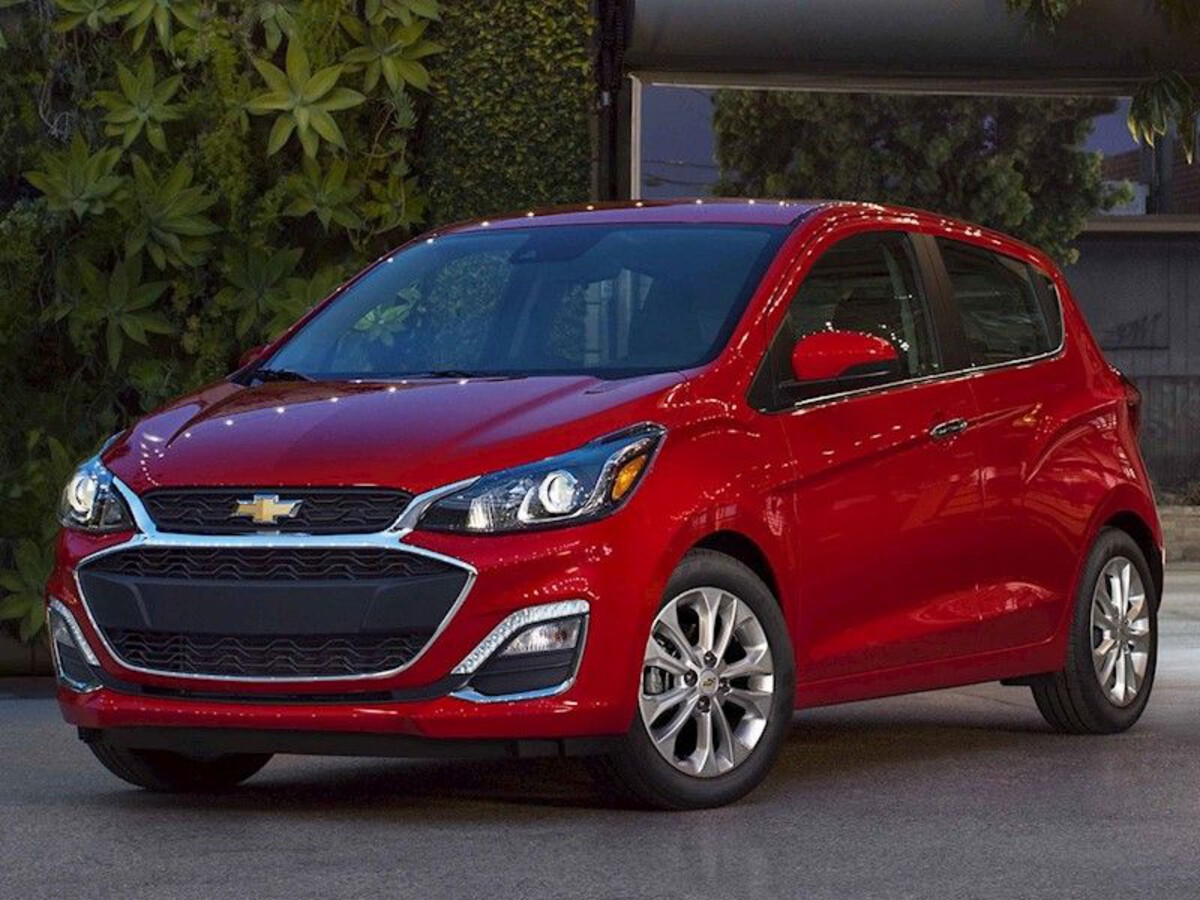
The Chevrolet Spark is an affordable, compact car that serves a clear purpose: getting around in tight urban spaces and offering basic transportation on a budget. However, its simplicity and small size make it a poor candidate for hour-long commutes.
One of the biggest drawbacks is the ride quality. With its short wheelbase and light weight, the Spark tends to bounce over road imperfections rather than absorb them. Even moderate bumps can feel jarring, and on older roads or highways with patches and cracks, the ride becomes uncomfortable quickly.
Cabin noise is also an issue. Due to its economy design and lack of advanced insulation, the Spark allows in a lot of road and wind noise, particularly at highway speeds. Conversations need to be raised, and audio clarity suffers, which diminishes the comfort of the drive.
For those who rely on peaceful or focused driving environments, the Spark doesn’t offer the quiet necessary to reduce mental fatigue. It’s one thing to drive a noisy car for a 10-minute trip across town, but it’s another to tolerate that for over an hour, twice a day.
Another problem is seating comfort. The Spark’s seats are small and thinly padded, with limited lumbar support and basic manual adjustments. They’re designed for short trips and economy, not for comfort. After 30 or 40 minutes of sitting in the same position, many drivers report discomfort in their lower backs or legs.
There’s also very little legroom for taller drivers, and the rear seats offer almost no usable space, making the car feel cramped and claustrophobic over long durations.
Performance and power are also concerns when commuting at highway speeds. The Spark’s small engine is adequate for city speeds but struggles to maintain higher speeds without frequent gear shifting or loud engine revving.
It can feel underpowered when merging or passing, which increases stress in fast-moving traffic. For budget-conscious drivers with short commutes, the Spark might still be acceptable. But for those covering long distances daily, the Spark feels more like a compromise than a solution.
3. Mitsubishi Mirage
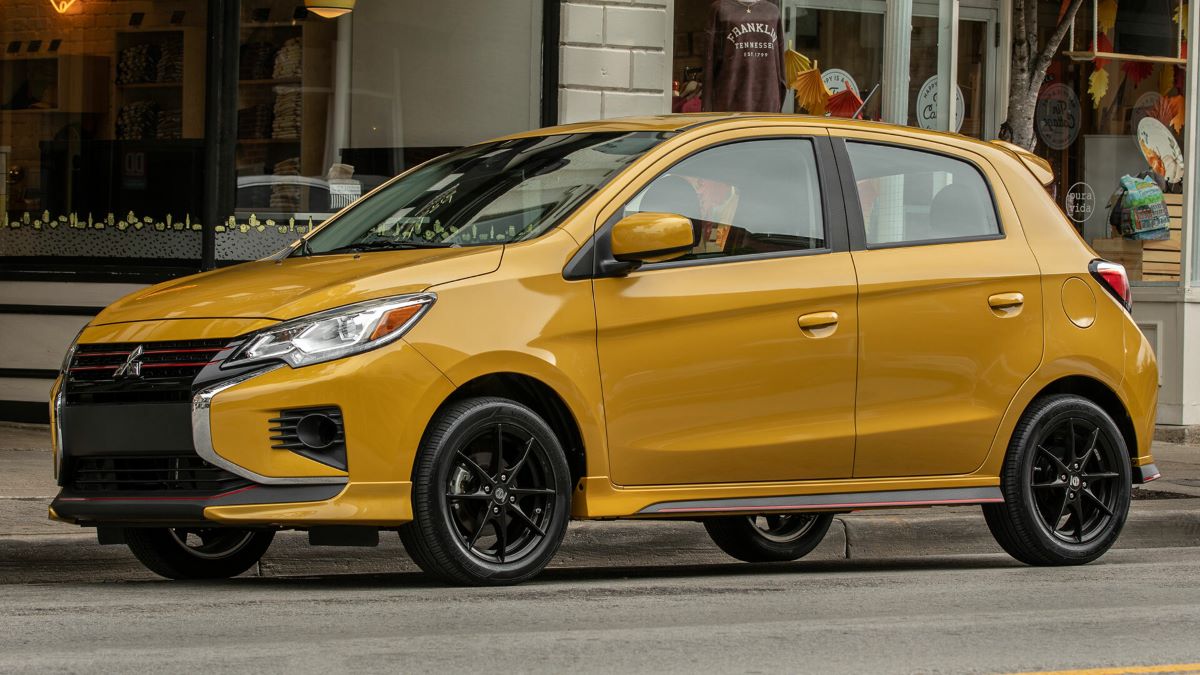
The Mitsubishi Mirage is one of the most affordable new cars available, often appealing to first-time buyers or drivers looking for basic transportation. But that affordability comes at a cost when it’s used for longer commutes. One of the most noticeable issues during extended drives is the lack of comfort and quality in the interior.
The materials are hard, the design is dated, and the cabin feels noisy and minimal. Long drives quickly reveal that this is a car built with cost savings in mind, not driver comfort or long-term use.
The seats are particularly unsuited for hour-long drives. They offer almost no lateral support, limited cushioning, and very few adjustments. There’s no lumbar support, and the seating position often feels unnatural for taller drivers. The result is a very basic chair-like feel that becomes uncomfortable quickly.
Over time, this can lead to stiffness, soreness, and a general sense of unease while driving. For people who spend a lot of time in their cars, these seating limitations become a major drawback.
Driving dynamics also leave much to be desired. The Mirage feels underpowered, particularly on the highway, where it struggles to maintain consistent speed without noise and effort.
The steering is vague, and the car feels unstable in crosswinds or at higher speeds, which adds to the driver’s mental load. It lacks the smoothness and road presence that help make longer commutes feel safe and in control. Drivers may find themselves gripping the wheel tightly or over-correcting, which can cause fatigue and stress after an hour or more.
On top of that, the ride quality is poor. The Mirage doesn’t handle rough roads gracefully, and its suspension transmits a lot of vibration into the cabin. The light body structure amplifies the effects of road imperfections rather than absorbing them.
Combined with loud engine noise and minimal insulation, the Mirage creates a driving experience that feels tiring rather than calming. It may serve well for basic transportation across short distances, but as a vehicle for long daily commutes, it comes up short in nearly every important area.
4. Ford Mustang (Base Models)
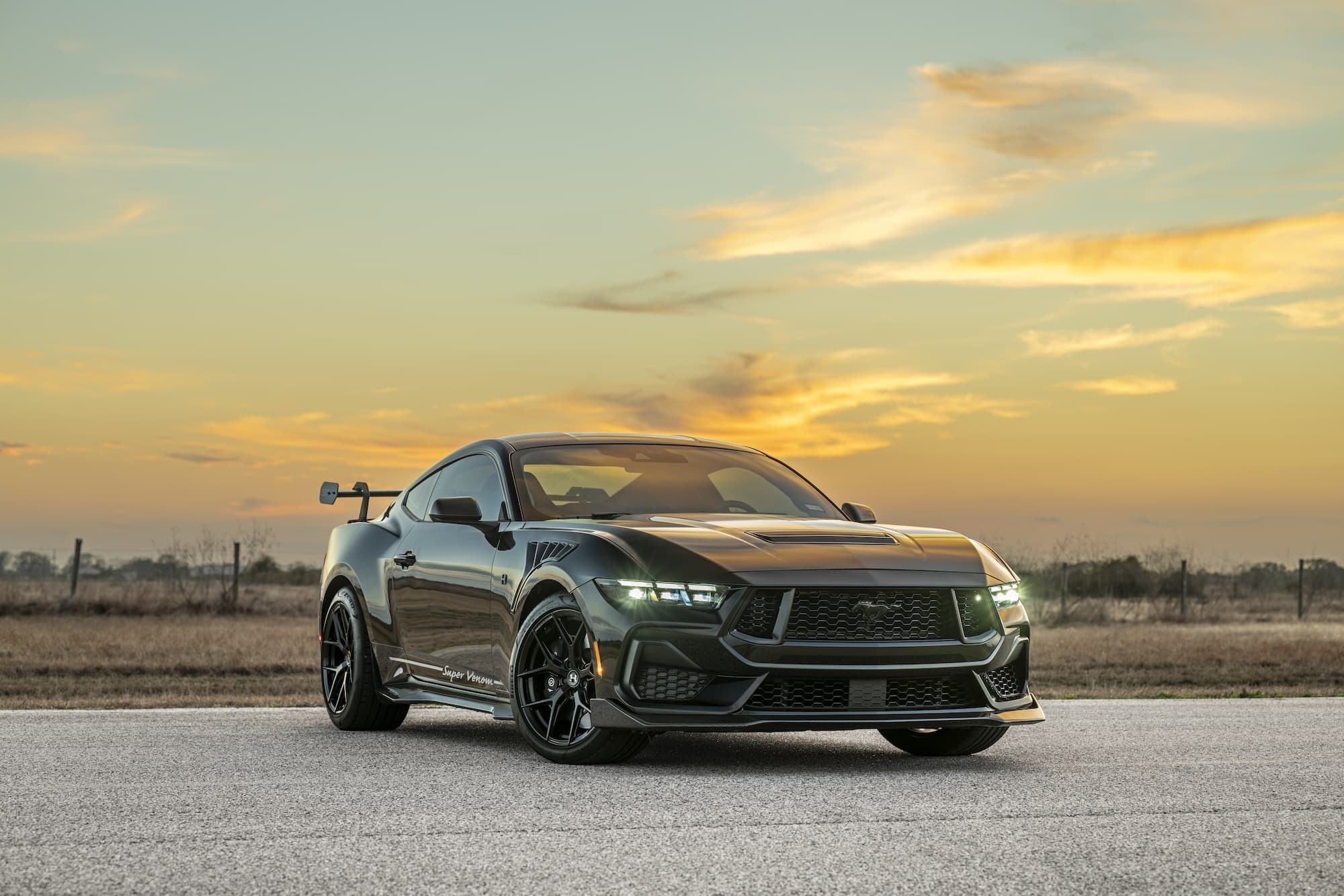
The Ford Mustang is a legendary sports car, famous for its powerful engines and aggressive styling. However, when it comes to hour-long daily commutes, particularly in its base or entry-level trims, the Mustang falls short in several key areas that make long drives more taxing than enjoyable.
While thrilling for weekend drives or short bursts of speed, the Mustang’s suspension is stiff and tuned for performance, which means it delivers a harsh ride on everyday roads. Over time, this constant pounding from bumps and uneven surfaces can lead to physical discomfort and driver fatigue.
Inside the Mustang, the seating often emphasizes sportiness over comfort. The seats are heavily bolstered to hold the driver during aggressive maneuvers but can feel confining or firm when stuck in stop-and-go traffic for long periods.
Lower trims may lack adjustable lumbar support or heated features, which are important for comfort during lengthy drives. Taller drivers may also find the interior somewhat cramped, especially in the back seat, making it a less-than-ideal choice for those who need to carpool or carry passengers during commutes.
Cabin noise is another factor that negatively impacts the Mustang’s suitability for extended commuting. The engine roar and exhaust growl, which enthusiasts enjoy, can become overwhelming and tiring during daily, long-distance driving.
Wind noise is also more pronounced due to the coupe’s aerodynamic profile and lower ride height. This can make listening to music or holding conversations more difficult without raising the volume to potentially damaging levels.
Fuel efficiency is notoriously poor in performance-oriented vehicles like the Mustang, especially with larger engines and aggressive driving styles. When faced with an hour-long commute each day, this translates into frequent stops at the gas station and higher monthly expenses.
Although the Mustang offers an exhilarating driving experience, its trade-offs in comfort, noise, and fuel economy make it a less practical option for those seeking a stress-free daily drive.
5. Nissan Frontier (Older Models)
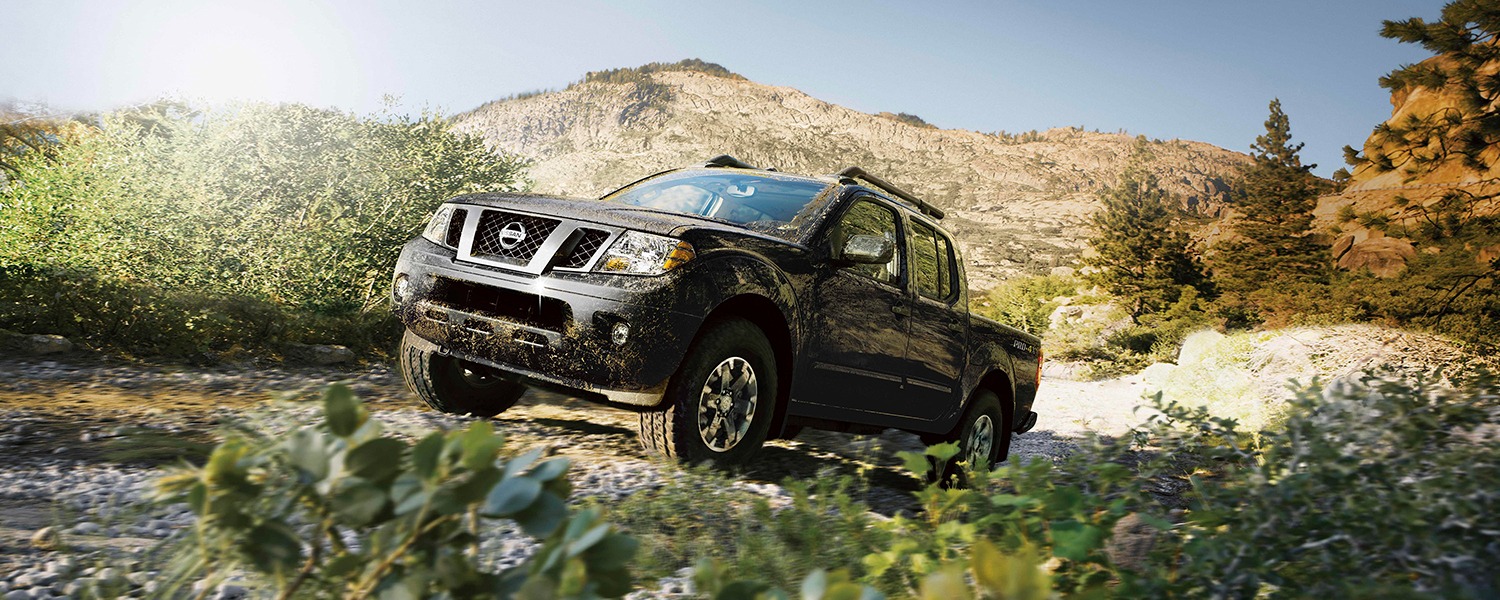
The Nissan Frontier, especially in its older models, is a rugged mid-size pickup truck built primarily for work and utility rather than commuter comfort. While its durability and towing capability are well-regarded, it struggles to provide the kind of smooth, quiet, and comfortable ride that long hour-long commutes demand.
The Frontier’s suspension is designed to handle heavy loads and off-road conditions, which makes it firm and bouncy on paved roads. Over extended periods, this ride quality can become uncomfortable and even exhausting for drivers.
Another challenge is the Frontier’s size and maneuverability. While its truck dimensions are useful for hauling and towing, they can make daily navigation through tight city streets, crowded parking lots, or busy highways more stressful than it needs to be.
Drivers may find themselves working harder to stay aware of the vehicle’s bulk, especially in stop-and-go traffic, increasing the mental load of commuting.
Fuel economy, especially in older Frontier models, is generally below average for a midsize vehicle. Frequent fuel stops add to the inconvenience and expense of daily commuting. Additionally, older technology means fewer driver aids or comfort features, such as adaptive cruise control or advanced infotainment systems, which can ease the burden of long drives.
For these reasons, the Nissan Frontier, while excellent for work-related tasks, doesn’t handle the demands of hour-long commutes without adding unnecessary stress.
