
Luxury SUVs represent a unique intersection of comfort, performance, and status. These vehicles offer more than basic transportation; they’re often engineered to provide exceptional driving experiences, outfitted with advanced technology, and built with high-end materials. But not all luxury SUVs are created equal. Some models are quietly excellent, consistently offering quality without flashy marketing or brand overexposure.
These tend to fly under the radar, overshadowed by more aggressively advertised competitors. On the other hand, there are luxury SUVs that receive widespread attention, yet fail to deliver a return on investment.
Their high price tags and ongoing maintenance costs can outweigh the benefits they offer. As luxury automakers continue to flood the market with newer models and updates, it’s easy for car buyers to get lost in the hype and overlook more reliable or valuable alternatives.
This article examines ten specific luxury SUVs five that are often underestimated and undervalued, and five that are perhaps receiving more praise than they truly deserve. For the overlooked group, we’ll focus on what makes them truly special: long-term reliability, thoughtful engineering, refined interiors, and performance that quietly matches or beats more popular rivals.
These vehicles are often less frequently reviewed or featured in lifestyle media but offer tangible value to those who actually drive them. Many provide excellent ownership experiences without attracting unnecessary attention, which is often what real luxury is about.
Conversely, the overrated luxury SUVs in this article suffer from a variety of issues: frequent reliability complaints, sky-high depreciation, subpar interior quality relative to their sticker prices, or a focus on branding over substance.
Buyers often get caught up in flashy options or premium badges without digging deeper into ownership costs or long-term satisfaction. These SUVs tend to dominate headlines, influencer garages, and flashy promotional videos, but when put to the test over several years, they can end up being money pits.
So, whether you’re in the market for a new ride or just curious about which luxury SUVs deserve more attention or less, this list will help separate strong value from expensive mistakes. Here are five overlooked luxury SUVs that deserve more recognition and five overrated ones that might just be draining wallets more than they should.
Also Read: 10 Cars No One Talks About But Run Forever
5 Overlooked Luxury SUVs
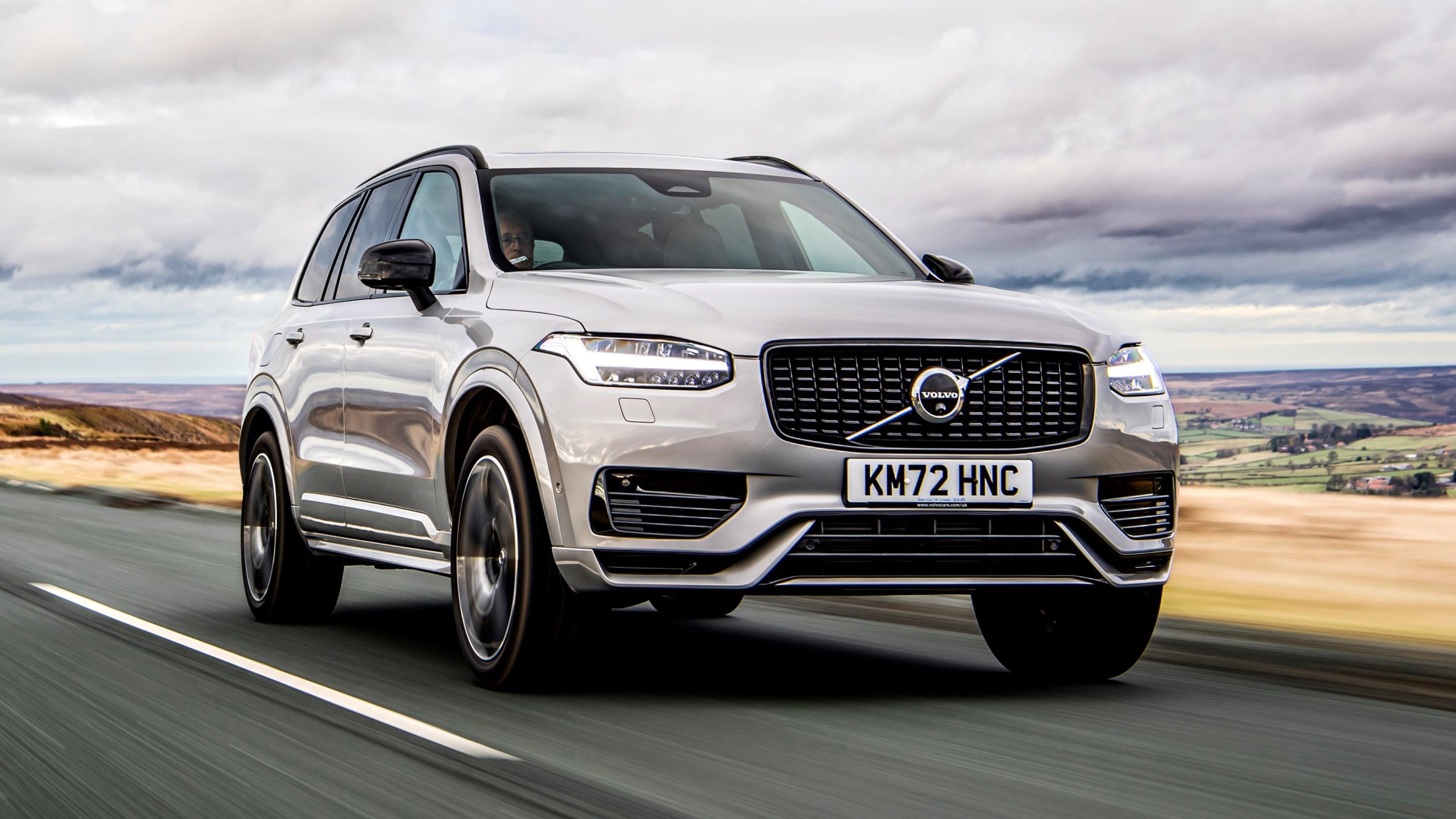
Overlooked Luxury SUV #1: Volvo XC90
The Volvo XC90 doesn’t get nearly the amount of praise it deserves when compared to its German counterparts. Often overshadowed by brands like BMW and Mercedes-Benz, the XC90 quietly delivers one of the most complete luxury SUV experiences on the market.
From its elegantly minimalist Scandinavian design to its safety-first engineering, this SUV appeals to drivers who appreciate refined performance without the need for excessive branding or flash. The attention to detail in the cabin materials and layout provides an understated form of luxury that emphasizes comfort and functionality over showiness.
What sets the XC90 apart is its dedication to safety and efficiency. Volvo has long been a leader in vehicle safety, and the XC90 carries on that tradition. Advanced driver-assistance features come standard or are reasonably priced, and the vehicle handles confidently in both urban and highway conditions.
The available plug-in hybrid powertrain also gives the XC90 a distinct edge in efficiency, especially for those who want a luxury experience without constantly visiting the gas station. In day-to-day use, the XC90 offers a level of peace of mind that some competitors lack, especially in unpredictable driving environments.
Another area where the XC90 outshines its peers is in interior space and layout. The third row is usable for adults, unlike many other SUVs in its class. Thoughtful features like a vertically-oriented touchscreen, intuitive controls, and plush seating make long trips comfortable.
The cabin is incredibly quiet, offering a serene driving experience that feels upscale without being overbearing. This SUV feels designed for people who plan to actually live with their car for years, not just make a statement for six months.
Yet despite all this, the XC90 rarely makes headlines or dominates discussion threads. Perhaps it’s because it doesn’t scream for attention. It simply performs, quietly and consistently. For those willing to look past marketing noise, the Volvo XC90 provides lasting value, premium features, and real-world reliability that are too often ignored in favor of flashier rivals.
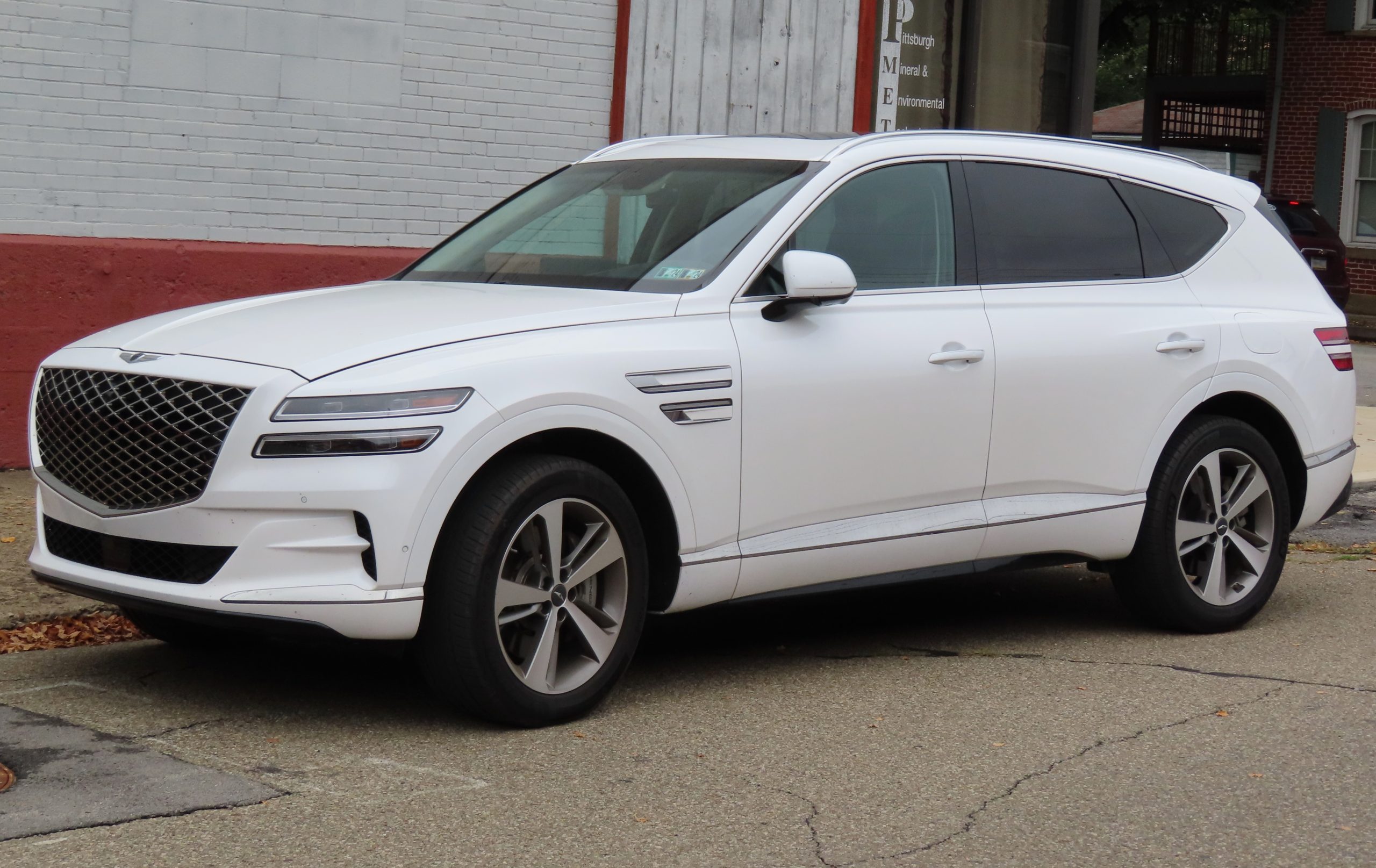
Overlooked Luxury SUV #2: Genesis GV80
Genesis, Hyundai’s luxury division, made a strong entrance with the GV80, a midsize SUV that punches above its weight. Despite its premium design and impressive list of features, it still doesn’t get the recognition it deserves.
Many consumers still equate Genesis with lower-tier offerings from its parent company, even though the GV80 easily competes with established European luxury models. Its combination of craftsmanship, comfort, and pricing makes it one of the best-kept secrets in the luxury SUV space.
Step inside the GV80, and you’re immediately struck by the quality of materials and thoughtful design choices. Leather, real wood, and aluminum accents are everywhere you look. The layout is clean and modern, with an elegant user interface and a digital dashboard that doesn’t try too hard to be futuristic.
Ride comfort is also a standout feature, with noise insulation and suspension tuning that keep road imperfections at bay. It feels every bit like a luxury SUV without the bloated price.
Genesis backs the GV80 with one of the best warranties in the business, which adds even more value. When comparing ownership costs, the GV80 comes out favorably against German competitors like the Audi Q7 or BMW X5.
Buyers also benefit from fewer maintenance visits and a more straightforward tech experience, thanks to software that avoids complexity in favor of usability. These things matter over time, especially for families or individuals who prioritize reliability alongside luxury.
One reason the GV80 remains overlooked is its relative youth in the market. Without decades of brand equity or a history of iconic models, Genesis still fights for legitimacy in a crowded segment. But for those willing to sidestep brand loyalty, the GV80 offers an experience that punches far above its asking price. It’s not a compromise; it’s a contender that many overlook simply because of a badge.
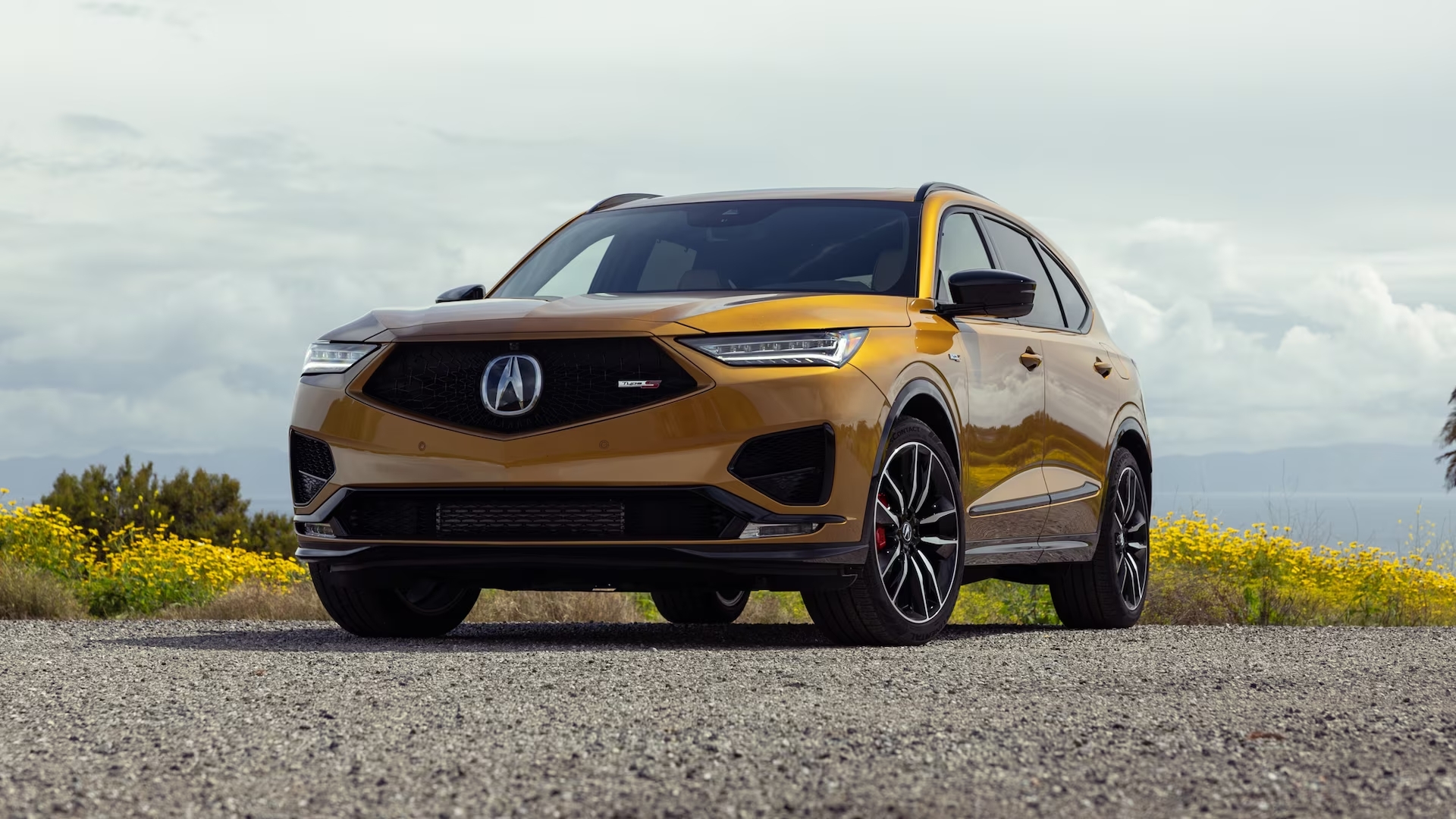
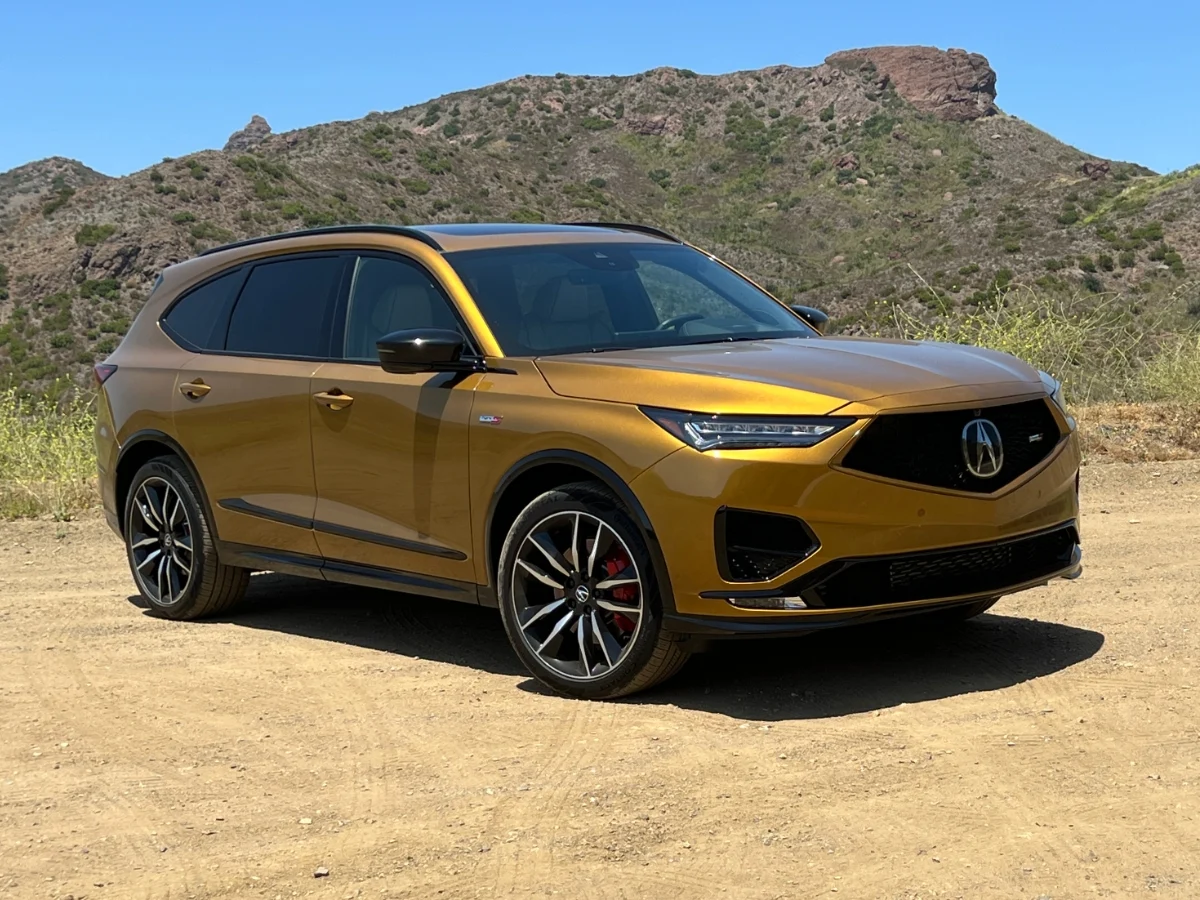
Overlooked Luxury SUV #3: Acura MDX Type S
The Acura MDX Type S is a performance-oriented SUV that blends luxury with athleticism, yet it often gets ignored in discussions dominated by European performance models. Acura has long struggled to establish itself as a top-tier luxury brand, but the MDX Type S should change that narrative.
With a turbocharged V6 engine, upgraded suspension, and high-end interior appointments, it delivers a well-rounded experience that often gets lost amid flashier competitors.
On the road, the MDX Type S is agile and engaging. The Super Handling All-Wheel Drive system adds to its dynamic character, providing confidence in corners and during poor weather conditions. Despite its performance edge, it doesn’t sacrifice ride comfort. Acura engineers managed to walk the fine line between firm and plush, allowing for an engaging drive without fatigue on longer trips. Few SUVs in this segment manage to be this athletic while still remaining family-friendly.
The interior offers an impressive amount of tech, but it’s implemented in a way that doesn’t overwhelm. The digital cluster, infotainment system, and head-up display are all easy to navigate once the initial learning curve is overcome. Quality materials throughout the cabin, from the seats to the dash, give it a truly premium feel. The third-row seating isn’t an afterthought either, which makes the MDX Type S a practical luxury SUV with actual space for larger families.
The biggest challenge the MDX Type S faces is perception. Many buyers automatically gravitate toward BMW’s M models or Audi’s S-line vehicles, but those often come with a much steeper price tag and higher maintenance costs. Acura’s offering, by contrast, delivers similar performance and interior quality without the inflated price. It deserves more attention than it receives and stands as a solid alternative for buyers wanting something both sporty and luxurious.
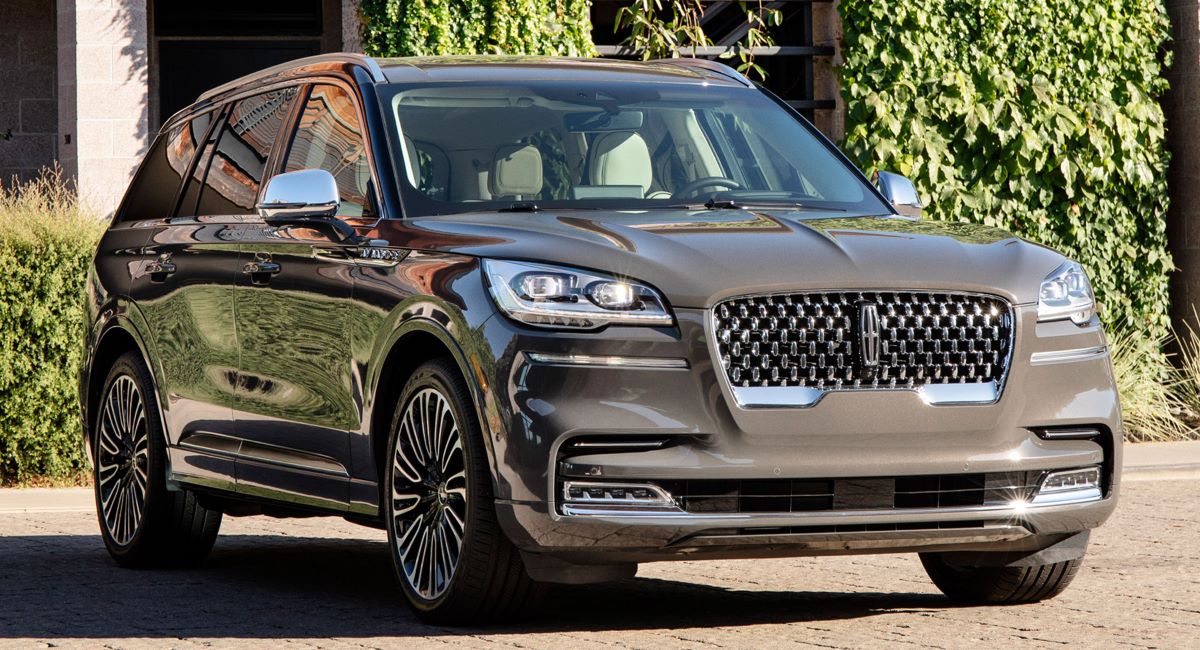
Overlooked Luxury SUV #4: Lincoln Aviator
The Lincoln Aviator blends American luxury with advanced technology in a way that’s surprisingly competitive against more established international brands. Yet it remains underappreciated. The Aviator offers a smooth ride, powerful twin-turbocharged engine options, and one of the most comfortable cabins in the segment. It’s one of the few American SUVs that genuinely feels like a luxury product from top to bottom.
Lincoln’s design team deserves credit for crafting a vehicle that feels calm and composed inside and out. The styling is distinctive without being brash. Inside, you’re met with a cabin filled with soft-touch surfaces, beautiful detailing, and one of the most comfortable sets of front seats in any SUV. The available massaging functions and customizable ambient lighting add to the comfort, helping the Aviator feel like a rolling lounge.
Performance is another highlight. The standard engine is strong, but the plug-in hybrid Grand Touring model brings even more power and torque to the table. It’s quick, but not aggressively tuned, prioritizing smoothness over raw sportiness. This works well for Lincoln’s intended audience, which values relaxation and quietude over speed. Long road trips in the Aviator are a pleasure, thanks in part to its adaptive suspension and cabin noise insulation.
Why the Aviator isn’t more popular likely comes down to brand perception. Lincoln doesn’t carry the same weight as Audi or Mercedes-Benz in the luxury world. But for those who look past badges and focus on comfort, features, and design, the Aviator is a worthy contender. It checks many of the same boxes as its rivals, often at a better price, and does so without compromising on quality or refinement.
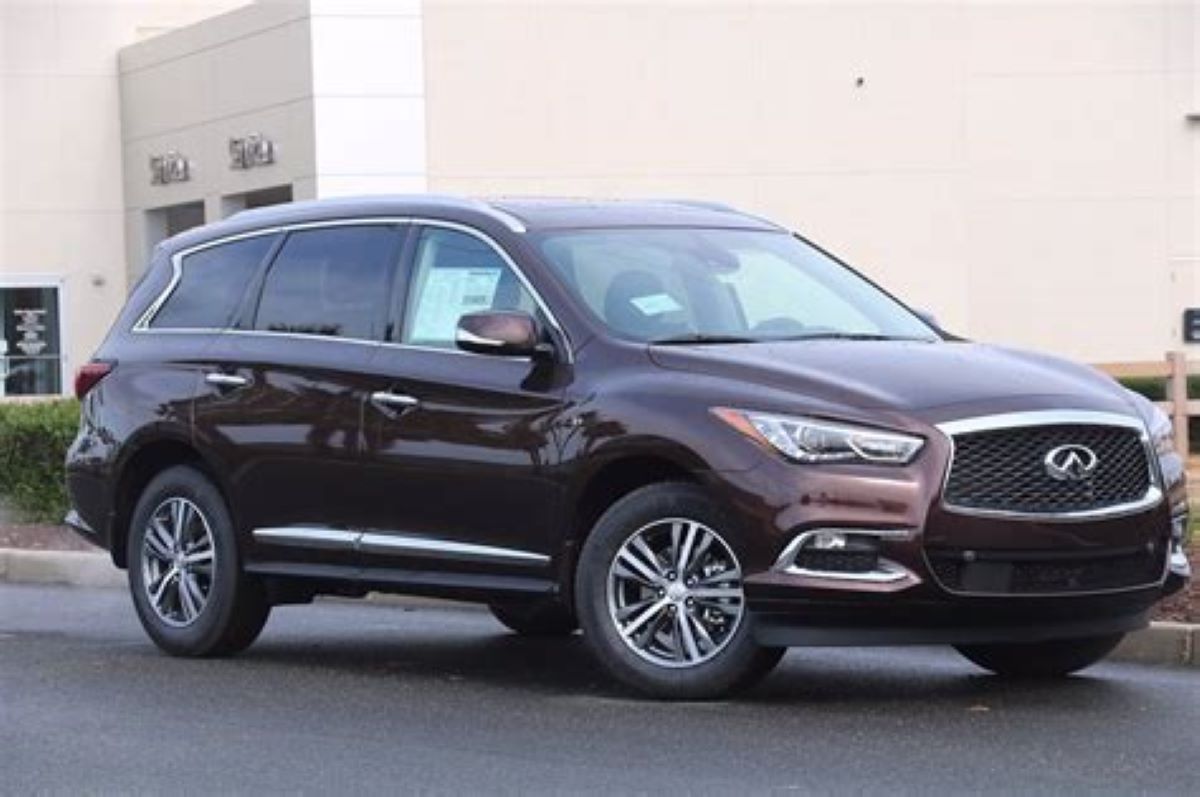
Overlooked Luxury SUV #5: Infiniti QX60
The Infiniti QX60 has quietly improved over the years, finally finding its stride as a well-rounded luxury SUV that families can rely on. While earlier models may have left something to be desired, the latest version competes well in terms of comfort, design, and technology. Still, it remains underrepresented in the luxury SUV conversation, perhaps because Infiniti’s brand recognition has faded somewhat in recent years.
Inside, the QX60 is elegant and functional. The updated cabin includes soft-touch surfaces, quilted leather seating, and a well-integrated infotainment system. The layout prioritizes user comfort, with easily accessible controls and a clear sense of spatial organization. Passengers in all three rows get plenty of room, and the second-row captain’s chairs make for a more upscale feel compared to bench setups in similar vehicles.
Infiniti improved the ride quality and handling with the QX60’s latest generation. The SUV feels composed on the highway and in urban environments, with good sound insulation and a smooth-shifting transmission. It’s not designed to be sporty, but that’s part of its charm. It focuses on getting families and individuals from place to place in comfort and style, which it does without unnecessary flair or gimmicks.
The QX60’s under-the-radar status may actually be a benefit for buyers. With lower brand demand comes better deals at the dealership, and resale values tend to be more stable than some of its high-maintenance rivals. While it doesn’t attract attention like a Range Rover or gleam with badges like a Mercedes, it offers a dependable and well-equipped experience that many drivers would appreciate if they gave it a chance.
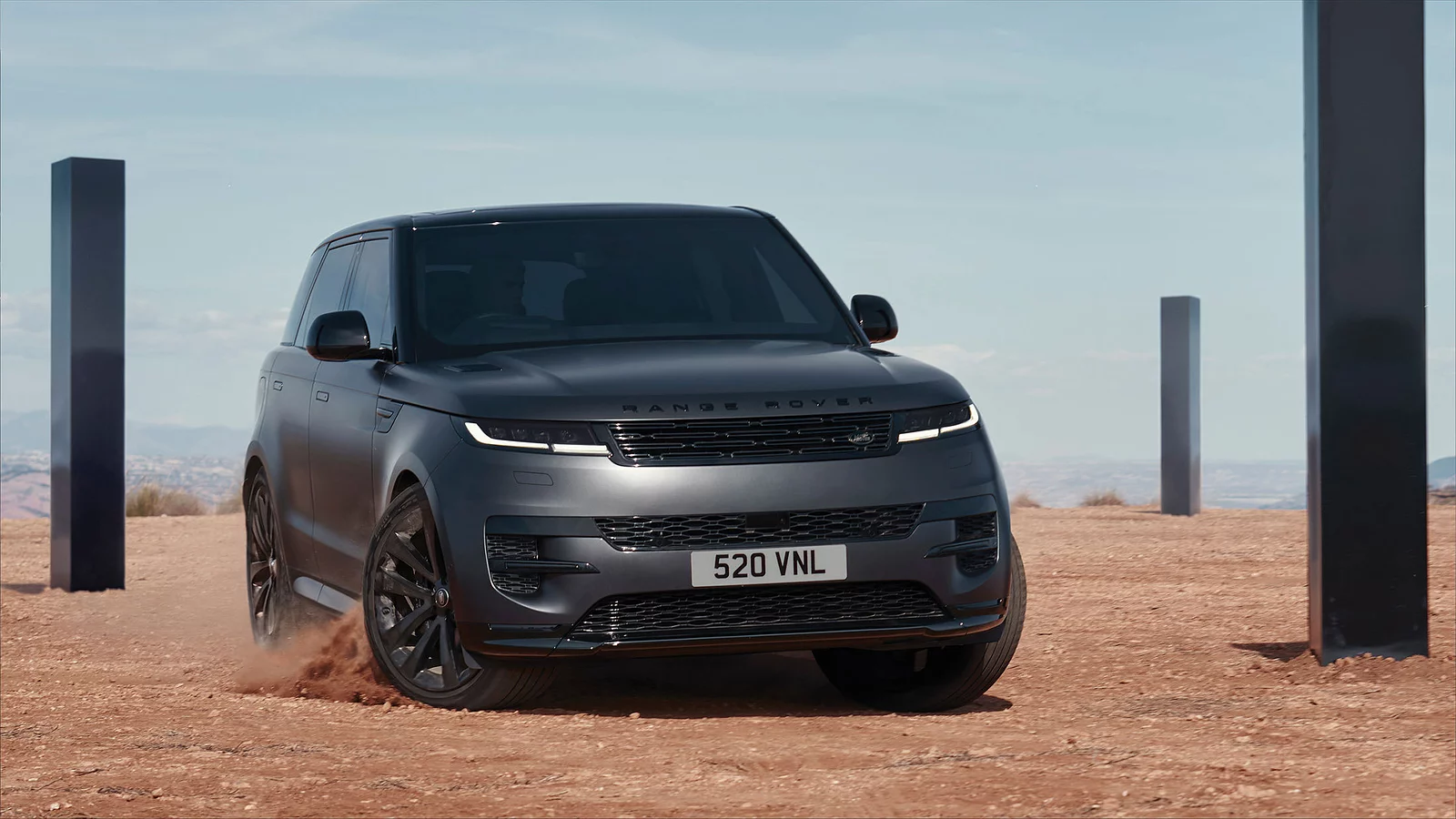
Overrated Luxury SUV #1: Range Rover Sport
The Range Rover Sport often gets mentioned as one of the most desirable luxury SUVs, thanks to its stylish design and the cachet of the Land Rover brand. It’s marketed as the ideal blend of rugged capability and upscale refinement. While the exterior styling is undeniably sharp and the brand has long maintained a certain prestige, the reality of owning a Range Rover Sport often tells a different story. Problems with reliability, electrical systems, and long-term ownership costs can turn what looks like a dream purchase into a frustrating, expensive experience.
One of the main drawbacks of the Range Rover Sport is its notorious maintenance history. While recent models have improved somewhat, past issues with electronic components, suspension systems, and drivetrain reliability have lingered. Repairs are not only frequent for many owners but also costly due to the specialized parts and labor required. This creates a situation where the SUV becomes more of a liability over time, especially when warranties expire.
Another issue lies in its interior. While luxurious at first glance, closer inspection often reveals inconsistencies in material quality, especially when compared to similarly priced German rivals. Some of the switchgear feels less solid than expected, and infotainment system bugs have been reported across multiple model years. These details might be overlooked during a short test drive but become more apparent as time goes on.
The final concern is depreciation. The Range Rover Sport drops in value faster than many of its competitors. Even newer models with low mileage can lose significant value within the first few years of ownership. This steep depreciation combined with repair costs can make the Range Rover Sport one of the more financially risky luxury SUVs to own. Despite the badge appeal, it often fails to provide the long-term satisfaction and quality that buyers at this price point should expect.
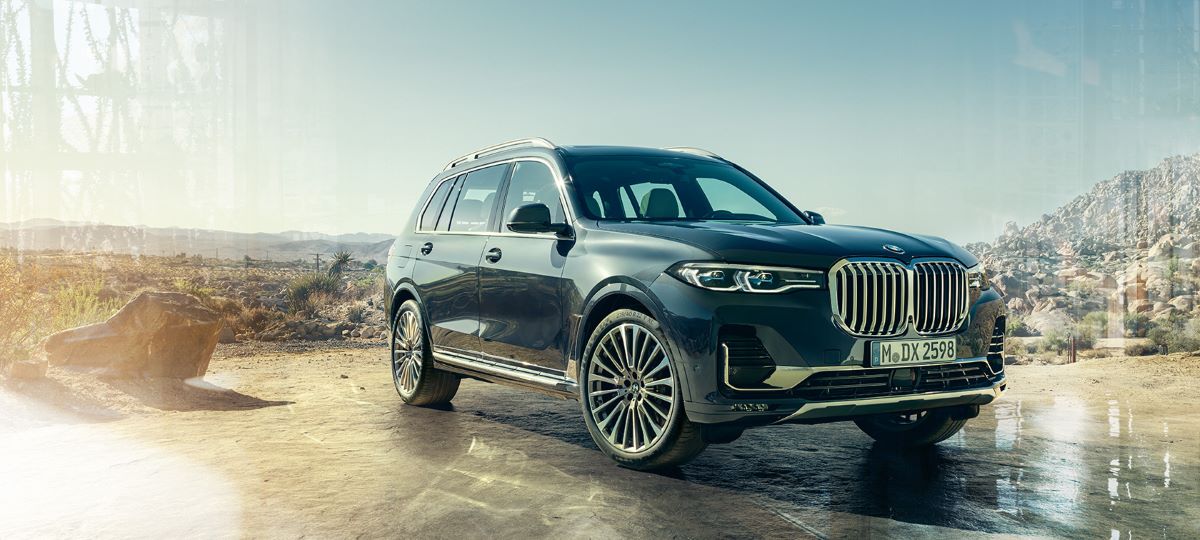
Overrated Luxury SUV #2: BMW X7
The BMW X7 entered the market with high expectations, promising to be the luxury SUV from the brand that coined “The Ultimate Driving Machine” slogan. On paper, it brings a lot to the table: three rows of seating, a powerful range of engines, and the prestige of the BMW brand. Yet for all its flair, the X7 feels bloated and confused about what it wants to be. It doesn’t fully deliver the driving dynamics expected from BMW, nor does it feel as spacious or luxurious as some of its direct competitors in the same segment.
One of the biggest letdowns of the X7 is its handling. While BMW is known for sharp steering and road feedback, the X7 struggles under its own weight. It feels top-heavy in corners and not particularly athletic on twisty roads. Some buyers expect a sportier experience from a BMW SUV, but the X7 feels more like a compromise, lacking the road manners of the X5 and the spacious comfort of something like the GLS-Class from Mercedes.
Inside the cabin, the X7 does offer premium materials and a modern interface, but it’s not without issues. The third row is tight for adults, making it feel more like a 5+2 layout than a true three-row SUV. Additionally, the complex infotainment system and layers of tech can frustrate users who just want simplicity. Voice commands and gesture controls may seem innovative, but they often miss the mark in actual use, creating more distraction than convenience.
Then there’s the pricing. The X7 starts high and climbs rapidly once options are added. With top trims reaching deep into six-figure territory, it starts to lose ground to SUVs that feel more balanced, better equipped, or more reliable. While the badge has strong appeal, especially in the U.S. market, the X7’s execution feels more like a stretched attempt to meet market demand rather than a refined luxury flagship.
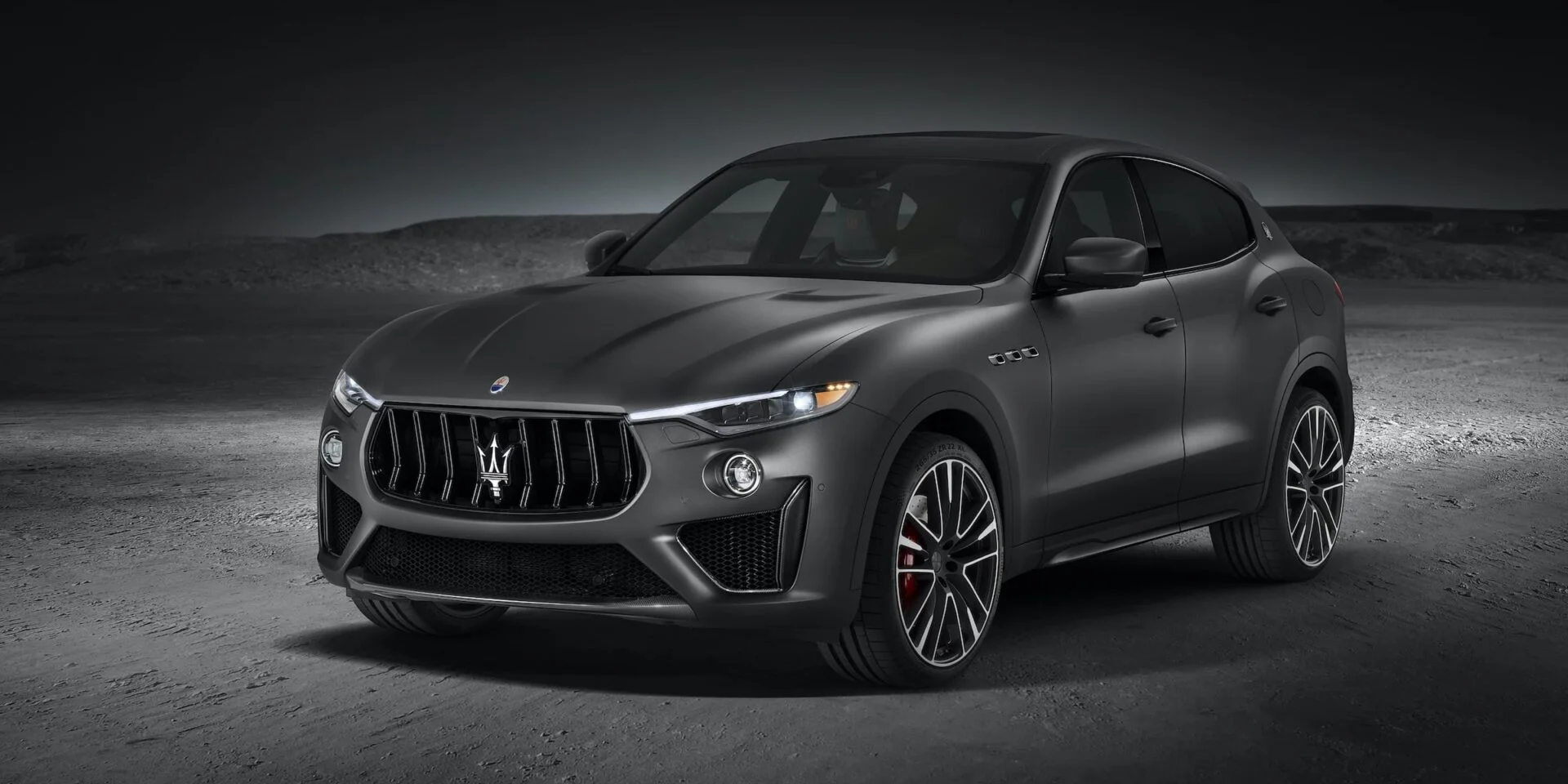
Overrated Luxury SUV #3: Maserati Levante
The Maserati Levante is an SUV that promises Italian style, sports car soul, and exclusivity. Its aggressive styling, rich leather interiors, and Ferrari-sourced engines attract attention quickly. However, once the initial excitement fades, the Levante starts to show cracks in both its practicality and its value. Reliability issues, high operating costs, and limited cargo space are just the start of its shortcomings. For most owners, the Levante feels more like an expensive toy than a long-term investment.
First, the ride quality isn’t quite what you’d expect for a luxury SUV. While the Levante corners well for its size, the suspension tuning leans too far toward sportiness, resulting in a ride that can feel harsh over uneven roads. This wouldn’t be a major issue in a coupe or sports sedan, but for a daily driver SUV, it’s less than ideal. Long road trips quickly reveal the discomfort, especially for passengers in the rear.
Interior space is also an issue. Despite being midsize in stature, the Levante feels cramped inside, particularly in the rear seats and cargo area. When compared to rivals like the Audi Q8 or Porsche Cayenne, it offers noticeably less practicality. This limits its appeal for families or buyers looking to balance luxury with utility. The infotainment system, which is borrowed from other Stellantis vehicles, also feels out of place in a luxury vehicle at this price point.
Then there’s the question of reliability and service costs. Maserati does not have the strongest reputation for long-term durability. Parts availability can be a challenge, and labor costs are significantly higher than average. This often results in hefty repair bills and extended wait times for even basic maintenance. All of this combines to make the Levante a tough SUV to recommend for anyone not fully committed to the Maserati brand image.
Overrated Luxury SUV #4: Tesla Model X
The Tesla Model X gets a lot of attention thanks to its electric powertrain, advanced software features, and eye-catching Falcon Wing doors. It was one of the first all-electric SUVs to gain widespread traction, and it continues to be seen as a tech-forward status symbol. However, beneath the surface, the Model X has several drawbacks that make it less practical and more costly than many buyers expect. These range from inconsistent build quality to functionality compromises that become apparent over time.
One major issue is the Falcon Wing doors themselves. While they attract attention and appear futuristic, they can be slow to operate and problematic in confined spaces. Many owners have reported mechanical issues or misaligned panels related to the doors. In snowy or rainy conditions, the design can also lead to inconvenience. What looks impressive at first often becomes a daily frustration for families or urban dwellers.
Interior build quality is another weak point. While Tesla promotes a clean, minimalist aesthetic, the materials used don’t always match the price tag. Fit and finish can vary significantly, with some owners reporting squeaks, rattles, and misaligned trim. For an SUV that can cost upwards of $100,000, these issues are hard to ignore. The oversized touchscreen, while innovative, also comes with a learning curve and potential reliability concerns.
There’s also the matter of ride quality and noise. Despite having an advanced air suspension system, the Model X doesn’t offer the same road refinement as rivals like the Mercedes EQS SUV or BMW iX. Wind and road noise can be intrusive at higher speeds, and the seats, while adequate, don’t offer the support expected in a high-end luxury SUV. Tesla’s software updates help, but they can’t fix everything that lacks polish in the hardware.
Charging infrastructure is a strong point for Tesla, but battery degradation and service challenges offset that advantage. Owners in colder climates often notice a drop in range, and Tesla service centers can be overwhelmed, leading to long delays for repairs. For buyers who want true luxury alongside tech, the Model X often doesn’t quite deliver the full package.
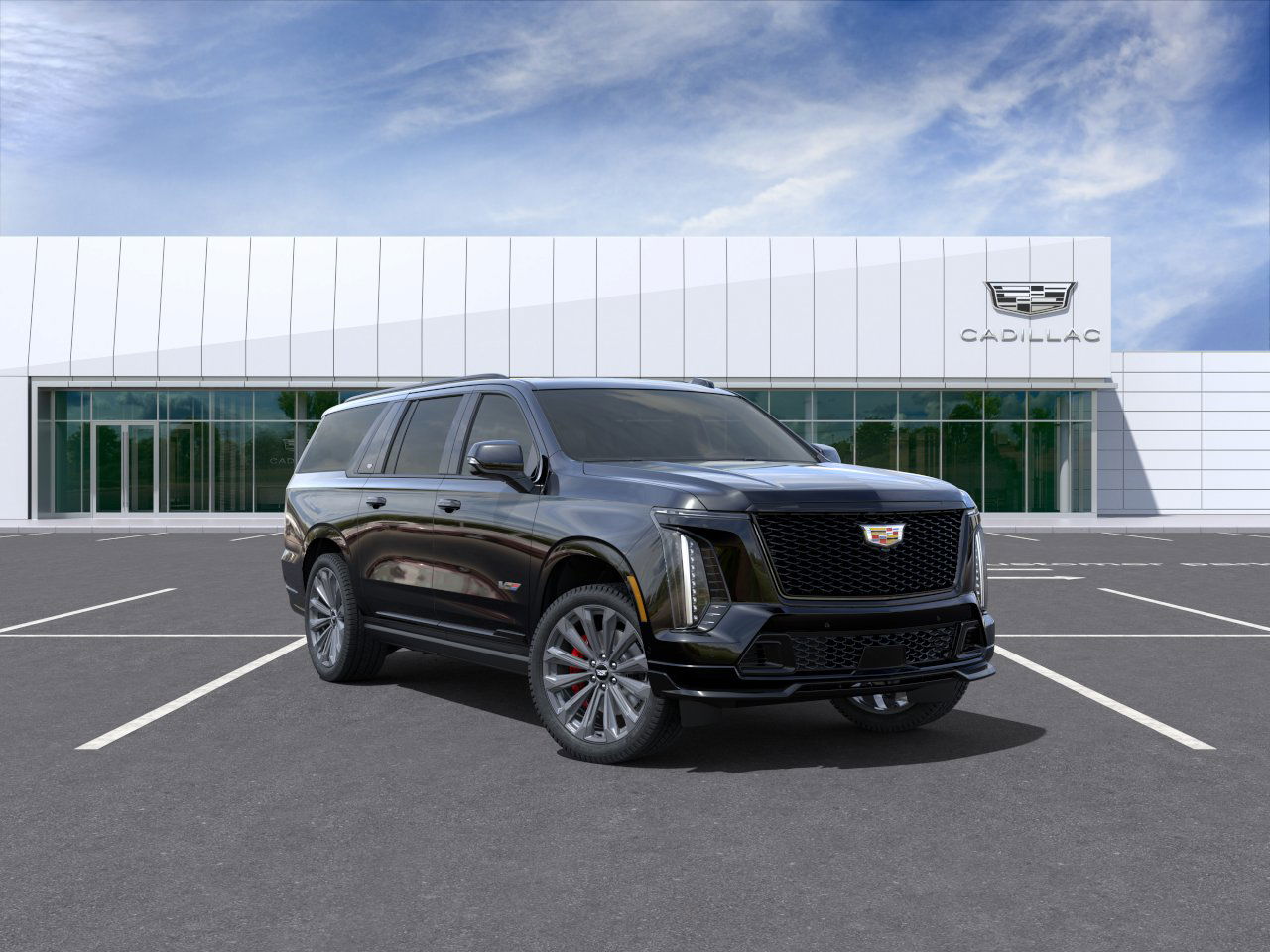
Overrated Luxury SUV #5: Cadillac Escalade
The Cadillac Escalade is perhaps one of the most iconic American luxury SUVs. It’s long been associated with wealth, celebrity culture, and oversized presence. While the latest generation of the Escalade introduces more modern tech, upgraded interiors, and smoother powertrains, it still has several issues that can make it a questionable purchase in terms of long-term value and driving experience. Many buyers are drawn to the image without fully considering what they’re getting.
The first issue is ride comfort. Despite magnetic ride control and air suspension in higher trims, the Escalade still feels like a truck. The platform, which it shares with full-size GM SUVs, results in a driving experience that is less refined than similarly priced options from BMW or Mercedes. It can be floaty at times and unbalanced on rough roads. This makes the Escalade feel more like a dressed-up pickup than a truly sophisticated SUV.
Fuel economy is another major drawback. Even with the addition of diesel engine options and some mild hybrid support, the Escalade guzzles fuel in typical use. For such an expensive vehicle, the ongoing cost can be hard to justify. Add to that the sheer size, which makes city driving and parking more stressful than necessary, and you end up with a vehicle that can be more of a burden than a joy.
The infotainment and tech offerings are visually impressive, especially the curved OLED display, but they occasionally suffer from lag or inconsistency. Voice commands are hit or miss, and while the sound system is excellent, it’s not enough to cover up the other compromises. Rear-seat entertainment and passenger comfort are strong, but again, not class-leading for the price.
Finally, there’s depreciation and image fatigue. While the Escalade used to be a head-turner, it now faces strong competition from newer, sleeker offerings. Luxury buyers have more refined options that feel equally opulent without the bulk or the brashness. For those who value subtlety, quality, and balance, the Escalade may fall short despite its imposing presence.
Also Read: 5 Cars with Lifetime Clutch Packs vs 5 with Slipping Clutches at 100,000 Miles
Choosing a luxury SUV goes far beyond brand recognition or flashy features. It’s about finding a vehicle that delivers real value, long-term satisfaction, and a balanced mix of comfort, performance, and reliability. The market is filled with options, but not all live up to their reputation.
Some SUVs quietly outperform the competition without ever making headlines, while others rely on brand appeal and marketing to mask their shortcomings. As we’ve seen, overlooked models like the Volvo XC90, Genesis GV80, Acura MDX Type S, Lincoln Aviator, and Infiniti QX60 offer thoughtful design, solid engineering, and true comfort, often at a more reasonable price and with fewer long-term concerns.
On the other hand, some of the most popular luxury SUVs turn out to be less impressive when looked at closely. Models like the Range Rover Sport, BMW X7, Maserati Levante, Tesla Model X, and Cadillac Escalade may draw attention, but they can also come with high ownership costs, inconsistent quality, or usability compromises. These SUVs are often chosen for their brand image, but once the excitement fades, many owners are left dealing with frequent repairs, frustrating features, or unexpectedly steep depreciation.
The key takeaway is this: luxury doesn’t always have to be loud or expensive to be meaningful. Vehicles that focus on real-world functionality, durability, and owner comfort often provide a better experience than those designed just to impress.
Before making a decision, buyers should look beyond the badge and test how a vehicle fits their actual needs and expectations. Sometimes, the smartest choice isn’t the one with the flashiest commercial or the most followers; it’s the one that quietly does everything well. In a crowded and competitive segment, it pays to think critically and choose wisely. Your wallet and your peace of mind will thank you.
