
SUVs have become a dominant force in the automotive market. Consumers choose them for a variety of reasons: extra space, commanding road presence, and the promise of versatility on different terrains.
Yet not all SUVs are built equally. Some offer solid driving dynamics, handling that sticks to the road, and confidence in curves, but for reasons ranging from poor marketing to bad timing, they faded into the background.
Others have dominated sales charts and attracted millions of buyers, but suffer from glaring mechanical weaknesses, particularly in ride quality and suspension performance.
This contrast reveals a strange gap in consumer behavior: vehicles with excellent grip and chassis balance are often overlooked, while those with stiffer, less refined suspensions sometimes top bestseller lists.
Drivers are frequently drawn to reputation, brand loyalty, or sheer aesthetics, missing out on better-performing models because they were less visible or didn’t follow mainstream formulas.
A good suspension setup should balance comfort, control, and road isolation. Yet, some popular SUVs have firm, jittery, or unrefined suspension systems that sacrifice ride quality for cost-cutting or styling decisions.
By comparing five forgotten SUVs that provide excellent handling and grip to five top-selling models with less-than-impressive suspension tuning, the article presents a different perspective on value.
The idea isn’t to bash popular choices but to highlight overlooked alternatives and raise questions about how consumers evaluate vehicles.
Handling is often left out of the discussion in favor of interior tech, infotainment screens, or badge prestige. However, for drivers who prioritize safety, control, and feel, the tuning of a vehicle’s suspension and the confidence it offers around corners or during evasive maneuvers matter a lot more than people realize.
Each of the following ten vehicles tells a story. Five of them are underrated performers that stuck to the road like glue but failed to stick in buyers’ minds. The other five are commercial hits that managed to dominate sales, but often left drivers feeling every bump, dip, and imperfection along the way.
Also Read: 5 Vehicles With Easy Bulb Replacement vs 5 With Sealed-Unit Headlights
5 Forgotten SUVs That Grip
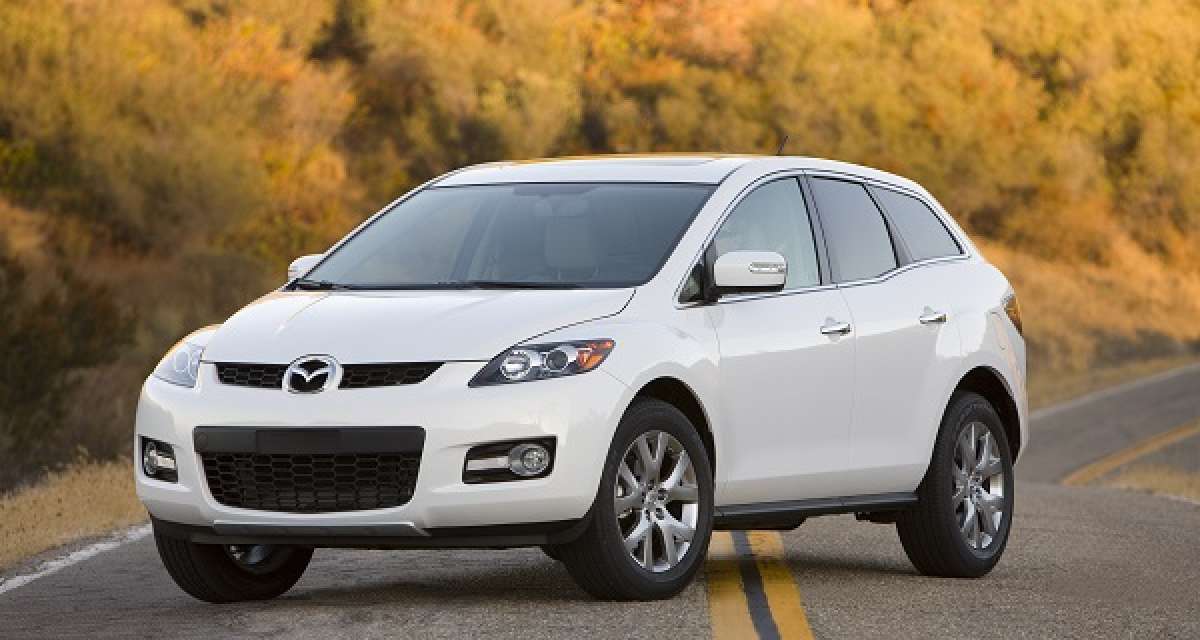
1. Mazda CX-7
Mazda rarely gets the attention it deserves when it comes to driver-focused engineering. The CX-7, produced between 2006 and 2012, is a perfect example. It combined sharp handling, responsive steering, and a balanced chassis that made it feel more like a sport wagon than a bulky utility vehicle.
Yet, it quietly disappeared from Mazda’s lineup, overshadowed by more conservative rivals. What made the CX-7 stand out was its willingness to engage the driver. The turbocharged engine in the higher trims provided strong midrange pull, but it was the ride and handling balance that earned quiet respect from those who drove it hard.
One of the reasons it never caught on was due to fuel economy and practicality concerns. It didn’t match the efficiency of competitors, and the cargo space was somewhat compromised due to its sloping rear roofline.
But for drivers who appreciated grip through corners and stable behavior at high speeds, the CX-7 offered surprising confidence.
It handled rough roads better than many modern crossovers, with minimal body roll and solid damping control. Its steering feel was far better than most of its peers at the time, and its handling composure never felt artificial or over-assisted.
Despite its impressive handling traits, Mazda never promoted the CX-7 as a performance-oriented SUV. Instead, the focus was placed on its turbocharged engine or its design, which made it easy to miss the real gem: chassis balance.
Many buyers were leaning toward roomier and softer-riding options, which made the CX-7’s tauter setup a niche choice. It’s a shame, because when taken on a twisty backroad, it could surprise even long-time drivers with how well it responded to steering input and how flat it stayed during direction changes.
Today, the CX-7 is rarely seen on the road. It was quietly phased out and replaced by the more practical CX-5. But for a time, it represented something rare in the segment: a midsize SUV with real grip, excellent steering response, and a ride that encouraged driving rather than just commuting.
For driving enthusiasts who needed more room than a compact car but still valued cornering confidence, the CX-7 remains one of the best-kept secrets in SUV history.
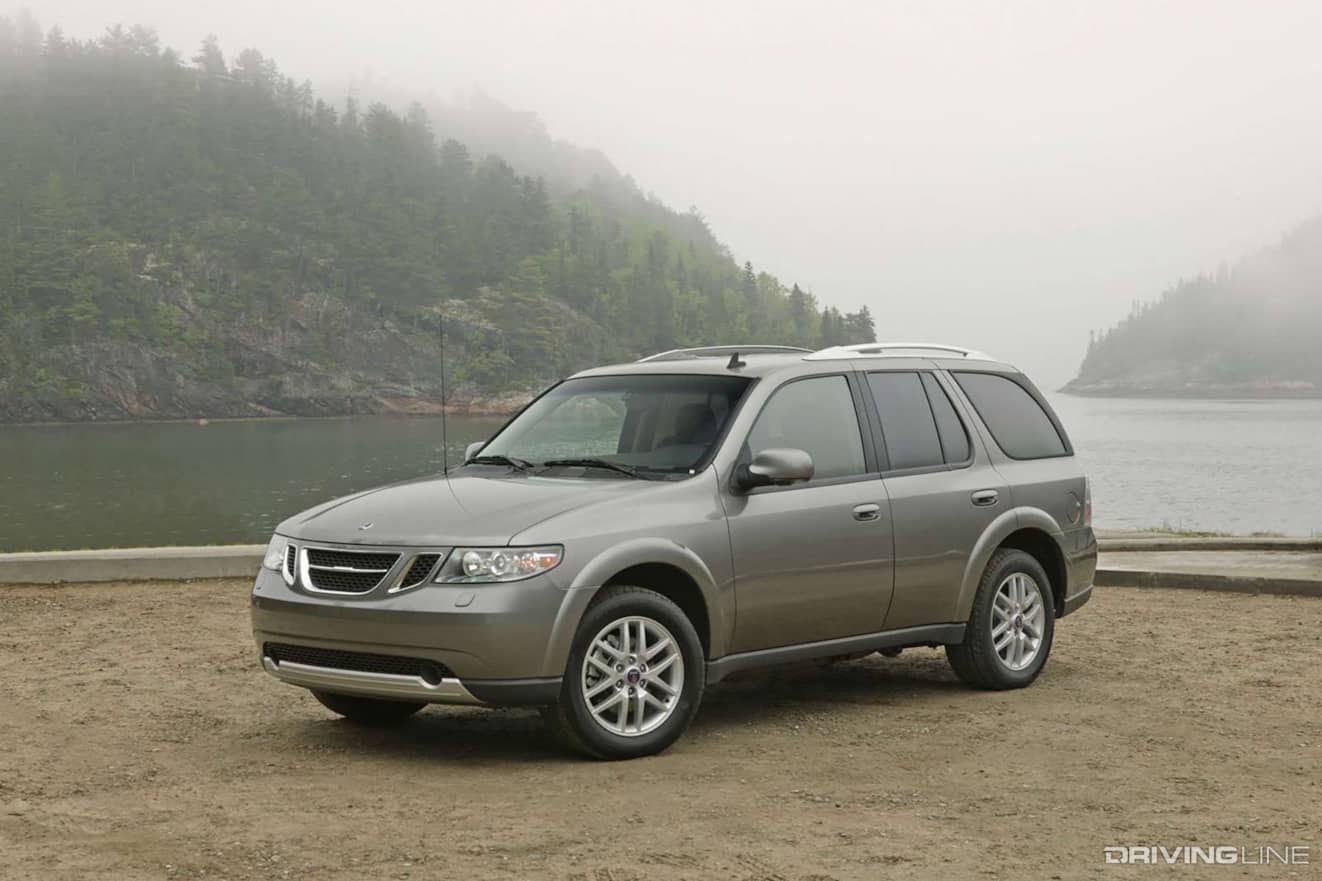
2. Saab 9-7X Aero
Saab never truly fit the SUV mold, but the 9-7X Aero, a high-performance version of its midsize SUV, offered road-hugging dynamics that few expected. Built on the same platform as the Chevrolet TrailBlazer, it managed to outperform its GM siblings in road manners by a wide margin.
The Aero trim came equipped with a 6.0-liter V8 borrowed from the Corvette and was tuned for better steering response, lower ride height, and tighter suspension. The result was a surprisingly competent performance SUV that handled corners better than it had any right to.
Most people skipped over the 9-7X entirely, seeing it as a badge-engineered SUV with little to offer. But Saab engineers managed to inject a sense of European road feel into an American frame.
The steering, while not razor-sharp, gave decent feedback, and the suspension absorbed uneven roads without losing composure. It didn’t wallow in turns the way other GM SUVs from the same era often did. The lower center of gravity and stiffer dampers allowed the 9-7X Aero to stay flat through turns, which boosted driver confidence.
One of the main reasons the 9-7X Aero was forgotten is due to Saab’s limited dealership network and eventual bankruptcy. The model only had a short run, and marketing was almost nonexistent.
Plus, it was hard to convince buyers to pay a premium for a relatively unknown SUV with a GM powertrain, especially when rivals had stronger brand recognition. Still, those who bought one experienced a level of ride and grip that was shockingly good for its size and weight.
Looking back, the 9-7X Aero feels like an experiment that worked too well for its time. It proved that even a platform not known for agility could be transformed with careful tuning.
While its luxury aspirations were overshadowed by financial struggles and industry politics, the SUV itself had driving characteristics that deserved more recognition than it received.
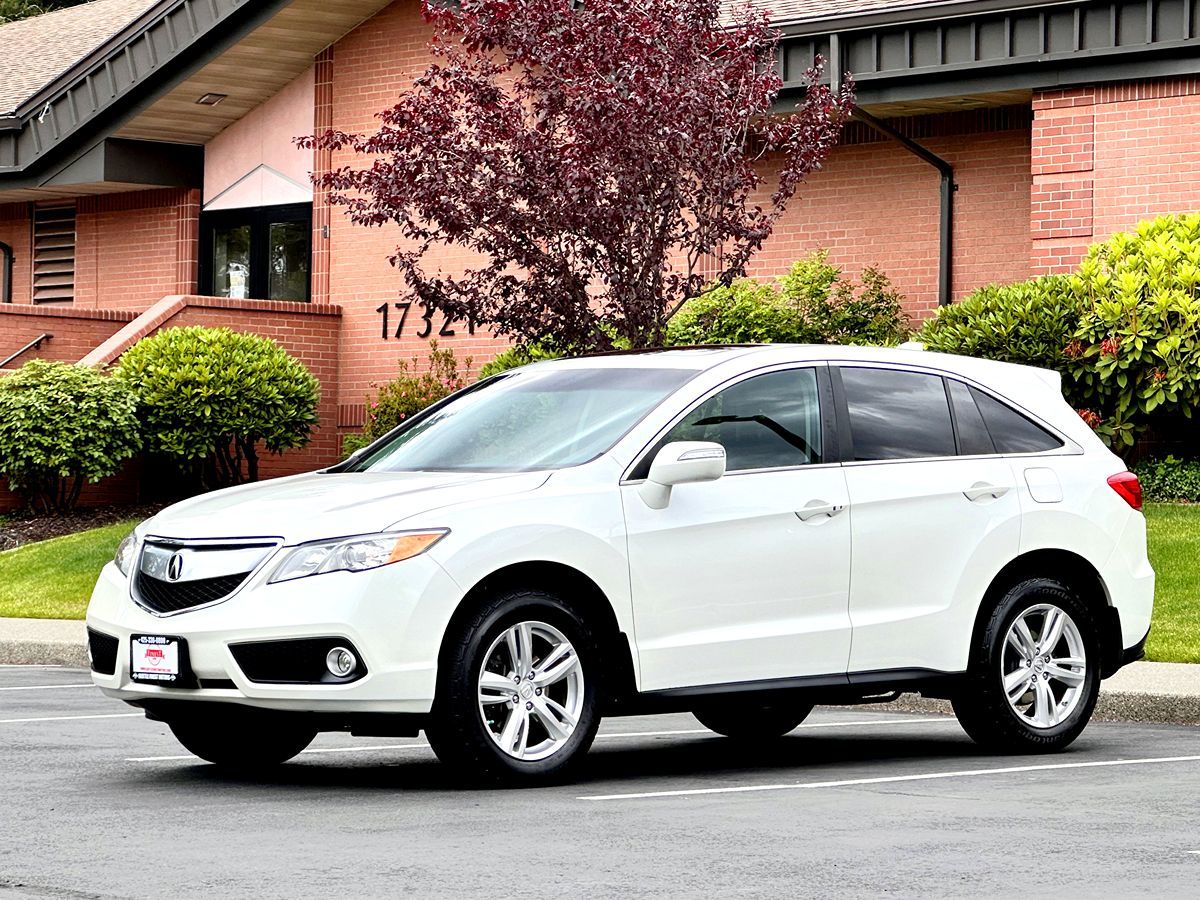
3. Acura RDX (First Generation Turbo)
When Acura launched the first-generation RDX in 2007, it introduced a compact SUV that prioritized driver engagement over floaty comfort. With its SH-AWD (Super Handling All-Wheel Drive) system and turbocharged four-cylinder engine, the RDX was a standout in handling and grip.
The SH-AWD system allowed for precise torque vectoring, which distributed power intelligently to each wheel during cornering. This translated to sharper turn-in, better exit traction, and a level of control that was rare in a crossover at the time.
Many early buyers were confused by its sporty ride. The suspension was firmer than they expected, and the turbocharged engine didn’t offer the smoothness some buyers wanted. As a result, it never reached the sales heights of some of its competitors.
But from a dynamics standpoint, it was far ahead. It handled corners with precision, and body roll was minimal, even during aggressive maneuvers. The combination of well-tuned shocks and the SH-AWD system made it one of the best-handling compact SUVs of its era.
Acura later softened the RDX’s suspension in future generations to better appeal to mainstream buyers. That’s why the first-gen model stands out, it wasn’t afraid to feel connected. The firm ride paid off when you pushed it through tight bends or took on slippery roads. The turbocharged engine had a bit of lag, but once it came on boost, the car pulled hard and stayed composed under power. For drivers who came from sporty sedans but needed a little more utility, the RDX felt like a logical upgrade that didn’t sacrifice control.
Time hasn’t done much to raise awareness about how good the first RDX was in terms of grip and road behavior. It was simply ahead of its time and out of step with buyer expectations. Acura corrected course to chase volume, but in doing so, they left behind one of the most confident-handling compact SUVs of the mid-2000s.
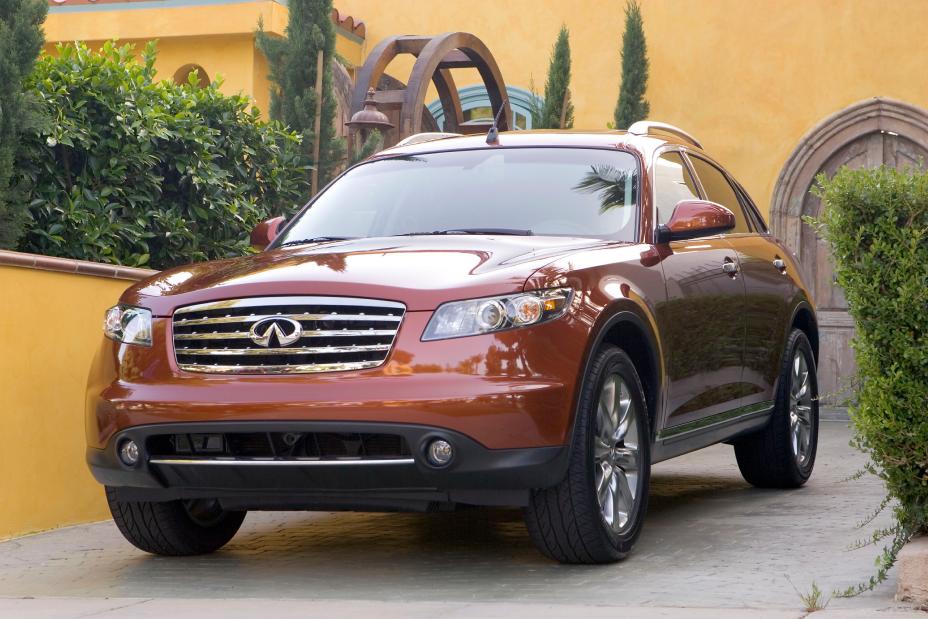
4. Infiniti FX35/FX45 (2003–2008)
The Infiniti FX series didn’t just break SUV design norms; it also rewrote what drivers could expect from high-speed stability and cornering grip in a midsize crossover.
The FX35 and FX45 were built on the same FM platform used by the Nissan 350Z sports car. That gave them a huge head start in terms of rigidity and balance. Combine that with rear-wheel drive architecture (with optional AWD) and sharp steering, and you got one of the most road-hungry SUVs of its time.
The FX handled more like a performance sedan than a family vehicle. It was firm, tight, and composed, which made long sweeping turns feel smooth and controlled.
The suspension setup, though stiff, kept the vehicle well-planted. Even when driven hard, it didn’t lean or feel top-heavy. Compared to rivals like the Lexus RX or BMW X5, the FX had a much more connected driving feel. It gave feedback through the wheel, held its line in a corner, and inspired confidence at speed.
Its aggressive design turned heads, but it also hurt its practicality. Interior space was decent, but cargo capacity was limited by the coupe-like rear window slope.
That, combined with a firm ride and high fuel consumption, kept it from appealing to traditional SUV buyers. As a result, it was never a top seller, even though its grip, balance, and power delivery were best-in-class for its segment.
Today, many enthusiasts still remember the FX as a crossover that refused to follow the crowd. It was bold both in looks and engineering. While not built for rough terrain or heavy loads, it was an SUV for drivers who still wanted something exciting every time they got behind the wheel.
It faded from the spotlight as crossovers became softer and more comfort-focused, but the FX was a reminder that utility vehicles didn’t have to give up handling altogether.
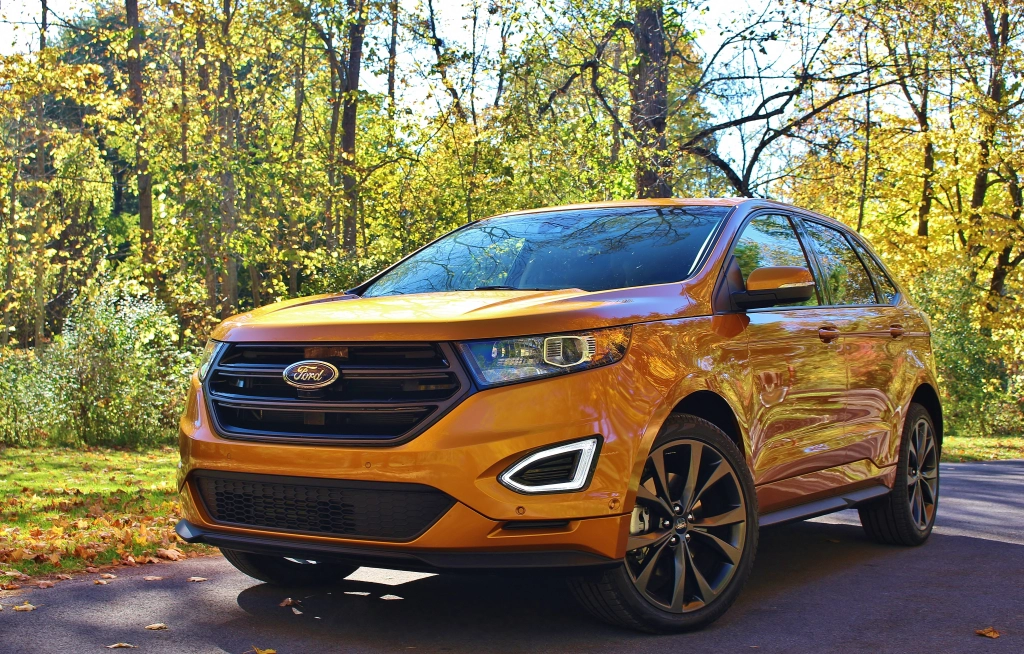
5. Ford Edge Sport (First Generation)
The first-generation Ford Edge Sport might not come to mind as a driver’s SUV, but it quietly offered a better grip and tighter handling than many of its direct competitors. Introduced as a sportier trim of the regular Edge, it featured larger wheels, stiffer suspension tuning, and unique steering calibration.
While the standard Edge focused more on comfort and mass appeal, the Sport trim added a surprisingly athletic feel that gave it more road control and responsiveness than people expected from a midsize Ford SUV.
What helped the Edge Sport stand out was its stability at speed. The firm suspension, while not always the most forgiving on bumpy roads, kept the body movement well in check.
Cornering was relatively flat for a vehicle of its size, and understeer was kept in check thanks to improved chassis dynamics. Ford may not have marketed it aggressively as a performance SUV, but the engineering behind the Sport trim clearly aimed to offer more engagement without turning it into a full-blown street racer.
The model didn’t gain much attention during its production years. This was partly due to its badge it didn’t carry the prestige of European rivals and partly due to how people viewed Ford SUVs at the time.
Buyers were drawn more to the Explorer for its size and family-friendly features or the Escape for its affordability. That left the Edge Sport in a strange middle ground. It didn’t shout for attention but offered handling quality and road grip that surprised those who actually pushed it a bit.
Today, the first-gen Edge Sport is mostly forgotten, but for those who want a midsize SUV with good road manners and a bit of attitude, it’s worth a second look.
With wide tires, a lower stance than other trims, and suspension tuning that favored control over softness, the Edge Sport offered genuine grip that put it ahead of many competitors in driving satisfaction. It’s not often remembered in discussions about great-handling SUVs, but it belongs in the conversation.
5 Bestselling SUVs With Bad Suspension
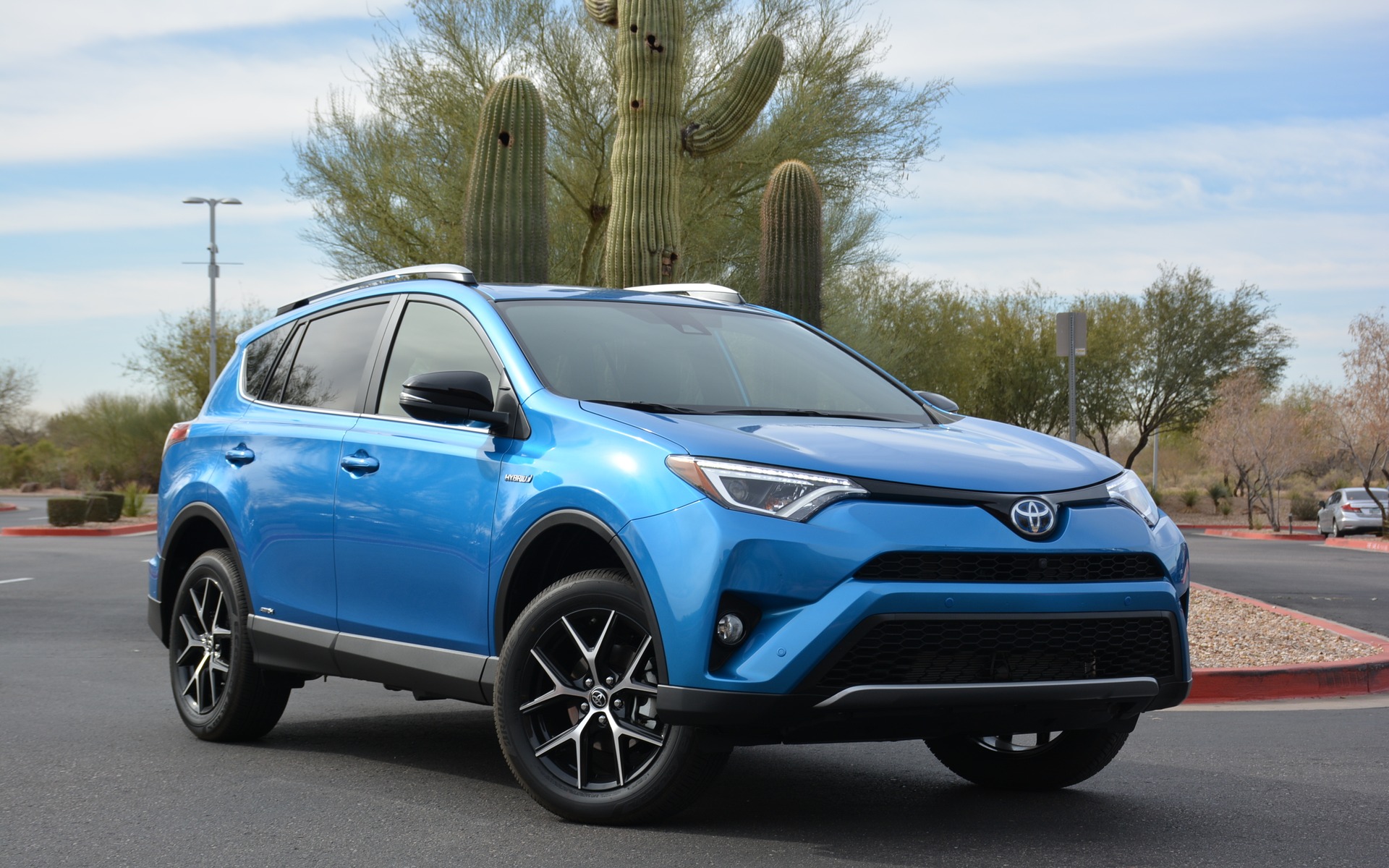
1. Toyota RAV4 (Recent Generations)
The Toyota RAV4 has been one of the most successful SUVs of the past decade. It consistently ranks near the top of the global sales charts, with millions of units sold annually. Buyers trust the RAV4 for its reliability, resale value, and brand reputation.
It delivers decent fuel economy, a reasonable amount of interior space, and a straightforward user experience. But underneath that dependable image lies a stiff, jittery suspension that often leaves passengers feeling more of the road than they’d like.
The suspension tuning in recent RAV4 models is firm to the point of being harsh on certain road surfaces. This is especially noticeable on models with larger wheels or sport-oriented trims, which trade comfort for looks and a bit of marketing flair.
While the firm ride may provide some illusion of sportiness, it doesn’t translate into better handling. The RAV4 feels stiff but not particularly agile, which makes it less satisfying to drive than some of its forgotten or less popular rivals. It lacks the fluid body control that better-tuned SUVs offer.
Part of the issue is that Toyota opted to emphasize fuel efficiency and design, leaving suspension refinement lower on the list. As a result, the RAV4 tends to bounce or shudder over uneven pavement, and sharp impacts often echo through the cabin.
This can grow tiring over long distances, especially on highways that aren’t freshly paved. Despite these issues, many buyers overlook ride quality because they prioritize long-term dependability and a familiar badge.
That said, for drivers who care about ride comfort and suspension balance, the RAV4 can be a disappointment. It does everything else well enough to dominate in the showroom, but it’s a reminder that high sales don’t always reflect a well-rounded product.
The suspension issues aren’t dealbreakers for most people, but they do prevent the RAV4 from being a true all-rounder in the segment. It wins in many categories, but ride quality isn’t one of them.
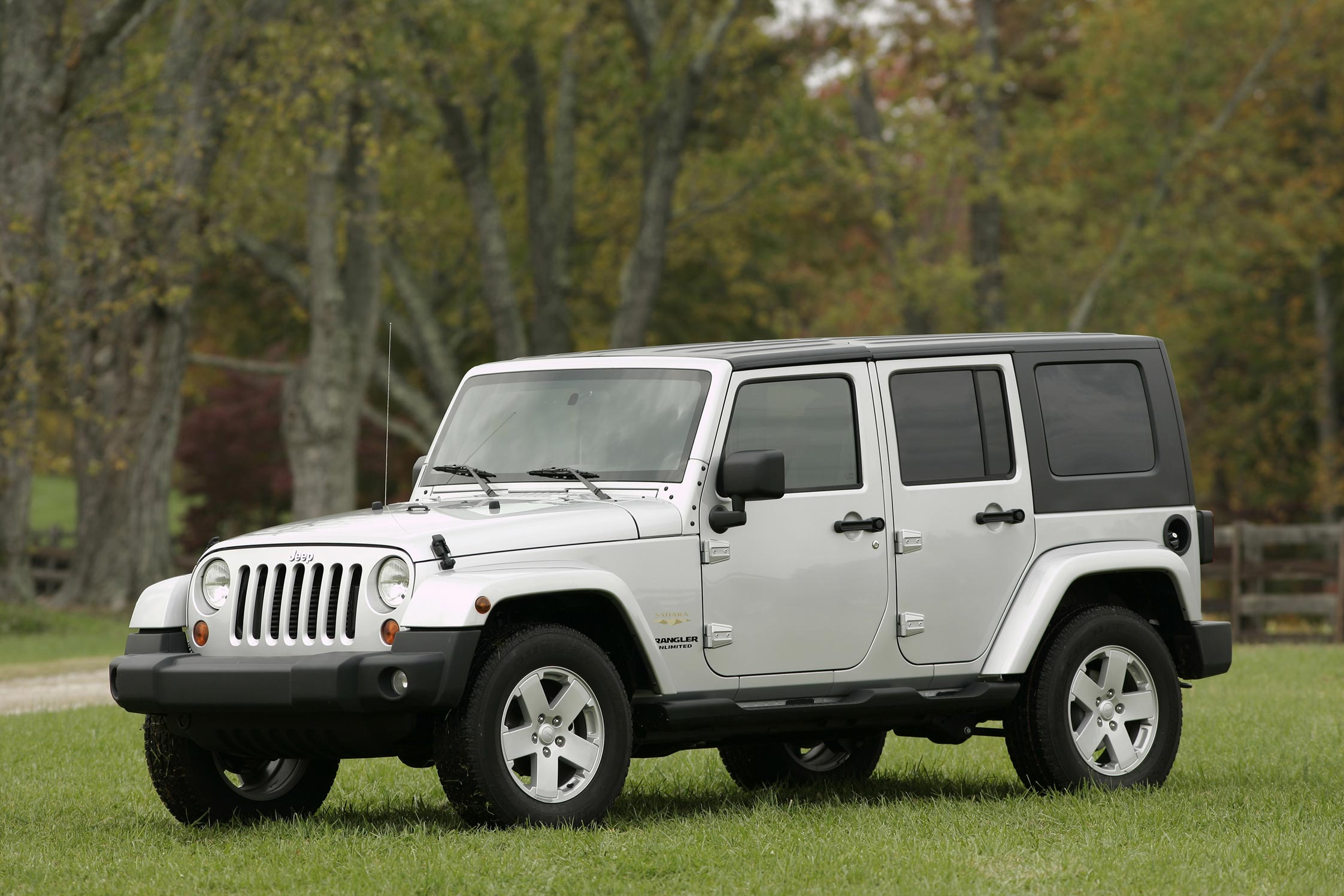
2. Jeep Wrangler (Unlimited Variants)
The Jeep Wrangler is an icon. It carries with it decades of off-road heritage, a loyal following, and a design that hasn’t strayed far from its military roots.
Sales have remained strong, especially since the introduction of the four-door Unlimited version, which made the Wrangler more family-friendly and expanded its appeal beyond the trail-riding crowd.
However, the Wrangler’s suspension has long been one of its biggest compromises. On paved roads, especially city streets and highways, it’s one of the least comfortable SUVs you can drive.
The solid front and rear axles, while essential for serious off-roading, create a stiff and bouncy ride in everyday use. The vehicle struggles with body control on curves and dips, and sudden changes in road surface are felt almost instantly inside the cabin.
Unlike more modern unibody SUVs with independent suspension systems, the Wrangler rides like a truck from another era. The suspension can’t isolate occupants from rough pavement, and handling feels vague and top-heavy.
Despite these traits, sales continue to soar. Buyers love the lifestyle that comes with owning a Wrangler: removable doors, convertible roof, and the sense of freedom that comes with its rugged look. Many drivers accept the rough ride as part of the deal.
But for anyone expecting daily-driving comfort or precise suspension control, the Wrangler will likely fall short. It’s more about the experience than refinement, and that’s where some buyers get caught off guard after the excitement wears off.
It’s worth remembering that the Wrangler is not trying to be something it’s not. It prioritizes off-road performance above all else. But from a suspension standpoint, especially for those who use it primarily on asphalt, it’s one of the roughest rides among bestselling SUVs. It handles terrain like few others, but struggles with the very basics of daily road comfort.
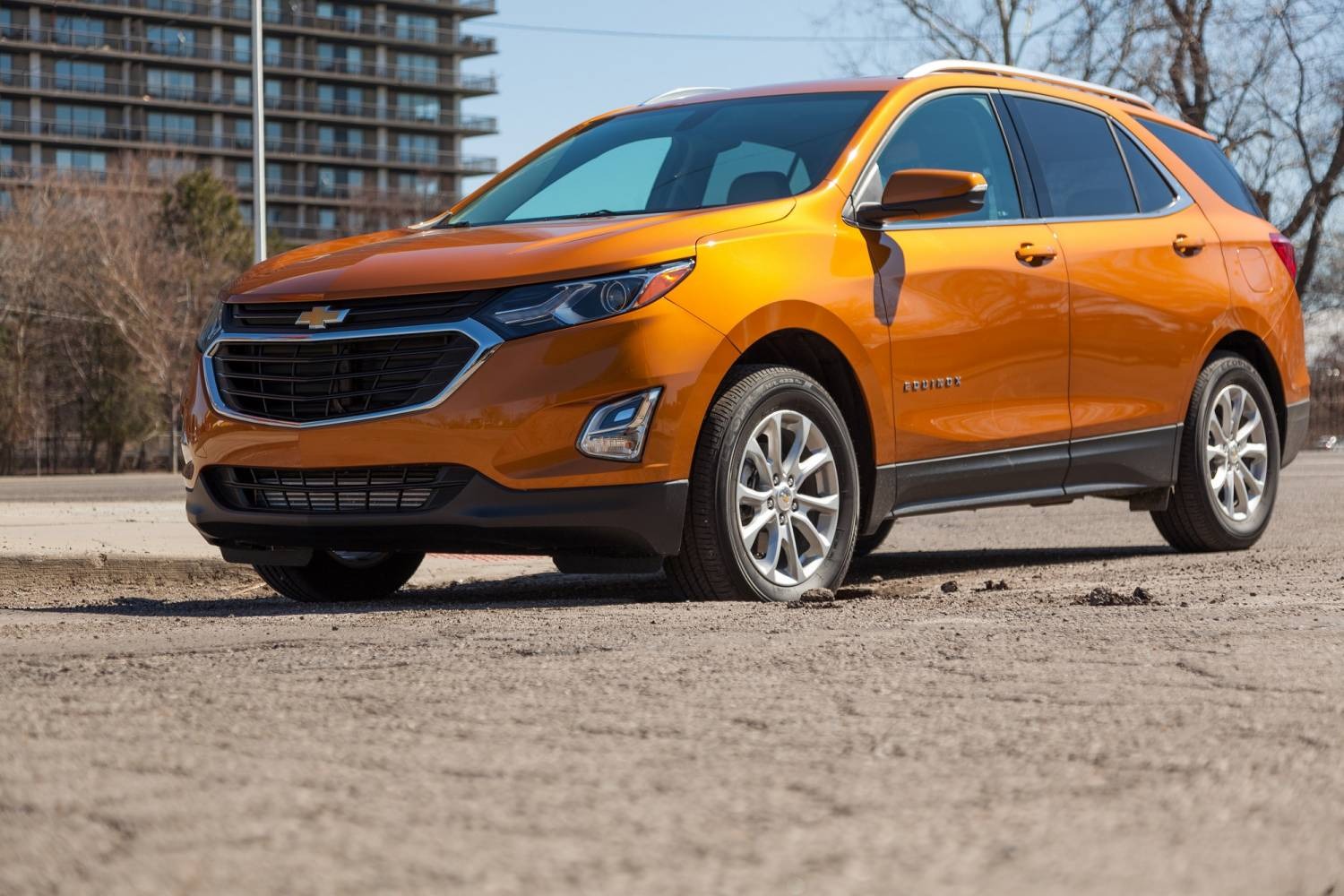
3. Chevrolet Equinox (2018–Present)
The Chevrolet Equinox has remained a steady seller in the compact SUV market, especially since its redesign in 2018. It offers a clean design, good technology, and competitive pricing.
Chevrolet positioned it as a practical family SUV with an efficient powertrain and straightforward controls. But one area where it falls short is suspension tuning. The ride is often described as jittery and disconnected, and the suspension lacks the finesse needed to handle varying road conditions smoothly.
One issue is the softness of the damping paired with a lack of rebound control. The result is a floaty sensation over speed bumps and an unsettled ride over rough surfaces. It tries to isolate, but ends up feeling vague and sloppy.
It doesn’t offer the composure of rivals like the Honda CR-V or Mazda CX-5, and certainly not the surefooted feel of the earlier vehicles mentioned in the first part of this article. When pushed even a little, the Equinox leans and loses its balance quickly, reducing driver confidence.
What makes the Equinox’s weak suspension more frustrating is that it’s avoidable. Other GM vehicles manage a better balance between comfort and control, so the compromises here seem more about cost than engineering limits.
It’s clear that most buyers of the Equinox aren’t shopping for handling prowess, but even casual drivers can notice the unsettled ride over time. It doesn’t inspire confidence in corners or at highway speeds, where stability matters.
That said, the Equinox continues to sell well because it offers enough in other areas to keep people interested. The tech works, the fuel economy is decent, and it offers enough room for small families.
But its suspension remains one of the biggest weaknesses. It doesn’t punish passengers the way the Wrangler does, but it leaves little impression other than a vague sense of movement and softness that gets old quickly on anything but smooth roads.
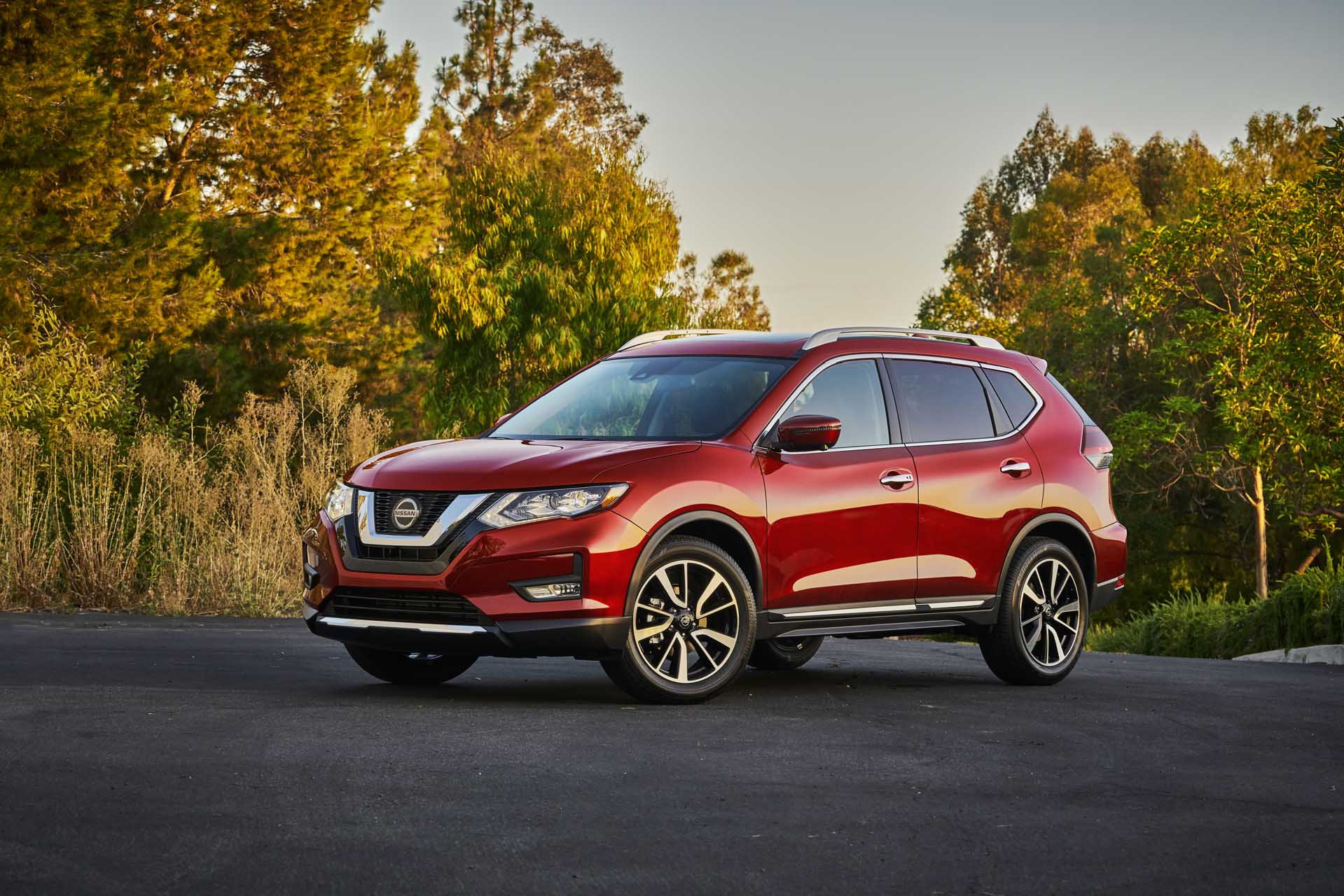
4. Nissan Rogue (2014–2020)
The Nissan Rogue was one of the top-selling compact SUVs in the U.S. for several years. It offered attractive pricing, lots of features, and a spacious interior. Many buyers were drawn to its value and simplicity. But suspension performance was one of its biggest flaws.
The Rogue’s ride felt unsettled on rough roads and loose over broken pavement. It also leaned heavily in corners and lacked the damping quality that defines a comfortable, well-tuned ride.
The suspension setup focused more on softness than control. This made it feel cushy in short bursts but unrefined over long stretches or during quick maneuvers.
Road imperfections were absorbed initially but then rebounded too quickly, causing repeated motions that unsettled the cabin. The steering was numb, and body movement wasn’t tightly controlled. This hurt both comfort and confidence, especially when carrying passengers or cargo.
Another issue was road noise and impact harshness creeping into the cabin. On paper, the Rogue seemed like a smooth-riding crossover, but in practice, it rarely offered the composure or refinement of competitors like the Subaru Forester or Mazda CX-5. Suspension tuning felt like it had been rushed, and it never quite matched the rest of the vehicle’s goals.
Despite all this, the Rogue continued to dominate sales. It had a strong marketing push, lots of dealer incentives, and a lease price that appealed to a broad audience. But buyers expecting a quiet and composed ride often ended up disappointed.
The Rogue was a reminder that popularity doesn’t always mean engineering excellence. While the newer generation improved on some of these problems, the 2014–2020 models showed just how far a car could go with mediocre suspension if everything else was dressed well enough.
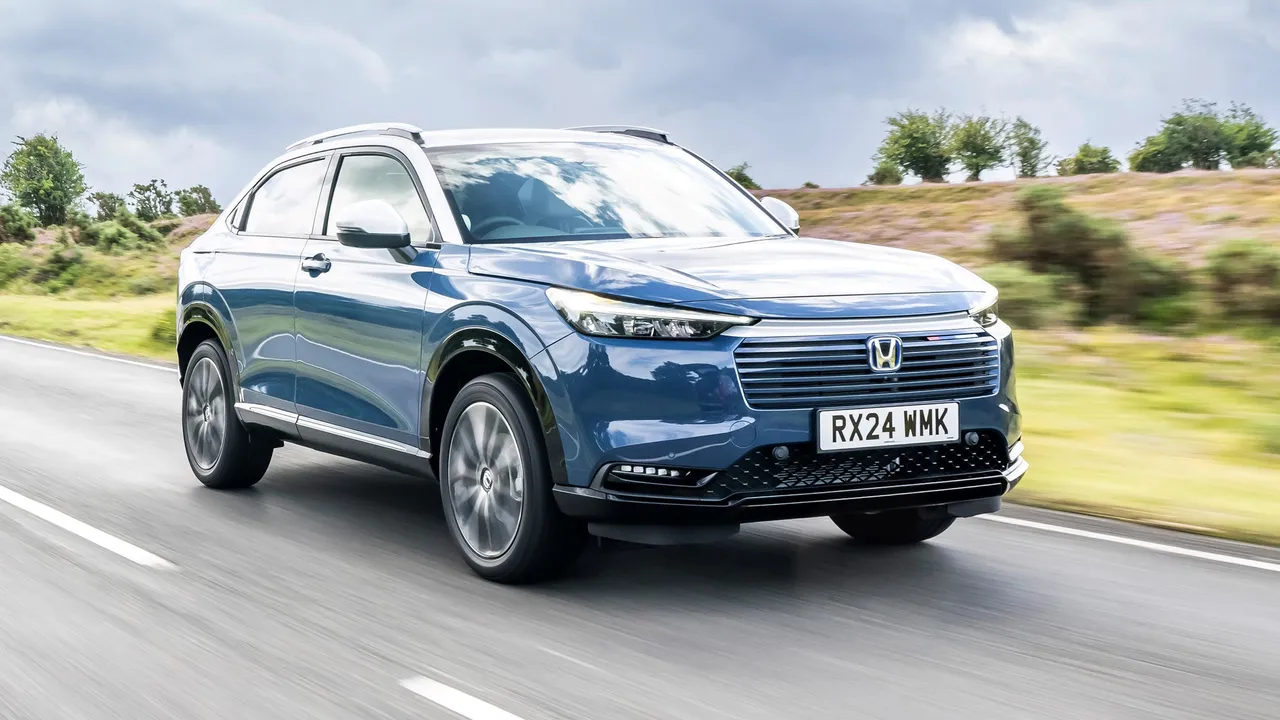
5. Honda HR-V (First Generation)
The first-generation Honda HR-V, introduced in North America in 2016, quickly gained popularity as a subcompact SUV. It was marketed as a flexible and fuel-efficient option for city drivers who wanted something with more height and space than a sedan.
It sold well and was often praised for its clever packaging and practical interior. But it had one of the stiffest and least refined suspension setups in its class.
Ride quality suffered on even moderately rough roads. The HR-V felt overly firm and sometimes harsh, especially over expansion joints or potholes. The rear suspension in particular could feel unsettled, bouncing more than expected and sending those movements directly into the seats.
It felt underdamped, with poor absorption of repeated road imperfections. Unlike more premium-feeling small SUVs like the Buick Encore or even the Mazda CX-3, the HR-V never quite delivered comfort to match its practical appeal.
Part of the issue was that Honda used an older platform underneath the HR-V, which limited how much they could refine the suspension geometry.
Even though the car had good space and excellent fuel economy, its suspension always felt like a weak link. Handling wasn’t sharp either; the HR-V leaned in corners and felt light on its feet, not in a nimble way but in a disconnected, uncertain way.
Buyers overlooked these shortcomings because the HR-V ticked many other boxes: affordability, cargo space, brand reliability, and fuel savings.
But over time, complaints about ride comfort became common, especially among commuters and city drivers dealing with less-than-perfect road surfaces. Suspension tuning isn’t always a dealbreaker in the subcompact segment, but in the HR-V’s case, it left a lasting negative impression for those who noticed.
Also Read: 5 Cars With Quick Fob Programming vs 5 With Cumbersome Procedures
Suspension tuning and ride quality often take a back seat in conversations about SUVs, yet they directly affect how a vehicle behaves, feels, and performs in everyday situations.
While consumers tend to focus on features like touchscreen size, fuel efficiency, or cargo space, the connection between the vehicle and the road is just as important if not more so for long-term satisfaction and safety.
As this comparison shows, some of the most forgotten SUVs offered excellent grip, balanced handling, and strong road manners, even if they lacked showroom appeal or mass-market recognition.
Vehicles like the Mazda CX-7, Infiniti FX35, and Acura RDX were engineered with real driving dynamics in mind. They didn’t always win the popularity contest, but they provided a more engaging and confident driving experience than many of the bestsellers that outsold them.
These models prioritized steering feel, suspension precision, and road feedback qualities that often go unnoticed until they’re missing. For drivers who care about control and responsiveness, these lesser-known SUVs delivered more than expected and are still worth considering on the used market today.
On the other side, high-volume sellers like the Toyota RAV4 and Jeep Wrangler prove that sales success doesn’t always align with suspension quality. These SUVs often deliver on brand reputation, practicality, and visual appeal, but compromise comfort and composure on imperfect roads.
Whether it’s a stiff ride, vague handling, or unrefined damping, many of these popular models simply don’t offer the smooth, planted ride one might expect from a top-selling vehicle. Yet they continue to succeed because most buyers prioritize familiarity and convenience over dynamic quality.
This contrast brings up an important question for consumers: Should vehicle choice be based on what’s most popular, or what performs best where it really counts? Good handling and solid suspension tuning might not grab headlines, but they make every trip safer, more comfortable, and more predictable.
As the SUV market continues to evolve, it’s worth rethinking what makes a great SUV. Sometimes, the better-driving vehicles are the ones that never quite made it into the spotlight.
And sometimes, what sells the most doesn’t always ride the best. It’s a reminder to look beyond the surface and ask whether a vehicle truly supports the way you drive or just the way it’s been advertised.
