
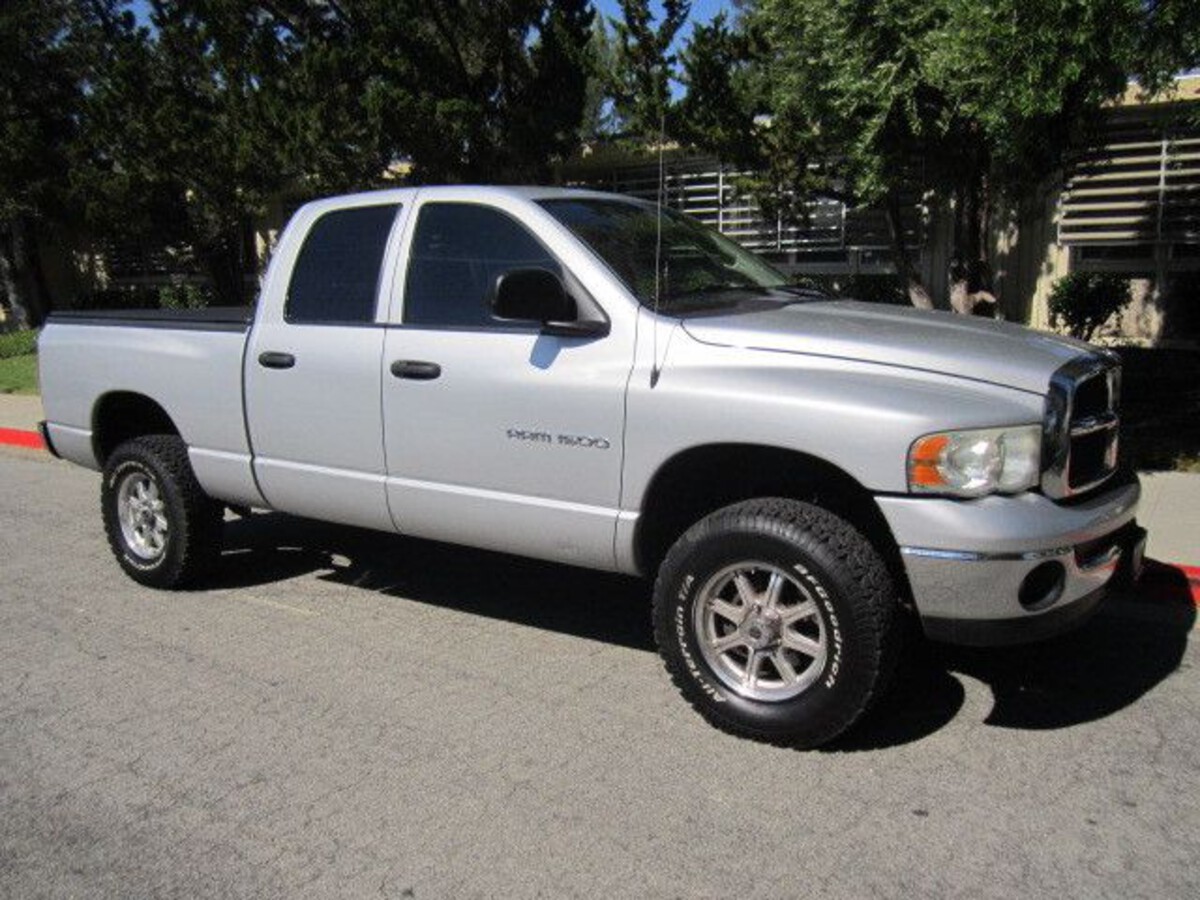
Diesel trucks have long been prized for their durability, torque, and ability to handle heavy workloads. They are the backbone of many industries, from construction to agriculture to long-haul transportation. However, not all diesel trucks are created equal when it comes to reliability and engine longevity.
While some models have earned a reputation for lasting hundreds of thousands of miles with minimal issues, others, even from major manufacturers, have faced well-documented engine problems that affect their performance and value.
This disparity makes it especially important for buyers, enthusiasts, and fleet operators to understand which trucks stand the test of time and which may bring unexpected maintenance headaches.
Many consumers tend to gravitate toward popular mainstream trucks from the biggest manufacturers, assuming these trucks offer the best combination of performance and reliability. However, experience shows that popularity does not always translate to durability.
Several well-known diesel engines have encountered significant technical challenges, often tied to the increasing complexity of modern diesel technology aimed at meeting stricter emissions standards.
These challenges can include issues with fuel injection systems, turbochargers, emissions controls, and electronic components, all of which can lead to costly repairs and downtime.
On the other side of the spectrum are lesser-known or obscure diesel trucks that have flown under the radar but earned a loyal following due to their robust design and proven reliability. These trucks may not have the market share or showroom presence of mainstream models, but they often offer impressive longevity and lower ownership costs.
Their engines tend to be simpler, mechanically sound, and more forgiving to maintenance and fuel quality variations, making them attractive options for those who prioritize dependability over brand recognition.
This article will cover two contrasting groups: five obscure diesel trucks known for lasting longer than expected, and five mainstream trucks that have faced significant engine problems during their production runs.
The goal is to provide a balanced perspective on the diesel truck market, helping readers make informed decisions whether they are buying used or new, or simply curious about which models have earned respect and which have fallen short.
Understanding the common failure points and the reasons behind them can also empower owners to better maintain their vehicles and anticipate potential issues before they become serious.
By highlighting both ends of the spectrum, this discussion aims to shed light on the complexities of diesel truck reliability. It also reflects how advancements in diesel technology have both helped and hindered durability.
As emissions regulations continue to tighten and manufacturers push for more power and efficiency, some trucks struggle to maintain the ruggedness that made diesel engines legendary in the first place. This makes knowledge of past and present engine trends more valuable than ever.
Also Read: 5 Cars With Quick Fob Programming vs 5 With Cumbersome Procedures
5 Obscure Diesel Trucks That Last
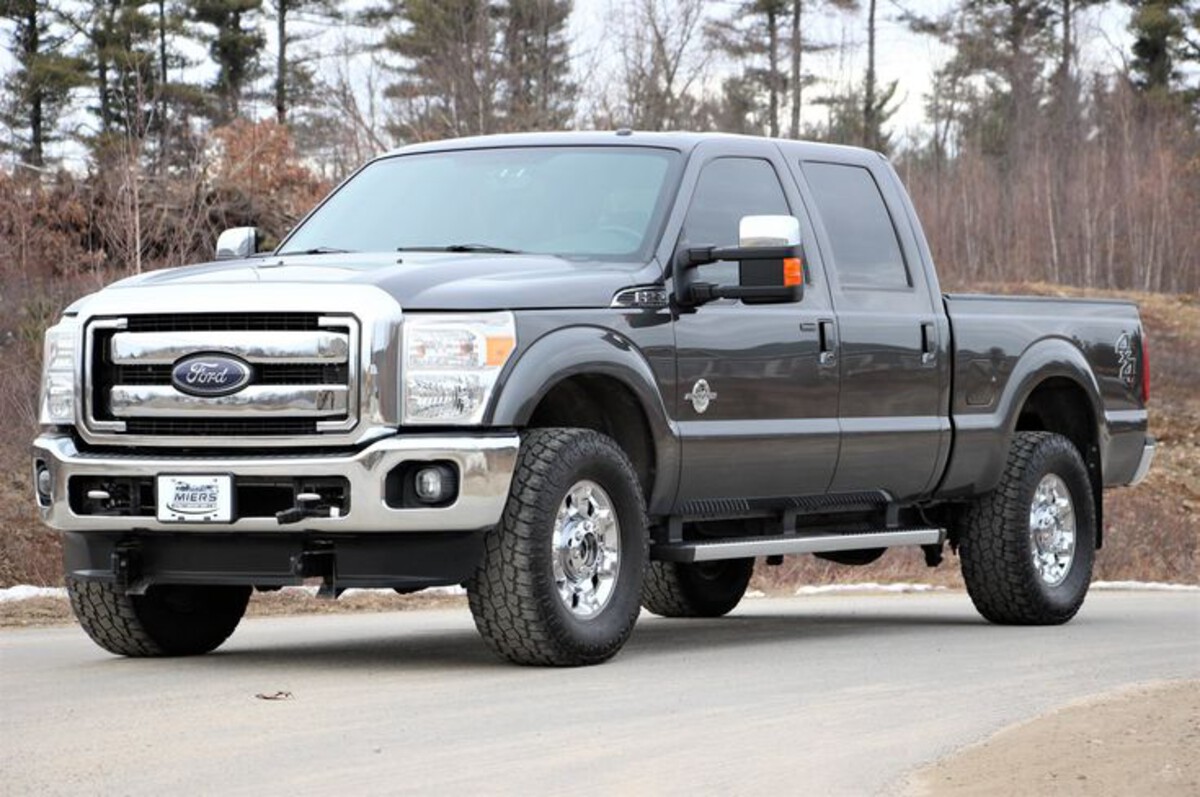
1. Ford F-250 with the 7.3L Power Stroke (1994–2003)
The 7.3L Power Stroke engine in the Ford F-250 is somewhat legendary among diesel enthusiasts but remains relatively obscure outside of the dedicated community. Before the era of modern, high-tech diesel engines, this turbocharged inline-six was prized for its simple yet rugged design.
The 7.3L featured a cast-iron block and head, mechanical fuel injection (in early models), and a lack of complicated emissions equipment compared to newer engines. This simplicity meant fewer things could go wrong, and when properly maintained, these engines could easily surpass 300,000 to 400,000 miles with original components.
What makes this engine particularly durable is its robust construction and the ability to withstand high mileage without catastrophic failures. The 7.3L Power Stroke gained a reputation for being bulletproof, partly because Ford designed it to serve commercial fleets and heavy-duty users who needed a workhorse.
Many owners report that the key to its longevity lies in regular oil changes, good fuel quality, and basic maintenance. Unlike modern diesels with extensive electronics, the 7.3L is a mechanical marvel that offers reliability through its straightforward engineering.
Though it was highly respected in diesel circles, the 7.3L Power Stroke does not have the same mainstream fame as newer diesel models with flashy marketing campaigns. Still, for anyone seeking a dependable diesel truck that lasts, the Ford F-250 with the 7.3L is one of the best under-the-radar choices.
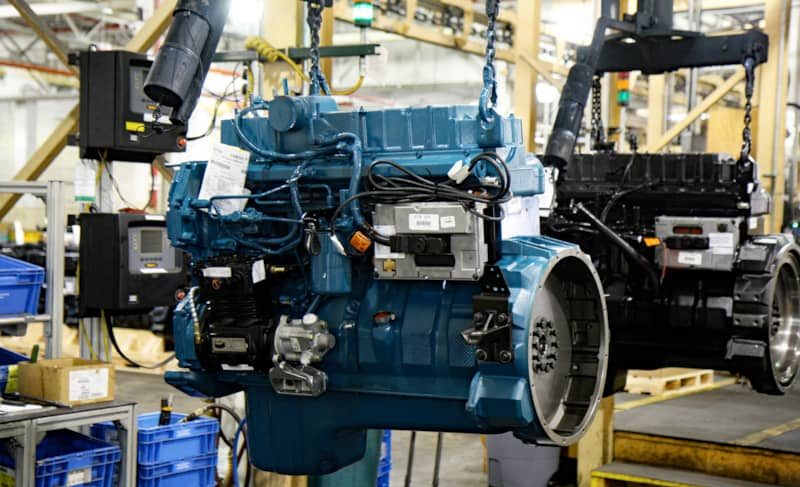
2. International Harvester DT466
International Harvester, a name more common among commercial and vocational truck operators, produced the DT466 engine, which earned a cult following for its reliability.
Found mostly in medium-duty trucks, the DT466 is an inline-six diesel known for its ruggedness and ease of maintenance. It is less visible in the consumer truck market but remains one of the most respected diesel engines in vocational work environments such as delivery trucks, fire trucks, and construction vehicles.
This engine is built with a heavy-duty iron block and a reputation for lasting well beyond 500,000 miles if cared for correctly. Its longevity is supported by a simple fuel system and relatively conservative tuning, avoiding the aggressive emissions technologies that complicate newer diesels.
The DT466 has a strong following in the used truck market because owners recognize it as a reliable and durable powerplant that can be rebuilt with relatively affordable parts.
While the DT466 is mostly associated with commercial trucks rather than personal pickups, it stands out as a solid, obscure diesel that lasts. Its reputation in vocational circles is a testament to the fact that sometimes the most durable engines come from places you least expect.
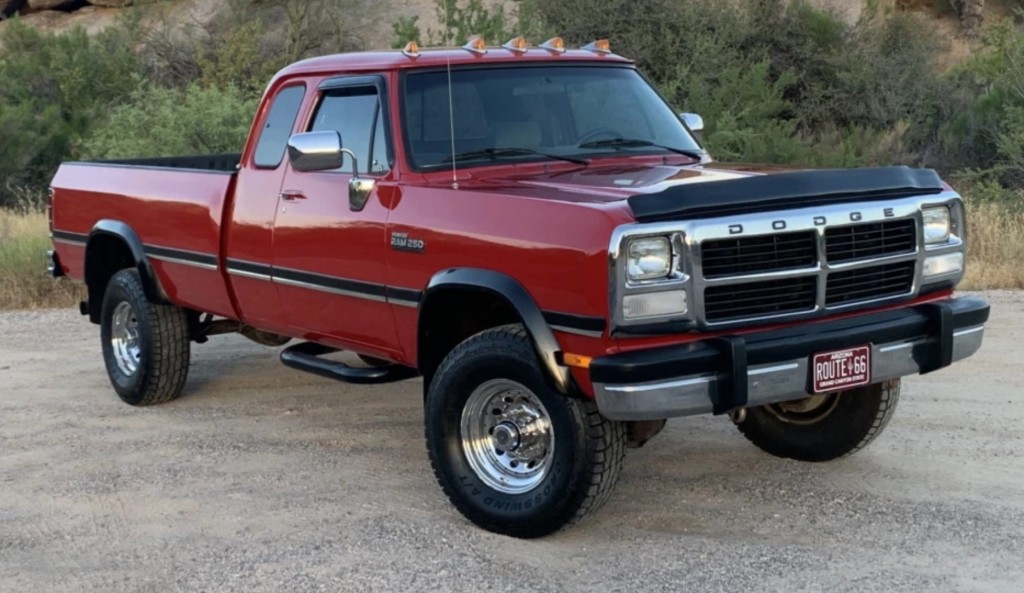
3. Dodge Ram with the 5.9L Cummins 12-Valve (1989–1998)
Dodge’s collaboration with Cummins brought forth one of the most iconic but somewhat less mainstream diesel engines: the 5.9L 12-valve Cummins. Although the Cummins brand itself is well known, this specific early generation engine is often overshadowed by newer and more powerful models.
However, it remains legendary for its durability and simplicity. The 12-valve Cummins featured a mechanical fuel injection system with no electronic controls, which contributed to its reliability and ease of repair.
This engine is frequently praised for its ability to run for many hundreds of thousands of miles with minimal issues. Its cast-iron construction and lack of emissions devices such as EGR valves or diesel particulate filters (DPFs) make it a favorite among diesel purists.
The engine responds well to maintenance routines and can often be rebuilt to like-new condition without breaking the bank.
Even though the 5.9L 12-valve Cummins is not as prevalent today and is considered “obscure” by newer generations, it remains a sought-after powerplant for those who value reliability and longevity over modern technology and convenience features.
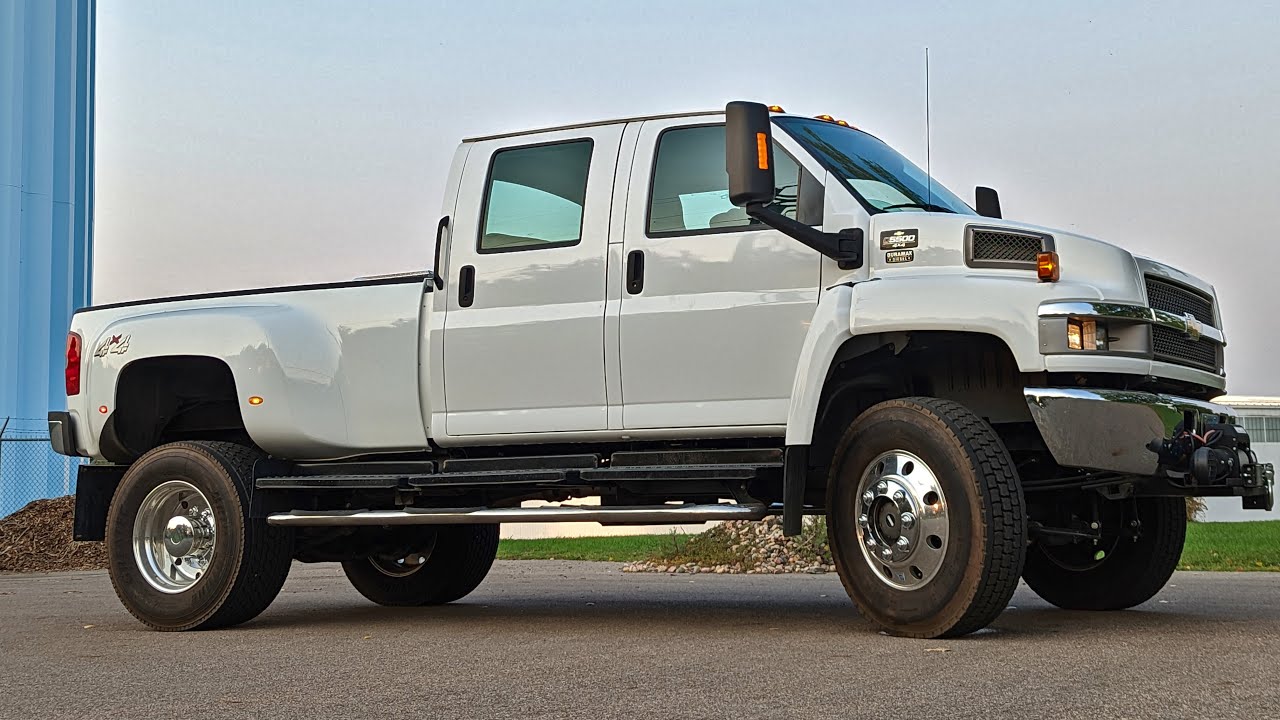
4. Chevrolet Kodiak/GMC TopKick with the Caterpillar 3116 and 3126 Engines
Chevrolet’s Kodiak and GMC’s TopKick medium-duty trucks were equipped with Caterpillar’s 3116 and 3126 diesel engines, which have garnered a reputation for durability in vocational applications.
These trucks and engines are less common on consumer lots but have proven themselves in demanding work environments such as construction, municipal services, and freight hauling.
The 3116 and 3126 engines were some of Caterpillar’s first entries into on-highway diesel markets and offered a combination of power and reliability.
While they are not as simple as some older diesel engines, they avoid some of the more complicated emissions technologies that plagued later models. With proper maintenance, these engines can last well beyond 300,000 miles.
Their relative obscurity comes from the fact that Kodiak and TopKick trucks never achieved the same mainstream popularity as pickup trucks but have earned a niche following for those who need a dependable medium-duty truck. Owners often praise the Caterpillar engines for their solid construction and longevity, making these trucks hidden gems in the diesel world.
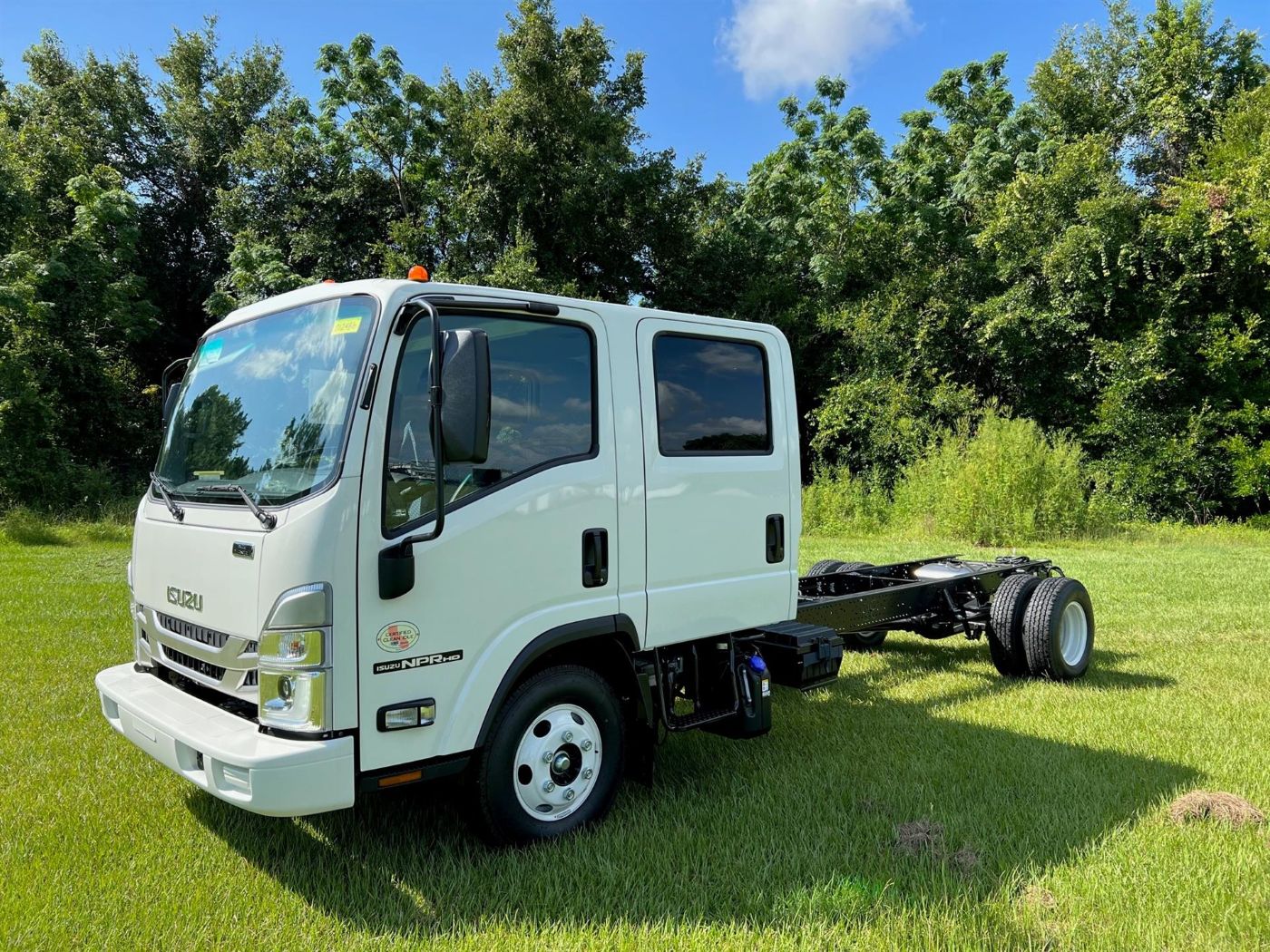
5. Isuzu NPR with the 4HK1 Diesel Engine
Isuzu’s NPR series trucks, especially those equipped with the 4HK1 diesel engine, are another example of reliable but less mainstream diesel vehicles.
Mostly used as commercial delivery trucks and light-duty work vehicles, the NPR with the 4HK1 has developed a reputation for reliability and efficiency, particularly in urban and stop-and-go applications.
The 4HK1 is a four-cylinder diesel engine with a focus on durability and simplicity. It lacks some of the complicated emissions and fuel systems found in larger engines, which contributes to its ease of maintenance and long service life.
Many NPR trucks with 4HK1 engines have been known to accumulate hundreds of thousands of miles with minimal major repairs.
While not a heavy hauler compared to larger pickups and medium-duty trucks, the Isuzu NPR with the 4HK1 is a good example of a reliable, obscure diesel truck that lasts. Its presence in commercial fleets worldwide is a testament to its dependability and cost-effective operation.
5 Mainstream Trucks With Engine Problems
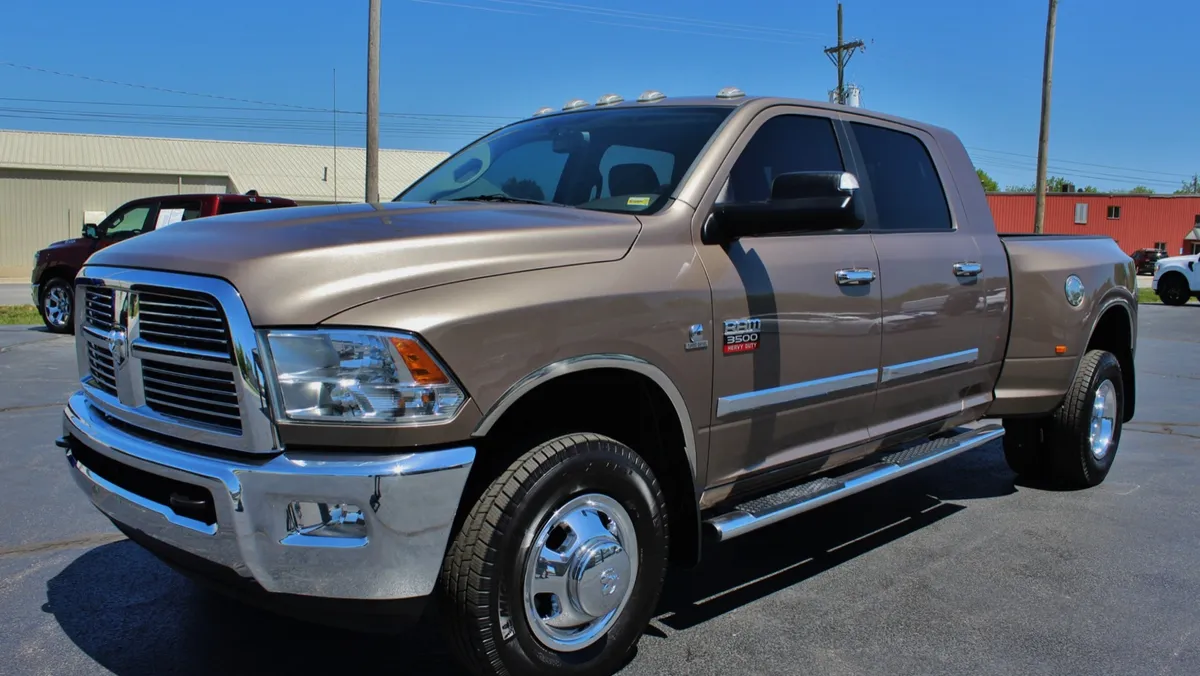
1. Dodge Ram 6.7L Cummins (2013–2018) – Early Problems with the Second Generation
The second-generation 6.7L Cummins engine introduced by Dodge in 2013 was designed to meet stricter emissions regulations while providing enhanced power and torque.
It featured a high-pressure common rail fuel system, advanced turbochargers, and complex emissions components like the diesel particulate filter (DPF) and selective catalytic reduction (SCR) system.
While this was a big leap forward in technology and performance, it also led to an array of reliability challenges that early owners faced. One of the most significant issues was the high-pressure fuel pump (HPFP), which was prone to premature wear and eventual failure.
This pump is critical for maintaining the fuel pressure necessary for the common rail injection system, and its failure often resulted in engine stalling, rough running, or complete shutdown.
Additionally, the fuel injectors used in this generation showed a tendency to fail earlier than expected. The injectors are finely tuned components that inject fuel directly into the combustion chamber with high precision.
However, the advanced design made them highly sensitive to fuel quality and contamination, meaning that any impurities could accelerate wear and cause injector malfunction.
Replacement costs were high, and problems with injectors often led to rough idle, decreased fuel economy, and increased emissions. These issues made the engine more expensive and troublesome to maintain than its predecessors, which relied on simpler mechanical fuel injection systems.
The complexity of the emissions control systems, including the SCR and DPF, further increased maintenance difficulty. These systems rely on sensors, urea injection (DEF fluid), and exhaust after-treatment to reduce harmful pollutants. While environmentally beneficial, these components introduced new failure points that required regular upkeep and sometimes expensive repairs.
For example, clogged DPFs could lead to reduced performance or trigger limp mode, forcing owners to seek costly regeneration or replacement services. The combination of fuel system troubles and emissions system complexity put a strain on the engine’s reliability.
Despite these setbacks, the 6.7L Cummins remains popular for its strong power output and towing capabilities. Many owners who depend on these trucks for heavy-duty work opt to upgrade certain components with aftermarket parts or modify the engine’s tuning to improve reliability and performance.
However, the early years of this engine’s production are often approached with caution, as the high cost of repairs and potential downtime can outweigh the benefits of its advanced technology. This example underscores the risks associated with pushing new diesel technology too quickly into the mainstream without sufficient long-term testing.

2. Ford Power Stroke 6.0L (2003–2007)
The Ford Power Stroke 6.0L diesel engine was intended to be a technological step forward from the well-regarded 7.3L engine it replaced.
Promising more power, improved fuel efficiency, and lower emissions, the 6.0L was ambitious in its use of new technologies such as a variable geometry turbocharger (VGT), an advanced EGR system, and electronically controlled fuel injection.
Unfortunately, this ambition came with a range of serious and costly problems that would mar the engine’s reputation for years. One of the most notorious issues was the failure of the head gaskets.
Unlike the 7.3L, which had a more straightforward design, the 6.0L’s cylinder heads and gaskets were prone to failure, often leading to coolant leaks, overheating, and major engine damage.
Adding to the head gasket problems were failures in the EGR cooler, a component responsible for reducing nitrogen oxide emissions by recirculating exhaust gases through a cooling process.
The EGR cooler could develop leaks, allowing coolant to enter the engine’s intake system, which led to rough running and engine damage if left untreated.
This failure was not only frustrating but costly to fix, and it often required extensive engine teardown. The combination of head gasket and EGR cooler problems was so widespread that many mechanics considered these to be inherent flaws in the engine’s design rather than isolated incidents.
The 6.0L Power Stroke’s turbocharger was another weak link. The variable geometry turbocharger, designed to improve efficiency and power delivery, could suffer from stuck vanes due to soot buildup, reducing boost pressure and causing the engine to lose power.
Additionally, the oil cooler, which is critical for maintaining engine temperatures and lubrication quality, was prone to clogging or leaking, leading to poor engine lubrication and accelerated wear. These issues collectively resulted in frequent breakdowns and a high cost of ownership.
While Ford issued service bulletins and updates to address many of these problems, the damage to the 6.0L’s reputation was significant.
Many owners who purchased trucks with this engine faced unexpected repair bills and downtime. The 6.0L Power Stroke stands as a reminder that complex new technology, especially when rushed to market, can result in reliability failures that harm both manufacturers’ reputations and consumers’ confidence.
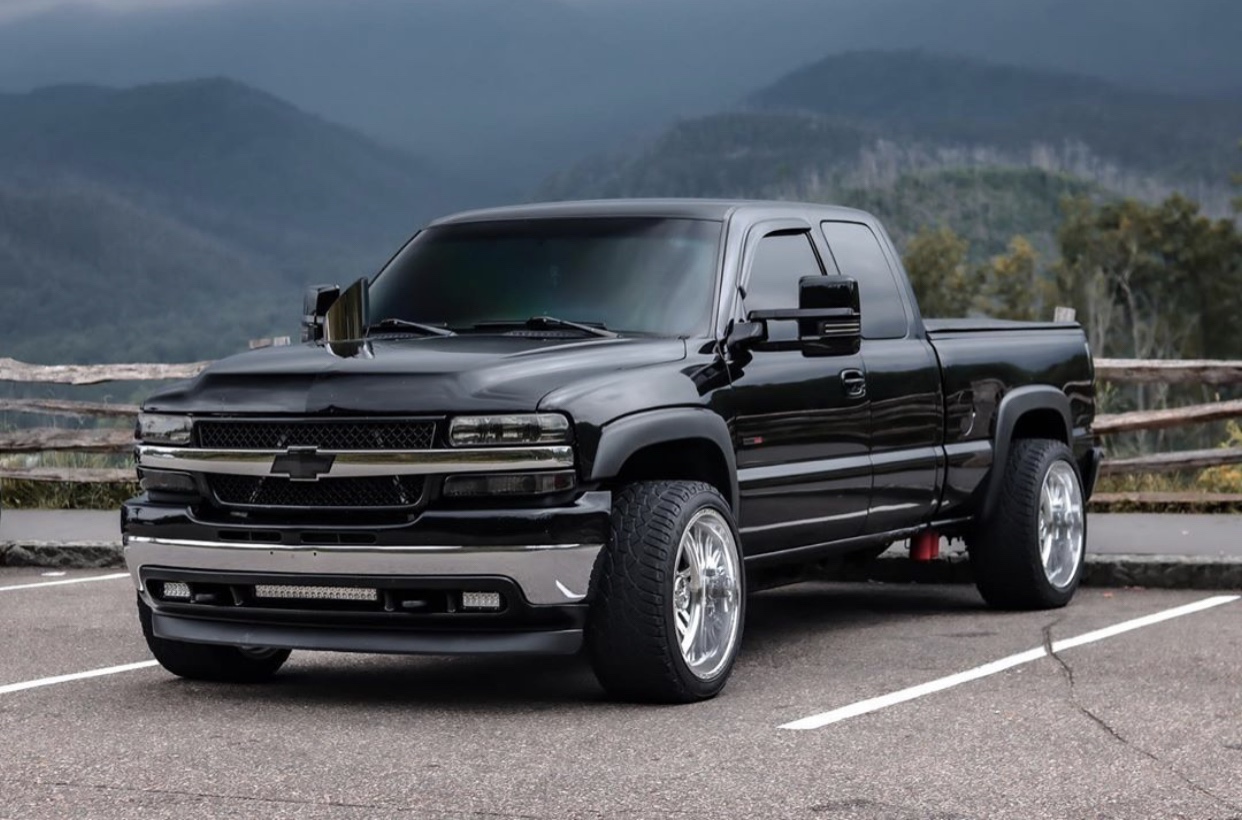
3. Chevrolet/GMC Duramax LB7 (2001–2004)
The Duramax LB7 was General Motors’ entry into the heavy-duty diesel market with a modern, high-performance engine designed to compete directly with Ford’s Power Stroke and Dodge’s Cummins.
It featured a robust design with an aluminum cylinder head, high-pressure common rail fuel injection, and a strong aftermarket presence. While the LB7 was generally well-received for its power and smoothness, it quickly became infamous for its fuel injector problems, which affected nearly all units produced during its production run.
The injector failures were primarily due to poor sealing and manufacturing issues within the injectors themselves. When the injectors failed, they would cause rough running, black smoke, hard starting, and poor fuel economy. In many cases, fuel would leak into the cylinder improperly, leading to engine knocking and potential damage.
GM was forced to extend warranties on the fuel system and replace millions of injectors at great cost. Although the fuel injectors were the most significant issue, the engine itself was otherwise quite durable and capable of high mileage when properly maintained.
Another challenge with the LB7 was its sensitivity to fuel quality. Owners in areas with lower-quality diesel fuel or inconsistent fuel standards were more likely to experience injector failures.
This was especially problematic in regions where fuel contamination or biodiesel blends were common. The early design did not accommodate these variations well, making the LB7’s fuel system a weak point in otherwise solid hardware.
Despite its early reliability problems, the LB7 Duramax remains a popular engine choice in the used market. It laid the foundation for future Duramax engines, which improved on the fuel system design and emissions compliance.
The LB7’s problems serve as a lesson in how critical fuel system design and fuel quality are to diesel engine longevity, even in well-built powertrains.

4. Volkswagen TDI (Pump-Duseled Models from Early 2000s)
Volkswagen’s early 2000s Pump-Duseled (Pumpe Düse or PD) TDI engines represented a cutting-edge approach to diesel fuel injection. The PD system used unit injectors mounted directly in the cylinder head, driven mechanically by the camshaft, designed to deliver precise fuel amounts at very high pressures.
While the system improved power and fuel efficiency, it was also more sensitive to wear and timing issues than traditional common rail systems.
One of the major mechanical problems encountered was the failure of the timing chain tensioner, a relatively small but critical component responsible for maintaining proper timing between the crankshaft and camshafts.
When the timing chain tensioner failed, it caused the timing chain to loosen, allowing the camshafts to fall out of synchronization with the crankshaft. This loss of timing alignment led to severe engine noises, loss of power, rough idling, and, in the worst cases, catastrophic engine damage such as bent valves or broken pistons.
Repairing this problem required significant labor, often involving the removal of the cylinder head and timing components, making it a costly and time-consuming fix. Many owners discovered this issue after hearing abnormal noises or experiencing sudden power loss.
Injector wear was another prevalent issue with PD engines. The unit injectors, which combine the injector nozzle and high-pressure pump in a single assembly, could wear prematurely due to soot buildup, poor fuel quality, or manufacturing inconsistencies. Injector failure caused rough running, misfires, and increased emissions.
Replacement injectors were expensive, and the specialized design of the PD system meant that repairs required expertise that wasn’t always widely available.
Volkswagen later moved away from the PD system to common rail injection in newer TDI engines, which improved reliability and reduced maintenance costs.
However, the early PD engines remain infamous for these timing and injector issues. These problems demonstrate the challenges that can come with innovative but complex mechanical systems that push the boundaries of diesel technology.
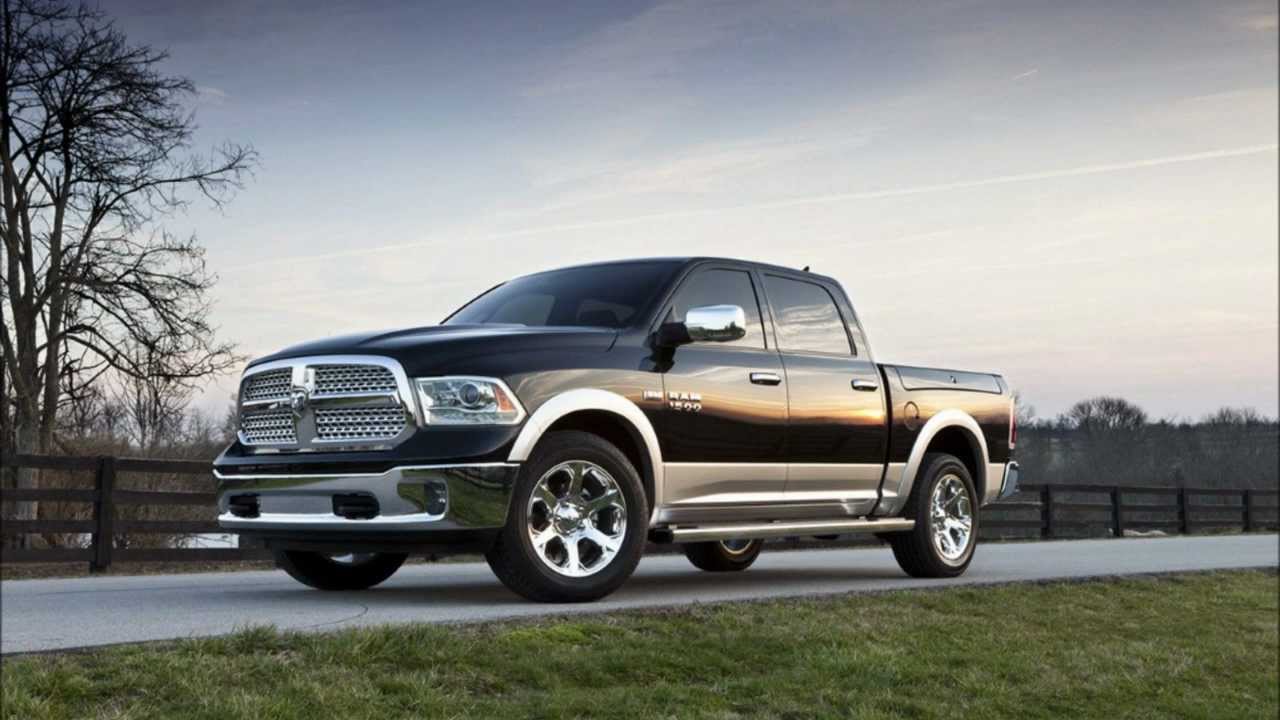
5. Ram 5.7L HEMI V8 with eTorque (2019–Present)
Although the Ram 5.7L HEMI V8 with eTorque is not a diesel engine, its mainstream status and the reliability challenges faced by its hybrid system merit inclusion in this discussion.
The eTorque system is a mild hybrid setup that integrates a belt-driven starter-generator with a 48-volt battery pack to improve fuel economy and torque delivery. While the technology is innovative and aims to reduce emissions and improve drivability, it has introduced new complexities and reliability concerns.
One of the primary issues reported by owners is related to the 48-volt battery pack and its control systems. Premature battery failures or degradation can trigger warning lights and cause the hybrid system to malfunction or disable itself, reducing fuel economy and power assist.
Replacing the battery pack is expensive and labor-intensive, often deterring owners from addressing the issue promptly. Some trucks have also experienced drivability problems linked to eTorque component failures, including rough idling, stalling, or hesitation during acceleration.
The integration of the eTorque system with the engine’s powertrain electronics has also caused communication and control problems. Because the system requires seamless coordination between the engine control module, transmission, and hybrid components, any glitch or sensor failure can result in reduced performance or error codes that are difficult to diagnose.
Some owners have reported repeated trips to the dealership for software updates or component replacements to address these issues.
Transmission problems have been reported in some eTorque-equipped Rams, possibly due to the additional torque and complexity the hybrid system introduces. Though not universal, these problems add to the concern about the long-term reliability of this otherwise popular powertrain option.
The Ram 5.7L HEMI with eTorque exemplifies how adding new technology to proven engines can sometimes result in unexpected maintenance challenges, underscoring the trade-off between innovation and established reliability.
Also Read: 5 Vehicles With Easy Bulb Replacement vs 5 With Sealed-Unit Headlights
Choosing a diesel truck often involves balancing power, efficiency, and reliability. As this article shows, not every diesel engine lives up to the expectation of long-lasting durability, even from well-known mainstream brands.
Many factors contribute to engine problems in popular trucks, including rushed technology implementations, complex emissions equipment, and sensitivity to fuel quality. These challenges have led to costly repairs and reduced owner satisfaction for some of the biggest names in the industry.
Conversely, the diesel trucks that fly under the radar often owe their longevity to simpler designs, proven mechanical components, and less complicated emissions controls.
These qualities contribute to fewer breakdowns and easier maintenance, which are critical factors for those who rely on their trucks day in and day out. While these trucks may lack the marketing clout or immediate name recognition, their durability speaks volumes about what truly makes a diesel truck dependable.
The contrast between these two groups highlights a broader truth about diesel engines today: innovation and complexity are double-edged swords.
Advances in technology have undoubtedly brought improvements in power and fuel economy, but sometimes at the expense of long-term reliability. This tension will likely continue as manufacturers strive to meet environmental standards while satisfying consumer demands for performance and convenience.
For anyone considering a diesel truck purchase, whether for work or personal use, research and awareness are crucial.
Knowing which models have a history of engine problems and which have earned a reputation for lasting under tough conditions can save time, money, and frustration. It also allows owners to make better decisions about maintenance and upgrades to extend the life of their vehicles.
The best diesel trucks combine solid engineering, practical technology, and durability. They may not always be the flashiest or most heavily advertised, but their track record proves their worth. By understanding the strengths and weaknesses of both obscure and mainstream diesel trucks, buyers can find vehicles that meet their needs and stand the test of time.
