
Hatchbacks have long held a unique space in the car market. They provide a balance between practicality and agility, all wrapped into a smaller footprint than most sedans or SUVs. For decades, drivers seeking something compact, fun, and versatile have turned to hatchbacks.
But the story of hatchbacks isn’t always about what gets the most showroom traffic. Some of the best hatchbacks in terms of ownership satisfaction are not necessarily the ones that dominate headlines or monthly sales charts.
Many of them were produced in limited numbers or only sold in specific regions, yet the drivers lucky enough to own them often refuse to part with them. These rare hatchbacks, though low in production or visibility, have developed loyal followings and lasting reputations for their reliability, performance, or simply how they make people feel behind the wheel.
On the other side of the coin, there are the popular cars, the ones that were heavily advertised, widely purchased, and frequently recommended, especially to new drivers or those seeking value. But high sales figures don’t always translate into long-term satisfaction.
Some of these mass-market hatchbacks have proven to be disappointing over time, whether due to cost-cutting measures, mechanical issues, poor build quality, or a driving experience that simply doesn’t hold up to expectations. The disappointment of owning a vehicle that underperforms or becomes a money pit often spreads quickly through word of mouth and online forums, leading to regret among buyers who once believed they made the right choice.
This article will highlight five rare hatchbacks that have earned deep affection from their owners and five popular hatchbacks that, despite high initial sales, have left many drivers dissatisfied. These examples span several decades and multiple manufacturers, showing that customer satisfaction isn’t always tied to a model’s popularity.
Each car tells a different story, about design decisions, engineering priorities, and the real-world impact of choices made on the assembly line. The goal here is to look at how cars resonate with people over time and why some less-celebrated hatchbacks have become cherished, while others with mainstream appeal have lost favor.
Also Read: 5 Vehicles With Easy Bulb Replacement vs 5 With Sealed-Unit Headlights
5 Rare Hatchbacks Loved by Owners
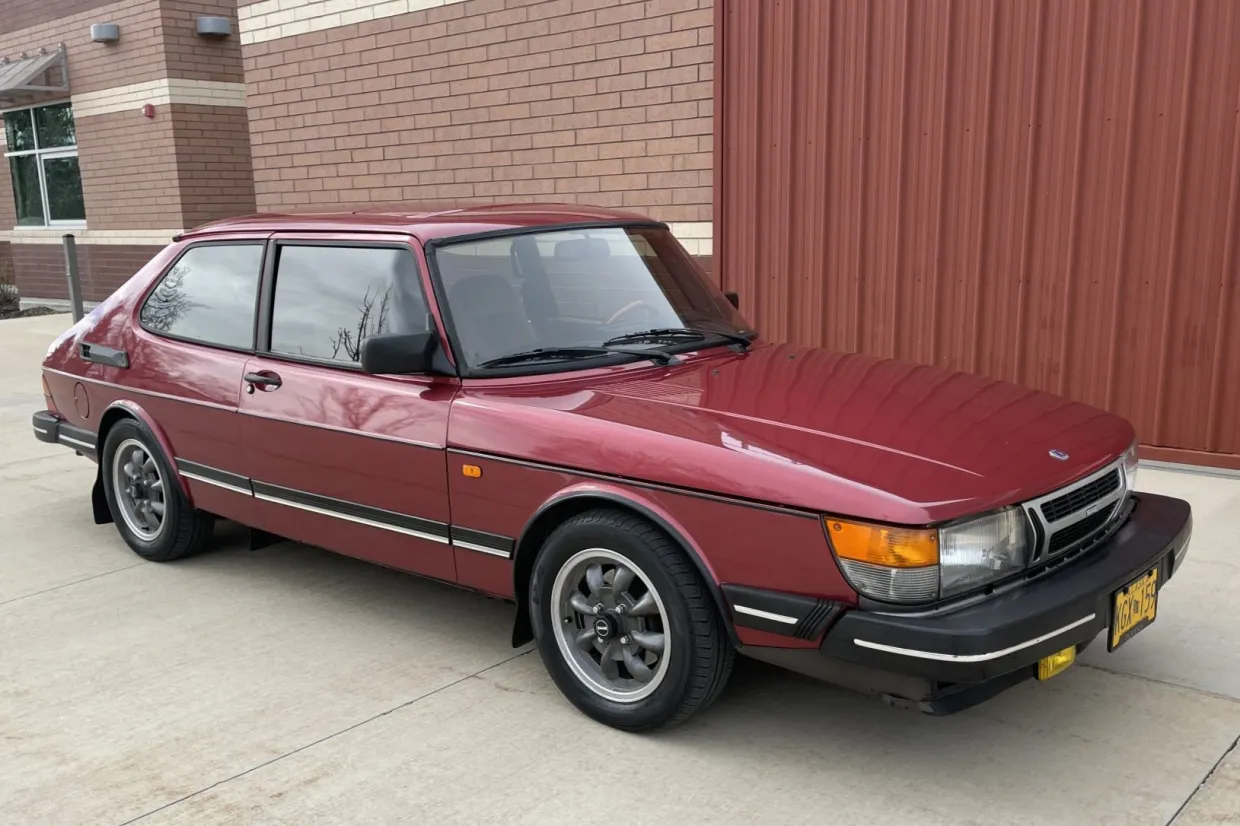
1. Saab 900 Turbo Hatchback (Rare and Loved)
The Saab 900 Turbo is one of those cars that quietly built a strong emotional connection with owners. First produced in the late 1970s and continuing into the early 1990s, the Saab 900 Turbo was never the fastest car in its class, nor the cheapest. But what made it so beloved was the combination of intelligent design, quirky features, and its solid turbocharged performance.
Saab engineers, many of whom came from the aerospace industry, gave the car thoughtful touches that made it feel different from anything else on the road. From the wraparound windshield to the centrally mounted ignition, the 900 had a unique identity that clicked with drivers who wanted something other than a standard mass-market vehicle.
Another reason for the Saab 900 Turbo’s strong following is how it handled real-world driving. Despite its front-wheel-drive setup, it felt planted and confident in all weather conditions. This was especially appreciated by drivers in colder climates where snow and ice made winter driving a challenge.
The turbocharged four-cylinder engine wasn’t aggressive, but it had enough punch to make highway driving engaging. The manual transmission versions, in particular, offered a satisfying driving experience that owners remember fondly. Saab’s reputation for safety also added to the appeal, with a strong structure and excellent visibility.
The cargo capacity of the Saab 900 Turbo hatchback was impressive for its size. The long rear window and liftback design made it possible to carry everything from bicycles to large boxes with ease. This practicality, combined with its durability helped owners form long-term bonds with the car. It wasn’t uncommon to see Saab 900s on the road with well over 200,000 miles, many still in good condition thanks to enthusiastic maintenance by loyal fans. This sense of dependability and character isn’t easily found in many vehicles from that era.
Even though Saab as a company no longer exists, the 900 Turbo lives on in enthusiast communities. Owners continue to restore and cherish these cars, swapping parts and stories alike. While it may not appear in mainstream car reviews or resale charts, among those who’ve owned one, the Saab 900 Turbo hatchback is remembered as more than a vehicle, it’s seen as a companion that delivered far beyond its specs.
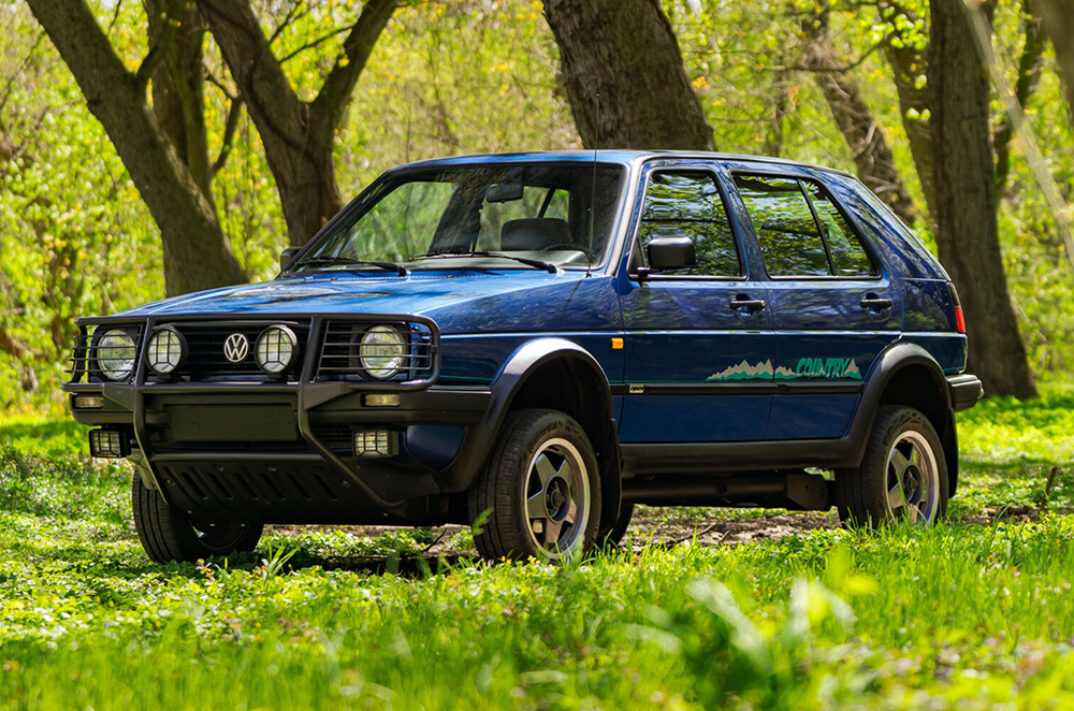
2. Volkswagen Golf Mk2 Country (Rare and Loved)
The Volkswagen Golf Country was an unusual offshoot of the standard Golf Mk2 that few people expected. Designed in collaboration with the Austrian company Steyr-Daimler-Puch, this rugged hatchback featured four-wheel drive, lifted suspension, and off-road equipment like a skid plate and exposed rear-mounted spare tire.
It looked more like a miniature SUV than a hatchback, and that’s exactly what made it appealing to a niche group of buyers. Originally built in the early 1990s, fewer than 8,000 were made, making it one of the rarest Golfs ever produced.
What made the Golf Country so loved by owners was its versatility. It could tackle gravel roads and light off-road conditions with ease while still being small enough for urban environments. For drivers who lived in mountainous or rural areas, it offered a perfect combination of traction and compactness. Unlike most small hatchbacks, it didn’t feel helpless when the weather turned bad or when the road ended. Its Syncro four-wheel-drive system was mechanical and simple, which added to its reliability and charm.
Inside, the Golf Country retained the simplicity and build quality that Volkswagen was known for during the Mk2 generation. The interior was minimal, but durable. The seating position was slightly higher due to the lifted body, giving drivers a better view of the road ahead.
It was an early taste of what would later become extremely popular in the form of crossovers. Owners who held on to the Golf Country appreciated its balance of toughness and practicality. It was never flashy, but it got the job done and had a personality that few cars could match.
Today, these cars are considered collector’s items among VW enthusiasts. They are hard to find in good condition, but when someone spots one, it draws attention not because of styling or speed, but because of how rare and purpose-built it is. The Golf Country may not have made a huge impact in global markets at the time, but its loyal group of owners continues to praise it for being ahead of its time.
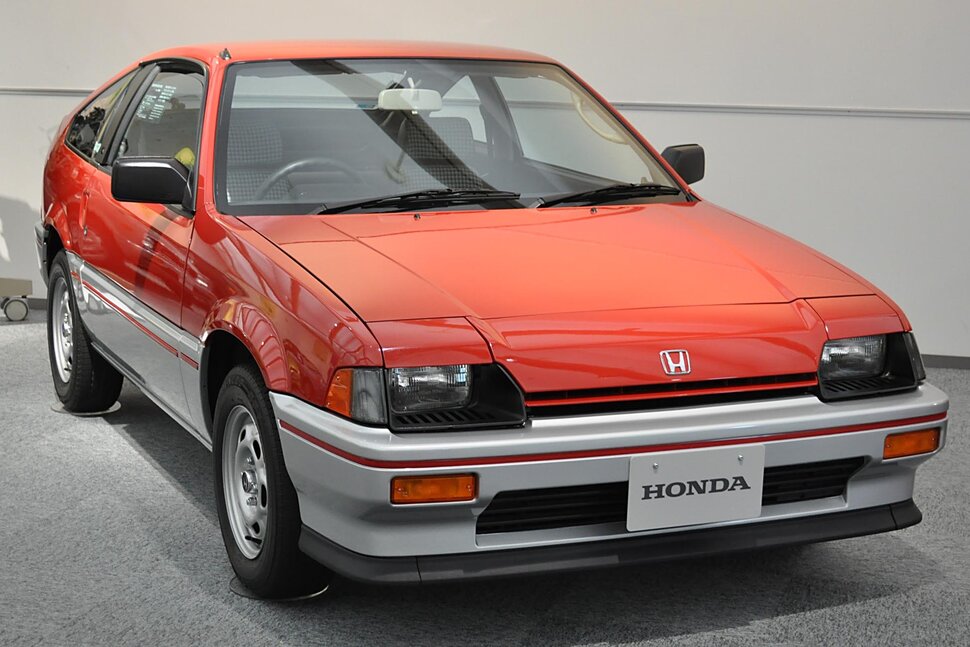
3. Honda CR-X (Rare and Loved)
The Honda CR-X remains one of the most beloved compact hatchbacks ever made. It arrived in the 1980s and stuck around through the early 1990s, offering sharp styling, great gas mileage, and a surprisingly sporty drive. Though not as rare as some other models on this list, clean examples are now hard to find, making it a rare sight on modern roads.
Owners still rave about its balance of efficiency and fun, often saying it was one of the best daily drivers they ever had. The lightweight design and responsive handling made it feel more like a go-kart than an economy car.
One of the reasons people loved the CR-X was its simplicity. It wasn’t overloaded with features, but what it had worked well. The cockpit was driver-focused, the manual gearbox was smooth, and visibility was excellent.
For those who enjoyed driving, the CR-X felt like an extension of the body. It was light, nimble, and connected to the road in a way few modern cars can replicate. Even the lower-powered HF version could be enjoyable thanks to how little it weighed and how well the suspension was tuned.
Fuel economy was another major reason owners felt attached to the CR-X. Some trims could achieve over 40 miles per gallon, which was impressive even by today’s standards. In an era when gas prices were fluctuating and economy cars often meant boring, the CR-X offered both thrift and thrills. It was also a surprisingly durable car, capable of racking up high mileage without major mechanical issues. This helped build trust between the car and its owner, something that turns a regular car into a long-term favorite.
Though Honda discontinued the CR-X and never quite revived it properly, its impact still lingers in the used car market and in enthusiast circles. Former owners often try to buy them back or restore one just for nostalgia. The CR-X wasn’t about status or power, it was about smart design, fun, and freedom on four wheels. That’s why, decades later, it still holds a special place in the hearts of those who owned one.
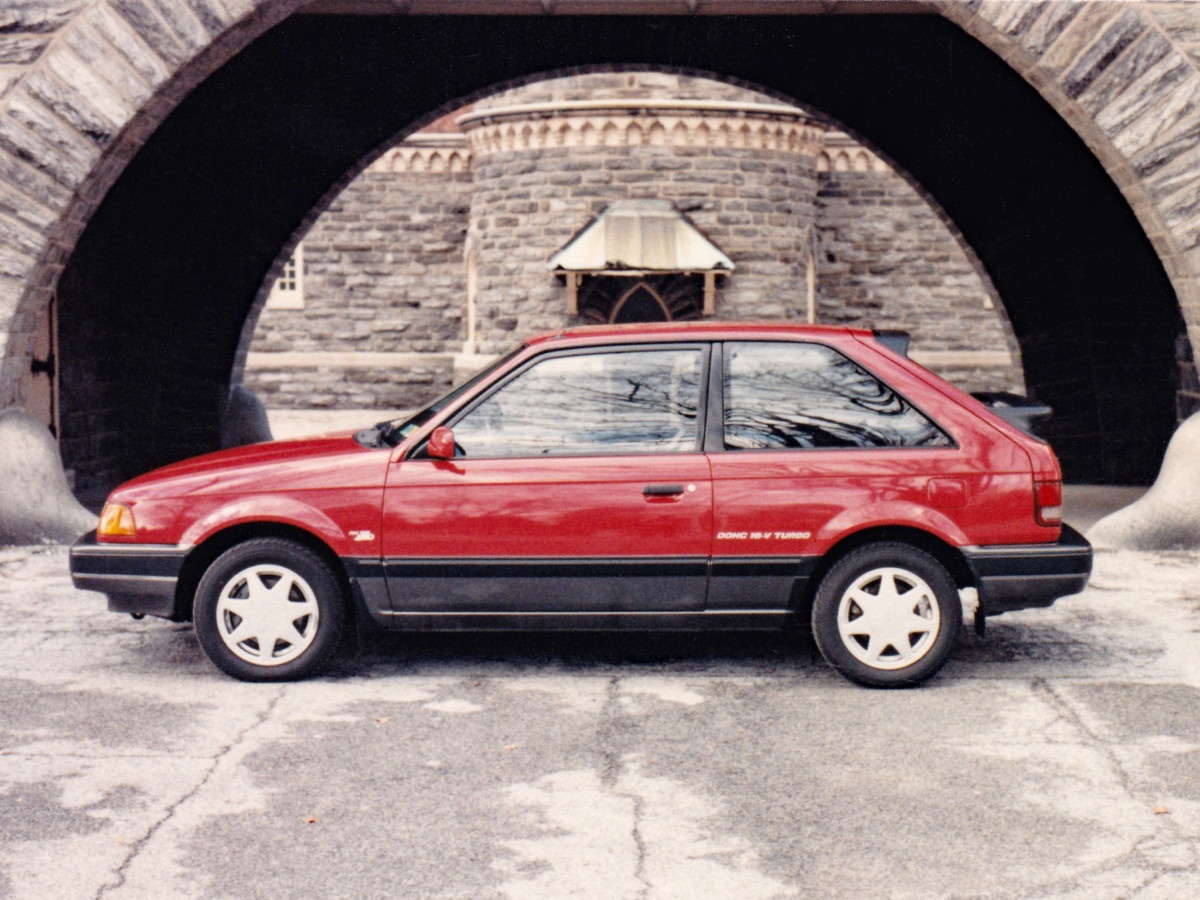
4. Mazda 323 GTX (Rare and Loved)
The Mazda 323 GTX is a hatchback that few people remember unless they were part of the small group who drove one. Produced for a brief period in the late 1980s, the 323 GTX was a rally-bred hot hatch equipped with a turbocharged engine and all-wheel drive.
It wasn’t sold in large numbers, and many people overlooked it in favor of more well-known performance compacts at the time. But for those who experienced it, the 323 GTX was something special. It brought the excitement of motorsport-inspired engineering into a practical, affordable, and surprisingly capable package.
One of the strongest traits of the 323 GTX was how it performed in poor conditions. The combination of a lightweight body and full-time all-wheel drive gave it excellent grip, whether on twisty backroads or snowy highways.
This wasn’t a luxury car, and it didn’t have a refined interior, but what it offered in mechanical design made it feel like a hidden gem. The 1.6L turbocharged engine had enough punch to keep things interesting, and the car’s chassis was tuned for spirited driving. It could surprise much more expensive vehicles in the right setting.
Owners of the 323 GTX often described it as one of the most fun cars they’d ever owned. It wasn’t about high horsepower; it was about balance and connection. The car encouraged confident driving and rewarded those who pushed it a bit. It was also a car that taught its owner how to drive better, due to its lively handling and the responsiveness of the powertrain. While it required more maintenance than a typical economy hatch, the payoff in driving enjoyment made it worth the effort.
Because it was never mass-produced, parts became increasingly hard to find, and many 323 GTX models ended up neglected or scrapped. However, those who kept them running often became deeply attached to their cars. The combination of rarity, performance, and practicality made it unforgettable. Even today, when people spot one, it’s usually accompanied by stories and admiration. For the lucky few who experienced it, the Mazda 323 GTX represents a high point in affordable driver-focused hatchbacks.
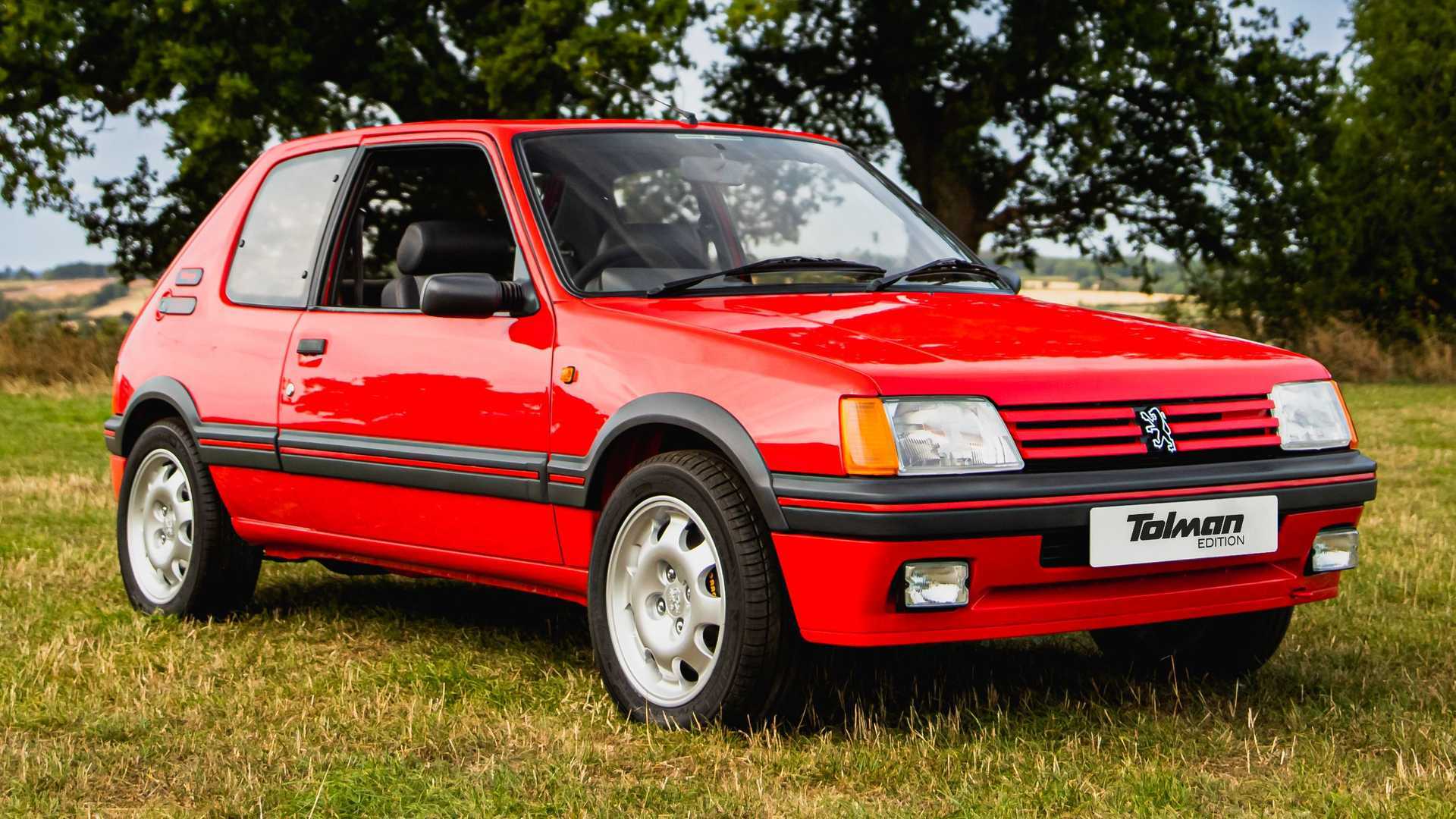
5. Peugeot 205 GTI (Rare and Loved)
The Peugeot 205 GTI is frequently mentioned as one of the best-driving hatchbacks of the 1980s and early 1990s, particularly in Europe. It never saw official release in the U.S., which adds to its mystique among American car enthusiasts. Small, sharp, and incredibly agile, the 205 GTI proved that you didn’t need a lot of horsepower to have a blast behind the wheel. Many who drove it say it was one of the most responsive and communicative cars they ever owned. Despite its light weight and small engine, it felt alive in a way that few modern cars can match.
Owners loved how pure the driving experience was. There were no driver aids, no turbos, and no unnecessary weight. Just a well-balanced chassis, tight steering, and a naturally aspirated engine that begged to be revved. The 1.6L and 1.9L versions each had their own character, with the larger engine delivering a bit more mid-range power. But both offered the kind of feedback that made even short trips enjoyable. The connection between driver, road, and machine felt direct and honest.
The styling of the 205 GTI also contributed to its lasting appeal. It had a sporty, squared-off shape that stood out without being obnoxious.
Inside, the seats were supportive, and the driving position was well-suited to both comfort and control. The car felt sporty without being uncomfortable, making it easy to drive daily and still enjoy on winding roads. Its simplicity also meant fewer things to break, and the car proved to be more durable than its fragile appearance might suggest.
Because Peugeot didn’t market this model in every country, and many were driven hard, clean examples are now quite rare. Owners who held onto them developed a strong emotional bond, often citing the 205 GTI as their favorite car of all time. It was the kind of car that people remembered fondly even years after selling it.
Enthusiast forums and classic car groups still talk about them with a reverence that newer models rarely earn. The 205 GTI may not have been common, but to those who knew it, it set a standard that few hatchbacks have met since.
5 Widely Sold Cars Owners Avoid
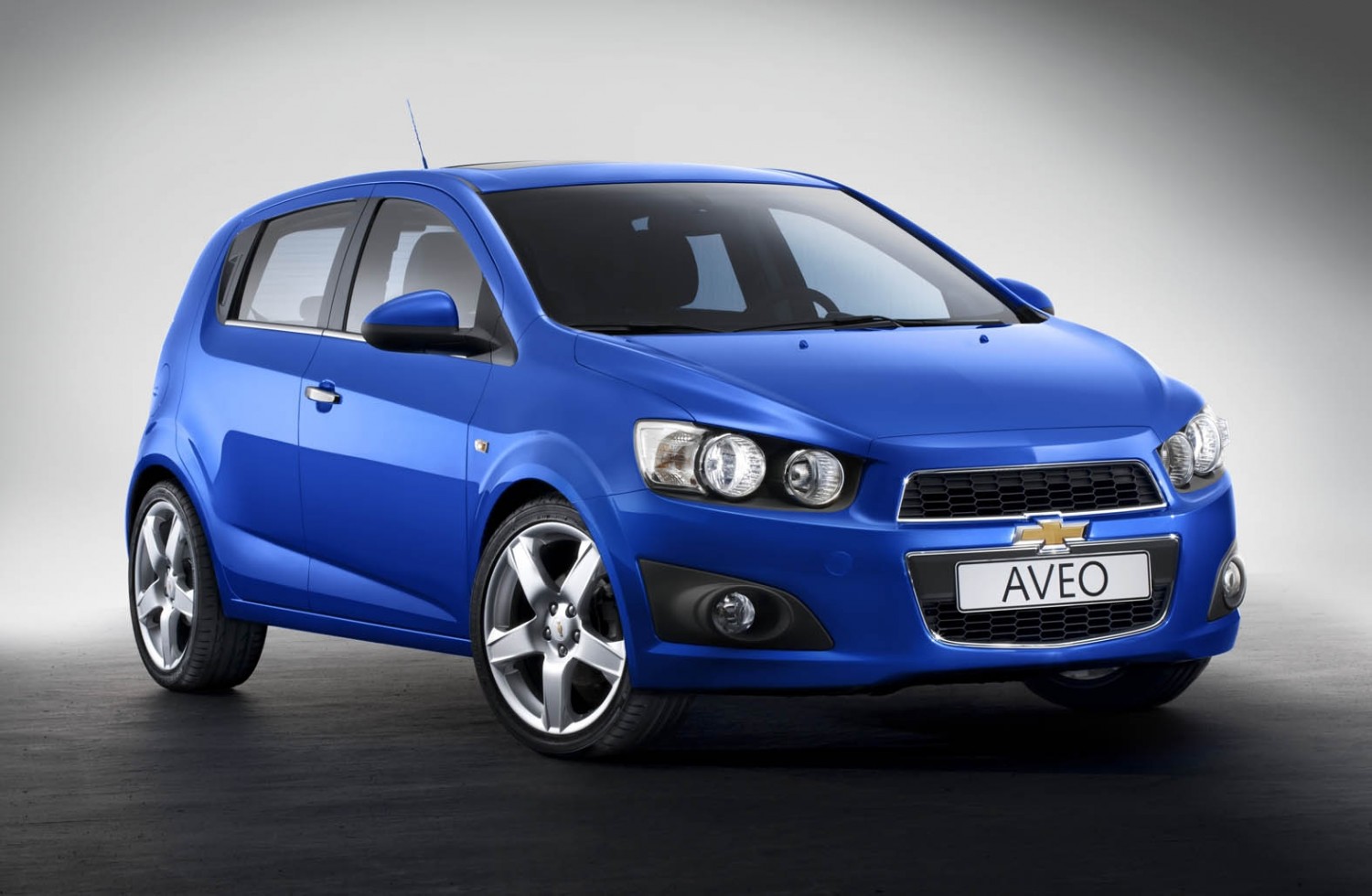
6. Chevrolet Aveo (Popular but Avoided)
The Chevrolet Aveo was marketed as an affordable, efficient car perfect for students and first-time buyers. Initially introduced in the early 2000s, it sold in large numbers thanks to aggressive pricing and a design that suggested practicality.
Unfortunately, the Aveo turned out to be one of those cars that delivered the bare minimum and nothing more. Many owners quickly discovered that low price came with trade-offs in reliability, comfort, and driving experience. While it may have looked like a smart financial decision, the Aveo often ended up costing more than expected in frustration and repairs.
One of the most common complaints among Aveo owners was its build quality. The interior plastics were brittle, panels didn’t align properly, and components like window motors and door handles failed prematurely. It gave the impression of being built to a price, not to a standard. Even things as basic as seat comfort or road noise control were below average. After just a few years of ownership, many Aveos developed annoying issues that made daily driving a chore instead of a convenience.
The driving experience was also disappointing. The engine was underpowered, especially with automatic transmissions, and the suspension setup didn’t inspire confidence. Steering felt vague, and highway trips required extra attention due to the car’s tendency to wander or feel unsettled. It was a car built to serve one purpose, transportation but it barely met expectations even at that level. Fuel economy was decent but not class-leading, which removed the only real justification for its many compromises.
Resale value for the Aveo dropped quickly, and many owners found themselves stuck with a car they didn’t enjoy driving and couldn’t easily sell. As issues stacked up, even basic maintenance seemed like a questionable investment. Forums and reviews are filled with former Aveo drivers warning others to stay away. Despite high sales numbers, the Chevrolet Aveo has developed a reputation as one of the most regrettable compact cars of its time.
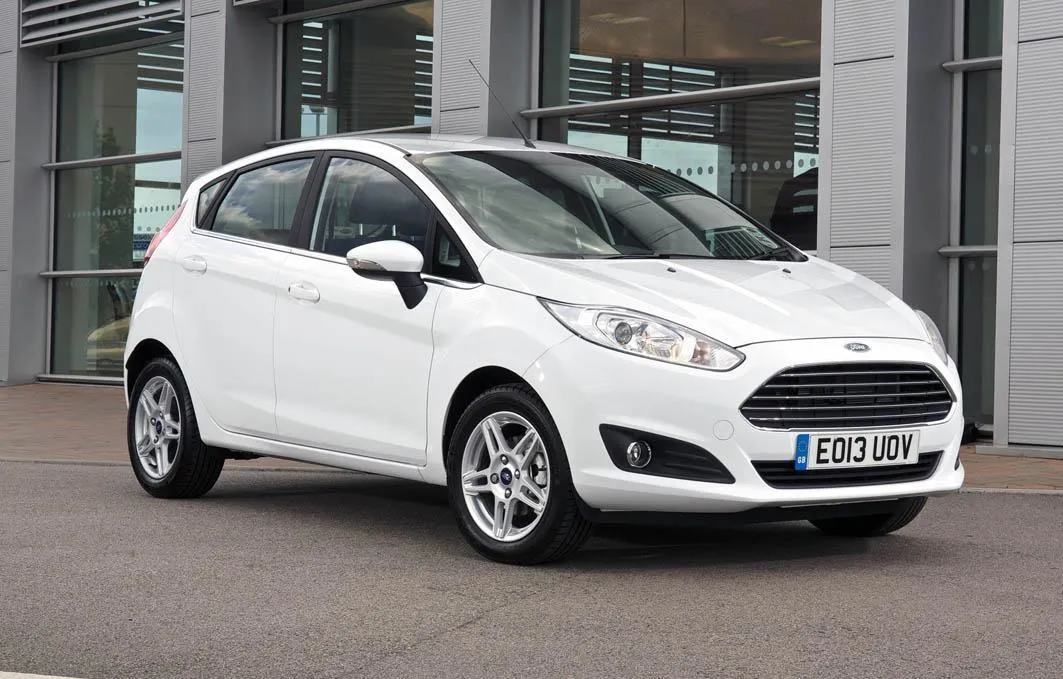
7. Ford Fiesta (7th Gen, Popular but Avoided)
The Ford Fiesta, especially the seventh-generation model sold in North America starting in 2011, initially received praise for its sharp styling and fun-to-drive nature. But as more people owned them long-term, serious flaws started to emerge, particularly with the PowerShift dual-clutch automatic transmission.
While the manual versions of the Fiesta remained fairly reliable and enjoyable, the automatic models generated countless complaints, lawsuits, and recalls. What started as a high-selling, stylish small car turned into a cautionary tale about new tech not being ready for mass use.
The most frequent issue reported by Fiesta owners involved jerky shifting, loss of power, and complete transmission failure. Ford attempted several fixes through software updates and component replacements, but the problems persisted for many. Frustrated drivers found themselves making repeated visits to the dealership with little resolution.
The issue became so widespread that Ford ended up facing legal action and major damage to its reputation among small car buyers. Many owners felt betrayed by a car that had been so highly recommended.
Aside from the transmission problems, the Fiesta also had issues with interior wear, electronic gremlins, and poor noise insulation. While it was marketed as a European-inspired small car, in practice it felt like a compromise. The cost-cutting was evident in the materials used and the lack of long-term durability. Once the novelty wore off, owners began noticing rattles, fading trim, and suspension noises. The initial charm gave way to irritation and regret.
What made the situation worse was that Ford seemed slow to fully acknowledge the scale of the problem. Some owners were left footing repair bills for issues that should have been addressed under warranty. Others were stuck with cars they couldn’t sell because of the known transmission defects. As a result, despite its early sales success, the Ford Fiesta’s legacy is tarnished among many who bought one hoping for a reliable, fun compact.
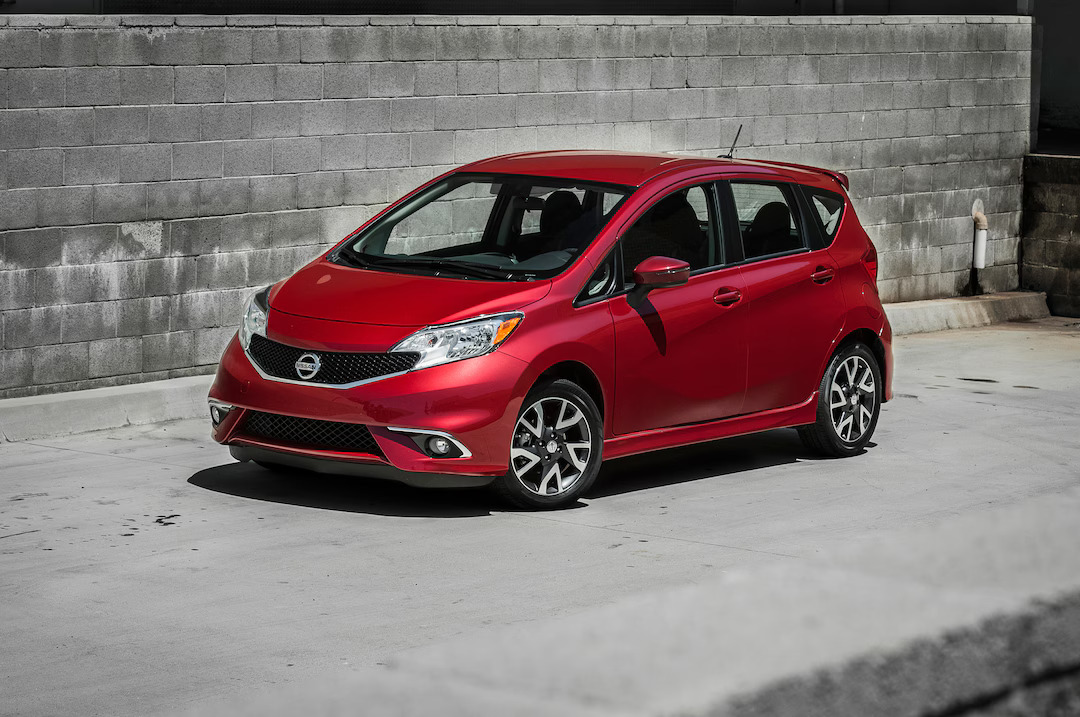
8. Nissan Versa Note (Popular but Avoided)
The Nissan Versa Note was introduced as an affordable, practical hatchback aimed at budget-conscious buyers. It offered plenty of interior space, excellent fuel economy, and a relatively low price tag, which made it a popular option on dealer lots. Fleet buyers and first-time car owners were particularly drawn to it. However, for many private owners, long-term satisfaction never quite materialized. What looked like a good deal on paper often turned out to be a frustrating experience when driven daily.
A key area of complaint was the CVT (continuously variable transmission), which Nissan used across many of its compact cars. In the Versa Note, the transmission was known to whine excessively, deliver inconsistent power, and wear out faster than expected.
Numerous owners reported failures before reaching 100,000 miles, leading to expensive repair bills. While Nissan offered extended warranties in some cases, the damage to the vehicle’s reputation had already been done. Drivers felt they had bought a car that couldn’t be trusted for basic reliability.
Interior quality was another source of disappointment. The materials used in the cabin felt cheap and wore down quickly. Hard plastics, low-quality fabric seats, and basic infotainment controls made the car feel outdated even when new. The road noise inside the cabin was high, and the seats lacked the support needed for longer trips. Many drivers described the experience as tolerable at best and fatiguing at worst. It became clear that cost-saving measures had been prioritized over quality.
Perhaps the most frustrating aspect for owners was that resale value dropped steeply. While it sold well, the Versa Note didn’t hold its value, and trade-in offers were often far lower than expected. Combined with mechanical concerns and an unrefined driving experience, many owners ended up wishing they had spent a bit more on something better built. Despite being a top seller in its class for several years, the Versa Note ended up with a reputation as a car to avoid once the new-car smell wore off.
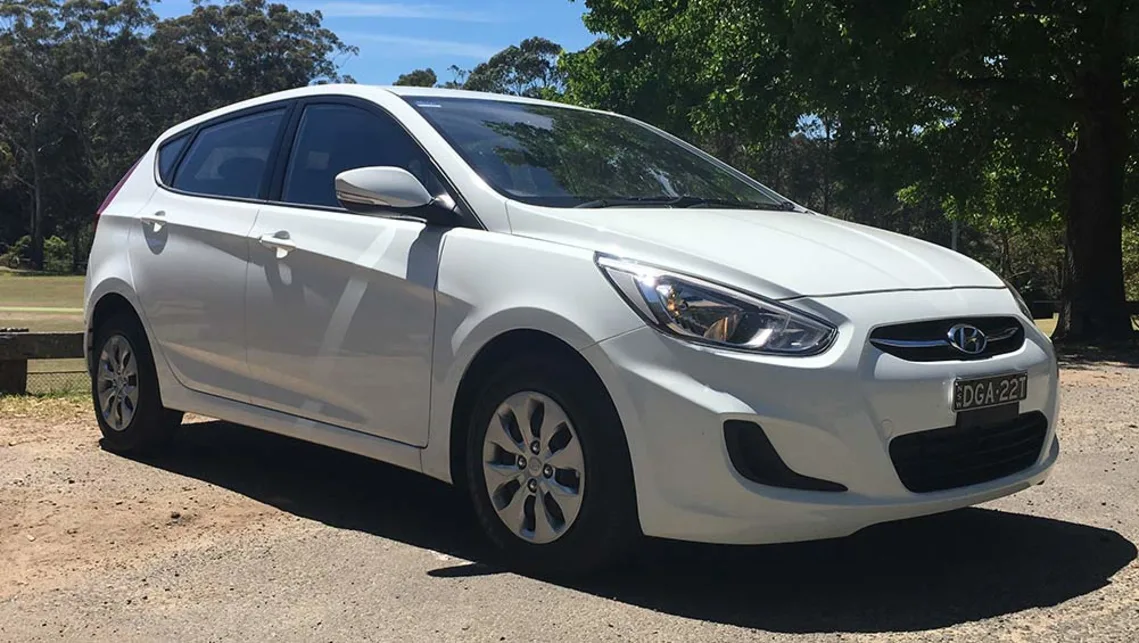
9. Hyundai Accent Hatchback (Older Generations, Popular but Avoided)
The Hyundai Accent hatchback, particularly in its earlier generations from the late 1990s through the mid-2000s, was marketed as a budget-friendly, no-nonsense vehicle. With a low starting price and a long warranty, it attracted many buyers looking for basic transportation.
While some appreciated its value, a large portion of owners found themselves regretting the purchase as the years went on. Despite improvements in newer versions, the older Accent hatchbacks remain a common example of how affordability can sometimes mask deeper shortcomings.
One of the most consistent complaints was poor build quality. The interiors aged quickly, with peeling trim, sagging headliners, and malfunctioning electronics being common even after just a few years of use. The seats lacked proper cushioning, and the cabin experience felt dated and uncomfortable. The car’s reputation as “cheap” extended beyond price it was evident in how it looked, felt, and aged. Many owners felt the car simply didn’t hold up under daily use.
Mechanically, the Accent was never known for refinement. The small engine delivered just enough power to keep up with traffic, but acceleration was sluggish, and highway merging could be stressful. The ride quality was stiff, and road noise seeped into the cabin with little resistance.
Suspension components were prone to wear, and steering feedback was vague, making the driving experience dull. While it wasn’t unreliable in the strictest sense, it lacked the kind of confidence or enjoyment that helps a driver bond with a vehicle.
As time passed, resale value plummeted, and trade-in offers were often insultingly low. Even when maintained well, older Accents struggled to attract buyers in the used market. Owners who bought them thinking they were getting a great deal often realized too late that the money saved upfront didn’t balance out the lack of quality and satisfaction. Hyundai has made significant strides since then, but those early Accent hatchbacks remain a reminder of a time when low price didn’t always mean good value.
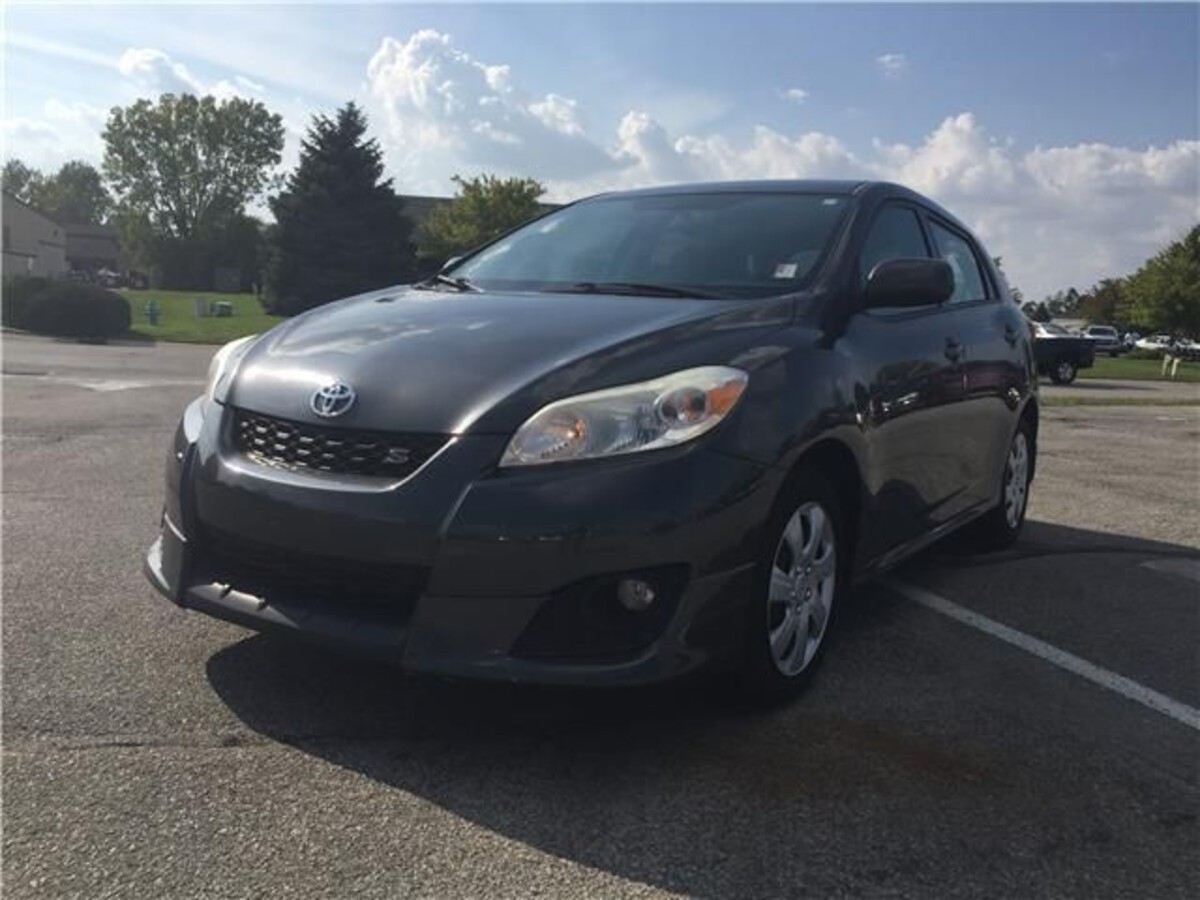
10. Toyota Matrix (Base Model, Popular but Avoided by Enthusiasts)
The Toyota Matrix sold very well in its early 2000s run, particularly because it combined Toyota’s reputation for reliability with the practicality of a hatchback. It was based on the Corolla platform, which made it cheap to maintain and familiar to many buyers.
However, while the Matrix XR and XRS trims gained some fan following, the base model often left owners underwhelmed. This version lacked both the features and the performance that made higher trims more appealing, leading many to view it as bland and forgettable over time.
The biggest issue with the base Matrix was its lack of excitement. The engine was underpowered, the steering was numb, and the suspension tuning felt overly soft. It performed adequately in everyday driving but offered no engagement or personality. For buyers who simply wanted something practical and reliable, it may have been fine. But those hoping for even a hint of driving enjoyment felt let down. Compared to the sportier trims or competitors like the Mazda3, the base Matrix lacked both fun and flair.
Interior materials were also on the cheaper side, particularly in earlier models. Hard plastics dominated the dashboard, and sound insulation was minimal. Road and wind noise became annoying at higher speeds, and long-distance driving could become tiring. Storage space was a plus, but the cabin ambiance did little to excite the senses. Owners began to view the Matrix as a purely functional tool rather than a car they felt proud to drive.
Despite Toyota’s strong reliability record, the Matrix base model developed a reputation for being too safe, too slow, and too sterile. Many owners eventually sold them in favor of more modern or better-equipped vehicles. Its high sales numbers initially painted it as a success, but long-term ownership revealed that the base Matrix didn’t offer much beyond its Toyota badge. The lack of refinement and the forgettable driving experience made it a car that was easy to overlook once the initial purchase was made.
Also Read: 5 Cars With Quick Fob Programming vs 5 With Cumbersome Procedures
The contrast between rare, beloved hatchbacks and widely sold but disappointing ones tells a deeper story about car ownership. It’s not just about specs or price points it’s about the emotional connection, daily livability, and long-term value a car brings to its owner.
Cars like the Saab 900 Turbo, Peugeot 205 GTI, and Mazda 323 GTX may not have sold in large numbers, but they offered something memorable that made people fall in love with them. These were cars with personality, smart design, or surprising capability.
On the other side, cars like the Chevrolet Aveo or Nissan Versa Note, despite their strong sales, often failed to leave a positive impression. Whether due to poor quality, uninspiring performance, or nagging reliability issues, they ended up frustrating the very people they were supposed to serve. Popularity at launch doesn’t always lead to satisfaction years down the line.
What this list shows is that being rare doesn’t automatically mean being bad and being common doesn’t always mean good. The best hatchbacks, whether rare or not, manage to offer a blend of utility, enjoyment, and reliability that makes owners feel they got more than just transportation. These vehicles earn loyalty not just because they worked, but because they brought joy, stood out, or simply never gave a reason to complain.
As buyers become more informed and used car markets thrive, the reputation of a vehicle long after it leaves the dealership becomes more important than ever. If a car can make its owner smile years later, regardless of its sales success, it deserves recognition. And if it frustrates or underdelivers despite a shiny brochure, it deserves scrutiny. In the end, ownership tells the real story, and sometimes the rarest stories are the most satisfying.
