
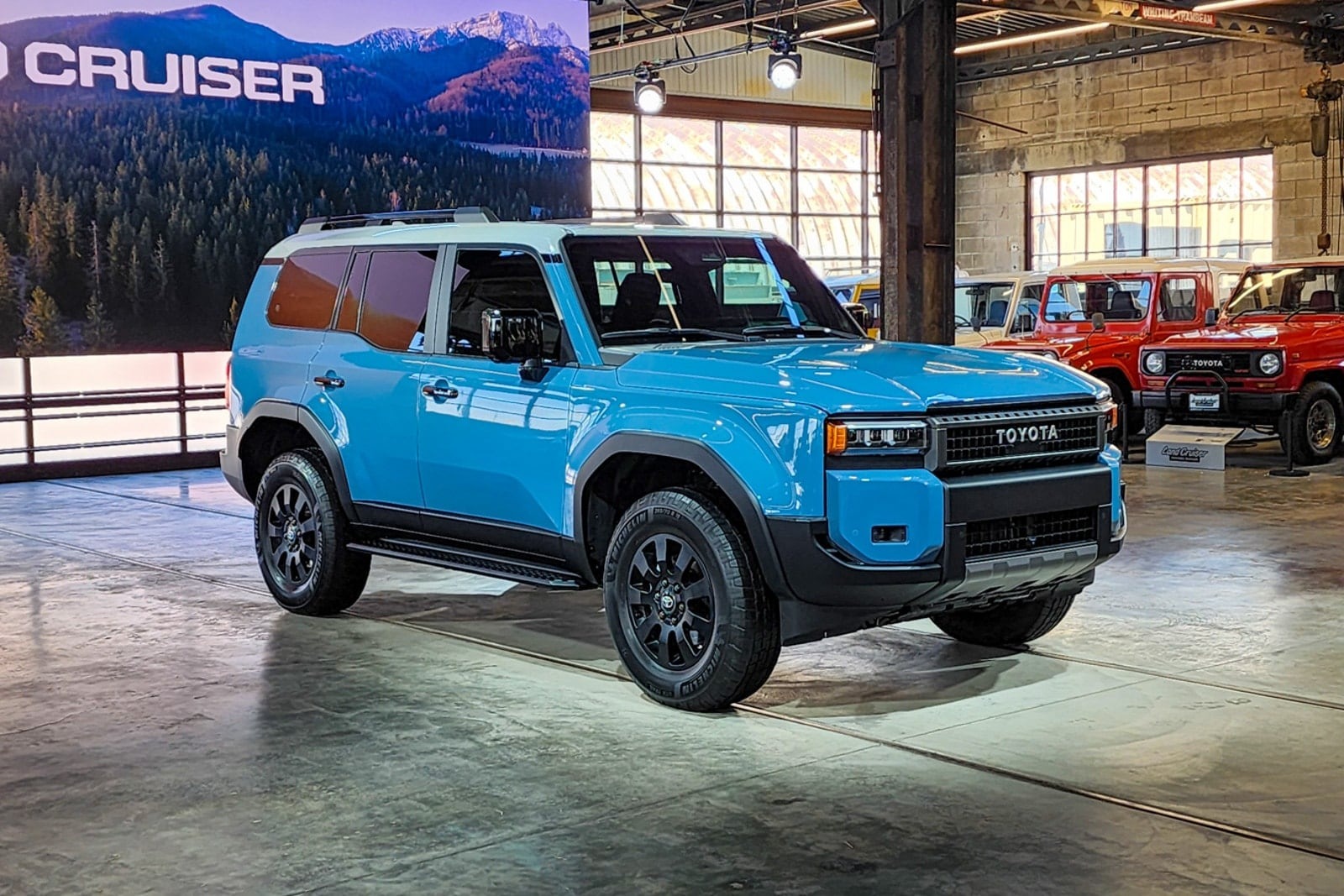
Off-roading has long been more than just a hobby for many drivers; it’s a test of endurance, mechanical reliability, and the raw ability of a vehicle to tackle nature’s toughest challenges. While the automotive industry is flooded with shiny new models that promise impressive off-road capabilities, there’s a stark contrast between those that truly last and those that often disappoint soon after purchase.
The Toyota Land Cruiser, a name that has become synonymous with durability, stands out in this regard. Across decades and multiple generations, various Land Cruiser models have earned a legendary reputation for their mechanical simplicity, robust engineering, and the ability to withstand some of the harshest environments on earth. They are the kind of vehicles that explorers, ranchers, and adventurers swear by because they just keep going no matter what.
In today’s market, however, the appeal of off-roading has broadened and evolved. Vehicles that were once tools for survival have morphed into luxury products loaded with cutting-edge technology and comfort features. Brands have shifted their focus toward offering more powerful infotainment systems, driver aids, and plush interiors rather than pure mechanical reliability.
This shift has given rise to a breed of high-priced off-roaders that may look capable and even perform well in controlled situations, but whose complexity and fragility often lead to costly repairs and unexpected downtime. These vehicles, while impressive on the surface, often struggle to match the longevity of older, simpler models especially those classic Land Cruisers that seem to have been designed with a different philosophy in mind.
This article aims to shine a light on five lesser-known Land Cruiser models that have proven their mettle over years of demanding use, earning respect not through flash but through consistent performance. These are vehicles that might not be the latest in Toyota’s lineup or the ones that catch the eye at auto shows, but they have a track record that speaks volumes.
In contrast, it also highlights five contemporary off-roaders that, despite commanding hefty price tags and modern amenities, have garnered a reputation for falling short in terms of reliability and long-term ownership satisfaction. These are vehicles that might dazzle at first glance but often leave owners dealing with unexpected issues that undermine their off-road adventures.
The comparison between these two groups is not merely about old versus new or cheap versus expensive. It’s about what owners truly need when they venture off the beaten path. Is it high-tech gadgets and plush cabins? Or is it straightforward, rugged engineering that can be repaired with basic tools and still go strong after hundreds of thousands of miles?
The reality for serious off-roaders is often the latter. By looking at the history, mechanical design, and real-world performance of these vehicles, this article will help clarify why some vehicles become legends for their durability while others struggle despite their premium price tags.
5 Forgotten Land Cruisers That Run Forever
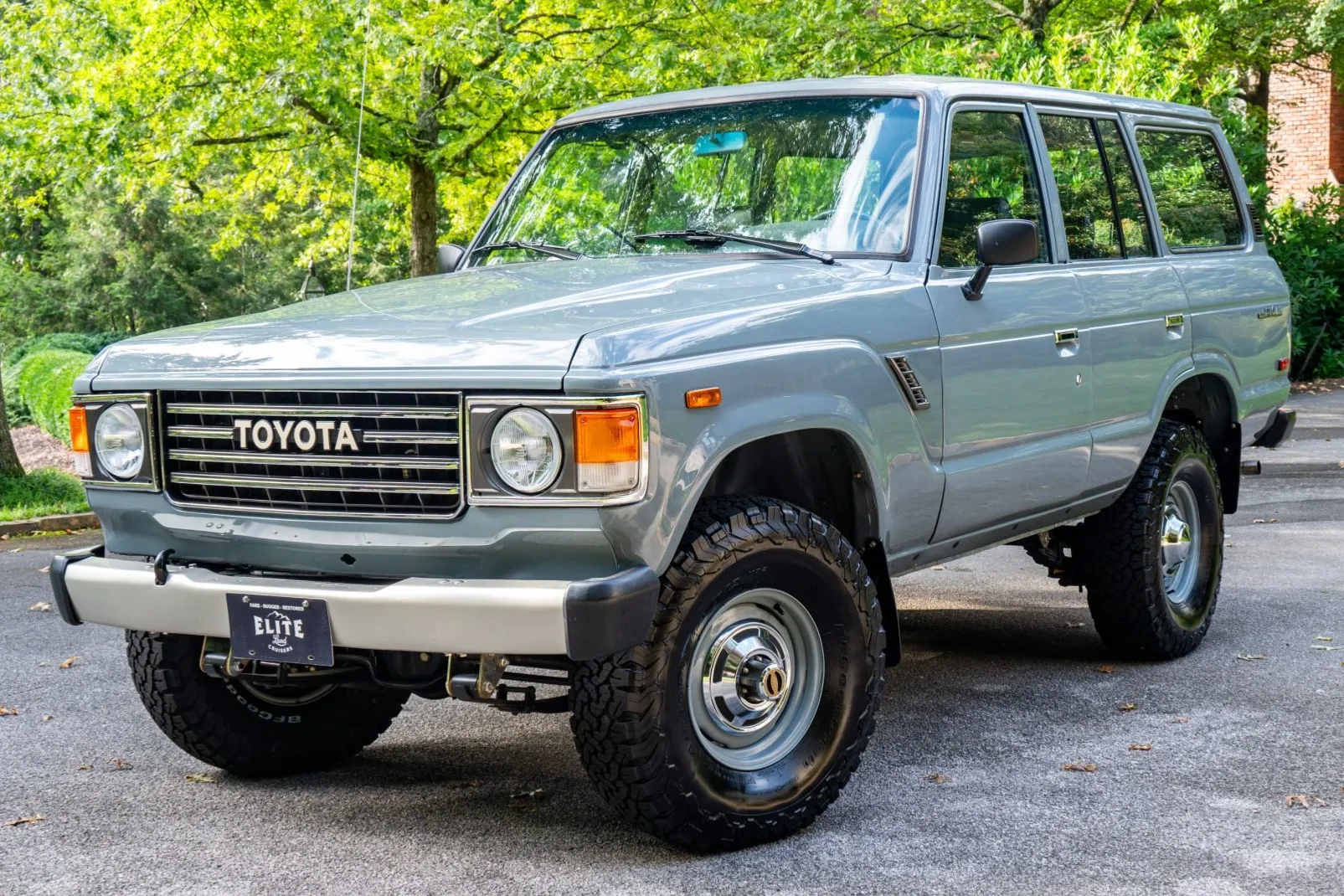
1. Toyota Land Cruiser FJ60 (1980–1987)
The Toyota Land Cruiser FJ60 stands out as a vehicle that, at first glance, might appear outdated and overly simplistic compared to modern SUVs. However, beneath its straightforward and boxy exterior lies a mechanical beast that has earned its place in the hearts of off-road enthusiasts worldwide. The FJ60 was built with longevity in mind, sporting the 4.2-liter 2F inline-six engine that was known for its durability and ease of maintenance. Unlike many modern engines packed with sensors and electronics, this engine was a straightforward, carbureted powerplant that could be fixed almost anywhere, even in the most remote locations.
One of the key reasons the FJ60 has such a loyal following is its mechanical simplicity. It uses a solid front and rear axle setup, combined with leaf springs, which might not offer the plush ride of independent suspensions but provides strength and ease of repair. This mechanical layout is less vulnerable to damage or failure from heavy off-road use compared to more complex systems. Moreover, the FJ60’s rugged frame and solid construction have made it an ideal vehicle for harsh environments, from muddy trails to rocky mountain paths.
In addition to its mechanical strengths, the FJ60 benefits from an extensive global parts network. Because it was produced in large numbers and distributed worldwide, replacement parts remain widely available. This accessibility is a crucial factor for owners who depend on their vehicles for daily use in regions where waiting weeks for parts is not an option. This kind of practical durability is something that many newer off-roaders, with their proprietary parts and complex systems, cannot match.
Though it may lack modern conveniences like power windows, advanced infotainment, or sophisticated traction control, the FJ60’s design philosophy emphasizes reliability over luxury. It’s the kind of vehicle that doesn’t demand special treatment or delicate handling. It starts reliably on cold mornings, hauls heavy loads, and can be coaxed back to life by a skilled mechanic with basic tools. For those seeking an off-roader that will truly run forever, the FJ60 remains an outstanding option even decades after production ended.
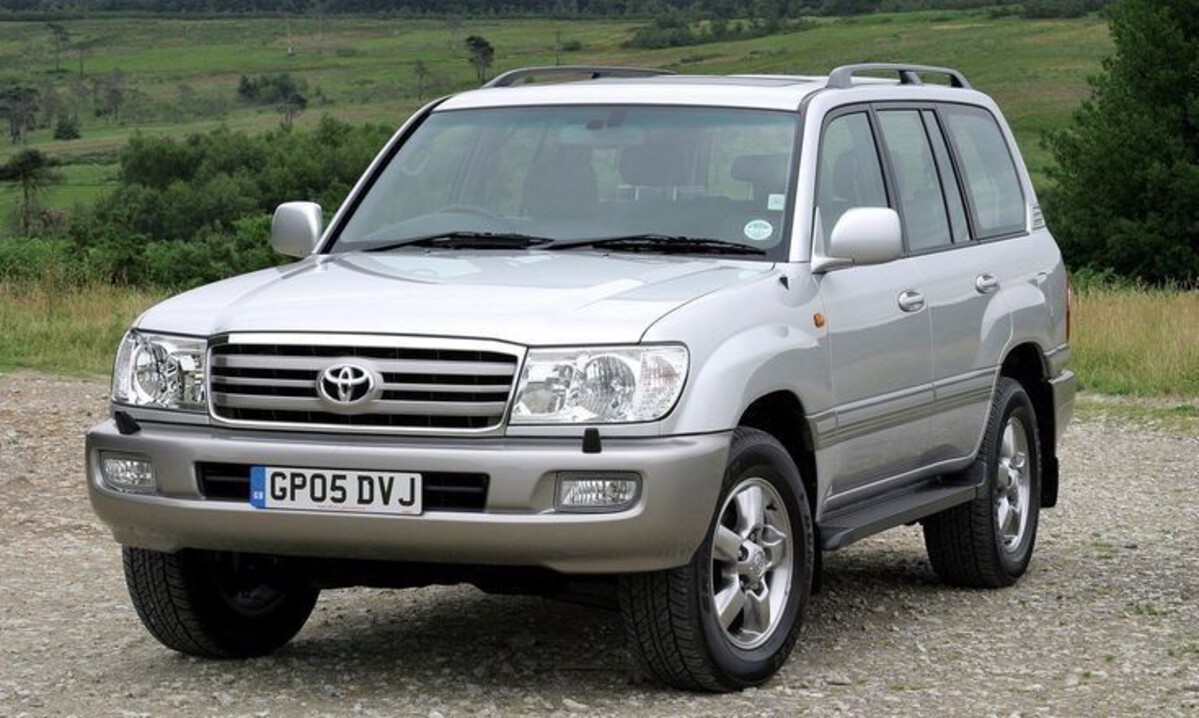
2. Toyota Land Cruiser 100 Series (1998–2007)
The Land Cruiser 100 Series represents a significant evolution in Toyota’s quest for building an off-roader that can combine comfort and ruggedness. Unlike the older, more Spartan Land Cruisers, the 100 Series introduced features that brought the vehicle closer to a luxury SUV while maintaining the mechanical integrity that had become Toyota’s hallmark. The 100 Series was equipped with the 4.7-liter 2UZ-FE V8 engine, which was praised for its reliability and power delivery. This engine could run reliably for hundreds of thousands of miles with routine maintenance, making it a favorite for long-distance expeditions.
One of the standout features of the 100 Series was its full-time four-wheel-drive system, which included a center locking differential and available rear lockers. These features gave it serious traction capabilities that many modern SUVs only simulate electronically. The vehicle’s chassis and suspension were robust enough to handle demanding off-road conditions, including deep water crossings and steep climbs, while providing a smoother ride than previous generations.
Though the 100 Series introduced more electronics and comfort options than earlier models, it avoided the pitfalls of excessive complexity seen in newer vehicles. Many owners found that this balance made the 100 Series easier to maintain and repair than many contemporary competitors. The availability of parts and the straightforward design of critical components contributed to its reputation as a dependable off-roader for both work and recreation.
Across the globe, the 100 Series has been tested in diverse environments, from the deserts of the Middle East to the jungles of Southeast Asia. Its ability to keep running in these challenging settings long after many other vehicles have failed is a testament to Toyota’s engineering philosophy during that era. While it might not have the flashiest tech or the plushest interior by today’s standards, the 100 Series offers a level of mechanical reliability and off-road capability that many modern SUVs have yet to match.
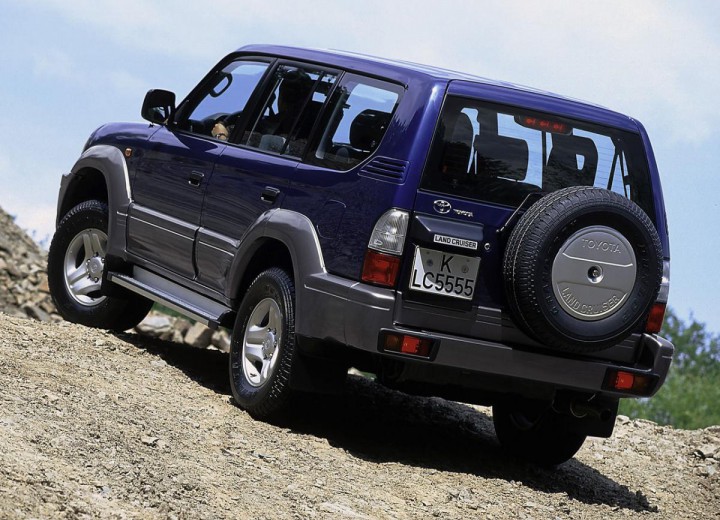
3. Toyota Land Cruiser Prado 90 (1996–2002)
The Prado 90 series often flies under the radar, especially in North America, but it’s a favorite in other parts of the world for good reason. As a mid-size off-roader, it strikes a sweet spot between maneuverability and capability. The Prado 90 was designed to provide reliable transportation in environments where roads are rough or non-existent, and it does this with a combination of proven engine choices and a solid drivetrain.
This model was available with multiple engine options, including the durable 3.4-liter V6 gasoline engine and the 1KZ-TE turbocharged diesel engine. The diesel variant, in particular, gained a reputation for toughness and fuel efficiency, making it popular for long-distance travel in remote areas. The vehicle’s relatively compact size made it easier to handle on narrow trails, rocky paths, or dense forests where larger SUVs struggle.
The Prado 90 avoided the excessive electronic complexity of many modern SUVs, opting instead for mechanical solutions that were easier to understand and repair in the field. Its suspension and drivetrain components were designed to be strong and durable, with many units still running well beyond the 400,000-kilometer mark. Owners often praise the Prado for its balanced ride quality, good ground clearance, and the ability to take on challenging terrain without compromising comfort entirely.
In countries like Australia, New Zealand, and parts of Africa, the Prado 90 is a workhorse, trusted by farmers, adventurers, and professionals who demand reliability over flash. It might not have the brand hype of the larger Land Cruiser models, but its practical strengths make it an excellent choice for anyone who needs a dependable off-road vehicle that won’t break the bank or their spirit.
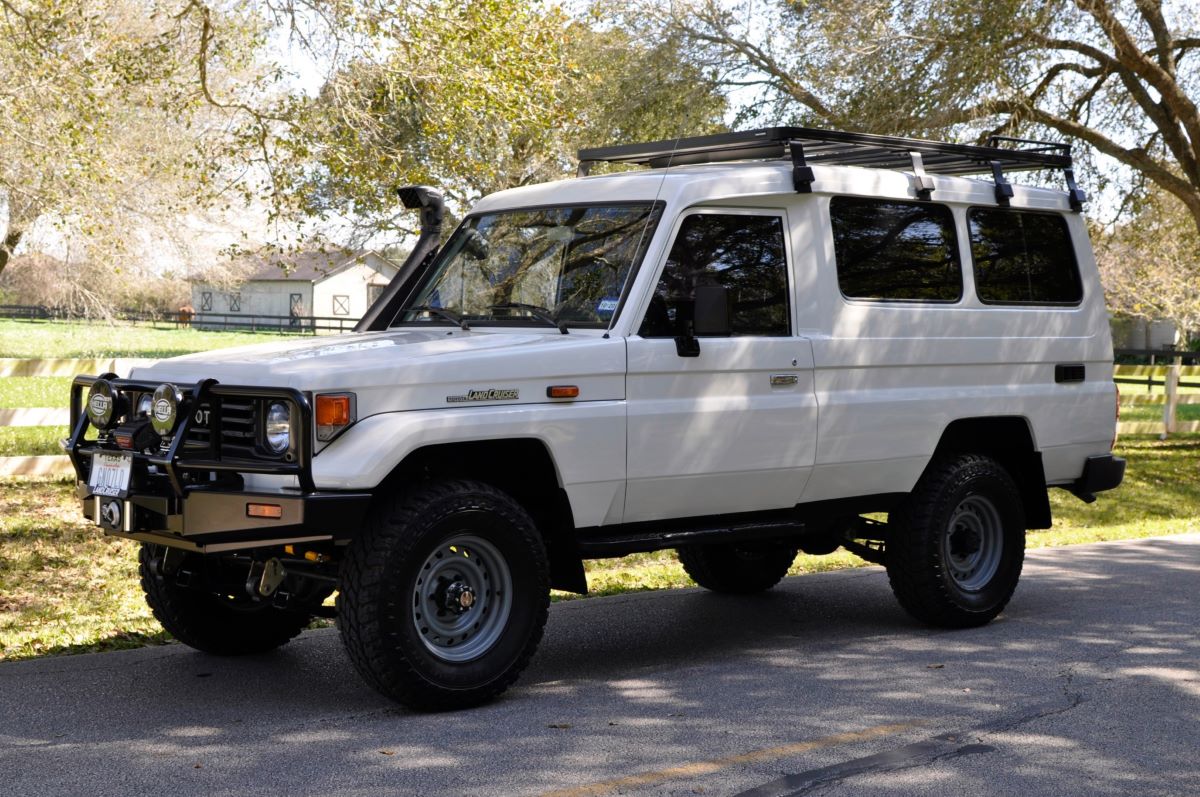
4. Toyota Land Cruiser 70 Series (1984–Present)
The Land Cruiser 70 Series is arguably the most iconic example of Toyota’s commitment to durability and functionality. This model has been in continuous production in various parts of the world for over 35 years, a testament to its unbeatable design. Built on a sturdy ladder frame, the 70 Series features solid axles front and rear, leaf spring suspension, and simple but extremely rugged mechanical systems.
This vehicle was designed to be a workhorse, not a luxury SUV. It was created for utility in harsh conditions, often serving in military, agricultural, and industrial roles around the world. The engine options, particularly the 1HZ naturally aspirated diesel and its turbocharged variants, are known for their longevity, often lasting well beyond 500,000 miles with minimal major repairs. The 70 Series also excels in its ease of maintenance. The mechanical simplicity means that most repairs can be done in the field with limited tools.
Unlike many modern SUVs that prioritize comfort and tech, the 70 Series remains basic by design. It’s not uncommon for the interior to be utilitarian, with hard plastic surfaces and minimal electronics, but this is part of its charm and resilience. The vehicle can be hosed down after a muddy day in the field without worrying about damaging sensitive components. Features like manual locking hubs and robust steel bumpers further emphasize its no-nonsense approach to off-road use.
Because of its rugged reputation, the 70 Series is still produced today in markets like Africa, Australia, and the Middle East, where its combination of strength, simplicity, and reliability is unmatched. It’s the kind of vehicle that’s often passed down through generations, each owner adding to the legend of a car that truly runs forever.

5. Toyota Land Cruiser FJ55 (1967–1980)
The FJ55, affectionately known as the “Iron Pig,” occupies a unique place in Land Cruiser history. It was an early attempt by Toyota to blend the ruggedness of a traditional Land Cruiser with the practicality of a family wagon. Its design was somewhat unconventional, with a rounded, somewhat bulky shape that contrasted with the boxier models before and after it. Despite its odd looks, the FJ55’s strength lies in its mechanical components and build quality.
Equipped with inline-six engines, either the 3.9-liter F or the 4.2-liter 2,F the FJ55 was built to last. These engines are renowned for their torque and mechanical simplicity, and they form the heart of a vehicle designed to handle rough terrain and heavy use. The FJ55 retained the body-on-frame construction and solid axles that made earlier Land Cruisers famous for their durability.
Though less common today, many FJ55s remain on the road thanks to the dedication of enthusiasts and the availability of parts from older Land Cruiser models. It was a vehicle ahead of its time in some respects, introducing station wagon styling to a segment that had traditionally focused on utilitarian designs. This made it popular with families who needed a reliable vehicle that could also tackle dirt roads and rough trails.
The FJ55’s reputation for longevity is well-earned. Many owners report that with regular maintenance, these vehicles continue to perform well after decades of service. Its place in Land Cruiser history is often overshadowed by flashier or more popular models, but it remains one of the most durable vehicles Toyota ever built. For those who appreciate classic off-road engineering, the FJ55 represents a perfect blend of toughness and utility.
5 Overpriced Off-Roaders That Don’t

1. Land Rover Defender (2020–Present)
The Land Rover Defender name carries a legacy of ruggedness and durability that dates back many decades. However, the 2020 iteration represents a significant departure from the previous generation’s raw utilitarianism. With a modern, sophisticated design, the new Defender includes a suite of advanced technologies, luxury materials, and driver aids. While these features appeal to urban buyers and tech enthusiasts, they introduce a level of complexity that has led to reliability concerns.
Owners have reported a variety of issues ranging from intermittent software bugs to hardware failures. The Defender’s reliance on electronic sensors for traction control, differential locking, and suspension adjustment means that any glitch can severely impair the vehicle’s capability. Unlike older models that could be fixed with basic mechanical knowledge, modern Defenders often require diagnostic tools and dealer-level repairs, which can be costly and inconvenient.
Furthermore, despite its name and appearance, the new Defender is expensive to buy and maintain. Prices often exceed those of older, proven off-roaders, yet owners sometimes find themselves stuck with vehicles sidelined by warranty repairs or out-of-pocket expenses. The vehicle’s complexity also makes field repairs almost impossible in remote locations, a crucial factor for serious off-roaders.
Although the Defender offers excellent on-road comfort and advanced safety features, its long-term durability remains unproven. For drivers who expect a vehicle to survive harsh environments without frequent trips to the dealer, the 2020 Defender does not yet have the track record to inspire confidence. It’s a vehicle that looks ready for adventure but often requires careful handling and maintenance to keep running.

2. Mercedes-Benz G-Class (G-Wagen)
The Mercedes-Benz G-Class, or G-Wagen, has evolved from a no-frills military vehicle into a luxury SUV that commands attention and an extremely high price. While it still retains some serious off-road credentials, including three locking differentials and a robust frame, the modern G-Class is a far cry from the simple, rugged machine it once was.
The transition to a luxury vehicle has introduced a multitude of high-tech systems, complex drivetrains, and sophisticated suspension setups. These improvements have made the G-Class more comfortable and capable on pavement, but they have also increased its potential points of failure. Owners report expensive repairs involving electronic control modules, air suspension components, and turbocharged engines that are costly to maintain and fix.
The sheer weight and size of the G-Class also limit its off-road agility. While it can handle many types of terrain, it lacks the nimbleness and simplicity of older off-road vehicles. Its high cost means owners often hesitate to push it to extremes, preferring to keep it in controlled environments rather than tackling serious overlanding trips.
Reliability is another concern. Despite the G-Class’s military origins, modern iterations have not proven to be as trouble-free as enthusiasts might hope. Repair costs and downtime are significant, making it a poor choice for those who rely on their vehicle for hard work or remote exploration. It’s an impressive status symbol but often falls short of the rugged utility its name once guaranteed.
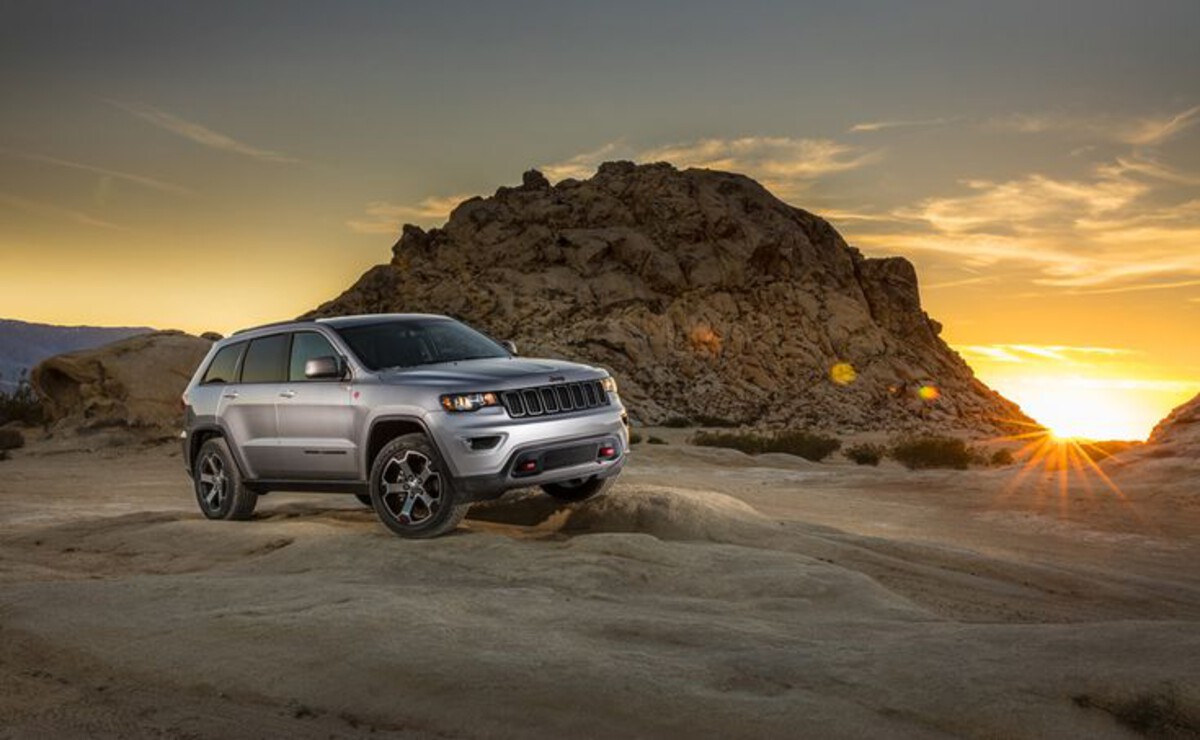
3. Jeep Grand Cherokee Trailhawk (WK2 and WL models)
The Jeep Grand Cherokee Trailhawk is marketed as a more off-road capable version of the well-known Grand Cherokee. It comes with features like adjustable air suspension, skid plates, and various terrain management systems. However, many owners have found that these features add complexity without improving reliability.
One of the most common complaints centers on the air suspension system, which tends to fail prematurely, especially in colder climates where the air springs can develop leaks. Repairing or replacing the system is expensive and time-consuming, often requiring dealership intervention. Additionally, the Trailhawk’s eight-speed automatic transmission, while smooth, has experienced issues such as hard shifting or slipping after extensive use.
Electronics present another set of challenges. Owners report glitches in infotainment, warning lights with no clear cause, and intermittent electrical faults. These problems can range from mildly annoying to serious safety concerns, and troubleshooting often requires specialized diagnostic equipment.
Given the Trailhawk’s premium price, these reliability issues are particularly frustrating. For those expecting a rugged and dependable off-roader, the Trailhawk’s problems can make it feel like a compromise between luxury and capability that doesn’t fully satisfy either. It’s a vehicle that looks the part and offers advanced features but often falls short when durability is put to the test.
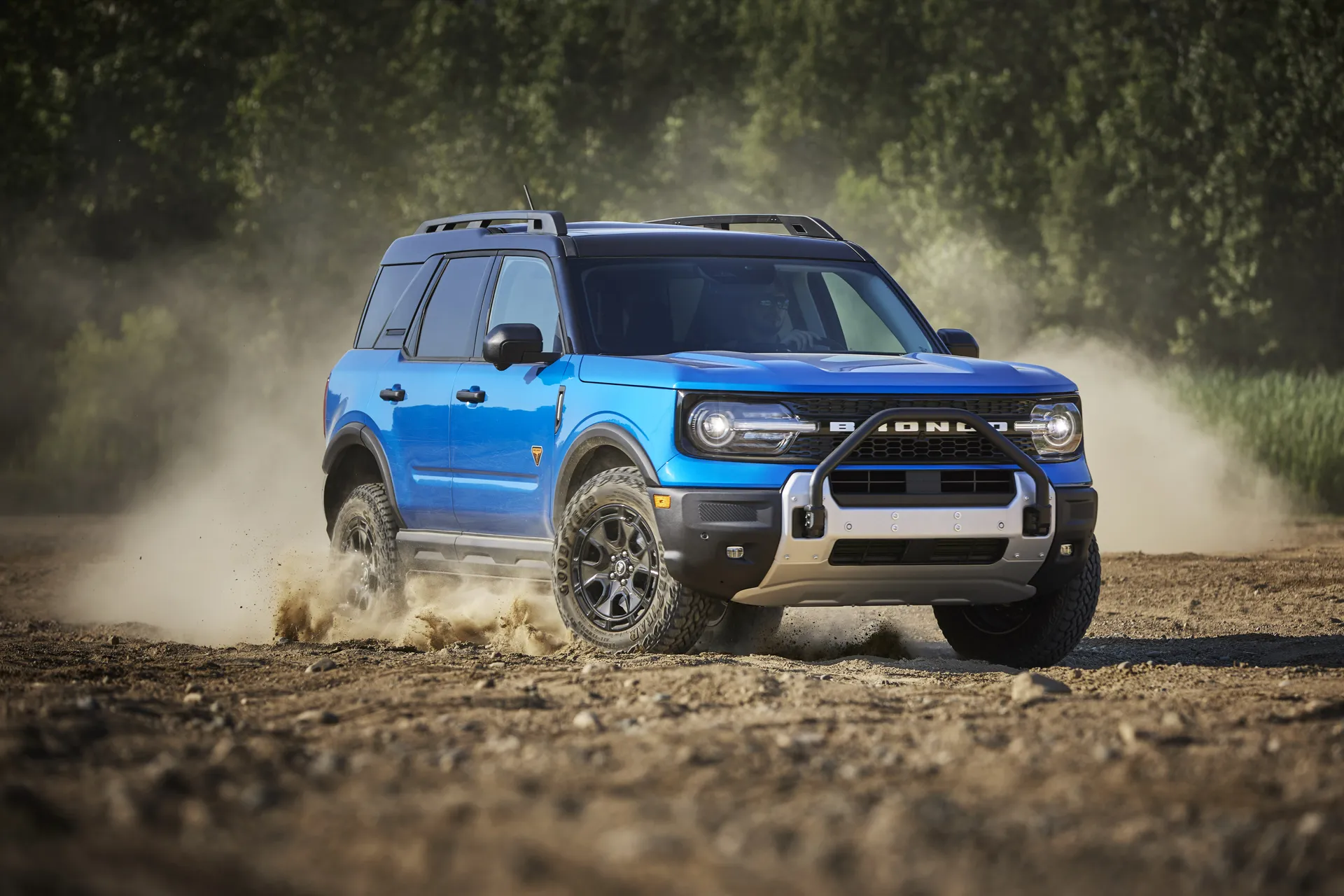
4. Ford Bronco (2021–Present)
The rebirth of the Ford Bronco was met with great enthusiasm, especially among off-road enthusiasts who saw it as a direct competitor to the Jeep Wrangler. The new Bronco offers an impressive range of off-road hardware, including removable doors and roof panels, advanced terrain management, and available locking differentials. However, despite this promising start, early models have exhibited a variety of reliability issues.
One of the problems involves the hardtop roof, which in some cases has been prone to leaks or fitment issues. Additionally, the engine cooling system has experienced overheating problems, particularly during extended off-road use in hot climates. The Bronco’s electronic systems, from infotainment to drive mode selectors, have been reported to glitch or fail intermittently, detracting from the ownership experience.
Build quality has also been inconsistent, especially in the initial production runs. Some owners report panel gaps, rattles, and other fit-and-finish issues that are unexpected in a vehicle positioned as a premium off-roader. While Ford has made efforts to address these concerns through recalls and updates, the damage to the Bronco’s early reputation has been significant.
The pricing is another sticking point. The Bronco’s cost escalates quickly with options and packages, often exceeding $60,000 for well-equipped versions. For a vehicle still ironing out early production issues, this price point feels steep, especially when compared to older off-roaders that are proven workhorses.
While the Bronco has great potential and could become a reliable and capable off-road vehicle over time, it’s currently too early to consider it in the same league as vehicles with decades of demonstrated durability. Prospective buyers looking for immediate long-term reliability might want to exercise caution.
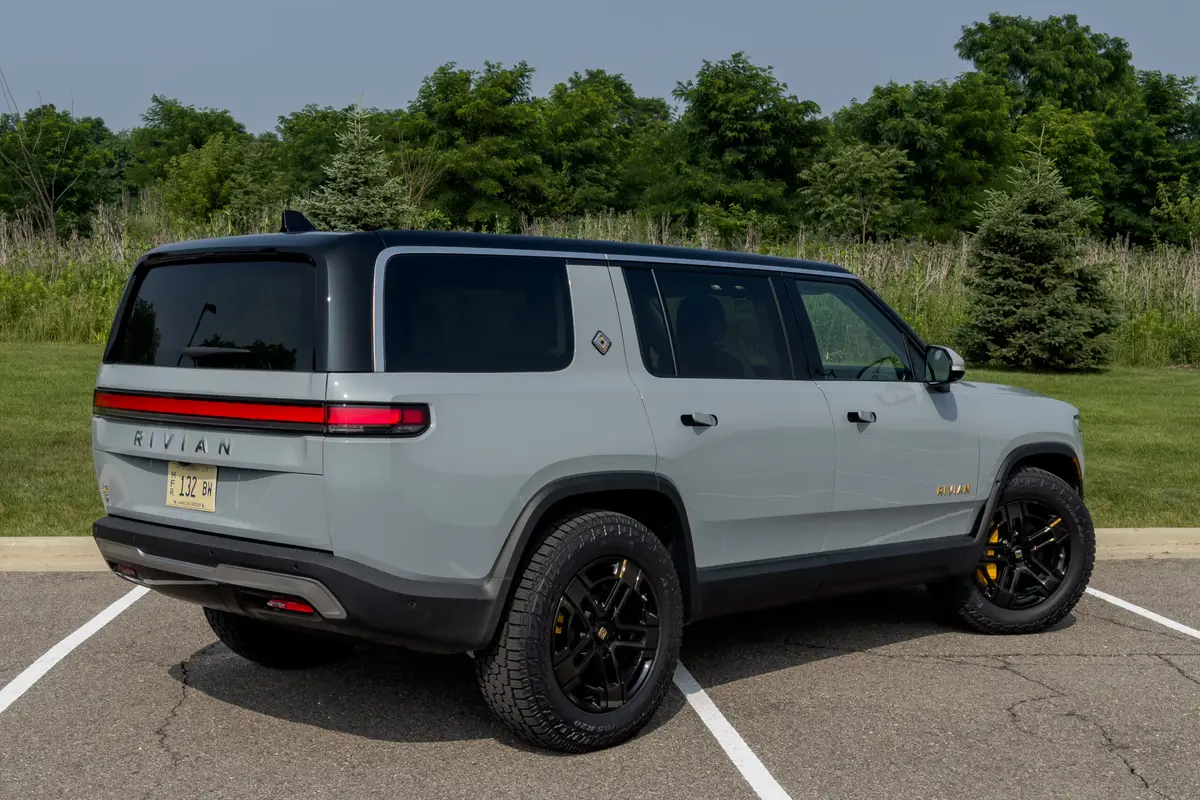
5. Rivian R1S
The Rivian R1S represents the cutting edge of electric off-roaders, combining impressive tech, electric powertrains, and modern design. It’s aimed at a new generation of adventure seekers who want eco-friendly vehicles capable of tackling rough terrain. However, as a relatively new entrant with complex systems, the R1S has faced challenges typical of early-stage products.
Owners have reported a range of issues including software glitches, door malfunctions, and unexpected system shutdowns. Since the vehicle relies heavily on electronics for power delivery, suspension adjustment, and driver assistance, these issues can severely affect usability and safety. Unlike traditional off-road vehicles that rely on mechanical simplicity, the R1S depends on software updates and complex sensors, making it vulnerable to tech-related failures.
Moreover, the limited service infrastructure for Rivian vehicles means that repairs and maintenance can be difficult, especially outside major urban centers. For an off-road vehicle, this is a significant drawback, as owners often venture into remote areas where quick fixes or parts access are critical.
The price tag of the R1S is high, often surpassing $75,000 for a well-equipped model. Buyers are essentially betting on future potential and technology rather than proven durability. While electric off-roaders may become more viable in the future, the current generation of vehicles like the R1S have not yet demonstrated the ruggedness and dependability required for serious long-term off-road use.
Also Read: 5 Vehicles With Easy Bulb Replacement vs 5 With Sealed-Unit Headlights
Off-road vehicles have always occupied a unique place in the automotive world. They’re not just transportation they’re tools, companions, and lifelines, especially in environments where a breakdown is more than an inconvenience. Through decades of trial and use, a few models have separated themselves from the rest, not because they were the most powerful or the most stylish, but because they simply worked consistently, reliably, and without complaint.
This is where Toyota’s older Land Cruisers stand apart. They were built with a mindset that prioritized dependability over fashion, long-term resilience over short-term innovation. And while they may no longer be in the spotlight, they continue to run strong across deserts, mountains, forests, and farms all around the globe.
What makes these Land Cruisers so special isn’t just their engineering, it’s their design philosophy. They weren’t overloaded with complicated electronics. They didn’t rely on software to manage traction or shifting. They used solid axles, bulletproof engines, and simple mechanical systems that could be repaired anywhere from a backyard garage to a remote village workshop.
Owners could count on these vehicles, whether hauling supplies across dirt roads in Africa, navigating steep trails in the Rockies, or just surviving decades of daily wear in harsh climates. That kind of track record builds trust not the kind that’s printed on a brochure, but the kind that’s earned one rough mile at a time.
Contrast this with today’s crop of high-dollar off-roaders. They arrive with promises and performance claims, but too often, they fall short in areas that matter most. Vehicles like the modern Land Rover Defender, the new Bronco, or even the Rivian R1S are certainly impressive on paper, but they’re also filled with delicate systems that don’t always stand up to years of use in real conditions.
Whether it’s malfunctioning electronics, fragile components, or untested platforms, these vehicles often leave their owners frustrated and in some cases, stranded.
That’s not to say modern technology has no place in off-roading. When implemented thoughtfully and tested thoroughly, it can enhance capability. But the balance has shifted too far. Many manufacturers today design off-roaders more for showroom presence than backcountry survival.
Luxury interiors, complex touchscreens, and proprietary tech take precedence over serviceability, simplicity, and long-term use. The result is a growing divide between what looks like an off-roader and what actually works like one when it matters most.
In the end, true off-road reliability isn’t glamorous. It doesn’t turn heads or win design awards. It comes from vehicles built with restraint, with ruggedness in mind, and with a focus on mechanical fundamentals over marketing trends. The forgotten Land Cruisers exemplify this perfectly. They’re not loud about their achievements, but their continued presence in the world’s toughest places speaks louder than any ad campaign.
For those who plan to use their vehicles beyond the pavement, who want confidence in every creak of the suspension and every mile on the odometer, the choice is simple. It’s not about hype or price. It’s about which vehicle is still running 20 years from now and there, the Land Cruiser wins every time.
