
Coupes have long been admired for their style, performance, and the emotional connection they create with drivers. However, not all coupes are created equal. Some quietly rack up hundreds of thousands of miles with minimal complaints while others arrive with a media frenzy, bold promises, and fail to live up to expectations.
Automotive history is filled with forgotten gems that outperform the flashier competition when it comes to reliability, engineering, and long-term satisfaction.
These under-the-radar coupes might not be the ones featured in glossy magazine covers or hyped during Super Bowl ads, but they have built a reputation with drivers who value substance over splash.
On the other hand, there are the high-profile models that generate noise and anticipation, only to disappoint owners and fans alike with quality issues, confusing design decisions, or lackluster performance compared to their hype.
Marketing budgets can sway opinions, but time reveals the truth about any vehicle. It’s easy to be impressed by horsepower figures, futuristic tech demos, or bold styling, but the real test is how a coupe performs after five or ten years. Some vehicles quietly do their job without complaint, impressing owners with consistent quality.
Others frustrate buyers with recalls, poor resale value, or simply falling short of what was promised. This isn’t always about luxury vs economy or import vs domestic; sometimes it comes down to how the engineers approached the project and how realistic the brand was with its goals.
The distinction becomes even more noticeable when you look at long-term ownership reports, enthusiast communities, and resale trends. Cars that make headlines at launch often fade from memory when real-world issues emerge.
Meanwhile, some coupes that barely registered at dealerships end up building a loyal fanbase that swears by them for life. It’s not about flash; it’s about the long haul.
Below, we take a look at five coupes that quietly deliver lasting performance and dependability, and compare them with five that made a big noise but didn’t live up to their hype.
5 Under-the-Radar Coupes That Last
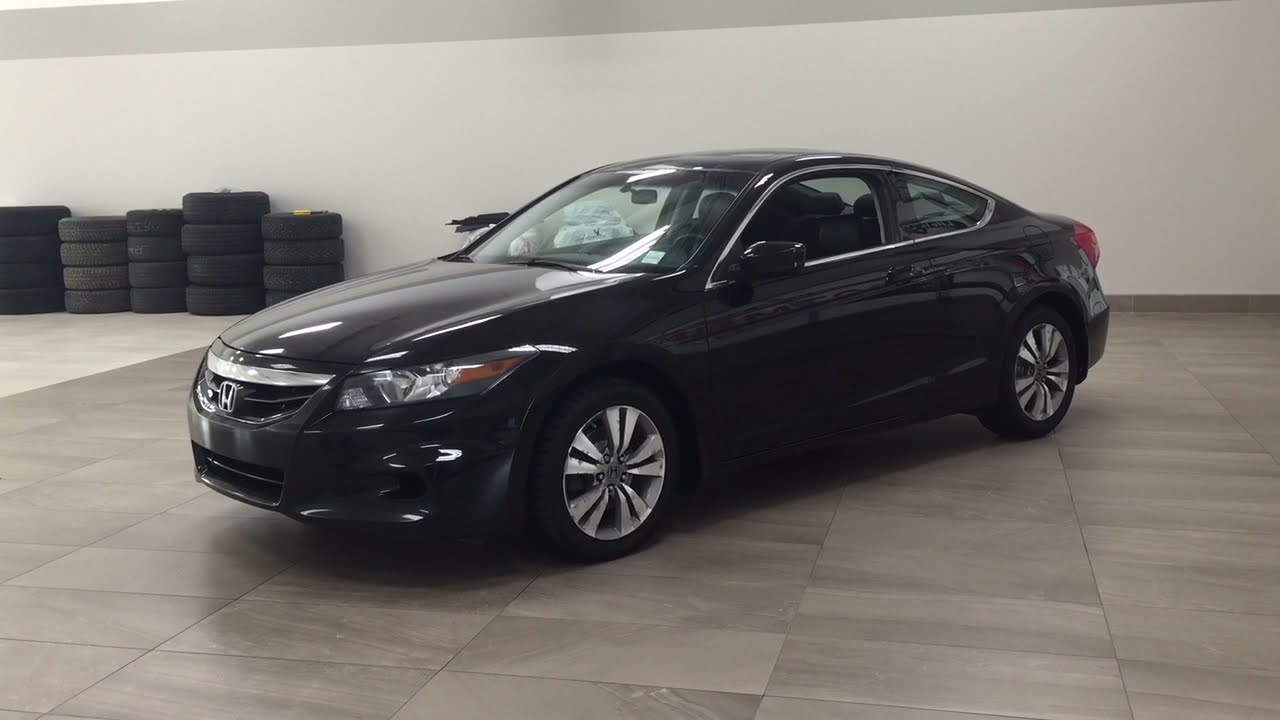
Under-the-Radar Coupe #1: Honda Accord Coupe (V6)
The Honda Accord Coupe with the V6 engine was never a media darling, but it has a solid reputation among those who have owned or driven one.
Built with the same reliability principles as the standard Accord sedan, this two-door version added a level of sportiness that appealed to practical drivers who didn’t want to sacrifice performance.
The 3.5-liter V6 produced a healthy amount of power while still maintaining impressive fuel economy. It wasn’t trying to be a muscle car or a European sports coupe. It was just a well-engineered, affordable coupe that rarely left its owners stranded.
Owners often report that these cars can last well beyond 200,000 miles with only basic maintenance. Unlike many performance-oriented coupes, parts are inexpensive, and labor doesn’t require specialized technicians. Its straightforward design and absence of overly complex electronics mean fewer things go wrong over time.
Many enthusiasts prefer the 6-speed manual version, which added more driving engagement without sacrificing dependability. It’s also common to find these models still being daily-driven, even a decade or more after production.
While its styling was conservative, it aged well. There were no strange design experiments or over-the-top interiors. Honda focused on balance: a coupe that could be fun when pushed, yet comfortable and quiet during the daily commute.
You could take it on a road trip without hesitation, knowing it wouldn’t wear you out or break down along the way. That’s part of the reason why it built a small but loyal following, especially among those who wanted a reliable alternative to flashier sports cars.
Despite being overshadowed by cars with more horsepower or badge prestige, the V6 Accord Coupe remains a smart choice for drivers who value long-term dependability.
It’s the kind of car that stays in the family for years, passed from parent to child, still going strong thanks to a simple formula: solid engineering, a trustworthy powertrain, and a reasonable price point. It proves that durability doesn’t need to come wrapped in attention-grabbing headlines.
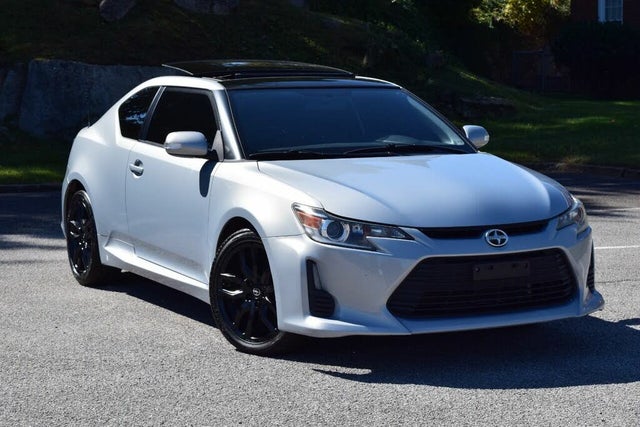
Under-the-Radar Coupe #2: Scion tC
The Scion tC was rarely the car anyone bragged about owning, but for those who appreciated what it offered, it was a dependable, no-nonsense coupe with solid build quality.
Introduced under Toyota’s Scion brand aimed at younger buyers, the tC offered sporty looks, decent performance, and Toyota-level reliability at an affordable price. It never claimed to be a performance monster, but it quietly delivered practicality and longevity that many other coupes lacked, especially in the same price range.
Equipped with a 2.4-liter four-cylinder engine in earlier generations, the tC didn’t aim to break speed records. Instead, it offered smooth power delivery and solid torque, enough to keep things engaging without demanding constant attention. Paired with either a manual or automatic transmission, the tC struck a balance between fun and function.
It had a surprisingly spacious cabin and hatchback utility, making it more versatile than most coupes of its era. This made it appealing to young drivers who wanted sporty styling without sacrificing day-to-day usability.
Maintenance costs were low, and major repairs were rare. The tC benefitted from the parts-sharing philosophy of Toyota, meaning affordable replacements and widespread mechanical familiarity.
Even as Scion as a brand faded out, the tC continued to earn respect from owners who saw their cars rack up hundreds of thousands of miles with little trouble. Enthusiasts often modified them, not because they needed to be fixed, but because they were easy to upgrade and had a supportive aftermarket scene.
Although it never received high marks from critics or major awards, the Scion tC gained respect the old-fashioned way by working. It was dependable, comfortable, and affordable, and it didn’t pretend to be something it wasn’t.
That honesty is part of what made it endure long after flashier coupes from its era disappeared from the streets. The tC is proof that you don’t need turbochargers or luxury badging to build something that lasts.
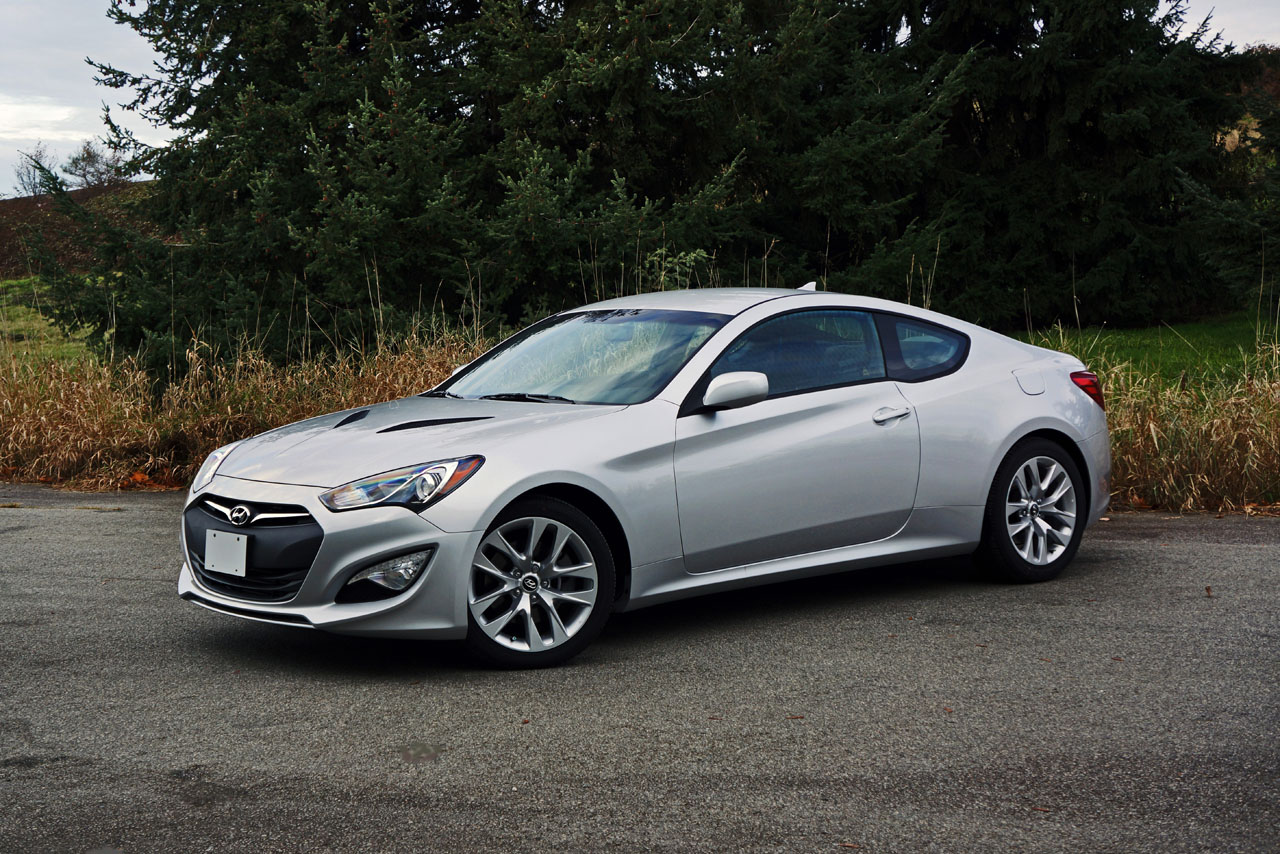
Under-the-Radar Coupe #3: Hyundai Genesis Coupe (3.8 V6)
Hyundai isn’t the first brand that comes to mind when discussing reliable performance coupes, but the Genesis Coupe with the 3.8-liter V6 quietly proved that the company could build a solid, long-lasting machine.
Released at a time when Hyundai was trying to reshape its image, the Genesis Coupe offered rear-wheel drive, solid performance, and styling that stood apart from the economy-car stereotype. While the 2.0T version received more attention at launch, it was the V6 model that delivered the goods when it came to real-world ownership.
The naturally aspirated 3.8-liter engine was smooth, responsive, and built with a level of durability that surprised many drivers. It produced solid horsepower figures and offered a satisfying driving experience without relying on forced induction.
The six-speed manual and available automatic transmission both had their strong points, and the chassis was more than capable of handling spirited driving. For the price, it punched above its weight, even if some critics thought the interior materials were a step behind the competition.
In the long term, the Genesis Coupe V6 proved to be a good value proposition. Owners praised its ability to handle daily driving duties while still offering weekend fun. Reliability reports for the V6 model have been positive, especially compared to the turbocharged versions, which could be more temperamental.
The V6 kept things simpler and more robust, which paid off in the years after the initial hype wore off. It didn’t rely on gimmicks it just delivered consistent performance.
Even though it never quite became a sales leader or sports car icon, the Genesis Coupe V6 built a respectable reputation. It remains a favorite among those who appreciate underappreciated performance with dependable mechanics.
As used prices stabilize, these models continue to find new homes among enthusiasts who want a reliable rear-wheel-drive coupe without breaking the bank. The Genesis Coupe V6 may not be famous, but it’s quietly become a sleeper success.
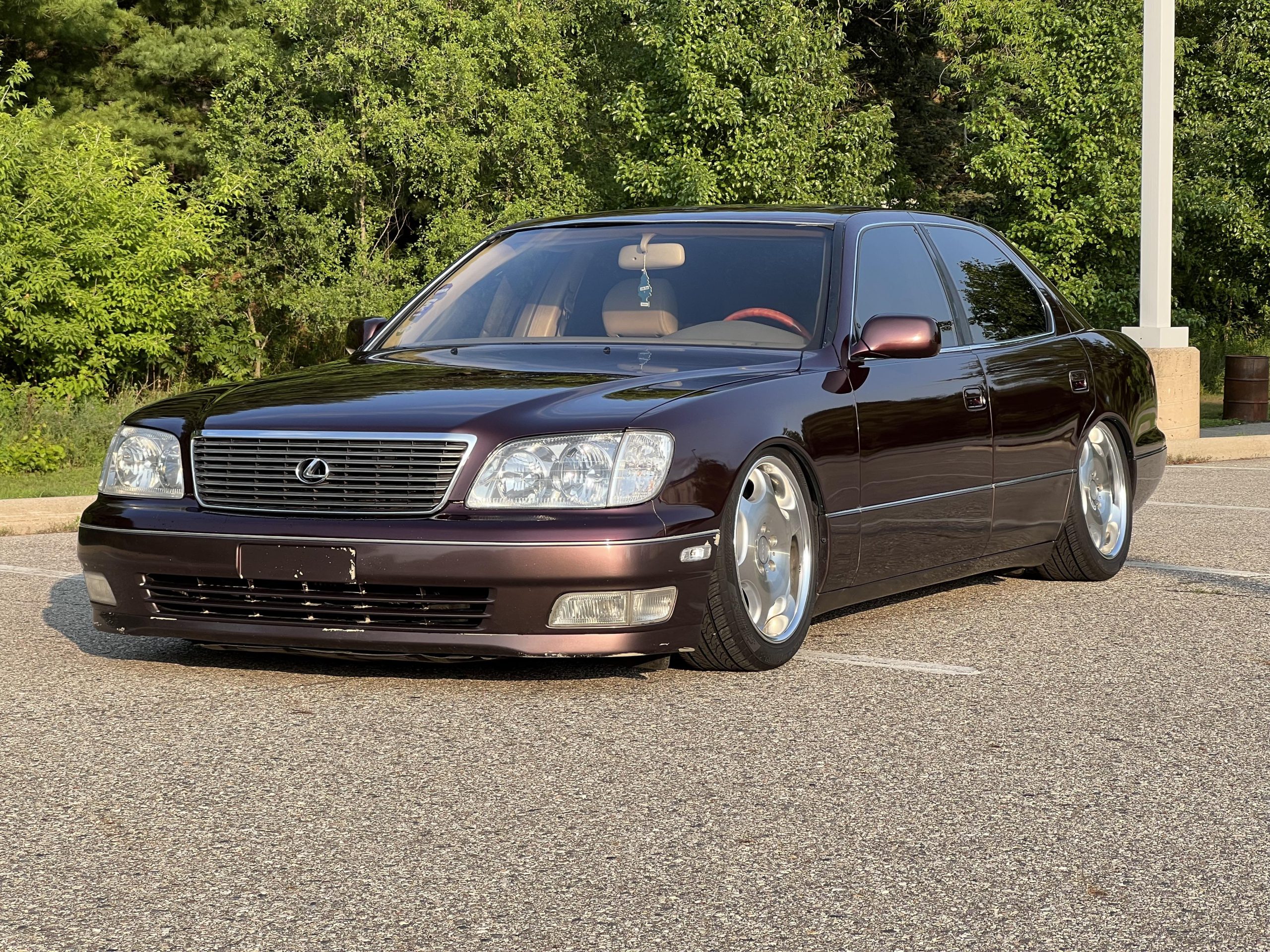
Under-the-Radar Coupe #4: Lexus SC 400
Before Lexus fully established itself as a luxury juggernaut, it released the SC 400, a personal luxury coupe that quietly built a reputation for reliability and quality.
Based on Toyota’s UZ platform and powered by the smooth and dependable 1UZ-FE V8 engine, the SC 400 offered a refined driving experience with build quality that few other coupes could match at the time. It wasn’t marketed as a sports car, but its V8 power and rear-wheel drive layout made it more engaging than people expected.
The design was ahead of its time. With clean lines and a subtle, sophisticated look, the SC 400 aged gracefully. More importantly, it was engineered with the precision and attention to detail that defined early Lexus models.
The V8 engine, which was also used in the LS 400 sedan, became known for its longevity. Many SC 400s still run smoothly with over 200,000 miles, thanks to proper maintenance and Toyota’s conservative engineering choices. Transmission reliability was another strong point, especially in an era when some competitors were struggling with automatic gearbox issues.
The interior reflected the early Lexus approach simple, elegant, and focused on comfort. While some luxury features might seem outdated today, the build quality remains evident in surviving models.
Everything from switchgear to seat mechanisms was built to last. The car was quiet, smooth, and stable, more of a cruiser than a canyon carver, but its durability made it a favorite among those who appreciated subtle luxury and long-term ownership.
Though it never became a cultural phenomenon, the SC 400 developed a niche following. Enthusiasts often speak of it with reverence, not for track times or loud styling, but for its ability to keep working year after year with minimal fuss.
In many ways, the SC 400 embodies what Lexus was trying to achieve at the time: understated excellence and dependability that lasted far beyond the showroom.

Under-the-Radar Coupe #5: Infiniti G35 Coupe
The Infiniti G35 Coupe was introduced in the early 2000s as a more athletic sibling to Nissan’s luxury aspirations. While it briefly enjoyed some time in the spotlight, it was often overshadowed by the likes of BMW and Audi in the premium coupe segment.
However, the G35 Coupe proved to be one of the most durable and well-rounded coupes of its time. Built on Nissan’s FM platform and powered by the VQ-series 3.5-liter V6, it offered a rewarding driving experience with the kind of reliability that European rivals couldn’t always match.
Mechanically, the G35 Coupe shared a lot with the Nissan 350Z, which helped keep parts costs down and made maintenance more straightforward. The engine, though sometimes criticized for its rougher tone, was widely regarded for its durability.
Many of these cars have crossed the 200,000-mile mark with original powertrains, needing only regular maintenance. The rear-wheel-drive setup gave it balanced handling, and it was available with a six-speed manual for enthusiasts, making it a popular choice for those who wanted performance and longevity.
The interior might not have been as luxurious as its European peers, but it was well-built and aged better than expected. The G35 Coupe’s exterior design has also stood the test of time, with a sleek silhouette and muscular proportions that remain appealing today.
The package was honest; it didn’t try too hard to be something it wasn’t. It gave owners exactly what was promised: a reliable, fast, and enjoyable coupe that could handle daily use with ease.
Today, the G35 Coupe is a respected option in the used market, especially for buyers who want sports car handling without luxury-brand headaches.
While it may not make headlines or attract much attention at car shows, its track record speaks for itself. It’s a coupe that proved staying power isn’t always about branding or prestige, it’s about building something that simply works, year after year.
5 Headline-Grabbing Coupes That Fail
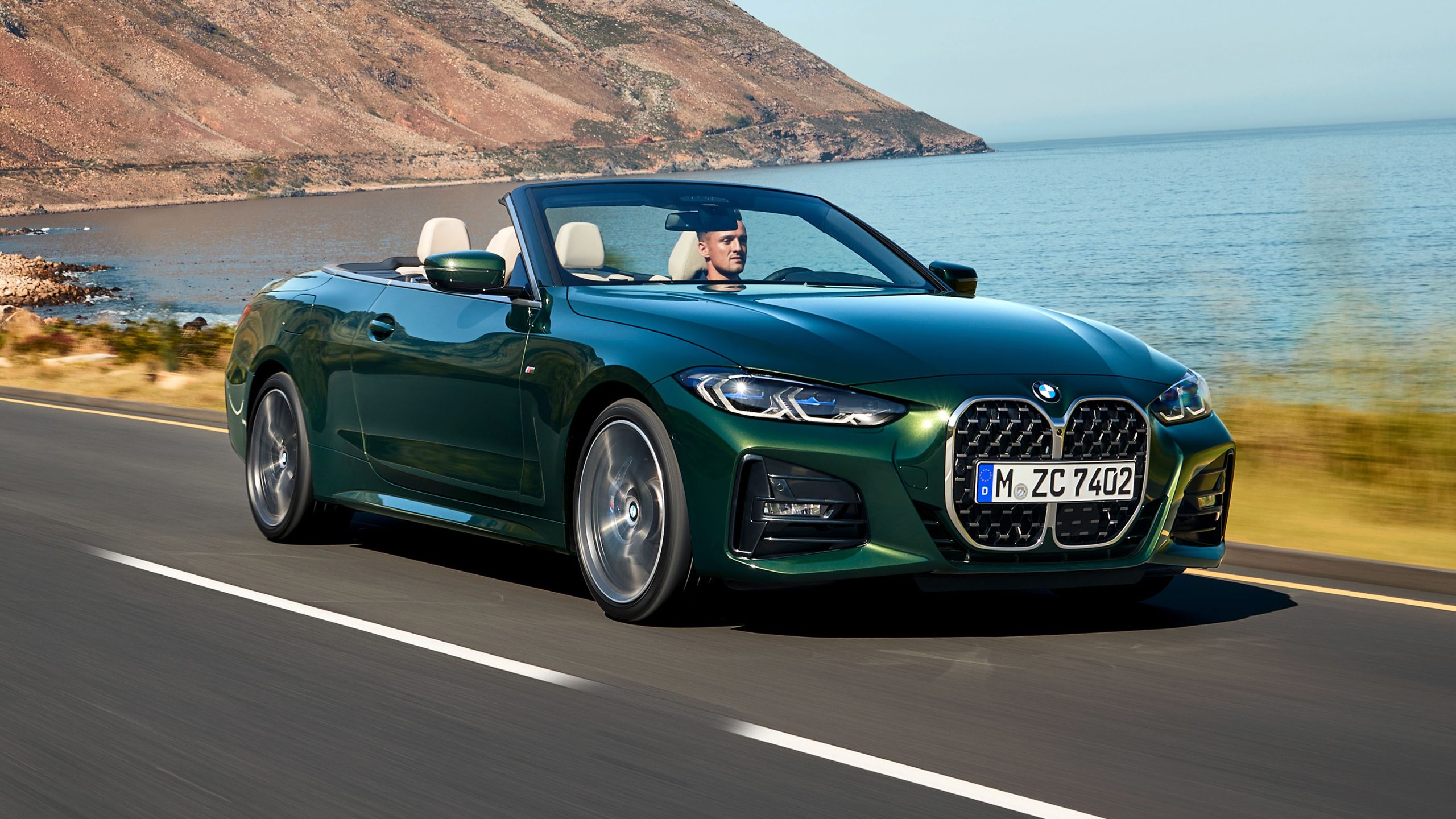
Headline-Grabbing Coupe #1: BMW 4 Series (F32) with Active Sound Design
The F32-generation BMW 4 Series was met with fanfare when it was launched. It was intended to be a more upscale and sport-focused alternative to the outgoing 3 Series coupe. Marketing campaigns highlighted its dynamic styling, performance credentials, and a new identity that separated it from the rest of the lineup.
However, it didn’t take long for cracks to show beneath the glossy surface. One of the most controversial features was BMW’s use of Active Sound Design, a system that artificially pumped engine noise into the cabin through the speakers to enhance the driving experience.
Enthusiasts were quick to criticize this move, calling it inauthentic and unnecessary. While some buyers may not have noticed or cared, purists saw it as a symptom of BMW losing touch with its core driving values. But the bigger problems came with ownership.
The F32 4 Series began to suffer from the same reliability issues that plagued other BMWs of the time, complicated electronics, high repair costs, and premature component wear. Despite being a luxury car, it often required more maintenance and attention than buyers expected.
The turbocharged engines, while powerful, introduced their challenges. Oil consumption issues, cooling system failures, and transmission quirks led to dissatisfaction among owners.
Repairs were not only expensive but also required specialized labor, making them inconvenient for those outside urban areas with access to certified BMW shops. The longer-term costs of ownership were significantly higher than initially projected by many buyers, especially as warranties expired.
What made it frustrating was that the car had so much potential. It looked great, handled well in controlled conditions, and promised the driving excitement that BMW had built its brand on. But behind the curtain, the compromises became too obvious.
The Active Sound Design might have been the symbol, but the underlying problem was that the 4 Series tried too hard to be something it wasn’t. For many, it became an example of style over substance, flashy on the outside but burdensome to own over time.
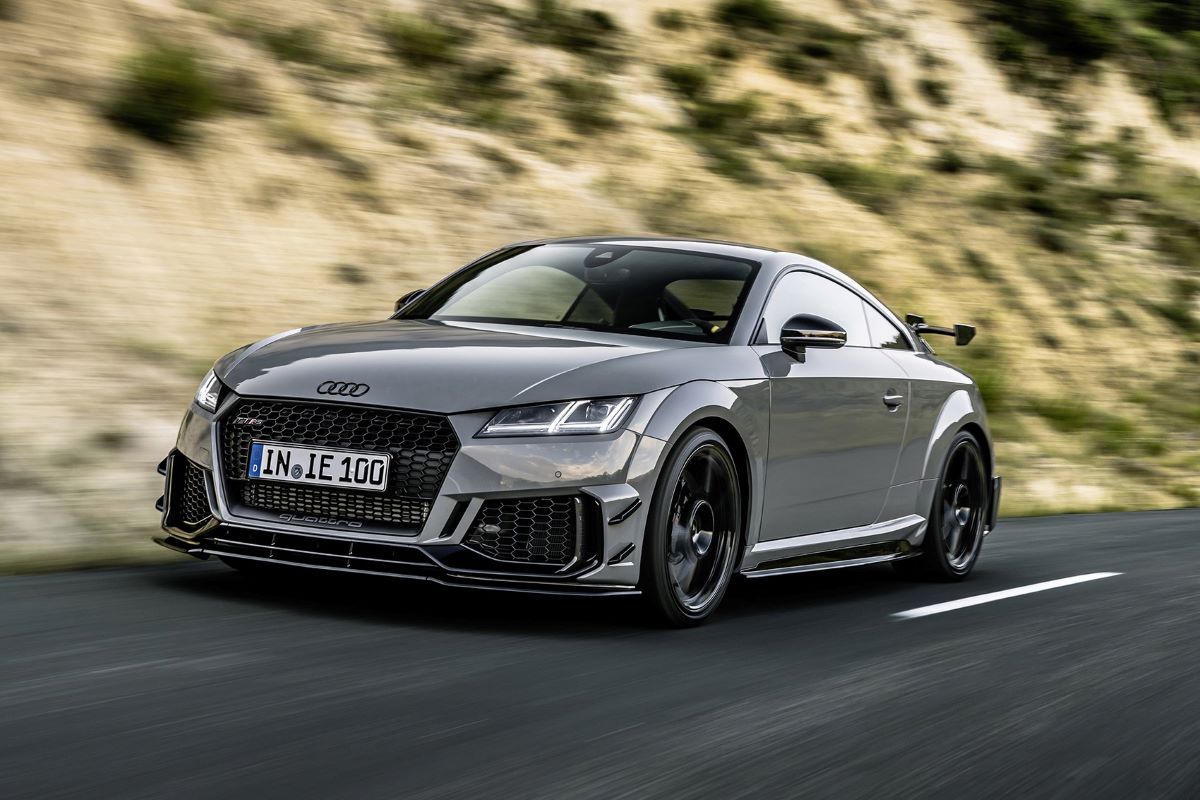
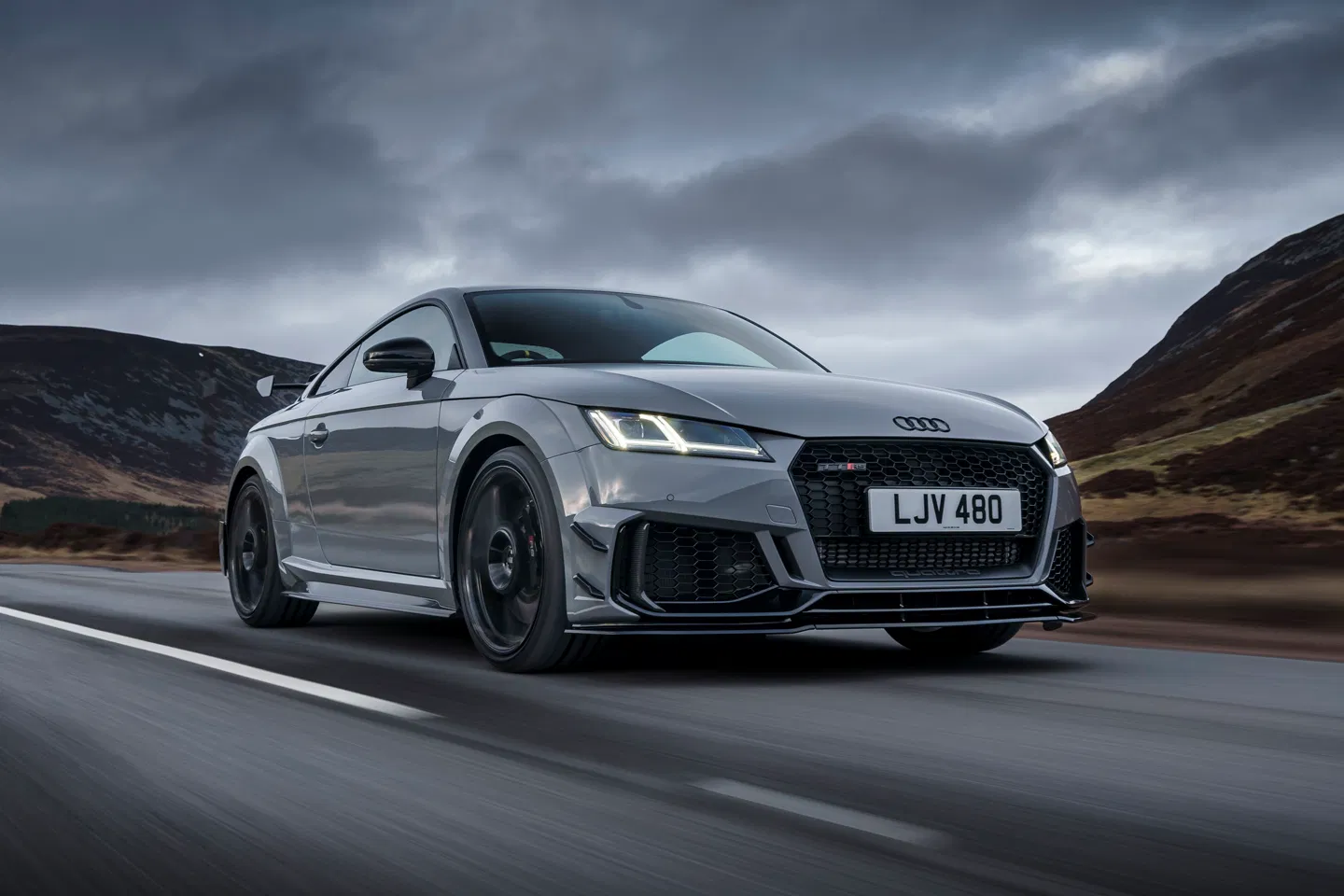
Headline-Grabbing Coupe #2: Audi TT RS (MK2)
The Audi TT RS, especially the second-generation (MK2), created buzz when it launched due to its impressive specifications. A turbocharged five-cylinder engine, Quattro all-wheel-drive system, and aggressive styling suggested it was a true rival to the Porsche Cayman or even the Nissan GT-R.
It made headlines across automotive publications, earning praise for its 0–60 times and unique engine note. Yet, despite the accolades and strong sales among performance enthusiasts, the TT RS struggled with long-term reliability and user satisfaction.
One of the key issues lay in the complexity of its design. The high-strung engine, while thrilling, required precise maintenance. Timing chain issues, carbon buildup, and oil leaks were not uncommon.
Owners who drove their cars hard, encouraged by its sporty nature often found themselves dealing with frequent shop visits and expensive bills. The dual-clutch transmission also had its share of problems, with some units suffering from hesitation or failure if not maintained diligently.
The interior, though beautifully finished, also became a point of frustration. The compact cabin felt cramped to many drivers, and the tech features that seemed advanced at launch aged quickly and proved finicky.
Infotainment system malfunctions and sensor errors became common over time. For a car positioned as a near-luxury performance coupe, these flaws were hard to overlook. It didn’t help that insurance rates and depreciation added financial strain on top of the repair costs.
In short, the TT RS became a car that was exciting on paper and thrilling on short-term test drives, but difficult to live with over the long haul. Many owners moved on after just a couple of years, tired of juggling maintenance and unexpected problems.
While it did capture attention with its launch and spec sheet, it lacked the staying power to back up its bold image. It promised the experience of a high-performance coupe but failed to deliver the kind of ownership stability that many buyers were looking for.
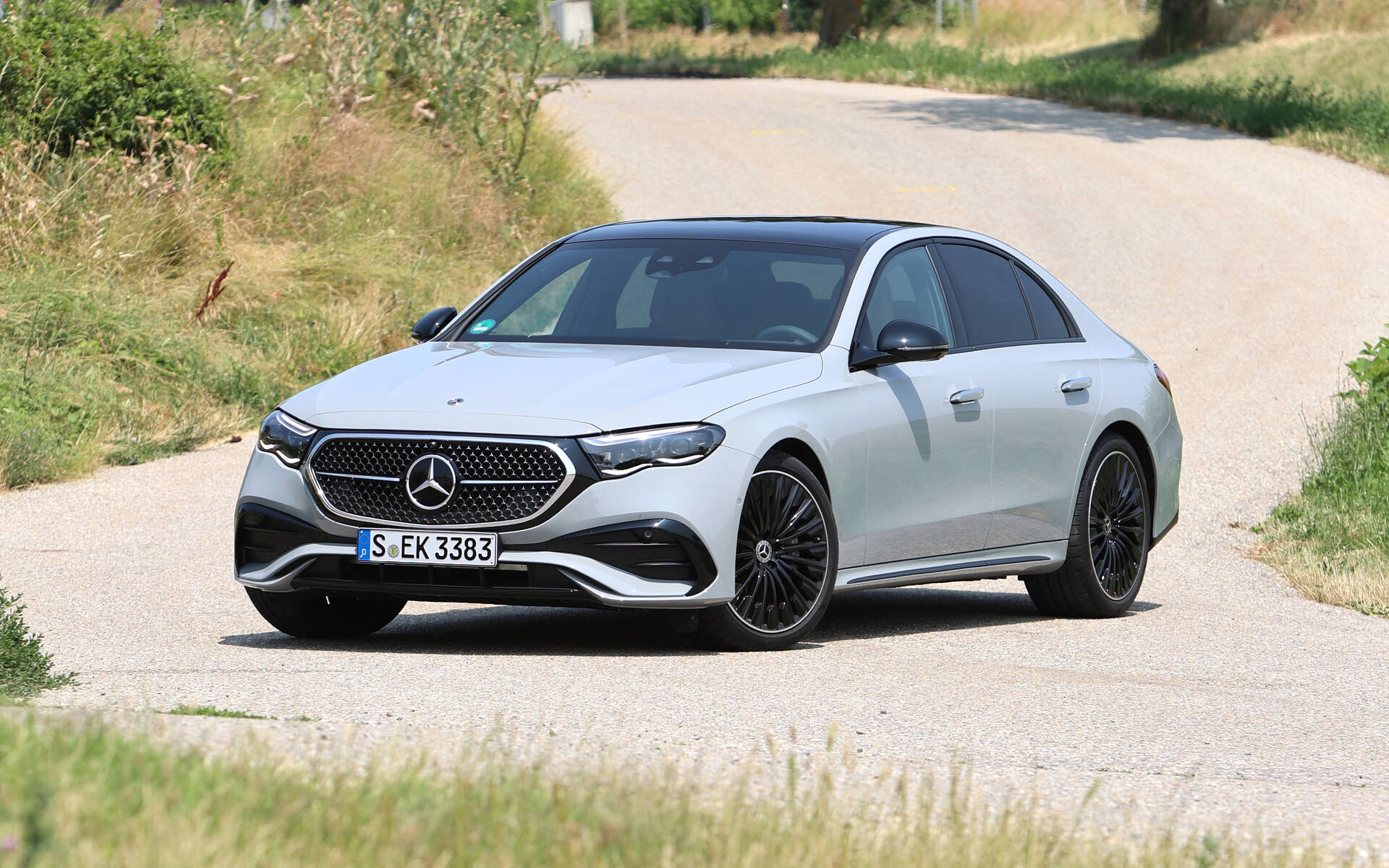
Headline-Grabbing Coupe #3: Mercedes-Benz CLA 45 AMG Coupe
Mercedes-Benz grabbed a lot of attention with the CLA 45 AMG Coupe. Marketed as an entry-level AMG car, it promised incredible performance from a compact body and a small but extremely powerful 2.0-liter turbocharged engine.
With an aggressive design, sharp handling, and a premium badge, it generated a lot of excitement among young professionals and enthusiasts. On paper, it looked like the perfect gateway to AMG ownership. In reality, it became a reminder that performance numbers don’t always translate to a satisfying long-term vehicle.
The powertrain was one of the most stressed in its class. Pushing over 350 horsepower from a tiny engine meant frequent strain on components. This led to higher-than-average wear and more frequent servicing.
Owners reported issues with oil consumption, turbo failures, and problems with the dual-clutch transmission. Repairs, as expected from a premium European brand, were not cheap. What started as a budget-friendly AMG quickly became a high-maintenance affair.
Interior build quality was another point of contention. While it looked stylish, many materials felt cheap, especially in comparison to other Mercedes-Benz models. Road noise was also surprisingly high for a luxury vehicle, and ride comfort was compromised by the sport-tuned suspension.
These weren’t dealbreakers for those looking for raw performance, but for daily drivers, it became tiring quickly. Infotainment glitches and early electronics wear further impacted satisfaction.
While it may have looked like a great deal at launch, time revealed its compromises. Enthusiasts who bought in for the AMG badge often found themselves dealing with reliability issues and second-guessing their choice.
The CLA 45 AMG Coupe did manage to look fast and aggressive, but its long-term value and comfort didn’t hold up. It’s a textbook example of a car that made headlines for the wrong reasons after a few years of ownership.
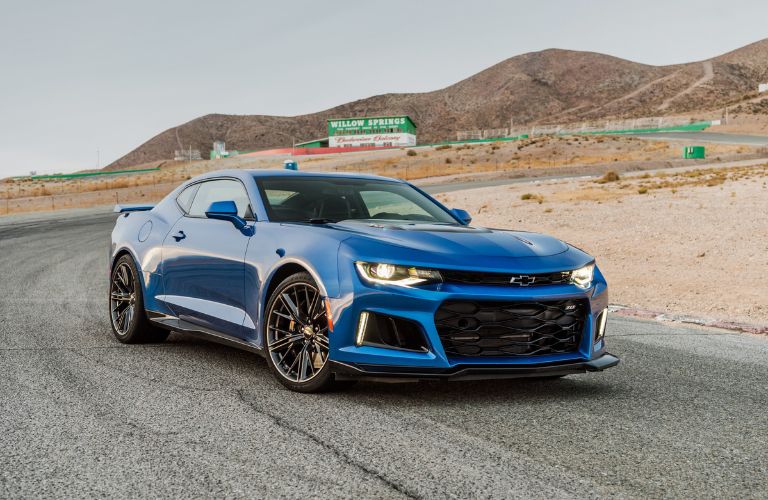
Headline-Grabbing Coupe #4: Chevy Camaro ZL1 (6th Gen)
When Chevrolet introduced the sixth-generation Camaro ZL1, it was hailed as a muscle car that could keep up with the best performance cars in the world. With a supercharged 6.2-liter V8 making over 650 horsepower, magnetic ride control, and track-ready features, it received rave reviews.
The media hailed it as a performance bargain, and for a short while, it lived up to the hype. But with all that power and attention came a series of issues that began to wear down its reputation over time.
One of the first problems was visibility. The Camaro’s design compromised driver awareness with small windows and high sills, making it difficult to see out of. This wasn’t just a matter of convenience it affected everyday usability and safety.
While it was a beast on the track, it proved to be less enjoyable in city driving or long commutes. The ride was firm, the interior felt cramped, and the styling aged quicker than expected in a rapidly evolving segment.
Reliability became a talking point as well. Supercharged engines are more complex and run hotter, and the ZL1 was no exception. Heat soak issues during spirited driving, problems with transmission cooling (especially with the automatic version), and long-term drivetrain stress started to take a toll.
Warranty repairs became common, and used ZL1s often came with caveats or disclaimers from dealers. High insurance rates and poor fuel economy further limited its appeal outside of weekend racing.
What really hurt the ZL1’s standing was that it tried to be everything at once track car, daily driver, tech showpiece. It was fantastic when pushed to its limits, but few owners truly used it that way.
For the majority of buyers, it became more trouble than it was worth. It grabbed headlines because of its raw numbers, but in the end, many discovered it was a car better suited for admiration from afar than real-world ownership.
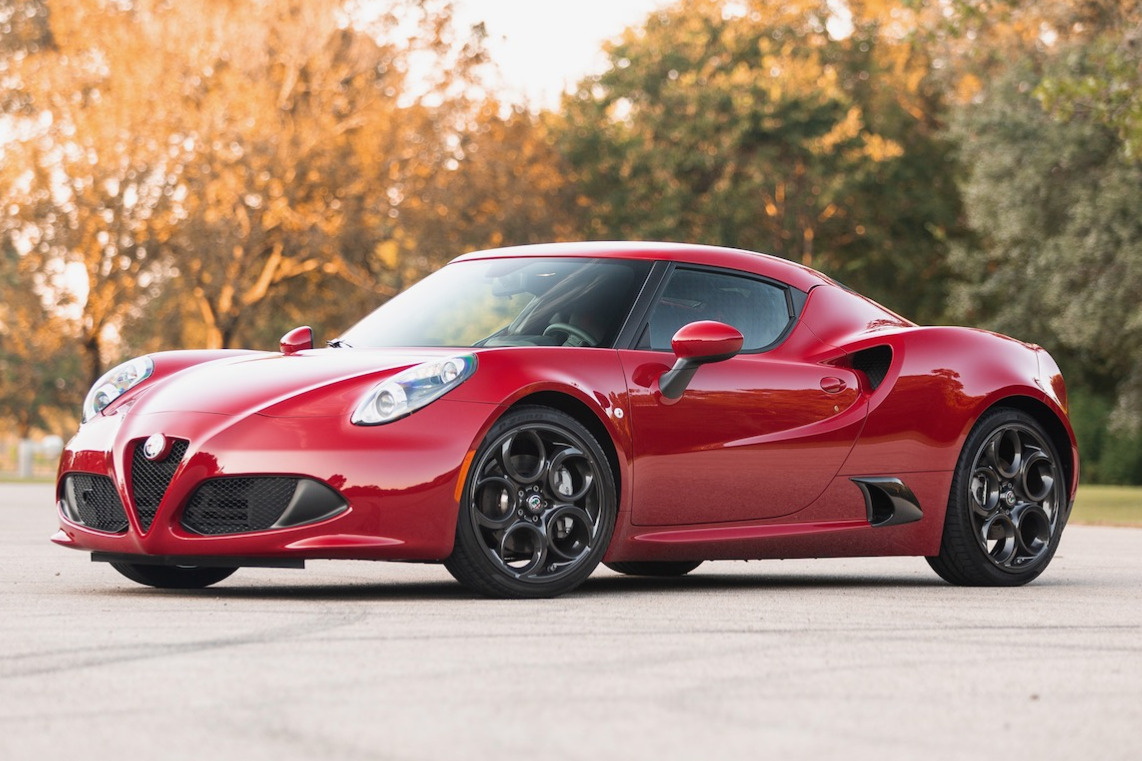
Headline-Grabbing Coupe #5: Alfa Romeo 4C
The Alfa Romeo 4C was meant to be the brand’s triumphant return to the American sports car market. Lightweight, mid-engined, and with carbon fiber construction, it looked like an exotic at a fraction of the price.
Automotive journalists couldn’t get enough of it at launch. It was beautiful, rare, and unconventional. Unfortunately, the very traits that made it exciting also made it deeply flawed for everyday use, and long-term ownership proved frustrating for many buyers.
First and foremost, the ride quality was harsh. The suspension was tuned for track performance, and without power steering, the car became exhausting to maneuver in tight city traffic. Visibility was poor, cabin noise was excessive, and comfort was almost an afterthought.
What looked great in press photos quickly became a source of complaint once the initial excitement faded. The interior materials were minimalistic to the point of feeling unfinished, and there was little practicality for luggage or everyday errands.
Reliability also raised concerns. Alfa Romeo’s history of inconsistent quality control returned with the 4C. Owners experienced electrical issues, engine quirks, and long wait times for replacement parts.
With such a unique platform, even minor repairs often became complicated and expensive. Combined with a lack of service centers familiar with the car, this made ownership a difficult proposition in many regions.
While it’s still loved by a small group of enthusiasts, the 4C never fulfilled the promise that its launch suggested. It turned heads, won awards, and looked like nothing else on the road, but it didn’t deliver the experience buyers were hoping for.
Over time, most of its original owners moved on, citing impracticality and weariness from constant upkeep. It remains a car that looked great in magazines but failed to support the lifestyle of real-world drivers.
