
Car culture often places a spotlight on iconic performance vehicles, names like the Mazda MX-5 Miata, Chevrolet Corvette, or Porsche 911 are widely respected for blending speed, handling, and some degree of practicality. But for every car that becomes a household name, there are several that slip under the radar.
Some of these lesser-known machines offer real-world drivability, mechanical reliability, and character that even their famous peers sometimes lack. On the other hand, there are also sleek, powerful sports cars that, while impressive on paper or at the track, fall short in the daily-use department.
They suffer from excessive maintenance needs, impractical interiors, poor fuel economy, or simply frustrating ergonomics. That’s the curious balance of automotive enthusiasm; what looks good in a showroom doesn’t always feel right after a month of commuting.
This article compares two different lists: five roadsters that many enthusiasts might not have at the top of their wish lists, but which prove themselves through consistent performance and dependability, and five sports cars that make owning one more of a commitment than a joy.
It’s not just about speed or design; it’s about usability, cost of ownership, and the experience when driving them more than once a week. What becomes apparent when looking closer is that some hidden gems deserve much more recognition, while a few famous models might be better as garage trophies than everyday companions.
The lesser-known roadsters we’re about to cover often get overshadowed by more heavily marketed or mainstream alternatives. Yet they prove capable in ways that matter when you’re not just pushing it on backroads, but also idling in traffic or parking in a tight urban lot.
Meanwhile, several well-known sports cars don’t cope well with the grind of real-world conditions. Whether it’s ride stiffness, awkward seating, or constant repairs, these drawbacks can quickly overshadow the thrill of speed.
So if you’re thinking about buying a sporty car that you can enjoy regularly, knowing which ones deliver and which ones don’t, might save you more than just time and money.
Also Read: 5 Cars Without Touch-Sensitive Surfaces vs 5 With False Touches
5 Lesser-Known Roadsters That Run
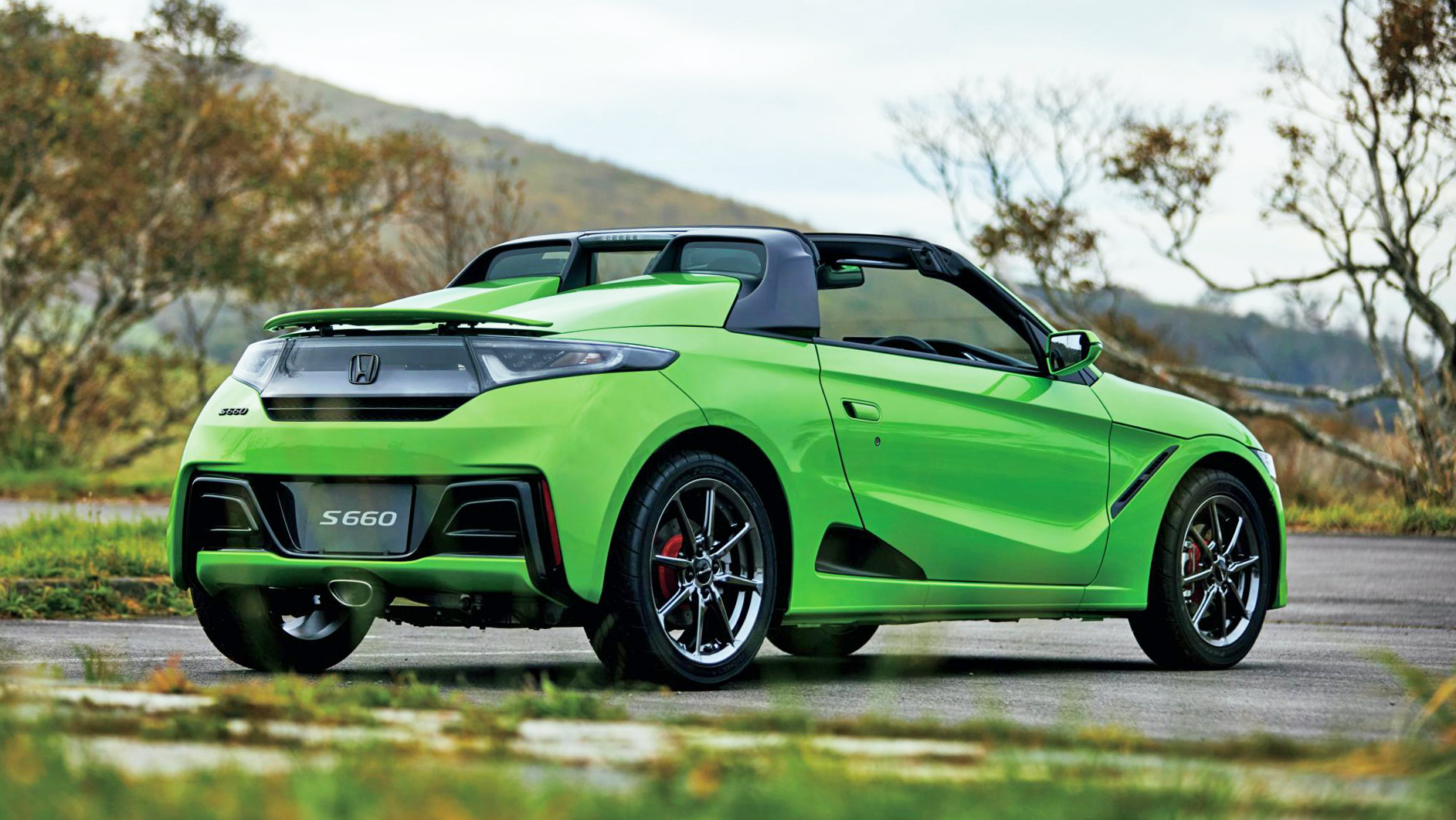
1. Honda S660
The Honda S660 was designed with city streets in mind, not sweeping European highways. This compact mid-engine roadster never made its way to most global markets, but in regions where it’s available, it has become a cult favorite.
With a tiny 660cc turbocharged engine, the car may not scream performance, but its weight and balance make it more fun than many cars three times its size.
What really sets the S660 apart is how practical it feels. It’s a two-seater, yes, but the interior is surprisingly well-laid out for its size, offering a focused driving position and quality materials that you wouldn’t expect in a car of this class.
Because of its simple mechanical layout and small footprint, the S660 is incredibly fuel-efficient, while also being easy to park and navigate through traffic. Maintenance costs remain low, and the engine is known to be durable, provided you keep up with the basics.
While some people might look at its power figures and dismiss it outright, they miss the charm of a car that encourages spirited driving at low speeds. That kind of experience is rare, especially in an era where even base-level sports cars boast 300 horsepower.
The S660’s real-world usability is further helped by its comfortable ride quality. It’s firm, yes, but not punishing like many stiffer sports cars.
Honda engineered it to work on everyday roads, not just the occasional canyon sprint. For those who want a genuine roadster experience without committing to a full-size or high-cost option, the S660 delivers a driving experience that feels honest and rewarding.
It’s not just about what the car is but also what it isn’t. It isn’t pretentious, expensive, or overly complicated. There are no fake exhaust notes or gimmicky drive modes.
What you get is a well-balanced, efficient roadster that shows you don’t need excessive horsepower to enjoy driving. It remains one of the best-kept secrets for those who want performance and practicality in one small, smart package.
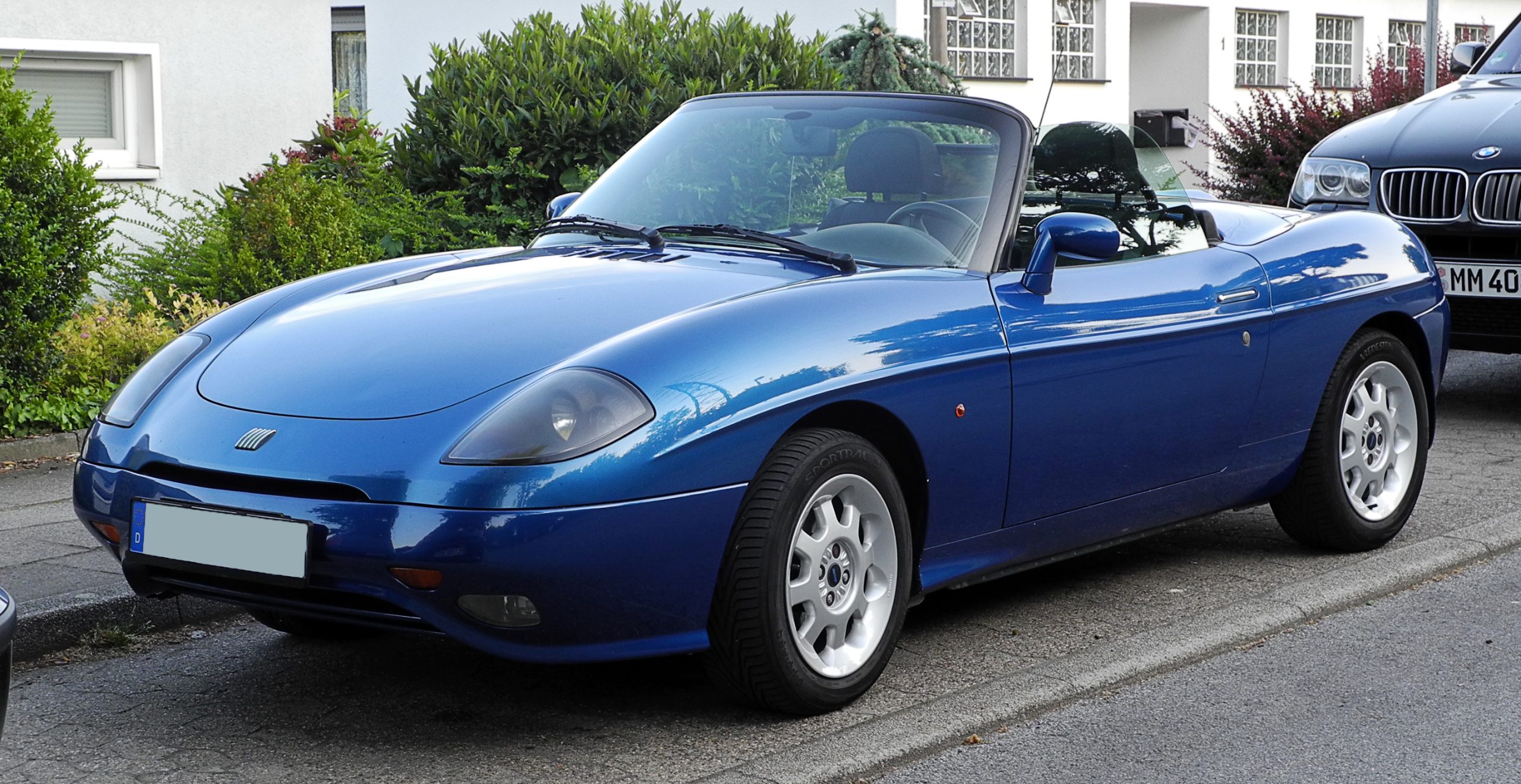
2. Fiat Barchetta
The Fiat Barchetta rarely makes the top ten lists of roadsters, which is a shame because it’s among the most charming little convertibles of its era. Built in the late 1990s and early 2000s, it featured classic Italian design and a free-revving 1.8L inline-four engine.
What makes the Barchetta so usable is its simplicity. It doesn’t overwhelm you with technology or electronic intervention. Instead, it offers a clean, lightweight chassis paired with a lively motor and front-wheel drive layout that makes everyday driving feel enjoyable and natural.
Despite being a soft-top roadster, the Barchetta has one of the more comfortable interiors in its category. The seats are well-padded, visibility is excellent, and the controls fall easily to hand. The car was clearly designed with European cities in mind, so it handles narrow streets and parallel parking without issue. It’s also quite reliable if maintained properly, which many owners find refreshing compared to more temperamental Italian machinery.
In terms of cost of ownership, the Barchetta benefits from Fiat’s wide parts availability and relatively straightforward engineering.
It doesn’t require expensive specialized tools or a trip to an exotic car specialist for routine work. While the bodywork can be susceptible to rust in older models, the core mechanicals are solid. This makes it a good candidate for someone who wants something unique but doesn’t want the headache of high upkeep.
The Barchetta proves that a car doesn’t have to be aggressive to be enjoyable. Its balanced handling, engaging steering, and responsive engine make for a complete experience, even if you’re just driving to work or picking up groceries.
It’s not flashy, and that’s part of its appeal. It gives you the pleasure of top-down motoring without the complications that often come with more “serious” sports cars.
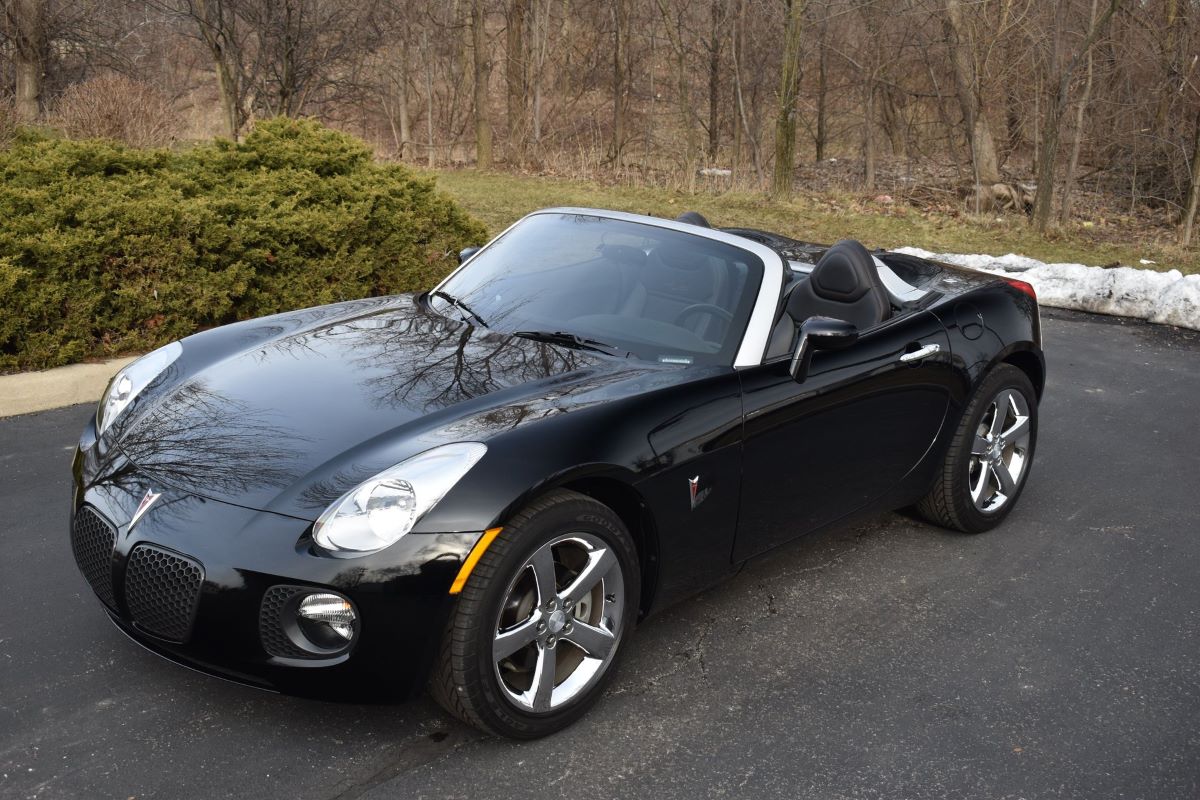
3. Pontiac Solstice
The Pontiac Solstice is often remembered more for its bold styling than its performance, but over time, it’s earned a spot among enthusiasts who appreciate its mechanical simplicity and road manners.
Released in the mid-2000s, this rear-wheel-drive two-seater offered both a naturally aspirated and turbocharged engine, and even in base form, it brought enough power to be genuinely fun without being excessive. While it never reached the cult status of the Miata, the Solstice offered a similarly accessible driving experience with a slightly more muscular design.
Where the Solstice shines is in its balance between performance and usability. The ride is compliant enough for daily use, especially on American roads, which aren’t always smooth. The cabin, while a bit tight for taller drivers, offers enough comfort and basic features for commutes.
The trunk access through the clamshell design is awkward, but for light everyday use, it’s workable. More importantly, the mechanical components, shared with other GM vehicles, make parts availability and maintenance relatively easy.
This car didn’t try to be overly complex. With a manual transmission and hydraulic steering, the Solstice delivered a pure feel that’s harder to find in modern cars. It’s not loaded with technology, and in many ways, that helps it age better.
There’s less that can go wrong, and what does need attention can usually be addressed without specialist intervention. That’s a rare trait in modern or near-modern sports cars, many of which have become heavily digitized and difficult to service without a computer.
Although Pontiac as a brand no longer exists, the Solstice holds up surprisingly well on today’s roads. It’s a reminder that even American manufacturers were capable of building enjoyable, usable roadsters when the formula was kept simple. It’s not the quickest or most refined, but it gets the basics right, and that’s more than can be said for a lot of cars that cost much more.
4. Smart Roadster
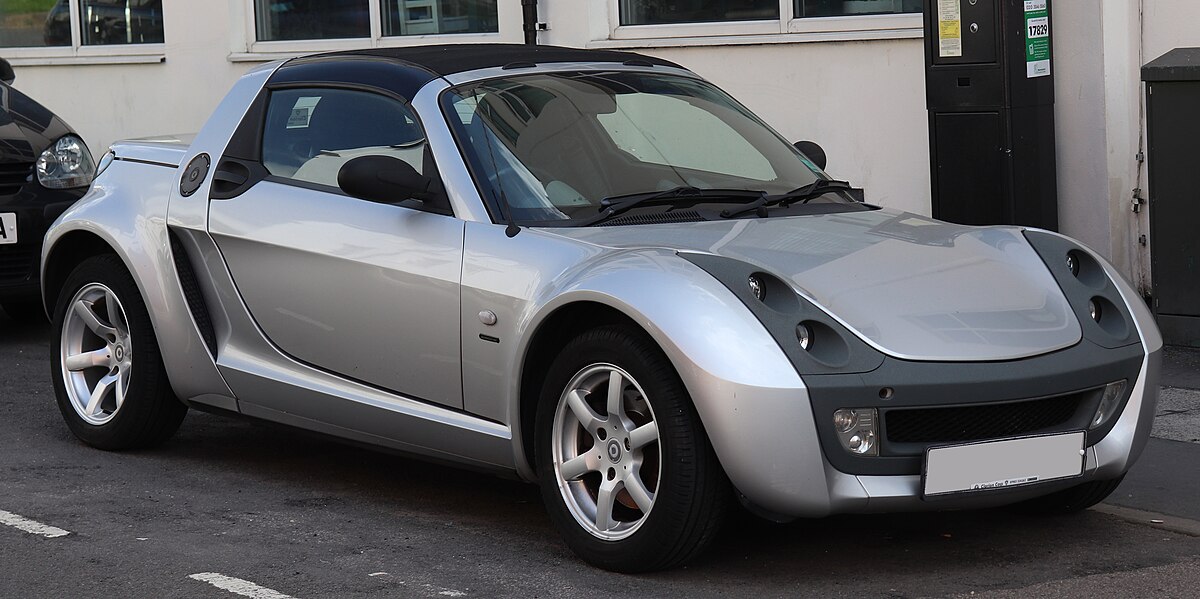
The Smart Roadster is often dismissed before it’s even understood. Built by Smart in the early 2000s, this tiny two-seater took the brand’s microcar ethos and applied it to a sports car format. The result was a car that weighed less than 800kg, with a turbocharged three-cylinder engine and rear-wheel drive.
The numbers don’t sound impressive, but the experience behind the wheel often surprises first-time drivers. Thanks to its low weight and nimble handling, the Smart Roadster feels alive at any speed, making it one of the most fun cars you can drive under legal limits.
One of its best features is its fuel economy. Despite its sporty looks, the Smart Roadster is incredibly efficient, making it easy to run as a daily driver. Its compact size allows it to fit into tight urban parking spots, while its removable roof panels give it real open-air charm.
The interior is more usable than you might expect, with decent legroom and a surprisingly well-designed dashboard. While it won’t carry much luggage, it’s practical enough for two people to enjoy daily use without compromise.
There are quirks, to be sure. The automated manual transmission takes some getting used to, and the ride can feel a little jittery on rough pavement.
But once you adapt, the Smart Roadster becomes a rewarding partner for both city driving and weekend fun. Its mid-engine layout and low center of gravity make it far more capable than it looks, especially in tight corners or roundabouts where it feels glued to the tarmac.
The Smart Roadster may not be a conventional choice, but it succeeds where many larger, more powerful cars fail. It proves that fun doesn’t have to mean fast and that daily drivability is often more about clever engineering than brute strength. If you’re looking for a car that’s unusual but effective, especially in urban environments, the Smart Roadster makes a strong case for itself.
TVR Chimaera
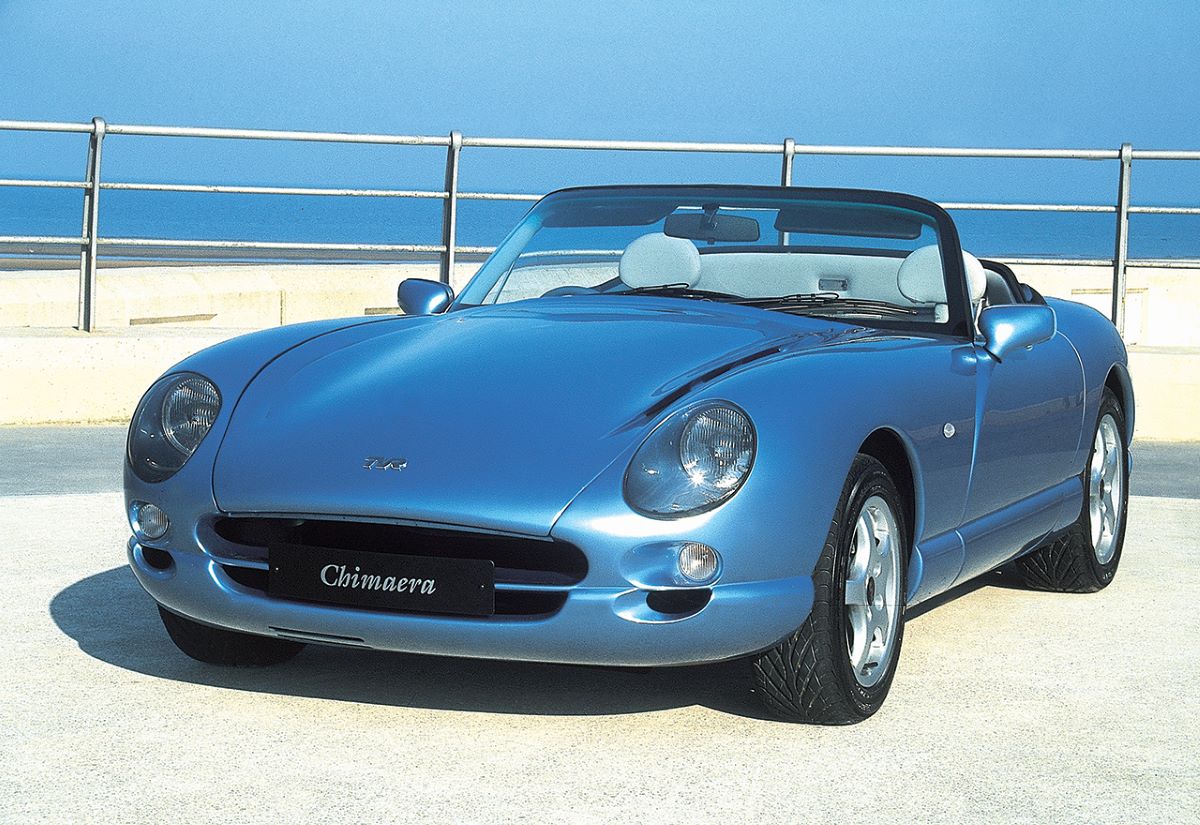
The TVR Chimaera is a distinctive British roadster that remains a hidden gem for enthusiasts who appreciate raw driving dynamics combined with classic styling. Produced during the 1990s and early 2000s, the Chimaera was designed without modern driver aids or excessive electronics.
Its emphasis was placed squarely on mechanical grip, steering feel, and driver involvement. Powered by a range of robust V8 engines sourced from Rover, the car offers strong performance that feels immediate and visceral. While it might lack the polish of more famous sports cars, it compensates with character and a willingness to be driven hard.
One of the Chimaera’s greatest strengths lies in its simplicity. The lack of traction control, ABS, or power steering means the driver has direct control over the car’s behavior at all times. This rawness can be intimidating at first but rewarding once mastered.
The chassis is relatively light, and the suspension setup prioritizes handling precision over comfort. However, the ride quality remains manageable enough for daily driving, especially compared to more hardcore track-focused cars. With its classic roadster proportions, the Chimaera invites spirited driving on twisty roads, yet can also cope with daily errands in town.
The interior is more traditional than modern, featuring leather upholstery and wood trim that give it a somewhat old-school charm. While the cabin lacks the technology and refinement of contemporary sports cars, it’s designed to be straightforward and functional.
Visibility is good thanks to large windows and a low roofline, making parking and city driving less stressful than in some competitors. The convertible soft top is easy to operate, and the seating position places the driver low, giving a strong connection to the road and surroundings.
Mechanically, the TVR Chimaera is known for reliability if properly maintained. The Rover V8 engine, while not exotic, is durable and parts remain relatively accessible. The car demands regular attention and careful upkeep, but when cared for, it will reward owners with years of enjoyable motoring.
It stands out as a rare example of a sports car that blends classic British style with a mechanical purity and real-world usability that’s often missing from more modern offerings. For those who want a roadster with personality that won’t constantly break down, the Chimaera deserves serious consideration.
Also Read: 5 Forgotten SUVs That Grip vs 5 Bestsellers With Bad Suspension
5 Sports Cars That Don’t Handle Daily Use
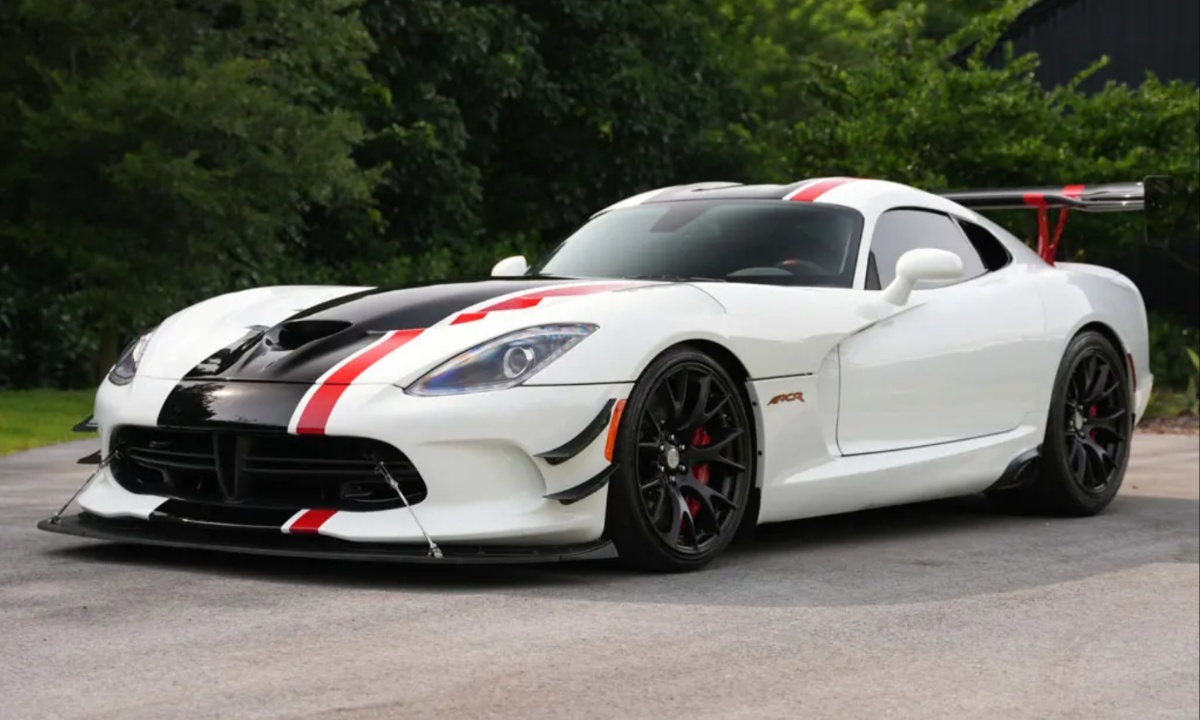
1. Dodge Viper (Any Generation)
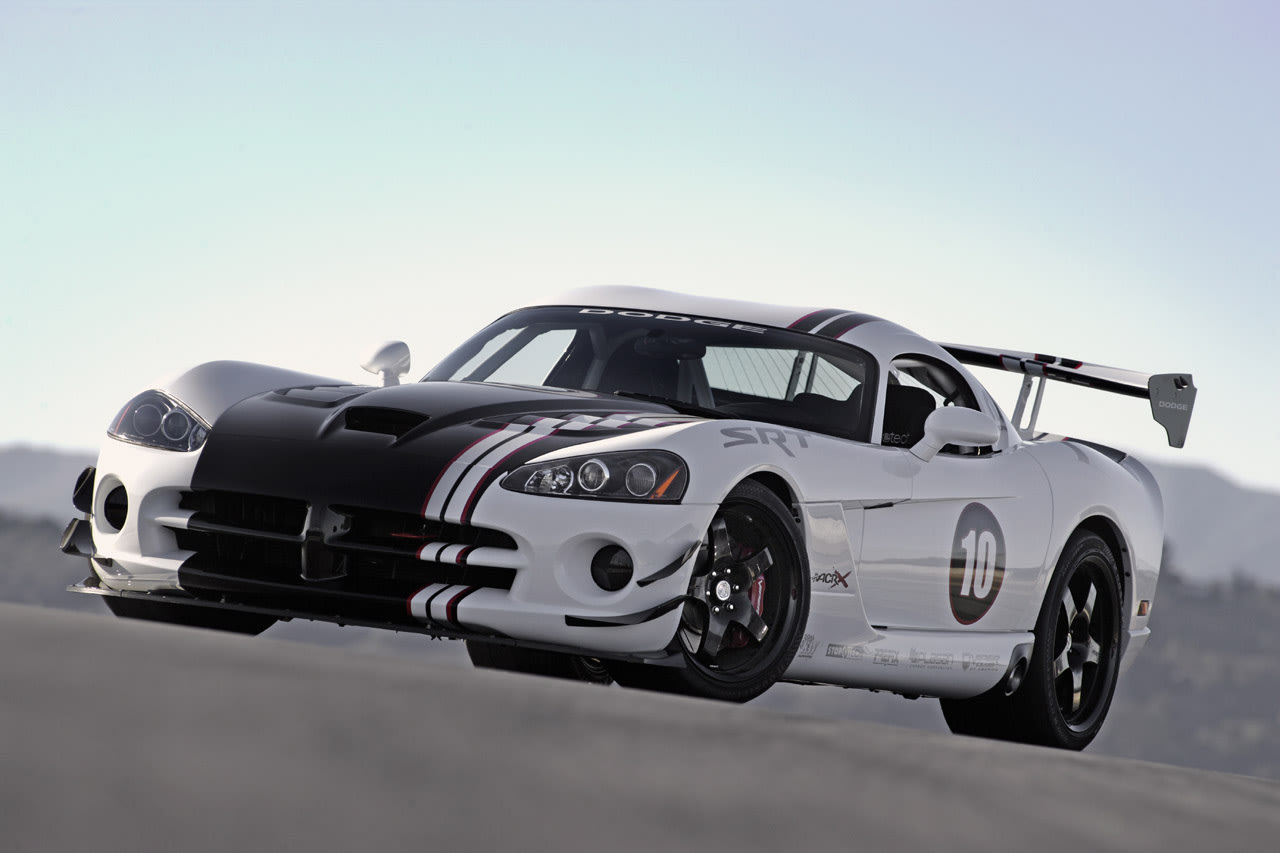
The Dodge Viper stands tall as an icon of American muscle and raw, unfiltered power. With a massive V10 engine and aggressive styling, it’s a car that demands attention. However, while the Viper offers tremendous performance on the track or open road, it quickly becomes a frustrating vehicle when used for everyday tasks.
Its massive size, stiff suspension, and poor fuel efficiency make it one of the least practical performance cars for daily use. The car’s wide stance might look cool in a photo, but in tight city spaces or parking lots, it turns into a liability.
The interior of the Viper also lacks refinement. Across various generations, the cabin materials feel more like a parts bin than a premium sports car. Road noise is intrusive, ride quality is harsh, and the ergonomics can be awkward, particularly for taller drivers or those seeking a quiet, comfortable commute.
Getting in and out of the low-slung body is a workout in itself, especially if you’re not dressed for contortions. Even visibility suffers, making simple tasks like changing lanes or parallel parking more stressful than they should be.
Then there’s the heat, literally. The Viper is notorious for the amount of cabin heat that builds up due to its side-mounted exhaust and large engine bay. It can make summer driving unbearable, especially in traffic.
Air conditioning struggles to keep up, and the car’s massive engine produces so much heat that it radiates through the cabin floor. It becomes a rolling oven in stop-and-go traffic, which severely reduces its appeal for daily commutes or city driving.
The Viper is undoubtedly a thrill machine, and for weekend driving or track use, it excels. But those who attempt to live with one daily quickly realize that it’s not built for that.
The lack of refinement, visibility issues, and exhausting driving dynamics turn what should be an exciting experience into something that requires patience and a strong spine. It’s a prime example of how power and style don’t always translate into real-world usability.
2. Lotus Elise
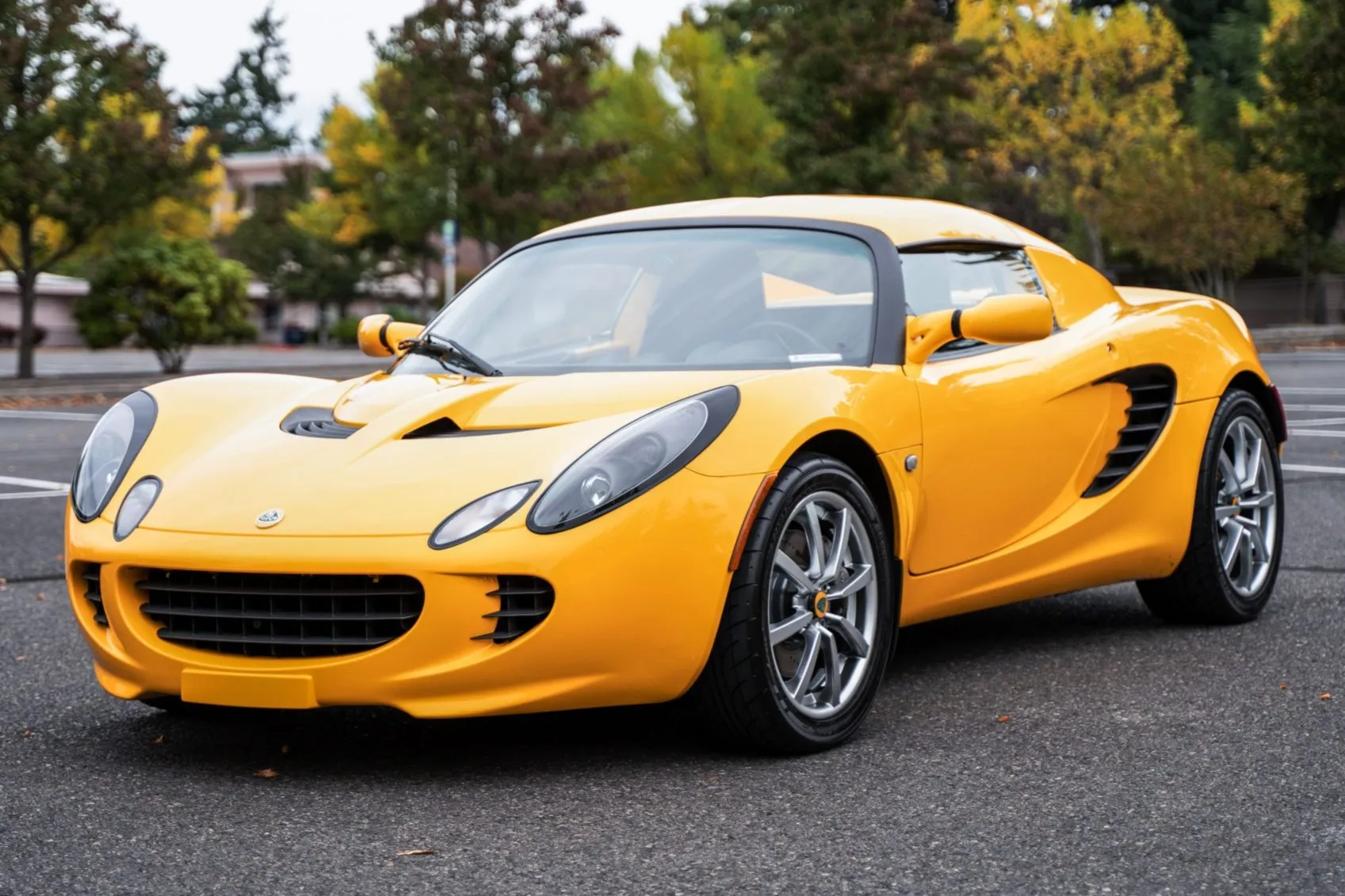
The Lotus Elise earns respect for being a purist’s car, lightweight, agile, and focused entirely on the driving experience. It’s a favorite among enthusiasts for track days and twisty roads. However, those same characteristics make it a terrible choice for daily transportation.
The Elise sacrifices almost everything for the sake of performance, including comfort, ease of use, and interior space. If you’re taller than average or not particularly flexible, even getting into the car can feel like a gymnastic challenge.
The interior is bare-bones to a fault. There’s minimal sound insulation, thin padding on the seats, and hardly any room to store personal items. Creature comforts are limited, and the driving position is tight and unforgiving over long distances.
The suspension setup, while brilliant for handling, transmits every bump and pothole directly into the cabin. On well-maintained roads, it feels surgical and precise. But on everyday roads with cracks, dips, or uneven surfaces, it becomes tiring and even jarring.
Fuel efficiency isn’t bad due to the car’s weight, but that’s about the only area where the Elise competes well in daily-use categories.
The lack of power steering in early models makes slow-speed maneuvering awkward, particularly in tight parking spaces. Visibility is limited, especially out the rear window, and the side mirrors don’t offer much help. Even routine errands become cumbersome, as the small trunk is barely large enough for a backpack or a couple of grocery bags.
There’s no denying that the Elise offers one of the most connected and focused driving experiences available, but using it every day reveals how compromised it truly is.
It’s a brilliant toy, not a tool. For people who can afford a second car, it makes sense as a weekend thrill ride. But as a primary vehicle, it becomes frustrating quickly. The daily grind exposes every one of its limitations, making it one of the least suitable sports cars for regular use.
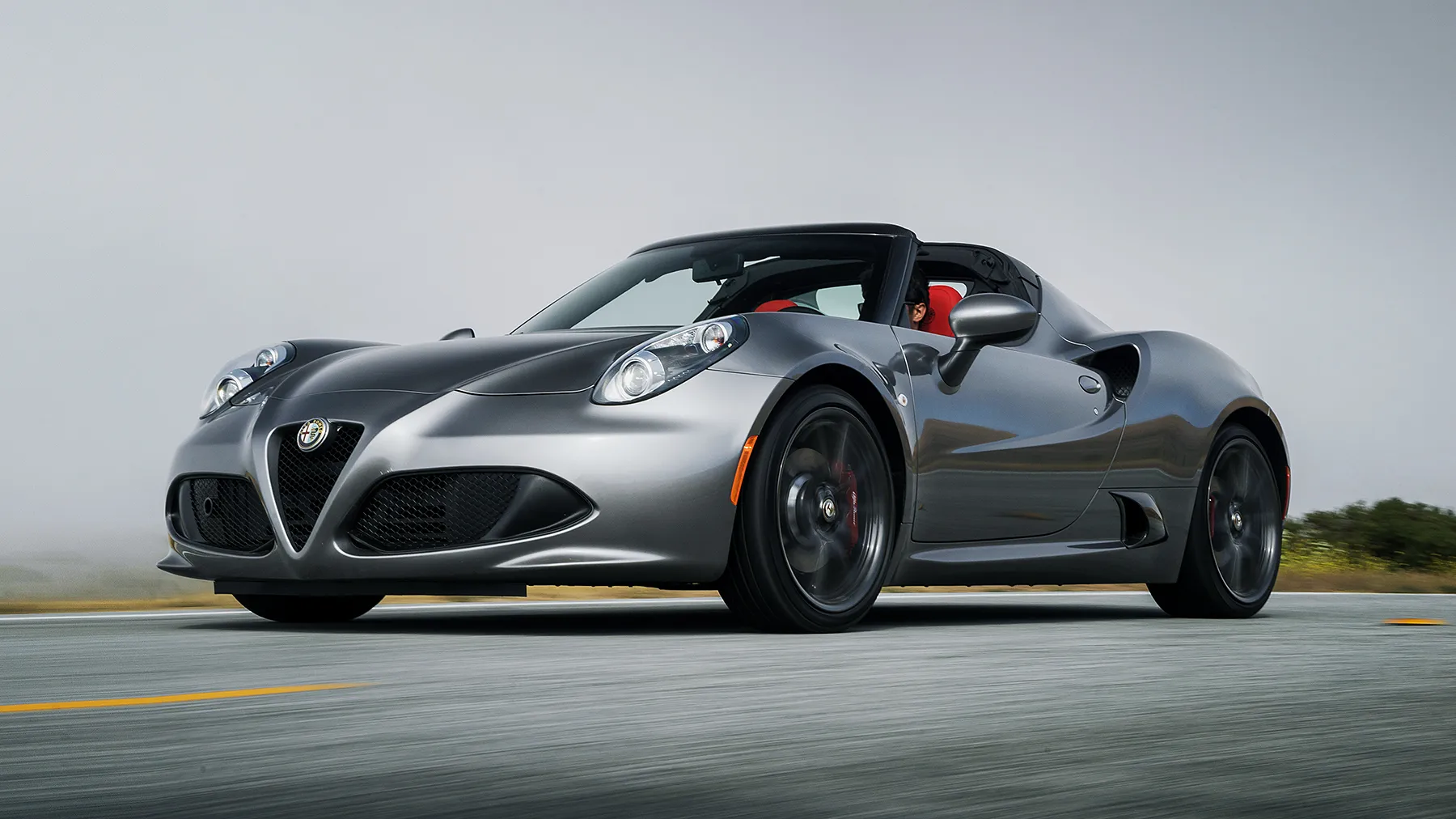
3. Alfa Romeo 4C
The Alfa Romeo 4C turned heads when it was launched. It looked exotic, had a carbon-fiber monocoque chassis, and offered blistering acceleration from a small turbocharged engine. On paper, it appeared to be a game-changer in the lightweight sports car market.
In reality, it falls short when you ask it to do anything beyond enthusiastic driving. The 4C is exciting in bursts, but driving it every day is a constant reminder of its shortcomings. Whether it’s commuting, grocery runs, or even short road trips, it ends up making the simple things unnecessarily difficult.
The interior is sparse and minimalist, but not in a good way. Hard plastics dominate the cabin, and while the design is attractive, the materials don’t feel premium.
More importantly, there’s little in the way of insulation or comfort. Road noise is loud, and engine drone becomes fatiguing during longer drives. It’s not that you hear the road, it’s that you feel every vibration and harshness through the seat and controls. For short weekend bursts of excitement, this might be fine. For daily use, it’s exhausting.
The transmission, a dual-clutch automatic, is quick when pushed but feels clunky at low speeds. In traffic, it can jerk and hesitate, making creeping along in stop-and-go scenarios less than pleasant.
The steering is unassisted, which gives great feedback on the move but feels like a chore in parking situations. Small visibility compromises, low ride height, and tight ingress/egress add to the inconvenience of living with the 4C on a regular basis.
What hurts most is that the 4C has so much potential. It’s unique, fast, and stylish. But the daily-use experience is overshadowed by noise, stiffness, and a lack of basic usability.
Unlike some other hardcore sports cars that find a balance, the 4C feels like it was made with no regard for the driver’s day-to-day needs. It’s a showstopper on weekends, but a headache on weekdays.
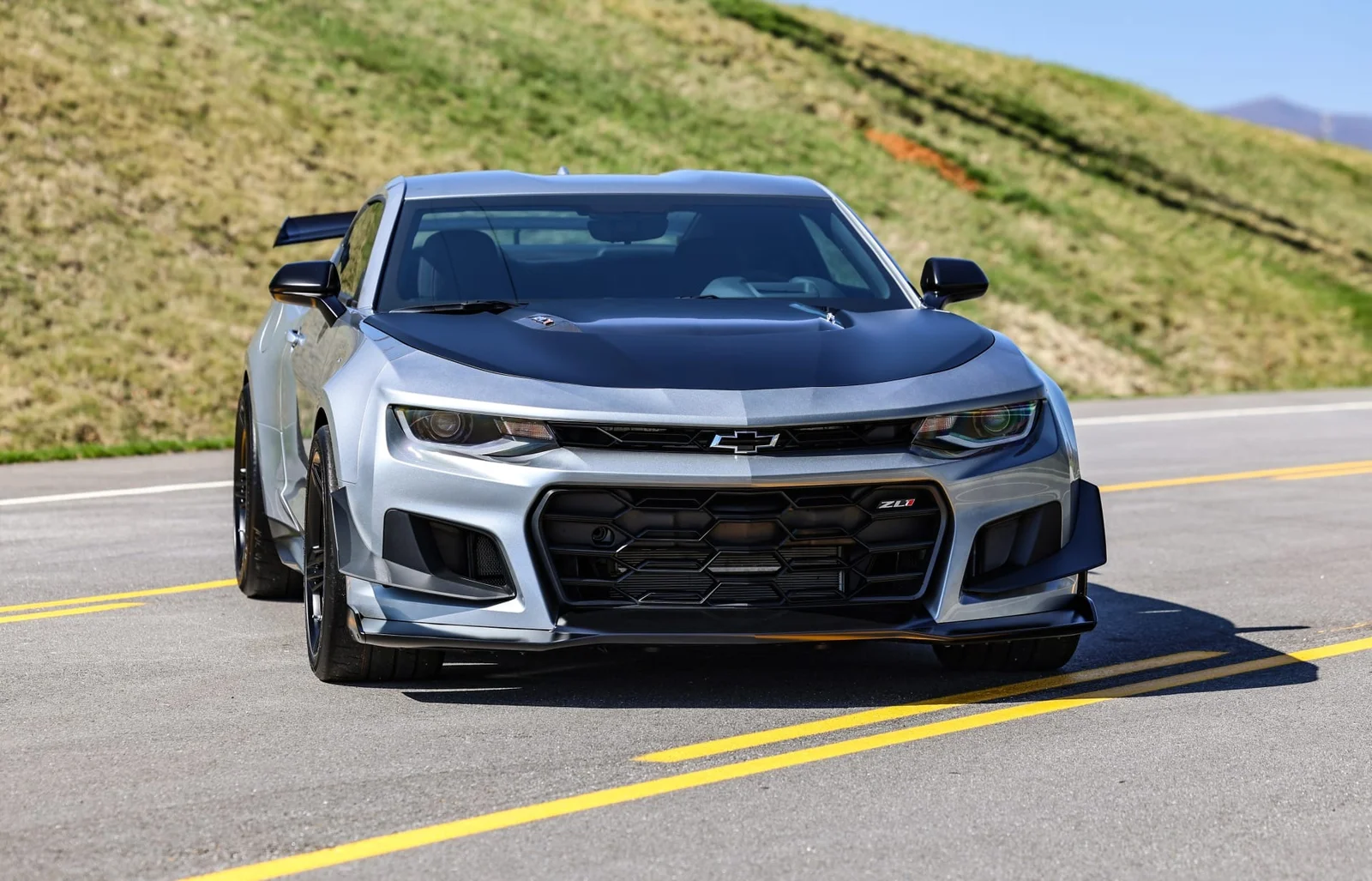
4. Chevrolet Camaro ZL1 (6th Gen)
The 6th generation Camaro ZL1 is a powerhouse, a 650-horsepower beast that can embarrass cars twice its price on the drag strip or road course. But while its performance is impressive, it comes with trade-offs that make daily use far less appealing.
The ZL1 is loud, stiff, and demanding in a way that becomes tiresome when it’s not being driven in anger. It might have four seats and a trunk, but the compromises go beyond what most would consider reasonable for daily transportation.
Visibility is one of the first issues drivers notice. The high beltline, small side windows, and thick roof pillars make seeing out of the Camaro difficult.
Parking and lane changes are unnecessarily stressful, even with the help of cameras and sensors. The interior space also feels more cramped than you’d expect, particularly for a car of this size. Rear seats are barely usable for adults, and the sloping roofline cuts into headroom.
Ride quality suffers due to the aggressive suspension tuning. While Magnetic Ride Control helps somewhat, the ZL1 still rides harshly over uneven pavement.
You feel the road in every sense, and not always in a good way. The exhaust is constantly loud, which may seem exciting at first but grows old quickly during long commutes or highway travel. Road trips become fatiguing rather than enjoyable, especially if you have passengers.
Fuel economy is another drawback. With a supercharged V8 and a heavy curb weight, the ZL1 drinks fuel at an alarming rate, particularly in city driving. You’ll find yourself visiting the gas station more often than you’d like, and premium fuel is required.
The ZL1 is an outstanding performance machine, no doubt. But as a daily driver, it makes far too many sacrifices in comfort, visibility, and cost. It’s built to thrill, not to accommodate, and that shows up clearly when it’s used outside its intended environment.
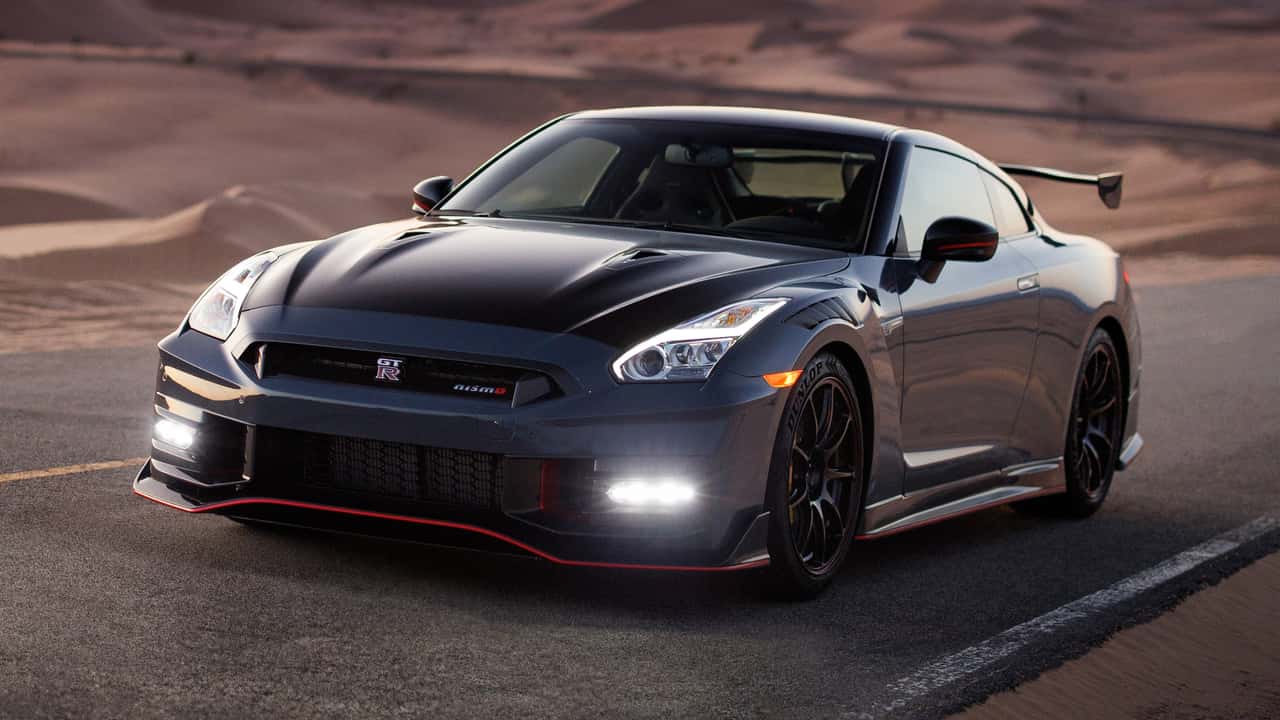
5. Nissan GT-R (R35)
The Nissan GT-R (R35) has earned legendary status since its launch in 2007. With all-wheel drive, a twin-turbo V6, and acceleration that rivals much more expensive exotics, the GT-R set new benchmarks in performance. But while it delivers incredible speed and capability, it doesn’t always make sense as a daily driver.
The very things that make it great on a race track or a spirited mountain run become burdens in the real world. The GT-R’s daily usability is compromised by a combination of harsh ride quality, aging tech, and long-term ownership costs that can catch even well-prepared owners off guard.
Inside, the GT-R feels dated. While Nissan has updated some materials and tech over the years, the dashboard layout and infotainment system lag behind more modern offerings. Buttons are scattered, screen resolution is low, and the cabin ambiance lacks the premium feel that a car of its price tag should provide.
Road and tire noise are significant, especially at highway speeds. The suspension is tuned for performance first, comfort second. On broken pavement or rough city roads, the car feels harsh and unsettled, making everyday drives more fatiguing than enjoyable.
Then there’s the issue of cost. The GT-R might seem like a relatively affordable supercar, but maintenance and parts are anything but cheap. Services are frequent, and replacements for brakes, tires, or even standard fluids come at a premium.
The transmission, in particular, has been known to be sensitive under certain conditions, especially when abused or not maintained precisely to spec. Insurance premiums are high, and fuel economy is predictably poor for a car with this much power and weight.
Finally, while the GT-R is technically a four-seater, the rear seats are mostly symbolic. Legroom is nearly nonexistent, and the trunk space is only moderately useful. It’s a big car, but not a very practical one. Its presence on the road is undeniable, and it will always get nods from enthusiasts. But the GT-R asks you to live with a lot of compromise. When driven occasionally, it shines. When asked to be your only car, the cracks in its comfort and usability start to show.
