
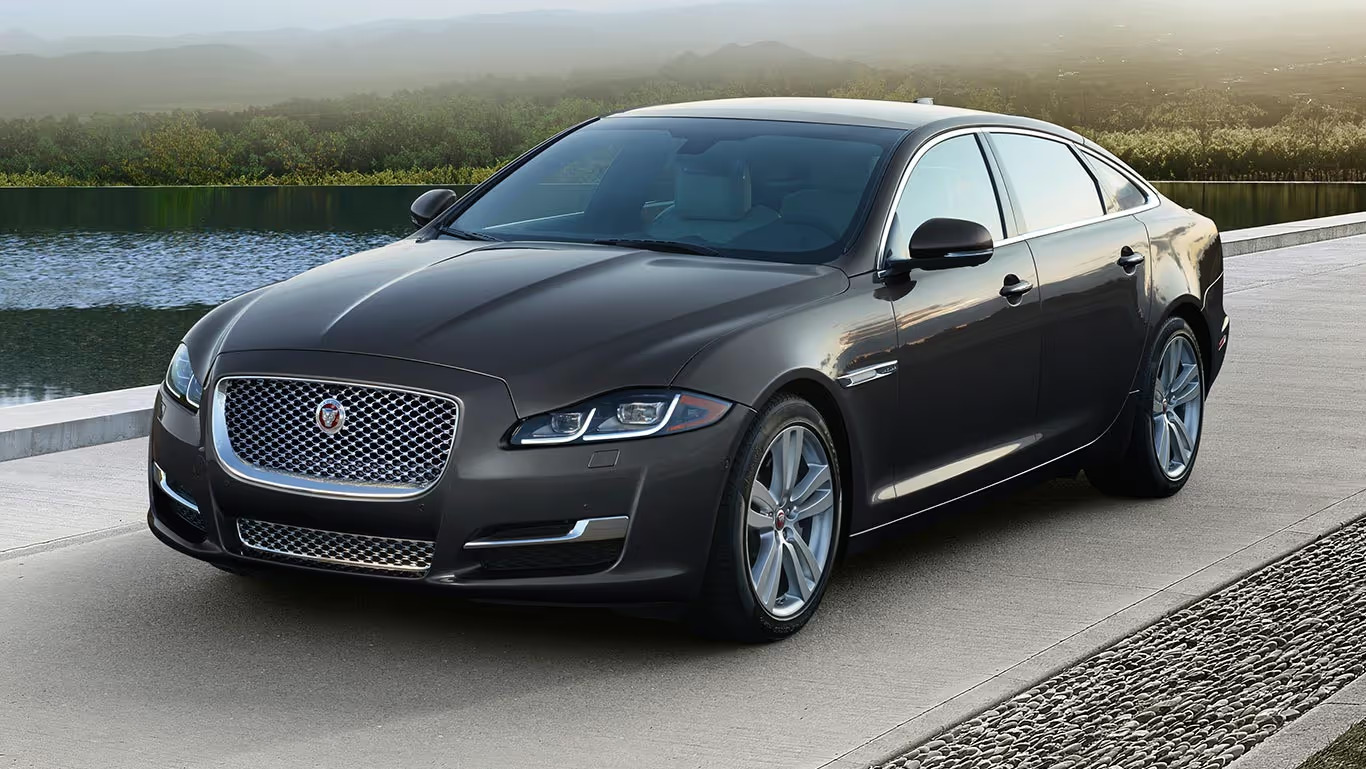
Luxury sedans have always been a significant segment in the automotive world, combining high levels of comfort, advanced technology, and refined driving experiences. For many car buyers, these vehicles are not just modes of transportation; they are reflections of status, craftsmanship, and personal taste.
However, owning a luxury sedan is about more than just its sleek design or impressive performance; the cost of maintenance and repairs plays a crucial role in the ownership experience.
While the upfront price of luxury sedans is often substantial, the true cost of ownership is frequently influenced by how much money owners must invest in keeping the vehicle running smoothly over time.
In the luxury sedan category, there is a wide range of options, from rare, lesser-known models to flagship vehicles produced by globally recognized brands. Each of these cars offers unique features, engineering choices, and ownership costs that affect how practical they are for everyday use or long-term investment.
Flagship luxury sedans are typically loaded with cutting-edge technology, complex mechanical systems, and bespoke materials, which provide unmatched comfort and performance but often translate to significantly higher repair bills.
These vehicles showcase what is technologically possible and set standards for the industry, but their intricate systems and rare parts can quickly become expensive when repairs or maintenance are needed.
On the other hand, some rare luxury sedans manage to deliver a similar level of refinement and exclusivity while avoiding the pitfalls of exorbitant repair costs. These models often come from brands that prioritize durability, simplicity, and proven mechanical systems, which helps keep expenses under control.
Rarity, in this case, does not mean an automatic increase in repair costs; in fact, some rare luxury sedans benefit from shared components with more mainstream vehicles or from simpler technologies that require less specialized care.
This combination of exclusivity and manageable repair expenses makes them particularly attractive for owners who want to stand out without breaking the bank on maintenance.
The variation in repair costs among luxury sedans can be traced to several factors. One of the main influences is the level of technological advancement incorporated into the vehicle.
Flagship sedans often feature air suspensions, active safety systems, complex hybrid powertrains, and a large number of sensors controlling everything from driving dynamics to cabin comfort.
When any of these systems malfunction, repairs can be labor-intensive and require specialized equipment or parts that are costly to source. Additionally, the materials used in flagship models, such as carbon fiber, aluminum alloys, and custom interior finishes, can raise the price of bodywork or replacements compared to more traditional designs.
Availability and cost of parts also have a major impact on repair expenses. Flagship models, especially from brands with strict parts sourcing policies, often rely on dealer-only parts that are marked up considerably.
Rare luxury sedans that use more common mechanical components or share parts with other models may offer easier access to affordable replacements. Furthermore, the skill and specialization required by technicians to work on flagship models tend to be higher, adding to labor costs.
In this context, it becomes clear that the luxury sedan segment includes both extremes: rare luxury sedans that offer exclusivity with relatively low repair costs, and flagship models that provide cutting-edge features but come with significant financial commitments for maintenance and repairs.
Understanding this distinction is critical for potential buyers and enthusiasts who want to make an informed choice between style, performance, and long-term affordability.
The following sections examine five rare luxury sedans known for their lower repair costs and five flagship luxury sedans that typically demand high repair bills.
By comparing these models, this article highlights the trade-offs between ownership costs and the level of luxury or technology provided. This overview serves as a guide for those considering luxury sedans, helping them balance desire and practicality when making a purchasing decision.
Also Read: 5 American Engines That Outlast Imports and 5 That Reinforce Stereotypes
5 Rare Luxury Sedans With Low Repair Costs
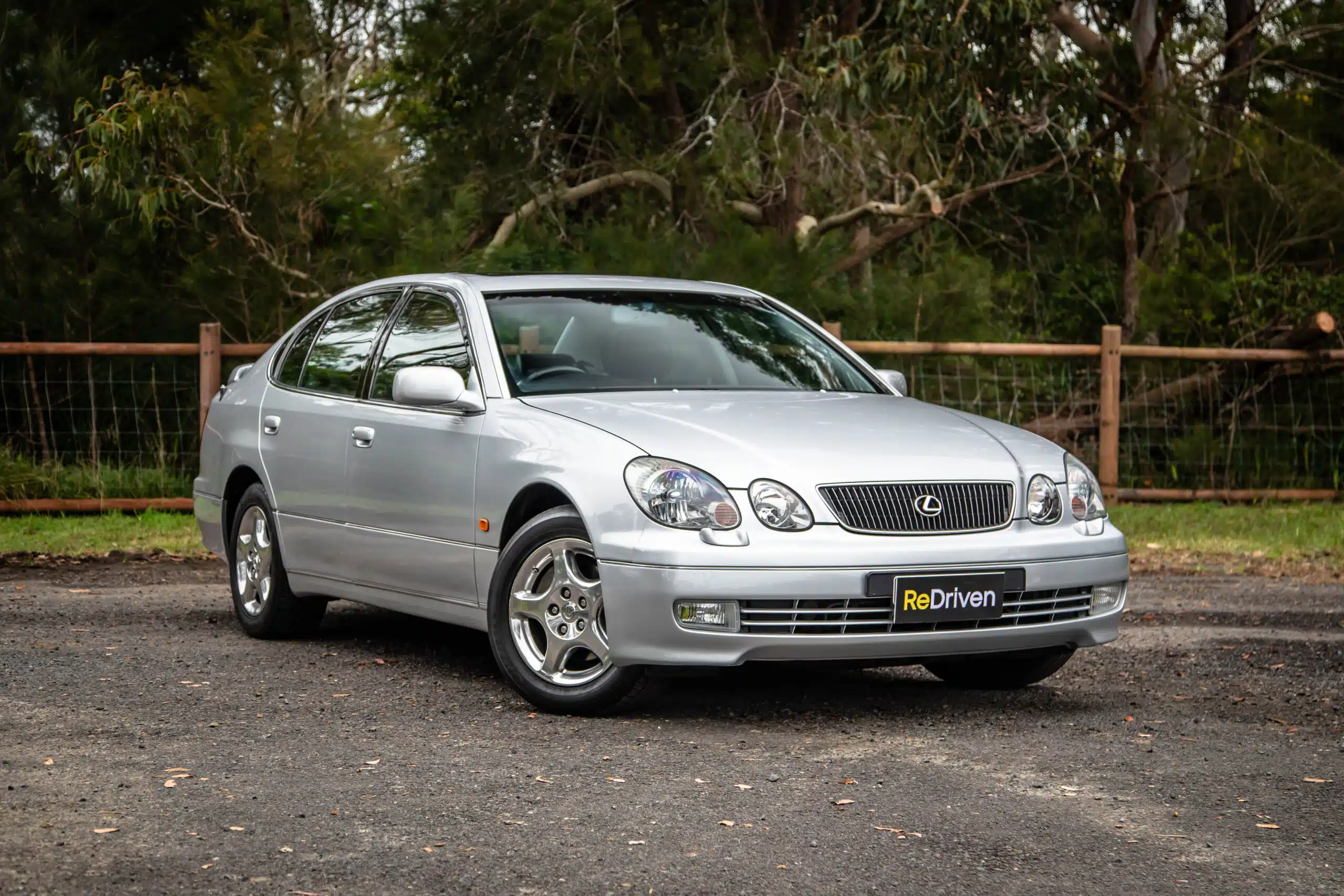
1. Lexus GS (Third Generation)
The Lexus GS from the third generation (produced roughly between 2005 and 2011) stands out as a rare luxury sedan that combines Japanese reliability with a certain degree of exclusivity.
While Lexus is well-known for its dependable cars, the GS occupies a niche in the luxury segment, often overshadowed by competitors like the BMW 5 Series or Mercedes-Benz E-Class.
Its rarity is somewhat due to Lexus’s stronger reputation in SUVs and smaller sedans rather than large luxury sedans, which translates into fewer models on the road and in repair shops. The GS’s mechanical simplicity and robust build quality contribute to lower repair costs, especially compared to European rivals.
This generation GS is known for its durable powertrains, including the naturally aspirated V6 engines and the hybrid options, which are straightforward in terms of engineering and not overly complicated by excessive electronics.
Owners report fewer issues with electronics and suspension components than seen in some contemporaries, reducing repair and maintenance bills. Additionally, Lexus’s reputation for long service intervals and a well-established dealer network ensures parts are reasonably priced and readily available, even for the hybrid versions.
Another factor keeping repair costs low is the car’s relative design conservatism. Unlike flagship models that feature air suspension and cutting-edge electronics, the GS uses traditional coil springs and a well-understood chassis setup. This leads to fewer potential failures and simpler repairs.
The combination of Toyota’s parts availability and Lexus’s engineering philosophy means that although the GS is a luxury vehicle, it escapes the typical pitfalls of expensive European sedans, making it an appealing choice for those wanting rarity and lower ownership costs.
Lastly, because the GS is less common than some other luxury sedans, owners benefit from lower insurance premiums and less risk of theft, which indirectly reduces costs. Its status as a rare but reliable luxury sedan with a strong reliability record and modest maintenance needs make the Lexus GS an excellent example of a rare luxury sedan with low repair costs.
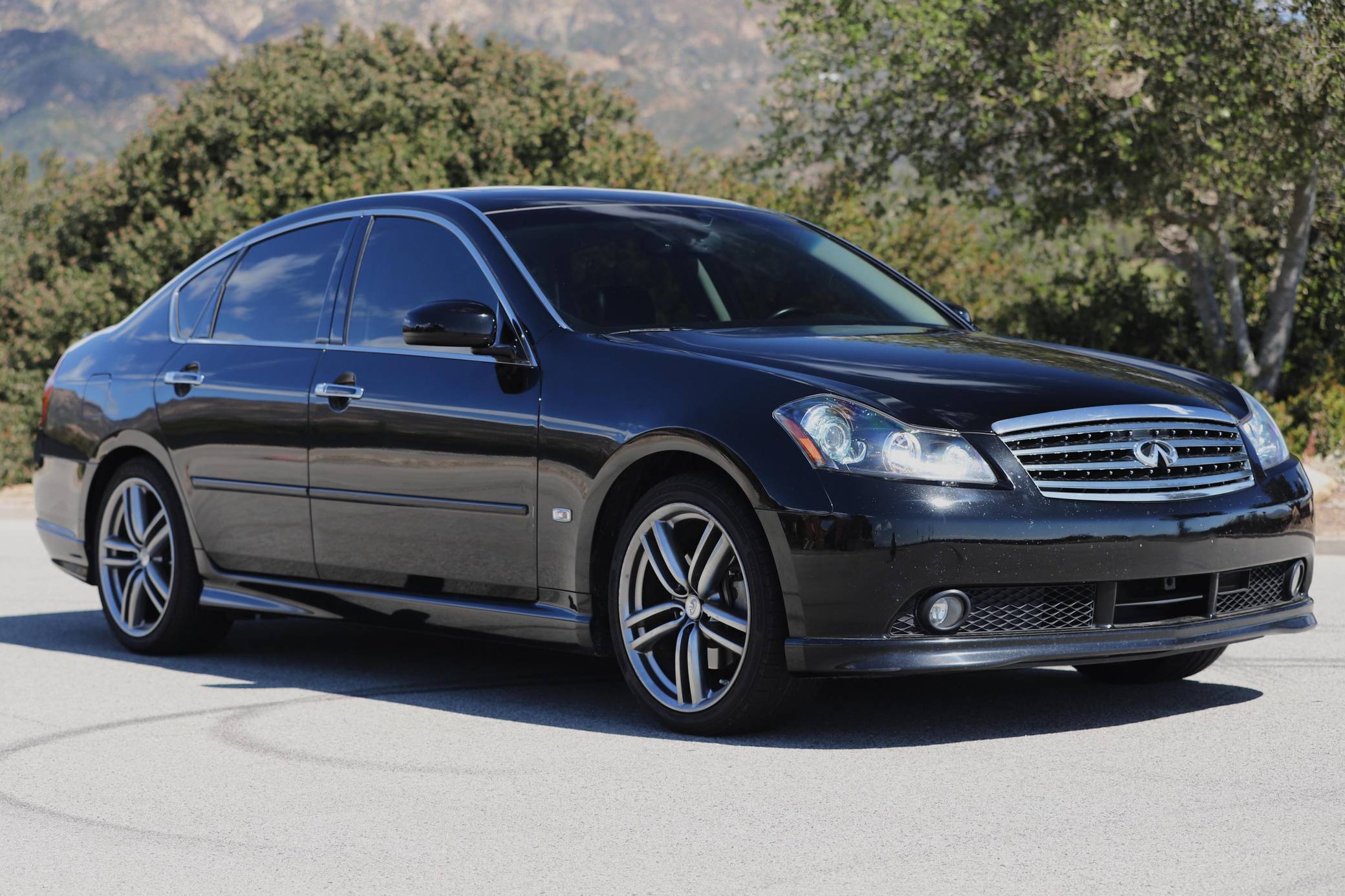
2. Infiniti M45 (Third Generation)
The Infiniti M45, particularly from its third generation (roughly 2006 to 2010), is a rare luxury sedan that blends performance with a relatively manageable cost of ownership.
While Infiniti itself is a respected luxury brand, the M45’s rarity stems from its niche positioning between more popular competitors and the limited sales it achieved, especially compared to other luxury sedans. The car boasts a strong V8 engine paired with a well-built chassis, offering a sportier driving experience while maintaining reliability.
What sets the Infiniti M45 apart in terms of repair costs is its use of shared technology and components with Nissan models, which tends to lower parts prices and ease repairs.
Many mechanical parts, including the drivetrain and suspension components, are less exotic than those found in European flagship models.
This helps reduce the cost of replacing worn components or performing major repairs. Furthermore, Infiniti’s reputation for durability means fewer unexpected failures and lower labor times for common repairs.
The M45’s electronic systems, while modern for its time, avoid overcomplication, meaning that troubleshooting and fixing electrical issues is generally less time-consuming and less expensive than in some flagship luxury sedans.
The balance of performance, relative rarity, and affordable repairs has earned the M45 a niche following among enthusiasts seeking a powerful yet affordable luxury sedan.
In addition to reliability, the M45 benefits from a strong aftermarket and enthusiast community that helps owners maintain their vehicles with aftermarket parts and shared knowledge.
This availability of resources further contributes to lower repair costs, making the Infiniti M45 a rare but practical luxury sedan for those looking for V8 power and reduced maintenance headaches.
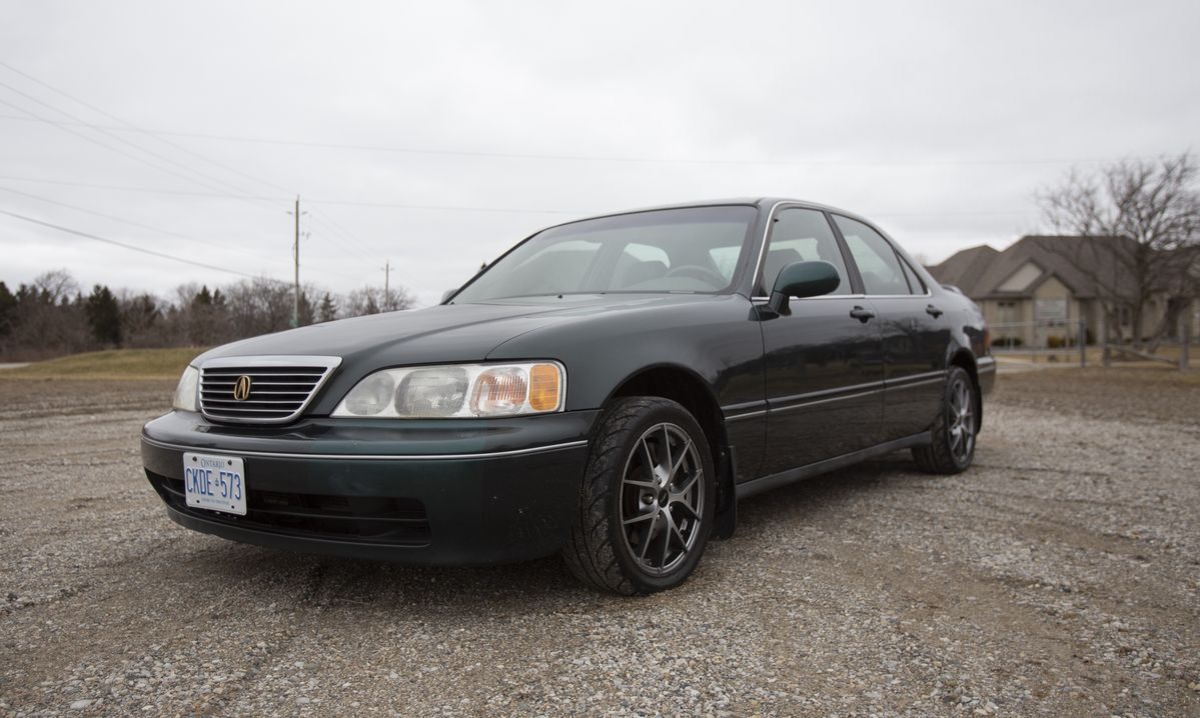
3. Acura RL (Second Generation)
The second-generation Acura RL (circa 2005 to 2012) is another rare luxury sedan that combines Japanese engineering with reasonable repair expenses.
Often overlooked due to Acura’s more popular models like the TL and MDX, the RL offers a refined, technologically advanced sedan with a focus on reliability and durability. Despite its rarity, especially in the used luxury market, the RL’s parts and service costs remain relatively low.
The RL is powered by a naturally aspirated V6 engine and equipped with Acura’s renowned SH-AWD system, providing excellent handling without the extreme complexity seen in some flagship vehicles.
The drivetrain is well-built and reliable, avoiding common issues related to forced induction or highly complex transmissions. This results in fewer costly repairs and less frequent maintenance needs.
Acura’s approach to luxury prioritizes reliability and longevity, which is evident in the RL’s build quality. While the car features some advanced electronics, they are generally well-integrated and less prone to failure than in some of the flagship European competitors. This translates into fewer electrical repairs and lower diagnostic costs, an important factor in repair bills.
Finally, the second-generation RL’s relative rarity adds to its appeal as a unique luxury sedan without the price penalties of flagship models.
Maintenance costs are further lowered by the vehicle’s shared platforms with Honda, providing access to widely available and affordable parts. For owners seeking a rare luxury sedan with a strong reputation for reliability and moderate repair costs, the Acura RL is a compelling choice.
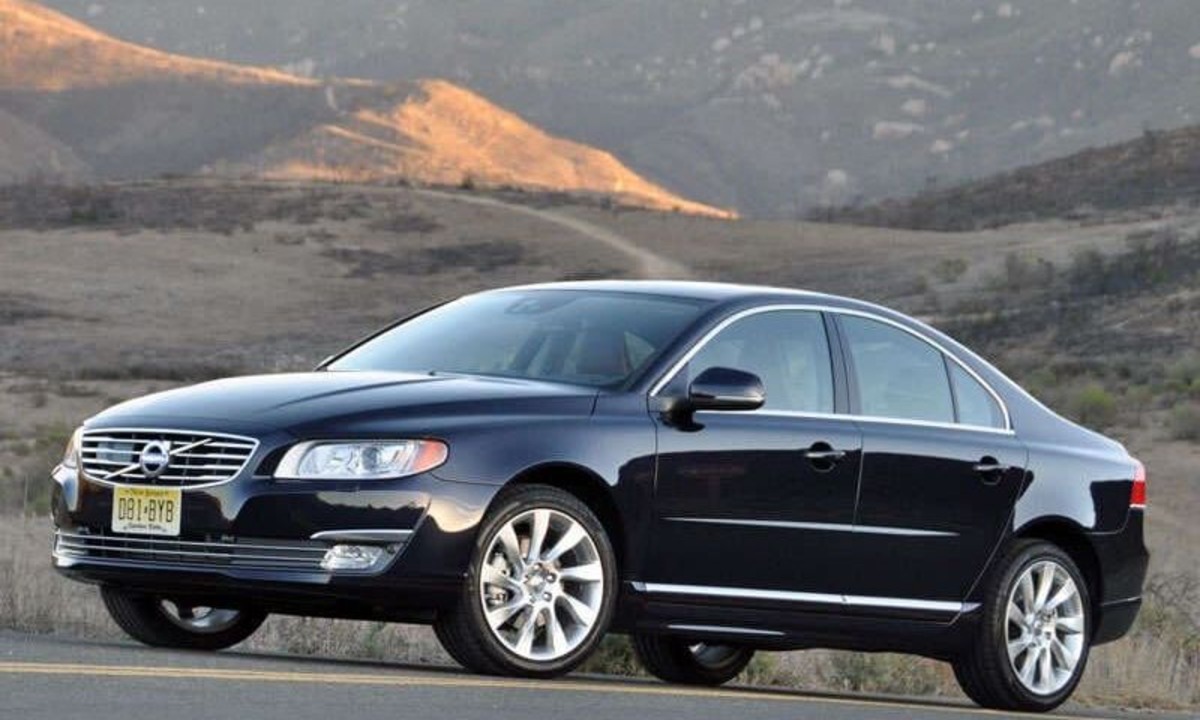
4. Volvo S80 (Second Generation)
The second-generation Volvo S80 (produced from 2006 to 2016) is a rare luxury sedan that prioritizes safety, comfort, and understated luxury.
While Volvo is generally known for its emphasis on safety and durability, the S80 has remained somewhat rare outside of Europe and North America, especially in higher trims. Its unique blend of Scandinavian design, solid engineering, and a focus on simplicity helps keep repair costs lower than many flagship sedans.
Volvo’s engineering philosophy favors durable components and straightforward mechanical designs, which reduces the likelihood of frequent breakdowns or expensive repairs.
The S80’s engines, particularly the inline-6 and turbocharged inline-5 options, are known for their longevity and relatively easy maintenance. Compared to flagship sedans with complex turbocharged V8s or hybrid drivetrains, the S80’s powertrains are less costly to maintain.
The car’s suspension setup also favors reliability, with traditional springs and dampers instead of advanced air suspension systems, which can be notoriously expensive to repair. Volvo’s reputation for over-engineering safety features means many components are designed to last, even if repairs can occasionally be specialized, the frequency of such repairs is low.
Parts for the S80 are reasonably available due to Volvo’s consistent presence in the luxury market, and many repair shops are familiar with the brand’s engineering.
This contributes to a practical ownership experience that balances rarity and luxury with manageable repair expenses. For those seeking a luxury sedan with distinct styling and safety focus, the Volvo S80 stands out as a rare choice that keeps maintenance costs under control.
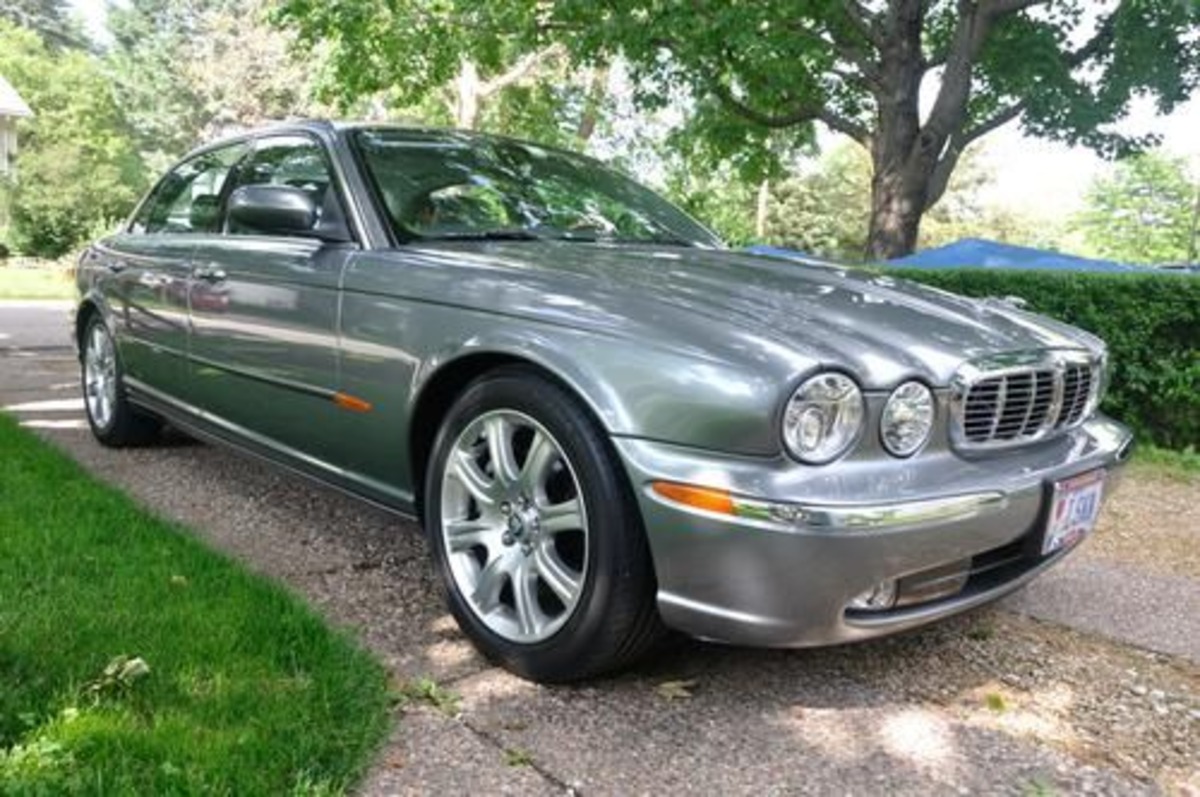
5. Jaguar XJ (X350 Generation)
The Jaguar XJ from the X350 generation (produced between 2003 and 2009) is often seen as a rare and elegant British luxury sedan.
Despite its reputation for being somewhat problematic in terms of reliability compared to Japanese or German brands, the X350 offers a unique blend of classic luxury and low repair costs relative to other flagship models of its era, particularly when well maintained.
The X350’s aluminum monocoque body construction was groundbreaking at the time, reducing weight and improving performance.
While this may seem like a complex feature, it actually contributed to lower wear on suspension and drivetrain components, meaning fewer mechanical repairs. Its powertrains, particularly the naturally aspirated V8 engines, are relatively simple and robust, reducing the frequency and cost of repairs.
Electronic systems on the X350, though sophisticated, are less complicated than those found on newer flagship models, with fewer sensors and control units.
This makes diagnosing and repairing electrical issues less expensive, provided the vehicle is well cared for. Jaguar’s parts, while sometimes considered pricey, tend to be durable, meaning fewer replacements over time.
The rarity of the X350 also means it is prized by enthusiasts who often invest in preventive maintenance, which helps keep major repair bills low. The availability of independent specialists who focus on Jaguar models further reduces costs compared to dealership-only repairs. As a result, the X350 is a rare luxury sedan with surprisingly manageable repair costs for its class.
5 Flagship Models With High Bills
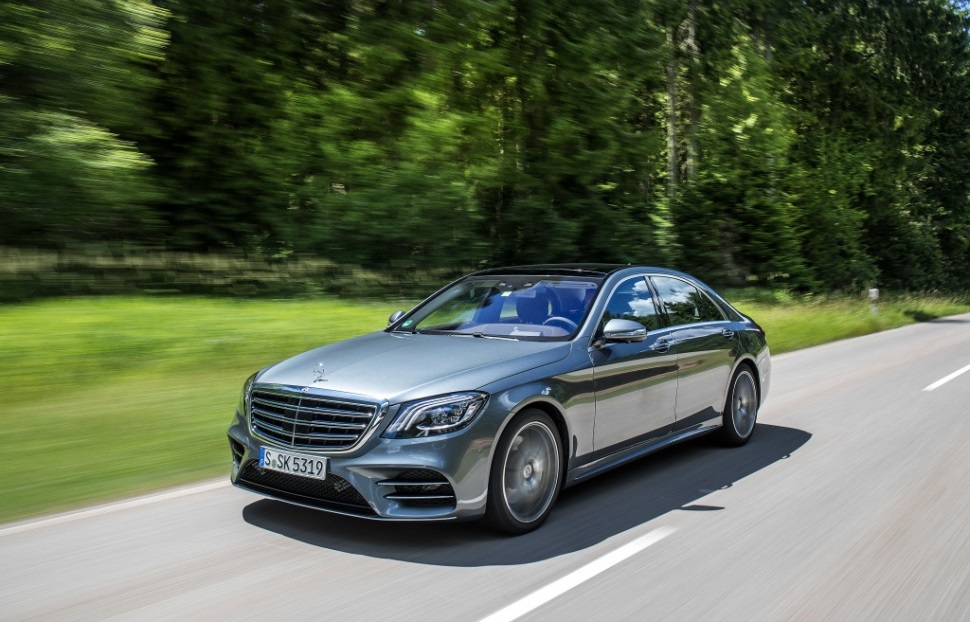
1. Mercedes-Benz S-Class (W222 Generation)
The Mercedes-Benz S-Class, particularly the W222 generation produced from 2013 to 2020, is widely regarded as the pinnacle of luxury sedans. It offers an impressive array of technology, comfort features, and powerful engines. However, this sophistication comes at a steep price when it comes to repair and maintenance costs.
The W222 introduced numerous advanced systems including the latest active safety technologies, air suspension with multiple adjustable modes, and complex infotainment systems.
These features require highly specialized diagnostic equipment and skilled technicians, often resulting in labor-intensive repairs that drive up costs. The air suspension system, while providing outstanding ride quality, is notorious for costly failures and replacements.
Engines in the W222, including the turbocharged V8s and hybrid variants, incorporate advanced technology such as direct injection and variable valve timing.
Repairs on these engines can be expensive, with many components being proprietary and requiring factory-level parts. Additionally, the use of aluminum and other lightweight materials in the chassis and body panels means parts replacements tend to be pricier.
Electronics in the W222 are extensive, with hundreds of sensors and control units managing everything from adaptive cruise control to night vision systems.
When issues arise, pinpointing and fixing them can be both time-consuming and costly. Parts are often only available through authorized dealerships, further increasing repair expenses. As a flagship sedan representing the best Mercedes-Benz can offer, the W222’s high repair costs are an expected trade-off for its technological and comfort advantages.
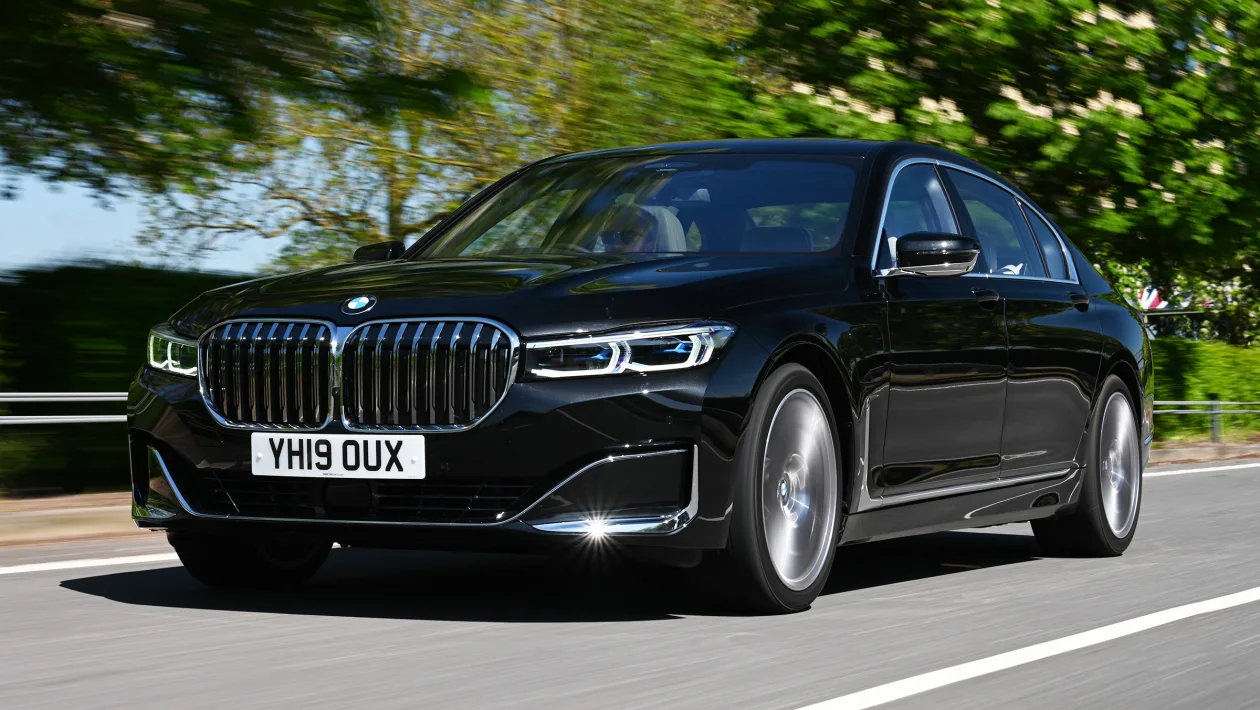
2. BMW 7 Series (G11 Generation)
The BMW 7 Series, especially the G11 generation launched around 2015, is a flagship sedan that combines performance and technology in a highly sophisticated package. Its cutting-edge features and complex engineering contribute to very high repair costs, placing it firmly in the expensive ownership category.
The G11’s extensive use of carbon fiber reinforced plastic in its chassis was a major innovation designed to reduce weight and improve driving dynamics. While beneficial for performance, this material is expensive to repair or replace after accidents or damage, significantly increasing body repair bills.
This generation of the 7 Series also features an air suspension system with multiple modes, similar to the S-Class, that can be prone to expensive failures.
The car’s engines, ranging from inline-six turbos to V12s, are highly tuned and include sophisticated emissions control systems and turbocharging technology. Repairing or rebuilding these engines is costly due to the complexity and high-performance nature.
The interior electronics are equally advanced, with gesture controls, extensive driver assistance systems, and multiple displays. These complex systems require expert diagnostics and frequently involve replacing expensive control modules.
Additionally, many components are only available from BMW dealerships, which adds to the high labor and parts costs. The G11 7 Series’ status as a flagship sedan ensures that owners must be prepared for substantial repair expenses to maintain its premium condition.
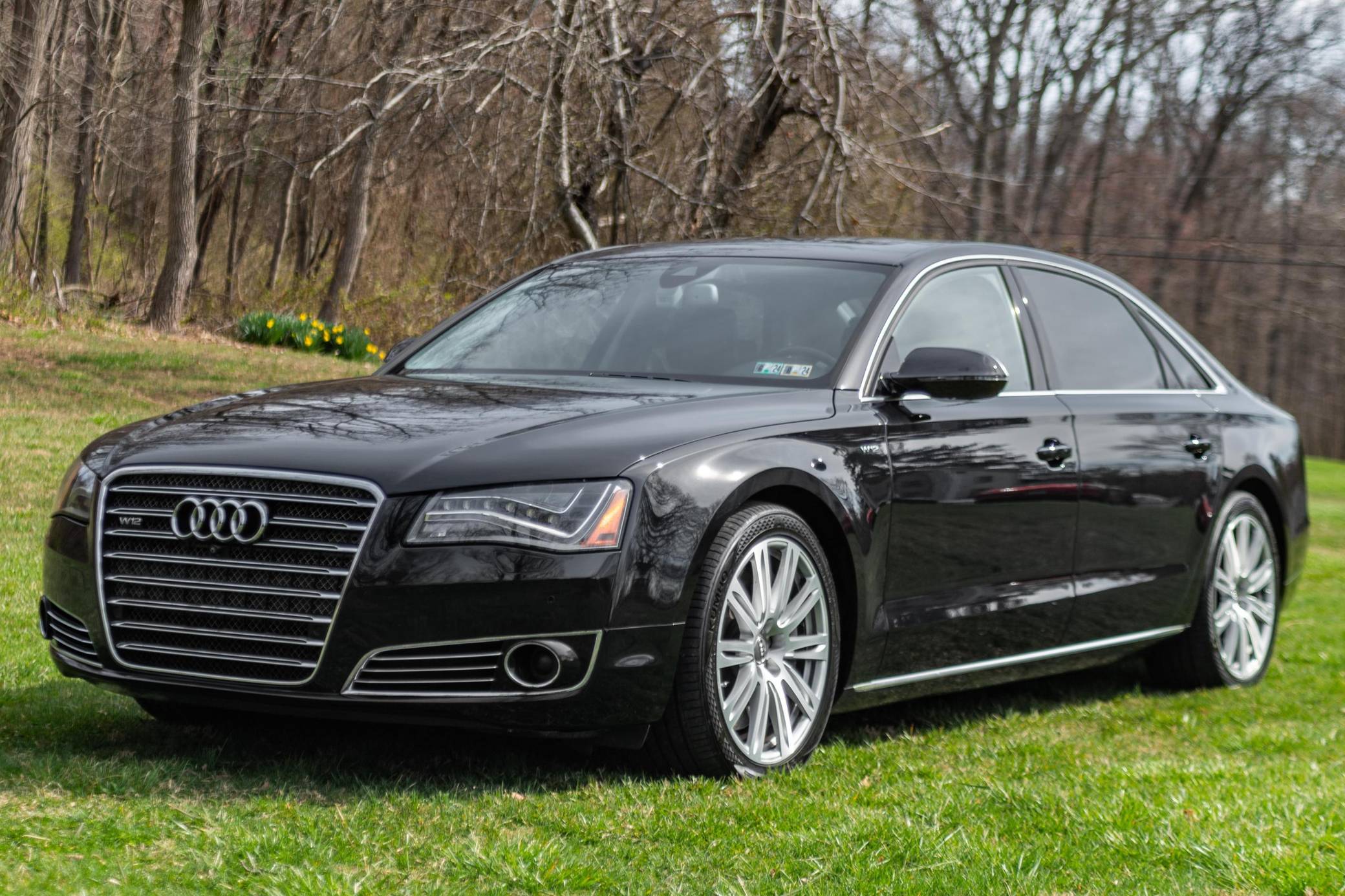
3. Audi A8 (D5 Generation)
The Audi A8, particularly the D5 generation introduced around 2018, is Audi’s flagship luxury sedan and features a wealth of advanced technology, quattro all-wheel drive, and refined styling. Its high repair costs reflect the complexity and exclusivity of the model.
The D5 A8 includes a sophisticated air suspension system with adaptive damping, which offers an exceptional ride but can be expensive to service or replace when components wear out. Additionally, the car incorporates laser headlights, an advanced but costly lighting technology prone to expensive repairs or replacements after damage.
Audi’s engines in the D5 range from V6 to W12 configurations, many equipped with turbocharging and advanced emissions systems. These engines require precise maintenance and repair, often involving high labor times and expensive parts. The use of lightweight aluminum in the chassis and body panels also drives up repair costs.
Electronics in the A8 are highly integrated, with multiple driver assistance and infotainment systems controlled by various modules throughout the car. Diagnosing and repairing issues with these systems can be difficult and costly.
Furthermore, many parts are specific to Audi’s premium offerings and are only available through authorized dealers, adding to ownership expenses. The D5 A8 is a true flagship sedan whose maintenance and repair bills reflect its top-tier luxury status.
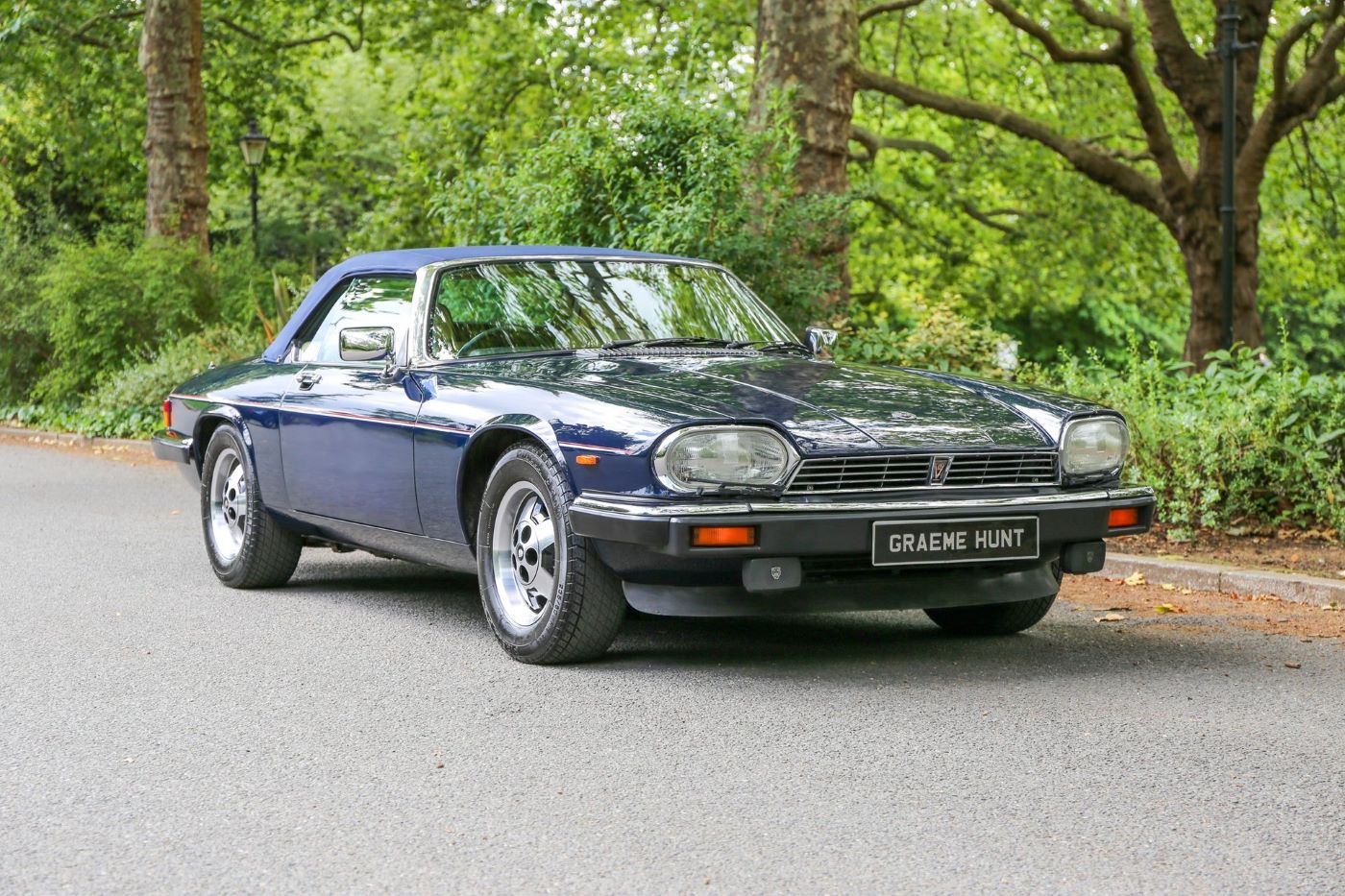
4. Jaguar XJ (X351 Generation)
The Jaguar XJ from the X351 generation (produced from around 2010 to 2019) represents the British brand’s attempt to compete with German flagships in the luxury sedan segment. While it delivers striking design and advanced technology, it comes with a reputation for high repair and maintenance costs.
The X351 features an aluminum-intensive chassis and body construction, similar to its predecessor, which makes structural repairs expensive. Additionally, the car is equipped with air suspension, adaptive cruise control, and a suite of electronic driver aids that increase the complexity and cost of repairs.
Engines available in the X351 include supercharged V6 and V8 units with advanced fuel injection and emissions systems. These powertrains, while offering excellent performance, can be costly to service, especially when components like the supercharger or fuel system require attention.
Jaguar’s electronics in the X351 are comprehensive but have historically been prone to glitches and failures, often requiring dealer-level diagnostics and repairs.
The brand’s parts pricing and limited independent servicing options also contribute to high ownership costs. For buyers attracted to the X351’s design and heritage, the trade-off comes in the form of significant repair bills.
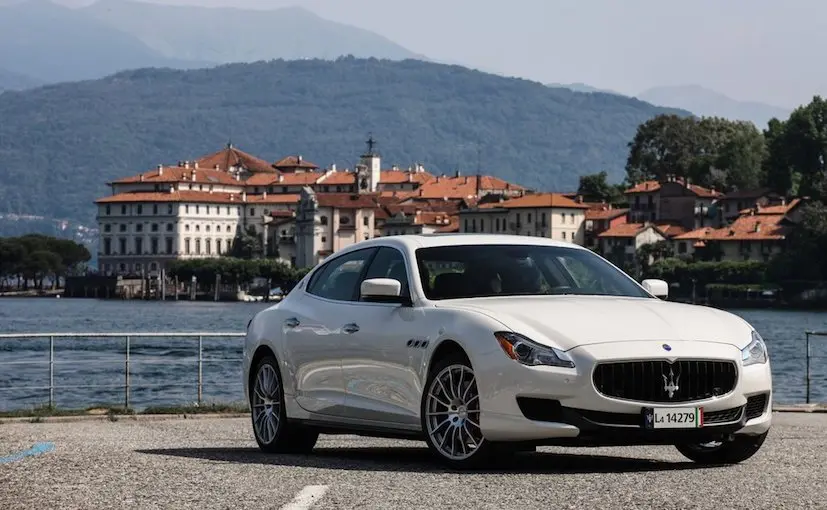
5. Maserati Quattroporte (Sixth Generation)
The Maserati Quattroporte, sixth generation (produced from 2013 onwards), is a luxury sedan that emphasizes Italian style, performance, and exclusivity. It stands apart for its rarity and exotic appeal but is also notorious for very high repair and maintenance expenses.
The Quattroporte’s engines are Ferrari-derived V6 and V8 units, featuring complex components and high-performance engineering. While these engines offer thrilling power delivery, they are expensive to maintain, with costs for parts and labor often far exceeding those of more mainstream luxury sedans.
The suspension system includes advanced adaptive setups that can be prone to expensive repairs, and the car’s use of exotic materials in the interior and chassis adds to the cost. Maserati’s electronics, while advanced, lack the refinement of some German competitors and may require more frequent repairs.
Parts availability for Maserati is limited compared to larger luxury brands, meaning that repair times can be longer and parts costs higher. The rarity of the Quattroporte adds to its charm but also its maintenance challenges. Ownership of a Quattroporte is often a labor of love that demands a significant financial commitment beyond the purchase price.
Also Read: 10 Best Used Diesel Pickups That Go 300,000 Miles Or More
Owning a luxury sedan is often a dream for many drivers who appreciate the blend of comfort, style, and advanced technology. Yet, this dream can come with a price tag that extends well beyond the initial purchase, especially when it comes to maintenance and repair costs.
Throughout this comparison of rare luxury sedans with low repair costs and flagship luxury sedans with high bills, it has become evident that these two categories offer very different ownership experiences.
The choice between them depends largely on what the owner values most, whether it is exclusivity and manageable upkeep or cutting-edge innovation and prestige, regardless of cost.
Rare luxury sedans like the Lexus GS, Infiniti M45, Acura RL, Volvo S80, and Jaguar XJ (X350 generation) demonstrate that it is possible to enjoy exclusivity without facing exorbitant repair expenses. These vehicles typically emphasize robust mechanical design, less complex electronic systems, and the use of parts that are more accessible and affordable.
They often benefit from the engineering philosophies of reliability and simplicity, which translate to fewer breakdowns, lower labor costs, and less frequent replacements. Their rarity adds a unique character without necessarily driving up the long-term costs of ownership, making them excellent choices for buyers who want something special yet practical.
These rare models often share components with other vehicles, have less aggressive powertrains, and avoid the most advanced suspension and safety systems that tend to increase repair complexity.
The resulting ownership costs are generally lower, and while these cars might not have every cutting-edge feature found in flagship models, they still offer a level of refinement and performance that satisfies many luxury buyers.
For those who appreciate driving a less common car but want to avoid the headaches of frequent and expensive repairs, rare luxury sedans present a balanced option.
On the other side of the spectrum are flagship luxury sedans like the Mercedes-Benz S-Class (W222), BMW 7 Series (G11), Audi A8 (D5), Jaguar XJ (X351), and Maserati Quattroporte (sixth generation). These vehicles embody the height of automotive innovation and luxury, offering technology and craftsmanship that often set benchmarks for the industry.
However, their complexity is a double-edged sword. The advanced electronics, air suspension systems, lightweight materials, and high-performance powertrains that make these cars so desirable also contribute to costly repairs and specialized maintenance requirements.
Flagship sedans tend to require dealer-specific tools, expensive parts, and highly trained technicians. Even routine maintenance can be more involved and pricey due to the intricacies of these cars.
For many owners, these higher repair bills are accepted as the price for the latest technology, brand prestige, and unparalleled comfort. However, they do add a significant financial layer that must be factored into the decision to own such vehicles.
The decision between rare luxury sedans with low repair costs and flagship models with high bills comes down to individual priorities. Buyers who value innovation, performance, and status may lean toward flagship sedans and be willing to bear the higher maintenance costs.
Meanwhile, those who prioritize reliability, exclusivity, and lower ongoing expenses might find rare luxury sedans more appealing. Understanding these differences can help prospective owners align their purchase with both their lifestyle and budget.
The luxury sedan market offers a diverse range of choices, each with its own set of strengths and challenges. Recognizing how repair and maintenance costs vary between models is essential for making a well-informed investment.
Whether opting for a rare gem with a reputation for durability or a flagship masterpiece with every luxury feature imaginable, the key is to appreciate the trade-offs involved. This knowledge empowers buyers to enjoy their luxury sedan with confidence, knowing that their choice fits both their desires and practical needs.
