
When people talk about pickup trucks, they usually mention the same names over and over again: Ford, Chevrolet, Toyota, Ram, and Nissan. These brands dominate conversations and sales charts, often being seen as the reliable workhorses of the automotive world.
However, many truck enthusiasts and owners know that reputation doesn’t always match reality. Some of the most durable and hard-working trucks are built by lesser-known manufacturers that don’t have the marketing power or brand recognition of the industry giants.
At the same time, several popular trucks with flashy features and strong sales numbers have proven to be more trouble than they’re worth, plagued by mechanical issues, poor build quality, or substandard reliability.
This article compares five obscure pickup truck brands known for exceptional durability with five famous truck models that have earned a reputation for being nightmares to own.
The focus is on practical, real-world performance over the long haul how well the truck handles heavy workloads, how often it breaks down, how easy it is to maintain, and how long it tends to last without major issues.
It’s not about horsepower stats or how shiny the dashboard looks. This is about real durability and user satisfaction from those who rely on their trucks for work and life.
Obscure brands often fly under the radar because they don’t market heavily, and their trucks may only be available in certain regions or countries. Yet, these hidden gems often surprise drivers with their build quality, reliability, and value for money.
On the other hand, some of the most celebrated trucks from big-name companies have ended up disappointing buyers due to recurring transmission problems, rusting frames, electrical faults, and costly recalls. Brand loyalty and popularity don’t always mean a product is truly dependable.
So whether you’re considering your next truck purchase or simply interested in how different brands stack up, this comparison offers a fresh take on what makes a good pickup truck and what makes a bad one. It’s a closer look at trucks that deserve more recognition and others that may not deserve the hype they get.
Also Read: Top 10 Cars With Zero Factory Recalls Over The Years
5 Obscure Pickup Brands With Durable Trucks
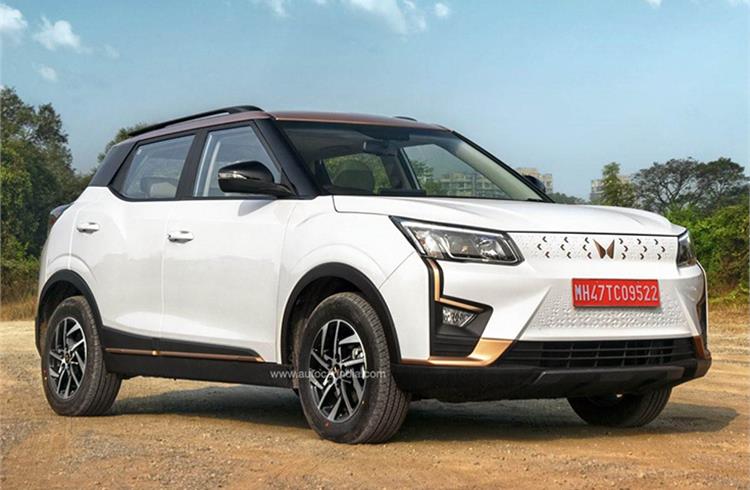
1. Mahindra (India)
Mahindra may not be a familiar name to most North American truck buyers, but it’s a brand that has been quietly building durable, no-nonsense trucks for decades. The company’s roots go back to military vehicle production, which heavily influenced the rugged nature of their pickup designs.
Trucks like the Mahindra Bolero and Scorpio Pickup have been praised in rural areas of India and Africa for their ability to handle rough terrain, overloaded beds, and poor road conditions without breaking down.
These vehicles are built more for function than form, with sturdy suspension systems and simple engines that can take abuse without complex repairs.
Another major factor in Mahindra’s durability is its commitment to simplicity. Unlike many modern trucks that rely on complex electronics and sensor-based systems, Mahindra pickups often use old-school mechanical engineering.
This makes them easier to repair in remote areas where mechanics may not have access to advanced tools or diagnostic scanners. Basic diesel engines and manual transmissions also contribute to their longevity, with fewer moving parts and lower chances of failure.
These trucks may not win style points, but they’ve gained trust in regions where reliability is more important than luxury. Farmers, tradesmen, and even some small military outfits have come to rely on Mahindra pickups because of their endurance and affordability.
Mahindra’s trucks are not flashy, but they’re consistent and dependable. They often come with features that prioritize practicality, such as large cargo beds, reinforced chassis, and high ground clearance. In countries where fuel quality is questionable and service centers are few, Mahindra trucks keep moving when others fail. That speaks volumes about their build quality.
Mahindra has tried to enter the North American market in the past, but legal issues and distribution challenges held them back. Still, the brand’s reputation in other parts of the world is solid.
People who own these trucks tend to keep them for many years, and their resale value often remains high in rural markets. It’s one of the best examples of how a truck doesn’t need mainstream recognition to earn respect.
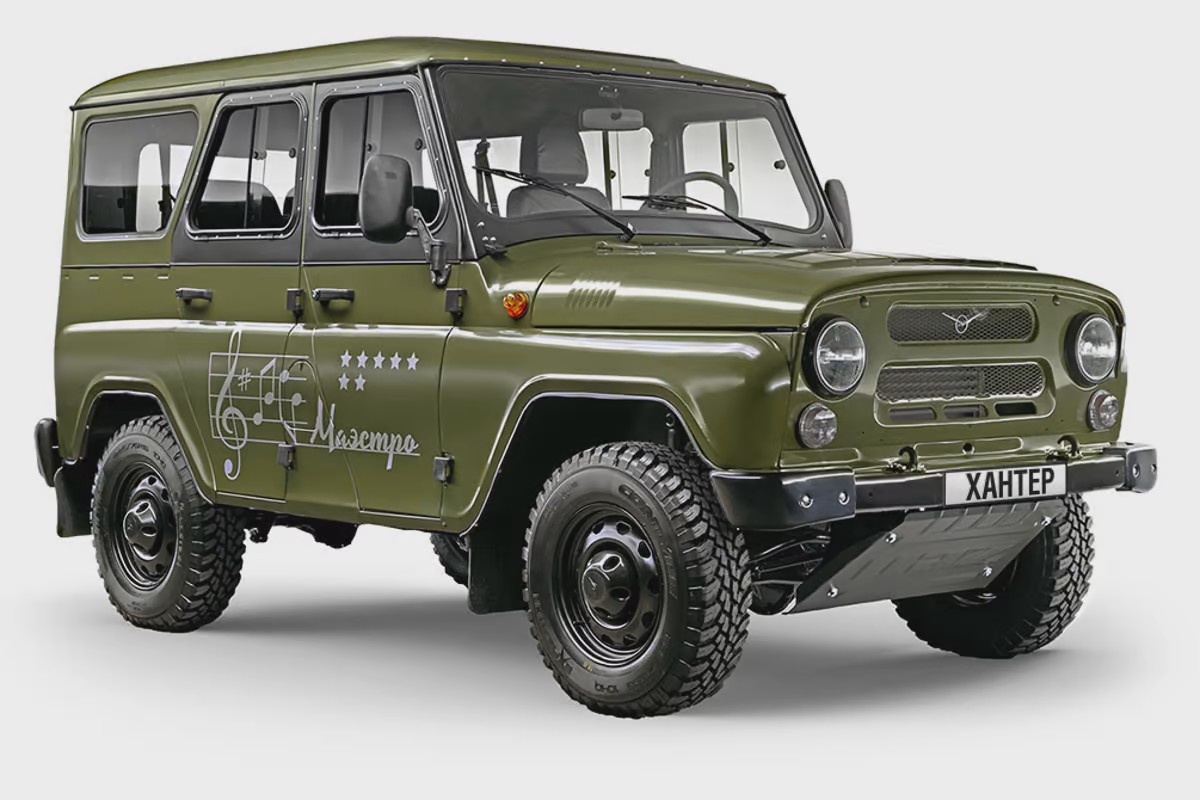
2. UAZ (Russia)
UAZ is a Russian manufacturer known for producing vehicles that are as tough as the conditions they operate in. The UAZ Pickup is not a truck that turns heads on the highway, but it performs exceptionally well where it really matters, in rugged, off-road, or rural environments where durability is more important than comfort.
These trucks are often used in Siberia, Central Asia, and other regions where winter lasts half the year and road maintenance is rare. UAZ vehicles are not refined, but they are built with brute strength and basic mechanics that can be fixed with a wrench and determination.
The UAZ Pickup shares components with the brand’s well-known off-road vehicle, the UAZ Hunter, a direct descendant of a Soviet-era military 4×4. This history gives the truck serious off-road capabilities and a platform designed to survive harsh use.
Owners often praise the truck’s strong steel frame, high-clearance suspension, and thick metal body panels that hold up to both weather and impact. These trucks don’t feature soft-touch dashboards or cutting-edge infotainment, but they do include locking differentials, solid axles, and underbody protection.
Another strength of the UAZ Pickup is its adaptability. Mechanics often comment on how easy it is to modify or repair these trucks, with widely available spare parts and straightforward systems.
Many fleet operators use UAZ trucks for deliveries in difficult regions, and the military uses them for light-duty transport. The cost of ownership is kept low because there are fewer things that can go wrong, and most fixes can be done without a dealership or specialized service center.
While UAZ pickups have never been sold in Western markets in significant numbers, they’ve made an impression on overland travelers and off-grid explorers.
Their combination of toughness, low maintenance requirements, and simplicity makes them an ideal companion for people who value reliability over luxury. These trucks may be crude, but they’ve proven themselves year after year in some of the most demanding driving conditions on Earth.
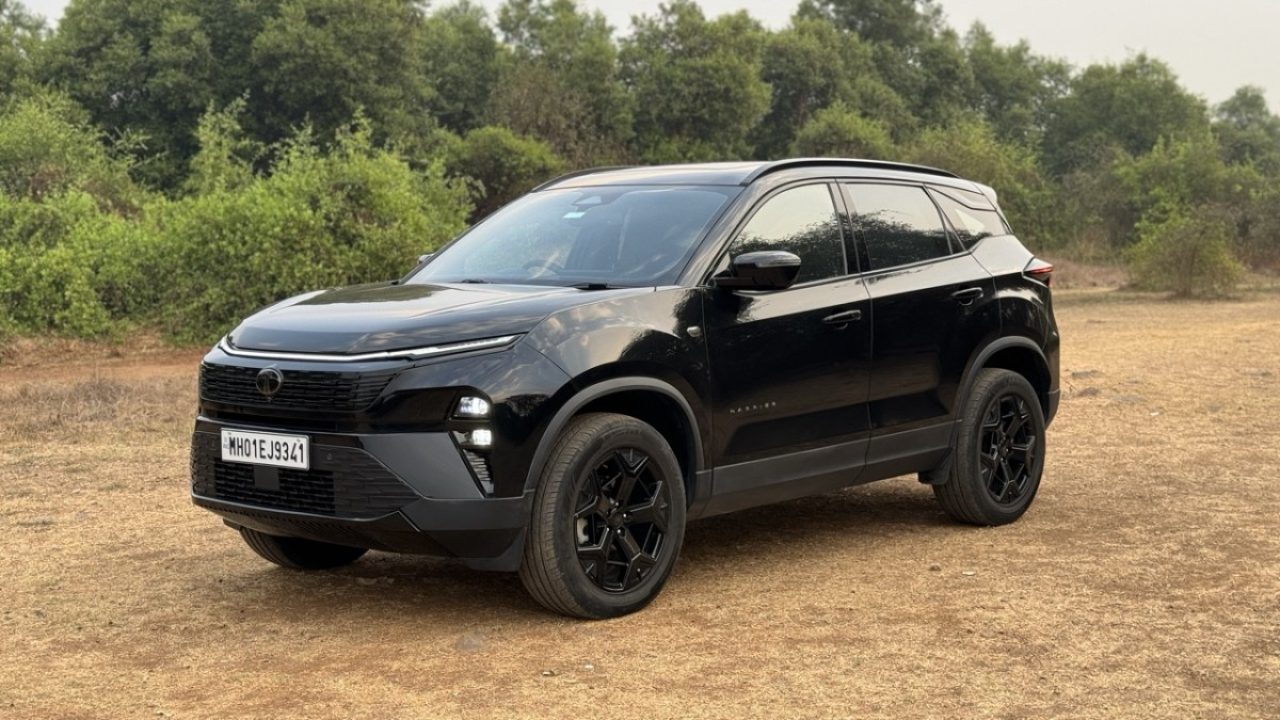
3. TATA Motors (India)
TATA Motors is better known for its small cars and commercial vehicles, but their pickups are unsung workhorses in developing markets. The TATA Xenon and TATA Yodha are two models that have gained a reputation for being extremely durable and easy to maintain.
These trucks are used in everything from construction and mining to long-haul transport and agricultural work. They’re not flashy or powerful, but they get the job done with a minimum of fuss, and they rarely break down under stress.
A key advantage of TATA pickups is their utilitarian design. The trucks are often built with simplicity in mind, manual transmissions, naturally aspirated diesel engines, and mechanical components that don’t rely heavily on computer controls.
This makes them especially suited for regions with unreliable fuel quality and limited access to skilled mechanics. Owners can often repair these trucks themselves or take them to small-town garages, keeping long-term maintenance costs low.
TATA’s trucks also have surprisingly good payload capacity and structural strength for their price range. Farmers in India and neighboring countries use them to haul crops, livestock, and tools across punishing terrain.
Urban operators use them for logistics in crowded cities where constant wear and tear would break down less rugged vehicles. The TATA Yodha, in particular, has gained traction in fleet use because of its robust construction and reliable drivetrain.
The biggest downside for TATA trucks is their lack of refinement and comfort. Compared to major brands, the ride quality is rougher, and interior features are basic. But for those looking for a reliable tool rather than a luxury vehicle, TATA pickups often outperform expectations.
They represent another example of a company that builds trucks for real-world conditions rather than showroom appeal. Over time, these vehicles prove their worth through continued service, not flashy marketing.

4. Great Wall (China)
Great Wall Motors, especially through its Steed series of pickups, has slowly built a reputation for tough and affordable trucks. Initially dismissed as cheap copies of Japanese models, Great Wall pickups have improved significantly over the years.
In markets like Australia, South Africa, and parts of Eastern Europe, they are now recognized as budget work trucks that stand up surprisingly well to daily abuse. While they don’t have the finesse of more expensive brands, they have gained a reputation for resilience, especially in commercial and rural settings.
The earlier models of Great Wall pickups were undeniably rough around the edges. Build quality was inconsistent, materials were subpar, and reliability was hit or miss. But newer iterations have improved dramatically.
Underneath the still-basic interiors lie reinforced frames, decent diesel engines, and strong manual transmissions. Owners have reported clocking high mileage with only routine servicing and minor repairs. Their reputation is still mixed, but among budget-conscious users, these trucks are often a go-to choice.
One of the reasons Great Wall has managed to keep costs down while improving durability is its vertical integration. The company manufactures many of its own parts in-house, which reduces dependency on third-party suppliers.
This has helped control quality and streamline logistics. Additionally, Great Wall trucks often include features like four-wheel drive, heavy-duty leaf springs, and decent towing capacity, making them versatile for both urban and rural applications.
Critics still point out flaws, especially in ride comfort and finish, but Great Wall trucks are no longer seen purely as disposable vehicles.
They’ve become a solid alternative for buyers who need a strong truck but can’t justify the high cost of major brand names. The combination of low purchase price, improving reliability, and strong dealer support in some regions makes them a smart, if unglamorous, choice for buyers focused on function over form.
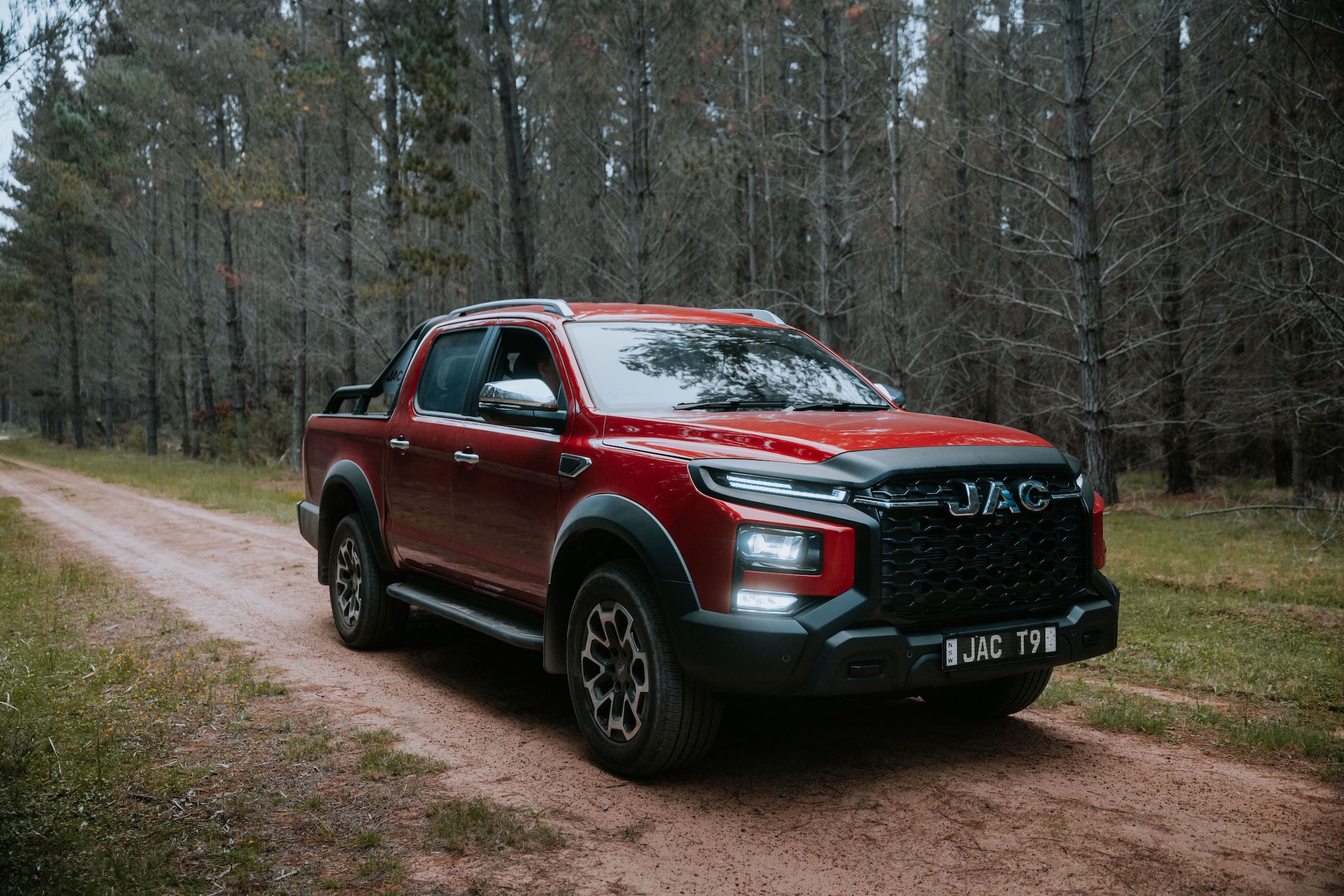
5. JAC Motors (China)
JAC Motors, another Chinese manufacturer, has been making steady progress in building durable trucks that appeal to practical buyers.
The JAC T6 and T8 models have entered various markets and are becoming more common on job sites and farms. While still relatively unknown in most Western countries, JAC has been quietly producing light trucks and pickups for decades, and their recent efforts show marked improvements in quality and longevity.
Like many other obscure brands, JAC emphasizes simplicity and functionality. Their trucks tend to be powered by dependable diesel engines, often developed with help from other manufacturers like Isuzu.
These engines are known for their reliability and low maintenance needs. The suspension systems are typically overbuilt for the class, giving the trucks an edge when used under heavy loads or poor road conditions. This strength has made JAC pickups a favorite among small businesses and service fleets.
JAC also prioritizes affordability. Buyers who need a fleet of trucks often choose JAC because of their lower initial cost and competitive warranty programs in select regions.
Even though the interiors and finish levels aren’t top-tier, the mechanical side is surprisingly solid. Service intervals are long, and the trucks are designed to handle high-mileage use with minimal issues. That kind of dependability is what keeps customers coming back, even without much brand loyalty.
JAC trucks might not offer cutting-edge performance or advanced electronics, but they win where it counts. They’re vehicles that hold up in tough conditions, and they’re backed by manufacturers who understand that reliability sells better than polish in many parts of the world.
While they haven’t yet cracked the mainstream market in North America or Europe, they’re getting closer, and their reputation continues to improve among those who’ve put them to work.
5 Famous Trucks With Nightmares
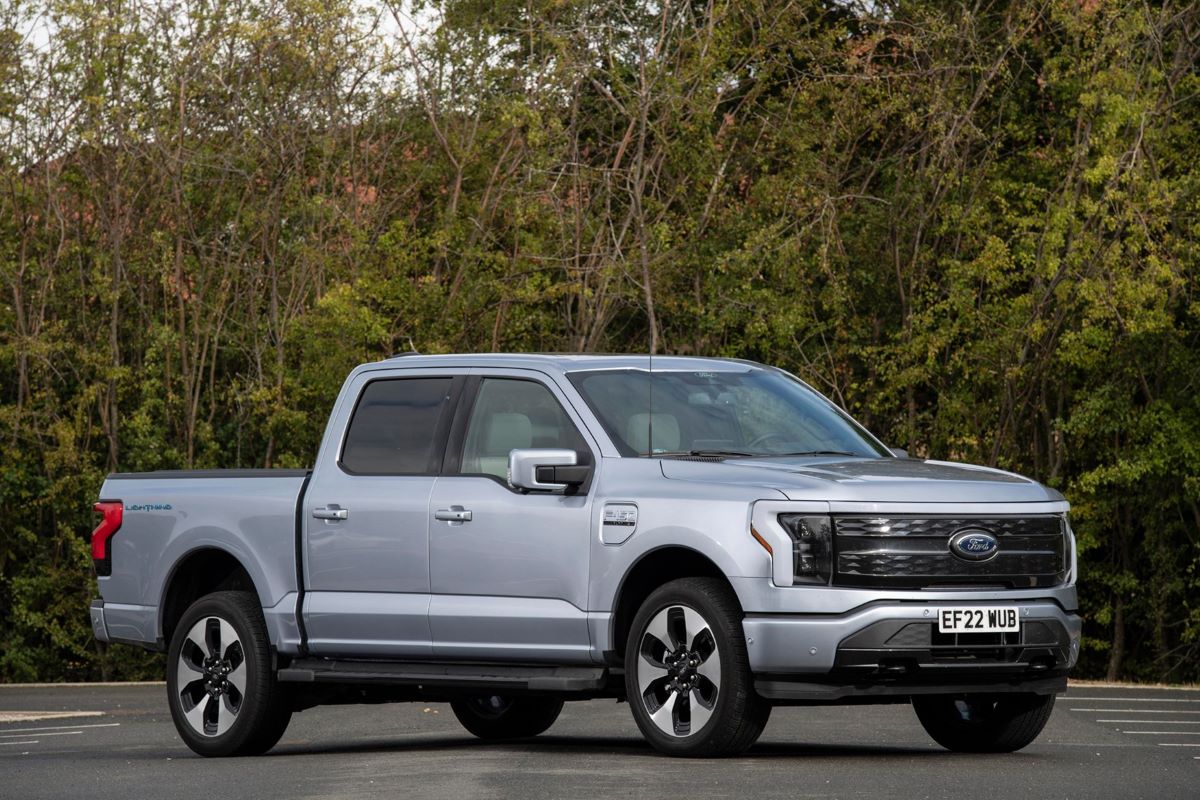
1. Ford F-150 (2004–2008)
The Ford F-150 is often called America’s favorite truck, but not every generation lives up to the praise. The 2004 to 2008 models in particular have become infamous for serious mechanical problems. While these trucks sold in huge numbers, many owners were left dealing with expensive repairs and a general sense of disappointment.
One of the most common complaints centers around the 5.4-liter Triton V8 engine, which suffered from a range of issues, including spark plug failures that could cause serious damage to the cylinder heads.
These spark plugs were notorious for breaking during removal, often leaving part of the plug lodged deep in the engine block. This turned what should have been a routine maintenance job into a multi-hour, high-cost repair. In some cases, owners had to replace entire cylinder heads just to remove broken plugs.
Adding to the frustration, some dealerships refused to cover the problem under warranty, claiming it was due to misuse or poor maintenance. The issue became so widespread that entire guides and toolkits were developed specifically to extract broken F-150 spark plugs.
Another issue with these years of the F-150 was the weak transmission. Many owners reported erratic shifting, clunking sounds, or complete failure at relatively low mileage. Transmission rebuilds or replacements were not uncommon, and in a vehicle that’s supposed to handle hauling and towing, that’s a major red flag.
Rust was another major concern, particularly with the frames. In snowy or coastal areas, the frames would often rust so badly that they became a structural hazard, leading to costly repairs or forced vehicle retirement.
What makes the situation more frustrating is that the F-150 name carries a lot of weight. Buyers often assumed that they were getting the best in durability and performance.
While some model years are indeed excellent, the 2004–2008 generation stained the name for many loyal customers. It serves as a reminder that even the biggest brands can release a lemon, and that popularity doesn’t always mean quality.
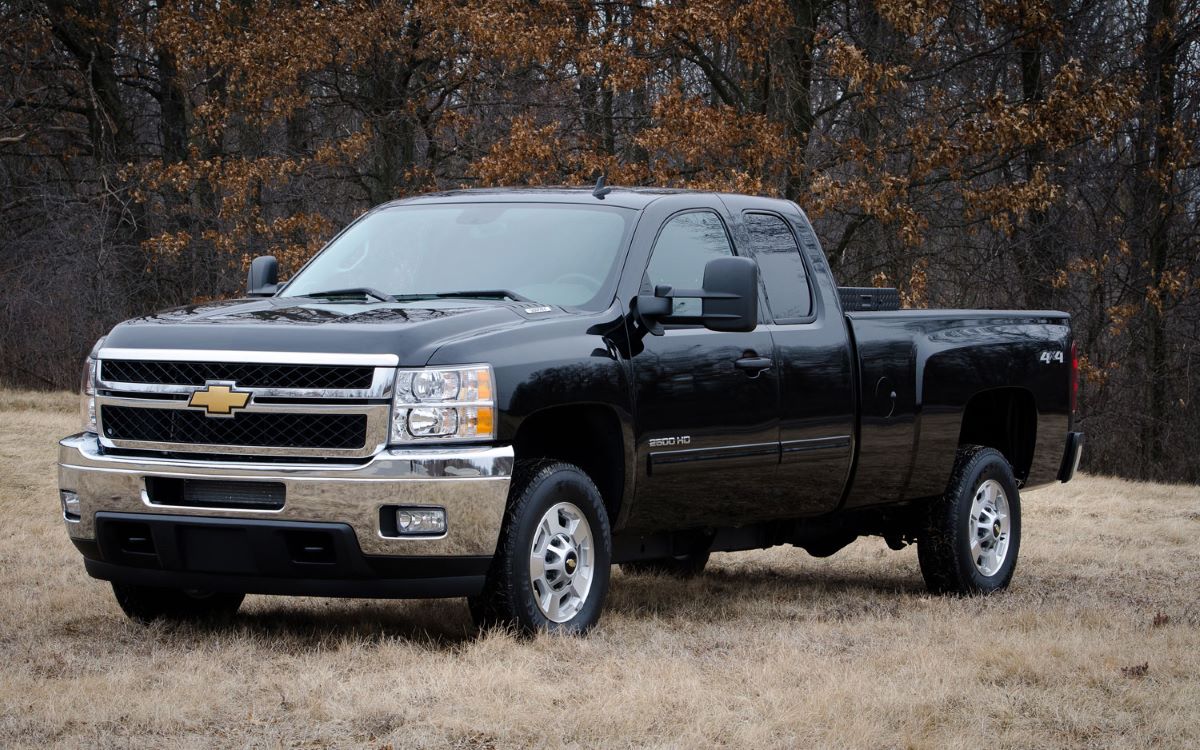
2. Chevrolet Silverado 1500 (2014–2016)
The Chevrolet Silverado 1500 is another staple in the American truck scene, but certain model years have left owners more than a little frustrated. The 2014 to 2016 models, in particular, have been plagued with reliability concerns.
A major complaint was with the truck’s transmission, especially the 8-speed automatic, which suffered from what many described as “shuddering” or “hard shifting.” These issues often began early in the vehicle’s life and only worsened with time, sometimes requiring complete transmission replacement under 100,000 miles.
The problems didn’t stop there. The 5.3-liter EcoTec3 V8 engine found in many of these trucks was also criticized for excessive oil consumption. Some drivers noticed that they were going through a quart or more of oil every 1,000 miles, well beyond acceptable norms.
GM did release software updates and even redesigned some parts to try to fix the problem, but it left many owners with a sour taste. When you spend tens of thousands of dollars on a truck, you expect it to be reliable for more than just a couple of years.
Another weak point of this Silverado generation was its electrical system. Owners reported dashboard malfunctions, flickering instrument panels, power window issues, and infotainment crashes.
These issues might sound minor individually, but when you add them all together, it creates a feeling that the truck wasn’t built with care. For fleet operators or small business owners, this kind of instability can lead to real downtime and lost income.
Despite its reputation and legacy, the 2014–2016 Silverado failed to meet expectations for many. The design and comfort were praised, and the truck looked the part, but under the surface, it was not up to the task for long-term use.
Compared to some of Chevrolet’s more reliable earlier models, this generation represents a misstep that affected owner trust and long-term brand loyalty. It’s a perfect example of how a popular nameplate can produce a product that fails to meet its promise.
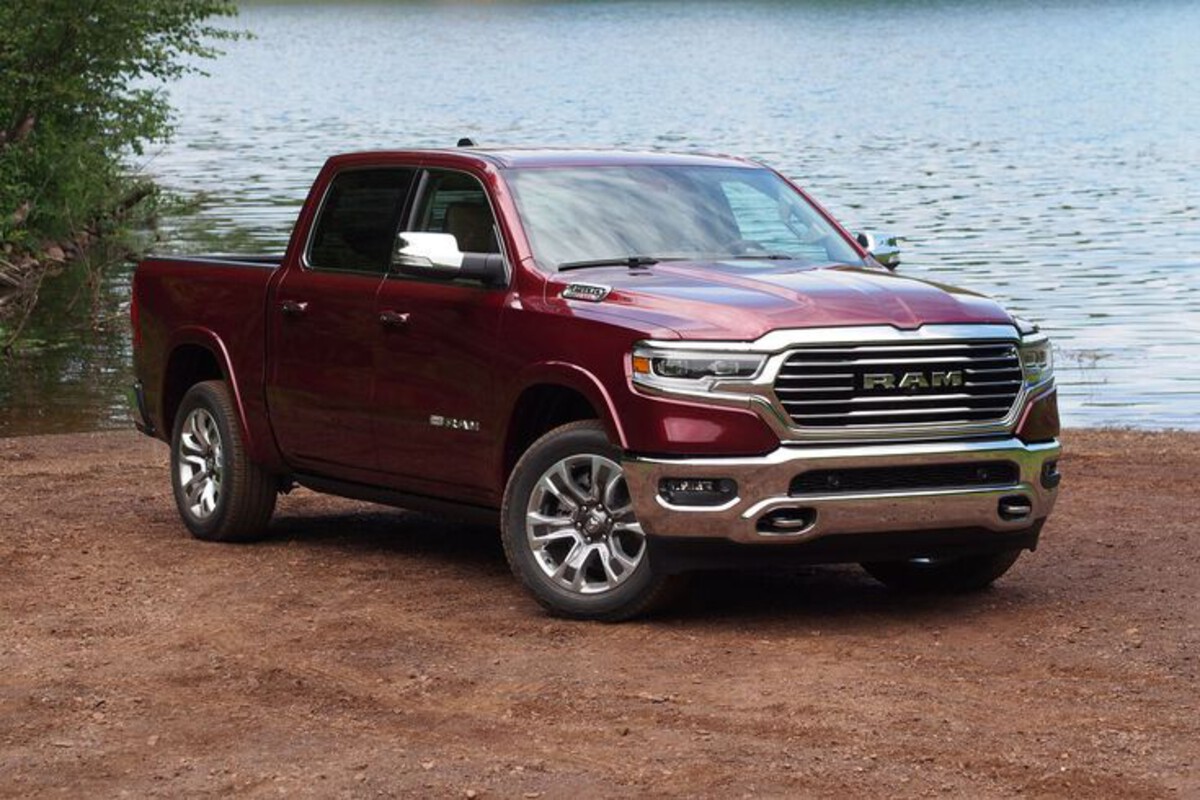
3. Ram 1500 (2012–2014)
The Ram 1500 has long been admired for its bold looks, smooth ride, and powerful HEMI engines. However, the 2012 to 2014 models brought headaches for many owners. One of the biggest problems came from the air suspension system, which was offered as a premium feature.
While it provided an impressively smooth ride and adjustable height settings, it was also prone to failure, especially in cold climates where moisture could freeze inside the lines and destroy components.
Replacing the air suspension system often ran into the thousands, and there were reports of owners abandoning it entirely in favor of traditional coil spring conversions.
On the drivetrain side, some Ram 1500s in this era also suffered from transmission issues. Although Chrysler introduced the 8-speed automatic to much fanfare, many early versions were plagued with rough shifts, delayed engagement, or outright failure.
The electronic shifting knob also confused some drivers and caused safety concerns, with a few well-publicized incidents of rollaways when drivers thought the truck was in park. These design quirks led to a loss of confidence in the model, despite the truck’s otherwise good performance specs.
Engine problems were another thorn in the side of owners. The 5.7-liter HEMI, while powerful, sometimes developed lifter or camshaft issues, especially in trucks that weren’t maintained meticulously.
Owners who expected their trucks to be “set it and forget it” often found themselves dealing with unexpected knocking noises and expensive engine repairs. This sort of mechanical vulnerability undermined the whole point of buying a Ram for its strong engine reputation.
Cosmetic durability was also a weak point. Paint peeling and rust issues, especially on the fenders and bed rails, were too common for comfort. Many buyers felt let down by a truck that was sold as tough and built for work, only to have it show signs of aging far too quickly.
While the Ram brand has improved in later years, these models still serve as a warning that even high-end trims can turn into high-cost headaches.
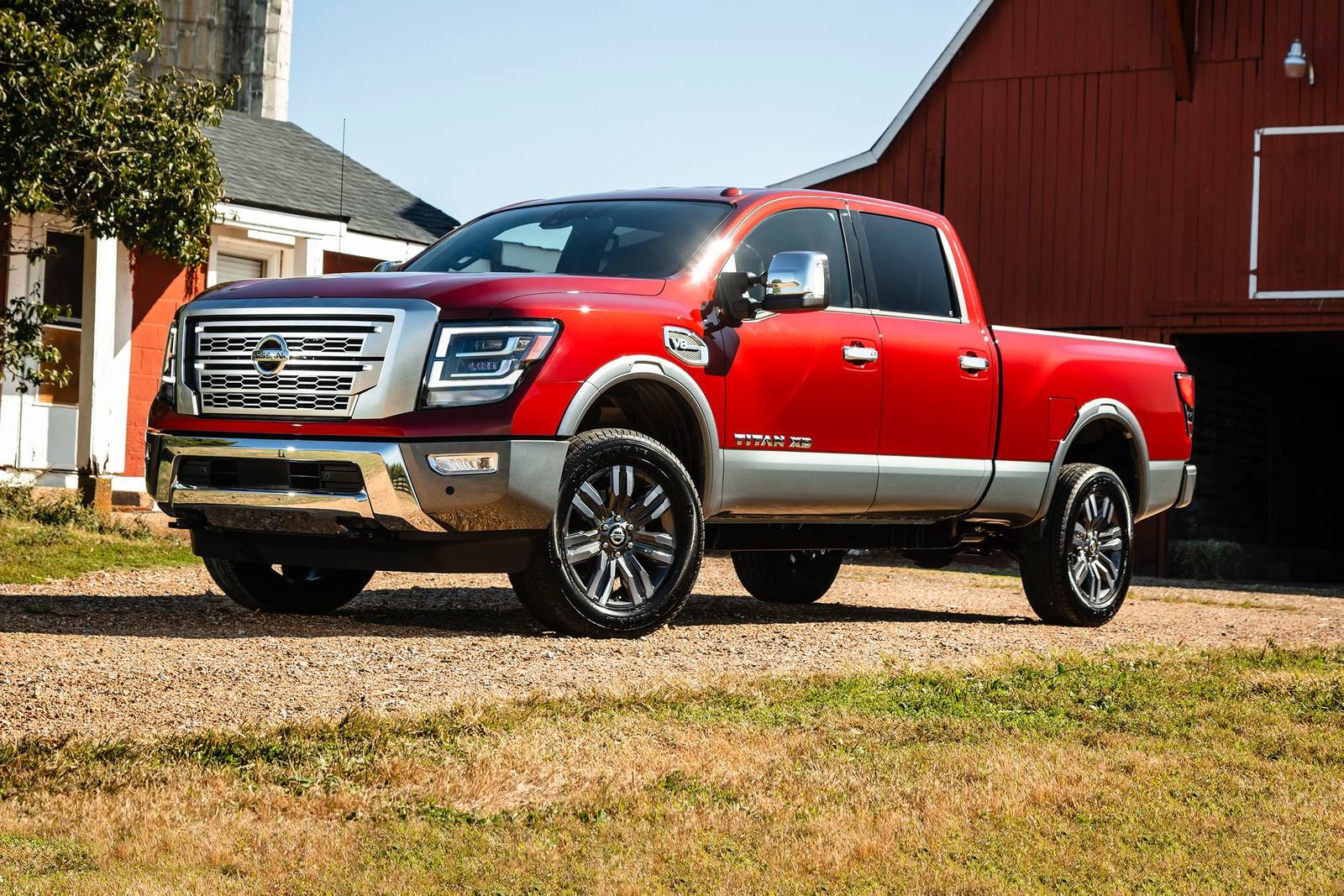
4. Nissan Titan (2004–2006)
The Nissan Titan came onto the scene in 2004 with high hopes and a bold design, aiming to challenge the American full-size truck segment. However, its first few years proved to be rocky. One of the most persistent problems with these early Titans was the rear axle.
Differential failures were alarmingly common, with many owners experiencing catastrophic breakdowns under normal driving conditions. This wasn’t a rare issue; forums and service records showed that it was a widespread flaw, often occurring under 60,000 miles.
The cause was often attributed to poor-quality bearings or weak rear axle assembly. Replacements weren’t cheap, and in some cases, repeat failures occurred.
This made the Titan a risky bet for anyone planning to use it for towing or heavy loads, which is ironic considering that those were exactly the tasks it was marketed for. The issue tarnished the Titan’s reputation before it had a chance to establish itself as a reliable contender.
Transmission problems also affected this early generation. Harsh shifting, slipping gears, and early transmission failure were reported by a significant number of owners.
Even when under warranty, the repairs were slow and sometimes incomplete. Without a solid transmission and differential, a full-size truck loses its primary appeal as a hard-working utility vehicle. This was a huge blow for Nissan, especially since it had aimed to break into a market that values long-term toughness above all.
Interior quality didn’t help either. While the exterior of the Titan looked aggressive and capable, the inside was filled with hard plastics, dated controls, and components that wore out too quickly.
From broken glove boxes to failing power window motors, the Titan felt more like a rushed experiment than a polished product. Even though Nissan made improvements in later models, the 2004–2006 era remains a sore spot for many owners and serves as a case study in how not to launch a truck into a competitive market.
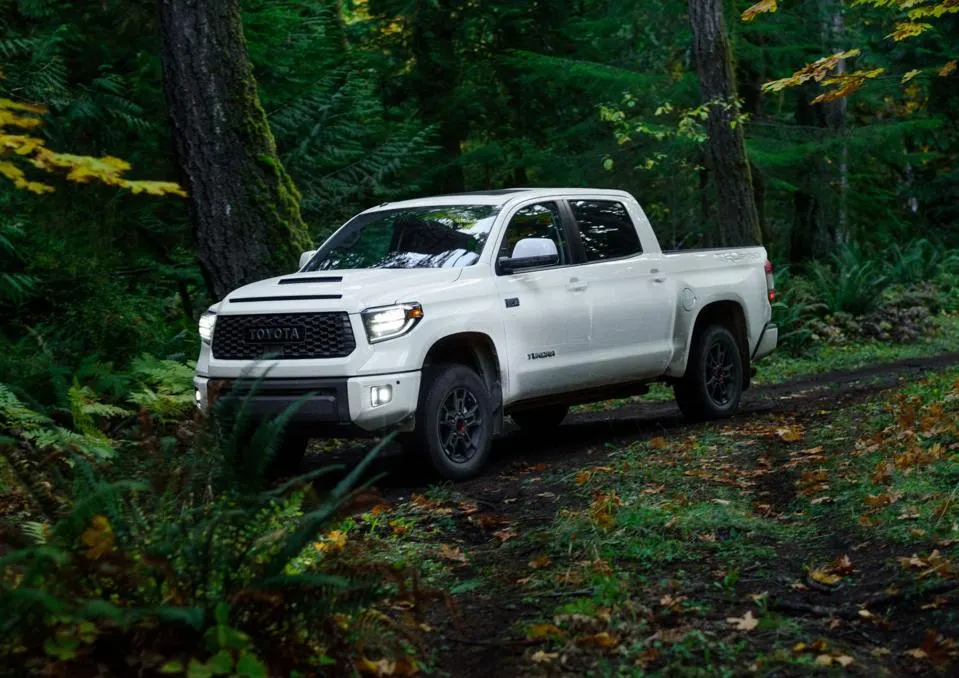
5. Toyota Tundra (2000–2003)
Toyota is generally seen as one of the most reliable automakers in the world, and for good reason. However, they have had missteps in the truck segment. The first-generation Tundra, particularly the 2000 to 2003 models, had a major flaw that ended up affecting thousands of vehicles: severe frame rust.
In many cases, the rust became so bad that it compromised the structural integrity of the truck, leading to recalls, lawsuits, and frame replacement programs that cost Toyota millions.
What made the situation worse was how quickly the problem showed up. In areas with regular winter road salt or high humidity, owners began noticing massive flaking rust on the frame within just a few years of ownership.
Some trucks failed inspections, others developed frame holes, and a few even suffered suspension collapses due to rusted-out mounts. Toyota eventually extended the warranty on these frames and offered free replacements, but the damage to owner confidence had already been done.
Aside from the rust, some early Tundras also suffered from braking issues. Owners reported warped rotors and weak braking performance, especially under heavy load.
While not as serious as a rusting frame, poor brakes on a truck meant for hauling and towing were a major concern. Combined with the rust problem, these issues made the first Tundras feel like a rough draft rather than a finished product.
This was disappointing because Toyota had a strong reputation to uphold, and many buyers went in expecting bulletproof reliability. The engines themselves were typically solid, Toyota’s V8s rarely give trouble, but when the chassis underneath is crumbling, engine reliability can’t save the truck.
Toyota did improve significantly in later generations, and the Tundra eventually became a reliable competitor, but this first attempt showed that even the most dependable brands can slip up in execution.
Also Read: Top 10 American Cars That Quietly Beat Imports in 2025
The truck market is filled with bold claims and powerful advertising, but when it comes down to real-world use, some of the most dependable machines aren’t always the ones with the biggest names. Many obscure truck brands have built their reputation quietly through durability, simplicity, and consistency.
These manufacturers often focus on essential features that matter most to working people: strong frames, reliable engines, and affordable maintenance. While they may not win awards for interior design or cutting-edge technology, they offer lasting performance in demanding environments where flashier trucks might struggle to survive.
On the other side, some highly recognizable trucks have failed to deliver what buyers expected. Whether it’s due to major drivetrain failures, persistent rust issues, or unreliable electronics, even the biggest names in the industry have produced models that left owners frustrated and financially drained.
These issues often aren’t immediately visible during a test drive or early ownership, which is why understanding long-term reliability is crucial when buying a truck. Popularity, after all, doesn’t guarantee quality.
This comparison highlights the importance of looking beyond the badge when choosing a vehicle. A truck’s true value is measured not just by how it looks or how much it sells, but by how long it lasts under pressure, how often it needs repairs, and how well it performs the tasks it was built for.
While well-known brands often deliver dependable vehicles, they are not immune to mistakes. Likewise, lesser-known brands can sometimes offer better long-term satisfaction simply because they’re built with the right priorities.
If you’re in the market for a truck, or advising someone who is, it’s worth considering the lesser-known options and doing research beyond brand loyalty. The best truck for your needs might not be the one on the billboard, but the one still running strong years down the road.
