
Choosing the right vehicle involves many considerations, but few aspects influence daily driving satisfaction more than ride quality. A smooth ride can transform a mundane commute or a long road trip into an enjoyable experience, while a harsh, jarring suspension can quickly make even short drives unpleasant.
Ride comfort depends on a combination of suspension design, chassis construction, tire choice, and even weight distribution. Some vehicles are engineered specifically to prioritize comfort and refinement, providing passengers with a cushioned, serene journey that absorbs road imperfections gracefully.
Others focus more on performance, off-road capability, or durability, often at the expense of ride smoothness. The result is a wide range of experiences behind the wheel from vehicles that seem to float over bumps to those that transmit every crack and pothole with unwelcome force.
This article highlights two sides of this spectrum. First, it presents five vehicles renowned for their exceptionally smooth rides. These cars and trucks often feature advanced suspension technologies, such as adaptive air suspension, magnetic dampers, or finely tuned chassis engineering that reduces noise and vibration.
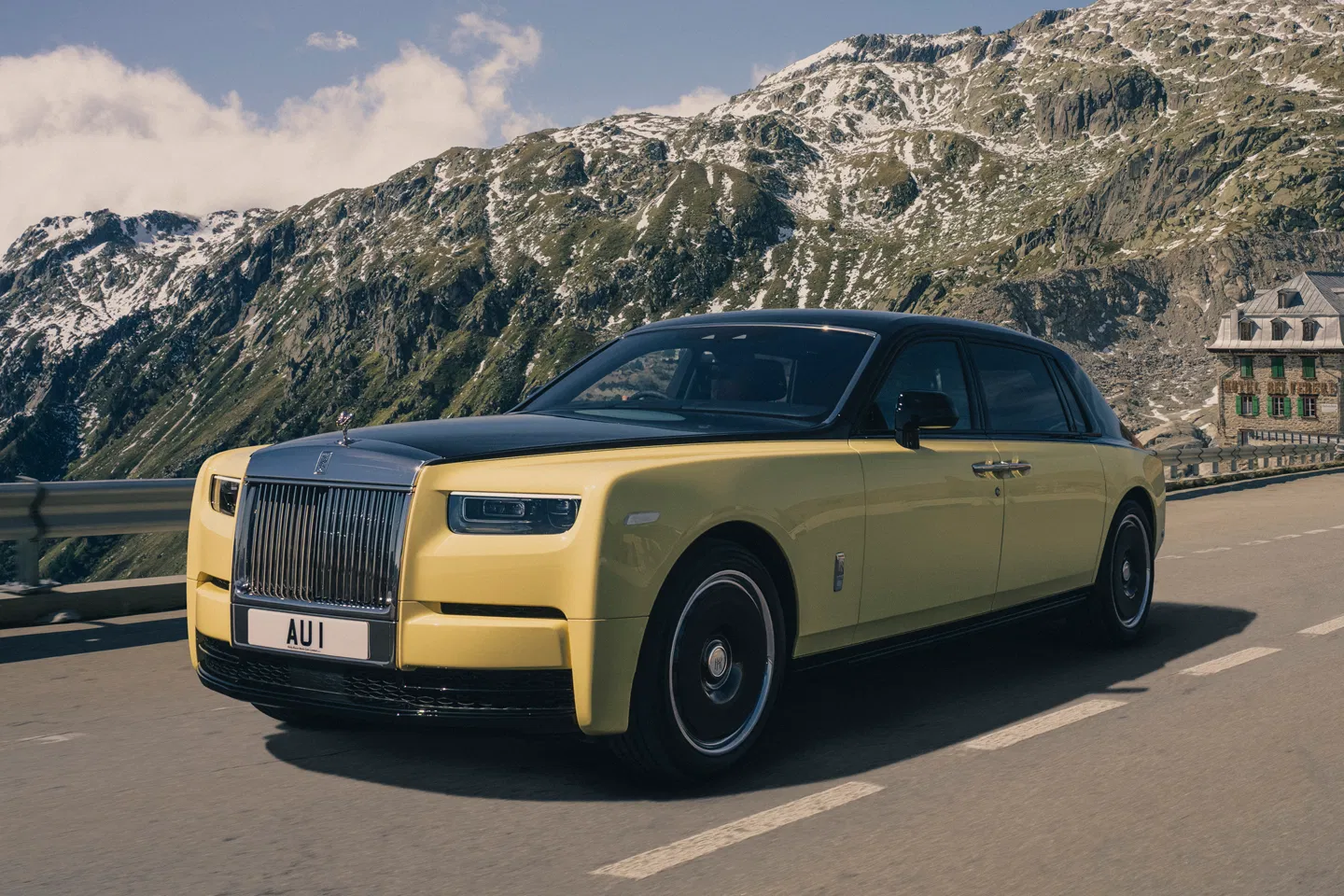
They offer an atmosphere of calm and composure, making long hours behind the wheel less tiring and more pleasurable. Luxury models like the Mercedes-Benz S-Class and Rolls-Royce Phantom illustrate how technology and design can combine to create near-perfect comfort.
At the same time, models like the Tesla Model S demonstrate that even electric performance cars can deliver a smooth, refined ride without compromising innovation.
On the other side, the article examines five vehicles known for jarring suspensions. These models often sacrifice softness for toughness, sharp handling, or off-road prowess. Trucks and SUVs like the Jeep Wrangler and Toyota Tacoma emphasize durability and ruggedness, which can result in stiff, bumpy rides on paved roads.
Similarly, sports cars such as the Nissan GT-R and Chevrolet Camaro use firm suspensions to maximize road feel and control but often deliver a harsher experience for passengers.
Understanding these contrasts helps potential buyers align their expectations and preferences with the vehicle they choose, ensuring the ride they get matches the driving experience they want.
Also Read: 5 Cars With Ergonomic Dash Layouts vs 5 With Poor Ergonomics
5 Vehicles With the Smoothest Rides

1. Mercedes-Benz S-Class
The Mercedes-Benz S-Class has long been regarded as a benchmark for ride comfort in the luxury sedan segment. Its suspension system is meticulously engineered to absorb imperfections in the road surface, offering a ride quality that feels almost effortless.
The S-Class employs a sophisticated air suspension setup with adaptive damping, which continuously adjusts to driving conditions. This system smooths out the roughest patches and cushions the cabin from shocks, ensuring that occupants remain comfortable even on challenging road surfaces.
Additionally, noise isolation is exemplary, with cabin materials and design reducing external disturbances to a minimum. Beyond just the suspension hardware, the S-Class uses advanced sensors that analyze the road ahead and adjust suspension settings in real time.
This proactive approach helps maintain a composed and steady ride by preparing for bumps before the vehicle encounters them. The weight distribution and chassis tuning also contribute to a sensation of stability, so the car feels planted and serene rather than unsettled or floaty.
Even during cornering or sudden maneuvers, the suspension strikes a balance between softness and control, allowing the driver to feel connected to the road without sacrificing comfort.
Interior comfort complements the smooth ride with plush seating and ample space, making every journey relaxing. Passengers often describe the experience as “floating,” as the combination of the air suspension and soundproofing effectively isolates the cabin from road disturbances.
It’s this blend of technology, engineering, and attention to detail that cements the S-Class’s reputation for delivering one of the smoothest rides available on the market today. Whether on city streets or highways, the vehicle’s suspension maintains its composure with exceptional poise.
Furthermore, the S-Class is not only about comfort but also about safety and luxury. The suspension’s ability to keep the vehicle steady and absorb shocks contributes to better control and traction, especially under adverse conditions.
This smooth ride capability has set a standard that many other luxury automakers aspire to match, making the Mercedes-Benz S-Class a definitive choice for those prioritizing comfort and refinement.

2. Lexus LS
The Lexus LS is another flagship luxury sedan that consistently earns praise for its incredibly smooth ride. This vehicle prioritizes comfort through a well-calibrated suspension system that uses a combination of adaptive variable suspension and double-wishbone front suspension design to cushion passengers.
The ride quality feels plush without being too soft or floaty, offering a balanced experience that absorbs road vibrations and bumps with remarkable efficiency. Noise reduction is also a key feature, with enhanced insulation materials ensuring that the cabin remains serene, further contributing to the impression of tranquility.
One reason the LS delivers such a smooth ride lies in its suspension tuning, which is carefully optimized to handle various driving scenarios. Whether cruising on smooth highways or navigating rougher suburban roads, the suspension adapts to reduce harshness without compromising stability.
The vehicle’s chassis is rigid enough to maintain control but flexible enough to allow the suspension components to perform their job effectively. This combination helps maintain a composed and confident driving experience, especially during long-distance travel where ride comfort becomes crucial.
The Lexus LS also offers a range of driver-selectable modes that adjust the suspension stiffness and steering feedback. Even in the firmer “Sport” setting, the ride remains remarkably smooth compared to many competitors.
The adaptive suspension technology monitors real-time data and continuously tweaks damping forces, minimizing body roll and keeping passengers comfortable. This proactive system allows the LS to maintain a ride that feels luxurious and effortless, reinforcing Lexus’s reputation for refinement.
Finally, the interior atmosphere of the LS complements the smooth suspension with seats designed for maximum comfort and materials that absorb sound effectively.
This holistic approach to comfort extends beyond suspension mechanics to create an environment that reduces fatigue and enhances passenger well-being. For those who seek a vehicle that prioritizes serene ride quality combined with luxury amenities, the Lexus LS remains a top contender.
3. Rolls-Royce Phantom
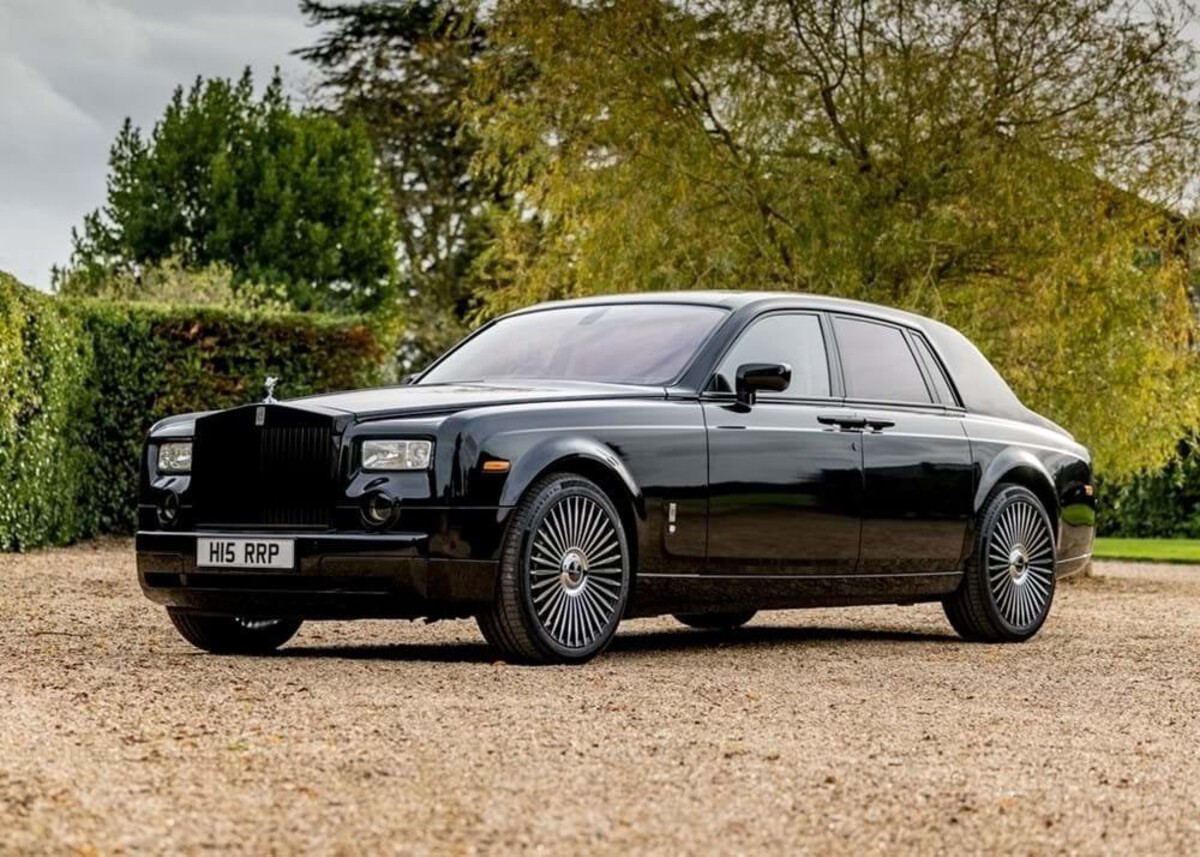
The Rolls-Royce Phantom represents the pinnacle of automotive comfort, known for offering one of the most luxurious and smooth rides in the world. Its suspension system is designed to transform the experience of driving or riding into something akin to a first-class flight.
The Phantom uses an advanced air suspension system that constantly adjusts to road conditions, combined with a chassis engineered for stability.
Every detail is focused on isolating passengers from any bumps, jolts, or vibrations that might occur on the road. This results in a ride that feels extraordinarily soft and composed, with an almost surreal level of quietness.
One of the unique aspects of the Phantom’s suspension is the use of self-leveling air springs and electronic dampers that respond instantly to changes in terrain. This technology ensures that the vehicle maintains the same height regardless of load and smooths out imperfections seamlessly.
Sensors on the wheels detect road disturbances and adjust the suspension in milliseconds to prevent shocks from reaching the cabin. This level of precision in suspension control is rare even among luxury vehicles, making the Phantom stand apart.
The sense of motion inside the Phantom is minimal. Passengers often describe the ride as if they are “floating on a cloud” because the suspension absorbs everything from small road cracks to larger potholes with equal ease.
The chassis design helps minimize body roll and pitch, giving the driver confidence without sacrificing the softness that passengers enjoy. Even at higher speeds, the Phantom maintains composure, isolating occupants from wind and road noise through extensive soundproofing and aerodynamic design.
In addition to the suspension system, Rolls-Royce invests heavily in cabin comfort with seats that offer multiple points of adjustment and cushioning tailored to long journeys.
Every surface and material is selected to reduce noise and vibration further, creating a sanctuary-like atmosphere. This commitment to ride quality and comfort solidifies the Phantom’s position as one of the smoothest-riding vehicles ever made, catering to those who value luxury.
4. Tesla Model S
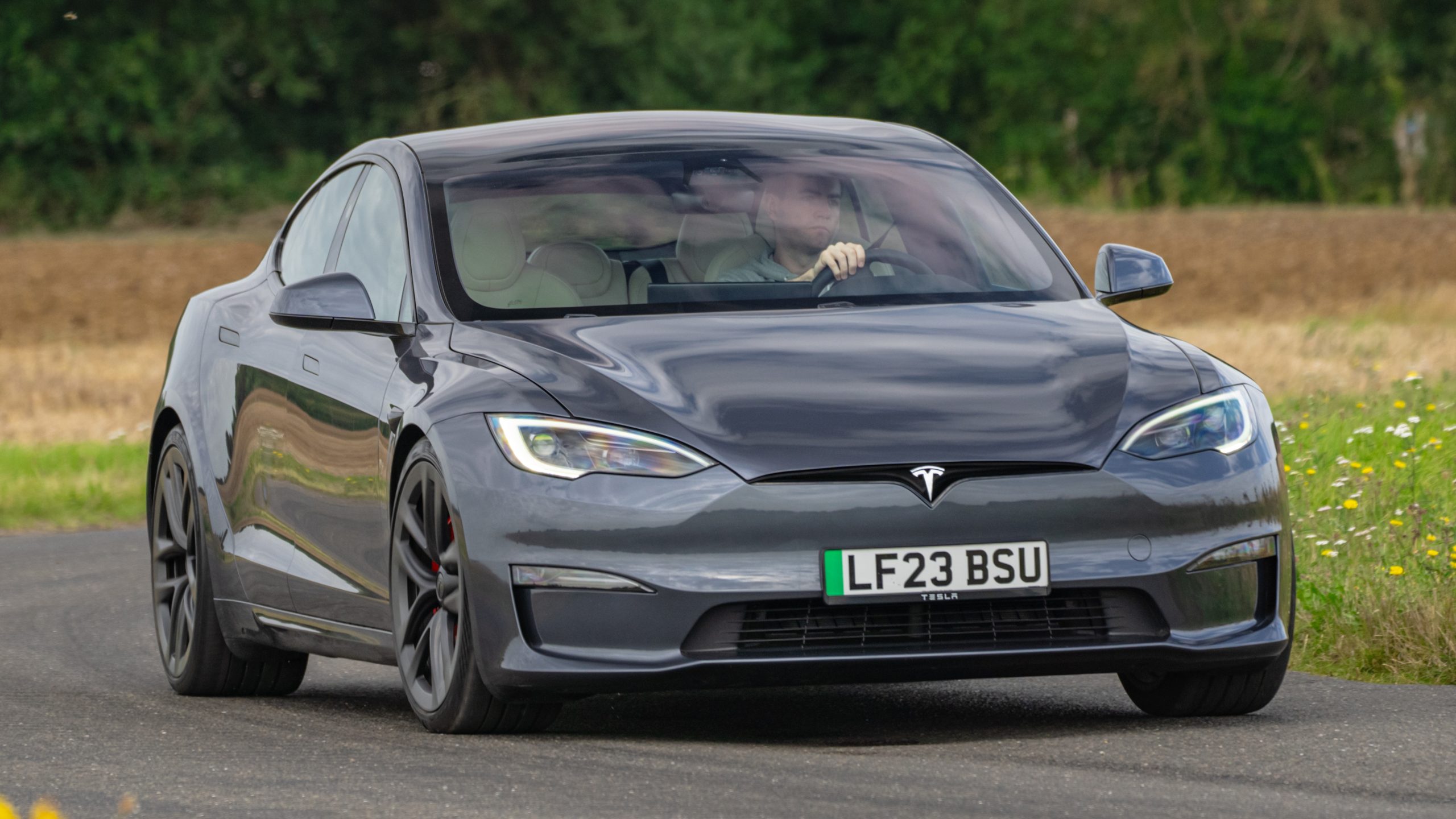
The Tesla Model S, while primarily known for its performance and electric powertrain, also delivers an impressively smooth ride for a high-performance electric sedan. The Model S features an adaptive air suspension system that adjusts automatically based on road conditions, speed, and driver inputs.
This system raises or lowers the vehicle to improve aerodynamics or provide extra clearance, but it also softens the ride over uneven surfaces, making long trips more comfortable. The absence of a traditional engine noise contributes to the sense of quiet and smoothness within the cabin.
The electric powertrain provides instant torque without the vibrations or gear shifts common in internal combustion vehicles. This contributes to a refined driving experience where acceleration feels seamless, and there are no jolts or shakes during gear changes because there are none.
The Model S’s suspension is designed to handle this power delivery smoothly, balancing sportiness with comfort. It adapts quickly to rough surfaces, absorbing bumps efficiently while maintaining stability through corners.
Tesla’s focus on technology extends to the suspension system’s ability to communicate with other vehicle systems, including cameras and sensors, which anticipate road irregularities and adjust damping accordingly.
This predictive ability helps smooth out the ride further by preparing the suspension before the vehicle encounters a bump. As a result, passengers experience less jolting and a more composed feel even on poorly maintained roads.
Inside, the Model S offers a spacious and minimalist cabin with excellent insulation against road and wind noise. The combination of electric powertrain silence and adaptive suspension makes this vehicle feel exceptionally refined.
For drivers who want a smooth ride without sacrificing innovation or performance, the Tesla Model S presents a compelling choice that blends technology with comfort in a unique way.
5. Cadillac CT6
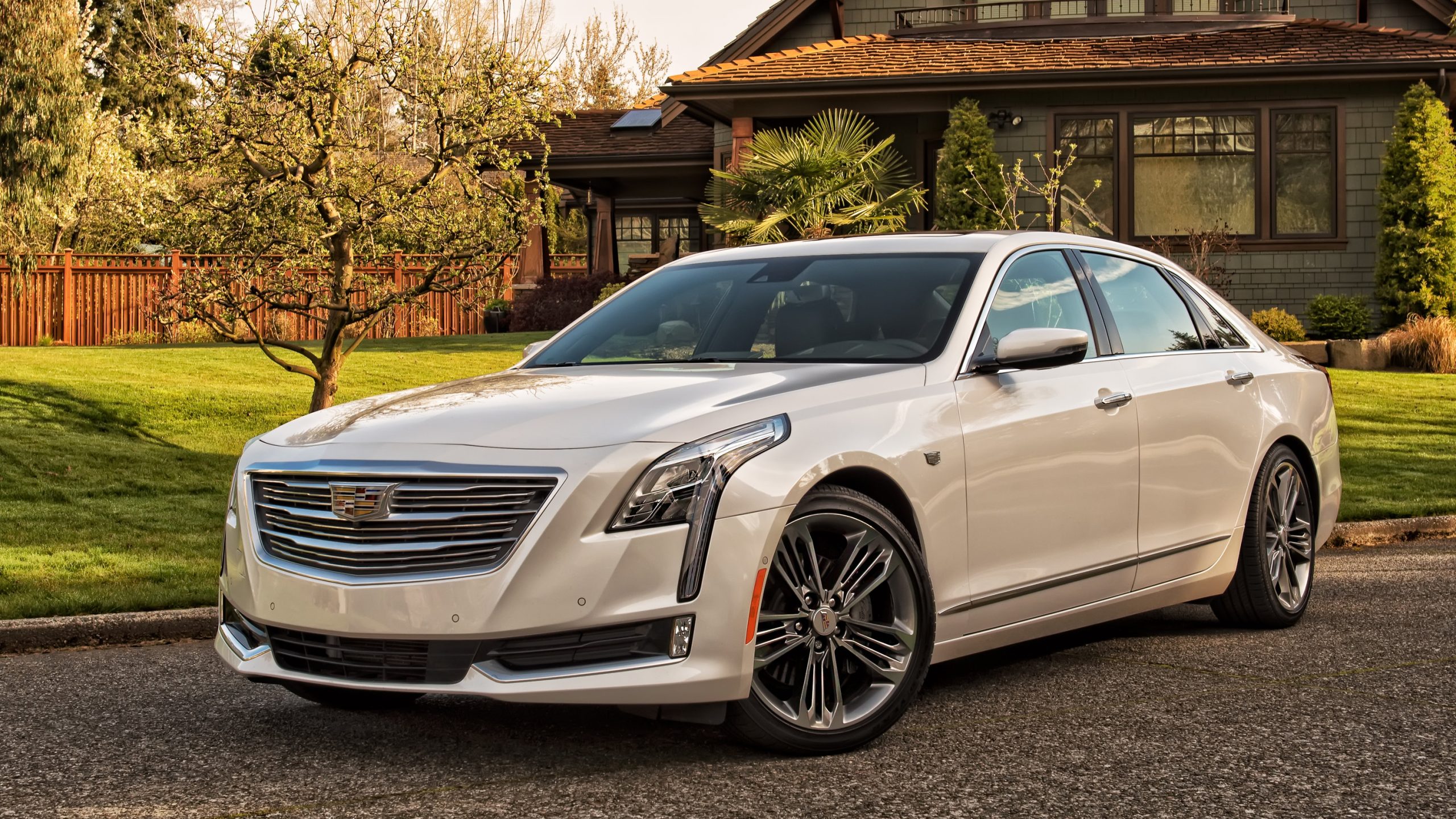
The Cadillac CT6 is a luxury sedan that offers a smooth ride through a combination of advanced suspension technology and thoughtful chassis engineering. It features a Magnetic Ride Control suspension system that continuously adjusts damping rates in real time based on road conditions and driving style.
This technology uses magnetically charged fluid inside the shock absorbers, allowing near-instant changes to suspension stiffness. The result is a ride that feels plush and responsive, adapting quickly to provide comfort over rough surfaces while maintaining control and composure.
The CT6’s suspension setup is designed to absorb bumps and vibrations efficiently, reducing the impact of potholes and uneven roads on passengers.
Its weight distribution and rigid chassis provide a solid foundation, which helps the suspension perform effectively without compromising stability. Drivers notice a sense of balance, where the vehicle does not feel too soft or too firm, but just right for long-distance comfort.
Another factor contributing to the CT6’s smooth ride is the use of noise-reducing technologies and careful interior design. The cabin is well insulated, and the seats are engineered for comfort, helping reduce fatigue during extended drives.
The combination of adaptive suspension and a quiet interior creates an environment where the road’s imperfections barely register to those inside.
The Cadillac CT6 provides a sophisticated blend of technology and comfort, offering a ride quality that rivals many European luxury sedans.
For buyers seeking a vehicle that can absorb the challenges of everyday roads while providing a relaxing driving experience, the CT6 stands out as a smart choice with impressive suspension capabilities.
5 Vehicles With Jarring Suspensions

1. Jeep Wrangler
The Jeep Wrangler is celebrated for its off-road capability, but its suspension setup often leads to a ride that many drivers find harsh or jarring, especially on paved roads.
The Wrangler’s suspension is built to handle tough terrain, with solid axles and heavy-duty components designed to maximize wheel articulation and durability rather than comfort.
This design excels off-road by allowing the wheels to maintain contact on uneven surfaces, but it translates to a stiff and bumpy ride when driving on regular streets or highways. Passengers frequently report feeling every crack and pothole through the chassis, which can lead to discomfort on longer drives.
The solid front and rear axles, while beneficial for rugged terrain, contribute to a rougher ride because they do not isolate road shocks as effectively as independent suspension setups found in most modern vehicles.
When the Jeep encounters bumps, the entire vehicle tends to move more noticeably, transmitting vibrations and jolts directly to the occupants.
Unlike vehicles with adaptive or multi-link suspensions that absorb and dampen road imperfections smoothly, the Wrangler’s setup prioritizes toughness over finesse. This trade-off is often acceptable for off-road enthusiasts but less ideal for everyday urban or highway driving.
In addition, the Wrangler’s relatively high center of gravity and body-on-frame construction increase the likelihood of body roll and pitching movements during cornering and braking. This can contribute to an unsettled feeling when maneuvering at higher speeds, especially on curvy roads.
Passengers may feel as if the vehicle is bouncing or swaying, which adds to the perception of an uncomfortable ride. The suspension’s primary goal is to enhance capability and durability, so ride comfort takes a backseat.
Moreover, the Wrangler’s tire choice often includes larger, knobbier off-road tires, which can amplify road noise and harshness. These tires, combined with the suspension characteristics, make the driving experience less refined.
While the Wrangler shines when tackling rocks, mud, or sand, it sacrifices smoothness and comfort on paved surfaces. For drivers who spend most of their time on city streets or highways, this jarring suspension can become tiring and frustrating.
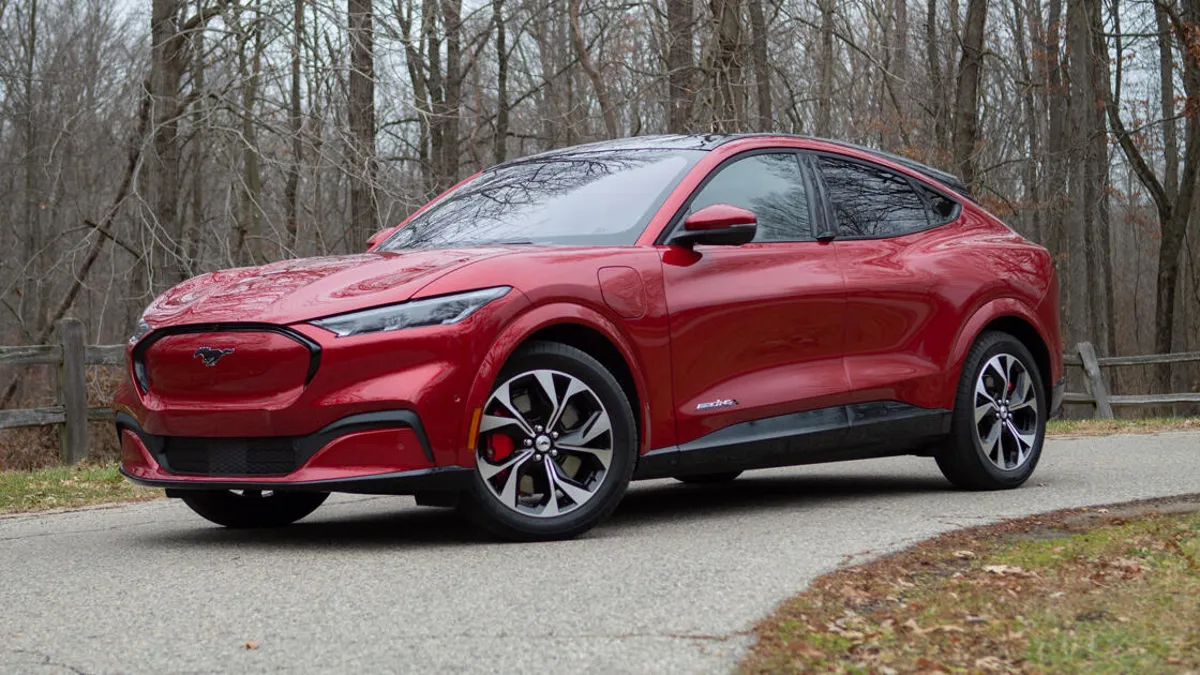
2. Ford Mustang (Performance Models)
Performance-oriented versions of the Ford Mustang, such as the GT or Shelby models, often feature stiff suspension setups intended to improve handling and cornering capabilities.
While these suspensions are excellent for delivering sharp responses and driver engagement on smooth tracks, they tend to create a harsher ride on everyday roads.
The suspension is tuned with firmer springs and dampers, which reduce body roll but transmit more road imperfections directly to the cabin. This results in a ride that can feel bumpy and jarring over rough or uneven surfaces.
The Mustang’s suspension design emphasizes precision and feedback, meaning that the driver experiences a strong connection to the road. However, this sharpness can come at the expense of comfort, especially when driving over broken pavement or potholes.
The stiffness can make the vehicle feel less forgiving and more exhausting on longer trips or in stop-and-go traffic. Passengers are more likely to notice jolts and vibrations, which contrast sharply with the cushioned feel of luxury sedans or adaptive suspension systems.
In addition to suspension stiffness, the Mustang’s relatively low ground clearance and sporty tires can exacerbate ride harshness. Low-profile performance tires, while providing excellent grip, offer less cushioning and transmit more road noise and vibrations inside the cabin.
The sport-tuned suspension and tires work together to create a responsive, aggressive driving experience, but this aggressive setup can feel punishing on poor roads.
Furthermore, the Mustang’s chassis and suspension setup are optimized for high-speed stability and cornering rather than comfort.
The suspension components are rigid, and the damping rates are set to resist body motions during dynamic maneuvers, resulting in a ride that feels firm and controlled but less compliant. While some drivers appreciate this focused performance feel, others find it jarring and uncomfortable for daily commuting or casual driving.
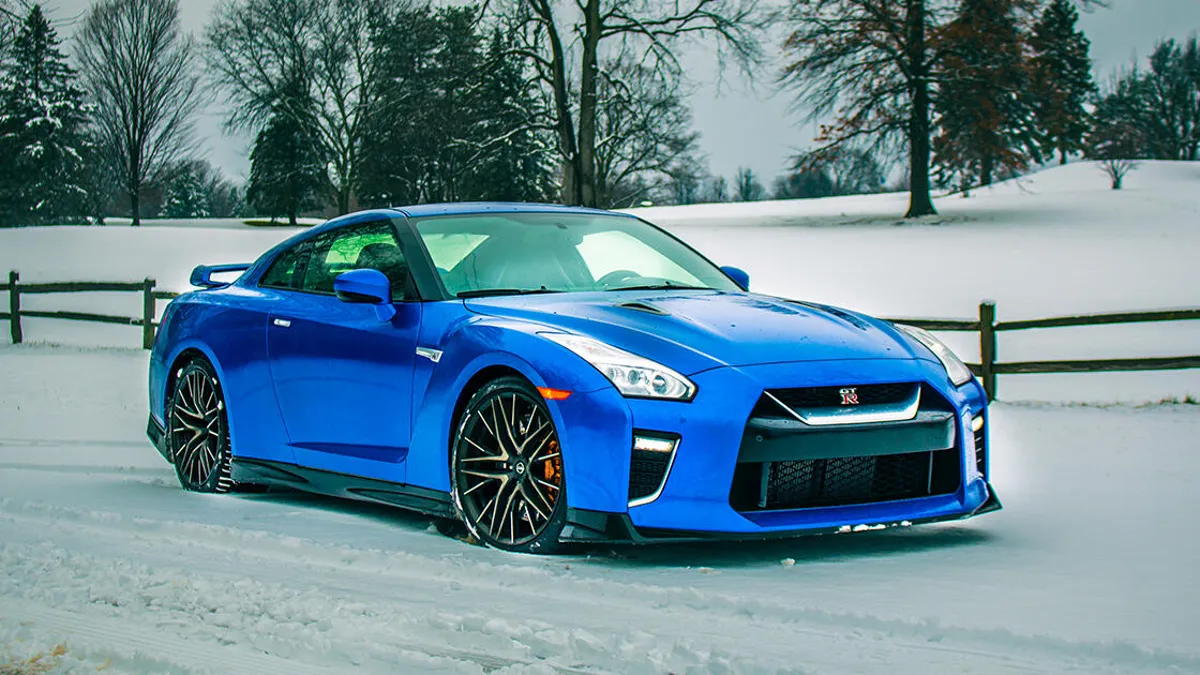
3. Nissan GT-R
The Nissan GT-R is a high-performance sports car engineered to deliver exceptional handling and acceleration. It is designed with a focus on speed, agility, and track capability, which means its suspension is deliberately stiff and responsive.
While this setup allows the GT-R to excel in terms of grip and cornering precision, it also leads to a ride that many find harsh and unforgiving on rough or uneven roads. The suspension transmits more of the road’s imperfections to the cabin, making everyday driving less comfortable compared to more comfort-oriented vehicles.
The GT-R features a sophisticated suspension system with multi-link setups and adjustable dampers, but these are tuned primarily for performance. The springs are firm, and the damping is aggressive to minimize body roll and improve responsiveness.
This results in a ride that can feel tight and controlled but also stiff and jittery over bumps or broken pavement. Passengers may notice sharp impacts or vibrations that reduce comfort, especially on longer drives or less-than-perfect surfaces.
Additionally, the GT-R’s low-profile performance tires contribute to the jarring experience by providing less natural cushioning against road imperfections.
These tires prioritize grip and handling over comfort, and combined with the suspension tuning, they make the ride feel harsh on non-smooth roads. The noise from the tires and road is also more noticeable, adding to the impression of an unsettled ride.
While the Nissan GT-R is praised for its driving dynamics and speed, it is less suited to those who prioritize smoothness and comfort.
The suspension sacrifices softness to deliver precise handling, making it a vehicle better suited to spirited driving on well-maintained roads or tracks rather than casual commuting or long-distance cruising. For those who want a thrill but do not want to sacrifice all comfort, the GT-R’s jarring suspension can be a significant drawback.
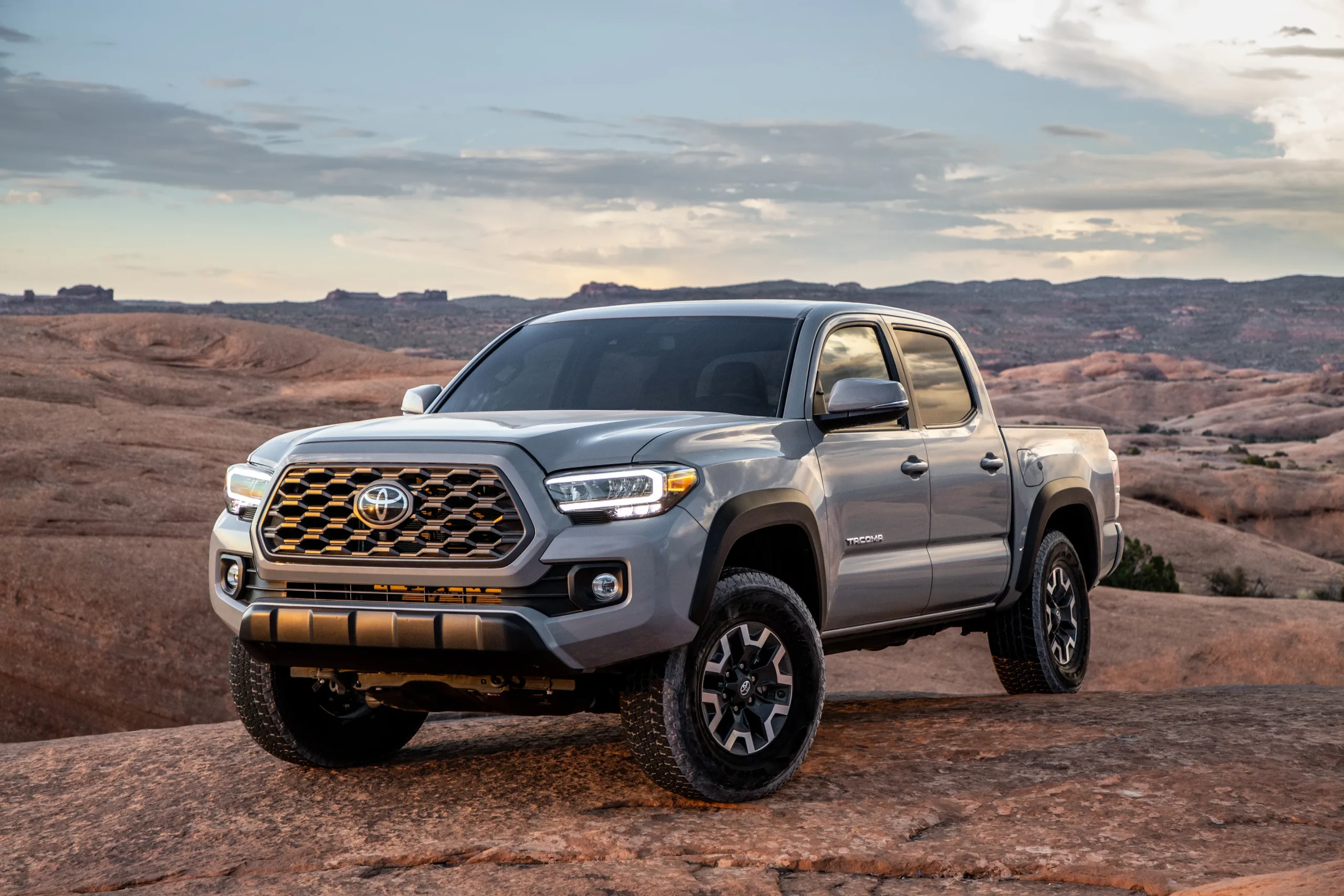
4. Toyota Tacoma (Off-Road Versions)
The Toyota Tacoma, especially in its off-road variants like the TRD Pro, is designed for rugged use, which influences its suspension setup and ride quality significantly. While this truck is capable and durable in rough environments, its suspension often results in a ride that feels stiff and bumpy on paved roads.
The focus on off-road performance means the Tacoma is equipped with heavier-duty suspension components, firmer springs, and shock absorbers designed to withstand harsh terrain rather than soften impacts for comfort.
The Tacoma’s suspension features a solid rear axle and a robust front suspension system built to endure off-road abuse. This construction is excellent for durability and load-carrying but tends to transmit road shocks more directly into the cabin.
Drivers and passengers can experience frequent jolts from uneven pavement, speed bumps, or potholes. The ride is often described as choppy and less refined compared to other midsize pickups that prioritize ride comfort.
Moreover, the Tacoma’s relatively high ride height and body-on-frame construction contribute to a less smooth driving experience. The truck may exhibit noticeable body motions such as pitching or swaying during acceleration, braking, or cornering.
While this behavior is expected for a vehicle designed for off-road use, it detracts from comfort when driving on highways or city streets. The suspension tuning sacrifices softness for durability and capability, making the Tacoma less comfortable for daily commuting.
Tire choice also affects ride quality. Off-road tires with aggressive tread patterns amplify road noise and vibrations, increasing the sensation of harshness inside the cabin.
These tires perform well in mud, rocks, and dirt but make the ride louder and rougher on asphalt. For buyers who primarily drive on paved roads, the Tacoma’s off-road suspension can feel unnecessarily stiff and tiring.
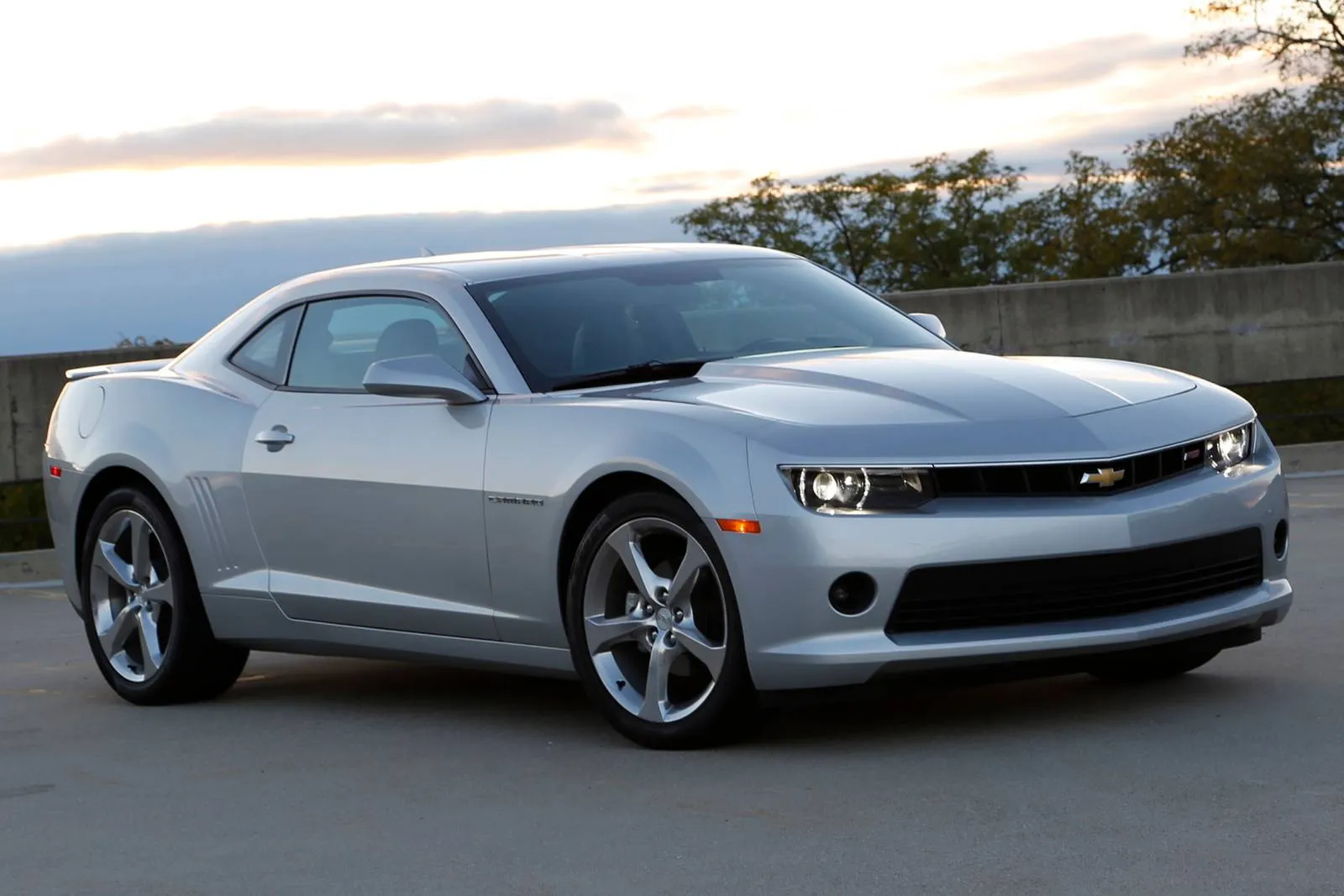
5. Chevrolet Camaro (Performance Models)
Similar to the Ford Mustang, the Chevrolet Camaro in its performance-oriented trims such as the SS and ZL1 is built with a suspension that prioritizes sporty handling over ride comfort.
The Camaro’s suspension is stiff, featuring firm springs and dampers that keep the body tight and responsive during aggressive driving. While this setup enhances cornering and steering precision, it also results in a ride that can feel harsh and unforgiving on uneven or rough road surfaces.
The Camaro’s suspension tuning leaves little room for softness, leading to a jarring sensation when driving over bumps, cracks, or potholes.
Passengers may feel the impact of road imperfections more acutely compared to vehicles with adaptive or comfort-focused suspensions. This stiff setup is particularly noticeable on city streets with imperfect pavement, where the Camaro’s suspension can feel unforgiving and unpleasant.
Low-profile performance tires, which come standard on many Camaro trims, further contribute to the jarring ride. These tires have less sidewall to absorb shocks and transmit more road noise and vibration into the cabin. Although they improve grip and handling during spirited driving, they reduce ride quality on regular roads.
Additionally, the Camaro’s chassis is engineered to provide a planted feel during fast cornering, which requires a suspension setup that limits body roll and pitching.
While this benefits performance driving, it often compromises smoothness. Drivers who seek a comfortable daily driver may find the Camaro’s suspension too firm and fatiguing, especially during long journeys or stop-and-go traffic.
Also Read: 5 Obscure Asian Cars That Outlast Competitors vs 5 Trending Models With Flaws
Ride quality plays a crucial role in shaping the driving experience. Vehicles that offer smooth, comfortable rides tend to enhance driver and passenger satisfaction by reducing fatigue, minimizing exposure to road noise and vibrations, and creating a calm environment.
On the other hand, vehicles with jarring or harsh suspensions can lead to discomfort, especially during longer drives or on poor road surfaces.
This article has shown that while ride smoothness is often associated with luxury, it is not exclusive to expensive models. Various technologies and design choices allow certain vehicles to provide a remarkably soft ride even at more affordable price points.
The vehicles with the smoothest rides typically incorporate advanced suspension systems that continuously adapt to changing road conditions. Air suspensions, magnetic dampers, and multi-link setups all contribute to absorbing shocks and smoothing out bumps before they reach the cabin.
This creates an experience where passengers can feel insulated from the imperfections of the road, often described as “floating” or “gliding.” Manufacturers of these vehicles pay careful attention not only to mechanical components but also to noise insulation, chassis rigidity, and interior comfort.
The Mercedes-Benz S-Class and Rolls-Royce Phantom exemplify this holistic approach, blending cutting-edge suspension technology with exquisite craftsmanship to offer unparalleled comfort.
Luxury sedans like the Lexus LS and Cadillac CT6 demonstrate that smooth ride quality can also be achieved through precise tuning and thoughtful engineering, balancing comfort and control.
Meanwhile, the Tesla Model S shows how an electric drivetrain combined with adaptive suspension technology can deliver a refined and silent ride that feels modern and innovative. These vehicles offer an inviting and restful experience for drivers and passengers, making them ideal for daily commutes, business travel, and long road trips.
Conversely, vehicles with jarring suspensions often prioritize durability, performance, or off-road capability over ride softness. Off-road specialists such as the Jeep Wrangler and Toyota Tacoma are built with rugged suspensions that excel on rough terrain but transmit road imperfections more directly to the cabin on paved surfaces.
These suspensions use solid axles and heavy-duty components that ensure toughness but compromise smoothness. Sports cars like the Ford Mustang, Nissan GT-R, and Chevrolet Camaro have stiff suspensions designed for precise handling and road feedback.
While this setup benefits aggressive driving and cornering performance, it results in a harsher ride that can be fatiguing and uncomfortable in everyday use.
The tire choices on these vehicles often compound the issue. Larger, knobby tires for off-road traction and low-profile performance tires for sporty handling provide less natural cushioning and increase road noise.
This further accentuates the jarring sensation. For drivers who spend most of their time on city streets or highways, the discomfort caused by these suspension characteristics can outweigh the benefits of capability or performance.
The choice between smooth and jarring suspension depends on individual priorities. Those who value comfort, serenity, and luxury will find the advanced technologies and thoughtful design of smooth-riding vehicles more suitable.
Drivers seeking ruggedness, durability, or high-performance handling may accept a harsher ride as a necessary trade-off. Understanding these differences allows consumers to select a vehicle that matches their lifestyle and expectations, ensuring that every drive is as enjoyable as possible.
Ride quality is a key factor that often goes beyond what is immediately apparent during a test drive. Considering how a vehicle’s suspension behaves over a variety of road conditions and distances helps paint a clearer picture of what life behind the wheel will be like day to day.
Whether prioritizing a silky smooth journey or a firm, connected feel, knowing the strengths and weaknesses of different vehicles can lead to a more satisfying ownership experience.
The vehicles highlighted in this article demonstrate the wide range of ride qualities available today, each serving different purposes and preferences. Making an informed choice will help drivers avoid surprises and enjoy the road ahead.
