
The quality of the air inside a vehicle is an often-overlooked but critically important aspect of the driving experience. While most car buyers focus on factors like horsepower, fuel efficiency, styling, and technology features, the air we breathe inside the cabin directly impacts our health and comfort every time we get behind the wheel.
For people who spend considerable amounts of time driving, whether commuting through busy city streets, embarking on long road trips, or working in vehicles that serve as mobile offices, the quality of cabin air can influence concentration, well-being, and even respiratory health.
Poor cabin air quality can aggravate allergies, cause headaches, trigger asthma attacks, or lead to general discomfort, all of which detract from the enjoyment and safety of driving.
Vehicles bring in air from outside through their ventilation systems, and this air can contain a wide variety of contaminants including dust, pollen, exhaust fumes, bacteria, mold spores, and fine particulate matter. Without an effective filtration system, these pollutants easily find their way into the cabin, creating an unhealthy environment.
Modern automakers have increasingly recognized this challenge and have responded by developing advanced cabin air filtration systems designed to trap and remove harmful particles before they reach passengers.
These systems often incorporate multiple layers of filtration, including pollen filters, activated carbon to absorb gases and odors, and sometimes even HEPA (High-Efficiency Particulate Air) filters capable of capturing microscopic particles.
The difference that a high-quality air filtration system makes is significant. Vehicles with superior filtration systems not only help reduce exposure to allergens and pollutants but also improve the freshness of the cabin air, reduce odors, and contribute to a more pleasant and relaxing driving environment.
This is especially important for families with young children, individuals with allergies or respiratory conditions, and drivers who frequently navigate polluted urban environments or dusty rural roads. Moreover, the presence of effective filters also protects HVAC components from dust buildup, extending their lifespan and maintaining efficient operation.
On the other hand, not all vehicles are created equal when it comes to cabin air quality. Some cars, particularly older models or those designed with ruggedness or simplicity in mind rather than comfort, tend to have less effective air filtration.
In these vehicles, dust and contaminants circulate freely, settling on interior surfaces and reducing air freshness. In some cases, basic or absent filters combined with ventilation designs that draw in unfiltered outside air result in a dusty, uncomfortable cabin atmosphere that can irritate passengers and make driving less enjoyable.
Understanding which vehicles offer the best protection against airborne contaminants and which ones are prone to circulating dust is important for consumers, especially those who prioritize health and comfort in their driving environment.
This knowledge can influence purchasing decisions, maintenance practices, and even the choice of aftermarket filtration upgrades. The quality of cabin air filtration has become a key factor in the evaluation of vehicle comfort and safety, and it continues to gain importance as awareness of environmental pollutants and respiratory health grows.
In this article, we examine five vehicles recognized for their effective air filtration systems, highlighting how their technology and design choices improve cabin air quality.
We also discuss five vehicles that, due to design limitations or aging filtration systems, tend to circulate dust and airborne particles inside the cabin, potentially reducing comfort and increasing health risks.
By comparing these examples, the article provides a clearer picture of how cabin air filtration impacts daily driving experiences and what car owners can expect in terms of air quality.
Whether you are shopping for a new car, maintaining your current vehicle, or simply interested in healthier travel environments, understanding the role of air filtration systems can help you make more informed decisions and breathe easier on the road.
Also Read: 5 Performance Cars That Stay Valuable And 5 That Become Worthless
5 Cars With Effective Air Filtration
1. Tesla Model 3
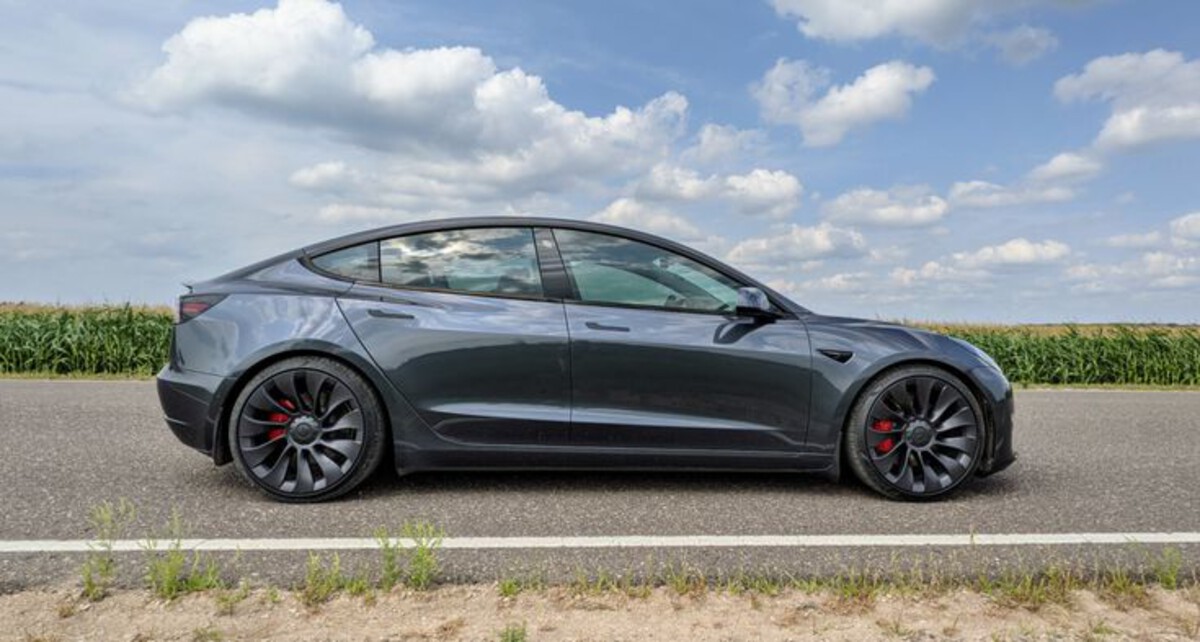
The Tesla Model 3 is not only a technological marvel in terms of electric vehicle performance and autonomous driving capabilities, but it also leads the pack in cabin air quality with its Bioweapon Defense Mode. This feature employs a hospital-grade HEPA filtration system that removes up to 99.97% of particulate matter, including dust, pollen, bacteria, and viruses.
It also filters out hazardous gases like nitrogen dioxide and ozone, which are common in urban environments with heavy traffic. The system’s ability to provide clean air in extremely polluted or smoky conditions, such as during wildfires, is a testament to its engineering excellence and Tesla’s dedication to passenger health.
One of the standout features of Tesla’s filtration system is its ability to create positive pressure inside the cabin. This means the system actively pushes clean air in, preventing unfiltered outside air from seeping through cracks or vents.
In practice, this creates a protective bubble of purified air around the occupants, which is especially beneficial for allergy sufferers or those with compromised immune systems.
The system automatically switches to recirculate mode when the sensors detect poor air quality outside, ensuring that the interior air remains fresh and uncontaminated without manual intervention.
Tesla also integrates this filtration system with its advanced sensors and software algorithms, allowing real-time air quality monitoring. The car continuously analyzes pollutant levels and adjusts the filtration intensity accordingly, making the experience seamless and efficient.
Owners frequently report a noticeable difference in cabin air quality, describing it as cleaner and less stuffy compared to other vehicles. This attention to air quality adds another layer of appeal to the Model 3, enhancing its reputation as a vehicle that combines sustainability, innovation, and passenger comfort.
Moreover, the HVAC system is designed with silent operation in mind, allowing clean air to flow quietly without disrupting conversations or music.
Tesla’s air filtration system represents a leap forward in how automotive manufacturers approach passenger health, making the Model 3 a leader not only in electric mobility but also in creating healthier, more comfortable travel environments.
2. Toyota Highlander
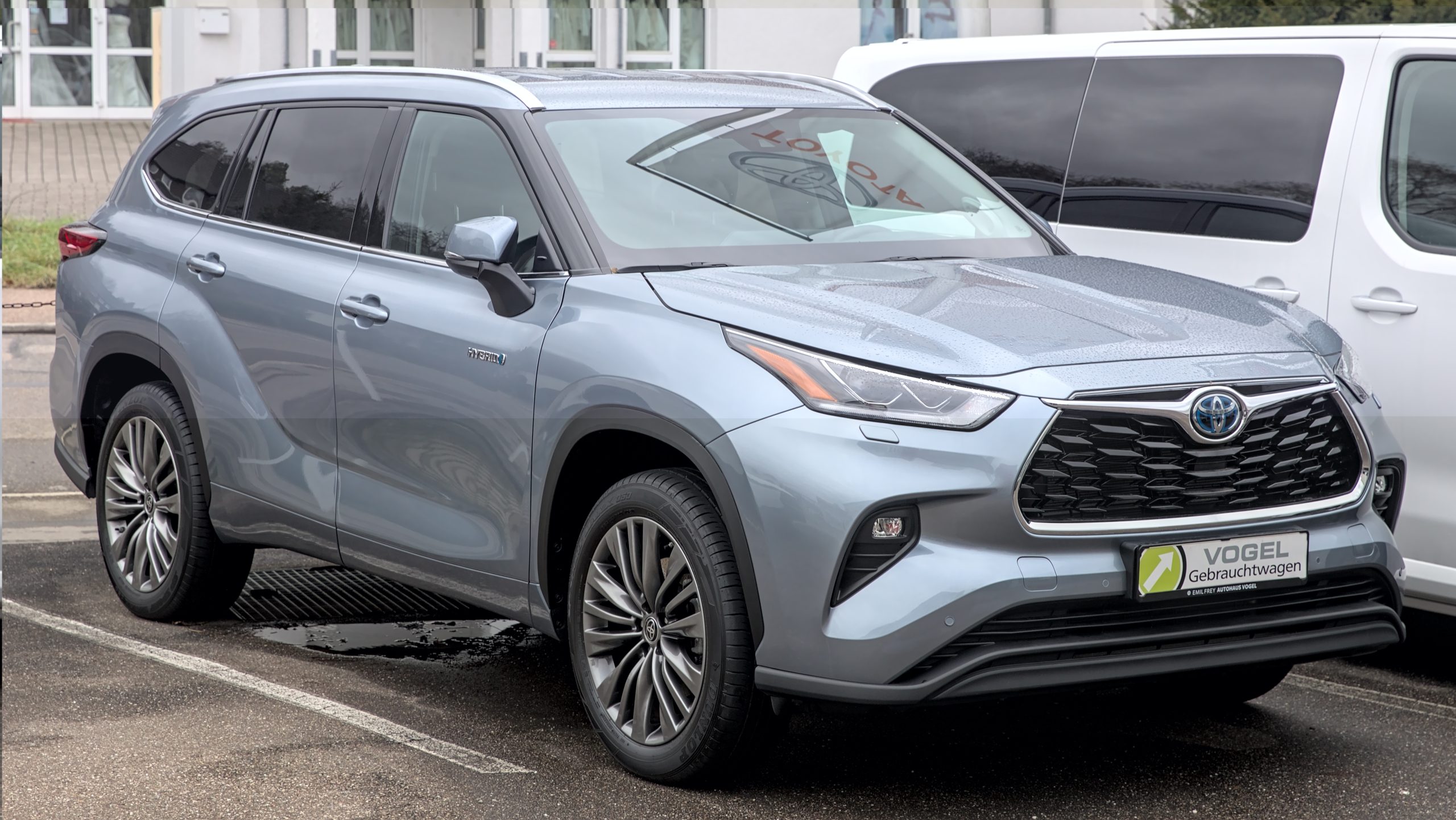
The Toyota Highlander is a midsize SUV that combines reliability with thoughtful features designed for family comfort and health, including its air filtration system.
Toyota uses a multi-layer cabin air filter in the Highlander that incorporates a pollen filter as well as an activated carbon layer to trap not only dust and pollen but also unpleasant odors and harmful gases such as exhaust fumes.
This dual-layer filtration is particularly beneficial in suburban and rural areas where pollen levels can be high during spring and fall seasons, as well as in cities where vehicle emissions pose a threat to air quality.
The effectiveness of the Highlander’s air filtration system is enhanced by its HVAC design, which ensures that filtered air circulates evenly throughout the cabin. This means passengers seated in both the front and rear experience the benefits of cleaner air.
Toyota’s engineers designed the system to maintain airflow efficiency while preventing the intake of unfiltered air, which results in a noticeable reduction in allergens inside the vehicle. This can make a significant difference for families with children or individuals with asthma or seasonal allergies.
Owners of the Highlander often remark on how the cabin air remains fresh even after long drives, and during heavy pollen seasons, many notice fewer allergy symptoms compared to riding in other SUVs.
The activated carbon layer also helps neutralize odors from outside sources, such as nearby factories or other vehicles, contributing to an pleasant driving environment. This kind of attention to detail underscores Toyota’s commitment to passenger well-being beyond just mechanical performance.
The Highlander’s cabin air filter is also designed with ease of maintenance in mind. It can be accessed and replaced without the need for professional service, allowing owners to keep the filtration system operating at peak efficiency.
Regular filter replacement, combined with Toyota’s thoughtful design, helps ensure that the Highlander remains a vehicle where passengers can breathe easy no matter the conditions outside.
3. Honda CR-V
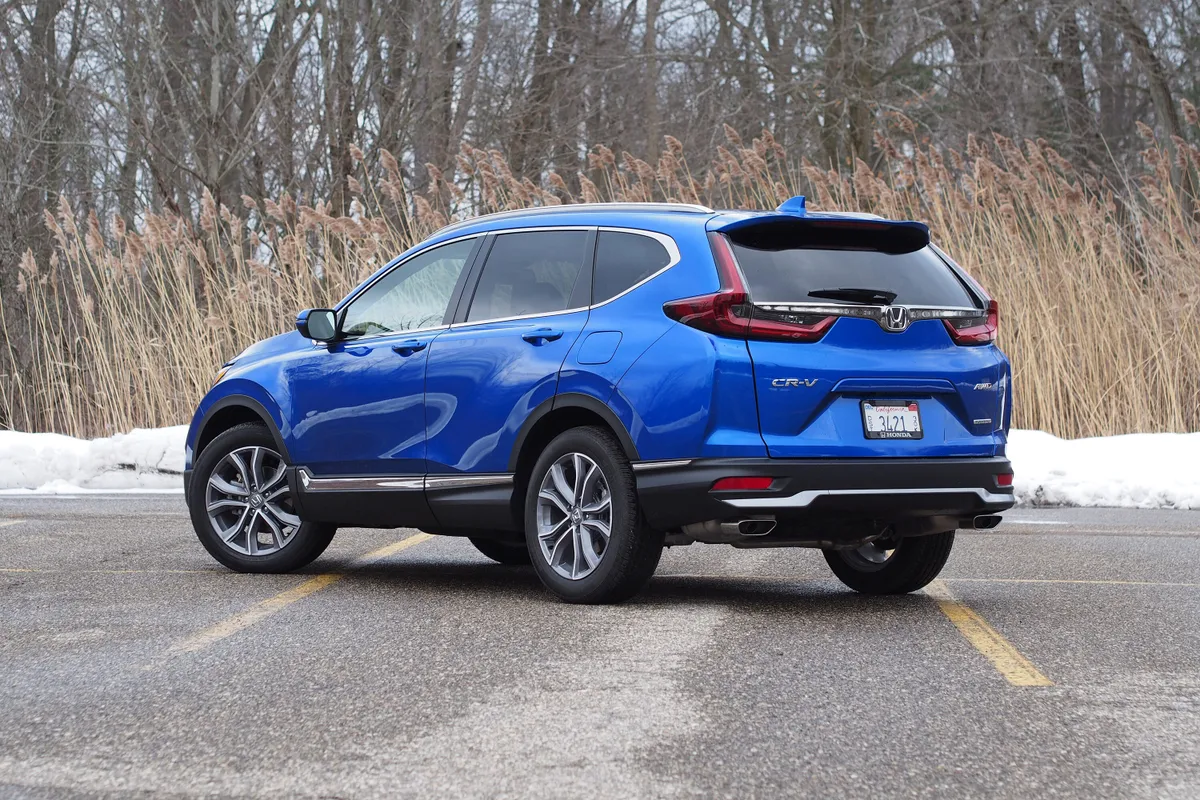
The Honda CR-V is well-known for its practical design, reliability, and comfort, and its air filtration system is another feature that enhances the driving experience.
Honda employs a multi-layer cabin air filter that is capable of capturing dust, pollen, and other airborne particles before they enter the passenger compartment. In newer models, this filter is often enhanced with an activated carbon layer to better absorb odors and harmful gases, further improving the quality of air inside the vehicle.
The design of the CR-V’s ventilation system promotes even distribution of filtered air throughout the cabin, ensuring that passengers in the rear seats benefit as much as those in the front.
This attention to airflow balance helps reduce areas where dust or stale air might accumulate. The system also includes an automatic recirculation mode, which can be activated manually or triggered by the vehicle’s sensors when outdoor air quality declines, thus minimizing the intake of pollutants.
In urban environments where air pollution is a concern, the CR-V’s filtration system helps protect occupants from exposure to harmful airborne particles.
It also helps allergy sufferers by reducing the amount of pollen and other irritants circulating inside the cabin. Drivers who use their CR-V for commuting often note a clear improvement in cabin air freshness compared to older or less-equipped vehicles, which can make daily drives more comfortable and less tiring.
Maintaining the CR-V’s air filtration system is straightforward and recommended as part of routine vehicle upkeep. The cabin air filter is accessible and can be replaced regularly to maintain its effectiveness.
This user-friendly approach ensures that the vehicle’s filtration system continues to perform well over time, supporting passenger health and comfort on every journey.

4. Audi A6
The Audi A6 is a luxury sedan that exemplifies meticulous engineering, extending beyond performance and style to the quality of the cabin environment. One of the standout features of the A6 is its fine dust filter system, which can capture ultrafine particulate matter (PM2.5) that many other vehicles’ filters cannot effectively remove.
These particles are small enough to penetrate deep into the lungs and even enter the bloodstream, so reducing their presence inside the vehicle significantly enhances passenger health.
In addition to fine dust filtering, the Audi A6’s system includes activated carbon filters that absorb harmful gases such as nitrogen dioxide and ozone.
These pollutants are common in urban areas and near heavy traffic, making the A6 well-suited for city driving without compromising air quality inside the cabin. The car’s air quality sensors continuously monitor external conditions, and the ventilation system automatically adjusts to recirculate air or intensify filtration as needed.
The ventilation system is engineered to balance high airflow with minimal noise, creating a quiet and comfortable interior atmosphere.
The filtered air reaches all parts of the cabin, ensuring that passengers in both front and rear seats breathe fresh, clean air throughout their journey. This contributes to the A6’s reputation as a refined and comfortable luxury sedan that prioritizes occupant wellbeing.
Owners of the Audi A6 often praise the freshness of the cabin air, noting that it remains pleasant even after extended drives in congested or polluted environments. Audi’s investment in advanced filtration technology reflects its commitment to luxury, comfort, and health, setting a high standard for the automotive industry.

5. Volvo XC90
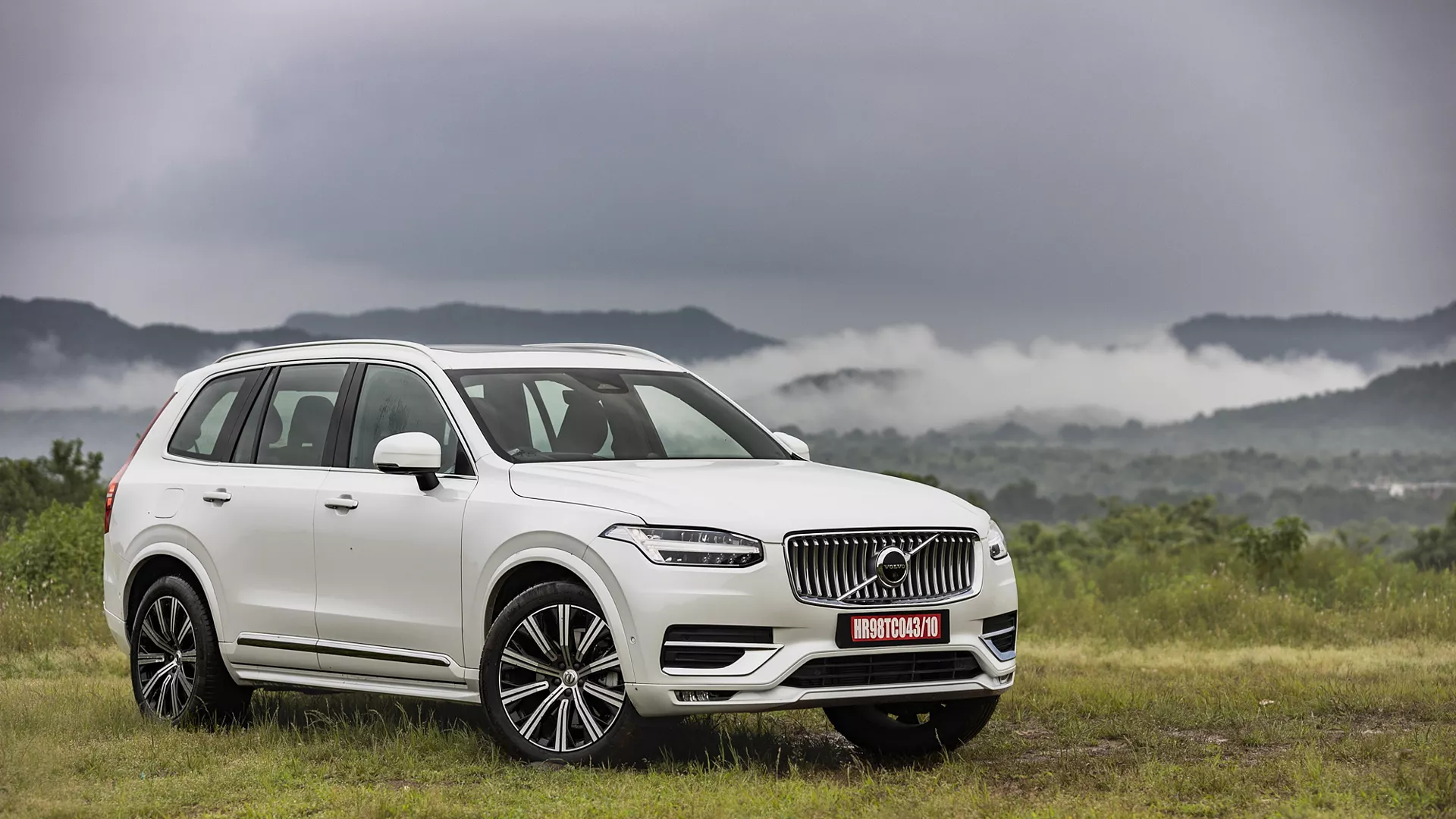
Volvo’s XC90 SUV is widely respected for its focus on safety and comfort, and its air filtration system is no exception. The XC90 features a clean zone interior package that includes a HEPA filter, which is highly effective at trapping a wide range of airborne pollutants, including dust, pollen, bacteria, and even ultrafine particles. This level of filtration helps create a healthy, allergen-free environment inside the vehicle, which is especially important for families or passengers with respiratory sensitivities.
Volvo also uses activated carbon layers within the cabin air filter to remove odors and harmful gases such as nitrogen oxides and ozone.
This feature helps to maintain a fresh and clean cabin atmosphere even when driving through highly polluted urban environments or near industrial areas. The combination of particulate and gas filtration reflects Volvo’s holistic approach to passenger health.
What sets the XC90 apart is its integration of air quality sensors that continuously monitor the cabin and outside air. The system automatically adjusts ventilation and filtration settings based on these readings, reducing the need for driver intervention and ensuring that the cabin air remains clean at all times. This proactive system contributes to a more pleasant and health-conscious driving experience.
The XC90’s focus on air filtration aligns with its design philosophy prioritizing occupant safety and wellbeing. Passengers benefit from consistently clean air, which complements the vehicle’s reputation for comfort and reliability. For anyone looking for an SUV that offers advanced protection against airborne contaminants, the Volvo XC90 is a leading choice.
5 Cars That Circulate Dust
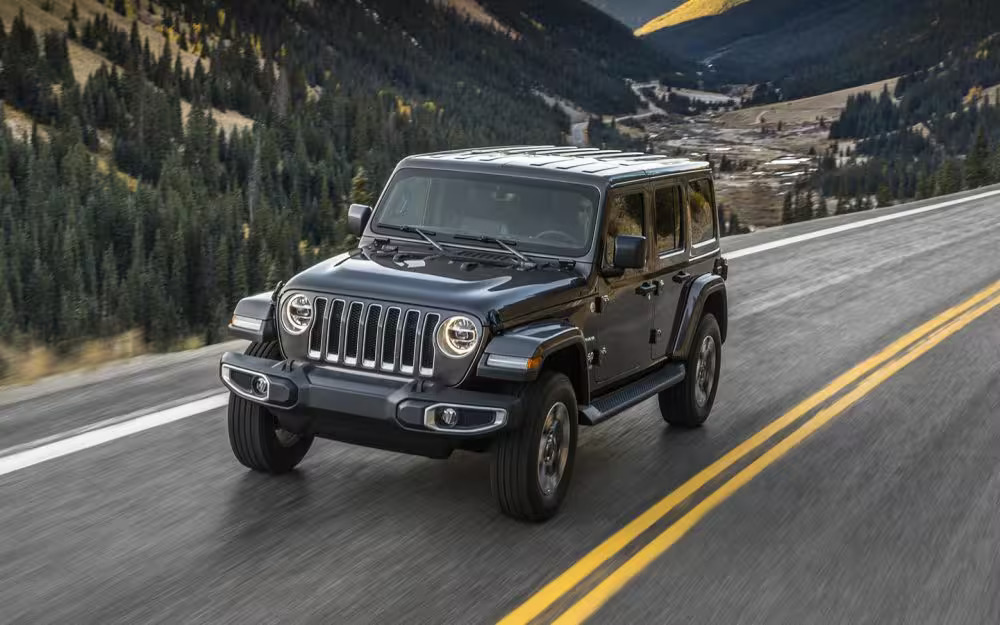
1. Jeep Wrangler (Older Models)
The Jeep Wrangler, especially older generations, is beloved for its ruggedness, off-road capability, and open-air driving experience. However, these same features contribute to one of the vehicle’s downsides: poor cabin air filtration.
Because many Wranglers have removable roofs, doors, and large gaps in their body design, dust and debris easily enter the cabin, making it difficult to maintain a clean and comfortable interior atmosphere.
Older Wrangler models often have minimal or no cabin air filters, and the ventilation system is relatively basic, prioritizing durability and simplicity over advanced filtration.
When driving on unpaved roads, dusty trails, or in windy environments, the lack of a robust filtration system allows fine dust particles to infiltrate the cabin freely. This results in dust settling on dashboards, seats, and other surfaces, creating discomfort for passengers and potentially aggravating allergies or respiratory problems.
The ventilation system in these vehicles sometimes circulates unfiltered outside air or recirculates dust that has already entered the cabin.
This means that passengers may experience stuffy, dusty air, especially during extended drives or when driving in dusty conditions. Additionally, the design of older Wranglers makes it challenging to seal the cabin fully, reducing the effectiveness of any existing air filters.
Though newer Jeep Wranglers have improved their filtration systems and include cabin air filters in their HVAC designs, owners of older models continue to report difficulties with dust and debris circulation.
For those who frequently drive in dusty or off-road environments, this aspect of the Wrangler’s design can detract from passenger comfort and vehicle enjoyment.
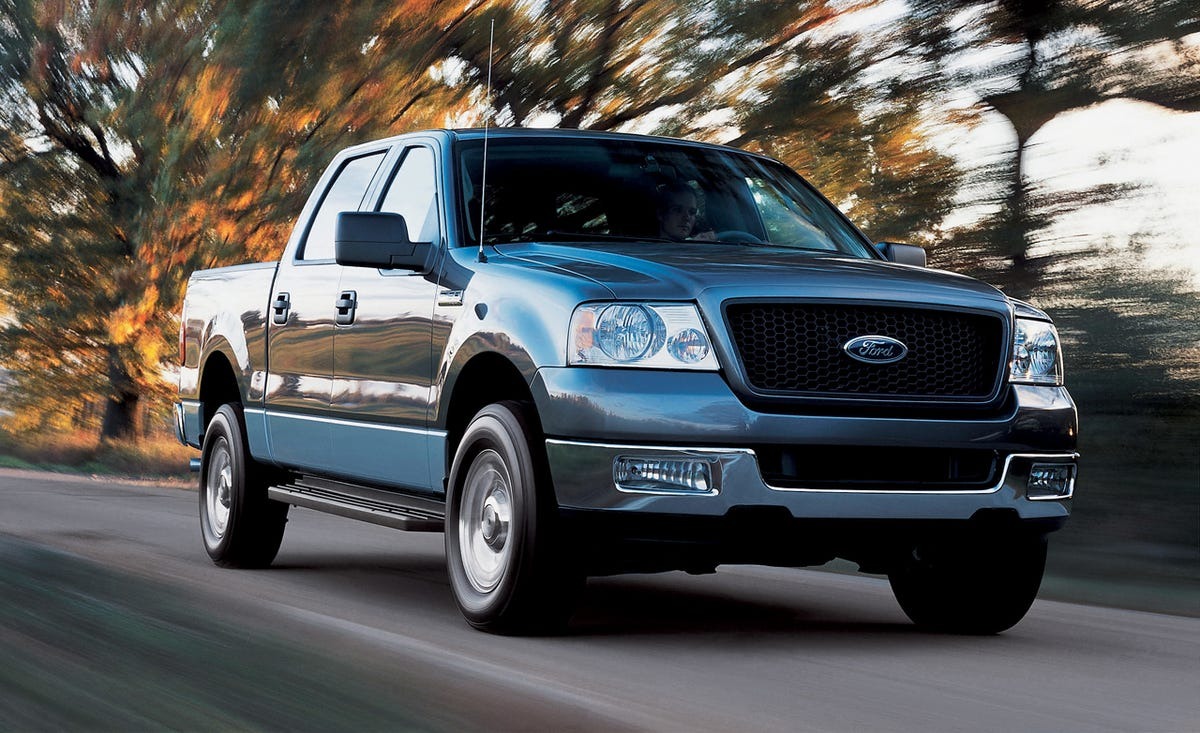
2. Ford F-150 (Early Generations)
The Ford F-150 has long been a popular choice for work trucks and daily drivers alike, but early generations of this model had less advanced cabin air filtration compared to today’s standards.
Many early F-150 trucks were either not equipped with a dedicated cabin air filter or had basic, low-quality filters that were insufficient for effectively trapping fine dust and allergens. As a result, dust and other airborne particles could easily enter and circulate inside the cabin, making the interior feel dusty and less comfortable.
This was especially problematic for drivers who used their trucks in rural, construction, or agricultural settings, where airborne dust and dirt are prevalent.
The HVAC systems in these early F-150s were primarily designed to provide heating and cooling, with little emphasis placed on filtering out contaminants. This led to increased dust buildup on interior surfaces and an decline in cabin air quality.
Maintenance of the cabin air filter in these models was often overlooked or complicated by difficult access, which further reduced the system’s effectiveness. Over time, clogged or missing filters meant the HVAC system would recirculate dusty air, exacerbating the problem.
Although Ford has made significant improvements in cabin air filtration in newer F-150 models, the earlier trucks remain known for their poor dust control and filtration. Drivers sensitive to dust or those seeking a cleaner cabin environment often need to consider aftermarket filtration solutions or frequent cleaning to mitigate these issues.
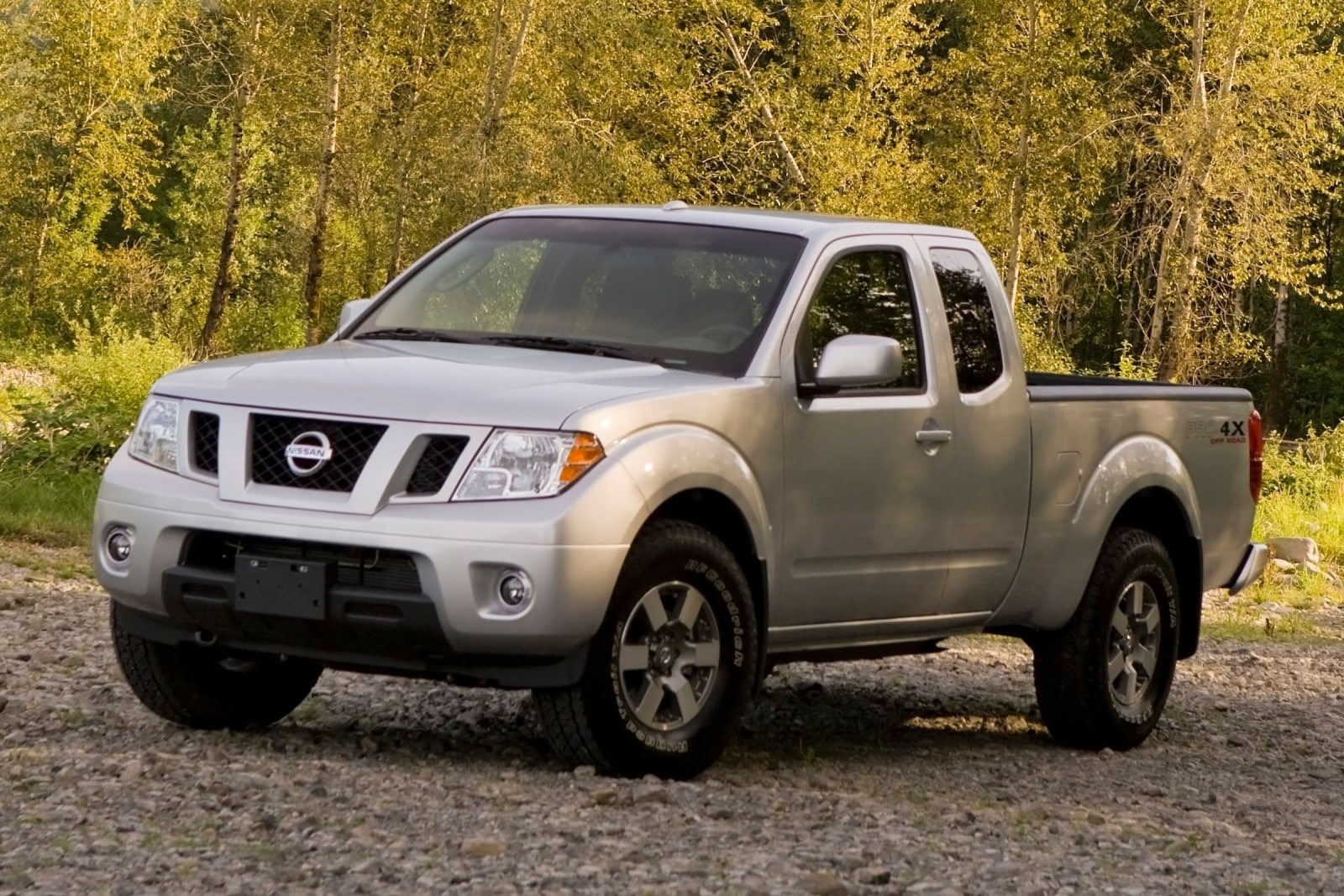
3. Nissan Frontier (Older Models)
The Nissan Frontier, especially in its older iterations, is a practical and reliable compact pickup but has faced criticism for its cabin air filtration system.
Early models often came equipped with basic filters that captured larger dust particles but failed to trap fine dust, pollen, or other allergens effectively. This limitation results in increased dust circulation inside the cabin, which can make the vehicle uncomfortable for passengers who are sensitive to air quality.
Because many Frontier owners use the truck in dusty or rural environments, the lack of an advanced filtration system is particularly noticeable.
Dust tends to accumulate on the dashboard, seats, and other interior surfaces after driving on dirt roads or in windy conditions. The ventilation system in these older Frontiers is relatively simple, lacking features such as activated carbon filters or automatic air quality sensors that help improve the air inside the cabin.
The absence of these advanced filtration technologies means that passengers are exposed to stale and dusty air, especially during long drives or when driving in areas with poor outside air quality. This issue can contribute to discomfort, allergy flare-ups, or respiratory irritation, reducing passenger comfort.
Newer Nissan Frontier models have made improvements by adding better cabin air filters and more efficient HVAC designs, but older models remain problematic for those who prioritize clean air inside the vehicle. Owners may need to replace filters more frequently or seek aftermarket options to improve air quality.
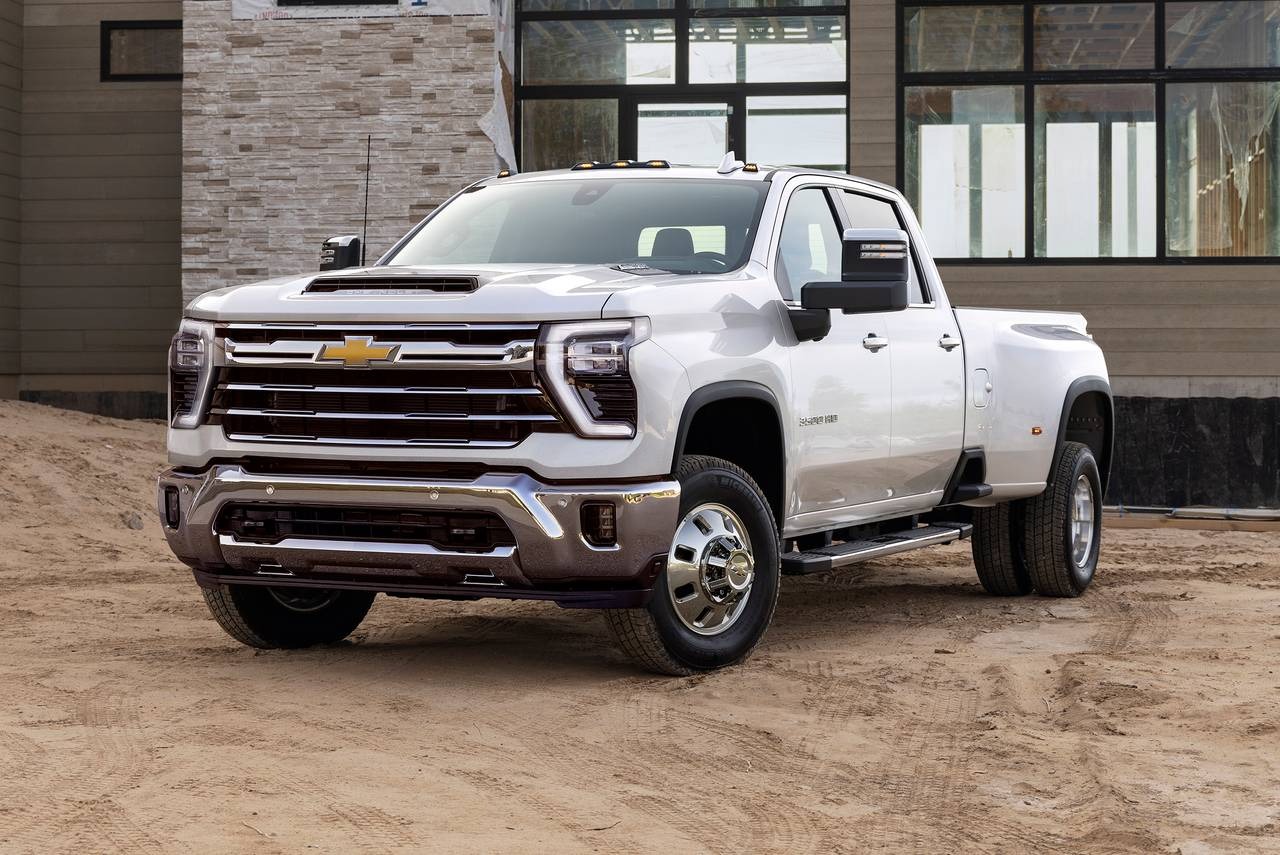
4. Chevrolet Silverado (Older Models)
The Chevrolet Silverado is a widely used full-size pickup truck that has proven itself in various demanding environments. However, older Silverado models are known for having cabin air filtration systems that are less effective at controlling dust and fine particles.
Many of these trucks were equipped with basic filters that capture large debris but do not trap ultrafine dust particles, leading to dust circulation within the cabin.
Users of older Silverados often report noticeable dust accumulation on interior surfaces, particularly after driving on dusty roads or in harsh environments.
The ventilation systems in these models tend to recirculate unfiltered air or draw in outside air without adequate filtering, leading to dusty and sometimes stale air inside the cabin. This problem can worsen if the cabin air filter is neglected or becomes clogged, which reduces airflow and filtration efficiency.
The design focus of older Silverado HVAC systems was primarily on durability and functionality rather than passenger comfort related to air quality. This results in a vehicle that may excel in work-related tasks but falls short in providing a clean and healthy interior environment for occupants.
While newer Silverado models have introduced better filtration systems and air quality monitoring, the older trucks continue to be known for their tendency to circulate dust and require extra care and maintenance to keep the cabin environment comfortable and healthy.

5. Suzuki Jimny (Early Generations)
The Suzuki Jimny is a compact off-road vehicle known for its agility and simplicity, but early generations of this model did not prioritize cabin air filtration. Many of these vehicles either lacked cabin air filters entirely or used very basic filters that were insufficient for capturing fine dust or allergens. The ventilation system is also quite basic, lacking features that enhance filtration or automatically adjust to changing air quality conditions.
Due to the Jimny’s off-road nature, it is frequently exposed to dusty and dirty environments. The lack of an effective filtration system means that dust and dirt easily enter the cabin, settling on surfaces and circulating through the ventilation system.
Passengers often experience dusty and stale air, which can lead to discomfort and respiratory irritation during or after drives in challenging terrain.
The ventilation system’s simplicity means it does not recirculate air efficiently or filter out odors and gases, which further degrades the cabin environment. Without effective filtration, the air inside the Jimny can quickly become uncomfortable, especially on longer trips or in highly polluted areas.
Although Suzuki has improved cabin air quality in more recent Jimny models, the early versions remain less than ideal for passengers sensitive to air quality. For owners of these older models, aftermarket filters or frequent cleaning might be necessary to improve the interior air quality and maintain passenger comfort.
Also Read: 5 Cars That Stay Valuable Enough to Buy New vs 5 That You Should Always Buy Used
Air quality inside a vehicle is an essential but often underappreciated factor that significantly influences passenger comfort, health, and driving satisfaction.
As people spend more time commuting or traveling, the environment inside the cabin becomes a critical space where clean, fresh air is necessary to maintain alertness, prevent discomfort, and reduce exposure to potentially harmful pollutants.
Cars with effective air filtration systems demonstrate a commitment to passenger well-being by ensuring that the air circulating inside remains as free from dust, pollen, bacteria, and harmful gases as possible. These systems represent an important part of modern automotive design, reflecting a broader focus on health, safety, and comfort.
The five vehicles discussed earlier with advanced air filtration capabilities show that automakers can and do create systems that actively protect passengers from the effects of pollution and allergens.
Models like the Tesla Model 3, with its hospital-grade HEPA filters and Bioweapon Defense Mode, stand out as leaders in the field, providing near-medical-grade air purity inside the cabin.
Similarly, the Toyota Highlander, Honda CR-V, Audi A6, and Volvo XC90 use layered filtration technologies including activated carbon filters and fine dust particle screens, combined with air quality sensors that continuously monitor and adjust airflow.
These vehicles not only filter out dust and allergens but also neutralize odors and reduce exposure to harmful gases, ensuring a healthier and more pleasant environment regardless of outside conditions.
These vehicles highlight how modern filtration systems can create a safer sanctuary for passengers amid the growing challenges of air pollution in urban and rural areas alike. This is especially crucial for individuals with respiratory issues, allergies, or those who simply want to enjoy a cleaner, more comfortable cabin environment.
The integration of sensors and automatic ventilation adjustments further enhances convenience by optimizing air quality without driver intervention, reflecting the latest advances in automotive technology.
In contrast, the vehicles identified as prone to circulating dust, such as older Jeep Wranglers, early Ford F-150s, Nissan Frontiers, Chevrolet Silverados, and Suzuki Jimnys, illustrate the limitations of less sophisticated or aging filtration systems. Many of these vehicles were designed with different priorities, such as durability or off-road capability, and thus often sacrificed cabin air quality.
The absence of high-quality filters, combined with ventilation designs that allow dust and pollutants to enter or recirculate within the cabin, results in dusty, stale air that reduces passenger comfort and may pose health risks over time.
For owners of these vehicles, maintaining cabin air quality can require extra effort, including frequent filter replacements, regular cabin cleaning, or aftermarket filtration solutions.
The contrast between these two groups of vehicles highlights the importance of air filtration as an increasingly relevant factor in vehicle choice and maintenance.
As environmental conditions worsen in many regions and awareness of indoor air quality grows, the demand for better cabin filtration will likely continue to rise. Manufacturers have responded by investing in advanced filtration technologies, creating healthier and more comfortable driving environments that benefit all passengers.
Understanding how air filtration systems function and recognizing which vehicles offer superior performance can empower consumers to prioritize air quality in their automotive decisions. For drivers who suffer from allergies or respiratory sensitivities, choosing a vehicle with a proven filtration system can significantly improve daily comfort and health.
For those with older or less equipped vehicles, adopting maintenance practices or adding aftermarket filters can help mitigate some of the issues related to dust circulation.
In summary, cabin air filtration is not just a luxury feature but a crucial element of modern vehicle design that contributes directly to the well-being of drivers and passengers. As the automotive industry continues to innovate, better filtration systems will become standard across more vehicle classes, raising the bar for air quality inside cars.
Meanwhile, consumers should remain aware of how their vehicle’s filtration system performs and take proactive steps to maintain or improve cabin air quality. By doing so, they ensure that every journey is not only safe and efficient but also as clean and comfortable as possible.
