
When cold weather hits, one of the most noticeable inconveniences for drivers is how long it takes for a vehicle’s engine and interior to warm up.
The difference between a car that quickly heats the cabin and one that takes a long time to do so can transform the driving experience, especially in regions that experience freezing temperatures regularly.
The importance of a quick warm-up extends beyond comfort. When a vehicle warms up faster, it allows the driver to defrost windows sooner, improves visibility, and can reduce engine wear associated with cold starts.
Moreover, waiting in a freezing car for heat is not just unpleasant but can affect the driver’s focus and readiness on the road. Because of this, the speed at which vehicles generate and transfer heat to the cabin is a key factor many owners and buyers consider, particularly during the winter season.
The mechanics of warming up a vehicle are tied closely to the internal combustion engine’s operation. When the engine starts cold, the coolant circulating inside the engine block is also cold.
The coolant needs to absorb the heat produced by the engine combustion to raise its temperature sufficiently before it can effectively transfer warmth to the heater core and subsequently to the cabin.
During this process, the heater core acts as a small radiator; hot coolant passes through it, and a blower fan pushes air over the heated core to warm the cabin air.
The faster the coolant heats up and circulates, the sooner the vehicle’s interior will feel warm. Different vehicle models use varied technologies and engineering designs to optimize this process, influencing the time it takes to reach a comfortable temperature.
The type of engine also impacts warm-up speed. Gasoline engines typically warm up faster than diesel engines because of differences in combustion temperature and engine block design. Diesel engines, known for durability and fuel efficiency, tend to operate at higher compression ratios but generate heat more slowly.
Hybrid and electric vehicles further change the game; since they either have smaller combustion engines or none at all, they may rely on electric heaters or heat pumps, which can deliver heat immediately or take longer depending on the system’s sophistication.
Vehicle size, engine displacement, and coolant volume also affect the rate of warming. Larger engines generally have more coolant, requiring more heat to reach optimal temperature, which can slow the warm-up process.
Additional factors such as the vehicle’s insulation, heating system design, and features like remote start or pre-conditioning can accelerate the comfort level inside the cabin. Remote start systems allow drivers to turn on the engine from a distance, providing time for the engine and heating system to warm before stepping inside.
Pre-conditioning, available in some modern vehicles, uses electric heaters or heat pumps to warm the interior even without the engine running. These advancements not only improve comfort but can also reduce fuel consumption and emissions by limiting the need for prolonged idling.
This article lists five vehicles that are known for warming up quickly in cold weather, followed by five that generally take longer to heat up, explaining the reasons behind their performance and what drivers can expect in real-world conditions.
Also Read: 5 Vehicles With Smoothest Rides and 5 With Jarring Suspensions
Vehicles With Quick Warm-Up
1. Subaru Outback
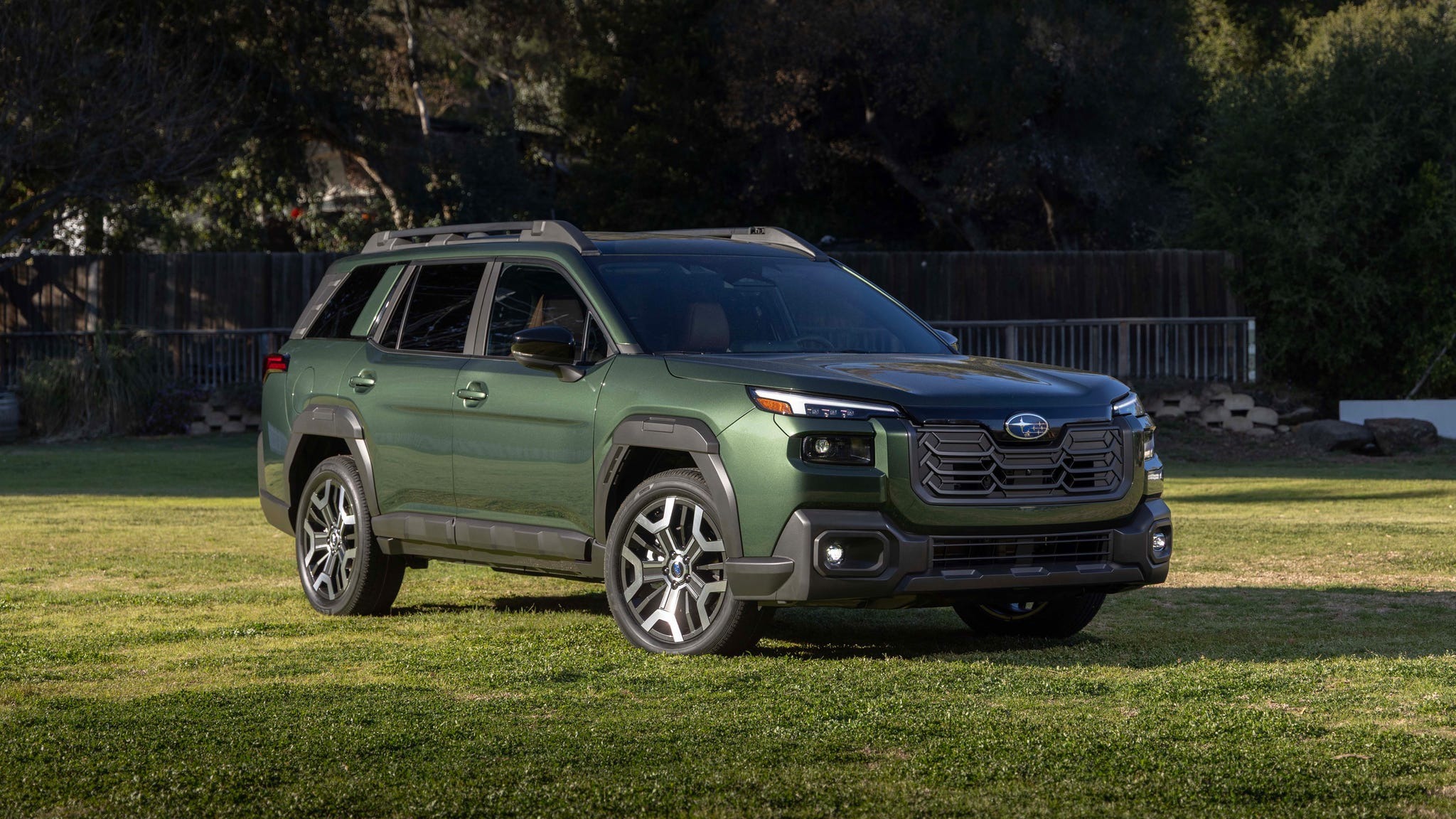
The Subaru Outback is a vehicle often praised for its performance in colder environments, and a significant part of its appeal comes from how fast it can warm up after a cold start. One reason behind this quick warm-up lies in its unique boxer engine design, where the cylinders lie flat and oppose each other.
This horizontally opposed configuration spreads heat more evenly throughout the engine block compared to inline or V-type engines, helping the coolant to absorb and distribute heat more efficiently.
Since the engine heats uniformly, the coolant reaches optimal temperature faster, which translates directly into quicker heating inside the cabin. This even heat distribution also reduces cold spots within the engine, contributing to better thermal management.
The Subaru Outback’s heating system is carefully designed to complement the engine’s thermal characteristics. The heater core, which transfers heat from the hot coolant to the cabin air, is located close to the engine, meaning there is minimal delay in warm coolant reaching the core.
This short coolant path is crucial because long heater hose runs or poorly positioned heater cores can delay the transfer of heat, leaving occupants shivering longer.
In addition, Subaru often equips its vehicles with electric coolant pumps in newer models. Unlike mechanical pumps that rely on engine speed, electric pumps can circulate coolant at higher speeds immediately after startup, increasing the flow of hot coolant through the heater core and thus speeding the warm-up process.
Beyond hardware, Subaru optimizes the engine management software to assist warm-up. During cold starts, the engine’s idle speed is temporarily increased to produce more heat quickly without excessive fuel consumption. This deliberate strategy ensures that the engine reaches an ideal temperature rapidly and maintains it to keep the heater core hot.
The Outback also features well-insulated cabins and efficient HVAC (heating, ventilation, and air conditioning) systems, which help retain the generated heat inside the vehicle, making it warm quickly and keeping it that way longer.
For drivers living in colder regions, the Subaru Outback offers a dependable and speedy heating experience that balances comfort and efficiency without compromising engine health or fuel economy.
2. Toyota RAV4
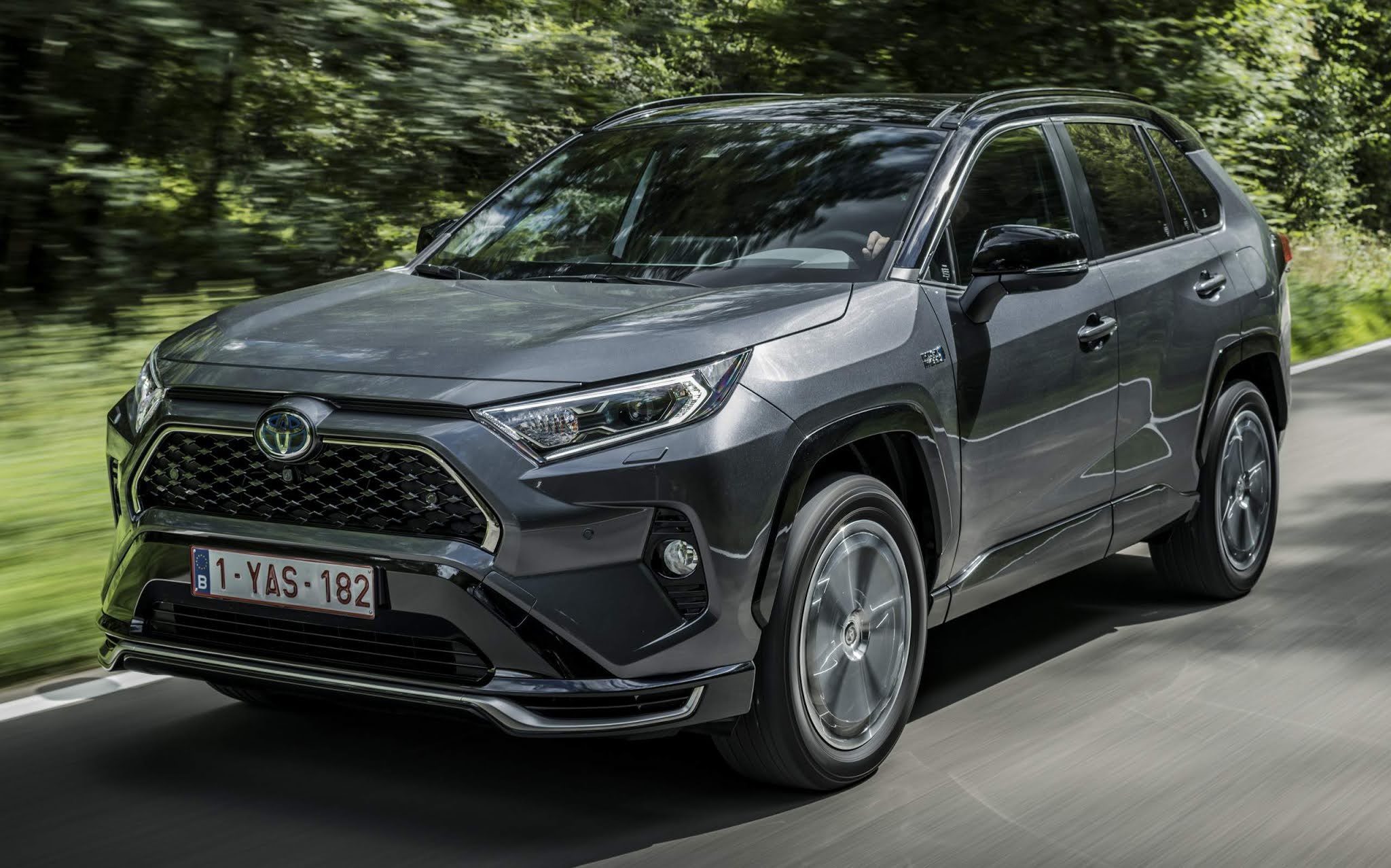
The Toyota RAV4 has built a strong reputation as a dependable and practical compact SUV, and its ability to warm up quickly is one of the reasons drivers appreciate it during winter months. The RAV4’s engine is typically a 4-cylinder unit with advanced fuel injection and cooling system technologies designed for efficient heat production.
Toyota engineers have implemented precise coolant flow management, including thermostats that open at the right temperature to allow hot coolant to circulate through the heater core almost immediately after the engine starts. This quick response from the cooling system minimizes the wait time for warm air to enter the cabin.
The vehicle’s heating system plays a vital role in delivering heat swiftly to passengers. The RAV4’s blower fans are designed to push air through the heater core with considerable force, which means the moment the heater core warms up, warm air is rapidly directed into the cabin.
Many drivers comment on how the RAV4’s interior starts feeling comfortable just minutes after ignition, even on frigid mornings. In addition to the mechanical system, Toyota equips many RAV4 models with automatic climate control systems. This means the system can automatically adjust fan speed, temperature, and air distribution to optimize cabin warmth quickly.
Some RAV4 variants come with remote start or smart key features, allowing the driver to start the engine and pre-condition the cabin temperature before physically entering the vehicle. This pre-heating option is especially useful for cold climates where waiting for the engine to warm up inside the vehicle can be uncomfortable.
Toyota’s efficient combustion process during cold starts also contributes to fast heat generation without wasting excessive fuel. This careful balance of mechanical design and technology ensures that the RAV4 delivers one of the quicker warm-ups in its class, making it a favorite for those who value comfort and efficiency in colder weather.
3. Honda CR-V
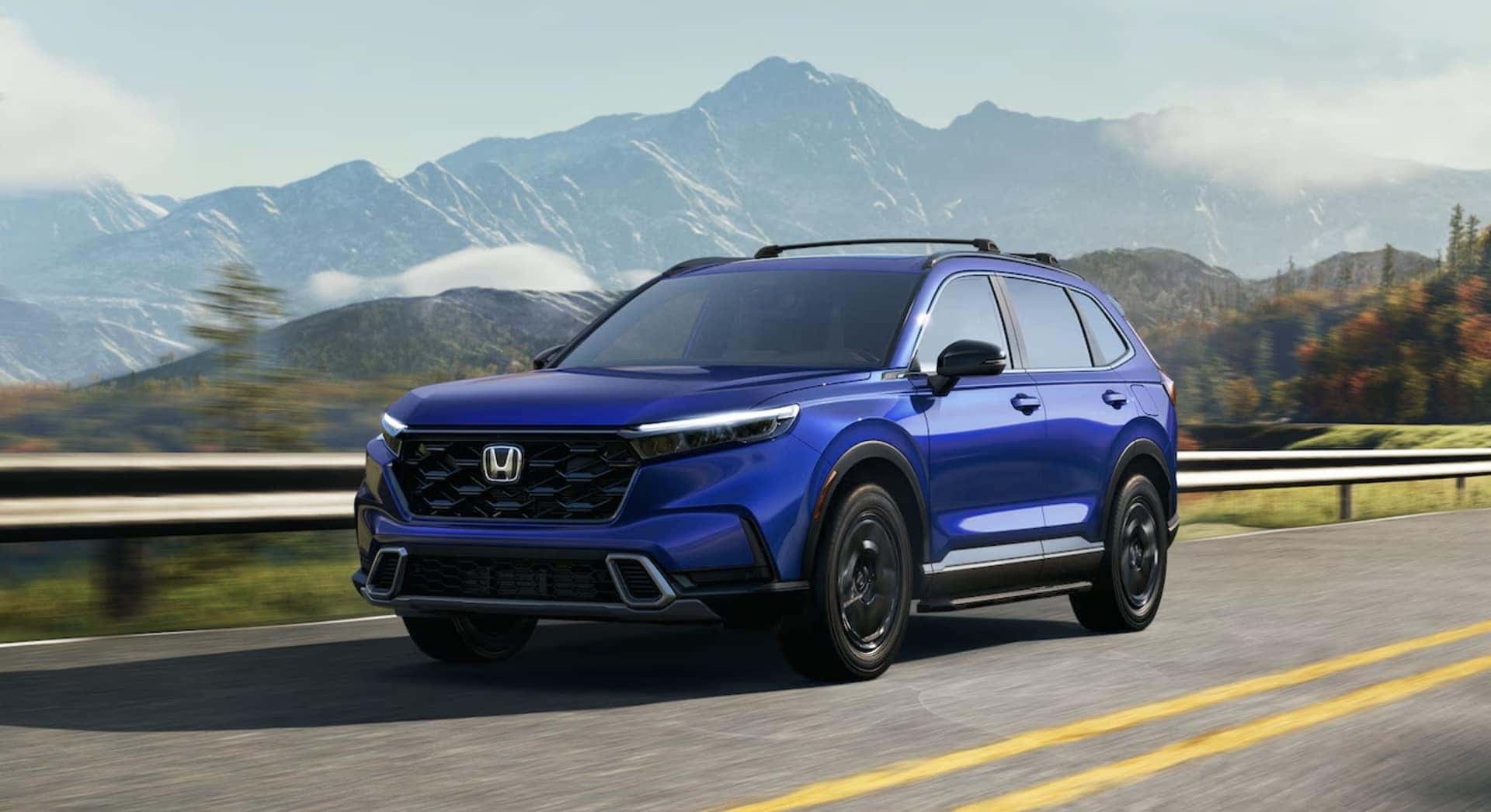
The Honda CR-V is widely appreciated not just for its reliability and practicality but also for its ability to warm up the cabin quickly after startup. One factor that contributes to this is the CR-V’s smaller 1.5-liter turbocharged engine, which has a relatively low coolant volume due to its size.
A smaller coolant volume means there is less fluid to heat, allowing the engine temperature to rise faster compared to larger engines with more coolant. The turbocharged design ensures efficient combustion, generating more heat quickly without sacrificing fuel economy.
The CR-V’s heating system uses a dual-zone automatic climate control, which allows the driver and front passenger to set individual temperature preferences. This targeted heating means that warmth can be delivered precisely and rapidly to the areas that matter most, increasing comfort soon after startup.
The heater core in the CR-V is relatively large and positioned close to the engine, shortening the distance hot coolant must travel before it can heat the cabin air. This design accelerates the delivery of warmth, especially when compared to vehicles where the heater core is located farther from the engine.
Honda also places a strong emphasis on reducing heat loss within the engine compartment. Using thermal insulation around key components and heater hoses means that heat stays within the system rather than dissipating into the cold engine bay. This focused retention of heat speeds up the warm-up process.
To complement this, the CR-V’s engine control system increases the idle speed temporarily during cold starts, producing additional heat to warm the coolant quickly. Together, these engineering choices make the CR-V a vehicle that passengers can count on to become comfortable swiftly in chilly conditions.
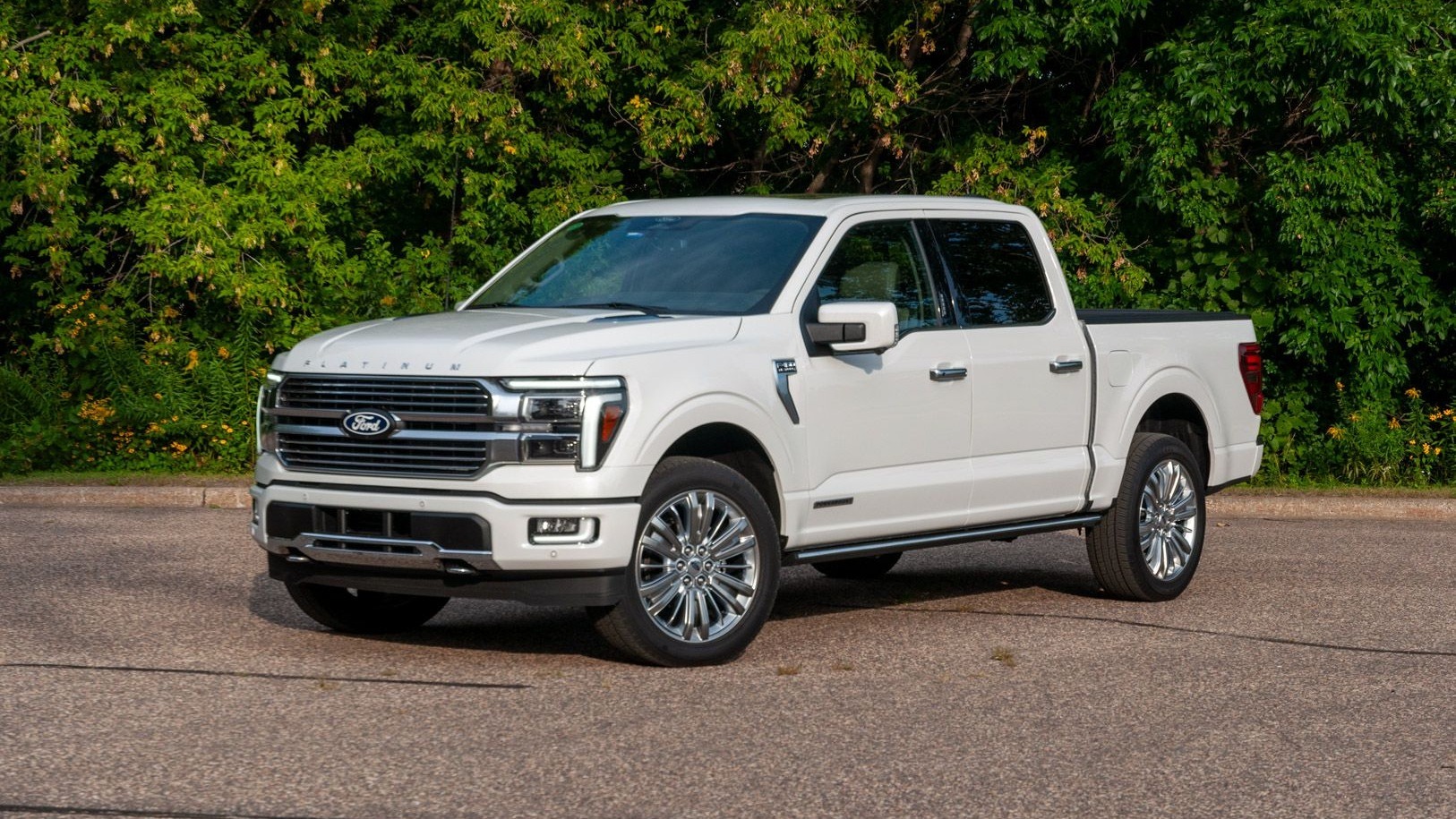
4. Ford F-150 (with EcoBoost Engines)
The Ford F-150, particularly those equipped with EcoBoost engines, is known for balancing power and efficiency while maintaining a surprisingly quick warm-up time.
The EcoBoost line consists of turbocharged engines that run at high efficiency, generating heat more rapidly than many traditional naturally aspirated V8 engines of similar or larger displacement. This faster heat generation aids in warming the coolant quickly, which in turn warms the cabin sooner.
Newer Ford F-150 models include technologies that improve heat transfer speed. Electric coolant pumps replace traditional mechanical pumps on many versions, enabling coolant to circulate through the heater core right away, regardless of engine speed.
This continuous circulation means the heater core heats faster, and warm air begins blowing from the vents in a much shorter timeframe than older trucks. The F-150’s heater core itself is large and coupled with powerful blower fans that can move warm air effectively even in a spacious cabin, reducing the time needed for the interior to feel comfortable.
The truck’s compatibility with remote start and climate pre-conditioning systems adds a layer of convenience in cold weather. Drivers can start the engine from inside their homes or offices, allowing the truck’s heating system to reach a comfortable temperature before stepping inside.
This not only improves comfort but also reduces idling time and fuel consumption. Ford’s careful integration of modern heating technologies with robust engine design makes the EcoBoost-equipped F-150 a leader among full-size trucks in delivering fast cabin warmth.
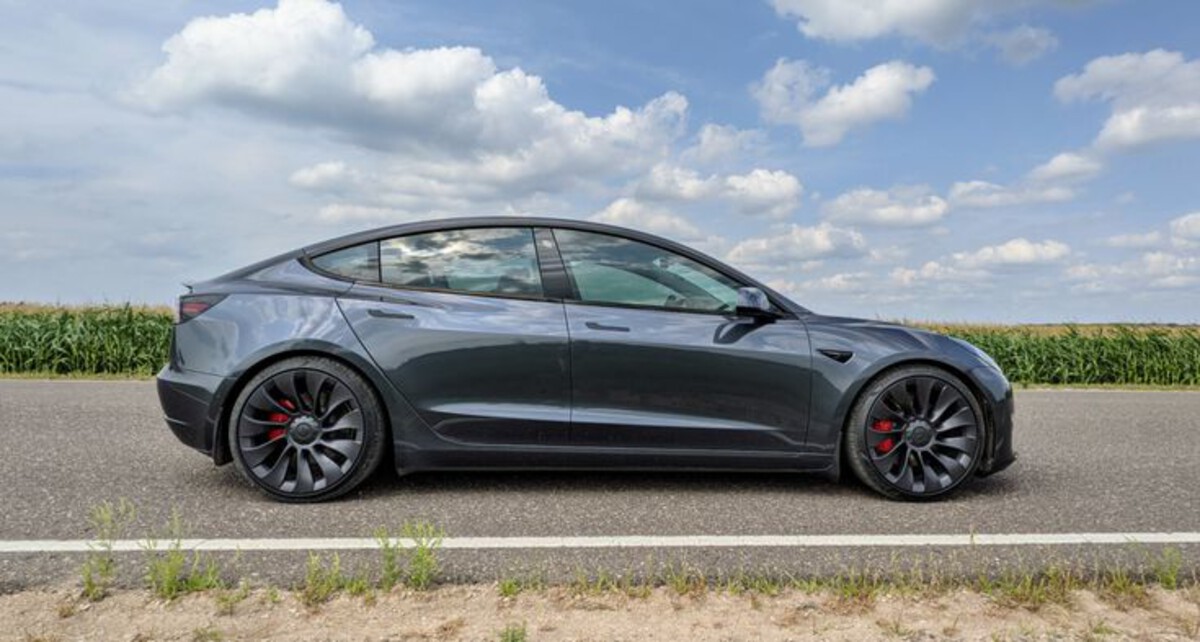
5. Tesla Model 3 (With Heat Pump)
The Tesla Model 3 is an example of how electric vehicles have transformed the way cabin heating works. Unlike traditional internal combustion engine vehicles, EVs do not have an engine block producing waste heat during operation.
Instead, the Model 3 uses an advanced heat pump system that extracts heat from the outside air and efficiently transfers it into the cabin. This heat pump can deliver warmth much faster than older electric resistance heaters, making the Model 3 quick to warm up even in cold climates.
Because the heat pump operates independently from the engine, the Model 3 does not have to wait for engine heat to build up before heating the cabin. This immediate availability of heat greatly reduces the waiting period experienced in conventional vehicles.
Additionally, the Model 3 can precondition the cabin while still plugged in, using electricity from the charger rather than the battery. This pre-heating ensures that the cabin is warm and ready upon entry, eliminating the cold start discomfort.
The Tesla software intelligently manages energy use during heating to maintain a balance between rapid warming and preserving battery range. Waste heat from the electric motors and battery systems supplements the heat pump, further increasing efficiency.
The combination of electric heating, heat pump technology, and smart energy management makes the Model 3 one of the fastest vehicles to deliver cabin heat, offering a fundamentally different and highly effective approach to cold-weather comfort.
Vehicles With Slow Heating
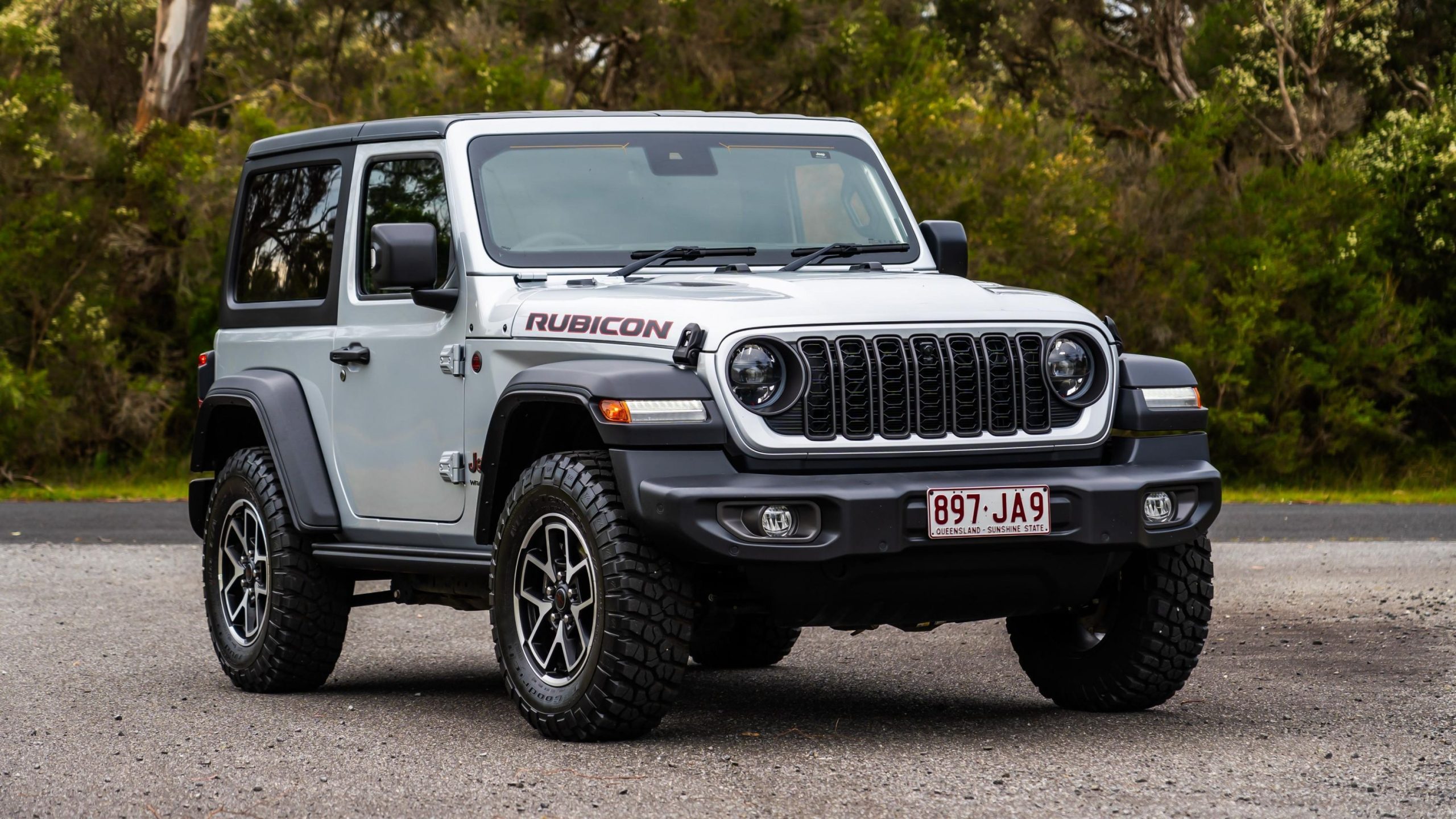
1. Jeep Wrangler
The Jeep Wrangler is an iconic off-road vehicle, but its heating system is not one of its strongest points, especially when it comes to quick warm-up in cold weather. The Wrangler’s design prioritizes ruggedness and simplicity, which means some compromises are made in heating efficiency.
The engine bay is large and open, which allows heat to escape rather than being retained and directed toward warming the cabin. This heat loss means the engine coolant takes longer to reach a high enough temperature to provide effective cabin heating.
The Wrangler’s engines tend to have a larger coolant volume, which requires more heat input before the temperature rises sufficiently.
This is compounded by the fact that the Wrangler uses traditional mechanical water pumps and thermostats that rely on engine speed and temperature, limiting coolant circulation during cold starts. As a result, the heater core warms slowly, delaying the flow of hot air to the interior.
The heating system’s blower fans are generally not as powerful as those found in newer or more comfort-oriented vehicles, meaning that even when the heater core is hot, warm air delivery to the cabin feels weak and slow.
Additionally, the Wrangler’s rugged interior and basic climate control system lack advanced features such as remote start or automatic climate pre-conditioning, which could help offset the slow heating process.
Many Wrangler owners report that it can take a significant amount of time for the vehicle to feel warm during winter mornings, especially when the temperature drops well below freezing. While the Wrangler excels in durability and off-road capability, those looking for fast heating on cold days might find it lacking in this regard.
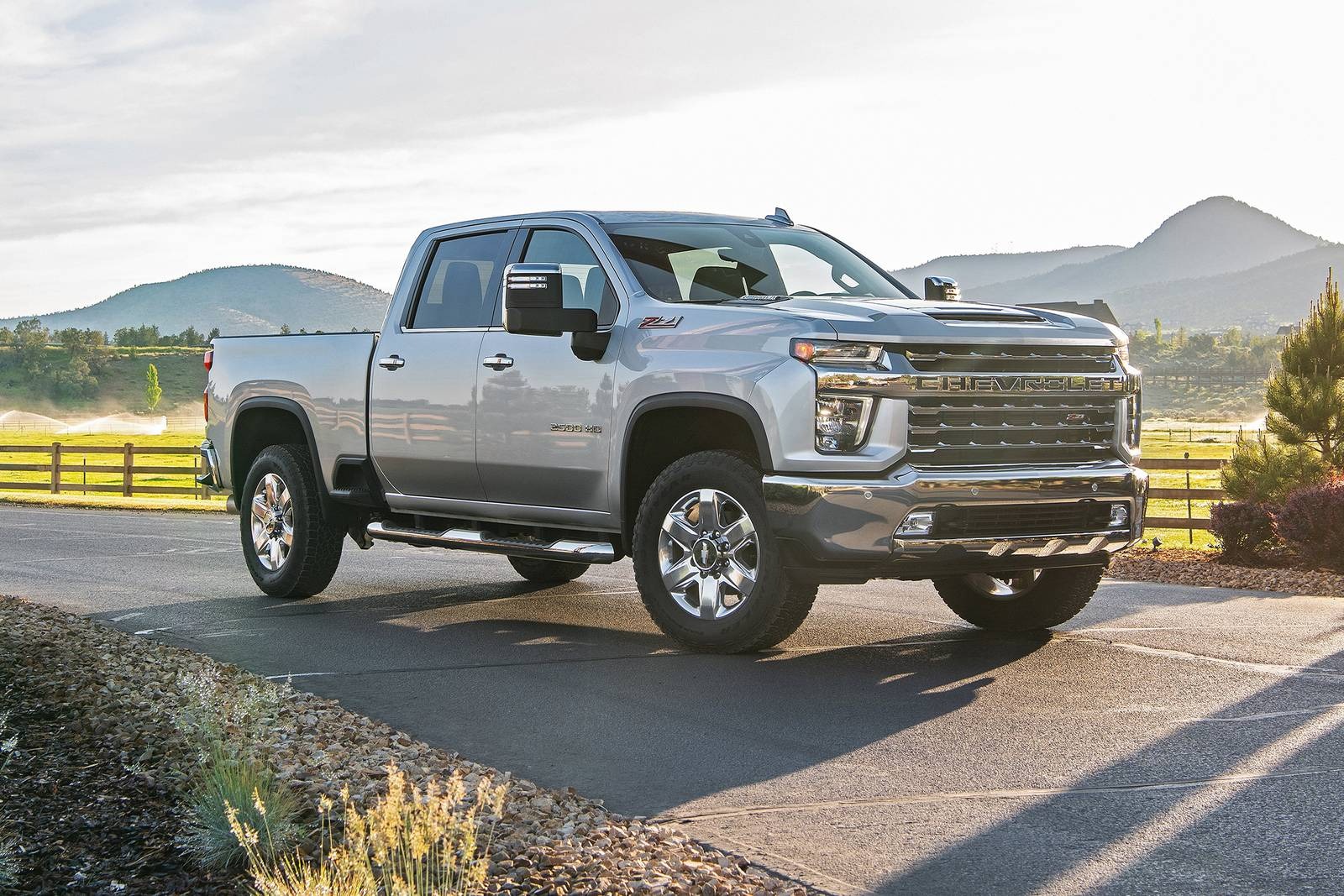
2. Chevrolet Silverado (Older Models)
Older Chevrolet Silverado pickups, especially those produced before the recent generation updates, are known to have slower warm-up times in cold weather.
These trucks typically feature large V8 engines with substantial coolant volumes. While a big engine generates significant heat once warmed, the sheer amount of coolant means it takes longer for the engine to reach operating temperature, delaying cabin heating.
Many older Silverado models use mechanical water pumps that depend on engine speed, so at startup and idle, the coolant flow rate is limited.
This slow coolant circulation reduces the speed at which hot coolant reaches the heater core, resulting in a delayed delivery of warm air to the cabin. Since idling speeds during cold starts are low, heat generation and transfer are not optimized, prolonging the heating process.
The heater blower fans in these older trucks often lack the power seen in newer models, which means once the heater core does become hot, the warm air moves sluggishly through the cabin.
Combined with the Silverado’s large interior space, this means it can take several minutes for the entire cabin to warm up. The large glass areas and relatively basic insulation in older models also contribute to heat loss, making it harder for the cabin to retain warmth.
Newer Silverados have improved this situation by introducing electric coolant pumps, remote start, and enhanced climate control systems. However, drivers of older trucks must often endure longer waits for warmth in cold weather, particularly when venturing out early in the morning or in sub-zero temperatures.
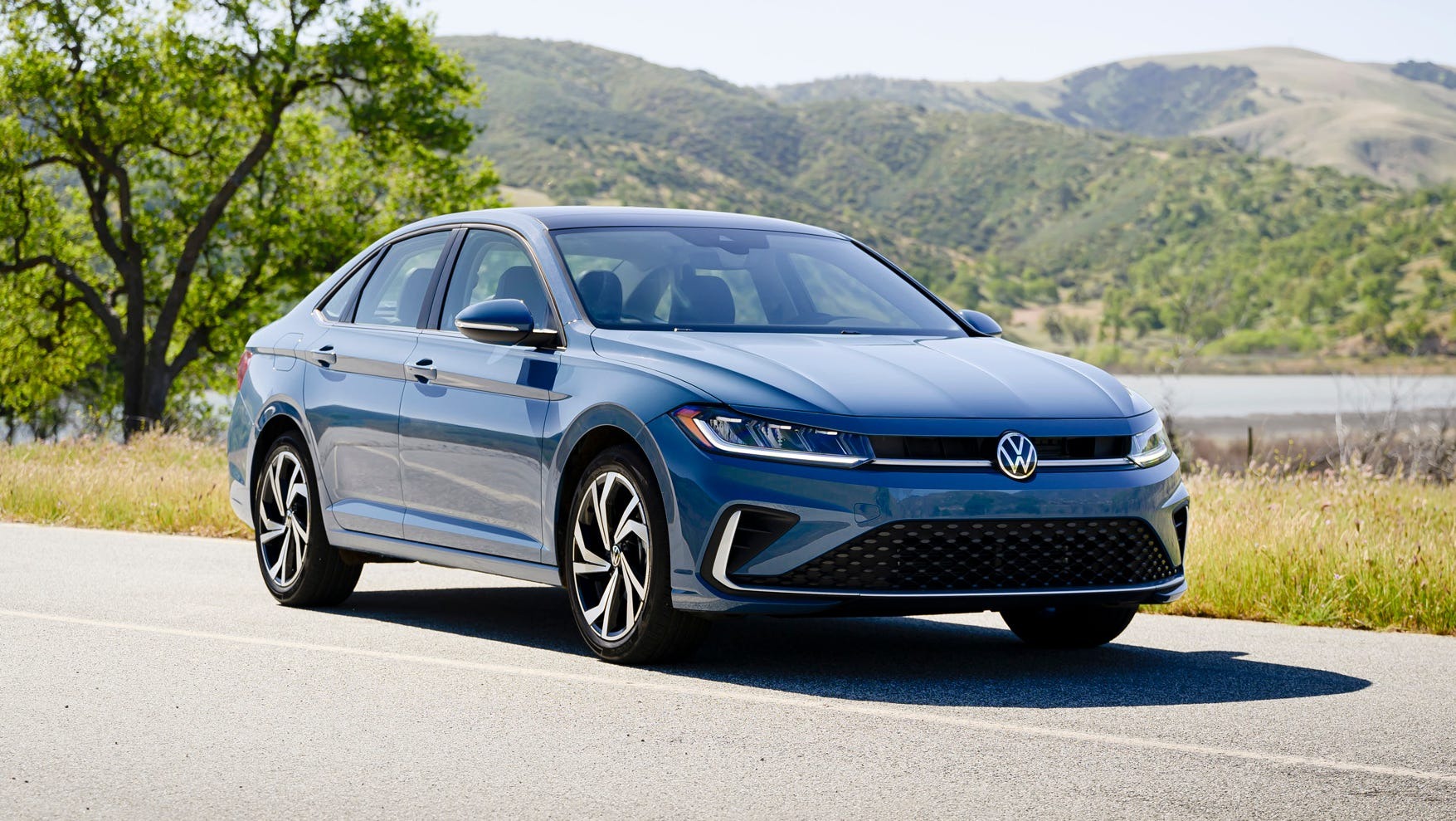
3. Volkswagen Jetta (Certain Models)
Certain versions of the Volkswagen Jetta, especially older or base model trims, are known for their slow cabin warm-up in cold climates. While the Jetta’s 4-cylinder engines generate sufficient heat, the cooling and heating system design sometimes causes inefficiencies in transferring this heat quickly to the cabin air.
In some Jetta models, the heater core is located relatively far from the engine block, which increases the distance hot coolant must travel.
This longer path causes delays in warming the heater core, leading to slow initial cabin heating. Additionally, the coolant hoses may be longer and less insulated, resulting in some heat loss during transit.
The blower fans responsible for pushing warm air into the cabin are modest in power, especially in base trims, which means that even after the heater core warms, the air movement into the cabin is gradual.
The Jetta’s cabin insulation also tends to be lighter compared to premium vehicles, causing quicker heat loss and making it harder for the interior to maintain warmth once it does develop.
Lower trims of the Jetta typically lack advanced features such as remote start or pre-conditioning, which can help pre-warm the vehicle and reduce waiting times. As a result, drivers and passengers in these models often experience longer periods of discomfort during cold starts, especially on chilly mornings.
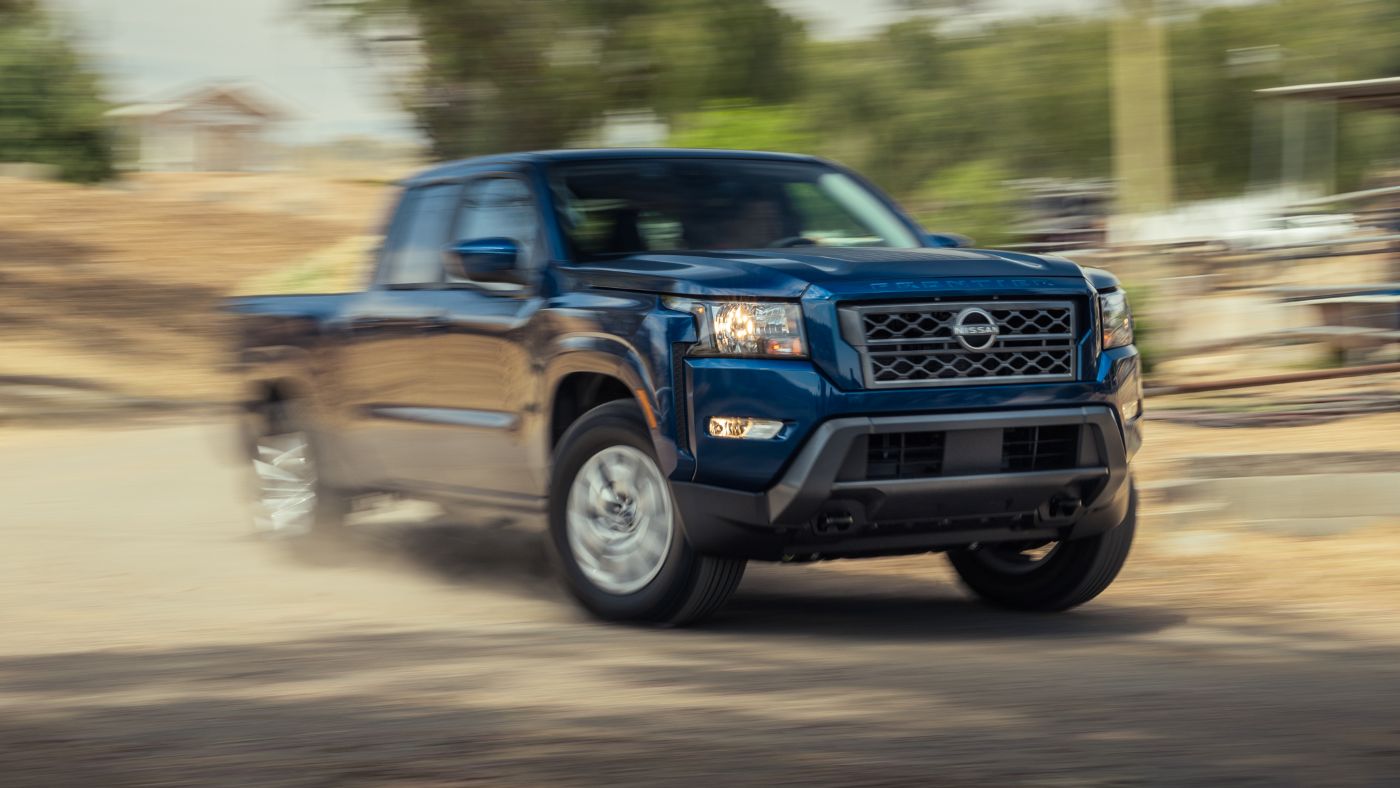
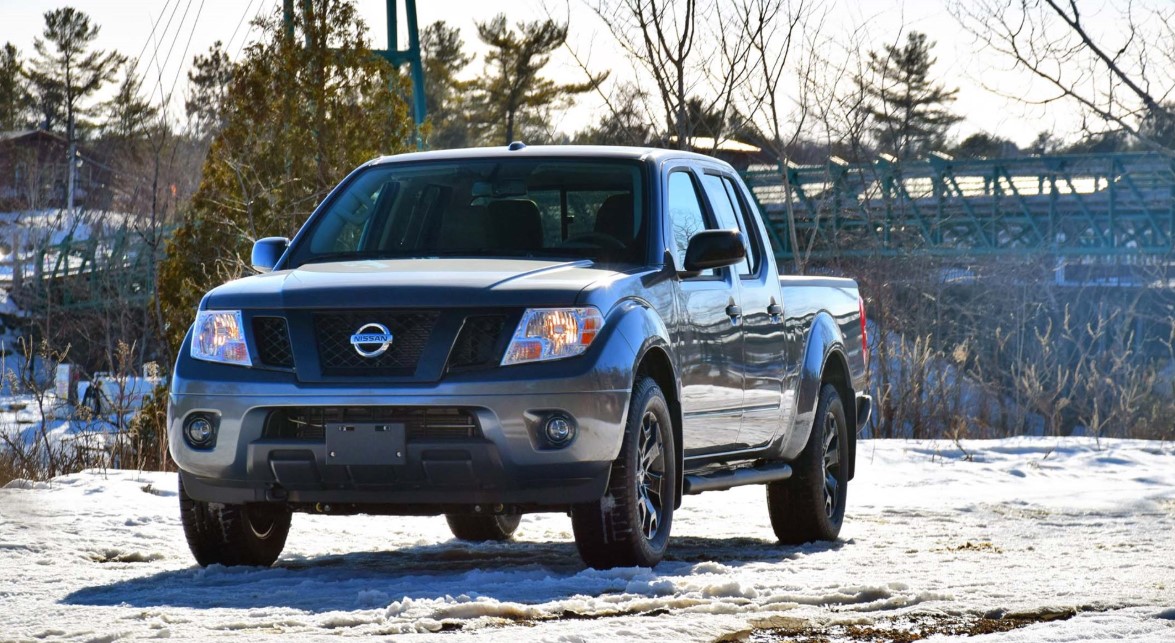
4. Nissan Frontier
The Nissan Frontier, a midsize pickup, is another vehicle that generally takes longer to warm up. Its engine and heating system are straightforward but lack the refinements that speed heating in some newer or more comfort-focused vehicles.
The Frontier’s V6 engine, while capable and reliable, has a larger coolant volume relative to smaller engines, which means more heat energy is required to raise the coolant temperature sufficiently for effective heating.
The mechanical water pump used in the Frontier relies on engine speed, so coolant circulation is limited at low idle speeds during cold starts.
This restriction slows the flow of warm coolant to the heater core, resulting in delayed cabin heating. The heater core itself is fairly standard and not optimized for quick heat transfer, further contributing to the slow warm-up process.
Additionally, the blower fans in the Frontier tend to be less powerful compared to those in newer vehicles, reducing the airflow over the heater core and slowing the distribution of warm air inside the cabin.
The Frontier’s interior insulation is average, which means heat retention is not ideal, allowing warmth to escape and extending the time before the cabin feels comfortable.
The absence of remote start or modern pre-conditioning features in most Frontier models means drivers must wait inside the vehicle as the engine and heating system slowly warm up, making cold weather starts less pleasant than in some competitors.
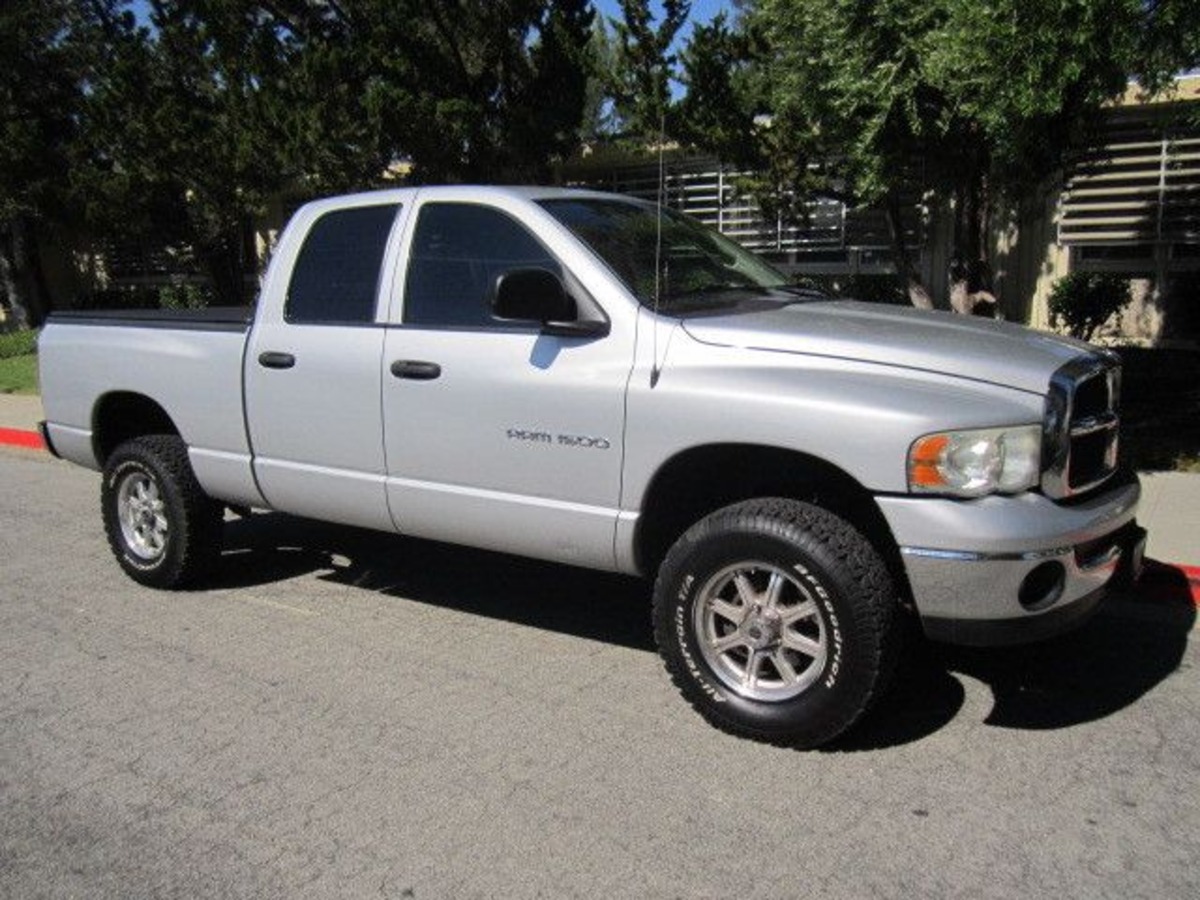
5. Dodge Ram 1500 (Older Generations)
Older Dodge Ram 1500 models have a reputation for slow cabin heating, a trait that has frustrated many owners, especially during winter months. These trucks are powered by large V8 engines that do produce ample heat once warmed, but getting the engine to operating temperature can be a slow process, particularly in very cold weather.
The cooling system in these older Rams is basic, utilizing a mechanical water pump driven by the engine itself. During cold starts, the low engine idle speed restricts the coolant flow rate, slowing the circulation of warm coolant through the heater core. This limitation delays the time before warm air begins to blow into the cabin vents.
The heating blower fans in older Ram models are often not strong enough to rapidly distribute warm air throughout the large cabin space. The cabin volume and size also mean more air needs to be heated, increasing the warm-up time. Additionally, insulation levels were less advanced in earlier models, causing heat to dissipate faster than in more modern trucks.
These older Rams also lack remote start and advanced climate control systems that many newer trucks have, which help reduce the time drivers spend waiting for the cabin to warm. Consequently, the slow warm-up characteristic remains a downside for those who drive these trucks in colder climates.
Also Read: 5 Obscure Pickup Brands With Durable Trucks vs 5 Famous Trucks With Nightmares
Understanding how different vehicles perform in terms of warm-up time is essential for anyone who regularly drives in cold weather conditions. The speed at which a vehicle warms up affects not only driver and passenger comfort but also safety, fuel efficiency, and even the longevity of the engine.
Throughout this article, we explored five vehicles known for their quick warm-up times and five others that tend to heat up more slowly. These differences arise from various factors, including engine design, heating system technology, coolant circulation methods, and vehicle insulation quality.
Vehicles like the Subaru Outback, Toyota RAV4, and Honda CR-V showcase how modern engineering can significantly improve the warm-up process. Their efficient engines, smaller coolant volumes, advanced thermostats, and powerful heating systems combine to deliver heat quickly to the cabin.
These cars often include features like dual-zone climate control and remote start, which provide additional convenience by allowing drivers to precondition the interior temperature before entering the vehicle. Such technologies not only enhance comfort but also reduce the risk of accidents caused by fogged or iced-over windows, improving safety.
The Ford F-150 with EcoBoost engines and the Tesla Model 3 represent two distinct approaches to rapid heating. The F-150’s turbocharged engines and electric coolant pumps enable quick heat generation and distribution, making this large truck surprisingly quick to warm.
On the other hand, the Tesla Model 3’s electric heat pump system offers a fundamentally different solution by eliminating reliance on engine waste heat altogether.
This allows for almost instantaneous cabin heating, especially when combined with pre-conditioning while plugged in. These examples highlight how innovation across vehicle types and powertrains can effectively tackle the challenge of cold-weather comfort.
Conversely, the Jeep Wrangler, older Chevrolet Silverado models, certain Volkswagen Jetta trims, Nissan Frontier, and earlier Dodge Ram 1500s illustrate the challenges faced by vehicles with slower warm-up characteristics.
Factors such as larger coolant volumes, traditional mechanical water pumps, longer coolant paths, weaker blower fans, and less advanced climate control systems contribute to their delayed heating performance.
While these vehicles often excel in other areas like ruggedness, towing, or affordability, their slow warm-up times can detract from daily comfort during harsh winters.
For owners of these vehicles, understanding the limitations of their heating systems can help set realistic expectations and encourage the use of additional strategies to mitigate discomfort, such as remote starters or aftermarket cabin heaters where possible.
It is important to recognize that the warm-up experience is influenced by a variety of factors beyond just the vehicle’s make and model. Ambient temperature, engine size, type of fuel, driving habits, and even the quality of the vehicle’s insulation all play a role in how quickly a car becomes warm and comfortable.
Drivers should also consider maintenance issues, such as thermostat function, coolant condition, and heater core cleanliness, which can impact heating efficiency. Keeping these components in good condition ensures that the heating system performs optimally throughout the vehicle’s life.
For those living in particularly cold climates, selecting a vehicle with a reputation for fast warm-up times can greatly enhance everyday driving comfort and safety.
Advances in technology continue to make it possible for more vehicles to heat cabins efficiently and quickly, even in sub-zero temperatures. Features such as electric coolant pumps, heat pumps, remote start, and automatic climate control are becoming more common, and their integration into future vehicles promises to reduce warm-up times further.
In summary, the speed of vehicle warm-up is a multifaceted topic involving mechanical design, technology, and practical user experience. Whether prioritizing a quick warm-up for daily comfort or understanding the trade-offs of a slower system, this knowledge empowers drivers to make informed decisions suited to their climate and lifestyle.
By paying attention to both vehicle choice and proper maintenance, drivers can ensure that their journeys start off warm, safe, and comfortable, no matter how cold it gets outside.
