
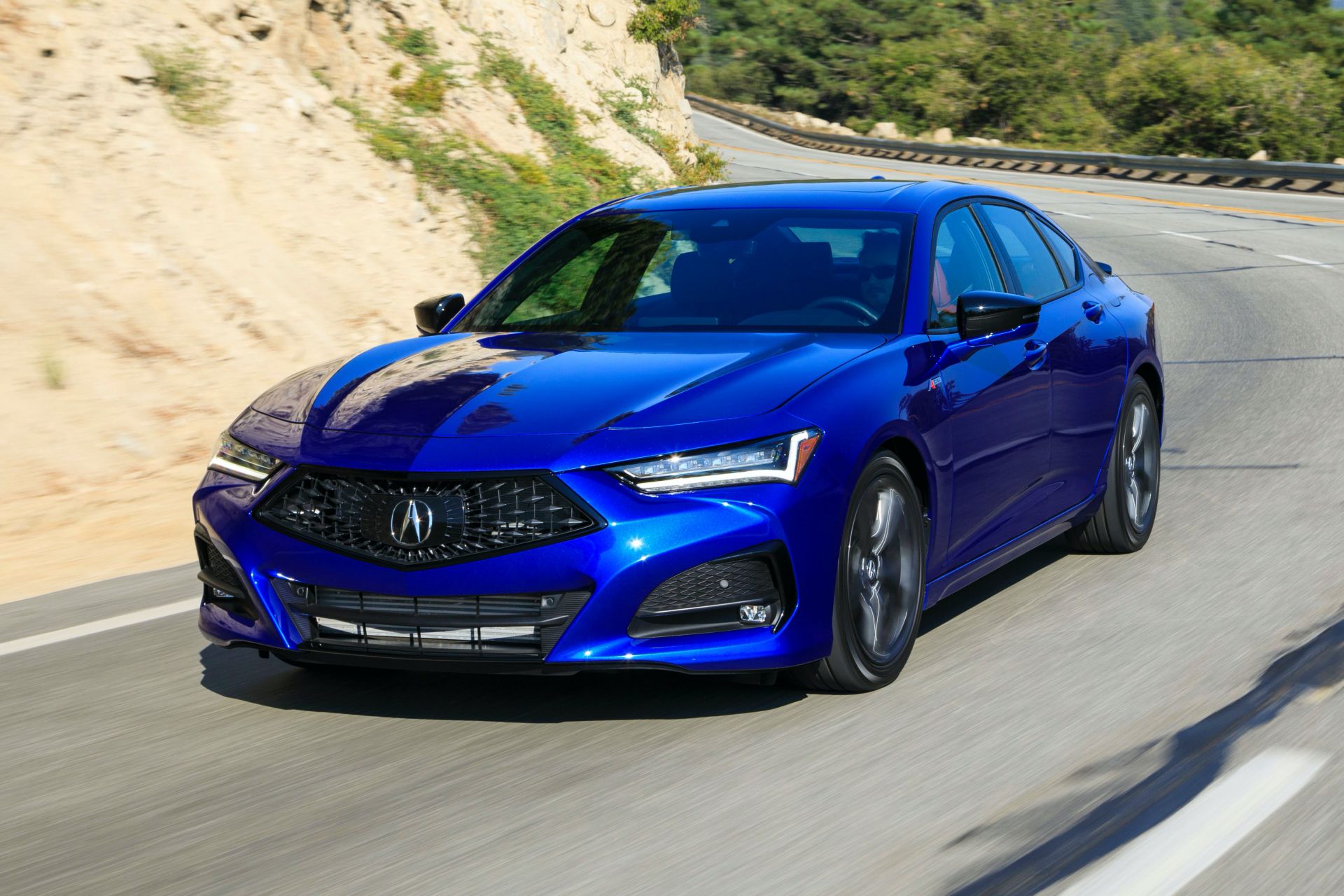
When shopping for a used sedan or evaluating the long-term value of a car already sitting in your driveway, one question often sits just below the surface: How long will the transmission last? It’s not a flashy consideration like horsepower or touchscreen size, but it’s arguably the most important mechanical factor in a car’s real-world longevity.
While many components can be repaired or replaced with relative ease, the transmission is both expensive and labor-intensive to fix. That makes a sedan with a strong, reliable factory transmission not just convenient but essential for anyone who wants to get the most out of their vehicle.
In recent decades, automotive engineering has seen massive changes. Manufacturers have experimented with continuously variable transmissions (CVTs), dual-clutch gearboxes, and electronically controlled systems in pursuit of efficiency, performance, and emissions compliance. Some of these systems have proven reliable; others haven’t.
There are models out there with gearboxes that begin to fail before 100,000 miles, even with regular maintenance. On the other hand, some sedans have quietly built a reputation for housing transmissions that just keep working, year after year, mile after mile, without requiring major service or replacement.
This list focuses on those dependable sedans. These are cars that have survived well beyond expectations, with factory transmissions that are still functioning as they did when they rolled off the assembly line.
Many of them don’t make headlines or top “best of” lists, but they’re beloved by mechanics, trusted by commuters, and proven in daily life. You’ll find them in city traffic, rural highways, and dealership service records, often still shifting as smoothly at 180,000 miles as they did at 18,000.
Each vehicle in this group represents a different approach to transmission longevity. Some use traditional hydraulic automatics with minimal electronics. Others succeed with refined CVTs or well-calibrated torque converter automatics.
But they all share a common trait: careful engineering that prioritizes balance between the engine’s output and the transmission’s tolerance.
None of these cars were designed to win races or draw crowds at car shows. Instead, they were built for real-world use, for taking families to school, employees to work, and weekend travelers to new destinations, day after day, year after year.
In evaluating these sedans, we’ve focused on real-world reports, service histories, and mechanical design. This isn’t a speculative list based on lab testing or short-term performance data.
It’s about practical durability. The cars listed here don’t require babying, but they do reward regular maintenance and reasonable driving habits. They represent a blend of smart engineering and functional simplicity, and they’ve shown the ability to outlast trends, ownership changes, and tough road conditions.
Whether you’re considering a used purchase, assessing your current vehicle’s long-term outlook, or simply curious about what makes a transmission reliable, this guide offers a clear look at ten sedans that have more than earned their reputation. These are the models where the factory-installed transmission doesn’t just meet expectations, it exceeds them, often well into six-digit mileage territory.
Also Read: 5 Trucks That Improved Safety Over Generations vs 5 That Regressed
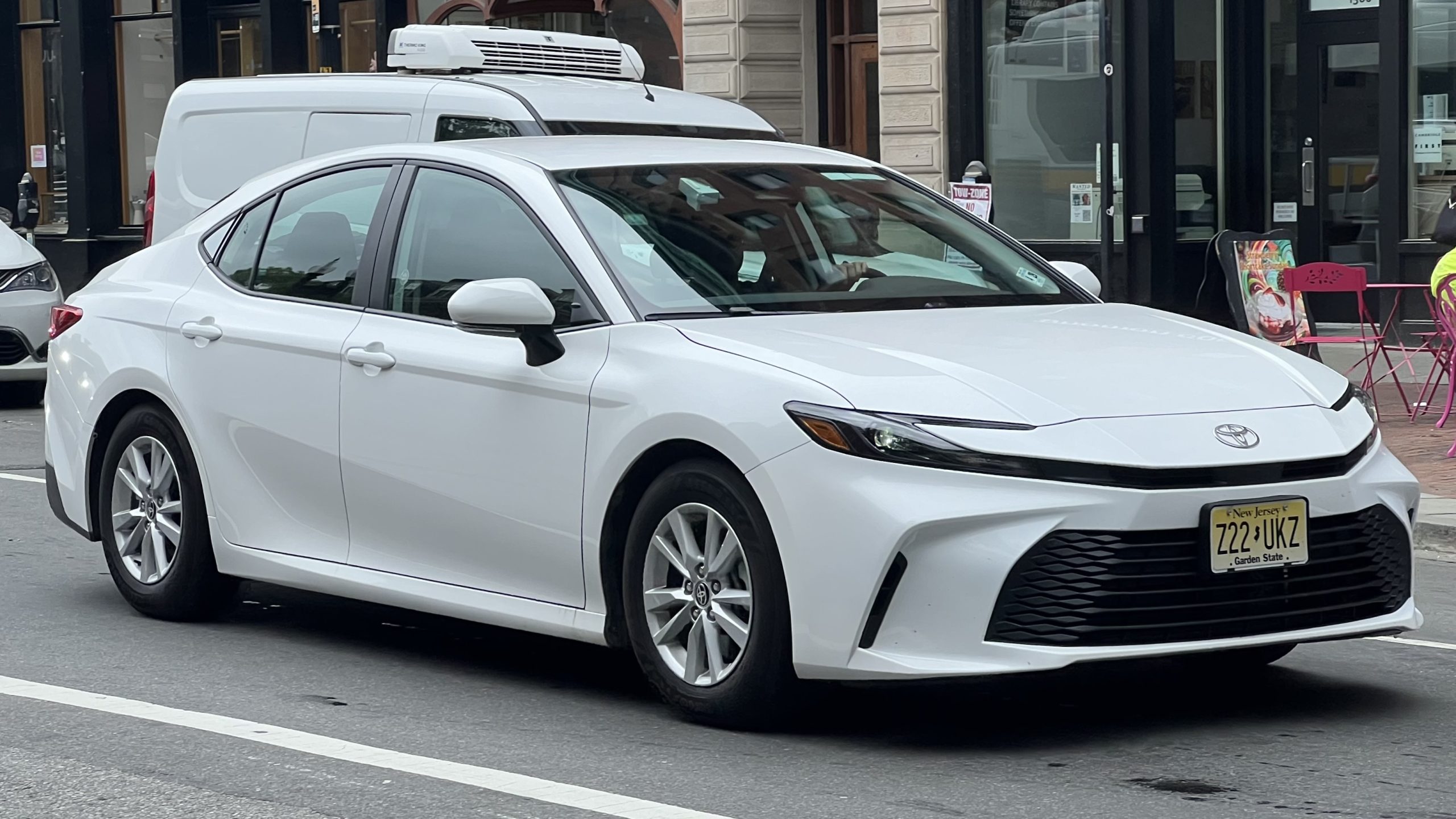
1. Toyota Camry (2007–2011)
The mid-2000s Toyota Camry, particularly the models from 2007 to 2011, is one of the most reliable midsize sedans ever made. One of the key reasons for its reputation is the Aisin U660E 6-speed automatic transmission found in many trims. Toyota didn’t take unnecessary risks with this generation.
Instead, it focused on refining a known platform. The result was a vehicle that could handle high mileage with minimal drivetrain issues. Many of these cars are still on the road today with over 200,000 miles on the original transmission.
Aisin, Toyota’s in-house supplier, designed this transmission with a simple but effective hydraulic logic and smooth shifting patterns. Unlike some competitors, which experimented with early dual-clutch systems or problematic CVTs, Toyota stuck with traditional automatics that were easier to service and less prone to failure.
Owners frequently report that regular fluid changes and a calm driving style are enough to keep the factory transmission running strong for well over a decade. It rarely shows early signs of wear, and when it does, it’s usually due to extreme neglect.
Another factor in the Camry’s transmission success is the consistency in its engine-transmission pairing. The 2.4L four-cylinder engine, paired with the 6-speed auto, never pushed the limits of what the transmission could handle.
This balance allowed for less internal stress, meaning the components inside the gearbox experienced slower rates of wear. Toyota’s approach wasn’t about performance; it was about predictability and longevity, which is why mechanics often praise this setup for its resilience.
Even today, finding a Camry from this era with its original transmission isn’t difficult. Listings frequently show mileage above 180,000 without any major transmission work.
For used car buyers, this generation continues to offer peace of mind, especially for those needing a daily driver that won’t bring unexpected repair bills. It’s a testament to the value of conservative design and consistent engineering.
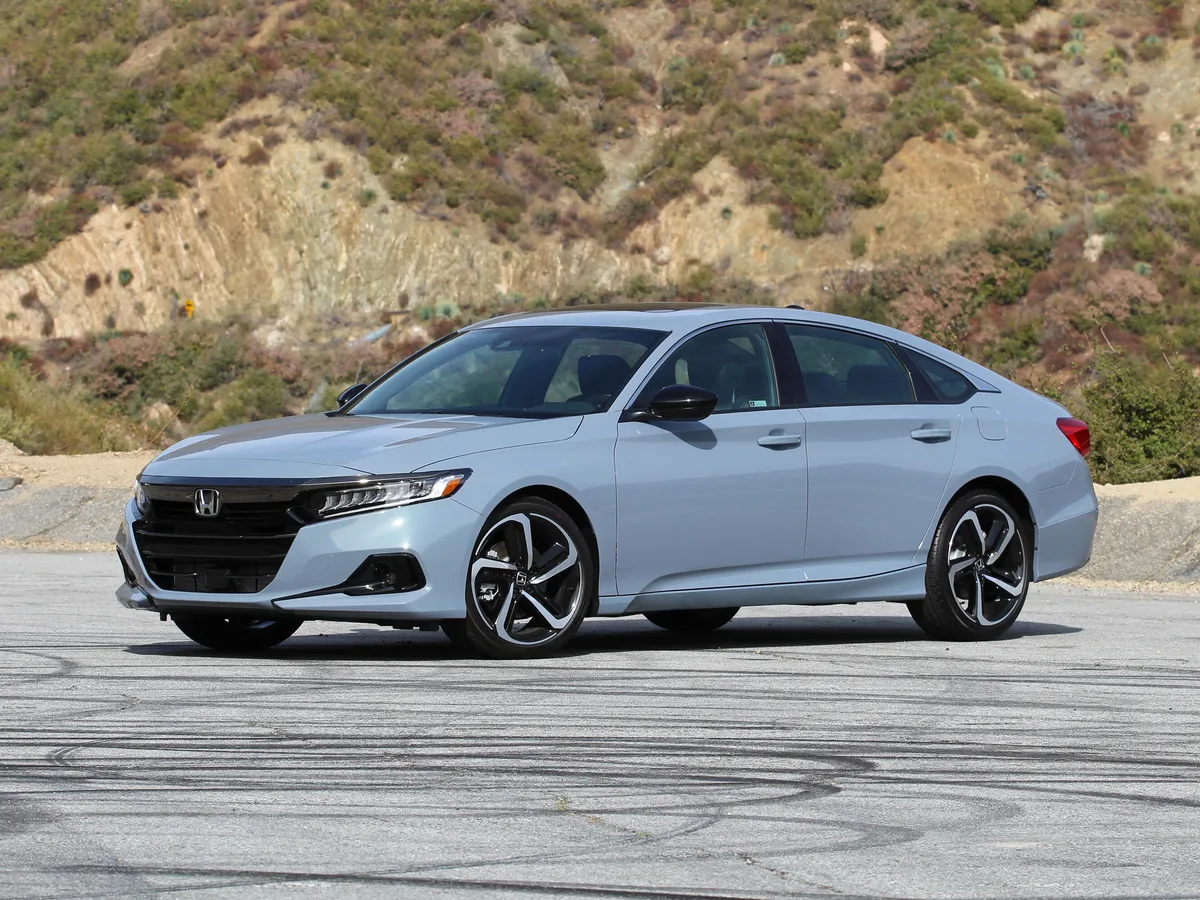
2. Honda Accord (2013–2017)
The Honda Accord from 2013 to 2017 was a return to form for a nameplate that has long stood for dependability. While earlier 2000s Accords had issues with automatic transmission failures, particularly in V6 models, Honda corrected many of those problems in this generation.
The Earth Dreams CVT used in the four-cylinder models and the six-speed automatic found in V6 trims both showed significant improvements in durability and reliability. This marked a shift in Honda’s commitment to longevity over experimentation.
For the four-cylinder models, the CVT proved to be a surprising success. Honda had refined its CVT design to reduce belt slippage, overheating, and jerky acceleration, all common complaints in other makes using similar systems.
Regular fluid changes using the correct proprietary fluid made a massive difference, and owners who stuck to the schedule were often rewarded with 150,000–200,000 miles of smooth, consistent operation. These transmissions rarely show early mechanical breakdowns if maintained properly.
The six-speed automatic used in V6 trims offered a more traditional feel and was generally considered bulletproof. It responded well to both spirited driving and gentle cruising, and it didn’t suffer from premature wear under typical conditions.
Unlike some rivals that introduced overly complicated gearboxes with ten or more speeds, Honda kept things simple, which in turn meant fewer parts to fail and lower repair costs. As a result, this generation of Accord is often found in high-mileage lists with factory transmissions still going strong.
These cars are still widely used by ride-share drivers, commuters, and families because of their balance between practicality and reliability. When maintained properly, there’s no reason the factory transmission can’t last for the life of the vehicle. For those who value a mix of modern features and old-school dependability, this generation of Accord continues to deliver.
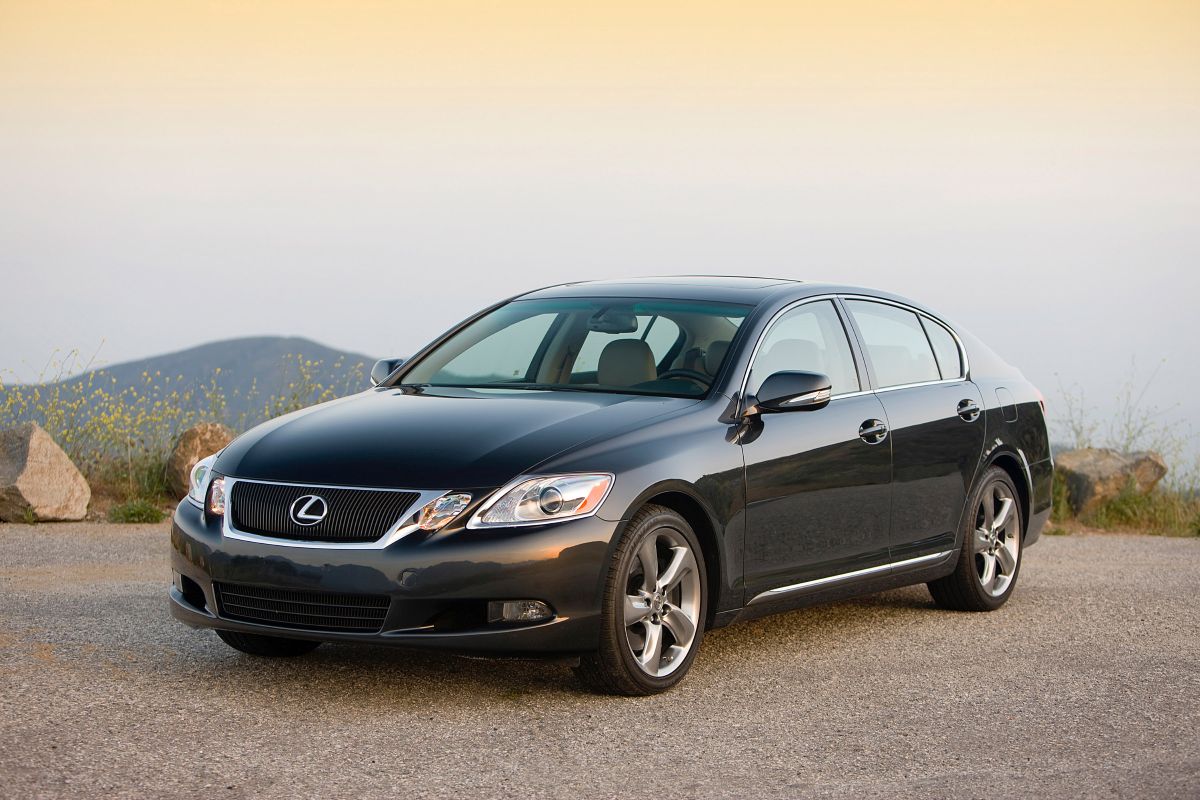
3. Lexus ES 350 (2010–2015)
Lexus has long been a brand associated with luxury, but the ES 350 from 2010 to 2015 also solidified its reputation for long-lasting mechanical integrity. Sharing its platform with the Toyota Camry, the ES 350 benefits from the same Aisin U660E transmission, though it’s paired with a more powerful V6 engine.
Despite the higher output, the transmission in these models has consistently proven itself capable of surviving hundreds of thousands of miles without internal failure.
The smooth-shifting nature of the transmission complements the ES 350’s quiet and refined ride. Lexus fine-tuned the transmission logic to suit luxury driving habits, which typically involve less aggressive throttle use and steadier speeds.
This reduction in aggressive shifts and lower stress on the gears helps extend the life of the transmission. Owners who drive conservatively often report factory gearboxes lasting well beyond 200,000 miles with minimal servicing.
What separates the Lexus from its Toyota sibling isn’t just luxury materials, but the added attention to detail in the drivetrain calibration. Lexus service intervals also tend to encourage earlier fluid changes, and the dealership network has a reputation for proactively maintaining vehicles. As a result, the transmission remains in better condition over time, particularly in one-owner cars with full service histories.
Even in the used car market, the ES 350 stands out as a top choice for buyers seeking a comfortable and dependable sedan with a factory transmission that’s likely still in good condition.
While repairs on luxury vehicles can be more expensive, the ES 350 rarely needs serious transmission work, which offsets some of the higher maintenance costs. For those wanting a luxury car that can handle daily use without costly surprises, this model remains a smart investment.
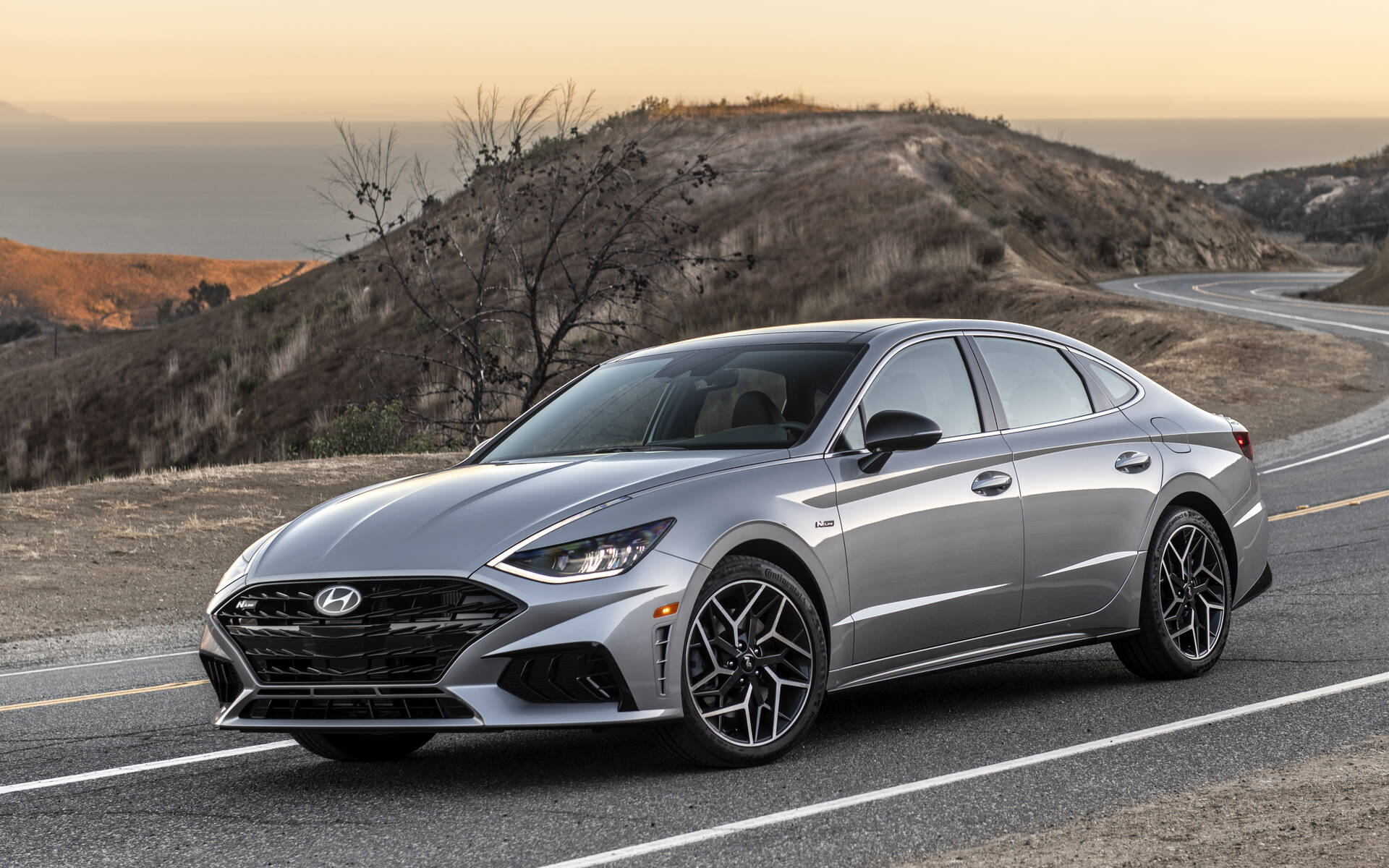
4. Hyundai Sonata (2011–2014)
The Hyundai Sonata from 2011 to 2014 was a major turning point for the Korean automaker. Not only did it debut a bold new design language, but it also introduced improved powertrains that were more competitive with Japanese and American rivals.
One of the most notable features was its 6-speed automatic transmission, developed in-house by Hyundai. This transmission, labeled A6MF1 for the 2.4L four-cylinder version, was part of a larger strategy to reduce reliance on outside suppliers while improving long-term reliability.
While Hyundai once had a mixed reputation for transmission quality, this generation helped change that. The 6-speed unit shifted smoothly, resisted overheating, and was less prone to early failure compared to previous models. One reason for its success was the conservative gear ratios and improved fluid pressure control systems.
These changes allowed the transmission to better handle stop-and-go traffic as well as highway cruising. With proper maintenance, many owners have reported hitting 175,000 to 200,000 miles with no internal issues.
The transmission’s ability to hold up under pressure also made it a favorite among Uber and Lyft drivers. In online forums and ownership groups, there are dozens of reports of Sonatas from this period reaching high mileage without needing transmission replacement or overhaul.
The transmission’s torque converter was also redesigned to improve durability, particularly under moderate to heavy loads. Combined with a relatively efficient cooling system, it gave the gearbox a better chance at longevity.
Hyundai’s warranty coverage at the time, which extended powertrain protection for up to 10 years or 100,000 miles, also gave buyers confidence.
As long as fluid was changed at recommended intervals and the car wasn’t abused, this transmission rarely failed early. For budget-conscious shoppers or those looking for an affordable daily driver, the 2011–2014 Sonata remains a solid option with a reputation for lasting factory gearboxes.
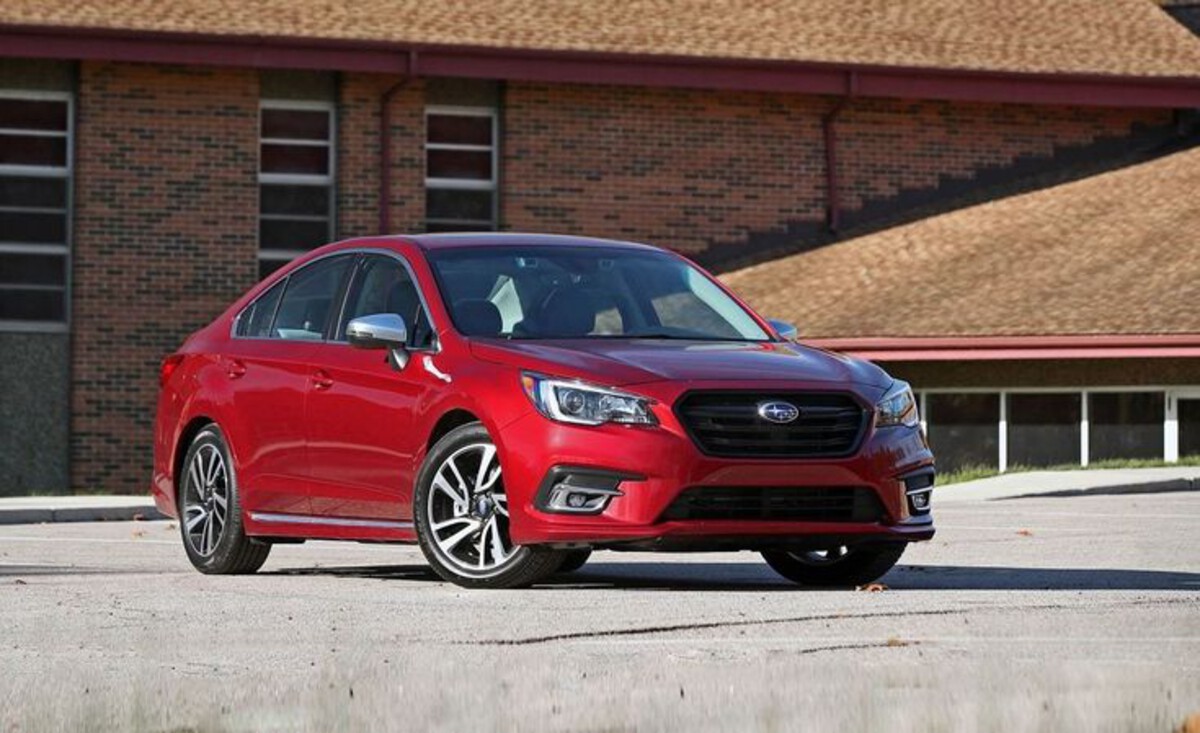
5. Subaru Legacy (2015–2019)
The Subaru Legacy from 2015 to 2019 offers a slightly different take on the reliable sedan. Known for its standard all-wheel drive and boxer engines, this model also came with a Lineartronic CVT that surprised many with its long-term reliability.
While early Subaru CVTs had issues, particularly in the 2010–2012 range, the later versions showed substantial improvements. Paired with either the 2.5L or 3.6L engines, the transmission in these models has been known to last well into the 150,000 to 200,000-mile range without major failure.
The updated CVT used in the Legacy during this period features a stronger belt design, enhanced cooling systems, and revised software to reduce wear during aggressive acceleration or steep climbs.
Subaru also addressed earlier complaints of “rubber band” feel by improving simulated gear steps, giving drivers a more traditional shifting sensation. These improvements helped reduce internal stress and increased the longevity of components like the pulley system and torque converter.
Routine maintenance plays a critical role in the success of Subaru’s CVTs. Owners who followed recommended service intervals, particularly fluid changes every 60,000 miles, typically avoided major problems.
In many cases, it’s the neglect of fluid servicing that causes CVT problems, not the design itself. Subaru also began using high-quality transmission fluids with longer life and better resistance to heat breakdown, which further improved the durability of the factory units.
Many Legacy owners report vehicles surpassing 180,000 miles on the original transmission, particularly when the car is driven conservatively. While it’s not as bulletproof as some traditional automatics, the revised CVT in this generation proved that the technology could be both efficient and durable.
For those living in regions with bad weather or mountainous terrain, the Legacy continues to offer a unique combination of safety and reliability.
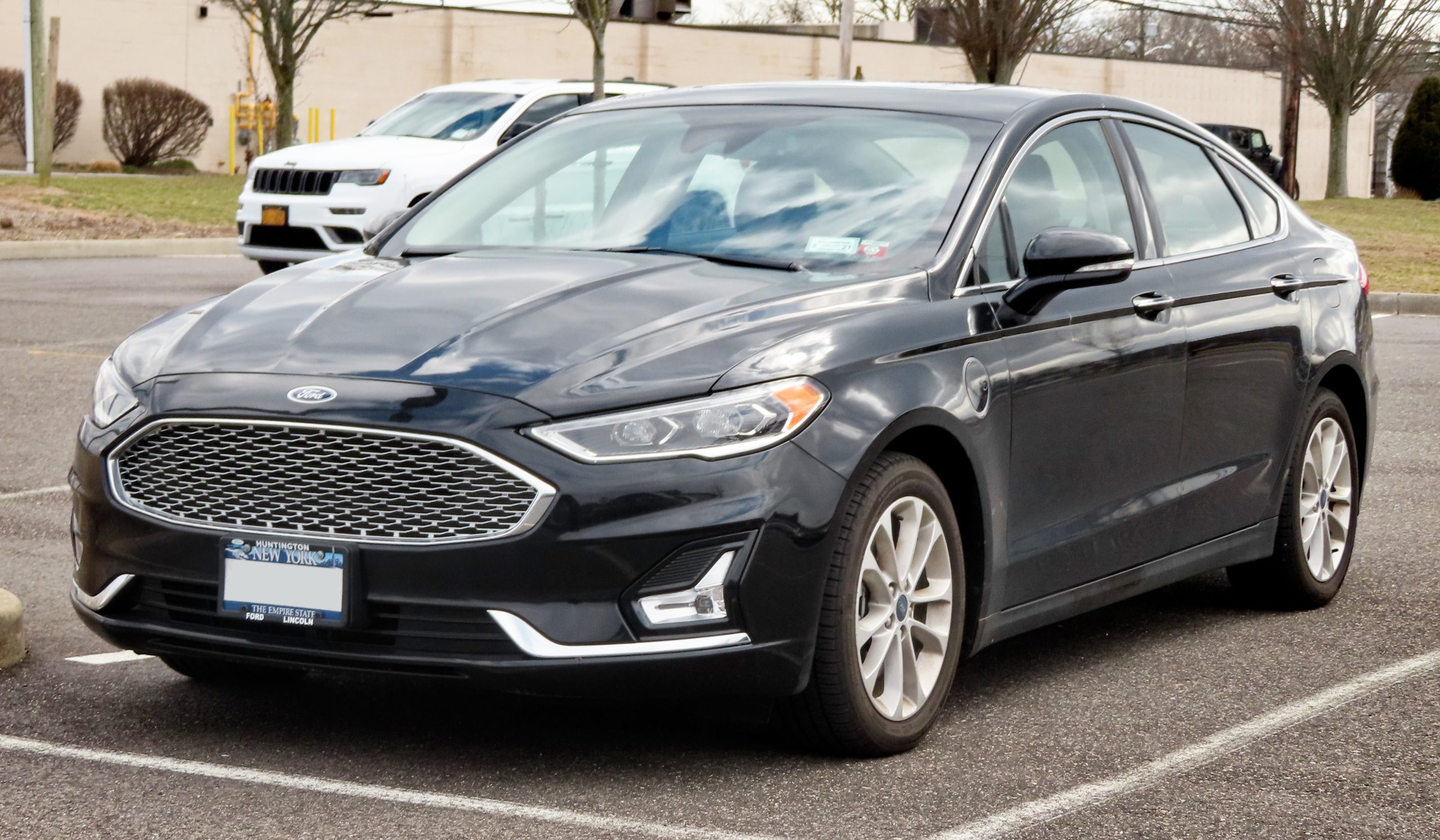
6. Ford Fusion (2010–2012)
The 2010 to 2012 Ford Fusion might not be the flashiest sedan on the market, but it’s a model that quietly built a reputation for transmission reliability.
Especially in four-cylinder versions equipped with the 6F35 six-speed automatic transmission, the Fusion delivered a driving experience that was both consistent and mechanically dependable. Ford had faced earlier issues with the 6F35 in the late 2000s, but by 2010, many of the initial flaws had been addressed.
One of the improvements made in this generation was the recalibration of shift logic, which helped reduce premature wear on clutch packs and valve bodies.
Ford also improved the transmission’s internal components, particularly the torque converter and planetary gearsets. These changes led to smoother operation and a longer lifespan. Owners who stuck to regular maintenance found that the transmission could easily pass the 150,000-mile mark with no major problems.
Unlike dual-clutch or CVT systems found in some rival sedans, the Fusion’s conventional automatic transmission proved simpler to repair and more forgiving under poor maintenance conditions.
This made it an attractive option for fleet services and municipal use, where vehicles are often pushed hard and maintained to a budget. The Fusion’s transmission handled daily abuse without the kind of catastrophic failures that plagued some competitors.
Although not as glamorous as a luxury nameplate, the 2010–2012 Fusion remains a dependable used option for drivers looking for a car with a track record of mechanical reliability.
It’s not uncommon to find examples on the used market with 170,000 miles and a factory-installed transmission that’s still operating without issue. Combined with decent fuel economy and solid crash safety ratings, this generation of Fusion continues to earn respect from practical-minded drivers.
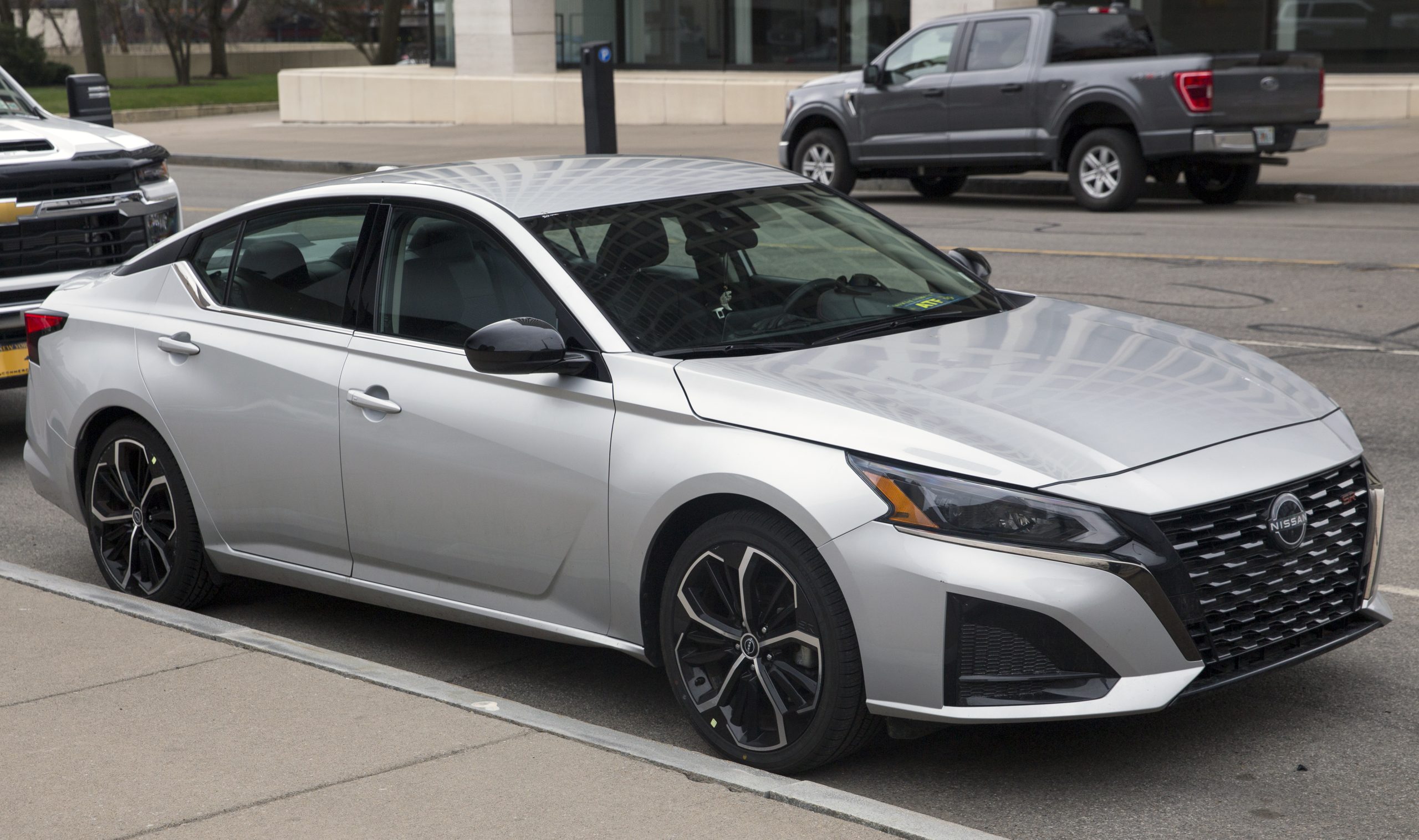
7. Nissan Altima (2013–2015)
The Nissan Altima has had a mixed record with its transmissions, especially when it comes to CVTs. However, the 2013–2015 models showed a noticeable improvement in reliability over earlier versions.
This was largely due to updates to the Jatco CVT8 transmission, which included stronger belts, better cooling systems, and refined software mapping to prevent premature wear. As a result, this generation of Altima has performed better than expected in long-term usage studies.
Nissan’s approach to improving their CVT included making the transmission less aggressive in its response to throttle input. This minimized heat buildup and stress on internal parts.
With the right driving habits and regular fluid service, the transmission could last well over 150,000 miles. Many Altima owners from this generation have driven their cars to high mileages without ever having to replace or rebuild the transmission, which is a stark contrast to earlier CVT-equipped models.
While the Altima’s CVT doesn’t offer the sharp driving feel of a traditional gearbox, it does excel at efficiency and consistent performance. Drivers who favored steady acceleration and avoided constant heavy throttle input were less likely to encounter transmission issues. Combined with the efficient 2.5L four-cylinder engine, the Altima delivered strong fuel economy while maintaining drivetrain integrity.
Today, this generation of Altima remains a common sight on the road and in the used car market. Although potential buyers should be aware of the vehicle’s service history, particularly regarding fluid changes, it’s entirely possible to find a well-kept Altima from this era still running strong on its original transmission. For those willing to put in the effort to maintain it, the reward is a car that delivers a comfortable and reliable ride.
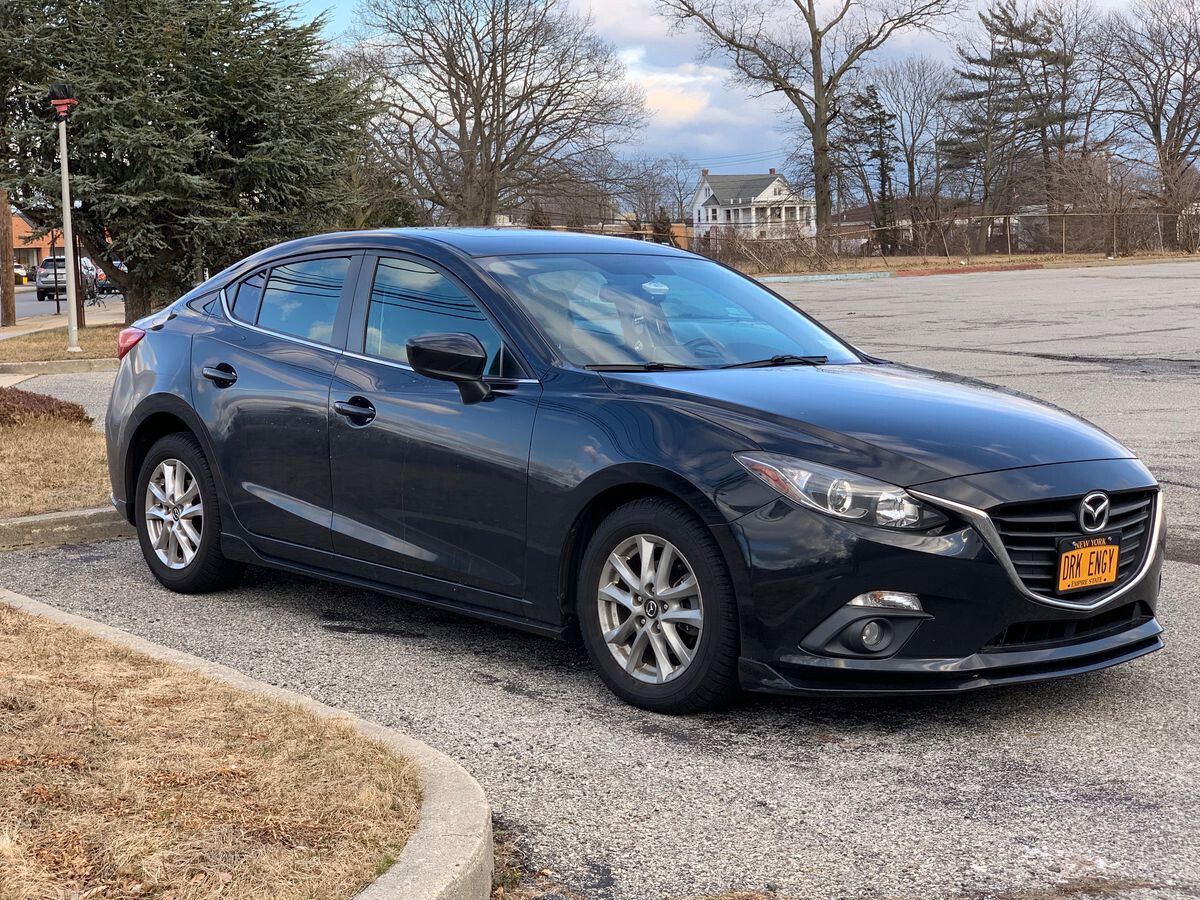
8. Mazda6 (2014–2017)
The Mazda6 from 2014 to 2017 marked a significant shift in how Mazda approached both styling and engineering. This generation, built on the Skyactiv platform, combined sporty handling with solid reliability. One of its standout components was the Skyactiv-Drive 6-speed automatic transmission.
Unlike some competitors that leaned heavily into CVT or dual-clutch setups, Mazda kept faith in the traditional torque converter automatic but reengineered it to be more efficient and more durable without compromising driving enjoyment.
The Skyactiv-Drive system was designed to merge the best of multiple worlds. It utilized a torque converter for low-speed smoothness, a lock-up clutch for fuel efficiency, and an optimized shift logic for quick response.
By keeping the design relatively simple and avoiding some of the more complex components seen in other advanced automatics, Mazda reduced the chances of mechanical failure. The result was a transmission that rarely saw major problems, even in high-mileage vehicles. Mechanics appreciated its ease of service and its resistance to overheating.
Another major factor in its long-term success was Mazda’s decision to tune the vehicle conservatively. The 2.5L naturally aspirated engine didn’t push the limits of the transmission’s torque handling capability. That balance between engine output and gearbox tolerance meant reduced wear and lower internal stress.
The lack of forced induction in this model generation helped avoid the rapid heat buildup and torque spikes that often damage transmissions in turbocharged cars. With regular fluid changes and normal driving habits, many owners report the original transmission lasting well past 200,000 miles.
Driver feedback has also been largely positive regarding the smoothness and reliability of the Skyactiv transmission. Whether used in city traffic or long highway drives, it held up well under various conditions. Fleet operators and commuters especially noted that even under daily usage, the gearbox continued to perform without major degradation.
It’s now common to see this generation of Mazda6 available on the used market with the original transmission still intact and functioning. That consistency makes it a strong contender for buyers seeking a sporty yet dependable sedan that can stand the test of time.
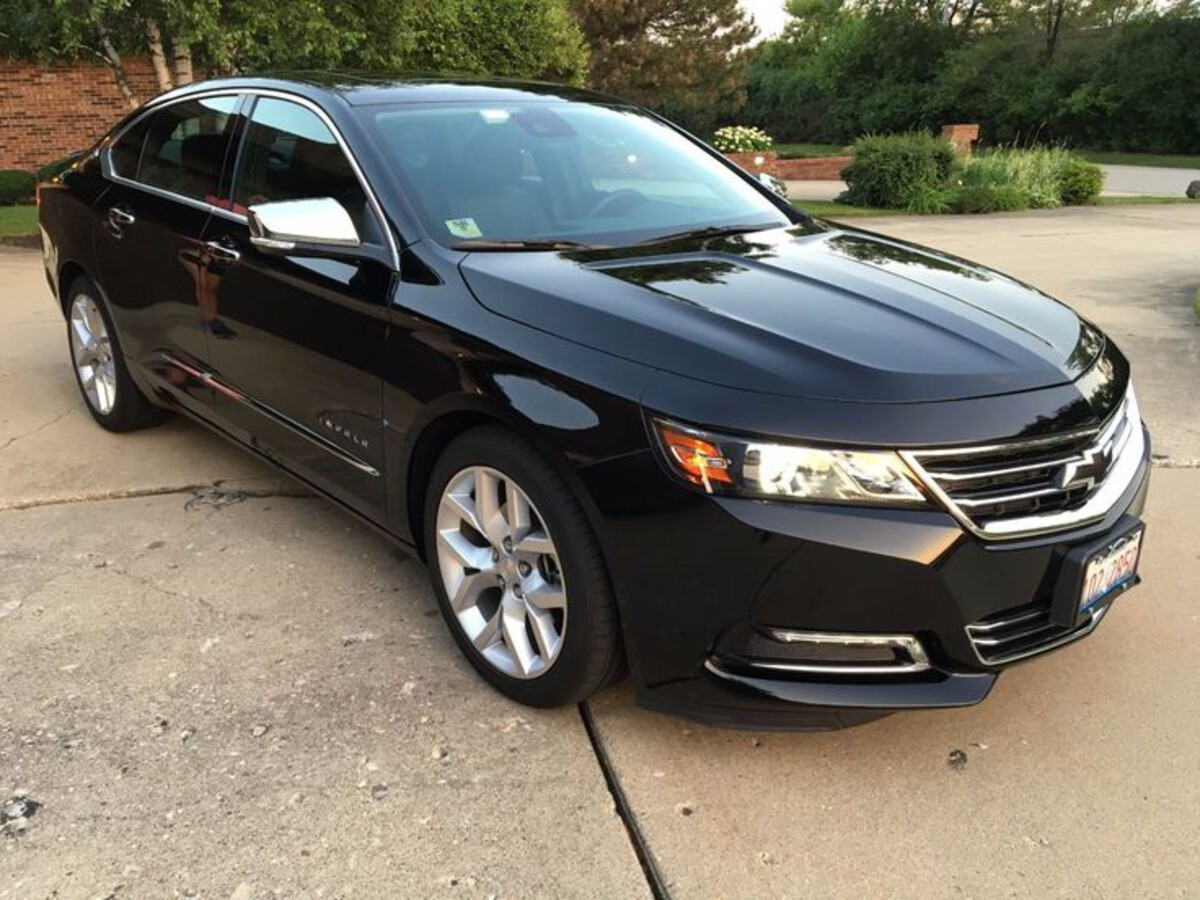
9. Chevrolet Impala (2014–2019)
The 2014–2019 Chevrolet Impala was a full-size sedan that earned praise for its spacious interior, strong V6 engine, and surprisingly resilient factory-installed transmission. GM equipped most models with the 6T70 or 6T75 six-speed automatic, depending on engine configuration.
This transmission was developed internally by GM and had already seen several refinements before being introduced in this generation of the Impala. By this point, most of its early bugs had been ironed out, resulting in a very capable and long-lasting unit.
The 6T70-series automatic proved to be well-suited to the Impala’s relaxed driving dynamics. In most real-world use cases, the transmission rarely experiences stress beyond what it was designed to handle. Shifts were smooth, the torque converter lock-up was responsive, and drivability remained consistent even after years of use.
Many fleet vehicles, including rental and law enforcement units, put over 150,000 miles on the original gearbox without the need for internal repairs. That’s a strong indicator of its durability, especially under varied driving conditions.
Another factor working in the Impala’s favor was GM’s attention to transmission cooling. The 6T70 series incorporated better fluid circulation and heat management compared to its predecessors. This allowed the transmission to perform reliably even in warmer climates and under load.
Proper fluid maintenance remained essential, of course, but the transmission wasn’t particularly fragile. As long as basic care was followed, such as timely fluid changes and not towing over capacity, the transmission continued to deliver smooth performance.
Chevrolet’s goal with the Impala during this time was to provide a car that could handle long commutes, rental fleets, and family hauling without incurring high service costs. In that respect, they succeeded.
The large number of high-mileage Impalas on the used market still equipped with their original transmissions is evidence of that achievement. It may not be as flashy as other sedans, but the 2014–2019 Impala remains a quietly reliable choice, especially for drivers who prioritize long-term durability over brand prestige.
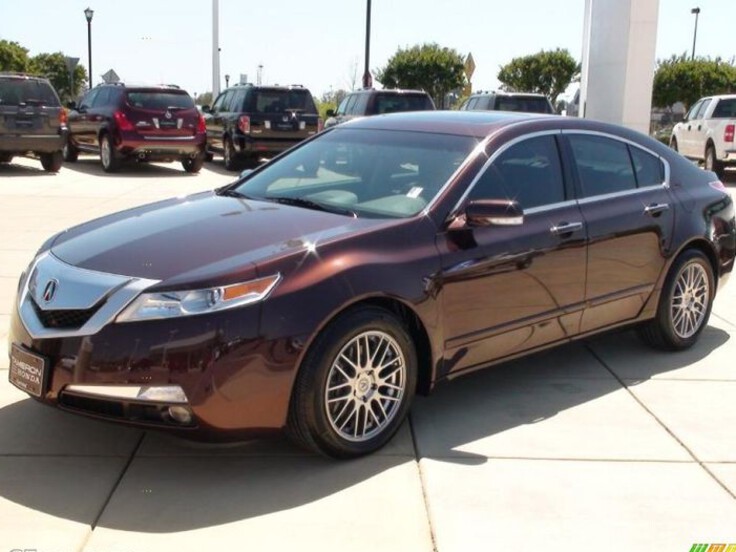
10. Acura TL (2009–2012)
The 2009–2012 Acura TL marked a significant improvement over earlier models in terms of transmission reliability. Earlier versions of the TL, particularly the early 2000s, had notorious issues with premature transmission failure, especially in automatic V6 models.
Learning from those problems, Acura redesigned and reinforced the 5-speed automatic in the later models. The result was a transmission that not only functioned more smoothly but also held up impressively well under normal driving conditions, even with a powerful V6 under the hood.
What made this transmission stand out was its structural reinforcement and revised fluid management. Acura added better cooling systems, hardened gear components, and improved shift logic. These refinements addressed most of the pain points from earlier versions.
The transmission could now handle the 3.5L and 3.7L V6 engines without suffering from overheating or early internal wear. Owners began to notice the difference, as TLs from this generation started to hit 180,000 and even 200,000 miles with their original factory gearbox still performing reliably.
Enthusiasts also appreciated the balance between performance and longevity. The TL was marketed as a luxury sports sedan, and the transmission held up even under spirited driving conditions.
It wasn’t unusual for these vehicles to see hard acceleration, aggressive cornering, and higher average speeds. Despite this, many of these transmissions continued to operate smoothly with nothing more than routine fluid servicing. That kind of reliability, especially in a performance-oriented luxury car, is rare and commendable.
The TL’s strong factory transmission performance has helped improve Acura’s long-term reputation. Many of these sedans remain in service today, often with high mileage and original drivetrains.
The used car market has recognized this trend, and well-kept TLs from this era still attract buyers who understand the mechanical improvements Acura made. As a result, this generation of the TL has gained a quiet following among drivers who want both performance and peace of mind.
Also Read: Top 10 Cars With Durable Upholstery Offering Long-Lasting Interiors
As the auto industry pushes further into complexity, with hybrid drivetrains, electric motors, and software-controlled everything, it becomes even more impressive when a traditional factory transmission continues to function perfectly after years of service.
The ten sedans covered in this list have not only proven their mechanical endurance, but they’ve also offered something increasingly rare: confidence. Confidence that the car will start every morning. Confidence that the gears will engage without delay. And confidence that the money you’ve spent wasn’t just on temporary convenience but on lasting utility.
Transmission failures are often what send otherwise good cars to the scrapyard. That’s why the sedans highlighted here deserve special recognition. In most of these models, the transmission was not the most talked-about feature when they launched. No flashy ads were made for their shift logic or internal clutch durability.
But through years of daily driving, they’ve proven to be some of the most resilient components on the road. That kind of longevity doesn’t happen by chance. It’s the result of conservative design choices, real-world testing, and a refusal to cut corners where it matters.
It’s also worth noting that none of the sedans on this list are considered exotic. They’re not out of reach for the average driver. Most are widely available on the used market and can be found with clean service histories and original parts still in place.
That accessibility makes this kind of mechanical dependability even more valuable. It’s one thing for a luxury car to have a robust transmission with limited usage; it’s another for a family sedan that’s clocked 180,000 miles in city traffic to still shift without issue.
If there’s a lesson to be taken from this list, it’s that long-term reliability doesn’t require high-tech solutions or constant redesigns.
Often, the best results come from manufacturers that refine proven platforms, prioritize compatibility between engine and gearbox, and resist the urge to overcomplicate the drivetrain. These sedans weren’t engineered to be the latest thing. They were built to be a lasting thing. That’s why they’re still out there, on the road, quietly racking up miles.
For owners, these models offer peace of mind. For buyers, they represent smart choices. And for manufacturers, they serve as reminders that a well-built transmission is still one of the most valuable features a car can offer.
As vehicle design continues to evolve and newer, more complex gearboxes become the norm, the legacy of these sedans lives on as proof that simple, durable engineering can outperform the competition over time.
So if you’re looking for a car that won’t quit on you after 100,000 miles, the ten sedans in this list are more than just names; they’re examples of what’s possible when performance meets patience and design meets discipline.
With proper maintenance and a bit of mechanical respect, the original transmissions in these vehicles will likely keep shifting far longer than most people expect. That’s not just reliability, it’s a quiet form of excellence.
